
Irish Boxty (Irish potato cakes): History, Variations, and a Traditional Recipe
Boxty(Irish: bacstaí or steaimpí, pronounced BAHK-stee) is a traditional Irish potato pancake. Growing up in Ireland, we often called it “fadge,” and we ate it at weekend breakfasts alongside a Full Irish. Across Ireland (and parts of Scotland), you’ll hear boxty and potato cakes called slims, fadge, poundy/poundies, potato pancakes, and—confusingly—farls.
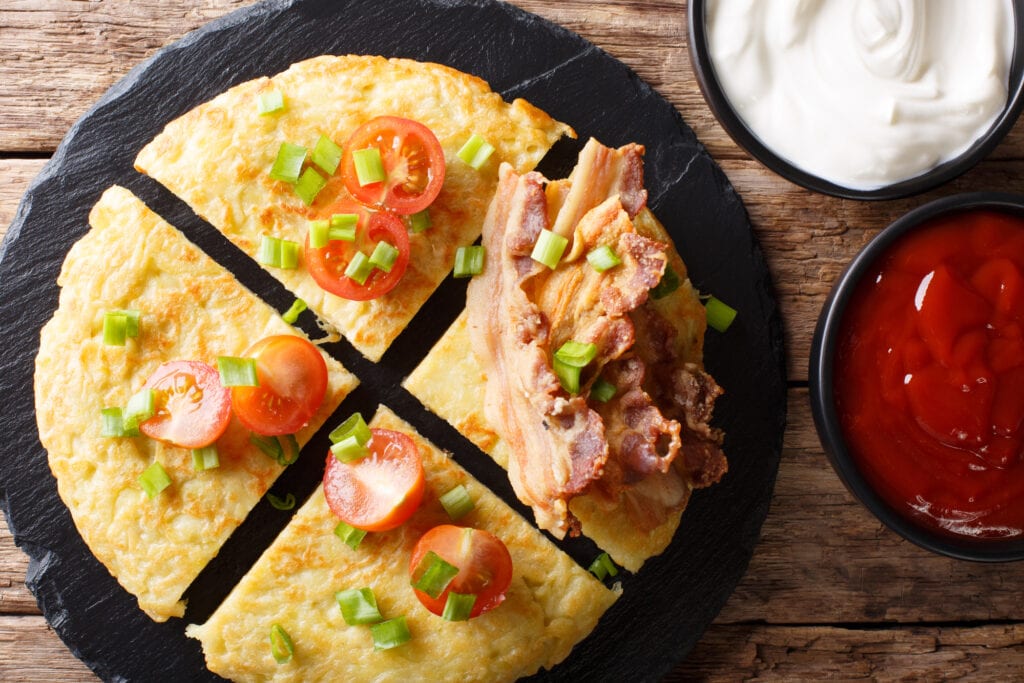
In Scotland, “tattie scones” are the closest cousin. Some compare boxty to Jewish latkes, but they’re not identical. In our family, “potato pancakes” were a Christmas‑morning treat, served with eggs, bacon, sausage, beans, tomatoes, mushrooms, and fried bread—a classic Full Irish.
Shared Core Ingredient: The Potato (or not…)
All but one of these (boxty, farls, potato pancakes and soda farls) are primarily potato-based starchy foods, often fried or griddled. When something is round, fried, and made from potato, it’s easy for the untrained eye to call it a “potato pancake.”
Boxty: Irish, made from raw grated potato and mashed potato, mixed with flour, baking soda, and buttermilk. Has a unique, slightly lactic tang and a texture that’s both crispy and soft.

Potato Pancake (e.g., Latkes, Kartoffelpuffer): A broader category. Jewish latkes are often just grated raw potato (and onion) bound with egg and a little flour. German-style may include mashed potato. They are typically crispy all over.
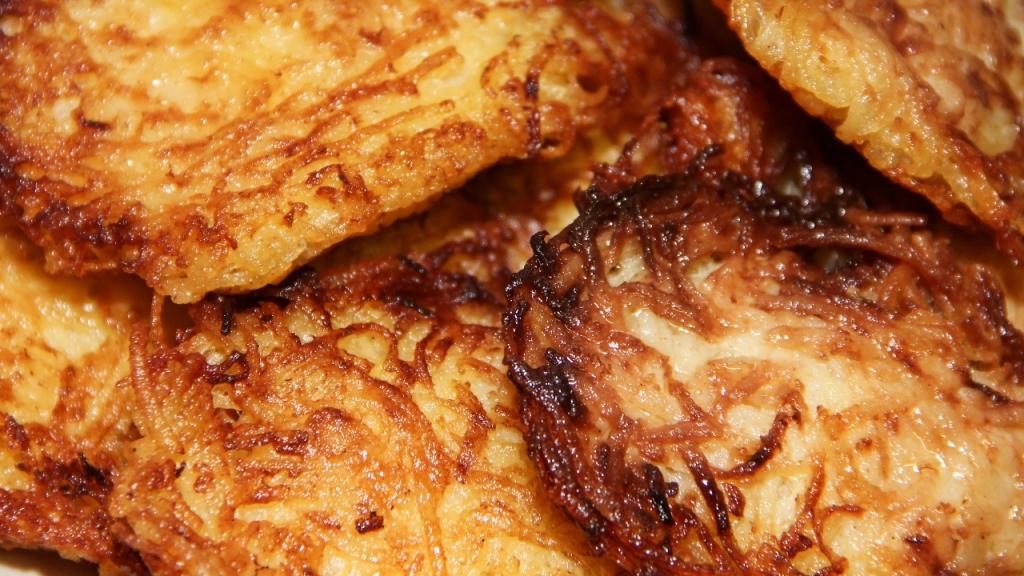
Farls: A shape and cooking method, not a specific recipe. “Farl” (from Gaelic fardel, “fourth part”) means a flatbread cut into quarters and griddle-cooked.
Soda Farls: A type of farl made from soft wheat flour, baking SODA, and buttermilk—NO POTATO. They are a soda bread cooked on a griddle and split.

First major mix-up: People see “farl” and think “potato,” but Soda Farls are potato-free. Potato Farls do exist (see below), adding to the confusion.
Boxty and potato bread
Potato bread (often cut into triangular “farls”) is made with cooked, mashed potato plus flour (sometimes buttermilk) and cooked on a griddle. Boxty uses raw grated potato—often combined with some mash—producing a lighter, pancake‑like texture. “Farl” refers to the quartered shape. An old Irish rhyme goes: “Boxty on the griddle, boxty in the pan; if you can’t make boxty, you’ll never get a man.”

History of Boxty
Boxty (Irish potato pancakes) are a traditional Irish dish with roots in the 18th century, when potatoes were staple fare. Combining raw grated potato with mash helped households stretch the crop and reduce waste. In parts of Ireland, boxty is served around St Brigid’s Day alongside soda bread and dairy‑rich dishes—a nod to the saint’s association with milk and butter. Much of Ireland’s food culture reflects making the most of simple ingredients. Even “bog butter,” preserved for centuries in peat bogs, speaks to resourcefulness.
Difference between Irish boxty and potato bread
Boxty is a flat, unleavened pancake made primarily with raw grated potato (often plus some mash). Potato bread/farls are thicker, made from cooked mash and flour, and can be sliced to hold an Ulster fry. Soda bread is a separate, leavened bread. Terminology varies by family and region: some use “potato bread” for farls; others reserve it for baked loaves using potato and wheat flour. Where I grew up, farls were thicker than boxty and sturdy enough to slice and hold an Ulster fry.

The Boxty House in Temple Bar, Dublin, serves a very thin Leitrim‑style boxty, typical of border counties like Leitrim, Cavan, and Fermanagh. In parts of north Connacht and southern Ulster—Mayo, Sligo, Donegal—it’s often called “poundy” or “poundies.”
The Boxty House Dublin
In 1988, Padraic Óg Gallagher developed a Leitrim‑style boxty that retains roughly 70% potato content. At The Boxty House, you’ll find boxty served as pancakes, dumplings, and chips. On a recent visit to Dublin, we tried The Boxty House platter—boxty fries, boxty dumplings, and Irish potato bread.
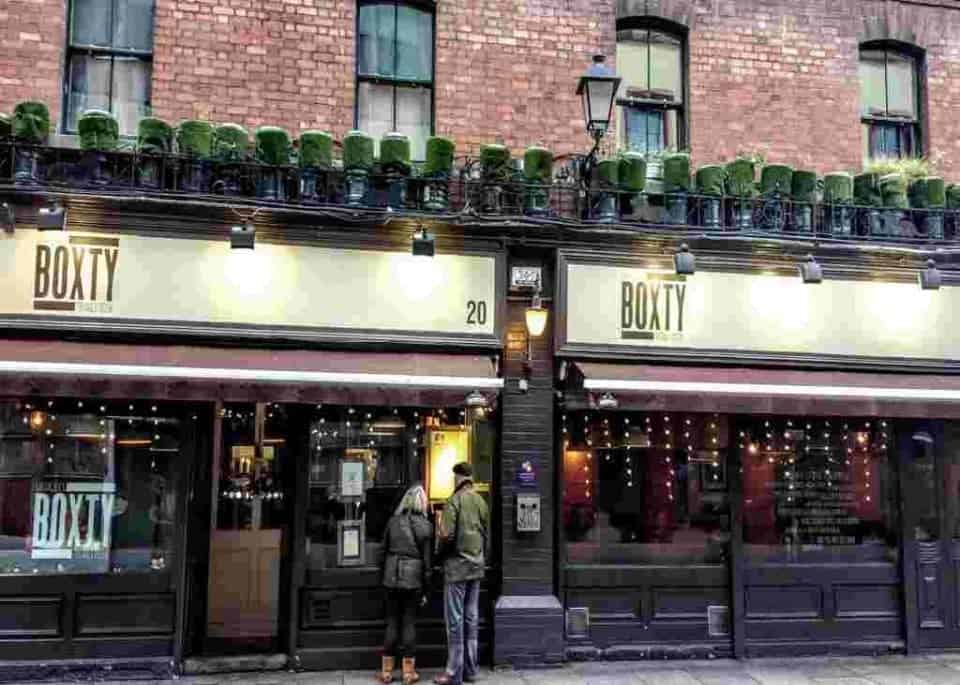
The fries are dangerously moreish. We paired the platter with lamb‑rich Irish stew and a creamy seafood chowder served with fresh Guinness bread and salted Irish butter. The Boxty House sells a boxty mix based on Padraic’s mother Anna’s recipe—easy to pack as a gift. In shops, look for McNiffes Boxty; they also make a gluten‑free version. McNiffes produces pan boxty, loaf boxty, boiled boxty, and Irish potato pancakes.


Download a printable Irish Boxty/Irish Potato Cakes recipe
Boxty and Irish potato pancakes FAQs
What are other names for boxty?
Boxty, slims, fadge, potato cake, Irish potato pancakes; “farls” for potato bread; “tattie scones” in Scotland; “poundy/poundies” in parts of Ulster.
What is boxty?
An Irish potato pancake made primarily with raw grated potato (often plus mash), fried on a griddle or pan.
What do you eat with boxty?
Serve with a Full Irish (bacon, sausage, eggs, mushrooms, tomatoes). Sweet versions—like latkes—pair with sour cream and applesauce. They also work with butter and jam.

Are potato cakes Irish or Scottish?
Both have versions. In Scotland, “tattie scone” is the potato cake. In Ireland, “boxty” and “farls” are common; “farl” refers to the quartered shape.
What is the difference between an Irish potato pancakes (boxty) and a latke?
Latkes use grated raw potato plus egg and often matzo meal, fried in oil and typically served sweet‑savory. Boxty relies on raw grated potato (sometimes mixed with mash), with milk/flour, yielding a softer interior and can be cooked on a dry griddle.
What is Irish Boxty and Irish potato Cake?
Both are traditional Irish potato pancakes. Boxty is raw‑grated potato and potato cakes use cooked mash.

“Boxty on the griddle; boxty on the pan. If you can’t make boxty, you’ll never get a man.” Old Irish folk song
What are some tips for making boxty?
Use a tea towel or muslin to squeeze grated potato; reserve settled starch for the batter. Rest 20–30 minutes. Cook medium heat; thin batter for lacy edges, thicker for cake‑like texture.
Can I customize the boxty and potato cake recipes?
Yes—add scallions, parsley, black pepper, cheddar, or streaky bacon. For gluten‑free, swap in rice flour.
Traditional Irish recipe for easy boxty potato pancake
Ingredients (serves 4–6; makes ~10–12 pancakes)
300 g raw potatoes, peeled (about 10.5 oz; 2 medium potatoes)
300 g leftover mashed potatoes, floury varieties best (about 10.5 oz; 1½ cups)
250–300 g plain flour (start with 250 g; add if needed) — 2–2½ cups
10 g salt — ~1¾ tsp
500–850 ml milk (add gradually to reach a pourable batter) — 2–3½ cups
Grate raw potatoes, place in muslin, and squeeze liquid into a bowl. Let the liquid stand 20 minutes so starch settles. Carefully pour off the liquid; scrape the starch from the bottom and reserve. Combine grated potato, mash, flour, salt, and the reserved starch. Add milk gradually until you have a thick, pourable batter.
Rest 20–30 minutes. Ladle batter onto a lightly oiled non‑stick pan over medium heat. Cook 2 minutes until golden; flip and cook 2–3 minutes more. For crisp edges, cook slightly thinner. Boxty keeps well chilled overnight; reheat in a pan with Irish butter. I often eat leftover boxty cold with salted butter. Serve with Irish bacon, sausage, black/white pudding, fried eggs, mushrooms, and tomatoes—or fold with chopped scallions and a dollop of sour cream. Enjoy your boxty.
If you are a foodie and planning your trips around what to eat where – check out our Global Food Guide.
Start Planning Your Trip
👉 Public Transportation in Ireland
👉 Hidden Gems in Ireland – 32 Secret places to visit
👉 Answering all your travel questions about Ireland