
Mayo Ireland’s Secret Spots: Local’s Guide to Hidden Gems
As someone who’s called Donegal home for the past decade, I’ve developed a passion for sharing the Wild Atlantic Way and its locations on the Atlantic Ocean. My countless journeys south to County Mayo have revealed a landscape that never fails to surprise me, even after years of exploration. While tourists often rush past Mayo on their way to the Ring of Kerry or the Cliffs of Moher, they’re missing one of Ireland’s most authentic and breathtaking destinations.
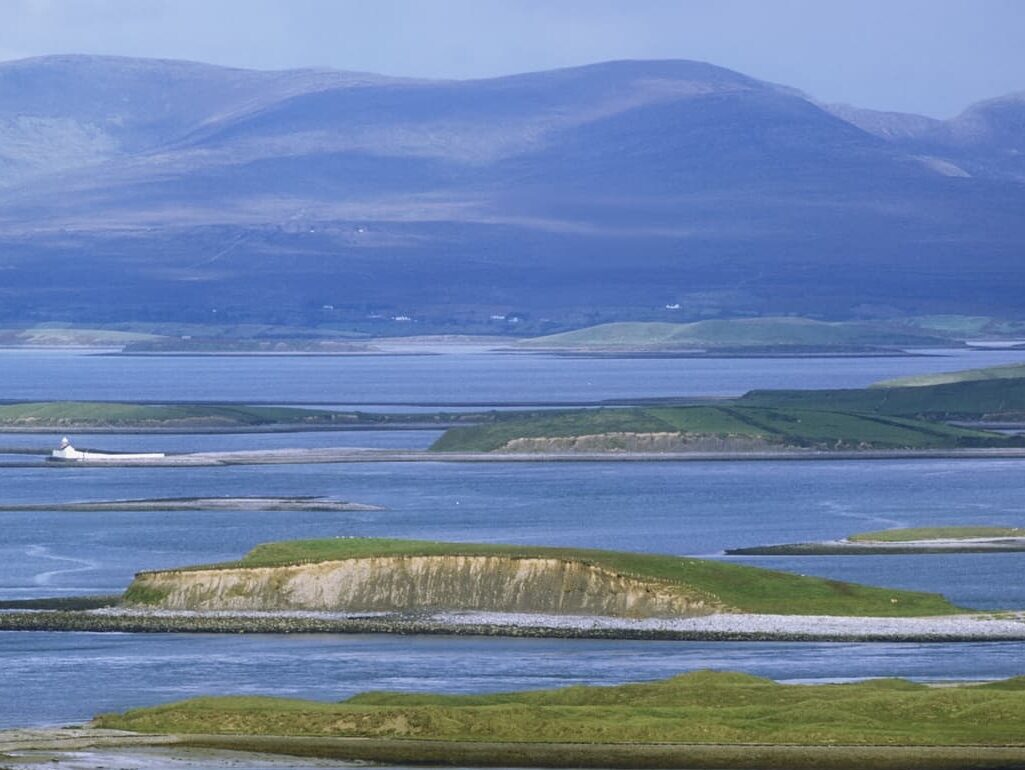
Living just a few hours north in County Donegal has given me the luxury of experiencing Mayo across all seasons, from the dramatic winter storms that batter its Atlantic coast to the impossibly long summer evenings when the light seems to linger forever over Clew Bay. Each visit has deepened my appreciation for this remarkable county that the Irish call Maigh Eo – the “Plain of the Yew Trees.”
Why Mayo Ireland Deserves Your Attention
County Mayo stretches along Ireland’s Wild Atlantic Way between my home county of Donegal and the tourist-heavy Galway. Mayo covers 5,586 square kilometers, making it Ireland’s third-largest county, yet it remains refreshingly uncrowded compared to its southern neighbors. This remoteness has preserved its authentic Irish character in ways that more commercialized destinations have lost.

During the Great Famine of the 1840s, Mayo suffered devastating losses, with entire communities vanishing forever. According to the Irish Central Statistics Office, the county’s population dropped from over 388,000 in 1841 to just 274,000 by 1851. This tragic history has left Mayo dotted with poignant reminders of Ireland’s past, from abandoned villages to famine memorials that bring tears to your eyes.
- Mayo Ireland's Secret Spots: Local's Guide to Hidden Gems
- Why Mayo Ireland Deserves Your Attention
- The Magic of Mayo's Islands
- Coastal Wonders That Take Your Breath Away
- Mountain Adventures and Sacred Sites
- Charming Towns and Cultural Treasures
- Practical Transportation from Donegal
- Hidden Gems and Local Secrets
- Culinary Adventures along the Gourmet Greenway
- Spiritual and Historical Connections
- Planning Your Mayo Adventure
- Accommodation Recommendations
- Getting Around Mayo
- Cultural Immersion and Language
- Practical Information for Visitors
- Beyond the Tourist Trail
- A Personal Reflection
- Driving in Ireland articles
The Magic of Mayo’s Islands
Achill Island: Ireland’s Largest Island Paradise
My first visit to Achill Island happened on a grey September morning that seemed unpromising until the clouds parted to reveal the most stunning coastline I’d ever seen. Achill Island spans nearly 150 square kilometers and connects to the mainland via a simple swing bridge that’s been operating since 1887.

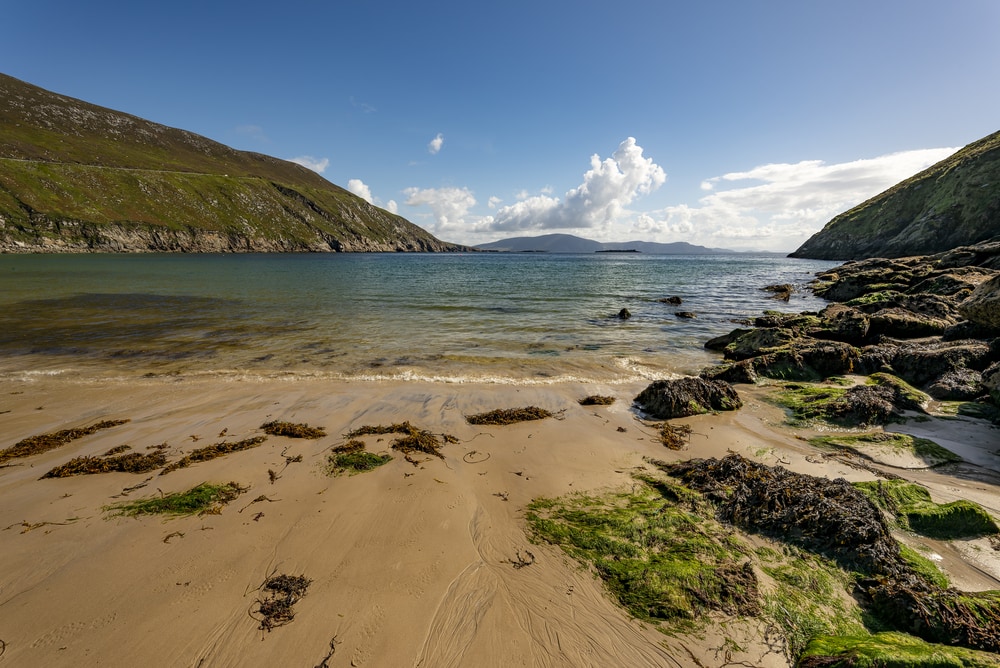
The island’s crown jewel is Keem Bay, a horseshoe-shaped beach that could rival any Caribbean destination. The emerald waters are surrounded by towering cliffs where sheep graze impossibly close to the edge, creating scenes so picturesque they seem unreal. Keem Bay has been awarded Blue Flag status for its exceptional water quality and environmental standards.
On the northern side of Achill, Keel Beach stretches for five kilometers of golden sand. I’ve watched surfers here catch waves in conditions that would challenge experienced boarders, while families splash safely in the shallower areas. The beach sits beneath the dramatic Minaun Cliffs, where an abandoned village from the Famine era tells its silent story to those willing to make the steep climb.
Clare Island: Following in the Pirate Queen’s Wake
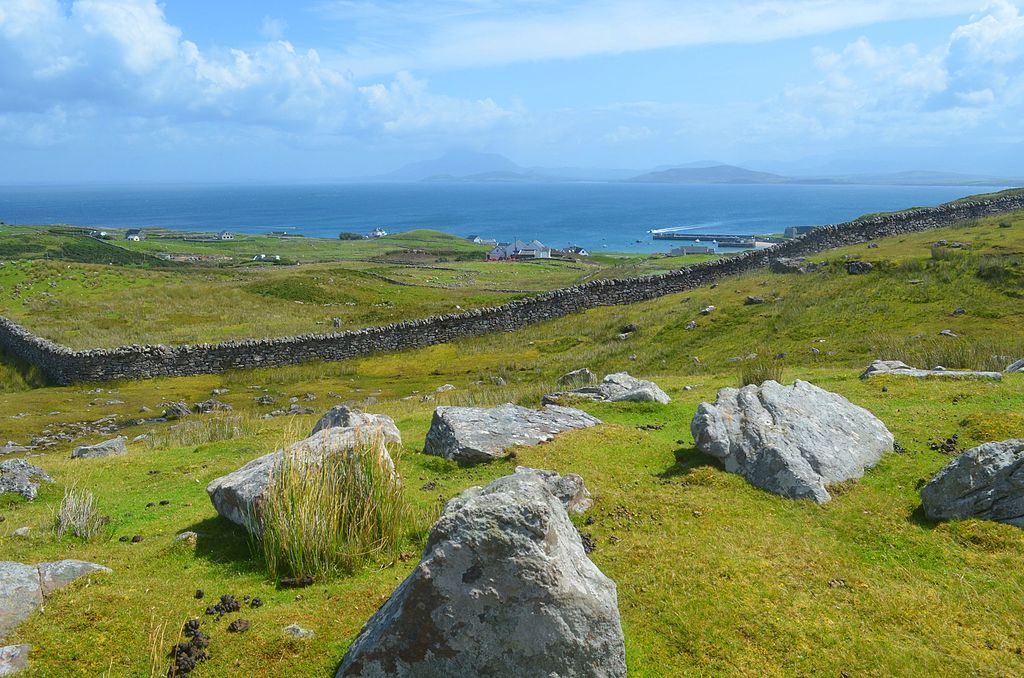
A 20-minute ferry ride from Roonagh Pier brings you to Clare Island, domain of Ireland’s most famous pirate, Grace O’Malley. The ferry operates year-round with multiple daily sailings during summer months, though winter services are weather-dependent. I’ve learned to check conditions before making the crossing, as the Atlantic can be unforgiving.
The island’s 16th-century Cistercian Abbey houses medieval wall paintings that somehow survived centuries of Atlantic storms. Standing in that ancient space, listening to the wind howl outside, you understand why Grace O’Malley chose this strategic location for her maritime empire. Archaeological evidence suggests the abbey contains some of Ireland’s finest medieval frescoes.
The Hidden Islands of Mayo
During one memorable summer visit, I decided to journey to Caher Island, accessible only by private boat arrangement. This tiny island holds the remains of a 7th-century chapel adorned with original Celtic crosses. The island forms part of the annual Croagh Patrick pilgrimage route, with pilgrims arriving by boat each August for a tradition spanning over 1,500 years.
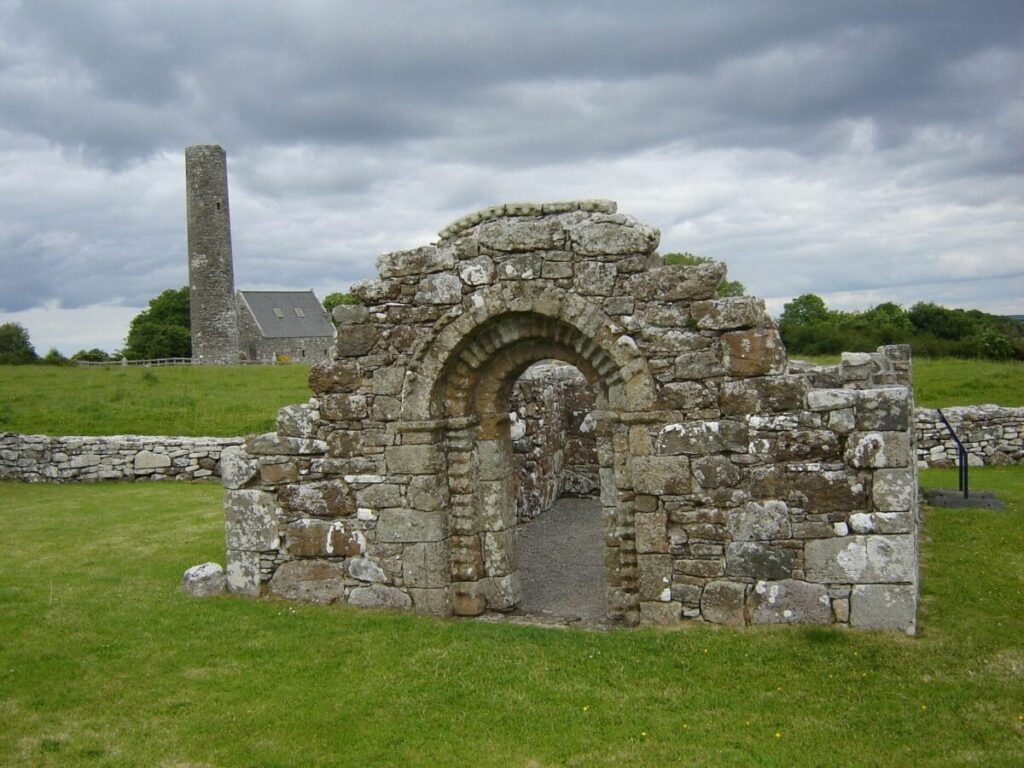
Even more remote are the Inishkea Islands, where a 1927 fishing tragedy claimed ten young men’s lives, prompting the remaining residents to abandon their homes. Visiting these haunting ruins, where wild ponies now graze among collapsed cottages, provides a sobering reminder of Ireland’s harsh maritime history.
Coastal Wonders That Take Your Breath Away
Downpatrick Head and the Legendary Dun Briste
Every time I drive the coast road north of Ballycastle, I’m compelled to stop at Downpatrick Head. The 15-minute walk across rough grassland leads to one of Ireland’s most photographed landmarks: the Dun Briste sea stack. Standing 45 meters tall and separated from the mainland by just a few meters, this “broken fort” was formed by Atlantic erosion over 350 million years.

Accessing Dún Briste: A Practical Guide for Visitors
From the small car park near Downpatrick Head. The final approach is a 10-15 minute walk across uneven grassland and can be challenging in strong winds – which are frequent along this exposed coastline. I’ve learned to check weather conditions before visiting, as the site becomes dangerous during storms when waves can reach the clifftop.
The path isn’t suitable for wheelchairs or those with mobility challenges due to rough terrain and the proximity to cliff edges. However, for those who can manage the walk, standing beside this 45-meter sea stack while Atlantic waves crash below creates one of Ireland’s most dramatic natural theater experiences. The site includes free parking and interpretive signage, though facilities are minimal, so bring water and weather protection for your visit.
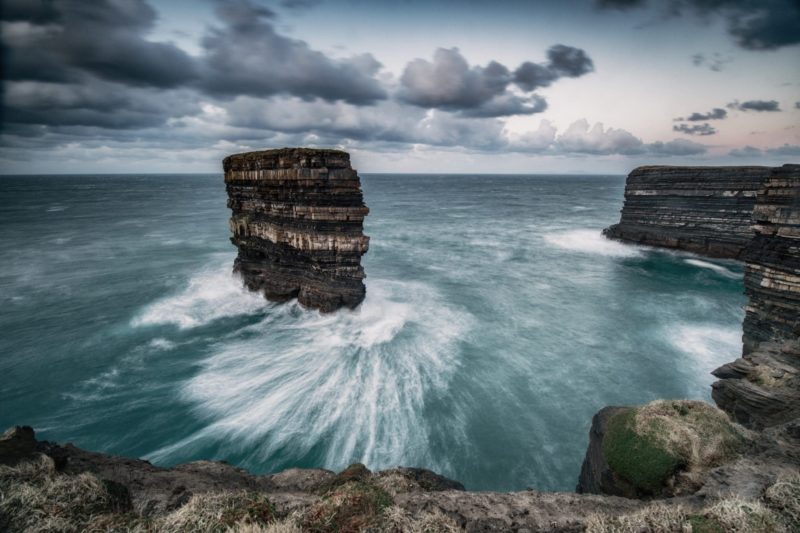
Archaeological excavations have revealed that the sea stack was inhabited until relatively recent times, with remains of medieval houses and cultivation ridges still visible on its summit. The site also contains ruins of a church founded by St. Patrick himself, along with a holy well that continues to attract pilgrims.
The Céide Fields: Europe’s Oldest Field System
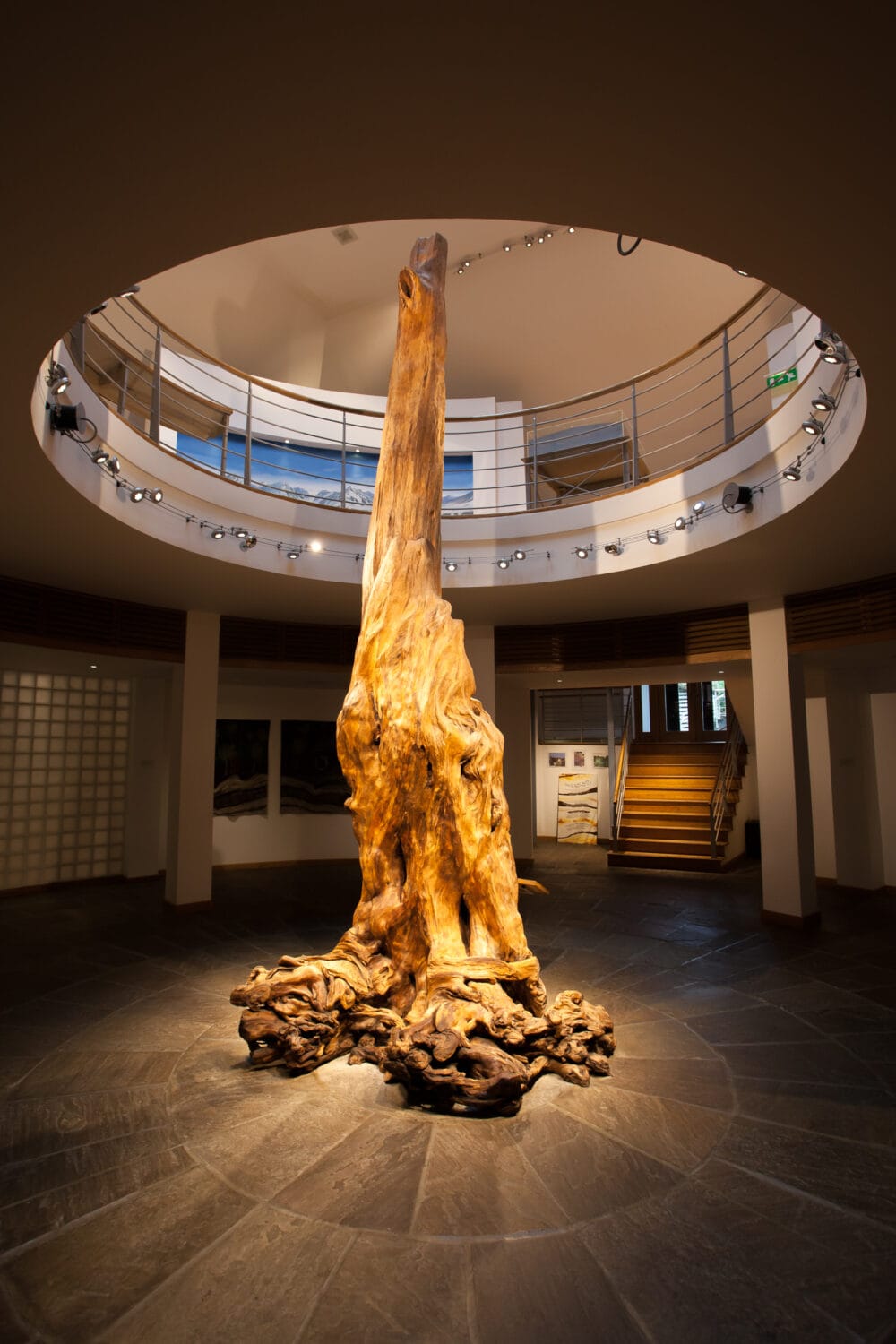
On a clear day, the drive to the Céide Fields offers panoramic views across to my home mountains in Donegal. This UNESCO World Heritage site preserves the world’s oldest known field system, dating back 5,500 years. Walking among these stone walls, you’re literally following in the footsteps of Neolithic farmers who shaped this landscape millennia before the pyramids were built.

The Céide Fields Visitor Centre opens daily from 10 AM to 5 PM during peak season (March to October), with reduced winter hours. Adult admission costs €5, with guided tours available that bring the ancient landscape to life through expert interpretation.
Mountain Adventures and Sacred Sites
Climbing Croagh Patrick: Ireland’s Holy Mountain
I’ve never climbed Croagh Patrick as friends tell me it is a difficult climb if you have mobility issues. Rising 764 meters above Clew Bay, “the Reek” has been a pilgrimage site for over 1,500 years. Over 25,000 pilgrims climb the mountain annually, with the main pilgrimage occurring on the last Sunday in July.
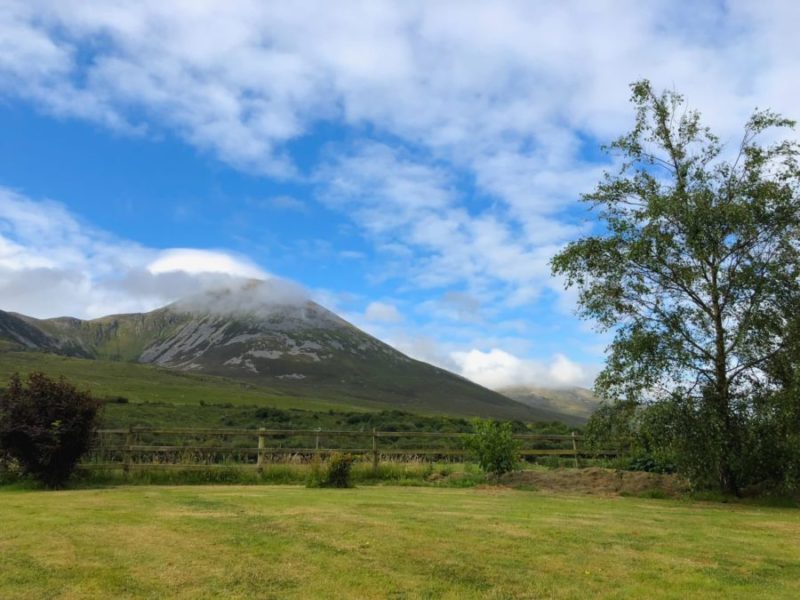
The climb takes 2-3 hours depending on fitness and weather conditions. I strongly recommend proper hiking boots, as the loose stones near the summit can be treacherous. The views from the top encompass the 365 islands of Clew Bay (though locals joke there are actually only about 60 real islands among the drumlins).

Ballycroy National Park: Ireland’s Dark Sky Reserve
Living in rural Donegal, I appreciate dark skies, but nothing prepared me for the celestial display at Ballycroy National Park. Ireland’s first Dark Sky Reserve, designated in 2016, offers some of the darkest skies in Europe. On clear nights, you can see over 4,500 stars with the naked eye, along with the Milky Way stretching across the heavens.

The park encompasses 11,000 hectares of Atlantic blanket bog, representing one of the last intact bog systems in Western Europe. The Visitor Centre in Ballycroy village opens daily from 10 AM to 5 PM during summer months (June-August), with reduced hours in shoulder seasons.
Charming Towns and Cultural Treasures
Westport: Georgian Elegance Meets Irish Charm
Westport consistently ranks among Ireland’s most beautiful towns, and after numerous visits, I understand why. Designed by renowned architect James Wyatt in the 1780s, the town’s tree-lined Georgian streets and octagonal central square create an atmosphere of refined elegance that’s rare in rural Ireland.

My favorite evening ritual in Westport involves a pint at Matt Molloy’s pub (owned by the Chieftains flautist) followed by dinner at one of the excellent restaurants around the Octagon. The town truly comes alive during summer evenings when traditional music spills from every doorway.

Westport House: A Living Piece of History
Westport House stands on the site of one of Grace O’Malley’s castles, with her original dungeons still visible in the basement. Built by her descendants, the Browne family, between 1730 and 1778, the house contains over 30 rooms filled with Irish treasures spanning four centuries.
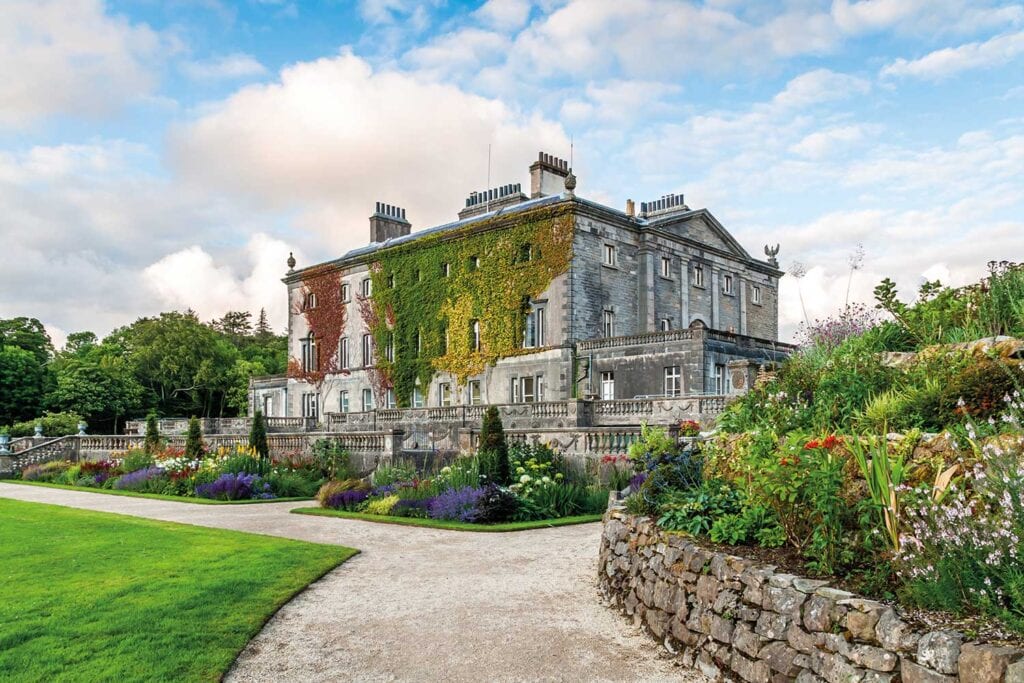
Current admission prices for 2025 are €16 for adults and €12 for children, with family tickets available for €45. The house opens daily from 10 AM to 4 PM from March through October, with weekend-only opening during winter months. The new Adventure Park adds modern excitement to the historic grounds, though I prefer the quieter moments spent walking the parkland trails that wind around Lough Corrib.
Cong: Where Hollywood Met Ireland
The village of Cong holds special significance as the filming location for John Ford’s “The Quiet Man” (1952). Walking through its streets, you’ll recognize locations from the film, particularly around the reconstructed cottage that serves as a museum. The Quiet Man Museum opens daily from 10 AM to 4 PM, with adult admission at €7.

Cong Abbey, founded in the 12th century, showcases exquisite stonework including rare window tracery and a beautiful cloister. The abbey connects to Ireland’s High Kings, with Rory O’Connor, the last native High King of Ireland, originally buried here in 1198.


Practical Transportation from Donegal
From my home in Donegal, Mayo is easily accessible via several routes. The most scenic journey follows the N15 south through Sligo, then picks up the N17 to Knock before branching west toward Westport. This 3-hour drive showcases the changing landscape from Donegal’s mountains to Mayo’s coastal plains.
Bus Éireann operates regular services between major Mayo towns, with routes 64 and 440 connecting Westport to Dublin (4 hours, €25-35 depending on advance booking). Irish Rail’s Dublin-Westport service runs twice daily, taking 3 hours and 15 minutes with advance fares starting at €29.
Hidden Gems and Local Secrets
The Lost Valley: A Living Memorial
One of my most profound Mayo experiences occurred at The Lost Valley near Louisburgh. This working farm occupies land that was abandoned during the Great Famine, with original potato ridges still visible after 180 years. The Bourke family, whose ancestors were among those evicted, now operate this as both a memorial and working farm.
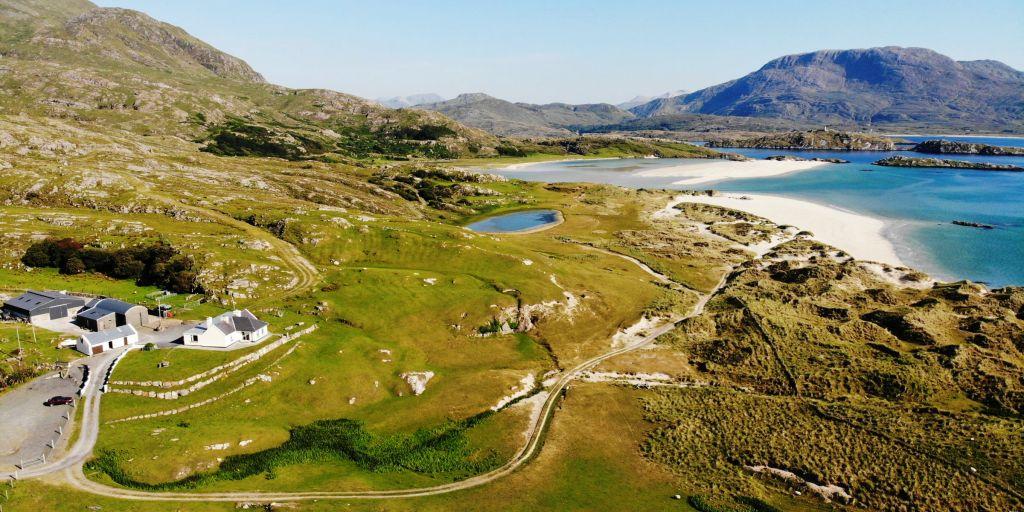
Visits cost €12 for adults and include demonstrations of traditional farming methods, sheepdog trials, and lamb feeding sessions. The center opens daily from 10 AM to 6 PM during summer, offering guided tours that blend historical education with hands-on farm experiences.
Moyne Abbey: Medieval Grandeur
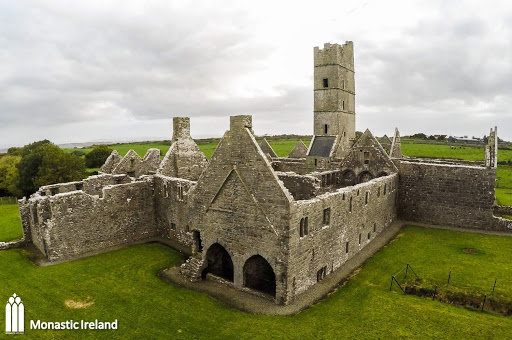
The ruins of Moyne Abbey, founded in 1460, represent some of Ireland’s most impressive Franciscan remains. Despite being burned by English forces in 1590, the abbey’s central tower, cloister arcade, and ornate window tracery survive in remarkable condition. Archaeological studies suggest the abbey housed up to 40 friars at its peak.
Ballintubber Abbey: The Abbey That Refused to Die
Unlike many Irish religious sites, Ballintubber Abbey has maintained continuous religious services for over 800 years. Founded in 1216 by King Cathal Crovdearg O’Connor, the abbey survived the Reformation, Cromwell’s destruction, and the Penal Laws through the determination of local communities.

The abbey opens daily with mass celebrated regularly. Guided tours operate from 9 AM to 7 PM during summer months, with donations requested rather than fixed admission fees. The abbey also serves as the traditional starting point for the ancient pilgrim path to Croagh Patrick, a 35-kilometer walk following medieval routes.
The Mullet Peninsula: Mayo’s Best-Kept Secret
Mayo’s greatest hidden gem I believe is the Mullet Peninsula. This remote finger of land extends into the Atlantic from Belmullet, offering some of Ireland’s most pristine and uncrowded beaches. The peninsula stretches 37 kilometers from Belmullet to Blacksod Point, where the Atlantic Ocean meets Blacksod Bay in a dramatic convergence of waters.
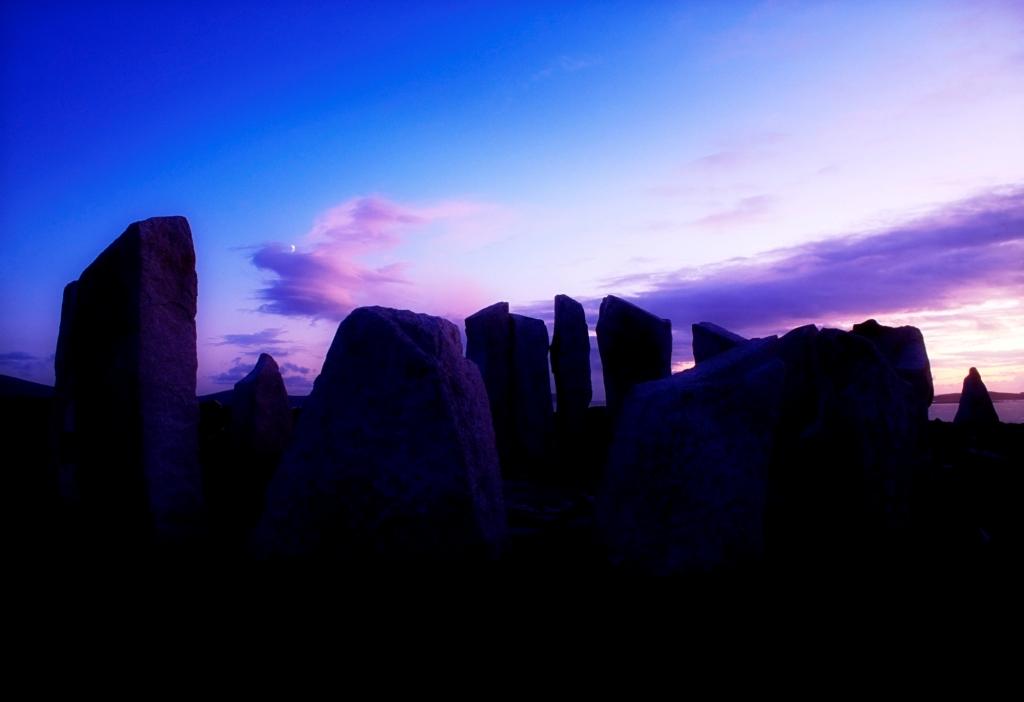
The Mullet Peninsula in County Mayo, Ireland, is known for its ancient stone circles, including the one near Fallmore, which is associated with the legendary figure Saint Deirbhile.
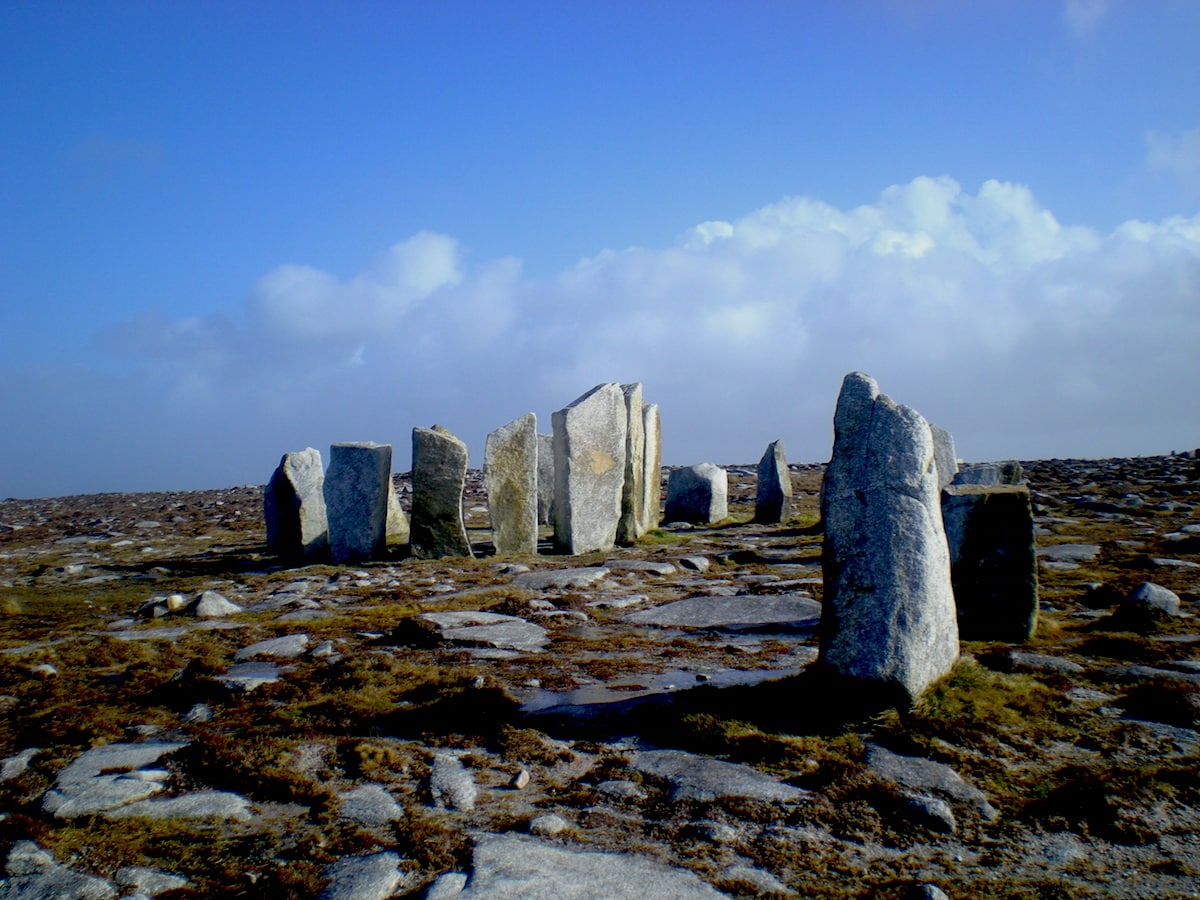
What struck me most was the complete absence of commercial development – just endless stretches of white sand beaches like Elly Bay and Cross Beach, where you can walk for hours without encountering another soul.
The peninsula also holds historical significance as the location where the weather report was transmitted that delayed D-Day by 24 hours, a fact that gives this remote outpost unexpected global importance. Local tradition maintains that some of the finest traditional Irish music sessions in Mayo happen in the peninsula’s scattered pubs..
Culinary Adventures along the Gourmet Greenway
The Great Western Greenway, Ireland’s longest off-road walking and cycling trail, follows the route of the former Westport-Achill railway for 42 kilometers. What makes this trail special is the Gourmet Greenway initiative, connecting 18 local food producers along the route.

During my last trip along the greenway, I stopped at Mulranny Park Hotel for their tasting menu featuring Michael Flanagan’s Achill Island turbot and Padraig Gannon’s Croagh Patrick seafood. The combination of stunning Atlantic views and exceptional local cuisine creates an unforgettable dining experience. Bike rental is available in Westport from €25 per day, with electric bikes at €40 daily.

Spiritual and Historical Connections
Knock Shrine: A Place of Pilgrimage
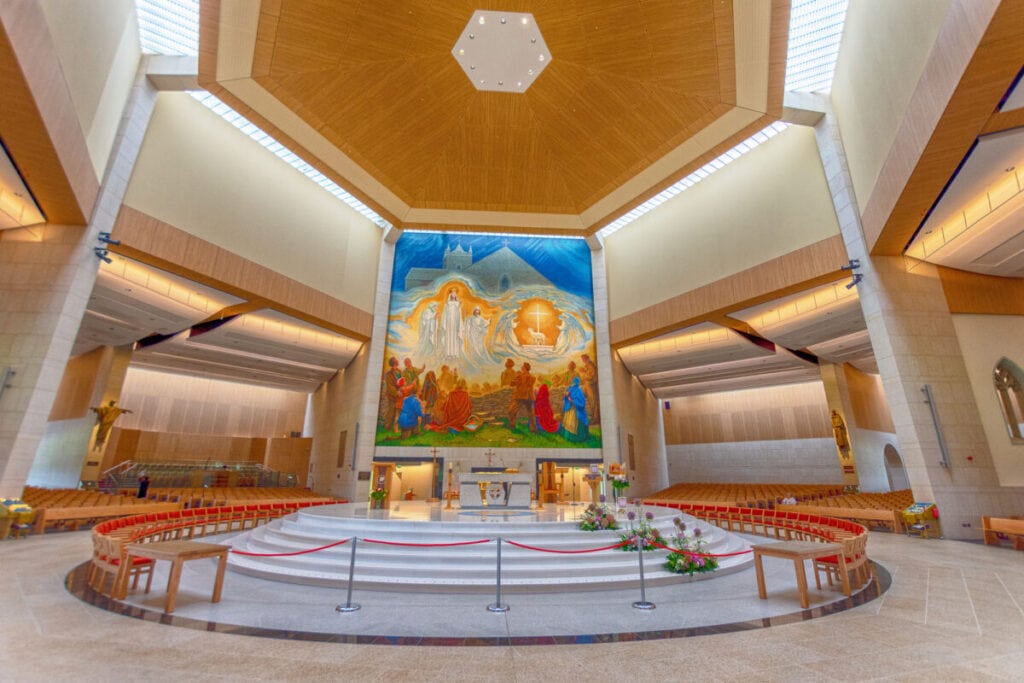
Knock Shrine holds special significance in Irish Catholicism following the 1879 apparition witnessed by 15 villagers. Pope Francis visited in 2018, recognizing Knock’s continued importance to Irish spiritual life. The shrine complex includes a museum (€4 admission) and basilica that accommodates up to 20,000 pilgrims.
Ancient Mysteries at the Battle of Moytura
Near Cong, stone circles and cairns mark the legendary site of the Second Battle of Moytura, where Irish mythology claims the Tuatha Dé Danann defeated the Fir Bolg people. Archaeological evidence suggests significant Bronze Age activity in this area, with over 20 megalithic monuments within a five-kilometer radius.
Planning Your Mayo Adventure
Best Times to Visit
From my experience visiting throughout the year, late spring through early autumn (May to September) offers the most reliable weather and longest daylight hours. Summer brings occasional crowds to popular spots like Keem Bay, but Mayo’s vastness means you can always find solitude.
Winter visits have their own magic, particularly for photography enthusiasts. The dramatic Atlantic storms create spectacular wave displays at Downpatrick Head, while the shorter days make Ballycroy’s dark skies even more impressive for stargazing.

Accommodation Recommendations
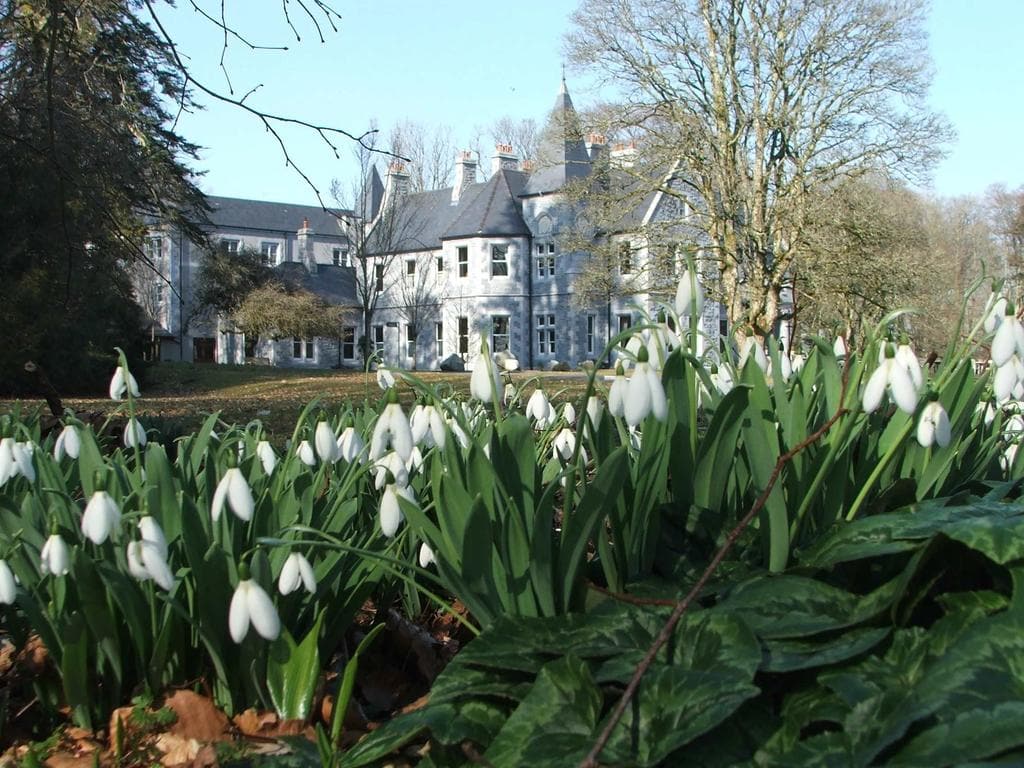
For luxury seekers, Ashford Castle remains the gold standard, with rooms starting at €450 per night in 2025. However, the Lodge at Ashford Castle offers similar luxury at €245-395 per night, with access to most castle facilities.

As a member of the public you can visit the grounds of the Castle for a fee of €10 Euros, just ask the gatekeeper for a map. The public is also welcome at Cullen’s at the Cottage, a casual eating place set in a thatched cottage with views of the castle.
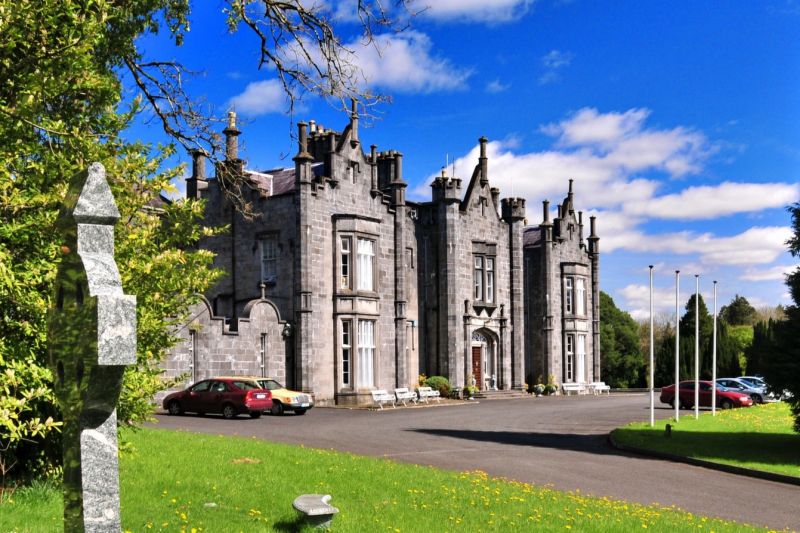
More affordable options include Mount Falcon Estate near Ballina (€180-280 per night), which offers excellent salmon fishing on the River Moy. For those seeking authentic castle experiences, Belleek Castle provides historic accommodation from €165 per night.
Getting Around Mayo
Car rental provides the most flexibility for exploring Mayo’s scattered attractions. Major rental companies operate from Knock Airport, approximately 45 minutes from Westport. Alternatively, Ireland West Airport offers direct flights from several UK cities, making Mayo accessible without Dublin connections.
Cultural Immersion and Language
Three Gaeltacht (Irish-speaking) regions survive in Mayo: Erris in the northwest, Achill Island, and Tourmakeady near the Galway border. Nearly 2,500 daily Irish speakers maintain these linguistic communities, offering visitors authentic cultural experiences rarely found elsewhere in Ireland.
During a recent visit to Erris, I enjoyed a traditional Irish music session in a local pub where conversations flowed seamlessly between the locals in both English and Irish.

Practical Information for Visitors
Transportation from Major Cities
From Dublin: Irish Rail operates twice daily to Westport (3 hours 15 minutes, €29-59). Bus Éireann routes 64 and 440 provide more frequent service (4 hours, €25-35).
From Belfast: Bus Éireann route 64 operates daily service (5 hours 30 minutes, €35-45) via Sligo.
From Cork: Bus Éireann route 51 connects via Galway (4 hours 45 minutes, €30-40).
Seasonal Considerations
Mayo’s weather can change rapidly, particularly along the coast. I always pack waterproof clothing regardless of season, as Atlantic squalls can appear with little warning. Summer temperatures range from 15-20°C (59-68°F), while winter averages 5-10°C (41-50°F).
Many attractions operate reduced hours from November through March. Check the official Mayo Tourism website for current seasonal schedules before planning your itinerary.
Beyond the Tourist Trail
The North Mayo Sculpture Trail
Tír Sáile, the North Mayo Sculpture Trail, represents Ireland’s largest public art installation. Created in 1993 to celebrate 5,000 years of human impact on Mayo’s landscape, the trail stretches 45 kilometers from Killala to Blacksod Bay. While some original pieces have weathered away, recent restoration efforts have preserved the remaining sculptures.

Whiskey Culture in Mayo
Connacht Distillery in Ballina offers intimate tours showcasing traditional Irish whiskey production. Located on the River Moy banks, tours cost €15 and include tastings of their award-winning single malts. Nephin Distillery near Lahardane represents Ireland’s craft whiskey renaissance, using local mountain water and peat in their production process.

A Personal Reflection
After years of exploring Mayo from my Donegal base, I’ve come to understand that this county offers something increasingly rare in modern Ireland: authenticity. While other destinations cater to tourist expectations, Mayo remains true to itself. The conversations in rural pubs, the unchanged rhythms of farming life, and the profound connection to landscape and history create experiences that linger long after you’ve returned home.

Whether you’re drawn by the dramatic coastline, the rich history, or simply the warmth of Mayo people, this remarkable county rewards those who take time to explore beyond the obvious attractions. As we say in Ireland, Mayo isn’t just a place you visit – it’s a place that visits you, leaving an indelible mark on your soul.
Sources: All pricing and practical information verified through official attraction websites and direct contact with venues. Historical information sourced from Heritage Ireland, the National Museum of Ireland, and peer-reviewed archaeological publications.
Join 5,519 Ireland travellers in my Ireland Uncovered Facebook Group and 1,897 on my XYUandBEYOND PAGE
If you have mobility issues here is a selection of posts that may be of help to you:
Bookmark this hub Accessible Britain for updates and dive into the detailed guides to build an itinerary that fits your energy, comfort, and interests.
Driving in Ireland articles
How to visit Glenveagh without a car
Travelling in Ireland without a car
Start Planning Your Trip
👉 Public Transportation in Ireland
👉 Answering all your travel questions about Ireland
👉What to pack for your Ireland trip
👉 Northern Ireland Public Transportation