
Camping in Ireland and Wild Camping: Where and What to Know
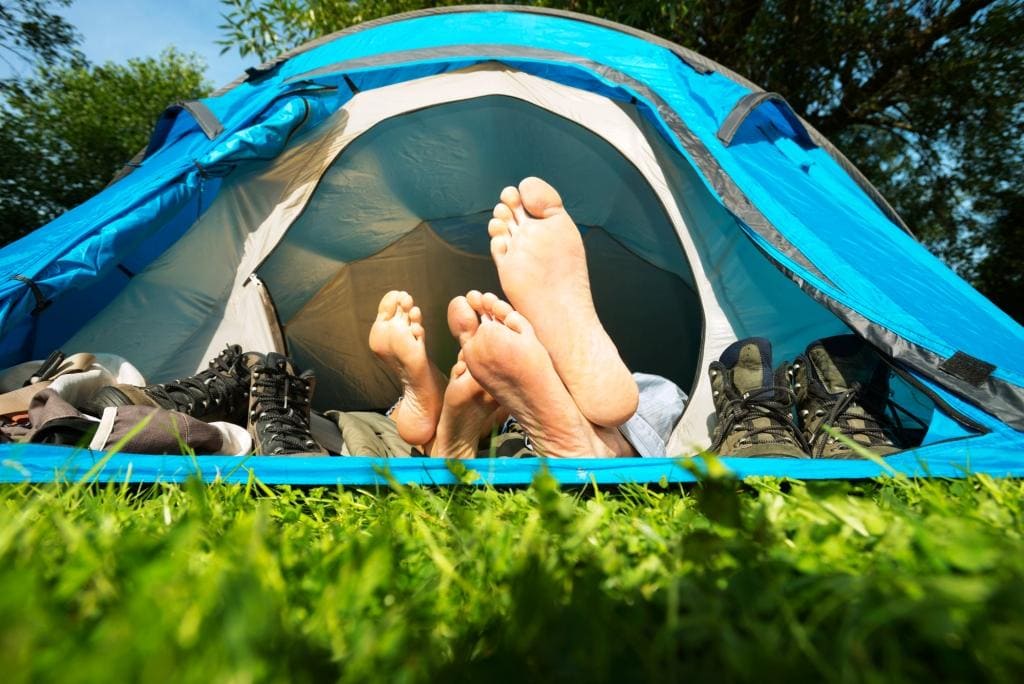
One thing I’ll say up front I don’t camp – my idea of camping is a one star hotel. However, my family are mad campers and love the whole tent life thing. One evening you might pitch near a medieval tower and fall asleep to the soft hum of traditional music from a village; the next you’re high in the hills in a bothy or Shepherds Hut with cloud moving like water under a bridge. There are no bears in the forests and no snakes in the heather, only the occasional midge on still nights and a wind that teaches you to set your guy lines well. If you like your travel flexible and close to the land, this island feels purpose‑built for camping.

What makes camping here perfect is how tight the connection is between nature and culture. So many sites sit within a short spin of monastic ruins, stone circles, or a ruined castle that it’s easy to fold history into your day’s walk. On a practical level, camping is still one of the most budget friendly ways to tour especially in peak season when room rates soar and it scales to fit you: solo wanderers with a small tent, families in a campervan, couples who want a hot shower and a sea view.
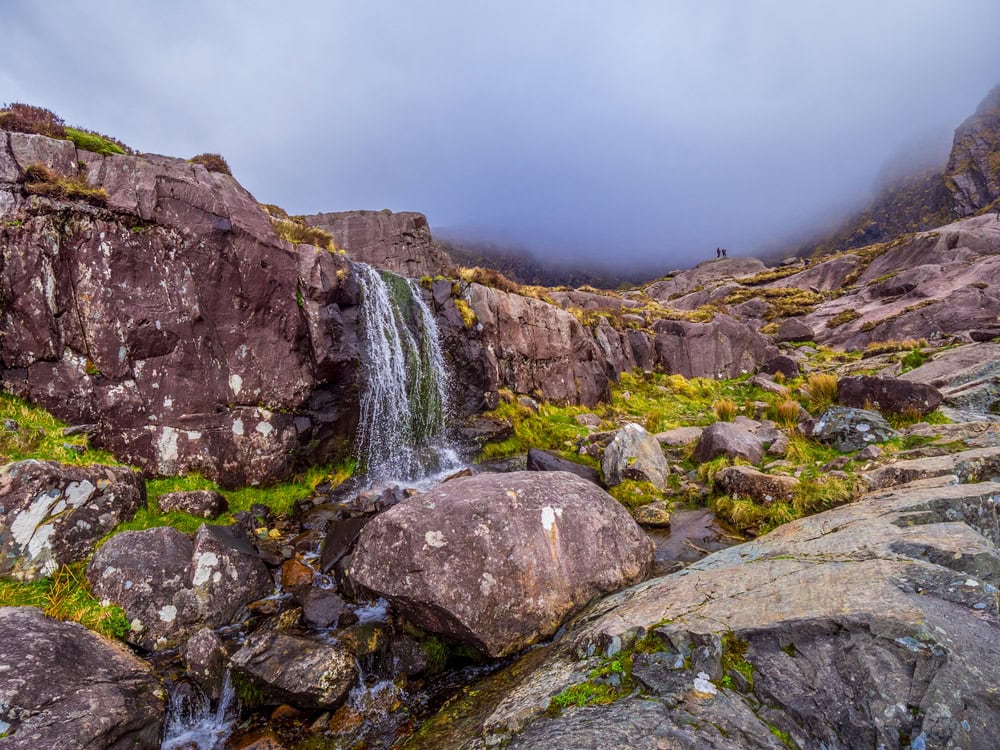
- Camping in Ireland and Wild Camping: Where and What to Know
- Wild camping areas and top campsites
- Top places to wild camp (where permitted/by permission)
- Remote & Magical Wild Camping Spots
- Top ten camping locations – serviced/glamping
- Eagle Point Camping, Bantry Bay, Co. Cork
- Wave Crest Camping, Caherdaniel, Co. Kerry
- Valentia Island Caravan & Camping Park, Co. Kerry
- Rosguill Holiday Park, Downings, Co. Donegal
- Portsalon Luxury Camping (glamping), Co. Donegal
- Roundwood Caravan & Camping Park, Co. Wicklow
- Nore Valley Park, Co. Kilkenny
- Rosses Point Caravan Park, Co. Sligo
- Pure Camping (eco‑site), Loop Head, Co. Clare
- Exploring the fascinating regions of Ireland
Wild camping areas and top campsites
Note on wild camping: There’s no general to roam in Ireland; most land is private. Camp only where permitted (e.g., specific zones in parks) or with landowner permission, follow Leave No Trace, and check park rules via NPWS.
Top places to wild camp (where permitted/by permission)
Wild Nephin National Park in County Mayo allows managed backcountry camping, but you need to register online in advance and access is on foot only. In the Wicklow Mountains, away from Glendalough, low-impact camping is tolerated under park rules as long as you stay at least 400 metres from roads and buildings, move on after two nights, and avoid fires altogether.

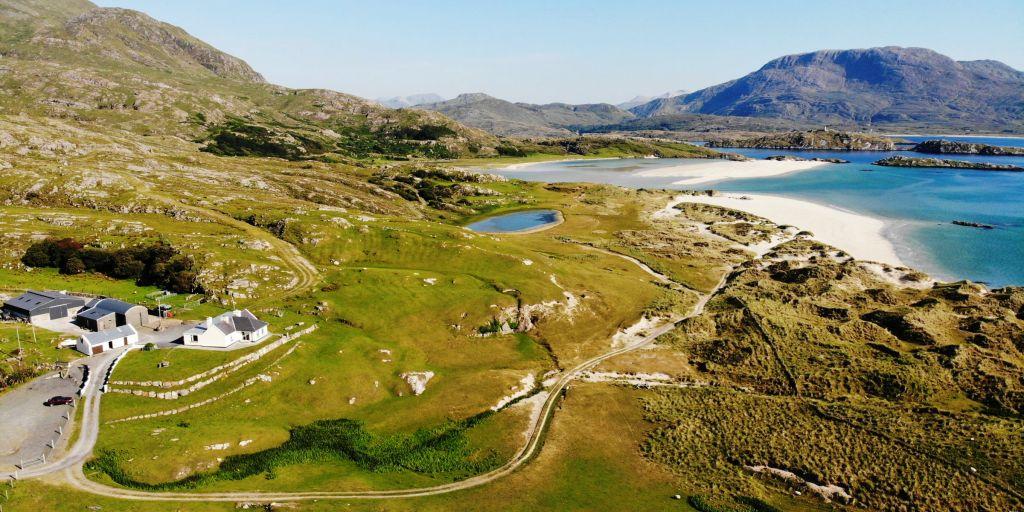
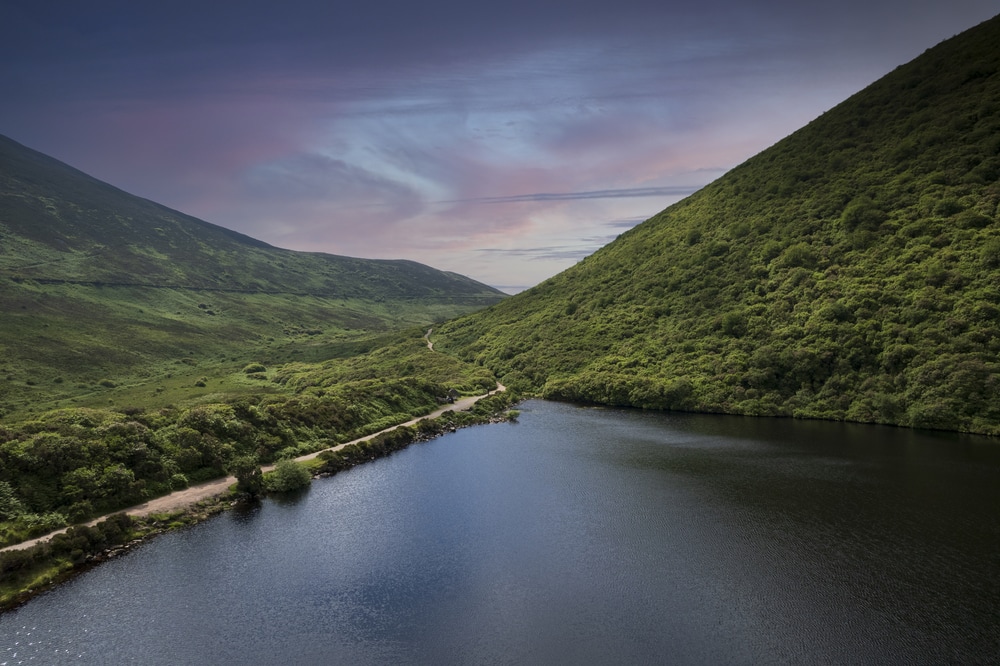
The Knockmealdown Mountains on the Tipperary Waterford border offer exposed ridges and big views over the Blackwater Valley, but it’s important to camp on durable ground that’s already been used. In the Slieve Bloom uplands around Glenregan in County Offaly and County Laois, you’ll find quiet valleys and forestry edges, though you should be discreet and stay well clear of any forestry operations.
On the Beara Peninsula in Cork and Kerry, there are plenty of coastal coves and high passes through the Caha and Slieve Miskish ranges, but camping should always be well out of sight of houses and livestock. The Sheep’s Head and Mizen uplands in County Cork are low, rugged peninsulas with huge sea views, where it’s essential to respect farmland boundaries and any local signage.
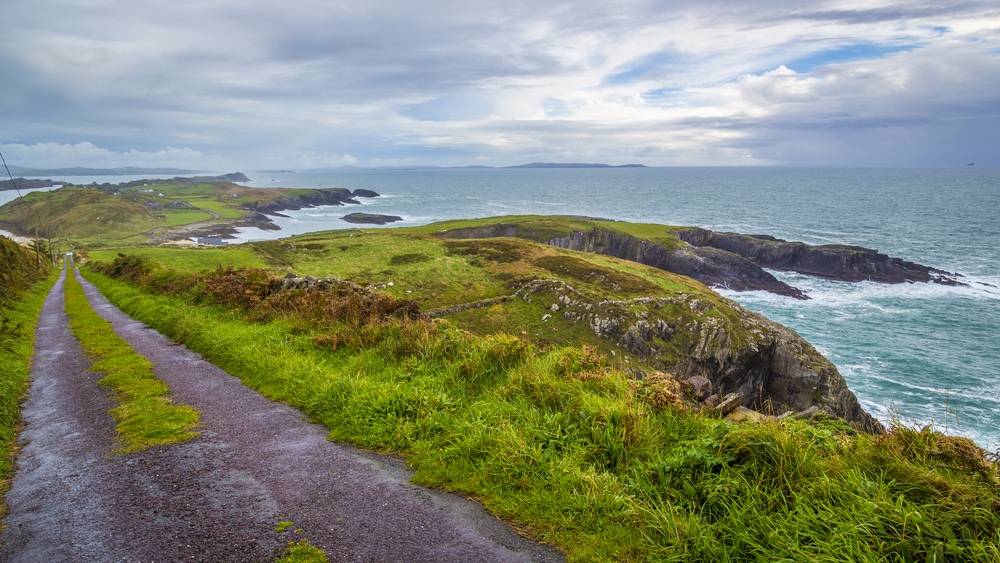

In the Connemara interior around Doonloughan and the Ballyconneely hinterland in County Galway, camping should be kept well back from dunes and local by-laws need to be observed. Omey Island is only accessible at low tide, so trips need careful planning using official tide tables, and tents should always be pitched above the high-water mark.
The non-park high ground of the Comeragh Mountains in County Waterford offers corries and lakes, but weather can change quickly and fires should never be lit. Finally, the Ox Mountains in County Sligo on the Wild Atlantic Way are quiet moorland plateaus where small group sizes and strict leave-no-trace practices are essential.


Remote & Magical Wild Camping Spots
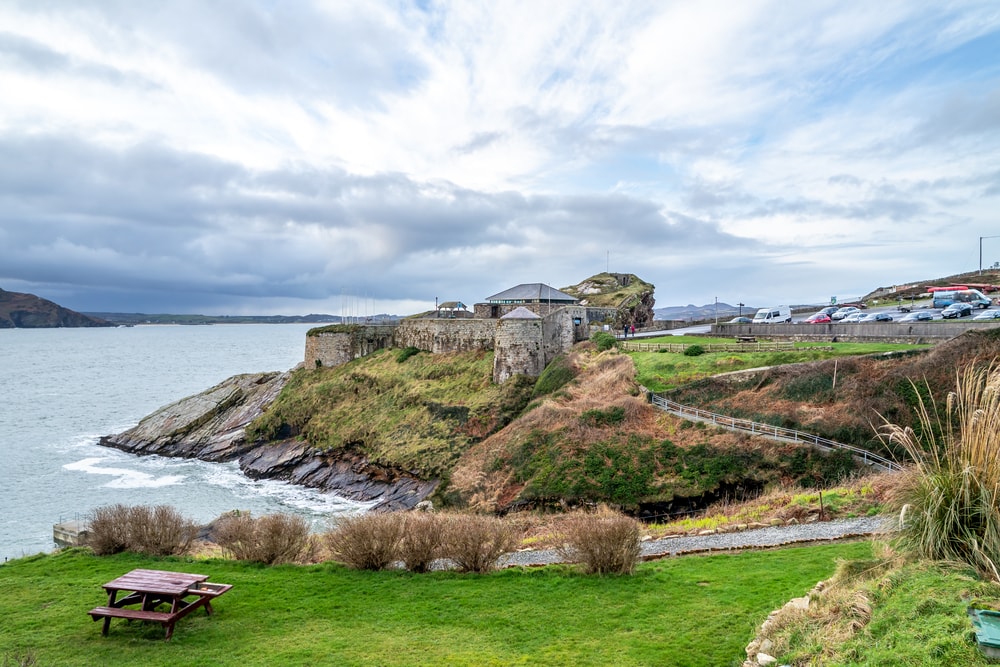
Dunree Beach, Inishowen – County Donegal
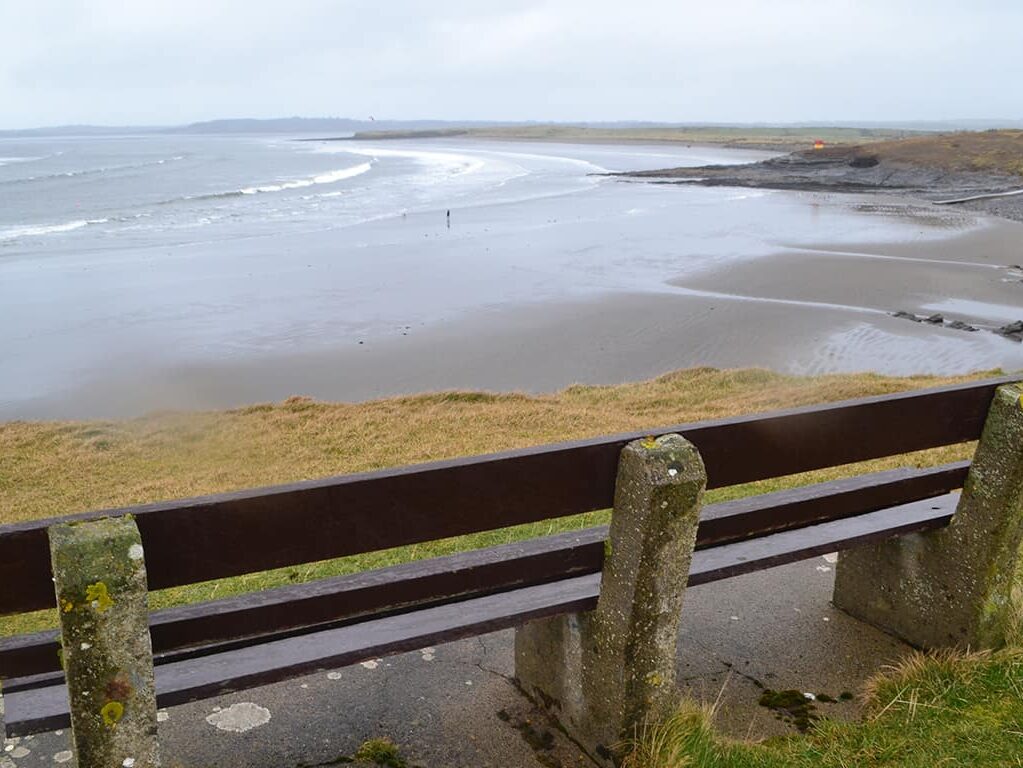
A wild stretch of sand sitting below an old fort on the Inishowen Peninsula,. Super quiet, well sheltered by dunes, and a great place to pitch up for the night if you want proper isolation.
Glenmacnass River – Wicklow Mountains
Tucked away up the valley near Lough Tay, this spot feels miles from anywhere. Remote, scenic, and surrounded by rough mountain shapes — ideal if you’re linking it into a longer hike.
Between Killarney and the Black Valley, Kerry Way
Loads of quiet corners around mountain lakes and upland trails here. Once you’re off the main routes, it’s peaceful and empty just make sure you’re comfortable navigating and carrying what you need.
Lough Salt, Donegal Hills
A much quieter option than nearby national park areas. High ground, big views, and very little foot traffic perfect if you’re after solitude.


Beara Peninsula (Cork/Kerry)
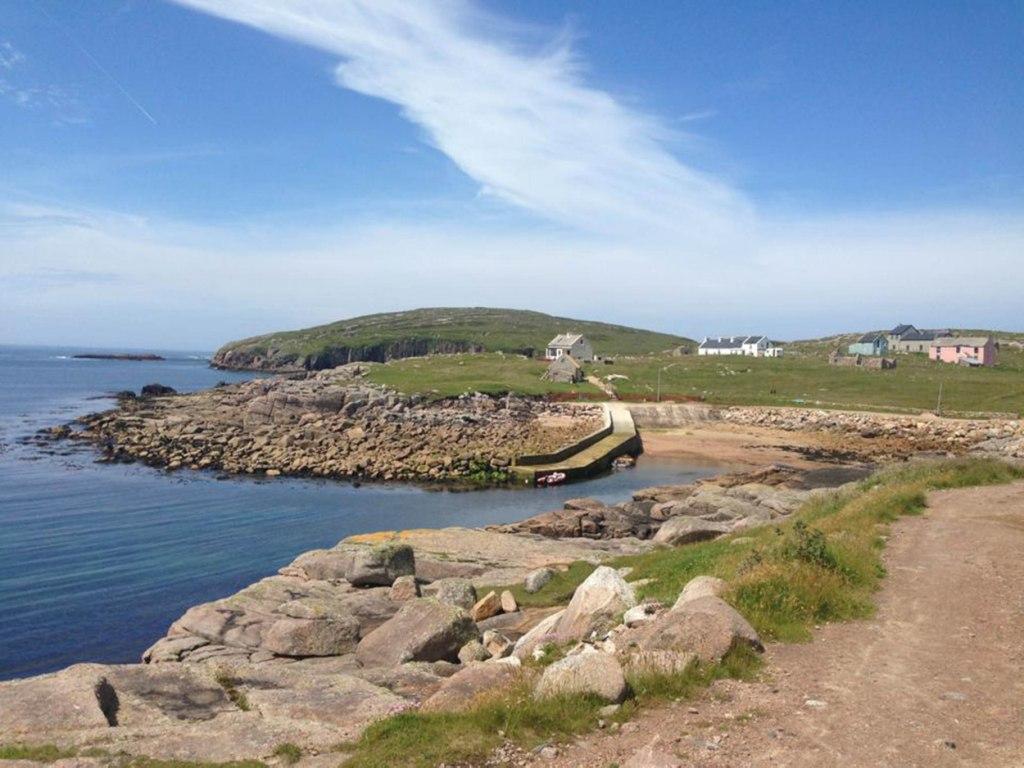
One of the most underrated parts of the country. The Beara Way passes hidden coves, headlands, and coastal spots where you can find a discreet place to camp with the sound of the sea nearby.
Lough Avoher & the Bangor Trail, Mayo
Right in the middle of Mayo’s bogs and ridges. Shelters, lakes, and plenty of space to disappear into weather dependent, but very rewarding.


Lesser-known coasts and islands (West Cork, Sherkin, Omey)
Quiet bays and islands where you can tuck yourself away near dunes or the shoreline. Just keep an eye on tides, access, and local land use.
Tip: Go Properly Remote at Nephin Beg Range, Mayo. About as wild as Ireland gets. Vast forests, empty uplands, and very few people. If you make the effort to get in here, it genuinely feels like another world.
Top ten camping locations – serviced/glamping
Eagle Point Camping, Bantry Bay, Co. Cork
Serviced pitches with sea access and slipways. Clifden Eco Beach, Connemara, Co. Galway carbon‑neutral, duneside site with shore access.

Wave Crest Camping, Caherdaniel, Co. Kerry
Waterfront Ring of Kerry base with full amenities.
Valentia Island Caravan & Camping Park, Co. Kerry
Wild Atlantic Way island hub near Skellig tours.
Rosguill Holiday Park, Downings, Co. Donegal
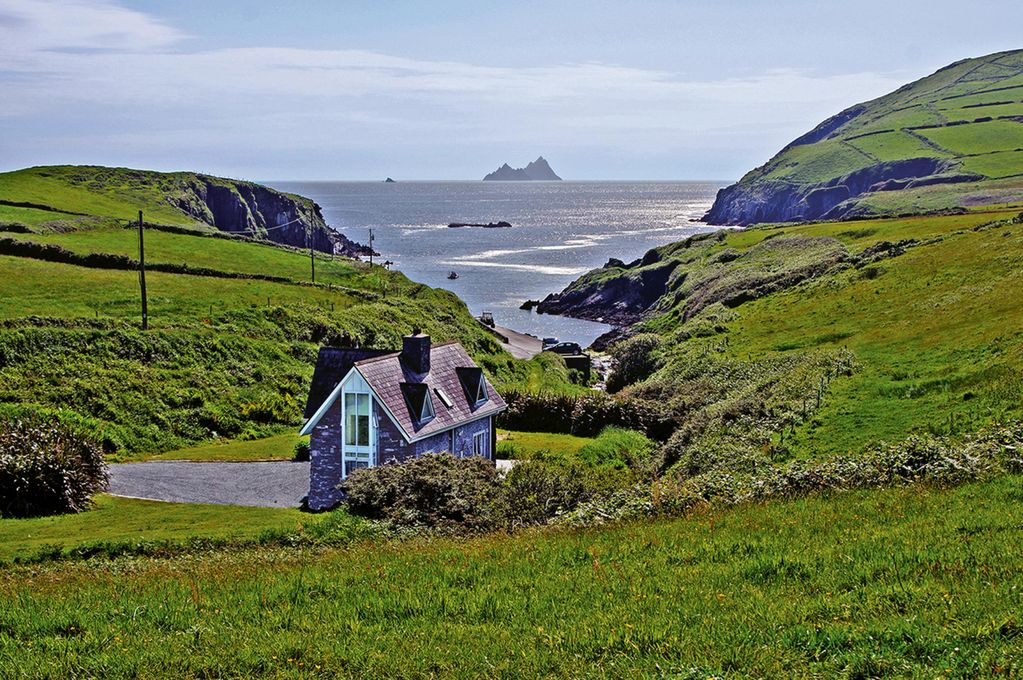
Family‑friendly coastal park with beaches nearby.
Portsalon Luxury Camping (glamping), Co. Donegal
Adult‑only yurts above Lough Swilly.
Roundwood Caravan & Camping Park, Co. Wicklow
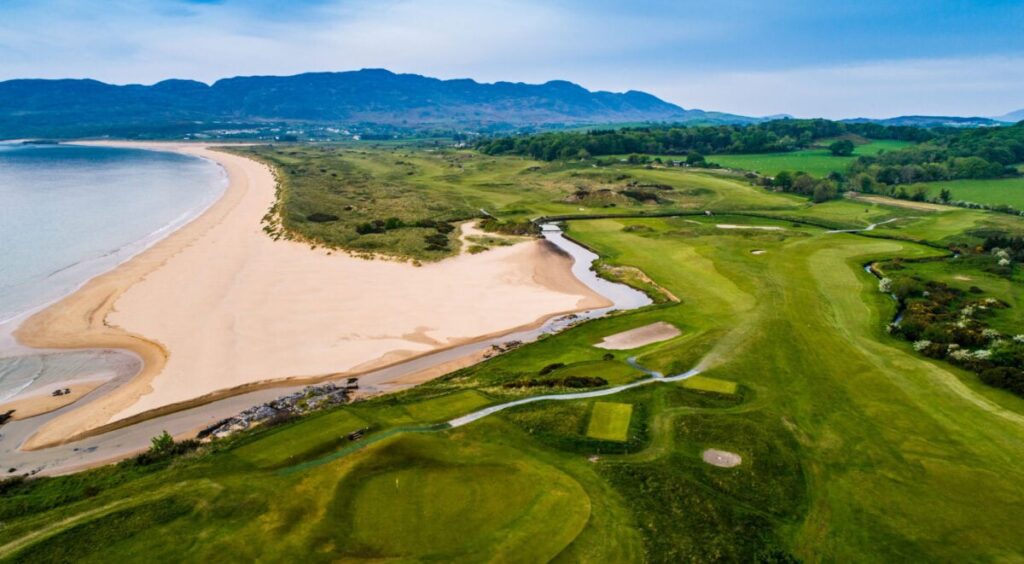
High‑village base for Wicklow Mountains.
Nore Valley Park, Co. Kilkenny
Farm campsite with family activities near medieval Kilkenny.
Rosses Point Caravan Park, Co. Sligo
Atlantic‑facing site near safe, sandy beaches. (Check Sligo County Council or park site for current details.)
Pure Camping (eco‑site), Loop Head, Co. Clare
Eco facilities, woodland trails, yoga/sauna options.


A quick word on how it works. In the Republic of Ireland there is no general “right to roam,” so most land is privately owned and camping without permission is a civil trespass. That sounds stern, but in remote areas a small, late to arrive, early to leave tent is often tolerated when it’s out of sight and leaves no trace.
National parks and protected areas have their own policies that you have to read before you go; they can differ sharply from one park to the next. The National Parks and Wildlife Service keeps the official guidance for each park, and the low impact standard to follow is set by Leave No Trace Ireland. Along the coast, county by‑laws frequently restrict or prohibit camping and overnight parking on beaches, dunes, and public car parks, particularly in summer. When my families plan touches the sea, I check the relevant county council site for current by‑laws and I always plan with Met Éireann’s official tides and marine forecast.
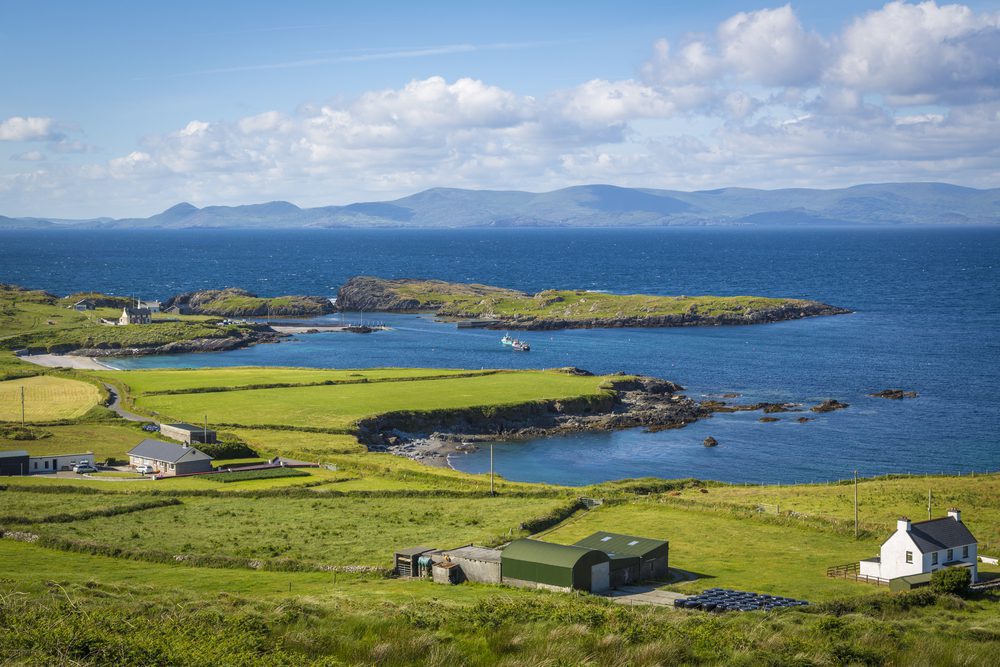
When I’m asked where to start, I usually point the map at a few places that have never failed the boys. The Beara Peninsula on the Cork Kerry line is one. It’s a landscape of edges: Atlantic coves where you fall asleep to surf and, a few kilometres inland, mountain passes through the Caha and Slieve Miskish ranges where the wind quickens and the views stretch to forever.
They look for durable ground well away from houses and livestock; Beara is lived‑in land, and being discreet is part of the pact. In Offaly, the upland valley of Glenregan, tucked between Stillbrook Hill and Wolftrap Mountain, feels unexpectedly quiet given its nearness to the R440. Sit long enough at dusk and you’ll hear the forest’s own conversations.
Connemara never pretends to be anything but wild. Around Doonloughan near Ballyconneely, the water is so clear in the morning you’ll be tempted to swim before coffee. The dunes are fragile and often protected, so pitch back from the beach and heed local notices. A short way north, Omey Island off Claddaghduff is a favourite for those who enjoy the choreography of the tides. You drive or walk across hard sands at low water to reach the island; miss your window and the sea makes the decision for you. They park well above the high‑water line, carry every litre and crumb in and out, and treat the night sky like a show you specifically came to see.
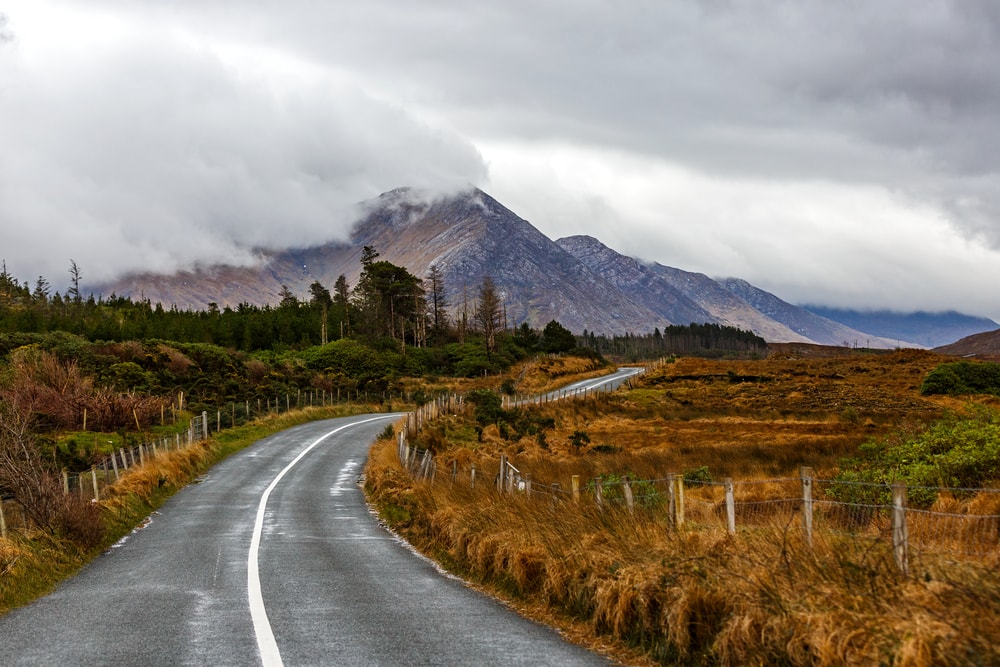
Wicklow is a different sort of wild close enough to Dublin to be a day trip, yet roomy enough to swallow you the moment you step beyond the trails. Wicklow Mountains National Park does not run official campsites and bans camping at Glendalough.
Elsewhere in the park, limited low impact camping is permitted if you pitch at least 400 metres from roads capable of carrying vehicles and at least 400 metres from buildings, move on after every second night to let vegetation recover, and carry out all waste. Fires aren’t part of the deal; bring a stove. This is also a fabulous place for a great hike.
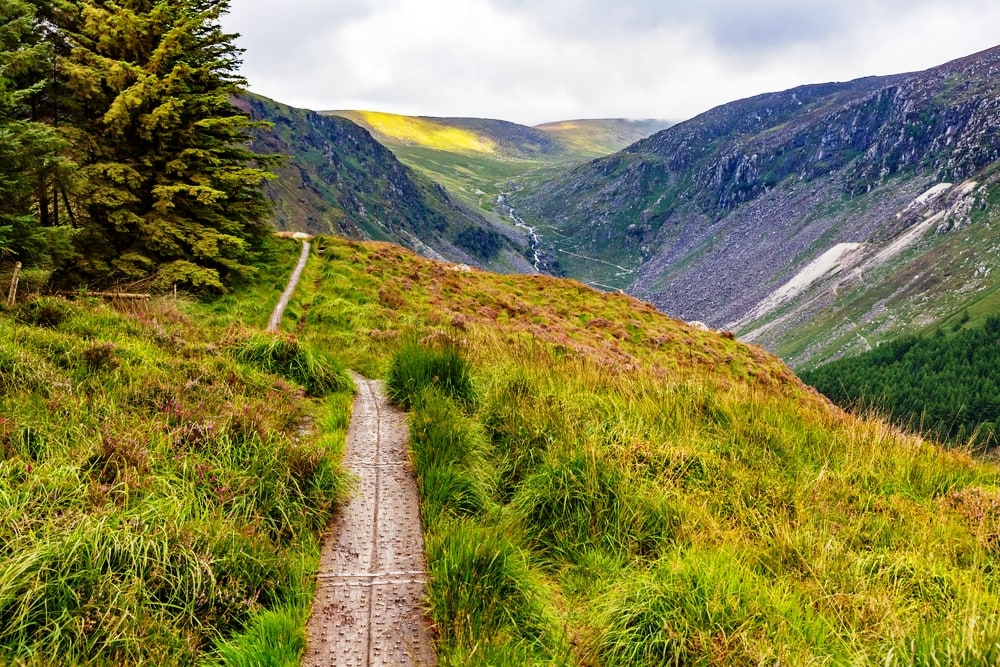


Along the Wicklow Way you’ll find a handful of three sided Adirondack shelters Brushers Gap is the one I’ve used most put up by volunteers for through hikers. I treat them as a bonus, not a plan. They fill quickly, and Wicklow’s weather has a way of reminding you to be self‑reliant. Carry my own shelter and treat any collected water.
If you want broad views and the sensation of being slightly above it all, the Knockmealdown Mountains straddling Tipperary and Waterford deliver. You’ll look out over the Blackwater Valley, share the evening with red grouse rattling the heather and, if you’re lucky, hen harriers quartering the slopes. It’s exposed, so think hard about where you put your pegs. Choose firm, previously impacted ground and be ready for a night that asks your tent to earn its keep.

Not every night needs to be self supported. Some of my personal “camping” trips in Ireland have ended with the knowledge that there’s a real shower in the morning and a café within ambling distance. On the Cork coast, Eagle Point Camping in Bantry Bay has been a reliable base with sea air, slipways, and serviced pitches.
In Connemara, Clifden Eco Beach leans into sustainability and sits quietly among the dunes with direct access to the shore.
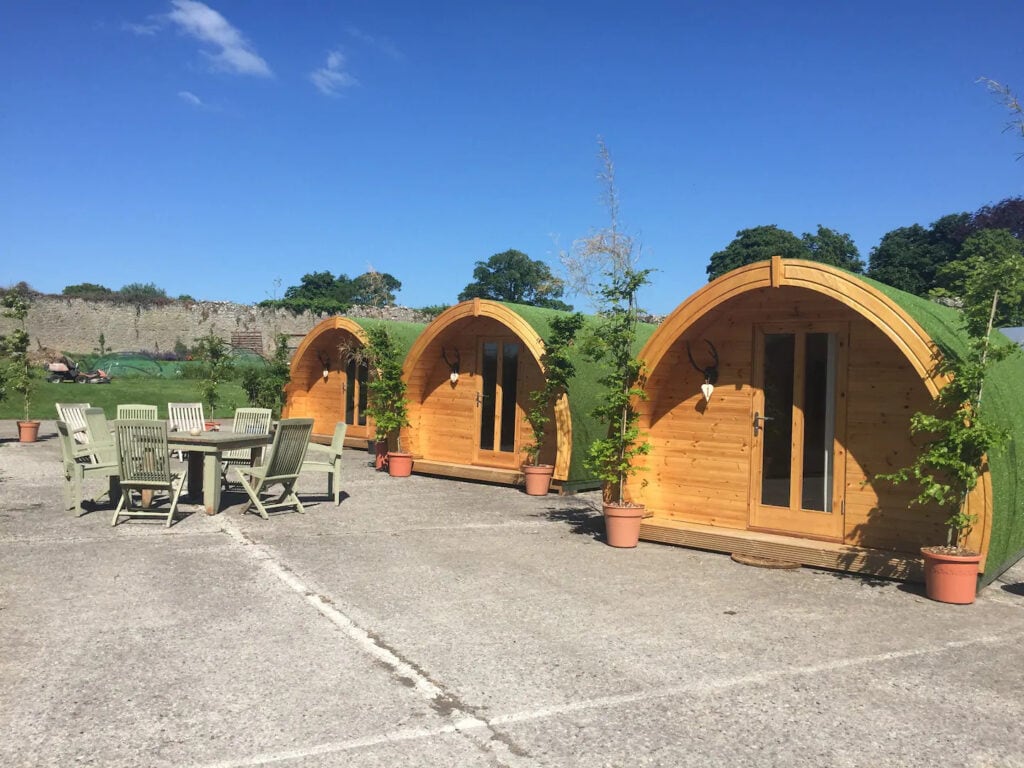
In Donegal Portsalon Luxury Camping’s yurts above Lough Swilly fit the mood. Families I know tend to orbit to a few standbys: Rosguill Holiday Park on Donegal’s craggy finger of coast at the Rosguill Holiday Park.


Nore Valley Park in Kilkenny with its friendly farm and easy access to medieval streets at and Roundwood Caravan & Camping Park up in Wicklow’s highest village, are both a springboard for big days on the hills.
Mayo’s Wild Nephin National Park deserves its own spotlight because it treats backcountry camping as part of the plan rather than a tolerated quirk. You register in advance, leave vehicles at designated areas near Letterkeen, and walk into pedestrian only zones that feel satisfyingly remote.
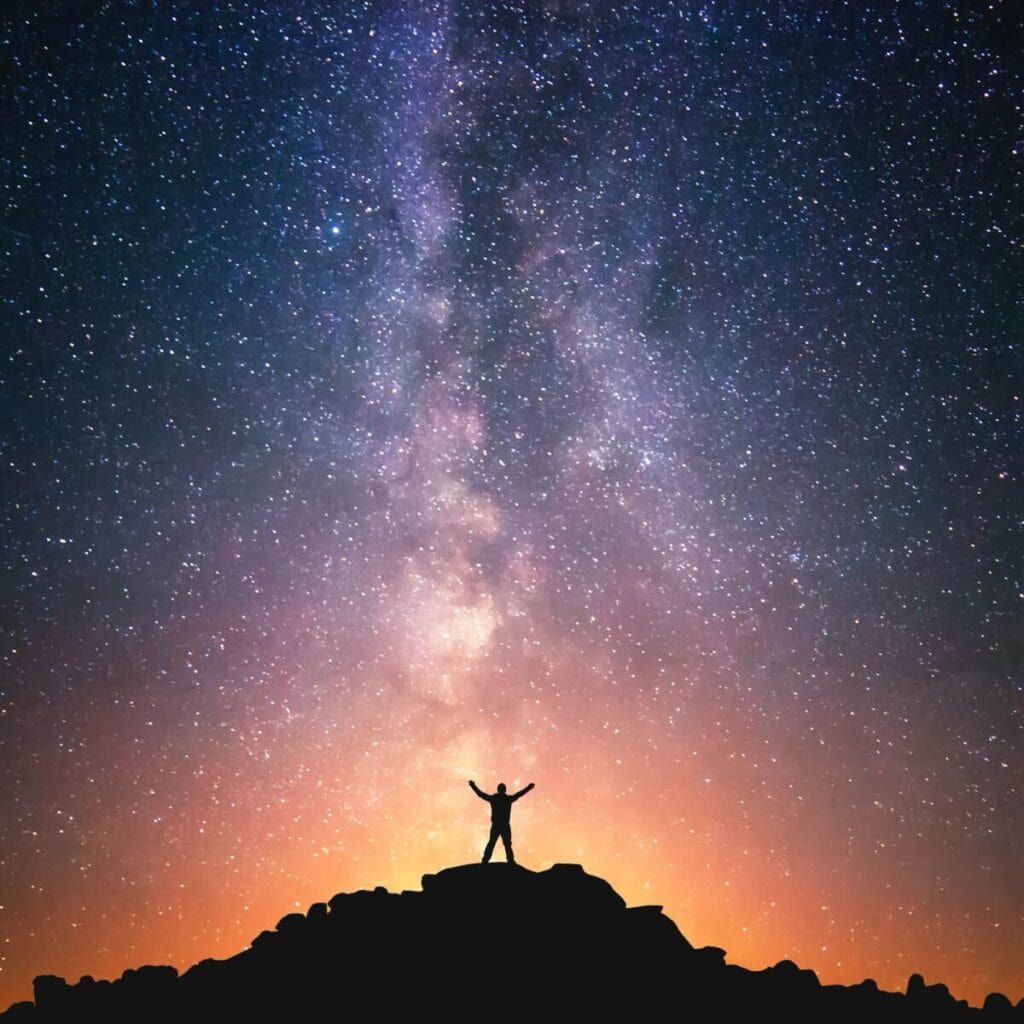
It’s also a Dark Sky Park, and on a clear night you’ll see why staff talk about it with a sort of quiet pride. The Altnabrocky shelter is reachable via a long, leg testing hike; it’s not a guarantee of a bed so much as a waypoint for those who like their horizons wide.
A few practical habits have kept their trips smooth. They treat weather as a partner, not an opponent. Met Éireann’s forecast pages are open on their phones before lacing up their boots. Even in July they pack a 3‑season tent with a full fly, a sleeping bag comfortable near 0–5 °C, and a mat that insulates from cold ground.
They carry a stove and skip open fires many parks and uplands ban them, and the risk simply isn’t worth it. They pitch out of sight of houses and livestock and, where it makes sense, They always ask. A quick, polite conversation with a farmer at a gate has turned more than one maybe into a yes. Assume all wild water needs treatment, keep your footprint small enough that the next person won’t know you were there.
Legally, the line is clear even if local practice can be forgiving. In the Republic, most land is private, so camping without permission is trespass under civil law and you can be asked to move on. On beaches and dunes, many county by‑laws prohibit tents and over nighting; fines and enforcement tend to spike in summer.

In the end, camping in Ireland isn’t really about where you put up your tent. It’s about letting the weather set the tempo, taking the kind of detours hotels make harder, and leaving places as lovely as you found them. On this island it’s always tempting to add just one more night, one more headland, one more hill with a view that might be a little better than the last. If you’ve found a campsite that feels like home or a quietly chosen wild spot that taught you something about care and place, tell me. Good nights out here have a way of multiplying when they’re shared.
Join 7,500 Ireland travellers in my Ireland Uncovered Facebook Group and 1,897 on my XYUandBEYOND PAGE
Start Planning Your Trip
👉 Public Transportation in Ireland
👉 Hidden Gems in Ireland – 32 Secret places to visit
👉 Answering all your travel questions about Ireland
👉What to pack for your Ireland trip
👉 Northern Ireland Public Transportation