
The Ultimate Guide to the Best Things to Do in Tipperary, Ireland
The best things to do in Tipperary include visiting the Rock of Cashel and Hore Abbey, exploring Cahir Castle and the Swiss Cottage, hiking the Glen of Aherlow, discovering the Mitchelstown Caves, cycling the Suir Blueway, and uncovering early Christian heritage at the Ahenny High Crosses. County Tipperary sits at the heart of Ireland’s Ancient East and rewards curious travellers with far more than most visitors expect.

- The Ultimate Guide to the Best Things to Do in Tipperary, Ireland
- Why Tipperary Belongs on Your Ireland Itinerary
- Essential Information: Tipperary at a Glance
- How to Plan Your Visit to Tipperary
- The Rock of Cashel: Tipperary's Most Iconic Landmark
- Castles, Abbeys, and Early Christian Heritage
- Irish Folklore, Legends, and Hidden Places
- Walking, Cycling, and the Great Outdoors
- Tipperary's Towns: More Than a Passing Stop
- Traditional Music, Pubs, and the Living Culture of Tipperary
- Food in Tipperary
- Practical Information for Visiting Tipperary
- Final Thoughts on the Best Things to Do in Tipperary
- Frequently Asked Questions: Things to Do in Tipperary
Why Tipperary Belongs on Your Ireland Itinerary
The best things to do in Tipperary stretch well beyond the famous song. County Tipperary, Ireland, sits in the province of Munster in the very heartland of the island, and it has been quietly accumulating layers of history, folklore, and natural beauty since the Normans arrived in the thirteenth century. Most visitors drive through on the way to Cork or Killarney, glance at the Rock of Cashel from the car window, and move on. That is a mistake.
I spent nearly a year living just outside Tipperary town (Tip Town as it is known here), housesitting on the edge of the Golden Vale. I drove almost every back road in the county, brought friends to ruins they had never heard of, and stopped at more ancient pillar stones than I can count. What I found was a county with a genuinely laid-back attitude, extraordinarily kind people, and a depth of heritage that most guidebooks barely scratch. This is the guide I wish I had before I arrived.
County Tipperary was named one of the world’s best foodie destinations in 2022 by Conde Nast Traveller. It is also home to some of Ireland’s finest medieval architecture, early Christian art, and walking trails. The county is completely landlocked, but it has four mountain ranges, two major rivers, and a lake shore along Lough Derg. There is no shortage of things to fill your days.


Essential Information: Tipperary at a Glance
County Tipperary is located in Munster in the south of Ireland, roughly equidistant from Cork, Limerick, Kilkenny, and Waterford, each about one hour by car. Dublin is approximately two hours away. The county name comes from the Irish Tiobraid Arann, meaning well of the Arra, a reference to the river that flows through it.
The county divides into North and South Tipperary regions and is bisected by the Golden Vale, one of the most fertile agricultural plains in Europe. The River Suir runs through the south and the River Shannon borders the north, draining into Lough Derg. The mountain ranges of the Galtees, the Knockmealdowns, the Arra Hills, and the Silvermines provide spectacular walking country.
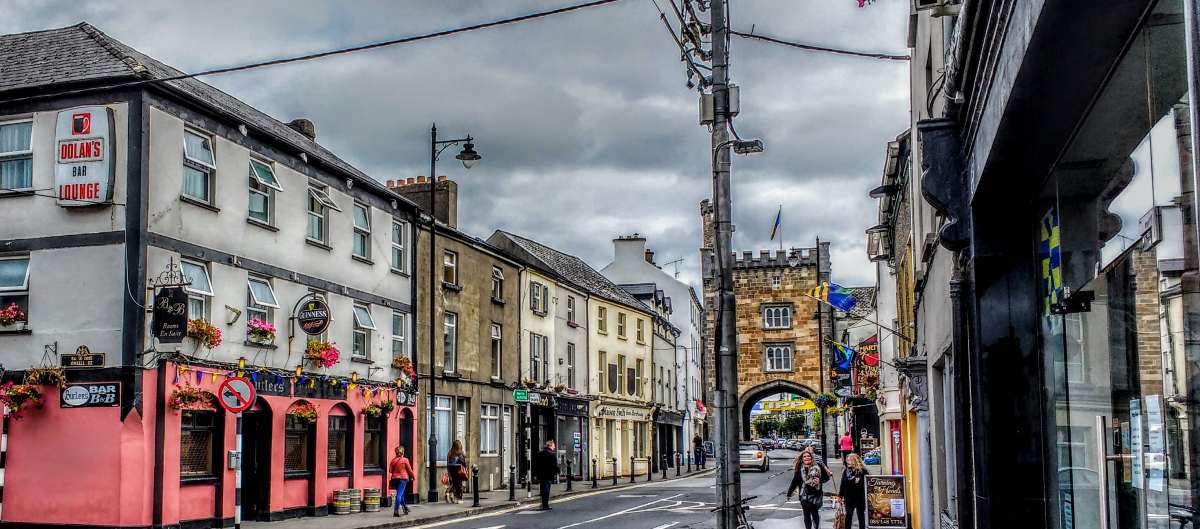
The largest towns are Clonmel, Nenagh, and Thurles. Cashel, Cahir, and Tipperary town itself are smaller but punching well above their weight for visitors.
How to Get to Tipperary
The most flexible way to explore County Tipperary is by rental car. The county is large, many of the best sites are rural, and public transport between smaller towns and villages is limited. From Dublin, the drive takes around two hours on the M8 motorway.
Train travel from Dublin to Tipperary town takes approximately two hours and forty minutes and costs between 20 and 27 euros. Bus Eireann services connect Dublin and Dublin Airport to several Tipperary towns, with journey times of around four and a half hours at a cost of 19 to 28 euros. For getting around the county itself, a car is essential.

How to Plan Your Visit to Tipperary
- Base yourself in Cashel, Cahir, or Clonmel for the most central access to attractions across the county.
- Allocate at least two full days to scratch the surface, three or four days if you want to include walking, cycling, and off-the-beaten-track sites.
- Book the Rock of Cashel first thing in the morning to beat tour groups, which typically arrive between 10am and noon.
- Pick up a county map from a local tourist office or download the Discover Ireland app for offline navigation, as mobile signal is patchy on rural roads.
- Check Heritage Ireland at heritageireland.ie for free entry days at Cahir Castle and the Swiss Cottage, which are offered periodically on Wednesdays.
- Consider combining your trip with a visit to Birr Castle in neighbouring County Offaly if you are travelling in late summer, when the famous Game Fair draws visitors from across Tipperary and beyond.
- Allow time to simply drive without a fixed plan. Some of the most memorable discoveries in Tipperary are found on unmarked roads between scheduled stops. I stumbled across the Solohedbeg Memorial to the Rising in just this fashion.
The Rock of Cashel: Tipperary’s Most Iconic Landmark
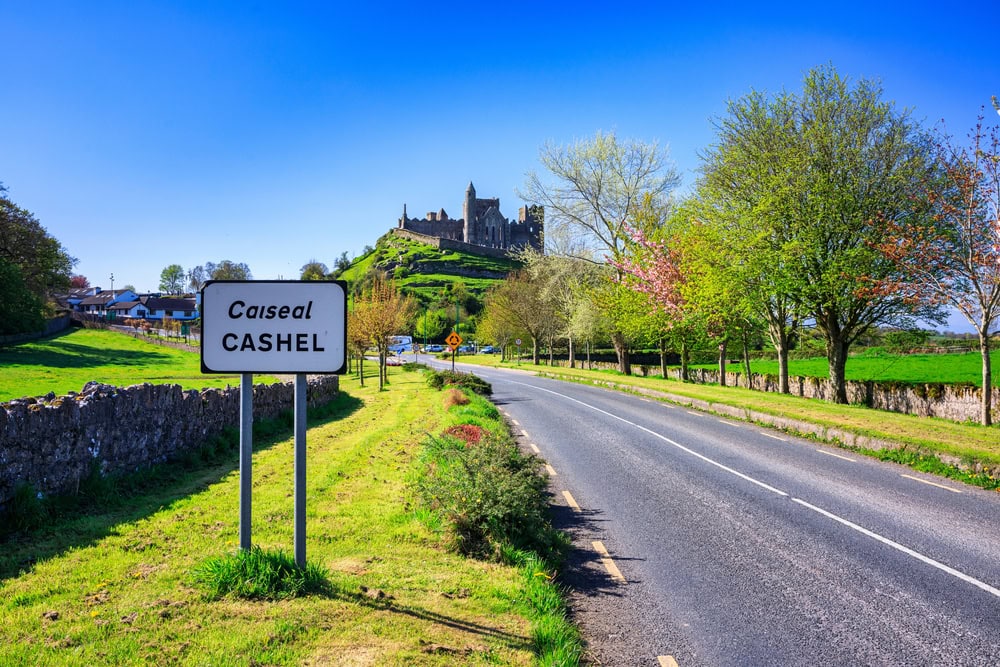
No guide to the best things to do in Tipperary is complete without the Rock of Cashel. Rising dramatically from limestone outcrops above the Golden Vale, this cluster of medieval buildings is one of the most visited heritage sites in Ireland and one of the most visually striking.

The complex includes a round tower, a thirteenth-century Gothic cathedral, the twelfth-century Cormac’s Chapel with some of Ireland’s oldest Romanesque frescoes, and the Hall of the Vicars Choral. The Rock was the seat of the Kings of Munster for centuries before it was handed over to the Church in 1101. According to Irish folklore, the Rock was created when the devil took a bite out of the nearby Devil’s Bit Mountain during a confrontation with Saint Patrick and spat out the limestone chunk where it now stands.
Admission to the Rock of Cashel is managed by Heritage Ireland. Prices and opening hours are listed on the website. The site is popular year-round but particularly busy in July and August. Arriving at opening time is strongly recommended.
Hore Abbey
A short walk from the Rock of Cashel across open fields brings you to Hore Abbey, a thirteenth-century Cistercian ruin that sits quietly in a green field with no admission fee and almost no other visitors. The contrast with the bustle at the Rock makes it one of the most atmospheric stops in Tipperary. The ruins are substantial, the grounds are freely accessible, and the views back to the Rock make for excellent photographs.


Bru Boru Cultural Centre
At the base of the Rock of Cashel, the Bru Boru Cultural Centre is an affiliate of Comhaltas Ceoltóirí Éireann, Ireland’s foremost traditional music organisation. The centre hosts theatre performances, live traditional music, and Irish dancing. Underground, seven metres below street level, the Sounds of History exhibition guides visitors through Irish culture across the centuries. It is an excellent way to add cultural context to a visit to the Rock.
Cashel Folk Village Museum
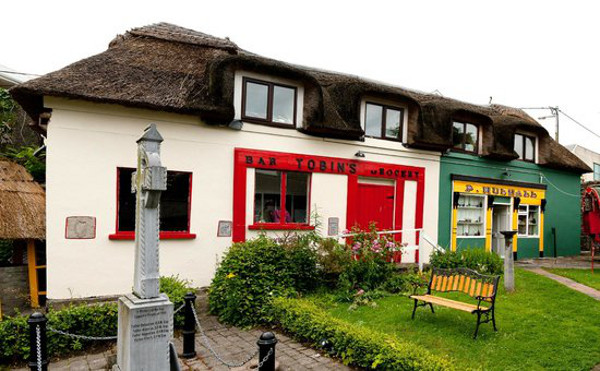
Located on Moor Lane, just 250 metres from the Rock, the Cashel Folk Village Museum is a small but richly detailed collection covering the Great Famine, the 1916 Rising, and the War of Independence. The museum also contains an ancient forge, a wishing well, a tinker’s caravan, and a Penal Chapel. It is a hidden treasure that most visitors walk straight past.
Cahir Castle and the Swiss Cottage
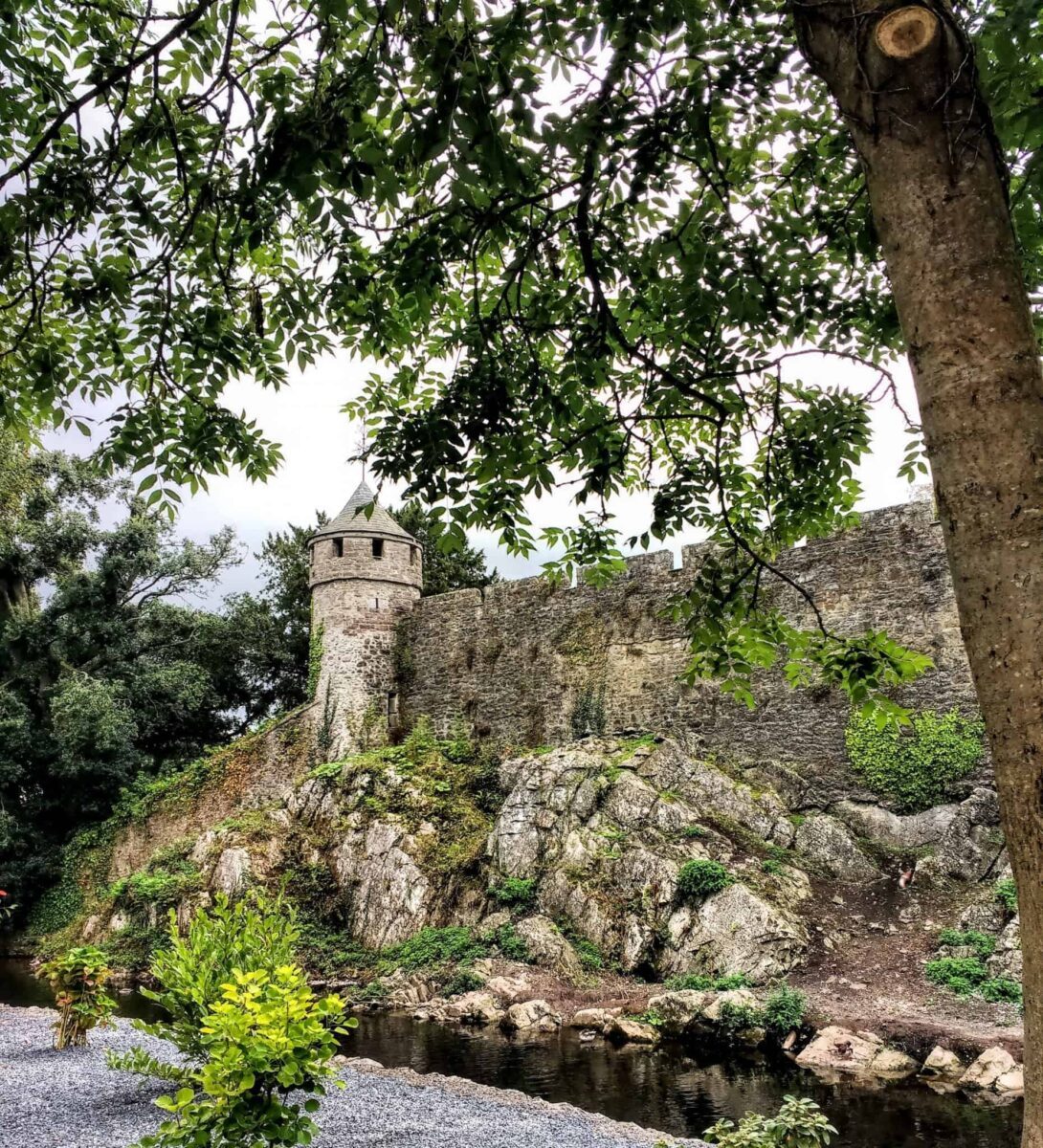
Cahir, pronounced care, is a medieval town with one of the largest and best-preserved castles in Ireland. Cahir Castle sits on a tiny island in the River Suir and was built in the twelfth century. The castle retains its original portcullis and mechanism, its great hall, and its tower rooms, and visitors can walk through most of the interior at their own pace or join a guided tour for around five euros. On selected Wednesdays, Heritage Ireland opens the castle for free.

A short walk from the castle brings you to the Swiss Cottage, built in the early nineteenth century as a romantic rural retreat by Richard Butler, the Earl of Glengall. Designed in the style known as Cottage Orne, it is widely attributed to the architect John Nash. The thatched roof, intricate timber fretwork, and climbing roses make it one of the most charming small buildings in Ireland. Inside, two rooms upstairs and two rooms downstairs are beautifully restored, with servants quarters and kitchens hidden in the basement. Tours cost around four euros.
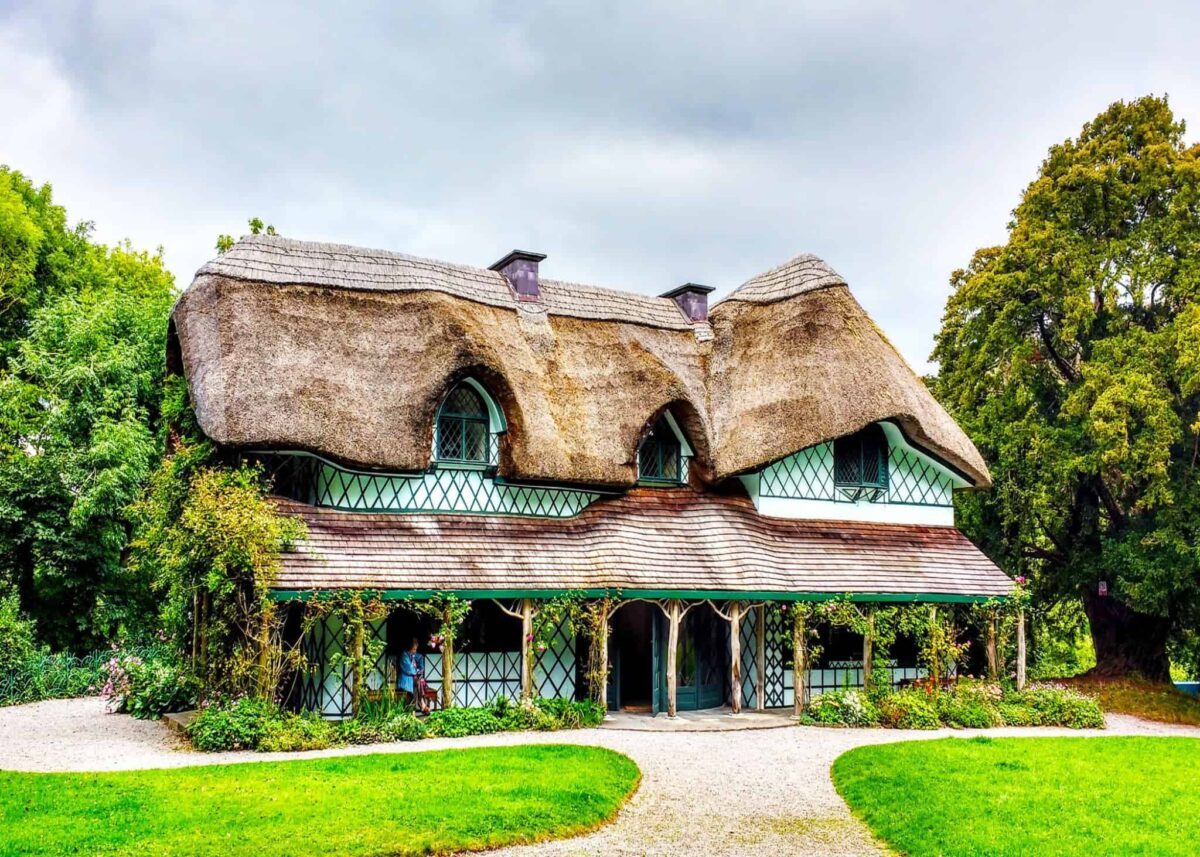
In my opinion Cahir is one of the most underrated towns in Ireland. The castle is genuinely impressive, the town itself is lovely for a walk, and the combination of the castle and the Swiss Cottage makes for a full half-day without rushing.
Fethard and the Sheela na Gigs
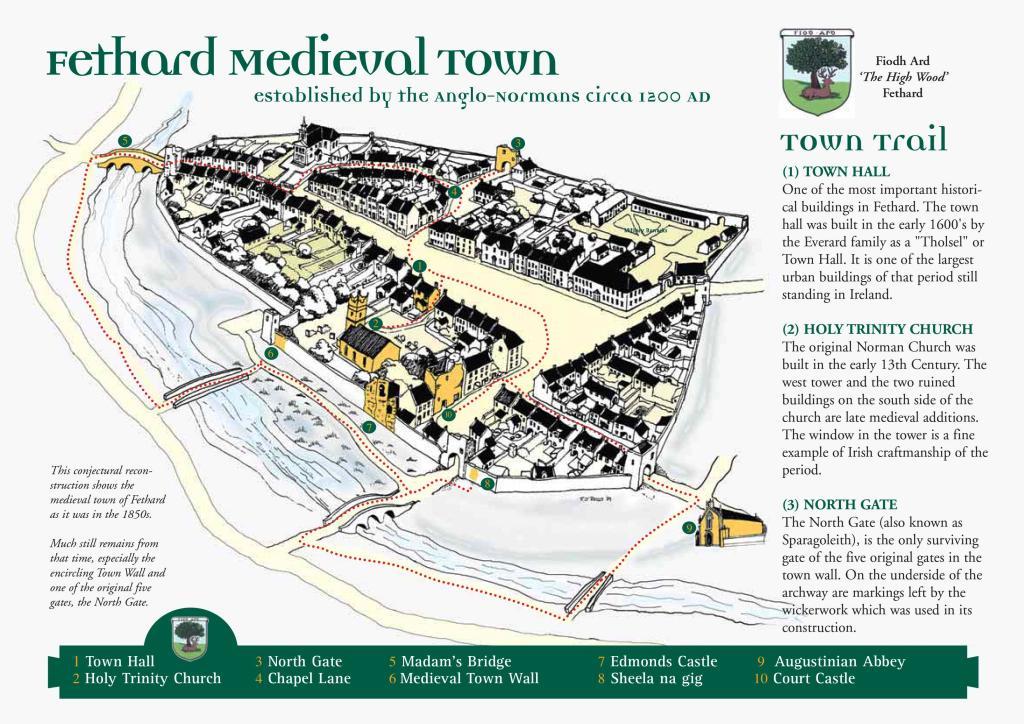
The medieval walled town of Fethard is one of the best-preserved in Ireland and reason enough on its own to visit, but it holds an additional draw for anyone interested in early Irish art and folklore. Fethard is home to several Sheela na Gig carvings, the enigmatic female figures found on medieval churches and castles across Ireland and Britain, depicted in an explicitly sexual pose that has been interpreted variously as a fertility symbol, a warning against lust, or a survival of pre-Christian goddess imagery.
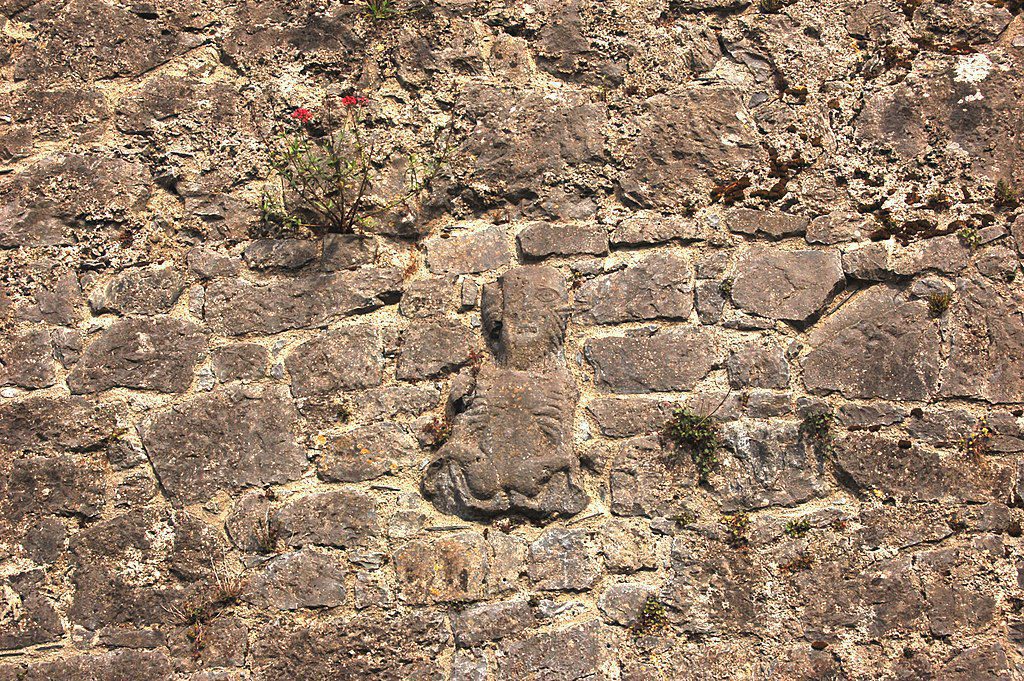
Scholars continue to debate their meaning, which is part of what makes them so compelling. The Fethard examples are among the more accessible in Ireland and the town’s Folk, Farm and Transport Museum provides useful local context. Fethard rewards a slow wander and is only a short drive from Cashel, making it an easy addition to any itinerary in that part of the county.
The Glen of Aherlow and the Galtee Mountains
The Glen of Aherlow is a broad green valley between the Galtee Mountains and the wooded ridge of Slievenamuck, and it is one of the most beautiful corners of Tipperary. The Galtees, stretching across the Golden Vale, rise to over 900 metres and include several mountain lakes: Lough Curra, Lough Muskry, and Lough Borheen.

The glen offers walking, cycling, horse riding, fishing for perch and brown trout in the River Aherlow, and four golf courses. The Ballyhoura Mountain Bike Trail network, one of the finest off-road cycling destinations in Ireland, is accessible from the southern edge of the glen. The views across the Golden Vale from the higher paths are extraordinary.
Holy wells are scattered throughout the mountains, including Saint Pecaun’s Holy Well and Saint Sedna’s Well in Clonbeg Churchyard, both linked to early Christian pilgrimage traditions and Irish folklore around healing and protection. These sites are part of a living spiritual geography that predates the Norman arrival and gives Tipperary’s landscape its particular depth.

Moor Abbey
In the beautiful Glen of Aherlow, with the Galtees rising behind it, are the ruins of Moor Abbey. This Franciscan friary was founded in the thirteenth century by Donnchad Moir O Briain, King of Thomond. The ruins are atmospheric and largely unvisited. The combination of mountain backdrop, medieval stonework, and silence makes it one of the most evocative spots in Tipperary.


The Knockmealdown Mountains
In South Tipperary, the Knockmealdown Mountains offer accessible hiking with the highest point at 794 metres. The views across into County Waterford are excellent on clear days, and the terrain is less demanding than the Galtees, making the Knockmealdowns a good option for families or less experienced walkers.

Castles, Abbeys, and Early Christian Heritage
Tipperary is saturated with medieval and early Christian heritage. Driving through the county, you will pass tower houses, ruined abbeys, high crosses, and ringforts on almost every road. Most are free to visit, freely accessible, and almost entirely unvisited by tourists who do not know to look for them.
Athassel Abbey
A mile south of the village of Golden on the banks of the River Suir stand the remains of Athassel Abbey, the largest Augustinian priory in Ireland. Founded in the late twelfth century, the complex is remarkably intact, with a gatehouse, small bridge, cloisters, and the nave of the church still standing. The approach across the fields from a small car park is part of the experience. There is no admission fee.

Holycross Abbey
Holycross Abbey straddles the boundary between North and South Tipperary on the banks of the River Suir. This Cistercian foundation dates from the twelfth century and, unusually for Ireland, its church has been fully restored and remains an active place of worship and pilgrimage. The abbey’s name refers to its claim to possess a relic of the True Cross. It is a genuinely special place that combines living religious practice with extraordinary medieval architecture.


Ahenny High Crosses
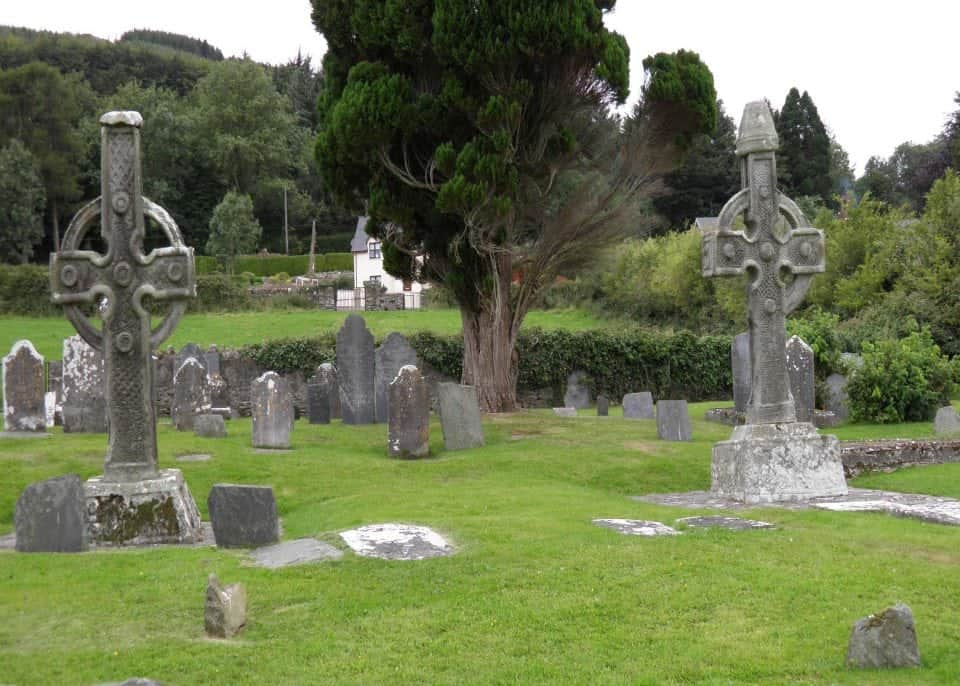
Near Carrick-on-Suir in the east of the county, the Ahenny High Crosses are two eighth-century sandstone crosses standing over three metres high in Kilclispeen graveyard, each intricately carved with Celtic knotwork and biblical scenes including Daniel in the Lions Den and Adam naming the animals.
They are among the finest examples of early Christian art in Ireland and are part of the Ossory group of high crosses, evidence of a monastic settlement at this site. The crosses are free to visit and, for reasons that are genuinely baffling, almost completely unknown outside specialist circles.
Roscrea Castle and Damer House
In the heart of Roscrea, one of the oldest towns in Ireland, a stone motte castle built in the 1280s has survived remarkably intact. The castle includes a gate tower, two corner towers, and curtain walls, and was used variously as a barracks, a school, a library, and a sanatorium over the centuries. Sharing its grounds is Damer House, a rare example of pre-Palladian domestic architecture, containing a stunning carved stone entrance and central staircase. The site also displays the original Saint Cronan’s high cross and pillar stone.

Ormond Castle
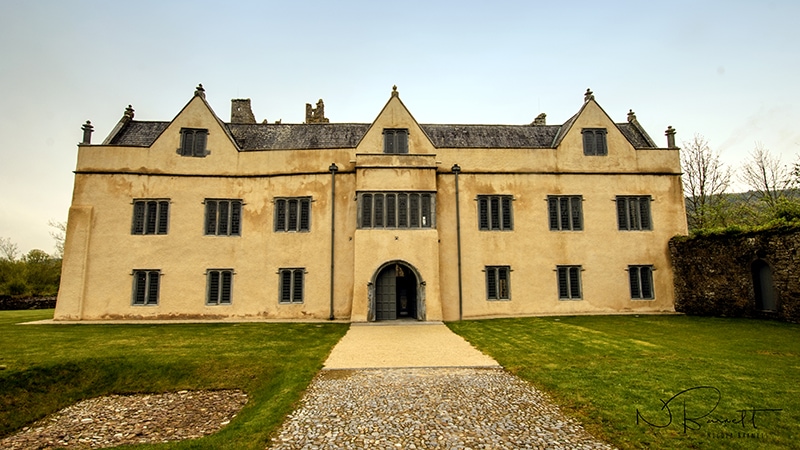
Ormond Castle in Carrick-on-Suir is described by Heritage Ireland as the best surviving example of an Elizabethan manor house in Ireland. Built by the tenth Earl of Ormond in the 1560s, the house contains two fifteenth-century towers, remarkable decorative plasterwork, and a magnificent long gallery. It was built in anticipation of a visit by Queen Elizabeth I, which never came. Guided tours are available and highly recommended for the quality of interpretation.
Lisronagh Castle
Lisronagh has been inhabited since at least the medieval period. The Butler family built a tower house in the village in the sixteenth century, which now stands as a ruin. A remarkable survival, the rental of the manor of Lisronagh dating to 1333 describes local landholdings and tenants’ rights and gives a rare human-scale view of medieval rural life in Tipperary.

Irish Folklore, Legends, and Hidden Places
Tipperary is woven through with Irish folklore. The Devil’s Bit legend, which attributes the Rock of Cashel to a chunk spat out by the devil after breaking a tooth on the mountain, is one of many stories that link the county’s landscape to supernatural conflict and the victory of Christianity over older powers. The mountain itself stands at 478 metres and is the starting point for a five-kilometre loop walk with views across eight counties from the summit.
Giant’s Gravestone
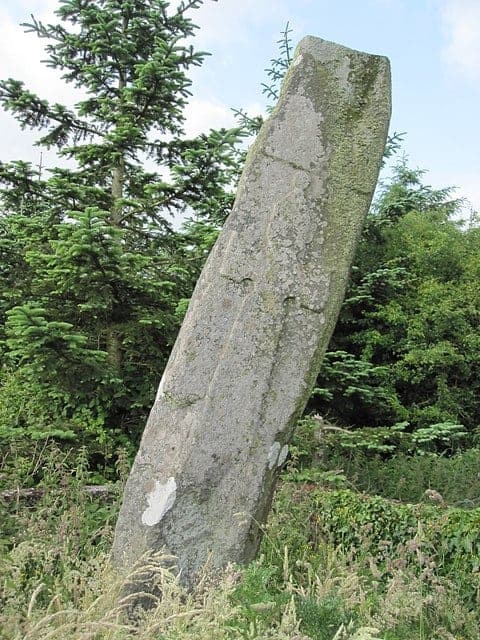
One of the stranger and lesser-known sites in Tipperary is the Giant’s Gravestone near Slievenamon. This three-metre pillar stone has crosses engraved on both sides and is associated with multiple local legends: one says the hill where the stone stands is where the mythological hero Fionn Mac Cumhaill received the gift of prophecy; another holds that the stone was thrown from the Slievenamon summit by a giant. The stone predates these stories by centuries but the legends cling to it with the particular tenacity that characterises Irish folklore.
Soloheadbeg Ambush Memorial
Hidden down an unmarked road near Tipperary town is the memorial to the Soloheadbeg ambush, the event widely considered to have started the Irish War of Independence in January 1919. A small band of Tipperary Volunteers ambushed a Royal Irish Constabulary escort carrying gelignite, killing two constables and launching a guerrilla campaign that would end British rule in most of Ireland. The memorial is signposted on the road to Limerick. It is one of the most historically significant and least visited sites in the county.

Saint Patrick’s Well
Near Marfield Village outside Clonmel, an ancient Celtic cross stands in the centre of a small pond beside a fresh spring well. Saint Patrick’s Well is said to be Ireland’s largest holy well and has been a place of pilgrimage for centuries. The ruined church on the site dates to the seventeenth century. The site is serene, freely accessible, and deeply atmospheric.

Walking, Cycling, and the Great Outdoors
Lough Derg and the Lough Derg Way
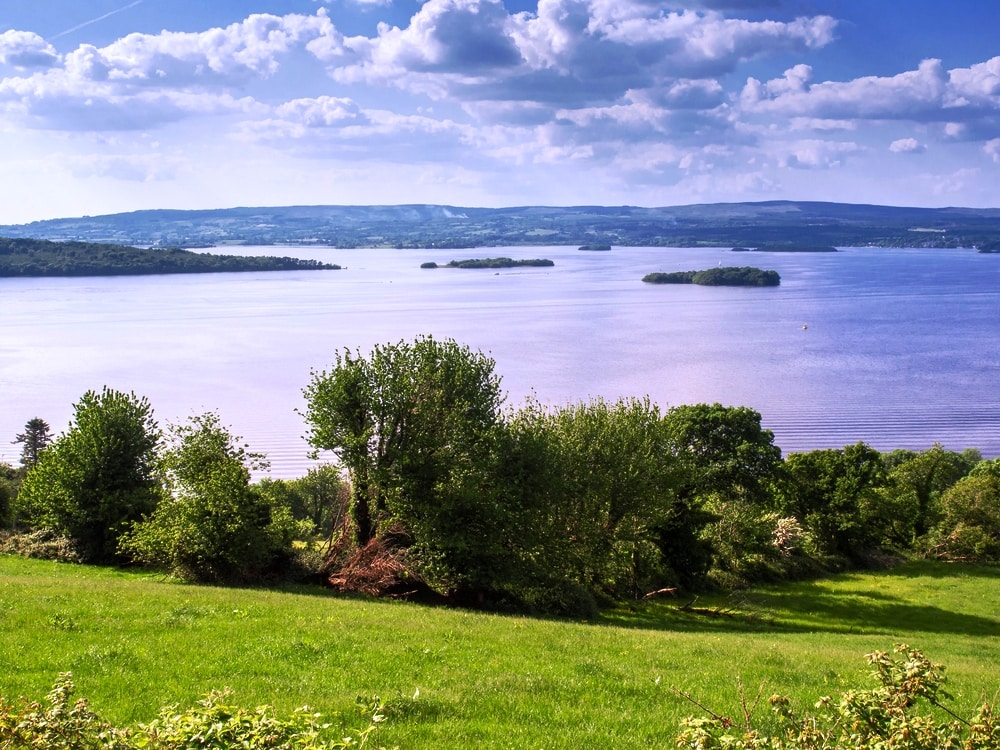
Lough Derg is the third-largest lake in Ireland and forms the northern boundary of Tipperary where the Shannon widens into a broad expanse of water surrounded by green hills and small harbours. The lake is shared with counties Clare and Galway. The Lough Derg Way is a walking route that follows the shoreline through some of the most peaceful scenery in the midlands, passing through villages such as Dromineer and Terryglass. Boating, sailing, kayaking, and angling are all available on the lake.
Suir Blueway
The Suir Blueway is a cycling and walking trail following the River Suir from Cahir to Carrick-on-Suir. The route passes through the Suir Valley, an Area of Outstanding Natural Beauty, and is largely flat and family-friendly. The trail connects several historic towns and passes close to Ormond Castle near Carrick-on-Suir. This is one of the best ways to experience the rural character of County Tipperary at a gentle pace.
Slievenamon
Slievenamon, meaning Mountain of the Women in Irish, is a solitary peak rising to 721 metres above the Suir Valley. In Irish mythology and folklore, the mountain is associated with the Tuatha De Danann, the supernatural race said to inhabit the Irish landscape. Fionn Mac Cumhaill is said to have held a race to the summit to choose a wife. The walk to the summit is a steady climb with wide views extending on clear days to Wexford and the Wicklow Mountains.

River Suir Fishing
The River Suir is renowned as one of Ireland’s finest fly fishing rivers. The stretch from Ardfinnan to Carrick-on-Suir is particularly celebrated for salmon runs, with fish averaging twelve to eighteen pounds when conditions are right. Sea trout and brown trout are also present throughout the river. Fishing in Tipperary is a serious pursuit with a dedicated following, and local permit and day ticket information is available through the Inland Fisheries Ireland authority.
Tipperary’s Towns: More Than a Passing Stop
Clonmel
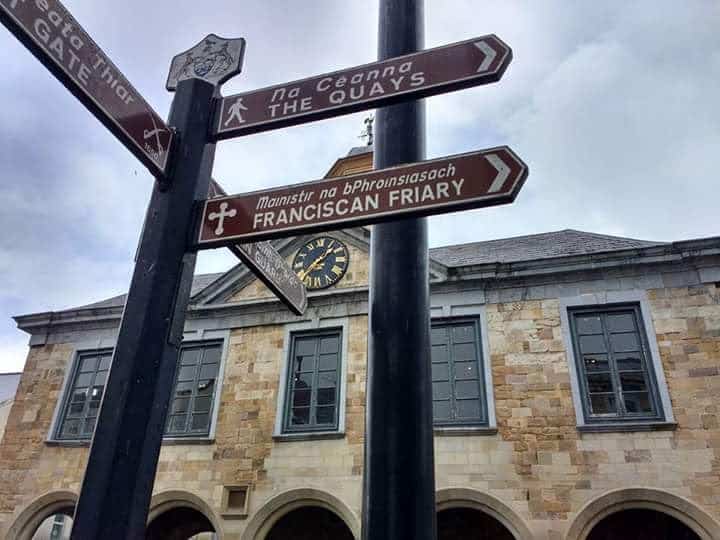
Clonmel is the largest town in Tipperary and one of the most historic in Munster. Founded in the early thirteenth century, it became the headquarters of the Palatinate by 1328, an administrative area controlled by the Earls of Ormond. The Main Guard building, constructed in the seventeenth century as a courthouse, is one of the finest examples of its kind in Ireland. Clonmel also has an excellent range of restaurants, cafes, and independent shops that reflect the county’s growing reputation for food.

Golden Village
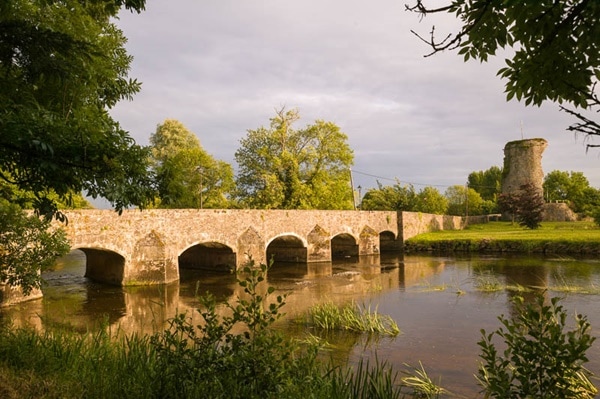
The village of Golden sits on the River Suir between Cashel and Tipperary town. A bridge over the river was built around 1690 and a ruined castle nearby holds a monument to Thomas MacDonagh, a Tipperary-born poet who was one of the leaders of the Easter 1916 Rising and was subsequently executed. The village is small but the combination of river, ruined castle, and historical memory makes it worth a short stop.

Ardfinnan
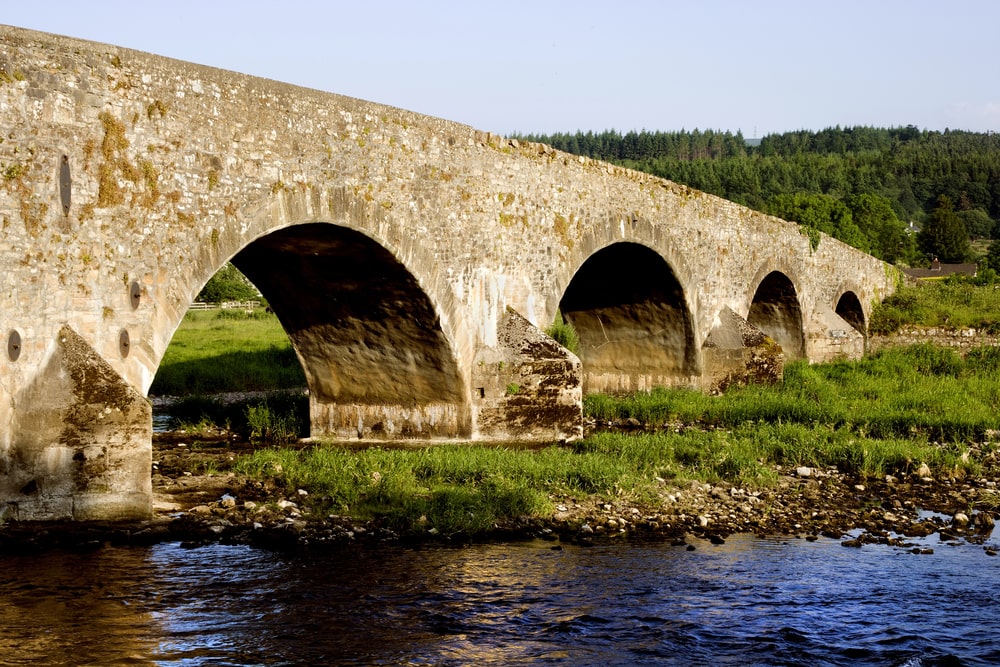
Ardfinnan Castle was built by King John around 1186 to guard the river crossing of the Suir. The fourteen-arch bridge beside it was completed shortly after. The castle is inhabited and not open to the public, but the view of the castle from the bridge is striking and the village itself is charming. The surrounding area is excellent for cycling along the river.

Traditional Music, Pubs, and the Living Culture of Tipperary
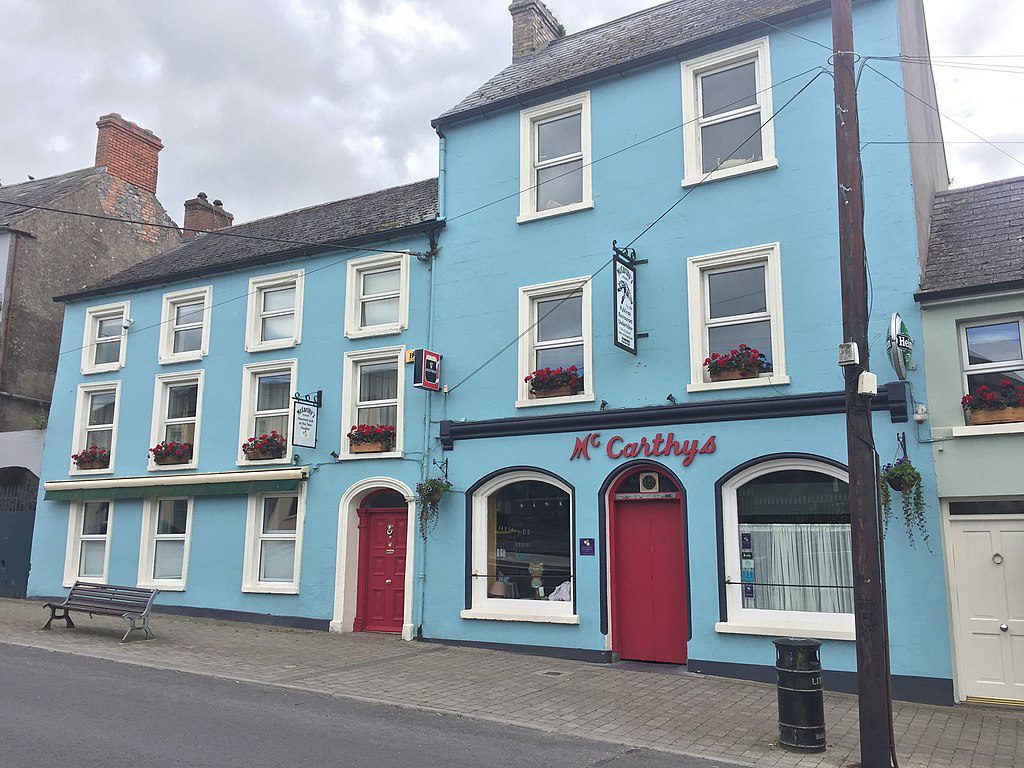
No visit to Tipperary is complete without a night of traditional Irish music. The county has a strong seisiun culture and you will find live music in pubs across Clonmel, Cahir, and Tipperary town on weekends and during summer months.
Jim O’The Mills in Kilcommon is one of the most famous traditional music pubs in Ireland. It is open only on Thursday evenings, serves one draught beer and a selection of bottles, and has no other entertainment. What it does have is some of the finest traditional music you will hear anywhere in the country. The pub has been voted among the best in Ireland multiple times and functions as a community gathering place as much as a commercial business. Go early, stay late.
Cashel Palace Hotel
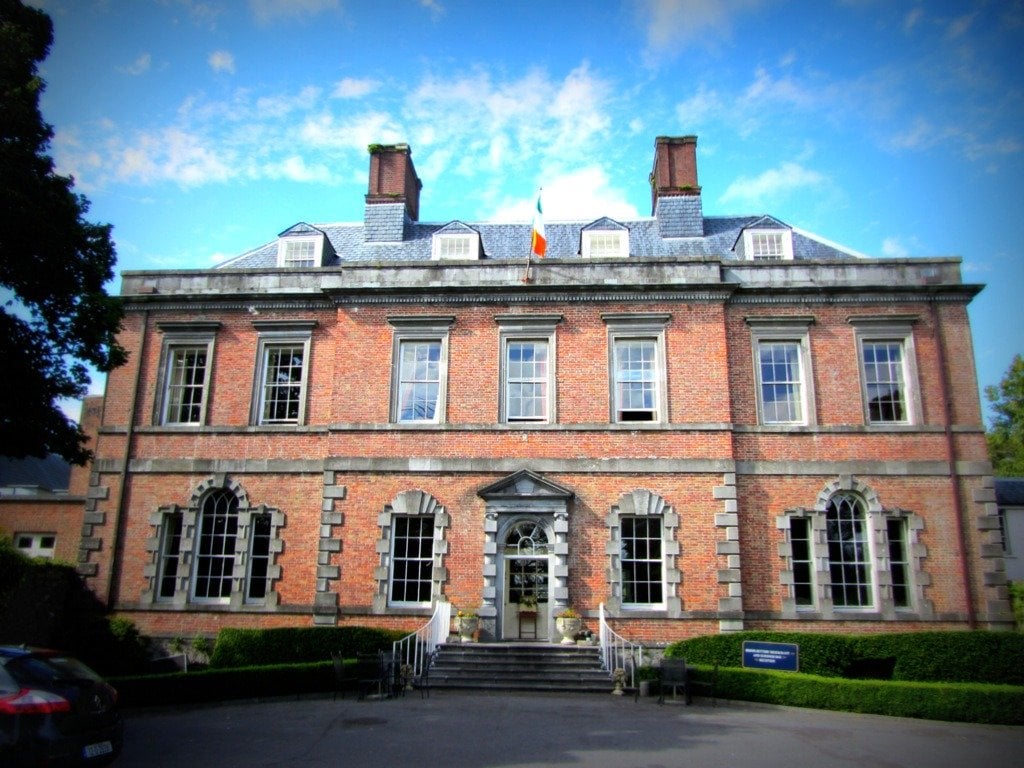
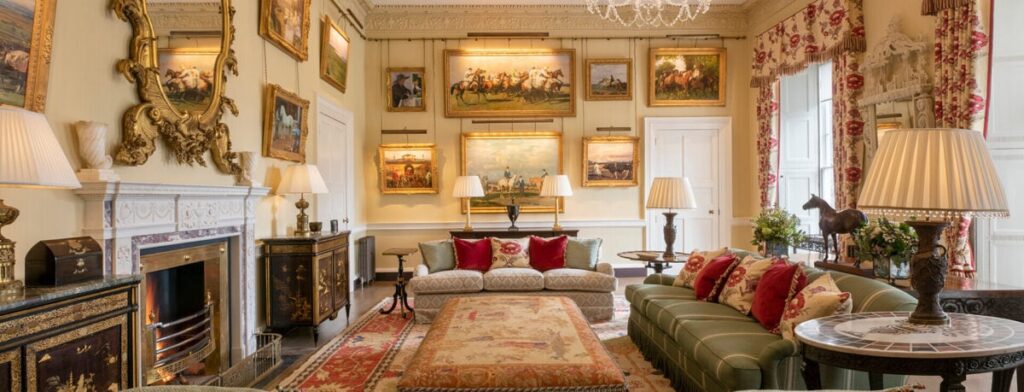
For those who want to stay somewhere special, the Cashel Palace Hotel is a restored Georgian mansion dating to 1730, sitting on approximately 25 acres at the foot of the Rock of Cashel. The building combines Early Georgian and Queen Anne architectural styles and has extraordinary mulberry trees in its gardens that are documented as far back as 1702. Staying here connects you directly to the history of the town in a way that no other accommodation in Tipperary can match.
Mitchelstown Caves: Underground Tipperary
The Mitchelstown Caves, near Burncourt in South Tipperary, are among the finest show caves in Ireland. Three massive caverns contain dripstone formations, stalactites, stalagmites, and calcite columns built over millions of years. The caves were used as a hiding place during the Confederate Wars of the 1640s and have been a visitor attraction since the nineteenth century. Guided tours run regularly, and a picnic area with views of the Galtee Mountains is available outside. This is an excellent wet-weather option and a genuinely dramatic experience for all ages.

St. Declan’s Way: A Walking Pilgrimage Through Tipperary
Saint Declan’s Way (Ireland’s Camino) is a 104-kilometre ancient pilgrimage route running from Cashel in County Tipperary to Ardmore in County Waterford, following the path taken by the fifth-century saint. The route predates Saint Patrick’s arrival in Ireland and connects two of the earliest Christian sites in the country. Walkers typically complete the journey over five to six days, passing through the Knockmealdown Mountains and the Suir Valley. The route is waymarked and supported by a network of accommodation along the way.

Food in Tipperary
Tipperary earned its place on Conde Nast Traveller’s list of the world’s best foodie destinations in 2022 and the county has been quietly building that reputation for years. The Golden Vale, one of the most fertile agricultural plains in Europe, produces exceptional dairy, beef, and lamb, and you will taste the difference in everything from a toasted sandwich in a country cafe to a tasting menu in Clonmel.
Clonmel itself has a genuinely impressive food scene for a town of its size, with independent restaurants, artisan producers, and a farmers market that draws serious cooks from across the region. The Cashel Blue cheese, produced just outside Cashel town, is one of Ireland’s most celebrated farmhouse cheeses and is exported worldwide. If you eat well anywhere in Ireland outside Dublin, there is a strong chance the produce on your plate came from Tipperary.


Practical Information for Visiting Tipperary
County Tipperary is large enough that you will want a base rather than attempting to see everything in a single day trip. Cashel and Cahir are the most convenient bases for the greatest concentration of attractions. Clonmel has the widest range of accommodation and restaurants and is a good base for exploring the Suir Valley and the eastern part of the county.
Accommodation options range from boutique hotels in restored Georgian buildings to thatched self-catering cottages with mountain views, glamping sites, and several castle rentals for those who want a genuinely unique stay. Booking in advance is advisable from May through September.
Most heritage sites in Tipperary are managed by Heritage Ireland or are freely accessible on public land. Admission fees charged are modest, generally between four and eight euros per adult. The Heritage Card provides unlimited access to all Heritage Ireland sites across the country for a fixed annual fee and is worth considering if you are spending more than a few days in Ireland.

Final Thoughts on the Best Things to Do in Tipperary
County Tipperary rewards curiosity. The best things to do in Tipperary are not always the most obvious ones: yes, visit the Rock of Cashel, but also drive out to the Soloheadbeg memorial, spend a morning at the Ahenny High Crosses, eat dinner in Clonmel, and end up at Jim O’The Mills on a Thursday evening listening to music that has no interest in performing for tourists.
Tipperary’s laid-back character is genuine, not curated. The people are genuinely friendly, the landscape is quietly spectacular, and the sense that you have found something real is hard to shake. For me, it was a county of cows, river mist, ancient stones, and unexpected kindness. I hope it gives you at least half of what it gave me. You can check out Tipperary’s own tourism portal for more information.

Frequently Asked Questions: Things to Do in Tipperary
What are the best things to do in Tipperary for first-time visitors?
First-time visitors should prioritise the Rock of Cashel, Cahir Castle, and the Glen of Aherlow. These three sites together give a strong sense of Tipperary’s medieval heritage, natural beauty, and scale. From there, add Athassel Abbey and the Suir Blueway for a fuller picture of what the county offers.

How many days do you need in Tipperary?
A minimum of two full days is needed to see the main attractions without rushing. Three to four days allows you to include hiking in the Galtees or the Knockmealdowns, an evening of traditional music in a local pub, and some of the lesser-known heritage sites such as the Ahenny High Crosses or the Mitchelstown Caves.
Is the Rock of Cashel worth visiting?
Yes, absolutely. The Rock of Cashel is one of the most impressive medieval complexes in Ireland and contains some of the country’s oldest surviving architecture and frescoes. The view of the Rock rising from the Golden Vale as you approach is genuinely dramatic. Allow at least two hours on site and arrive as early as possible to avoid the busiest crowds.

What is Tipperary famous for in Irish history?
Tipperary has a deeply significant place in Irish history. The county was the site of the Soloheadbeg ambush in January 1919, the opening engagement of the Irish War of Independence. It was also the heartland of the Butler family, one of the most powerful Norman dynasties in medieval Ireland, whose castles and manor houses survive across the county. The Rock of Cashel was the seat of the Kings of Munster for centuries. The county is also associated with Irish folklore through Slievenamon and the myth of the Devil’s Bit.

Is there Irish folklore connected to Tipperary?
Tipperary is rich in Irish folklore. The Rock of Cashel is said to have been formed when the devil broke a tooth on Devil’s Bit Mountain and spat out the limestone. Slievenamon is associated with the mythological hero Fionn Mac Cumhaill. The Giant’s Gravestone near Slievenamon is connected to legends of the Fianna. Holy wells dedicated to early Christian saints are found throughout the Galtee Mountains and the Glen of Aherlow, many of them believed in folk tradition to have healing properties.
What is the best base for exploring County Tipperary?
Cashel or Cahir are the best bases for most visitors, placing you within easy reach of the Rock of Cashel, Hore Abbey, Athassel Abbey, Cahir Castle, the Swiss Cottage, and the Glen of Aherlow. Clonmel offers the widest range of restaurants, accommodation, and services and is the better base for those primarily interested in the Suir Valley, Ormond Castle, and the Ahenny High Crosses.
Are there free things to do in Tipperary?
Yes, many of the best things to do in Tipperary are free. Athassel Abbey, Hore Abbey, the Ahenny High Crosses, the Soloheadbeg Memorial, the Devil’s Bit walk, Saint Patrick’s Well, and most of the county’s river and mountain trails cost nothing to visit. Heritage Ireland periodically offers free admission to Cahir Castle and the Swiss Cottage. The traditional music session at Jim O’The Mills on Thursday evenings has no cover charge.
Related reading on xyuandbeyond.com: Ireland Travel Guide | 53 Ultimate Ireland Travel Tips | Ireland without a car | Public Transportation in Ireland | Planning a Dream Trip to Ireland
Join 7,500 Ireland travellers in my Ireland Uncovered Facebook Group and 1,897 on my XYUandBEYOND PAGE
Explore a few of my Ireland itineraries below:
👉 An Itinerary for exploring Wicklow
👉 An Itinerary for exploring Kilkenny
👉 A 10 Day Itinerary to discover Ireland
👉 5 Historical Places to visit near Dublin
👉Causeway Coastal Route Itinerary
👉 Celtic Symbols a road trip itinerary
If you have mobility issues here is a selection of posts that may be of help to you:
Bookmark these hubs for updates and dive into the detailed guides to build an itinerary that fits your energy, comfort, and interests.