
Travelling Ireland Without a Car: How to Reach the Best Sites by Bus, Train and Tour
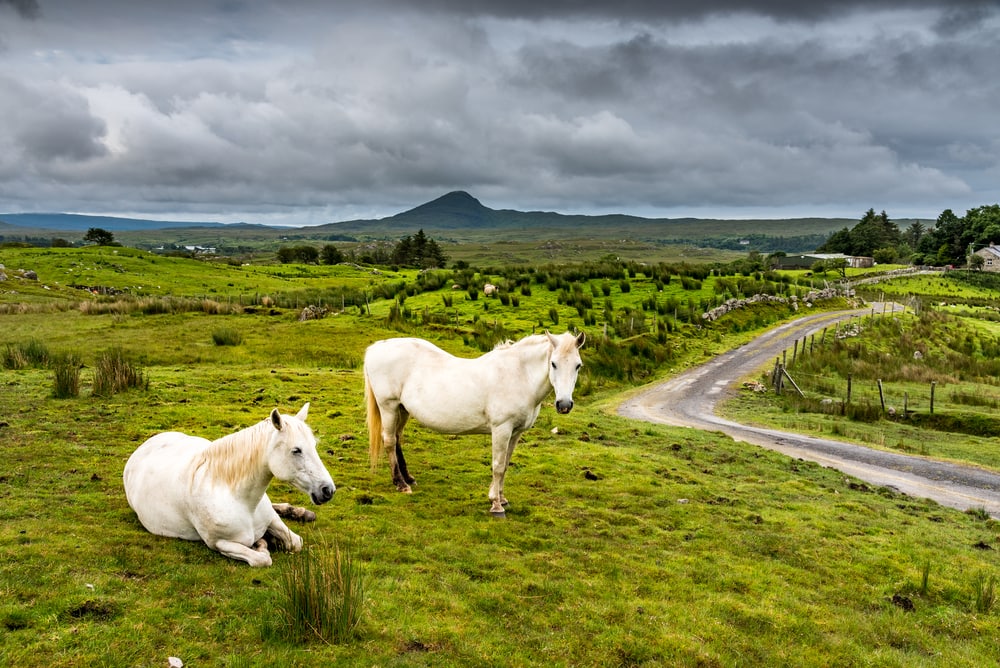
The short version: major cities connect easily by train and bus. The catch is the sites many of Ireland’s best-known landmarks sit outside towns entirely, and reaching them means combining a train or bus with a shuttle, a tour, or a short taxi ride. Donegal is the classic example: there’s no train station in the county at all, so getting there means either a direct bus from Dublin Airport, or a train to Sligo followed by a connecting bus.
For how Ireland’s transport system actually works day to day trains, buses, trams, tickets see my full guide to public transport in Ireland. This page is different: it’s a practical, attraction-by-attraction breakdown of how to actually reach the specific places visitors most want to see, without driving yourself.
If you’re working out what your trip will actually cost, read my How Much Does a Trip to Ireland Cost? 2026/27 Budget Breakdown for a full pricing breakdown by category.
- Travelling Ireland Without a Car: How to Reach the Best Sites by Bus, Train and Tour
- Is It Really Possible to See Ireland Without a Car?
- Ireland's Train Network: The Backbone for City-to-City Travel
- Day Trips from Dublin Without a Car
- Aran Islands, Killarney and Dingle Without a Car
- Crossing Into Northern Ireland
- Guided Day Tours Worth Booking
- Frequently Asked Questions
- Exploring the fascinating regions of Ireland
Is It Really Possible to See Ireland Without a Car?
Mostly, yes but it depends entirely on what’s on your list. Public transport in Ireland gets you reliably between the major cities: Dublin, Cork, Galway, Limerick, Waterford, Belfast. Where it gets patchy is everything in between the trailheads, the coastal viewpoints, the small villages that make the country what it is. If your itinerary is hiking-heavy, or built around the kind of remote countryside towns that only exist because a monk decided to build something scenic there thirteen centuries ago, you’re going to be relying on a combination of trains, buses, private tours, and the occasional taxi rather than any single mode of transport.

The practical rule I give people: build your itinerary around your bucket list first, then work out how to reach each item, rather than starting from “what does the train network cover” and hoping your interests fit. Ireland rewards the second approach with disappointment.
Donegal is the clearest example of why this matters. There is no train station anywhere in the county hasn’t been for decades. To get there without a car, you’re choosing between a direct bus from Dublin Airport (around 3.5 hours depending on traffic), or a train to Sligo followed by a connecting bus into Donegal Town (about 2.5 hours by rail, then roughly another hour by bus, not counting the wait between the two). Same destination, meaningfully different journey depending which you pick and this pattern repeats across the west coast.


Ireland’s Train Network: The Backbone for City-to-City Travel
Iarnród Éireann (Irish Rail) operates eight main InterCity routes out of Dublin. If your “without a car” itinerary is built around cities and larger towns, this is your spine:
- Dublin (Heuston) to Cork (Kent Station): around 2 hours 40 minutes — the busiest and fastest InterCity route
- Dublin (Heuston) to Galway (Ceannt Station): 2 hours 11 minutes to 2 hours 37 minutes
- Dublin (Heuston) to Limerick (Colbert Station): around 2 hours
- Dublin (Heuston) to Waterford (Plunkett Station): 1 hour 48 minutes to 2 hours 20 minutes
- Dublin (Heuston) to Westport: 3 hours 6 minutes to 3 hours 44 minutes
- Dublin (Heuston) to Tralee (Casement Station): not a direct route — expect a connection
- Dublin (Connolly) to Sligo (MacDiarmada Station): around 3 hours 20 minutes
- Dublin (Connolly) to Rosslare Europort: around 3 hours
A few things worth knowing before you book: trains don’t stop at historical sites they get you to the nearest city or town, and the rest of the journey is on you. And the numbers on a map lie a little. Sligo looks close to Dublin until you factor in the connecting bus to Donegal Town on the other end, which is exactly the kind of gap that catches people out.
Booking tip: book InterCity tickets online in advance where you can prices climb fast during peak times and weekends, especially on the Dublin–Cork and Dublin–Galway routes.


Day Trips from Dublin Without a Car
These are the classic Dublin-based excursions, and each one has its own quirks worth knowing before you commit to a plan.
Newgrange
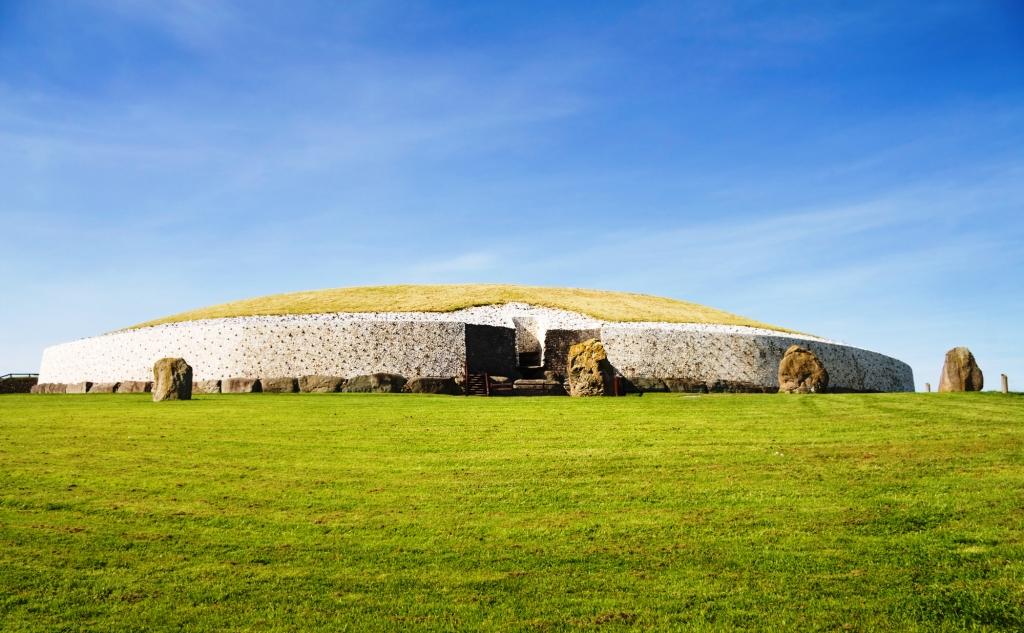
There’s no direct public bus to the Brú na Bóinne Visitor Centre, where Newgrange access begins. Your realistic options: a guided tour (from around €35, usually a full day, often bundling in Monasterboice and Kells along the way), or Bus Éireann route 163 from Drogheda bus station directly to the visitor centre but it only runs twice daily and doesn’t operate on Sundays outside July and August. First departure from Drogheda is 11:15am, the last at 2:45pm. Alternatively, train to Drogheda, then taxi the rest of the way. Given the limited bus schedule, a tour is usually the less stressful option if this is a priority.
The Hill of Tara
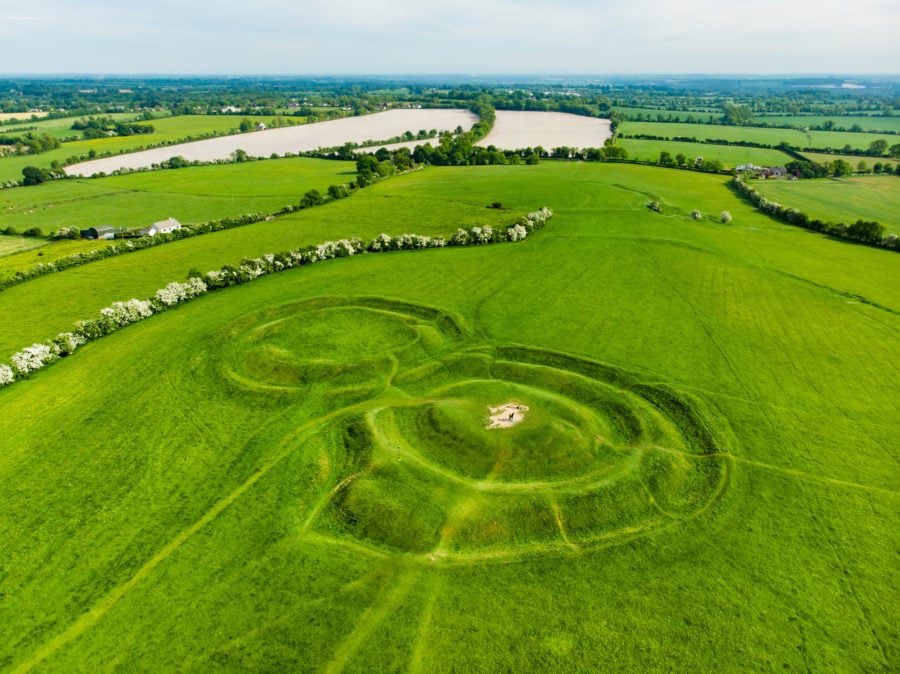
Bus Éireann’s Navan 109 drops you on the R147, about a 10-minute walk from the site of the Hill of Tara one of the more straightforward no-car connections on this list.
Powerscourt Estate
The 185 and 44 buses stop in Enniskerry village, roughly a 25-minute walk from the estate of Powerscourt itself (wear proper shoes, it’s not a stroll). The nearest DART station is Bray, County Wicklow, which connects onward via the 185. One important gap: there’s no public transport at all to Powerscourt Waterfall, which sits 6km further out that leg needs a taxi or car regardless of how you got to the estate.

Glendalough
No train service reaches Glendalough at all. St. Kevin’s private bus is genuinely the only direct public option, and it runs once a day: departs Dublin at 11:30am, returns from the Glendalough Visitor Centre at 4:30pm. That schedule effectively decides your day for you plan on making the whole day about Glendalough rather than trying to combine it with something else.


Aran Islands, Killarney and Dingle Without a Car
Aran Islands
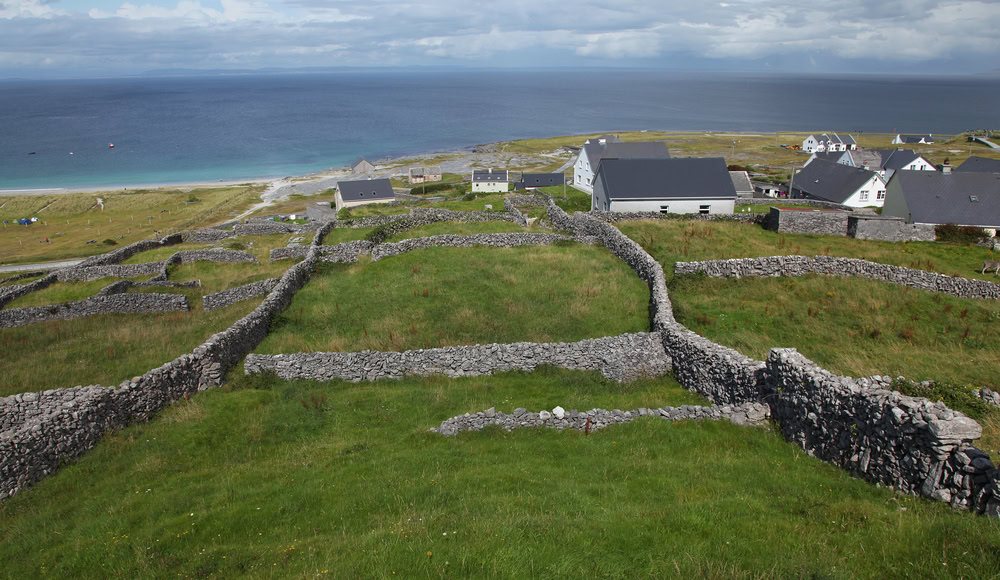
Train to Galway first, then Aran Island Ferries’ shuttle bus from Galway city (Queen St.) to the ferry terminal at Rossaveel about a 40-minute shuttle ride, with tea, coffee, and snacks on board if you want them. From there, the ferry crossing itself is short. This is one of the more pleasant no-car routes on this list precisely because the shuttle-to-ferry connection is well organized.
Killarney National Park
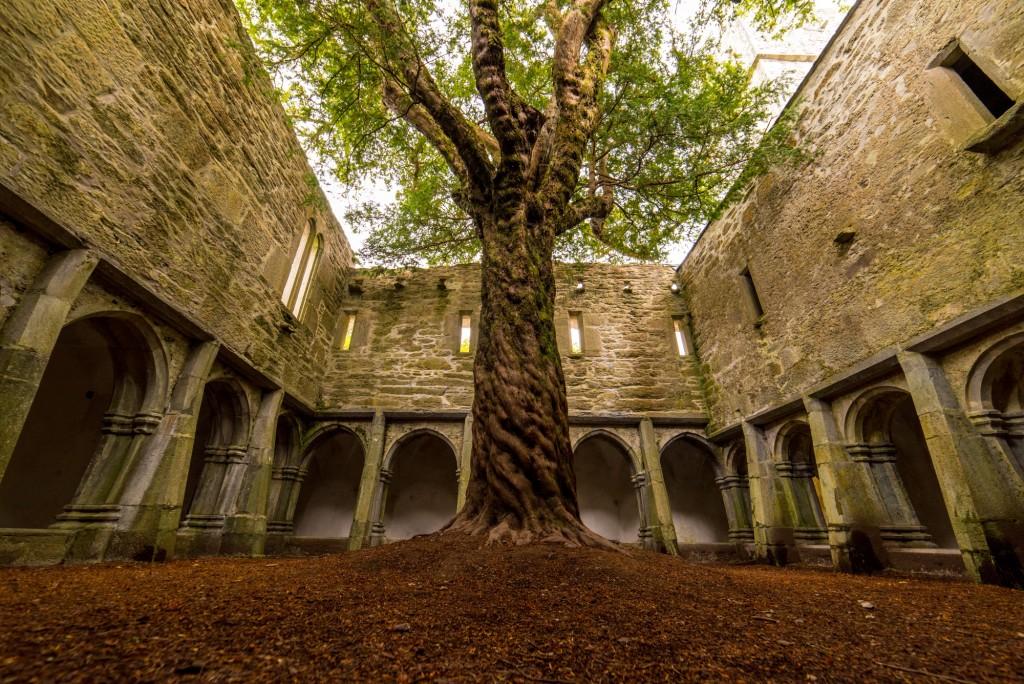
There’s no direct train you’ll change at Mallow, with a stop at Anabella just outside it. Once you’re in Killarney, two shuttle bus services cover the park itself: one does day tours taking in Ross Castle, Muckross Abbey, Muckross House and Traditional Farms, Torc Waterfall, and Ladies View, with hotel pickup available; a second makes two daily trips to the Gap of Dunloe, departing from the tourist office. For the Ring of Kerry itself the full 180km circuit a dedicated tour bus (maximum 29 seats) covers the route; this isn’t really a self-navigate-by-public-transport situation, and I wouldn’t try to make it one. A traditional jaunting car is also available from Killarney town centre if you want a slower, more local way to see the park itself.


Dingle Peninsula
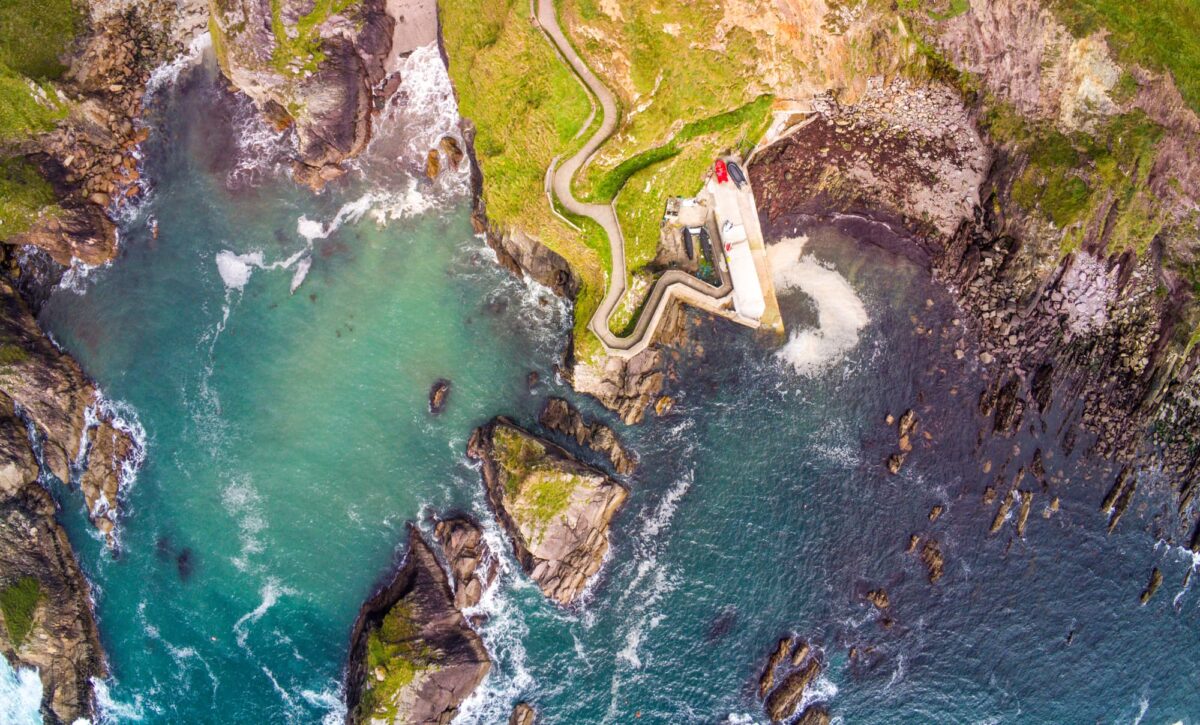
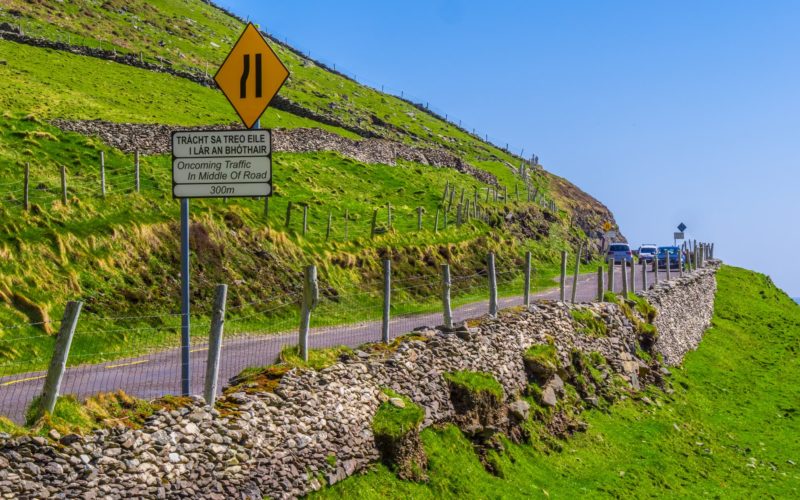
Train to Killarney via Cork the Cork-to-Killarney leg runs five times daily and takes around 1 hour 15 minutes. From Tralee station, a bus runs direct to Dingle town, about an hour’s journey. Once you’re in Dingle, book a bus tour of the peninsula itself (covering Slea Head, the Gallarus Oratory, and the most westerly point in mainland Europe) rather than trying to see it independently the roads out that way genuinely don’t lend themselves to public transport.

Crossing Into Northern Ireland
Dublin to Belfast
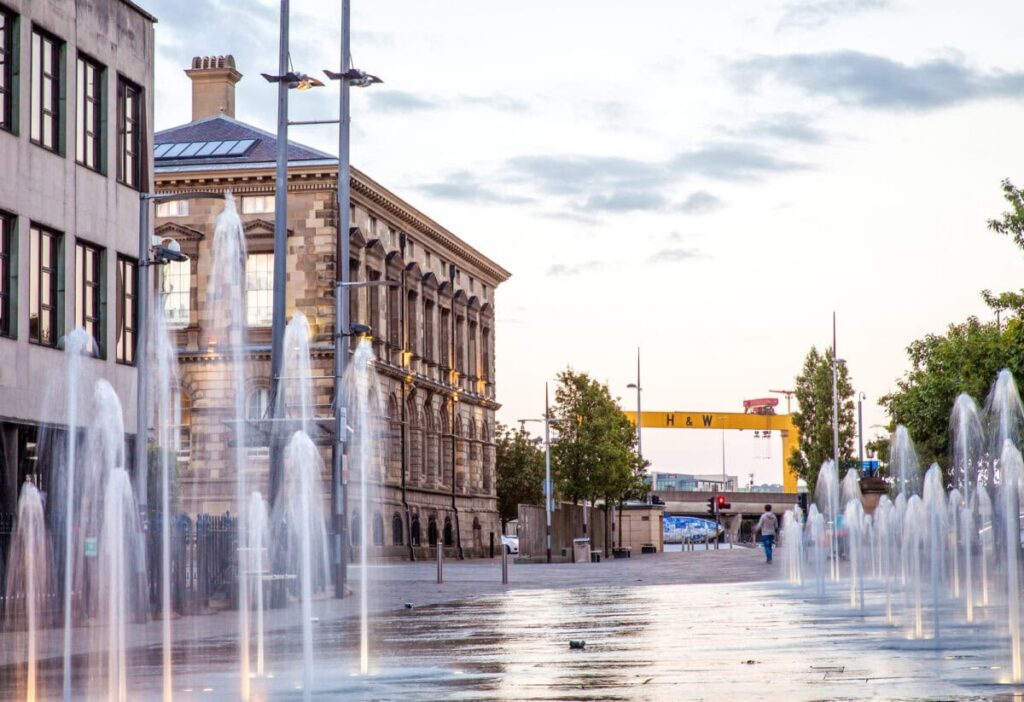
The Enterprise service, jointly run by Irish Rail and Northern Ireland Railways, departs roughly every two hours and takes about 2 hours 15 minutes, arriving at Belfast Lanyon Place a short walk to the Titanic Quarter or St. George’s Market. Tickets are available through irishrail.ie or translink.co.uk.

Belfast to Derry
Michael Palin once called this train journey “one of the most beautiful in the world,” and having taken it, I’d agree it hugs the Causeway Coast through a run of Victorian-era tunnels, starting from Coleraine. From Belfast’s Great Victoria Street station, you’ll change at Coleraine onto the Derry–Londonderry line. There’s also a direct daily bus from Belfast city centre (near the Jury’s Inn) to Derry’s Guildhall, taking about 1 hour 30 minutes.


Guided Day Tours Worth Booking
For the sites that are genuinely awkward to reach independently, a guided tour is often the more relaxed choice rather than a compromise:
Cliffs of Moher, Wild Atlantic Way & Galway City — a full-day coach trip from Dublin along the coast to the 700-foot cliffs, with a stop at the Burren’s limestone landscape and free time in Galway city.
See my guide to the Cliffs of Moher, and the Wild Atlantic Way here.

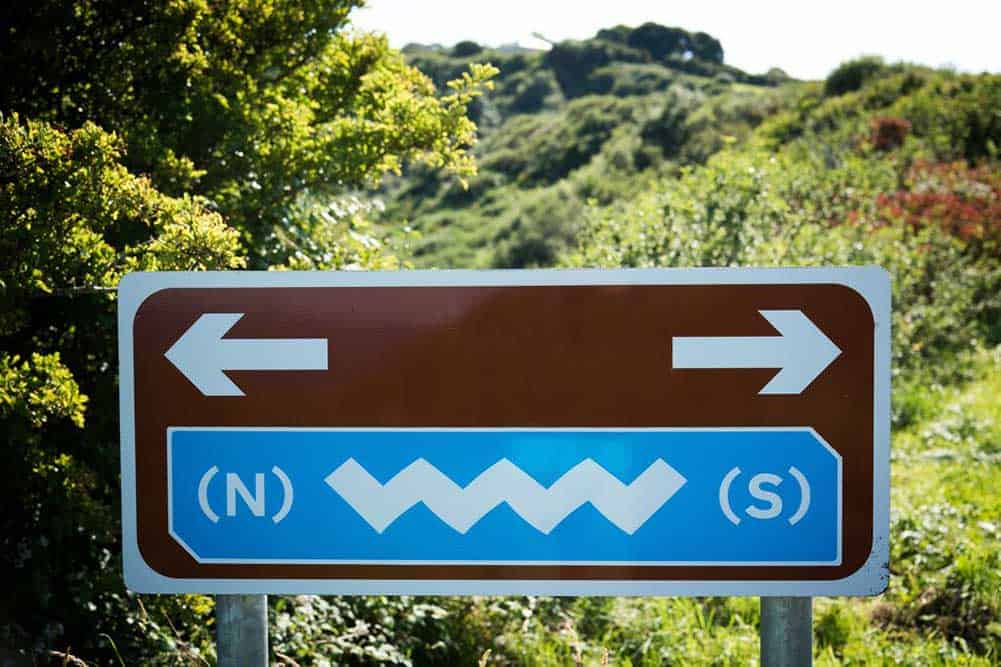

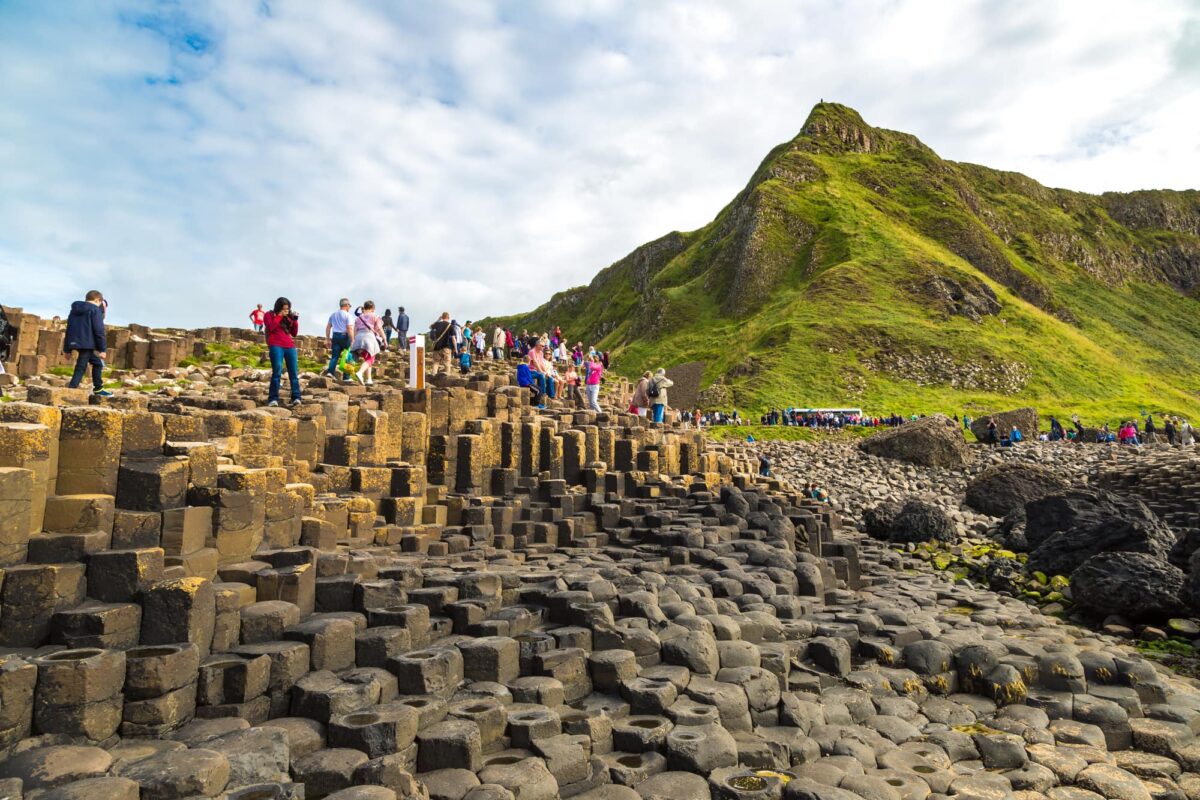
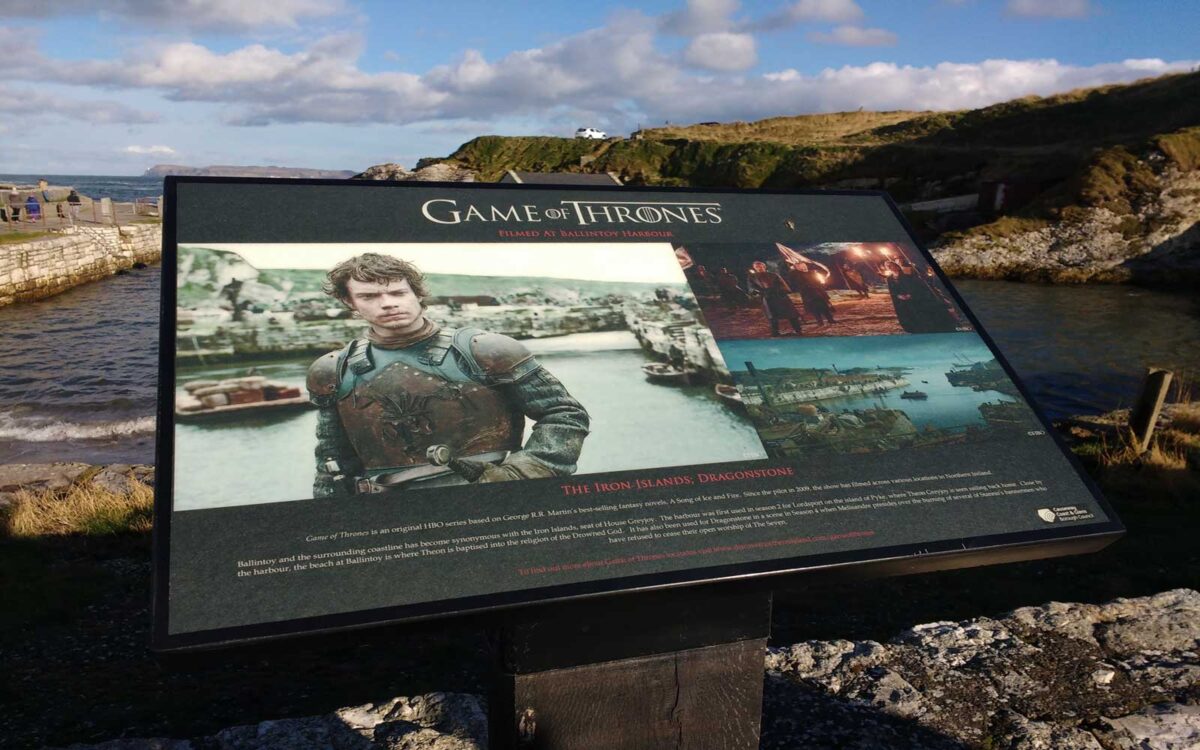
Giant’s Causeway & Game of Thrones filming locations — a full-day trip from Dublin up the Antrim Coast, taking in the Dark Hedges and other Game of Thrones sites and stopping in Belfast along the way
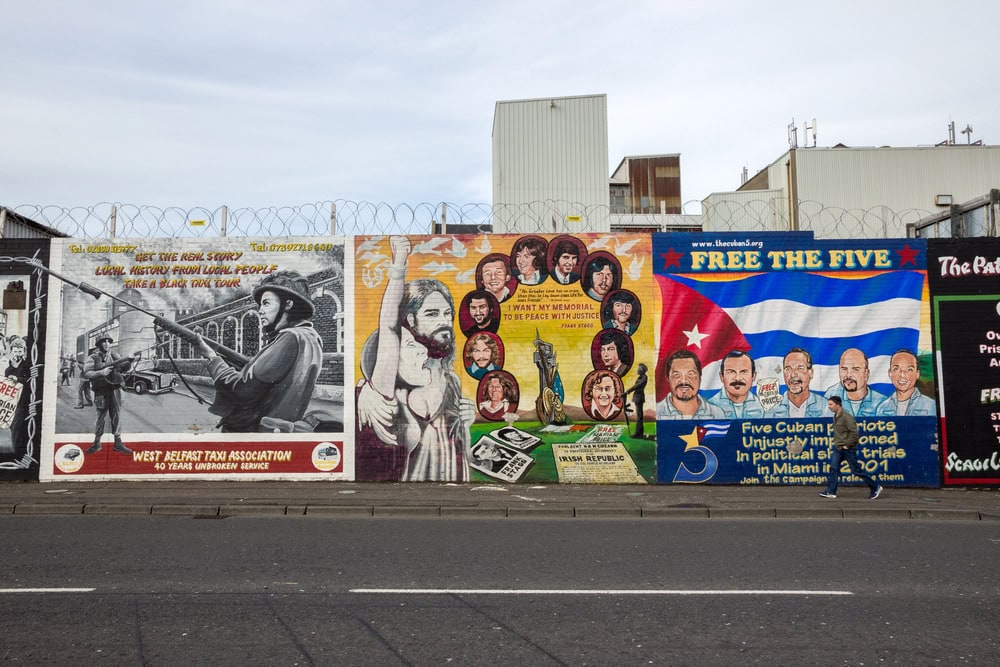
Black Cab Tour: Visit key landmarks of Belfast’s history on a private black taxi tour, with stops at murals, the Clonard Martyrs Memorial Garden, the Peace Wall, and a notorious jail.
Kilkenny, Wicklow Mountains & Glendalough — a good workaround for Glendalough’s limited St. Kevin’s bus schedule, this covers Kilkenny Castle and the Wicklow Mountains National Park in a single day, with a stop to see border collies working sheep at the foot of the mountains
Blarney Castle, Cahir Castle & Rock of Cashel — a full-day trip from Dublin through the southeast, taking in the Blarney Stone and the Rock of Cashel’s cathedral ruins
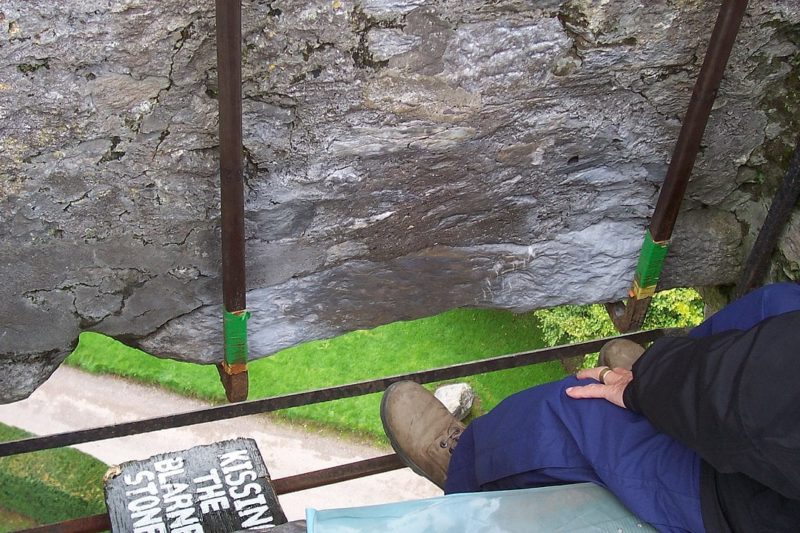


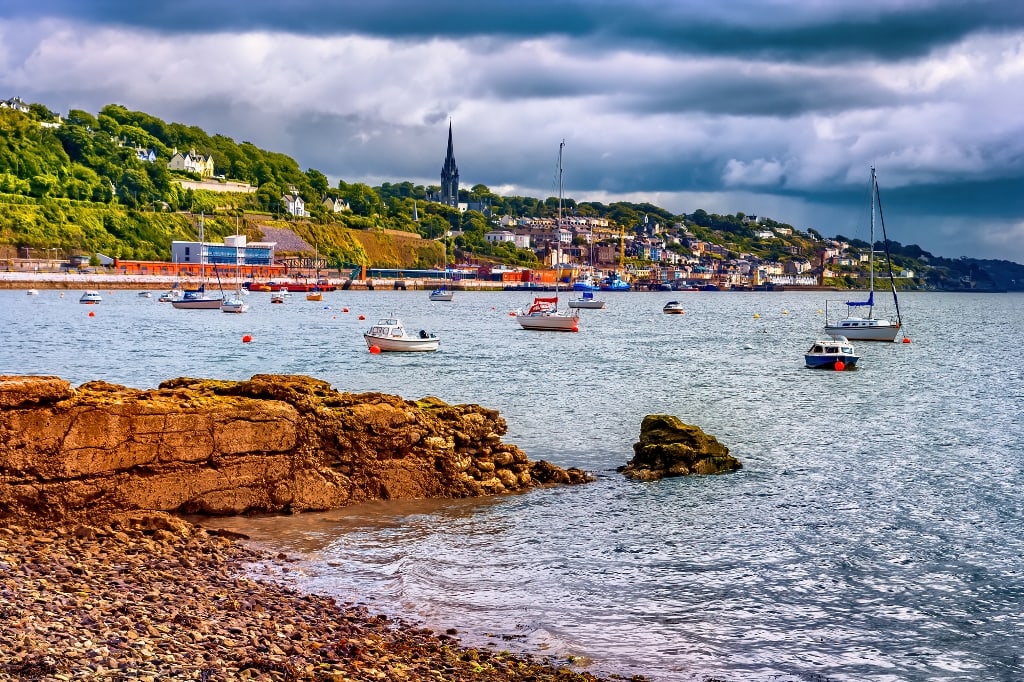
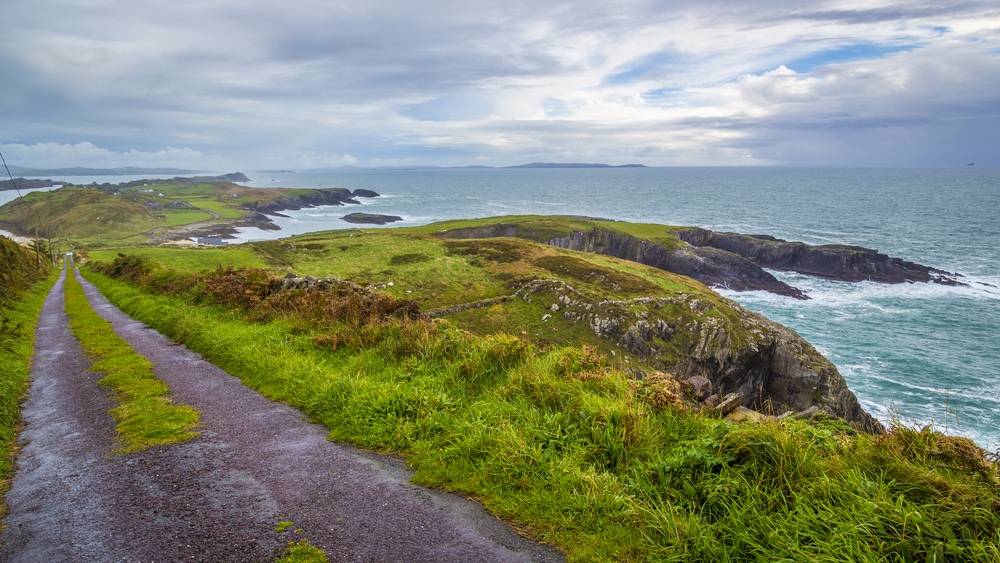
Day Cork, & Ring of Kerry — for those who want the Ring of Kerry from Cork without the hassle of driving.
Railtours Ireland also runs day trips specifically built around train travel you catch an early train to whichever city sits nearest your target attraction, then join a guided coach tour once you arrive, returning to Dublin the same evening. Worth looking at if you’d rather structure your own combination than book a single all-inclusive tour.

Frequently Asked Questions
Can I explore Ireland without a car?
Yes. Major towns and cities are well served by bus and train, but smaller villages often rely on limited local bus services sometimes just one or two runs a day, and not always on Sundays. Check timetables before you build a plan around a specific connection.
What are the transport options from Dublin for day trips?
A mix of direct buses, trains with a connecting bus or shuttle, and organized coach tours which one makes sense depends entirely on the destination. Newgrange and Glendalough, for instance, have no useful direct train option and depend on limited bus schedules or tours; Galway and Cork are straightforward by train.
How do I visit the Cliffs of Moher or Northern Ireland without renting a car?
Both are well covered by full-day tours departing Dublin, Galway, and other major cities genuinely one of the easier no-car options on this list, since the tours are frequent and well established.
What are good week-long destinations in Ireland without a car?
The Ring of Kerry, Connemara, the Aran Islands, and Donegal are all reachable by a combination of bus, train, and tour see the region-specific notes above for exactly how each one works.
Are there organized tours available for travelling Ireland without a car?
Yes, and for several destinations on this list (the Ring of Kerry especially), a tour isn’t just an option it’s genuinely the most practical way to see the site properly, since public transport doesn’t reach the full circuit.
Join 7,500 Ireland travellers in my Ireland Uncovered Facebook Group and 1,897 on my XYUandBEYOND PAGE
We’ve always rented a car when exploring outside of Dublin. I look forward to trying out some of these strategies for getting around without a car, to avoid driving on the other side of the road.