
Carrick-a-Rede Rope Bridge: A Local’s Guide to Northern Ireland’s Legendary Crossing
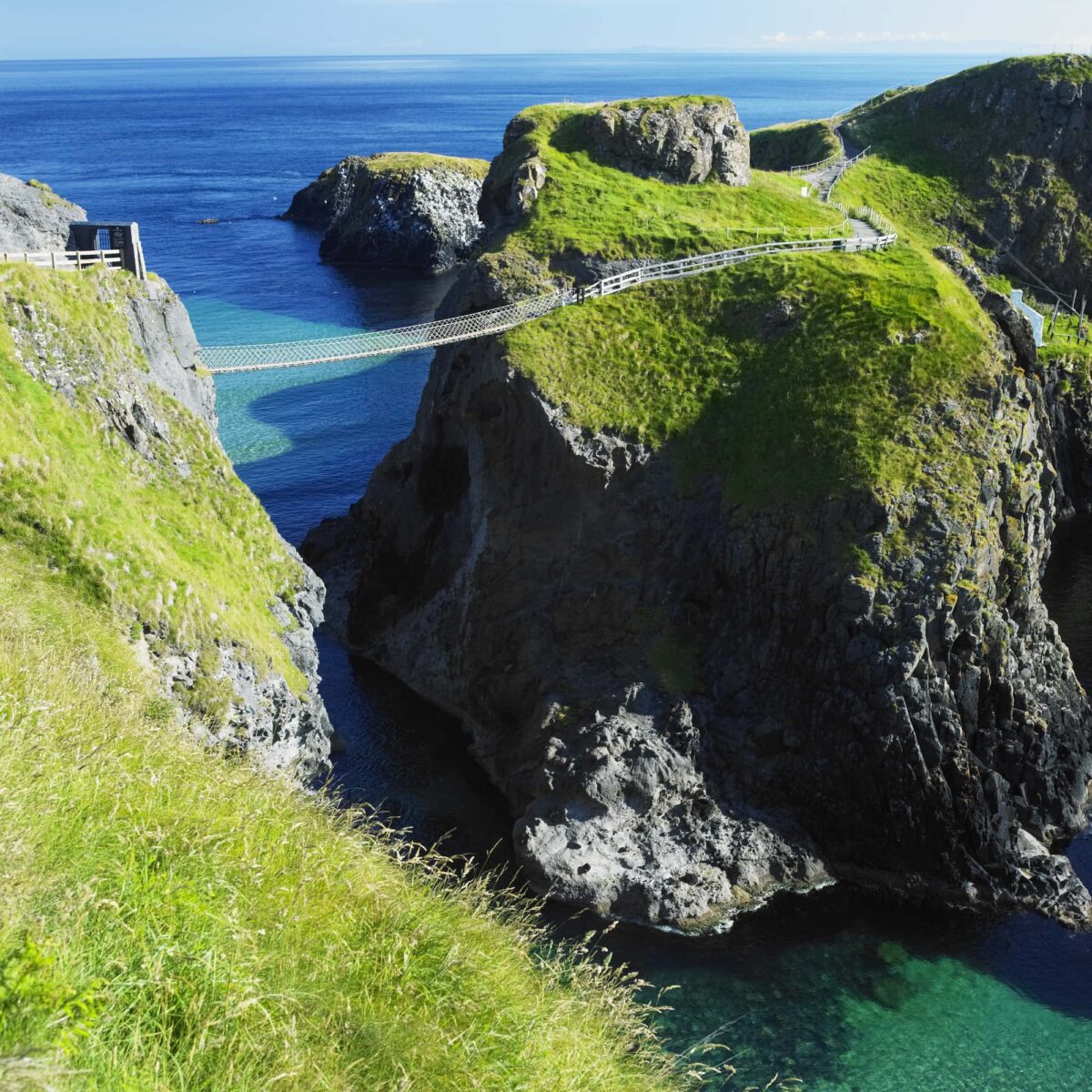
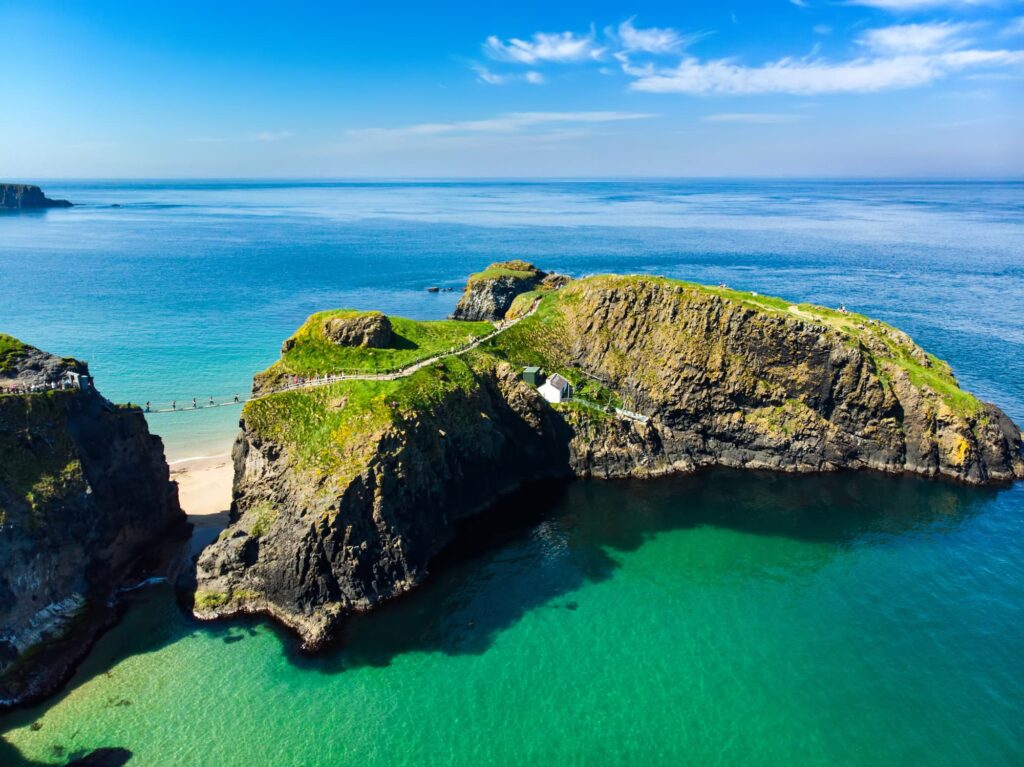
Carrick a Rede Rope Bridge is a 20 metre rope crossing suspended 30 metres above the Atlantic in County Antrim, Northern Ireland. It links the mainland to the tiny island of Carrick-a-rede and has been open in some form since 1755, when salmon fishermen first strung ropes across the gap. In 2026, adult crossing tickets start from GBP 16.00, children from GBP 8.00, and pre-booking online through the National Trust is essential, especially between June and August.
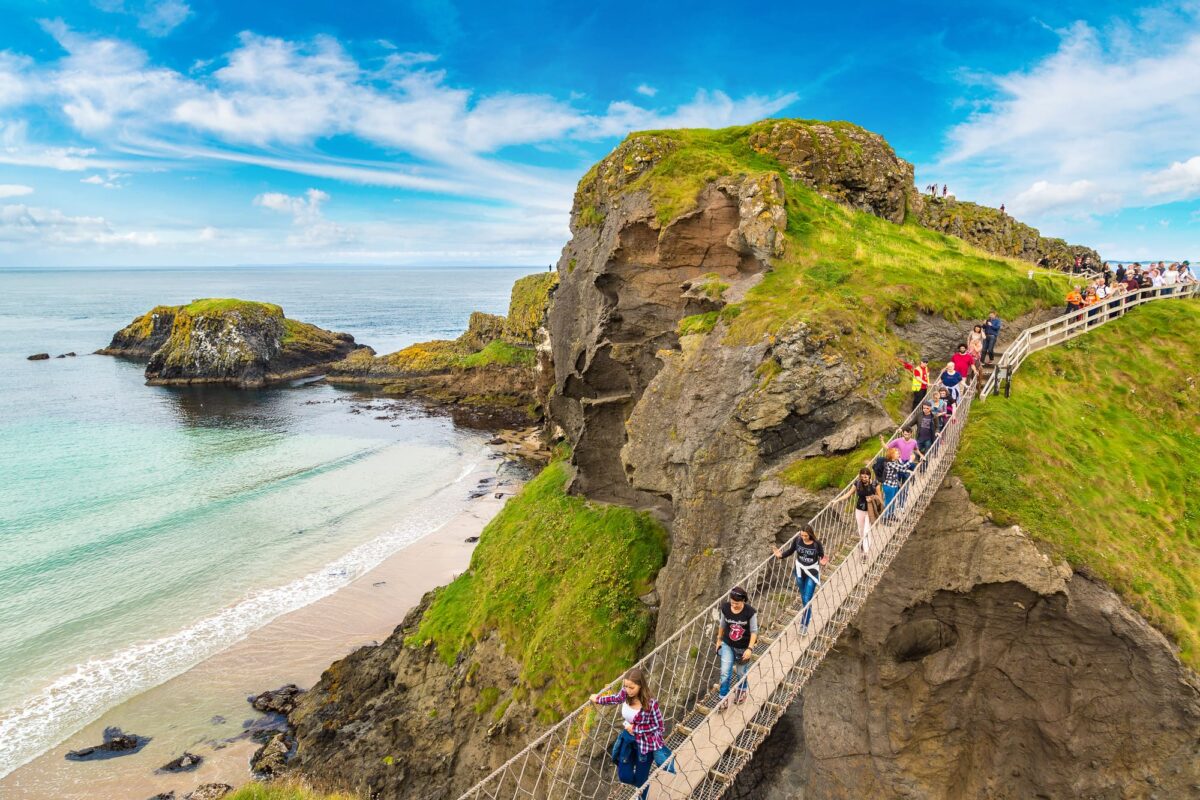
I live in Donegal and I have walked out to this bridge more times than I can count, usually with a carload of visiting friends who swear they are not nervous and then go quiet the moment they see the drop. If you are planning your own trip to the Causeway Coast, here is everything I wish someone had told me the first time, including the parts most guides leave out.
- Carrick-a-Rede Rope Bridge: A Local's Guide to Northern Ireland's Legendary Crossing
- What Is Carrick-a-Rede Rope Bridge
- A Short History of the Bridge
- Carrick a Rede Rope Bridge Prices and Opening Times for 2026
- Getting There and Around
- How to Plan Your Visit: Step by Step
- Parking: Abled and Disabled Access
- Crossing the Bridge: What to Really Expect
- Hidden Gems and Local Secrets
- Things to Do With Kids
- Game of Thrones Locations Near Carrick a Rede Rope Bridge
- Nearby Treasures Worth Your Time
- Where to Stay on the Causeway Coast
- Where to Eat, From Cafes to Fine Dining
- Best Time to Visit Carrick-a-Rede Rope Bridge
- Frequently Asked Questions
- Final Thoughts
What Is Carrick-a-Rede Rope Bridge
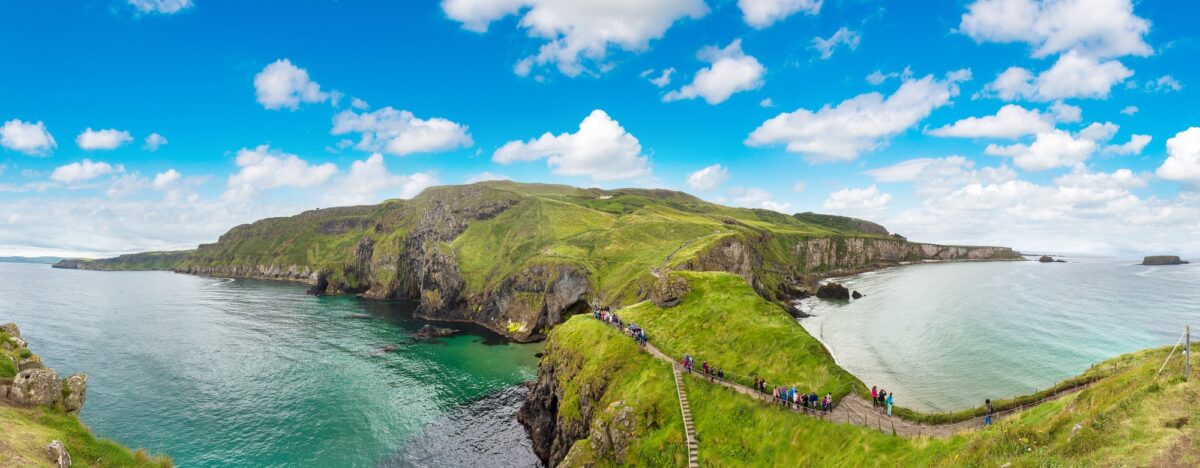
Carrick-a-Rede Rope Bridge (locally pronounced “carrick-a-reed”) crosses a chasm between the North Antrim coastline and the small basalt island of Carrickarede. The name comes from the Irish Carraig a’ Ráid, meaning “rock of the casting,” a reference to the salmon nets that fishermen once cast from the island. The bridge itself is short, roughly a 20 to 30 second walk, but the setting, a sheer 30 metre drop onto rocks and sea, is what makes it one of the most photographed crossings in Ireland or the United Kingdom.
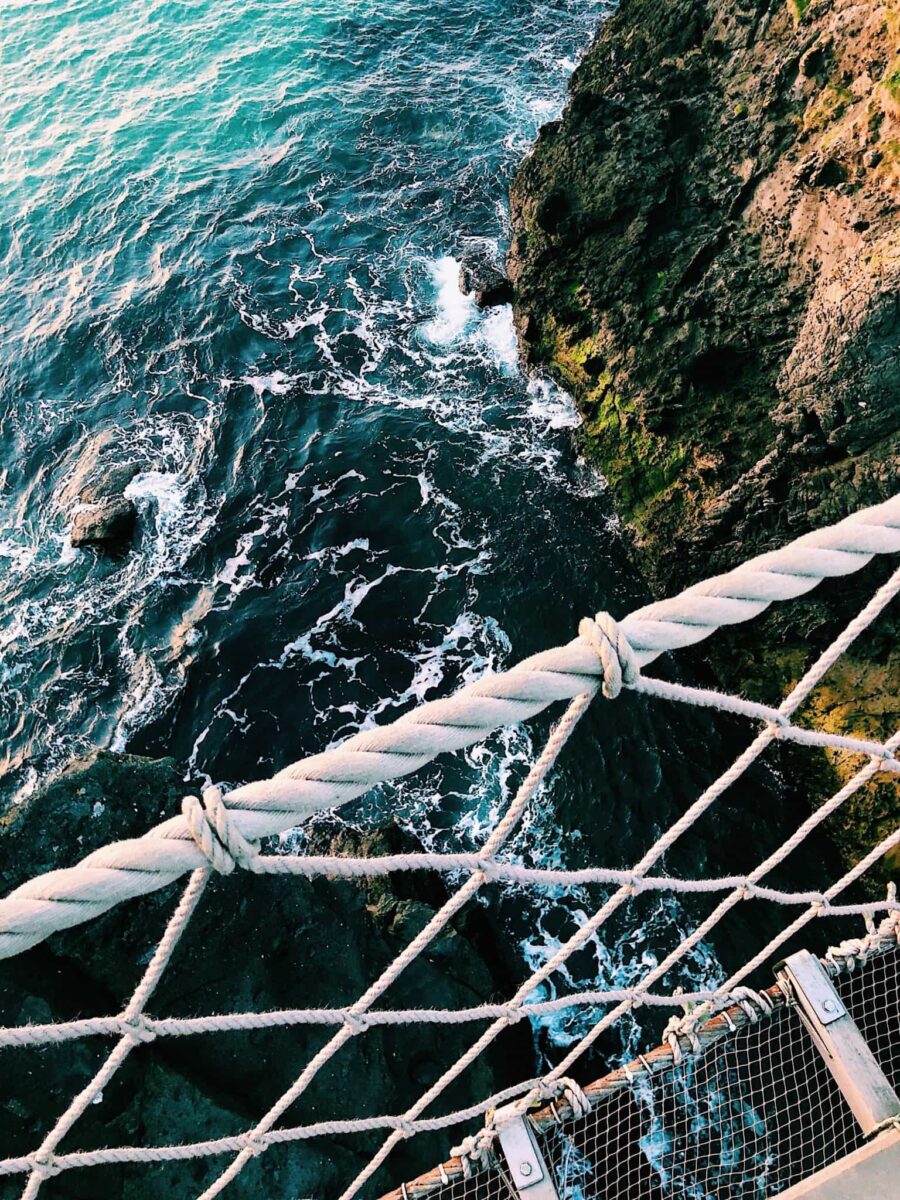
Today’s bridge is a world away from the single handrail and wide plank gaps that fishermen once relied on. The current structure uses wire rope and timber decking, is maintained and safety tested by the National Trust, and has never recorded a fall in its modern form. It is still, by design, meant to sway a little. That is part of the thrill.
A Short History of the Bridge
Fishermen have worked the waters around Carrick-a-Rede since at least the 1620s, drawn by salmon migrating along the coast toward the Bann and Bush rivers. The first documented rope bridge appeared in 1755, giving fishermen a faster route to check nets set from the island rather than rowing around by boat. Catches were extraordinary by today’s standards. Nineteenth century fishermen regularly hauled in 300 salmon a day during the season.
The bridge has been rebuilt and reinforced many times since. Nineteenth century engravings show a far more precarious structure with a single rope rail and wide gaps between slats, something I am genuinely glad I never had to cross. A sturdier version went up in 2000 with help from local climbers and riggers, and the wire rope bridge visitors cross today dates from a further rebuild in 2008.
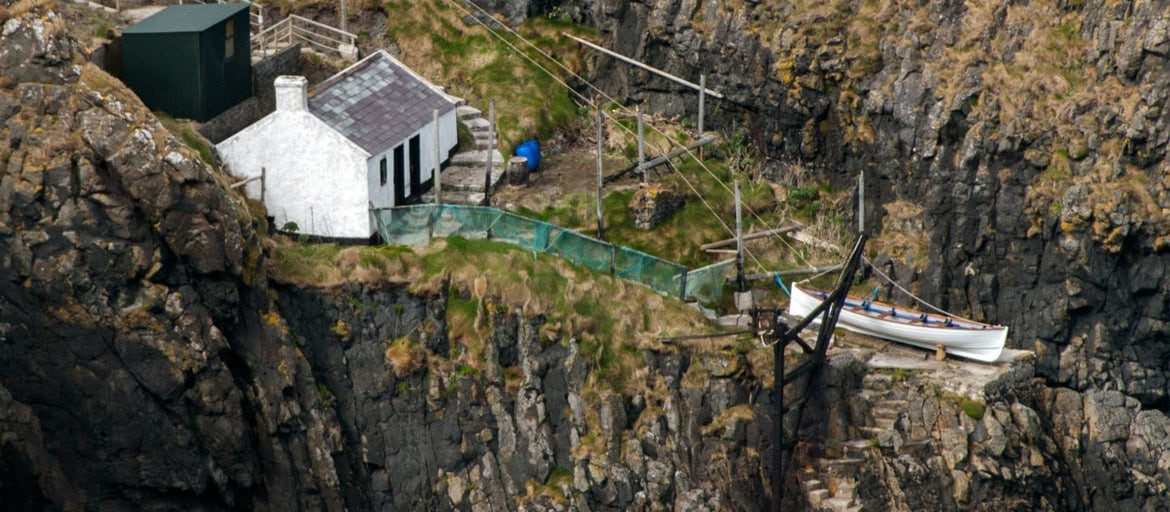
The salmon fishery itself closed permanently in 2002 after decades of declining stocks, and the last fisherman to work the island, Alex Colgan from nearby Ballintoy, ended a tradition that had lasted almost 400 years. The site, along with its fisherman’s cottage dating back over 400 years, is now protected by the National Trust and designated an Area of Special Scientific Interest for its geology, seabirds and marine life.
Carrick a Rede Rope Bridge Prices and Opening Times for 2026
Pre-booking is not optional here. Slots sell out daily in July and August, and turning up without a ticket in peak season usually means a long wait or no crossing at all. Prices below are the National Trust’s current peak season rates, confirmed directly from their official booking page.
| Ticket type | Price (peak, without Gift Aid) |
| Adult (18+) | From GBP 16.00 |
| Child (5 to 17), under 5s free | From GBP 8.00 |
| Family (2 adults, up to 3 children) | From GBP 40.00 |
| One adult family | From GBP 24.00 |
| National Trust members and Neighbour Pass holders | Free, but pre-booking still required |
Book directly through the National Trust Carrick-a-Rede page. Early morning and late afternoon slots are generally cheaper and quieter, and during July and August the National Trust runs reduced rates between 9am and 11am and again from 3pm to 5pm.
The bridge has been open year round since 2009, subject to weather, though hours shrink considerably in winter. In summer the car park typically runs from 9am to 6pm or later with the last crossing around 4.30pm. In winter, expect the car park to close as early as 4pm and the last crossing closer to 3.30pm. High winds are the main reason for closures, and if the bridge closes after you have booked, the National Trust issues a full refund automatically. Always check the live status on the official site the morning of your visit.
If you only want to walk the coastal path and view the bridge from the cliffs without crossing, that part is free, though car parking without a bridge ticket costs GBP 10 per vehicle for the full day.
Getting There and Around
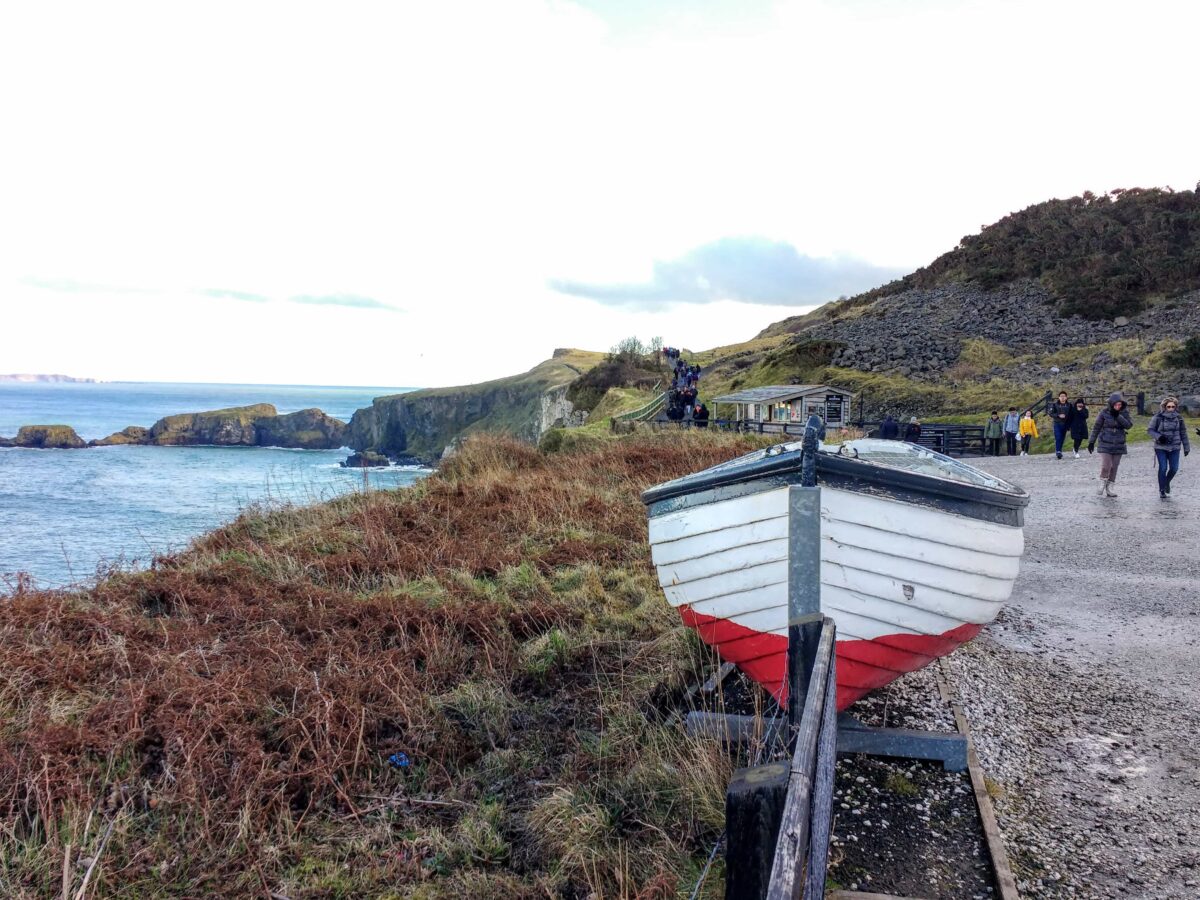
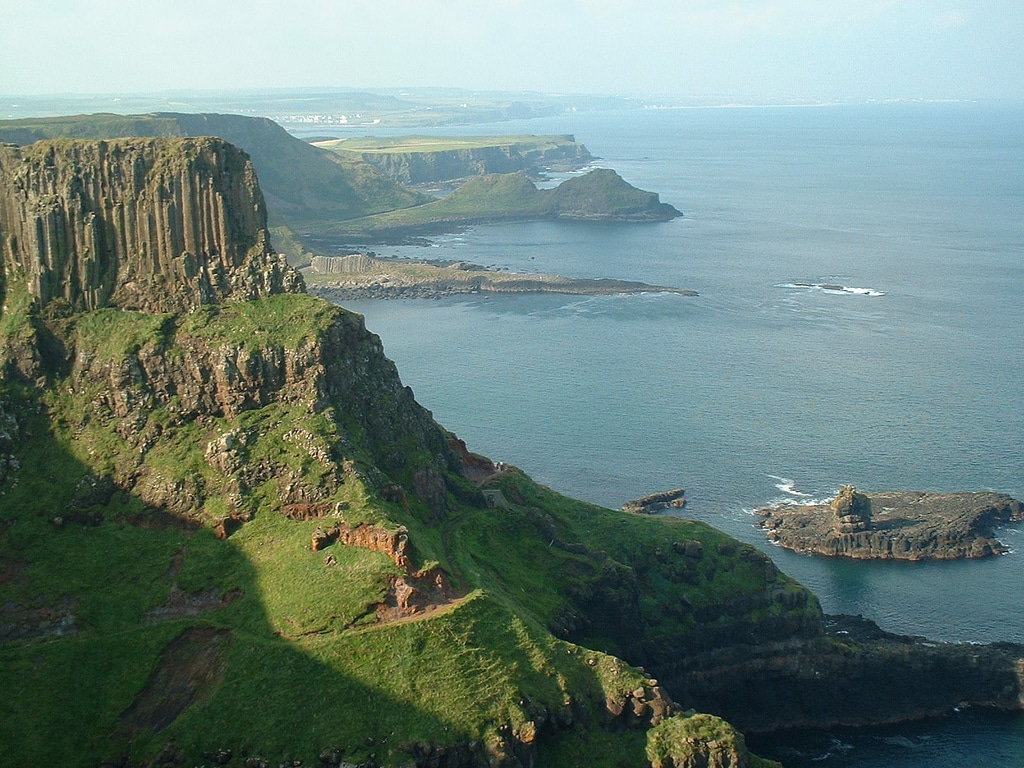
Carrick-a-Rede sits on the B15 coast road, seven miles east of Bushmills, five miles west of Ballycastle, and seven miles from the Giant’s Causeway. The postcode for satnav is BT54 6LS.
By car: This is the easiest option and gives you the freedom to combine Carrick-a-Rede with Ballintoy Harbour, Dunseverick Castle and the Giant’s Causeway in one day along the Causeway Coastal Route. The drive from Belfast takes around 90 minutes and winds through the Glens of Antrim, so budget extra time for photo stops.
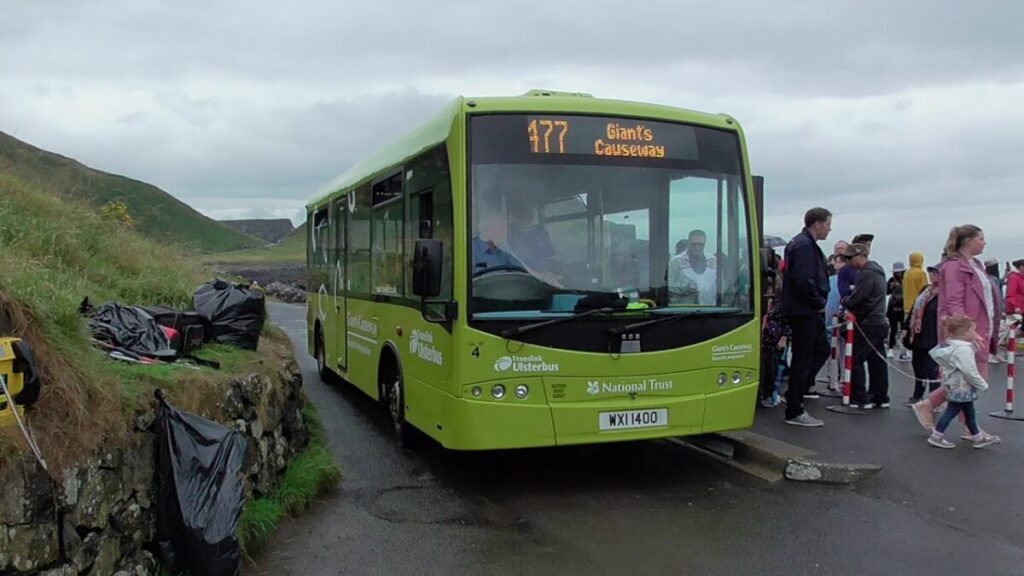
By bus: Take the train to Coleraine and connect with Ulsterbus service 172, or catch Ulsterbus 252 or 256 from Belfast. The seasonal Causeway Rambler (service 402) also stops here between Bushmills and Ballycastle in summer months. Expect roughly a 20 minute walk from the nearest bus stop to the ticket hut.
By guided tour: Several operators run day tours from Belfast that include a photo stop at Carrick-a-Rede alongside the Giant’s Causeway and the Dark Hedges, though most of these tours do not include the bridge crossing itself, so check the small print if crossing is important to you. Browse Causeway Coast tours on Viator or compare hotels in Ballycastle on Booking.com if you are basing yourself locally. If you would rather drive yourself, Discover Cars is a solid option for comparing rental rates along the Antrim coast.
How to Plan Your Visit: Step by Step
- Book your timed ticket online through the National Trust at least a few days ahead in summer, and a week or more ahead for weekends in July and August.
- Check the weather and closure status on the morning of your visit, since high winds can close the bridge with little notice.
- Arrive 30 to 45 minutes before your slot to allow time for parking and the walk from the car park to the ticket hut.
- Wear proper walking shoes, not sandals or heels, since the path is gravel with inclines and the final approach involves steps.
- Use the toilets at the car park before you set out, as there are no facilities on the island or partway along the path.
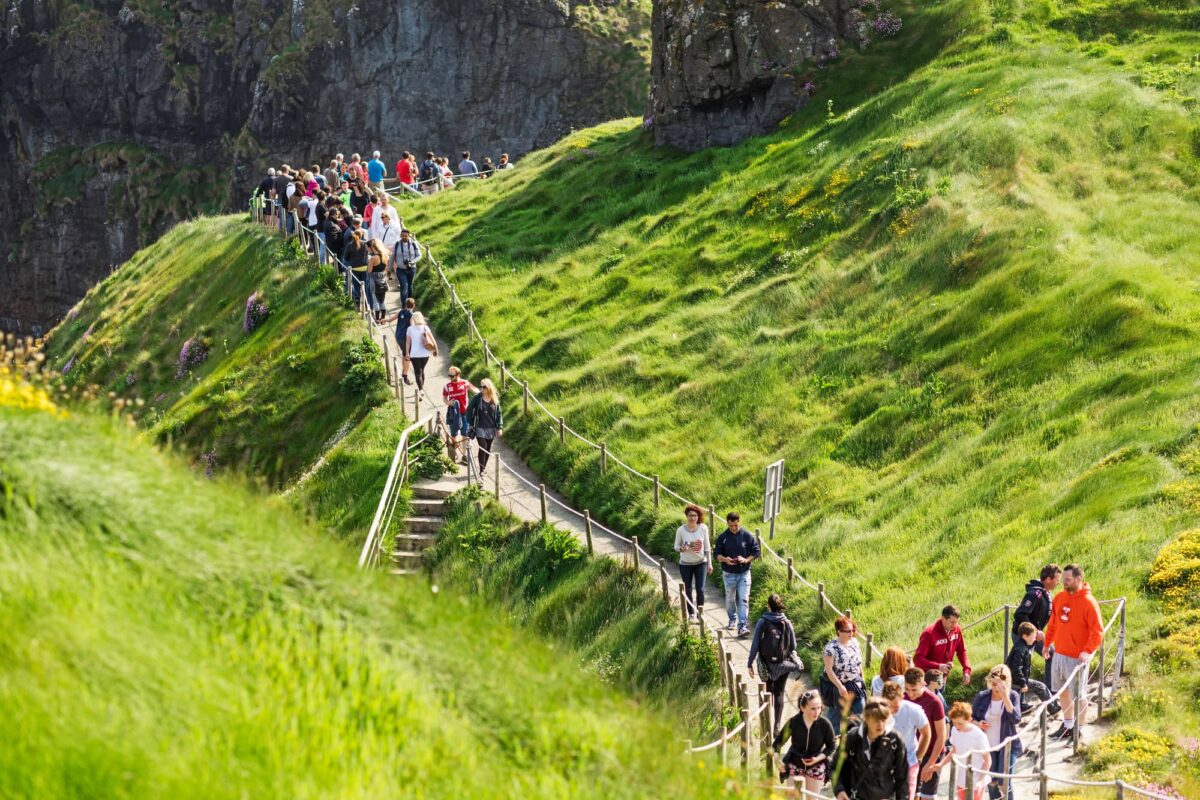
- Walk the coastal path to the bridge, roughly one kilometre each way, and allow 20 minutes at a comfortable pace.
- Show your crossing ticket at the bridge entrance, cross when the warden signals you, and take your time on the island before returning.
- Reward yourself at the Weighbridge Tearoom afterward for a hot drink and something baked.
Parking: Abled and Disabled Access
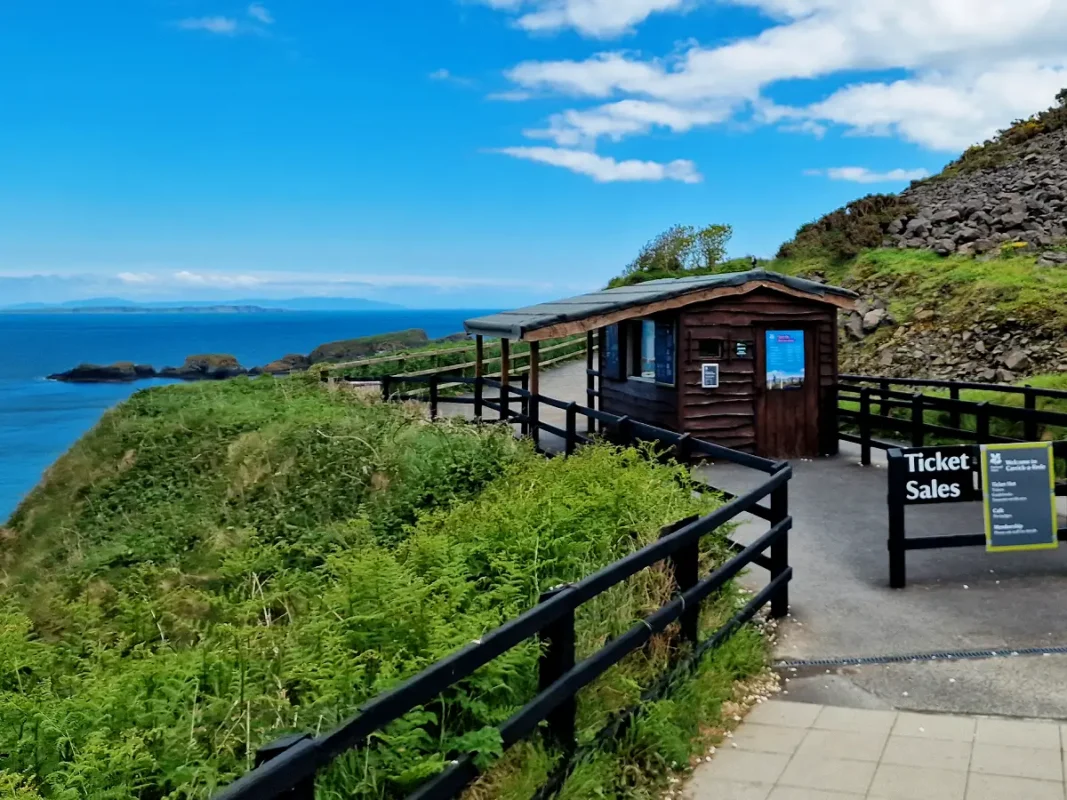
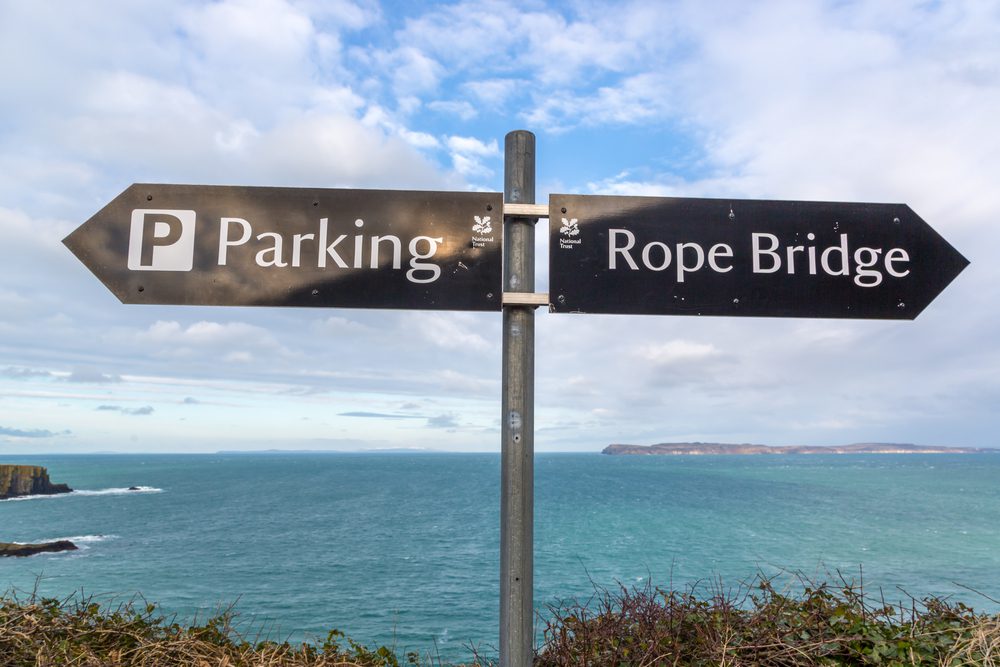
The main car park sits right at the start of the coastal path and is included in the price of your crossing ticket. The bridge, parking used to be free these days the National Trust is trying to charge for parking which I think is a ripoff if not crossing the Bridge. During peak season, particularly midday in July and August, the main car park fills quickly, and the National Trust sometimes directs overflow traffic to the old Larrybane Quarry car park just along the road.
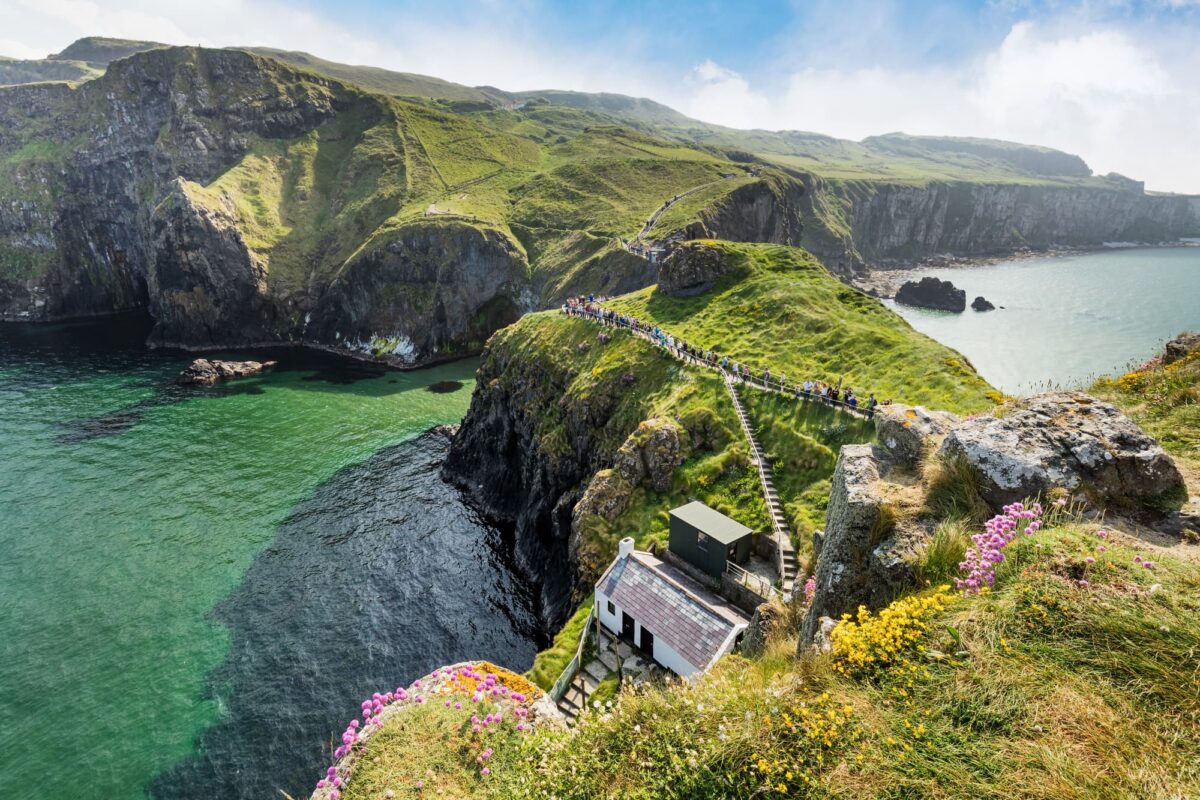
Disabled parking bays are available close to the ticket hut, and there is an accessible toilet on site during car park opening hours. It is worth noting honestly that accessibility drops off sharply once you leave the car park. The first 500 metres of the coastal path is manageable for wheelchairs and mobility scooters and includes an accessible telescope with sea views, but beyond that point the path narrows, climbs, and eventually drops down two long flights of steps to reach the bridge itself.
The bridge and the island are not wheelchair accessible. A manual wheelchair is available to borrow from the Weighbridge Tearoom on a first come basis for visitors who want to get as far as the accessible viewpoint. Full details are in the National Trust accessibility guide via AccessAble.
As someone who travels with a hidden mobility condition, I plan my own visits around the early morning slots so I am not rushing the walk, and I always tell the National Trust staff at the ticket hut if I need a little extra time. They have been kind about it every single time. If the steps and gravel path are not realistic for you on a given day, the upper viewing platform near the car park still gives you a genuinely spectacular view of the bridge and coastline without the full trek.
Portaneevy View Point – views of the rope bridge and Rathlin Island
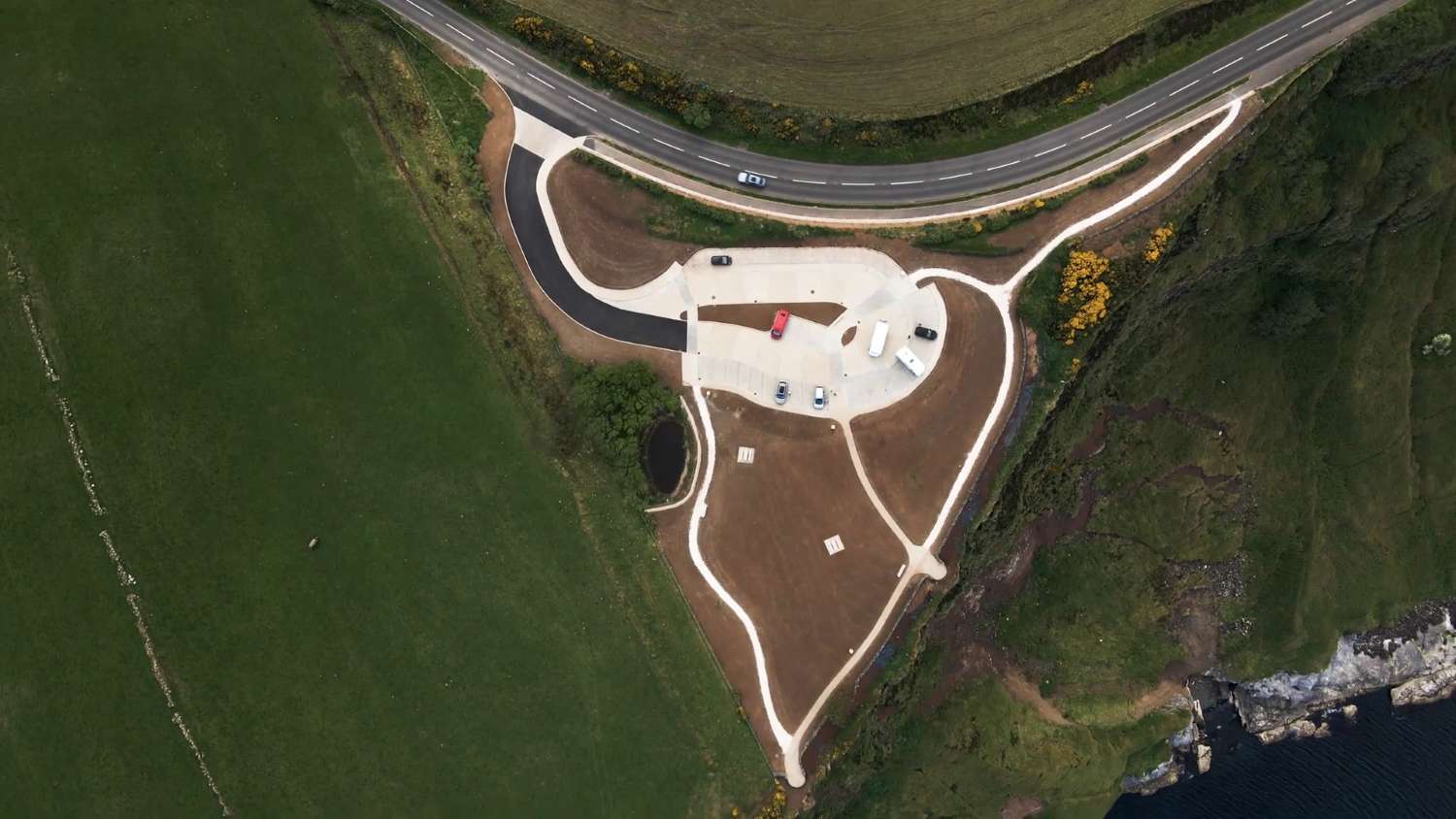
To get to Portaneevy View Point (famous for its views of Rathlin Island and Carrick-a-Rede), drive along the Causeway Coastal Route (B15 Whitepark Road) in County Antrim, Northern Ireland. It is located approximately 3 miles west of Ballycastle and 1.5 miles east of Ballintoy. Use the public car park located on the unnamed B-road.
Crossing the Bridge: What to Really Expect
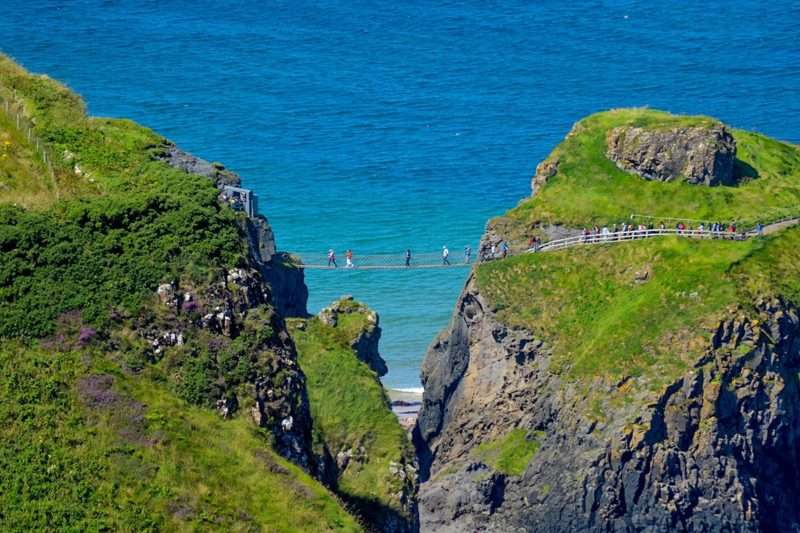
The modern bridge has proper wire handrails and secure decking, and it is far sturdier than its history suggests. That said, I will be honest: the first time I crossed it, my legs were not entirely steady, and I am not ashamed to admit it. The bridge does sway with wind and footfall, and looking down through the gaps at the water 30 metres below is not for everyone.
There has never been a recorded fall from the current bridge, and National Trust wardens control numbers on the bridge at all times so it never feels overcrowded. Occasionally a visitor finds the return crossing too daunting and needs a little extra encouragement or, in rare cases, assistance from staff. If you are nervous, say so at the ticket hut. The team crosses this bridge dozens of times a day and they are genuinely good at talking people through it.
Local tips for a comfortable crossing:
- Wear shoes with real grip, not fashion footwear.
- Cross in the morning when winds tend to be calmer.
- Keep cameras and phones zipped away until you are safely across.
- Let staff know if you are anxious so they can pace your crossing.
- Do not rush. There is no prize for speed.
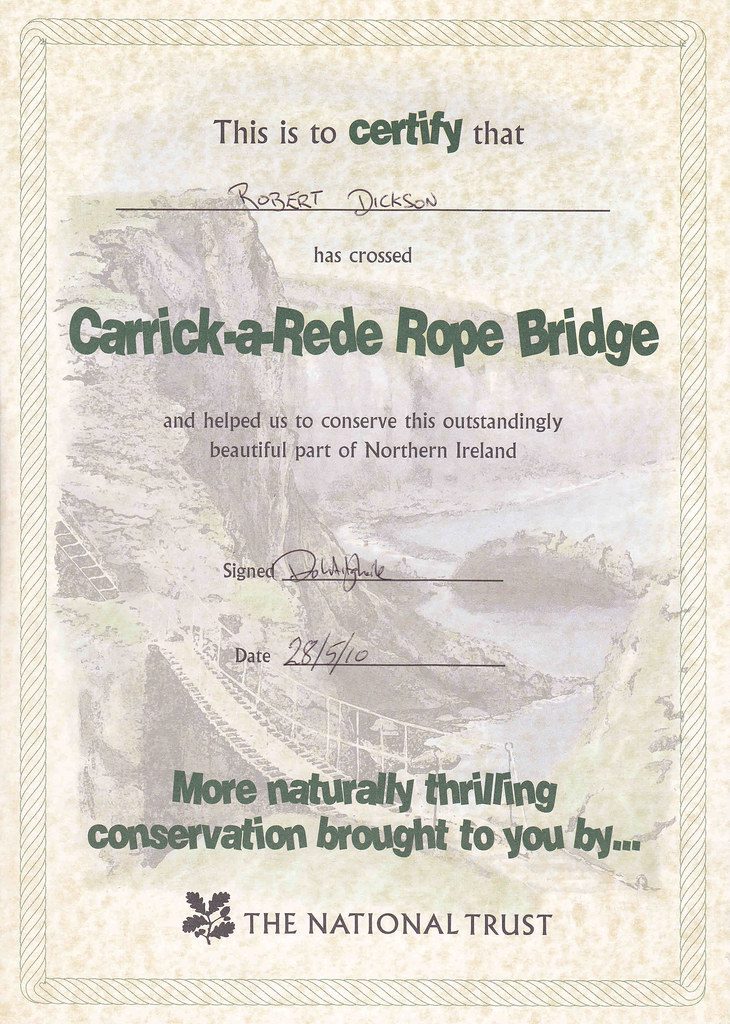
- After you cross you can ask at the ticket hut for a personalised souvenir certificate. It generally costs a small nominal fee or donation (usually around £1) to receive it.
Hidden Gems and Local Secrets
Most visitors arrive between 11am and 3pm, which is exactly when you should not. Arrive around 9.30am instead and you have a genuine chance of spotting dolphins or porpoises working the water below, since local fishing boats still pass through in the early morning. On clear days, usually early morning or late afternoon, visibility stretches all the way to Rathlin Island and Scotland’s Mull of Kintyre, a view most midday visitors completely miss.
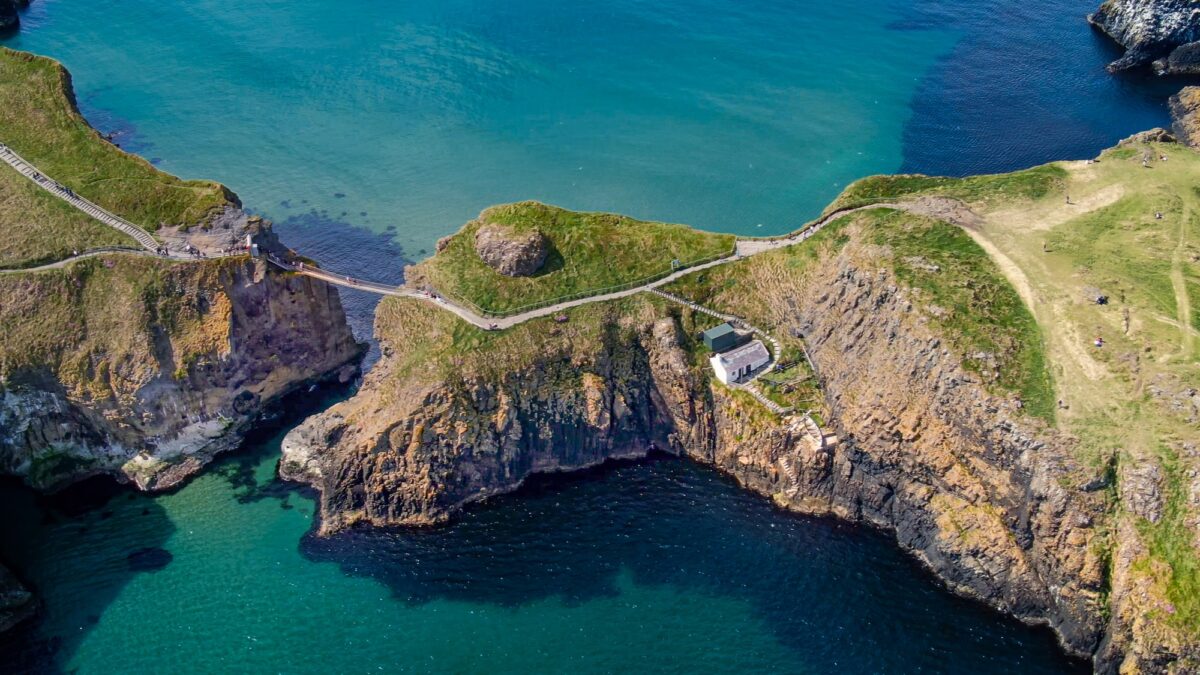
Few guidebooks mention that the old Larrybane Quarry, now used as overflow parking, was once a working limestone quarry until the 1960s and later doubled as a Game of Thrones filming location for Renly Baratheon’s war camp and the Kingsmoot scene. It is worth a wander if you have five minutes to spare and want a quieter view back toward the bridge. And if you get to the ticket hut and find your slot has a short wait, the small stretch of cliff just west of the car park gives one of the best unobstructed photo angles of the bridge, without a single tourist in the shot.
Things to Do With Kids
Children generally love the drama of the crossing, though the National Trust advises the bridge is not suitable for children under 8 given the sway and mesh flooring. Older children tend to find the whole experience thrilling rather than frightening, especially with the seabird colonies nesting on the cliffs below, home to guillemots, razorbills, kittiwakes and fulmars that are genuinely fun to spot with binoculars. The coastal walk itself, with its wildflowers, dramatic cliffs and chance of dolphins, keeps most kids entertained even before they reach the bridge.
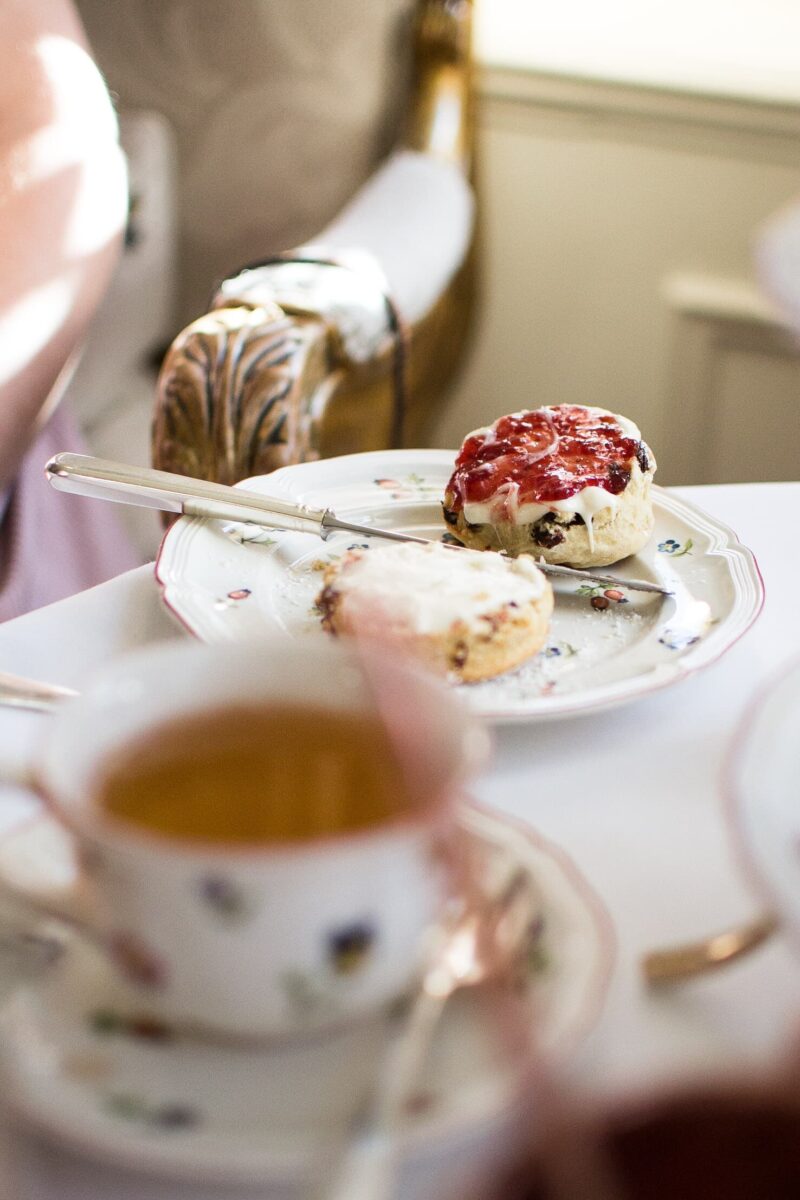
The Weighbridge Tearoom is a reliable stop for tired legs and sticky treats afterward, and the short, contained nature of the island loop, about 10 minutes to walk around, means little ones are never far from a parent’s reach once you are across.

Game of Thrones Locations Near Carrick a Rede Rope Bridge
Fans of the series have plenty to explore within a short drive. The bridge itself was used to film Balon and Euron Greyjoy’s confrontation in season 6, episode 2, “Home.” A few minutes away, Ballintoy Harbour served as Lordsport on the Iron Islands, where Theon Greyjoy returns home and later meets his sister Yara. The nearby Larrybane Quarry doubled as Renly Baratheon’s war camp and, later, the site of the Kingsmoot. For a proper Game of Thrones afternoon, combine these two stops with the Dark Hedges, the real life King’s Road, a short drive further along the coast.

Nearby Treasures Worth Your Time
- Ballintoy Harbour: A working fishing harbour turned Game of Thrones landmark, five minutes from Carrick-a-Rede, with free parking and a small seasonal cafe.
- Larrybane Quarry: The old limestone quarry and Game of Thrones filming site, now doubling as overflow parking with excellent photo angles of the bridge.
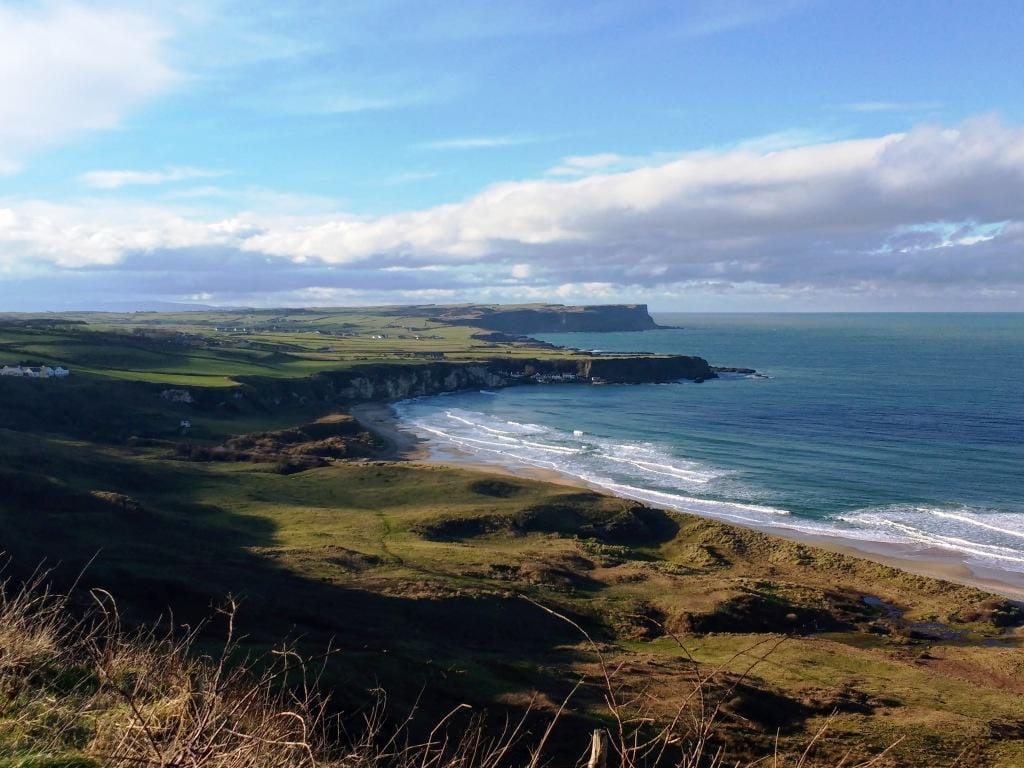
- Whitepark Bay: A wide, largely empty beach roughly ten minutes away where storms have occasionally uncovered prehistoric flint tools, a reminder that people have used this coastline for thousands of years.
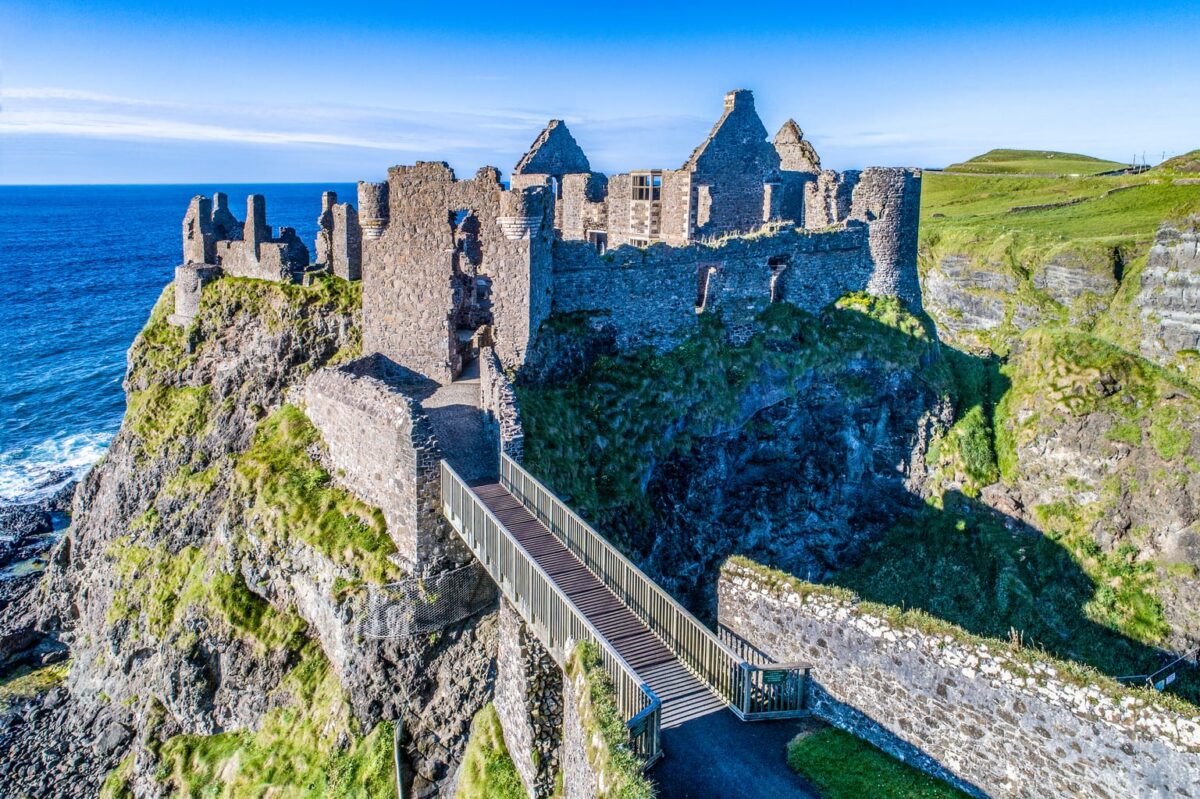
- Dunseverick Castle: A ruined clifftop fortress a short drive on, with almost no crowds and genuine historic weight.
- Rathlin Island: Visible from the bridge on a clear day, this L shaped island off the coast is home to puffins and is famously linked to the legend of Robert the Bruce and the spider. Ferries run from Ballycastle.
- Dunluce Castle: A dramatic medieval ruin once held by the MacDonnell clan, said to have inspired Cair Paravel in C. S. Lewis’s Chronicles of Narnia, and well worth the short detour.
Where to Stay on the Causeway Coast
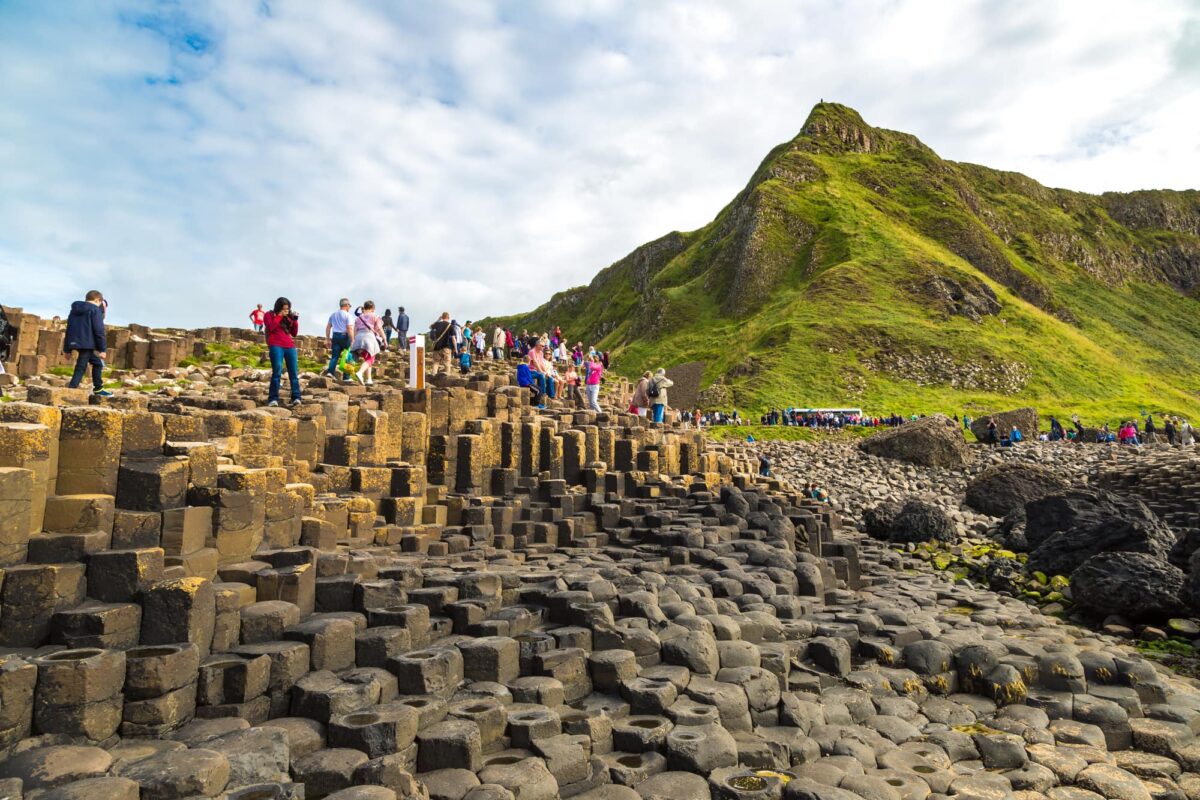
I always base myself in Ballycastle when I am showing friends this stretch of coast, since it puts you within about ten minutes of Carrick-a-Rede while still having enough restaurants and shops for an evening out.
For larger groups and families, the Abbey Movie House is a converted terraced house sleeping up to 10 people with a full kitchen and a genuinely excellent media room, ideal if you are travelling with several generations of the same family. For something larger and more atmospheric, the Manse is a lovely antique filled manor house with soft beds and garden with hot tub. I have stayed in a room there with its own little balcony over the sitting room, which turned out to be the perfect spot to watch the sunset with a cup of tea. Search current availability and accessibility details for both, along with dozens of other Ballycastle options, through Booking.com, where you can filter directly for step free access if that matters to your group.
If you prefer to stay closer to the bridge itself, the National Trust lets its own Carrick-a-Rede Cottage, a converted fisherman’s cottage on the hillside above the site, sleeping up to four guests, bookable directly through the National Trust holidays site. In Ballintoy village itself, the Fullerton Arms is a family run inn with a bar, restaurant and free parking, a five minute drive from the bridge.
Where to Eat, From Cafes to Fine Dining
The Weighbridge Tearoom at the Carrick-a-Rede car park is the obvious first stop, serving hot drinks, tray bakes, light lunches and toasties with indoor and outdoor seating, plus a small gift shop stocked with local crafts. It is fully accessible from the main car park.
In Ballintoy village, Roark’s Kitchen near the harbour is a casual seasonal spot for tea, coffee and homemade treats with panoramic sea views, though note it closes over winter. For a proper sit down meal, the Fullerton Arms in Ballintoy serves a full pub menu including a well regarded Sunday roast, with step free access and parking on site.
For something more polished, Ballycastle has several options within a short drive, including harbourfront seafood restaurants and family run bistros that change seasonally, so it is worth checking current listings or asking locally on the day, since opening hours shift outside peak season.
Best Time to Visit Carrick-a-Rede Rope Bridge
For photography, aim for the golden hours around sunrise or sunset, when low light rakes across the rope bridge and the Atlantic beyond. For fewer crowds, visit on a weekday in May, September or October, when the weather is often still decent but the coach tours have thinned out. If you specifically want calmer winds for the crossing itself, mornings generally beat afternoons, particularly in spring and autumn.
Whatever season you choose, remember that this is a working piece of heritage as much as a tourist attraction, a site where generations of fishermen risked genuinely dangerous crossings for their livelihood. Taking your time and treating the place with a little respect goes a long way.
Frequently Asked Questions
Do I need to book tickets in advance for Carrick a Rede Rope Bridge? Yes. Pre-booking online through the National Trust is essential, particularly from June to August when timed slots regularly sell out. National Trust members still need to reserve a free slot in advance.
How much does it cost to cross Carrick-a-Rede Rope Bridge? Peak season adult tickets start from GBP 16.00, children from GBP 8.00, with family tickets from GBP 40.00. Parking is included in the crossing ticket, or costs GBP 10 per car if you only want to walk the coastal path.
Is Carrick a Rede Rope Bridge safe? Yes. The current bridge, rebuilt in 2008, uses wire rope and secure decking, is regularly safety tested, and has no recorded falls. It does sway with wind and footfall, which surprises some first time visitors.
Is the bridge suitable for people with mobility issues or wheelchairs? Only partially. The first 500 metres of the coastal path from the car park is accessible with a viewing telescope, but steep sections and two long flights of steps beyond that point make the bridge and island themselves inaccessible to wheelchairs. A manual loan wheelchair is available at the Tearoom.
How long does a visit to Carrick-a-Rede take? Budget 1 to 1.5 hours in total, including the one kilometre walk each way, the crossing itself, and time on the island. Add extra time in July and August for queues at busy periods.
Can children cross the rope bridge? Yes, though the National Trust advises against it for children under 8 given the sway and mesh flooring. Older children generally find the crossing exciting rather than frightening.
Is Carrick-a-Rede open all year? Yes, it has been open year round since 2009, though hours are considerably shorter in winter and the bridge can close temporarily during high winds or storms, with automatic refunds issued for cancelled slots.
Final Thoughts
Carrick a Rede Rope Bridge earns its reputation as one of Northern Ireland’s must see attractions, not just for the thirty second thrill of the crossing itself, but for the coastal walk, the seabirds, the history of the fishermen who worked this coastline for centuries, and the wider stretch of the Causeway Coast around it. Book ahead, wear sensible shoes, and give yourself time to actually look around once you are on the island rather than rushing straight back.
For more on planning the wider trip, see my Northern Ireland Travel Tips Guide, and do not miss the Giant’s Causeway while you are on this stretch of coast, since it pairs naturally with a Carrick-a-Rede visit in a single day out.
Explore more of the region with guides to England, Scotland, Wales, Northern Ireland, or the full United Kingdom Travel Guide.
Road trips, slower-paced journeys, family-friendly routes, and culture-led itineraries that reflect different ways of experiencing Northern Ireland. Here are a few articles for you to discover the region.
Explore the Counties of Northern Ireland
Walking the Carrick-a-Rede Rope Bridge
Trying authentic Northern Irish food
Best Northern Ireland tourist Attractions