
Giant’s Causeway Tours: How to Visit from Belfast & Dublin
I’ve visited the Giant’s Causeway on Northern Ireland’s Causeway Coastal Route many times over the years from my home in Donegal, Ireland in every kind of weather and with mobility challenges in mind. This guide blends first‑hand experience with links to official sources so you can plan confidently.
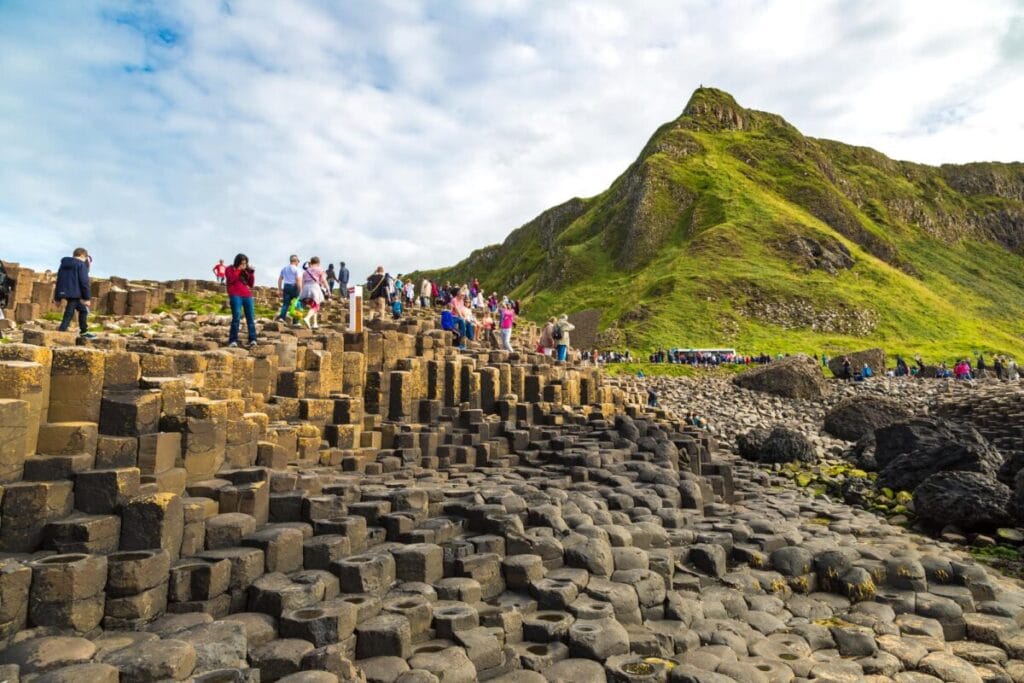
When you visit one of the highlights of Northern Ireland, the unique natural wonder of the Giant’s Causeway in County Antrim you can picture in your mind’s eye the Irish giant Fionn mac Cumhaill (Finn McCool) striding those basalt cliffs and columns determined to finish that bridge to Scotland and best the Scottish giant Benandonner. This is one of the world’s most incredible natural wonders on the Causeway Coastal Route, in Northern Ireland.
The Giant’s Causeway is located on the Antrim Coast in Northern Ireland, between Portrush and Ballycastle. The Giant’s Causeway and Causeway Coast are Northern Ireland’s most popular tourist destinations. A Giant’s Causeway tour is the dream trip for many a tourist visiting Belfast and Northern Ireland. Not exactly off the beaten path Northern Ireland but a real bucket list item.
Visitors interested in Northern Ireland’s political history should consider taking a Belfast black taxi tour to see the Falls Road, Shankill Road, and famous peace walls firsthand.
Check out my Northern Ireland Travel Tips Guide before you go

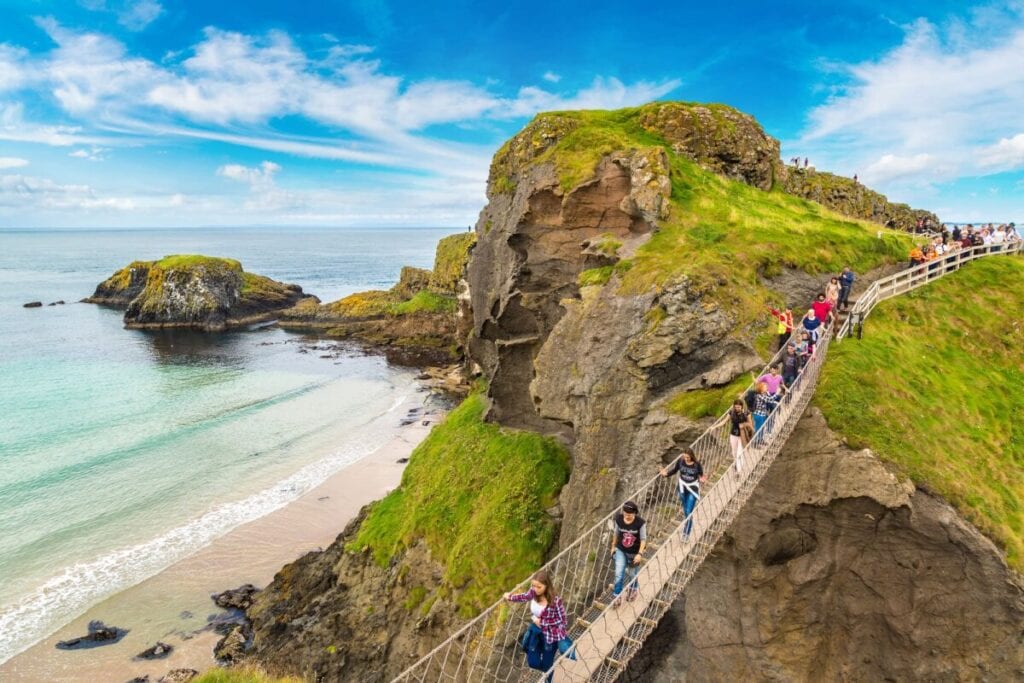
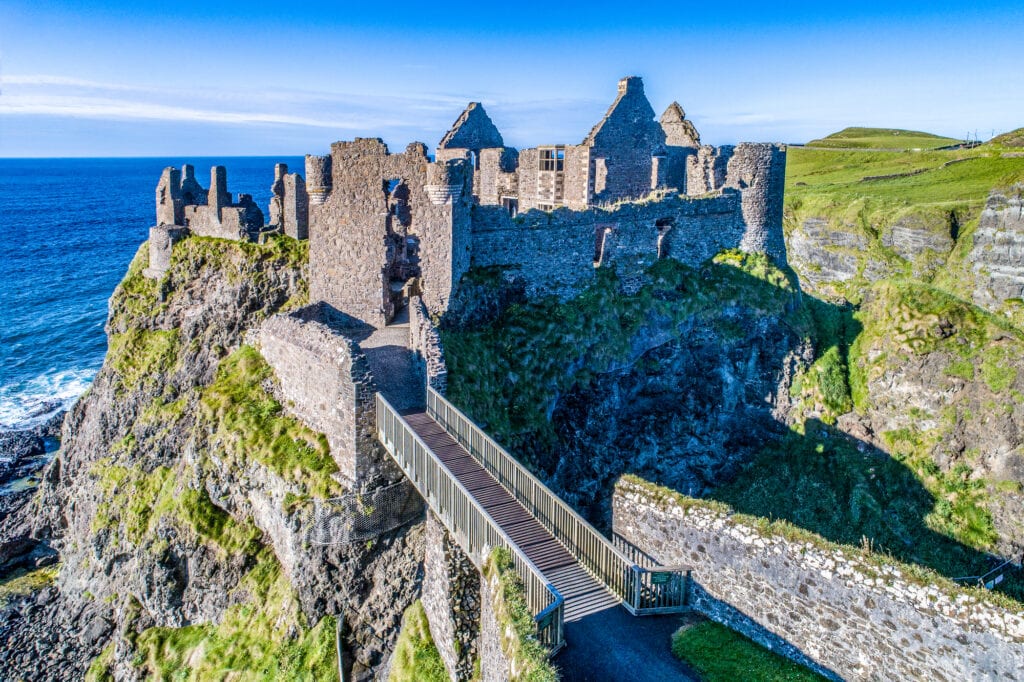
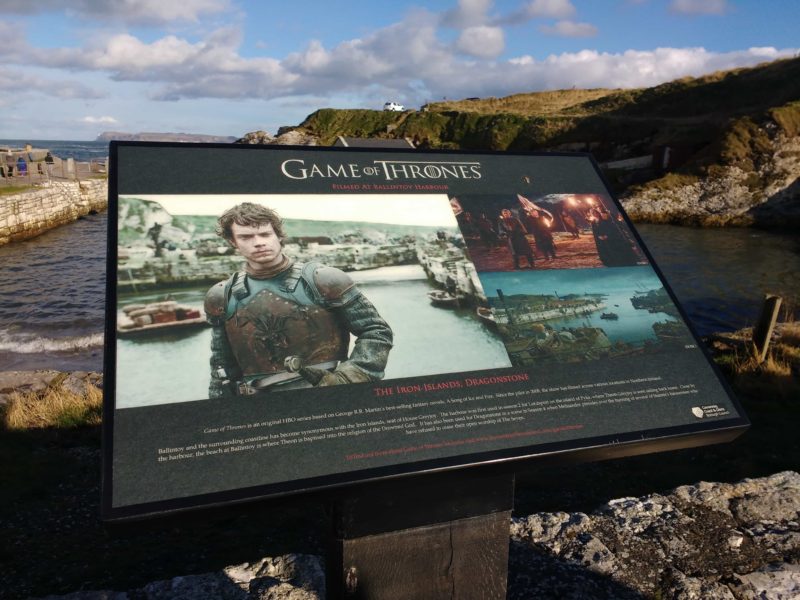
From the Game of Thrones series that used the stunning landscapes of the Antrim Causeway coast as locations to the legends and myths of the Giant’s Causeway, folks are drawn to this place of outstanding natural beauty. Walking the Carrick‑a‑Rede rope bridge, seeing the romantic ruins of Dunluce Castle, visiting many of the prettiest villages and towns in N. Ireland, or even spending Christmas in Belfast all fit easily into a Causeway day or weekend.
- Giant’s Causeway Tours: How to Visit from Belfast & Dublin
- Myths surrounding the Giant’s Causeway
- History of the Giants Causeway
- What is the Causeway Coastal Route?
- What other attractions are typically included in a Giant’s Causeway tour?
- How long does a Giant’s Causeway tour typically last?
- How long to spend at the Giant’s Causeway?
- Are Giant’s Causeway tours guided?
- Do you have to pay to see the Giant’s Causeway – how to visit for free?
- Giant’s Causeway free parking
- How long does it take to see the Giant’s Causeway?
- Do I need a ticket to see the stones?
- Can I visit at sunrise or sunset?
- Are dogs allowed?
- Can I fly a drone?
- Giant’s Causeway Weather
- How much does it cost to go to the Giant’s Causeway?
- What is the cost of a Giant’s Causeway tour?
- Giant’s Causeway Tours from Belfast and Dublin
- Personally recommended Giant’s Causeway Tours from Belfast and Dublin
- What to see at the Giant’s Causeway
- Where to stay near the Giant’s Causeway
- Explore More Irish Culture and Folklore
Myths surrounding the Giant’s Causeway
At the dawn of time in Ireland there lived an Irish giant Fionn mac Cumhaill (Finn McCool). He was said to be massive 54 feet tall and to have the strength of 500 men. He was married to Oonagh and lived happily on the Antrim Coast.
Across the waters in Scotland lived a giant known as Benandonner who believed he was the strongest giant in the world. Benandonner would harass and taunt Finn across the waters and one day he just angered Finn so much that Finn picked up a lump of earth and threw it at him. The lump missed and fell into the Irish Sea, creating what came to be known as the Isle of Man, and the hole left by the earth became Lough Neagh.

Finn grew tired of the harassment and built the causeway to Scotland so he could fight Benandonner once and for all. The path Finn laid down was joined by the path that Benandonner built from Scotland. For weeks the giants toiled, building a path to each other.
Finally, the two paths met and Finn saw Benandonner coming across the causeway and was shocked by the huge size of the Scottish giant. Since Benandonner had not yet seen Finn, he ran back to his house and asked Oonagh to help him hide. Being a very smart woman, she disguised Finn as a baby and put him into a huge cradle. When Benandonner knocked on the door, Finn pretended to cry. Benandonner spotted the “baby” and thought to himself: if the baby was that gigantic, how big was Finn himself? So Benandonner turned and ran back to Scotland, destroying the causeway behind him so Finn couldn’t follow.
History of the Giants Causeway
Where is the Giant’s Causeway?
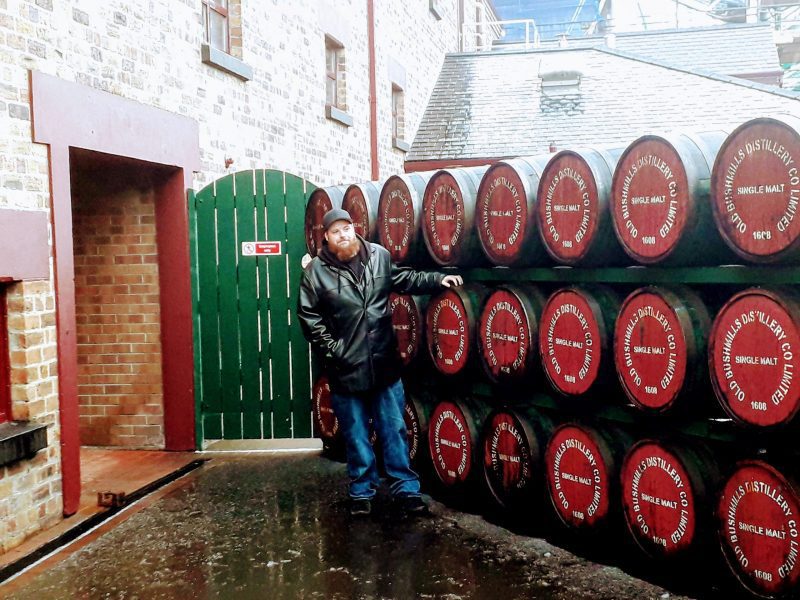
The Giant’s Causeway is on the Antrim Coastal Route, a mere 5‑minute drive from the village of Bushmills yes, the famous whiskey‑producing village. It’s about 10 minutes from Dunluce Castle and 15 from the Carrick‑a‑Rede rope bridge. The Causeway Coast has been a prime location for many Game of Thrones filming sites, and there’s many a pub or restaurant on the route showcasing the Tour of Doors carved from trees felled at the Dark Hedges.
What is the Giant’s Causeway?
Northern Ireland’s only UNESCO World Heritage Site, the Giant’s Causeway and Causeway Coast are regarded as “a spectacular area of global geological importance”. Over a million visitors a year arrive on a Giant’s Causeway tour to marvel at this natural phenomenon.
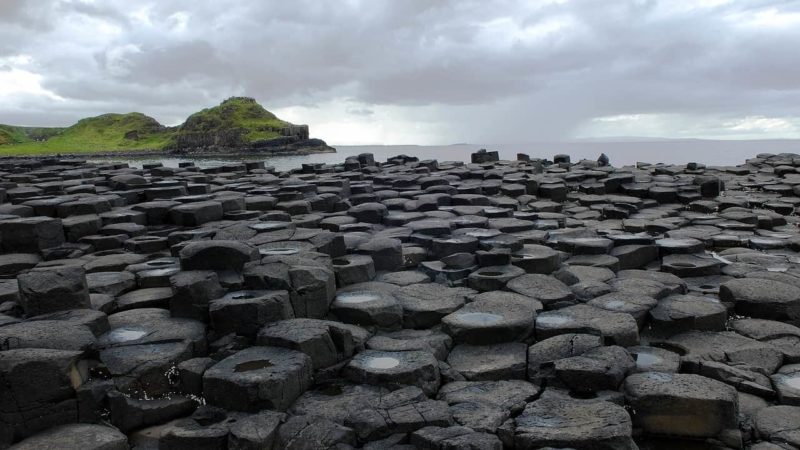
The Giant’s Causeway on the North Atlantic Ocean the coast of Northern Ireland was formed around 50 to 60 million years ago during a period of intense volcanic activity. As the North Atlantic landmass began to separate, vast outpourings of basaltic lava flowed across the landscape. When this thick, molten basalt cooled rapidly upon contact with the air or ground, it contracted in a similar way to drying mud. This contraction process caused the rock to fracture into the remarkable, tightly packed hexagonal columns we see today.
The Giant’s Causeway sits within a World Heritage Site that extends for roughly 18 miles of coastline and is made up of perfectly interconnected polygonal basalt columns created by volcanic activity. There are over 40,000 columns at the main Causeway site on the Antrim Coast.
How was the Giant’s Causeway formed?
The scientific explanation places the formation somewhere around 50 to 60 million years ago. This region of Northern Ireland was subjected to intense volcanic eruptions. When molten basalt lava was thrown up through Antrim’s chalk beds it formed a lake of lava. When the lava cooled and contracted, cracks formed the neatly packed columns of hexagonal stones and pillars often dubbed the “8th Wonder of the World” that we see today.
These hexagonal patterns, as you see them at the Giant’s Causeway, are found around the globe and include the Devil’s Postpile in the US, Fingal’s Cave on the Isle of Staffa in Scotland, Svartifoss in Iceland, and Los Prismas Basálticos in Mexico, to name a few.
What is a Giant’s Causeway tour?
A Giant’s Causeway tour is a guided excursion that takes visitors to one of Northern Ireland’s most popular attractions on the Causeway Coastal Route. Tours typically include transportation from Belfast or Dublin, a knowledgeable guide, stops at other attractions along the Causeway Coastal Route such as Dunluce Castle or the Carrick‑a‑Rede Rope Bridge, and time to explore the unique basalt columns of the Causeway itself.
What is the Causeway Coastal Route?
The Causeway Coastal Route is a scenic roadway that stretches along the northern coast of Northern Ireland. The route includes several attractions such as the Dark Hedges, Dunluce Castle, and of course, the Giant’s Causeway.
What other attractions are typically included in a Giant’s Causeway tour?
In addition to the Giant’s Causeway, many tours stop at other popular attractions along the route. These may include Dunluce Castle, Carrickfergus Castle, the Carrick‑a‑Rede Rope Bridge, and the Bushmills Distillery. Note that sites occasionally close due to weather or conservation check the National Trust and local operator pages for current status.

How long does a Giant’s Causeway tour typically last?
A typical tour is a full‑day excursion lasting anywhere from 8 to 12 hours. The exact duration depends on the tour company, itinerary, and any additional stops.
How long to spend at the Giant’s Causeway?
If you’re doing a self‑guided visit you’ll probably want about 3 hours on a good day. This depends on whether you plan to hike the clifftop paths or simply take the shuttle bus down to the stones.

Are Giant’s Causeway tours guided?
If you book an organized tour, tours are guided by experienced guides who provide information about the attraction and surrounding area and can answer questions.
Do you have to pay to see the Giant’s Causeway – how to visit for free?
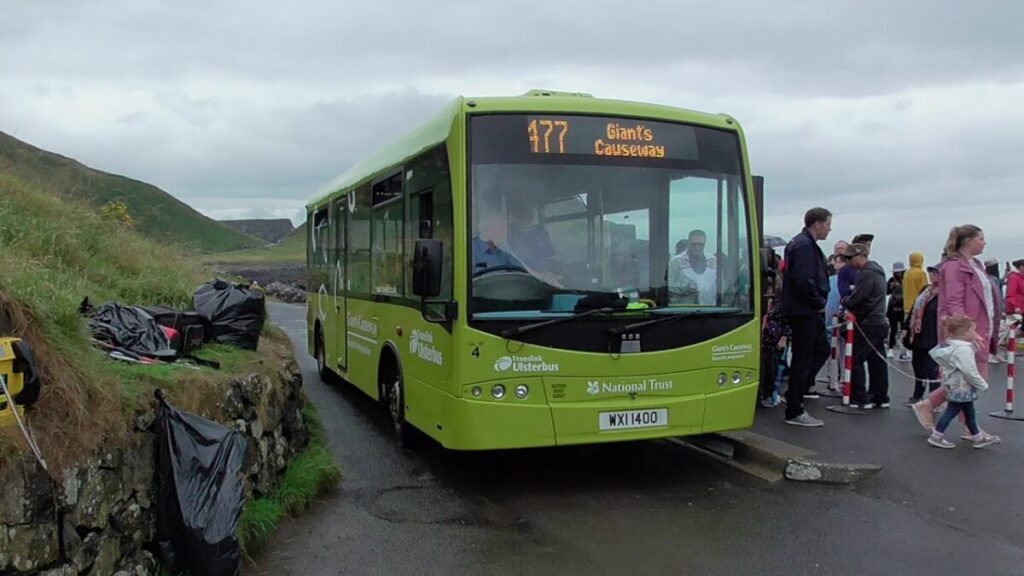
The Giant’s Causeway is free to visit, and you do not need to pay the car park fees at the Visitor Centre to access the stones. Visitor Centre tickets cover parking, exhibitions, guided walks, and the shuttle, useful if you want the amenities. Access to the stones via public paths is free and you can take the shuttle behind the Visitor’s Centre down to the stones for around £1 per person.
If you are a hiker you can take the trail from Portballintrae and walk the coast to the Causeway, which passes alongside the tram line. This coastal path is scenic but exposed; bring layers and sturdy footwear.
Giant’s Causeway free parking
You can enjoy the hospitality of The Nook pub right beside the Causeway and if you ask nicely they may allow parking for patrons. Availability varies, and it’s courteous to support the pub if you use their lot. We had a fabulous lunch at the pub and enjoyed the warmth of the open fire before we strolled down to the Causeway. From The Nook it’s a short walk to the tunnel behind the Visitor Centre where you can catch the bus down to the Causeway.

How long does it take to see the Giant’s Causeway?
It really takes around 2–3 hours to explore the Giant’s Causeway. To save your feet, take the shuttle bus that stops behind the Visitor Centre just after the tunnel. There’s a small fare each wayof £1.00.

Do I need a ticket to see the stones?
No. Access via the public paths is free at all hours, though facilities are only available when the Visitor Centre is open. Visitor Centre admission typically includes the shuttle; if you’re not visiting the Centre, you can pay a small fare each way.
Can I visit at sunrise or sunset?
Yes the paths are open, but the Centre and shuttle operate during set hours, and light and wind conditions can be challenging.

Are dogs allowed?
Dogs are welcome on leads on National Trust land; be mindful of livestock and steep drops, and check shuttle rules before boarding.
Can I fly a drone?
Restrictions apply on National Trust sites and along the coast; permission is required and is often refused check the Trust’s policy and local bylaws before attempting.
Giant’s Causeway Weather
Well, that’s a little difficult to say. I’ve been there in blustery, freezing‑cold winter weather and in bright sun sometimes both on the same day. I’d say the best time to visit the Giant’s Causeway is in the shoulder season, early to late spring or early to late fall.
That way you avoid the majority of the tourist hordes and you can get some beautiful weather. Always pack a waterproof, grippy shoes, and a windproof layer; the stones can be slick and the clifftop paths are exposed.

How much does it cost to go to the Giant’s Causeway?
If you wish to use the Visitor Centre and its parking you will be charged a per‑person fee of £15 per adult, rather than a per‑car fee. Prices change, check the National Trust’s official page for current rates.
What is the cost of a Giant’s Causeway tour?
The cost of a guided Giant’s Causeway tour depends on the company, itinerary, and any extra stops. Prices often start around £25 per person for a basic bus tour. More luxurious or private tours can run £100 to £300 per person. Always review what’s included (entrance fees, hotel pickup, small‑group vs large coach) before booking.
Giant’s Causeway Tours from Belfast and Dublin
Belfast
If you’ve rented a car and want to drive to the Giant’s Causeway from Belfast City, it’s an easy drive around 51 miles, taking roughly an hour and a half depending on traffic and weather. If you drive, you can park at the Giant’s Causeway & Bushmills Railway car park just outside Bushmills village and ride the heritage tram when it’s operating; the journey to the Causeway stop takes around 20 minutes on the old tram. Operating days and fares vary by season check the official railway site or local listings before you go.
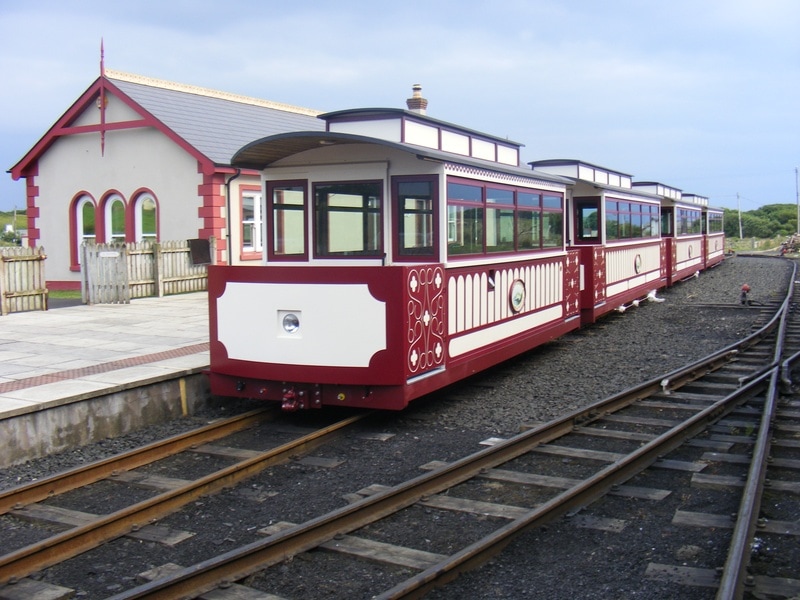
The 2-mile Bushmills Railway (formerly Electric Tram) runs from near the Bushmills town center to the Giant’s Causeway on Fridays, Saturdays, and Sundays. The service runs four times a day between 11 AM and 2:30 PM, pricing is around £6.00, call (028) 20732844 to check current fares and operating hours.
You can also park at the Railway car park where the tram terminates and walk to the stones without using the Visitor Centre. Paths are public rights of way; access to the stones themselves is free.
Dublin
If you drive from Dublin Ireland it will take around 3 hours to reach the Giant’s Causeway, but you can also book many tours of the Causeway Coast from Dublin.
Personally recommended Giant’s Causeway Tours from Belfast and Dublin
Disclosure: some tour links are affiliate links, which means I may earn a small commission at no extra cost to you if you book. I only recommend services I’ve used or vetted.
Giant’s Causeway Tour from Belfast
Discover the magic of the UNESCO World Heritage‑listed Giant’s Causeway on a full‑day trip from Belfast. Accompanied by a knowledgeable guide, travel by coach through Northern Ireland’s spectacular countryside. Then arrive at the Giant’s Causeway and admire the scenic splendour of the surroundings.
Read more about Giant’s Causeway Day Trip from Belfast
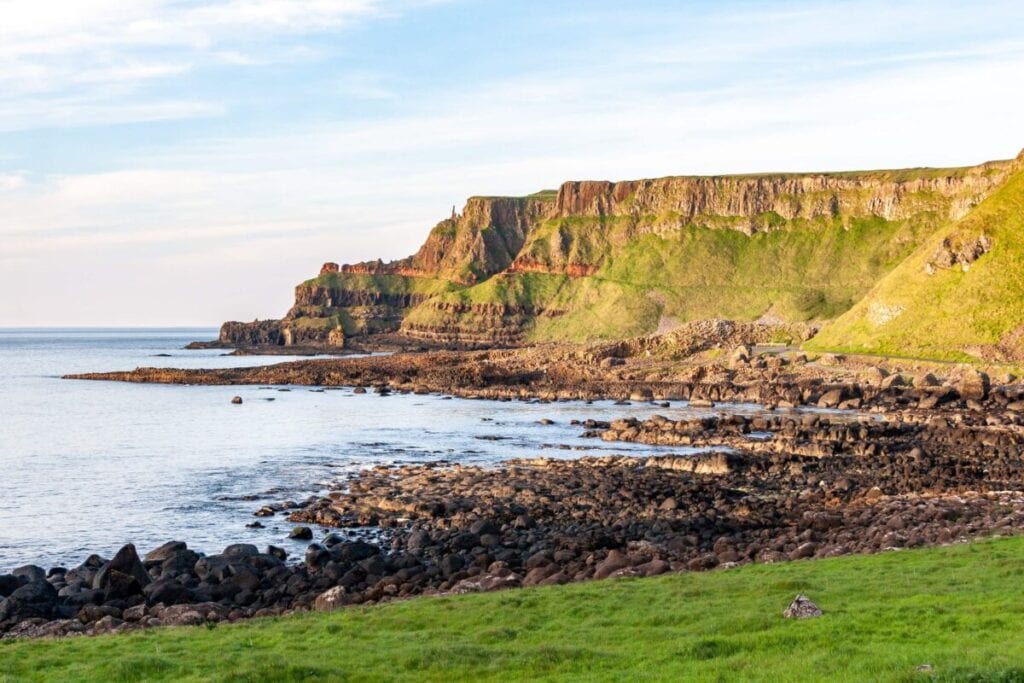
A Northern Ireland Day Trip Including Giant’s Causeway from Dublin
Explore Northern Ireland’s biggest draws Belfast, the Giant’s Causeway and the Carrick‑a‑Rede Rope Bridge on a day trip from Dublin. In a traditional black cab in Belfast, you’ll explore sites of the capital’s conflicted history: the mural‑strewn streets of the Falls and Shankill neighbourhoods and the Belfast Docks.
Then along the Antrim Coast to experience one of Ireland’s great geological marvels, the UNESCO‑listed Giant’s Causeway, followed by a stop at the Carrick‑a‑Rede Rope Bridge. Note: Carrick‑a‑Rede can close due to weather or maintenance; operators may substitute Dunluce Castle or other sites. Check the latest with your tour provider.
Read more about Northern Ireland Highlights Day Trip Including Giant’s Causeway from Dublin

What to see at the Giant’s Causeway
Giant’s Causeway Visitor Experience Centre
In 1986 a National Trust Visitor Centre opened at the Giant’s Causeway to coincide with UNESCO’s inscription of the site. The original building was damaged by fire in 2000, and a new state‑of‑the‑art educational Visitor Centre opened in July 2012.
The National Trust Giant’s Causeway Visitor Centre is not part of the Giant’s Causeway rock formation and is built around a mile from the Causeway itself. Many visitors are fooled into believing they can only park here and must pay to see the Causeway. My personal preference as a frequent visitor is to enjoy the stones via the public paths and use local businesses along the coast; that said, the Visitor Centre provides excellent interpretation and accessibility support, and the fees help conservation work.
Parking at the Visitor Centre is bundled with admission and charged per person, not per car; confirm current pricing before you go.

When you tour the Causeway Coastal route you can hike or walk to the Giant’s Causeway. Within the site there are four walking trails suitable for all abilities and ages. When you head through the tunnel, follow the roadway down the steep slope and you will arrive at the Stookans, or Windy Gap as it’s known. You will know when you reach it because it is completely exposed to the elements.
The Giant’s Causeway is made up of three areas: Little Causeway, Middle Causeway also known as the Honeycomb, where you can see the famous black basalt hexagonal columns and the Grand Causeway.
Giant’s Causeway: The Organ Pipes
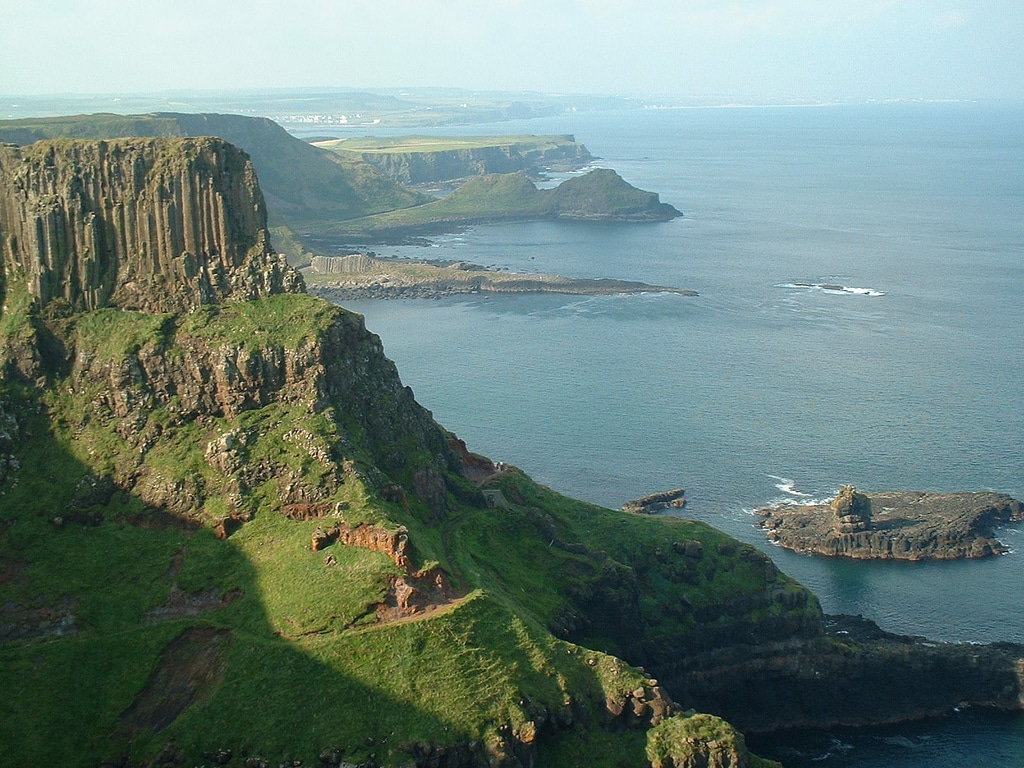
The Pipe Organ is a similar rock formation on the side of a cliff above Port Noffer; the columns of this feature are especially tall and straight, reminiscent of organ pipes. It can be seen by following the path for a few hundred metres beyond the Causeway.

The Grand Causeway features the Wishing Well, Wishing Chair and the Giant’s Gate, which are all part of the Finn McCool legend.
From here, head to Port Noffer, which is a very different environment due to being sheltered. This is a salt marsh rich in birdlife and vegetation.


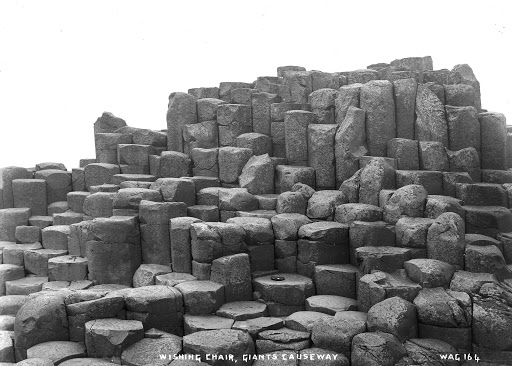
Giant’s Causeway Boot
From the Giant’s Boot, you can climb the small slope to the Organ and admire the massive columns. Moving along from the Organ you will come to the headland where you will find a viewing platform called the Amphitheatre. From here you can take in the stunning landscapes of the Glens of Antrim and look towards Rathlin Island and the North Atlantic.

Did you spot the Giant’s Harp and eyes?
If you take the time to climb the very steep path with its many steps (162), you can follow this Shepherd’s Path to the North Antrim Cliff Path and within half a mile you will be back at the Visitor Centre.


Accessibility and safety
As a mobility‑challenged traveller, the shuttle from behind the Visitor Centre is perfect it goes down to the stones and returns around every 15 minutes. The path down is a long slope and the stones themselves are uneven and can be slippery. If you have balance or joint issues, take your time, use the shuttle both ways, and consider trekking poles. The clifftop trails are spectacular but exposed keep well back from edges and heed signage.
Wheelchair users can access the Visitor Centre, café, and exhibitions, and enjoy expansive views from the road and viewpoints without descending onto the stones. The shuttle is generally wheelchair‑friendly and avoids the steep gradient; staff can advise on boarding and space. If you would like more helpful information you can read my Accessible Giant’s Causeway Guide which details everything you need to know.

The basalt columns are not suitable for wheelchairs, and the clifftop paths are uneven, narrow in places, and exposed to wind. Blue Badge parking is available at the Visitor Centre with limited bays; confirm availability and opening hours in advance. Accessible toilets are inside the Centre. In poor weather, visibility and wind can make outdoor viewing uncomfortable choose calmer windows and avoid peak gusts.
For older visitors and those with limited mobility, plan a gentle pace. The roadway down to the stones is a steady downhill that becomes a tough uphill return; the shuttle both ways saves joints and energy.

Footing on the stones is irregular and can be slick, so supportive shoes and, if helpful, a cane or trekking pole are wise. There are benches along the roadway and seating at the Centre for breaks. Opt for shoulder seasons to avoid crowds on narrow paths, and aim for mid‑morning or late afternoon when winds are lighter. If stairs are a concern, skip the Shepherd’s Path and enjoy the Amphitheatre viewpoint from the roadway.
Where to stay near the Giant’s Causeway
Causeway Hotel
If you’d like to explore the Causeway, you can’t stay any closer than the Causeway Hotel. During your stay, you can discover this UNESCO World Heritage site with direct access all from the comfortable base of this Grade II listed hotel.
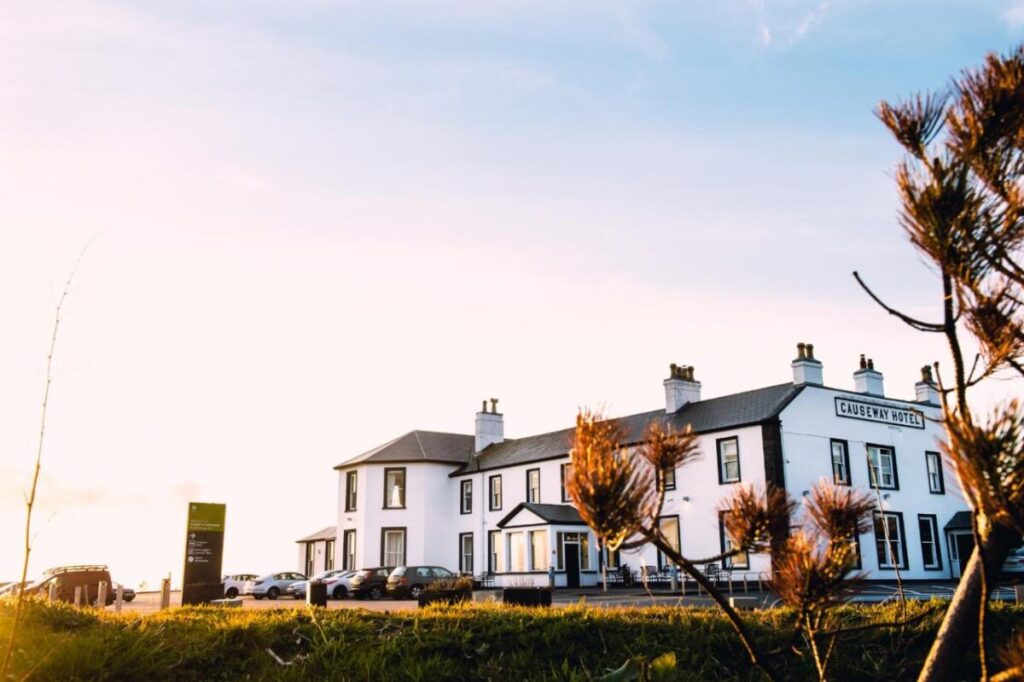
A UNESCO World Heritage Site, the Giant’s Causeway is Northern Ireland’s top tourist attraction, and a visit is a truly awe‑inspiring experience that should not be missed. A DIY Giant’s Causeway tour offers a wonderful opportunity to witness the natural beauty and geological wonder of the area, as well as learn about the history and legends associated with it.
Walking along the hexagonal columns, listening to the sounds of the crashing waves, and breathing in the fresh sea air is a magical experience that stays with you long after you leave. Whether you are a nature lover, a history buff, or simply seeking adventure, a Giant’s Causeway tour is a perfect way to spend a day and create unforgettable memories.
Living in Ireland allows me to travel to this beautiful country from end to end. If there is any question or place in Ireland North or South you may have, feel free to contact me. For the most current opening hours, shuttle fares, and conservation notices, consult the National Trust’s official Giant’s Causeway page and local transport sites before traveling.
Start Planning Your Trip
👉 Public Transportation in Ireland
👉 Hidden Gems in Ireland – 32 Secret places to visit
👉 Answering all your travel questions about Ireland
👉What to pack for your Ireland trip
👉 Northern Ireland Public Transportation
This guide is part of a wider Accessible Ireland travel series, offering realistic, first-hand advice for limited-mobility travel across Ireland.
➡️Accessible Causeway Coast Route
➡️Accessible Wild Atlantic Way
If you encounter changes (e.g., temporary lift closures or construction), please let me know so I can update this page promptly.
Explore More Irish Culture and Folklore
Explore deeper guides throughout Ireland covering mythology, sacred landscapes, haunted places, storytelling traditions, Celtic festivals, folklore creatures, saints, music, literature, and regional culture.
Featured guides include:
Irish Witches and Butter Witches
Halloween in Ireland and Samhain
Boa Island and the mystery of the Janus Head