
Inishowen Peninsula Travel Guide: Malin Head, Hidden Gems, and 1–2 Day Itineraries
The rugged Inishowen Peninsula is one of Ireland’s most dramatic coastal landscapes. Sitting at the northern edge of County Donegal, it stretches between Lough Swilly and Lough Foyle and contains the northernmost point of the country: Malin Head.
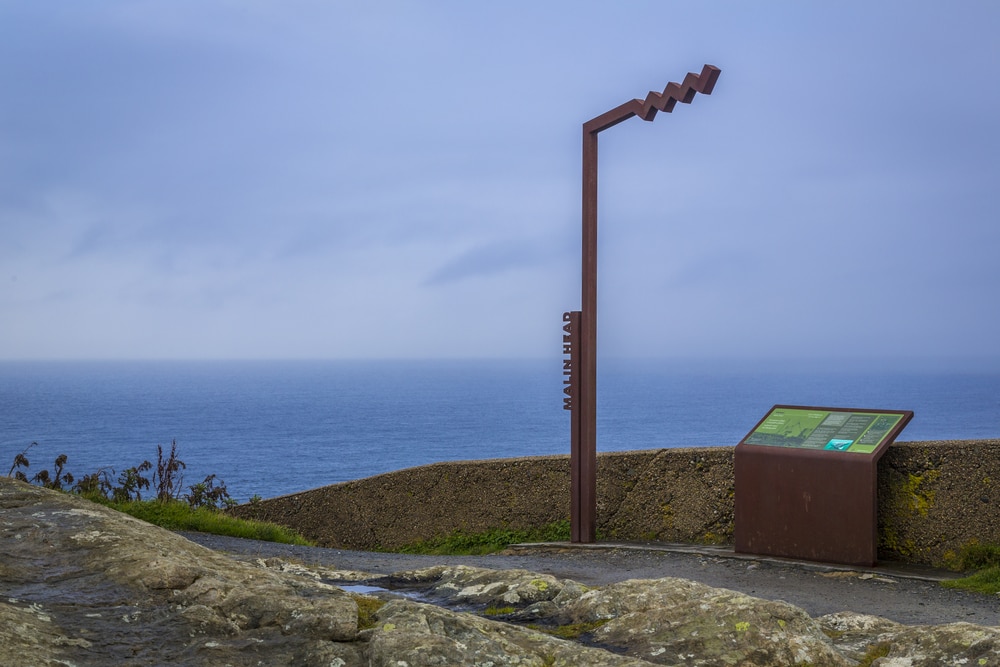
Part of the famous Wild Atlantic Way, this peninsula blends sweeping Atlantic cliffs, golden beaches, prehistoric forts, and small villages shaped by centuries of Irish culture and maritime heritage. It’s also the route of the Inishowen 100, a spectacular loop drive that circles the peninsula.
Beyond the iconic cliffs of Malin Head, travelers discover lesser-known spots like Glenevin Waterfall, the dune-filled shoreline of Five Fingers Strand, and fascinating cultural sites such as the Doagh Famine Village and the Inishowen Maritime Museum.
This guide explains how to explore the peninsula efficiently, whether you have one day or two, while also covering hidden gems, historic attractions, Irish pub culture, budget travel tips, and practical advice for navigating this remote corner of Ireland. If you’re curious about the Irish language, my guide to the Donegal Gaeltacht explains what it is, where it is, and where to learn Irish if you’re coming from abroad.
- Inishowen Peninsula Travel Guide: Malin Head, Hidden Gems, and 1–2 Day Itineraries
- Quick Answer: How to Visit the Inishowen Peninsula and Malin Head
- History of the Inishowen Peninsula
- 1-Day vs 2-Day Inishowen Itinerary (Local Guide)
- Exploring Malin Head: Ireland’s Northerly Point
- Things to do on the Inishowen Peninsula
- Hidden Gems Worth the Detour in Inishowen
- Historic Sites
- The Northern Lights from Inishowen
- Neighborhoods and Towns to Explore
- Irish Pub Culture and Food in Inishowen
- Budget Meals and Affordable Places to Eat
- Where to Stay: Accommodation Options
- Personal Recommendations for your stay
- Getting Around the Inishowen Peninsula
- Travel Costs and Best Time to Visit
- Frequently Asked Questions
- Is Malin Head worth visiting?
- How long does it take to drive the Inishowen Peninsula?
- Can you visit Inishowen without a car?
- What is the best beach in Inishowen?
- Are there historic attractions besides Grianán of Aileach?
- When is the best time to see the Northern Lights in Donegal?
- Is the Inishowen Peninsula part of Northern Ireland?
- What should I pack for visiting Malin Head?
- Explore More Donegal Guides
Quick Answer: How to Visit the Inishowen Peninsula and Malin Head
If you only have one day, focus on the northern loop from Buncrana to Mamore Gap, Glenevin Waterfall, Malin Head, and Five Fingers Strand via the Knockamany Bends. This compact route delivers the peninsula’s best coastal scenery with minimal driving.
With two days, expand the route to include historic landmarks like Fort Dunree and Grianán of Aileach, plus scenic beaches such as Portsalon and the hidden cove of Kinnagoe Bay.
Natural attractions are open year-round, though museums and visitor sites operate seasonal hours. Expect narrow roads, stunning Atlantic views, and a slower pace of travel.

History of the Inishowen Peninsula
The Inishowen Peninsula has a long and complex history that stretches back thousands of years, making it one of the most historically rich regions in County Donegal. Archaeological evidence shows that early settlers lived here during the Neolithic period, leaving behind standing stones, burial sites, and ancient field systems scattered across the landscape.
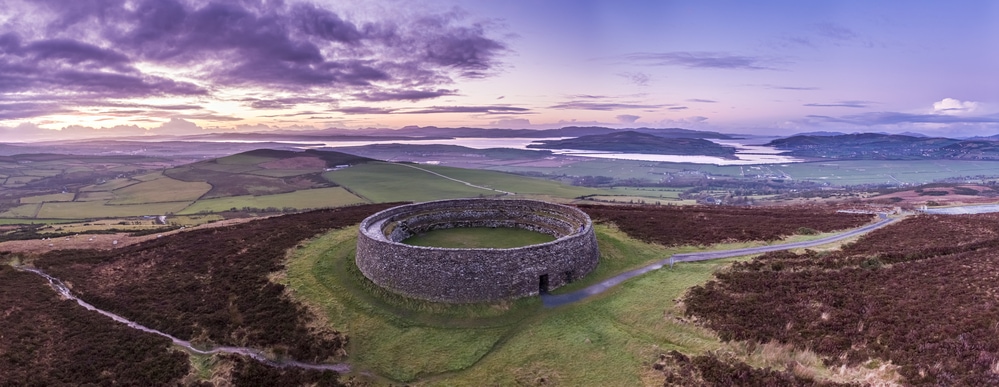
By the early medieval era, Inishowen became the heartland of the powerful Gaelic kingdom of Aileach, ruled by the Uí Néill dynasty, whose ceremonial seat stood at the hilltop stone fort of Grianán of Aileach.
Over the centuries, the peninsula’s strategic position between Lough Swilly and Lough Foyle made it an important maritime and defensive region. During later periods of British rule, coastal defences such as Fort Dunree were constructed to guard the Atlantic approaches. Inishowen also experienced the hardships of the 19th century Irish famine, a history preserved today at the Doagh Famine Village.
Today, the peninsula blends ancient Gaelic heritage, maritime traditions, and rural Irish culture, forming a unique historical landscape along Ireland’s Wild Atlantic Way.
1-Day vs 2-Day Inishowen Itinerary (Local Guide)
Exploring the Inishowen Peninsula efficiently depends largely on how much time you have. Because roads are narrow and winding, distances that look short on a map often take longer to drive than expected.
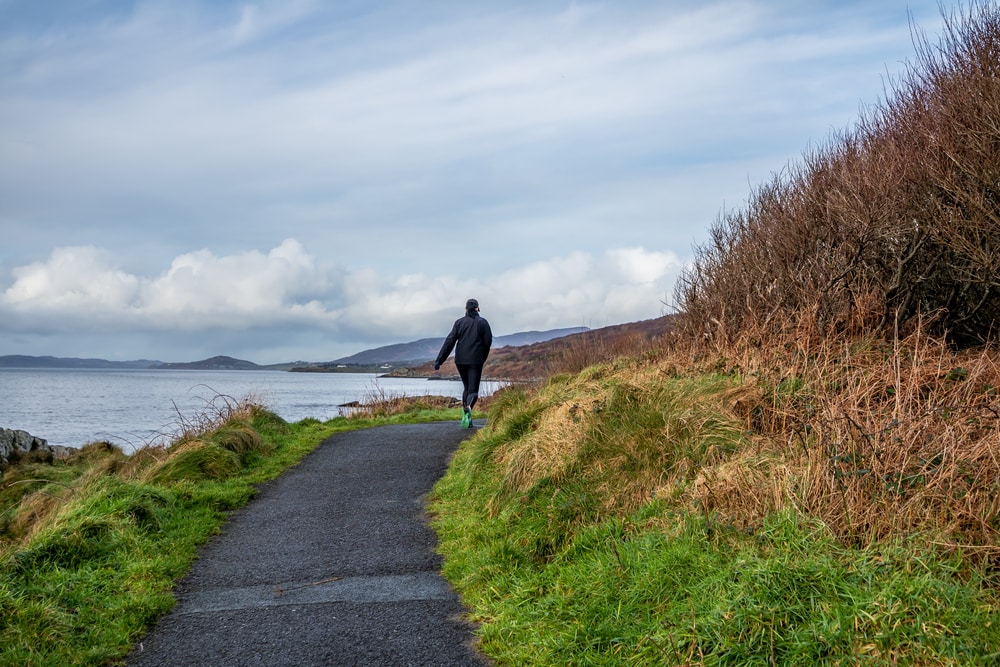
A one-day itinerary should concentrate on the northern highlights. Start early in Buncrana, the peninsula’s largest town and a convenient base with fuel stations, cafés, and accommodations. From there, drive north toward Mamore Gap. This dramatic mountain pass rises to around 240 meters and offers one of the most memorable road descents in Donegal. Sheep often wander across the road here, so take it slowly and pull over only where safe.

After Mamore Gap, continue to Glenevin Waterfall near Clonmany. The short woodland walk to the falls is gentle and well-maintained, making it a refreshing stop before heading toward the coast.
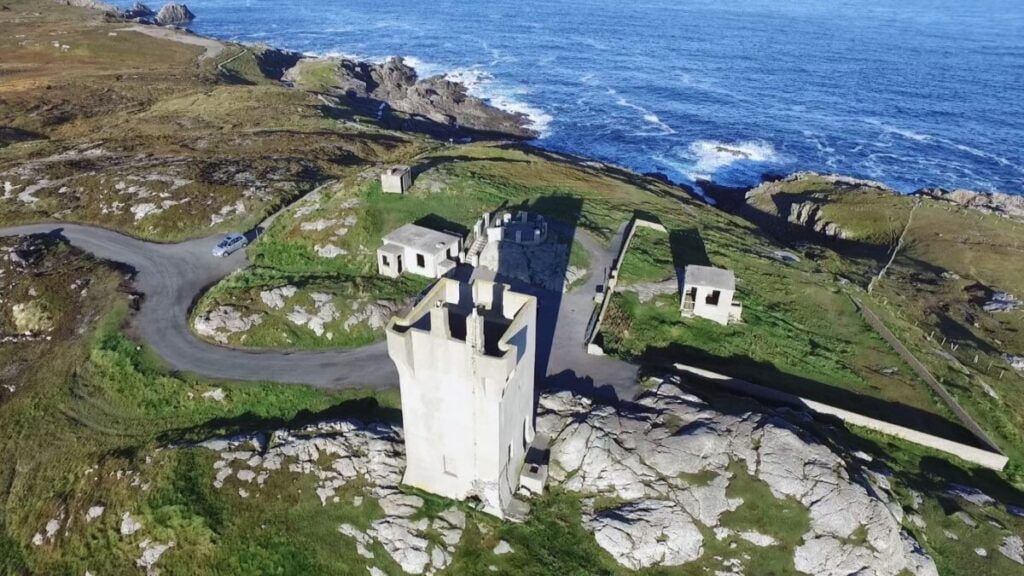
By midday, reach Malin Head. Park near Banba’s Crown, the historic lookout point used during World War II. A network of walking paths along the cliffs allows you to explore dramatic Atlantic views, rocky sea stacks, and windswept headlands.
In the afternoon, drive toward Five Fingers Strand and the Knockamany Bends. These viewpoints overlook towering dunes and the sweeping curve of Trawbreaga Bay.
If you have two days, the experience becomes far richer. Spend your first day following the northern route described above. On the second day, explore historic and coastal landmarks further south, including Fort Dunree and Grianán of Aileach. These sites add historical depth to the peninsula’s natural scenery and provide some of the best panoramic viewpoints in County Donegal.
Exploring Malin Head: Ireland’s Northerly Point
Malin Head is the defining highlight of the Inishowen Peninsula and the northernmost point of Ireland. Perched above the Atlantic Ocean, this exposed headland combines dramatic cliffs, historic lookout towers, and panoramic views across the sea toward Scotland.
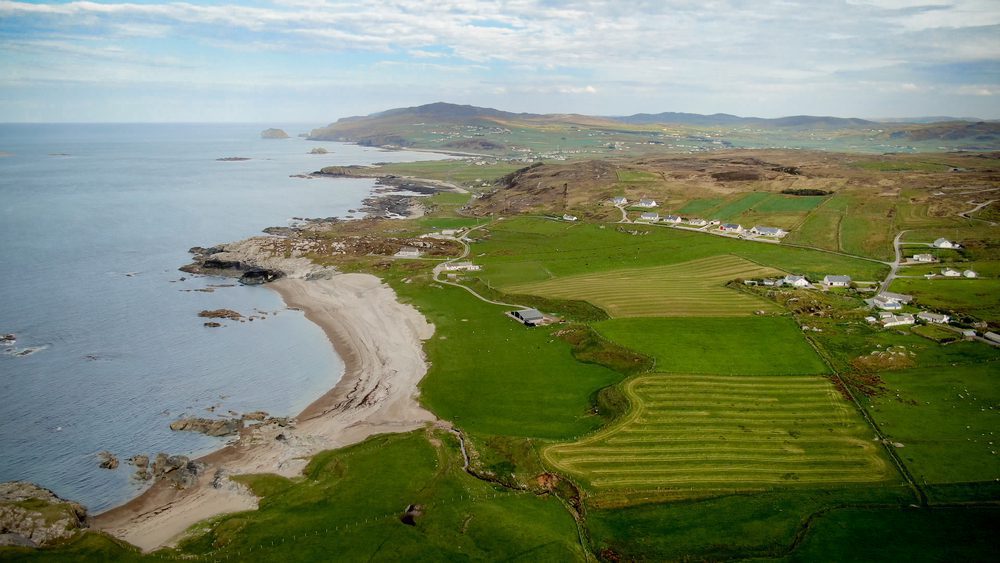
The central landmark here is Banba’s Crown, named after a mythical Irish goddess. The area served as a coastal signal station in the early 1800s and later became an observation post during World War II. Today, information panels explain the maritime and military history of the site.
Walking trails loop around the cliffs from the upper and lower car parks. Most visitors spend about an hour exploring the area, though photography enthusiasts may linger longer. The scenery shifts constantly with the weather—sunlight breaking through clouds can transform the landscape in seconds.
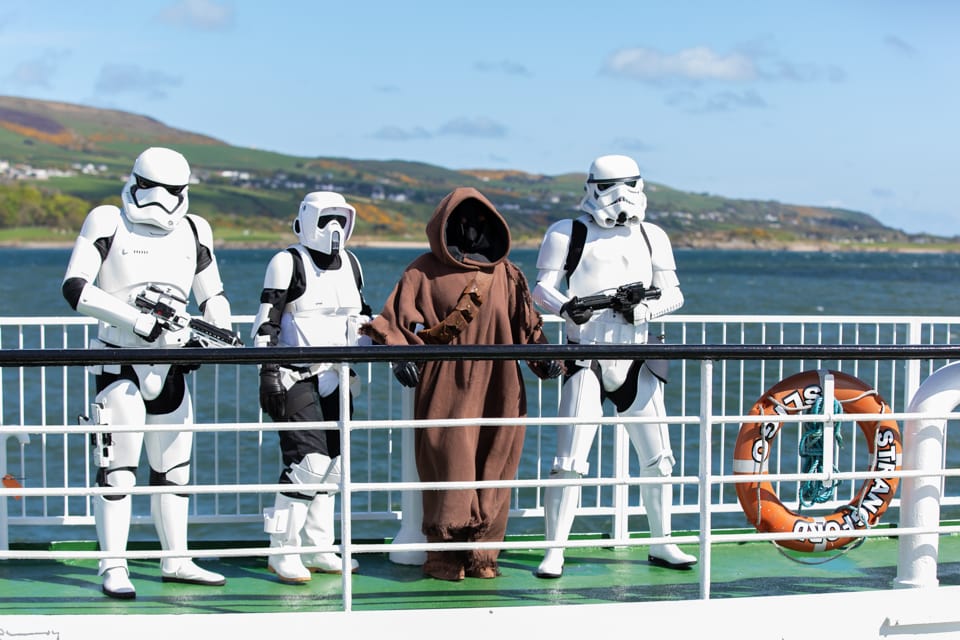
Malin Head gained international attention as a filming location for Star Wars: The Last Jedi. Several scenes featuring the Millennium Falcon were filmed along these cliffs, bringing global tourism attention to the area.
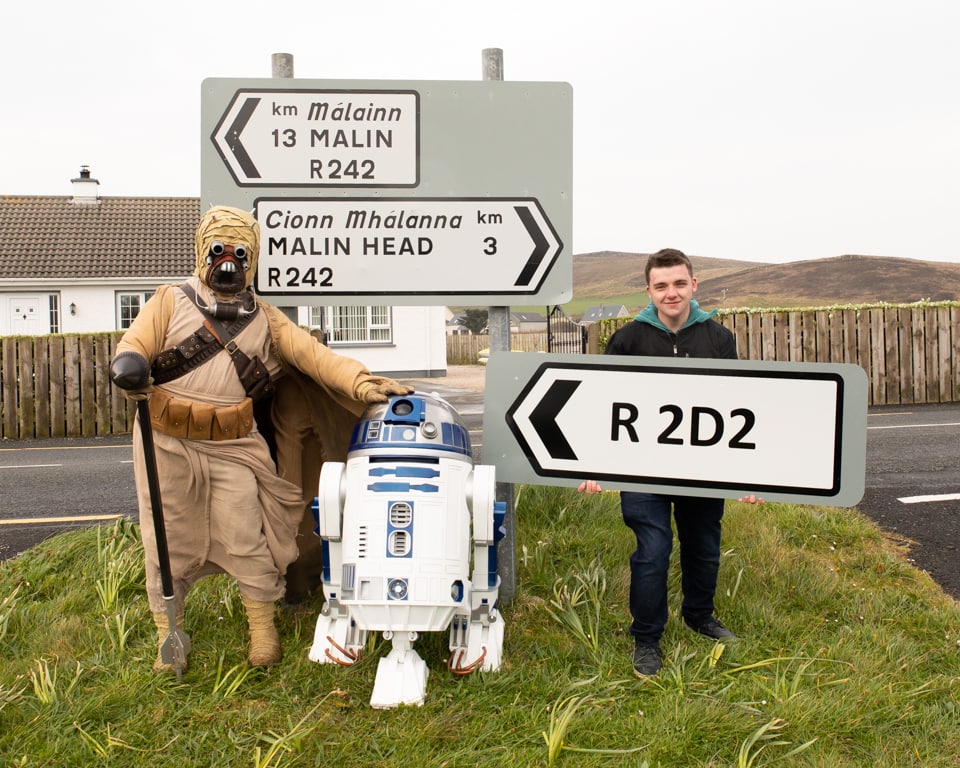
Despite the fame, Malin Head still feels wild and remote. Strong winds are common, and weather conditions change quickly, so bring warm layers even in summer. Facilities include seasonal toilets and occasional coffee vans during busy periods.
On clear days, you can see across the Atlantic to distant Donegal mountains and along the rugged coastline stretching south toward the Inishowen Hills. The combination of maritime history, cinematic scenery, and raw Atlantic power makes Malin Head a must-see stop along the Wild Atlantic Way.
Things to do on the Inishowen Peninsula
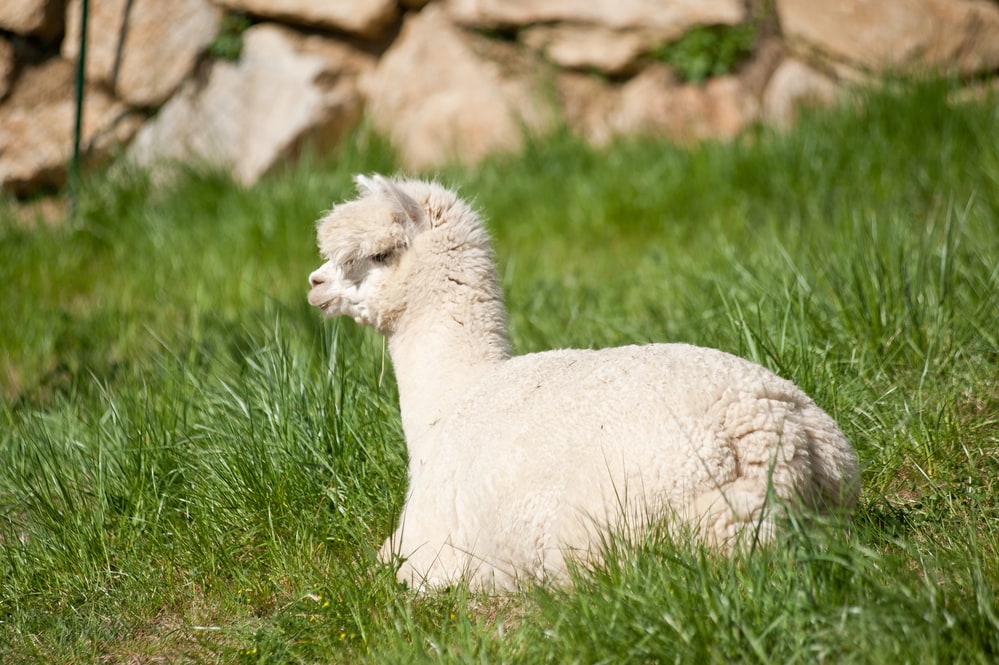
Wild Alpaca Way
A family run business and home to over 37 Alpacas the Wild Alpaca Way is a rare treat to walk these beautiful animals amidst the scenic location of Malin Head along private walkways and trails.
Drive the Inishowen 100
Embark on an awe-inspiring journey along the Inishowen 100, a scenic driving route that encircles the peninsula and unveils its hidden treasures. This 100-mile (160 km) route promises captivating vistas at every turn, showcasing the rugged beauty of Inishowen.

Visit Hell’s Hole Ineuran Bay
Filming was centred around a deep chasm known as Hell’s Hole, which has been carved into the rock over millions of years. This is where Rey and Chewbacca land the Millennium Falcon on a rocky outcrop on AHCH-TO. The site is located in Ineuran Bay. You can park at the viewpoint parking lot and then go to the small beach in front of you and walk along the water’s edge. The location of the Millennium Falcon is the rocky outcrop further to the right.
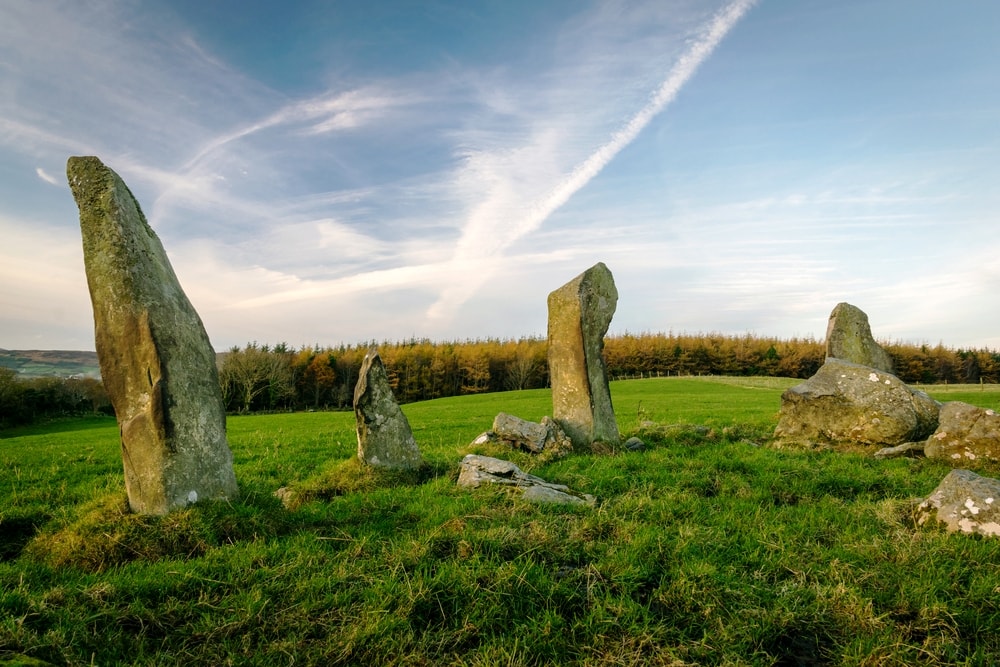
Bocan Stone Circle
2km from Culdaff on the way to Moville look for the Bocan Stone Circle. Situated on the hill of Bocan with magnificent views from Sliabh Sneacht to Trawbreaga Bay right to Glengad you will find the Bocan Stone. Many of the stones (originally numbering 30 in all) were removed during land development the remaining stones are up to 7ft tall and it is easy to imagine sacred rites being performed.
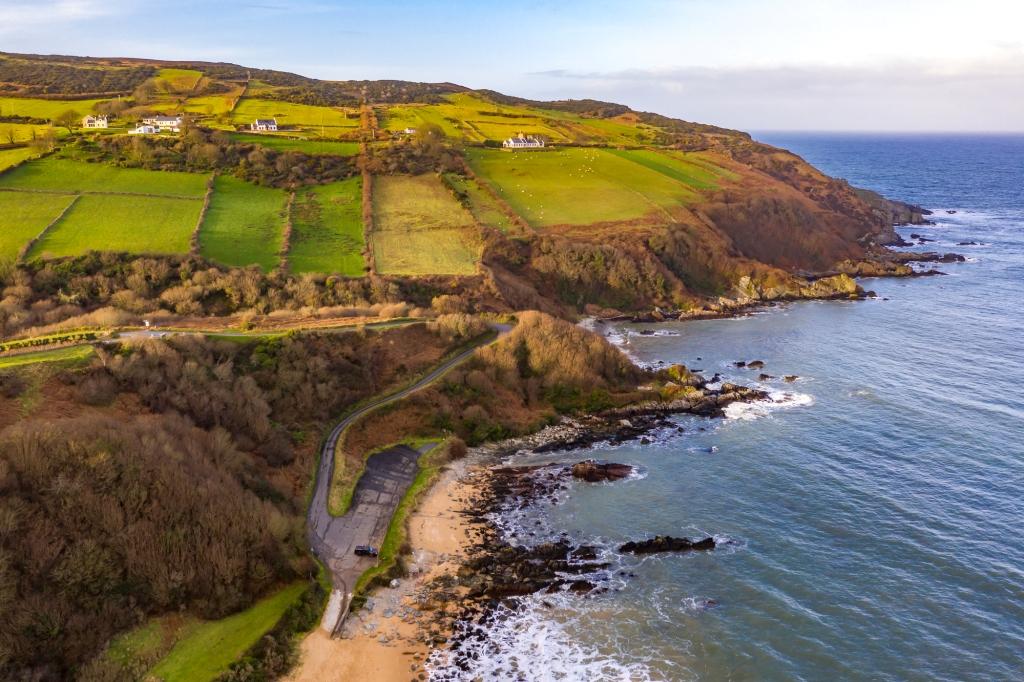
Discover Kinnagoe Bay
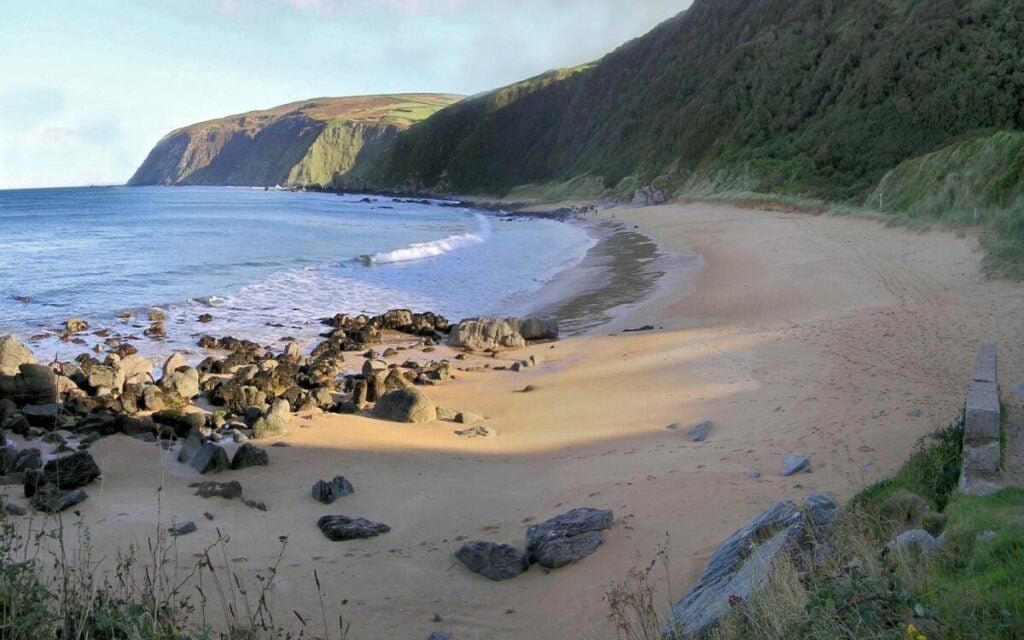
Kinnagoe Bay is where the Spanish ship La Trinidad Valencera was sunk in 1588. Part of the Spanish Armada many of Donegal’s citizens trace their ancestry back to the sailors that were saved by the locals. Kinnagoe is one of Donegal’s most beautiful secluded bays and it is near the town of Inishowen. Artefacts from the wreck are on display at the Tower Museum in Derry.
Visit Fanad Head And Fanad Lighthouse
Fanad Head and the lighthouse that marks the head is a photographer’s dream. If you want to you can also stay in one of the 3 lightkeepers cottages beside the Lighthouse. The Lighthouse tour itself costs around €10 euros and it’s a climb to the top of 76 steps but provides stunning views. These tours are all conducted by locals who will give you insight into the people of Donegal and the culture.

Hidden Gems Worth the Detour in Inishowen
While Malin Head attracts most visitors, some of the most memorable places on the peninsula are lesser-known spots that remain surprisingly quiet.
One of the most dramatic viewpoints is the Knockamany Bends above Five Fingers Strand. As the road winds along the hillside, several small laybys reveal sweeping views across Trawbreaga Bay. The dunes below are among the tallest in Europe, and the view of Atlantic waves rolling toward shore is unforgettable.

Another standout hidden gem is Kinnagoe Bay. This small, sheltered cove sits at the end of a narrow lane and feels almost secret compared with Donegal’s larger beaches. The water here often appears turquoise on sunny days, contrasting beautifully with the green cliffs that surround the bay.
The coastal hike known as the Inishowen Head Loop is also underappreciated. Starting near Stroove Beach, the trail climbs along cliffs overlooking Lough Foyle and the North Channel. On exceptionally clear days, hikers can see across the sea toward Scotland.
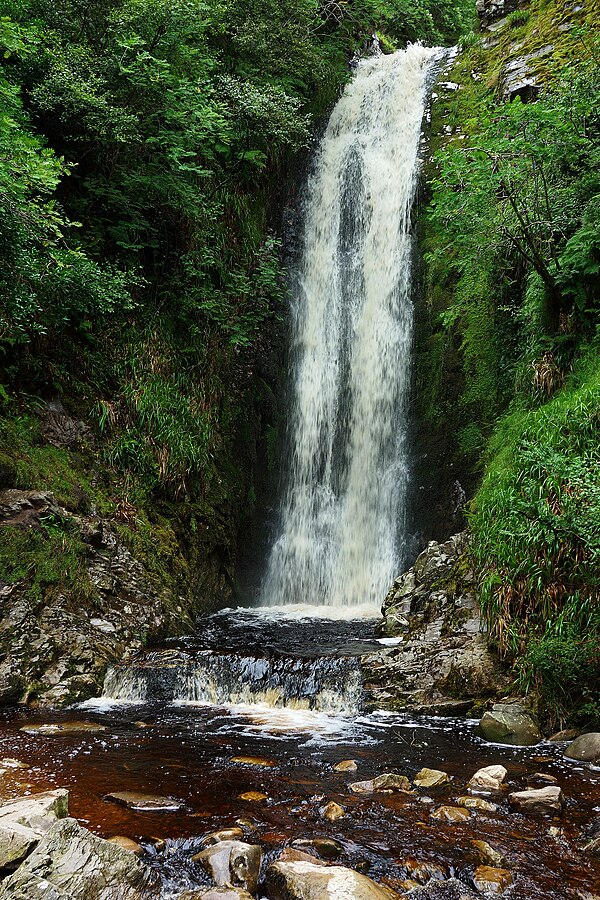
Glenevin Waterfall deserves mention again as a peaceful inland escape from the Atlantic winds. The surrounding woodland valley creates a calm atmosphere rarely found on Donegal’s exposed coastline.
These quieter locations reveal a different side of Inishowen one defined not by crowds but by silence, wind, and sweeping coastal views. Travelers willing to explore beyond the headline attractions will discover that some of the peninsula’s best experiences are found off the main route.
Historic Sites
The Inishowen Peninsula has been inhabited for thousands of years, and its historic sites tell a fascinating story of ancient Irish kingdoms, maritime trade, and military defense.
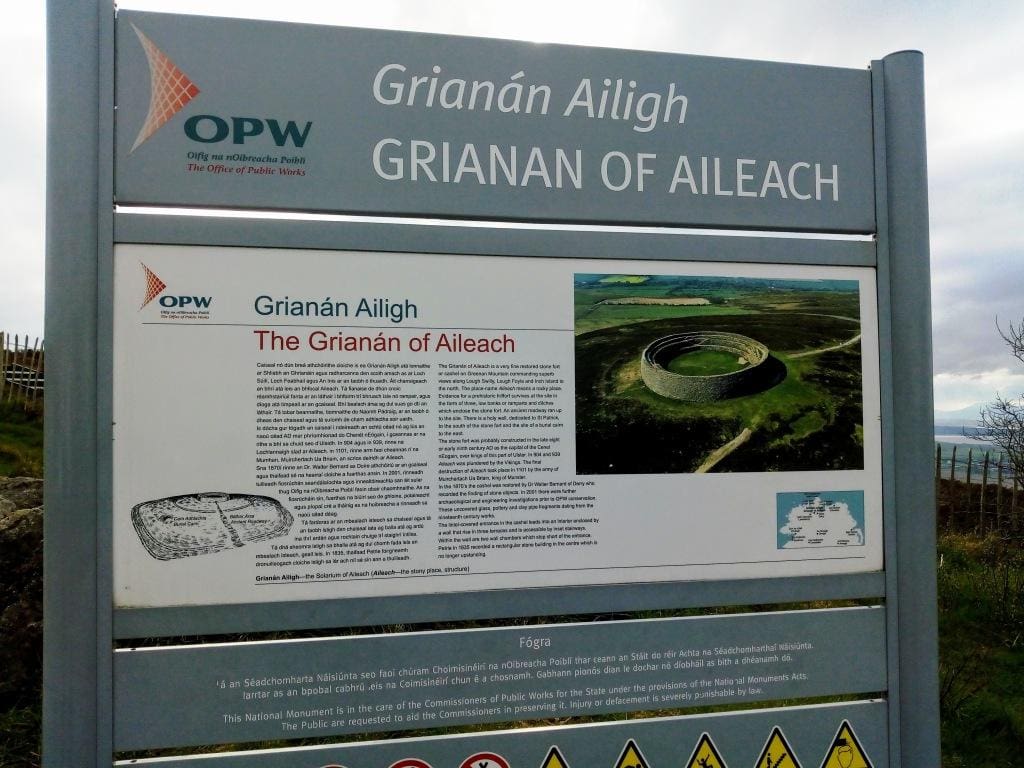
One of the most impressive landmarks is Grianán of Aileach, a massive stone fort perched on a hill about 250 meters above sea level. This circular structure dates back more than 1,000 years and was once the seat of the Kings of Aileach, an important Gaelic kingdom. Visitors today can climb inside the fort and walk along its thick stone walls while enjoying panoramic views over Lough Swilly, Lough Foyle, and the surrounding countryside.
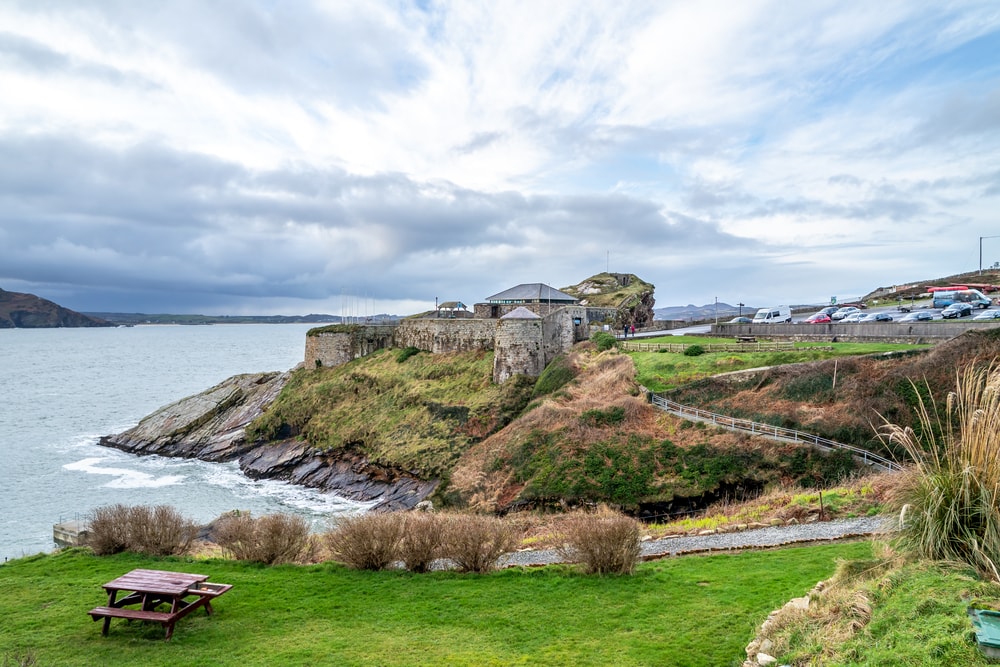
Another significant historical attraction is Fort Dunree, a former coastal defense fort overlooking Lough Swilly. Built during the British military era, the fort protected the entrance to the lough from naval attack. Today it houses a museum detailing Ireland’s maritime and military history, along with coastal walking trails and a wildlife room.
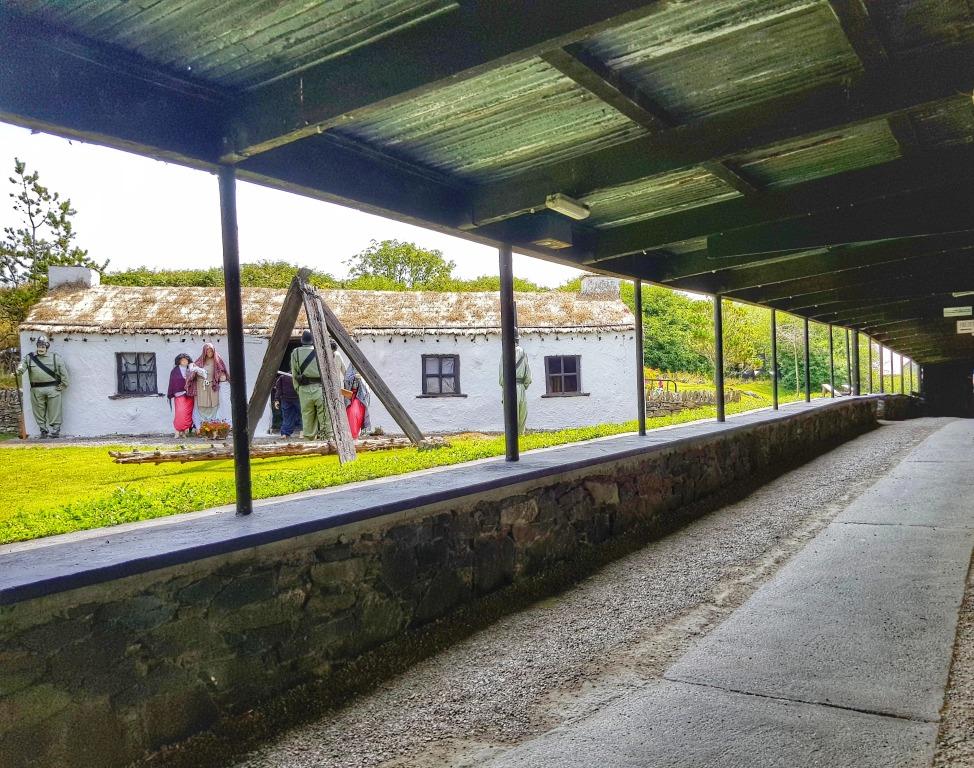
Cultural history is also preserved at the Doagh Famine Village. This open-air museum recreates rural life during the Irish famine of the 1840s and explores how communities survived hardship through resilience and migration.


Explore Doe Castle
Located near the absolutely stunning Sheepshead Bay this is one of Ireland’s few remaining, fortified, Gaelic tower houses. Dating back to the 1420’s Doe was home to the McSweeney Clan for nearly 200 years. Admission to the grounds is free and for €3 euro, you can take a guided tour. If you need a break there is a little cafe on the grounds as well.

The Northern Lights from Inishowen
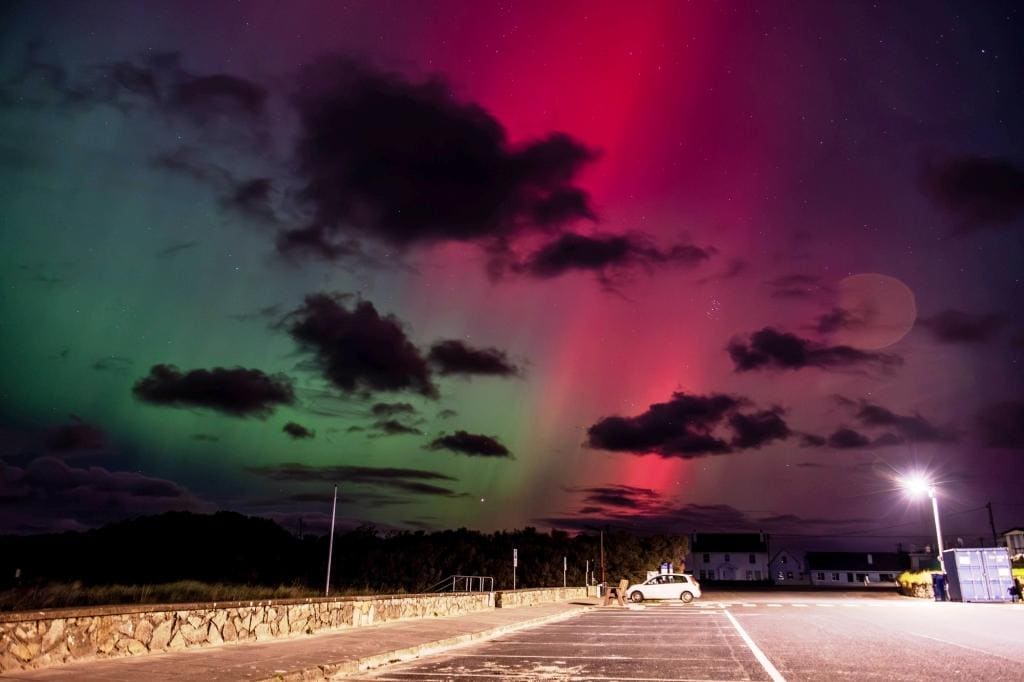
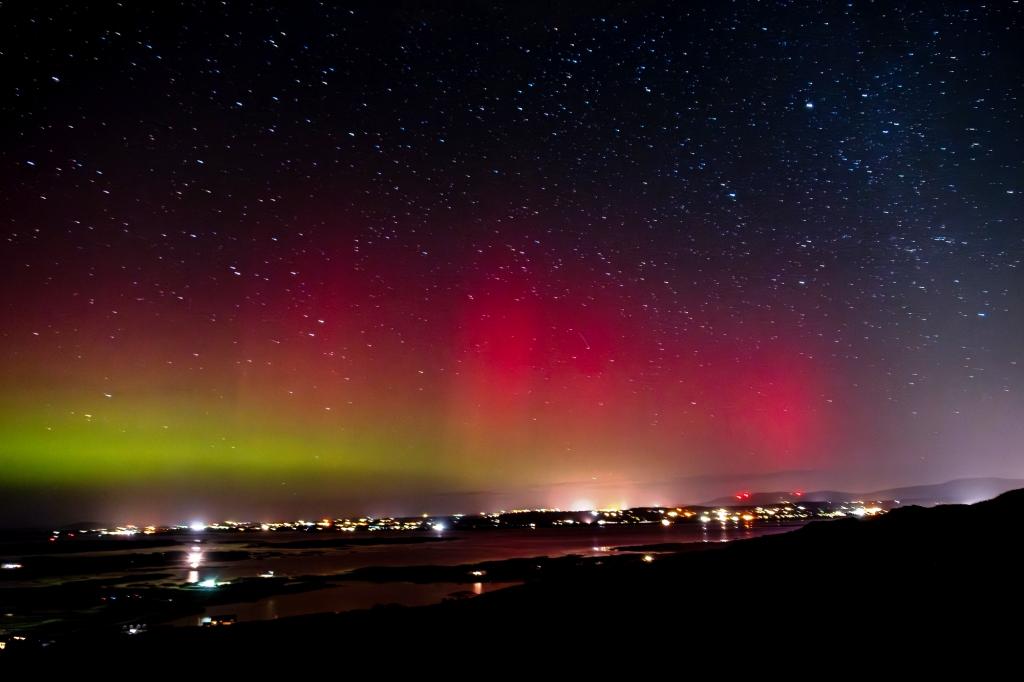
There are several locations where you can view the Northern Lights from in Donegal. Malin Head is probably the best location as it is closer to the North Pole. There is a parking lot at Banba’s Crown where you can leave your car and look for the lights on the beach of Ballyhillion.
You could also try along the Marmore Gap which has complete blackout conditions – word of advice take a good flashlight with you. There’s also viewing from Dunree Fort and Inishowen Head which both have a good level of dark skies.
Neighborhoods and Towns to Explore
Although much of the Inishowen Peninsula feels wild and rural, several small towns and villages offer welcoming bases for travelers.
Buncrana is the peninsula’s largest town and the most practical starting point for exploring the area. Located along the eastern shore of Lough Swilly, it features a scenic waterfront, shops, and restaurants. Many visitors choose Buncrana as their accommodation base because of its convenient location near both northern and southern attractions.
Carndonagh serves as the main commercial hub for northern Inishowen. The town has supermarkets, fuel stations, and cafés, making it a useful stop for supplies before continuing toward Malin Head.
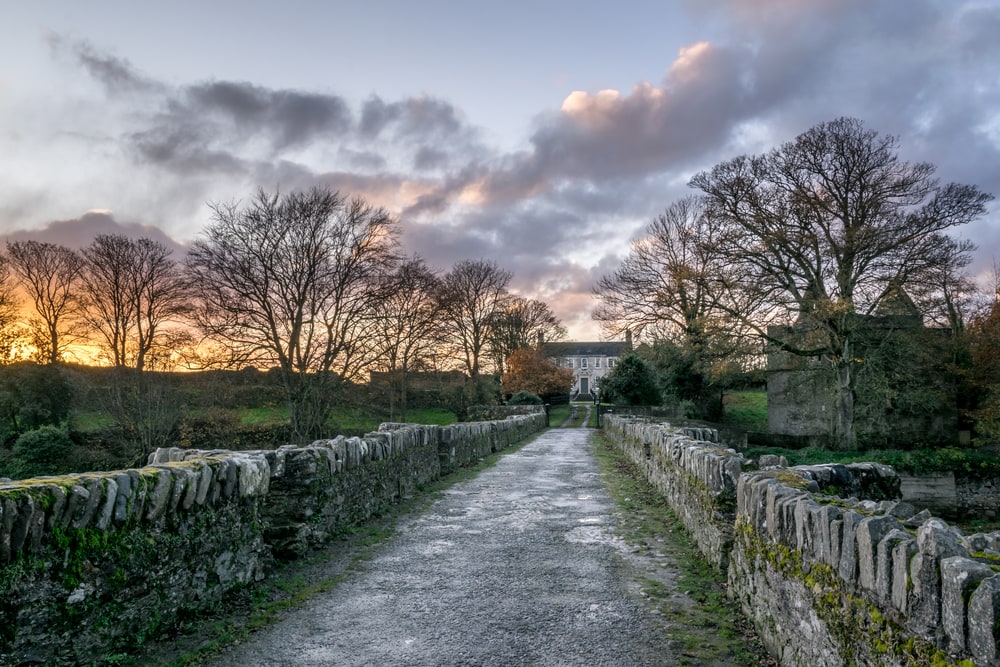
Smaller villages such as Clonmany and Malin provide glimpses of traditional rural life. These communities host local festivals and music events throughout the year, maintaining strong cultural traditions.
While the peninsula lacks large urban centres, this quiet network of towns creates a welcoming environment for travelers seeking an authentic Irish experience. Each village has its own character, from bustling market streets to peaceful harbor views.
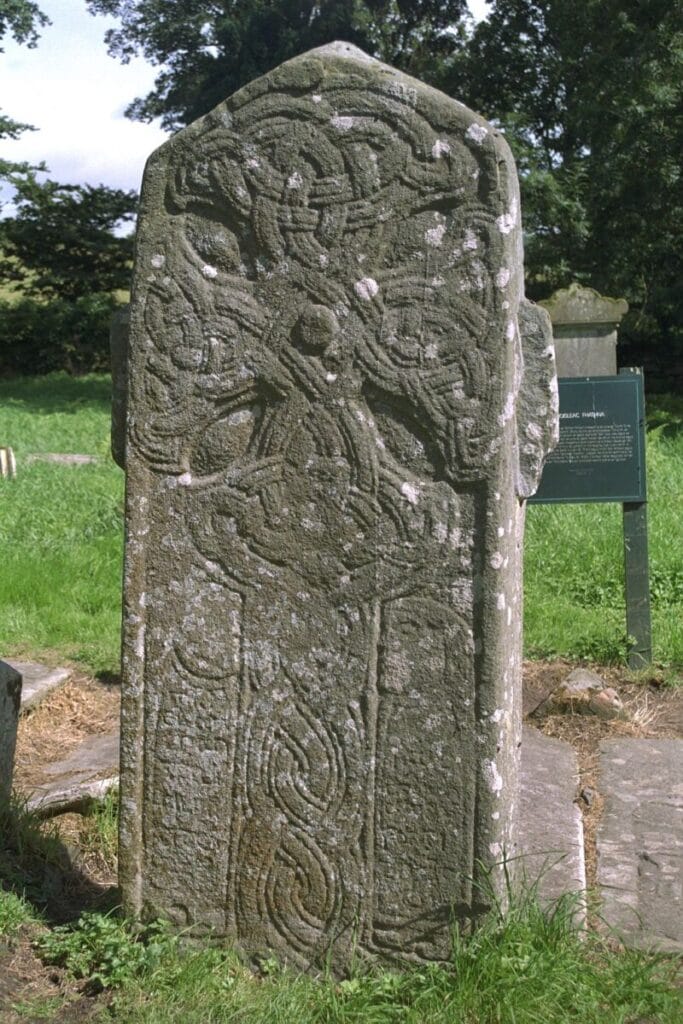
Fahan is located on Lough Swilly around 8 miles from Derry and is the perfect base for exploring the Inishowen Peninsula. Here you will find a hidden gem A unique feature of Fahan is a finely carved cross-slab to the east of the modern church which dates from the 7th-9th century. The only Greek inscription known from early Christian Ireland is on one face and reads “Glory and honour to the Father Son and Holy Spirit”. Another cross-slab is set into the wall outside the cemetery.
The monastic site at Fahan was founded by St Mura in the 6th century. Originally the monastery was known as “Othan Mor”, but after St Mura’s death became known as “Fahan Mura”.
Irish Pub Culture and Food in Inishowen
Irish pub culture plays a central role in life across the Inishowen Peninsula. In small towns and villages, the local pub functions as both a social hub and a cultural venue where music, storytelling, and community gatherings take place.
Traditional pubs often feature live Irish music sessions in the evenings, particularly during summer weekends. Fiddles, guitars, and bodhráns create lively performances that visitors are usually welcome to join or simply enjoy with a pint.
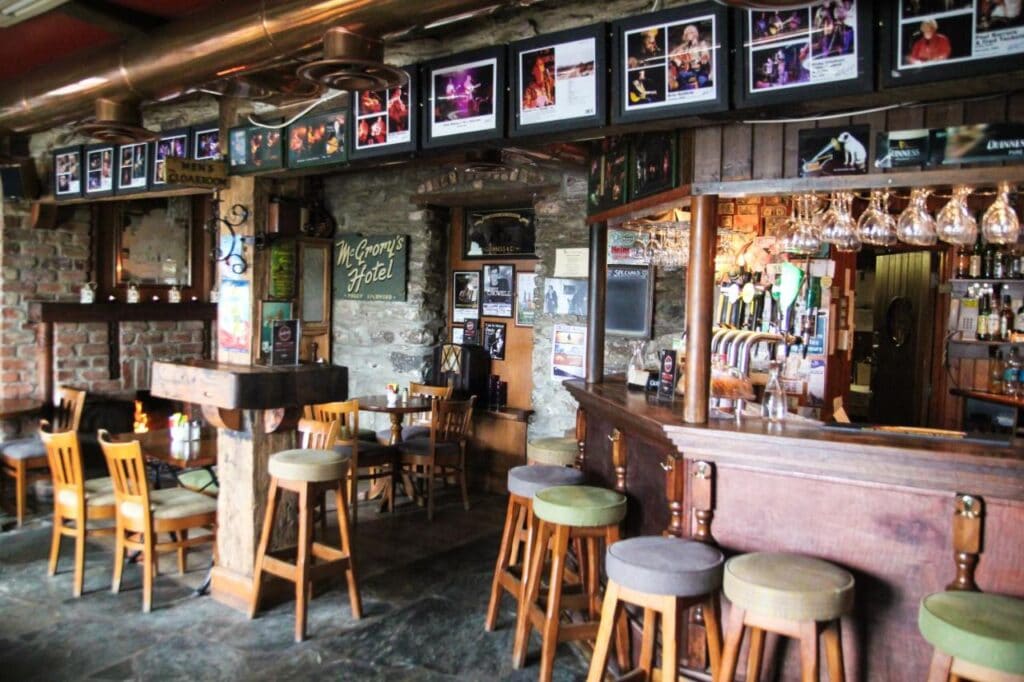
When you need to warm up with a pint of the black stuff head to Malin Village and visit Farren’s, Ireland’s most northerly pub which has a Yoda mural and inside a notice from Management that strictly forbids the use of the ‘Force’. McGrory’s is a lovely small Irish hotel with superb service and An ideal base for touring Inishowen, Donegal, and the Causeway Coast, and is located in the village of Culdaff and is in an Area of Outstanding Natural Beauty.
Food in Inishowen reflects its coastal setting. Fresh Atlantic seafood appears on many menus, including mussels, fish chowder, and locally caught white fish. Classic Irish comfort dishes such as shepherd’s pie, beef stew, and soda bread are also common.
Several pubs double as restaurants serving hearty meals made with regional ingredients. The atmosphere tends to be relaxed and informal, with locals chatting at the bar and travelers sharing tables.


Visitors exploring the Wild Atlantic Way will find that stopping at a traditional pub is one of the best ways to experience the region’s culture. Conversations often lead to local travel tips, stories about the peninsula’s history, or recommendations for hidden beaches and viewpoints.
Whether you are enjoying a quiet pint after a coastal hike or listening to traditional music late into the evening, the pub experience is an essential part of exploring Inishowen.
Budget Meals and Affordable Places to Eat
Travelers exploring the Inishowen Peninsula do not need a large budget to enjoy good food. Many small cafés, bakeries, and takeaway shops provide affordable options for breakfast, lunch, and casual dinners.
In Ballyliffen, you need to grab a bite at Nancy’s Barn it’s located in a converted barn and has won many awards not the least of which is one for its brilliant seafood chowder. You must check out Cafe Banba, which is Ireland’s most northerly bakery and coffee shop. A family-run business they have two coffee vans, which can be found at Banba’s Crown and Ballyhillion.
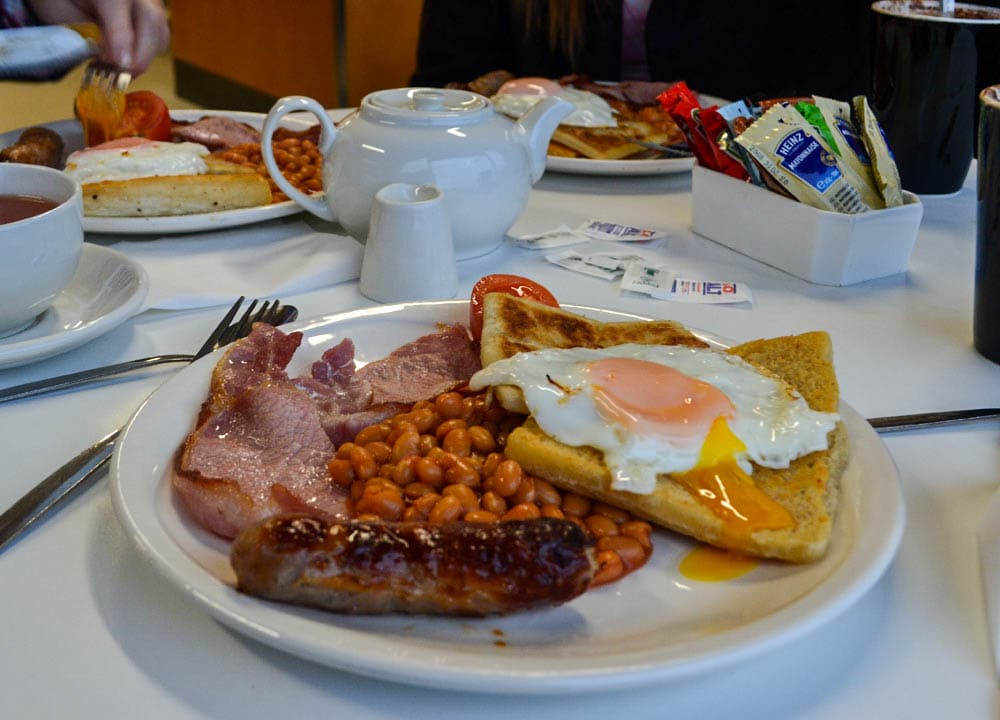
Cafés in Buncrana and Carndonagh often serve hearty Irish breakfasts featuring eggs, sausages, black pudding, beans, and toast. These filling meals usually cost far less than restaurant dinners and can keep travelers energized for a full day of sightseeing.
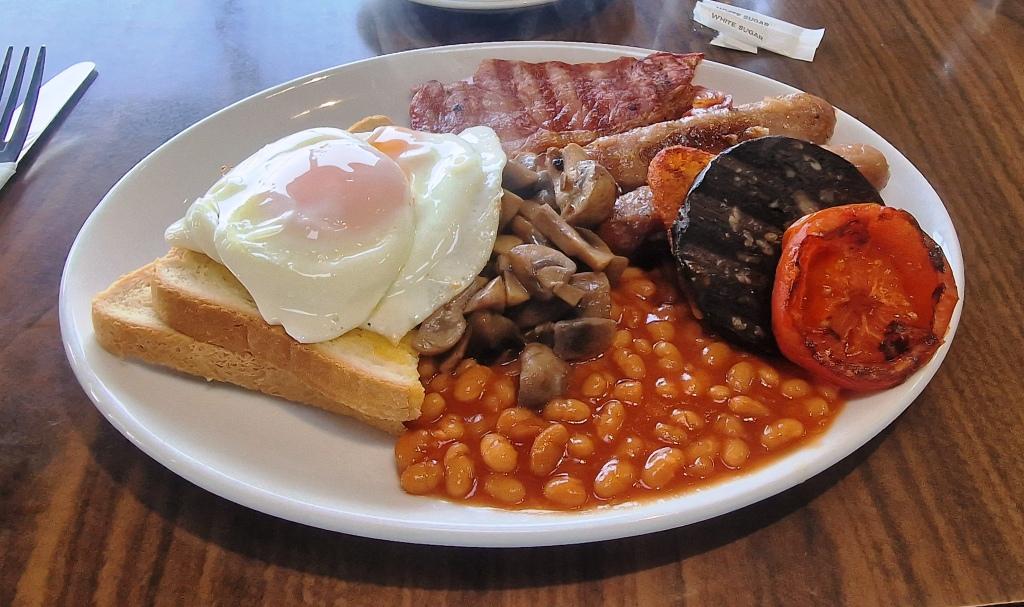
Takeaway fish and chips is another budget-friendly option widely available across County Donegal. Portions are generous, and the quality is often excellent due to the availability of fresh Atlantic fish.

Local bakeries offer sandwiches, soups, and pastries at reasonable prices. These are perfect for packing a picnic lunch before heading to scenic spots such as Five Fingers Strand or Glenevin Waterfall.
For travelers on a tight budget, supermarkets and small grocery stores provide additional options. Buying snacks, fruit, and drinks in advance helps reduce costs while exploring remote areas where cafés may be limited.

While fine dining restaurants exist in Donegal, many visitors discover that some of the best meals come from simple cafés or pubs serving traditional Irish comfort food.
Where to Stay: Accommodation Options
Accommodation across the Inishowen Peninsula ranges from guesthouses and bed-and-breakfasts to small hotels and self-catering cottages. Budget travelers will find several affordable options, particularly outside peak summer months.
Bed-and-breakfasts remain one of the most popular choices. These family-run properties often provide comfortable rooms, home-cooked breakfasts, and valuable local advice about nearby attractions.
Hostels and budget guesthouses are available in Buncrana and nearby towns. These accommodations typically offer shared or private rooms at lower prices than hotels, making them ideal for backpackers or solo travelers exploring the Wild Atlantic Way.
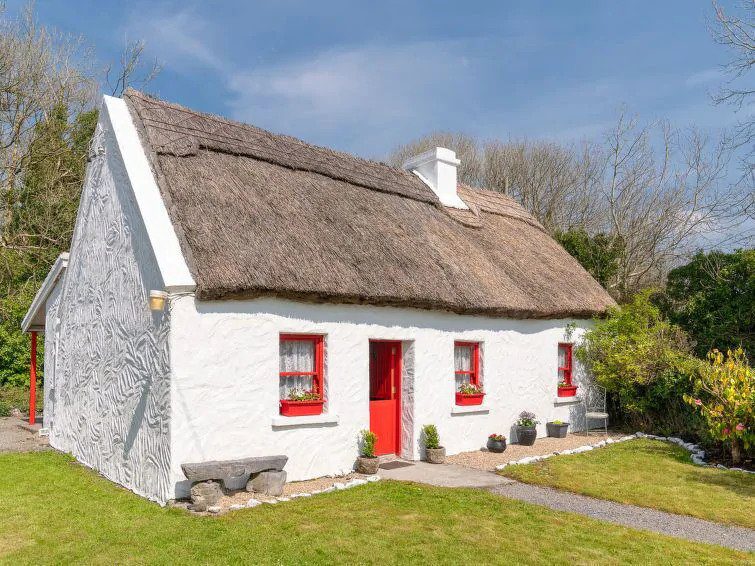
Self-catering cottages are another good option for families or groups. Renting a small house for a few nights can be cost-effective while providing extra space and kitchen facilities.
During the summer tourist season, booking accommodation in advance is recommended. In quieter months, however, travelers often find last-minute availability and lower rates.
Personal Recommendations for your stay
You will really be able to see Donegal’s motto “It’s different up here”. In Malin Head, you will want to stay at the Ballyliffen Lodge and Spa Hotel which is superb. Spectacular views over Malin Head and located a short drive away from Ireland’s most famous golf course Ballyliffen Golf Club, the Lodge is ideally suited for a little luxury during your stay for the Star Wars Festival.
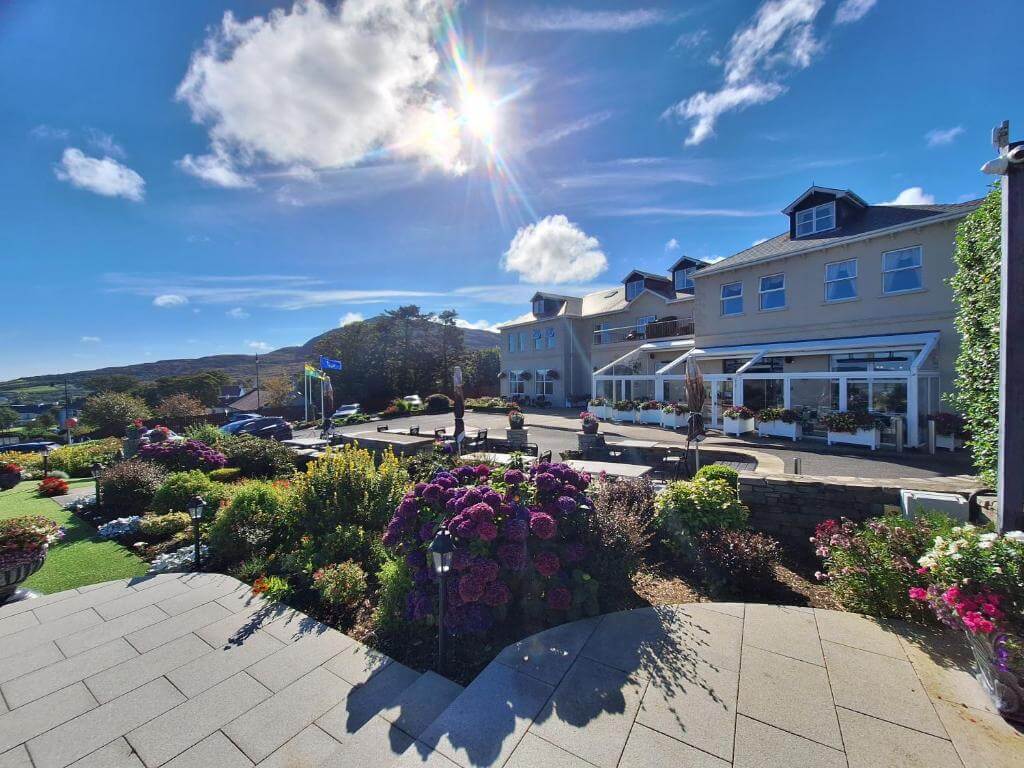
Stay at the Sea Vista Hotel a lovely boutique hotel for adults only with stunning sea views. Check out Harry’s Bar and Restaurant in Bridgend for some of the area’s finest seafood and great steaks and veggies grown in their walled garden.
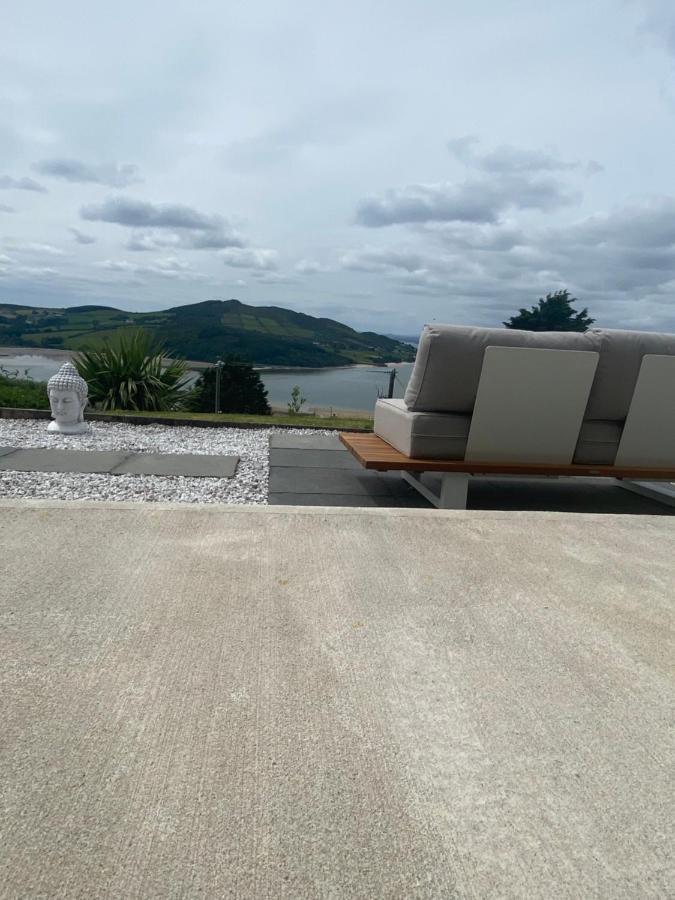
Moville sits along the shore of Lough Foyle and offers a charming seaside atmosphere. Its waterfront promenade and traditional architecture make it a pleasant place to relax after a day of driving the peninsula. Stay at the Admiralty House with views of Lough Foyle, Admiralty House offers elegant accommodation within a 10-minute walk into Moville.

Getting Around the Inishowen Peninsula
Driving is the most practical way to explore the Inishowen Peninsula. Public transportation exists but is limited, and many scenic locations along the Wild Atlantic Way are only accessible by car.
The Inishowen 100 driving route forms a loop around the peninsula and connects most major attractions. However, roads are often narrow and winding, particularly in rural areas. Drivers should be comfortable navigating single-lane roads with passing places.
Fuel stations are available in Buncrana, Carndonagh, and Moville, but they may be sparse in remote northern areas. Filling up before starting long scenic drives is a good idea.
Cycling is also popular among adventure travelers. The peninsula’s quiet roads and coastal scenery create an excellent environment for long-distance cycling, though steep climbs and strong winds can make the journey challenging.
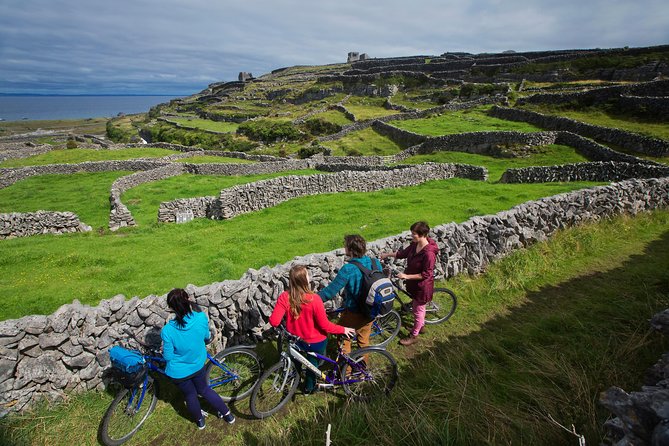
Mobile phone coverage may be patchy near cliffs and remote headlands. Downloading maps in advance or carrying offline navigation can help prevent navigation issues.
Because the scenery invites frequent stops for photos and short walks, travelers should allow extra time for journeys that might appear short on a map.
Travel Costs and Best Time to Visit
The Inishowen Peninsula is generally more affordable than many tourist regions in Ireland. Entrance fees are limited to museums and cultural attractions, while most natural sites such as beaches and viewpoints are free to visit.
Typical travel costs include accommodation, meals, and fuel. Budget travelers can expect modest daily expenses compared with larger cities like Dublin.
The best time to visit depends on what kind of experience you want. Summer offers longer daylight hours and milder weather, making it ideal for hiking and coastal exploration. However, this season also brings the most visitors.
Spring and autumn are often considered the sweet spot. These seasons provide quieter roads, comfortable temperatures, and beautiful changing landscapes.
Winter visits can also be rewarding for those seeking dramatic scenery. Stormy Atlantic waves crashing against the cliffs create unforgettable views, and the far north of Inishowen occasionally experiences visible aurora displays on clear nights.
Regardless of season, visitors should prepare for quickly changing weather. The Atlantic climate means sunshine, wind, and rain can all occur within a single day.
Frequently Asked Questions
Is Malin Head worth visiting?
Yes. Malin Head is one of the most spectacular coastal locations in Ireland, offering dramatic cliffs, walking trails, and panoramic Atlantic views.
How long does it take to drive the Inishowen Peninsula?
Driving the full Inishowen 100 route typically takes four to five hours without stops, but most travelers spend a full day or two exploring.
Can you visit Inishowen without a car?
It is possible using buses and tours, but having a car greatly improves flexibility and access to scenic locations.
What is the best beach in Inishowen?
Five Fingers Strand and Kinnagoe Bay are among the most scenic beaches on the peninsula.
Are there historic attractions besides Grianán of Aileach?
Yes. Fort Dunree, Doagh Famine Village, and the Inishowen Maritime Museum offer excellent historical insights.
When is the best time to see the Northern Lights in Donegal?
Aurora sightings occasionally occur in winter, particularly during clear nights with strong solar activity.
Is the Inishowen Peninsula part of Northern Ireland?
No. It lies in County Donegal in the Republic of Ireland, though it borders Northern Ireland.
What should I pack for visiting Malin Head?
Warm layers, waterproof clothing, sturdy shoes, and a camera are recommended.
Final Tip: As a Donegal local who’s looped Inishowen more times than I can count, I’d tell first timers: start early, keep your plans flexible, and don’t underestimate the beauty between the ‘big’ stops.
From windswept cliffs to ancient stone forts, the Inishowen Peninsula rewards travelers who slow down and explore beyond the obvious.
Slán go fóill… until next time, may the tides lead you back
Join 7,500 Ireland travellers in my Ireland Uncovered Facebook Group and 1,897 on my XYUandBEYOND PAGE
Explore More Donegal Guides
If you’re planning a trip around the county, you might also enjoy these guides:
Best time to visit Donegal – A guide to our 4 seasons in one day when visiting
Things to Do in Donegal – The county’s most spectacular landscapes and attractions
Donegal Travel Guide – Tips for exploring Ireland’s wild northwest
Donegal without a Car – Ways to explore Donegal without a car
Is Donegal worth visiting? Yes. It is wild, spacious, deeply local and unforgettable if you approach it the right way
Donegal Hidden Gems – Discover the places that only locals know
3 days in Donegal Itinerary the perfect way to spend 3 days in County Donegal
Road trips, slower-paced journeys, family-friendly routes, and culture-led itineraries that reflect different ways of experiencing Ireland. Here are a few more itinerary articles for you.
➡️ The Perfect Ireland Road Trip
➡️ 5 Historical Places to visit near Dublin