
Ulster American Folk Park Omagh: A Complete Guide to Visiting in 2026/27
The Ulster American Folk Park is an open air museum just outside Omagh, County Tyrone, that recreates the journey of Ulster emigrants to America through more than 30 original and reconstructed buildings. Budget two to three hours for your visit, expect a standard adult ticket to cost around 13 pounds sterling, and note that parking is free for everyone, with dedicated accessible bays close to the entrance.

I have driven the road out to Omagh in County Tyrone from Donegal more times than I can count, usually with a car full of visiting friends or family who want to see where their Ulster ancestors lived before they crossed the Atlantic. The Ulster American Folk Park is the place I bring them first, and in over a decade of repeat visits it has never once disappointed.
This guide covers everything I wish someone had told me before my first trip. You will find current ticket prices, exact opening hours, where to park including accessible parking, what each exhibit actually contains, where to eat and stay nearby, what to do with children, an honest answer on the Game of Thrones question, and a handful of hidden gems that most visitors walk straight past.
- Ulster American Folk Park Omagh: A Complete Guide to Visiting in 2026/27
- What Is the Ulster American Folk Park
- Ulster American Folk Park Opening Hours, Address and Location
- Ulster American Folk Park Tickets and Prices in 2026/27
- What to See at the Ulster American Folk Park: From Old World to New World
- The Centre for Migration Studies
- Food and Drink at the Ulster American Folk Park
- Where to Stay Near the Ulster American Folk Park
- Things to Do With the Kids at the Ulster American Folk Park
- Hidden Gems at the Ulster American Folk Park Only Locals Know About
- Is the Ulster American Folk Park a Game of Thrones Filming Location
- How to Plan Your Visit to the Ulster American Folk Park: Step by Step
- My Honest Take After Several Visits on Visiting the Ulster American Folk Park
- Frequently Asked Questions About the Ulster American Folk Park
What Is the Ulster American Folk Park
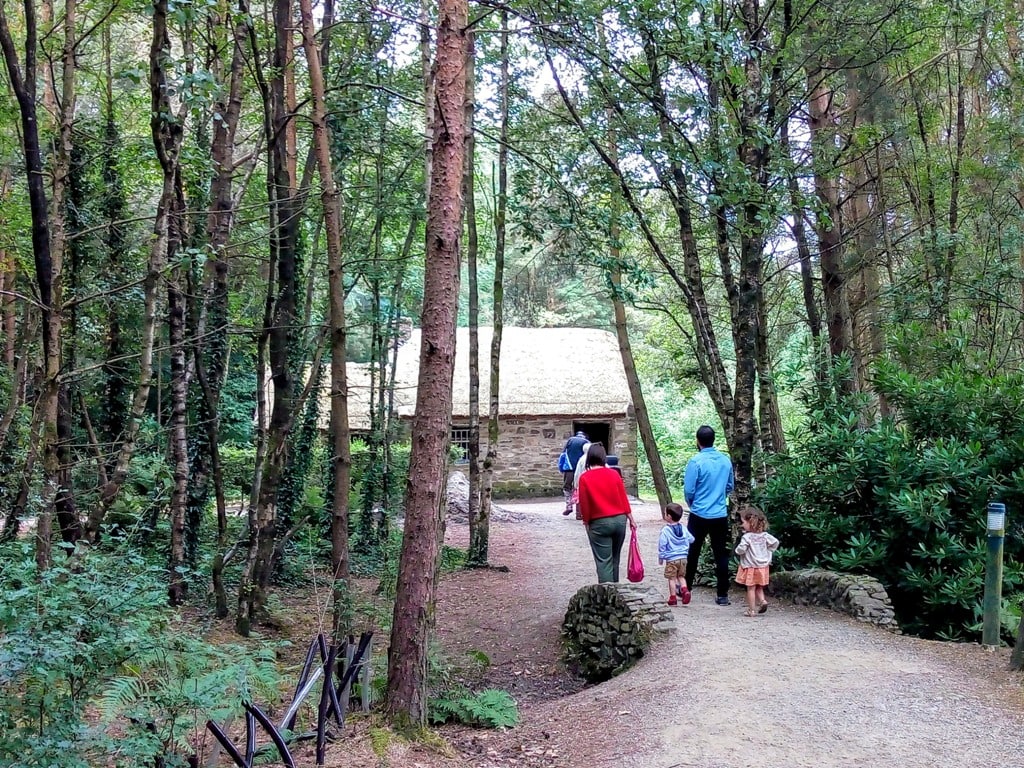
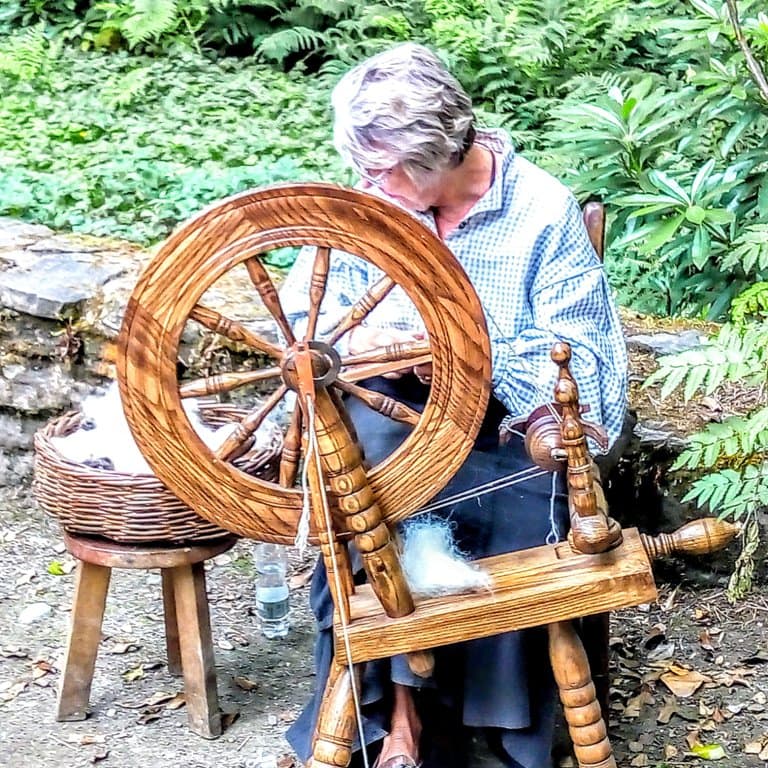
The Ulster American Folk Park is a National Museums NI open air heritage site near Omagh in County Tyrone, Northern Ireland. Using more than 30 original and faithfully reconstructed buildings, both Irish and American, it tells the true story of the roughly two million people who left Ulster for North America between the early 1700s and the early 1900s. Costumed guides work inside many of the buildings and demonstrate the daily routines of both worlds, from spinning wool in a Tyrone cottage to splitting logs outside an Appalachian cabin.
It sits within the wider National Museums NI family alongside the Ulster Folk Museum at Cultra and the Ulster Transport Museum, though all three are separate sites with separate admission and, as I found out on a recent visit, separate dog policies.

A Brief History of Ulster Emigration to America
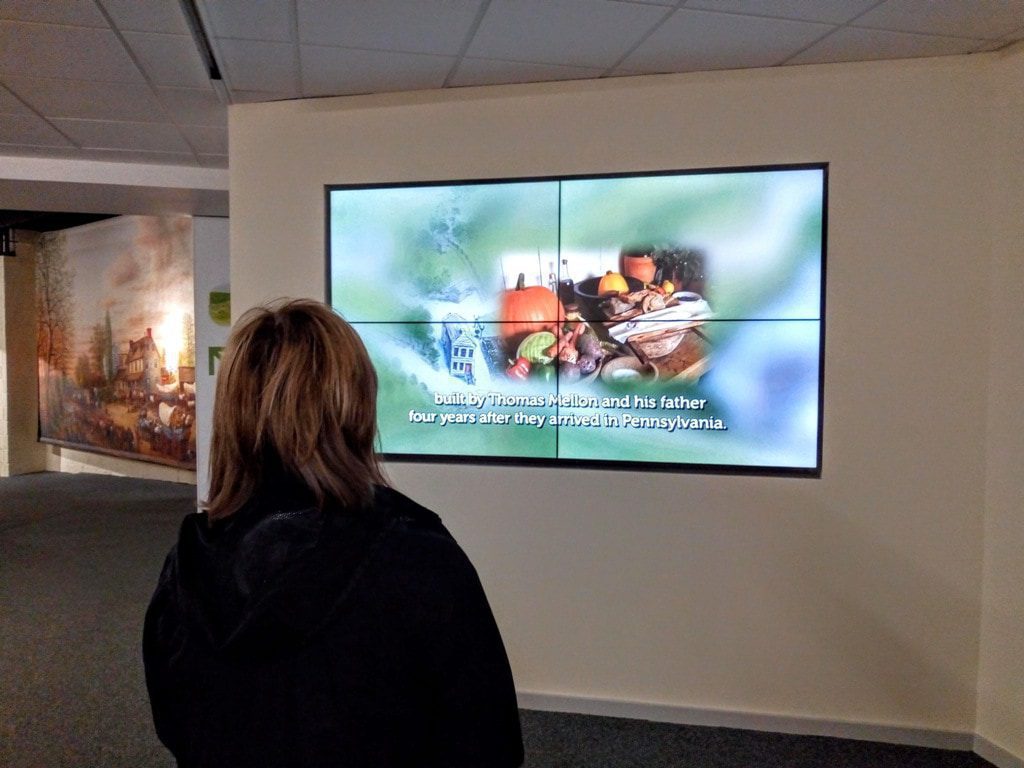
Emigration from Ulster to North America began in earnest in the early 18th century, driven by rising rents, poor harvests and religious restrictions on Presbyterians. It accelerated sharply during and after the Great Famine of the 1840s, and continued in waves through the 19th and into the early 20th century. Among the most famous descendants of Ulster emigrants is Thomas Mellon, the Tyrone born judge and banker who founded the Mellon banking dynasty in Pittsburgh, and whose childhood home still stands within the park.
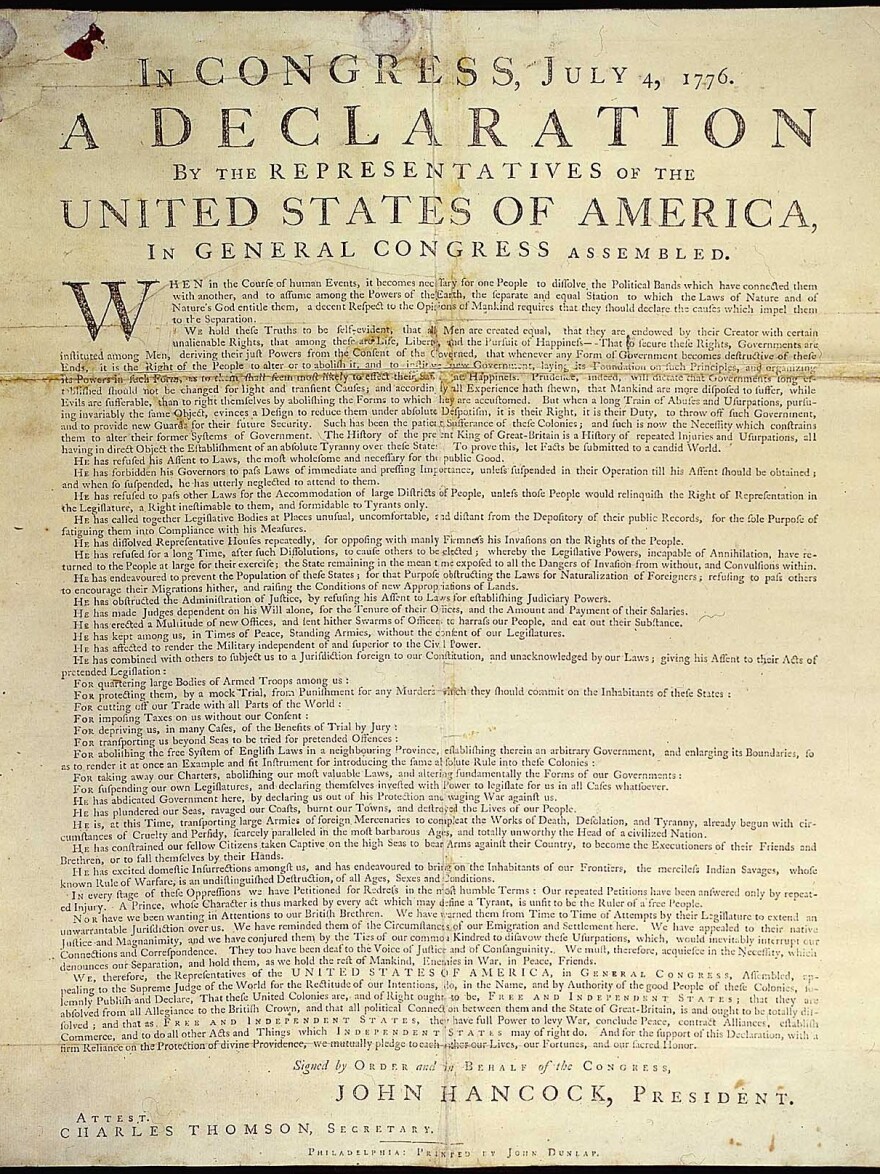
At least 17 signatories of the American Declaration of Independence had Ulster roots, and 2026, marks both the 250th anniversary of the Declaration and the 50th anniversary of the Ulster American Folk Park itself, which the museum is marking with a wider programme of events and exhibitions.
Ulster American Folk Park Opening Hours, Address and Location
The museum is located at 2 Mellon Road, Omagh, BT78 5QU, around 8km northwest of Omagh town on the main A5 road towards Strabane.
- Tuesday to Sunday: 10.00am to 5.00pm, Monday: closed. Last admission is usually around 90 minutes before closing, so aim to arrive by 3.30pm at the latest
How to Get to the Ulster American Folk Park from Belfast, Derry and Dublin
By car, the park is around 1 hour 15 minutes to 1 hour 30 minutes from Belfast, roughly 40 minutes from Derry~Londonderry, and about 2 hours 30 minutes from Dublin, depending on traffic through the border towns.
Parking at the Ulster American Folk Park, Including Accessible Parking
The main visitor car park is free for everyone and operates during museum opening hours. It includes 2 electric vehicle charging points and a bike rack with space for up to 10 bikes.
For Blue Badge holders, there is a small dedicated car park with 14 spaces separate from the main car park, plus a further 6 accessible spaces in the main car park closest to the visitor centre. Visitors with a registered disability, along with an accompanying carer, are admitted free of charge on presentation of an award letter from the Department for Communities, a PIP award letter, a Ministry of Defence disability pension card, a Blue Badge, or a disabled persons bus pass.
Ulster American Folk Park Tickets and Prices in 2026/27
Ticket pricing at National Museums NI sites can change with promotions, so treat the figures below as a guide and always confirm on the official booking page before you travel. Based on current published rates outside of promotional periods:
- Adults: around 13.00 pounds sterling. Children: around 7.95 pounds sterling
- Family tickets: from around 26.50 pounds sterling for 1 adult and up to 3 children, rising for larger groups. National Museums NI members: free. Registered disabled visitors and one carer: free.
Memberships, Group Bookings and Discounts
National Museums NI membership includes free entry to the Ulster American Folk Park and its sister sites, and members should bring a membership card or photo ID on arrival. Groups of 15 people or more receive a 10 percent discount on admission and should complete the online group booking enquiry form in advance, since your visit is not confirmed until you receive a booking confirmation email.
One thing that has changed is that Jobseekers Allowance no longer qualifies for a discount following the move to Universal Credit, so do not rely on that older concession if you have read about it elsewhere.
What to See at the Ulster American Folk Park: From Old World to New World
The genius of the layout is that you physically walk from Ulster to America. You start in the Emigrants Gallery, cross an entire reconstructed Old World street, board a full scale replica emigrant ship, and step off into the New World on the other side.
The Old World: Emigrants Gallery and Ulster Street
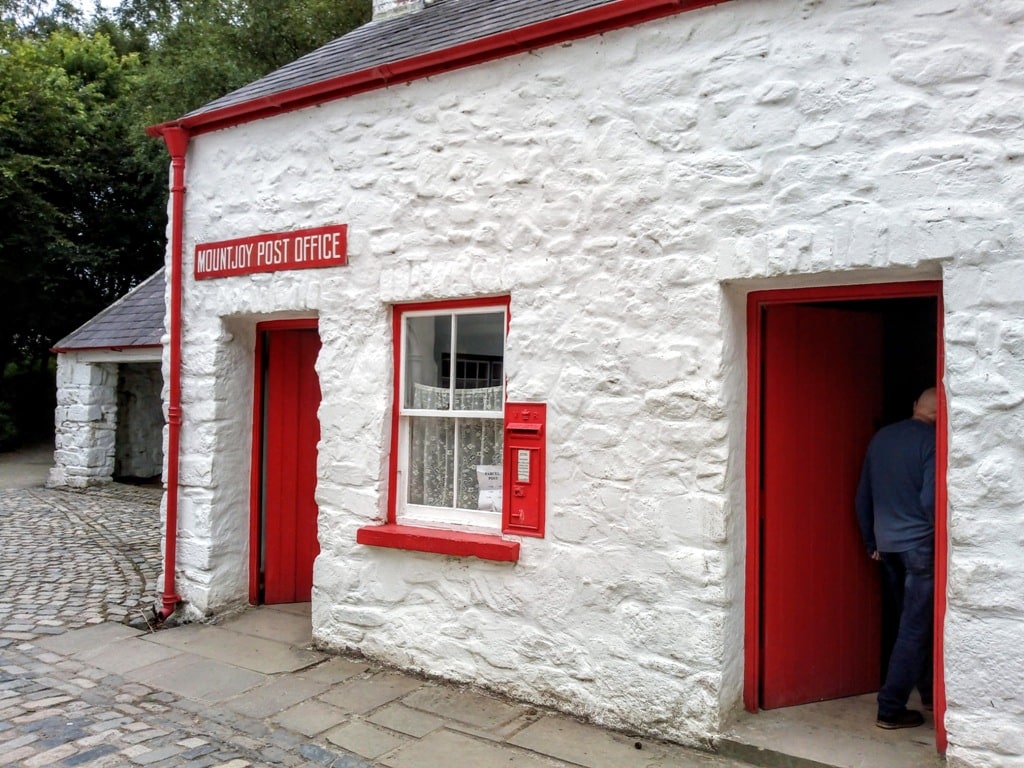
The Emigrants Gallery sets the scene, explaining what drove people to leave and what they expected to find. From there, the Old World section includes entire streets of original buildings moved brick by brick from towns across Ulster, including a chemist, saddler, sweet shop, post office and the old Castletown National School.
Mellon Homestead: the birthplace of Thomas Mellon, the Tyrone born founder of the Mellon banking dynasty in Pittsburgh.
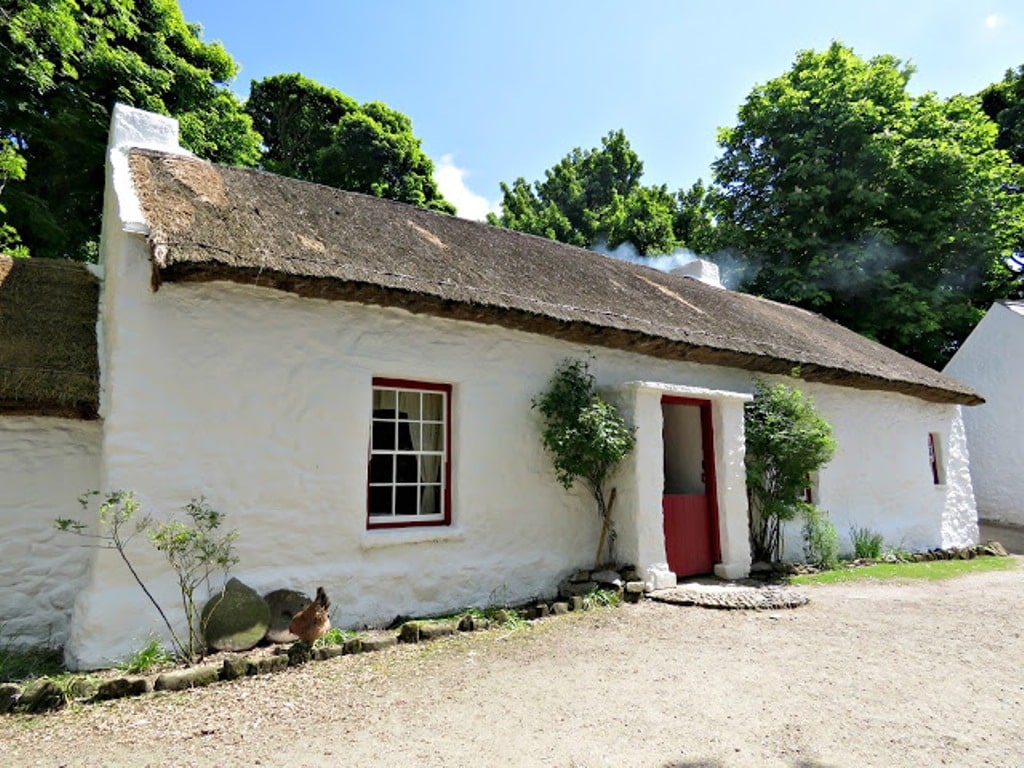
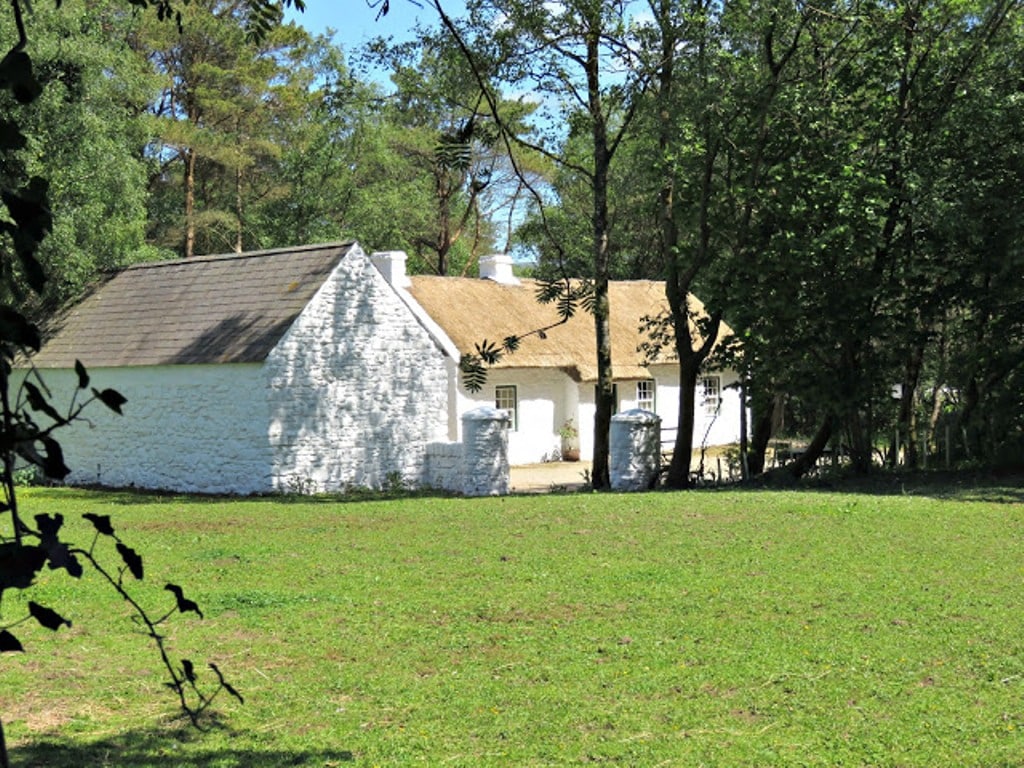
Campbell House: a two storey thatched farmhouse originally from the Glenelly Valley, built in 1786. Currently closed for roof conservation work, so check the visit page before you go if this is a must see for you
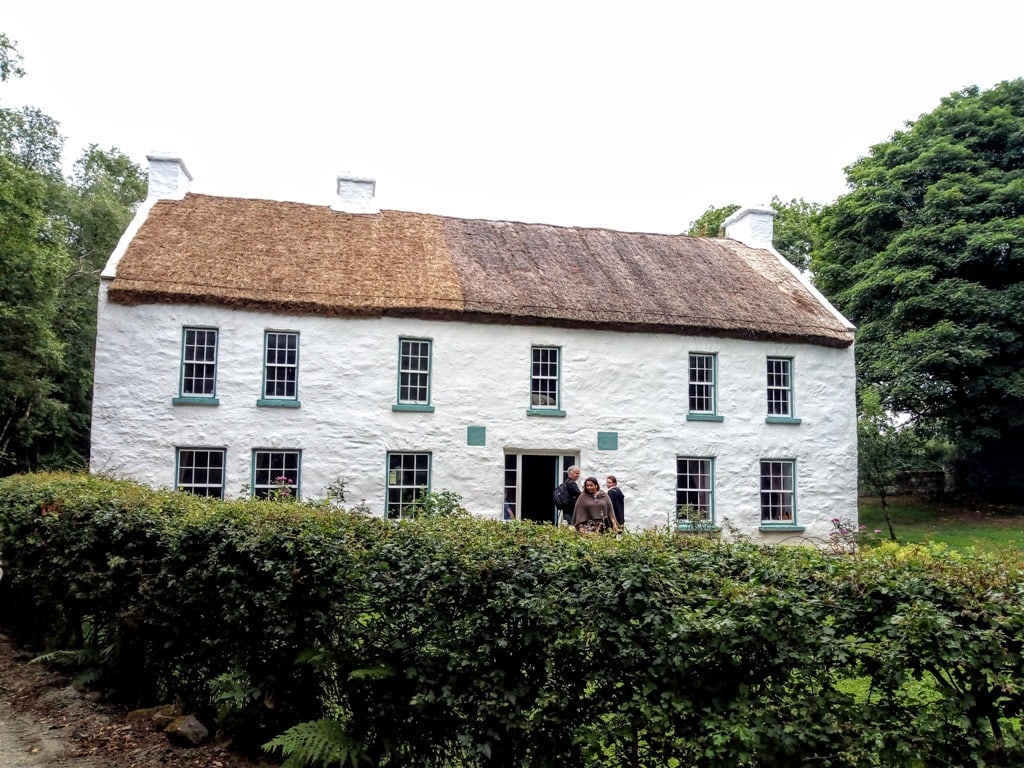
Hughes House: childhood home of John Joseph Hughes, who became the first Roman Catholic Archbishop of New York, originally from County Monaghan.
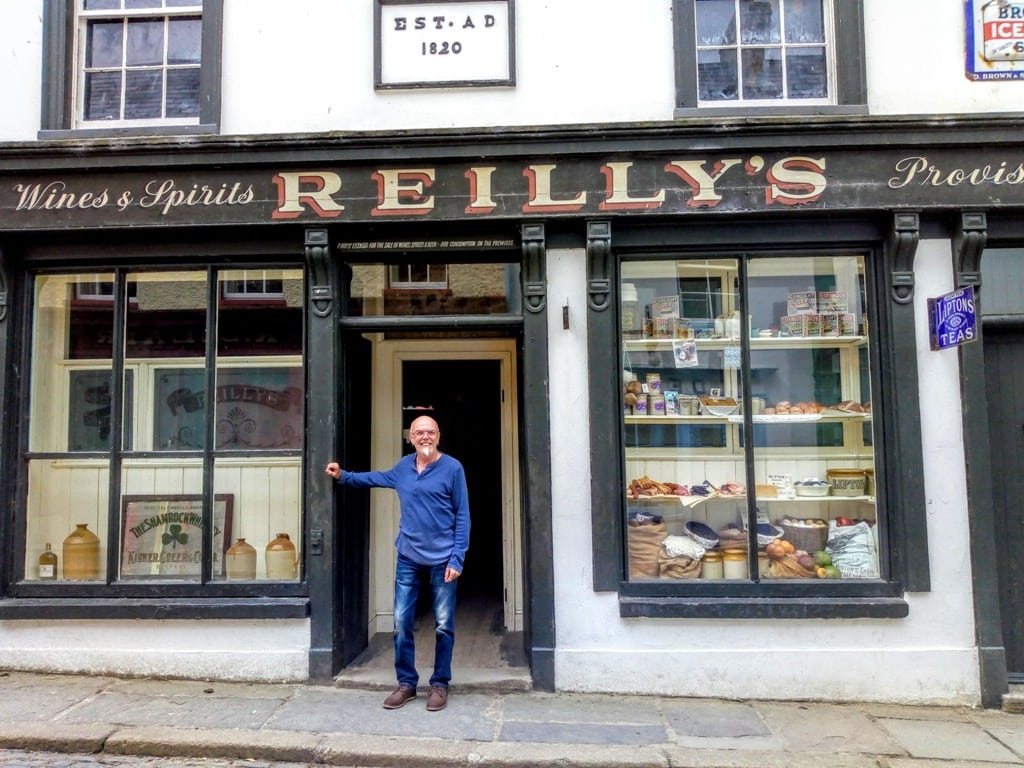
Reilly’s Pub and Grocery Shop: built in Newtownbutler in 1820, half pub and half grocery store.
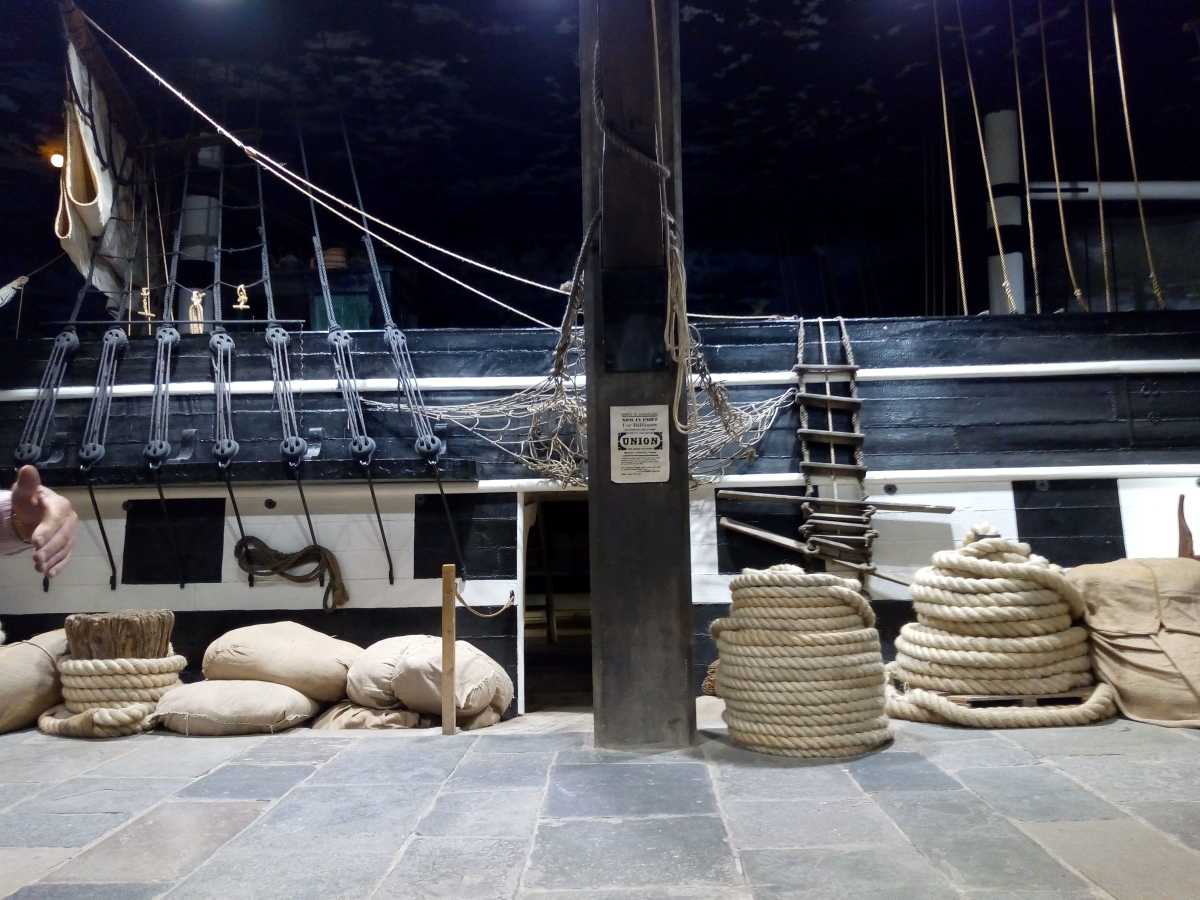
The Brig Union: Crossing the Atlantic
Bridging the two halves of the museum is a full scale replica of an immigrant sailing ship, The Brig Union. Walking through its cramped lower decks, and hearing how passengers spent 6 to 10 weeks at sea in these conditions, is one of the most effective single exhibits I have seen in any Irish museum. You enter in Ulster and emerge in America.
The New World: American Street and the Frontier Homes
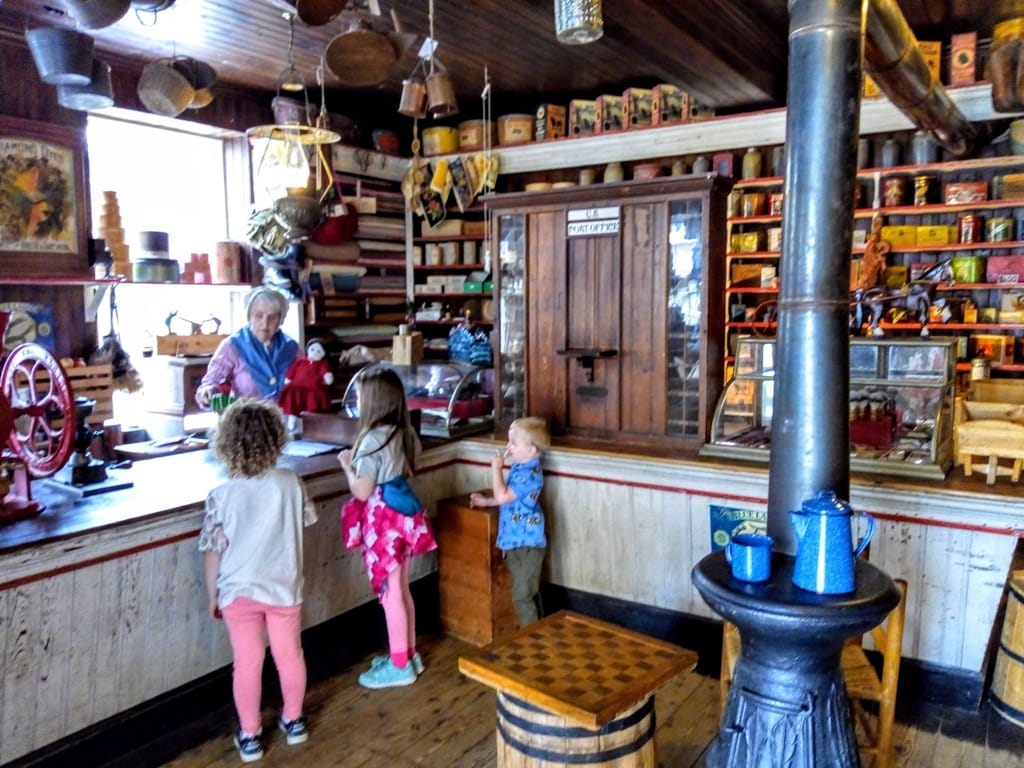
American Street: the reconstructed interior of a Virginia general store, stocked as it would have been for frontier customers.
Samuel Fulton House: a 1720s stone house dismantled in Lancaster County, Pennsylvania and rebuilt here piece by piece.
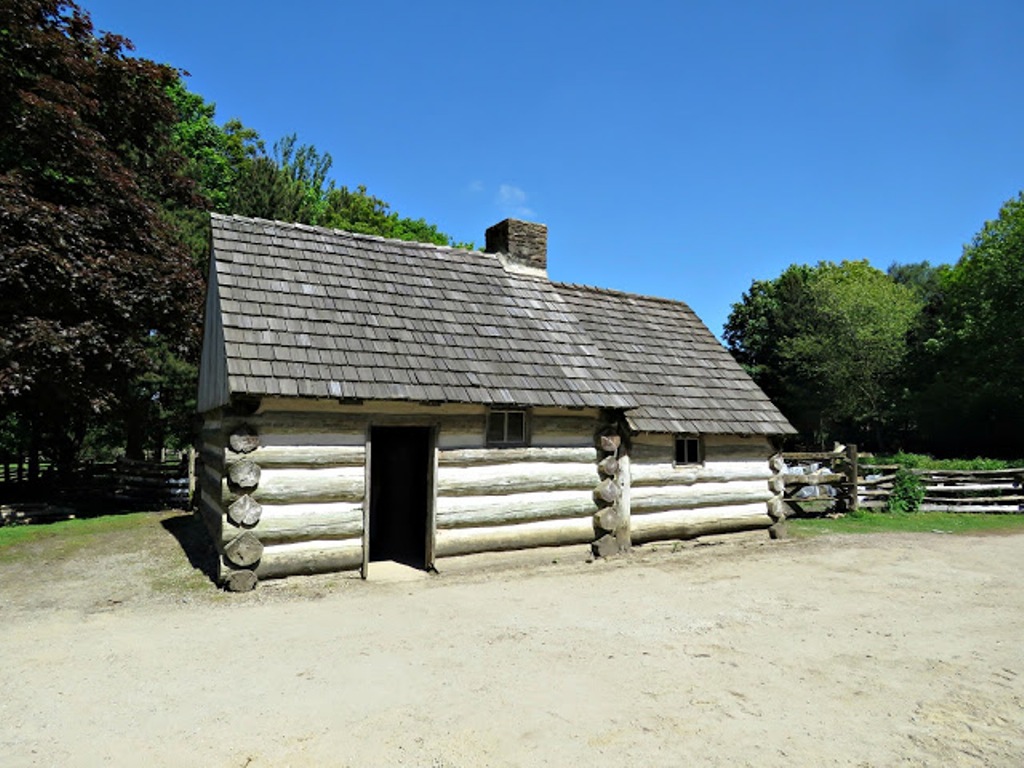
Appalachian Log House: a rugged frontier home from Washington County, Pennsylvania, showing how Ulster-Scots settlers adapted to life on the American frontier.
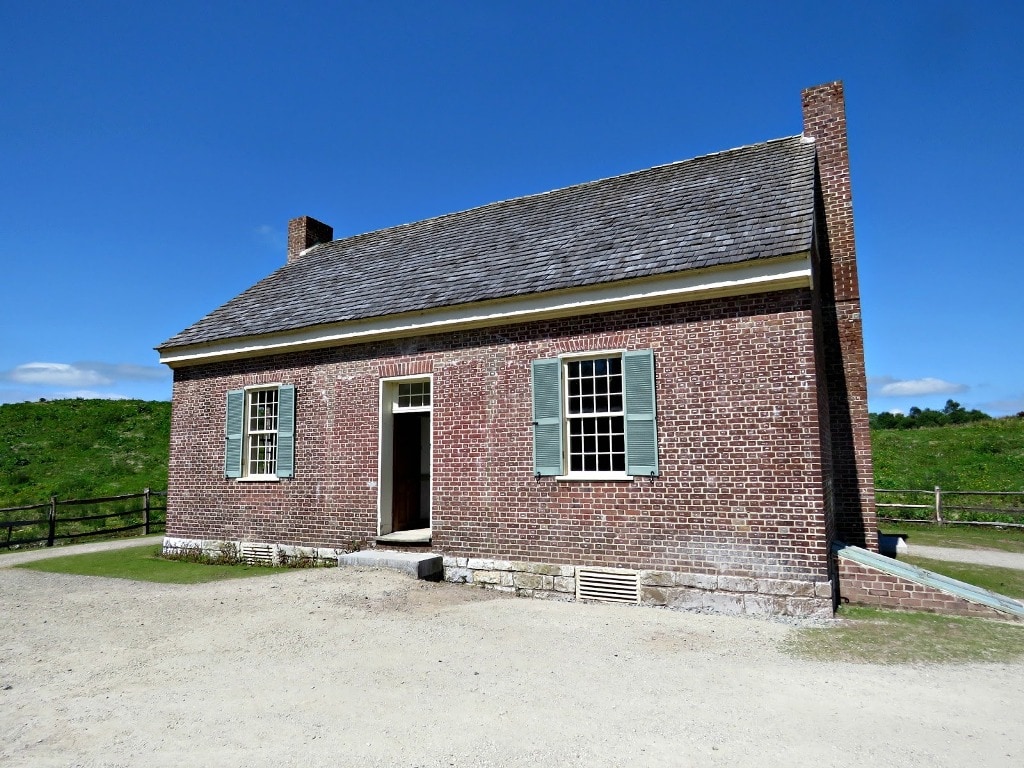
Rogan Plantation House: a reconstructed early 19th century plantation house built near Nashville, Tennessee by Ulster-Scots emigrant Francis Rogan. In fairness to the museum, this exhibit does not shy away from the uncomfortable part of the story, addressing the role some Ulster emigrants played in slavery and plantation agriculture in the American South, which I think is the right, honest way to present that history rather than glossing over it
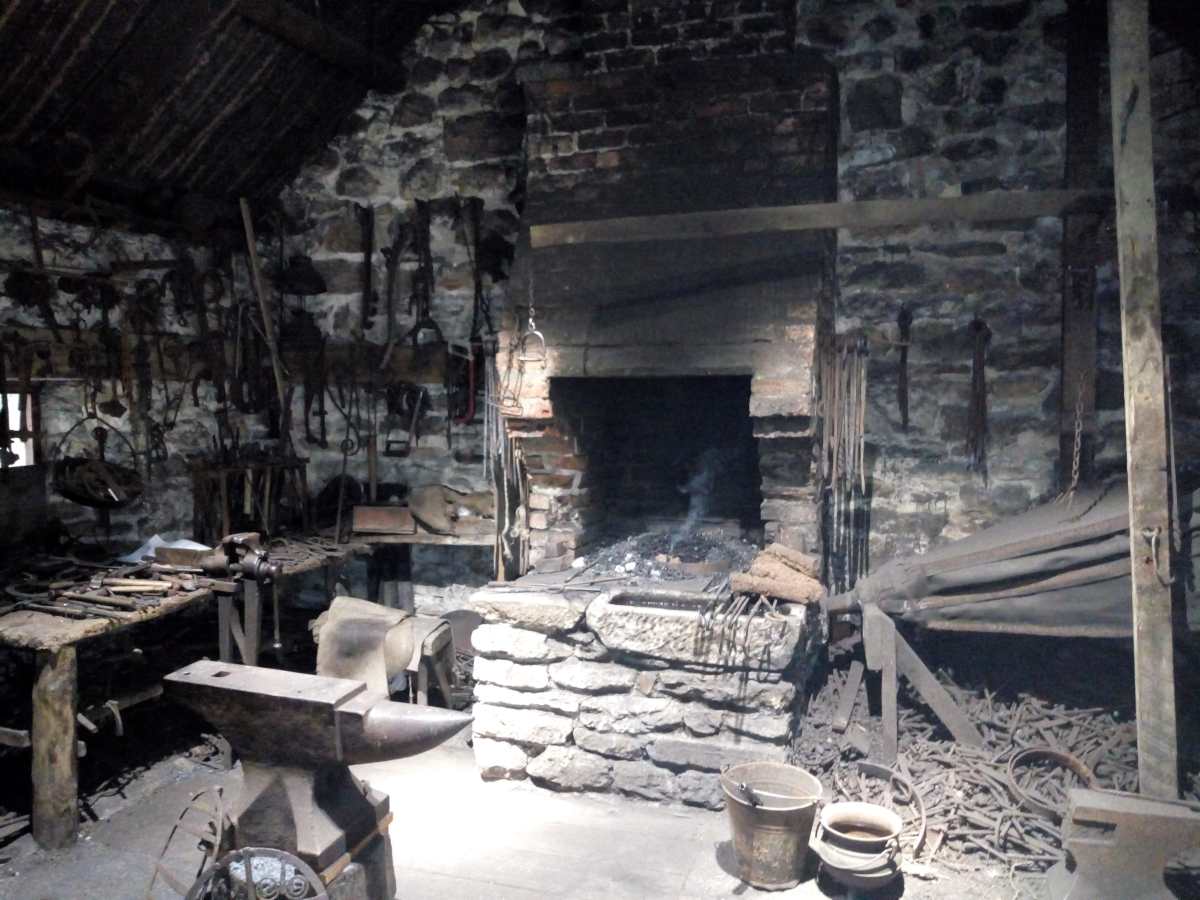
Throughout the day you can watch, and sometimes join in with, spinning, weaving, blacksmithing and open hearth cooking demonstrations, along with a working 19th century printing press.
The Centre for Migration Studies
Inside the Visitor Information Centre you will find the Centre for Migration Studies and its attached library, a genuinely excellent resource if you are researching Ulster ancestry. It holds more than 10,000 books, over 50 periodicals, maps and audio visual material, alongside the searchable Irish Emigration Database of primary source documents. The Centre keeps standard office hours and is closed on public holidays, so if family history research is your main reason for visiting, plan around that rather than the museum’s own opening hours.
Food and Drink at the Ulster American Folk Park
The onsite Maker Cafe, offers hot and cold drinks, sandwiches, paninis, wraps, soup and sweet treats, with a 20 percent discount if you bring your own reusable cup.
Food is not permitted inside the historic exhibit buildings, so save your coffee for the cafe terrace. Picnics are welcome at the tables scattered around the main car park and museum grounds, though open fires and barbecues are not allowed on site.
Where to Eat Near the Ulster American Folk Park, From Casual to Fine Dining
- Barreta Bar and Grill at the Silverbirch Hotel, Omagh, an Irish cuisine restaurant with a relaxed bar atmosphere and free parking
- The Mellon Country Inn restaurant, around 1.3 miles from the park, offering a full breakfast and evening dining menu
- Rooms at Rue restaurant, a local cuisine restaurant on the edge of Omagh, good for lunch or dinner after your visit
For something more special, Omagh town itself has a growing food scene worth the short drive, and I would always recommend checking current opening days directly since rural restaurants often close early in the week.
Where to Stay Near the Ulster American Folk Park
Most visitors base themselves in or around Omagh, a comfortable few minutes drive from the park.
- Silver Birch Hotel: a 3 star hotel around 10 minutes from the park with free parking, restaurant and full Irish breakfast available, a solid family friendly option
- Tattykeel House: a guest house option with breakfast included, popular for a quieter stay.
- Hotel Rue: Offering a terrace and views of the city, Hotel Rue is located in Omagh in the Tyrone County Region. Guests can enjoy the on-site restaurant, and it is wheelchair accessible.
Accessibility and parking vary by property, so if you have mobility needs I would always call ahead to confirm step free access and accessible bathroom facilities rather than relying on a listing photo.
Things to Do With the Kids at the Ulster American Folk Park
This is genuinely one of the better rainy day and dry day family outings in Northern Ireland, and I say that as someone who has brought several sets of nieces, nephews and their friends through the gates.
- Hands on craft demonstrations, including spinning, weaving and blacksmithing, that kids can often watch up close or try under supervision
- Walking the length of the Brig Union emigrant ship, which younger children in particular tend to find fascinating rather than frightening
- The 2026 family exhibition Under the Hawthorn Tree, based on the bestselling Irish children’s novel by Marita Conlon-McKenna, exploring the Famine through a child’s eyes in an immersive, multi sensory way
- Free entry for children aged 0 to 4, and a free digital visitor map available in 15 languages to help plan a route around the site
Children under 16 must be accompanied by an adult throughout the visit, and there is no set time limit once you are inside, so you can let a curious child linger at their favourite exhibit without feeling rushed.
Hidden Gems at the Ulster American Folk Park Only Locals Know About
O’Doherty’s Sweet Shop: tucked into Ulster Street, this old fashioned sweet shop sells traditional boiled sweets you will not find in the main gift shop, and most visitors walk straight past it.

Quiet hour for accessible visits: staff recommend arriving between 10.00am and 11.00am if you or someone in your group finds busy environments difficult, and you can call ahead on 028 8224 3292 to discuss your visit
The Irish Emigration Database: free to search inside the Centre for Migration Studies, and often overlooked by visitors who only come for the outdoor exhibits
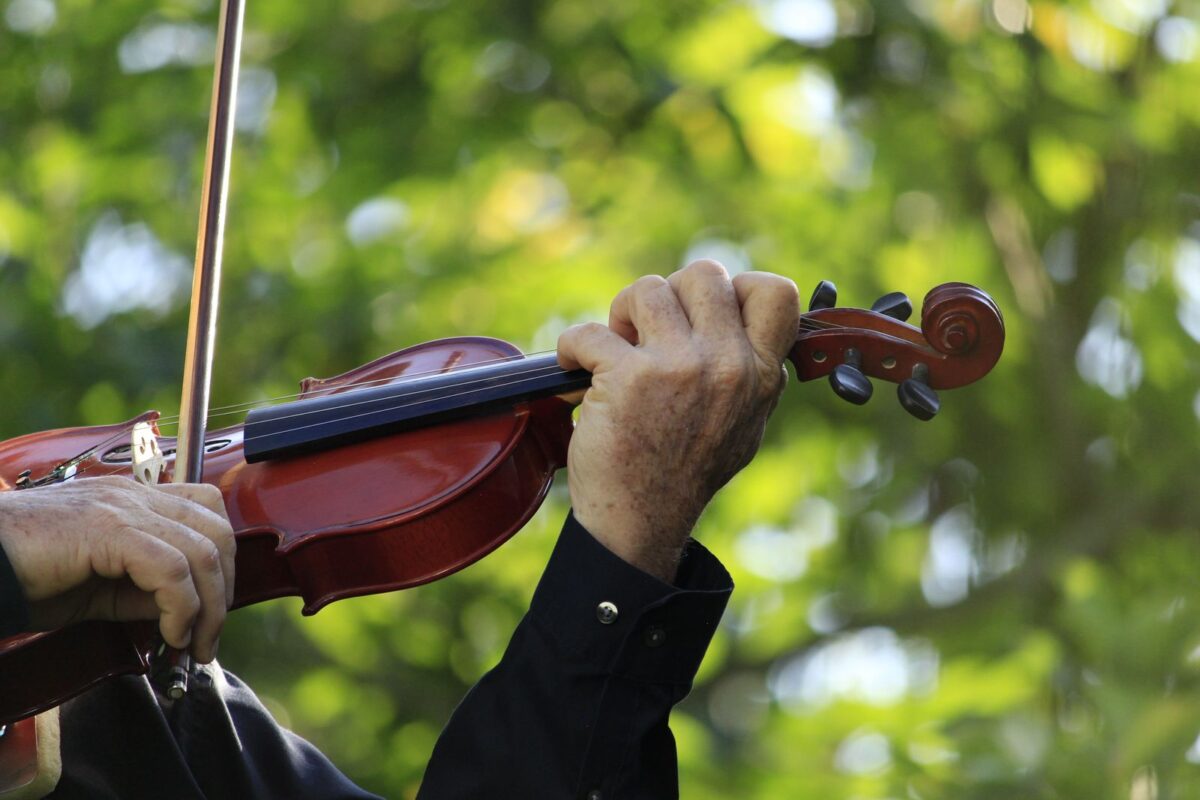
Folk Park Live: a music trail launched in partnership with Tourism NI, featuring filmed performances from artists including Cathal Hayden, Mary Dillon and Gareth Dunlop at 12 spots around the park, tying traditional song to the emigration story
The Bluegrass festival: a 3 day celebration of live Irish and American music held each September, a lovely way to see the site with a completely different atmosphere to a normal weekday visit.
Is the Ulster American Folk Park a Game of Thrones Filming Location
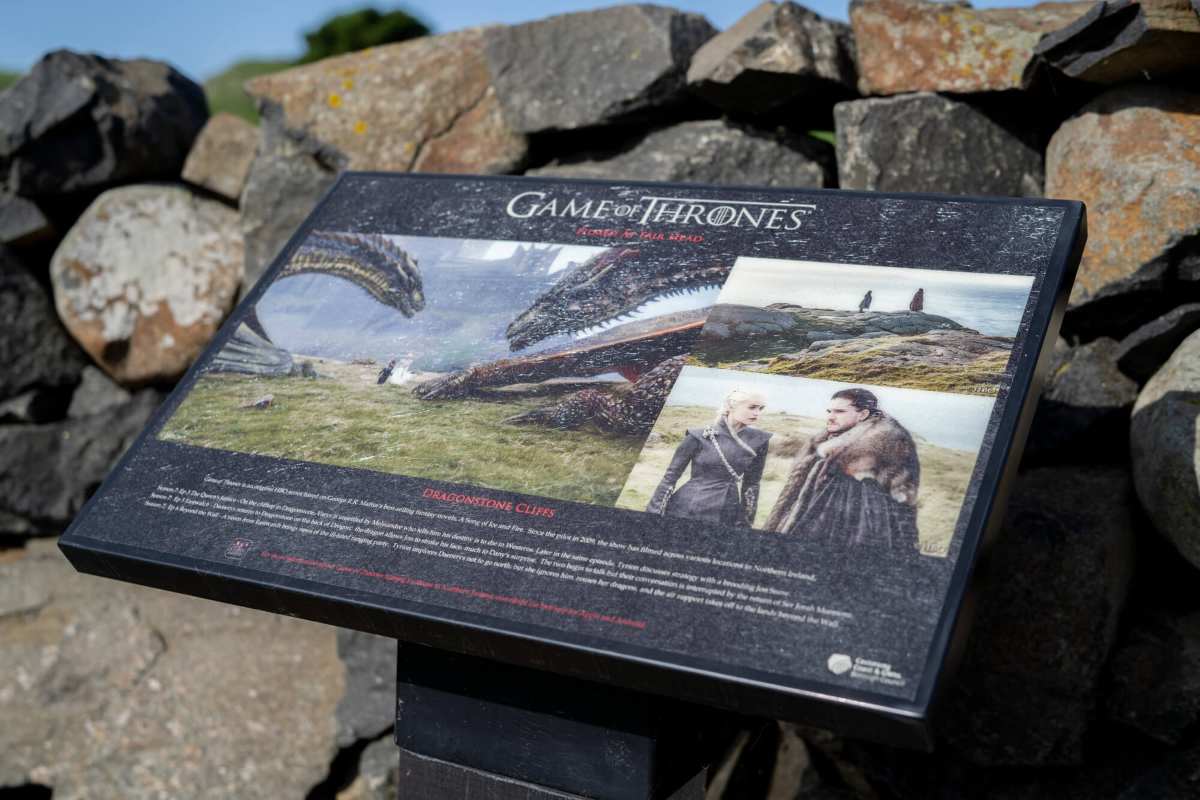
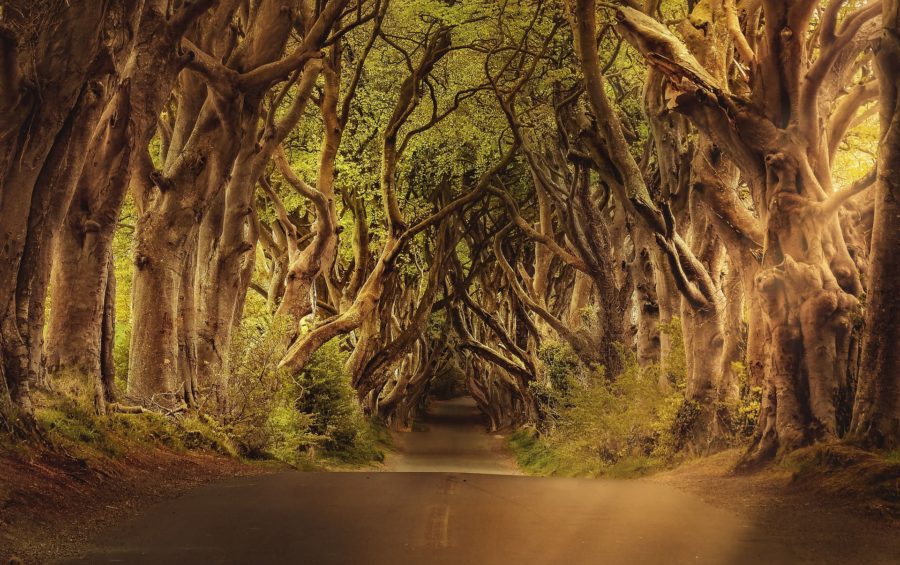
Honestly, no, and I would rather tell you that plainly than stretch the truth for a search ranking. The vast majority of Game of Thrones filming in Northern Ireland took place in County Antrim and County Down, at sites such as Tollymore Forest Park, Castle Ward, the Dark Hedges and Ballintoy Harbour, all more than an hour and a half from Omagh.
How to Plan Your Visit to the Ulster American Folk Park: Step by Step
- Check the official Visit page for current opening hours and any temporary exhibit closures before you set off
- Book your tickets online in advance to guarantee entry, though walk up payment is also accepted on the day
- Plan your route: allow 1 hour 15 minutes to 1 hour 30 minutes driving from Belfast, or book the Translink 273 Goldline coach if you are not driving
- Pack for Irish weather, meaning a light rain jacket and comfortable walking shoes even in summer, since the site covers around 30 acres of grass and gravel paths
- If you or a family member benefits from a quieter environment, aim to arrive between 10.00am and 11.00am
- Allow 2 to 3 hours to see the site properly, more if you plan to use the Centre for Migration Studies library
- Eat at the onsite Maker Cafe, or bring a picnic for the tables in the main car park, since food is not allowed inside the historic buildings
- Finish at the gift shop and O’Doherty’s Sweet Shop before you leave, since both sit near the exit

My Honest Take After Several Visits on Visiting the Ulster American Folk Park
A visit to the Ulster American Folk Park is a genuinely moving journey through the shared history of Ulster and America, brought to life through original buildings, costumed interpreters and the stories of the people who actually lived in them. Whether you are tracing your own family’s emigration story or simply want a well organised day out in County Tyrone, book ahead, wear sturdy shoes, and give yourself the full two to three hours the site deserves.
Frequently Asked Questions About the Ulster American Folk Park
How much are tickets to the Ulster American Folk Park
Standard adult admission is priced at around 13 pounds sterling, with reduced rates for children, seniors and students, and free entry for children under 5 and for visitors with a registered disability. Prices change during promotional periods, so check the official booking page before you travel.
How long does a visit to the Ulster American Folk Park take
Most visitors need 2 to 3 hours to see the site properly, though genealogists and history enthusiasts can easily spend a full day, especially if they also use the Centre for Migration Studies library.
Is there free parking at the Ulster American Folk Park
Yes. The main car park is free for all visitors during opening hours and includes 2 electric vehicle charging points and a bike rack. A separate accessible car park has 14 Blue Badge spaces, with 6 more close to the visitor centre in the main car park.
Is the Ulster American Folk Park a Game of Thrones filming location
No. The Ulster American Folk Park itself was not used for Game of Thrones filming. The main filming locations are concentrated in County Antrim and County Down, over an hour and a half away, though the park’s sister site at Cultra has been used for other film and TV productions.
Is the Ulster American Folk Park suitable for wheelchair users
Most of the site, including the gift shop and cafe, is wheelchair accessible, though a small number of historic buildings cannot be adapted due to their original design. A limited number of mobility scooters and wheelchairs can be booked in advance by emailing the museum.
Are dogs allowed at the Ulster American Folk Park
Dogs are not permitted on site due to the historic nature of the buildings, with the exception of registered assistance dogs, which must have certification available on entry. This differs from the dog policy at the sister site, the Ulster Folk Museum in Cultra.
Explore more of the region with guides to England, Scotland, Wales, Northern Ireland, or the full United Kingdom Travel Guide.
Road trips, slower-paced journeys, family-friendly routes, and culture-led itineraries that reflect different ways of experiencing Northern Ireland. Here are a few articles for you to discover the region.
Explore the Counties of Northern Ireland
Walking the Carrick-a-Rede Rope Bridge
Trying authentic Northern Irish food
Best Northern Ireland tourist Attractions