
Cahir Castle, County Tipperary: A Complete Guide to One of Ireland’s Best Preserved Medieval Castles
| Cahir Castle is a beautifully preserved medieval fortress built in the 13th century on a rocky island in the River Suir in County Tipperary, Ireland. One of the largest and most intact castles in the country, it is managed by the OPW and open year-round with admission from 3 euros. It sits within a short drive of the Rock of Cashel and makes an ideal base for exploring south Tipperary. Entry is free on the first Wednesday of every month. |

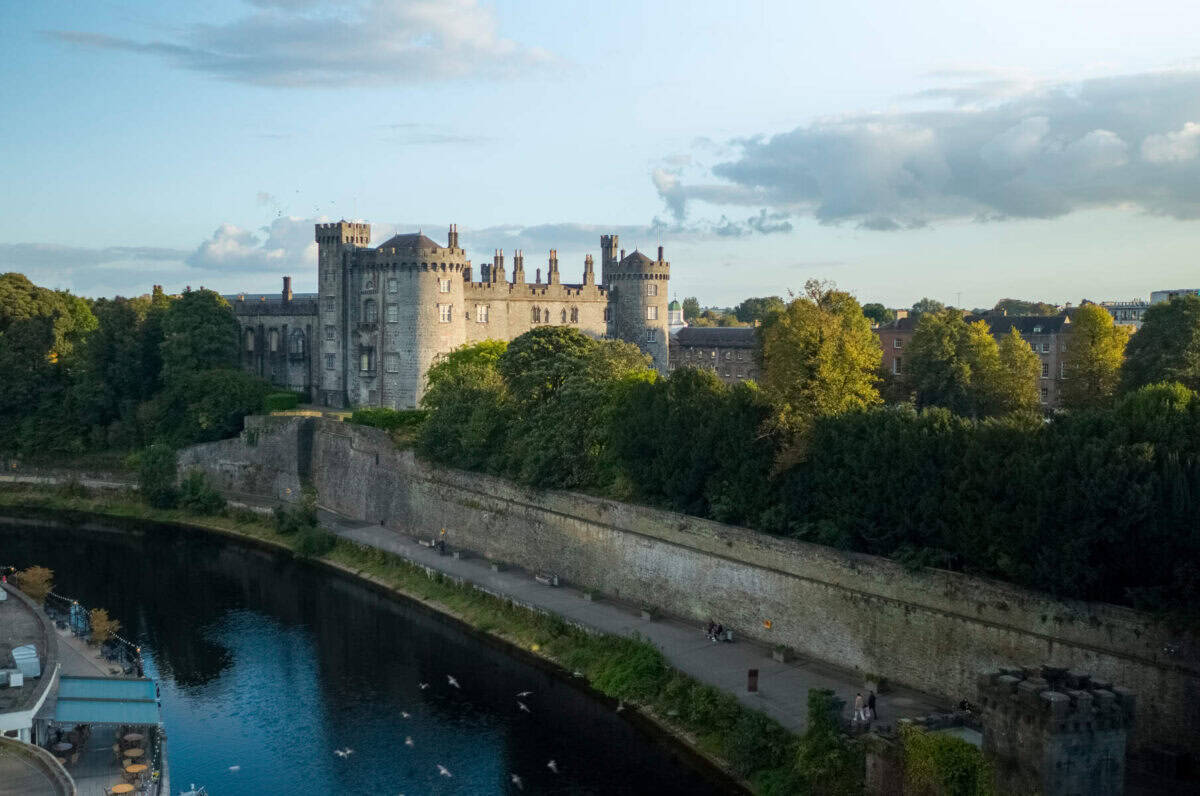
Cahir Castle (pronounced Kare — I was corrected on this within minutes of arriving in the town, and rightly so) is one of those Irish landmarks that should be on every visitor’s radar but, for reasons I have never quite understood, rarely is. It does not carry the same fame as Blarney or the Rock of Cashel, yet it is arguably more complete, more atmospheric, and far less crowded than either.
- Cahir Castle, County Tipperary: A Complete Guide to One of Ireland's Best Preserved Medieval Castles
- Cahir Castle: Key Facts at a Glance
- What Is Cahir Castle and Why Does It Matter?
- Cahir Castle History: From Ancient Irish Fort to Butler Stronghold
- What to See Inside Cahir Castle
- Cahir Castle Film and TV Locations
- Where Is Cahir Castle? Getting There From Dublin and Beyond
- Cahir Castle Tickets, Opening Hours, and Practical Information
- How to Plan Your Visit to Cahir Castle: Step by Step
- The Swiss Cottage and the Coronation Walk
- Cahir Town: What to Do Beyond the Castle
- Guided Tours of Cahir Castle and the Surrounding Area
- Irish Folklore and the Legends Around Cahir
- Accessibility at Cahir Castle
- Where to Stay Near Cahir Castle
- Why Cahir Castle Deserves a Place on Your Ireland Itinerary
- Frequently Asked Questions About Cahir Castle
Cahir Castle: Key Facts at a Glance
| Detail | Information |
| Pronunciation | Kare (rhymes with care) |
| Location | Cahir town, County Tipperary, Ireland |
| Built | 13th century (on a site occupied since at least the 3rd century) |
| Built by | Butler family (Anglo-Norman), on a site associated with Conor O’Brien and earlier Irish kings |
| Managed by | OPW (Office of Public Works), Ireland |
| Castle type | Island fortress on the River Suir; one of the best preserved castles in Ireland |
| Adult admission | 5 euros (cash only, no card facilities on site) |
| Free entry | First Wednesday of every month (all OPW Heritage Sites) |
| Tour type | Self-guided; 1 to 2 hours recommended |
| Nearest attraction | Rock of Cashel (short drive north); Swiss Cottage (4km walk) |
| Films shot here | Barry Lyndon, Excalibur, The Tudors, The Green Knight, The Last Duel |
| OPW listing | heritage.ireland.ie/cahir-castle |
The castle rises from a small rocky island in the River Suir in County Tipperary, surrounded by slow-moving water, swans, and silence. It looks exactly as a medieval Irish fortress should look. I have brought friends and family here more than once and the reaction is always the same: genuine astonishment that they had never heard of it.
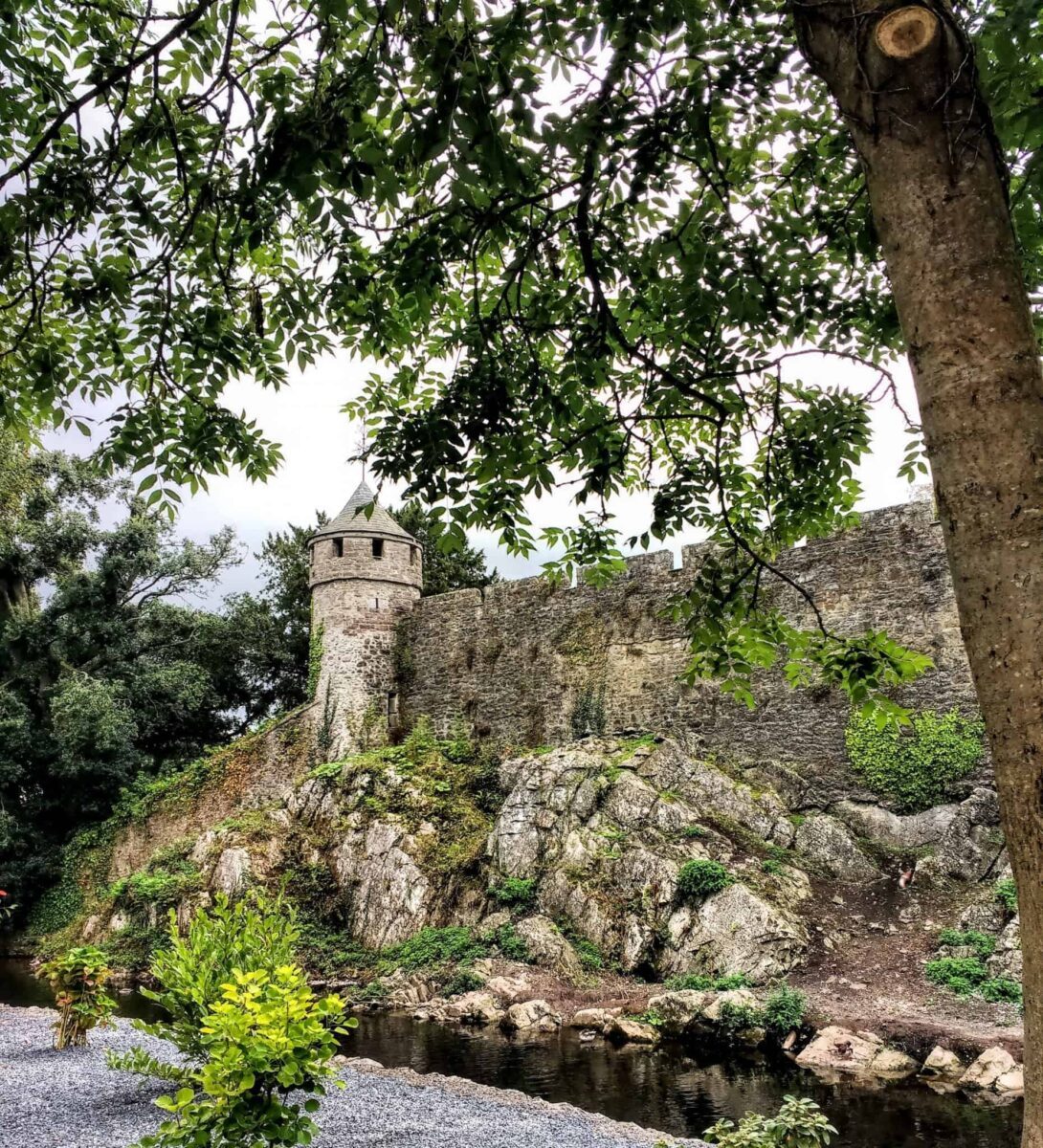
This guide covers everything you need to plan a visit: the history of Cahir Castle, practical travel tips, ticket prices, what to see inside, how to get there, and what to do in Cahir town. For more on exploring Ireland’s hidden gems, visit xyuandbeyond.com.
Insider tip: If you visit any OPW-managed Heritage Site in Ireland on the first Wednesday of the month, entry is free. Cahir Castle qualifies, as does the nearby Swiss Cottage. You can also buy a Heritage Card which allows for free entry into many other historic sites in Ireland.

What Is Cahir Castle and Why Does It Matter?
Cahir Castle is a medieval Irish fortress on an island in the River Suir in Cahir town, County Tipperary, in the south of Ireland. Built primarily in the 13th century on the site of an earlier Irish stone fort, it is one of the largest and most intact examples of medieval castle architecture in Ireland.
The original site, known in Irish as Cathair Dun Iascaigh, meaning the Stone Fort of the Fortress of the Fishery, dates back far beyond the Norman era. The 17th-century historian Geoffrey Keating recorded that this stone fort was among the ancient royal residences of the kings of Munster before Christianity arrived in Ireland. It is from the Irish word cathair that the town itself takes its name.
The castle that visitors see today largely reflects construction and remodelling carried out between the 13th and 17th centuries by the powerful Butler family. According to the OPW Heritage listing, it is one of the best preserved castles in Ireland, and that distinction is well earned.

Cahir Castle History: From Ancient Irish Fort to Butler Stronghold
The Origins of the Site
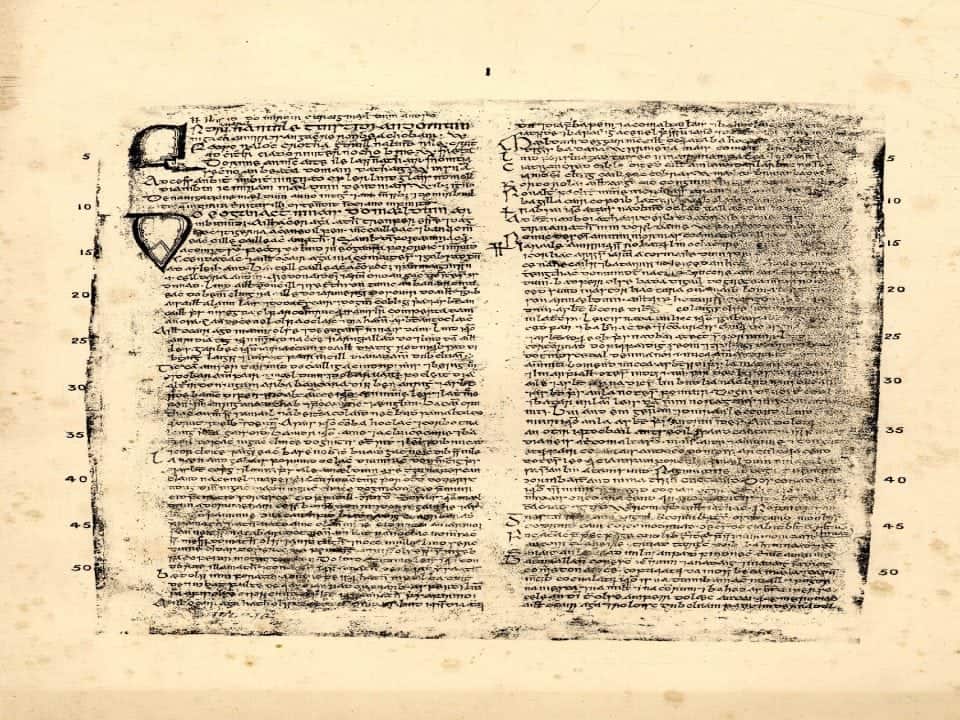
According to the ancient Book of Lecan, a fort was destroyed on this site in the 3rd century. There is also evidence that Brian Boru, the celebrated High King of Ireland who lived from approximately 926 to 1014, had a residence here. The strategic value of this location, a naturally defensible island in a fast-flowing river, was recognised long before the Normans arrived in Ireland.
Conor O’Brien is credited with constructing the earliest stone castle at Cahir in 1142. When the Anglo-Norman Butler family arrived in Ireland in the late 12th century, Theobald Fitzwalter came as part of the Norman invasion and later married Strongbow’s daughter Isabel. The Butlers began building and substantially expanding Cahir Castle in the early 13th century.
The Butler Family and Six Centuries at Cahir
The castle was granted to James Butler, 3rd Earl of Ormond and head of the Butler family. Aside from a few notable interruptions, it remained in Butler hands for approximately six hundred years, a remarkable record for any Irish fortress.
In 1375, James Butler, recently appointed Baron of Cahir, received the castle as a reward for his loyalty to Edward III. The Butlers used Cahir as their seat of power through periods of war, political upheaval, and religious conflict. They sided with the Irish cause during the Elizabethan wars, which brought English military force directly to their gates.
The Siege of Cahir Castle and the Earl of Essex
In 1599, Queen Elizabeth I sent Robert Devereux, the Earl of Essex (whose Uncle re-built Kenilworth Castle in 1575) , to Ireland with orders to defeat Hugh O’Neill, Earl of Tyrone. Essex chose instead to besiege Cahir Castle, which had been described as the most impregnable castle in Ireland. The siege lasted three days before the castle fell. Sir Charles Blount was then left in charge for a year.
For anyone interested in Irish folklore and the legends that have grown around these ancient conflicts, standing inside the walls of Cahir Castle makes the history feel vivid and immediate. The Elizabethan wars are not a distant abstraction here. They happened in this courtyard, at these gates.

Cromwell and the Confederate Wars
In 1650, during the Irish Confederate Wars, Oliver Cromwell and his forces marched on Cahir and demanded the castle’s surrender. In a notable contrast to the castle’s reputation for impermeability, the Butlers handed it over without a shot being fired. Twelve years later, in 1662, the family regained control.
Imagine standing in a place where Cromwell once stood, knowing that the same stones beneath your feet witnessed centuries of Irish history. That is the experience Cahir Castle offers, and it is not one that many Irish visitor sites can match.
The Last Lord Cahir and the End of Butler Rule
The Butler line at Cahir eventually died out. The last Lord Cahir, Richard Butler, died without an heir in the early 19th century, ending the direct Butler line and bringing six hundred years of family ownership to a close. The castle passed out of private hands, underwent significant restoration work in the 19th century, and was declared a National Monument in 1964 when the Irish State purchased it.

What to See Inside Cahir Castle
The castle is impressive from the outside, but the interior is where the visit becomes genuinely absorbing. The tour is self-guided and takes between one and two hours depending on how thoroughly you explore.
The lower levels contain exhibits covering topics from medieval women in Ireland to the 1916 Irish Rebellion. These are well laid out and provide useful context for the broader history of the building. The castle also holds genuine pieces of furniture from the medieval period, which adds authenticity to rooms that might otherwise feel sparse.


The working portcullis is one of the most talked-about features. It is one of the few functional examples in Ireland and it gives a concrete sense of how these defensive mechanisms actually worked. The cannons and the beautifully preserved crenelations along the battlements are equally photogenic and historically significant.

Climbing to the upper floors opens up views across the River Suir and out over Cahir town. The visual show of the castle against the river and the surrounding landscape is genuinely spectacular, particularly in good morning light.
Cahir Castle Film and TV Locations
One reason Cahir Castle is better known among film enthusiasts than among mainstream tourists is its extraordinary screen presence. The castle has been used as a film location for major productions across several decades.
Stanley Kubrick filmed scenes here for Barry Lyndon in the 1970s. John Boorman used the castle in Excalibur, the influential Arthurian epic. More recently it appeared in The Tudors television series, in David Lowery’s The Green Knight, and in Ridley Scott’s The Last Duel. The castle’s unaltered medieval appearance makes it an ideal stand-in for any number of historical settings and periods.
For visitors who arrive with a keen eye, spotting the angles used in these productions is a genuine pleasure. The great hall and the outer courtyard appear in several recognisable scenes across these productions.

Where Is Cahir Castle? Getting There From Dublin and Beyond
Where Is Cahir in Ireland?
Cahir is a scenic market town on the banks of the River Suir in the south of County Tipperary. It sits within easy reach of the Rock of Cashel to the north, Kilkenny to the east, Limerick to the west, and Cork to the south. The Galtee Mountains and the Knockmealdown Mountains are visible from the town and offer hiking and walking for those who want to extend their visit.
Cahir sits at a natural crossroads in the south of Ireland, making it genuinely easy to incorporate into a wider itinerary. It is one of those towns that rewards visitors who slow down for a day rather than treating it as a single-attraction stop.

How to Get to Cahir Castle
- By car: Driving from Dublin takes just over an hour and is the most practical option. The roads are straightforward and renting a car is highly recommended for anyone planning to explore beyond the capital.
- By bus: Bus Eireann operates services from Dublin to Cahir. The journey takes approximately 2.5 hours and a return ticket costs from around 16 euros.
- By train: A train connection exists, but the journey involves changes and takes approximately 3.5 hours. It is generally not recommended as the most efficient option.
My honest travel tip: Do not be intimidated by driving in Ireland outside Dublin. The roads are easy to navigate and roundabouts quickly become second nature. A hire car gives you the freedom to visit Cahir Castle, the Rock of Cashel, and the Swiss Cottage in a single day at your own pace. Discover Cars is a reliable comparison site for car hire across Ireland.
Cahir Castle Tickets, Opening Hours, and Practical Information
Cahir Castle is operated by the OPW (Office of Public Works) as a National Heritage Site. The official OPW listing for Cahir Castle provides current opening hours, which vary by season. Always check before travelling.
| Ticket Type | Price |
| Adult | 5.00 euros |
| Group / Senior | 4.00 euros |
| Child / Student | 3.00 euros |
| Family | 13.00 euros |
| First Wednesday of the month | FREE (all OPW sites) |
Important: There are no card payment facilities at Cahir Castle. Bring cash.

How to Plan Your Visit to Cahir Castle: Step by Step
Book accommodation in Cahir town or nearby if you plan to stay overnight. Check availability through Booking.com.
Arrange car hire if travelling from Dublin or another city. A hire car is the most flexible option and allows you to visit multiple sites in a single day.
Check the OPW website for current opening hours before you travel. Hours vary by season.
Plan your visit for the first Wednesday of the month if possible to take advantage of free OPW admission.
Bring cash. There are no card payment facilities on site.
Arrive early. Getting there before 11am means you will have the space largely to yourself.
Allow 1.5 to 2 hours for the castle, including the exhibits and the walk up to the higher levels.
Walk the Coronation Walk to the Swiss Cottage after the castle. The path is approximately 4km and takes around 40 minutes at an easy pace.

Return to Cahir town for lunch or a coffee. The town has good pubs and cafes within easy walking distance of the castle entrance.
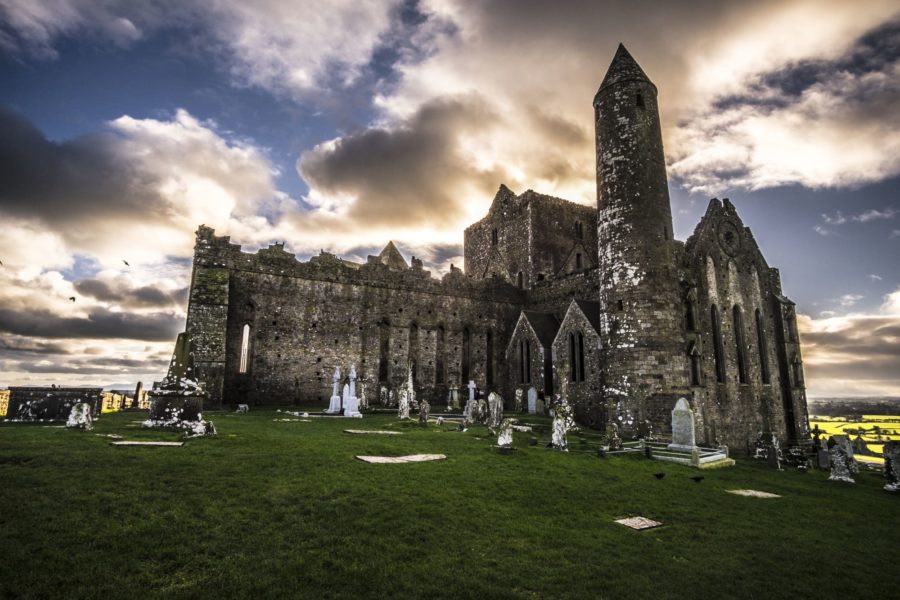
Consider adding the Rock of Cashel to the same day itinerary. It is a short drive north and the combination of both sites makes for a full and memorable day in County Tipperary.

The Swiss Cottage and the Coronation Walk
Cahir Castle is frequently paired with the Swiss Cottage, a romantically designed thatched cottage ornee built in the early 19th century for the Butler family, approximately 4km from the castle along the Coronation Walk.
The walk follows the River Suir and is one of the most pleasant short walks in Tipperary. It is manageable for most visitors and rewards those who make the effort with a charming and completely different experience at the other end.
The Swiss Cottage is also an OPW site, so the first-Wednesday-of-the-month free entry applies here too. The interior can only be seen on a guided tour and is well worth the small admission fee if you visit outside the free day.

Cahir Town: What to Do Beyond the Castle
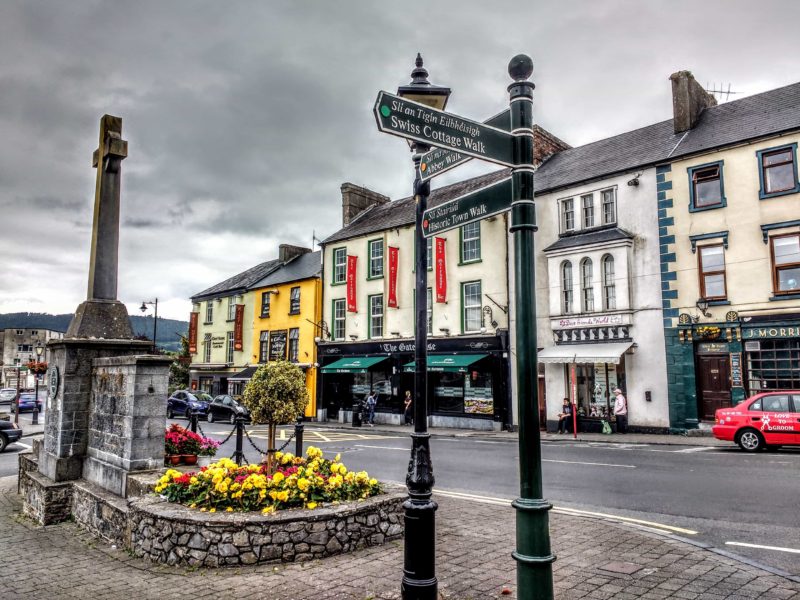
Cahir is a genuinely pleasant Irish market town and not simply a gateway to the castle. The town centre has a relaxed, unhurried character that is increasingly rare in heavily touristed parts of Ireland.
Walking from the castle into town takes only a few minutes. The pubs are welcoming, the food is honest, and the people are friendly. Spend a couple of hours here and you will find yourself wishing you had booked a night rather than passing through on a day trip.
For outdoor pursuits, Glengarra Wood offers a beautiful forest walk, and guided tours of the Mitchelstown Caves can be arranged locally. The Galtee Mountains are within reach for more ambitious hiking. Tipperary as a whole is underrated as a destination, and Cahir is one of the best entry points into what the county has to offer.
For broader inspiration on planning your time in the area, including other historic sites to visit, see the travel guides at xyuandbeyond.com.

Guided Tours of Cahir Castle and the Surrounding Area
The castle tour itself is self-guided, but several operators offer guided day tours from Dublin and other cities that include Cahir as part of a wider Tipperary itinerary.
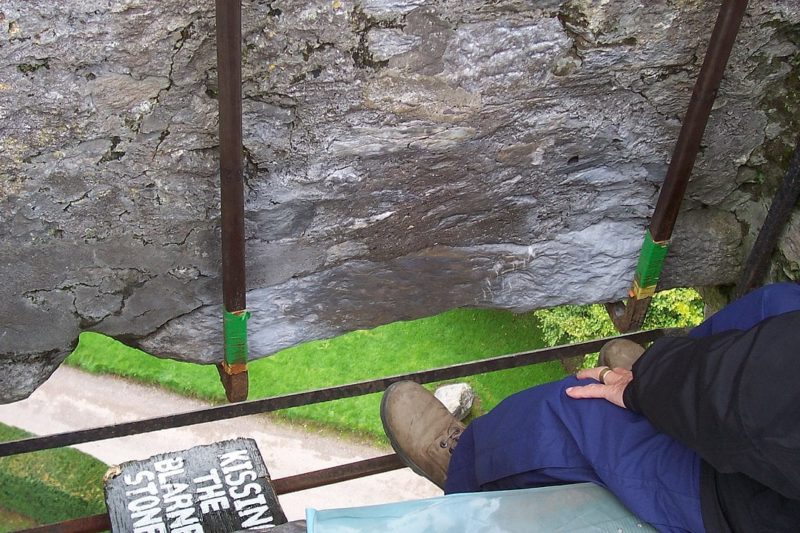
One well-regarded option is the Rock of Cashel, Cahir and Blarney Castle Private Sightseeing Day Tour from Dublin. This tour visits three significant sites in a single day in a private, air-conditioned vehicle for groups of up to seven. It includes complimentary bottled water, onboard Wi-Fi, and a visit to Blarney Woollen Mills.
Irish Folklore and the Legends Around Cahir
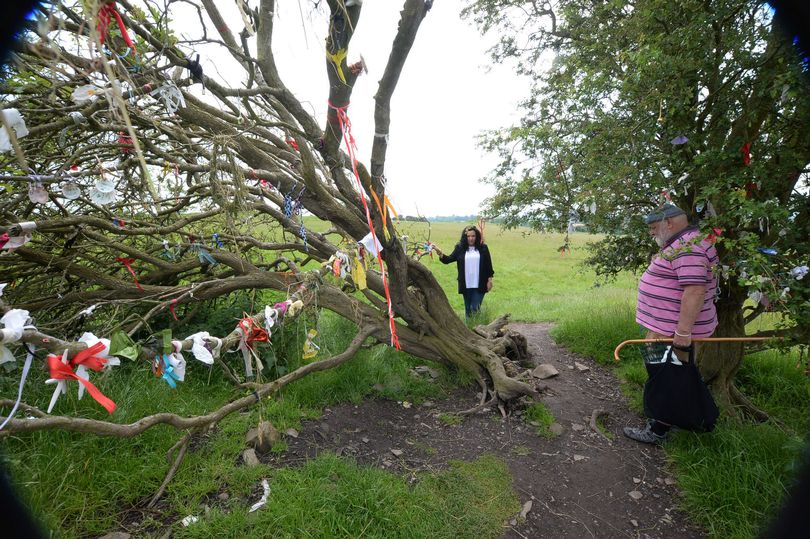
Cahir and County Tipperary sit in a landscape saturated with Irish folklore. The fairy mounds of Tipperary, the ancient Munster kingship traditions, and the legends surrounding Brian Boru all connect to this corner of Ireland. Standing at Cahir Castle, knowing that this site was considered a royal residence before Christianity came to Ireland, gives the place an atmosphere that goes well beyond what any guidebook can convey.
Local folklore holds that the River Suir has protective qualities, and the swans that gather along the riverbank beside the castle are regarded in folk tradition as auspicious creatures associated with Irish legend. Whether you take that seriously or simply enjoy the sight of swans drifting past a medieval fortress, the atmosphere is undeniably special.
In my opinion, this combination of documented history and living Irish folklore is what separates Cahir Castle from the more sanitised heritage experiences available elsewhere in Ireland. The castle has not been turned into a theme park. It still feels like a place with a past.

Accessibility at Cahir Castle
Cahir Castle is a medieval structure with uneven surfaces, narrow stone steps, and areas that are not accessible to all visitors. Ground-level areas, including the main courtyard and the lower exhibits, are largely accessible and can be explored without climbing stairs.
The riverside walk between the castle and Cahir town is mostly flat and suitable for most visitors, including those with mobility challenges. The 4km Coronation Walk to the Swiss Cottage is a relatively level riverside path, though the surface is natural rather than paved and may be muddy in wet weather.
If you have specific accessibility requirements, I strongly recommend contacting the OPW directly before your visit. Current accessibility information is available on the OPW Heritage Ireland website. As a mobility-challenged traveller myself, I find that a quick call ahead saves a great deal of uncertainty on the day.
Where to Stay Near Cahir Castle
Cahir town has a small but solid range of accommodation options, from guesthouses to larger hotels. Staying in the town rather than driving from a distance allows you to visit the castle in the early morning before day-trippers arrive, and to enjoy the town in the evening when it belongs to the locals. Check current availability and prices through Booking.com.
County Tipperary is also a beautiful place to base yourself for a longer stay if you are dreaming of living in Ireland or taking an extended trip. It is rural in areas, beautifully peaceful, and yet well connected to Limerick, Kilkenny, and Dublin.
Why Cahir Castle Deserves a Place on Your Ireland Itinerary
Cahir Castle is, in the clearest possible terms, one of the best preserved medieval castles in Ireland. It is large, intact, atmospheric, historically rich, and still comparatively undiscovered by the tourist mainstream. The combination of the castle, the Swiss Cottage, the River Suir walk, and the pleasantly unhurried town of Cahir makes this one of the most complete half-day or full-day experiences in the south of Ireland.
It sits within easy reach of the Rock of Cashel, Kilkenny, Limerick, and Cork. There is no reasonable excuse for passing through Tipperary and missing it.
Plan your visit, bring cash for the entry fee, and go on a Wednesday if you can.

Frequently Asked Questions About Cahir Castle
How do you pronounce Cahir?
Cahir is pronounced Kare, rhyming with care or bare. The name comes from the Irish word cathair, meaning stone fort. Most visitors from outside Ireland mispronounce it on the first visit; the locals are good-natured about this.
Is Cahir Castle worth visiting?
Yes, without reservation. Cahir Castle is one of the most complete and atmospheric medieval fortresses in Ireland. It receives far fewer visitors than comparably significant sites such as Blarney Castle or Kilkenny Castle, which means a quieter, more immersive experience. The self-guided tour is well designed, and the combination with the Swiss Cottage and the riverside walk makes it a full and rewarding day out.
How much does it cost to visit Cahir Castle?
Admission is 5 euros for adults, 4 euros for groups and seniors, 3 euros for children and students, and 13 euros for a family. Entry is free on the first Wednesday of every month at all OPW Heritage Sites, including Cahir Castle. There are no card payment facilities on site, so cash is essential.
Who was the last Lord Cahir and when did he die?
The last Lord Cahir was Richard Butler, who died in the early 19th century without an heir, ending the direct Butler line at Cahir after approximately six hundred years of family ownership. The castle subsequently passed out of private hands, underwent extensive restoration work in the 19th century, and was declared a National Monument in 1964 when the Irish State purchased it.
What films and TV shows were made at Cahir Castle?
Cahir Castle has been used as a film location for several major productions, including Stanley Kubrick’s Barry Lyndon (1975), John Boorman’s Excalibur (1981), the television series The Tudors, David Lowery’s The Green Knight (2021), and Ridley Scott’s The Last Duel (2021). The castle’s well-preserved medieval architecture makes it a popular choice for productions requiring an authentic historical setting.
How long should I spend at Cahir Castle?
Allow 1 to 2 hours for the castle itself, including the exhibits and the upper levels. Adding the walk to the Swiss Cottage along the Coronation Walk brings the total to 3 to 4 hours. A half-day is the minimum; a full day allows time to explore Cahir town as well.
Can I walk from Cahir Castle to the Swiss Cottage?
Yes. The Coronation Walk connects Cahir Castle to the Swiss Cottage along a 4km riverside path beside the River Suir. The walk takes approximately 38 to 40 minutes at an easy pace. The Swiss Cottage is also an OPW Heritage Site with the same first-Wednesday-of-the-month free entry policy.
Is Cahir Castle suitable for visitors with mobility challenges?
The ground-level areas of Cahir Castle, including the main courtyard and lower exhibits, are accessible to most visitors. Upper floors involve stone steps. The riverside walk into Cahir town is mostly flat. The 4km Coronation Walk to the Swiss Cottage is a relatively level path but has a natural surface that may be uneven in places. Contact the OPW before visiting if you have specific requirements.
What else is near Cahir Castle?
The Rock of Cashel is a short drive north and is the most obvious pairing with Cahir Castle for a single day’s itinerary. The Swiss Cottage is 4km away via the Coronation Walk. Glengarra Wood, the Galtee Mountains, and the Mitchelstown Caves offer outdoor and underground experiences nearby. Kilkenny is accessible to the east and Limerick to the west.
Join 7,500 Ireland travellers in my Ireland Uncovered Facebook Group and 1,897 on my XYUandBEYOND PAGE
This guide is part of a wider Accessible Ireland travel series, offering realistic, first-hand advice for limited-mobility travel across Ireland.
➡️Accessible Causeway Coast Route
➡️Accessible Wild Atlantic Way
If you encounter changes (e.g., temporary lift closures or construction), please let me know so I can update this page promptly.
Start Planning Your Trip
👉 Public Transportation in Ireland
👉 Hidden Gems in Ireland – 32 Secret places to visit
👉 Answering all your travel questions about Ireland