
Ireland Road Trip for Campers: The Ultimate 2-Week Campervan Itinerary
| An Ireland road trip for campers works best as a two to three week counter-clockwise loop from Dublin, hiring a campervan or motorhome from around 50 to 150 euros a day, overnighting at registered caravan and camping parks (10 to 35 euros a night), and following the Wild Atlantic Way and Northern Ireland’s Causeway Coastal Route. Wild camping in a vehicle is a legal grey area in Ireland and is not recommended outside designated sites. |

Planning an Ireland road trip for campers sounds simple until you actually sit down and try to map it out. Where do you collect a campervan. Which campsites take motorhomes. Can you wild camp on the Wild Atlantic Way. Is the Ring of Kerry doable in a six berth van. I have lived in Donegal for years, I have driven this island from Malin Head to Cape Clear more times than I can count, and I have hosted enough visiting friends and family in a hired camper to know exactly where the questions and the headaches come from.
This guide rebuilds the classic two week Ireland itinerary specifically for camper and motorhome travel. You will get a realistic route, real campsite and parking costs, accessibility notes for wheelchair users and visitors with mobility issues, Game of Thrones filming locations, whiskey distillery stops including Jameson, family friendly activities, and the hidden spots that locals actually use, not just the coach tour stops.
- Ireland Road Trip for Campers: The Ultimate 2-Week Campervan Itinerary
- What Is an Ireland Road Trip for Campers
- How to Plan Your Ireland Road Trip for Campers, Step by Step
- Is Wild Camping Legal in Ireland
- The Two Week Ireland Road Trip Itinerary for Campers
- Game of Thrones Sites for Campers
- Whiskey Distilleries Including Jameson
- Where to Eat: Cafes to Fine Dining
- Road Trip Ireland with Kids
- Solo Road Trip Ireland by Camper
- Hidden Gems Only Locals Know
- Planning an Ireland Road Trip for Campers
- Frequently Asked Questions
What Is an Ireland Road Trip for Campers
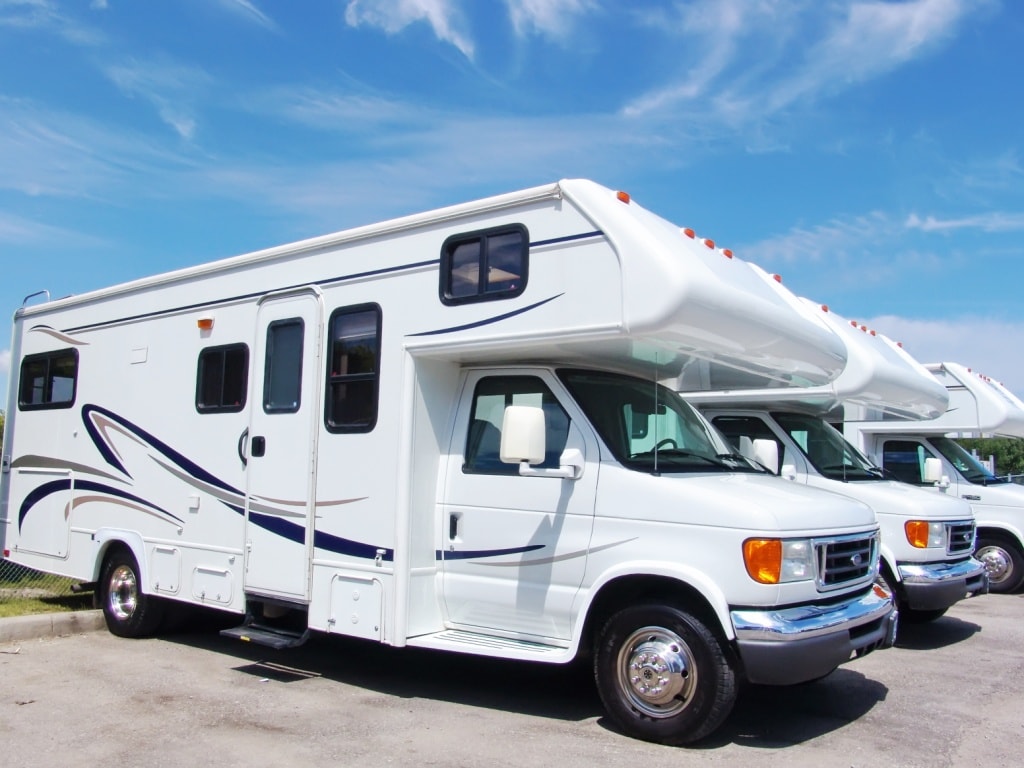
A road trip for camping in Ireland means hiring or bringing a campervan, motorhome or caravan and touring the island using a network of registered caravan and camping parks for overnight stops, rather than booking hotels each night. It suits couples, families, solo travellers and anyone with mobility needs who wants their own bed, kitchen and accessible bathroom with them at every stop. The two main coastal routes, the Wild Atlantic Way on the west coast and the Causeway Coastal Route in the north, are both built for exactly this kind of slow, flexible travel.

How to Plan Your Ireland Road Trip for Campers, Step by Step
- Decide your route shape. A counter clockwise loop from Dublin through Wicklow, Cork, Kerry, Clare, Galway, Mayo and back through the midlands covers the highlights without backtracking.
- Book your campervan or motorhome at least three months ahead for May to September travel, since the best vans sell out early.
- Pre-book caravan and camping parks for the Ring of Kerry, Dingle and Killarney legs in peak season, since these fill up fast.
- Decide on a Northern Ireland add-on if you want the Giant’s Causeway and Game of Thrones sites, and check your camper hire allows cross-border travel and includes the correct insurance.
- Pack for accessibility if needed, including a ramp, hand controls or a Blue Badge equivalent, and confirm with the rental company that the van has been adapted or has step-free access.
- Build in two buffer days for weather, since Ireland’s coastal roads are stunning but rain can slow a day’s driving considerably.
Renting a Campervan in Ireland
Campervan hire in Ireland typically runs from around €70 a day in low season up to €250+ a day for a larger motorhome in peak summer, with most operators requiring a minimum hire period and a security deposit. Insurance, licence requirements, and choosing between operators like Bunk Campers, West Coast Campervans, and peer-to-peer options like Yescapa are all worth getting right before you book.
For the full breakdown of costs, insurance, excess, and licence requirements, see the Ireland Campervan Hire Guide.
Camper Rental and Accessibility for Wheelchair Users
If you or a travel companion has mobility issues, ask specifically about low-floor entry, swivel seats, hand controls and whether a wheelchair can be stored or charged on board. Not every Irish rental fleet has an adapted vehicle, so this is the first phone call to make, not an afterthought. Several caravan parks listed below have step-free shower blocks and accessible pitches close to facilities, which I note site by site.
Renting an Accessible-Friendly Campervan
- Cookies Campers (Dublin): A highly rated family business renting automatic Volkswagen campers that can travel across the entire island of Ireland.
- Craic N Campers (Roscommon & Greystones): Offers large, modern 2- to 6-berth motorhomes. Their spacious floor plans are highly compatible with portable ramps and custom transfers.
- Goboony: This peer-to-peer rental platform occasionally features motorhomes privately adapted with hoists, ramps, or wheelchair anchor points.
Is Wild Camping Legal in Ireland
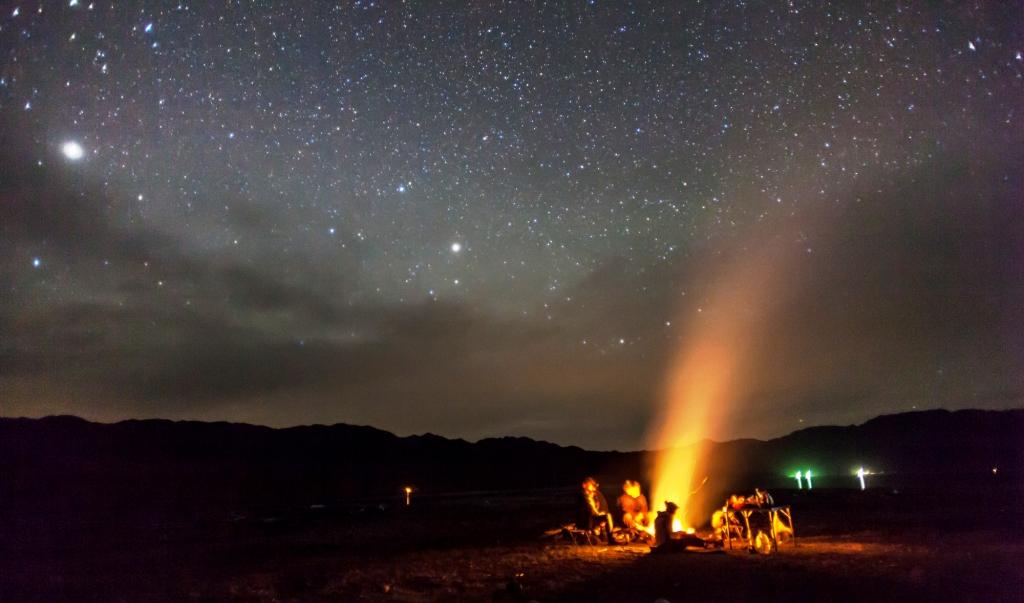
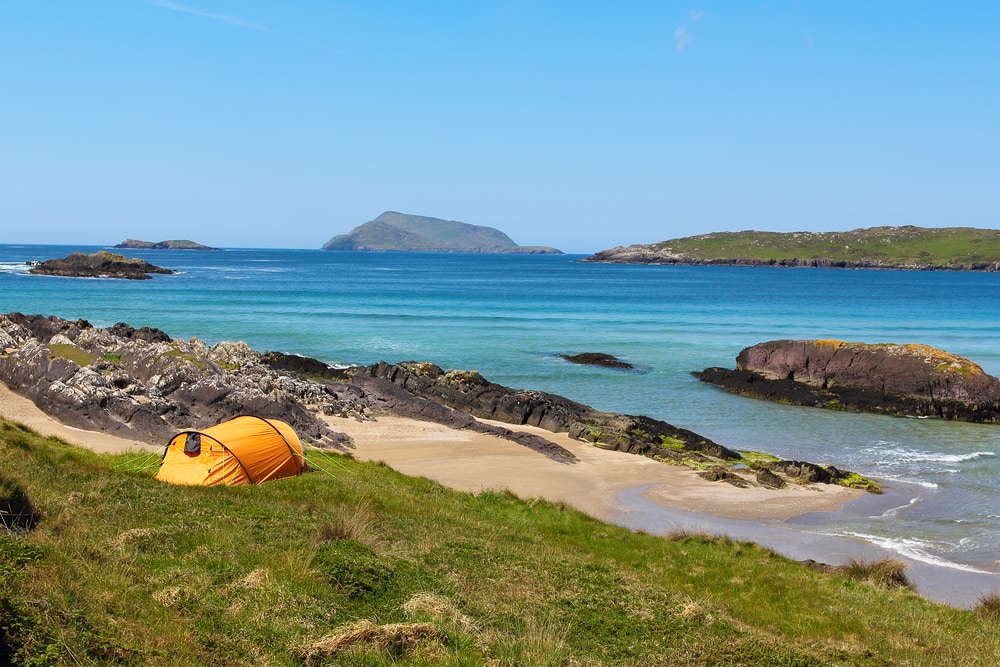
Wild camping with a tent on open access land is generally tolerated in Ireland if you ask permission where practical, stay one night, and leave no trace, though it sits in a legal grey area rather than being formally protected. Overnighting in a campervan or motorhome on the public road or in a car park is more contentious and is restricted or actively discouraged in many scenic areas and national parks. The reliable, legal option for a camper or motorhome is one of Ireland’s registered caravan and camping parks, most of which offer electric hook-up, showers, laundry and waste disposal for between 10 and 35 euros a night depending on the season and facilities.

The Two Week Ireland Road Trip Itinerary for Campers
This route follows the classic counter clockwise shape from Dublin, but every overnight stop below is a caravan and camping park rather than a hotel, with parking, pricing and accessibility noted.
Days 1 to 3: Dublin
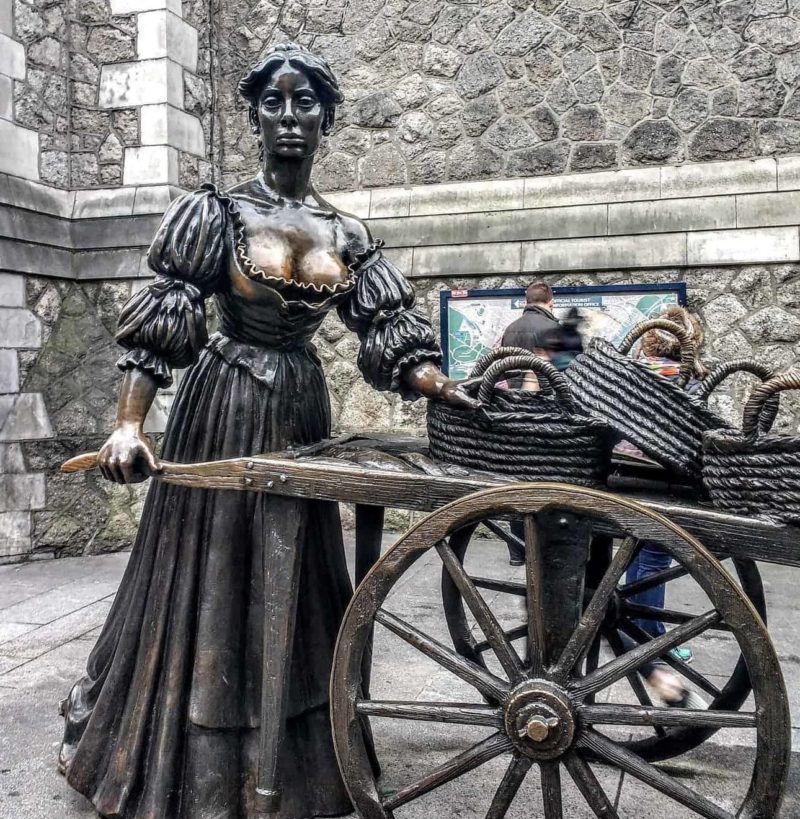
Park your camper at a serviced site on the outskirts, such as Camac Valley Tourist Caravan and Camping Park in west Dublin, and use the Luas or bus into the city centre rather than trying to park a large van downtown. Spend day one recovering from jet lag with a gentle wander around Temple Bar, the Molly Malone statue on Suffolk Street, and the Ha’penny Bridge over the Liffey.
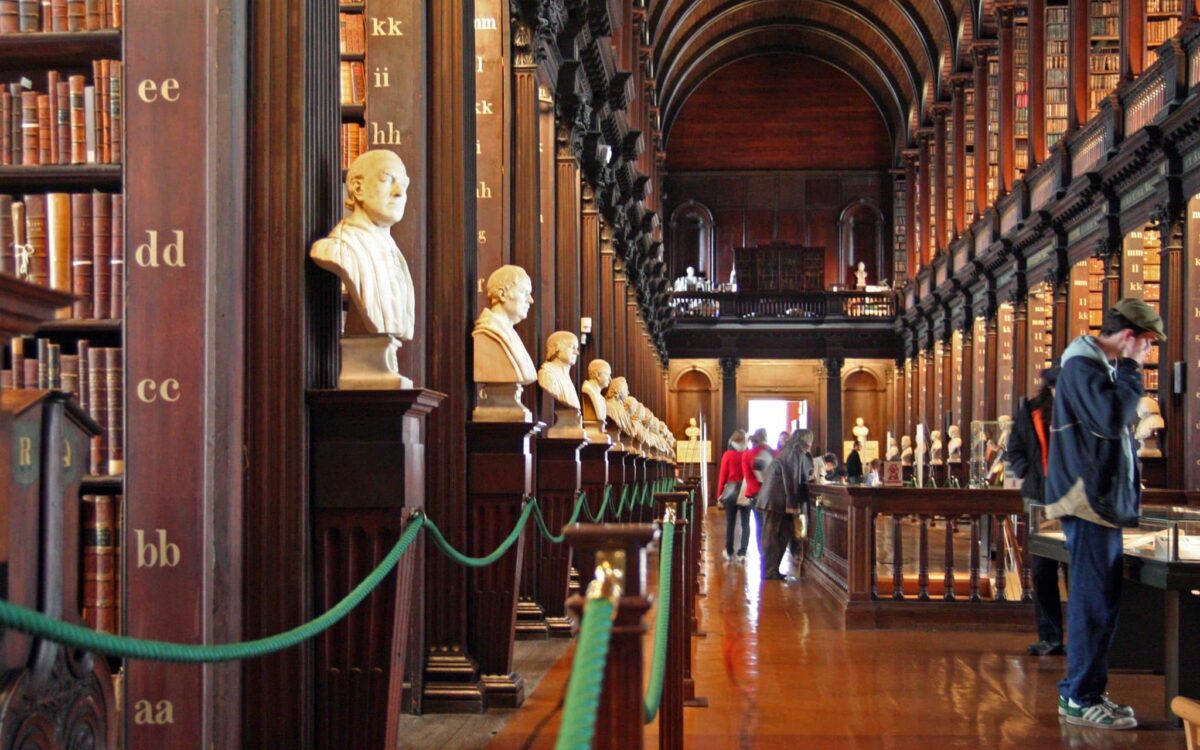
On day two, visit Trinity College for the Book of Kells, then decide on the Guinness Storehouse for its panoramic Sky Bar, included with admission. Pre-booking either attraction online avoids the longest queues. Both sites have step-free access and accessible toilets, and disabled parking can be arranged near Trinity College with advance notice to Dublin City Council.

For families, the free National Museum of Ireland – Archaeology on Kildare Street is a genuine hidden gem most tourists skip, with bog bodies and Bronze Age gold that keep children far more engaged than expected, and it is fully wheelchair accessible with no admission charge.
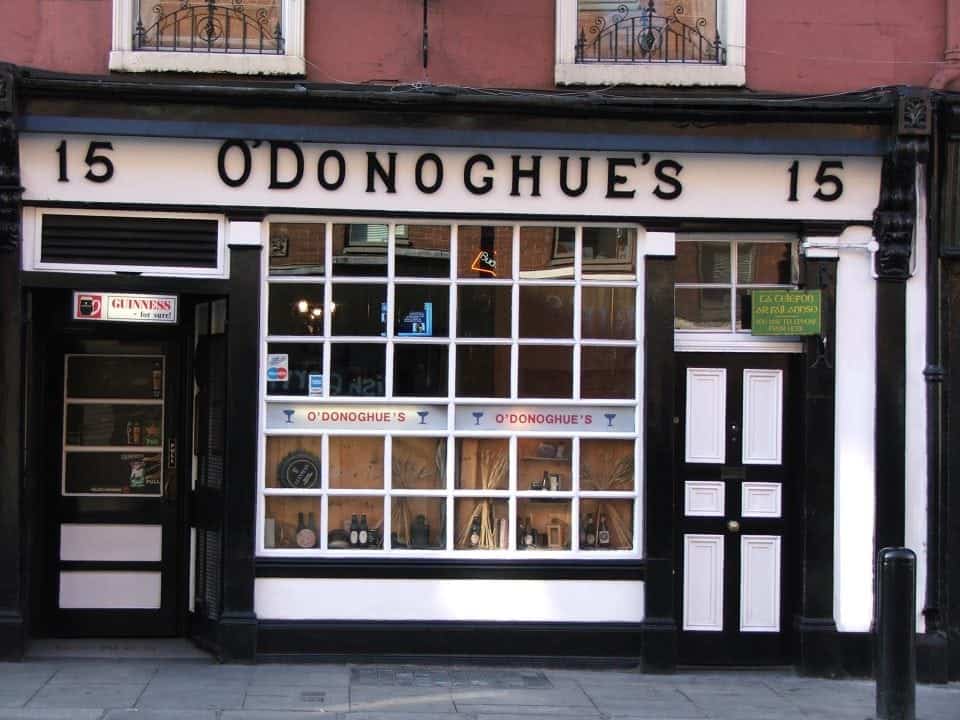
Evening pubs worth the walk: O’Donoghue’s on Merrion Row for nightly trad sessions, and The Cobblestone in Smithfield, a short walk from the Jameson Distillery, known locally as a musician’s pub rather than a tourist one.

Day 4: Wicklow and the Garden of Ireland
Drive south into the Wicklow Mountains to Glendalough, a sixth century monastic site set among two lakes. Parking at the Glendalough Visitor Centre costs a few euros and includes an accessible car park close to the lower lake boardwalk, which is suitable for wheelchairs and buggies for a good stretch before the terrain becomes rougher. There is no charge to walk the grounds, though the National Park visitor centre has a small exhibition fee.
Kids love the round tower and the short, flat lakeside trail, and there is a cafe at the visitor centre for a coffee stop.


Days 5 and 6: Kilkenny and Cork
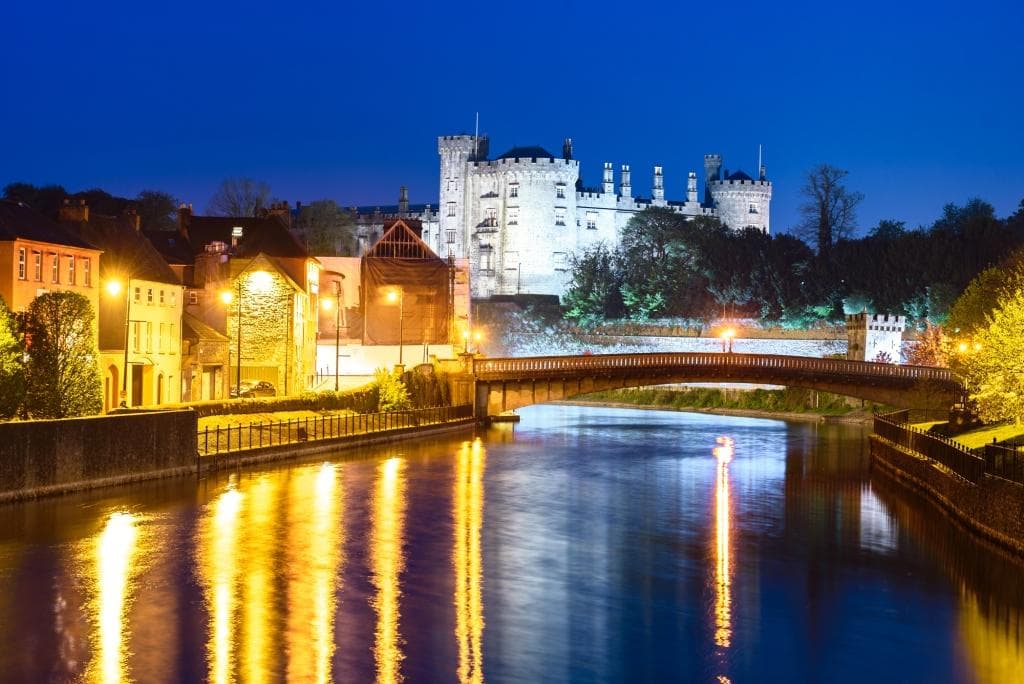
Continue to Kilkenny to walk the Medieval Mile and tour Kilkenny Castle, which has accessible entry to the ground floor and gardens, and on to Cork city. Overnight at a serviced caravan park on the Cork outskirts and use the city’s park and ride if you want to visit the English Market for street food and local produce, a genuine local favourite rather than a tourist trap.
For a pint and trad music in Cork, Sin E on Coburg Street has hosted live sessions seven nights a week for over fifty years.

Days 7 and 8: Blarney, Cobh and Killarney
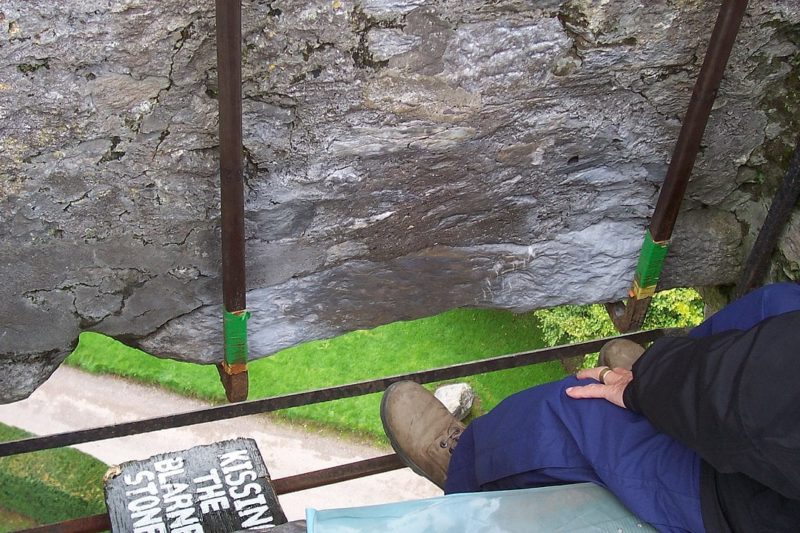
Stop at Blarney Castle and Gardens (adult admission roughly 23 euros, with a large dedicated car park and accessible grounds, though kissing the Blarney Stone itself involves a steep spiral staircase and is not wheelchair accessible). The gardens and Poison Garden at ground level are accessible and well worth the visit on their own.
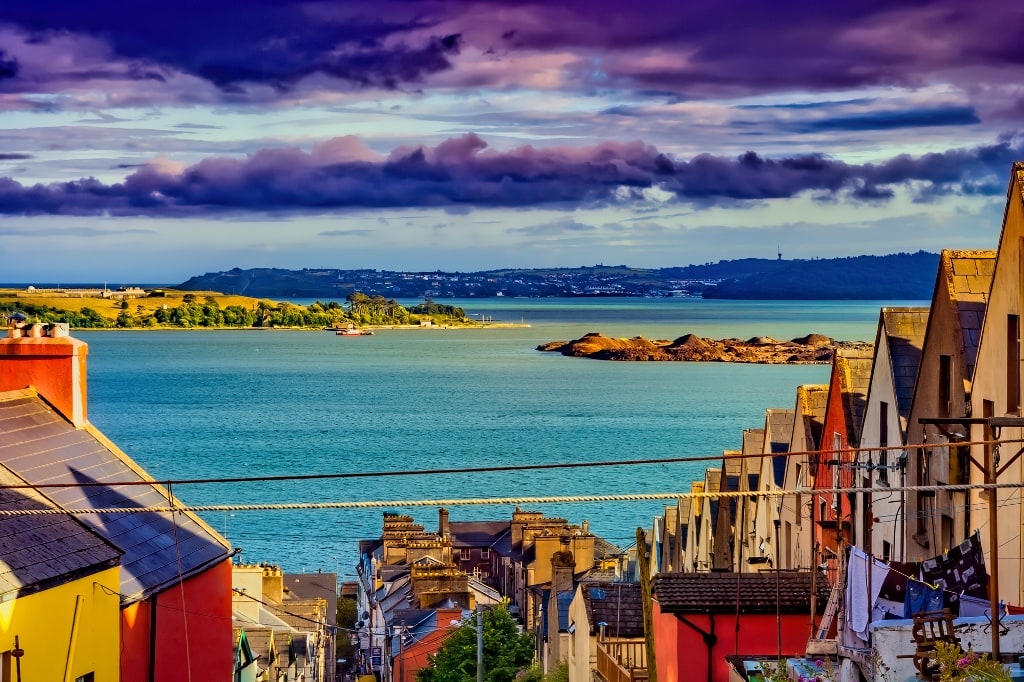
Cobh, a 30 minute drive away, was the last port of call for the Titanic and has a flat, accessible waterfront promenade and the Titanic Experience Cobh museum, which is step-free.
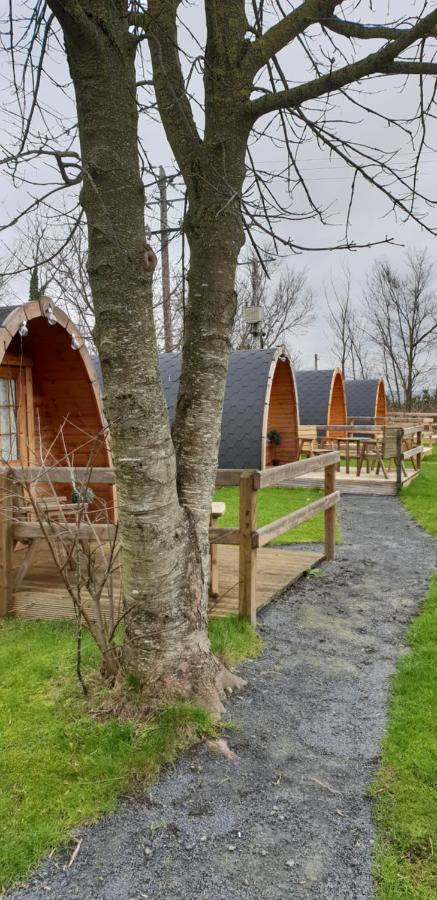
Overnight at Fossa Caravan and Camping Park in Killarney, which has hardstanding pitches, an accessible shower block and is close to Killarney National Park.
Days 9 and 10: Ring of Kerry and Dingle Peninsula
A campervan is genuinely the best way to do the Ring of Kerry and the Slea Head Drive on the Dingle Peninsula, since you can stop at every viewpoint without a coach schedule. Drive it counter clockwise like the tour buses do, but slightly off their departure times, to avoid being stuck behind a convoy on the narrow sections.
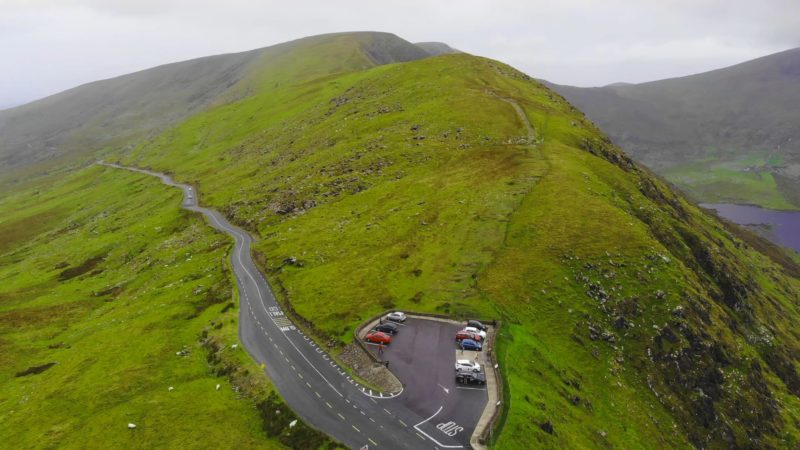

From the Kerry coast you can see Skellig Michael, the filming location for the Jedi temple scenes in the recent Star Wars films, and boat trips to the island run seasonally from Portmagee in good weather, though numbers are strictly limited and must be booked well ahead.
Camp at Mannix Point Camping and Caravan Park in Cahersiveen, a long-standing favourite with hook-ups, hot showers, a guest kitchen and waterfront access, regularly rated one of the best small sites on the entire Ring of Kerry.

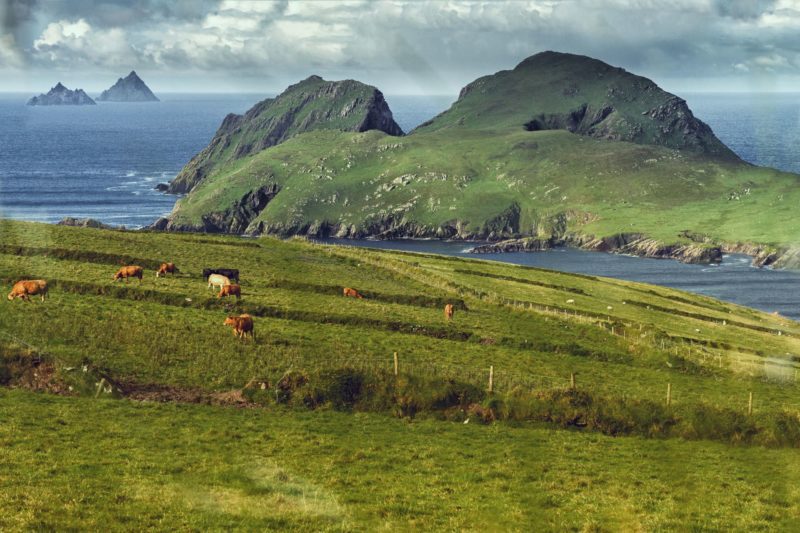
The Slea Head Drive near Dingle is a genuine highlight for kids, with beehive huts, sweeping Atlantic views and several beaches for a paddle. It also doubles as a Star Wars location trail, since several scenes from The Last Jedi were filmed along this coast.
Days 11 and 12: Cliffs of Moher, Bunratty and Galway
The Cliffs of Moher Visitor Experience charges around 11 euros for adults online, with a large coach and car park (motorhome parking available) and a fully accessible visitor centre, viewing platforms and O’Brien’s Tower path, making it one of the better wheelchair friendly landmarks on this route.
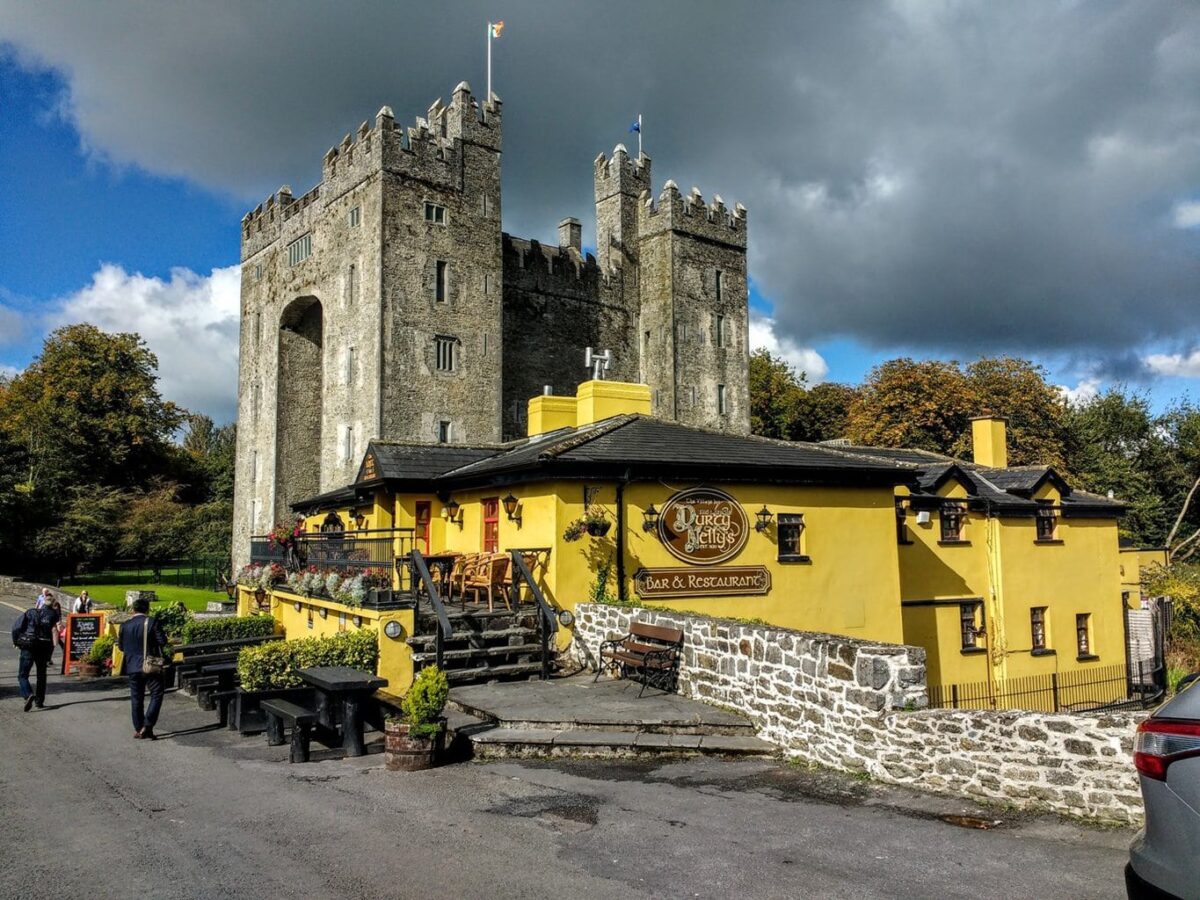
Stop at Bunratty Castle and Folk Park on the way north, a genuine 15th century castle with an adjoining folk village of relocated period buildings, and finish with a pint at Durty Nellies next door, a 17th century pub that is one of my own favourite stops on this entire route.
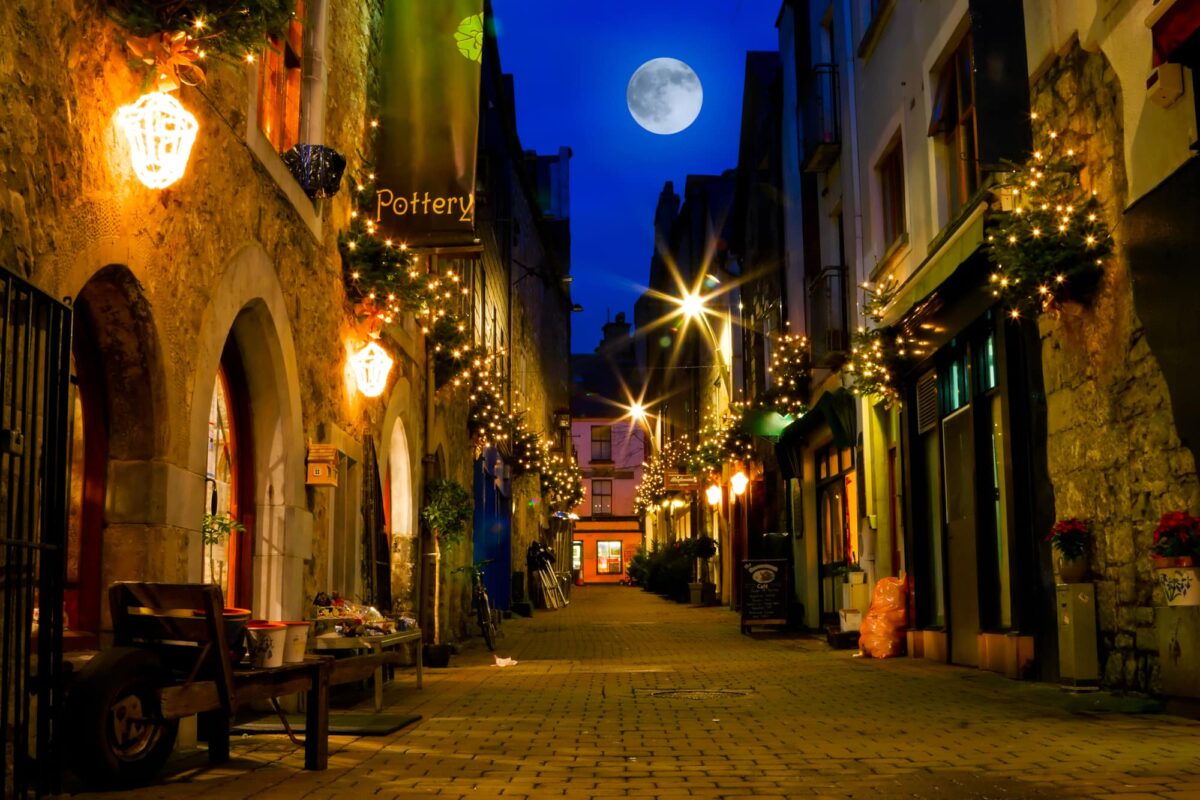
Overnight at a serviced site near Galway city and spend the evening in the Latin Quarter for trad music, street performers and seafood chowder, Galway’s unofficial signature dish.

Day 13: Connemara and Westport
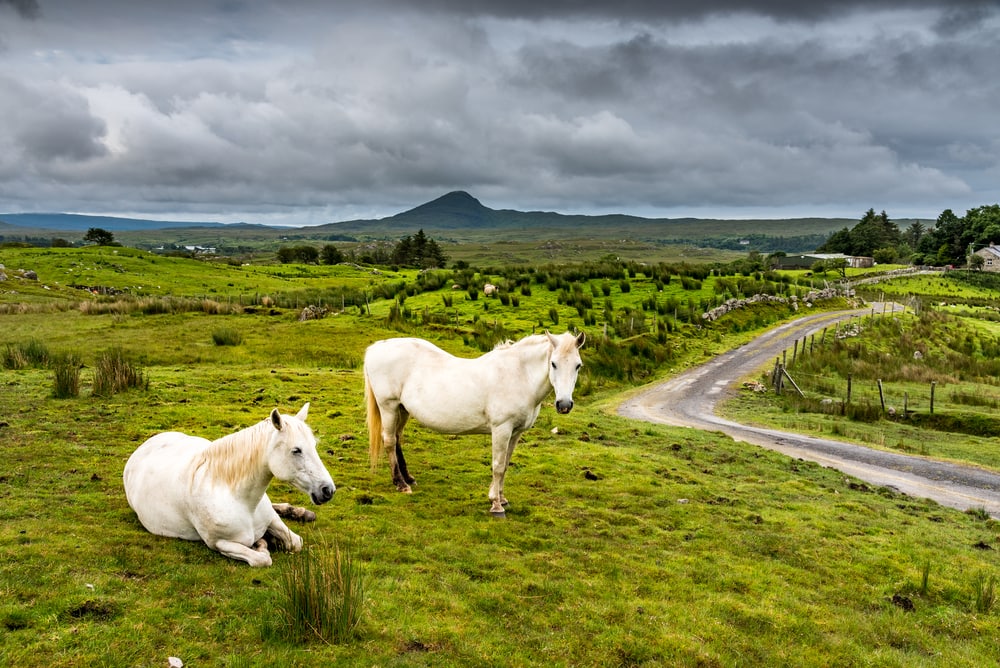
Connemara National Park near Letterfrack has an accessible visitor centre and a short boardwalk trail, and the drive north to Westport takes you past Croagh Patrick, Ireland’s holy mountain. Westport itself, home town of the pirate queen Grainne O’Malley, has a flat, walkable town centre and the Great Western Greenway, a 42km traffic-free cycling and walking trail that is fully accessible and a genuine hit with kids on hired bikes.

Day 14: Newgrange, Hill of Tara and Dublin Airport
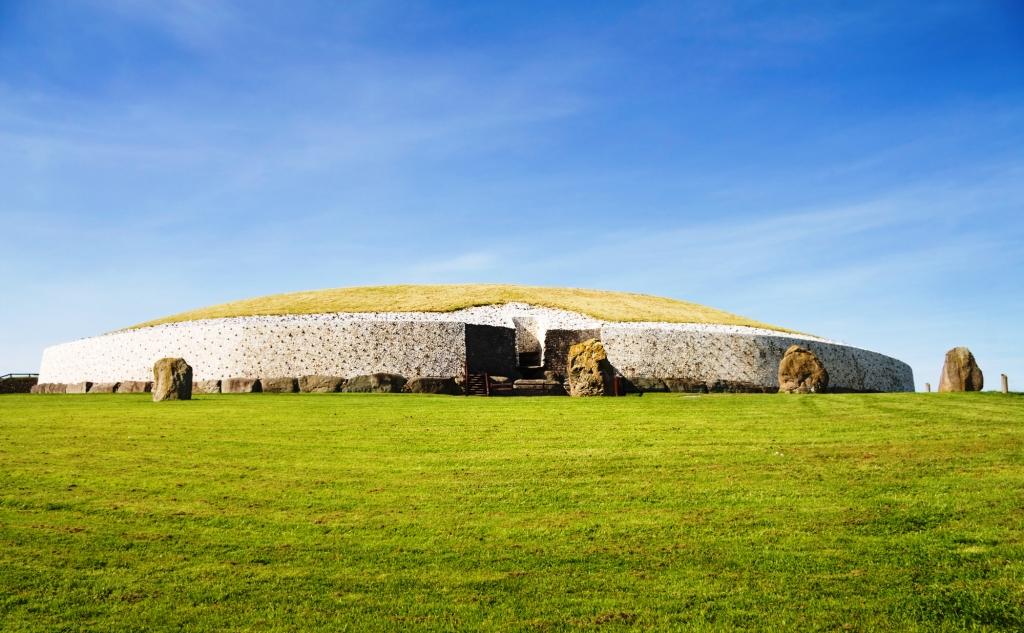
Finish at Newgrange, a Neolithic passage tomb older than the pyramids at Giza and Stonehenge, accessed only by guided tour from the Bru na Boinne Visitor Centre. The site predates the pyramids by roughly 500 years, which I always find genuinely staggering to say out loud while standing in front of it. Booking ahead online is essential since walk-up tickets sell out daily in summer.
Return your camper to its depot near Dublin Airport and fly home the next morning, or extend the loop if you have the extra days, since Donegal, Sligo and the far northwest are left out of this particular two week route and deserve their own trip.
Game of Thrones Sites for Campers
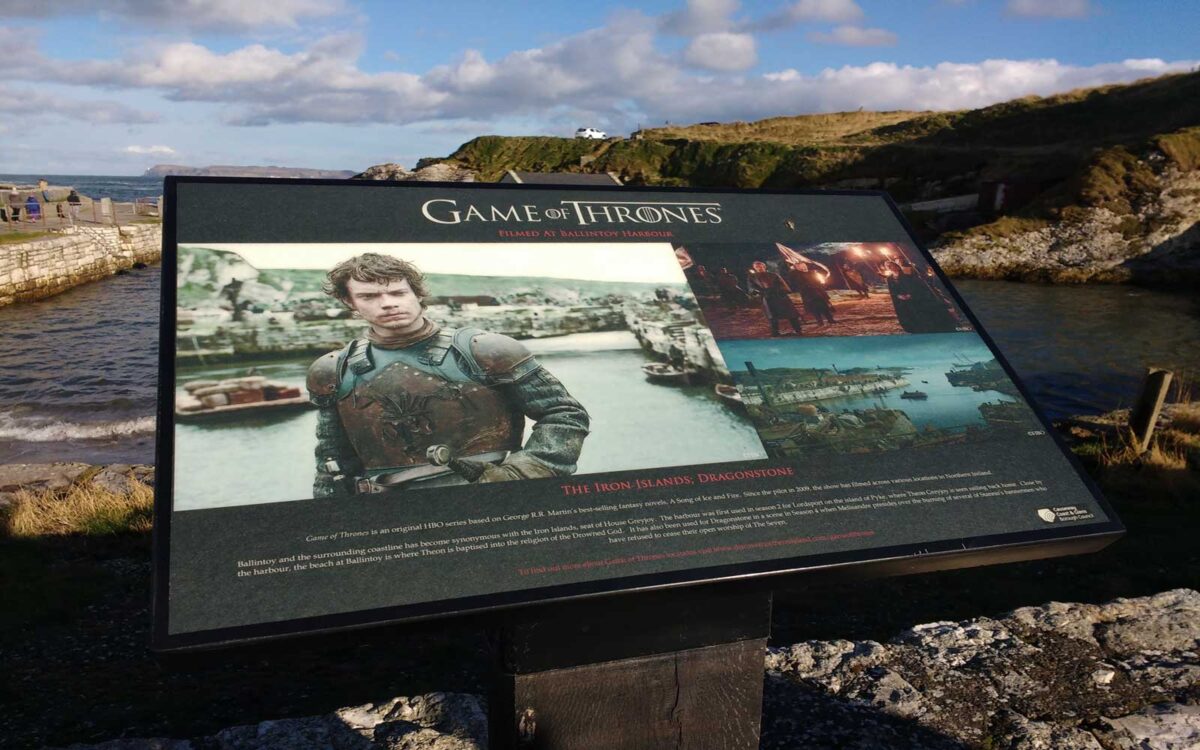
Northern Ireland is the heart of Game of Thrones filming country, and a camper makes the self-drive version of this trail far cheaper than a coach tour. Highlights include Dunluce Castle (the inspiration for House Greyjoy’s seat), the Dark Hedges near Armoy, and the Cushendun Caves. The Giant’s Causeway visitor centre car park (around 13 GBP for parking if you are not a National Trust member) has accessible paths to the lower causeway stones and an accessible visitor centre and cafe.
Ticket pricing for the Visitor Experience (which covers parking) is as follows:
- Adult: £16.00 to £18.00
- Child (5-17): £8.00 to £9.00
- Family: £24.00 to £45.00 [1]
Note: Pre-booking your ticket online at the Giant’s Causeway Tickets site will typically save you up to £3.50 depending on your party size. National Trust members park and access the centre for free
Portrush is on the bus route of the Causeway Rambler Bus (402). The Rambler bus is a hop-on, hop-off service and it stops at many of the local attractions such as Dunluce Castle, Giant’s Causeway, Carrick-A-Rede Rope Bridge and the Bushmills Whiskey Distillery. You can find the timetable for it at: www.translink.co.uk


Whiskey Distilleries Including Jameson
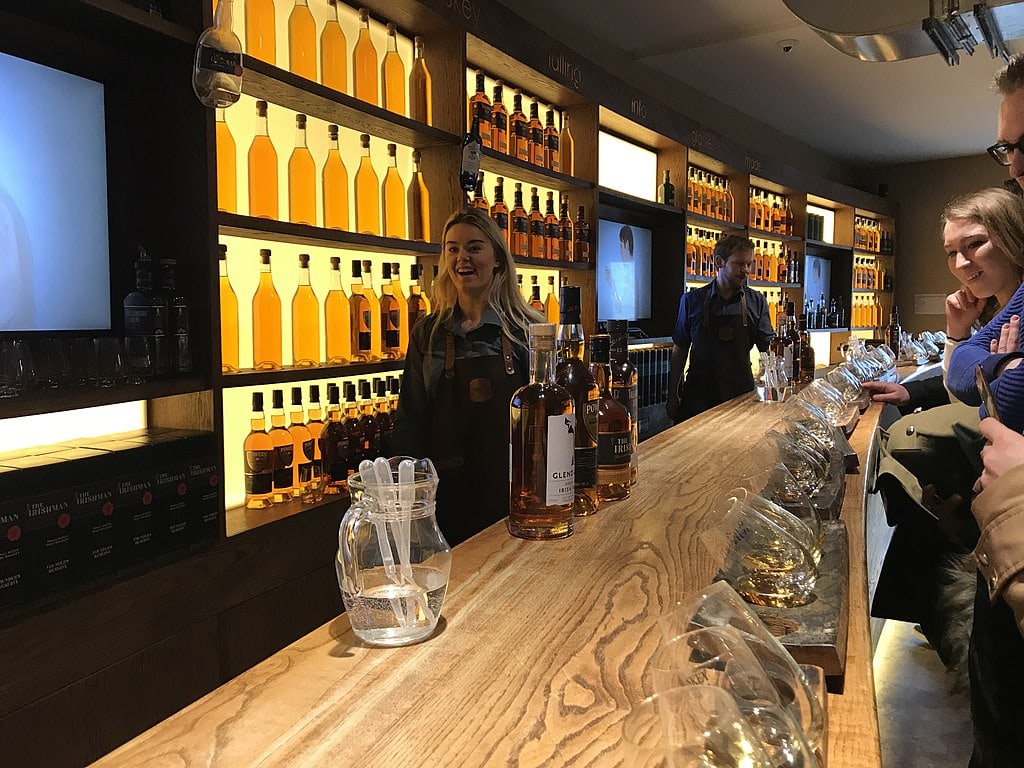
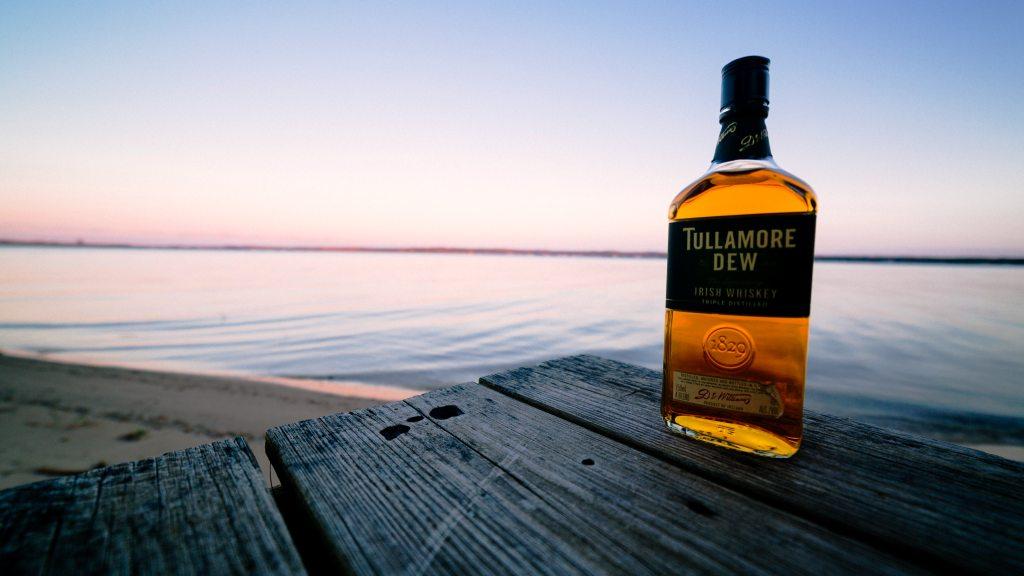
The Jameson Distillery Bow St in Dublin’s Smithfield is the obvious first stop, fully wheelchair accessible with lifts throughout, a 40 to 60 minute guided tour, a comparative tasting and a free drink at JJ’s Bar included, priced at roughly 26 euros for adults in 2026.
Beyond Dublin, Midleton Distillery in County Cork is the actual working home of Jameson production today, and the Old Bushmills Distillery in County Antrim, the world’s oldest licensed whiskey distillery dating to 1608, pairs neatly with a Causeway Coast camper stop. Both have accessible tour routes and on-site parking suitable for larger vehicles.

Where to Eat: Cafes to Fine Dining
One real advantage of campervan travel is that you can cook half your meals on board and save the splurges for the places that matter. A few personally tested favourites along this route:
- Murphy’s Law, Athlone, relaxed gastropub food, step-free entrance, street parking nearby.
- Two Tales (formerly Two Towers area), Westport, fresh seafood, accessible ground floor dining, town car park a short flat walk away.
- The English Market, Cork, dozens of stalls for an affordable lunch, fully accessible with lift access from St Patrick’s Street level.
- JJ’s Bar, Jameson Distillery, Dublin, light bites and cocktails, fully wheelchair accessible.
- Fine dining splurge: book ahead for a tasting menu in Kinsale, County Cork’s self-styled food capital, where several restaurants offer step-free dining rooms, call ahead to confirm.
Road Trip Ireland with Kids
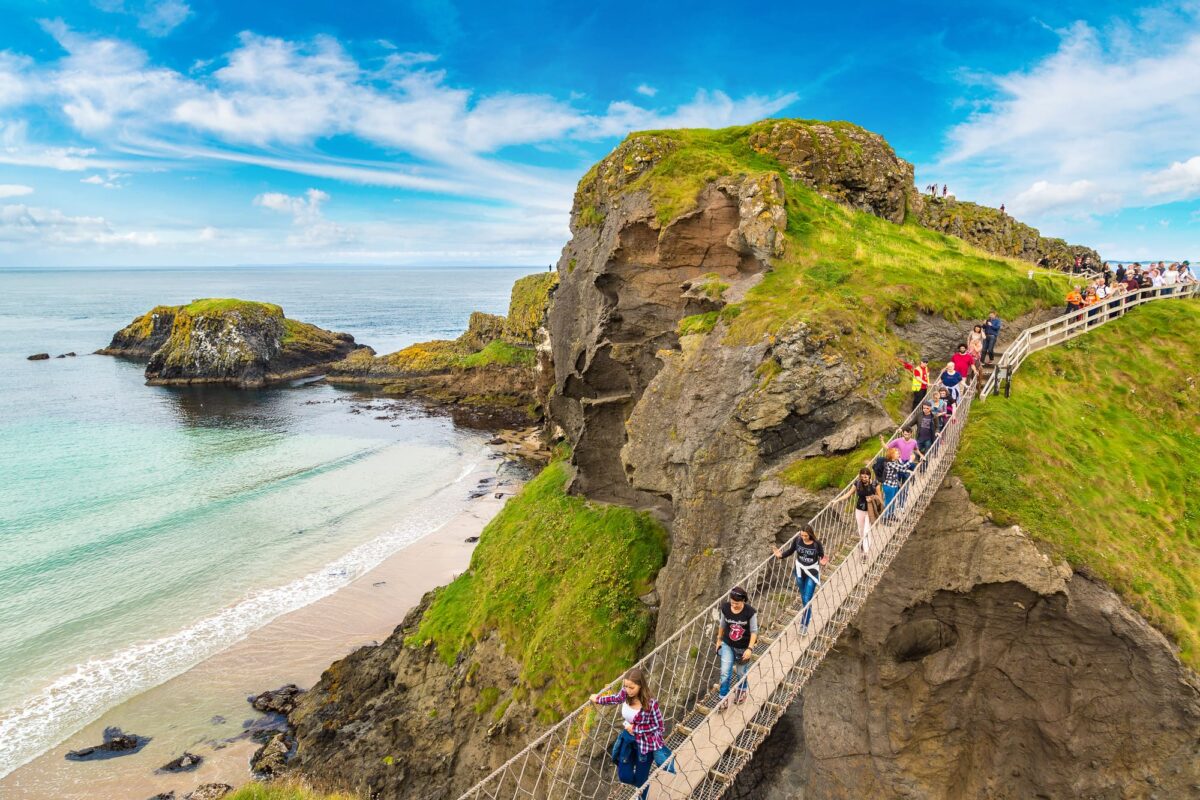
Children genuinely thrive on this itinerary. Favourites in my own experience taking young visitors around include the folk village at Bunratty, the rope bridge at Carrick-a-Rede, the Great Western Greenway cycle in Westport, beehive huts on the Dingle peninsula, and the interactive bog body displays at the National Museum in Dublin. Most caravan parks on this route have playgrounds, and several, including Fossa in Killarney, have games rooms for wet weather days.
Solo Road Trip Ireland by Camper
Solo travel by camper is common and well supported in Ireland, particularly along the Wild Atlantic Way where campervan and motorhome facilities are well signposted. Stick to registered caravan parks rather than isolated lay-bys overnight, let someone know your rough route each day, and keep a paper map as backup since coastal signal can be patchy. Many solo travellers find the trad music sessions in pub towns like Doolin or Westport the easiest place to strike up conversation.

Hidden Gems Only Locals Know
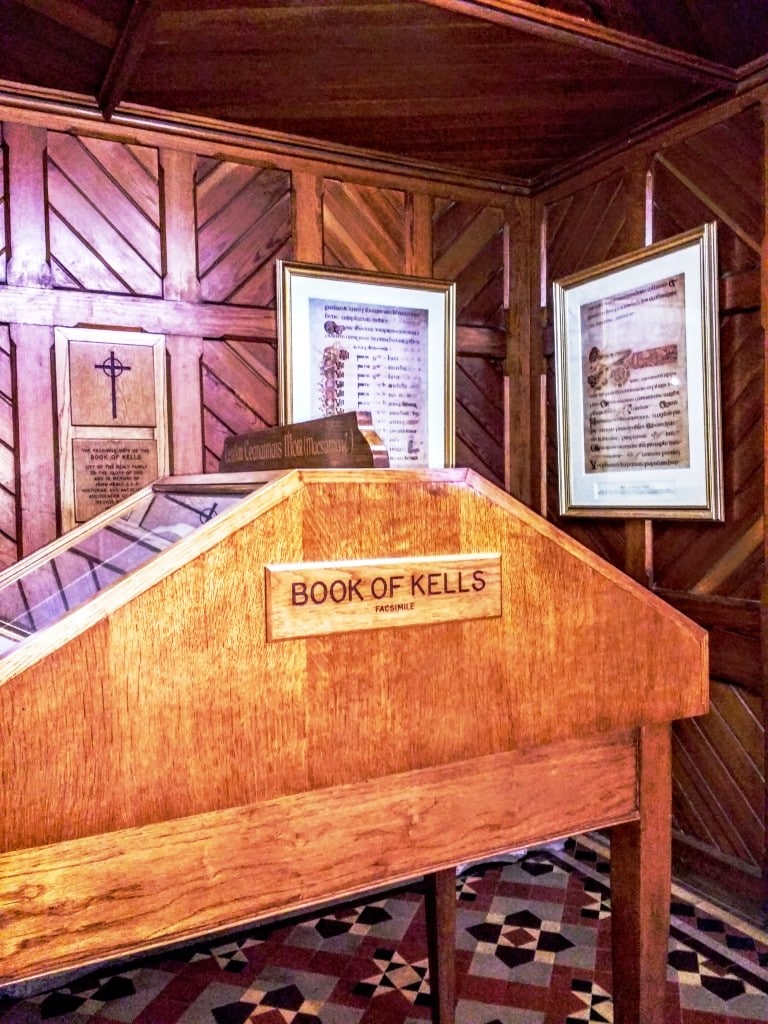
The Kells copy of the Book of Kells in County Meath, virtually unknown compared to the Trinity College original, with no queue.
Monasterboice, near Newgrange, home to the tallest and best preserved high crosses in Ireland, set in a quiet country graveyard.

Sean’s Bar in Athlone, recorded as one of the oldest pubs in Ireland, dating from around 900 AD.
The Skellig Ring, a quieter alternative loop off the main Ring of Kerry road with fewer coaches and equally dramatic views.
Eagle Point Camping in Bantry, County Cork, a locals’ favourite caravan park overlooking Bantry Bay with a private boat ramp and playground.


Planning an Ireland Road Trip for Campers
An Ireland road trip for campers gives you a flexibility no coach tour or hotel-based itinerary can match, the freedom to linger at a clifftop, change plans for the weather, and cook your own breakfast while looking out at Bantry Bay or the Atlantic at Slea Head. Book your van early, prebook your peak season campsites, and build in slack for the inevitable rain. Do that and this route will deliver exactly what people come to Ireland looking for.

Frequently Asked Questions
How many days do you need for an Ireland road trip in a campervan
Two weeks comfortably covers the route in this guide, from Dublin around the south and west coast and back through the midlands. Three weeks allows you to add Donegal and Sligo in the northwest without rushing.
Is it cheaper to camper van around Ireland than stay in hotels
Generally yes. A campervan at 70 to 150 euros a day combined with campsite fees of 10 to 35 euros a night, plus self-catered meals, typically works out cheaper than two weeks of hotel rooms and restaurant meals for two or more people, although fuel and rental insurance need to be factored in.
Can you wild camp in a campervan in Ireland
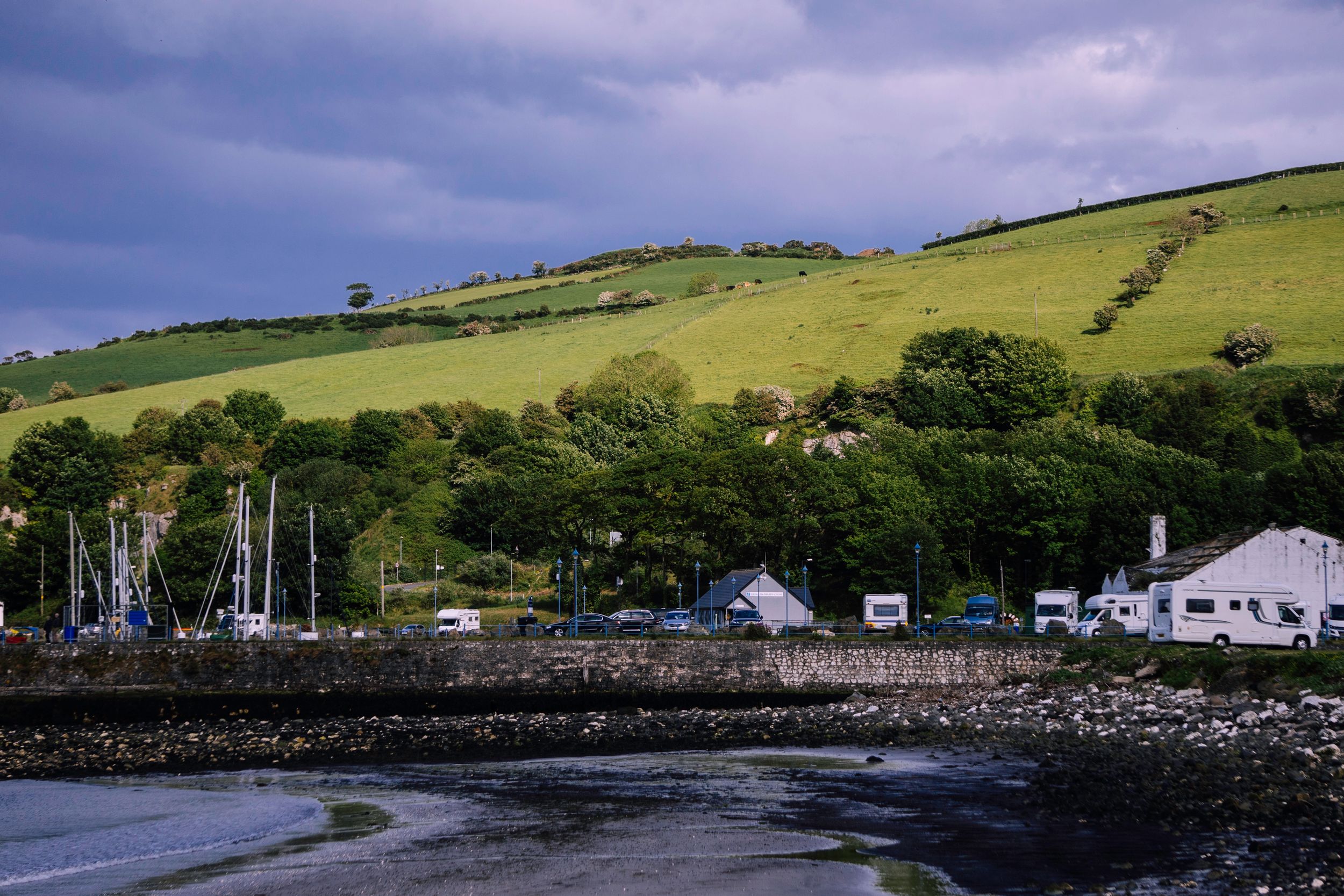
It is not formally protected and is restricted or discouraged in many scenic and national park areas, so it is safer and more reliable to use Ireland’s network of registered caravan and camping parks, which are widely available along the Wild Atlantic Way and Causeway Coastal Route.
Is Ireland accessible for wheelchair users on a road trip
Many of Ireland’s major attractions, including the Cliffs of Moher, Jameson Distillery, Glendalough’s lower lake path, Connemara National Park’s boardwalk and the Great Western Greenway, have accessible parking and step-free routes. Always check individual castles and historic sites in advance, since older buildings such as Blarney Castle’s tower are not step-free.
What is the best time of year for an Ireland road trip for campers
May, June and September offer a good balance of milder weather, longer daylight hours and lower campervan hire prices than the July and August peak season, when both vehicles and popular campsites book out fastest.
Do you need a special licence to drive a campervan in Ireland
A standard full driving licence is sufficient for most campervans and small motorhomes. Larger motorhomes over 3.5 tonnes may require additional licence categories depending on your home country, so check with your rental company before booking.
Planning the rest of your trip? My Irish Bucket List covers 39 of my favourite Ireland experiences, from landmarks to whiskey tours.
Join 7,500 Ireland travellers in my Ireland Uncovered Facebook Group and 1,897 on my XYUandBEYOND PAGE
Explore a few of my Ireland itineraries below:
👉 An Itinerary for exploring Wicklow
👉 An Itinerary for exploring Kilkenny
👉 A 10 Day Itinerary to discover Ireland
👉 5 Historical Places to visit near Dublin
Isn’t this Ireland road trip itinerary amazing? From Dublin’s lively streets to breathtaking cliffs—where would you want to go first, the city or the countryside?