
Is Lincolnshire Worth Visiting? Everything You Need to Know
Quick answer: Yes Lincolnshire is absolutely worth visiting. It’s one of England’s most underrated counties, offering medieval castles, an Area of Outstanding Natural Beauty, 50+ miles of coastline, and a cathedral city that rivals any in Britain with far fewer crowds than the Cotswolds or the Lake District.
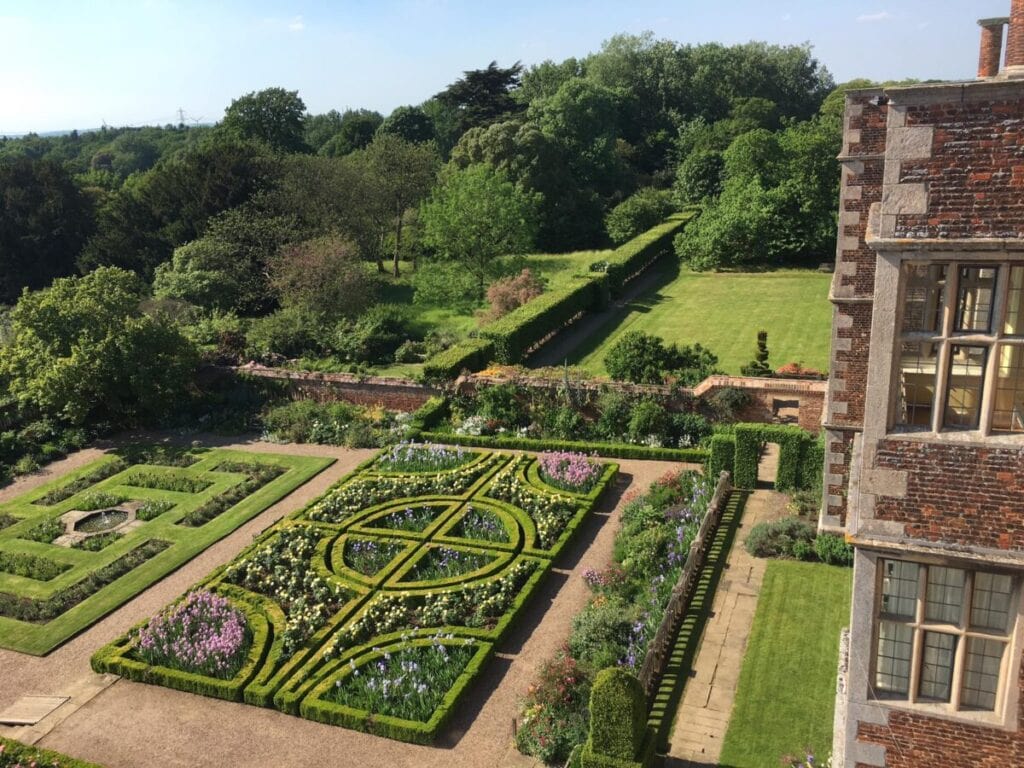
What Is Lincolnshire and Where Is It?
Lincolnshire is a large county in the East Midlands of England, bordering Yorkshire to the north and Norfolk to the south. It covers over 2,600 square miles, making it the second-largest county in England by area. The county town is Lincoln, which sits roughly in the centre and is reachable from London in under two hours by direct train from King’s Cross.
Despite its size and rich heritage, Lincolnshire remains one of England’s best-kept travel secrets which is exactly what makes it worth visiting right now, before the secret gets out.
- Is Lincolnshire Worth Visiting? Everything You Need to Know
- What Is Lincolnshire and Where Is It?
- 10 Best Things To Do in Lincolnshire
- What Is Lincolnshire Best Known For?
- When Is the Best Time to Visit Lincolnshire?
- Where to Stay in Lincolnshire
- How Many Days Do You Need in Lincolnshire?
- Is Lincolnshire Worth Visiting? The Verdict
- Lincoln and Lincolnshire FAQs
- Explore Historic Great Britain
- Explore Scenic England
10 Best Things To Do in Lincolnshire
1. Explore Lincoln City
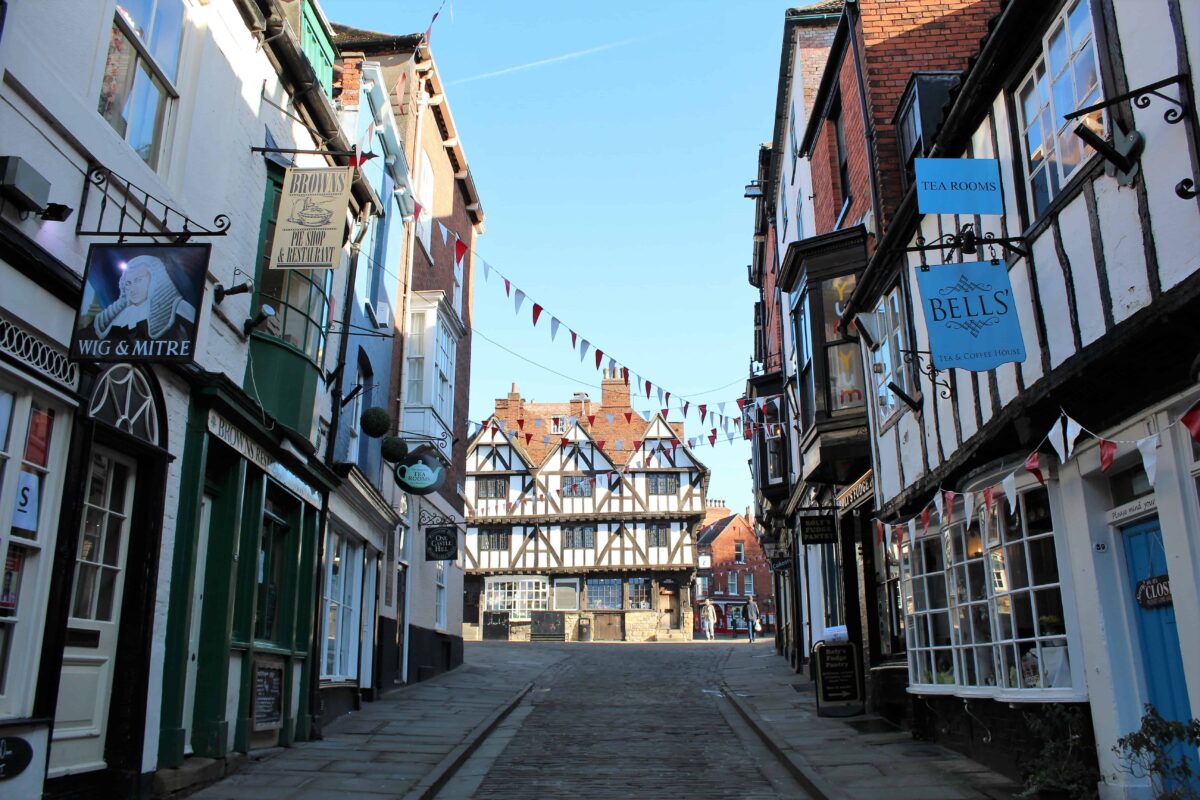
One of the best things to do in Lincolnshire is to spend a weekend in Lincoln. There is no way you should visit Lincolnshire without stopping by this beautiful city. Lincoln is the undisputed highlight of any Lincolnshire trip. Built on a steep limestone ridge, the upper city is home to two of England’s finest medieval monuments:
Lincoln Cathedral completed in 1311, it was the tallest building in the world for over 200 years. Its three towers dominate the skyline for miles.

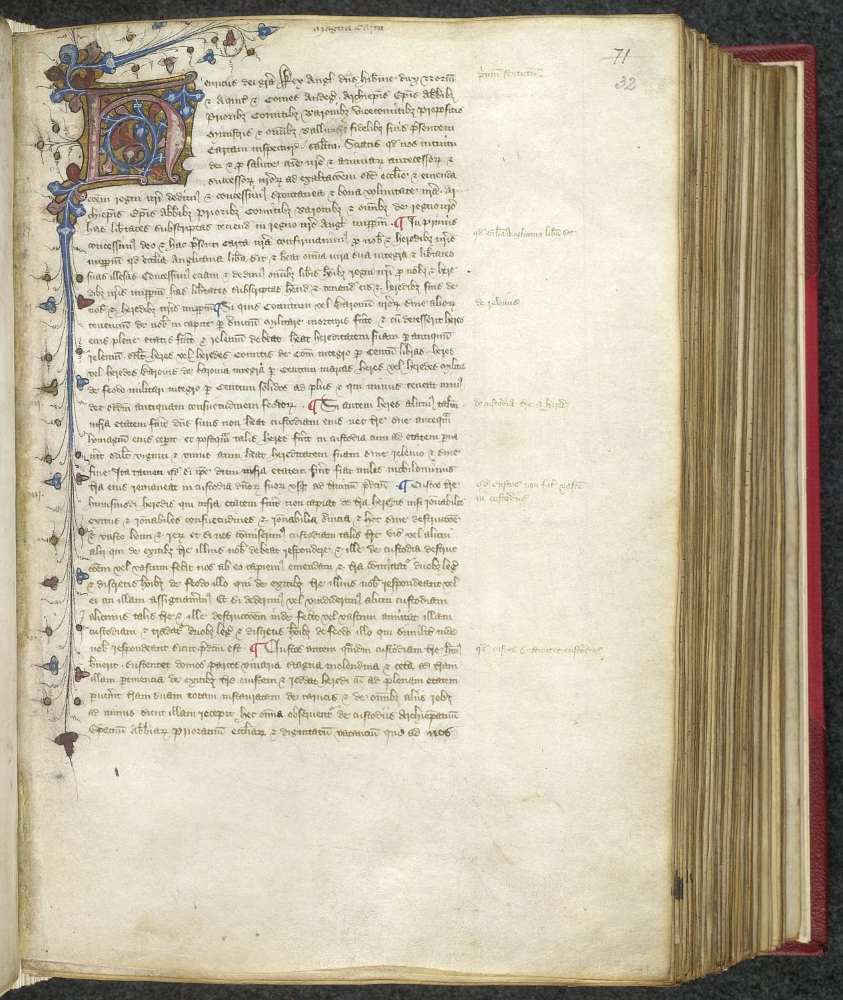
Lincoln Castle built by William the Conqueror in 1068, it houses one of only four surviving original copies of Magna Carta (1215) in its dedicated vault.
On a crisp autumn day, with the trees turning golden around the castle walls, standing in front of the original Magna Carta at Lincoln Castle is one of those genuinely spine-tingling travel moments that’s hard to put into words.
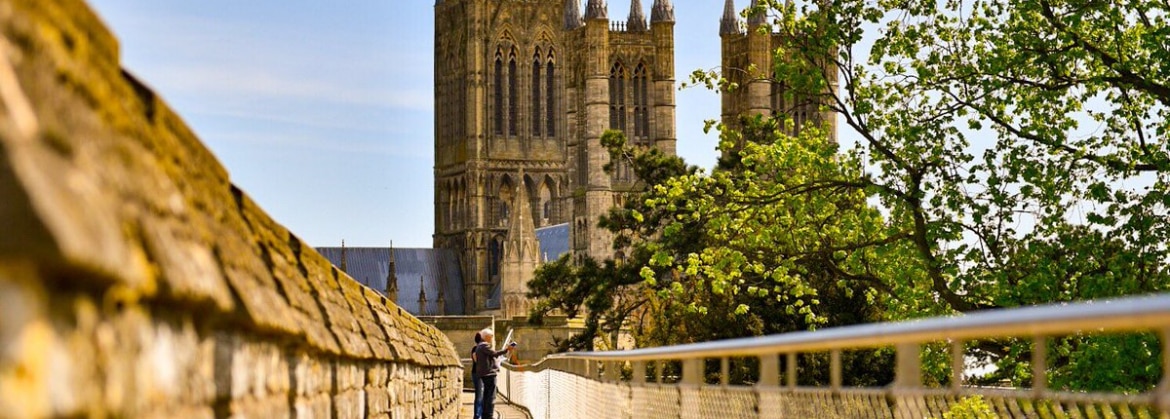
Beyond the monuments, Lincoln’s Bailgate quarter and Steep Hill regularly voted one of Britain’s most charming streets are lined with independent shops, wine bars, and restaurants. A weekend in Lincoln is easily one of the best short breaks in the East Midlands.
Practical tip: Park at the lower city and walk up Steep Hill the climb takes around 10 minutes and the views at the top are worth every step.
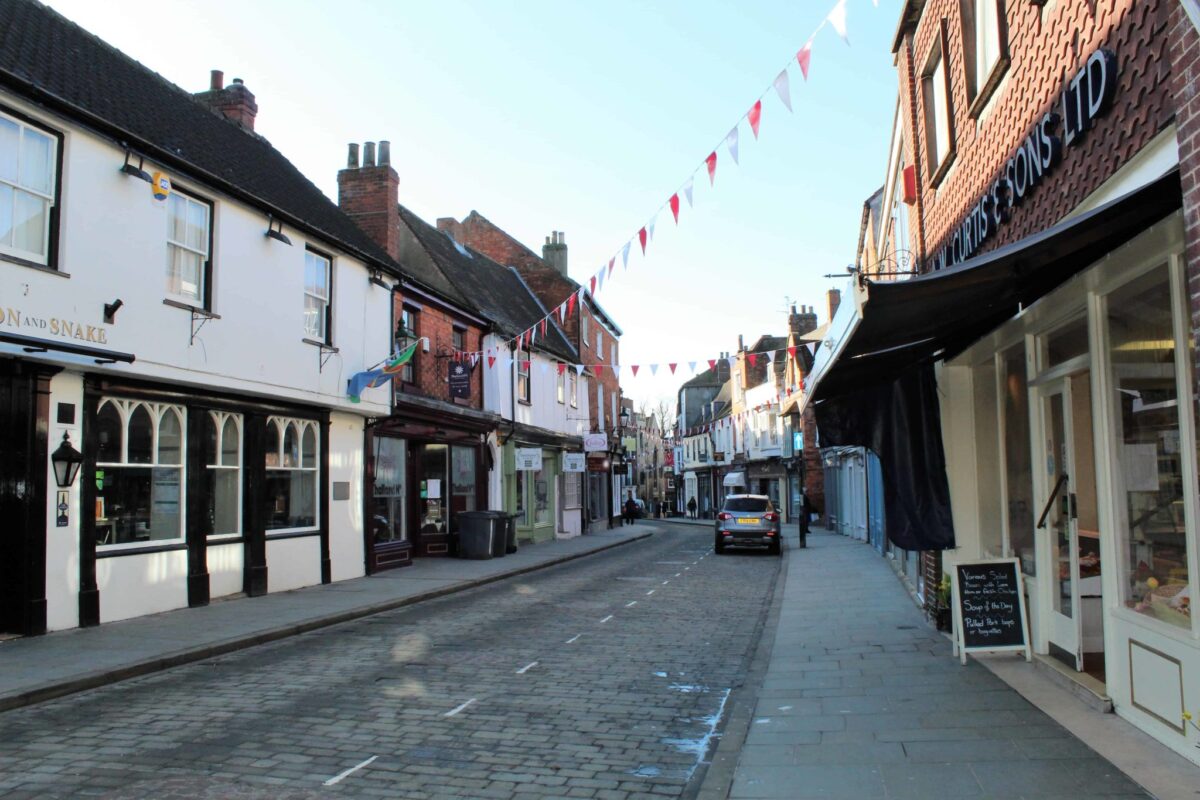

Accessibility in Lincoln
Lincoln is a city of two halves when it comes to accessibility. The lower city is largely flat and navigable for wheelchair users and visitors with limited mobility, with accessible parking, level pavements, and good transport links. The upper city where the cathedral, castle, and Magna Carta vault are located is a different story.
Steep Hill lives up to its name and is genuinely challenging; however, there is an alternative accessible route via Westgate that avoids the hill entirely and brings you directly to the castle area. Lincoln Castle and Lincoln Cathedral both have accessible entrances, lifts, and facilities, and the Magna Carta vault is fully accessible once inside. With a little planning, most of the major highlights are reachable it’s just worth doing your research before you go rather than discovering the gradient the hard way.
For accessibility information across Lincolnshire’s wider attractions, Visit Lincolnshire maintains up-to-date guidance at visitlincolnshire.com.
2. Walk the Lincolnshire Wolds AONB
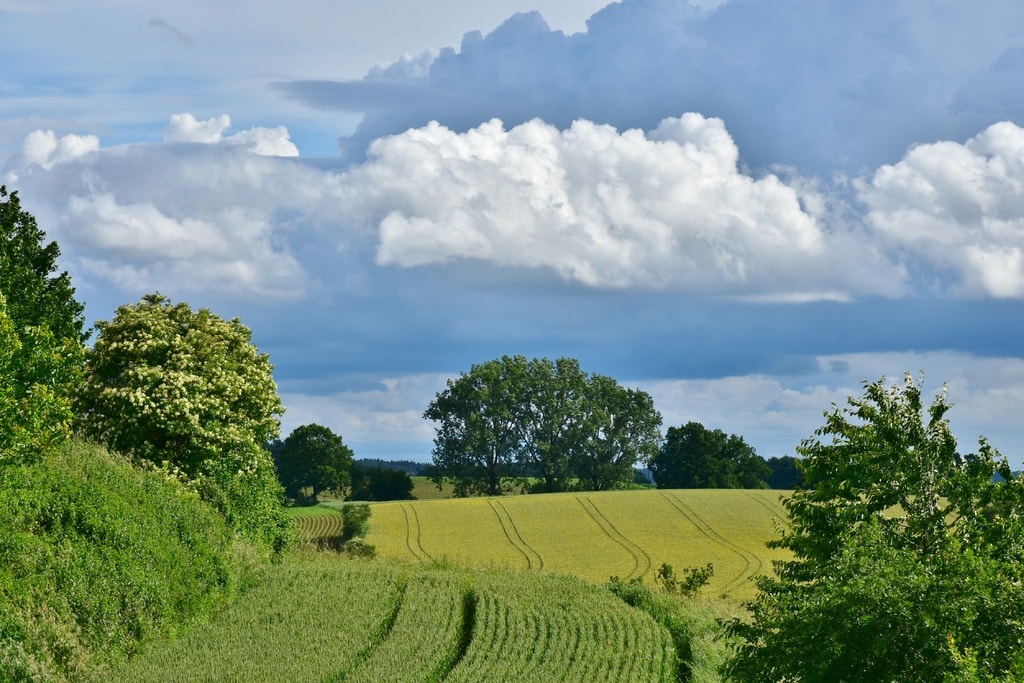
The Lincolnshire Wolds are a designated Area of Outstanding Natural Beauty (AONB) the only AONB in the East Midlands. Covering 558 square kilometres of chalk hills, hidden valleys, and ancient droveways, this is some of the most peaceful walking countryside in England.
Key highlights within the Wolds:
- Hubbard’s Hills, Louth a glacial chalk valley formed over 40,000 years ago during the last ice age, ideal for a gentle half-day walk
- Viking Way a 147-mile long-distance trail that crosses the Wolds from the Humber to Oakham
- Bluestone Heath Road one of England’s oldest roads, with sweeping panoramic views
The Wolds are also excellent for wildlife: barn owls, red kites, hares, and yellowhammers are regularly spotted here.
3. Visit Lincolnshire’s Castles
Lincolnshire punches above its weight for castle lovers:
| Castle | Built | Key Feature |
| Lincoln Castle | 1068 | Magna Carta vault, Victorian prison |
| Tattershall Castle | 1434 | Rare red-brick medieval tower, National Trust |
| Belvoir Castle | 11th century (rebuilt 1816) | Stately home, art collection, formal gardens |
| Bolingbroke Castle | 13th century | Birthplace of Henry IV, atmospheric ruins |
All four offer guided tours, and Tattershall and Belvoir are particularly photogenic in autumn.
4. Discover Stately Homes and Gardens
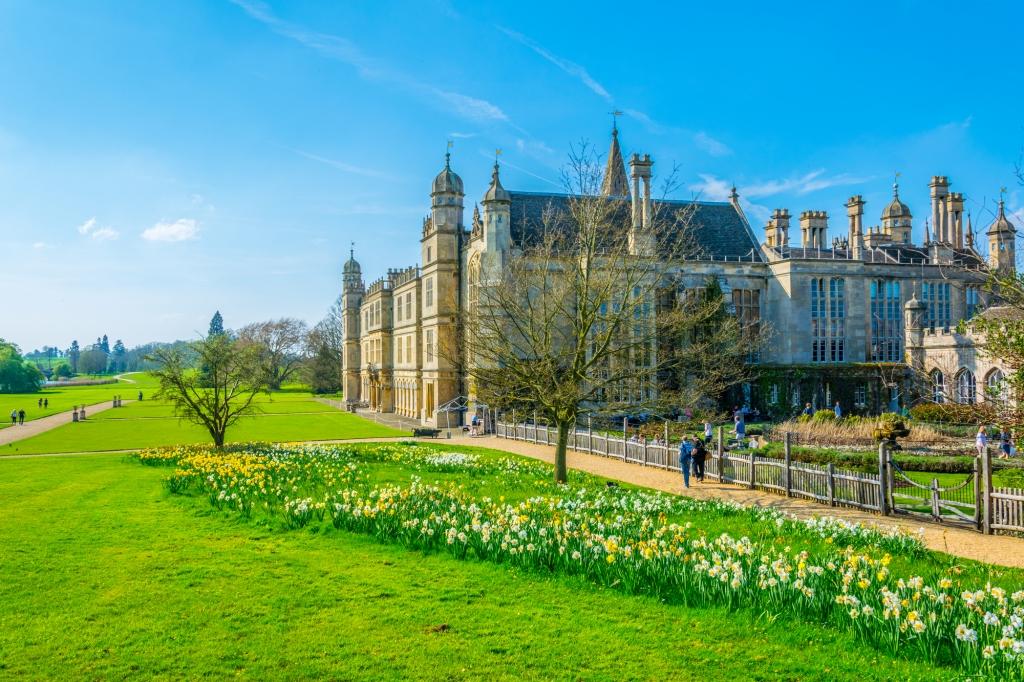
Lincolnshire has a remarkable concentration of stately homes, many of which offer far more than a guided walk through period rooms: A few fantastic options are Doddington Hall, Harlaxton Manor, Gunby Hall and Burghley House.
Burghley House (Stamford) one of the grandest Elizabethan houses in England, with a Capability Brown landscape park and the annual Burghley Horse Trials
Doddington Hall a fully intact Elizabethan manor with working walled gardens; still family-owned
Harlaxton Manor a theatrical Victorian baroque pile, arguably the most dramatic country house in England
Gunby Hall a compact Queen Anne mansion described by Alfred Lord Tennyson (a Lincolnshire native) as a “haunt of ancient peace”
5. Spend Time on the Lincolnshire Coast
Lincolnshire’s coastline stretches from the Humber Estuary to The Wash over 50 miles of beaches, dunes, and nature reserves. The main resorts each have their own character:
Skegness the classic British seaside town, with a 120-metre pier, Natureland Seal Sanctuary (the UK’s only inland seal rehabilitation centre), and wide sandy beaches
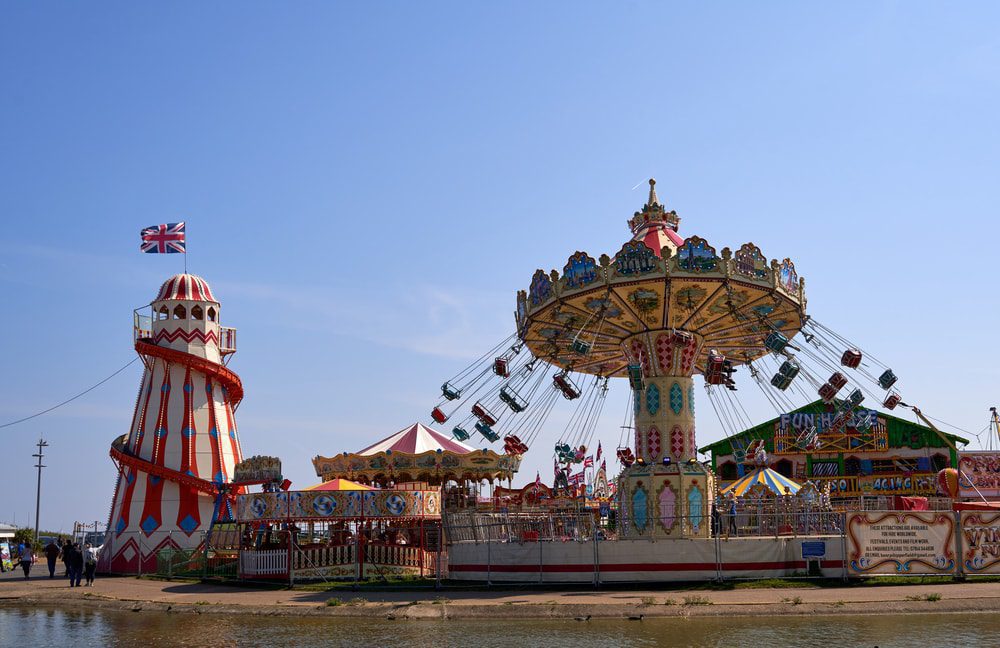
Mablethorpe quieter and family-friendly, with a small funfair, beach donkeys, and excellent fish and chips
Cleethorpes a Victorian resort with a restored pier, excellent seafood, and easy access from the rail network
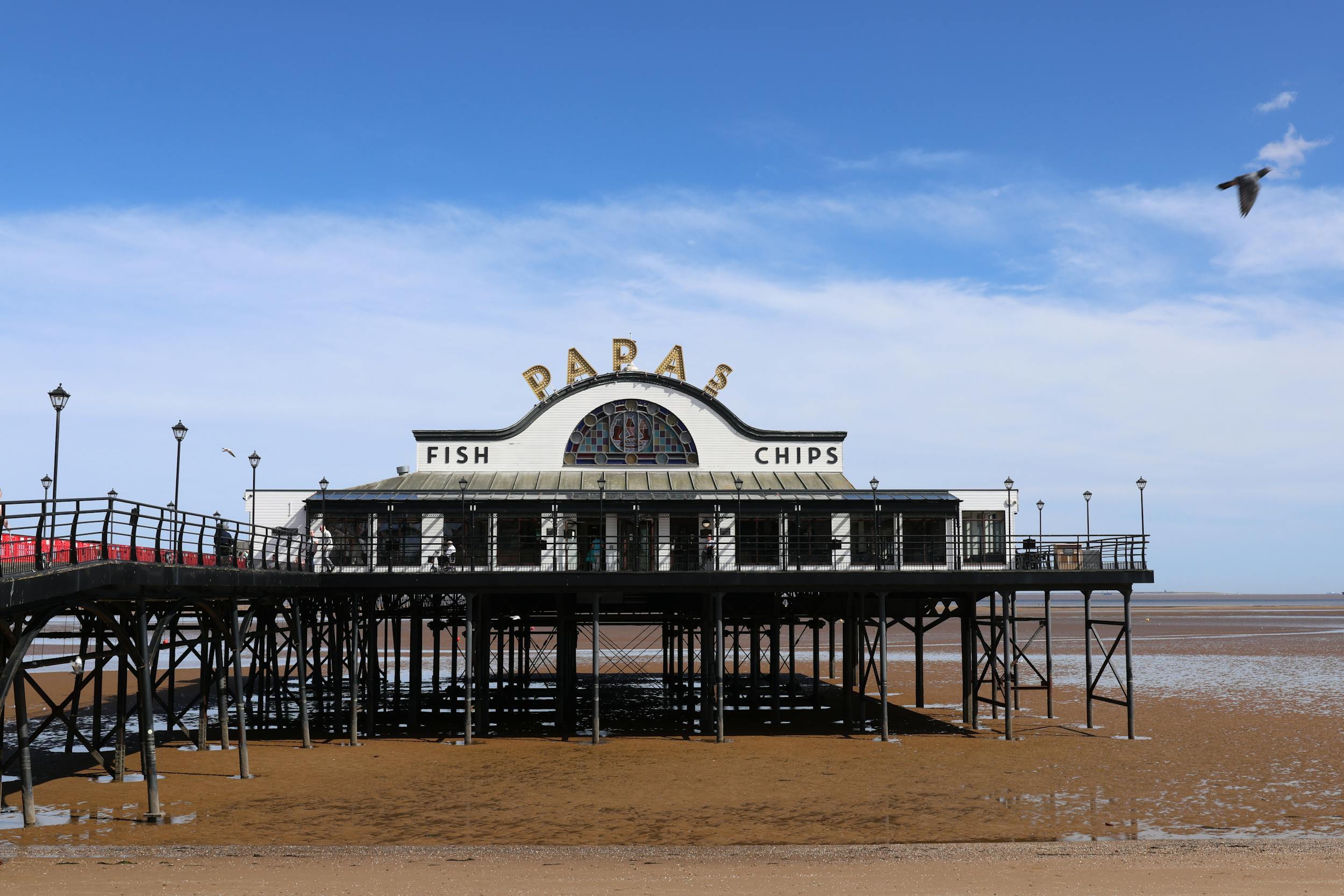
Wildlife note: The coast and its adjacent nature reserves including Gibraltar Point NNR and The Wash support internationally important populations of wading birds and wildfowl. Autumn and winter birding here is world-class.
6. Explore the Country Parks and Nature Reserves
Lincolnshire’s country parks are well-maintained and genuinely varied:
Hartsholme Country Park (Lincoln) 86 hectares of Victorian landscaped grounds with a reservoir, woodland walks, and kingfisher sightings
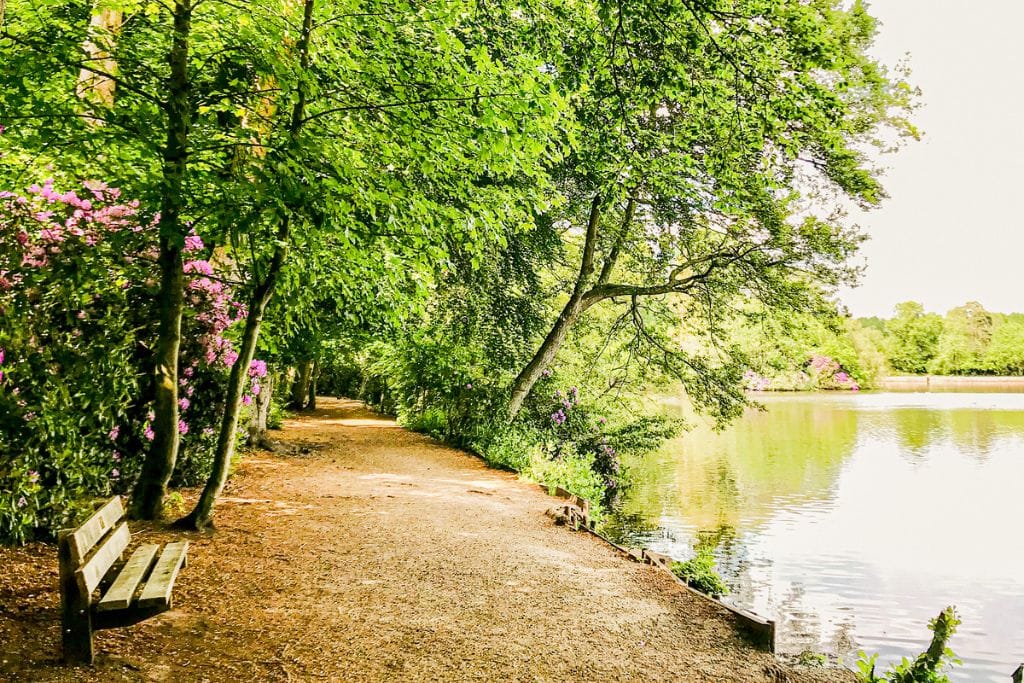
Whisby Nature Park former gravel pits now supporting great crested newts, dragonflies, and nesting waders
Tattershall Lakes a large holiday park with water sports, ideal for families
7. Visit Historic Buildings Beyond the Obvious
Some of Lincolnshire’s most rewarding sites are lesser known:
St Botolph’s Church, Boston (“The Stump”) its 83-metre lantern tower was used as a navigation landmark by sailors in the Wash for centuries. The church gave its name to Boston, Massachusetts, whose Puritan founders left from this parish
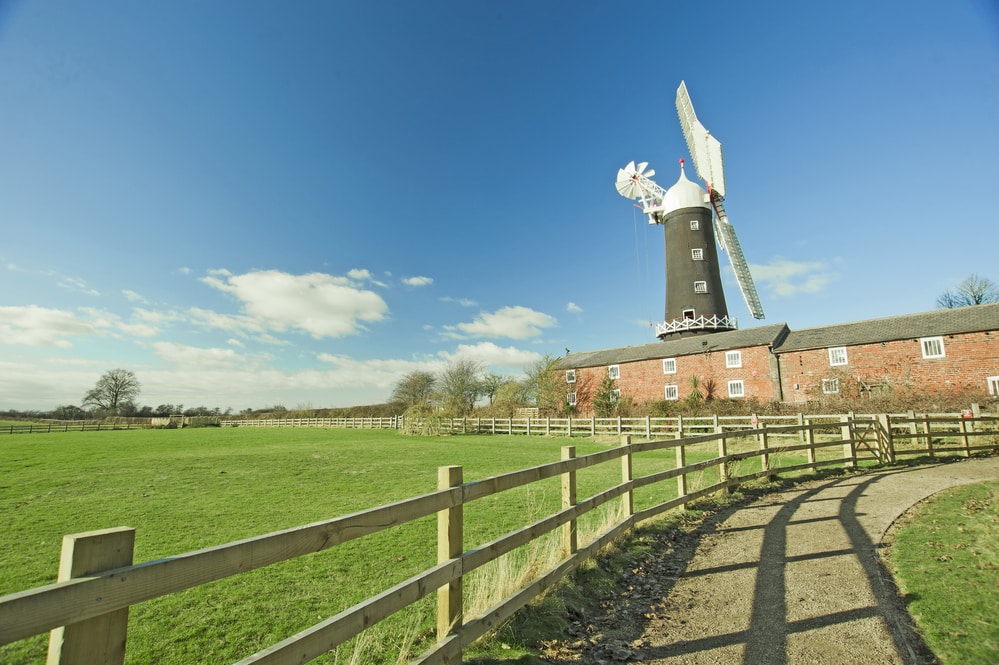
Heckington Windmill the only surviving eight-sailed windmill in the world, still in working order
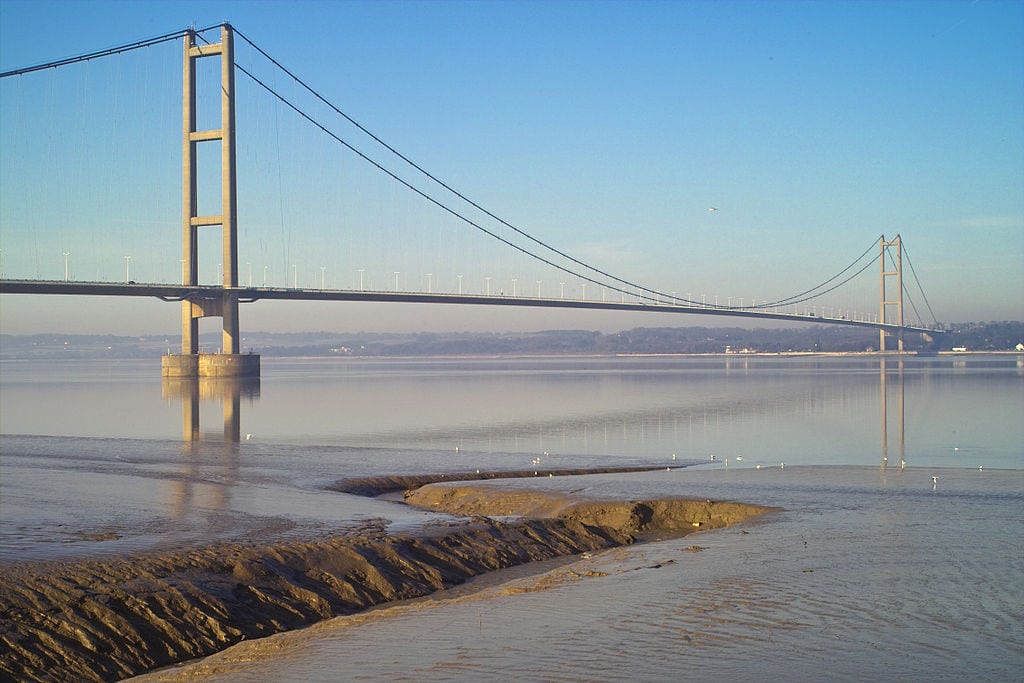
Humber Bridge when it opened in 1981, it was the world’s longest single-span suspension bridge (1,410 metres); still top ten globally
St Wulfram’s Church, Grantham contains the second-tallest medieval steeple in England
8. Learn at Lincolnshire’s Museums
International Bomber Command Centre (Lincoln) a moving and meticulously researched memorial to the 55,573 Bomber Command aircrew killed in WWII; the spire is the tallest war memorial in the UK
The Collection Museum (Lincoln) archaeology from prehistoric times through the Roman and Viking periods, with hands-on galleries
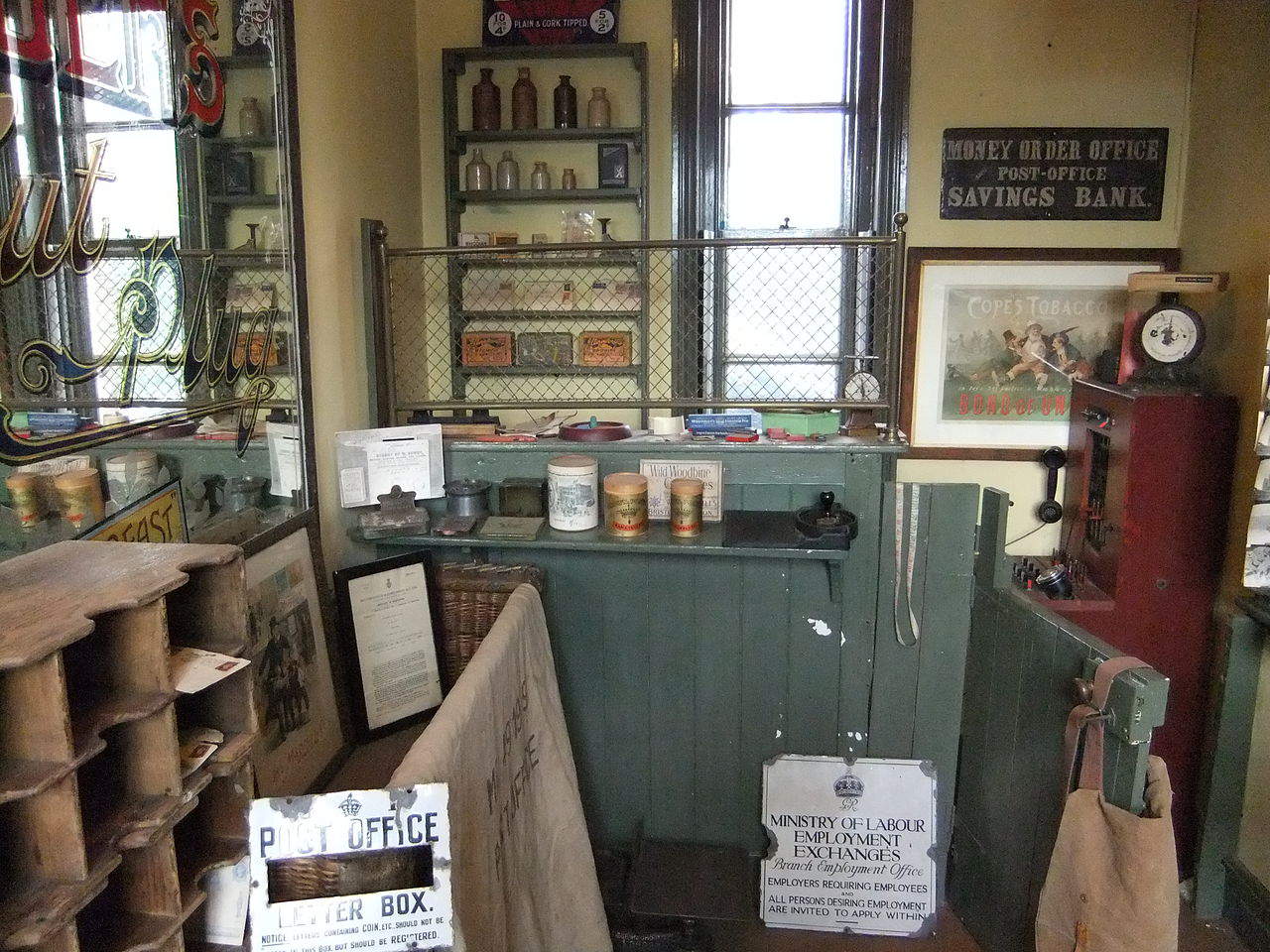
Boston Guildhall & Pilgrim Cells where the Pilgrim Fathers were imprisoned in 1607 before eventually sailing to the New World; a genuinely fascinating and undervisited site
Streetlife Museum (Hull, nearby) for transport history enthusiasts in the region
9. Explore Stamford England’s Finest Stone Town
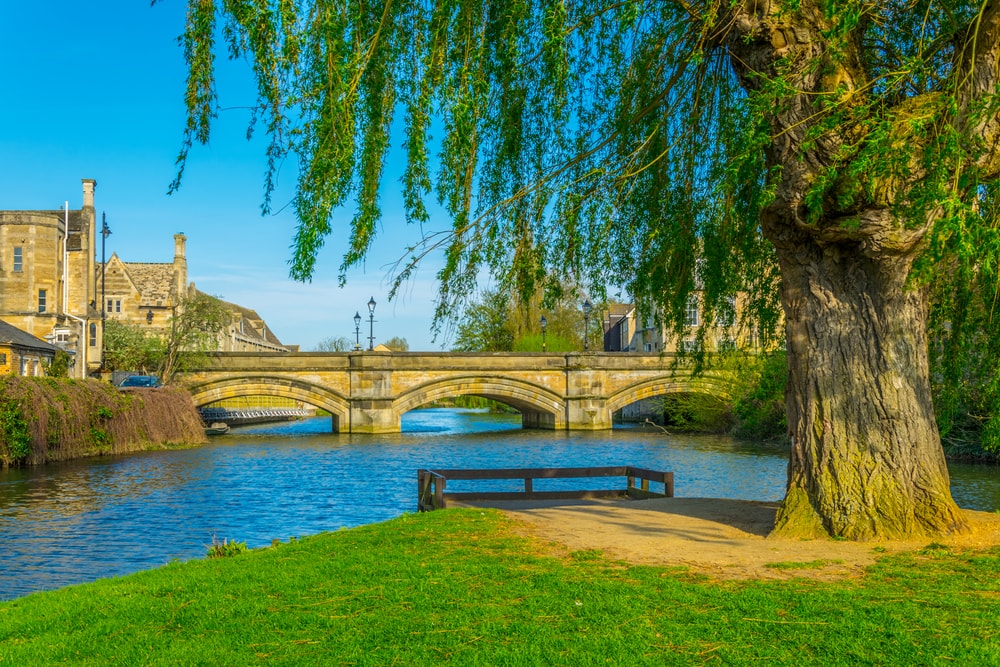
Stamford in south Lincolnshire is widely considered one of the most beautiful towns in England. Built almost entirely in honey-coloured limestone, it has five medieval churches, hundreds of listed buildings, and a Georgian streetscape largely unchanged since the 18th century.
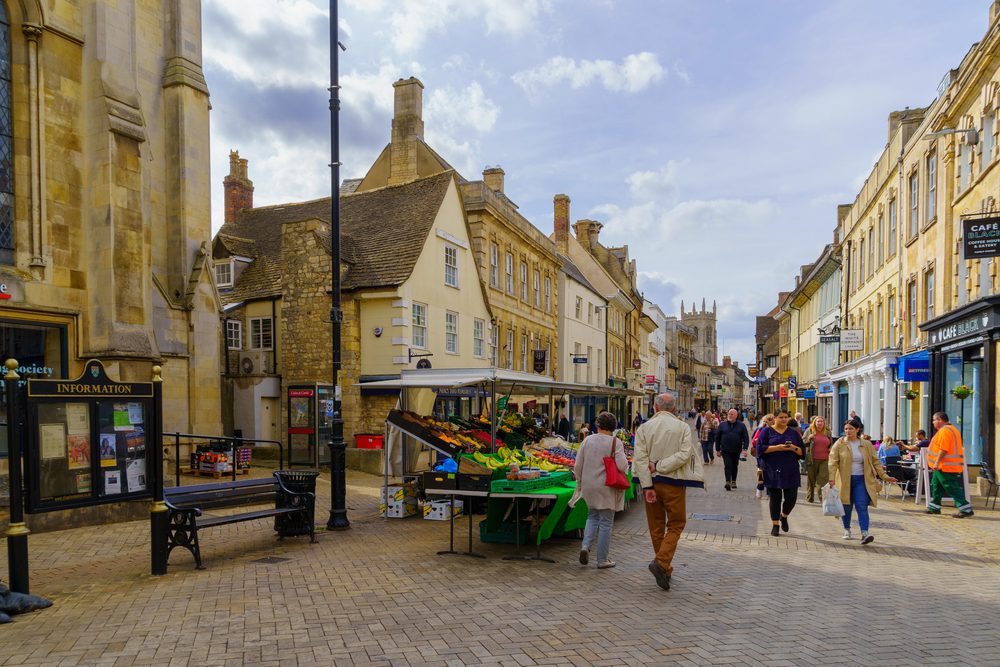
It was used as a location for the BBC adaptation of Middlemarch and has appeared in numerous period dramas. Burghley House sits just outside the town boundary. A half-day here is easy; a full day is better.
10. Follow the Alfred Lord Tennyson Trail
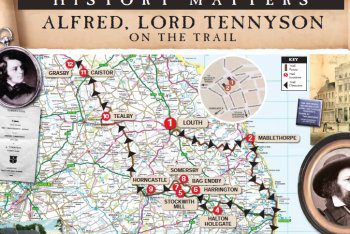
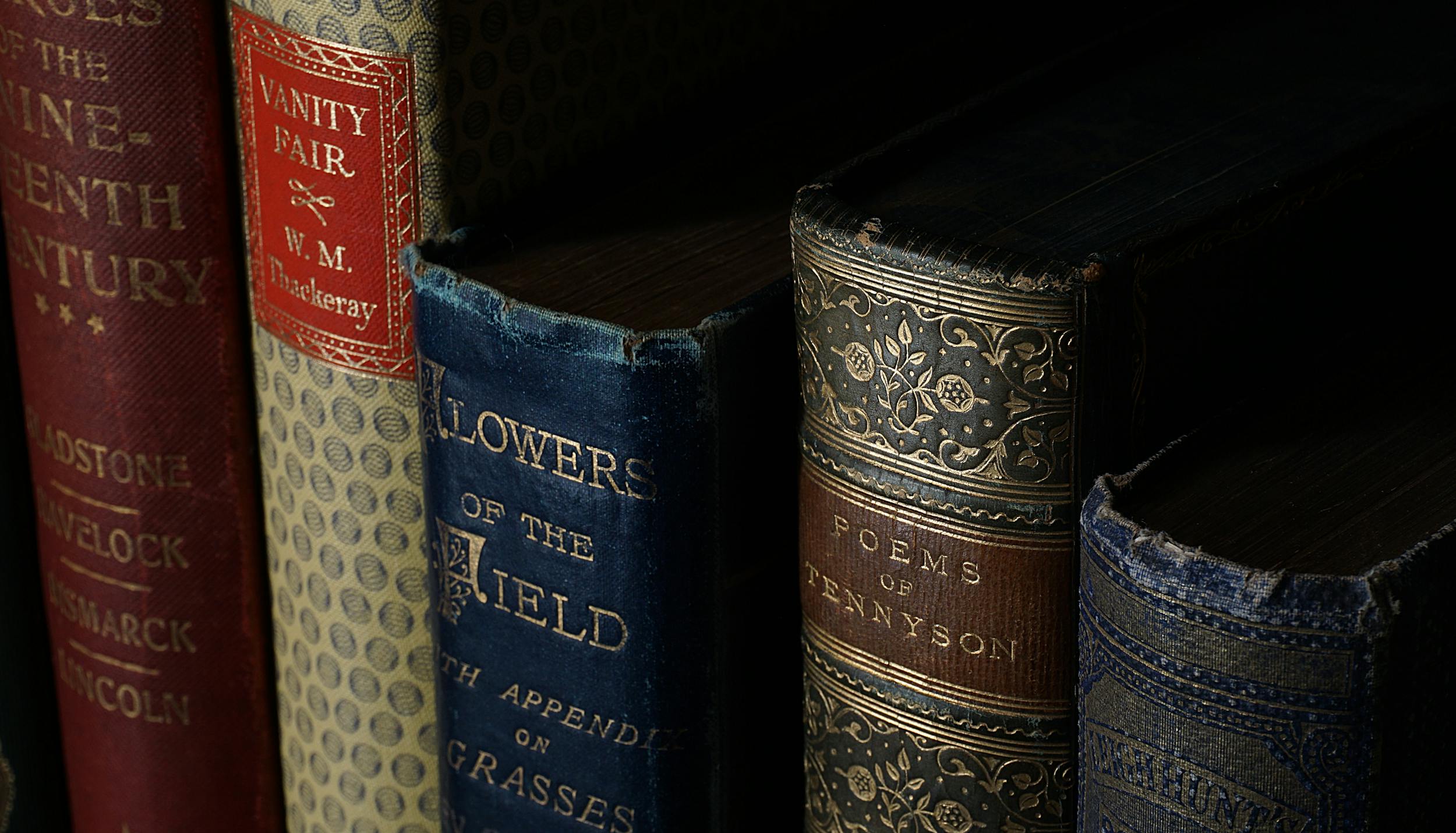
Lincolnshire was the birthplace of Alfred Lord Tennyson (1809–1892), Poet Laureate for 42 years and one of the most widely read English poets. Born in Somersby in the Wolds, he drew directly on the Lincolnshire landscape in poems including The Brook and Ode to Memory. The Tennyson Trail connects key locations across the Wolds and is a lovely way to combine literature and walking.
What Is Lincolnshire Best Known For?
Lincolnshire is best known for:
- Lincoln Cathedral and Lincoln Castle two of England’s finest medieval monuments in a single city
- Lincolnshire sausages a Protected Geographical Indication (PGI) food product, made with a distinctive sage seasoning
- The Pilgrim Fathers connection the founders of Plymouth Colony, Massachusetts, came from this area
- RAF heritage Lincolnshire hosted more RAF bomber stations than any other county during WWII; it’s sometimes called “Bomber County”
- The Lincolnshire Wolds AONB England’s most northerly chalk hills
- Skegness one of England’s most traditional seaside resorts
When Is the Best Time to Visit Lincolnshire?
| Season | Conditions | Best For |
| Spring (Mar–May) | Mild, 10–15°C, some rain | Wolds walking, gardens opening, fewer crowds |
| Summer (Jun–Aug) | Warm, 18–23°C | Coast, country parks, outdoor events |
| Autumn (Sep–Nov) | Cool, 8–15°C, best colours | Wolds foliage, birding, castle visits |
| Winter (Dec–Feb) | Cold, 3–8°C | Lincoln Christmas Market (December), quieter sightseeing |
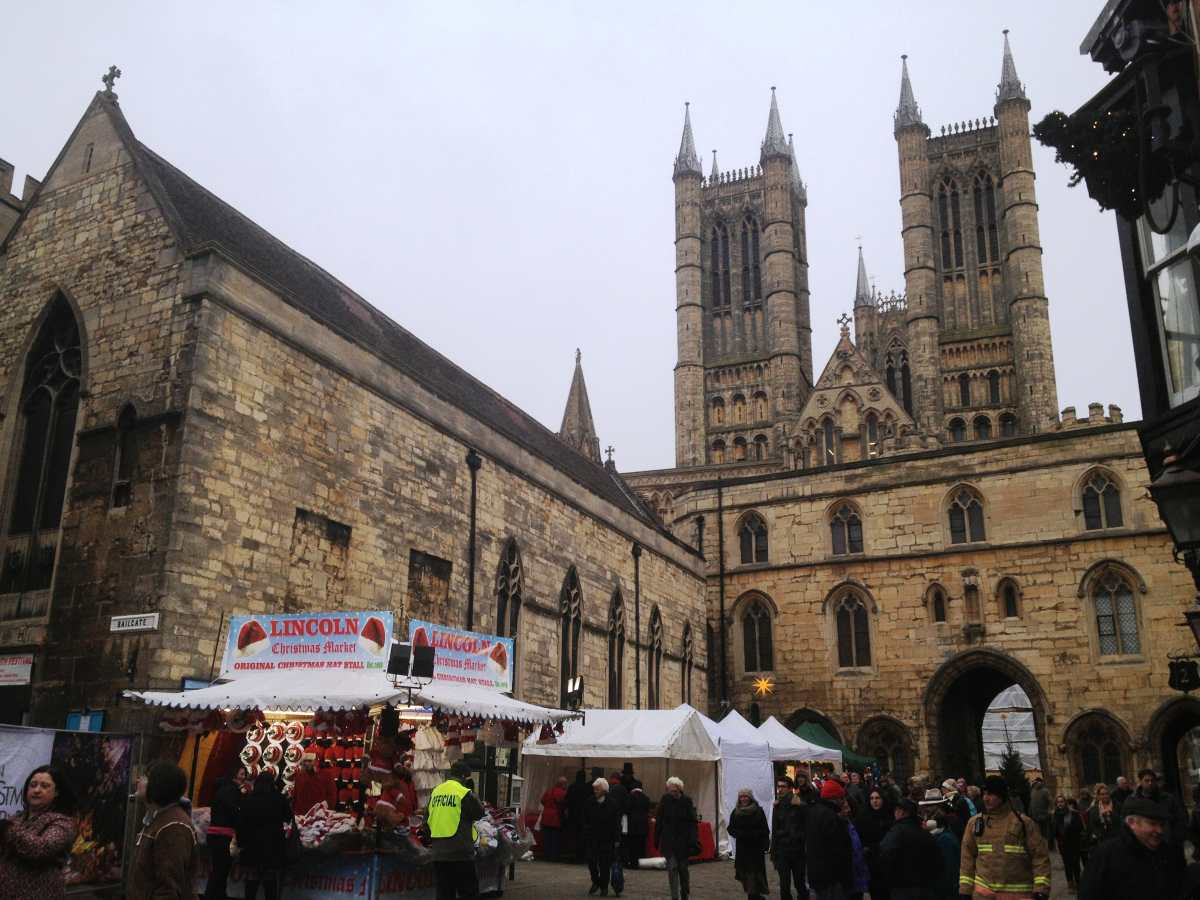
Lincoln Christmas Market (usually first weekend of December) is one of the largest in the UK, set against the castle and cathedral it’s a genuine highlight and worth planning around.
Where to Stay in Lincolnshire
For a city break: Stay in Lincoln walkable, well-connected, and best for first-time visitors. Accommodation ranges from boutique hotels on the Bailgate to budget options in the lower city.
Ibis Hotel Lincoln: The Ibis Hotel Lincoln is only 15 minutes’ drive from Lincoln Castle, Lincoln Cathedral and the historic Steep Hill district. The hotel also has a great location for visiting Lincoln’s famous Christmas Market and the antiques fairs of Swinderby and Newark. The hotel is also accessible for guests with mobility or wheelchair requirements.
For the countryside: Base yourself in Louth (capital of the Wolds), a market town with good independent restaurants and pubs, ideal for hiking days.
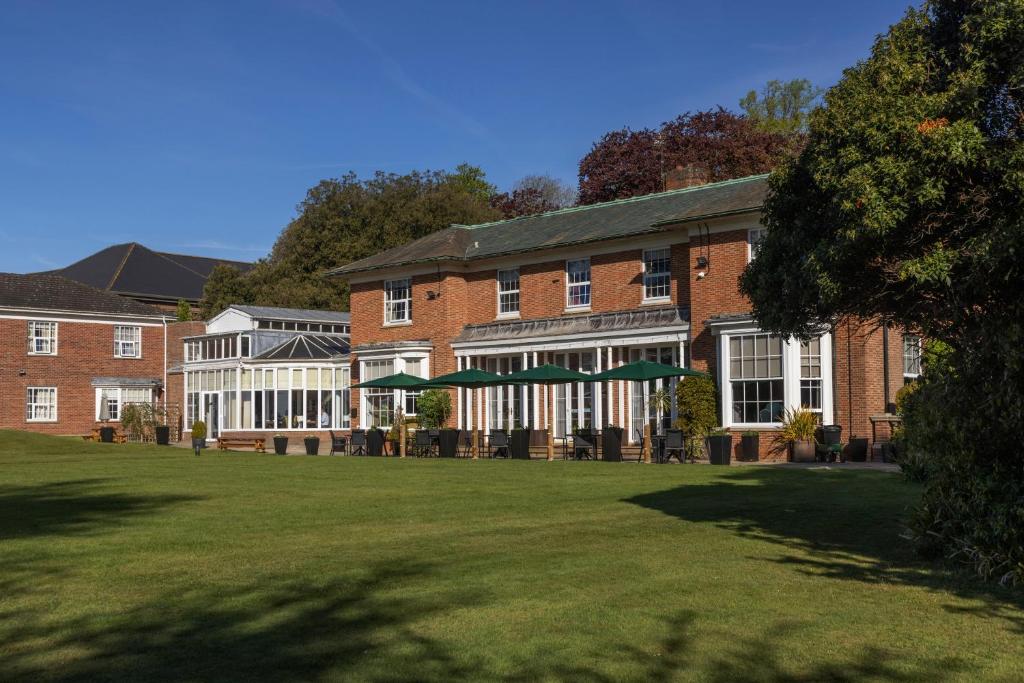
Try the Best Western + Kenwick Park Hotel: The hotel boasts a tranquil and relaxed setting overlooking lawns and the adjoining golf club, with a full spa, 20m pool and leisure facilities with facilities for disabled or mobility challenged guests.
For heritage: Stamford offers charming Georgian B&Bs and is the most elegant base in the south of the county.
Linseed Barn: Guests can enjoy spa facilities, a fitness room, and yoga classes. The holiday home includes a beauty salon, wellness packages, and barbecue facilities, providing ample opportunities for relaxation and entertainment. There are wheelchair accessible rooms as well.
How Many Days Do You Need in Lincolnshire?
Lincoln only: 2–3 nights covers the cathedral, castle, museums, and city walks comfortably
Lincoln + coast: 4–5 nights
Full county loop (Lincoln, Wolds, coast, Stamford): 7–10 days very enjoyable as a slow road trip
Lincolnshire Wolds walking holiday: 3–5 days, depending on distance
Is Lincolnshire Worth Visiting? The Verdict
If you value heritage, landscape, and authenticity without the crowds and inflated prices of the Cotswolds or Lake District, Lincolnshire is one of the best-value destinations in England right now.
It has genuine depth a medieval cathedral city, England’s only inland AONB in the East Midlands, 50+ miles of coastline, significant WWII history, and a literary heritage most counties would envy. What it lacks in fame, it more than compensates for in quality and accessibility.
Bottom line: Lincolnshire is worth visiting. The better question is why you haven’t already booked it.
Lincoln and Lincolnshire FAQs
Is Lincolnshire worth visiting? Yes Lincolnshire is one of England’s most underrated counties. It offers medieval castles, a designated Area of Outstanding Natural Beauty, over 50 miles of coastline, and Lincoln city, which rivals any cathedral city in Britain all with significantly fewer crowds than comparable destinations like the Cotswolds or the Lake District.
How far is Lincolnshire from London? Lincoln is approximately 130 miles from London and reachable in under two hours by direct train from London King’s Cross. By car it’s roughly a 2–2.5 hour drive depending on traffic.
What is Lincolnshire most famous for? Lincolnshire is most famous for Lincoln Cathedral and Lincoln Castle, which houses one of only four surviving original copies of Magna Carta. The county is also known for its RAF bomber heritage, the Lincolnshire Wolds AONB, traditional seaside resorts like Skegness, and Lincolnshire sausages.

What is the best time of year to visit Lincolnshire? Summer (June–August) is best for the coast and outdoor activities. Autumn (September–November) is ideal for walking the Lincolnshire Wolds when the foliage is at its most spectacular. December is worth considering for Lincoln’s Christmas Market, one of the largest in the UK.
How many days do you need in Lincolnshire? Two to three nights is enough to explore Lincoln city. A full week allows you to combine Lincoln with the Wolds, the coast, and towns like Stamford or Louth. Ten days is ideal for a complete county road trip.
Is Lincoln accessible for wheelchair users and visitors with mobility needs? The lower city is largely flat and accessible. The upper city where the cathedral and castle are is reached via Steep Hill, which is not wheelchair friendly. However, an alternative accessible route via Westgate avoids the hill entirely and leads directly to the castle area. Lincoln Castle and Lincoln Cathedral both have accessible entrances and facilities.
Is Lincolnshire good for families? Yes Lincolnshire has excellent family options including Skegness seafront and pier, Natureland Seal Sanctuary, Tattershall Lakes, multiple country parks, and interactive castle and museum experiences throughout the county.
Is Lincolnshire cheaper than the Cotswolds? Generally yes. Lincolnshire offers comparable heritage and countryside without the premium pricing associated with the Cotswolds. Accommodation, dining, and attractions tend to be more affordable, and the major sites are significantly less crowded.
What food is Lincolnshire known for? Lincolnshire is famous for its sausages a Protected Geographical Indication (PGI) product made with a distinctive sage seasoning. The county is also known for Lincolnshire poacher cheese, plum bread, and fresh seafood along the coast including dressed crab and fish and chips.

Can you visit Lincolnshire without a car? Lincoln itself is easily visited by train from London, Leeds, and Nottingham and is walkable once you arrive. However, exploring the Lincolnshire Wolds, the coast, and rural villages is significantly easier with a car. Local bus services connect some areas but are infrequent.
Have you visited Lincolnshire? Share your recommendations in the comments below.
Explore more of the region with guides to Scotland, Wales, Northern Ireland, or the full United Kingdom Travel Guide.
Explore Historic Great Britain
Historic Britain is layered with Roman ruins, medieval abbeys, castles, ancient monuments, and historic market towns. Exploring beyond the major tourist cities often reveals some of the country’s most memorable experiences.
- Avebury Henge
- Roman ruins in Britain
- Hadrian’s Wall and Vindolanda
- The Mysterious Rosslyn Chapel – Scotland
- Evocative Ruined Abbeys in Yorkshire
- Walk the Suffragette Trail across the UK
- Shibden Hall Yorkshire – home of Anne Lister – widely celebrated as “the first modern lesbian”
- Alan Turing and Bletchley
- Rievaulx Abbey
- Whitby Abbey
- Kenilworth Castle
- Bamburgh Castle
Explore Scenic England
Some of England’s best experiences happen outside the cities, from dramatic coastlines and rolling countryside to quiet villages and scenic driving routes. Slower travel often reveals a completely different side of England.
Yorkshire villages and market towns
Best Scenic Train Journeys in the UK
Northumberland coast and castles
Cornwall beaches and coastal scenery
England is far more diverse than many visitors expect, from historic cathedral cities and rugged coastlines to literary landscapes, ancient folklore, seaside towns, castles, and national parks. Explore more of the region with guides to England, Scotland, Wales, Northern Ireland, a London Travel Guide or the full United Kingdom Travel Guide.