
Things to Do in Lincoln, England: Visitor Guide
The two unmissable things to do in Lincoln are Lincoln Cathedral don’t miss the carved Lincoln Imp and Lincoln Castle, home to an original 1215 Magna Carta. Give it two days: one for the Cathedral Quarter and Steep Hill, one for the castle, Bailgate and a day trip into the Lincolnshire countryside.
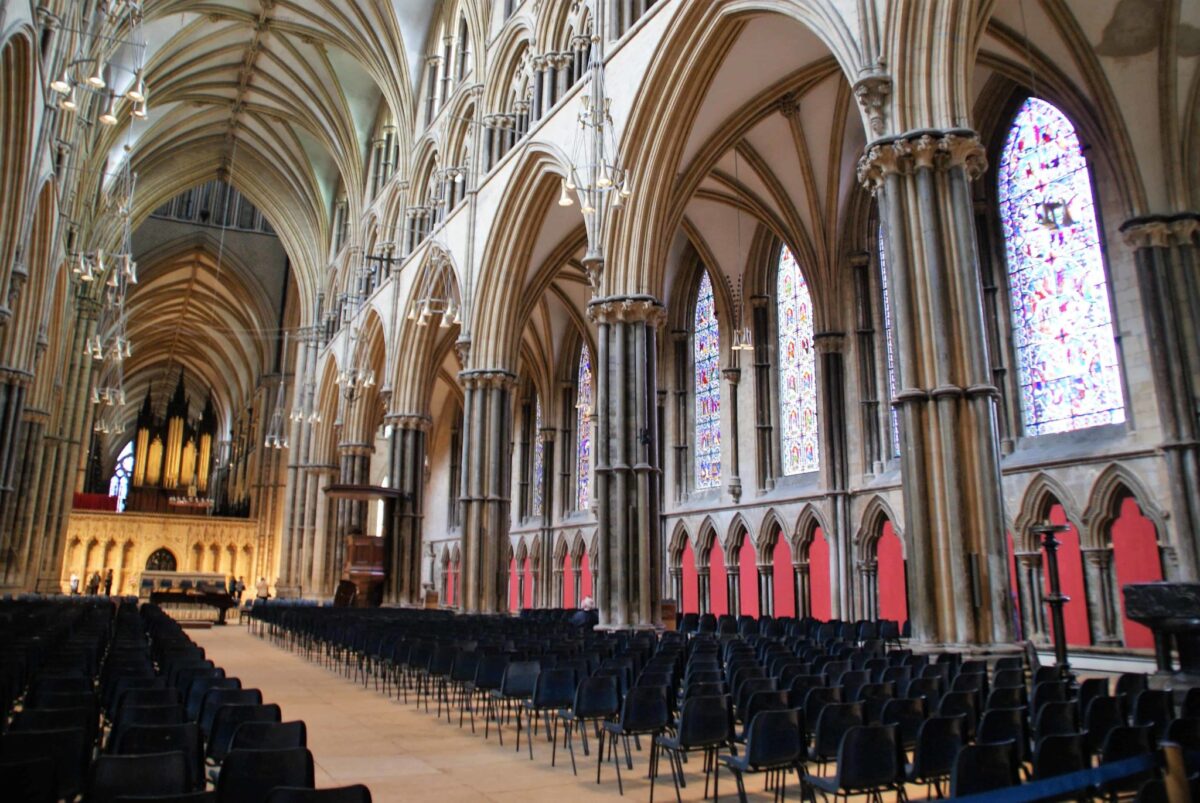
Lincoln is a cathedral city and the county town of Lincolnshire in the East Midlands. Its origins trace back to the Iron Age, but it first rose to prominence when the Romans built a fortress here. Today, Lincoln’s rich history and architectural landmarks sit alongside two universities, a lively bar and restaurant scene, and easy day trips into the Lincolnshire countryside.
| Known for | Lincoln Cathedral, the carved Lincoln Imp, and one of only four surviving 1215 Magna Carta copies |
| Time needed | 2 days is ideal for the Cathedral Quarter, the Castle and Steep Hill without rushing |
| Currently closed | Lincoln Museum shut since Oct 2024 for redevelopment, now expected to reopen in 2027 |
| Accessibility | Steep Hill is genuinely steep; a flatter route exists if that’s not for you (see below) |
| Getting there | Direct trains from London King’s Cross (about 2 hours) and from Nottingham and Sheffield |
| Budget for | Cathedral £12, Castle day ticket roughly £15–18, IBCC exhibition about £9.50 (check current prices below) |
My two days in Lincoln
I spent two days exploring Lincoln and it was the right amount of time to do it properly rather than rushing between the two big sights. Lincoln Cathedral is the reason most people come, and it earns the hype I spent a long time inside just looking up, and hunting out the Lincoln Imp carved into the stonework is genuinely fun rather than just a tourist gimmick. Seeing an original 1215 Magna Carta at Lincoln Castle afterwards was the moment that stuck with me; there’s something about standing in front of a document that old that a photo in a textbook never quite gets across.

I also walked down Steep Hill from the Cathedral Quarter into town, which was fine but I made the call not to walk back up it afterwards. If you have any concerns about mobility, that’s worth planning around before you go (more on that below). I finished both afternoons with coffee at Stokes High Bridge Café, the medieval building perched over the River Witham, which is as atmospheric as it looks in photos.
Accessibility in Lincoln
Lincoln’s biggest accessibility challenge is built into its geography: the historic Cathedral Quarter sits on a hill, and Steep Hill the cobbled street connecting it to the lower town has a 1-in-7 gradient. I managed it downhill without trouble but chose not to go back up on foot. If Steep Hill isn’t realistic for you, you can reach the Cathedral Quarter by car or taxi and park near Castle Hill, or take a bus up and only walk the downhill stretch, as I did.
Both Lincoln Cathedral and Lincoln Castle have step-free routes and accessible toilets, and wheelchairs are available to borrow at the cathedral’s welcome desk. The one current exception is the Medieval Wall Walk at the castle, which is only partially open while essential repairs take place, and the sections under repair are not currently wheelchair accessible worth checking lincolncastle.com before you plan around it.
For a broader look at accessible travel across the country, see my Accessible UK Travel Guide.
Things to do in Lincoln
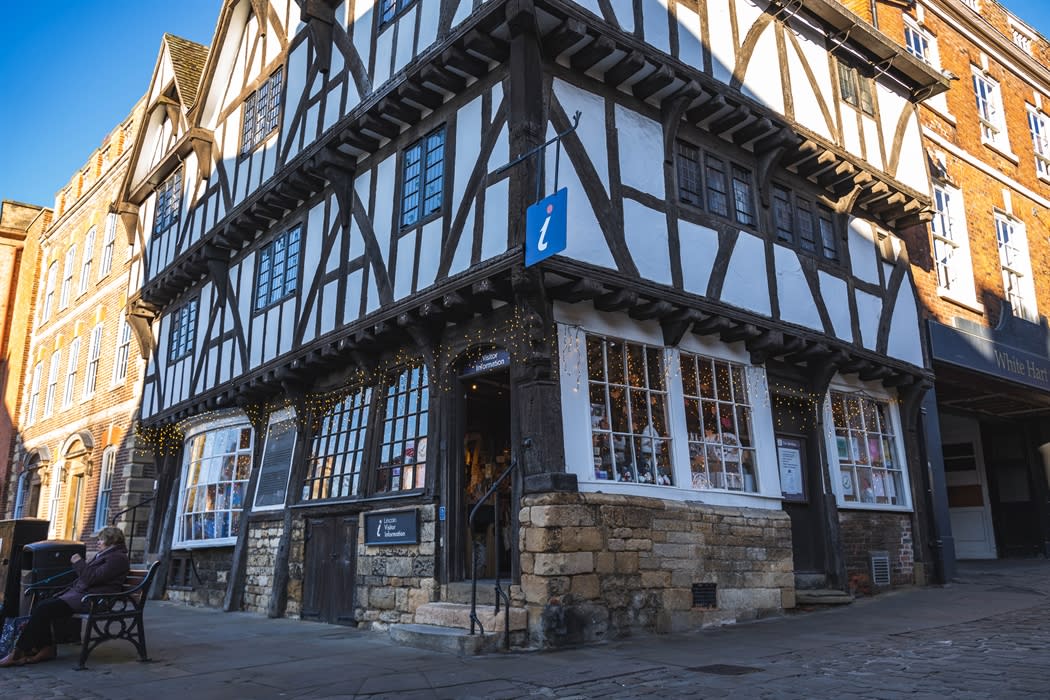
Leigh Pemberton House (Visitor Information Centre)
Lincoln’s Visitor Information Centre sits inside Leigh Pemberton House, right between the Castle and the Cathedral. The half-timbered building dates to 1543, built originally as a wealthy merchant’s house before later becoming an inn. It’s a good first stop for maps, event listings and advice on what to prioritise if you’re tight on time.
Lincoln Cathedral
Lincoln’s main attraction is its cathedral, built in the 11th century in the English Gothic style. It stands on the highest point for miles around Lincolnshire is famously flat and when it was completed, Lincoln Cathedral surpassed the
Pyramids of Giza as the tallest man-made structure in the world, a title it held for over 200 years. Today it’s the third-largest cathedral in the UK after St Paul’s in London and York Minster.
General admission is £12 and includes a free guided floor tour. Themed tours roof, tower and historic graffiti cost an extra £7.50 each and run Monday to Saturday; the tower climb (338 steps) requires a reasonable level of fitness and isn’t available to under-14s.

The cathedral is also a genuine film star: it stood in for Westminster Abbey in The Da Vinci Code (2006), and has appeared in The Young Victoria (2009), Netflix’s The King (2019), and Napoleon (2023).
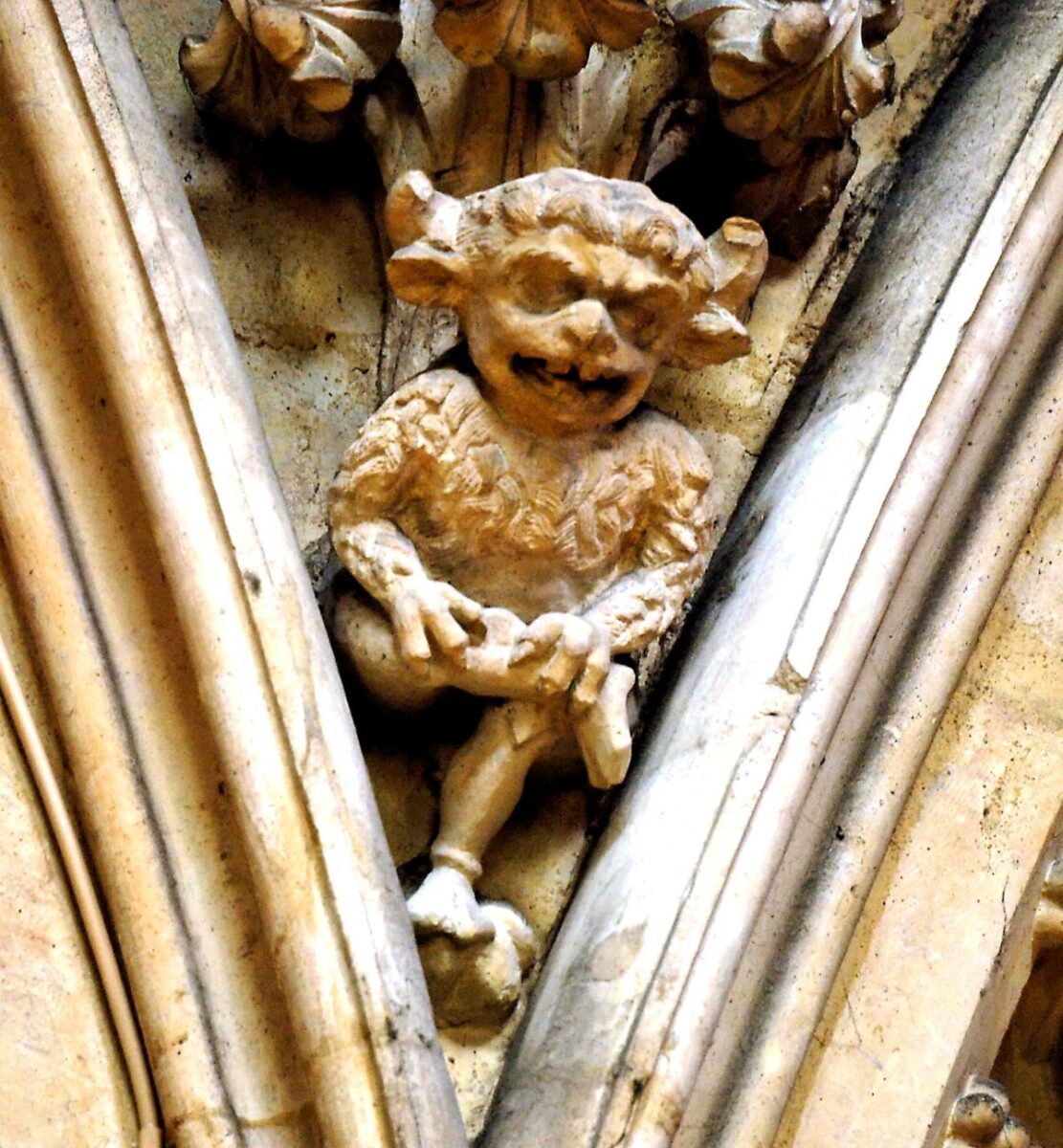
Don’t miss the Lincoln Imp, the city’s mascot, carved into a stone pillar inside. Legend has it that in the 14th century two mischievous imps were sent by the devil to cause trouble on Earth. They arrived at Lincoln Cathedral, smashed tables and chairs, and tripped up the bishop, until an angel appeared and ordered them to stop. One imp climbed a pillar and threw rocks at the angel, who turned him to stone he’s still there today, right where the two arches meet. The other imp escaped, and locals blame him for the persistent breeze that blows through the cathedral even on the stillest days.
You might also like: 19 Magnificent Cathedrals in England
Magna Carta Vault, Lincoln Castle
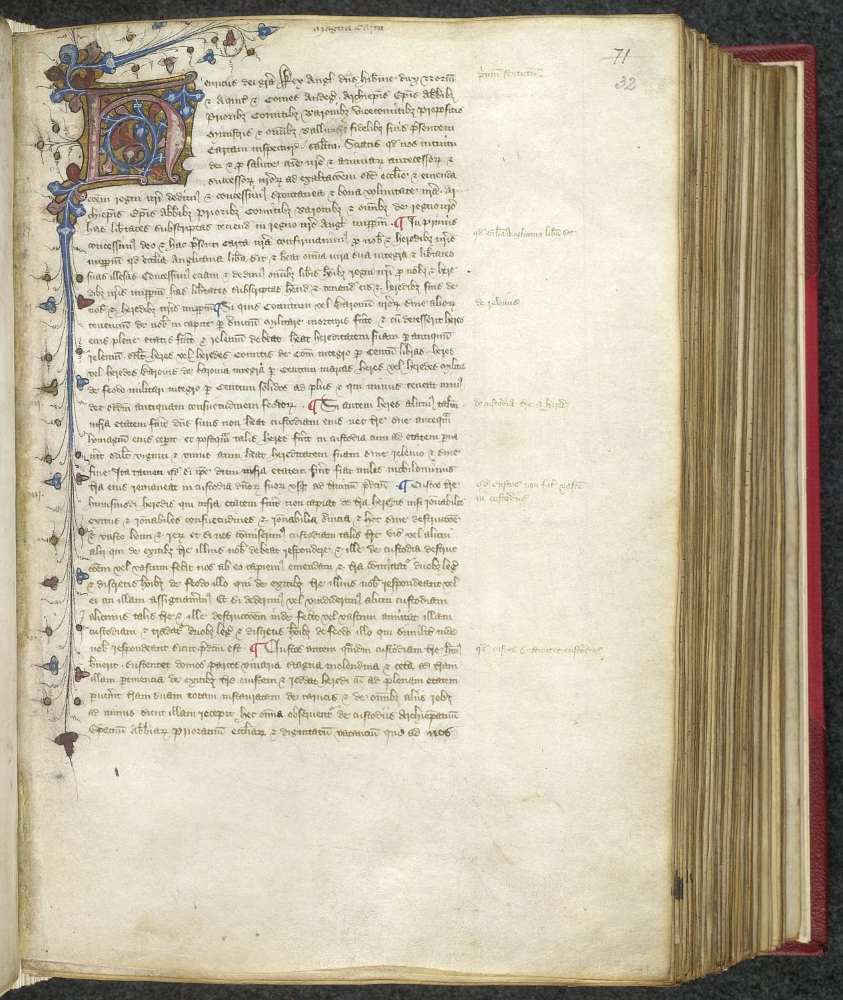
Only four original copies of the 1215 Magna Carta survive today, and one of them lives in Lincoln. It hasn’t left the city since the Bishop of Lincoln brought it back to the Cathedral in 1215. It’s now kept at Lincoln Castle on permanent loan, displayed in a glass case alongside Lincoln’s copy of the 1217 Charter of the Forest (reissued in 1225).
Lincoln Castle
A short walk from the cathedral, Lincoln Castle was built by William the Conqueror in the late 11th century on the site of the old Roman fortress. It’s one of the best-preserved castles in England and one of only two with two mottes (the other is Lewes Castle in East Sussex).
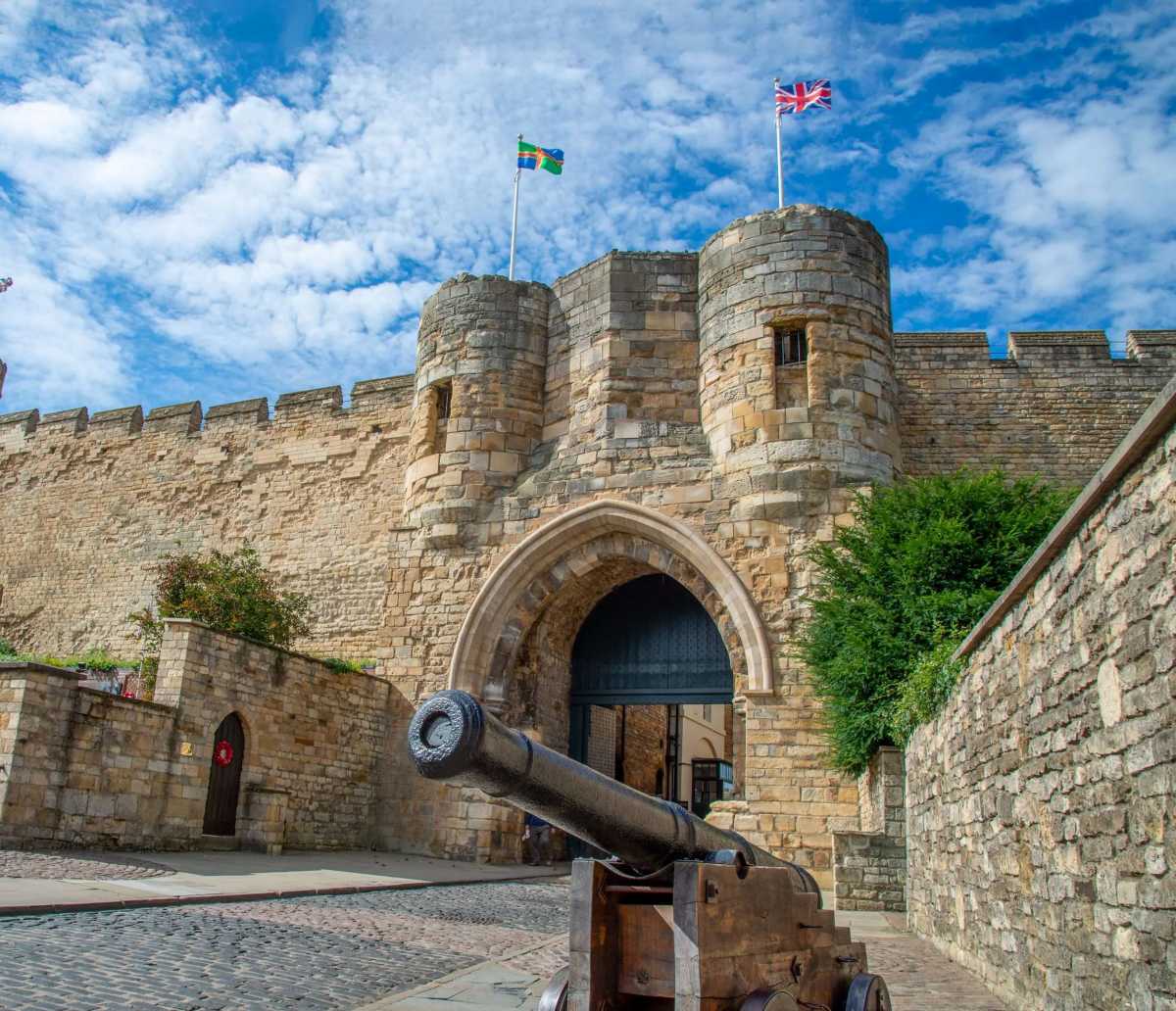
The castle grounds are free to enter. Inside, you’ll find working law courts, a three-storey Victorian prison built in 1787 and used until 1868, and a 19th-century prison chapel with individual enclosed seats the only one of its kind left in the world. It’s also been used as a filming location, most recently for Downton Abbey.
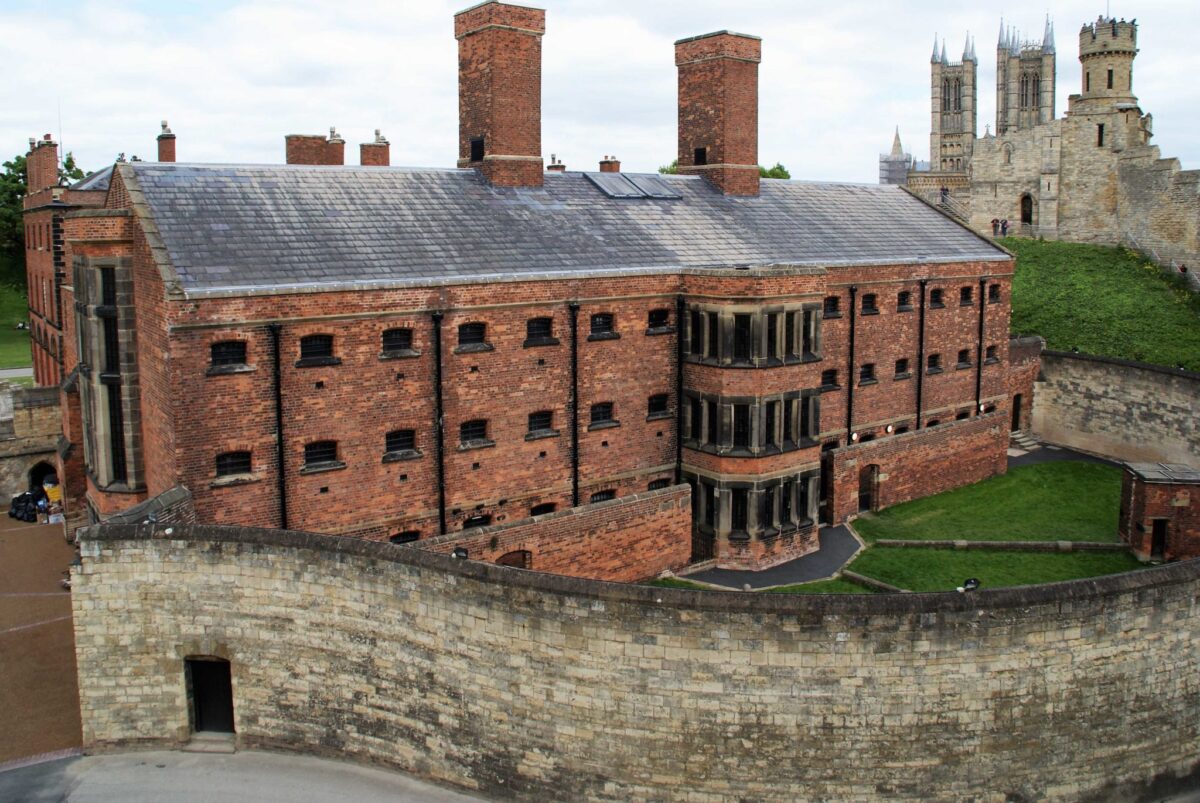
A day ticket covering the Medieval Wall Walk, the Magna Carta Vault and the Victorian Prison runs roughly £15–£18 depending on the season and where you book prices vary enough across official and third-party listings that it’s worth checking lincolncastle.com directly before you go. As above, the Wall Walk is currently only partially open for essential repairs.
The castle hosts events throughout the year, including summer concerts and open-air film screenings.
Bishop’s Palace and Vineyard
Built in the 12th century next to the cathedral, the Bishop’s Palace was once one of the most impressive buildings in medieval England, reflecting the wealth and power of Lincoln’s bishops. Abandoned, restored and rebuilt several times over the centuries, the ruined parts are now managed by English Heritage.
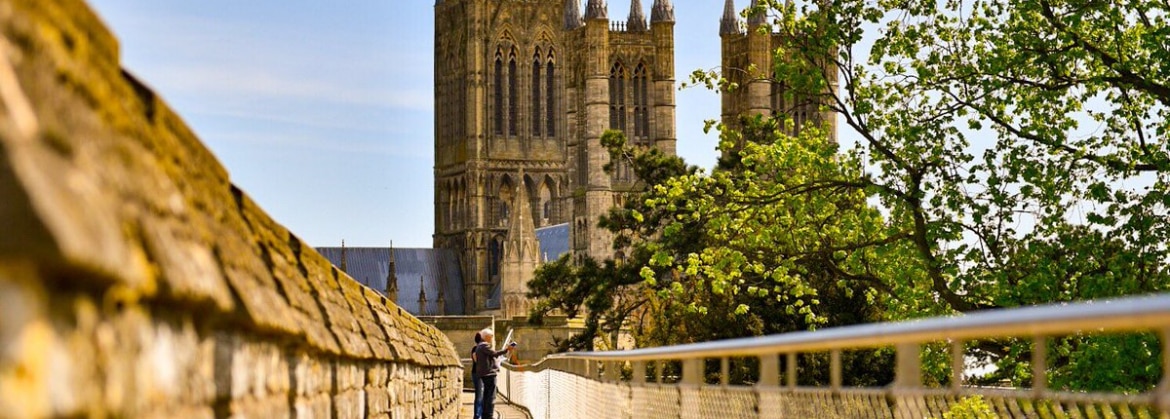
It’s also the only English Heritage site with a working vineyard: the vines were a 1972 gift from Lincoln’s twin town, Neustadt an der Weinstrasse in Germany, and a group of volunteers is working to bring the vineyard back into production. Between the gardens, sweeping views over the city, and genuinely unusual history, it’s a quiet spot to catch your breath partway through a day of sightseeing.
Steep Hill
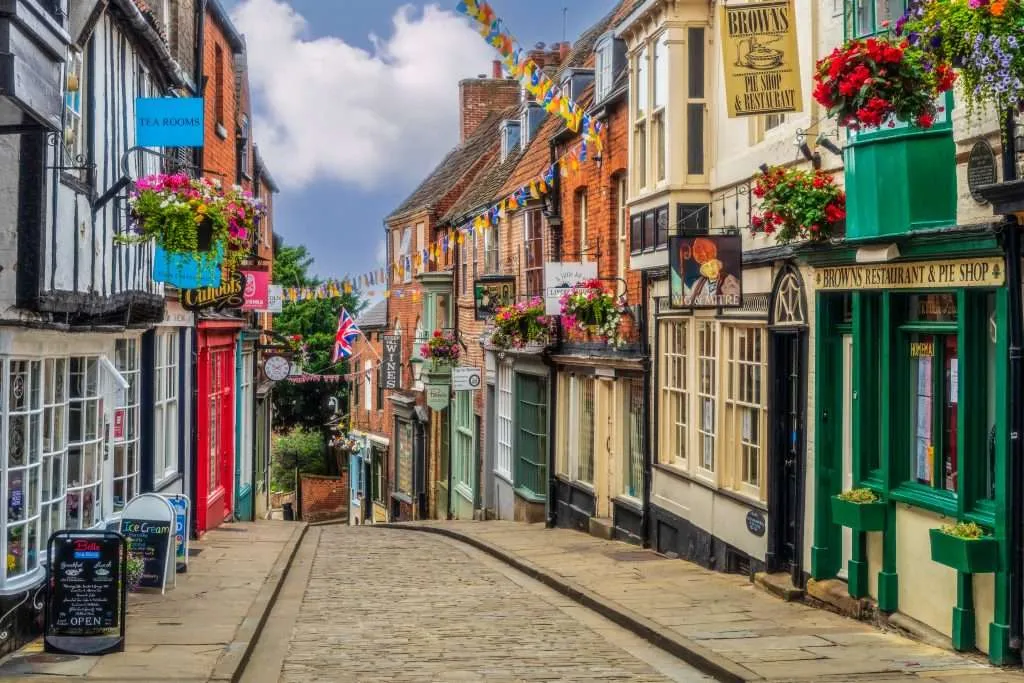
The name doesn’t lie. This is Lincoln’s steepest street (a 1-in-7 gradient at its centre) and links the High Street at the bottom to the Cathedral Quarter at the top. There’s a handrail on the steepest section, and plenty of independent shops and tea rooms to pause in along the way. See the Accessibility section above if the climb itself is a concern you can visit both halves of the city by car or bus and skip it altogether, though you’d miss some lovely browsing.
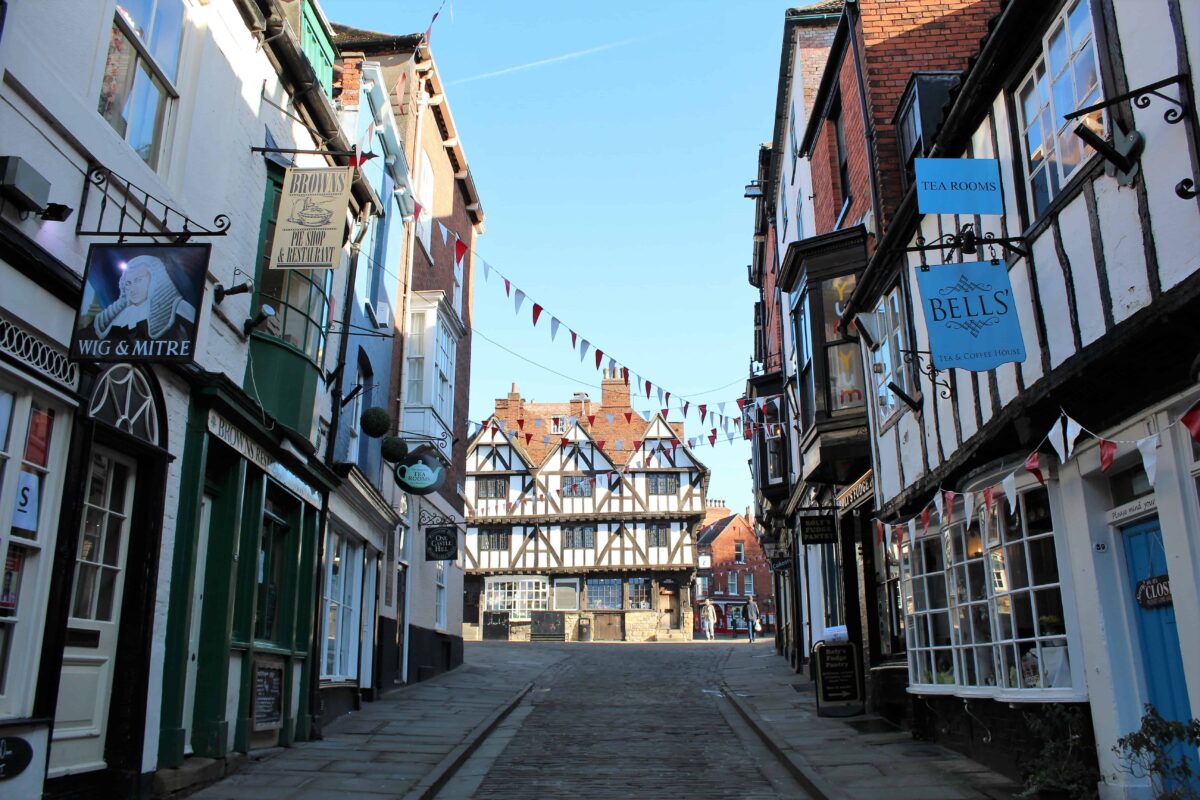
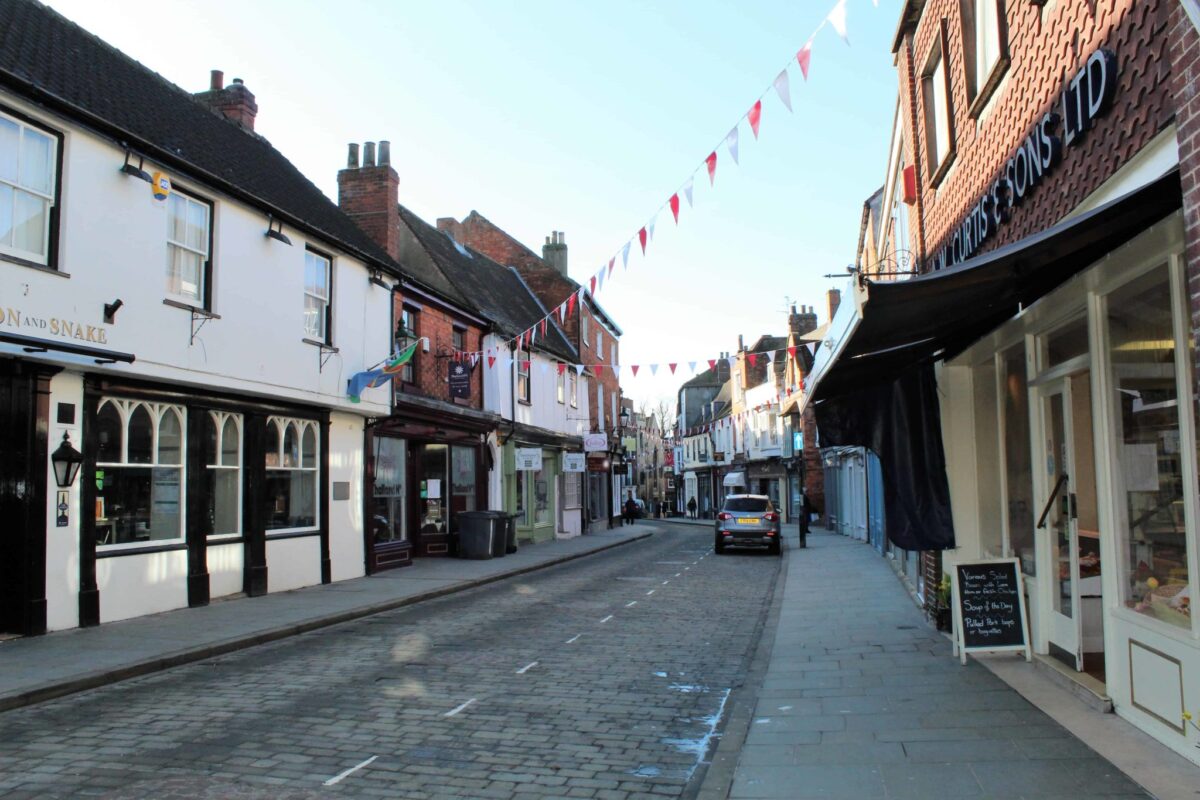
Bailgate
Known locally as ‘The Bail’, Bailgate is a cobbled shopping street running from the Cathedral Quarter to Newport Arch, with roots going back to Roman times. It features on Lincoln’s free Roman Heritage Trail app, which also takes in the Assembly Rooms, the Roman East Gate, and surviving stretches of the Roman walls. In summer, Bailgate hosts a busker’s festival, a steampunk festival and a 1940s weekend.
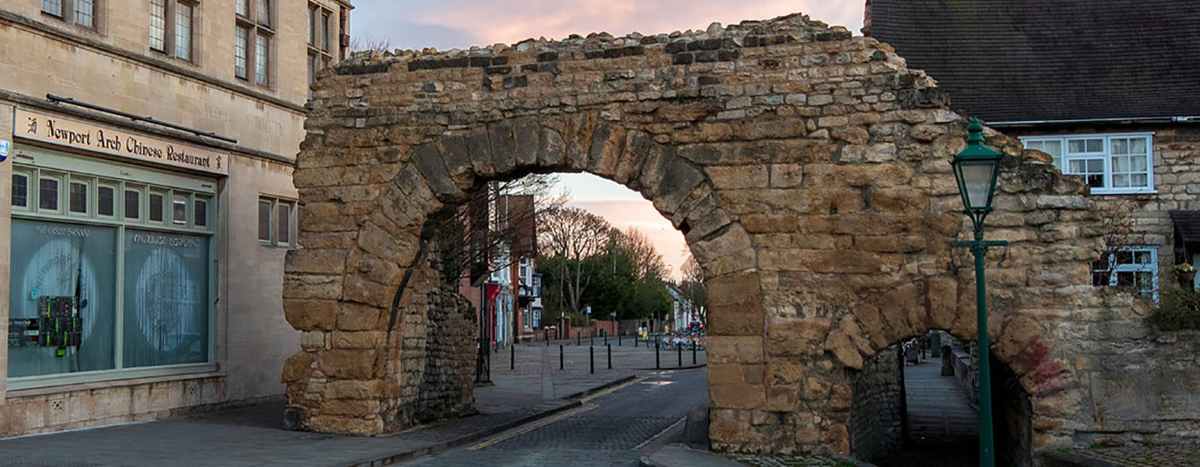
Roman Ruins and Newport Arch
Lincoln was one of Roman Britain‘s largest settlements, and traces of that era are scattered around the city. Newport Arch, at the north end of Bailgate, is the only Roman archway in the UK still used by traffic today. You’ll also find the east gate outside the Lincoln Hotel, the lower west gate inside City Hall, and remnants of the upper south gate visible inside a shoe shop on Steep Hill.
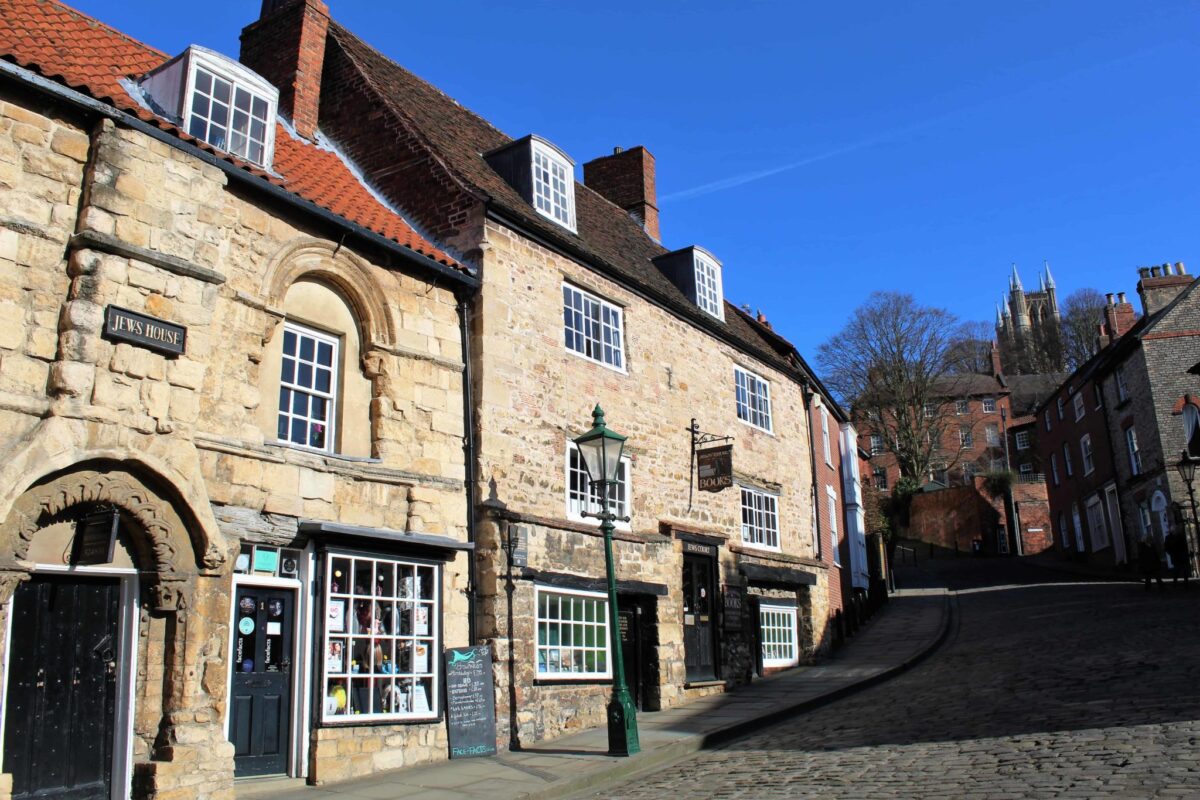
Jew’s House
Jew’s House, built in the 12th century, is one of the earliest surviving townhouses in England. Together with neighbouring Jew’s Court, it’s evidence of Lincoln’s medieval Jewish community, one of the largest in England at the time.
High Bridge and Stokes High Bridge Café
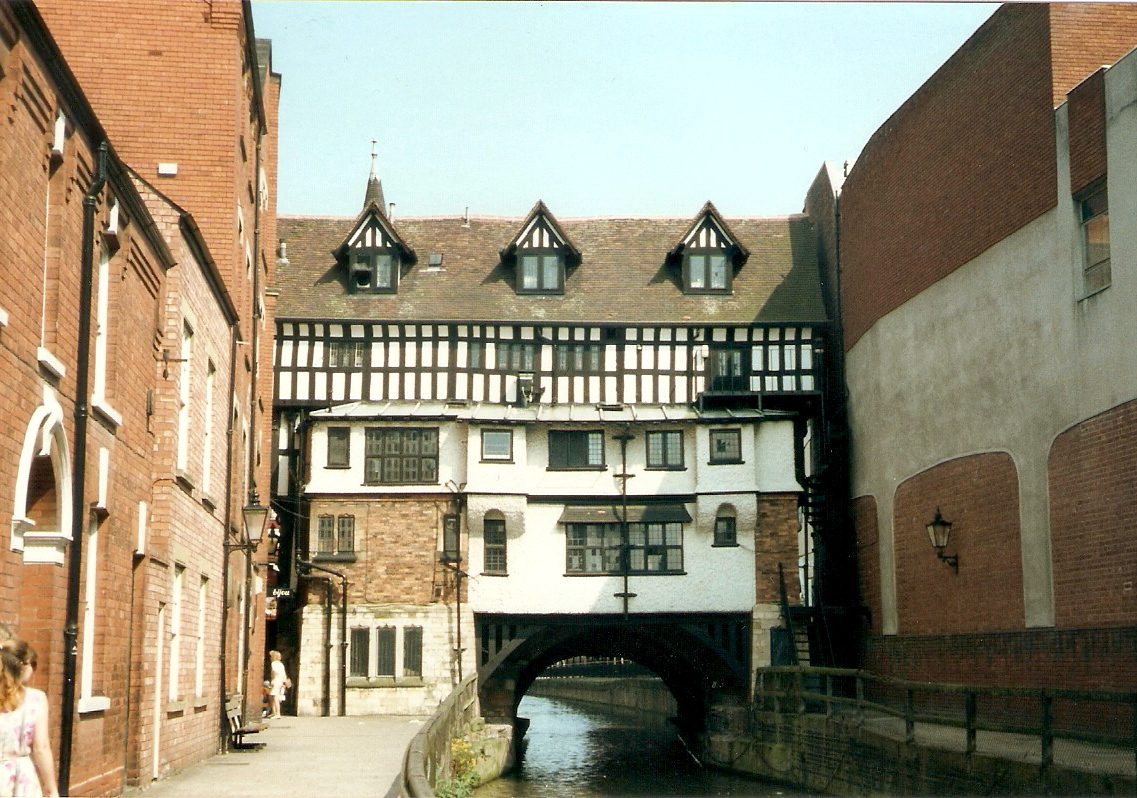
Lincoln’s High Street holds an architectural gem in High Bridge, built around 1160 the oldest bridge in the UK still carrying buildings on it. One of those buildings is Stokes High Bridge Café, dating to 1540, where I stopped for coffee both afternoons of my visit. It’s touristy, but earns it sitting over the River Witham in a building that old is a genuine step back in time.
Lincoln’s Markets: Sincil Street, Makers’ and Farmers’
Sincil Street runs stalls Monday to Saturday, mostly fresh fruit and veg, meat, and the odd stall selling gifts and homeware. On the first two Saturdays of the month, Castle Hill hosts the Maker’s Market for local handicrafts, and the third Saturday brings the Lincoln Farmer’s Market for locally grown and produced food. There’s also a Sunday antiques market.

Guildhall and Stonebow
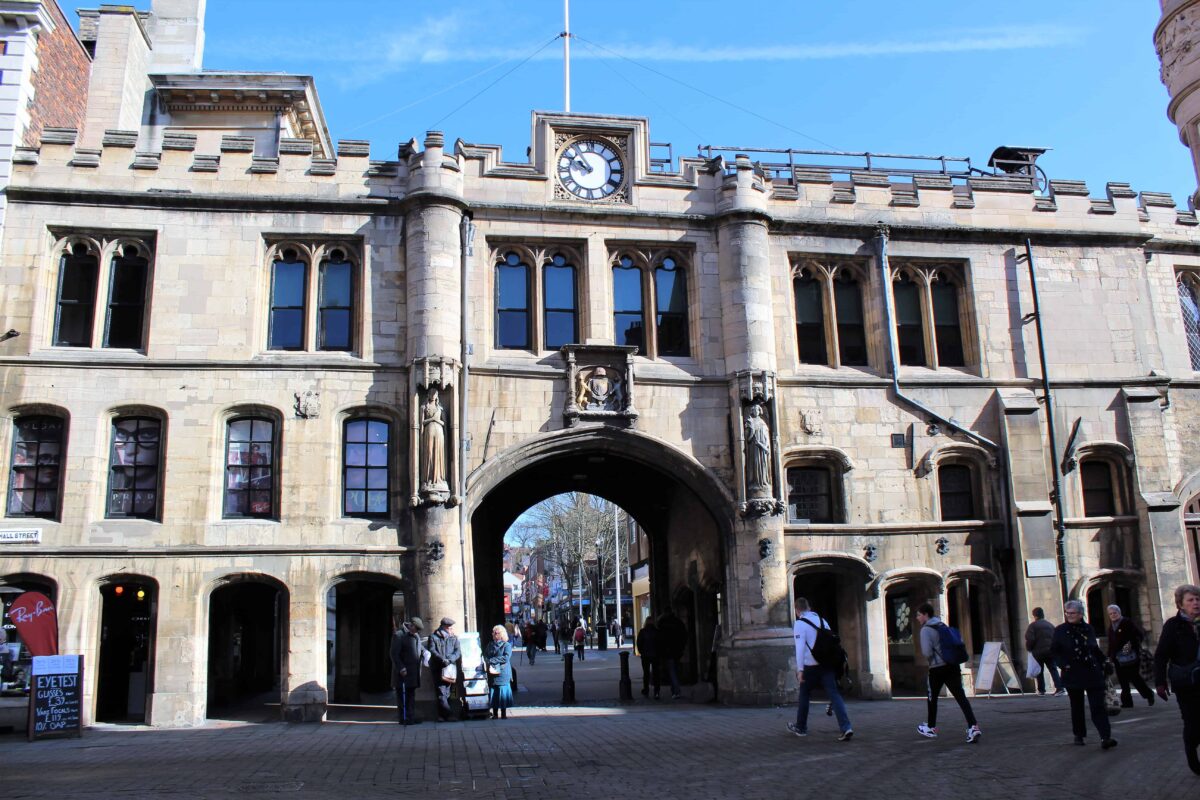
Lincoln City Council has met here for centuries, beneath three archways and a striking clock. Free guided tours run inside, where you can see rare artefacts including the Sword of King Richard II.
Brayford Waterfront
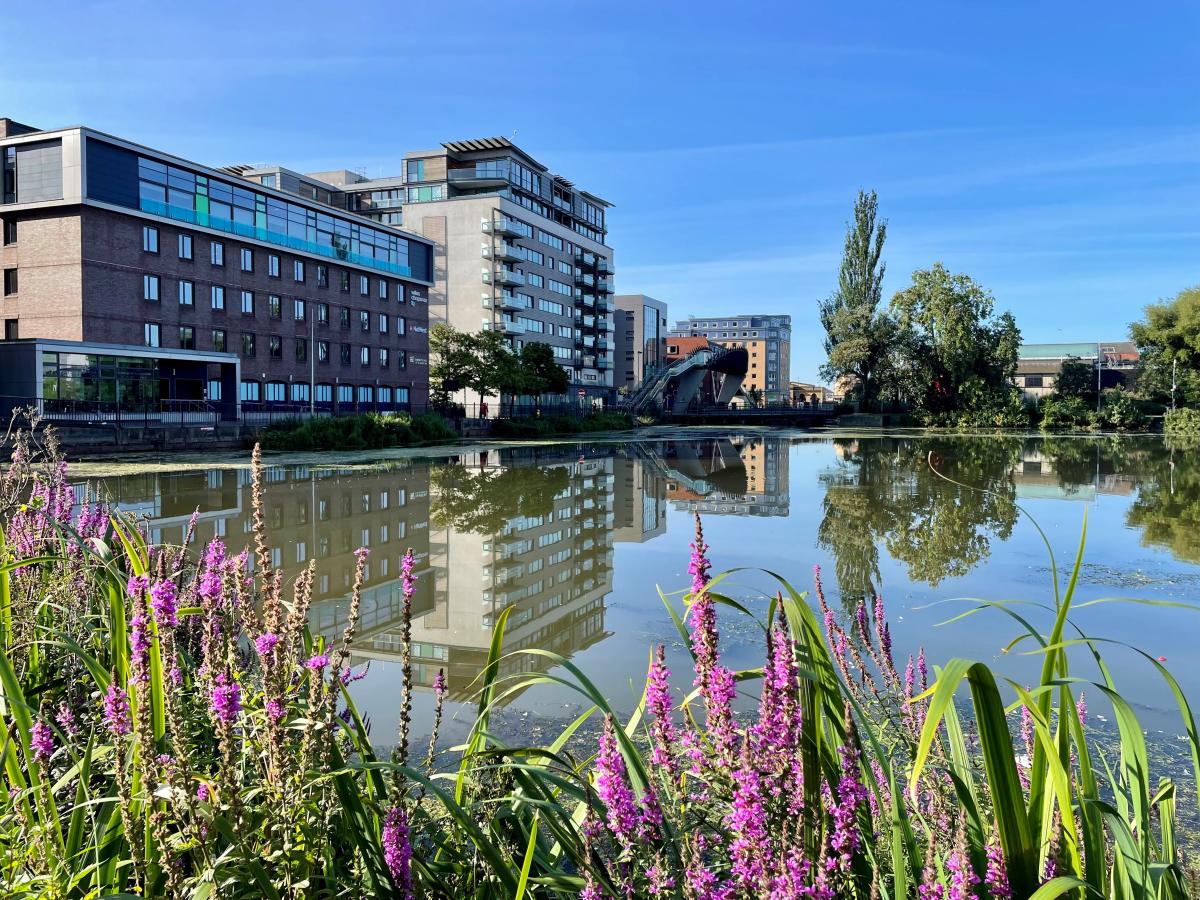
At the bottom of town, Brayford Pool is the oldest inland harbour in the UK and the site of Lincoln’s first known settlement, dating to the 1st century BC. Since the expansion of the University of Lincoln, the area has been redeveloped into a hub of hotels, bars, restaurants and a cinema. In summer, you can take a boat trip on the Brayford Belle.
Lincoln Christmas Market what’s actually running now
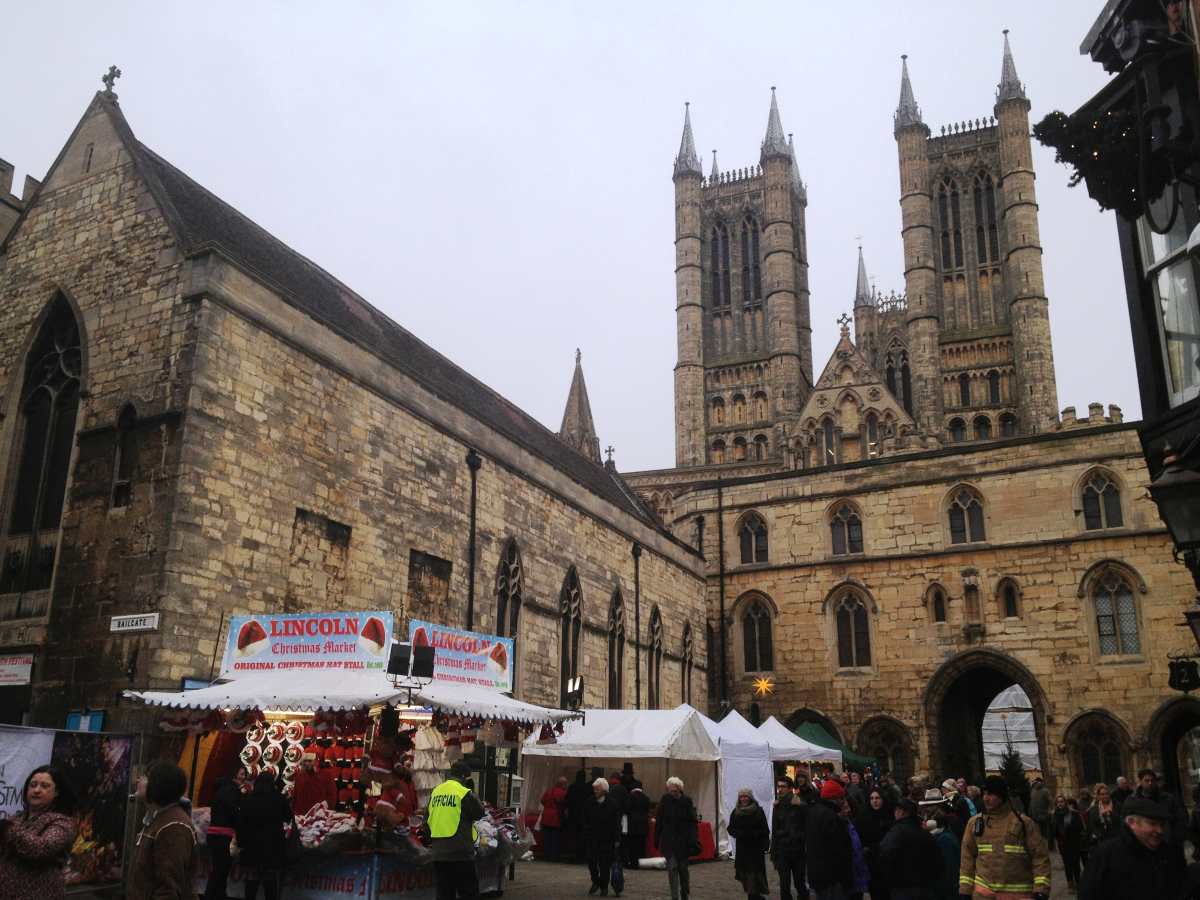
The famous Lincoln Christmas Market, a four-day event running since 1982 that drew 250,000+ visitors to the Cathedral Quarter, was permanently scrapped by the City Council in February 2023 on crowd-safety grounds after its last running in 2022. It has not returned in its old form, and a campaign to reinstate it was rejected.
In its place, the council runs a longer, decentralised programme of festive events across the city called “Christmas in Lincoln,” spread through late November and December rather than one big weekend. Lincoln Cathedral has also run its own smaller, ticketed festive market in recent years for 2026, keep an eye on the cathedral’s own site closer to the date, since exact dates and format are still being finalised year to year.
Lincoln Museum currently closed
Lincoln Museum has been closed since 14 October 2024 for a major redevelopment of its archaeology gallery. The project was originally due to finish in 2025 but is now expected to complete in 2027.
The Collection: Usher Gallery
The Usher Gallery, part of the same site as Lincoln Museum (together known as The Collection), remains open with free entry while the museum next door is under redevelopment. It’s a Grade II listed building opened in 1927, built with money left to the city by James Ward Usher to house his art collection, and holds decorative art, clocks and fine art including work by Turner, Lowry and Grayson Perry, alongside temporary exhibitions.
Museum of Lincolnshire Life
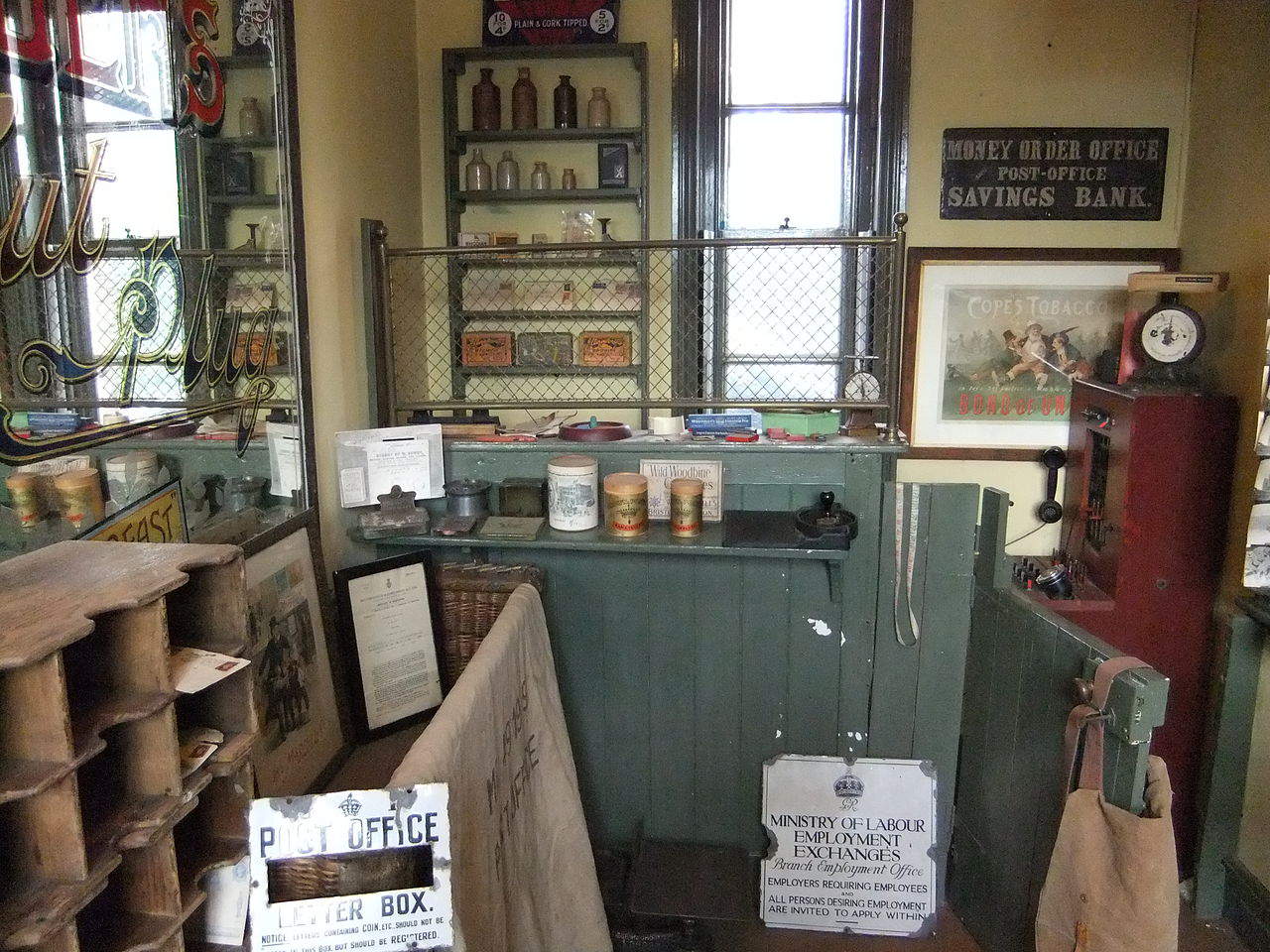
Housed in Lincoln’s old military barracks, this museum covers the social history of Lincolnshire from 1750 to the present, with recreated shop and house interiors and an extensive collection of farm machinery and military hardware.
A few more local favourites
- Wander the University of Lincoln campus down by Brayford Pool open to visitors and a pleasant waterside stroll
- Catch a Lincoln City FC match at Sincil Bank if you’re visiting during the season
- Book an evening ghost walk through the Cathedral Quarter’s cobbled streets several local operators run these seasonally
- Duck into one of the city’s escape rooms or indoor activity venues for a rainy-afternoon backup plan
Things to do around Lincoln
Beyond the city itself, Lincolnshire mixes rolling countryside with traditional market towns and seaside resorts like Skegness and Mablethorpe. The Lincolnshire Wolds, an Area of Outstanding Natural Beauty, offer good walking and cycling, and the county’s agriculture supports plenty of farm shops and village pubs along the way.
International Bomber Command Centre
The IBCC is a memorial and visitor centre honouring the roughly 58,000 men and women, from 62 nations, who served or supported RAF Bomber Command during WWII. Its Spire, at 31 metres, is one of the UK’s tallest war memorials and matches the wingspan of an Avro Lancaster bomber.
Access to the Spire, the Walls of Names and the 10 acres of Peace Gardens is free (parking is £3/day). Entry to the exhibition inside the Chadwick Centre costs around £9.50 for adults, with concessions and family tickets available.
Hartsholme Country Park
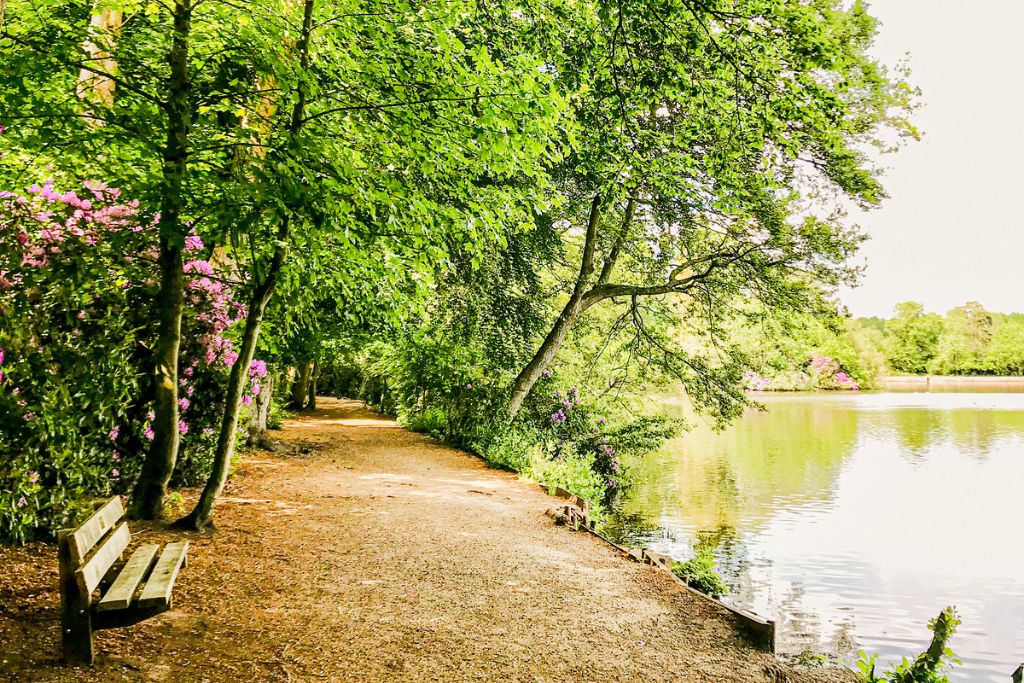
A few miles outside the city, Hartsholme has Victorian landscaped gardens, a large reservoir, and woodland and grassland walks, much of it surviving from the original 1860s design.
Doddington Hall & Gardens
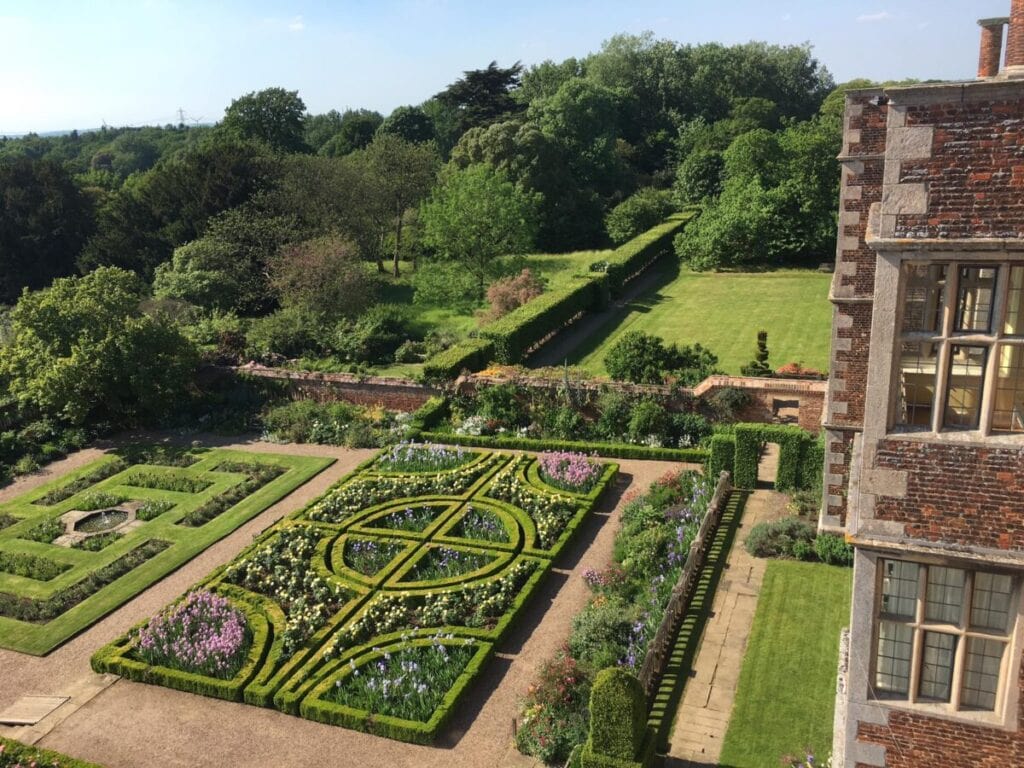
Doddington Hall was built between 1593 and 1600 by Robert Smythson for Thomas Tailor, lawyer and Recorder to the Bishop of Lincoln. It’s a Grade I listed house, wide-fronted but only a single room deep at its centre, and has featured in productions including Pride and Prejudice and War & Peace. See more Elizabethan and Jacobean houses in my guide to English manor houses.
Where to stay in Lincoln
Old Palace Lodge
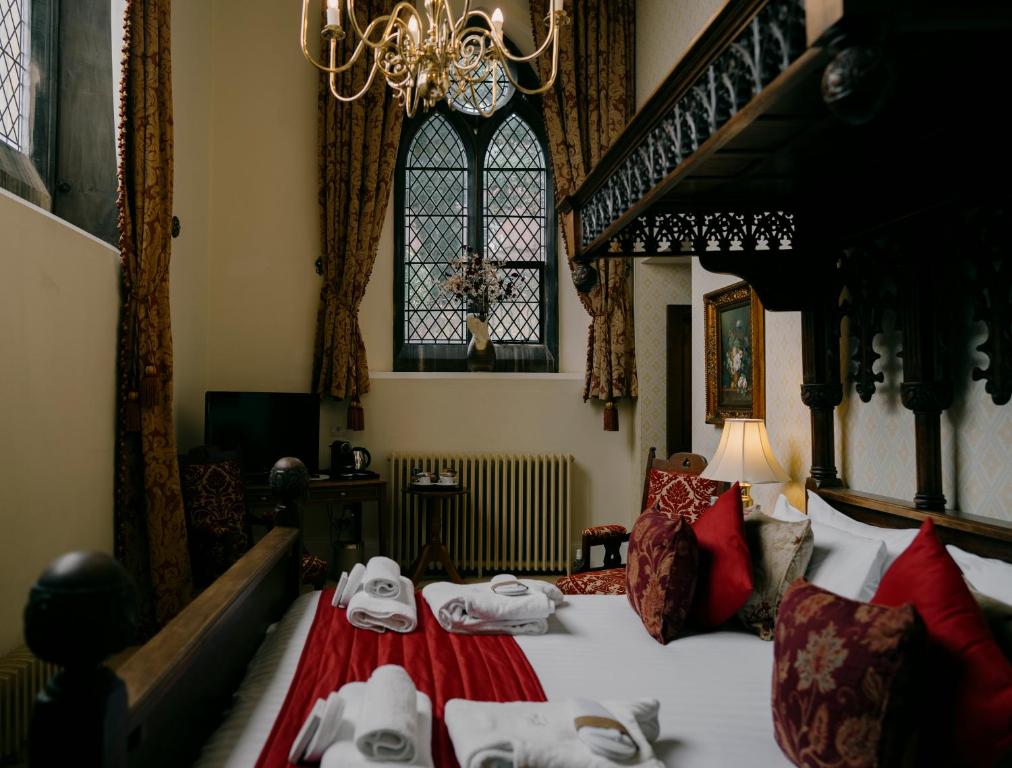
A converted church in the shadow of Lincoln Cathedral, blending traditional features with modern amenities. It’s a 5-minute walk from Bailgate’s restaurants and bars, and 4 minutes from Lincoln Castle.
Grayz’s Townhouse
A beautifully renovated two-bedroom townhouse in the Cathedral Quarter, roughly a 10-minute walk to both the castle and cathedral, and 5 minutes from Bailgate handy for the Cathedral Quarter’s festive events if you’re visiting in December.
Washingborough Hall Hotel
A family-run Grade II listed Georgian manor about 5km from the city centre, with an AA rosette for its food, 20 individually styled rooms (some four-poster), and free homemade biscuits in every room.
The Old Palace
The Old Palace Lincoln sits in the shadow of Lincoln Cathedral. It blends traditional features with modern amenities like flat-screen TVs. The Old Palace Lincoln is a 5-minute walk from Bailgate, where guests will find a plethora of restaurants and bars. Lincoln Castle, which houses one of the four original copies of the Magna Carta, is a 4-minute walk from The Old Palace Lincoln.
Frequently Asked Questions
Is Lincoln Museum open in 2026?
No. Lincoln Museum has been closed since 14 October 2024 for a major redevelopment of its archaeology gallery, now expected to reopen in 2027. The Usher Gallery next door, part of the same Collection site, remains open with free entry.
How much does it cost to visit Lincoln Cathedral?
General admission is £12 and includes a free guided floor tour. Extra themed tours roof, tower and historic graffiti cost £7.50 each on top of admission.
How much does Lincoln Castle cost?
The grounds are free to enter. A day ticket covering the Medieval Wall Walk, Magna Carta Vault and Victorian Prison runs roughly £15–£18 depending on the season and booking channel check lincolncastle.com for the current rate before you go.
Is the Medieval Wall Walk fully open?
Not currently. Parts of the Wall Walk are closed for essential repairs, and the affected sections are not wheelchair accessible while work continues.
How many days do you need in Lincoln?
Two days is a comfortable amount of time to see the Cathedral Quarter, the Castle, Steep Hill and Bailgate without rushing, based on my own visit. Add a third day if you want to fit in a day trip like Doddington Hall or the Lincolnshire Wolds.
Is Lincoln accessible for visitors with mobility issues?
Largely yes, with one clear exception. Steep Hill genuinely lives up to its name (a 1-in-7 gradient), though there’s a flatter route by car or bus if you’d rather skip it. Lincoln Cathedral and Lincoln Castle both have step-free routes, accessible toilets and loan wheelchairs at the cathedral, but the Wall Walk’s under-repair sections aren’t currently accessible.
What is the Lincoln Imp?
A stone carving inside Lincoln Cathedral, and the city’s unofficial mascot. Local legend says it’s one of two mischievous imps turned to stone by an angel after they caused chaos in the cathedral in the 14th century.
Can you see an original Magna Carta in Lincoln?
Yes one of only four surviving 1215 copies is kept at Lincoln Castle’s Magna Carta Vault, on permanent loan from the Cathedral, alongside Lincoln’s copy of the 1217 Charter of the Forest.
Is there still a Lincoln Christmas Market?
Not in its old form. The traditional four-day Lincoln Christmas Market, running since 1982, was permanently cancelled by the City Council in February 2023 after its final year in 2022, on crowd-safety grounds. It’s been replaced by a longer, decentralised “Christmas in Lincoln” events programme, and Lincoln Cathedral has run its own smaller ticketed festive market in recent years check the cathedral’s website closer to December for the current year’s format and dates.
If Yorkshire’s on your route, start with the Yorkshire Travel Guide for the wider picture before diving into individual stops.This is just one part of a much bigger country see the full England Travel Guide for everywhere else worth building into your trip, and my United Kingdom travel Guide for a broader picture of the whole country. Explore more of the region with guides to Scotland, Wales, Northern Ireland. If you are a foodie take a look at my Global Food Guide.