
22 of the Best Cathedrals in England to Visit
England has 42 Anglican cathedrals plus 21 Catholic ones, ranging from Canterbury’s 597 AD foundation to Liverpool’s 1978 completion. The must-sees for most first-time visitors are Canterbury (seat of the Archbishop, UNESCO-listed), York Minster (128 stained-glass windows), Salisbury (home to an original Magna Carta and Britain’s tallest spire), and Durham (Romanesque architecture, UNESCO-listed) all covered in full below, alongside 18 more.England’s cathedrals are always a wonder, with soaring buttresses, grinning gargoyles, and stained glass windows casting their colours all around. These cathedrals are eloquent symbols of the church’s ancient power.

The cathedrals span almost a millennium, from the 1100s to the modern British cathedrals in Coventry and Liverpool, encompassing everything from early English Gothic to Renaissance to 1960s Modernist design.
I’m not religious by any means, but ten years living in Britain gave me the chance to visit many of these incredible buildings. The reverential hush when you enter a cathedral, the beauty of the patterns reflected onto the floors by the stained glass windows, and the embodiment of a history long since gone stuns me every time. The stunning wood carvings on the pews and baptismal fonts and the organ lofts leave me speechless. I love to just sit and absorb the works of genius that these English cathedrals are.
Before the Reformation and the Civil War, cathedrals were surprisingly brightly coloured and decorated. Most of the medieval artwork was covered up or destroyed during these times, but there are many churches and cathedrals undergoing restoration work where traces of these art pieces are being re-discovered and brought back to life.

Cathedrals like Southwark, Hereford, Ely, Exeter, and Chichester also stand out for their historical significance and unique beauty, even though they don’t make this list of 22: Southwark boasts a blend of Gothic and Romanesque styles; Hereford houses the medieval Mappa Mundi; Ely’s towering octagon and lantern dominate the flat Fens; Exeter has the longest uninterrupted Gothic vault in the world; and Chichester’s spire is visible for miles.
- 22 of the Best Cathedrals in England to Visit
- Fast Facts
- History of Cathedrals in England
- The Architecture of Cathedrals in England
- The Biggest Cathedrals in the UK
- Manchester Cathedral Manchester
- Durham Cathedral Durham
- Southwell Cathedral (Southwell Minster) Nottinghamshire
- Bristol Cathedral Bristol
- Canterbury Cathedral
- Coventry Cathedral
- Gloucester Cathedral
- Guildford Cathedral Surrey
- Lincoln Cathedral Lincoln
- Liverpool Cathedral Liverpool
- Norwich Cathedral
- Christ Church Cathedral Oxford
- Salisbury Cathedral Salisbury, Wiltshire
- St Alban's Cathedral Hertfordshire
- St Paul's Cathedral London
- Sheffield Cathedral
- Truro Cathedral Cornwall
- Wells Cathedral Somerset
- Westminster Cathedral (Catholic) London
- Winchester Cathedral Hampshire
- Worcester Cathedral
- York Minster Yorkshire
- Frequently Asked Questions
Fast Facts
| Cathedrals in England (Church of England) | 42 |
| Oldest foundation | Canterbury Cathedral founded 597 AD |
| Tallest spire | Salisbury Cathedral 404 ft (123 m) |
| Largest by volume | Liverpool Cathedral largest in England, 8th-largest in the world |
| Longest uninterrupted nave (Europe) | Winchester Cathedral |
| Longest cathedral build | Liverpool Cathedral 1904 to 1978 (74 years) |
| UNESCO World Heritage cathedrals | Durham and Canterbury |
| Free-entry cathedrals in this guide | Coventry, Gloucester (donation requested), Norwich, St Alban’s, Truro, Wells (donation requested), Westminster Cathedral (Catholic), Worcester |
History of Cathedrals in England
In Medieval England, the Church dominated everybody’s life. All Medieval people be they village peasants or townspeople believed that God, Heaven and Hell all existed, and were taught that the only way to Heaven was through the Roman Catholic Church.
Many English cathedrals were built in cities because that was where the money was. To ‘glorify God,’ the church and its wealthy patrons would build a grand cathedral in a great location so that all could see what a triumph their city was a display of both power and the piety of those who paid for it.
The Architecture of Cathedrals in England
Cathedrals were usually built in a cross or cruciform shape to reflect the crucifixion and the sacrifice of Jesus. Each area within the cathedral was designed to carry its own Christian meaning.
The apse represents Christ’s head and always faces the rising sun, since cathedrals and churches were built facing east all worshippers look toward the apse, where the Eucharist was celebrated and where the bishop or priests stood to preach.
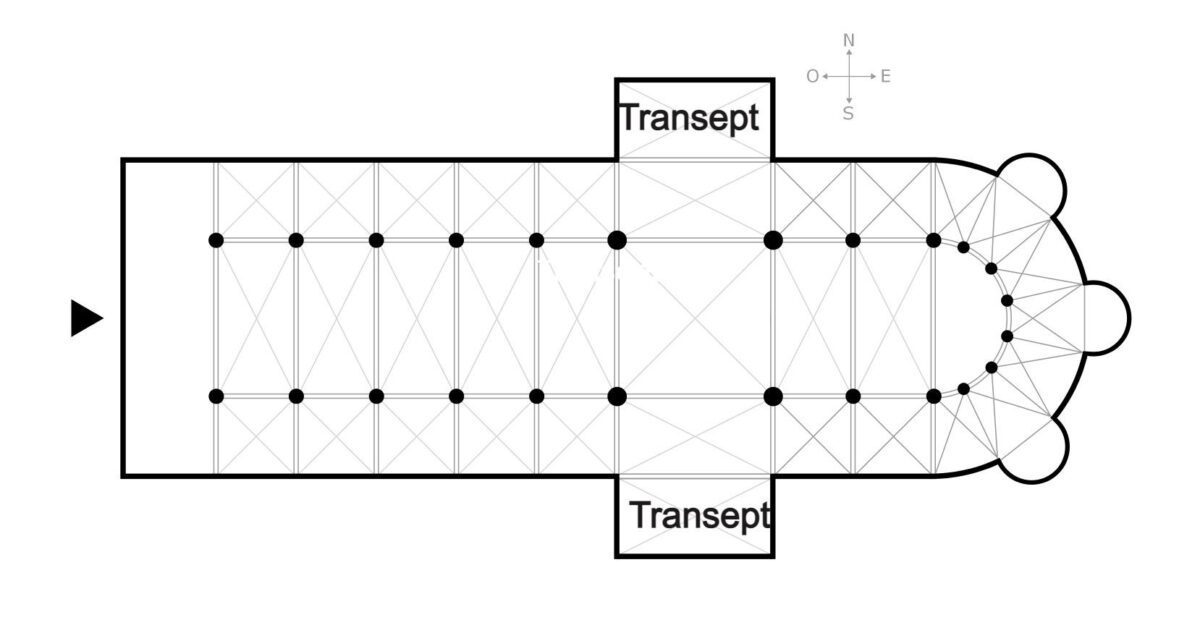
The transepts are the two arms of the cathedral plan, said to represent the arms of Jesus on the cross. The nave is the main rectangular area where worshippers gather and are seated the body of Christ, named after the Latin word for ship, a symbol of the Church as a vessel of souls.
The narthex was often a long, narrow, covered porch on the western end, taking up the entire width of the building. This is where those not yet baptised gathered to await the ritual that allowed them entry into the main body of the congregation.
42 cathedrals in Britain are Church of England foundations, and 39 of these 42 are Grade I listed by Historic England. Durham and Canterbury Cathedrals are UNESCO World Heritage Sites. Visitors may also enjoy free choral performances at several of these sites, or view important sacred and historic relics, like two of the four surviving copies of the Magna Carta, which turned 800 years old in 2015.
The Biggest Cathedrals in the UK
A list of some of the largest cathedrals in England, typically measured by overall size length, width, and height:
- York Minster, York
- Liverpool Cathedral, Liverpool
- Salisbury Cathedral, Salisbury
- Winchester Cathedral, Winchester
- Canterbury Cathedral, Canterbury
- Durham Cathedral, Durham
- Gloucester Cathedral, Gloucester
- Lincoln Cathedral, Lincoln
- St Paul’s Cathedral, London
- Westminster Abbey, London
These cathedrals stand out for their architectural grandeur, historical significance, and cultural importance.
Cathedrals are the main churches in each diocese in the Church of England and its sister Anglican denominations. Although they are historically the seat of the diocesan bishop, they are run day-to-day as places of worship, history, tourism and art by a Dean.
Manchester Cathedral Manchester
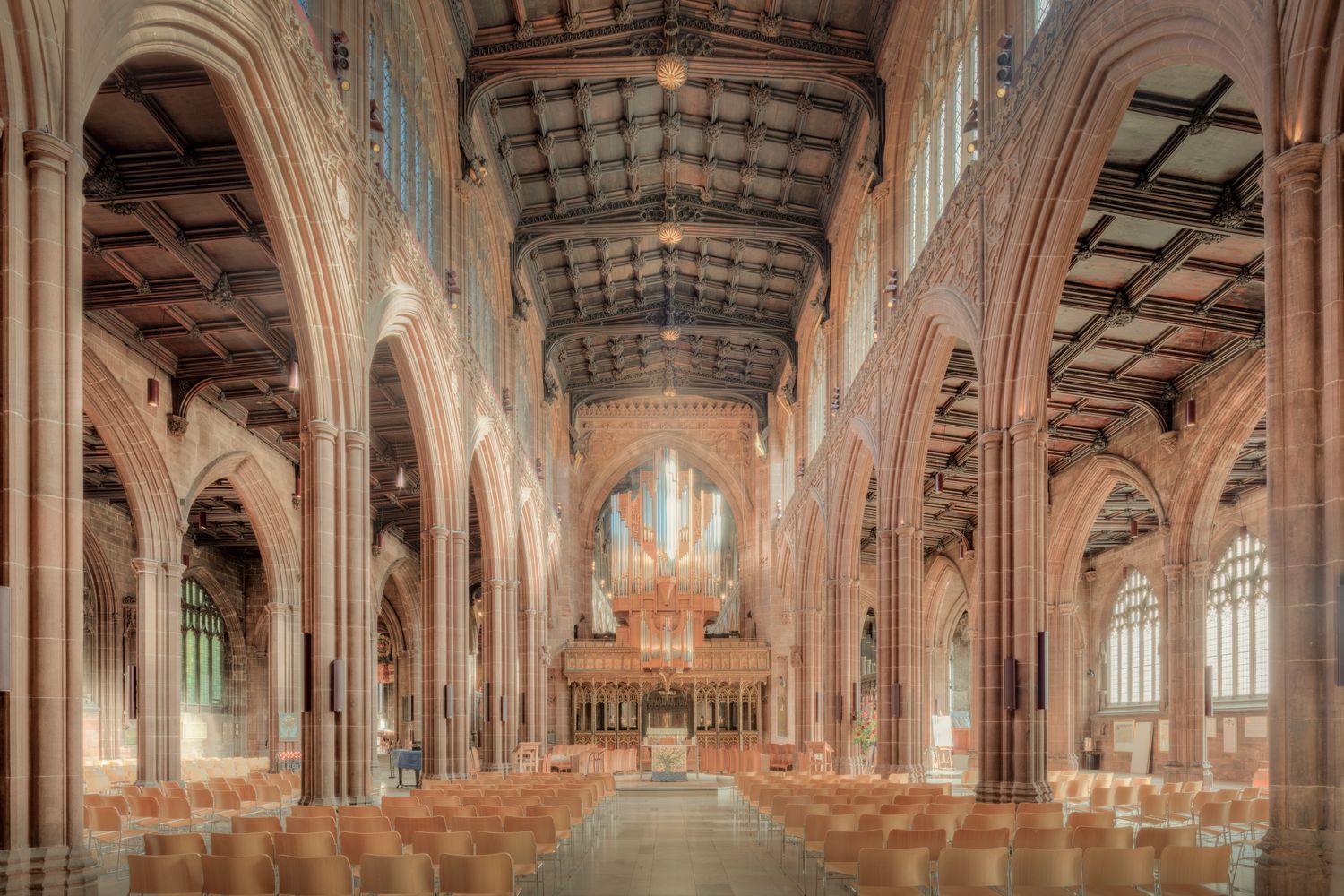
Manchester Cathedral, on Victoria Street in Manchester city centre, is the mother church of the Diocese of Manchester and one of 15 Grade I-listed buildings in the city.

Mainly built in Gothic style, it contains late medieval wooden furnishings commissioned by former warden James Stanley, and was extensively remodelled and rebuilt in the Victorian era and 20th century.
The site is thought to have originally been home to an early Saxon church, evidenced by the ‘angel stone’ a small carving of an angel with a scroll, discovered embedded in the wall of the original south porch, dating to around 700 AD. The remains of that early church are preserved inside the cathedral.
Around 1075, William the Conqueror gave the land stretching from the River Ribble to the River Mersey to Roger de Poitou, who in turn gave the Manor of Manchester to the Greslet family (sometimes spelt Grelley or Gresley).
Durham Cathedral Durham
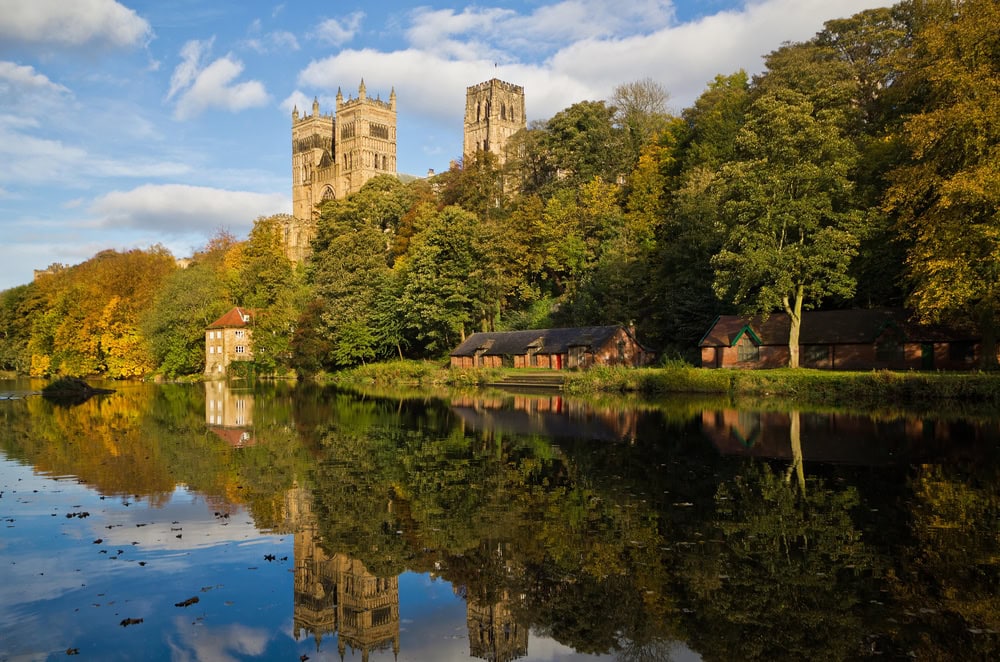
Durham Cathedral is one of the most iconic cathedrals in England, renowned for its Romanesque architecture and stunning location atop a promontory overlooking the River Wear. Construction began in 1093 under Bishop William of St Carilef and was completed in 1133, with a massive central tower, intricate stone carvings, rounded arches and sturdy pillars characteristic of Romanesque design.
Durham Cathedral features some of the finest examples of medieval stained glass in England, with windows depicting biblical scenes, saints and historical events. Durham Cathedral, along with Durham Castle, is a UNESCO World Heritage Site.
Southwell Cathedral (Southwell Minster) Nottinghamshire
Known as the ‘hidden gem’ of English cathedrals, the Minster’s ancient stones are soaked with 900 years of history. The earliest church on the site is believed to have been founded in 627 AD by Paulinus, the first Archbishop of York, while he was baptising believers in the River Trent.
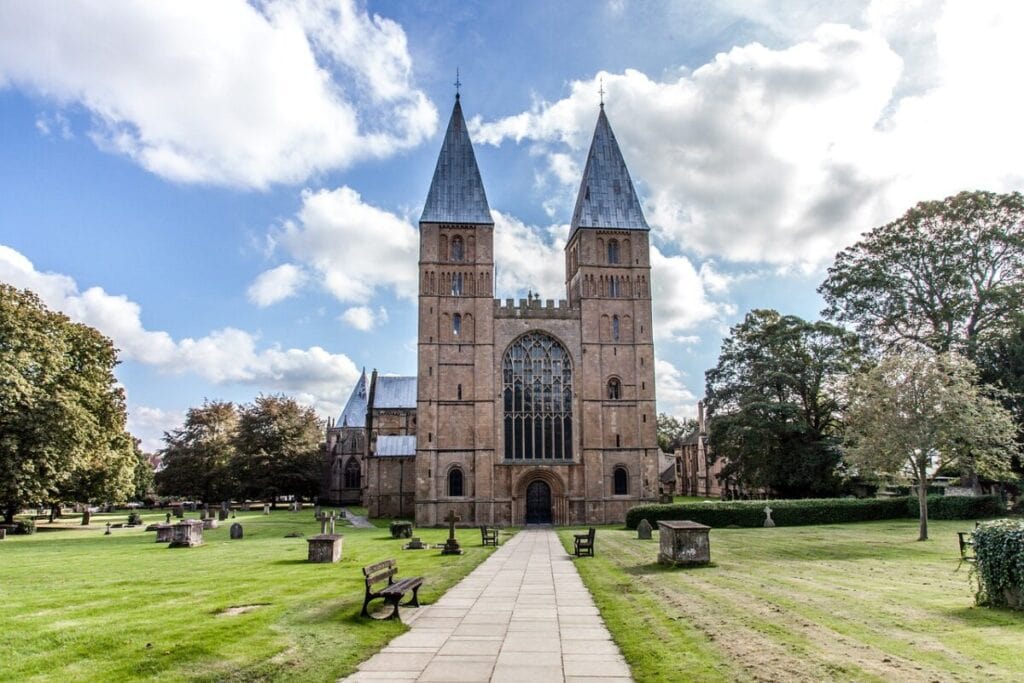
The church suffered less than many others during the English Reformation, having been refounded in 1543 by Act of Parliament. Southwell is where Charles I surrendered to Scottish troops in 1646 during the English Civil War the war left the church seriously damaged and the adjoining palace almost destroyed, first by Scottish troops and then by local people.
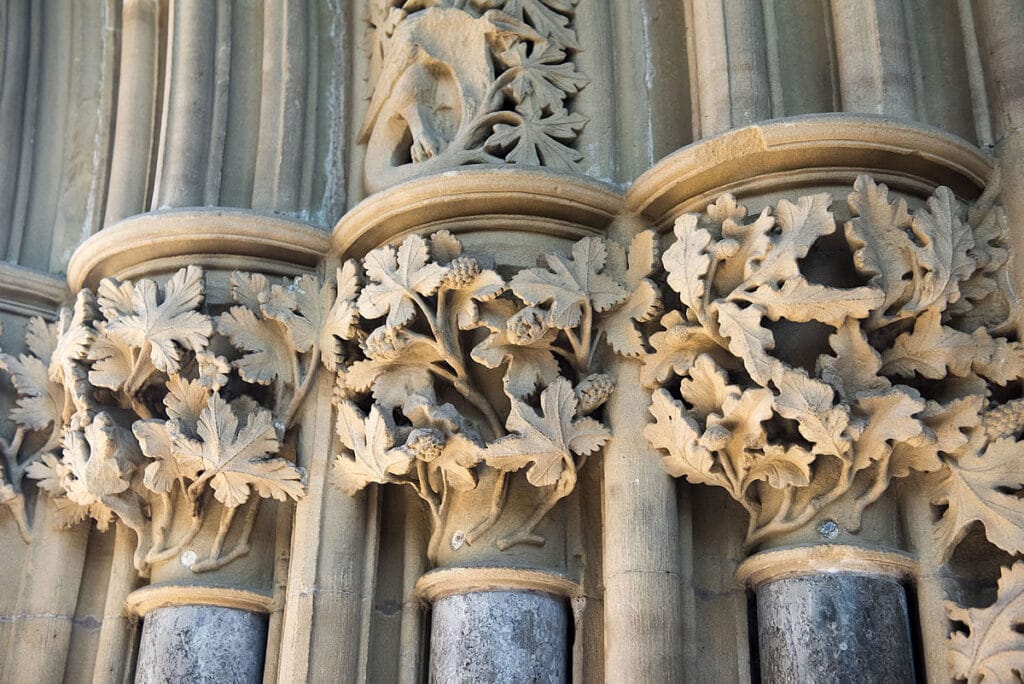
The ‘Leaves of Southwell’ masterful 13th-century stone carvings of Green Men, animals and plants throughout the chapter house were voted #1 in the CathedralTreasures competition and are considered the finest example of 13th-century carving in England.
Bristol Cathedral Bristol
Bristol Cathedral is located at the west end of the city, close to the harbourside. It is free to enter and open 365 days a year (donations welcome), is wheelchair-accessible, and guide dogs are permitted. Photography is allowed except during services.

It is almost certain there was a Saxon chapel on the site. The chapter house and east end once formed part of an Augustinian abbey founded in 1140, which was dissolved by Henry VIII in 1539 but given to the citizens of Bristol as their cathedral. The nave and west end were added in 1868, built in a Gothic Revival style to match the medieval features. When you visit try the chapter house gin, still distilled in a copper vat and sold from the cafe.

Canterbury Cathedral
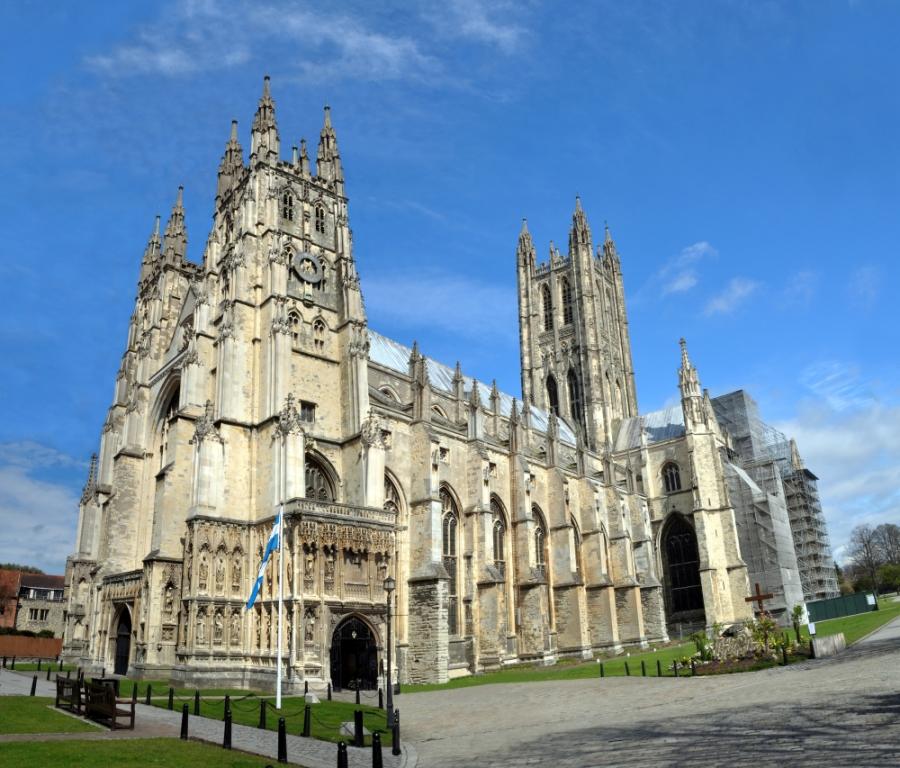
Canterbury Cathedral is one of the most famous and oldest cathedrals in the country, and the seat of the Archbishop of Canterbury head of the Church of England and Mother Church of the Anglican Communion. Founded in 597 AD, it was completely rebuilt between 1070 and 1077.
Visiting the Cathedral is without a doubt among the most important things to do in Canterbury, and it is open to the public most days. As of 2026, adult admission is £16 booked online (£17 at the door); under-17s go free when accompanied by a paying adult (up to two children per adult); and a family ticket (2 adults + up to 3 children aged 5–17) costs £43. Check the official Canterbury Cathedral site for current prices and opening hours before you go.
Visiting the Cathedral and grounds can take a good few hours it’s a massive site. The best time to visit is early morning, just as it opens; try to avoid weekends if you don’t like crowds.
One spectacular feature is the gorgeous stained glass, enclosed in stone Gothic frames rising toward the arches of the ceiling. The crypt is another highlight, and the Cathedral often hosts art exhibitions.
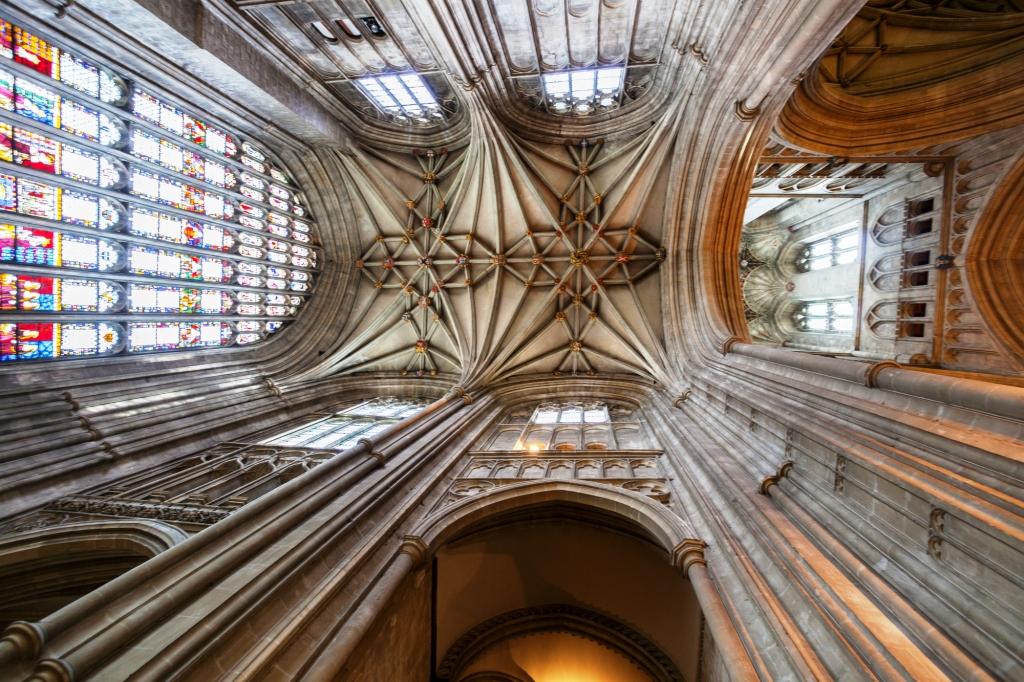
On the grounds, you can see the ruins of the original 12th-century Norman Infirmary Chapel, part of the monastery the Cathedral was built on.
Coventry Cathedral
The Cathedral Church of Saint Michael, to give it its full name, is the third cathedral to stand on this site. Local tradition credits St Osburga with founding a convent beside the Sherbourne River around 700 AD, which eventually became a cathedral Coventry is believed to take its name from the word ‘convent.’ The convent was later destroyed by King Canute.

Coventry’s medieval cathedral, St Mary’s Priory and Cathedral, survived until the Reformation. During WWII the cathedral was heavily damaged by Luftwaffe bombs. The current St Michael’s Cathedral was built next to the ruins of the old one, in the 1950s.

Architect Basil Spence, who was knighted for his work, insisted the ruins of the old cathedral be kept as a garden of remembrance alongside the new building. The foundation stone was laid by Queen Elizabeth II in 1956; the 80-foot spire was lowered onto the flat roof by helicopter in 1962. The cathedral was consecrated on 25 May 1962, and Benjamin Britten’s War Requiem was composed for the consecration. It is free to enter.
Gloucester Cathedral
Gloucester Cathedral is the jewel in the crown of the historic city of Gloucester beautiful inside and out, with fantastic grounds. Its history dates back to 1089, with many features added since, including its dominant tower in the 15th century.

Don’t miss the impressive nave, the massive organ, and the iconic cloisters with their intricate fan vaulting, which surround the secret garden and have featured in the Harry Potter films and Doctor Who. The cathedral also has impressive stained glass, including a series of smaller windows along the cloisters.
One of the most famous tombs is that of King Edward II, the seventh Plantagenet king, who suffered a gruesome death nearby at Berkeley Castle. Robert Curthose, eldest son of William the Conqueror, is also buried here.

Bishop Hooper was arrested for heresy in January 1555 on the orders of Queen Mary and burnt at the stake in the shadow of the cathedral the following February. A few ghosts are said to walk the cathedral, including a 14-year-old boy who fell during construction a story that features on the city’s ghost tours.

Visiting is free, though a donation is requested. The cathedral is visible from many parts of town, so it’s easy to find.
Guildford Cathedral Surrey
A visit to Guildford Cathedral is one of the best things to do in Surrey. The 49m tower on Stag Hill is visible from many places in Guildford, and the cathedral is open seven days a week (hours vary by day).
The easiest approach is by train from London (around 40 minutes), then a short bus ride or 15-minute walk; drivers can use the Guildford Cathedral car park.

Construction began in 1936 with a budget of £250,000, but was interrupted by the Second World War and the original funds were gone by the time work resumed. To finish the building, over 200,000 people bought a single brick with their name inscribed for £6 each even Elizabeth II and Prince Philip signed bricks that are still visible inside.

The interior nods to Guildford’s history as a wool town, with the town’s noted blue wool colour appearing throughout, and vaulting in the nave that draws the eye the moment you enter. On top of the tower is a huge gilded angel, added in honour of Reginald Adgey-Edgar, who died while serving his country.
Lincoln Cathedral Lincoln
Lincoln Cathedral was established in 1073 under Bishop Remigius and is currently the third-largest church in England. A major earthquake in 1185 led to a rebuilding under the next bishop, St Hugh, from 1186 the cathedral standing today is largely his Gothic vision.
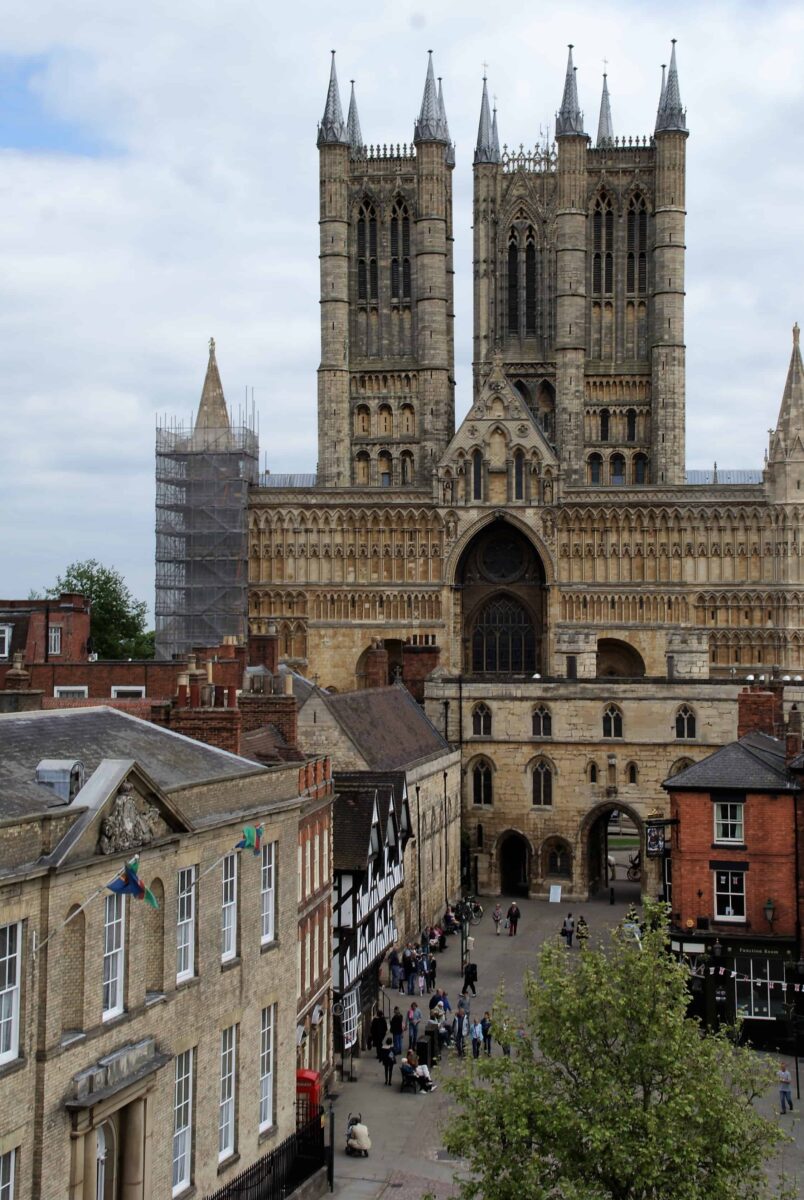
Its 525-ft central tower once made it the tallest building in the world, a title it held for over two centuries until the spire collapsed (most sources date this to 1548, with 1549 also commonly cited) and was never rebuilt. The Lincoln Imp a small carved devil at St Hugh’s shrine is the city’s enduring symbol.
The Medieval and Wren Libraries, inside the cloisters, hold an impressive collection of books dating to the 15th century, and a memorial chapel honours the Lincolnshire martyrs of the Second World War.
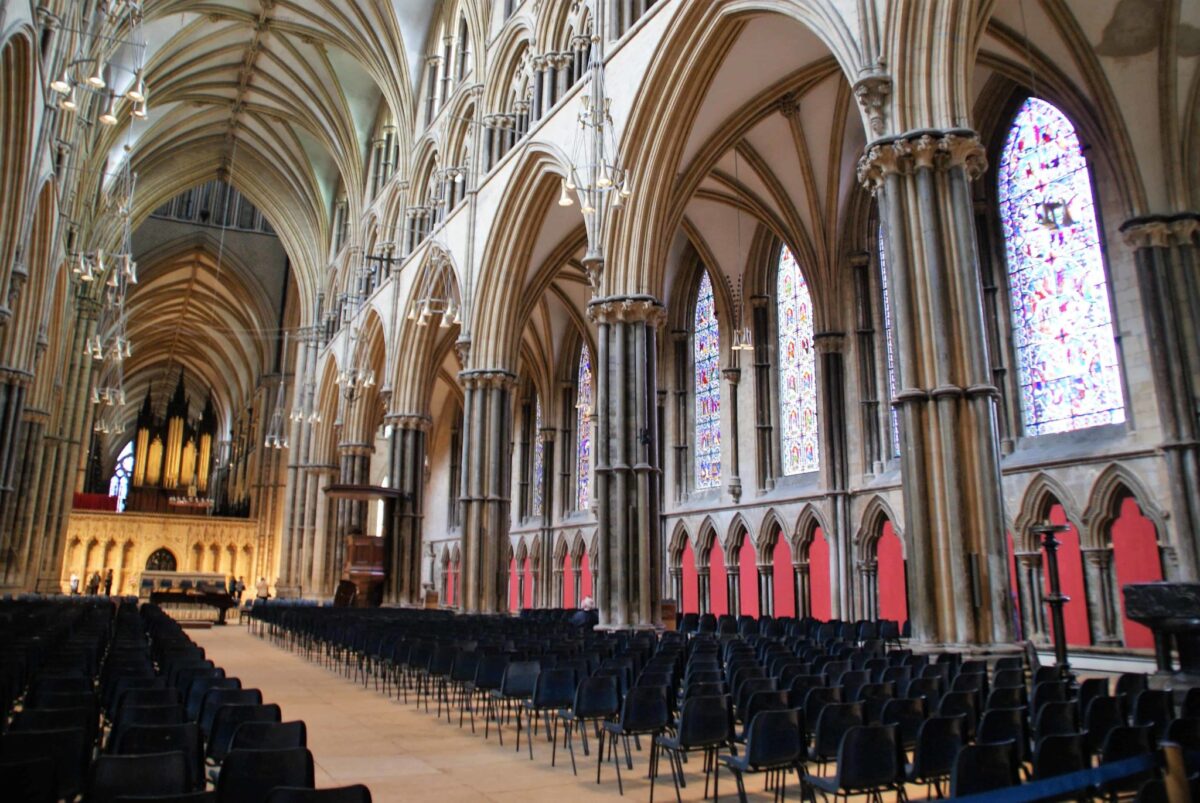
Guided tours come in five flavours floor, roof, tower, outdoor and graffiti each £7.50 per person, with the floor tour open year-round. Adult entry is £9, children up to 16 are £4, under-5s are free, and a family ticket (2 adults, 3 children) is £20.80; tickets are sold on-site only. Most of the cathedral is wheelchair-accessible and guide dogs are welcome.
Liverpool Cathedral Liverpool
England’s largest cathedral by volume is neither St Paul’s, Salisbury, nor York Minster it’s Liverpool Cathedral, an easy walk from Lime Street Station (the first railway station in England) and opposite Liverpool’s Chinatown, one of the oldest in England.
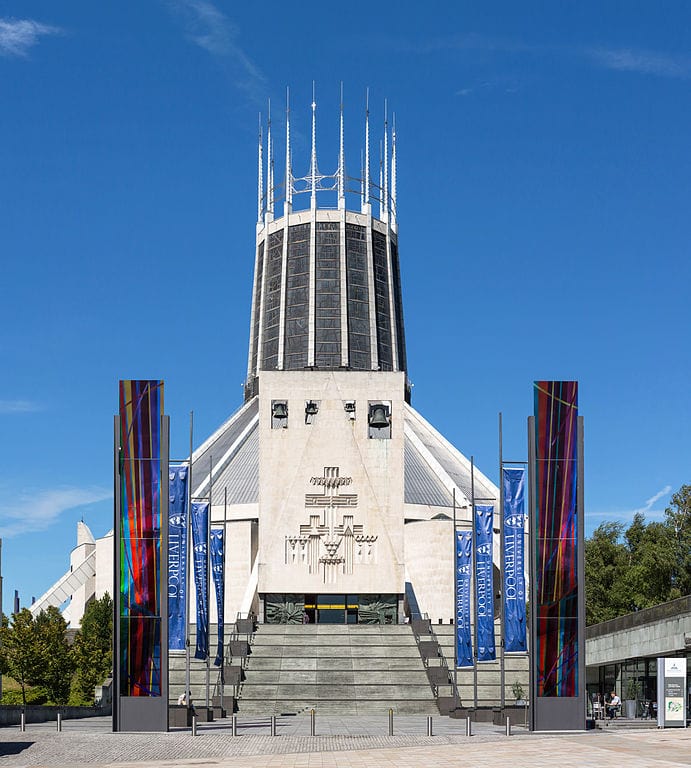
Two cathedrals dominate Liverpool’s skyline: the modern Metropolitan Cathedral, and this classic Anglican one, which took 74 years to build after architect Giles Gilbert Scott won a design competition in 1904 construction finally finished in 1978. It’s a fine example of Gothic Revival architecture, the largest cathedral by volume in England and the eighth-largest in the world; by nave length alone, though, Winchester’s is the longest uninterrupted nave in northern Europe.

The ceiling inside reaches 101 metres, lit by stained glass depicting biblical figures and stories. It’s worth the climb up the tower home to the largest and heaviest ring of bells in the world to the observation deck, 152 metres up, for a panoramic view of the city.

St James’ Garden outside the cathedral showcases several monuments, including St James’ Mount, the Ramps, the Huskisson Monument, the Oratory, and the Spring.
Norwich Cathedral
Norwich Cathedral may not be as well known as some others, but it’s well worth a visit. Built over 900 years ago, it’s the most complete Norman cathedral in England and one of the finest examples of Romanesque architecture in Europe.

Its spire is the second tallest in Britain, just behind Salisbury’s, and is now home to a pair of peregrine falcons who have successfully fledged chicks every summer since 2012.
Inside, look up at the medieval roof bosses more than any other cathedral in the Christian world then climb the narrow staircase to the Treasury to see gold and silver communion vessels gathered from parish churches across the diocese. Don’t miss the Cloisters, the largest of their kind in the country, with a labyrinth laid into the grass at their centre.

The cathedral also holds the grave of Edith Cavell, Norwich’s World War I heroine, and has its share of ghost stories sightings reported over the years include a bishop, a local hero, a Catholic priest, and a mysterious woman.
It’s in the Tombland area of Norwich, free to enter (donations help cover its high upkeep costs).
Christ Church Cathedral Oxford
People have visited this medieval church for over 800 years, since local pilgrims first came to pray at the shrine of St Frideswide, patron saint of Oxford.
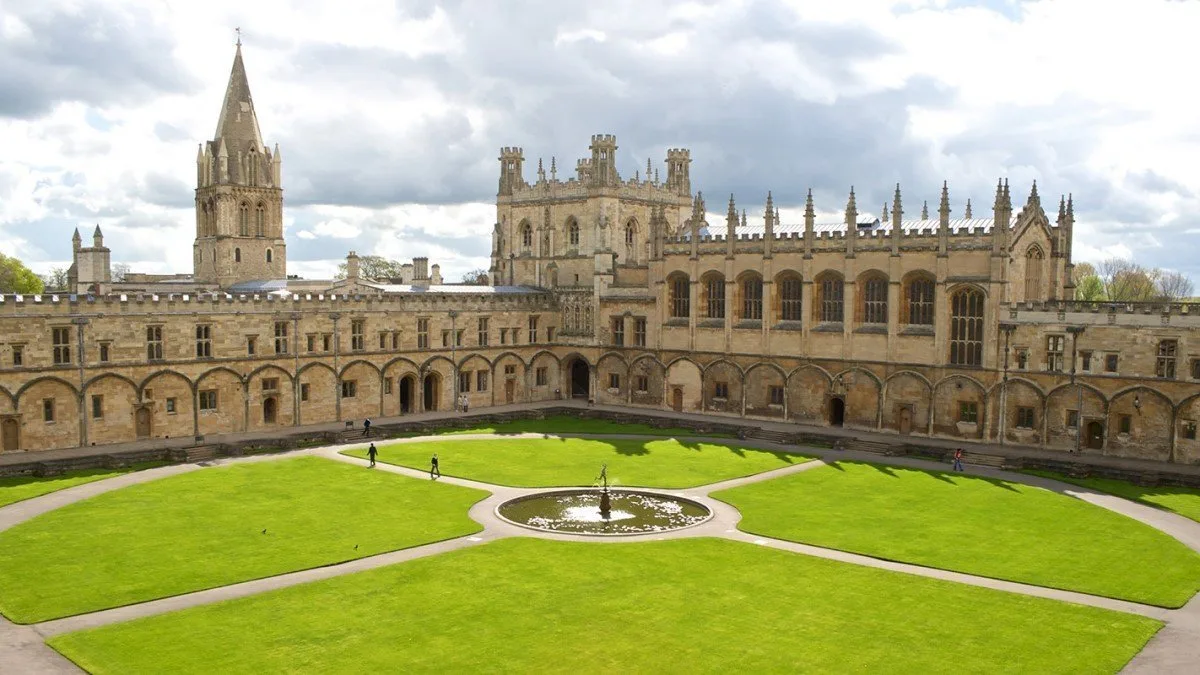
In 1522 the priory was surrendered to Cardinal Wolsey, who chose it as the site of his new college; when he fell from favour with Henry VIII in 1529, work stopped and his assets were seized. Three years later Henry VIII took over the building and re-established it himself.
Despite being one of the smallest cathedrals in England, Christ Church Cathedral feels grand thanks to a 19th-century redesign by Sir George Gilbert Scott, who also designed the Albert Memorial. Its Great Hall the dining hall for Christ Church’s students, and once the largest hall in Oxford until Keble College built a bigger one looks straight out of a Harry Potter film for good reason: it was the inspiration for the Hogwarts set, and the Ante Hall and Bodley Staircase were themselves used in filming.
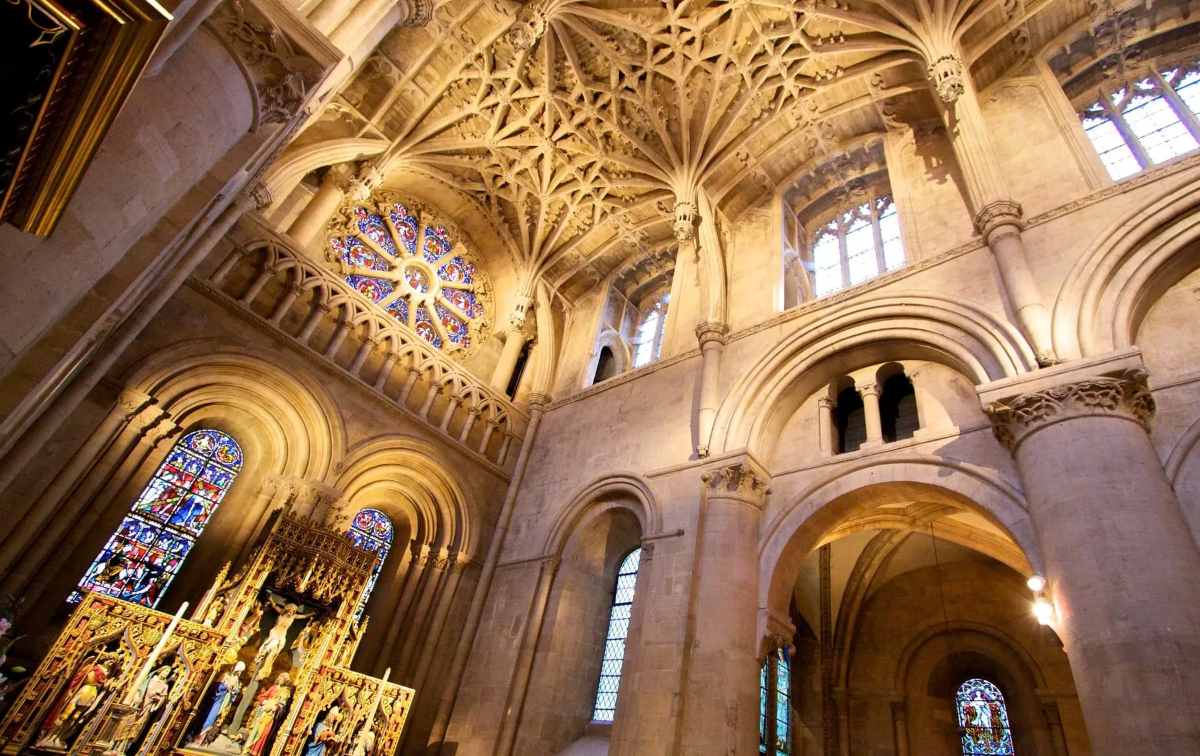
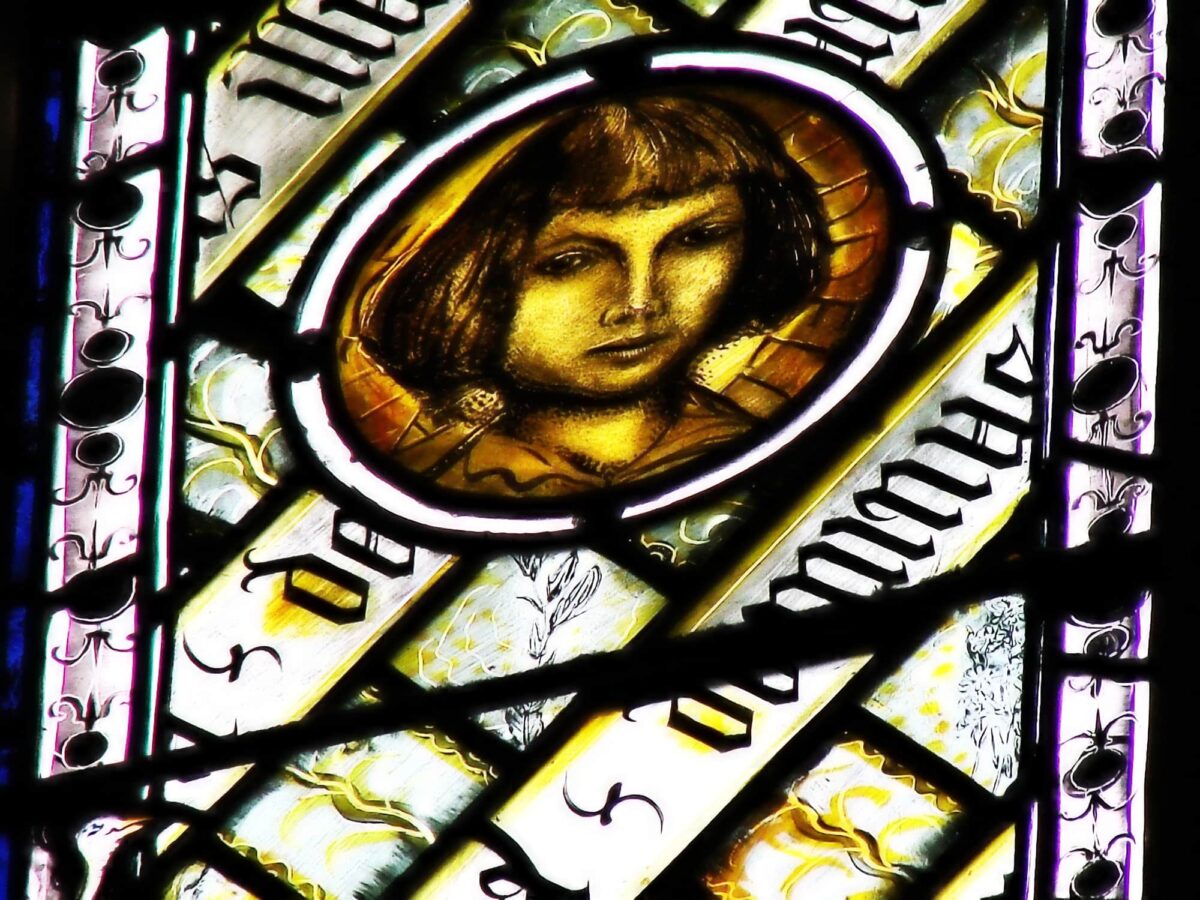
Among the cathedral’s eight stained-glass windows is an Alice in Wonderland pane, with a rabbit playing the bugle and a hare carrying a teapot a nod to Lewis Carroll, who was a deacon here.
The cathedral is open Monday to Saturday, 10am–4:15pm, and Sunday 2pm–4:15pm; entry (currently £16 online) includes an audio guide in several languages.
Salisbury Cathedral Salisbury, Wiltshire
Salisbury Cathedral makes a perfect side trip for anyone visiting Stonehenge, just 9 miles away. The 13th-century cathedral is best known for holding one of the four surviving original copies of the Magna Carta, sealed by King John at Runnymede on 15 June 1215 visitors can see it in the Chapter House.
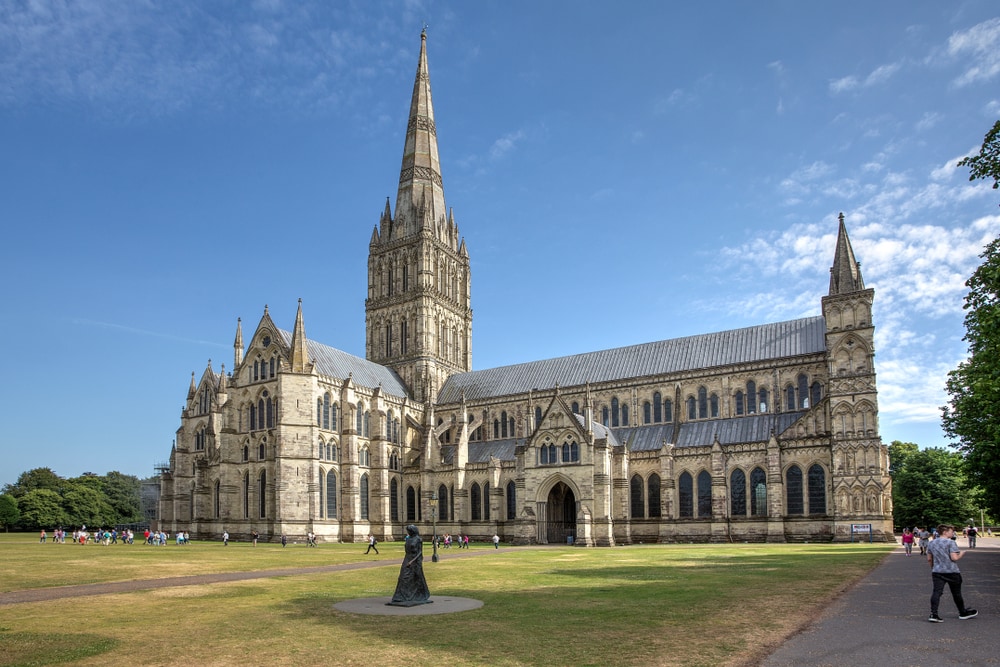
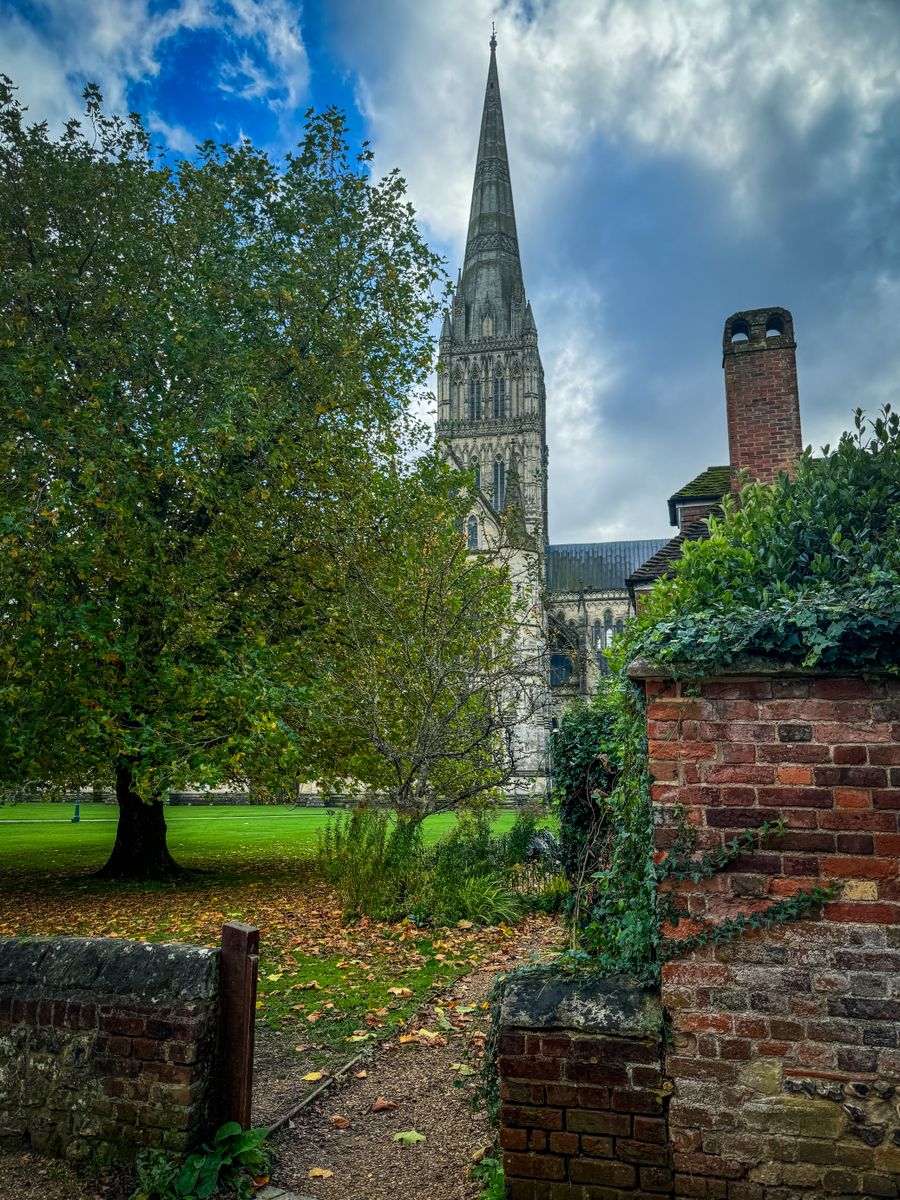
The cathedral spire is the tallest in Britain at 123m (404ft); a tower tour lets guests climb the 332 steps to its base. Salisbury also holds the world’s oldest working mechanical clock, built in 1386, and Britain’s largest cathedral close a lovely spot for a picnic on a fine day.
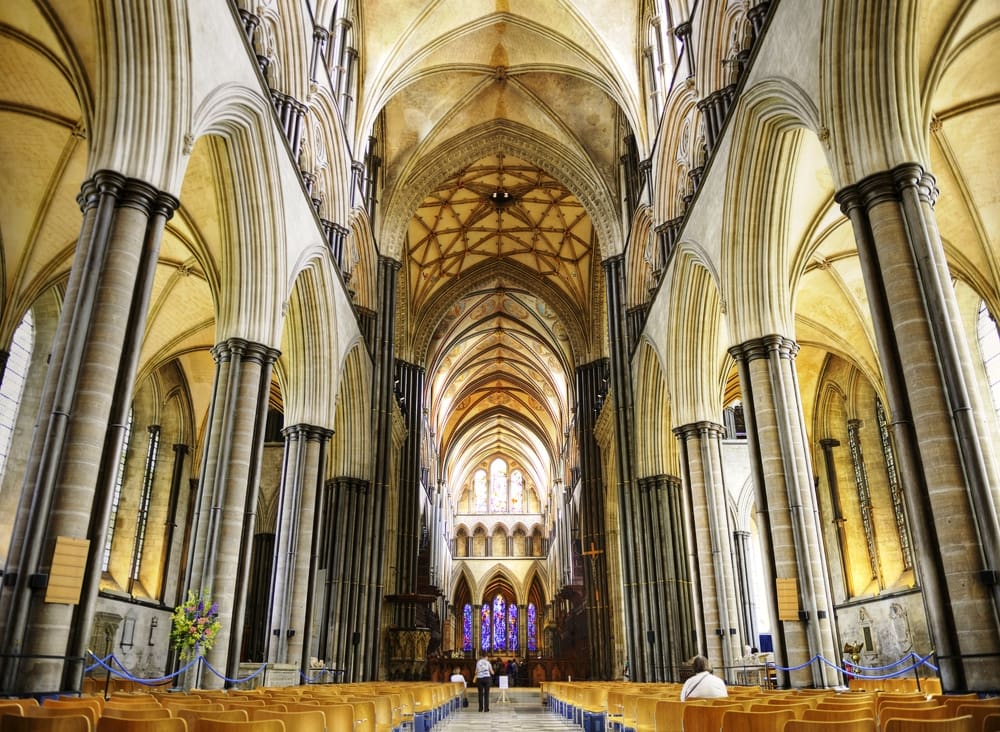
It’s an active church with daily services, open to visitors and worshippers alike. Entry is £10 for adults, £7 for students with valid ID, £6 for children aged 13–17, and free for under-13s.
St Alban’s Cathedral Hertfordshire
St Albans is a pretty Hertfordshire town just 35km from London, easily reached by car or public transport. Its cathedral, built on the spot where Alban the first British Christian martyr was buried, represents the oldest Christian cult site in Great Britain, and blends architectural styles reflecting its various roles over the centuries, first as an abbey and later as a cathedral.

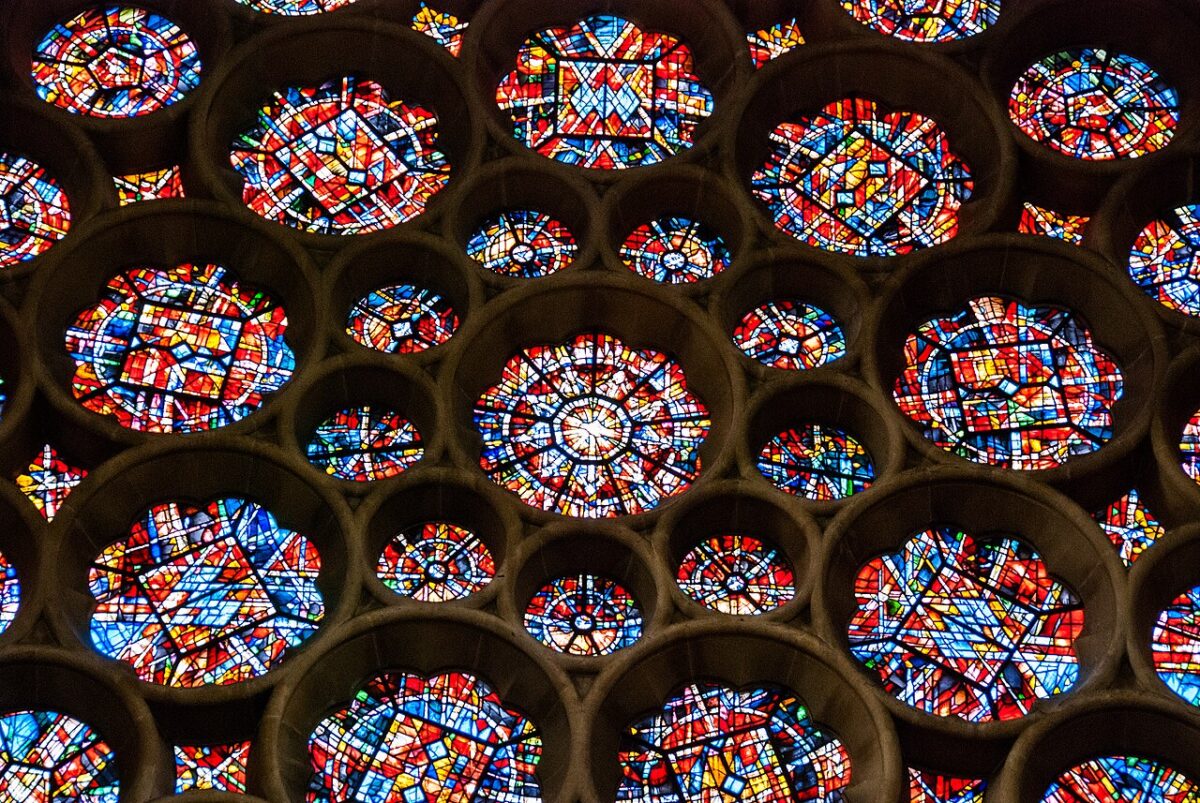
The exterior is a masterpiece worth spending hours admiring, and boasts the longest nave in England. Its most recent addition, a Chapter House, was opened in 1982 by Queen Elizabeth II. Inside, look for the splendid rose window (its stained glass inaugurated in 1989 by Diana, Princess of Wales), a panelled ceiling above the choir, and a tiled floor with ornate altars.
St Alban was beheaded in 308 AD on the orders of Emperor Diocletian, for refusing to renounce his Christian faith. Each June the cathedral holds the Alban Pilgrimage, a parade with giant puppets recreating the saint’s story through the city, with the puppets later displayed inside the cathedral. Admission is free.
St Paul’s Cathedral London
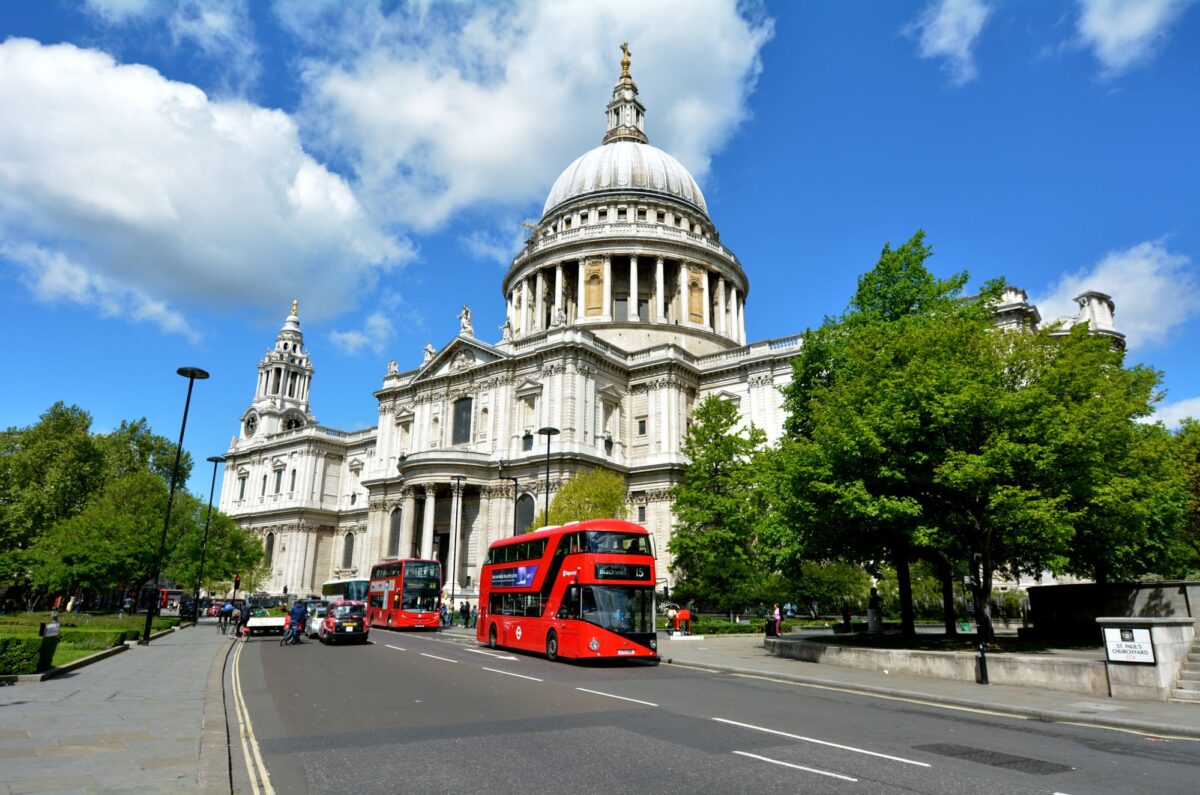
St Paul’s Cathedral has been a major London landmark for over 300 years, surviving the Blitz, and London is probably the British city best known for its cathedral. It’s the second-largest church building in the UK, after Liverpool Cathedral.
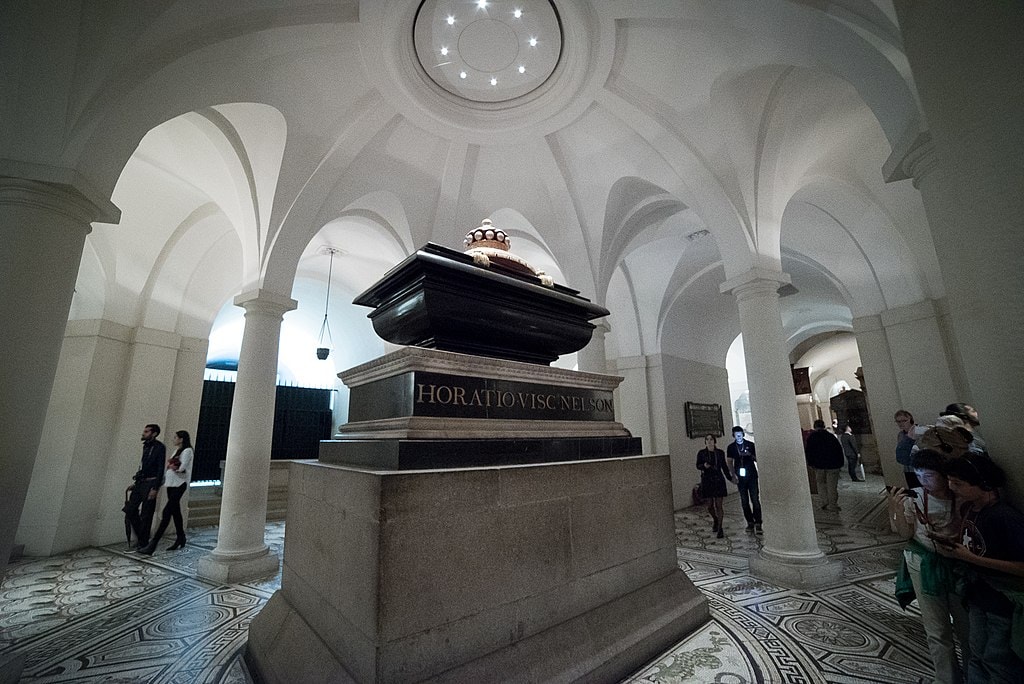
St Paul’s has hosted several major events in British history, including the wedding of Princess Diana and Prince Charles in 1981, and the funerals of Lord Nelson, Winston Churchill, who was born in Blenheim Palace, the Duke of Wellington and Margaret Thatcher.
Designed by Sir Christopher Wren, St Paul’s sits atop Ludgate Hill, the highest point in the City of London. Its famous lead-covered dome is one of the world’s largest, and was the tallest structure in London until 1967.
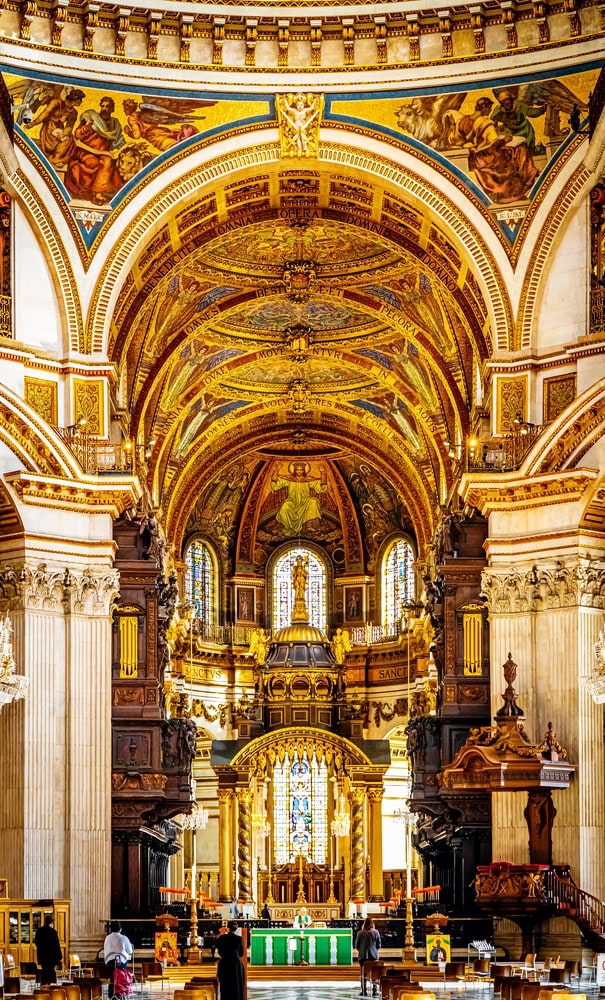
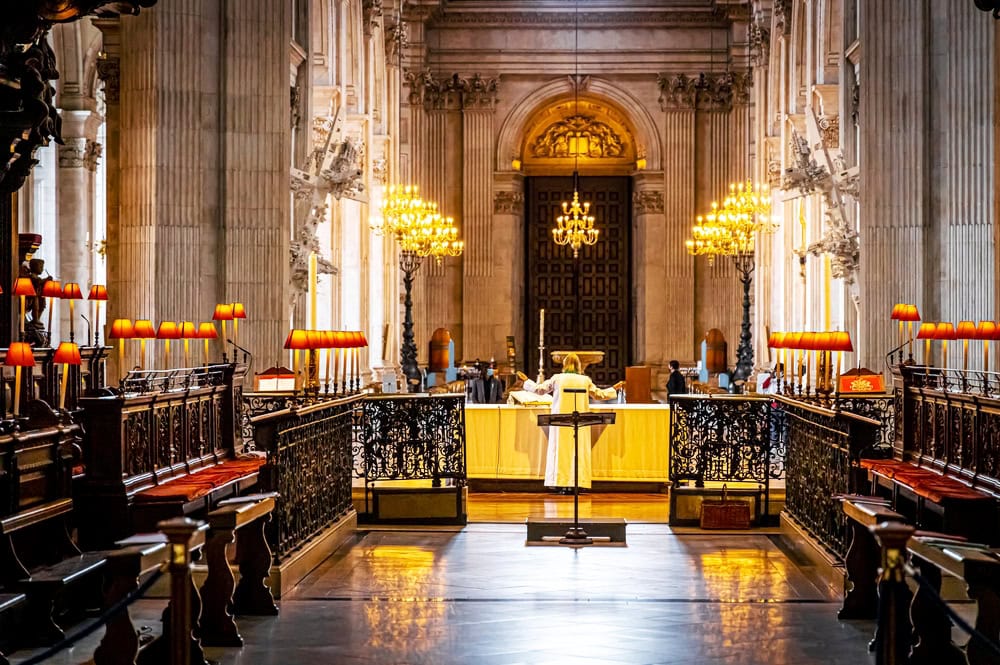
Admission is £21 at the door (£18 online), including the cathedral floor, crypt, and the three galleries in the dome (Whispering, Stone and Golden). As a functioning church, you can attend Sunday services free of charge, and there’s a daily Evensong at 5pm, Monday to Friday, that’s genuinely worth catching for the choir alone. Reaching the top of the dome and the Whispering Gallery means climbing 528 steps, so come prepared.
Sheffield Cathedral
Sheffield Cathedral sits at the bottom of Fargate, the city’s popular pedestrian precinct, and is a real eye-catcher. There’s a full choir service twice a week, including a Sunday service for Sheffield’s vibrant, diverse community and anyone else who cares to join.
Queen Elizabeth II visited in 2015 for the Royal Maundy Service, honouring 89 men and 89 women, drawing crowds from around the world to this Grade I-listed building.
Beyond the gorgeous stained glass and calligraphy work, and the small on-site gift shop, Sheffield Cathedral has in recent years become known for its work caring for the homeless and the city’s most vulnerable, offering food, support and medical care to those in need. Doors are open every day of the year.

Truro Cathedral Cornwall
Truro Cathedral, formally the Cathedral of the Blessed Virgin Mary, is a fine example of Gothic Revival architecture and relatively modern compared with medieval cathedrals like Canterbury and Salisbury, having been built between 1880 and 1910.
Its main draw, alongside the Gothic architecture, is some of the best Victorian stained glass in the country, depicting biblical stories, the history of the English church, and local tales from the region.

Bishop Benson, one of the most important religious figures of his day, initiated the cathedral’s construction and created the Service of Nine Lessons and Carols in 1880 still used for Christmas Eve services here and in Anglican churches worldwide. Benson went on to become Archbishop of Canterbury in 1882.

Truro Cathedral’s spires loom impressively over the town, especially at sunset. It’s open Monday–Saturday, 10am–5pm, and Sunday 11:30am–4pm, and unlike many English cathedrals is free to enter.
Wells Cathedral Somerset
Wells Cathedral sits in Wells, the smallest city in England, at the base of the Mendip Hills. At the top of the High Street, a small archway leads to Cathedral Green.

The cathedral is free to enter, with donations welcome; next door, the Bishop’s Palace costs £16 for adults and £8 for children. The West Front is an ornate exterior carved with over 300 statues bare stone today, though they’d originally have been covered in gold leaf.
Inside, a spectacular pair of scissor arches, built in 1348 to stop the wooden towers from collapsing, frame the organ above the main altar in beautiful cream sandstone leading up to a vaulted ceiling painted with red and blue floral patterns.

Tucked in one corner is the Wells Clock, the second-oldest clock in England, still keeping its original medieval face from the 1300s, complete with jousting knights and a dancing jack that appear on the hour and quarter. Nearby, Vicar’s Close built in 1363 for the cathedral’s vicars is the oldest inhabited medieval street in Europe.
Westminster Cathedral (Catholic) London
Westminster Cathedral is the biggest Catholic church in the UK, the seat of the Archbishop of Westminster, and the 38th-largest in the world. It’s an easy walk south from Buckingham Palace or Westminster Abbey, and well served by bus routes and trains from anywhere in the UK.
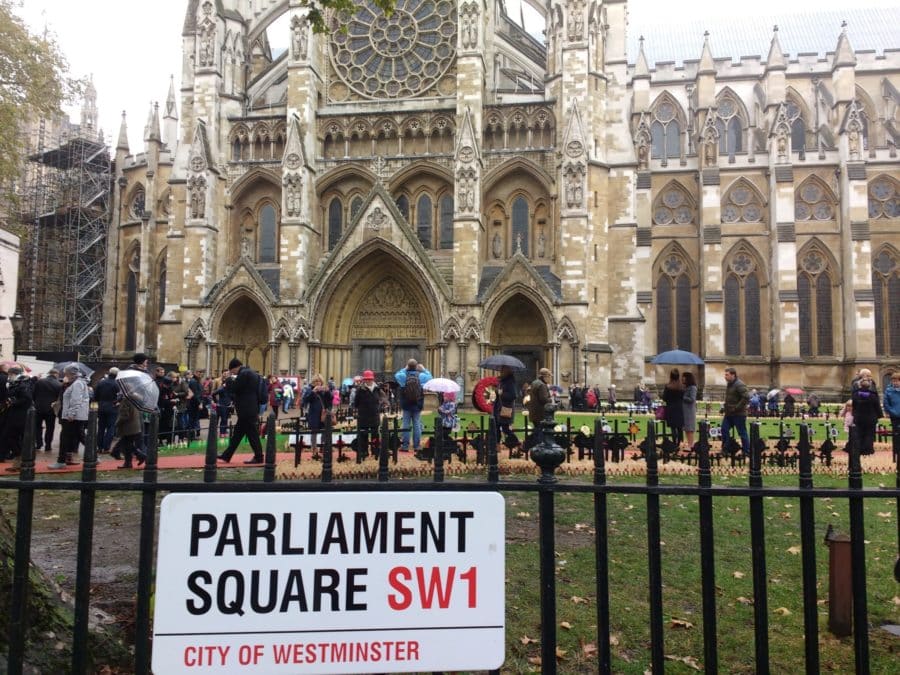
Despite its grandeur, the cathedral sits between quaint cafes and charming shops you’ll know you’ve arrived when you spot the brick bell tower, its exterior striped in terracotta and white and dramatically lit at night. Inside, look up at the Neo-Byzantine mosaics on the ceiling, some of which are still being completed today.

Entry is free, every day, though it remains a functioning church with regular weekend and holy-day services. If the timing works out, listen for the Choir of Westminster Cathedral, internationally recognised as one of the best in the world.
Winchester Cathedral Hampshire
Winchester Cathedral’s history stretches back over 900 years, and it’s the largest medieval cathedral in England Norman and early Gothic in style, with the longest nave in Europe.
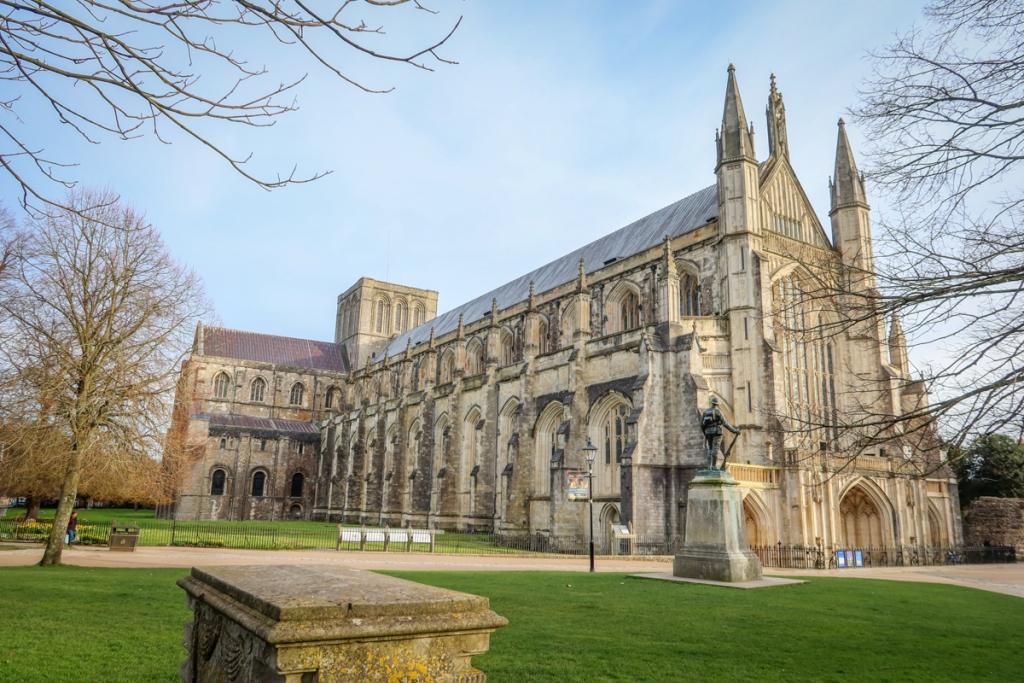
Jane Austen, who spent much of her life in Hampshire, is buried here; fans can also visit her nearby home, now a museum. Inside the back of the cathedral stands a statue of William Walker, the diver who spent years in the early 1900s helping repair the cathedral’s waterlogged foundations.

Highlights include a 12th-century marble font, an exquisitely illustrated 12th-century bible, a 17th-century library holding some 2,000 rare books, medieval wall paintings, 14th-century carved wooden choir stalls, and an ornately sculpted stone screen behind the high altar. More modern additions include stained glass by Pre-Raphaelite artist Edward Burne-Jones in the Epiphany Chapel, and a sculpture by Antony Gormley in the crypt.
Visitors can climb the tower for dramatic views over the Hampshire countryside. Entry is £10 for adults, £8 concessions.

Worcester Cathedral
Worcester Cathedral sits high on the banks overlooking the River Severn. Construction started in 1084 and ran on and off for 420 years, finishing in 1504 long enough to show every style of English architecture along the way, from Norman to Perpendicular Gothic, most visibly in the decorative bays. It’s free to visit.

The earliest part is the multi-columned Norman crypt, surviving from the original 1084 monastic church. The 12th-century Norman Chapter House is thought to be the first round chapter house in the world, and the cathedral is also known for its intricate woodwork, stained glass, and a perpendicular-style tower visible for miles.
Its biggest claim to fame may be its tombs: King John, whose chaotic reign gave us the Magna Carta and the legend of Robin Hood, was buried here in 1216 at his own request, next to the (now-destroyed) tombs of Saints Oswald and Wulfstan legend has it that, realising on his deathbed his wicked deeds might bar him from heaven, he asked to be buried in a monk’s cowl. The cathedral also holds the tomb of Prince Arthur Tudor, Henry VII’s eldest son and heir, whose early death passed the throne to his brother, Henry VIII and it’s thought that tomb is exactly why Henry spared the cathedral during the Reformation.

York Minster Yorkshire
York Minster, despite the name, is a cathedral one of the largest Gothic cathedrals in northern Europe, widely considered the most beautiful in the UK, and the seat of the Archbishop of York.
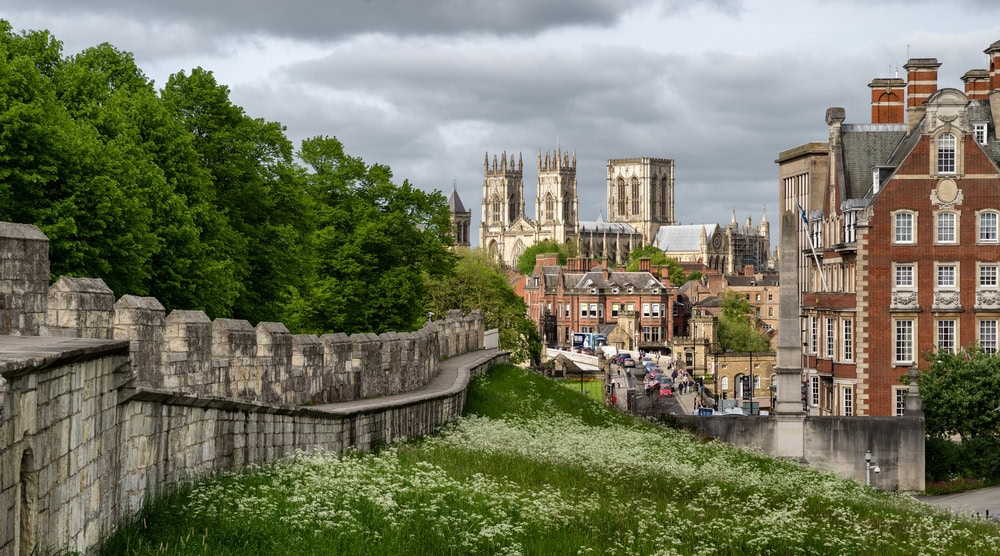
Walter de Gray, made Archbishop of York in 1215, ordered the construction of a Gothic cathedral to rival Canterbury’s. Building started in 1220 and the Minster was consecrated in 1472.
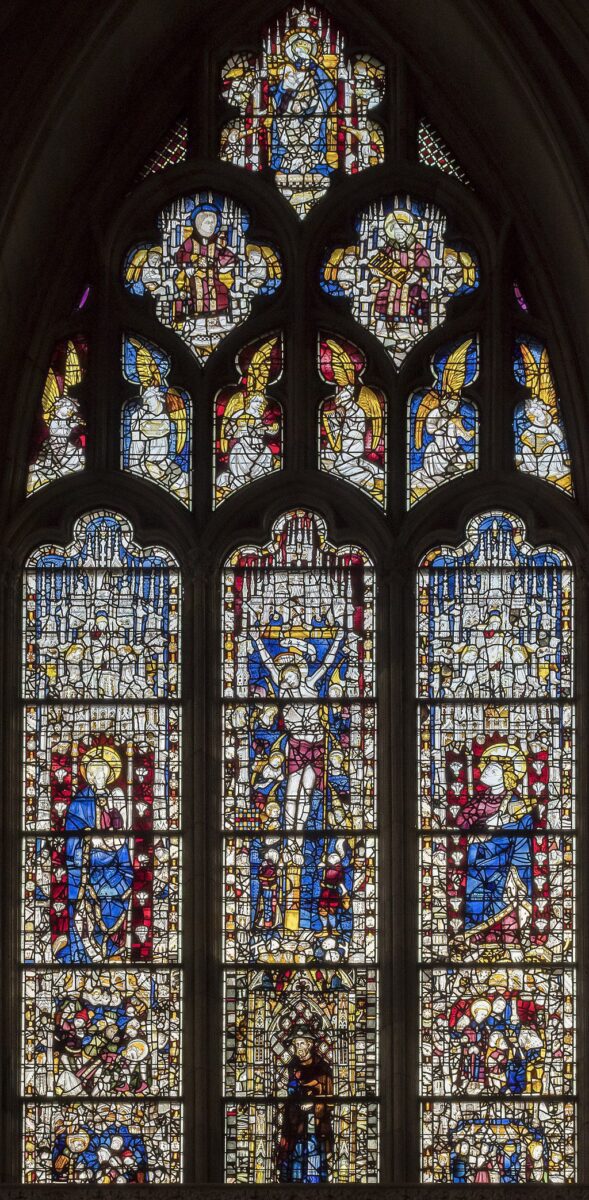
York Minster is impossible to miss from almost anywhere in the city, best known for its striking stained glass 128 colourful windows in total, seen at their best in the octagonal chapter house, with its imposing vaulted ceiling. Beneath the Minster, the Undercroft Museum traces two millennia of York’s history and is the only accredited museum inside a British cathedral.
Climb the 275 steps to the top of the tower for spectacular views across the city. Entry is £12.50 for adults and £9.50 for students, with children free alongside an accompanying adult; adding the tower climb brings full admission to £18.50 adult, £15.50 student, £6 child (ages 8–16).

There are 42 cathedrals in England associated with the Church of England, and a further 21 associated with the Catholic Church. As I mentioned before, I do love a visit to a cathedral or any church, really just to pay my respects to the builders and architects behind these amazing buildings. As far as I’m concerned, the history built into these magnificent buildings is one reason I love living in Britain.
Frequently Asked Questions
Are cathedrals and abbeys the same thing? And what’s a ‘minster’?
No. Abbey churches were part of an abbey a kind of monastery or convent. A minster was, in medieval times, the church at the centre of a mission. Several cathedrals today, like York, Southwell and St Albans, still use the historic title Minster or Abbey, but they function exactly as any other cathedral does.
Which cathedral took the longest to build?
Liverpool Cathedral, built between 1904 and 1978 74 years. It’s also the largest cathedral in England.
What is the oldest cathedral in England?
Canterbury Cathedral has the earliest foundation date, established by St Augustine in 597 AD though no part of that original structure survives. Ripon Cathedral holds the oldest surviving part of any English cathedral: its crypt.
How long did it take to build Salisbury Cathedral?
38 years.
Are cathedrals Catholic or Church of England?
It depends on the cathedral. A cathedral is simply a larger place of worship run by a bishop, with its own internal hierarchy that structure exists across the Catholic, Eastern Orthodox, Anglican and some Lutheran churches. Most cathedrals on this list are Church of England; Westminster Cathedral is Catholic.
What is the biggest Catholic church in England?
Westminster Cathedral the mother church of the Catholic Church in England and Wales, and the largest Catholic church in the UK.
What’s the biggest cathedral in the UK that isn’t Catholic?
The three largest are St Paul’s Cathedral in London, York Minster, and Liverpool Cathedral.
Which cathedral has the tallest spire?
Salisbury Cathedral, at 404 feet (123m). Lincoln’s spire was taller until it collapsed in 1548/49.
Which cathedrals were used to film Harry Potter?
Several, including Gloucester Cathedral’s cloisters and Durham Cathedral, plus Christ Church College, Oxford (its college hall, not the cathedral itself).
How many cathedrals are in Wales?
Six medieval cathedrals: Bangor, Brecon, Llandaff, Newport, St Woolos, St Asaph (Clwyd), and St Davids (Dyfed).
Historic Britain is layered with Roman ruins, medieval abbeys, castles, ancient monuments, and historic market towns. Exploring beyond the major tourist cities often reveals some of the country’s most memorable experiences.
- Avebury Henge
- Roman ruins in Britain
- Hadrian’s Wall and Vindolanda
- The Mysterious Rosslyn Chapel – Scotland
- Evocative Ruined Abbeys in Yorkshire
- Walk the Suffragette Trail across the UK
- Shibden Hall Yorkshire – home of Anne Lister – widely celebrated as “the first modern lesbian”
- Alan Turing and Bletchley
- Rievaulx Abbey
- Whitby Abbey
- Kenilworth Castle
- Bamburgh Castle
This is such a compressive guide to Britain’s cathedrals. I have only visited a few like Salisbury. Thanks for a great post.
And just think these are just the English ones, I’ve got to see all the Welsh, Scottish and Irish ones yet lol
Great post! I really enjoy visiting cathedrals in England so I found this really interesting. I’ve been to York and loved it. Canterbury Cathedral looks amazing and is definitely next on my list of cathedrals to visit.
There are just so many of these magnificent buildings to see and one day I hope to say I’ve seen them all – I do love a challenge lol