
Suffragette and Feminist Sites to Visit in the UK: A Practical Travel Guide
I have been a feminist for as long as I can remember long before I had the language for it. I was always drawn to the stories of women and girls: to their defiance, their endurance, and the quiet ways they reshaped the world around them. That pull didn’t arrive through theory. It existed first as recognition.

Studying Women’s Studies at university gave me frameworks and language, but what stayed with me most were the images. Sitting in The Women’s Library, looking at photographs of women dressed in white with purple sashes crossing their chests. Seeing banners carefully stitched by hand. Watching documentaries that restored movement and voice to faces I had only known in stillness. The grain of early film footage. The steadiness of their posture. The refusal to look away.
Those images made something settle rather than spark. They didn’t create an interest; they confirmed a responsibility.
I wanted to stand where those women had stood. To walk the streets they marched through. To visit the houses where they argued, planned, waited, and risked everything. To honour the women who founded the movement and those who carried it, often at great personal cost, through to its hard-won conclusion.
What follows is both a practical guide and a personal act of remembrance: a route through London, Bloomsbury, and the North of England, where the legacy of feminist struggle is not only visible, but felt.

- Suffragette and Feminist Sites to Visit in the UK: A Practical Travel Guide
- London: Where Protest Entered Public Space
- Bloomsbury: Where the Voices Are Preserved
- Albert Hall
- Manchester: Where the Movement Was Born
- Northern Memory: Emily Wilding Davison
- The Language of Colour and Cloth
- Practical Planning Tips
- Why These Sites Still Matter
- Herstorical Tours
- Women's History
- Sources and further reading
London: Where Protest Entered Public Space
Begin in Westminster, where power has always been staged and contested.
The first time I stood in Parliament Square, I recognised something familiar. Not grandeur, but composure. The same calm resolve I had seen in archive photographs, now rendered in bronze. The statue of Millicent Fawcett does not dominate the square; it insists upon its place within it.
Surrounded by statues of statesmen, Fawcett stands holding a banner that reads, “Courage calls to courage everywhere.” Unveiled in 2018, she was the first woman honoured in Parliament Square. The statue is free to visit, as are all outdoor memorials here. The square is generally accessible with flat paving, though crowds, demonstrations, or security events can temporarily alter movement.

Getting there is straightforward: Westminster and St James’s Park Underground stations are both within a short walk. It’s worth checking official Greater London Authority or Westminster pages before visiting, as access can change at short notice.
What strikes me each time is how the banner echoes those once carried through these streets. Suffrage banners were never decorative. They were deliberate acts of communication large enough to be read across crowds, stitched with care, and impossible to ignore. When women marched, they transformed London into a moving text.
A short walk away, in Victoria Tower Gardens, stands the Emmeline and Christabel Pankhurst Memorial. It is easy to pass without noticing, yet powerful once found. Like so much of women’s history, it does not announce itself loudly. It waits for attention.

The memorial is free to visit. Paths are generally level, though the riverside setting can mean uneven surfaces in places. It stands as a reminder that the vote was not granted politely, but demanded repeatedly, publicly, and at great risk.
Standing between these sites, I often think about how consciously suffragettes understood visibility. In 1908, the Women’s Social and Political Union adopted purple, white and green. Purple for dignity. White for moral clarity. Green for hope. When thousands of women moved through London in those colours, the streets themselves became declarations.
Today, those colours survive in museum cases and archive boxes and sometimes quietly, in ribbons tied to railings or flowers left at memorials.

Bloomsbury: Where the Voices Are Preserved
If Westminster shows the movement in public confrontation, Bloomsbury reveals its interior life.
At The Women’s Library at the London School of Economics, suffrage history lives in paper, cloth and silence. Entry to the public exhibition space is free during opening hours. To consult archival materials in the Reading Room, visitors must register in advance. It operates Monday to Friday, typically between 10am and 4pm, and many items need to be ordered ahead of time.
The library sits within LSE’s central campus, near Holborn and Temple Underground stations. Visitors should bring photo ID for registration and check the LSE Library website for up-to-date guidance.

This is not a casual museum visit. It is a working archive. Sitting at a wooden desk, handling a century-old pamphlet or folded banner, you become acutely aware of what has survived and how easily it might not have.
The collection includes documents recognised by UNESCO’s UK Memory of the World Register, acknowledging their national and international significance. But it’s often the smallest objects that stay with me most.
Once, I held a “Votes for Women” badge no larger than a coin. Light enough to forget it’s there. Heavy enough to have once marked its wearer as dangerous. Women wore these badges daily on coats, blouses, hats turning their bodies into statements in spaces that preferred them silent.

The colours appear here again. Sashes of purple, white and green. Jewellery sold to fund arrests, legal fees, and campaigns. Hand-stitched banners bearing short, uncompromising words. The suffragettes understood that appearance was political. To dress with intention was to refuse caricature without surrendering conviction.
Accessibility at the library is generally good, with lifts to most areas, but researchers with specific needs are encouraged to contact staff in advance to make arrangements.
Albert Hall
The great suffrage meetings at Royal Albert Hall became some of the most dramatic public gatherings of the women’s suffrage movement in Britain. In the early twentieth century, the vast circular hall filled with thousands of supporters who came to hear speeches demanding political rights for women. Banners in the purple, white, and green colours of the movement hung from balconies, while crowds of women—many wearing sashes or badges—cheered as speakers called for the vote.

Organisations such as the Women’s Social and Political Union used the hall to demonstrate the scale and seriousness of their campaign. Leaders like Emmeline Pankhurst addressed packed audiences, urging women to continue the struggle for equality despite arrests, protests, and public opposition.
These meetings transformed the Albert Hall from a concert venue into a powerful stage for political change. The spectacle of thousands gathered under its great dome helped show that the demand for women’s suffrage was no longer a small reform movement but a national cause that could not be ignored.

Manchester: Where the Movement Was Born
If London feels monumental, Manchester feels close. Inside the Pankhurst family home, I found myself thinking again of the images I had first encountered in the archive: the posed photographs, the careful use of colour, the controlled expressions. Seeing those same symbols within the rooms where decisions were made made the movement feel suddenly domestic and therefore more radical.

The Pankhurst Centre, at 60–62 Nelson Street, was the home of Emmeline Pankhurst and the birthplace of the Women’s Social and Political Union in 1903. The museum is usually open Thursdays and Sundays from 11am to 4pm, with last entry around 3pm. Admission is approximately £6 on the door or £5 when booked in advance online, with concessions available. Children often enter free with a paying adult.
The site is within walking distance of Oxford Road stations and major bus routes near the university hospitals. On busy event days, allow extra travel time.

The rooms themselves are modest: a parlour, a hallway, small displays. This was not a palace of revolution. It was a home. That fact changes how you understand the movement. Political struggle did not begin in grand halls; it began around tables, over tea, in spaces history rarely photographs.
Accessibility can be limited due to the historic nature of the building, with narrow doorways and stairs. The garden is more accessible, and staff are welcoming and open to discussing access needs ahead of time. Virtual resources may also be available.
Standing there, I was struck by how many movements begin quietly and how loud their echoes can become.
Northern Memory: Emily Wilding Davison
Further north, the story softens and sharpens all at once.
In Morpeth, Northumberland, a statue commemorates Emily Wilding Davison, whose death after stepping onto the racecourse at the 1913 Epsom Derby shocked the nation. The statue is outdoors and free to visit, a short walk from Morpeth rail station, which has regular services from Newcastle.

Davison is buried at St Mary’s Church in Longhorsley, a short journey from Morpeth. The churchyard is open to the public with no fee. The ground is uneven and grassy, which can be challenging for visitors with mobility needs, particularly in wet weather. Parking near the church is limited; sturdy footwear is recommended.

Her gravestone bears the words “Deeds not words.” There is no colour left there only stone yet visitors sometimes leave flowers tied with purple ribbon. The language of the movement persists.
Standing at her grave, the history narrows. No banners. No crowds. Only consequence.
The Language of Colour and Cloth
Across all these places London squares, Bloomsbury archives, Manchester parlours, northern churchyards the movement’s visual language binds everything together.
Purple for dignity.
White for moral clarity.
Green for hope.
Sashes worn across chests. Rosettes pinned firmly to lapels. Carefully tailored coats signalling seriousness rather than disorder. These were not aesthetic choices. They were acts of self-definition in a culture eager to dismiss politically active women.
What moves me most is their scale. A sash is light. A badge is small. A ribbon frays. And yet, together, they reshaped public space. Thousands of women, dressed with intention, turned city streets into arguments that could not be ignored.

Practical Planning Tips
Outdoor statues and memorials in London and Morpeth are free and generally accessible, though events and security measures can affect access in Westminster. The Women’s Library is free to enter, but archival access requires advance planning. The Pankhurst Centre charges modest admission and operates limited opening days.
This guide works well for visitors with one to two days in London and a day each in Manchester and Northumberland. Most sites function as short stops; the archive visit benefits from a longer, pre-booked slot.

Before visiting:
- Check official websites for current opening times and access information
- Pre-book archive appointments
- Contact smaller museums to discuss accessibility needs
- Consider weather and terrain for outdoor and churchyard visits
- Check for transport disruptions and bring photo ID for archives

Why These Sites Still Matter
Studying Women’s Studies gave me tools. Visiting these places gave me continuity.
This is not heritage tourism. It is a way of honouring the women who founded, sustained and carried the suffrage movement to its end women who understood that visibility mattered, that symbolism mattered, and that collective persistence could alter history.
These sites are not reminders of a completed fight. They are evidence of how rights are won, contested and defended over time.
When you stand in Parliament Square, sit in an archive reading room, or walk through the Pankhurst family home, you are not simply observing the past. You are stepping into a lineage.
And perhaps that is the most enduring legacy of these places: the realisation that the colours, the courage, and the insistence on dignity were never confined to their moment. They were and remain invitations.

Herstorical Tours
Herstorical Tours offers guided walking tours in London that focus on the often-overlooked stories of women in history. The tours are created and led by women and combine historical research with acting, comedy, and storytelling to bring the past to life. They explore lesser-known parts of London’s history, including topics such as witches, suffragettes, prisoners, and other women whose stories are often missing from traditional history tours.
The aim of the tours is to educate people about women’s experiences in history while also entertaining audiences through theatrical performance and engaging storytelling. The founder, Maria, designed the tours to highlight women’s voices that were often ignored or erased from traditional historical narratives.
Tickets for Herstorical Tours usually cost around £15–£22.50 per person, depending on the specific tour or event.
Overall, the tours provide a unique and interactive way to learn about London’s history through the experiences of women who helped shape it.
Women’s History
Long before the word feminist existed, many women were already challenging inequality and demanding greater rights, education, and opportunities. Through activism, writing, protest, and everyday acts of resistance, they questioned the limits placed on women and helped lay the foundations for later feminist movements. Remembering these women is important because it shows that the struggle for equality did not begin with a single movement or term, but with generations of women who worked to change society and make their voices heard.
The tapestry of women’s history is rich with figures who shaped nations, often at great personal cost and in the shadow of legendary tales. In England, Anne Boleyn’s story met a tragic end within the formidable walls of the Tower of London, where she was executed in 1536 on charges that history largely considers false .
Across the Channel, a different fate befell Eleanor of Aquitaine, the powerful queen who, after a life of immense political influence, spent her final years at the remarkable Fontevraud Abbey, where her iconic effigy still rests today .
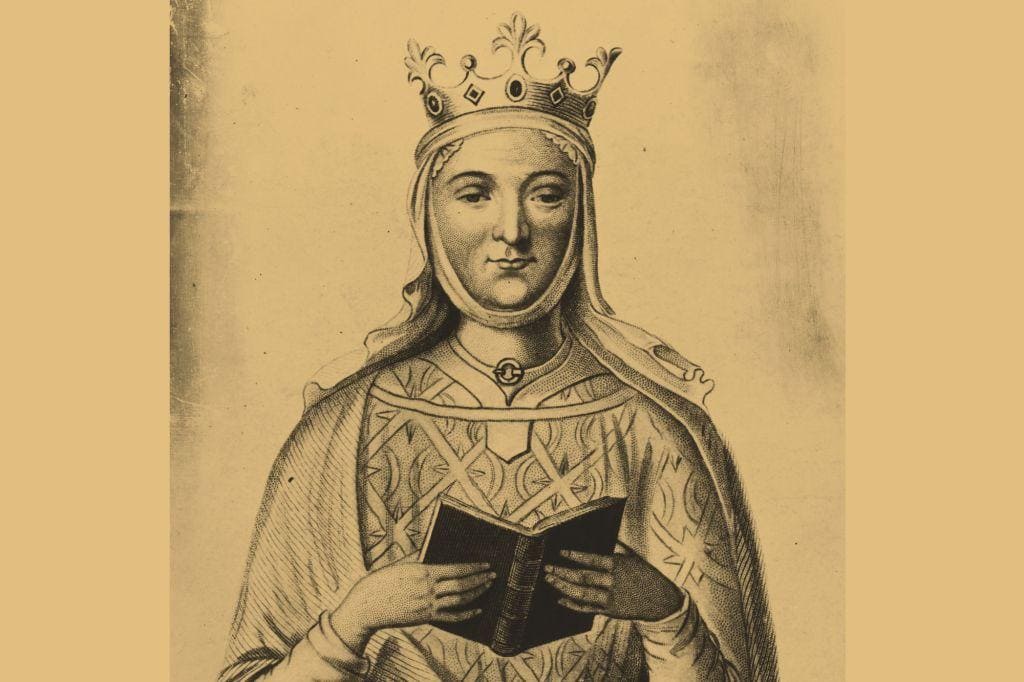
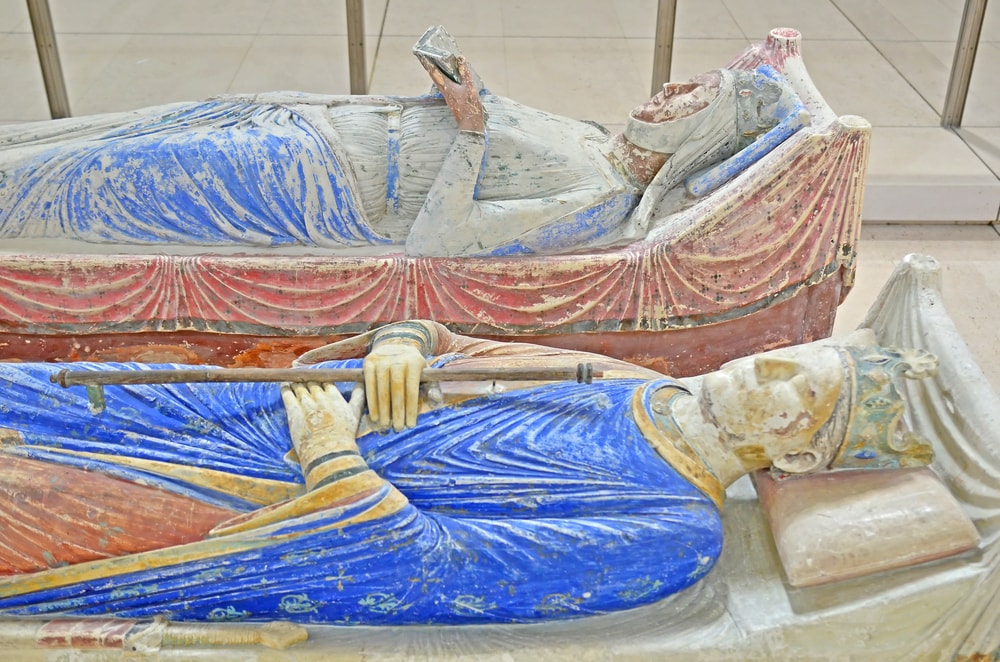
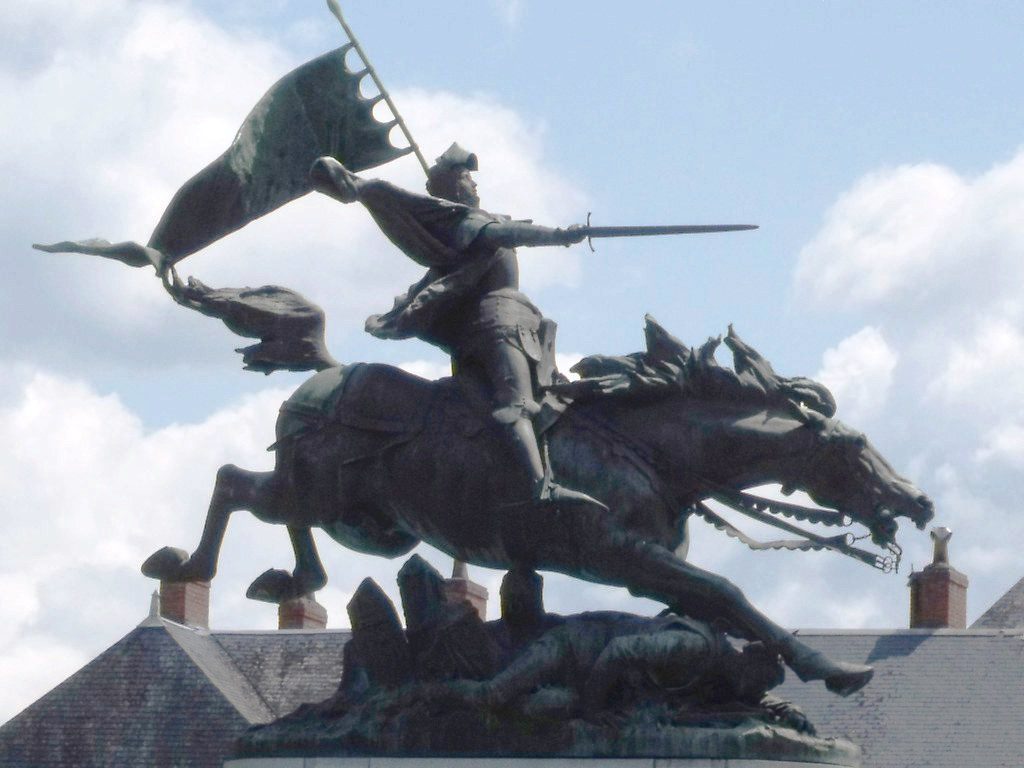
The spirit of France was rallied by Joan of Arc, (burned at the stake in Rouen) a peasant girl whose divine visions led her to lift the siege of Orléans and stand beside the Dauphin as he was crowned King in Reims, a journey far from her birthplace but one that cemented her as a national heroine.

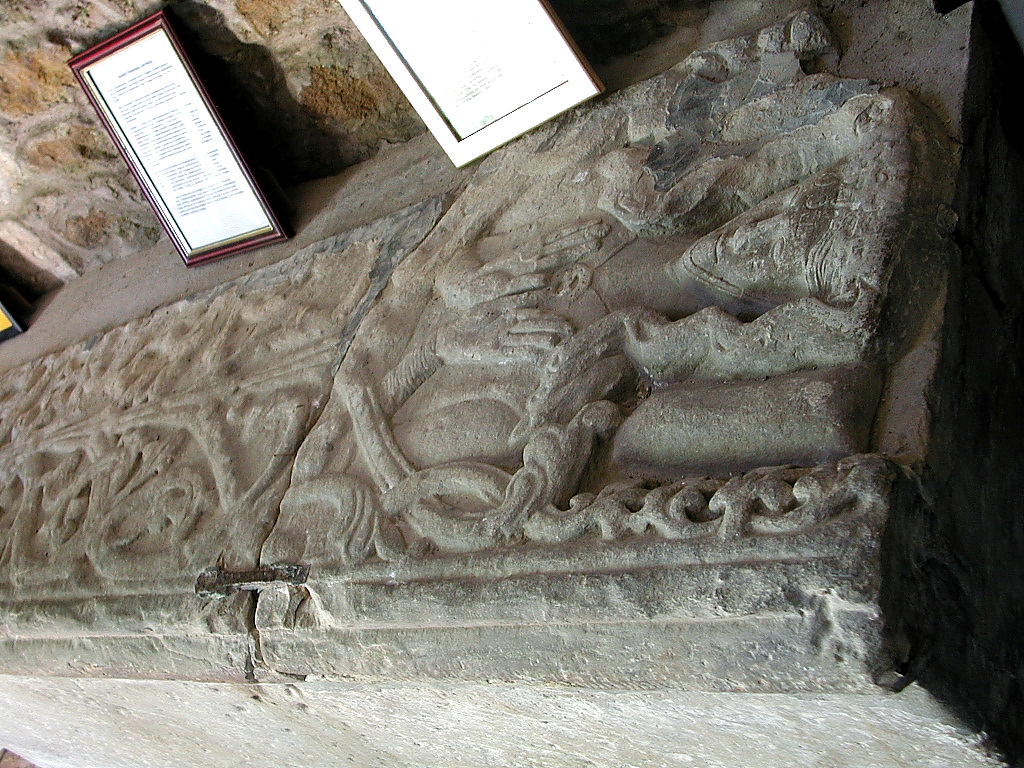
Ireland’s history, too, is woven with both myth and reality, from the powerful mythical figure of the Cailleach or Hag of Beara, a goddess associated with creation and the seasons, to the historical figure of Dervorgilla, often called “Ireland’s Helen of Troy”.Ireland’s history, too, is woven with both myth and reality, from the powerful mythical figure of the Cailleach or Hag of Beara, a goddess associated with creation and the seasons, to the historical figure of Dervorgilla, often called “Ireland’s Helen of Troy”. When she died she was buried at Mellifont Abbey.
A fascinating figure from the late 12th century is Affreca de Courcy (or Affrica Guðrøðardóttir), a Norse-Gaelic princess and wife of the Anglo-Norman invader John de Courcy, (who built Carrickfergus Castle) who founded Grey Abbey in County Down, Ireland, as a Cistercian monastery in 1193, reportedly in gratitude for surviving a shipwreck and landing safely on the Irish coast.

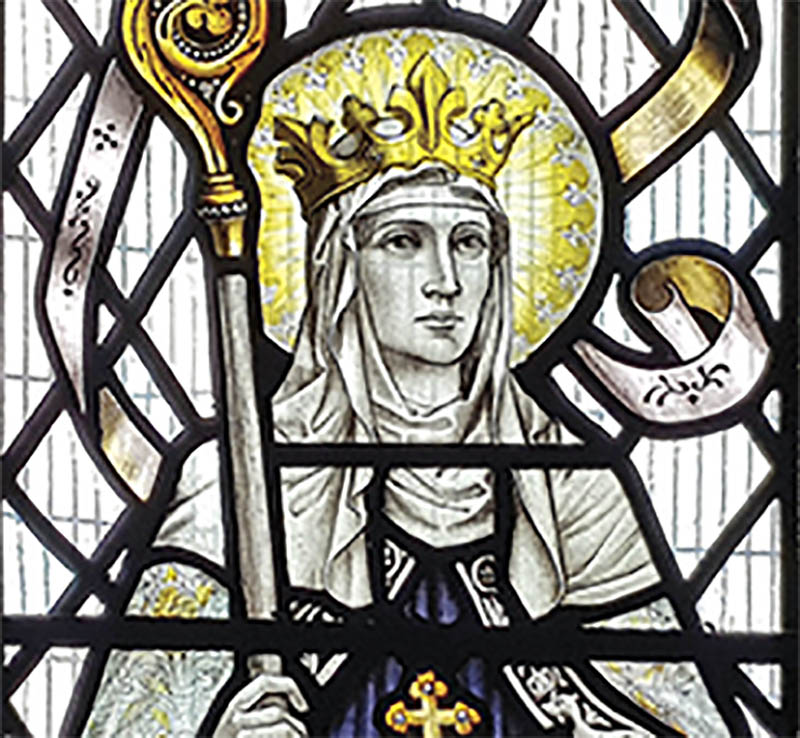
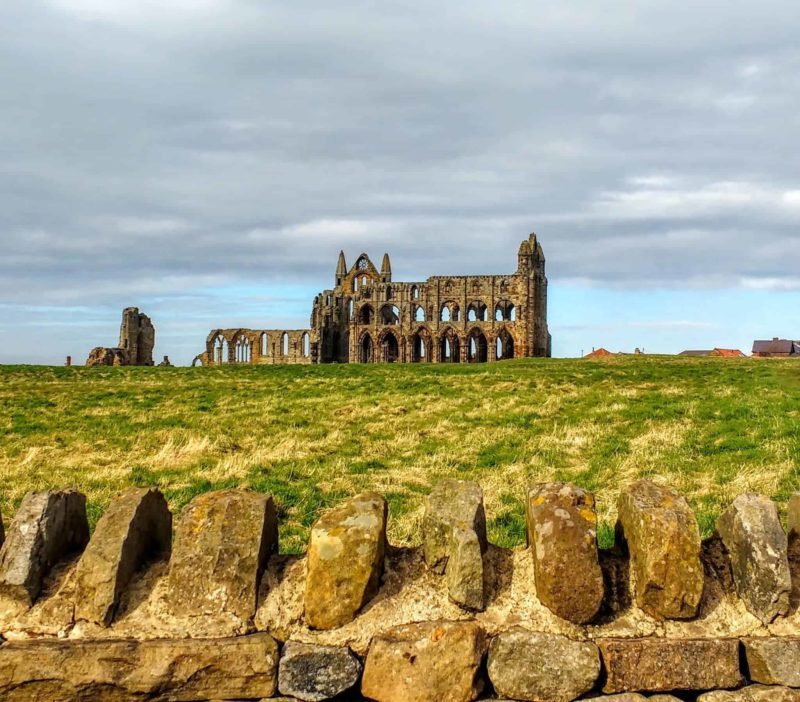
While across the Irish Sea at Whitby Abbey, the powerful Abbess Hilda presided over a renowned double monastery of monks and nuns, transforming it into a center of religious and scholarly influence in 7th-century Northumbria.
Sources and further reading
UNESCO UK Memory of the World Register: Women’s Suffrage documents • UK Parliamentary Archives: Women’s suffrage collections
If you are interested in reading more about Women and their history in Europe here are a few articles:
Walk the Suffragette Trail in the UK
Fontevraud Abbey burial place of Eleanor of Acquitaine
A Haunting history of Witch trials in England
Most haunted places in Ireland
Fethard Tipperary – home to several Sheela-n-Gigs
Explore more of the region with guides to England, Scotland, Wales, Northern Ireland, or the full United Kingdom Travel Guide.