
The Ultimate Northumberland Coastal Road Trip: Castles, Coast & Roman Heritage
There’s something truly magical about a road trip along Northumberland’s coast—a place where ancient castles stand guard over windswept beaches, Roman ruins whisper tales of the past, and charming fishing villages serve up the freshest seafood.
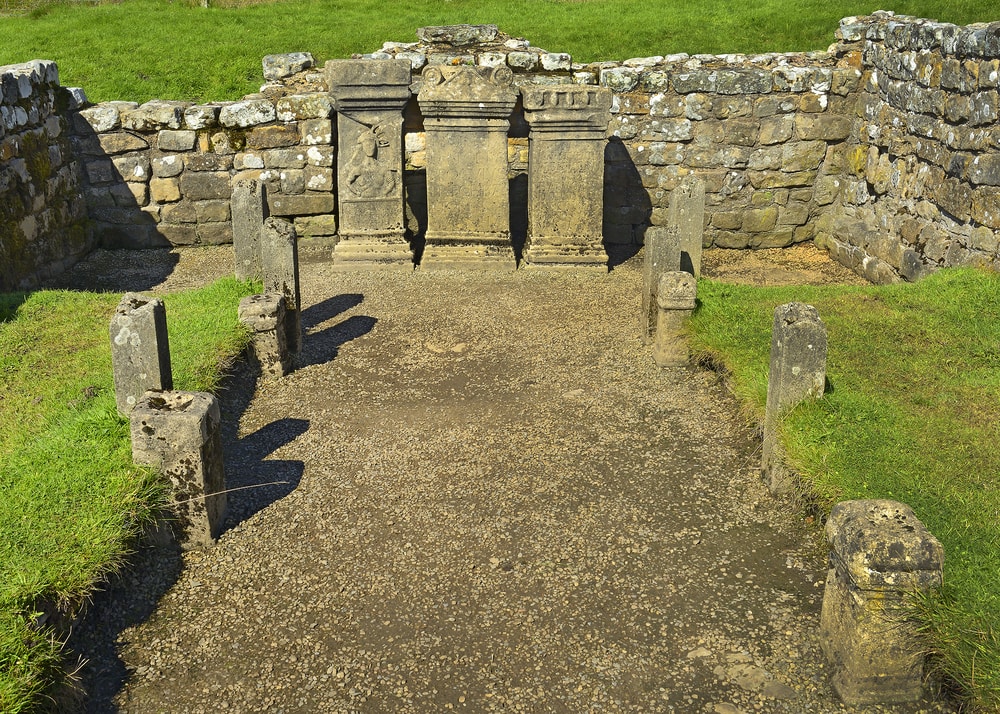
This comprehensive Northumberland coastal road trip itinerary blends history, wild coastline, and hidden villages. Starting in York, this route takes you along the best sections of the Northumberland coastal path, through rolling countryside and dramatic scenery. Whether you’re interested in the Hadrian’s Wall walking route, seeking the best places to stay on the Northumberland coast, or planning scenic drives between historic buildings, this detailed guide covers everything you need. Here’s my must-see itinerary, complete with ticket prices, websites, and personal tips for making the most of your journey!
- The Ultimate Northumberland Coastal Road Trip: Castles, Coast & Roman Heritage
- Northumberland Coastal Road
- Day 1 & 2: York to Hexham A Scenic Start
- Day 3: Roman Sites
- Day 4: Belsay Hall & Northumberlandia
- Day 5: Coastal Villages & Castles to Scotland
- Day 6. Castles, beach & Holy Island
- Day 6 & 7. to the Scottish borders
- Frequently Asked Questions
- Where to Stay
- Related Reading on more UK Roman Ruins
Northumberland Coastal Road
Day 1 & 2: York to Hexham A Scenic Start
York (Starting Point)
Begin your journey in historic York, where medieval charm meets modern comfort. Grab your morning coffee from The Perky Peacock, uniquely housed in a 13th-century tower bridge overlooking the River Ouse.
Take a morning stroll along the Shambles, where overhanging timber-framed buildings that once housed medieval butcher shops now feature charming boutiques and cafes. If you’ve got time, York Minster (£12.50,) is more than worth the visit – it’s Western Europe’s largest Gothic cathedral, featuring spectacular medieval stained glass windows and a tower climb offering panoramic views across the city. You can also look into Viking history at Jorvik which will keep the kids and you entranced.
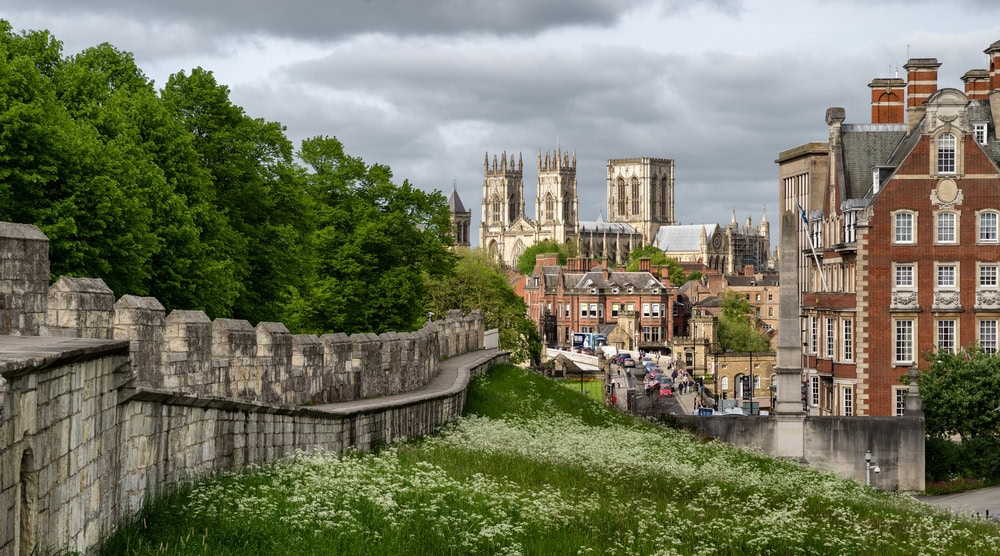
You will find Hexham, Hadrian’s Wall, Vindolanda, Chesters, and Housestead all in the same area. I will have an accommodation suggestion for you in that area further down the page.
Hexham A Charming Market Town
Website: www.hexham.co.uk
Ticket Price: Free to explore (attractions vary)
A 1.5-hour drive from York brings you to Hexham, where history seeps from every stone. The magnificent Hexham Abbey (free, donations welcome) was built using stones from nearby Roman ruins and features a fascinating ancient crypt. Don’t miss the Old Gaol (£5,), England’s oldest purpose-built prison, where you can explore remarkably preserved prisoner cells and guards’ quarters. Time your visit for Tuesday or Saturday to experience the farmers’ market, where local producers sell everything from Northumberland cheese to handmade crafts – I picked up some delicious local honey!

Hadrian’s Wall: Rome’s Northern Frontier
Website: www.english-heritage.org.uk/hadrianswallTicket
Price: Various sites have different prices
Stretching 73 miles from coast to coast, Hadrian’s Wall was ancient Rome’s most impressive frontier. Built in 122 AD under Emperor Hadrian’s orders, this UNESCO World Heritage site marked the northernmost boundary of Roman Britain. Today, you can walk alongside this ancient marvel, touching stones laid by Roman hands nearly 2,000 years ago. The most dramatic sections near Steel Rigg and Sycamore Gap offer photographers and hikers unforgettable views across the rugged landscape.
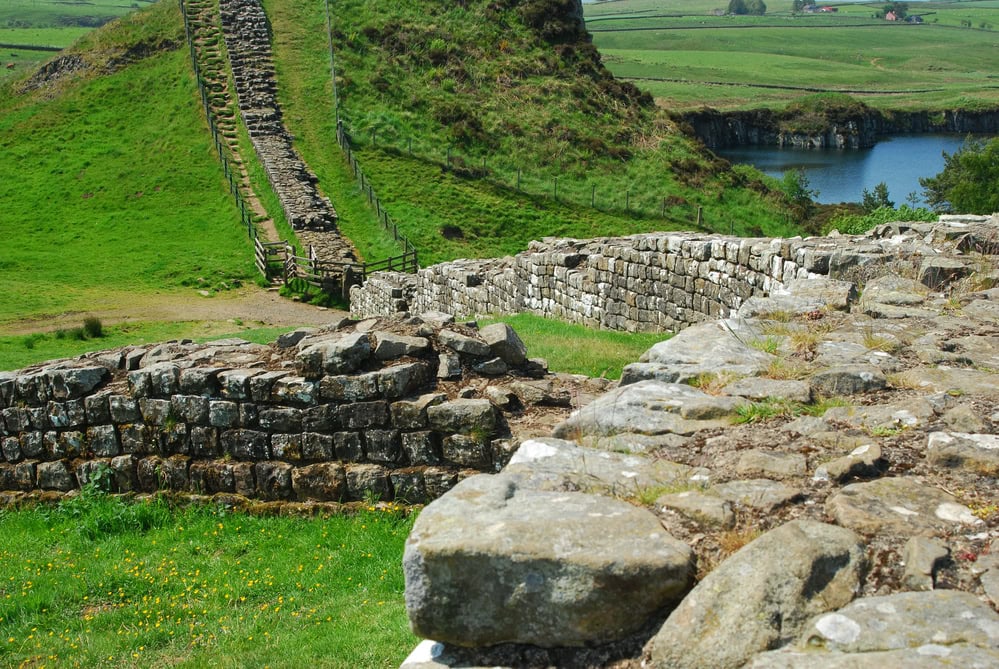
A year ago you could visit the famous Sycamore Tree at Sycamore Gap which had captured the imagination of photographers world-wide until 2 English idiots chopped the tree down in the middle of the night.

They have been charged Criminal damage to the tree and Hadrian’s Wall. Both men were found guilty on both counts of criminal damage and will receive sentences in July 2025.

Vindolanda: Living History
Website: www.vindolanda.com
Ticket Price: £9.50 (adult), £5.50 (child)
Just south of Hadrian’s Wall lies Vindolanda, one of the most exciting archaeological sites in Britain. From April to September, you can watch archaeologists uncover new treasures from the Roman past – recent discoveries include cavalry swords, wooden toys, and even a soldier’s letter home.
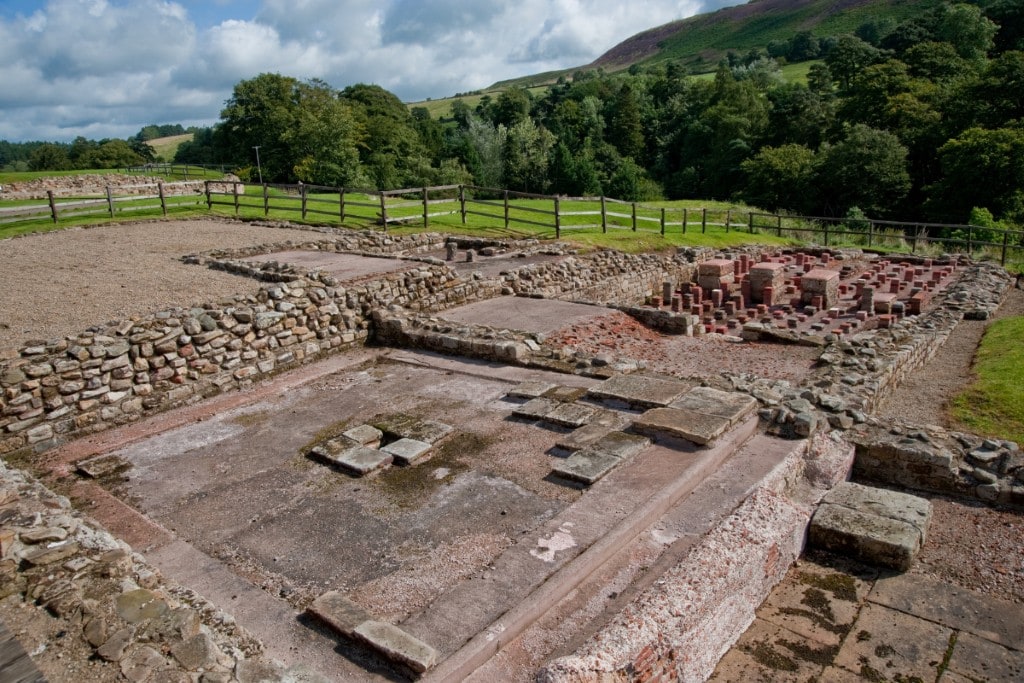
The remarkable museum houses the famous Vindolanda tablets, the oldest surviving handwritten documents in Britain, offering intimate glimpses into Roman life. Don’t miss the reconstructed Roman buildings, which show how the fort would have looked in its heyday. The site’s extensive collection includes perfectly preserved leather shoes, tools, and even boxing gloves, making the distant past feel surprisingly close.

Don’t be surprised when driving to the site you have to drive down Cycle Route 72 and there are 2 parking lots, one is up by the Museum on the east side and the main parking lot is on the west side near the archaeological site.
Day 3: Roman Sites
Chesters Roman Fort & Museum
Website: www.english-heritage.org.uk/chesters
Ticket Price: 9.50 (adult), 5.70 (child)
Nestled along the peaceful River Tyne, Chesters showcases Britain’s best-preserved Roman cavalry fort and bathhouse complex. The remarkably intact bathhouse features original hypocaust heating systems and changing rooms where soldiers once prepared for their daily routines.

The commanding officer’s house reveals the luxurious lifestyle Roman officials enjoyed, while the Victorian-era Clayton Museum houses an impressive collection of Roman artifacts, from intricate jewelry to ceremonial altars. Walking these grounds, you can almost hear the hoof beats of Roman cavalry echoing through time. The riverside location offers peaceful walking trails – perfect for picnicking among the ruins.
Housesteads Roman Fort
Website: www.english-heritage.org.uk/housesteads
Ticket Price: 9.50 (adult), 5.70 (child)
Standing proudly 800 feet above sea level, Housesteads offers the most dramatic views along Hadrian’s Wall. This remarkably preserved fort tells the complete story of Roman military life. Explore the barracks where soldiers from across the Empire once slept, visit the surprisingly sophisticated hospital with its specialized operating room, and see the best-preserved Roman communal toilets in Britain (an engineering marvel of its time!).

The museum houses fascinating artifacts including Roman altars and intricate jewelry found on site. The hike up is steep but rewarding—bring good boots and your camera for those panoramic views stretching for miles across Northumberland’s rugged landscape.
Day 4: Belsay Hall & Northumberlandia
Belsay Hall, Castle & Gardens
Website: www.english-heritage.org.uk/belsay
Ticket Price: 10 (adult), 6 (child)
Belsay offers three remarkable experiences in one location. The imposing Greek Revival mansion is unfurnished, creating dramatic empty spaces where sunlight plays through tall windows. Next door, the medieval castle features an impressive 14th-century defensive ‘pele tower’ where you can climb to the top for panoramic views.

But the real magic lies in the Quarry Garden, carved from the very stone that built the hall. This microclimate wonderland hosts exotic plants thriving among towering rock faces, creating an almost tropical atmosphere in the heart of Northumberland. Look out for red squirrels darting through the woodland walks, and don’t miss the winter garden, which puts on a spectacular show even in the coldest months.

Northumberlandia (The Lady of the North)
Website: www.northumberlandia.com
Ticket Price: Free (parking 3)
Rising from the earth in graceful curves, this extraordinary land sculpture is the world’s largest human form. Standing 100 feet high and stretching a quarter of a mile long, the “Lady” was crafted from 1.5 million tones of earth from a nearby mine.

Four miles of footpaths wind around her features, offering ever-changing perspectives of the surrounding countryside. The site has evolved into a thriving ecosystem, with wetlands and wildflower meadows attracting diverse wildlife. Climb to the viewing point on her forehead for spectacular views across Northumberland, or enjoy a peaceful picnic in one of the many secluded spots. It’s particularly magical at sunset when the Lady’s profile casts long shadows across the landscape.
Day 5: Coastal Villages & Castles to Scotland
Craster A Picture-Perfect Fishing Village
Website: www.visitnorthumberland.com/craster
Ticket Price: Free (unless you buy kippers!)
Time seems to stand still in Craster, where fishing traditions span generations. The village is renowned for its kippers, still smoked by L. Robson & Sons using traditional methods in 150-year-old smokehouses – the rich aroma fills the air as you approach.
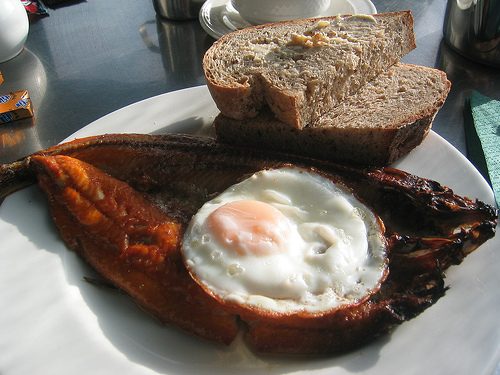
The tiny harbor, built as a memorial to local fishermen lost in WWI, remains a working port where you can watch boats bring in their catch at high tide.

The dramatic 1.5-mile coastal walk to Dunstanburgh Castle offers stunning views of the rugged coastline and abundant seabirds. After your walk, the Jolly Fisherman pub serves their legendary crab soup and fresh seafood platters, best enjoyed in their garden overlooking the North Sea.

Dunstanburgh Castle
Website: www.english-heritage.org.uk/dunstanburgh
Ticket Price: £6.50 (adult), £3.90 (child)
The dramatic 1.5-mile coastal walk from Craster to Dunstanburgh Castle is one of the most spectacular sections of the Northumberland coastal path. This mighty 14th-century fortress was once the largest castle in Northern England, built by Earl Thomas of Lancaster as a symbol of his opposition to King Edward II. Today, its twin-towered keep and massive curtain walls create an imposing silhouette against the sky.

The castle’s position on a remote headland, accessible only on foot, adds to its romantic atmosphere. Look out for nesting seabirds in the cliffs below and fascinating geological formations along the basalt outcrop. Photography enthusiasts should time their visit for sunrise when the first light dramatically illuminates the ruins.
After your castle exploration, return to Craster where the Jolly Fisherman pub serves their legendary crab soup and fresh seafood platters, best enjoyed in their garden overlooking the North Sea.
Day 6. Castles, beach & Holy Island
Seahouses: Gateway to the Farne Islands
Website: www.seahouses.org
Ticket Price: Free (boat trips vary, typically £20-£40)
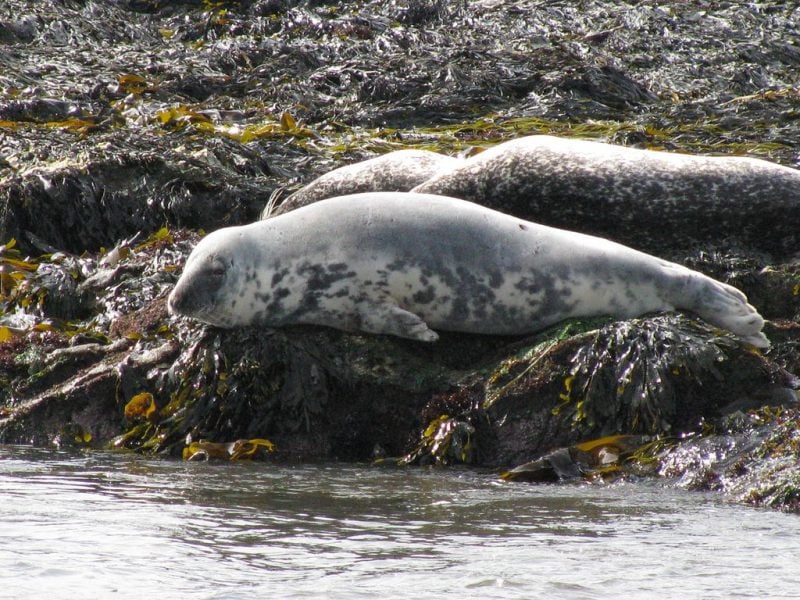
This charming fishing port is your launching point for adventures to the Farne Islands. Billy Shiel’s Boat Trips (running since 1918) offer unforgettable excursions to see the islands’ famous puffin colonies, grey seal populations, and diverse seabirds.

Between May and July, over 150,000 breeding pairs of seabirds make the islands their home. The harbor itself buzzes with activity, and the town is renowned for its seafood – try Lewis’s Fish Restaurant for what many consider the coast’s best fish and chips. The harbor’s northern promenade offers spectacular views towards Bamburgh Castle, especially atmospheric at sunset.
Bamburgh Castle & Beach Bliss
Website: www.bamburghcastle.com
Ticket Price: 14.50 (adult), 7.25 (child)
Dominating the coastline for over 1,400 years, Bamburgh Castle rises 150 feet above the sea on a volcanic outcrop. Archaeological evidence reveals 3,000 years of human occupation, and today the castle continues to amaze with its magnificent state rooms housing priceless artworks and artifacts. The Armstrong Museum showcases Victorian engineering innovations, while the fully restored medieval kitchen brings history to life.

Recently featured in Indiana Jones and Transformers films, the castle’s dramatic silhouette is matched only by the breathtaking beach below – a vast expanse of golden sand stretching for miles. For the ultimate dining experience, The Potted Lobster serves exceptional locally-caught seafood in an intimate setting. Time your visit for sunset when the castle walls glow amber against the darkening sky.

We wanted to make reservations at the Potted Lobster near Bamburgh but were unable to obtain a reservation sadly. However for lunch just down from the Castle is a food truck called the Creel and Reel Trailer.

Creel & Reel seafood Trailer provides the freshest seafood they use local suppliers for fish, meat and vegetables to create simple, but great tasting dishes. We had the freshest lobster roll and scallop sandwich we have ever tasted.

For dinner since we couldn’t get reservations we ate at the Craster Arms pub in Beadnell (they also have accommodation) which was absolutely superb and great value for money. We indulged in a King Prawn Chowder which was so full of prawns it could have made a main meal.

I had the Seafood Cocktail which was literally the best ever. For mains we had Seafood Linguine and a Bacon Chop. We were incredibly impressed with the quality of the food and the portions – the pricing was also really good for the quality of this meal.

Holy Island (Lindisfarne) A Tidal Island Adventure
Website: www.lindisfarne.org.uk
Ticket Price: Free (check tide times!)
Holy Island is a place where the rhythm of life follows the tides. This magical island, cut off twice daily by the North Sea, has been a place of pilgrimage since AD 635 when St. Aidan founded his monastery here. When it’s safe to cross the causeway, expect to find charming cafes, an ancient priory, and a castle that teeters on the coastline.

The haunting ruins of Lindisfarne Priory (£8.50, www.english-heritage.org.uk/lindisfarne) tell tales of Viking raids and medieval monks who created the stunning Lindisfarne Gospels. Perched atop Beblowe Crag, the tiny but mighty Lindisfarne Castle (£9, www.nationaltrust.org.uk/lindisfarne) was transformed from a Tudor fort into an Edwardian holiday home.

The island’s unique environment supports rare plants like Lindisfarne Helleborine, found nowhere else in the world. Don’t miss sampling the famous Lindisfarne Mead at St. Aidan’s Winery, still made using an ancient recipe of honey and herbs. Remember to check tide times meticulously – the causeway flooding times are absolutely non-negotiable!
Day 6 & 7. to the Scottish borders
Budle Bay: Natural Haven
Website: www.visitnorthumberland.com/budle-bay
Ticket Price: Free
Part of the Lindisfarne National Nature Reserve, Budle Bay is a vast tidal mud flat and salt marsh that provides sanctuary for thousands of wildfowl and waders. During autumn and winter, you might spot pink-footed geese, wigeons, and rare shore larks. The bay’s peaceful walking trails offer stunning views across to Holy Island, and at low tide, you can explore the wide expanse of sand. Bring binoculars – the bird watching here is exceptional, especially during migration seasons.

Chain Bridge Honey Farm
Website: www.chainbridgehoney.com
Ticket Price: Free entry
This fascinating working honey farm near Berwick offers a unique glimpse into the world of beekeeping. The converted double-decker bus houses an informative museum about bees and honey production, while the shop stocks an impressive range of local honey products, from traditional heather honey to honey-based cosmetics. Don’t miss the observation hive where you can watch busy bees at work, and the vintage transport museum featuring classic vehicles and carriages.

Berwick-upon-Tweed The Border Town
Website: www.visitberwick.com
Ticket Price: Free to explore
Your journey culminates in Berwick-upon-Tweed, England’s northernmost town and a place that changed hands between England and Scotland 13 times during centuries of border warfare. The magnificent Elizabethan walls – the most complete in Europe – offer a mile-and-a-half walking circuit with spectacular views of the River Tweed and North Sea.

Three historic bridges span the river, including Stephenson’s Royal Border Bridge, a magnificent Victorian railway viaduct. Art enthusiasts can follow the Lowry Trail, tracing the footsteps of L.S. Lowry who was captivated by Berwick’s unique architecture and light. The town’s rich military history comes alive at The Barracks, housing three museums in one stunning Georgian building. End your journey at The Curfew Micropub, where local ales and friendly conversation flow freely in this former Victorian shop.

Frequently Asked Questions
How long should I plan for this trip?
While you could rush through the main sites in 3-4 days, we recommend 5-7 days to fully appreciate each location and allow for weather variations. Some visitors spend two weeks exploring the area, using one location as a base.
When is the best time to visit?
May to September offers the most reliable weather, with July and August being peak season. Spring and autumn can be magical with fewer crowds. Winter visits can be dramatic but require careful planning as some sites have reduced hours.

Do I need a car?
Yes, while there are public transport options, a car is essential to fully experience this itinerary. Most sites are remote and not easily accessible by bus or train.
What about the weather?
Northumberland’s weather can be unpredictable. Pack layers, waterproofs, and sturdy walking shoes regardless of season. The coastal wind can be strong, so bring appropriate clothing.
How do tide times affect visiting Holy Island?
Check tide tables carefully before visiting Holy Island – they change daily. Never attempt to cross outside safe crossing times. The causeway is usually open for about 6 hours between tides.

Are dogs allowed?
Most beaches and outdoor areas welcome dogs. Many castles allow dogs in their grounds but not inside buildings. Check individual attraction websites for specific policies.
What about food options?
While coastal towns have excellent restaurants, inland areas can be more limited. Pack snacks for day trips, and consider booking restaurants in advance during peak season.
Is booking accommodation in advance necessary?
Yes, especially during summer months and school holidays. Holy Island accommodation should be booked months in advance.
Where to Stay
An excellent budget coastal option is Farne Lodge, a hotel room which actually sits within the Courtyard and is much more budget friendly as we paid £75 a night.

For the Roman section of your trip, the Battlesteads Hotel in Wark offers eco-friendly rooms and an on-site observatory for stargazing under Northumberland’s dark skies. In Hexham, the historic Beaumont Hotel puts you right in the heart of the market town. For a unique experience, consider Waren House Hotel near Bamburgh, a Georgian house with stunning sea views.

For those wanting to experience Holy Island after the day-trippers leave, The Manor House offers luxury B&B accommodation in a Grade II listed building with spectacular priory views. The Ship Inn, a traditional pub with rooms, provides cozy accommodation and hearty food, while Lindisfarne Hotel offers boutique rooms in an Edwardian house overlooking the castle. Remember that staying on the island means working around tide times, but the magical experience of having the island largely to yourself in the evening makes it worthwhile.

From the dramatic ruins of Hadrian’s Wall to the golden sands of Bamburgh, and from the tidal mystery of Holy Island to the quirky charm of Berwick-upon-Tweed, Northumberland’s coastline is a treasure trove of unforgettable experiences. It’s a place where time slows down, where history feels alive, and where every stop offers something new to discover. Whether you spend a long weekend or a leisurely week exploring, this road trip will leave you with memories (and photos!) to last a lifetime. So pack your bags, grab your map (or just trust your sense of adventure), and set off Northumberland’s wild, wonderful coast is waiting. Happy travels!!
Explore more of the region with guides to Scotland, Wales, Northern Ireland, or the full United Kingdom Travel Guide. If you are a foodie have a read of my Global Food Guide.