
Loire Valley Travel Guide: Châteaux, Towns and How to Explore the Region
The Loire Valley is often described as the land of castles, but that only tells part of the story. Yes, the châteaux are the draw. Chambord, Chenonceau, Amboise. They’re impressive, and they deserve the attention. But what makes this region work is everything around them. The river, the towns, the vineyards, and the slower pace that ties it all together.

This isn’t a place you rush through ticking off landmarks. It’s somewhere you move through gradually, stopping in smaller towns, spending time in one place, and letting the experience build.
This guide brings together the key places to visit in the Loire Valley and helps you figure out how to plan your time here.
Is the Loire Valley Worth Visiting?
Yes, especially if you enjoy history, architecture, and slower travel.
The Loire Valley gives you:
- some of the most famous châteaux in France
- smaller towns that feel lived in, not staged
- a mix of history, food, and landscape
- an easy pace compared to larger cities
It works well as a standalone trip or as part of a wider route through France.
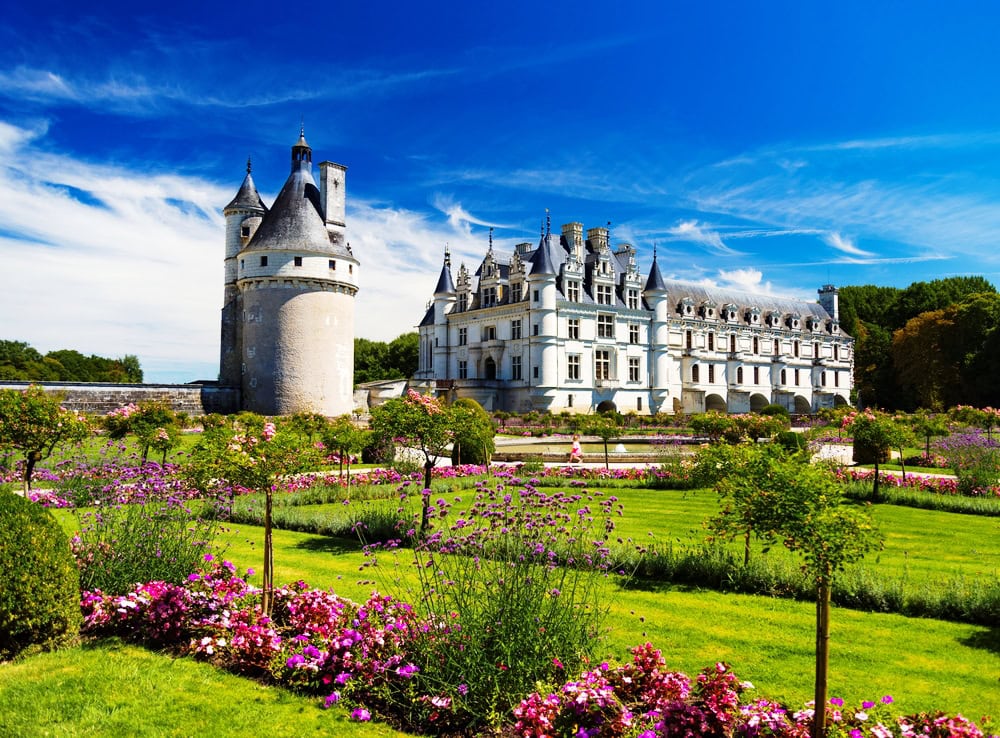

Best Time to Visit the Loire Valley
The Loire Valley changes with the seasons.
Spring and early summer are some of the best times to visit, when gardens are in bloom and the weather is comfortable.
Summer brings longer days but also more visitors.
Autumn is quieter and works well if you’re interested in wine and a slower pace.
Where to Stay in the Loire Valley
Where you stay will shape your trip more than anything else.
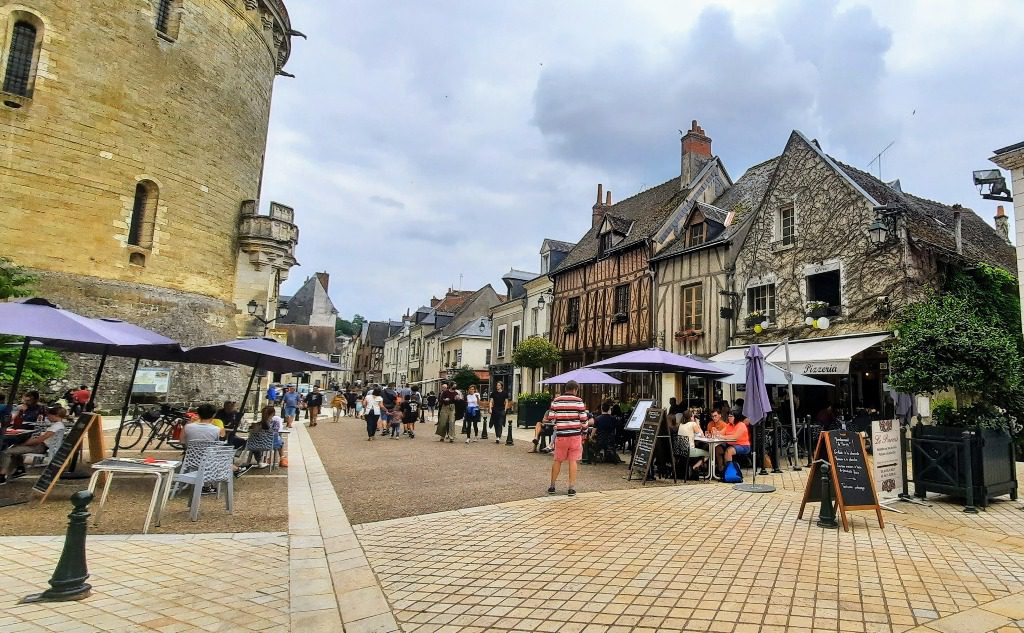
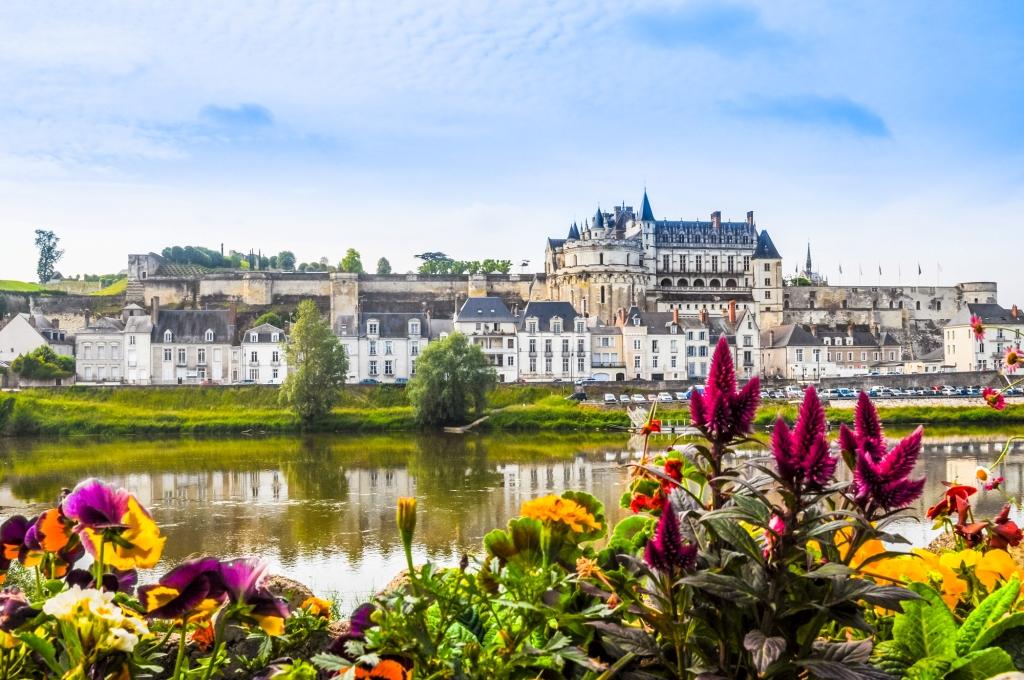
Amboise is one of the best bases, with easy access to several major châteaux.
Tours offers more of a city feel with good transport connections.
Smaller towns can give you a quieter experience but usually require a car.
How to Explore the Loire Valley
The region is spread out, so how you travel matters. Driving is the easiest way to move between châteaux and towns. It gives you the flexibility to stop where you want and explore smaller places that aren’t on a fixed route.
Cycling is also popular, especially along the river, but it works best if you’re focusing on a smaller area. If you prefer trains, you can base yourself in a town like Amboise or Tours and take day trips.


Getting Around the Loire Valley
Driving is the easiest way to explore the Loire Valley, especially if you want to visit multiple châteaux and smaller towns. Cycling works well along the river, but for wider coverage a car is more practical.
Best Châteaux in the Loire Valley
The castles are the main reason most people visit, but they’re not all the same. Each one has a different feel, and it’s worth choosing a few rather than trying to see everything. If you’re planning a Loire Valley trip, this guide will help you decide which châteaux to visit and how to structure your time.
If you’re narrowing it down, these are some of the key sites to focus on:
- 👉Château de Chambord Guide: Hours, Tickets & History: Chambord is one of many Loire châteaux worth building a trip around — see the full Loire Valley Travel Guide for how it fits with the rest of the region.
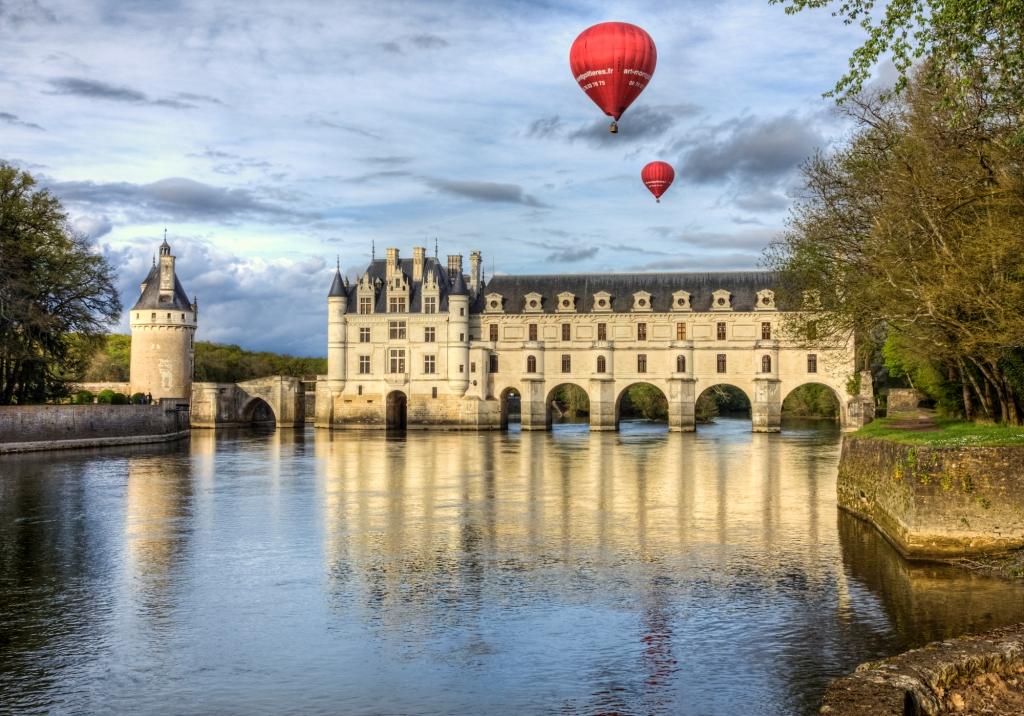
- 👉Chateau de Chenonceau: The Ladies Chateau
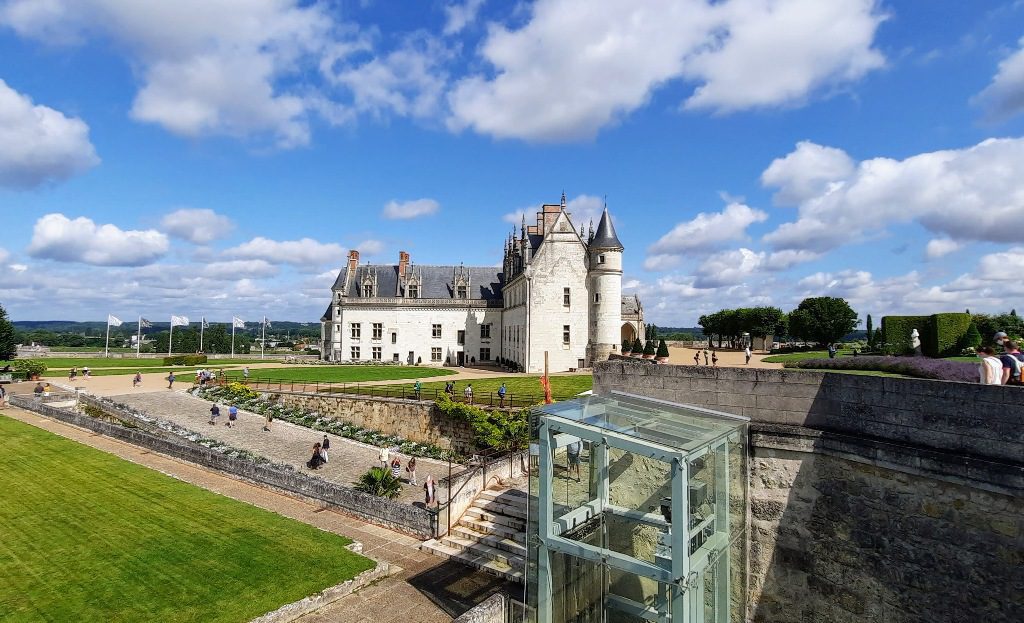
- 👉Chateau Amboise France – jewel of the French Renaissance: Amboise works well as a base for exploring further the Loire Valley Travel Guide covers the wider region around it.
- 👉Château Clos-Lucé: Leonardo da Vinci house France

Amboise and the Heart of the Loire Valley
Amboise is one of the best bases in the region. It’s central, easy to explore, and close to several major sites.
It also gives you more than just access. The town itself has character, with a riverside setting and connections to French royal history.
Other Towns and Historic Sites
The Loire Valley isn’t just about castles. Some of the most interesting places are the towns and historic sites that sit alongside them.
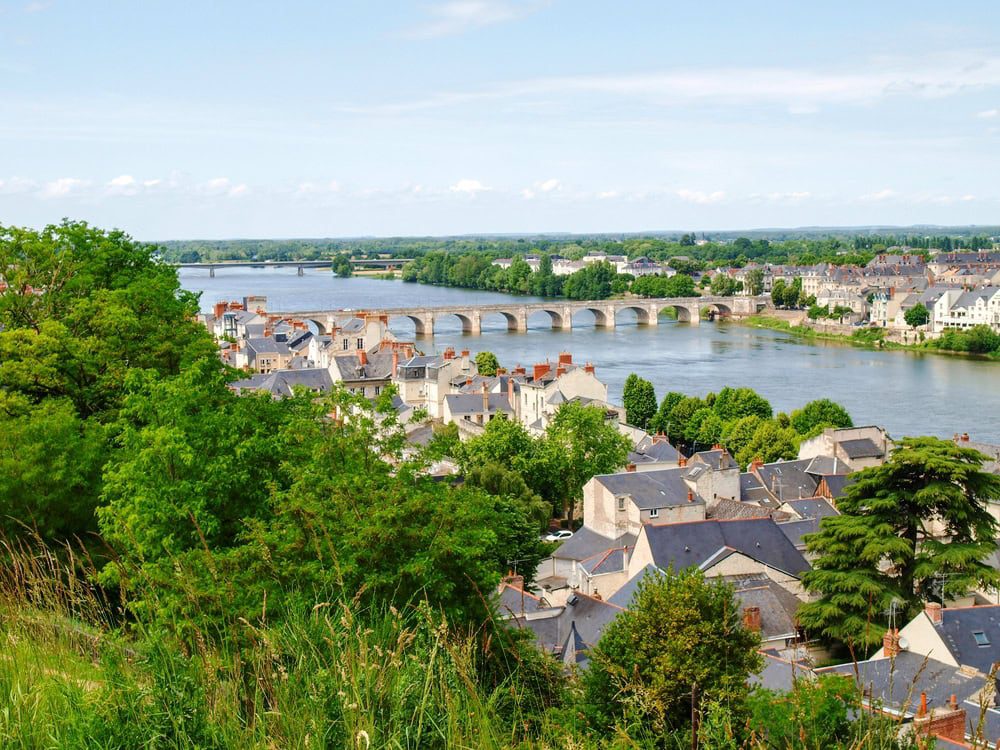
- 👉What to see in Saumur France: the pearl of the Anjou
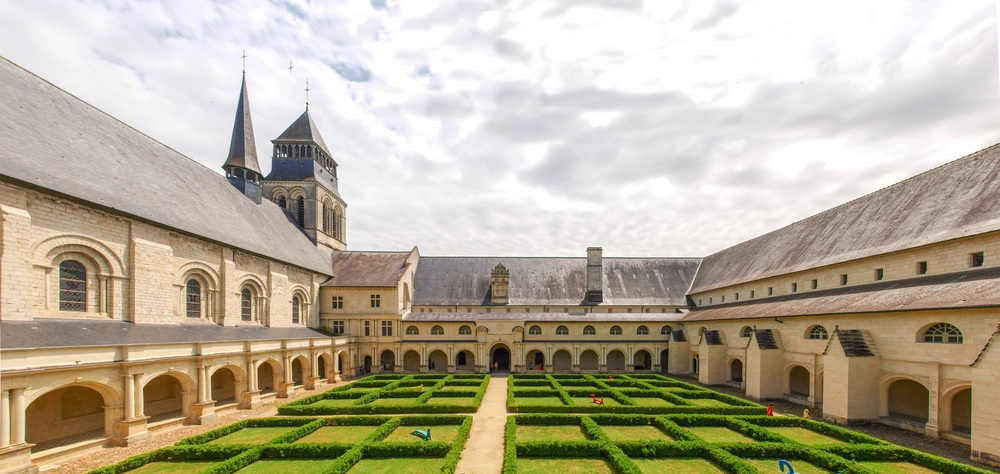
- 👉Fontevraud Abbey: A Medieval Marvel in the Loire Valley
These places add context. They help you understand how the region was lived in, not just how it was built.
Wine in the Loire Valley
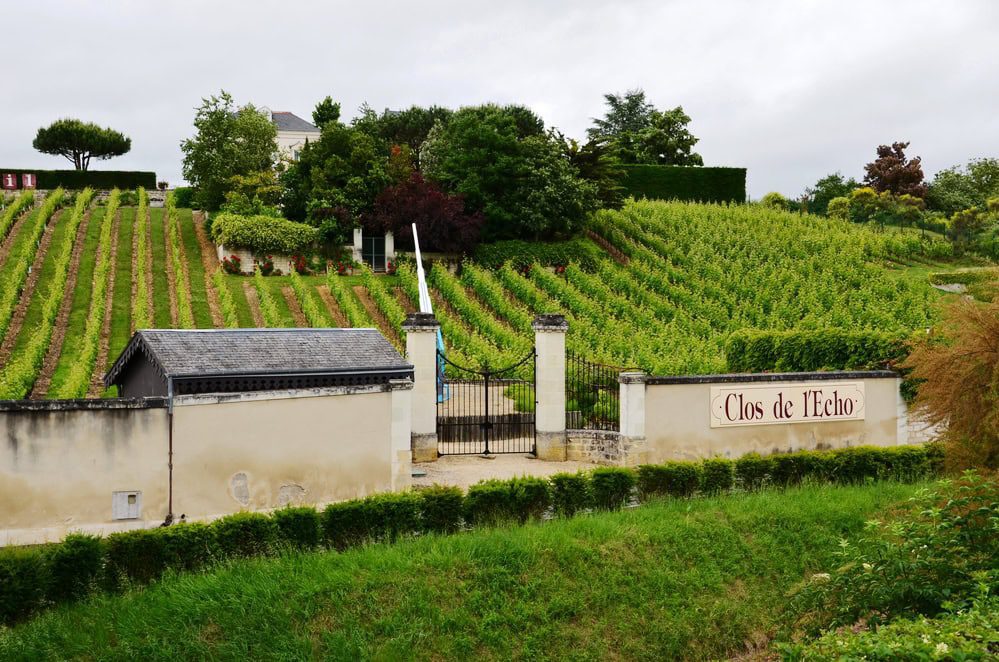
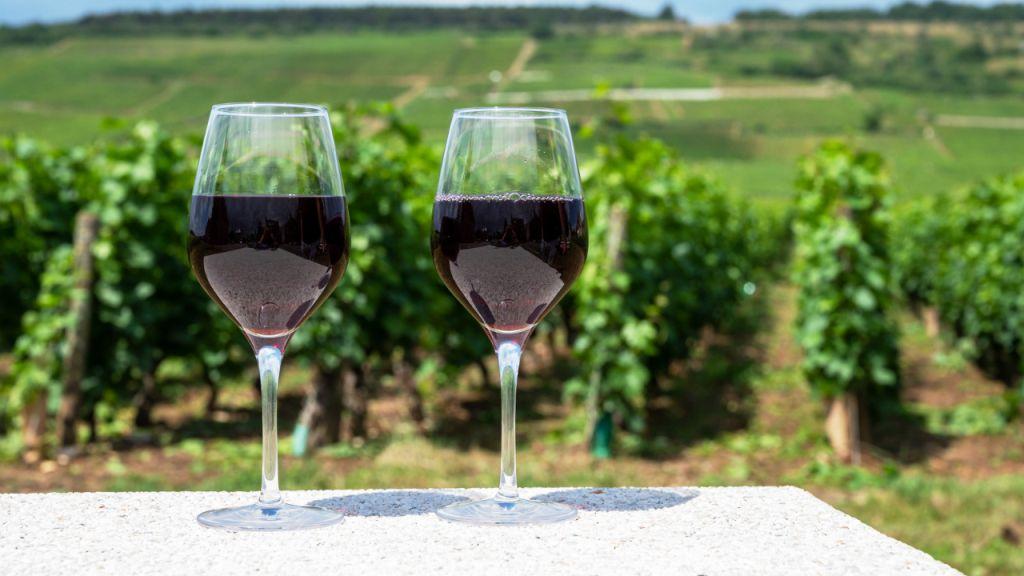
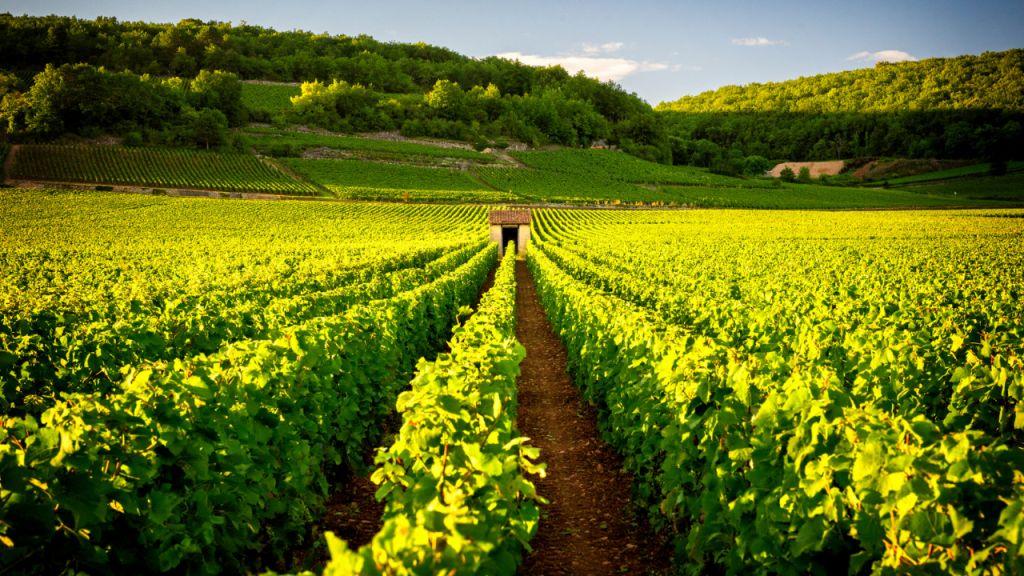
The Loire Valley is also known for its wine, particularly along the river. Even if you’re not focusing on wine tourism, it’s part of the experience in many towns and villages.
How Much Time Do You Need in the Loire Valley?
- 2–3 days: Choose a base and visit a few major châteaux
- 4–5 days: Combine castles with towns and slower exploration
- Longer stays: Travel at a relaxed pace and explore beyond the main sites
Trying to see everything in a short time doesn’t work well here. It’s better to focus on fewer places and experience them properly.
Loire Valley Itinerary Ideas
- 2–3 days: Chambord, Chenonceau, Amboise
- 4–5 days: add Saumur and Fontevraud
- 7 days: slower pace + smaller towns
Travel Style in the Loire Valley
This is a region that suits a slower approach.
You can plan a route, but leaving space between stops makes a difference. Sitting in a town square, walking along the river, or spending more time at one site often ends up being more memorable than trying to fit in one more château.

Planning Your Trip to the Loire Valley
Start by choosing a base. Amboise is a strong option, but there are others depending on what you want to see.
From there, build your days around a mix of:
- one or two key châteaux
- time in a town
- space to explore without a fixed plan
The Loire Valley also works well combined with nearby regions like Normandy or Brittany if you’re planning a longer trip through France.
The Loire Valley is easy to visit, but it’s better when you slow down.
The castles may be the highlight, but it’s the balance between them, the towns, and the landscape that makes the region feel complete. The more time you give it, the more it starts to come together.
Interested in exploring more of France check out these pages:
If you’re exploring more of Europe, or thinking about living here longer term, I’ve put together a few guides that might help:
Europe Travel Guide and the Ultimate Europe Travel Resource Guide
How to Avoid Travel Scams in Europe
Schengen Rules Explained when travelling to Europe
Accessible Travel Guides Ireland UK Europe
Carryon Luggage Rules Across Europe