
Accessible travel guide: Europe, UK and Ireland
Ireland and the UK have patchy but improving accessibility. Cities (Dublin, Belfast, Galway) are generally the easiest; rural and historic sites (castles, cliff paths, cobblestone old towns) are the most variable. Western Europe (France, Germany, Netherlands, Scandinavia) tends to lead on infrastructure low-floor trams, step-free metro stations, and well-documented museum access are the norm in major cities, though older Parisian and Berlin metro lines remain notoriously lift-free.Below, every guide is broken down by region with specific access notes, not just a general “accessible” label.
After more than a decade living and traveling across Europe, with Ireland as my home base, I have learned that accessibility is often the difference between a stressful trip and an enjoyable one. My approach is shaped by a background in cultural anthropology and a focus on how places function day to day, not just how they appear in photos.
This guide brings together my advice across Ireland, the United Kingdom, and Europe, with practical, first-hand insights to help you plan trips that feel manageable, realistic, and worthwhile.
Accessible Europe Planning notes for accessible Europe, including which countries currently have the strongest accessible transport networks.
Most importantly, it is about planning trips that feel comfortable and achievable, rather than over-ambitious.
I use these guides to plan my own trips before I write them, and I update every one after I’ve actually walked the route, tested the ramp, or found out the “accessible” entrance was locked. If a guide below doesn’t have a detail you need a curb height, a specific bus route, whether a castle has a lift email me and I’ll go find out.
How I Approach These Guides
When I’m planning a trip or writing a guide, I’m looking at four things:
Walkability and Layout — how easy it is to move around without strain, including terrain, distances, and street layout.
Transport That Works — not just what exists on paper, but what’s actually usable and reliable in practice.
Realistic Daily Planning — what you can comfortably do in a day without rushing or overextending.
Experience Over Checklists — choosing fewer, better experiences rather than trying to see everything.
A few things I’d suggest keeping in mind as you plan:
- Choose a base and explore from there, rather than moving constantly
- Prioritize locations with good transport or easy driving routes
- Allow more time than you think you need
- Look for viewpoints, drives, and indoor attractions alongside the major sights
- Plan for flexibility rather than a fixed schedule

Ireland
Ireland’s accessibility ranges from excellent (Dublin’s DART and Luas are step-free) to genuinely difficult (many rural attractions still have no accessible parking or paths). Here’s what I found, region by region.


Accessible Ireland: The Complete Guide Start here. Covers accessible transport nationwide (Irish Rail, Dublin Bus, Luas), accessible accommodation booking tips, and a realistic overview of what “accessible” means outside the capital.
Accessible Dublin Step-free Luas and DART stations, which Georgian buildings have ramp access (many don’t protected facades), and where accessible parking is easiest in the city centre.
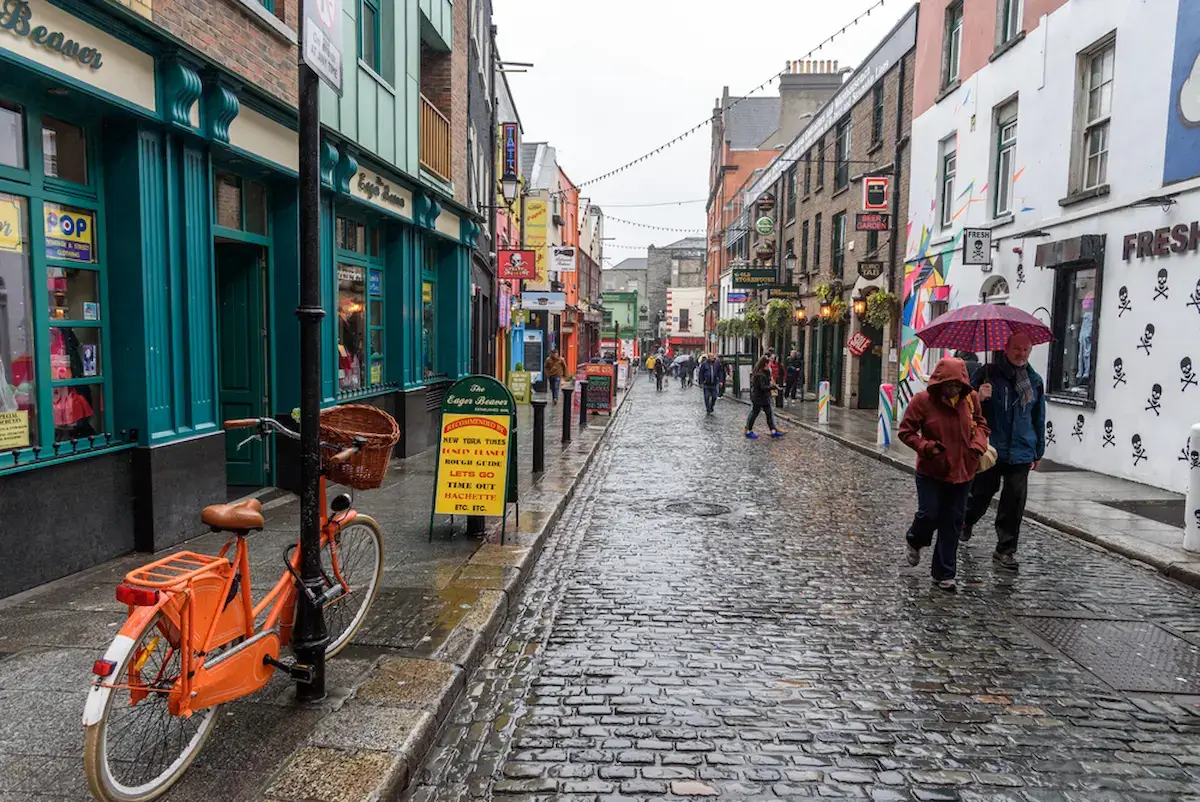
Accessible Galway City Galway’s medieval core has a lot of cobblestone; this guide maps the smoother alternate routes and which pubs on Quay Street have step-free access.
Accessible Waterford Ireland’s oldest city, and one of the flatter ones good news for wheelchair users. Notes on the Viking Triangle’s accessible museum entrances.
Accessible Wicklow Which Garden of Ireland viewpoints are reachable without a hike, including accessible parking at Glendalough’s Lower Lake.
Accessible Wild Atlantic Way This is a driving route more than a walking one, which actually helps notes on accessible coastal viewpoints that don’t require the cliff-edge walks.
Accessible Donegal One of the more rural counties on this list; honest notes on where accessibility infrastructure is still limited.
Accessible Dingle A small town that’s more walkable than it looks; parking and pier access notes.
Accessible Westport Mayo’s most accessible town centre, with notes on the Great Western Greenway (a flat, traffic-free cycling/walking trail genuinely one of Ireland’s best accessible outdoor options).
Accessible Mayo County-wide notes, including Achill Island access points.
Northern Ireland

Accessible Northern Ireland Overview of transport (Translink accessibility), accommodation, and what’s changed in recent years.
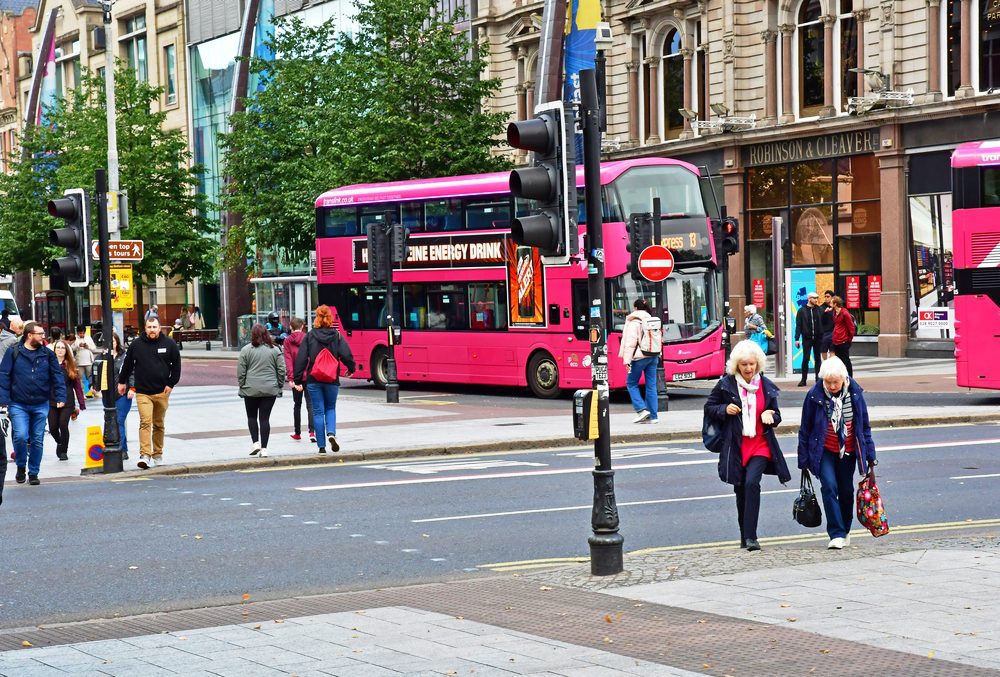
Accessible Belfast City centre step-free routes, the Titanic Quarter (purpose-built and very accessible), and black cab tour accessibility.
Accessible Derry The Walled City has genuine step challenges on the walls themselves; this guide covers the accessible ground-level alternative routes.
Accessible Giant’s Causeway The main causeway stones are uneven natural basalt (not accessible by wheelchair without assistance), but the visitor centre and clifftop path are details on both.
Accessible Causeway Coast Accessible stops along the coastal route beyond the Causeway itself, including Carrick-a-Rede alternatives (the rope bridge itself is not accessible).
United Kingdom


Accessible UK Broader guide to accessible rail travel, National Trust accessibility schemes, and city-by-city notes.
Accessible London Compared to many older European capitals, London is genuinely one of the more accessible large cities you can visit.
Accessible Bath Discover how to explore an accessible Bath including the Roman Baths, and other attractions.
Accessible Cotswolds many of the lovely Cotswolds villages and towns are accessible.
Accessible Edinburgh Accessible Edinburgh travel is entirely possible, but it rewards realistic planning far more than an aggressive checklist.
Accessible Historic sites in England Discover accessible historical sites in England including castles, Roman ruins, cathedrals, museums, and heritage attractions with realistic tips for limited mobility and hidden disabilities.
Accessible York Explore the great city of York with tops for what sites are accessible and how to visit.
Trying to choose between Scotland or Ireland? Read my Ireland vs Scotland: Which Should You Visit?
Europe

Accessible Europe Planning notes for accessible-travel further afield, including which countries currently have the strongest accessible transport networks.
Accessible Paris: our full guide to the Eiffel Tower, Notre Dame, the Louvre, Paris transport, hotels and hidden gems.
Accessible France: how accessibility looks beyond the capital, region by region.
Accessible Spain: city and region specific access details for Barcelona, Madrid, Seville, Valencia, Malaga and beyond.
Accessible Italy: what to expect in Rome, Tuscany, the Amalfi Coast and other Italian regions.
Related Guides for Planning Your Accessible Europe Trip
A few other guides on this site will help you build out the rest of the trip around this accessible Europe hub.
Hidden Disabilities Travel Guide: Adventures at Any Age, for travellers managing conditions that are not always visible.
Schengen Area Rules Explained: ETIAS, Visas, EU and UK Travel, essential before any first trip to mainland Europe.
Europe Travel Documents and Insurance Checklist, including why travel insurance matters even more with mobility equipment.
Best Travel Apps for Europe: What to Download First, several of which include accessible route planning.
How to Pay in Europe: Cards, Cash and Tipping, useful once you are budgeting for accessible transport add ons.
A Mature Traveller’s Guide to Europe and Ireland, which overlaps closely with slower, accessible pacing.
Never Too Old to Travel, for anyone worried that age or mobility should rule out a European trip.
Finding Hidden Gems in Europe: 41 Unique Places, several of which were chosen for being flat and manageable.
Heading to Europe, it is also worth reading the EuansGuide for accessibility for crowdsourced, first hand access notes.
Common Questions About accessible travel
Do you need a car for travel in Ireland?
In many cases, yes. A car gives you more flexibility and makes it far easier to reach scenic areas without long walks — public transport thins out quickly outside Dublin and the main cities.
Is Dublin wheelchair accessible? Mostly, yes the Luas tram and DART train network are step-free, and the city centre is flat. The main challenges are older Georgian buildings (protected facades often can’t add ramps) and some cobblestone side streets. Full details in the Accessible Dublin guide.
Are Irish castles wheelchair accessible? It varies significantly by site. Some (like Kilkenny Castle’s ground floor) have good access; others are entirely unadapted historic structures with no ramp or lift options. Each regional guide above notes specific castle access where relevant.
What’s the most accessible region of Ireland? Based on infrastructure and terrain, Dublin and Waterford are the flattest and best-served by accessible public transport. The Wild Atlantic Way is more accessible by car than on foot, given the terrain.
Are there wheelchair accessible beaches in Ireland?
Yes a growing number of Irish beaches now offer beach-access mats, boardwalks, or all-terrain beach wheelchairs to borrow, including spots along the east coast and parts of the Wild Atlantic Way. Equipment and availability vary by beach and season, so it’s worth checking with the local council or lifeguard station before you travel.
Are there wheelchair accessible beaches in the UK?
Yes many UK beaches, particularly in England and Wales, take part in accessible beach schemes offering beach wheelchairs, matting, and accessible parking close to the sand. Coverage is inconsistent by region, so check ahead with the specific beach.
Are there wheelchair accessible beaches in Europe?
Yes, though it varies significantly by country. Spain, France, and Portugal have some of the more developed accessible beach programs, often including amphibious beach wheelchairs, while other regions offer more limited provision.
About These Guides
I write these guides from trips I take myself, not from tourist board press releases. That means the details are current as of my last visit, but accessibility infrastructure changes a ramp gets added, a path gets closed for repair. If something below is out of date or you’ve found something I missed, get in touch and I’ll update it.
Note: accessibility needs vary widely from person to person. These guides describe what I personally observed and experienced; if you have specific requirements, I’d recommend confirming directly with the venue or transport provider before you travel.