
Italy Travel Guide: Regions, Food, and Where to Go
Italy was the country that taught me to slow down. My first trip was the standard rush Rome, Florence, Venice, four days apiece, checking off the greatest hits and I left exhausted rather than in love with the place. It wasn’t until a later trip through Calabria, where I didn’t see another foreign tourist for three days straight, that Italy actually clicked for me. Since then, every trip back has been built around going deeper into fewer places rather than wider across more of them.

This guide brings together everything we’ve covered on Italy where to go, what to eat, and how to plan a trip that doesn’t just retrace the same three cities everyone else visits. If you’ve already done the classic route, or you’re planning your first trip and want to build in at least one region most visitors skip, start here.
Italy rewards travelers who go beyond the obvious three cities. Rome, Florence, and Venice deserve their reputation, but the coastline south of Naples, the hill towns of Puglia, and entire regions like Calabria and Sardinia see a fraction of the crowds while offering just as much sometimes more.
This guide brings together everything we’ve covered on Italy: where to go, what to eat, and how to plan a trip that doesn’t just retrace the same three cities everyone else visits.
Where to Go in Italy
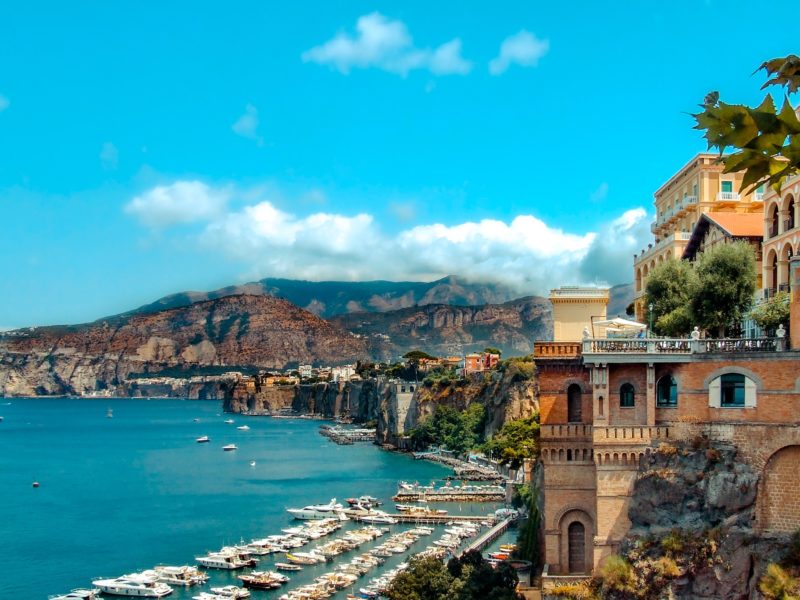
The Amalfi Coast and Capri The Amalfi Coast is one of the most beautiful stretches of coastline on earth, and rightly one of Italy’s most photographed regions. See our guide to 6 stunning Amalfi Coast cities for where to base yourself and what each town actually offers. If you’re staying along the coast, Capri makes an easy ferry-ride day trip, with views from Mt. Solaro that are worth the climb.


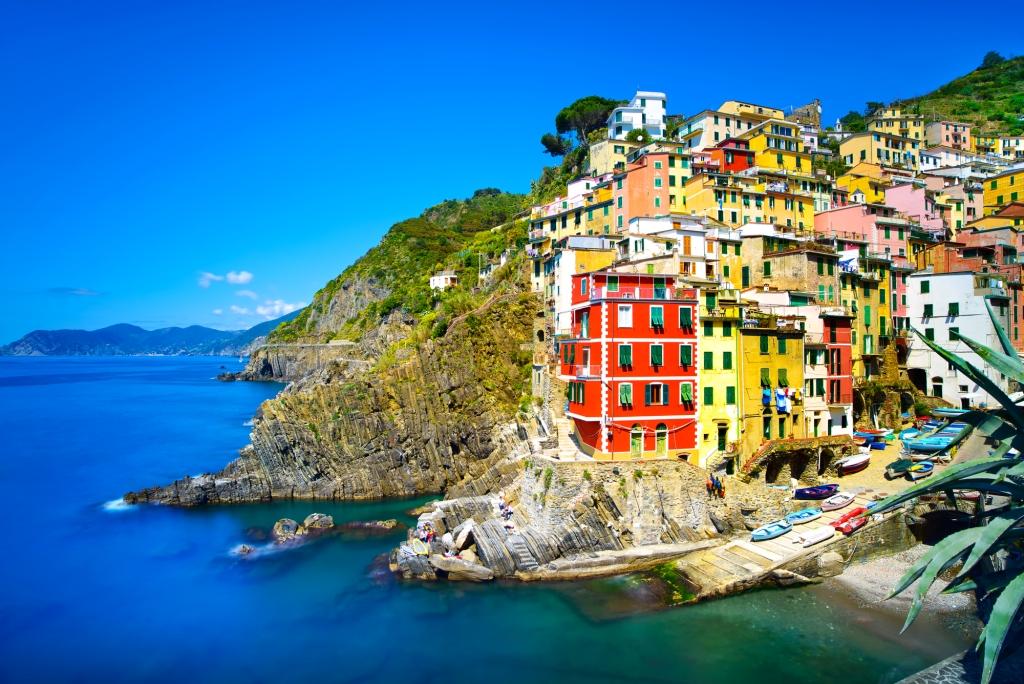
Cinque Terre Five villages clinging to cliffs above the Ligurian Sea, each with its own character. Our guide to 5 exquisite Cinque Terre villages breaks down which to prioritize if you can’t see all five properly in one visit.
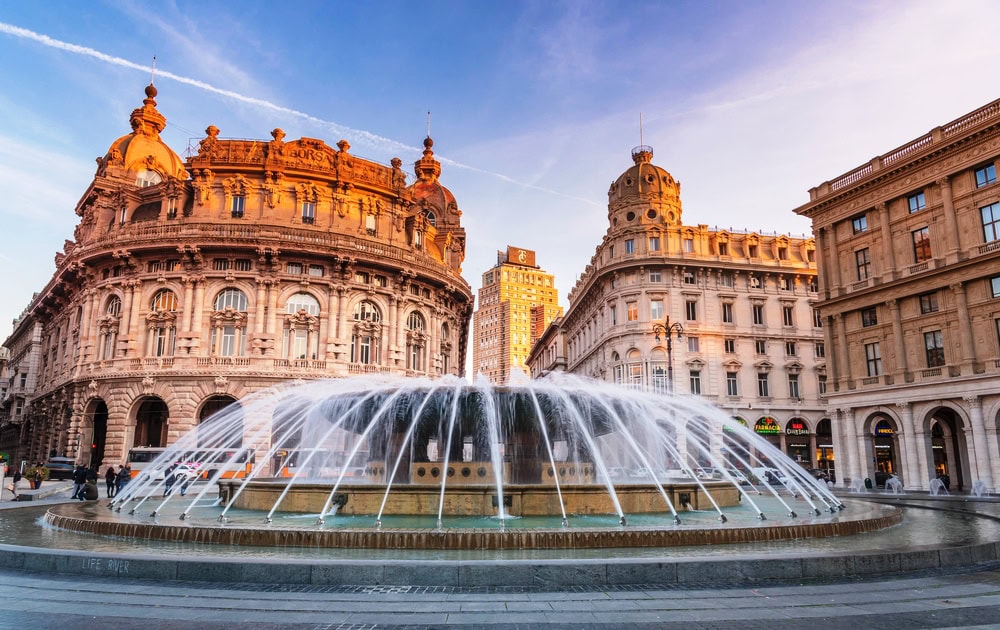
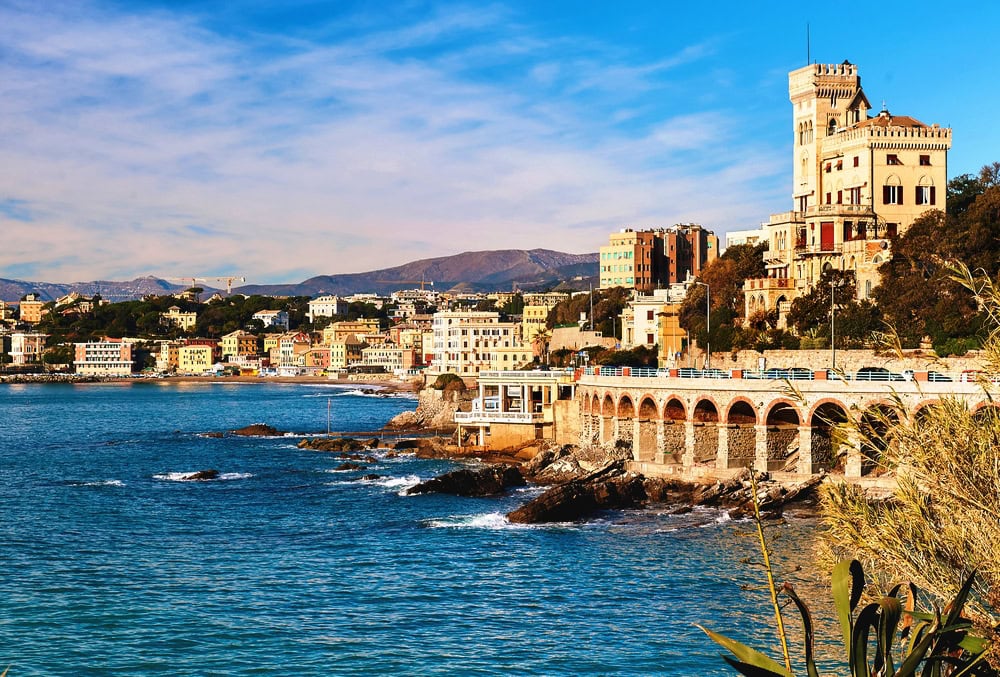
Genoa and the Ligurian Coast Often overlooked in favor of Cinque Terre itself, Genoa is a genuinely good base for exploring the wider Ligurian coast. See our day trips from Genoa for how to use it as a hub, including reaching Cinque Terre and Portofino without moving hotels.
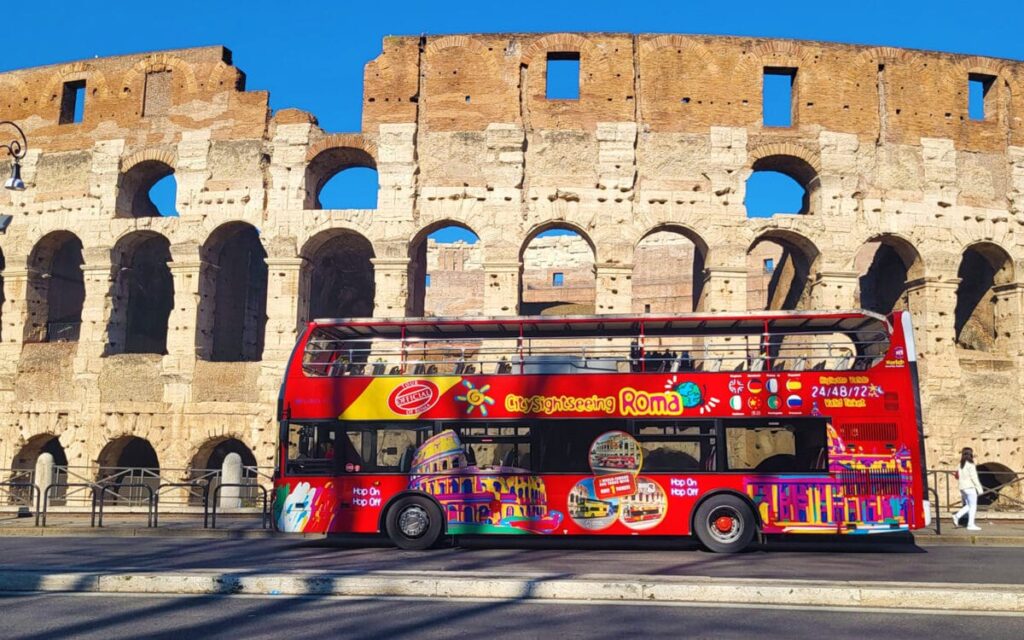
Rome For first-timers specifically, our 3 days in Rome itinerary covers the Colosseum, Vatican City, where to stay, and what to eat, structured for someone who’s never been before.
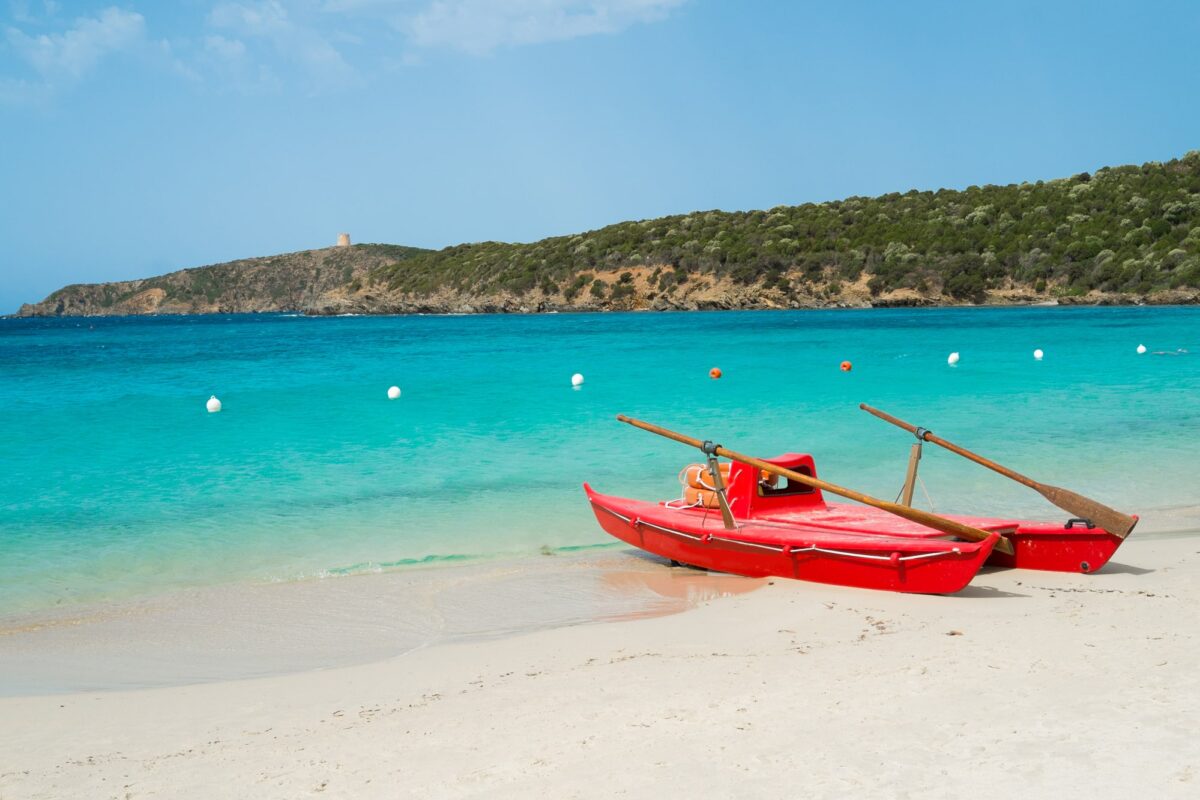
Sardinia An island that gets far less attention than it deserves. Our roundup of 17 of the best beaches in Sardinia is the place to start if beaches are the priority.
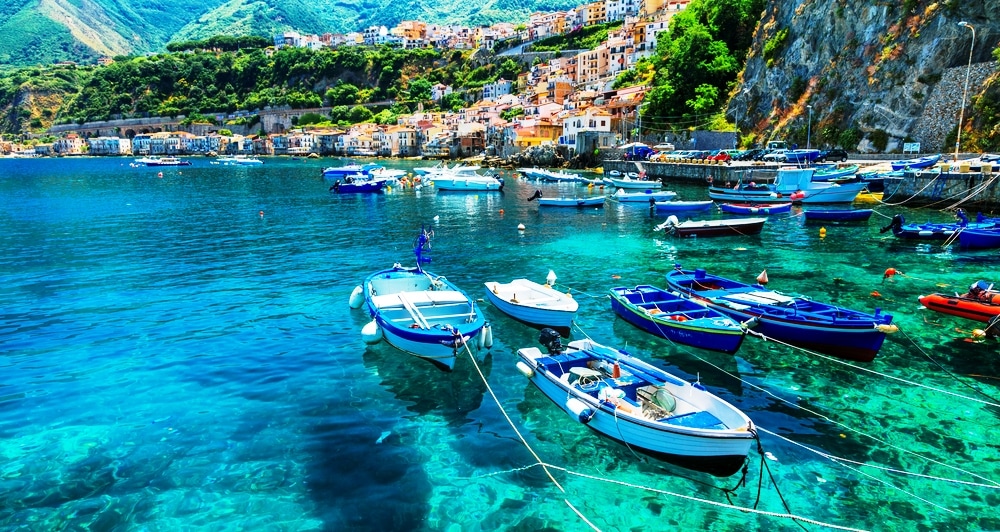
Calabria The least-visited region on this list, and one of the most rewarding for it. Our 5-day Calabria road trip itinerary covers a part of southern Italy most foreign visitors never see.
Tuscany Beyond the postcard hill towns, Tuscany is also where to go for a genuinely hands-on food experience see our private cooking class in Tuscany for a way to spend a day that isn’t just sightseeing.

Food and Dining in Italy
Italian food culture runs on rules most visitors don’t know exist until they’ve broken one. Our guide to eating in Italy: 26 tips for eating the Italian way covers the do’s and don’ts from takeaway coffee (don’t) to drinking water with dinner (do) that separate a tourist meal from a local one.
For specific cities: 29 dishes to try in Rome covers everything from Michelin-starred carbonara to the city’s famous street-food pizza. And if wine is part of why you’re visiting, 16 must-try wine tasting tours across Europe includes several of Italy’s best regions alongside Bordeaux and the Douro Valley.


Italy travel guide – Planning Your Trip
Packing for Italy depends heavily on season and region our essential Italy packing list is built around spring travel specifically, when layering matters most.
If you’re trying to narrow down where to actually go on a first visit, our roundup of 12 of the best places to visit in Italy is a good starting point before diving into any single region above.
Frequently Asked Questions
What’s the best region of Italy for a first-time visitor?
Rome, Florence, and Venice remain the classic first trip for good reason — they cover the history, art, and canals that draw most people to Italy in the first place. But if you have even a few extra days, pairing one classic city with somewhere quieter (the Amalfi Coast or Cinque Terre both work well from Rome or Florence) gives a much fuller picture of the country than the cities alone.
Is Italy expensive to visit?
It varies enormously by region and season. The Amalfi Coast and Cinque Terre in peak summer are among the most expensive parts of the country; Calabria and inland Sardinia, even in summer, cost meaningfully less for food, accommodation, and activities alike. Traveling in shoulder season (April–May or September–October) also cuts costs significantly almost everywhere.
How many days do I need in Italy?
Ten days to two weeks is enough to properly cover one region in depth plus a couple of cities, rather than rushing between many. Trying to cover Rome, the Amalfi Coast, Tuscany, and Venice in under two weeks generally means seeing very little of any of them properly.
What’s the biggest mistake first-time visitors make in Italy?
Overpacking the itinerary. Italy rewards slower travel — long lunches, wandering without a fixed plan, sitting somewhere with a view instead of rushing to the next sight. See our tips for eating in Italy for how central that slower pace is to actually eating well while you’re there.
Is southern Italy worth visiting, or should I stick to the north?
Southern Italy — Calabria especially — gets a fraction of the visitors that the north does, despite having comparable coastline, food, and history. If you’ve already done a classic northern-and-central trip, southern Italy is where to go next.
Do I need a car to see regions like Calabria or Sardinia?
Generally, yes. Public transport thins out significantly outside the major cities and along the coast, and the most rewarding parts of both regions — small coastal towns, specific beaches, hill villages — are genuinely difficult to reach without one.
Why Trust This Guide
Every region covered here has been visited and written up directly not compiled from press releases or second-hand research. If you’re planning your first trip to Italy or trying to go beyond Rome and Florence on a return visit, start with the region that matches what you’re actually looking for, and use the practical guides above to fill in the details.
If you’re exploring more of Europe, or thinking about living here longer term, I’ve put together a few guides that might help:
Europe Travel Guide and the Ultimate Europe Travel Resource Guide
How to Avoid Travel Scams in Europe
Schengen Rules Explained when travelling to Europe
Accessible Travel Guides Ireland UK Europe
Carryon Luggage Rules Across Europe