
Accessible France: A Wheelchair Traveler’s Real Guide From Paris to the Riviera
France is genuinely accessible for wheelchair users once you know the system. Paris and the French Riviera lead the way, with free museum entry for disabled visitors and a companion, step free routes through the Louvre and the Palace of Versailles, wheelchair spaces on TGV trains booked through Accès Plus, and free unlimited parking almost anywhere in France for holders of a Carte Mobilité Inclusion or European disability card. The real challenges are the Eiffel Tower summit, which stays off limits to wheelchairs, cobbled medieval centres, and rural villages with fewer lifts. Plan around those three and the rest of the country opens up.

I lived in France for three years, and before that I spent a decade bringing friends and family through the country trip after trip, so when people ask me whether accessible France is a real thing or just a marketing phrase, I can answer from lived experience rather than a brochure. It is real, but it is not automatic. I am a mobility challenged traveler myself, and I have pushed a wheelchair over cobbles in old town centres, waited for a lift that never arrived at a small regional station, and also been genuinely moved by how far Paris and the Riviera have come.
This guide pulls together everything I wish someone had told me before my first trip: which sites are truly step free, what tickets actually cost, where to park for free, which restaurants will welcome a wheelchair without a fuss, and the hidden spots that locals use but most travel blogs never mention. Whether you are planning a week in Paris or a longer swing down to the French Riviera, this is the accessible France guide I would hand a friend.
Heading to Paris read the EuansGuide to Paris and accessibility.

- Accessible France: A Wheelchair Traveler's Real Guide From Paris to the Riviera
- What Does Accessible France Actually Mean?
- Getting To France With a Wheelchair or Mobility Aid
- Getting Around Once You Are There
- Little Trains
- Accessible Paris, Site by Site
- Where to Stay in Paris
- Where to Eat, From Cafes to Fine Dining
- Accessible French Riviera, From Nice to Menton
- Accessible Loire Valley: Chateaux Worth the Detour
- Accessible Normandy: Mont Saint Michel and the D-Day Beaches
- Hidden Gems Locals Know About
- Things to Do With Kids
- How to Plan an Accessible Trip to France
- What Most Guides Get Wrong About Accessible France
- Frequently Asked Questions About Accessible France
- Final Thoughts on Planning Accessible France Travel
- Continue Planning: More France Guides
What Does Accessible France Actually Mean?
Accessible France covers three separate things that often get lumped together: physical access such as ramps, lifts and step free routes; financial access, meaning free or reduced admission for disabled visitors and one companion; and information access, meaning whether you can actually find out in advance what to expect. France runs two official accreditation schemes worth knowing.
The Tourisme et Handicap label certifies that a site meets defined standards for one or more of four disability types: motor, visual, hearing and mental. The newer Destination pour Tous label looks at an entire town or region rather than a single site, covering transport, hotels and public spaces together. Neither label is perfect and neither covers every good option, but seeing one on a site’s own website is a genuine sign of vetted access rather than a marketing claim. You can browse labelled sites directly on VisitParisRegion’s accessibility hub or the official France.fr guide to travelling with a wheelchair.
Getting To France With a Wheelchair or Mobility Aid
Flying In
All EU airports, and any airline flying into the EU, must provide free disability assistance, and you do not need to prove your disability to request it. Book assistance directly with your airline at least 48 hours before departure, and again for the return leg. Charles de Gaulle and Nice airports both run dedicated assistance desks that take you straight through to boarding.

Eurostar and the Channel Tunnel
From Ireland the easiest route is usually a short flight to Paris, London or Lille, then onward by rail. Eurostar carries two wheelchair spaces per train between Paris Gare du Nord and London St Pancras, both in Standard Premier class, with published space limits of 70cm by 120cm and a 200kg weight limit. Booking a wheelchair space has to be done by phone rather than online, and the same 48 hour notice period applies as on the domestic French network. See SNCF’s own accessibility overview for current contact details.

Driving Yourself
If you already hold a UK or Irish blue badge, carry it with you. It is recognised informally across France even though the formal reciprocal arrangement varies by region, and displaying it on the dashboard alongside your ID rarely causes a problem in practice. If you become a resident, France’s own Carte Mobilité Inclusion is worth applying for through your local Maison départementale des personnes handicapées.
Getting Around Once You Are There
French Trains and Accès Plus
SNCF, the French rail operator, runs a free assistance service called Accès Plus, now folded into a broader booking system called Assist’enGare. It gets you met at the platform, helped onto the train and off again at your destination, with a ramp and trained staff on hand. Book at least 48 hours ahead by phone or through SNCF Connect, and note that online booking still will not let you reserve a wheelchair space directly, so a follow up phone call is worth the ten minutes it takes.
If you are a wheelchair user, EU rail rules mean you travel first class at the second class fare, and anyone accompanying you travels alongside you on TGV services at no extra cost. It is also worth knowing for group trips: SNCF now lets a wheelchair user travel with up to nine companions on a single booking rather than the two allowed under the old rules, which makes coordinating a larger family or friend group considerably easier.

Parking, the Carte Mobilité Inclusion, and What Locals Know
This is the detail most guides skip entirely, and it is the one that saves the most money. If you hold a Carte Mobilité Inclusion with the parking mention, or a European Disabled Parking Card, you can park free and without a time limit on any public street parking space in France, whether it is a paid zone, a blue zone, or a space reserved for disabled drivers. This applies everywhere in the country, not only in Paris, though a handful of towns ask you to register the vehicle first, and private car parks are not included. Keep the card clearly visible on the dashboard. Paris publishes its own local rules on the Ville de Paris disabled parking page, and it is one of the simplest, best kept practical secrets of accessible French travel.
Paris Public Transport
Paris transport is the honest weak point. Most of the older Metro lines are genuinely difficult, with line 14 and parts of line 1 the main lines built with lifts throughout. Buses and trams are the more reliable option instead: RATP confirms that every tram line and all bus routes are designed to be wheelchair accessible, along with the RER regional trains and Metro line 14, though individual bus stops can still be temporarily out of service, so it is worth checking live status before you set out. A carnet of bus or tram tickets, or a Navigo Easy card, will get you across the whole city for a few euros a ride.

Little Trains
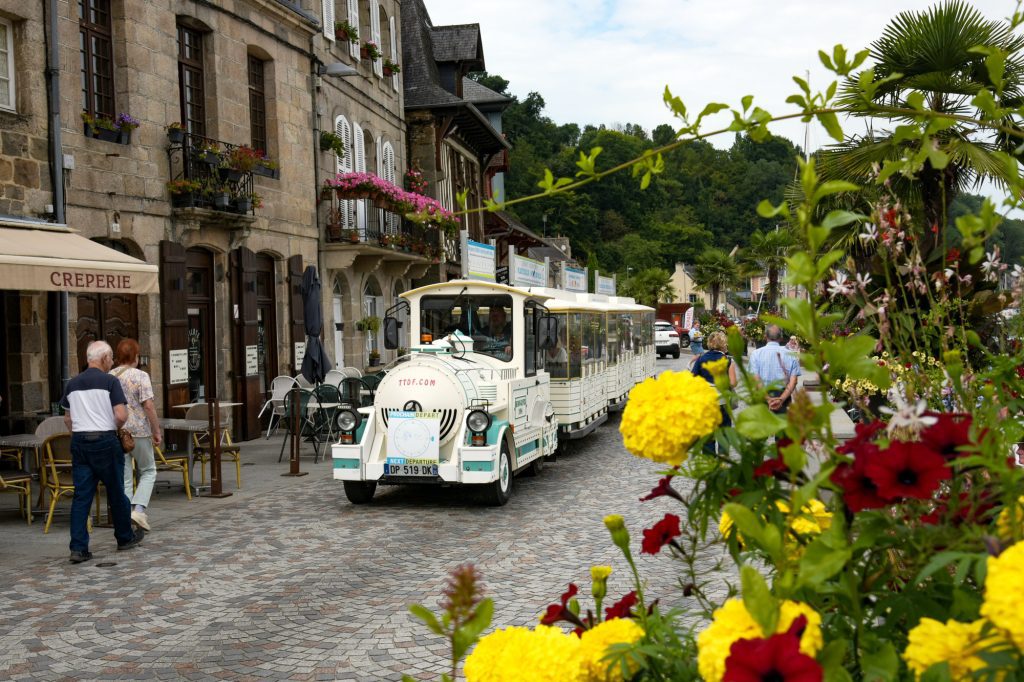
Little tourist trains (petit trains) are a genuinely useful trick for accessible travel in France they cover ground that would otherwise mean a long walk on gravel, cobblestone, or steep terrain, which makes historic centers and large sites doable for visitors with limited stamina or mobility devices. Versailles is the standout example, with an electric train running through the gardens out to the Trianons so visitors don’t have to cross those long gravel paths on foot. A number of other towns, particularly along the Normandy and Brittany coasts, run seasonal petit trains through their old towns as well, though availability and operators change from year to year, so it’s worth confirming locally before building a visit around one.
I’ve taken these little trains in Dinan – a stunning medieval town with brutal hills, St Malo which was destroyed and completely rebuilt after WWII, Rouen where Joan of Arc was burnt at the stake, Versaille, Bayeux, Paris – check out these as well: the Loire Valley cities (Tours, Angers, Saumur, Le Mans), and Mediterranean resort towns (Toulon, Nice, Saint-Raphaël).


Accessible Paris, Site by Site
The Louvre
The Louvre is the world’s most visited museum, and it is also one of the best organised big museums in Europe for wheelchair access. The pyramid entrance has a ramp, lifts connect every floor, and free wheelchairs are available with an advance reservation at the information desk. A standard adult ticket runs from about 22 euros for EU residents to around 32 euros for non EU visitors, but entry is free for disabled visitors and one companion on production of ID showing disability status. Book your timed slot at louvre.fr and use the priority entrance rather than the general queue. Step free Metro access nearby is limited, so a taxi or accessible bus is the more reliable way in.

The Eiffel Tower
The first and second floors of the Eiffel Tower are wheelchair accessible by lift, and disabled visitors pay the same reduced rate as children, with a companion ticket also discounted. The summit is the one exception: it is closed to wheelchair users for safety reasons connected to emergency evacuation, which only happens by stairs. Budget for the second floor instead, the view is genuinely spectacular and far less crowded than the summit queue.

The Palace of Versailles
Versailles publishes a detailed accessibility register at the Dufour Pavilion entrance, and most of the ground floor state apartments, including the Hall of Mirrors, are step free. The attics and a handful of upper rooms are not reachable by lift. The gardens are large but mostly flat gravel and paved paths, and wheelchairs can be borrowed on site. Disabled visitors and a companion enter free, and it is worth calling the accessibility team ahead on plus 33 1 30 83 75 05 to confirm which rooms are open that day, since parts of the palace rotate through restoration.

Notre Dame and the Arc de Triomphe
Notre Dame Cathedral, since reopening after restoration, offers step free access to the main nave, though the towers remain stairs only. The Arc de Triomphe is trickier logistically than physically: the pedestrian tunnel underneath has around 30 steps, so the practical route is to arrange a drop off directly at the monument rather than trying to reach it on foot. Once inside, a lift takes you to the viewing platform, and entry is free for disabled visitors and a companion.


Where to Stay in Paris
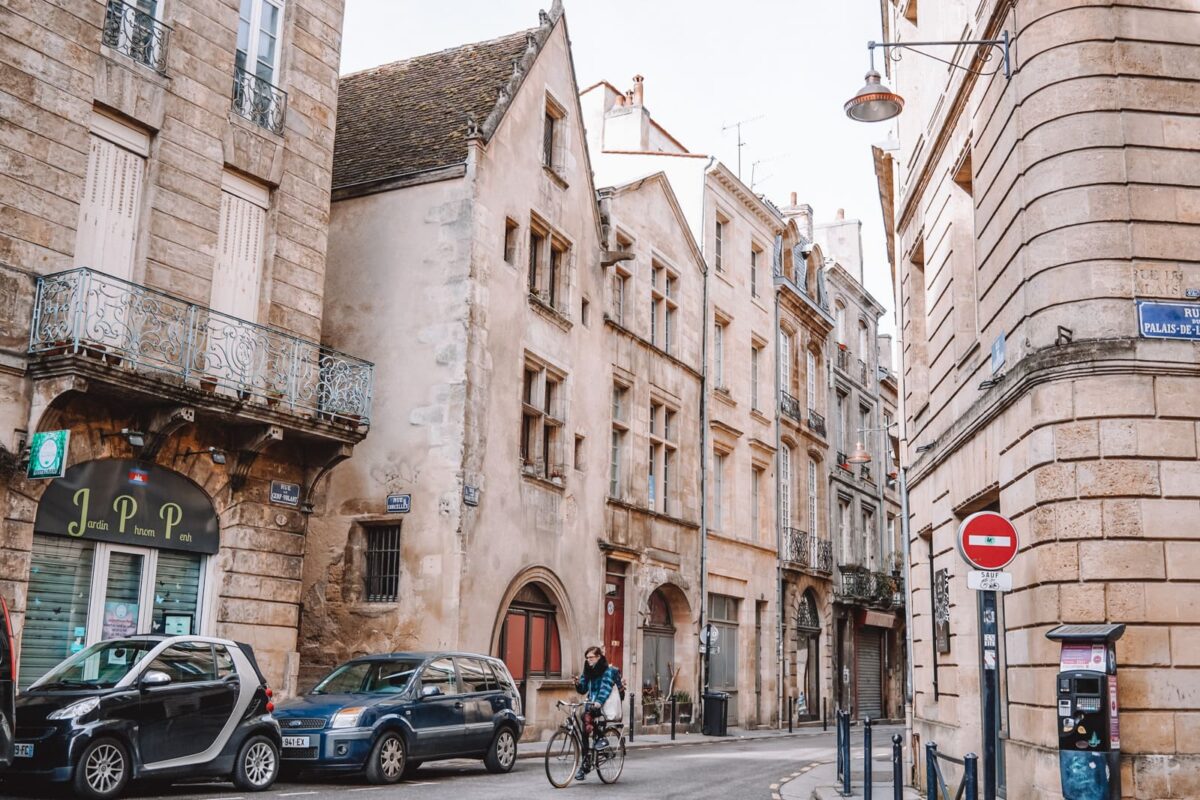
Choose your neighbourhood as carefully as your hotel. The Left Bank around the 7th arrondissement, and the streets near the Louvre, tend to have wider pavements and newer lifts than the winding lanes of Montmartre. When you book, ask specifically for a roll in shower rather than just an accessible room, since French hotels sometimes label a room accessible when it only has grab bars and a raised toilet. Confirm bathroom door width in centimetres if you use a wider wheelchair, and ask whether the lift reaches every floor including ground floor reception, which is not always guaranteed in older Haussmannian buildings.
Where to Eat, From Cafes to Fine Dining
Rue Cler and the streets around it in the 7th arrondissement are dependably step free and full of good bakeries for macarons and bistros. In my experience, Tribeca, on Rue Cler, is one of the few independently run Paris restaurants with a genuinely accessible toilet as well as a step free entrance, and the staff are used to helping wheelchair users to a comfortable table.
Les Fines Gueules, near the Louvre, has a step free entrance and roomy seating for classic bistro dishes like duck confit. For a special occasion, Le Jules Verne inside the Eiffel Tower itself is fully accessible by lift and takes reservations well in advance, with tasting menus running from roughly 200 to 300 euros per person.
Restaurants change hands and layouts more often than museums, so treat these three as a starting point and confirm accessibility when you book rather than assuming nothing has changed. For everyday eating on a budget, TheFork’s accessibility filter is the fastest way to check current wheelchair access before you book a table anywhere in the city, and it is updated far more often than most blog lists.


Accessible French Riviera, From Nice to Menton
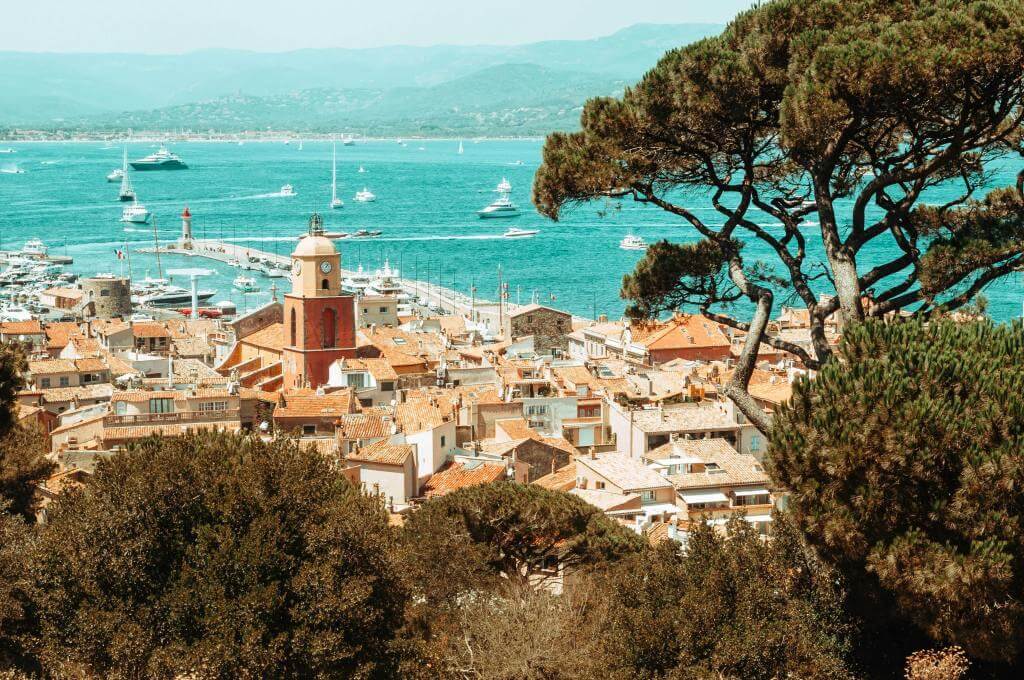
The French Riviera is where accessible France quietly gets it right, and it is the region I know best from repeat visits with friends and family. Nice built its tramline with a low, level platform, so both tram lines are genuinely wheelchair accessible without assistance, and most Lignes d’Azur buses carry the blue wheelchair symbol that marks an accessible stop. The Promenade des Anglais itself is a long, flat, paved seafront, ideal for rolling for hours with a view over the Baie des Anges.
Menton
Menton is a mixed bag: the old town is steep and stepped, so it’s not a good fit for wheelchairs, rollators, or anyone with limited stamina. The seafront promenade and the Jardin Biovès running through the center are flat, paved, and easy going, so a visit built around those rather than the hillside streets works well. If accessibility is the priority, it’s worth pairing Menton with nearby Nice, whose Promenade des Anglais is one of the flattest, most wheelchair-friendly stretches on the Riviera.

Nice
Nice is one of the more accessible stops on the French Riviera. The Promenade des Anglais runs flat and paved for miles right along the sea, with benches, ramps down to beach clubs, and wide space to move at whatever pace you need genuinely one of the best seafront walks in France for wheelchairs, rollators, or anyone who tires easily. The newer tram system is step-free and easy to use for getting around without long walks. The old town (Vieux Nice) is more of a mixed picture some pedestrian streets are flat, but there’s cobblestone and a few stepped areas, so it’s worth exploring in shorter stretches rather than end to end.

Nice’s Accessible Beaches
Centenaire and Carras beaches both carry the Handiplage label, with ramps down to the water, floating and amphibious wheelchairs, adapted showers and toilets, and trained lifeguards, and the service is free. Carras also runs an audioplage system for visually impaired swimmers. Both are a short roll from the tramline and stay open through the summer season into mid September.

Cannes and Antibes
Cannes’ Handiplage holds the maximum four buoy rating and the four disability Tourisme et Handicap label, with 27 reserved GIG-GIC parking spaces near Bijou Plage for beach visitors. In Antibes, the disabled beach service requires a reservation but provides purpose built wheelchairs for getting into the sea itself, and locals I have spoken to consider it the safest stretch of this coast for swimming with a mobility aid.
A Hidden Gem in Villefranche sur Mer
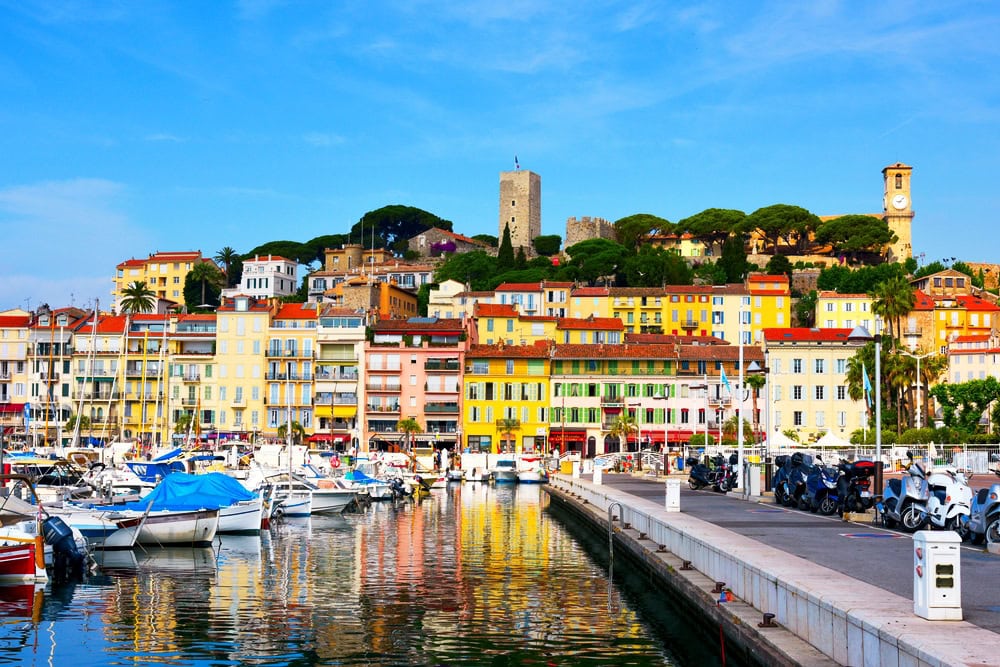
Most guides send every visitor straight to Nice and Cannes and skip Villefranche sur Mer entirely, which is a mistake. It has a genuine painters’ trail along the paved lower town and harbour that is manageable for wheelchairs and buggies, with several viewpoints reachable without stairs, first mapped out in detail by the local accessibility blog Access Riviera rather than any major guidebook.

Accessible Loire Valley: Chateaux Worth the Detour
Accessible France is not only Paris and the coast. The Loire Valley’s chateaux vary enormously in how wheelchair friendly they are, and knowing which before you book saves a wasted afternoon.
Chateau de Chambord
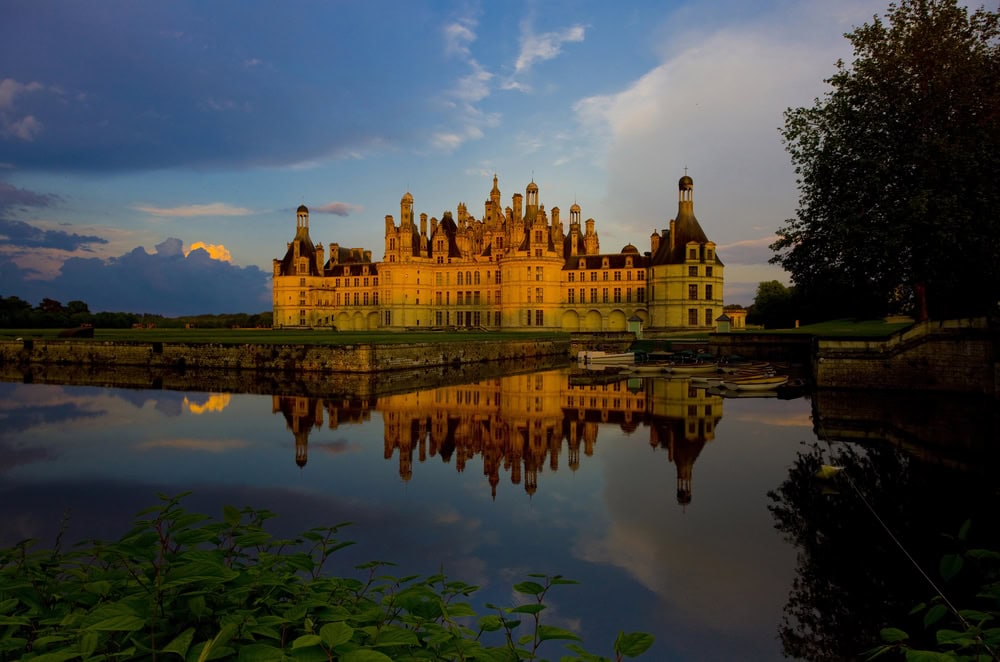
Chambord is France’s largest Renaissance chateau, and its ground floor, courtyard and gardens are wheelchair accessible with free admission and free parking for disabled visitors. The famous double helix staircase and upper floors are stairs only, so you will not reach the rooftop terraces. I have written a full Chateau de Chambord guide with current hours and ticket prices if you want the complete picture before you go.
Chateau de Chenonceau
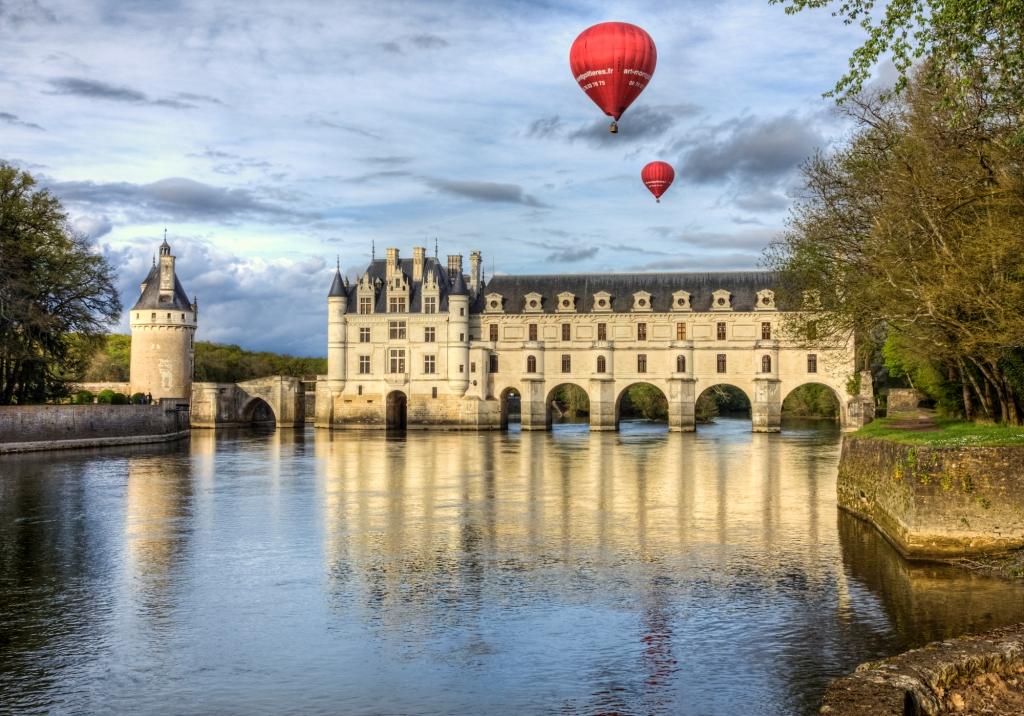
Chenonceau, arguably the most beautiful chateau in the Loire, is genuinely one of the better ones for access. The 800 metre approach avenue and both formal gardens are flat and wheelchair friendly, and the ground floor rooms, including the lower level of the famous gallery over the River Cher, are reachable without stairs. The upper apartments require stairs with no lift. My Chenonceau guide covers the incredible women who ruled the chateau and what else to see nearby, and the 14 best chateaux of the Loire Valley roundup will help you shortlist which others suit a mobility challenged itinerary.
Amboise and Clos-Luce
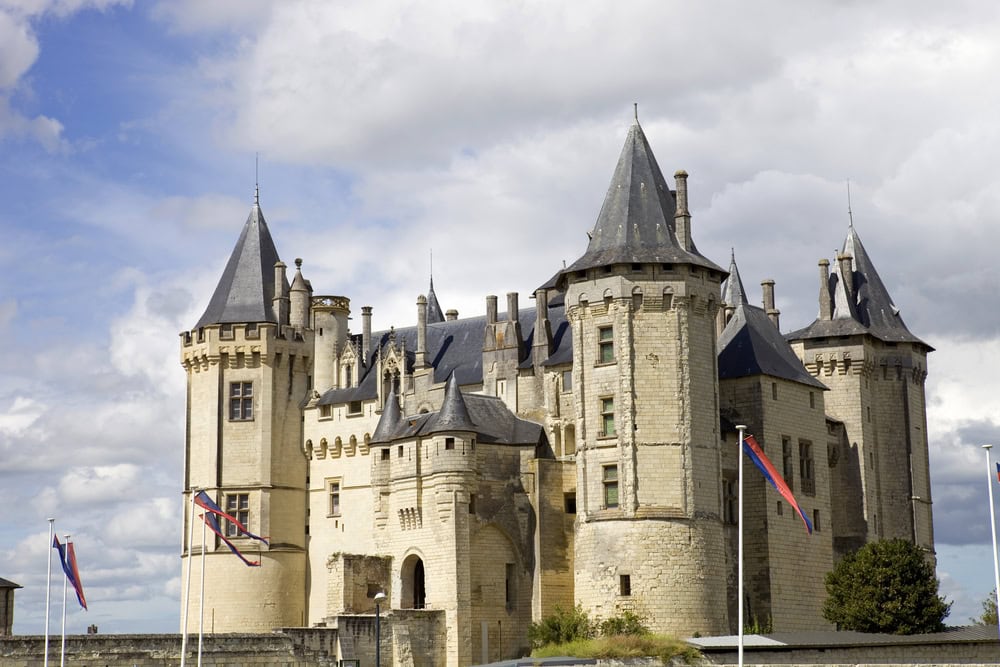
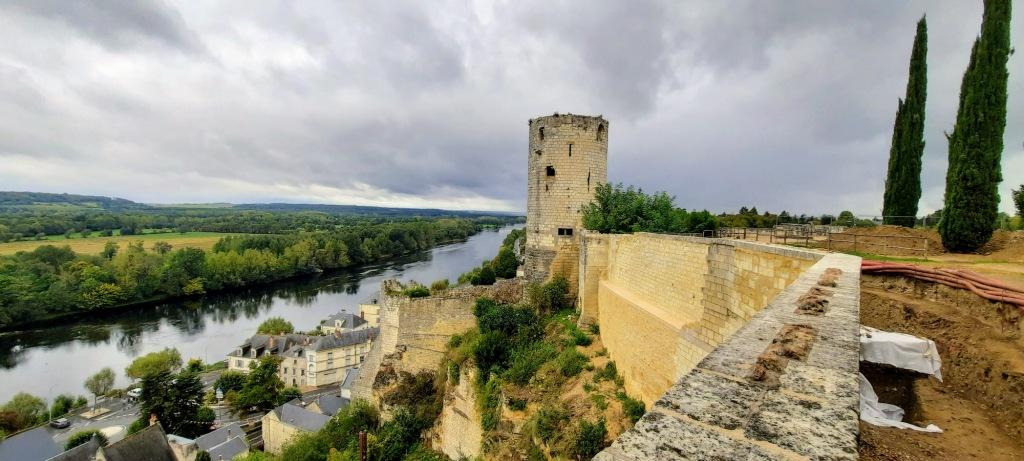
Amboise makes a comfortable, mostly flat base for exploring this stretch of the Loire, and I cover the practicalities of staying there in my Amboise travel guide and my separate look at Chateau Amboise itself with an elavator for disabled visitors. A must visit is Leonardo da Vinci’s house in Amboise called Close-Luce. Further south, Saumur and Chinon are both walkable in short stretches but involve genuine hills and cobbles, so budget extra time and rest stops rather than trying to see either in a rush.

Accessible Normandy: Mont Saint Michel and the D-Day Beaches
Normandy is honest about being a mixed bag for wheelchair users, and I would rather tell you that plainly than let you find out on arrival.
Is Mont Saint Michel Wheelchair Accessible?
Partly, and it takes planning. Vehicle access to the Mont itself is restricted, so everyone parks on the mainland, about 2.5 kilometres away. From there, the free shuttle Le Passeur is fitted with ramps and carries two wheelchair spaces and six priority seats per bus, dropping you around 350 metres from the village entrance. If you would rather skip the shuttle queue, a flat paved path called La Lisiere runs the same distance with sea views, though it is a longer roll.
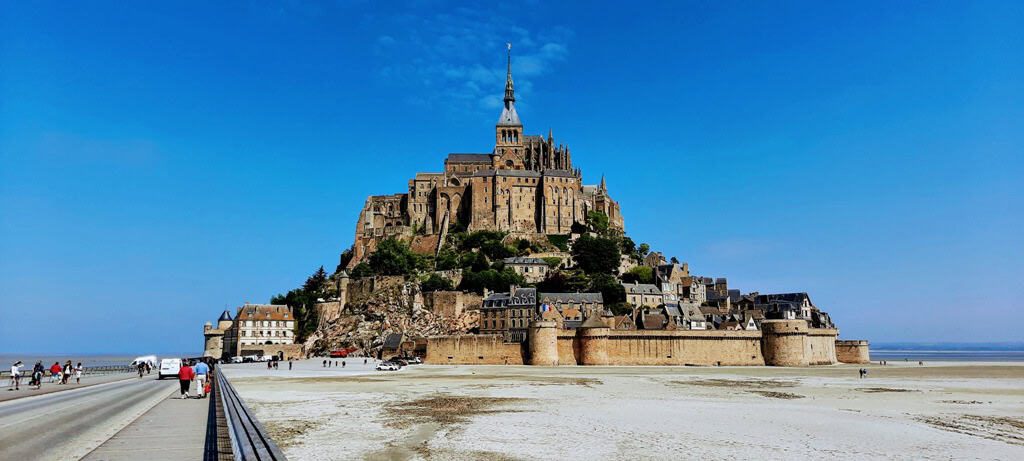
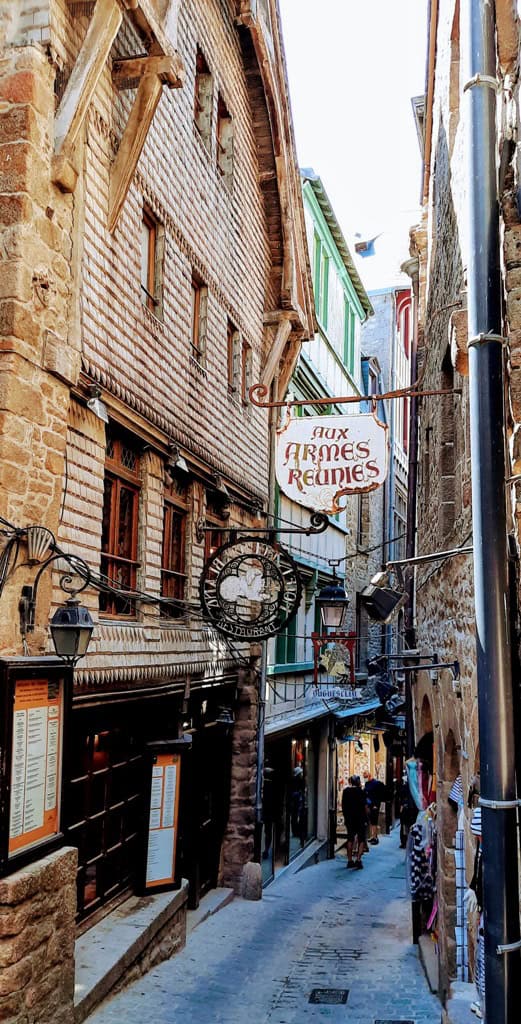
Once inside the village walls, the main street is manageable but narrows and slopes upward, and the abbey itself is reached by 139 steps with no lift, so it stays out of reach for most wheelchair users. The village and the view from its base are genuinely worth the trip on their own, even without the abbey.
I have a full guide to visiting Mont Saint Michel with the history and a suggested route, and the official Mont Saint Michel accessibility page is worth reading in full before you travel, since the shuttle and parking arrangements are updated seasonally.
The D-Day Beaches
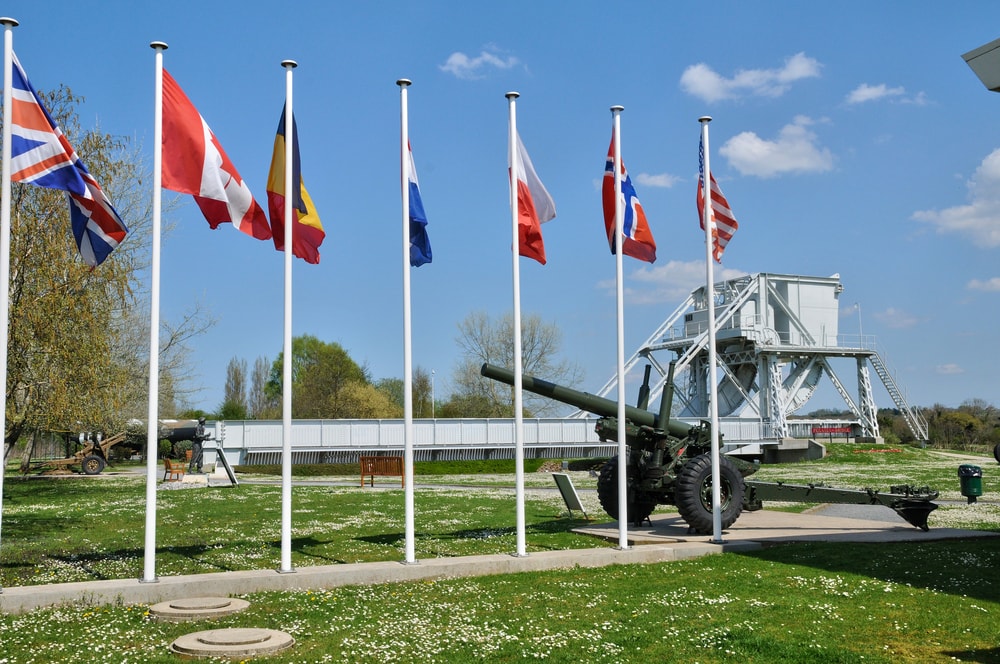
The museums along the D-Day coast, including the Normandy American Cemetery at Colleville sur Mer, are modern and largely step free, with flat visitor centres and paved memorial grounds. The beaches themselves are more mixed. Utah and Juno have boardwalk access onto the sand, Omaha’s ramp at Les Moulins is the most reliable route down, and soft sand elsewhere can be genuinely difficult in a manual chair, particularly near low tide. My D-Day beaches travel guide and my piece on Bayeux, the most practical base for visiting them, go into the layout of each site in more depth.


Rounding Out a Normandy and Brittany Trip
If Normandy and Brittany are part of a longer accessible France trip, my Normandy travel guide and roundup of 22 of the most beautiful villages in Normandy are good starting points, and Rouen and the oyster town of Cancale both work well as flatter, easier days between the more demanding medieval sites.
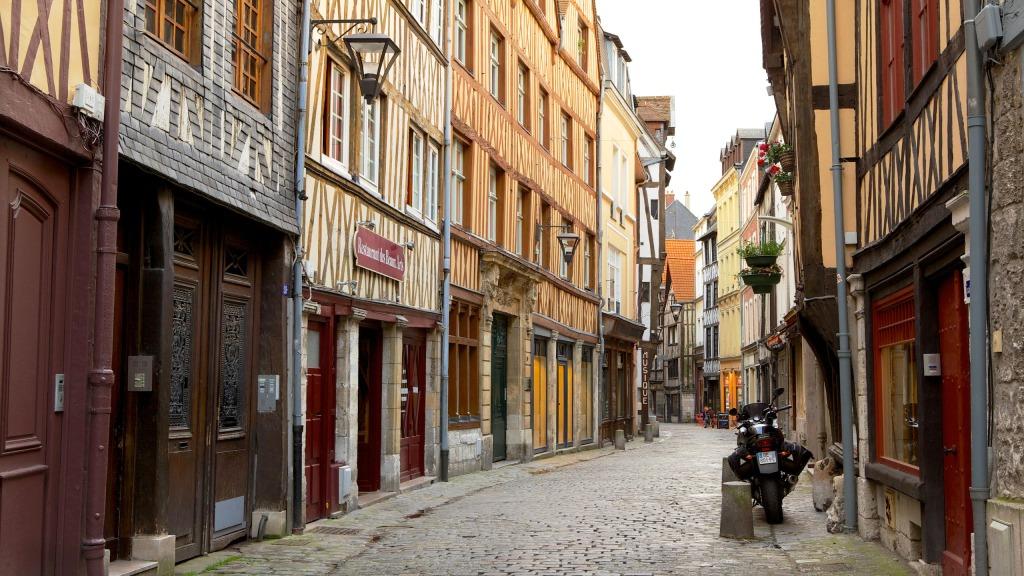
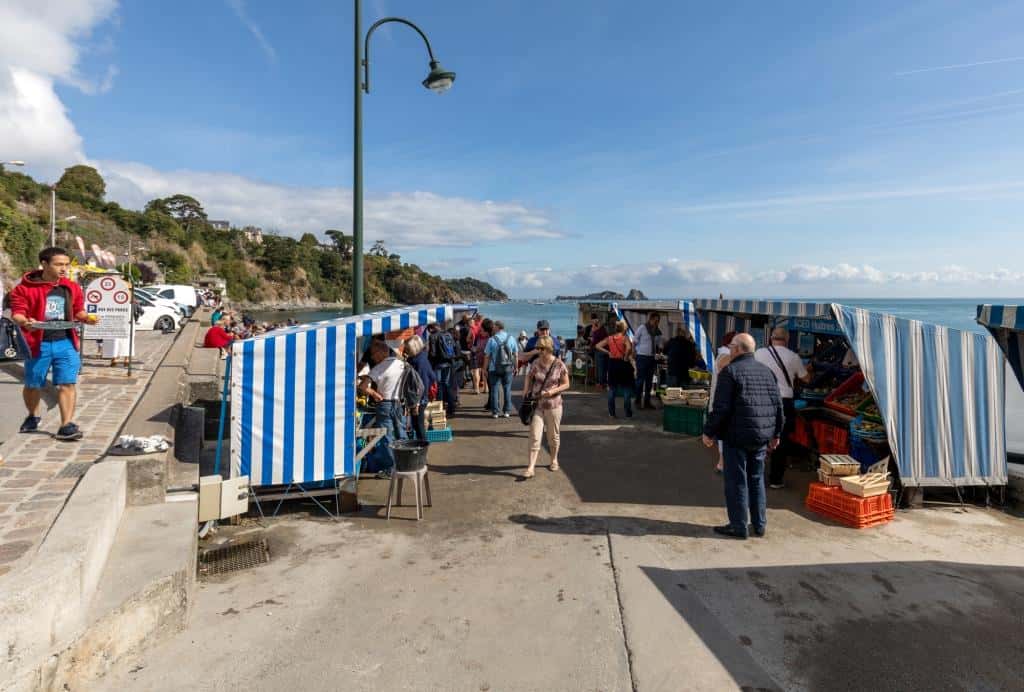
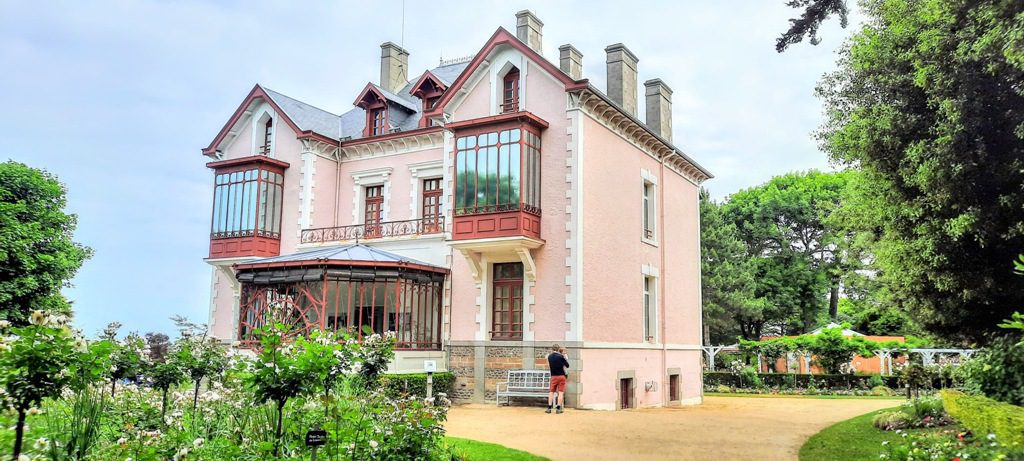
Bayeux is a pretty town with an accessible town center and a flat, cathedral area which is quite manageable. The Bayeux Tapestry is fully accessible for both mobility and wheelchairs. Petit train has run here in high season. Giverny Monet’s Gardens has gravel but wide, level paths through Monet’s garden; house has some steps. Granville which was Dior’s home has a lower town/marina which is flat and easy, but the upper town (Haute Ville) steep with ramparts and stairs.

Hidden Gems Locals Know About
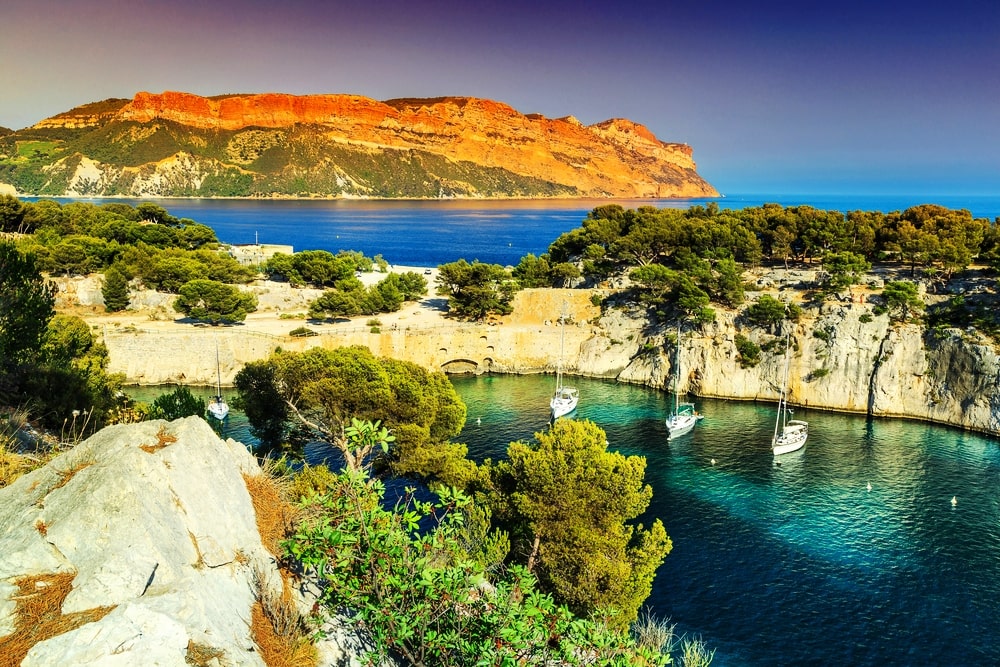
A few spots I would not have found without living here and asking around. Parc Vaugrenier, between Antibes and Villeneuve Loubet, has a flat, dirt and paved nature trail around a lake, wheelchair accessible toilets and a children’s playground, and it barely appears in mainstream Riviera guides, though Access Riviera has mapped it well.
In Nice, a free public lift up to Castle Hill gives you the same panoramic view as the climb without a single step, and it connects directly to the accessible portion of the old port. For train travellers, night trains on the Intercités de nuit network now include accessible cabins with a fixed bed and adapted toilet, a genuinely underused option for reaching the south of France without flying or a long day of driving.


Things to Do With Kids
Accessible does not have to mean adult only. The little electric tourist trains that loop through central Nice are an easy, step free way for children and wheelchair users travelling together to see the old town without a long walk. Parc Vaugrenier’s playground works well for mixed ability family groups, and the Sailboat beach near Nice’s Masséna Museum has a proper playground alongside a beach restaurant, useful when you need a change of pace between museum visits. In Paris, the gardens at Versailles are flat enough for a full afternoon of running around once the formal rooms have been seen, and the Jardin des Plantes combines accessible paths with a small zoo that most children love. The little trains are also a treat for the kids.

How to Plan an Accessible Trip to France
Follow these steps in order and most of the guesswork disappears.
- Sort your documentation first. Apply for or renew your disability ID and your European Disabled Parking Card if you have one, and check its expiry date, since France is phasing older cards into the Carte Mobilité Inclusion system.
- Book train assistance through Accès Plus or Assist’enGare at least 48 hours before you travel, and confirm by phone rather than relying only on online booking.
- Choose accommodation by asking for a roll in shower and a door width in centimetres, not just the word accessible.
- Reserve free companion tickets for major sites like the Louvre, Versailles and the Eiffel Tower in advance where the site allows it, and always carry ID that shows your disability status.
- Build in at least one rest day for every three or four active days, especially if your trip mixes Paris with the Riviera.
- Pack for cobbles. A lightweight all terrain wheelchair, or a set of off road wheelchair attachments, will save you in old town centres like Villefranche sur Mer or the medieval parts of Nice.
- Look for the Tourisme et Handicap and Destination pour Tous labels when researching individual sites, since they remain the most reliable accessibility signal France offers.


What Most Guides Get Wrong About Accessible France
Having compared this guide against a stack of other accessible France content while researching it, the gaps are fairly consistent. Most focus almost entirely on Paris and barely mention the Riviera’s beach access, which is some of the best organised in the country. Very few mention that private car parks are not covered by the Carte Mobilité Inclusion, only public street parking, which catches visitors out at big attractions with paid private car parks.
Almost none mention the accessible night train cabins, or the fact that a live restaurant filter is a faster way to check current wheelchair access than an old blog post that may be years out of date. And very few write from firsthand, repeated experience rather than a single research trip, which is the gap I have tried to close here.


Frequently Asked Questions About Accessible France
Is Paris wheelchair accessible?
Mostly yes, with one clear weak point. Buses, trams, the RER and Metro line 14 are fully accessible, and the Louvre, Versailles and most major museums have step free routes. The older sections of the Metro are the exception, so plan around buses and trams rather than the full Metro map.
Do wheelchair users get free entry to French museums?
Yes, at almost every major state run site including the Louvre, Versailles and the Musée d’Orsay, disabled visitors and one companion enter free on production of ID showing disability status. Private attractions vary, so check individually before you go.
How do I book train assistance in France?
Contact SNCF’s Accès Plus or Assist’enGare service by phone or through SNCF Connect at least 48 hours before you travel. Confirm your wheelchair space by phone, since it cannot currently be booked directly online.
Is the Eiffel Tower wheelchair accessible?
The first and second floors are accessible by lift and disabled visitors pay the reduced children’s rate. The summit is closed to wheelchair users for safety reasons related to stair only emergency evacuation.
Where can I find accessible beaches in France?
The French Riviera has the country’s best organised accessible beaches, including Centenaire and Carras in Nice and the four buoy Handiplage in Cannes, all offering free assistance, adapted equipment and trained lifeguards through the summer season.
Is Mont Saint Michel wheelchair accessible?
Partly. The shuttle bus to the village is wheelchair accessible and free, and a flat paved path called La Lisiere offers an alternative route. The village’s main street is manageable but slopes and narrows, and the abbey itself is reached by 139 steps with no lift, so it is not accessible to wheelchair users.
Do I need a special parking permit in France?
If you hold a Carte Mobilité Inclusion or a European Disabled Parking Card, you can park free and without a time limit on any public street space in France. Keep the card visible on the dashboard, and remember private car parks are not included.


Final Thoughts on Planning Accessible France Travel
Accessible France rewards a little homework more than almost any other country I have travelled through as a mobility challenged traveler. Book your train assistance early, carry your parking card everywhere, choose the Riviera’s beaches over guesswork, and build rest days into a Paris and Riviera itinerary rather than trying to see everything in a week. Do that, and the France I fell in love with over three years of living there, the museums, the seafront towns, the small bistros with a step free door, is genuinely within reach.
If you found this useful, the links above will take you deeper into the Loire, Normandy, Paris and the Riviera. Bon voyage, and travel well.
Continue Planning: More France Guides
Accessible France is a big country to cover in one article, so here is more of what I have written on the regions and towns mentioned above, grouped by area.
Loire Valley: Chateau de Chambord, Chateau de Chenonceau, 14 best chateaux of the Loire Valley, Amboise, Chateau Amboise, Saumur, and Chinon.
Normandy and Brittany: Mont Saint Michel, the D-Day beaches, Bayeux, the Normandy travel guide, villages of Normandy, Rouen, Cancale, and the Northern France road trip itinerary.
Paris and the Riviera: Travelling to France for first-time visitors, one day in Menton, and Lyon, Nimes and Marseille by train.
Planning for hidden or invisible disabilities: my hidden disabilities travel guide covers the planning side that applies whether or not you use a wheelchair.
More guides to add once you paste in the URLs:
- South of France and French Riviera road trips: Sun-Kissed Splendor, the French Riviera guide and Best Places to Visit in the South of France.
- Paris itineraries and food: 14 Days in Paris, Best Food in Paris, Romantic Paris, and The Palace of Versailles day trip.
- More Loire Valley and historic sites: Fontevraud Abbey – where Eleanor of Acquitaine is buried, and William the Conqueror’s Norman Castles.