
Accessible UK Travel Guide: Transport, Cities and Practical Planning
The United Kingdom is one of the more accessible destinations in Europe but that accessibility is uneven, and the gap between what official sources promise and what actually works on the ground is wide enough to matter. London is genuinely well-equipped for step-free travel. Edinburgh has hills and cobbles that require a completely different approach. Rural Wales and northern England have beautiful scenery and limited accessible infrastructure.

This guide is written from personal experience with over 10 years travelling the UK with hidden disabilities and mobility challenges, combined with the most reliable official resources and crowd-sourced accessibility information available. It covers transport across the country, city-by-city guidance, accommodation planning, and the practical details that most accessible-travel-guides-ireland-uk-europe guides skip over.
The goal is not to tell you the UK is perfectly accessible. It is to give you enough honest, specific information to plan a trip that works for your body and your pace.
Key Resources for Accessible UK Travel
These are the most useful tools for planning and should be open throughout your research. Each covers a different part of the accessible-travel-guides-ireland-uk-europe picture.
Finding out what is accessible
- Euan’s Guide crowd-sourced real-world accessibility reviews for attractions, restaurants, hotels, and venues across the UK. Goes beyond marketing copy to cover step-free routes, toilet access, door widths, staff responsiveness, and what actually works on arrival. Create a free account to read full reviews and contribute your own.
- AccessAble detailed measured access guides for thousands of UK venues, with photos and specifics on ramps, lifts, toilet dimensions, and parking.
Transport planning
- National Rail Passenger Assist book assistance for rail travel including boarding, alighting, and connections at staffed stations
- TfL Journey Planner step-free routing across London’s Underground, Overground, Elizabeth line, DLR, and buses
- TfL Go app live routing with step-free filters and lift outage alerts
- ScotRail Assisted Travel passenger assistance and station accessibility for Scotland
- Transport for Wales accessible-travel-guides-ireland-uk-europe passenger assist and access information for Wales
Wider planning
- VisitEngland Accessibility itineraries and guidance for accessible-travel-guides-ireland-uk-europe in England
- Tourism for All UK accessible tourism hub with accommodation and attraction listings
- GOV.UK Disabled Travel and Passenger Rights your rights across UK transport
Getting Around the UK: Transport Options
Rail: the backbone of accessible UK travel
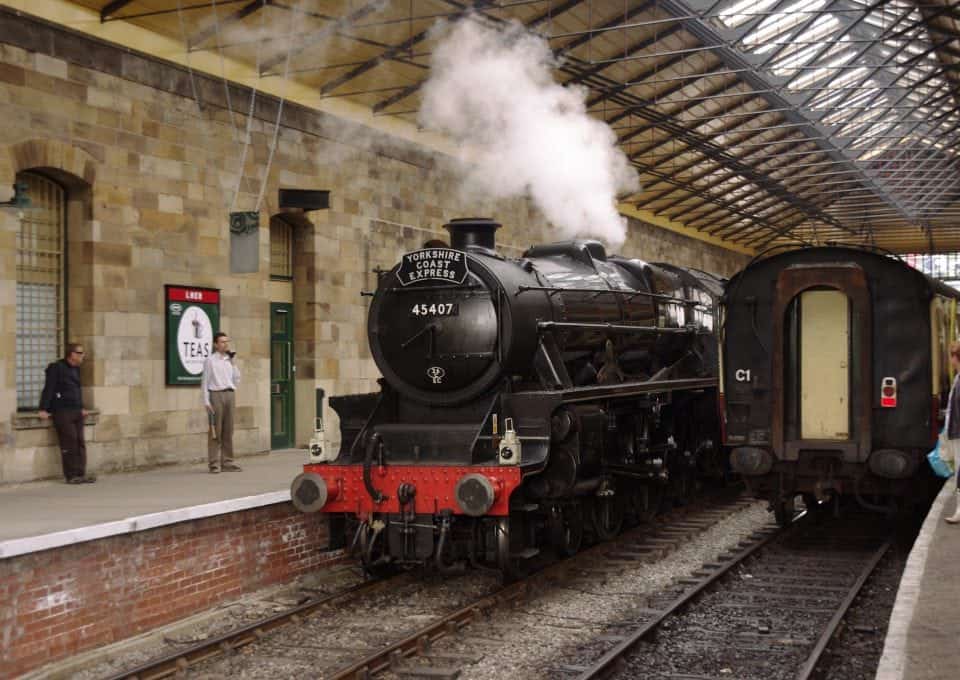
National Rail is the most reliable option for travelling between UK cities. Passenger Assist can be booked on any route and covers help with boarding, alighting, navigating connections, and carrying luggage if needed. Staff can deploy ramps for platform gaps, and most major stations have lifts, accessible toilets, and clear signage.
What works well
- Passenger Assist is bookable on all routes and generally reliable when booked in advance
- Major stations including London King’s Cross, Manchester Piccadilly, Edinburgh Waverley, and Cardiff Central are well-equipped for step-free travel
- Intercity routes between major cities are the most accessible part of the UK rail network
- Onboard accessible toilets are standard on longer intercity services
What to know before travelling
- Book Passenger Assist in advance rather than relying on turn-up-and-go, especially at smaller stations or for complex journeys with connections
- Smaller rural stations may have no lifts and limited staff check individual station accessibility pages on National Rail before planning a journey
- Platform gaps and height differences vary significantly across the network; staff ramps are available but require you to be in the right carriage
- The National Rail Enquiries app provides live train information and links to station accessibility details
How to book: Go to the National Rail Passenger Assist page or call the assisted travel helpline. Book with as much notice as possible and confirm your specific needs including the type of assistance required, your mobility equipment, and whether you need help with luggage.

London: Transport for London
London has the most developed accessible transport network in the UK, though it is still far from fully step-free across the older Underground lines. The key is knowing which lines and stations work reliably and planning routes around them.
The most reliably step-free lines and routes
- The Elizabeth line is the most accessible line on the network, with level boarding, spacious carriages, and step-free stations end to end
- The Jubilee line has good step-free coverage across most stations
- The DLR is fully step-free throughout
- The Overground has good accessibility at most stations
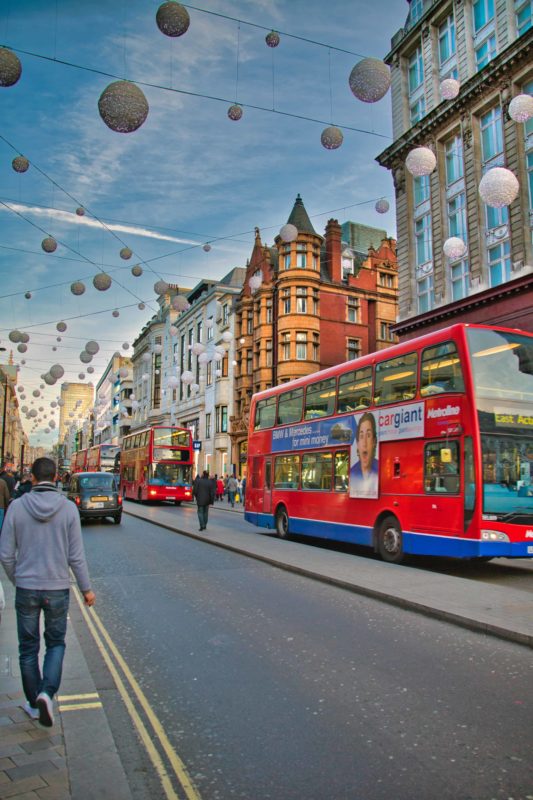
- Low-floor buses with ramp access are standard across the TfL bus network and do not require advance booking
How to use TfL effectively
- Use the TfL Journey Planner with the step-free filter switched on before every journey do not assume a station is accessible without checking
- Download the TfL Go app for live updates on lift outages, which happen regularly enough to affect plans
- Turn-up-and-go assistance is available at all staffed stations staff will deploy ramps and guide you through connections without needing advance booking, though it adds time
- Check step-free maps for the specific stations you plan to use, not just the lines


Coaches and Local Buses Outside London
National Express and Megabus both operate accessible coaches on major routes, with wheelchair spaces and boarding assistance available. Book accessible seating in advance through the operator’s accessibility booking line rather than standard online booking, as accessible spaces are allocated separately.
Local bus accessibility outside London varies significantly. Urban services in cities like Manchester, Bristol, Leeds, and Cardiff use low-floor vehicles with ramps as standard. Rural and regional services are less consistent. Always check the specific operator’s accessibility information for the routes you plan to use.
Accessible Cities in the UK
London
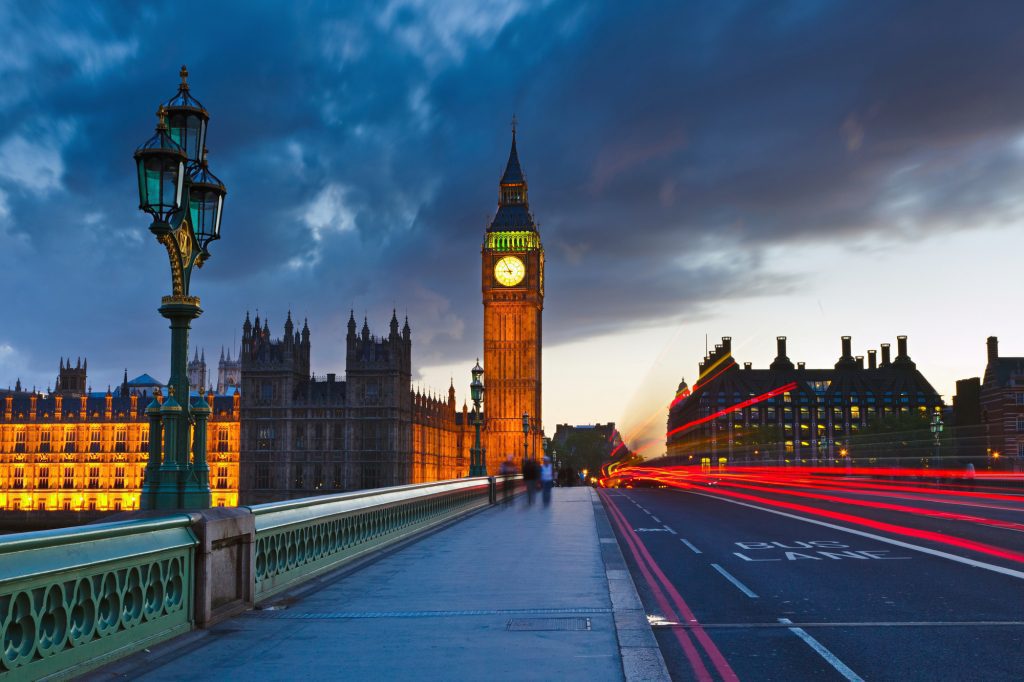
London rewards planning more than any other UK city. The sheer size means that getting between areas takes time and energy, so anchoring days to specific neighbourhoods rather than crossing the city repeatedly makes a significant difference.
My approach is to build each day around one or two areas rather than trying to cover multiple parts of the city. The South Bank, the East End around the Tate Modern and Borough Market, and the area around the British Museum and Covent Garden are all manageable as individual day plans with good accessible transport access.
Explore the following guides: London Travel Guide, Hidden Gems of London, 7 Days in London, 2 Days in London guide and my Accessible London Guide.

Bath
Bath has a reputation for being a hilly, cobbled, thoroughly Georgian city, and on first glance that sounds like bad news if you use a wheelchair, a rollator or simply tire on uneven ground. In practice, Bath is one of the more pleasant surprises in accessible UK travel. The central core, where the Roman Baths, Bath Abbey and the main shopping streets sit, is genuinely flat, and the city’s biggest attractions have invested heavily in lifts, ramps and trained staff. As a mobility-challenged travel writer who has spent thirty years covering food and travel across Europe, including long stretches living in the UK, I have found Bath to be one of the better-prepared historic English cities for accessible travel, provided you know which hills to avoid and which routes to take instead.
Explore my Accessible Bath Travel Guide

York
York is a city built for walking, which is exactly the problem if walking is not easy for you. Cobbled medieval lanes, the famously narrow Shambles, and city walls that have stood since Roman times were never designed with wheelchairs or rollators in mind. And yet York has quietly become one of England’s better-prepared historic cities for accessible travel, with a wheelchair-friendly cathedral, a fully accessible national museum, a step-free train station rated highly by disabled visitors, and a genuinely useful piece of local knowledge: the parts of York that were not built for wheels almost always have a flatter, more modern alternative running alongside them.
You can read my Accessible York Guide here
Cotswolds
The Cotswolds are partly wheelchair accessible. Flat villages like Bourton-on-the-Water, Stow-on-the-Wold and Broadway suit wheelchairs well, while hillier spots like Castle Combe need planning. Major attractions (Blenheim Palace, Cotswold Wildlife Park, Westonbirt Arboretum) offer accessible routes and free mobility scooter loans with advance booking.

Read my Accessible Cotswolds guide here
Manchester
Manchester is more manageable than London for accessible-travel-guides-ireland-uk-europe, with the Metrolink tram system providing level boarding across most of the network. The city centre is relatively flat compared with Edinburgh or parts of Bristol, and most major attractions have clear accessibility information.
In the city centre, the Science and Industry Museum has wide corridors and good access throughout. HOME cinema and arts space has generous lift access and space to move comfortably. The Northern Quarter has character and independent shops but involves some uneven paving worth visiting with extra time and a nearby cafe identified as a rest stop in advance.
Check Euan’s Guide for restaurant reviews before booking in Manchester, as many city centre venues have split-level layouts that are not obvious from their own websites.
Explore Things to do in Manchester


Bristol
Bristol’s harbourside is one of the most accessible areas of any UK city flat, wide quays with plenty of seating, step-free museum access, and a manageable walking loop for those who need to keep distances short.
The waterfront restaurants are popular in the evenings and can become cramped booking slightly early and confirming accessible seating in advance makes the difference between a relaxed meal and a difficult one.


York
York is compact and largely walkable, but the medieval surfaces require planning. Cobblestones and uneven stone paths are common in the historic centre, and the city’s charm is partly inseparable from the physical challenges it presents.
York Minster has ramp access and lifts to the Undercroft. JORVIK Viking Centre offers level boarding throughout. The Shambles is the most visited street in the city and also one of the most difficult to navigate worth a short visit at off-peak times with a clear exit plan rather than as a main itinerary stop.
Take a look at my Exploring Yorkshire Guide and my Accessible York guide


Edinburgh
Edinburgh is one of the most rewarding UK cities to visit and one of the physically most demanding. The Old Town and Royal Mile involve significant gradients and historic stone surfaces. The New Town is considerably flatter and more manageable.
My approach to Edinburgh is to plan “gentle gradient” days rather than trying to cover both the Old and New Towns in a single outing. Princes Street and Princes Street Gardens are flat and provide a comfortable base for a full day. The Royal Mile is better done by Hop-on Hop-off bus or taxi than on foot, particularly if steps and gradients are a challenge.
Avoid peak festival periods in August unless you have pre-booked timed entries for everything and planned specifically for the crowds, which add significantly to the physical and sensory demands of the city.
Explore Things to do in Edinburgh and Accessible Edinburgh. Trying to choose between Scotland or Ireland? Read my Ireland vs Scotland: Which Should You Visit?


Glasgow
Glasgow is underrated as an accessible city. The city centre is relatively flat, the main cultural attractions are well-equipped, and the atmosphere is relaxed and genuinely welcoming.
Glasgow Central and Queen Street stations are both step-free, and ScotRail assistance is reliable on services into and out of both. The Subway has mixed lift coverage and is best avoided unless you have confirmed lift status in advance for your specific stations.
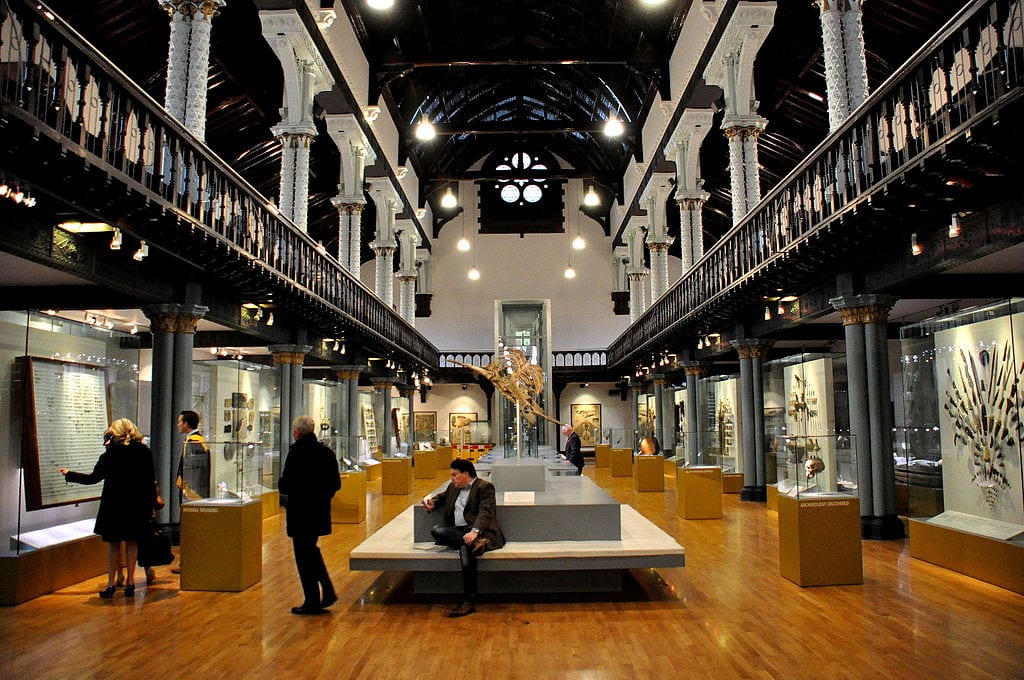
The Riverside Museum is one of the best accessible attraction choices in Glasgow wide aisles, clear layout, and free entry. Kelvingrove Art Gallery has lifts, an accessible cafe, and level entry from the park side. Both are connected by a flat riverside path from the city centre, or by bus if the walk is too far.
Buchanan Street is pedestrianised and has manageable gradients for the main shopping stretch. The West End around the university is hillier buses are more reliable than walking for reaching Kelvingrove from the city centre on lower-energy days.
The Gallery of Modern Art in the city centre is useful as a rest and reset stop ground-floor spaces are spacious and the building is easy to navigate.
Exploring Glasgow all the attractions and my Scotland Travel Guide

Cardiff and Wales
Cardiff is the most accessible starting point for Wales, with flat routes connecting the main attractions and good public transport within the city centre.
A manageable Cardiff loop: Cardiff Central station (step-free) to the Wales Millennium Centre (excellent access throughout) to the Senedd (fully step-free) to the waterside cafes along Cardiff Bay. The National Museum Cardiff in the city centre has spacious galleries and lifts and works well as either a main destination or a rest stop mid-day.
Cardiff Castle combines level access in the grounds with staff support for interior routes. For planning wider Wales, Transport for Wales Passenger Assist covers rail journeys across the network, and Cadw (the Welsh heritage agency) publishes an accessibility hub covering gradients, lift coverage, and toilet locations at major historic sites.
Coastal towns in Wales often have step-free promenades that are among the more accessible scenic options in the country. Confirm bus coverage and surface details in advance for any specific coastal destination, as provision varies significantly.
Explore my Wales Travel Guide as well as Castles in Wales, and Getting Around Wales
Travelling with Hidden Disabilities in the UK
The UK is one of the better countries in Europe for recognition of hidden disabilities, though provision varies enormously between venues and regions.
The Hidden Disabilities Sunflower scheme was created in the UK and is now recognised at airports, major rail stations, many large attractions, and a growing number of retailers and hospitality venues across the country. Wearing the lanyard signals that you may need additional time, patience, or support without requiring you to explain your condition. UK airports including Heathrow, Gatwick, Manchester, and Edinburgh all participate, as do many National Rail stations.
Quiet hours and low-sensory sessions are offered by an increasing number of UK museums, galleries, and attractions. These are worth searching for specifically if sensory overload is a concern they are not always prominently advertised but are often available on request or at scheduled times.
Pacing and energy management matter as much in the UK as anywhere. Major cities are physically larger and more demanding than they appear on a map. A day that looks manageable on paper often involves more standing, walking, and waiting than planned. Building 20 to 30 percent more time into every day than you think you need is a practical rule rather than an overcautious one.
Weather is a genuine factor across all of the UK, not just Scotland and Wales. Cold and wet days increase fatigue significantly and affect surface conditions on historic streets. Having a wet-weather plan for every outdoor activity is basic UK travel planning for any visitor, and more important still when energy management matters.

Accessible Accommodation in the UK
The most reliable approach to accessible UK accommodation is a two-stage process: find options through a booking platform, then confirm specific details directly with the property before you book.
Finding options
- AccessAble has detailed measured entries for many UK hotels including door widths, bathroom specifications, lift dimensions, and parking
- Euan’s Guide carries user reviews of hotels that reflect real arrival experiences rather than marketing descriptions
- Tourism for All maintains a directory of accessible accommodation across the UK
Confirming before you book Contact the property directly to confirm: roll-in shower or wet room availability; bed height; turning radius in the accessible room; proximity to a lift; and whether the accessible room has been recently updated. Many UK hotels designate older rooms as accessible after adding grab rails these are not the same as purpose-built accessible rooms and the difference matters.
Ask for ground floor or near-lift rooms at the time of booking rather than on arrival. If you are arriving late, ask the hotel to confirm in advance that pathways are clear and the room is prepared.


Planning Checklist for Accessible UK Travel
Before you book:
- Check AccessAble and Euan’s Guide for every attraction and venue on your list
- Confirm hotel room specifics directly with the property before booking
- Map step-free station options for every area you plan to visit
Before you travel:
- Book National Rail Passenger Assist for every train journey, including connections
- Download TfL Go if you are visiting London and check step-free maps for your specific stations
- Confirm accessible vehicle availability with any taxi or transfer company you plan to use
Building your itinerary:
- Cap each day at three or four main stops with rest time built in
- Plan one area of a city per day rather than crossing between multiple neighbourhoods
- Identify a rest stop (cafe, museum lobby, park bench) on every planned route
- Build a wet-weather alternative for every outdoor plan
- Add 20 to 30 percent buffer time to every journey and every day


Frequently Asked Questions
Is the UK accessible for wheelchair users? In major cities, broadly yes with planning. London, Manchester, and Cardiff have the most developed step-free infrastructure. Edinburgh and Bristol have good provision in specific areas but require more advance planning around gradients and historic surfaces. Rural areas are considerably less accessible.
Do I need to book rail assistance in advance? It is strongly recommended. Turn-up-and-go assistance is available at staffed stations but booking in advance guarantees support and gives staff time to prepare ramps, arrange connections, and confirm your journey. Call the Passenger Assist line rather than relying solely on online booking if your journey is complex.
Is the London Underground accessible? Partially. The Elizabeth line, Jubilee line, DLR, and Overground have good step-free coverage. The older Underground lines including the Central, Bakerloo, and Piccadilly lines have very limited step-free access. Always use the TfL Journey Planner with step-free filters switched on and check the TfL Go app for lift outages on the day of travel.
Is the Hidden Disabilities Sunflower recognised in the UK? Yes it was created in the UK and is widely recognised at airports, major rail stations, many large attractions, and a growing number of retailers and hospitality venues. It is one of the most useful tools for travellers with hidden disabilities visiting the UK.
Which UK city is easiest for accessible-travel-guides-ireland-uk-europe? London has the most developed infrastructure but also the most complexity. Manchester and Cardiff are more manageable in scale with good step-free transport. Glasgow is underrated flat city centre, reliable rail connections, and excellent accessible cultural attractions. Edinburgh is one of the most rewarding cities to visit but requires more planning than most due to its topography.
What is the best resource for finding accessible venues in the UK? Euan’s Guide for real-world crowdsourced reviews that reflect what actually happens on arrival. AccessAble for measured, detailed access information including dimensions and photos. Use both together for the most complete picture before visiting any specific venue.
Accessible UK travel is absolutely achievable with the right preparation. The infrastructure exists, the resources are there, and the welcome is genuine. The key is planning specifically for your needs rather than assuming official accessibility means the same thing everywhere and giving yourself enough time and flexibility to adapt when things are different on the ground than they appeared on paper.