
A Traveler’s Guide to Getting Around Wales: From Mountain Passes to Coastal Rails
Wales, a country of soul-stirring landscapes, ancient castles, and vibrant culture, promises an adventure at every turn. Its compact size belies the sheer density of its beauty, from the soaring peaks of Snowdonia to the golden beaches of the Gower and the winding valleys of the Brecon Beacons. To truly unlock its secrets, choosing how to navigate is your first crucial decision. This comprehensive guide will steer you through every mode of transport, helping you craft the perfect Welsh journey, whether you seek epic road trips, sustainable train travel, or off-the-beaten-path exploration.

Accessibility matters here, and Wales is increasingly navigable if you plan ahead. Transport for Wales offers Passenger Assist and publishes step‑free routes at major stations—I’ve found pre‑booking (ideally a few hours in advance) makes tight connections calmer. Many buses are low‑floor with ramps, though rural services vary; confirm with operators and allow extra time.
Cadw and National Park centres provide clear accessibility summaries, but remember that medieval castles (Conwy, Caernarfon, Harlech) often mean steep stairs and uneven stone—look for alternative routes, ground‑level exhibits, and virtual displays.
Along the Wales Coast Path, towns frequently offer level promenades and beach wheelchair schemes (notably in Pembrokeshire and Anglesey). Blue Badge bays are well signed in hubs, and Changing Places toilets are concentrated in larger towns. Build buffers, check tide times for slipways and ramps, and call ahead—locals are resourceful, and a quick conversation often unlocks a practical, welcoming solution.
Planning a longer UK trip? This 1-week Wales itinerary is perfect for adding stunning landscapes and historic castles to your route.
- A Traveler's Guide to Getting Around Wales: From Mountain Passes to Coastal Rails
- The Strategic Choice: How to Plan Your Movement
- The Freedom of the Road – Driving in Wales
- Journey with a View – The Rails of Wales
- The Local Lifeline – Buses and Coaches
- The Adventurous Path – Cycling and Walking
- Niche Navigation – Ferries, Air, and Tours
- Welsh Cuisine
- Final Itinerary Inspiration: A Week Without a Car
- Useful Resources for getting around Wales
The Strategic Choice: How to Plan Your Movement
Before diving into vehicles and timetables, consider your trip’s rhythm. Are you on a whirlwind tour of highlights or a deep dive into one region? Is your itinerary city-centric or wilderness-focused?
For Flexibility & Remote Beauty: A car is king. If your dream involves hidden waterfalls, remote mountain car parks, spontaneous stops at village pubs, or exploring the labyrinthine lanes of the coast, self-driving is unparalleled. This is especially true for North Wales, Mid Wales, and the Pembrokeshire Coast.

For Scenic, Stress-Free Journeys & City Hopping: Trains are a delight. Wales’s rail network, particularly the coastal lines, offers some of Europe’s most breathtaking journeys. It’s ideal for connecting Cardiff, Swansea, Newport, and Llandudno, or for a car-free holiday focused on specific hubs with good local bus links.
For Budget Travel & Reaching Villages: Buses are essential. The extensive, if sometimes infrequent, bus network reaches places trains cannot. It’s the lifeline of local communities and a wallet-friendly option for dedicated travelers with flexible schedules.
For Pure Adventure & Immersion: Active travel transforms the trip. Wales is a world-class destination for cycling and walking. The epic Wales Coast Path and rugged trails like Glyndŵr’s Way are journeys in themselves.
The Freedom of the Road – Driving in Wales
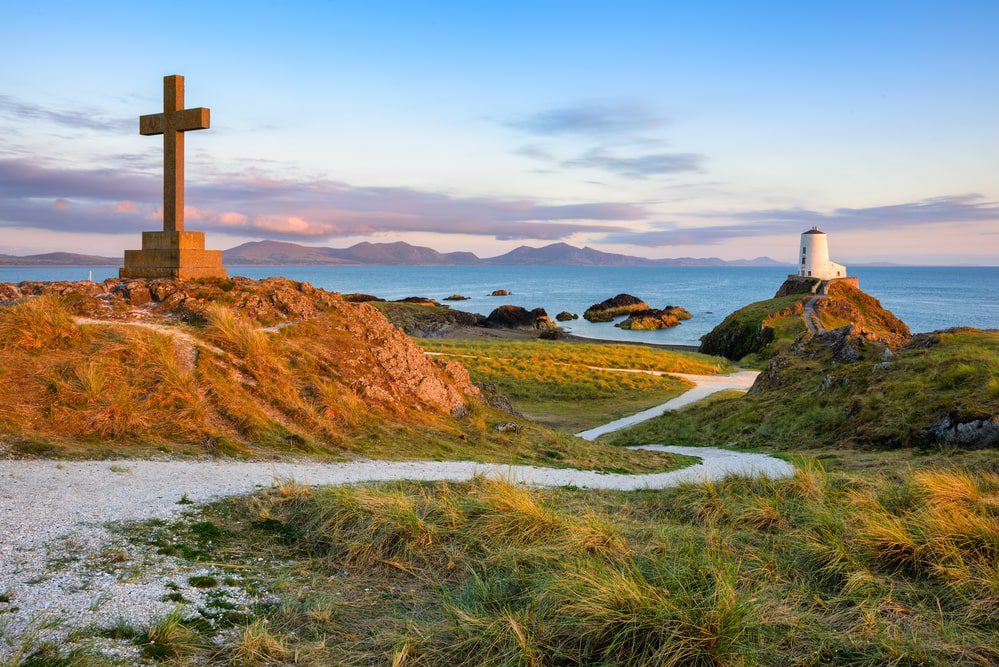
Driving offers the ultimate freedom to craft your own Welsh narrative.
The Road Network
Motorways (M4): The main artery from England (via the Severn Bridge) to West Wales, serving Newport, Cardiff, and Swansea. It peters out around Pont Abraham, beyond which A-roads take over.
A-Roads (A55, A470, A487): Your workhorses. The A55 is the vital dual carriageway “North Wales Expressway” along the northern coast, connecting Chester to Anglesey. The A470 is the scenic (and slow) spine through the country’s heart, from Cardiff to Llandudno via the Brecon Beacons and Snowdonia. The A487 circuits much of the stunning west coast.
Minor Roads: This is where magic happens. Single-track lanes with passing places (llwybrau cyfle) lead to hidden coves and secluded valleys. Drive slowly, respectfully, and be prepared to reverse.
Essential Tips for Drivers
Language: Signs are bilingual (Welsh/English). Familiarise yourself with a few key terms: Araf (Slow), Canol y Dre (Town Centre), Unffordd (One Way). Sat-navs usually cope well.
Sheep are Road Managers: They roam freely in rural areas. They will be on the road. Slow right down and be prepared to stop.

Parking: Use designated car parks, especially in popular natural spots like Snowdonia or the Gower. “Parking rough” causes erosion and anger. Many use pay-by-phone apps (RingGo, PayByPhone).
Sustainable Driving: Consider a hybrid or electric vehicle. Wales has a growing EV charging network, especially along main routes and in towns, but planning is key for remote areas.
Tolls: The two Severn Crossings (M48 & M4) into Wales are now toll-free.
Iconic Road Trips
The Cambrian Way (A470): The ultimate north-south traverse through the country’s dramatic interior.
The Coastal Ring (A487 & Allies): Circumnavigate Cardigan Bay from Aberystwyth north to Porthmadog and down to St Davids.
The Black Mountain Pass (A4069): A thrilling, winding drive through the Brecon Beacons, famous with cyclists and Top Gear.

Journey with a View – The Rails of Wales
Travelling by train in Wales isn’t just transport; it’s a front-row seat to a moving panorama.
Key Routes & Journeys
The Heart of Wales Line: One of Britain’s great scenic railways. This slow, four-hour journey from Swansea to Shrewsbury winds through forgotten valleys, crossing viaducts and stopping at request-only halts. It’s pure nostalgia.

The Conwy Valley Line (Llandudno – Blaenau Ffestiniog): From seaside resort to slate-quarry heartland, this line climbs dramatically into the mountains.
The Cambrian Coast Line (Aberystwyth – Pwllheli): Arguably the most beautiful regular line in Britain. It clings to the shore of Cardigan Bay, with views of dunes, castles (like Harlech), and the Irish Sea from your window.

The North Wales Coast Line (Chester – Holyhead): A fast, stunning route skirting the Menai Strait and past Conwy Castle, linking to ferries for Ireland.
The South Wales Main Line (London – Swansea): The bustling, fast route connecting the capital cities and the southern Valleys.
Practical Rail Advice
Ticketing: Book in advance online (Trainline, Transport for Wales) for the best fares. Consider a Railcard (16-25, Two Together, Senior) for significant discounts.
Operator: Transport for Wales (TfW) operates most services. Their new fleet is improving comfort and reliability.
The Spirit of Discovery: Embrace the “request stop” on rural lines—a uniquely Welsh experience where you signal the driver to stop.
Integration: Major stations (Cardiff Central, Swansea, Bangor) are key hubs with good bus connections.
The Local Lifeline – Buses and Coaches
The bus network is Wales’s connective tissue, essential for reaching its soul.

The Network
- Long-Distance Coaches: National Express and Megabus run services from major English cities to Welsh hubs like Cardiff, Swansea, and Bangor. They are often the cheapest option.
- Local & Regional Buses: Operated by various companies (e.g., Arriva, First, and many local independents). The TrawsCymru network is specifically designed to provide key, sustainable long-distance bus links across the country, such as the T1X (Cardiff-Aberystwyth) or T2 (Bangor-Cardigan).
How to Make Buses Work For You:
Plan Meticulously: Timetables are gospel. Use Traveline Cymru or the Transport for Wales Journey Planner as your holy grails for integrated bus/rail planning.
Cash is Often King: While contactless is spreading in cities, always carry change for rural services. State your destination to the driver when boarding.
The Weekly “Tocyn” (Ticket): If based in one area, a local weekly pass offers tremendous value.
Embrace the Pace: Buses are slow. They stop everywhere. This isn’t an inconvenience; it’s a chance to see daily Welsh life unfold.

The Adventurous Path – Cycling and Walking
For the active traveler, Wales is the path.
Cycling
Long-Distance Routes: Lôn Las Cymru (The Welsh National Cycle Route, NCR 8) runs from Holyhead to Cardiff, a challenging but magnificent journey through the heart of the country. Lôn Las Cefn (NCR 42) traces the old railway lines along the South Wales coast.
Trails & Parks: The Brecon Beacons, Snowdonia, and Coed y Brenin forest offer world-class mountain biking trails for all abilities.
Hire & Logistics: Hire shops are common in tourist hubs. Trains allow bikes but may require reservation. Be prepared for hills—they are constant and steep!
South Wales: Cwmcarn Scenic Drive E-Bike Tour: Explore the South Wales Valleys on a guided e-bike tour. Ride through forest trails and quiet backroads, visit iconic locations, and enjoy coffee and donuts along the way.

Walking
The Wales Coast Path: The world’s first continuous path around a nation’s coast—870 miles of cliff tops, beaches, and estuaries. Tackle a short section like the Pembrokeshire or Anglesey coast.
National Trails: Offa’s Dyke Path (the English/Welsh border), Glyndŵr’s Way (a Mid-Wales loop), and the Pembrokeshire Coast Path are long-distance walking dreams.
Public Transport for Walkers: The Sherpa’r Wyddfa (Snowdon Sherpa) bus is a brilliant hiker’s service circling Snowdon. Many coastal areas have seasonal “hop-on, hop-off” walkers’ buses.

Niche Navigation – Ferries, Air, and Tours
Ferries: Essential for island-hopping. Regular services run to Anglesey (via the bridges!), Holy Island (from Holyhead), and Caldey Island (from Tenby). The most significant is the Fishguard/Pembroke to Rosslare (Ireland) ferry.
Domestic Flights: Limited. Cardiff Airport (RHO) is the main international gateway. A tiny internal network may connect to Anglesey (VLY). For most, flying into English airports (Bristol, Manchester, Birmingham, London) and taking a train or driving in is more practical.
Guided Tours: An excellent way to relinquish logistics. Companies like Get Your Guide and Rabbie’s offer small-group tours from hubs like Cardiff, specializing in storytelling and hard-to-reach spots.
Welsh Cuisine
Welsh food is rooted in land and sea: cawl (hearty stew), upland lamb, and laverbread with cockles anchor pub menus, while bara brith and Welsh cakes fuel train days. Look for Caerphilly cheese, Glamorgan sausages (a meat-free classic), and rarebit alongside day‑boat seafood on the coast. Farmers’ markets and village bakeries are worth detours, and a Sunday roast—ideally after a castle visit—is a delicious window into local life.

Final Itinerary Inspiration: A Week Without a Car
Day 1-2: Urban Pulse. Arrive at Cardiff Central. Explore the capital on foot and local bus.

Day 3: Coastal Rail. Take the train along the scenic South Wales coast to Swansea. Bus to the Gower Peninsula (Rhossili Bay).
Day 4: Into the Heart. Board the legendary Heart of Wales Line train for a full-day scenic journey to Shrewsbury (in England), then connect north on the Cambrian Line to Machynlleth, a quirky market town.
Day 5: The Cambrian Coast. Take the breathtaking Cambrian Coast Line north to Harlech (castle and beach). Use local buses to explore.
Day 6: Snowdonia by Bus. Travel to Bangor, then use the Sherpa’r Wyddfa bus to access Snowdon paths or the historic Slate Caverns of Blaenau Ffestiniog.
Day 7: Return South or continue to Anglesey via the North Wales Coast Line over the stunning Menai Bridge.
There is no single “best” way to travel Wales. The perfect method is the one that aligns with your spirit of adventure. Crave autonomy? Hit the road. Yearn for slow, scenic immersion? Trust the rails. Seek challenge and intimacy? Strap on your boots. Each network—asphalt, rail, or footpath—weaves a different story of this ancient, dramatic, and welcoming land. Plan wisely, travel respectfully, and let Wales reveal itself to you, mile by magnificent mile.
Explore more of the region with guides to England, Scotland, Northern Ireland, or the full United Kingdom Travel Guide.
Useful Resources for getting around Wales
Traveline Cymru / Transport for Wales App: For all-in-one journey planning.
CADW: Cadw is a Welsh word meaning ‘to keep’ or ‘to protect’. And that’s exactly what they do, working for an accessible and well-protected historic environment for Wales.
Visit Wales Website: Official tourism authority with themed itineraries.
Ordnance Survey Maps: The gold standard for walkers and cyclists.
Eryri (Snowdonia) & Bannau Brycheiniog (Brecon Beacons) National Park Authorities: For specific travel and parking advice.
Croeso i Gymru – Welcome to Wales. Now, how will you explore it?