
A Week in Wales: An Itinerary of Epic History, Castles and Culture
This 7-day itinerary is designed to immerse you in the soul of Wales, balancing its majestic landscapes, awe-inspiring castles, ancient history, and living Celtic culture. It assumes a self-drive approach for maximum flexibility to reach remote sites, but we’ll note key public transport options where possible.
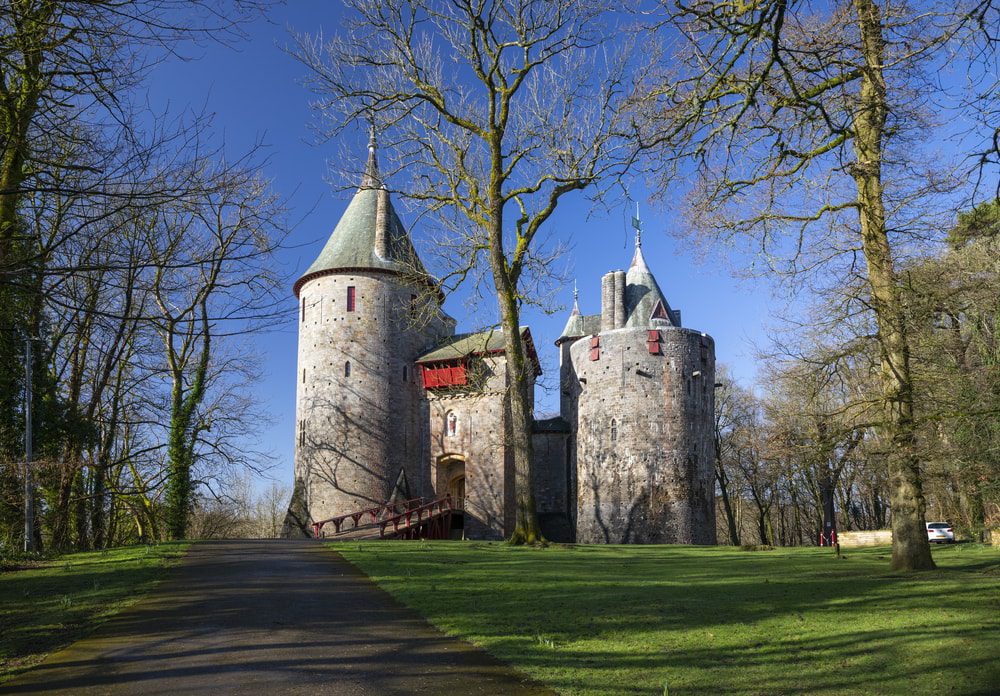
- A Week in Wales: An Itinerary of Epic History, Castles and Culture
- Core Themes of Your Week
- Day 1: Arrival & The Capital’s Layers
- Day 2: Medieval Might & Industrial Mightier
- Day 3: The Iron Ring of Edward I
- Day 4: Mountains, Slate & A Prince’s Last Stand
- Day 5: Deep Time & Holy Islands
- Day 6: The Literary Heartland & Red Kites
- Day 7: The Return South & A Final Fortress
- Practical & Cultural Tips
- Useful Resources for getting around Wales
Core Themes of Your Week
Castles: From World Heritage fortresses to romantic Castle ruins.
History: Prehistoric stones, Roman remains, and Industrial Revolution landmarks.
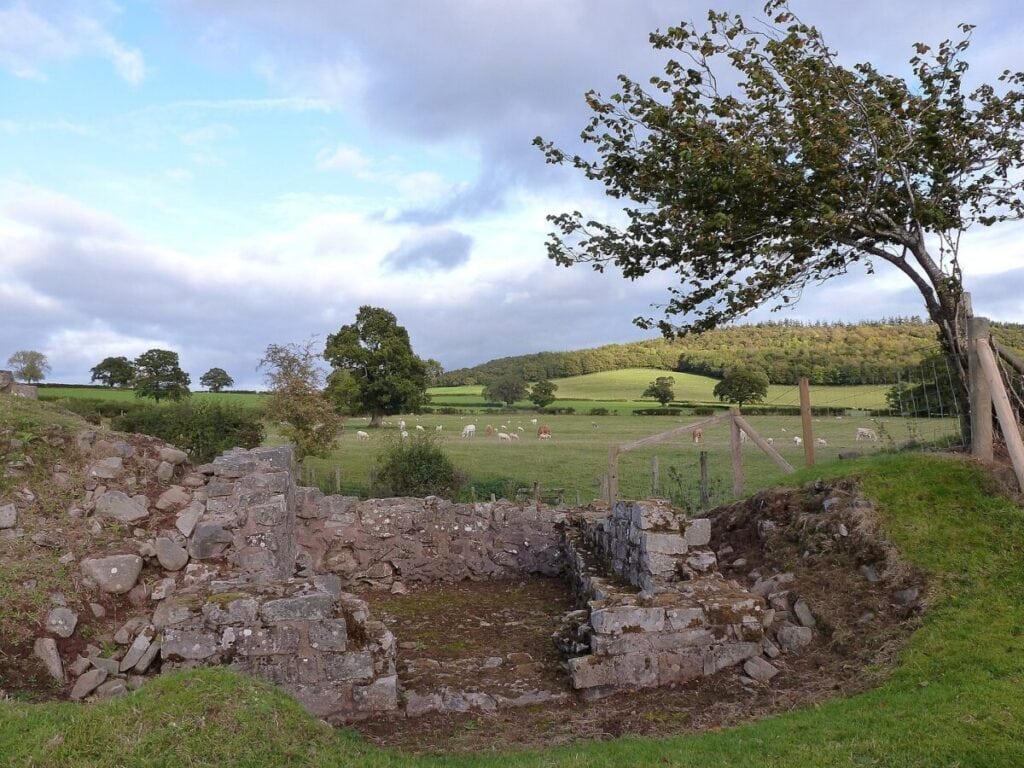
Language & Culture: Hearing and seeing the Welsh language (Cymraeg) in daily life.
Landscape: Experiencing the dramatic contrast between north and south.
Day 1: Arrival & The Capital’s Layers
Base: Cardiff
Morning/Afternoon: Arrive into Cardiff Airport (CWL) or Cardiff Central Station. Pick up your hire car or check into your city centre accommodation.
Cardiff Castle (2-3 hours): Start at the very heart. This is a true glimpse of Welsh history: a Roman fort wall, a Norman keep, and the extraordinary Victorian Gothic fantasy apartments created for the Bute family. Take the guided tour to understand the castle’s role in the subjugation and later cultural revival of Wales.

Afternoon: Stroll through the Arcades (Victorian shopping lanes) to get a feel for the modern, cosmopolitan capital. Notice the bilingual signage everywhere—Croeso (Welcome), Abertawe (Swansea). Pop into Wales Centre or Siop Y Pethe for Welsh-language books and crafts.
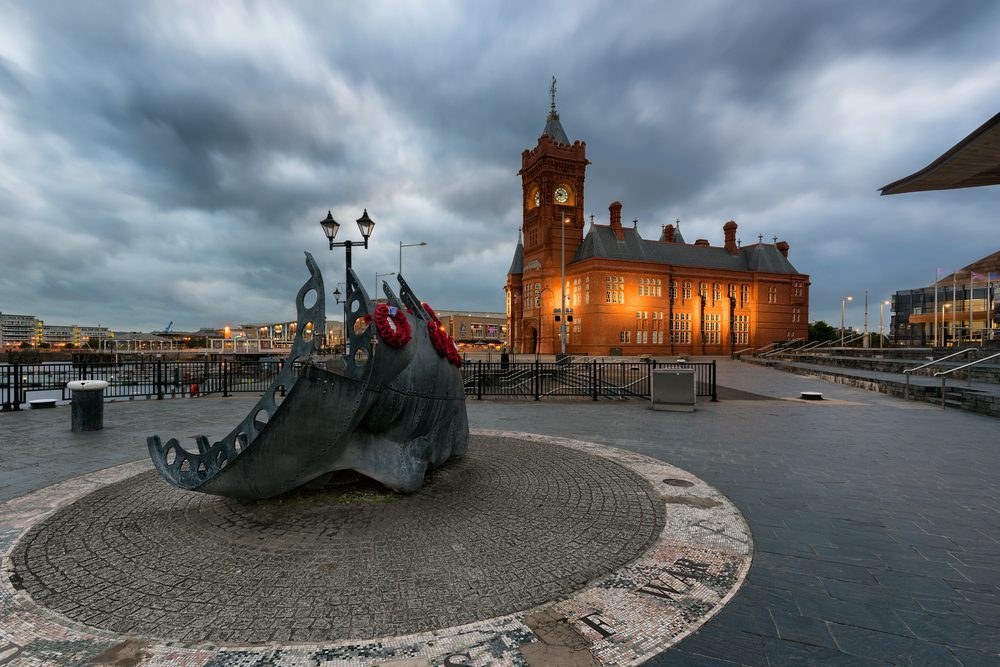
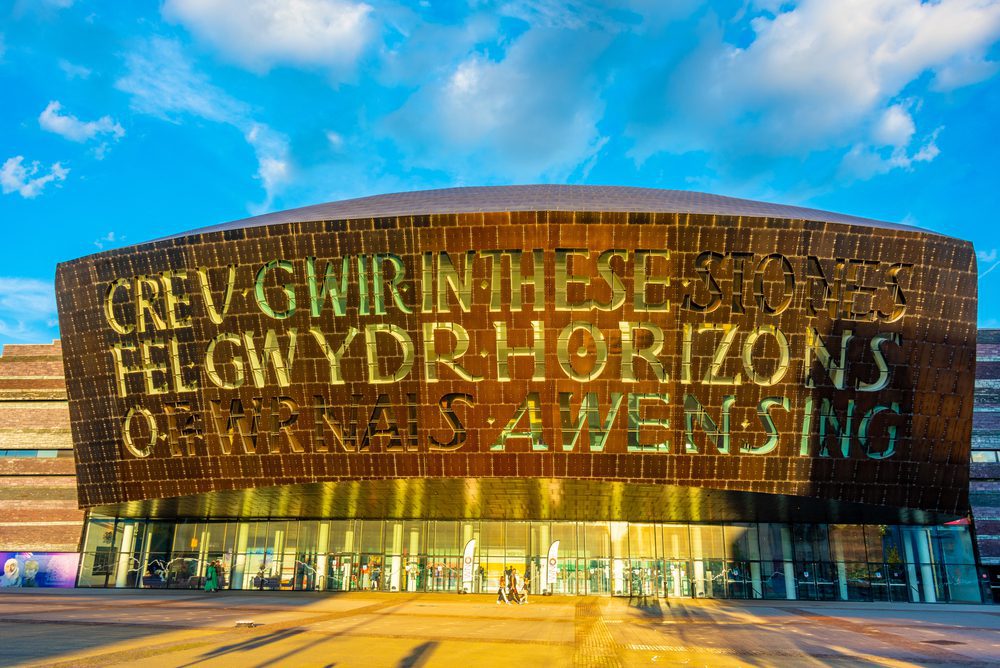
Evening: Dinner in Cardiff Bay, a transformed dockland. See the Senedd (the Welsh Parliament building) and the Pierhead Building, symbols of modern devolved governance. The Wales Millennium Centre, with its inspiring Welsh-language inscription (Creu Gwir fel Gwydr o Ffwrnais Awen), is the cultural soul of the nation.
Transport Note: Cardiff is highly walkable and has excellent local buses/trains to the Bay.
Day 2: Medieval Might & Industrial Mightier
Base: Cardiff – Transition to North Wales (Late PM)
Morning: Drive 40 mins north to Caerphilly Castle. This is not just a Welsh castle; it’s one of the greatest medieval fortresses in all of Europe. Its vast scale, sophisticated water defences, and famous leaning tower (out-leaning Pisa!) are staggering. It was built by the Anglo-Norman lord Gilbert de Clare to subdue the rebellious Welsh princes of the south.

Mid-Day: Drive 1 hour north into the Heart of the South Wales Valleys.
Afternoon: Visit Blaenavon – A World Heritage Landscape. This isn’t a single castle, but a castle of industry. Choose based on interest.
Big Pit National Coal Museum: Go 90m underground with an ex-miner guide. This raw, powerful experience is essential to understanding the economic and social history that shaped modern Wales.

Blaenavon Ironworks: Explore the haunting remains of the 18th-century furnaces that powered the Industrial Revolution.
Late Afternoon/Evening: Begin the scenic drive north (approx. 3 hours) via the A470 towards North Wales. Your base for the next three nights: Conwy or Llandudno. This drive is an experience in itself, traversing the Cambrian Mountains.
Day 3: The Iron Ring of Edward I
Base: Conwy/Llandudno
Full Day Castles: Today is dedicated to the “Iron Ring” of castles built by England’s King Edward I to cement his conquest of Wales in the late 13th century. All are UNESCO World Heritage Sites.
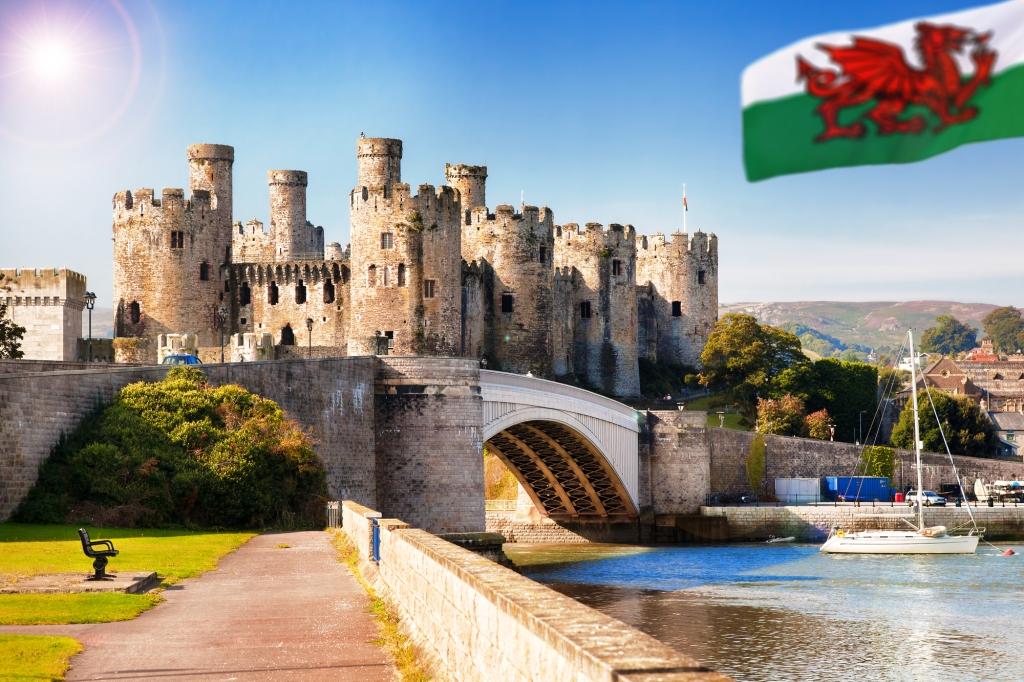
Morning: Conwy Castle. Enter through one of the most intact sets of medieval town walls in Europe. Conwy is a masterpiece of military architecture, perched dramatically on a rock. Walk the battlements for stunning views of the estuary and the town’s 14th-century Aberconwy House (one of the oldest in Wales).
Afternoon: A short 20-minute drive west.
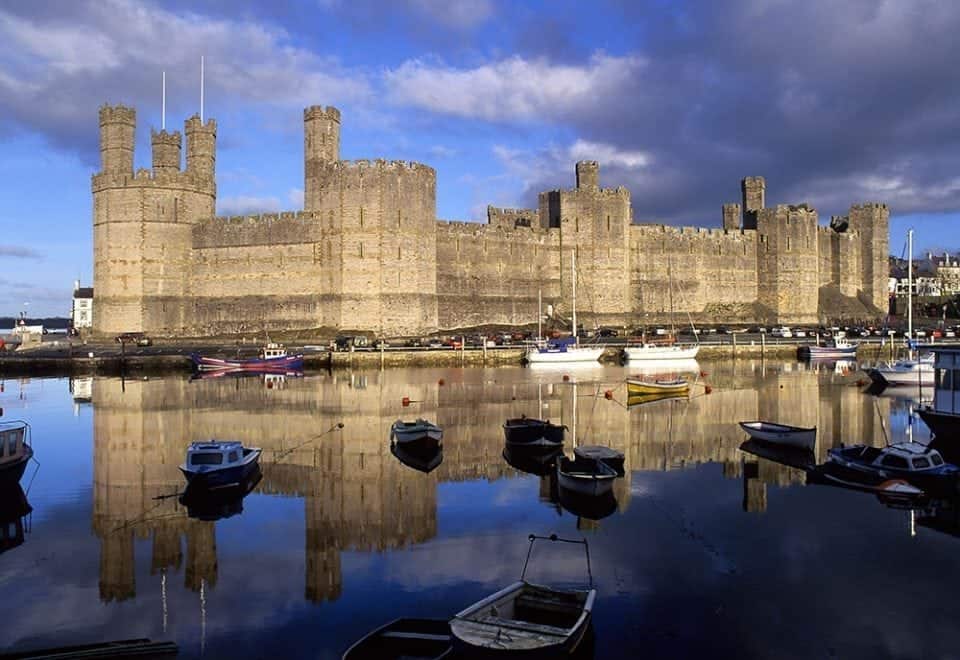
Caernarfon Castle: The most iconic and symbolically charged. Its polygonal towers and eagle statues were designed to evoke the walls of Constantinople. This is where the Investiture of Prince Charles as Prince of Wales took place in 1969. Explore the vast grounds and the Royal Welch Fusiliers Museum.
Optional: Take a quick stroll across the Menai Suspension Bridge (Thomas Telford’s 1826 engineering marvel) to get your first glimpse of Anglesey (Ynys Môn), the ancient “breadbasket of Wales.”
Evening: Enjoy dinner in historic Caernarfon town, practicing a bit of Welsh: “Diolch” (Thank you), “Os gwelwch yn dda” (Please).

Day 4: Mountains, Slate & A Prince’s Last Stand
Base: Conwy/Llandudno
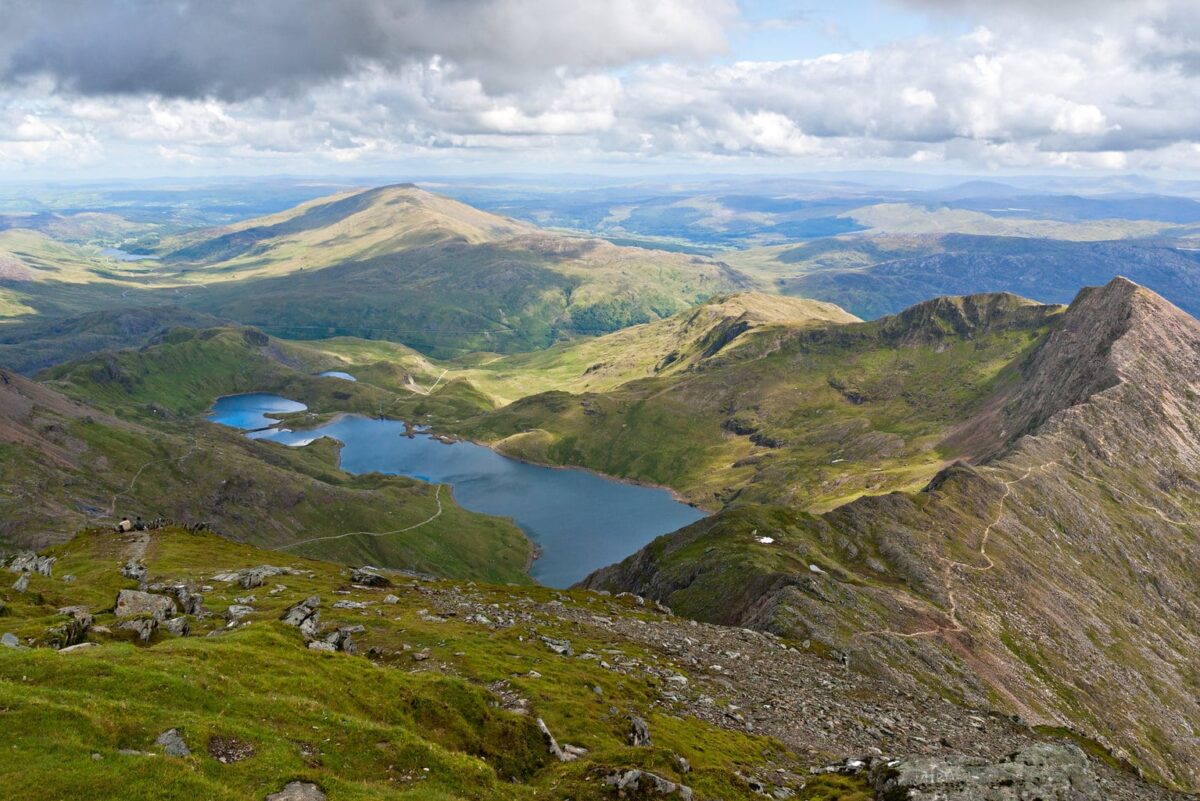
Morning: Drive into Snowdonia (Eryri) National Park (30 mins). Take the Snowdon Mountain Railway from Llanberis to the summit of Yr Wyddfa (the Welsh name for Snowdon) for breathtaking, weather-permitting views. Or, choose a valley walk like Llyn Idwal for dramatic glacial scenery.
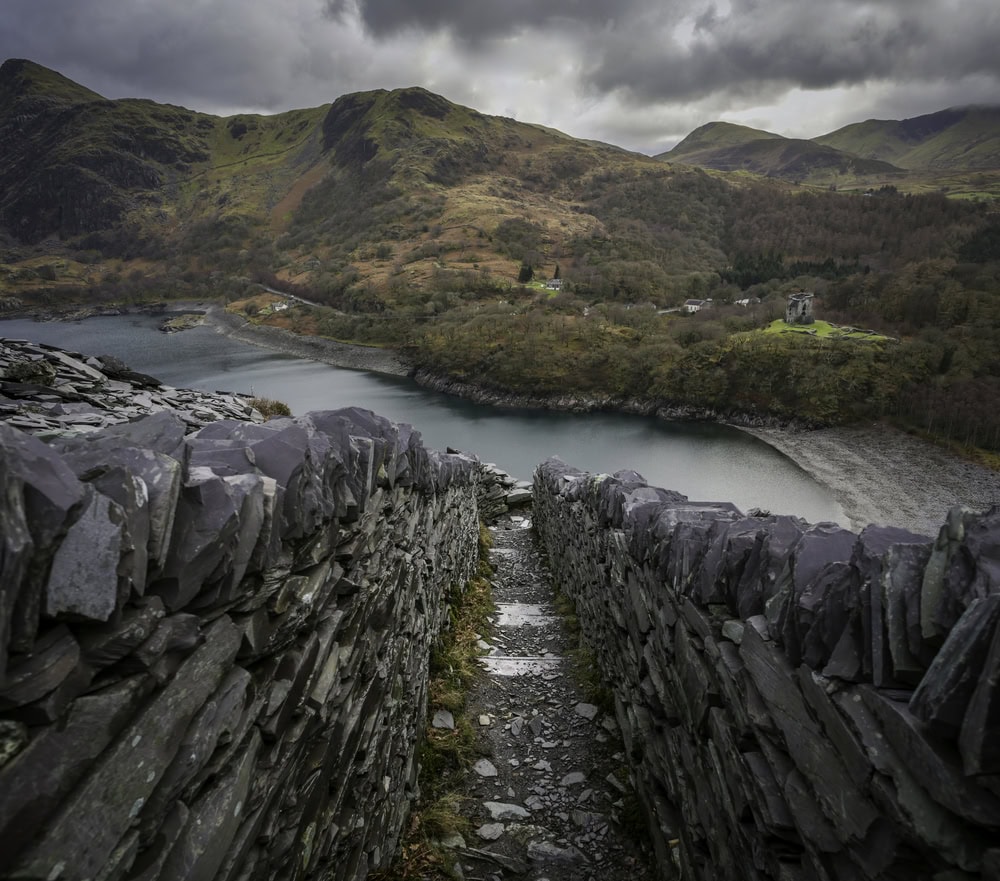
Afternoon: Dive into the history that built these landscapes. Visit the National Slate Museum in Llanberis (free entry) to see the vast workshops and learn how the slate-quarrying industry, which once roofed the world, shaped the Welsh language, culture, and non-conformist chapels.
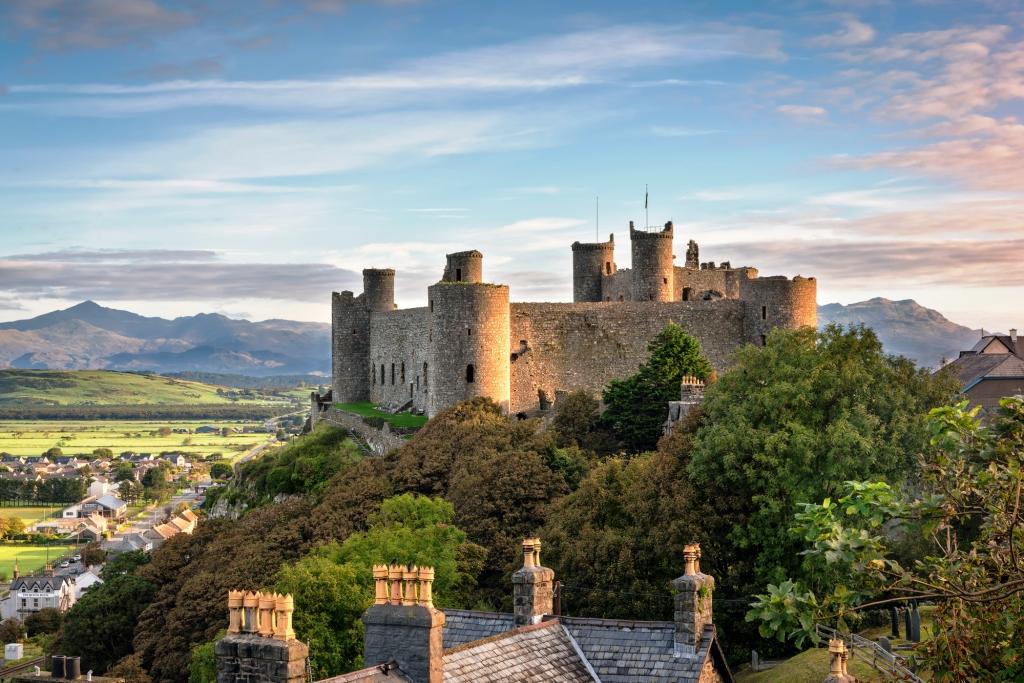
Late Afternoon: Drive to Harlech Castle (1 hour). This is the most spectacularly sited of Edward’s castles, originally built right on the sea cliffs (the sea has since receded). It was the last stronghold of the Welsh rebellion in 1294-95.
Transport Note: The Snowdon Sherpa bus service can connect Llanberis, Pen-y-Pass, and other key points if you’re not driving.
Day 5: Deep Time & Holy Islands
Base: Conwy/Llandudno – Transition West
Morning: Drive west to the Isle of Anglesey (45 mins). This land was sacred to the ancient Celts. Visit Brynsiencyn to see two incredible prehistoric sites.
Brynn Celli Ddu: A Neolithic “passage grave” aligned with the summer solstice. You can enter the chamber—a profound, atmospheric experience.
Barclodiad y Gawres: (If open) A chambered tomb with rare spiral carvings.
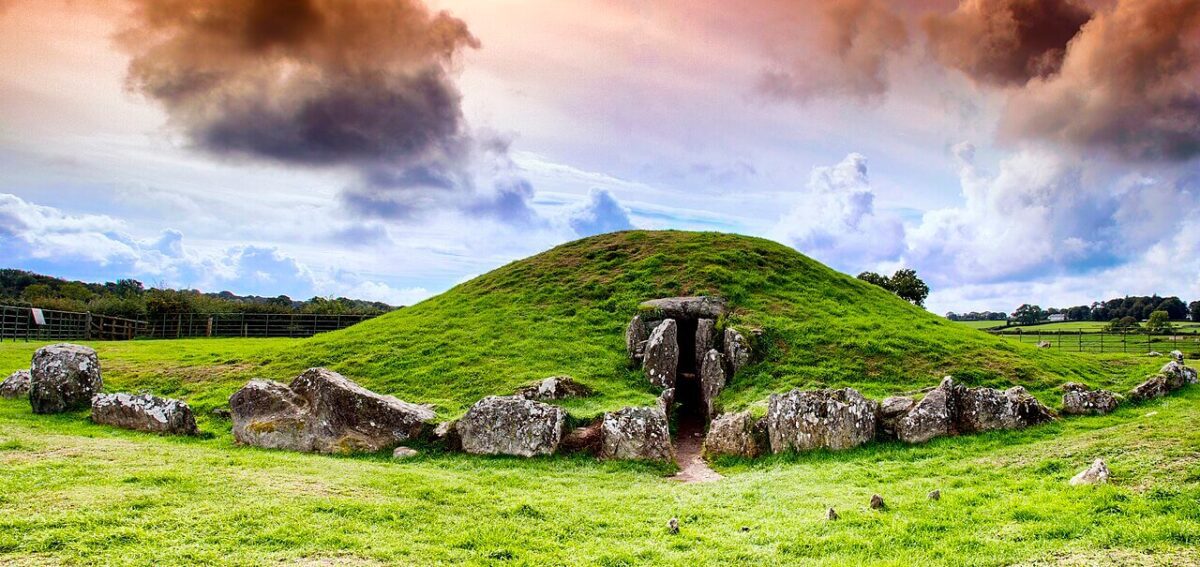
Mid-Day: Continue to Holyhead (Caergybi). Walk the charming Roman steps in the town centre and see St. Cybi’s Church within the walls of a 3rd-century Roman fort.
Afternoon: Take a short drive (or a long coastal walk) to South Stack (Ynys Lawd). Here, a lighthouse clings to a sea-swept island, and the cliffs are a haven for seabirds. The sense of being at the western edge of Wales is palpable.
Evening: Drive south (1.5 hours) to your new base in Aberystwyth, a classic Welsh seaside university town (with another castle) on the Mid-Wales coast.
Day 6: The Literary Heartland & Red Kites
Base: Aberystwyth
Morning: Explore Aberystwyth. Visit the National Library of Wales—a temple to the written word. Its collections preserve the story of the Welsh language, from the earliest manuscripts to modern publications. See the Welsh Bible of 1588, which standardized the language.

Mid-Day: Drive 30 mins east into the gentle hills of Ceredigion.
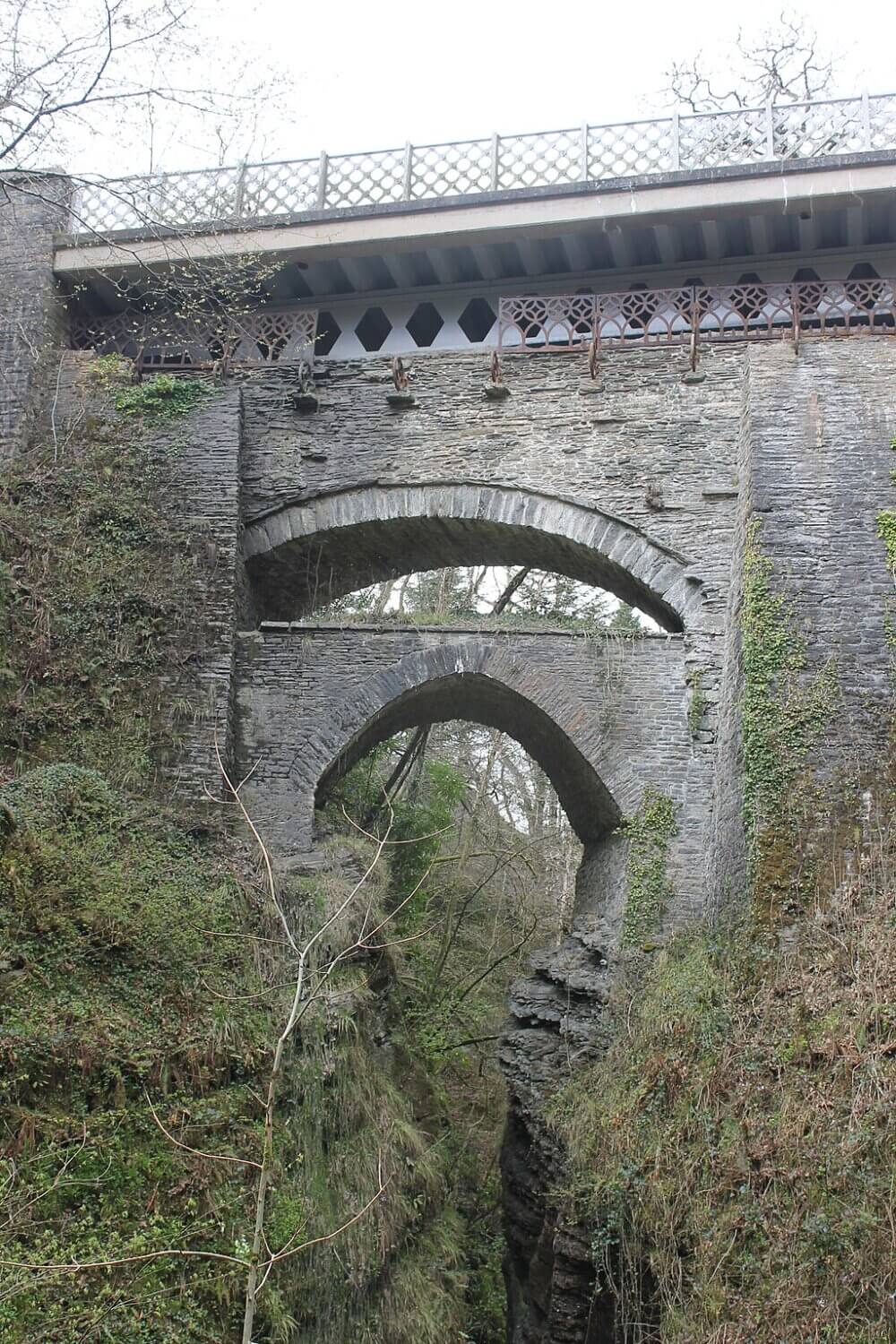
Afternoon: Devil’s Bridge (Pontarfynach): Walk down the spectacular series of three bridges (one medieval, one 18th C, one modern) spanning a deep, wooded waterfall gorge. It feels like a scene from a fantasy novel.
Bwlch Nant yr Arian: Time your arrival for the daily red kite feeding (usually 2pm/3pm depending on season). Seeing dozens of these magnificent, once-endangered birds of prey swoop down is a unforgettable wildlife spectacle.
Evening: Enjoy a relaxed dinner in Aberystwyth. Listen for the distinctive, melodic lilt of the Welsh language here—Ceredigion has a high percentage of Welsh speakers.
Day 7: The Return South & A Final Fortress
Base: Aberystwyth – Departure from Cardiff
Morning: Begin your journey back south (approx. 2.5-3 hours driving). Take the scenic A487 coastal road.
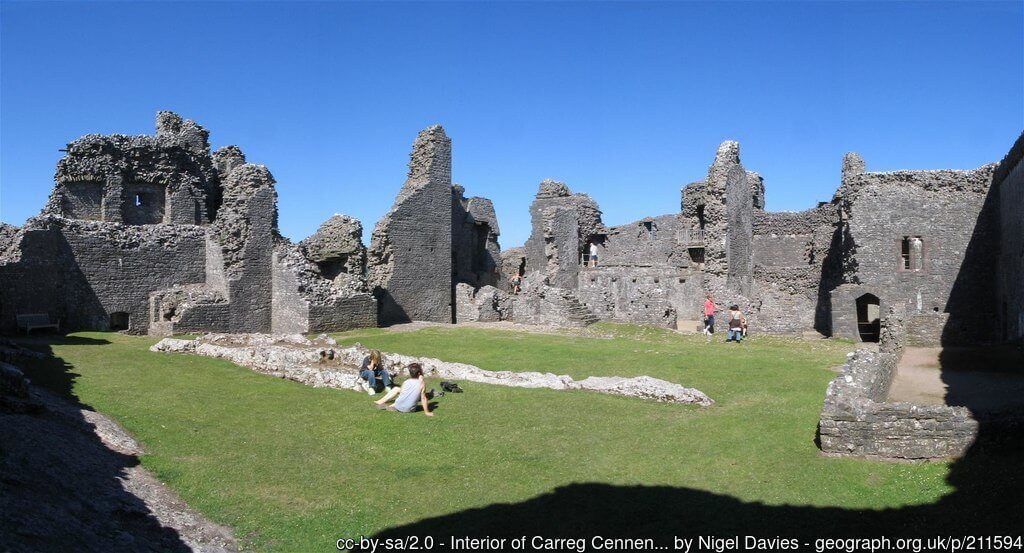
Final Historic Stop: Carreg Cennen Castle (near Llandeilo). This is arguably Wales’s most romantically situated castle. It’s not a mighty Edwardian fortress, but a Welsh-built castle perched precariously on a limestone crag. The walk up is rewarding, and the views over the Black Mountain are a fitting, dramatic farewell to Wales.
Afternoon: Continue to Cardiff (approx. 1.5 hours from Carreg Cennen) for your departure flight or train from Cardiff Central.
Practical & Cultural Tips
Language: Don’t be intimidated! A simple “Diolch” (Dee-olch – Thanks) or “Bore da” (Bor-eh dah – Good morning) is warmly appreciated. Place names are your gateway to the language: Llan (church enclosure), Aber (estuary), Pont (bridge), Bryn (hill).
Getting Around (Without a Car): This itinerary would be challenging but not impossible. Focus on hubs: Use trains between Cardiff, Crewe (for N. Wales), and Aberystwyth. Rely on regional TrawsCymru buses (e.g., T2 from Aberystwyth to Bangor) and local tour operators for day trips to castles and Snowdonia.
Advance Booking: Essential for the Snowdon Mountain Railway, tours of Cardiff Castle apartments, and underground tours at Big Pit.

Welsh Cuisine
Welsh food is rooted in land and sea: cawl (hearty stew), upland lamb, and laverbread with cockles anchor pub menus, while bara brith and Welsh cakes fuel train days. Look for Caerphilly cheese, Glamorgan sausages (a meat-free classic), and rarebit alongside day‑boat seafood on the coast. Farmers’ markets and village bakeries are worth detours, and a Sunday roast—ideally after a castle visit—is a delicious window into local life.

Accessibility & Safety
Many castles have stairs, narrow passageways, and uneven surfaces; consult each site’s accessibility information on the linked pages. In Eryri, carry appropriate clothing/footwear; check mountain conditions and follow local guidance. Parking at popular trailheads may be limited—use Snowdon Sherpa where possible.
Along the Wales Coast Path, towns frequently offer level promenades and beach wheelchair schemes (notably in Pembrokeshire and Anglesey). Blue Badge bays are well signed in hubs, and Changing Places toilets are concentrated in larger towns. Build buffers, check tide times for slipways and ramps, and call ahead—locals are resourceful, and a quick conversation often unlocks a practical, welcoming solution.
Historic Passes: Consider Cadw or English Heritage membership if visiting many castles (Cadw manages most Welsh sites).
Useful Resources for getting around Wales
Traveline Cymru / Transport for Wales App: For all-in-one journey planning.
CADW: Cadw is a Welsh word meaning ‘to keep’ or ‘to protect’. And that’s exactly what they do, working for an accessible and well-protected historic environment for Wales.
Visit Wales Website: Official tourism authority with themed itineraries.
Ordnance Survey Maps: The gold standard for walkers and cyclists.
Eryri (Snowdonia) & Bannau Brycheiniog (Brecon Beacons) National Park Authorities: For specific travel and parking advice.
This week weaves a narrative from Roman occupation to medieval conquest, from industrial exploitation to cultural renaissance. You’ll leave not just with photos of stunning landscapes, but with a profound sense of the resilient spirit of Cymru.
Taith hapus! (Happy travels!)
Explore more of the region with guides to England, Scotland, Northern Ireland, or the full United Kingdom Travel Guide.