
Brittany Travel Guide: Coastal Towns, Culture and What to See
Brittany doesn’t feel like the rest of France. The coastline is rougher, the weather shifts quickly, and the culture has a strong identity that comes from both land and sea.
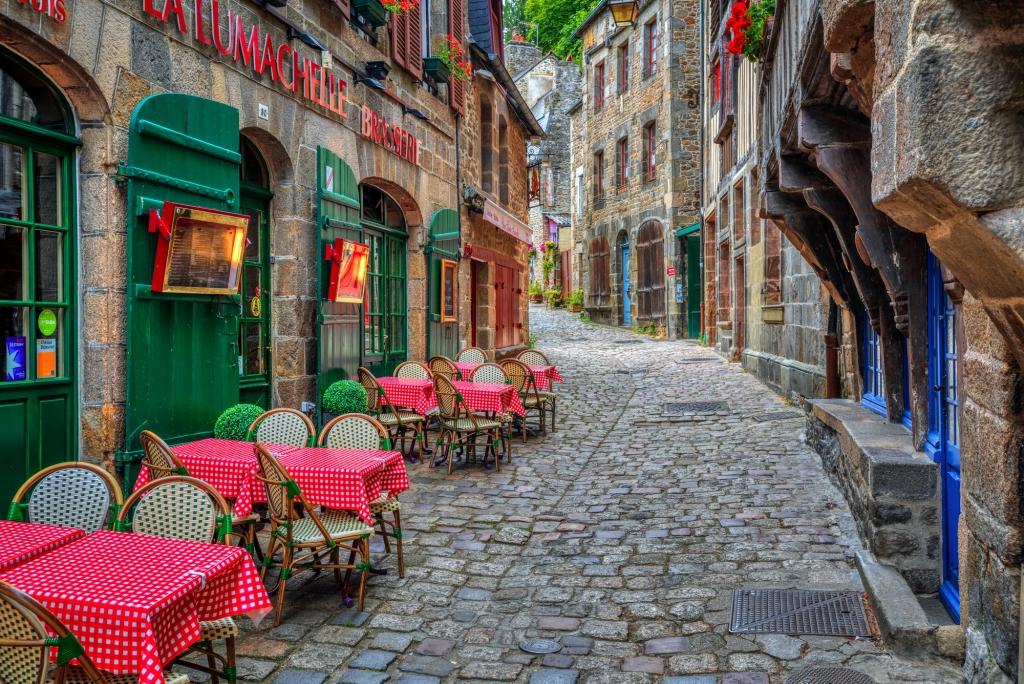
You notice it in the food, the architecture, and even in how towns are laid out. Fishing ports, medieval streets, and markets that still feel rooted in local life rather than tourism.
It’s a region that rewards you when you slow down. Not because there’s nothing to see, but because the experience is in the details. Walking harbour walls, stopping for oysters, wandering through old towns without a plan.
This guide brings together the best places to visit in Brittany and helps you understand how to explore the region in a way that actually works.
Is Brittany Worth Visiting?
Yes, especially if you’re looking for a different side of France.
Brittany is less polished than the south and less crowded than Paris. It feels more grounded. You get coastline, history, and strong regional culture without the same level of tourism pressure.
It’s a good choice if you enjoy:
- coastal walks and small ports
- medieval towns and historic streets
- food that reflects the region
- a slower, less structured way of travelling

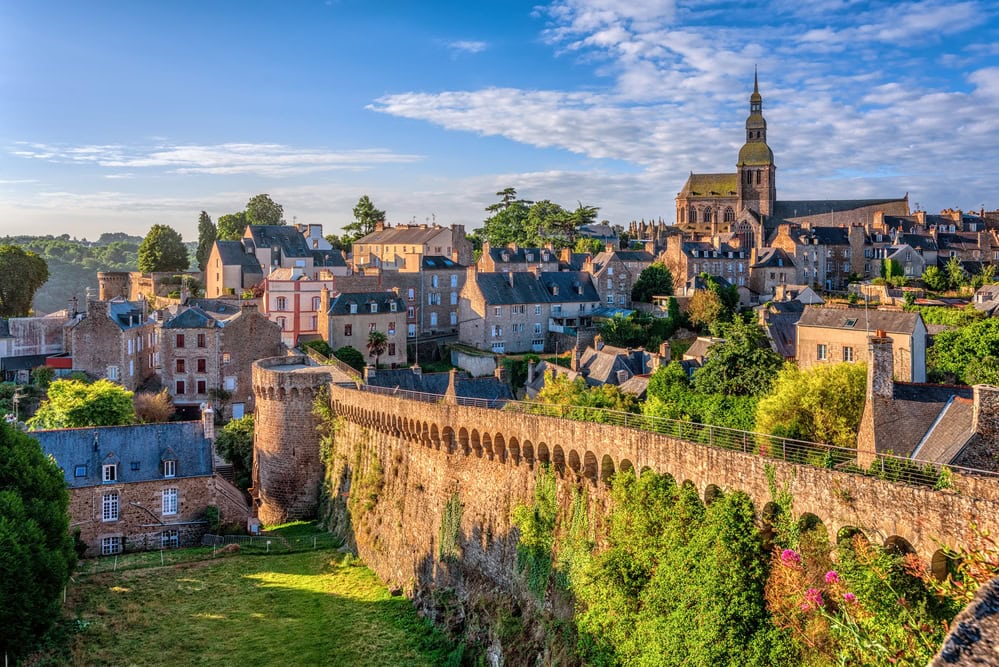
How to Explore Brittany
Brittany works best when you don’t rush it.
Driving is the easiest way to move between places, especially if you want to reach smaller towns and coastal areas. You can base yourself in one location, but moving every few days tends to give a better sense of the region. The distances aren’t huge, but the experience changes from place to place.
Best Time to Visit Brittany
Brittany changes a lot with the seasons.
Summer brings the best weather but also the most visitors, especially along the coast.
Spring and early autumn are often a better balance, with fewer crowds and still good conditions for exploring.
Winter is quieter and more atmospheric, but some smaller places may feel closed or slow.


Where to Stay in Brittany
Where you stay depends on how you want to explore.
Saint-Malo works well for coastal access and day trips.Rennes is a good base if you want a city with connections to the rest of the region.
Smaller towns give you a quieter experience, but you’ll need a car.
Best Places to Visit in Brittany
These are the places that give you a real sense of Brittany, from coastal towns to historic centres.
Saint-Malo
Saint-Malo is often the starting point. A walled coastal city with a strong maritime history, it’s one of the most recognisable places in Brittany.
Walking the ramparts gives you a feel for the town straight away, but it’s also worth spending time just moving through the streets and along the coastline.

Dinan
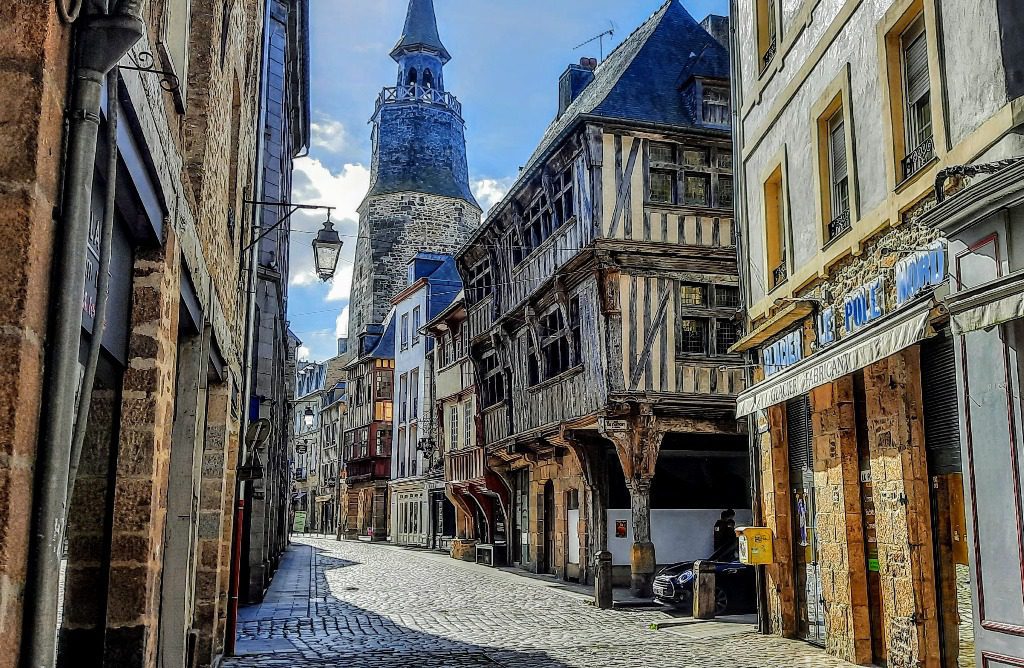
Dinan feels like stepping into a different time. Cobblestone streets, timber-framed houses, and a slower pace that contrasts with the coast.
It’s one of those places where you don’t need a plan. Just walk, stop, and take your time.
Cancale
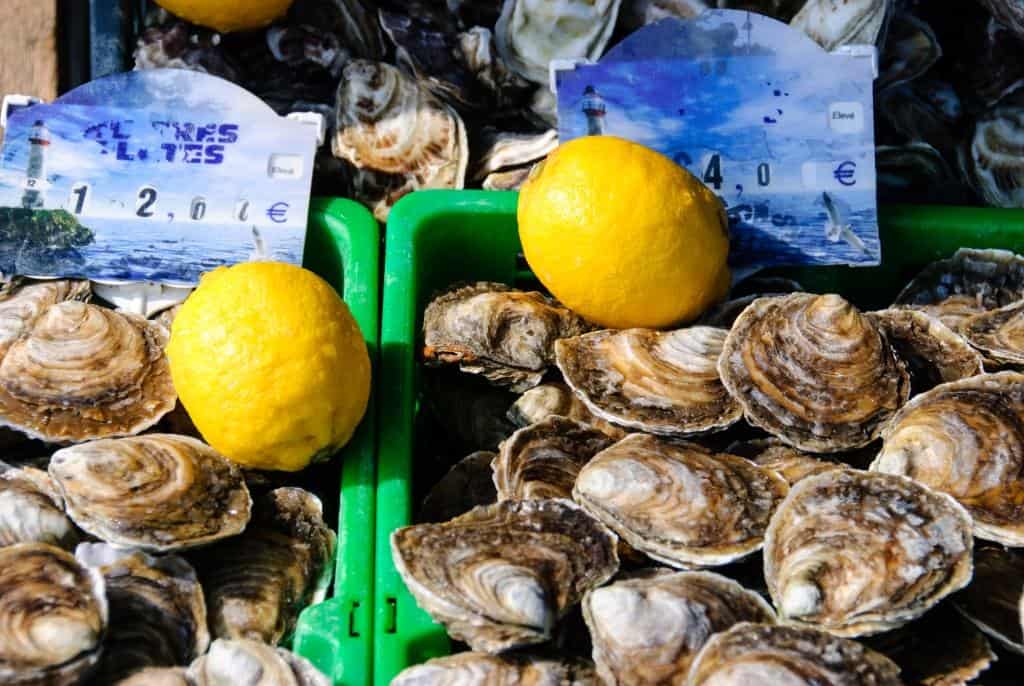
Cancale is known for its oysters, and it’s one of the best places in Brittany to experience the connection between food and place.
You can walk along the harbour, stop at the oyster market, and see exactly where what you’re eating comes from.
- 👉Cancale France: Authentic Oyster Culture & Coastal Charm

Rennes
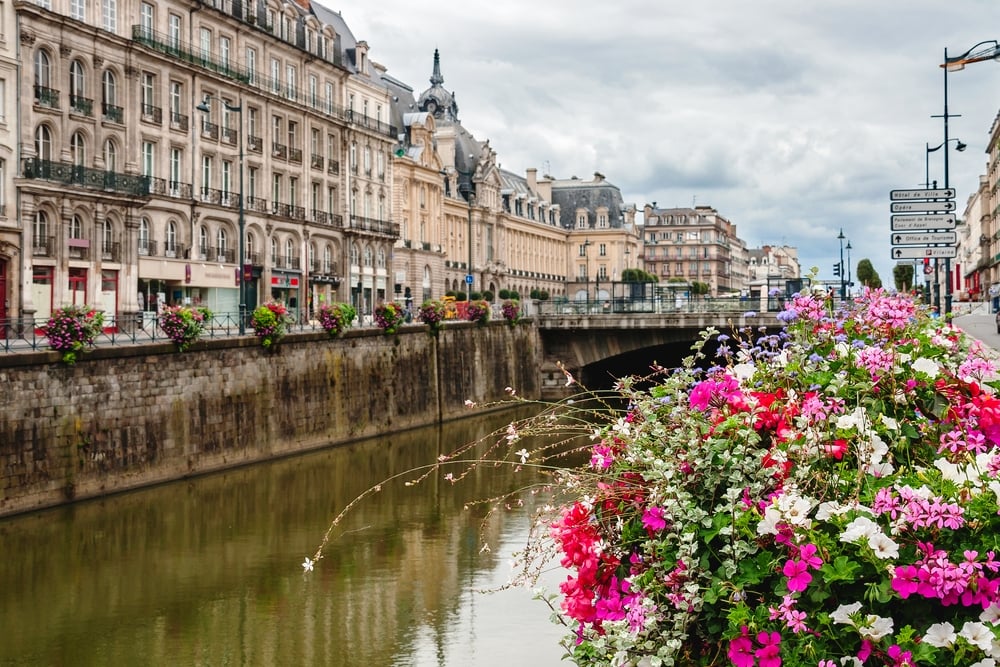
Rennes is the capital of Brittany, but it still feels manageable and easy to explore. It has a mix of historic buildings, markets, and a more modern side that adds contrast to the smaller towns.
Vitré
Vitré is one of the quieter towns, but also one of the most visually striking. Medieval streets, a castle, and a layout that feels almost unchanged.
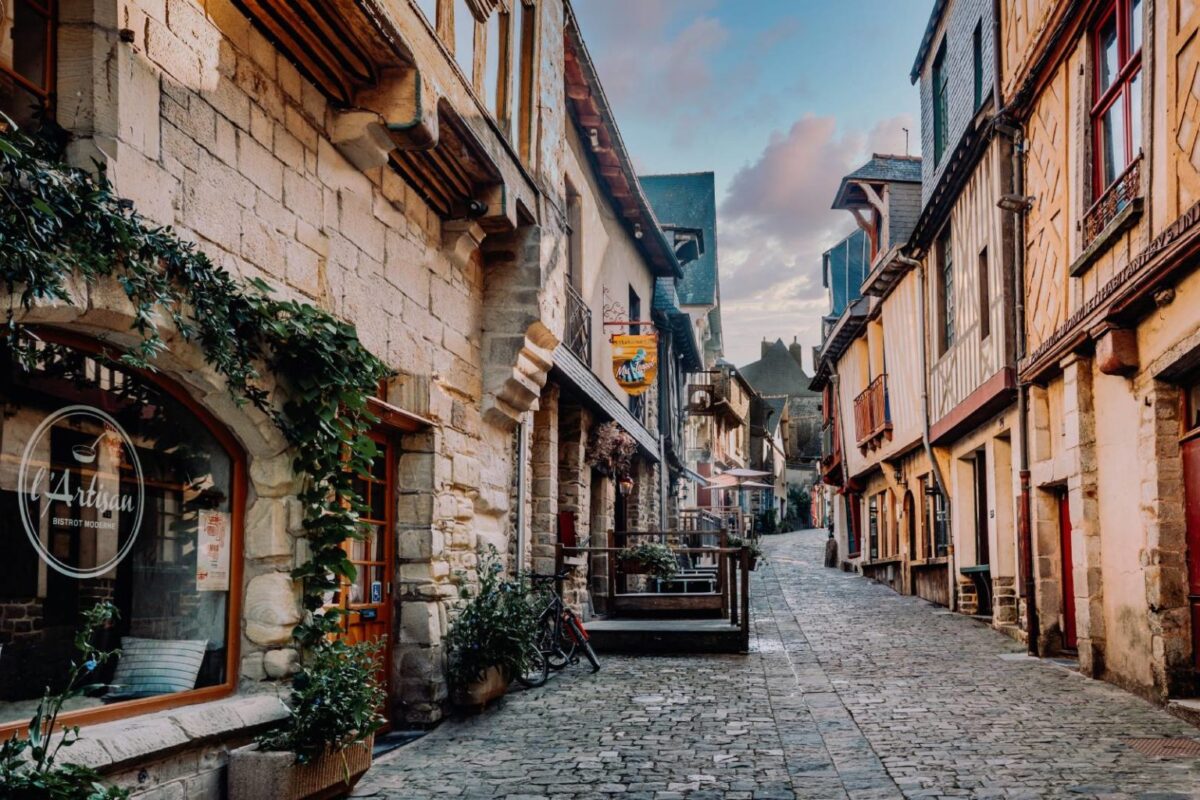
Château de Josselin
Josselin combines a medieval town with one of the most distinctive castles in the region. It’s the kind of place that works well as a stop between larger destinations.

Brittany Itinerary Ideas
- 2–3 days: Saint-Malo + nearby coast
- 4–6 days: add Dinan and Cancale
- 7+ days: explore inland towns and smaller places
Getting Around Brittany
Public transport connects the main towns, but to explore properly, especially along the coast, a car makes a big difference.
Food in Brittany
Food here is shaped by the sea and the surrounding countryside. Brittany is one of the best regions in France for seafood, especially oysters and traditional dishes tied to the coast.
Seafood is central, especially oysters and shellfish, but you’ll also find dishes that reflect the region’s agricultural side. Markets and small restaurants tend to focus on local ingredients rather than elaborate presentation.
If you want to understand Brittany, spend time eating here. It’s part of the experience.


How Much Time Do You Need in Brittany?
- 2–3 days: Focus on one area, such as Saint-Malo and nearby towns
- 4–7 days: Explore multiple towns and parts of the coastline
- Longer stays: Slow travel, with time to settle into one place and explore locally
Travel Style in Brittany
Brittany suits a slower approach.
You can plan an itinerary, but leaving space to explore works better. Some of the best moments come from places you didn’t plan to stop.
It’s a region where:
- driving between towns is part of the experience
- small places often leave the biggest impression
- food and setting matter as much as sights

Planning Your Trip to Brittany
If you’re planning a trip, start by choosing a base and building outward from there. Saint-Malo works well for coastal access, while inland towns offer a quieter experience.
For a broader France trip, you can combine Brittany with Normandy or the Loire Valley.
Brittany isn’t about rushing from one landmark to another.
It’s about the coastline, the towns, the food, and the small details that make each place feel distinct. The more time you give it, the more it starts to come together.
Interested in exploring more of France check out these pages:
This is one part of the full Europe Travel Resource Guide see also How to Pay in Europe and the Europe Travel Documents Checklist. Continue planning your trip with check Travel Scams in Europe for more on protecting your money while travelling. Other resources include Best Travel Apps for Europe along with Do you need a voltage converter in Europe.