
Mexico Travel Guide: Yucatán, Food, Culture & Travel Tips
Quick answer: Mexico is vast and regionally distinct the Yucatán Peninsula (Mérida, Progreso, Chelem) offers colonial cities, calm beaches, and one of the strongest expat communities in the country, while Oaxaca and Jalisco bring entirely different culinary and cultural traditions. Most visitors from North America, the UK, and the EU can enter visa-free for up to 180 days. This guide covers what’s genuinely useful to know, drawn from several years actually living there.

I lived in Mexico for several years, based in the Yucatán and travelling extensively through regions like Oaxaca and Jalisco along the way. As housesitters, we spent over a year based in Chelem, a small fishing village on the Yucatán coast about 40 minutes from Mérida, and used that as a base to properly explore the region day trips to Mayan ruins, months spent learning the local food scene, and a genuine understanding of what it’s actually like to live here, not just pass through.
Mexico rewards that kind of slower, regional approach far more than a single beach-resort trip ever could. Below are the practical basics, and further down you’ll find the full collection of specific guides from Mérida’s markets to the best day trips from the city, expat living tips, and the food and drink that make the Yucatán genuinely unique.
Fast Facts: Mexico
| Currency | Mexican peso (MXN) |
| Entry requirement (most Western passports) | Visa-free for tourism, typically up to 180 days |
| Best region for expats and slower travel | The Yucatán Peninsula Mérida, Progreso, Chelem |
| Distinct food regions worth knowing | Yucatán, Oaxaca, and Jalisco each have genuinely different culinary traditions |
| National cuisine recognition | One of only three countries (with France and Italy) with UNESCO-recognised national cuisine |
| Climate in the Yucatán | Genuinely extreme heat possible, especially inland in Mérida coastal towns get more relief from sea breezes |
Where to Base Yourself
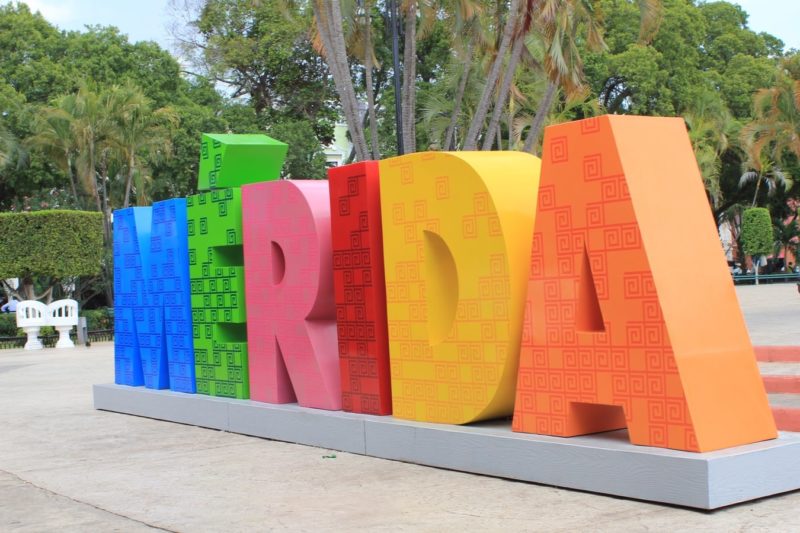
Mérida, the Yucatán’s colonial capital, is vibrant, culturally rich, and increasingly popular with expats, but it can run brutally hot inland with little relief from the heat. The coastal towns nearby Progreso and the smaller, quieter Chelem offer the same easy access to Mérida’s amenities with the benefit of sea breezes and a slower pace. Which one suits you depends on whether you want city energy or genuine village life by the water.
Safety and Practical Basics
Mexico’s safety situation varies dramatically by state and region treat blanket headlines about the country with real skepticism, and check current advisories for the specific area you’re actually going to. The Yucatán Peninsula in particular is widely regarded as one of the safer regions in the country, and consistently rated well by the expats who’ve actually settled there.
Cards are broadly accepted in cities and tourist areas, but cash still matters for smaller towns, markets, and street food. Basic Spanish goes a long way outside major tourist zones, though English is common in areas with a strong expat or tourism presence.
Explore More of Mexico
👉 Living in Mexico Guide: Pros, Cons & Best Places
👉 What’s It Like to Live in Chelem?
👉 Top Tips for Living in the Yucatán
Yucatán & Mérida
👉 25 Best Day Trips from Mérida
👉 Lucas de Gálvez Market Mérida Guide
Mayan Sites
👉Uxmal: The Phenomenal Mayan Ruins
Culture & Traditions
👉 Mayan Aluxes: Myths and Legends
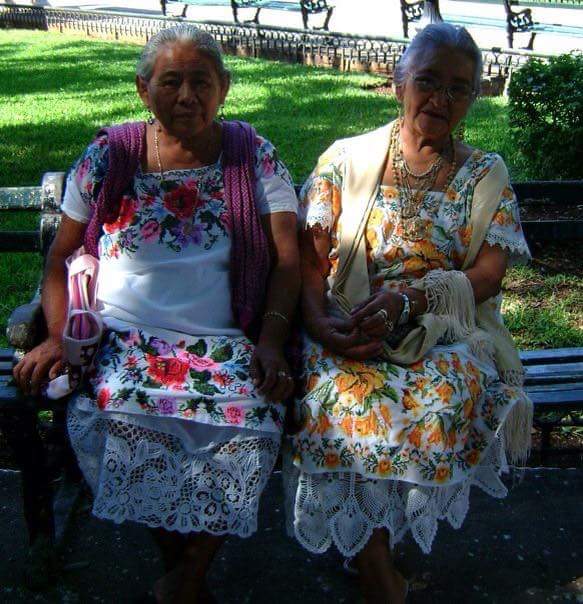
👉 The Gorgeous Embroidered Dresses of the Yucatan

Mexican Food & Drink
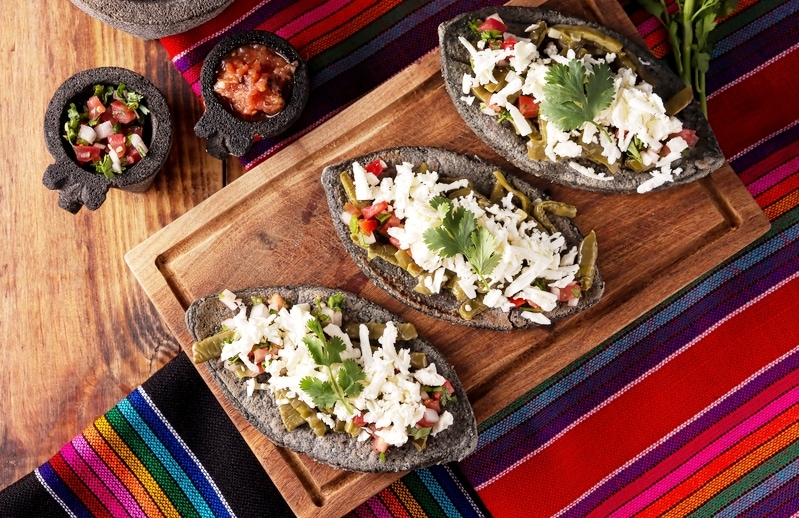
👉 National Dishes of the Americas

Suggested Mexico Itinerary (Yucatán Focus)
5–7 days:
Mérida base
Uxmal ruins
Local markets
Coastal towns (like Chelem)
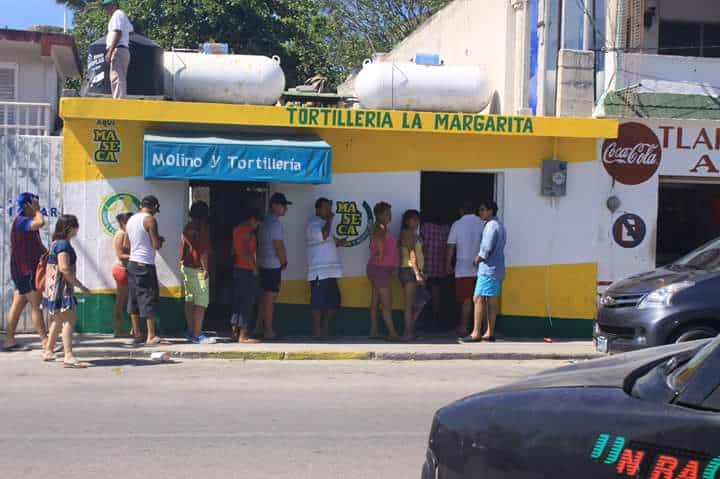
Frequently Asked Questions About Mexico
Is Mexico safe to visit?
The overwhelming majority of Mexico, including popular expat and tourist regions like the Yucatán Peninsula, is genuinely safe for travellers and residents who take normal precautions. Safety varies significantly by state and region, so it’s worth checking current advisories for the specific area you’re headed to rather than judging the whole country by headlines about a handful of higher-risk states.
Do I need a visa to visit Mexico?
Many visitors, including from the US, Canada, UK, and EU, can enter Mexico visa-free for tourism as a Temporary Visitor, typically for up to 180 days, and just need a valid passport. Requirements vary by nationality and purpose of travel, so confirm your specific situation before booking.
What’s the best region of Mexico for expats?
The Yucatán Peninsula, and specifically the Mérida area and its coastal towns like Progreso and Chelem, has become one of the most popular regions for North American expats and retirees genuinely safer than its reputation suggests, with a strong existing expat community, more affordable property than the Caribbean coast, and easy access to both colonial city life and the beach.
What currency does Mexico use, and should I bring cash?
The Mexican peso (MXN). Cards are widely accepted in cities and tourist areas, but cash is still genuinely useful for smaller towns, markets, and street food ATMs are common, though it’s worth using ones attached to banks rather than standalone machines where possible.
What’s the food like in Mexico beyond tacos?
Extraordinarily diverse and regionally distinct Mexico is one of only three countries (alongside France and Italy) with a national cuisine recognised by UNESCO as Intangible Cultural Heritage. Oaxaca, the Yucatán, and Jalisco each have genuinely different culinary traditions worth exploring specifically, not just a single ‘Mexican food’ experience.
If you’re exploring more of Europe, or thinking about living here longer term, I’ve put together a few guides that might help:
Europe Travel Guide and the Ultimate Europe Travel Resource Guide
How to Avoid Travel Scams in Europe
Schengen Rules Explained when travelling to Europe
Accessible Travel Guides Ireland UK Europe
Carryon Luggage Rules Across Europe