
The Mayan Aluxes: Myths and Modern Encounters in the Yucatán
The little people of Mexico
As a student of anthropology with a deep fascination for myth and legend, my time living in the Yucatán Peninsula felt like stepping into a living codex—one where ancient stories still whispered through the jungle, carried on the lips of elders and etched into the land itself.
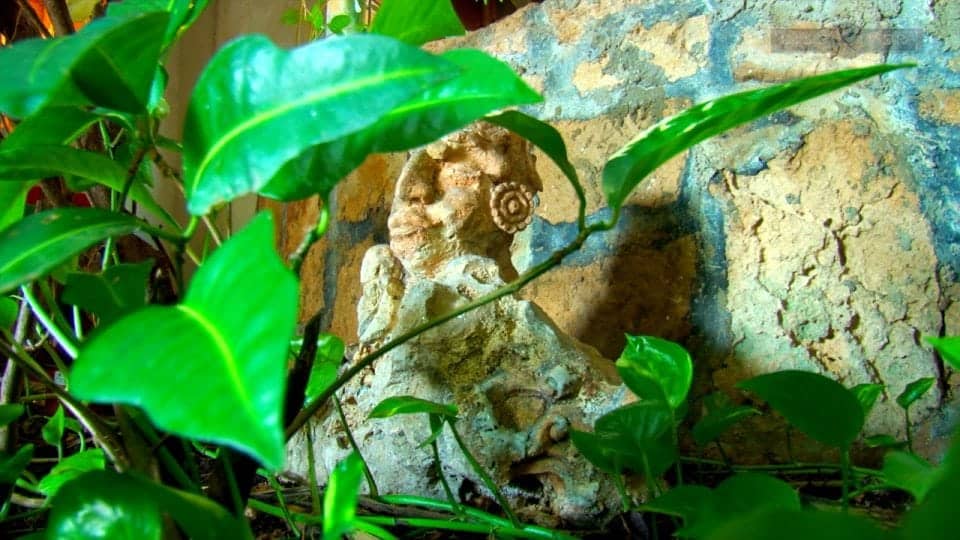
I first heard of the Aluxes from a h-men (Mayan shaman) in a small village near Valladolid, where he showed me a tiny clay figure hidden beneath a ceiba tree. “They are not just stories,” he told me, “but guardians who remember what we have forgotten.”
That encounter sparked a fascination with the legends and when I asked locals including farmers who swore their crops flourished under an Alux’s watch to documenting modern rituals where construction crews still build spirit houses to avoid their wrath. This piece is both an exploration of folklore and a testament to how myth breathes life into culture—and how, in the Yucatán, the past is never truly past.
The Mayan Legend of the Alux (aloosh). The world is full of myths and legends and many countries have an ongoing belief in a little person that causes mayhem and mischief wherever it goes. Mexico is no exception to that rule.
There are some cryptozoologists that believe the Mayan little person or Alux was actually or perhaps still is a little person. Aluxob or Alux is the Mayan word given to mythological Mayan spírits found in the Yucatan Peninsula they are believed to be small dwarf-like creatures, that average around 3 feet tall, and they are somewhat akin to goblins, elves or even perhaps poltergeists or golem due to their creation by the owner of the land they settle on.
Firsthand Accounts of Alux Encounters
Many locals in the Yucatán Peninsula claim to have encountered Aluxes, describing them as mischievous yet protective spirits. In a 2018 interview with The Yucatán Times, a farmer from Valladolid shared how his crops thrived after he built a small shrine and left offerings of pozol (corn drink) for an Alux, only to find the offerings gone by morning.
Similarly, a tour guide in Playa del Carmen recounted to Mexico News Daily (2021) how construction workers at a hotel site reported tools mysteriously moving at night—until a shaman performed a ritual to appease the Alux, after which the disturbances ceased. These stories, passed down through generations, reflect the enduring belief in these beings as both helpers and tricksters.
Mayan Aluxes – Yucatan legends
Created in the form of highly detailed clay figures. Shamans can cast ritual spells to bring the figures to life. The average farmer or villager leaves a small figure beneath the oldest tree on their land or in a house specially built for the Alux which is known as the Kahtal Alux.
The farmer takes food and drinks to the spirit on a daily basis until the clay figurine disappears.
At this point, the farmer knows the Alux is alive and will now protect the farmer’s land and the farmer for a full 7 years. After 7 years the door to the Alux home must be sealed off during the day in order to trap the Alux inside and prevent him from becoming evil. The Mayan people make offerings to them before they venture into the forest or start their milpa farming to bring good luck.
The most well-known of the Alux myths revolve around the Cancun-Nizuc bridge between Cancun and Playa del Carmen.
In the early 90s when construction began on the bridge the first three attempts to build the structure were disastrous. According to the story, a Mayan came to the site and told them that they had angered the Alux and he would continue to wreak havoc on the site unless they built him a shelter.
The construction company engineers decided to call in a Mayan Shaman to assist them. The Shaman carried out a ritual to contact the aluxes to create a pact that would allow construction to continue.
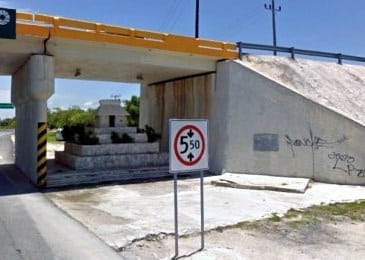
The small pyramid and house was built and offered as a gift to the aluxes, and from this point onwards the construction of the bridge could be completed without being tampered with. To this day even the big hotels have houses or shrines to the Aluxes if you cóme on vacation just ask your friendly staff members and they wíll know where to find it though they don’t often talk about it.
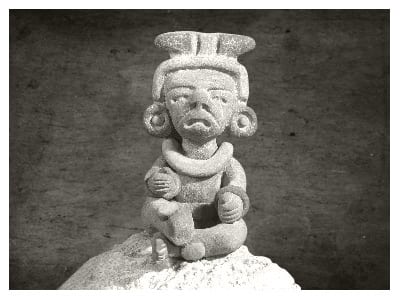
Even today some Maya consider the shrines found throughout the countryside to be kahtal alux, the “houses of the alux” (although their true origins and purpose are unknown).
Academic Perspectives on Mayan Mythology
Scholars like Dr. Karl Taube (Oxford Encyclopedia of Mesoamerican Cultures, 2001) identify Aluxes as part of a broader tradition of “earth guardians” linked to pre-Columbian chaac (rain god) rituals. Dr. Mercedes de la Garza (Maya Mythology, 2010) notes parallels between Aluxes and the wahyis (spirit companions) depicted in Classic Mayan pottery, suggesting their roots in elite shamanic practices.

Meanwhile, archaeological studies (Houston et al., The Memory of Bones, 2006) analyze figurines resembling Aluxes in Copán and Palenque, proposing they were used in household ancestor veneration. These academic insights ground the Alux legend in historical Mayan spirituality, bridging myth and material culture.
Legends say that if an Alux stops and asks farmers or travellers for an offering which is refused the aluxes will often wreak havoc and spread illness. However, if their conditions are met, it is thought the alux will protect a person from thieves or even bring them good luck. If they are treated with respect, they can be very helpful.
It is believed that it is not good to name them aloud, as it will summon a disgruntled alux from its home.
Where Myth Meets Modern Mexico
The legend of the Aluxes is just one thread in the vibrant tapestry of Mayan culture—a world where ancient spirits still linger in the jungles of Uxmal, where the scent of Mexican street foods drifts through Lucas Gálvez Market, and where traditions like Day of the Dead remind us that the past is never truly gone. Whether you’re exploring day trips from Mérida, marveling at the pyramids of Uxmal, or simply leaving an offering for an Alux, the Yucatán invites you to step into a story much older than yourself. Just remember: if you hear a whisper in the wind or spot a tiny footprint in the dirt, it might be best to share your pan de muerto… just in case.