
Living in Chelem, Mexico: An Expat Guide to the Yucatán Coast
Living in Chelem, Mexico, offers a slower pace of life, warm Gulf Coast weather, and a welcoming mix of locals and expats. After spending a year living in this small fishing village on the Yucatán Peninsula, we discovered a side of Mexico that feels worlds away from the all-inclusive resorts of Cancún and the Riviera Maya.

I lived in Chelem for over a year when I first retired. It was and still is a small village but with many immigrants from the USA moving in it has grown and developed over the years. It can be a very difficult place to live as the heat and humidity in the Yucatan can be overwhelming.
Chelem is not polished or overly developed. Instead, it is a traditional coastal village where fishermen still head out at dawn, neighbours gather in the town square in the evenings, and life revolves around the sea, local markets, and community connections. For many retirees and long-stay travellers, that simplicity is exactly the appeal.
This guide shares what it is really like living in Chelem as an expat, including housing, healthcare, transportation, safety, amenities, and nearby attractions across the Yucatán Peninsula.
- Living in Chelem, Mexico: An Expat Guide to the Yucatán Coast
- Where is Chelem in Mexico?
- Pros and Cons of Living in Chelem, Mexico
- What is it Really Like Living in Chelem?
- Why Expats Choose Chelem
- Cost of Living in Chelem, Mexico
- Finding Rentals and Real Estate in Chelem
- Healthcare and Medical Services
- Is Chelem Safe for Expats?
- Amenities and Everyday Life
- The Farmers’ Markets in Chelem
- Transportation Around Chelem
- Weather and Climate in Chelem
- Retiring in Chelem, Mexico
- Best Things to Do Near Chelem
- Maya Archaeological Sites
- Final Thoughts on Living in Chelem
- FAQ About Living in Chelem, Mexico
Where is Chelem in Mexico?
Chelem is a small beach town on the northern coast of the Yucatán Peninsula, located along the Gulf of Mexico in the state of Yucatán. It sits roughly 40 kilometres north-west of Mérida and just beyond the port town of Progreso.
Part of what is often called the Emerald Coast, Chelem is known for its quiet beaches, colourful homes, and relaxed atmosphere. While tourism exists here, it feels far more local and authentic than Mexico’s larger beach destinations.
For expats looking for a peaceful coastal lifestyle while remaining close to modern amenities, the location works well. Mérida provides access to international hospitals, shopping centres, airports, and cultural attractions, while Chelem offers the calm of village life by the sea.
Pros and Cons of Living in Chelem, Mexico
Like anywhere, living in Chelem comes with both advantages and challenges. While many expats fall in love with the relaxed coastal lifestyle and sense of community, daily life here can also require flexibility and patience. Understanding both sides of life in Chelem helps set realistic expectations before making the move.

Pros of Living in Chelem
Affordable cost of living compared to many parts of the US and Canada
Relaxed beach lifestyle with a slower pace of life
Warm weather year-round
Friendly mix of locals and expats
Fresh seafood and local markets
Easy access to Mérida for shopping, healthcare, and airports
Strong sense of community among residents
Beautiful Gulf Coast sunsets and quiet beaches
Lower property prices than many resort destinations in Mexico
Access to fascinating Maya archaeological sites and Yucatán culture

Cons of Living in Chelem
- Summer heat and humidity can feel intense
- Mosquitoes can be a major issue during rainy season
- Internet and utility services may occasionally be unreliable
- Limited healthcare facilities within the village itself
- Public transportation is basic compared to larger cities
- Fewer entertainment and nightlife options
- Some imported products can be expensive or difficult to find
- Property crime and break-ins do occur in some areas
- Roads and infrastructure are not always well maintained
- The slower pace of life can be frustrating for newcomers used to North American efficiency
For many expats, the positives far outweigh the negatives, particularly if you are looking for a quieter lifestyle close to nature and community. However, Chelem is best suited to people who are adaptable, independent, and comfortable living in a small coastal village rather than a fully developed tourist destination.
What is it Really Like Living in Chelem?
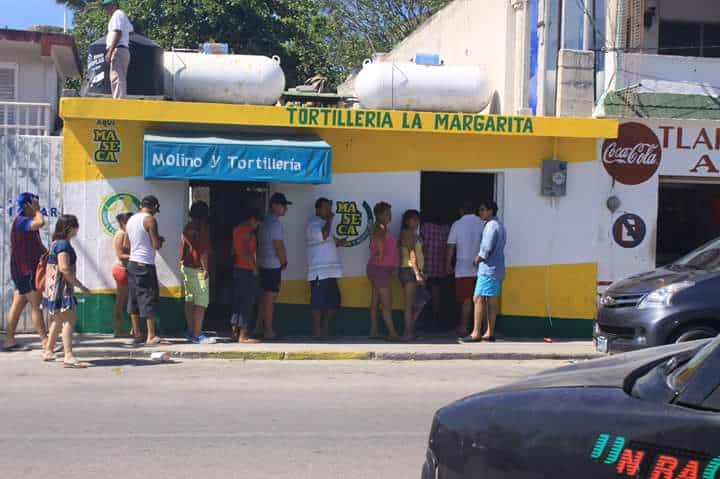
Life in Chelem revolves around simple daily routines. Mornings often begin with walks along the beach or coffee at a local café before the heat builds later in the day. Fresh seafood is sold directly from fishermen, neighbours know one another by name, and many evenings are spent outdoors enjoying the sea breeze.
The town attracts a large North American and Canadian expat community, particularly retirees, but it still feels distinctly Mexican. Unlike gated expat compounds found elsewhere, many foreign residents here live side by side with local families.
One of the biggest adjustments for newcomers is understanding that Chelem operates on “Yucatán time.” Services can be slower, infrastructure is basic in places, and patience becomes part of daily life. If you are looking for luxury developments, nightlife, or constant entertainment, Chelem may feel too quiet. But for people seeking affordability, community, and a slower rhythm, it can be deeply rewarding.

Why Expats Choose Chelem
Many expats move to Chelem for three main reasons:
- Lower living costs compared to the US and Canada
- Warm weather year-round
- Access to beach living without resort prices
The village has become particularly popular with retirees who want a quieter alternative to larger expat hubs like Puerto Vallarta or Lake Chapala.
During our time in Chelem, we found the expat community active and social without being overwhelming. There are regular markets, volunteer groups, beach gatherings, charity events, and informal meetups throughout the winter season.
At the same time, Chelem still feels like a working Mexican fishing village rather than a purpose-built expat destination.
Cost of Living in Chelem, Mexico
Compared to many North American cities, the cost of living in Chelem remains relatively affordable, although prices have increased significantly in recent years as more foreigners relocate to the Yucatán coast.
Rental costs vary enormously depending on location, size, and proximity to the beach. Beachfront homes naturally command higher prices, while inland properties are more affordable.
Typical monthly expenses include:
- Lower utility bills during cooler months
- Higher electricity costs in summer due to air conditioning
- Affordable local produce and seafood
- Inexpensive public transportation
- Reasonably priced local restaurants
Imported products and familiar North American brands tend to cost considerably more. Many expats shop locally for everyday basics and make occasional trips into Mérida for larger supermarkets like Costco or Sam’s Club.


Finding Rentals and Real Estate in Chelem
Finding long-term rentals in Chelem often happens through local Facebook groups, word of mouth, or local real estate agents. Some properties are never formally listed online, particularly during the quieter seasons.
Housing ranges from:
- Small casitas near the beach
- Traditional Mexican homes
- Renovated expat-owned properties
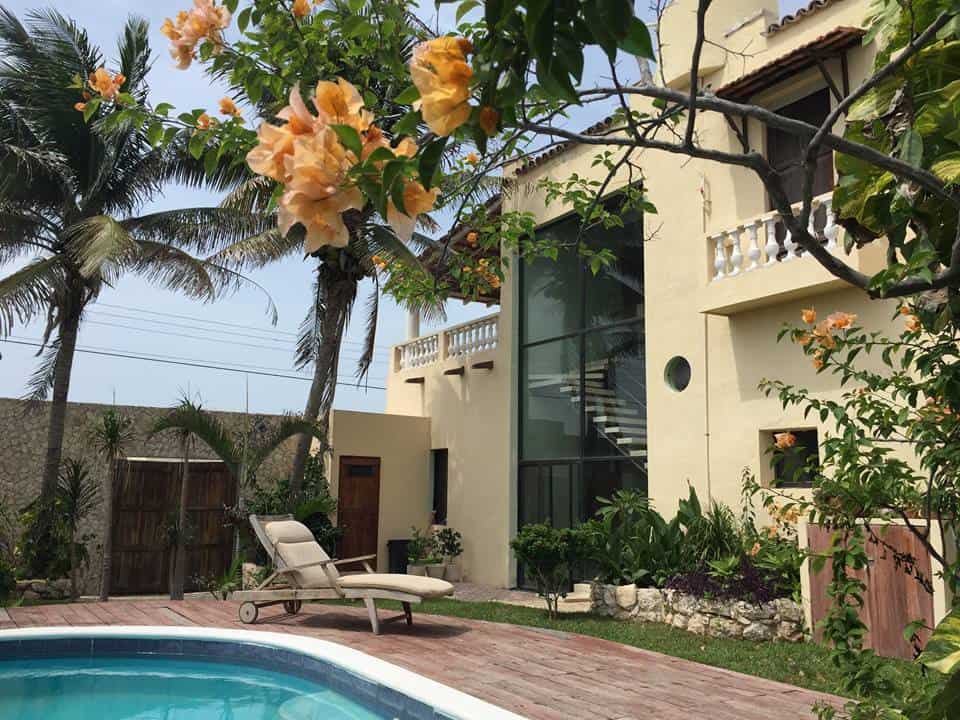
- Larger beachfront villas with pools
As with anywhere in Mexico, it is important to research carefully before buying property. Recommendations from long-term residents can be invaluable, especially when it comes to finding trustworthy agents, lawyers, and contractors.
If you are considering relocating permanently, spending several months renting first is a wise approach. The climate, infrastructure, and slower pace of life are not for everyone.

Healthcare and Medical Services
Chelem has a handful of local clinics, pharmacies, and English-speaking doctors able to handle basic healthcare needs. For more advanced medical care, most residents travel to either Progreso or Mérida.
One of the major advantages of living in the Yucatán is access to healthcare in Mérida, widely considered one of Mexico’s leading medical cities. Many expats use private healthcare services there, which are often considerably more affordable than equivalent care in the US.
Pharmacies are common throughout the region, and many medications are available over the counter that would require prescriptions elsewhere. I could easily get my meds for diabetes, high blood pressure all at a truly minimal price.

Is Chelem Safe for Expats?
Yucatán state is generally regarded as one of the safer regions in Mexico, and many expats report feeling comfortable living in Chelem. Violent crime is relatively uncommon, but petty theft and property break-ins do occur, particularly in homes left empty during the off-season.
Like anywhere, common-sense precautions matter:
- Secure doors and windows
- Avoid leaving valuables visible
- Get to know neighbours
- Consider security systems or caretakers if away long-term
The strongest sense of security often comes from the community itself. Residents tend to look out for one another, and local knowledge spreads quickly.

Amenities and Everyday Life
Chelem is small but has enough daily services for comfortable living.
You will find:
- Small grocery stores and convenience shops
- Fresh seafood vendors
- Pharmacies
- Local restaurants and cafés
- Beachfront palapas
- Weekly markets
- Basic banking services
For larger shopping trips, most residents head into Progreso or Mérida.
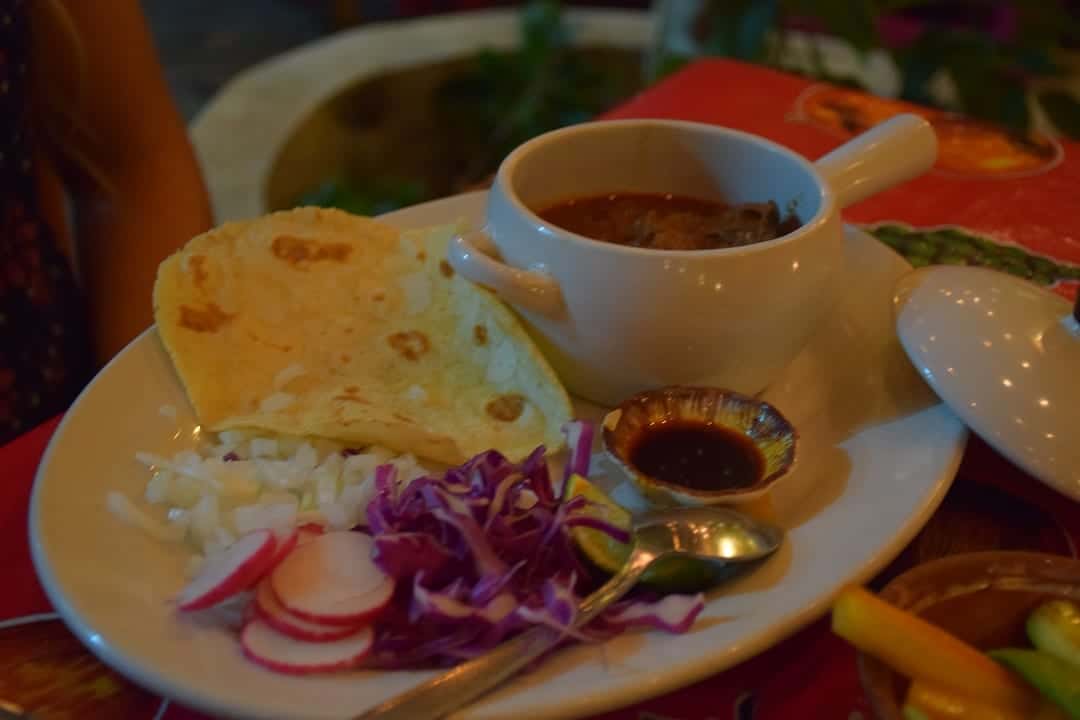
One of the highlights of living here is the local food scene. Alongside traditional Yucatecan dishes, there are numerous expat-owned restaurants serving everything from smoked meats to European-style breakfasts and artisan baking.

The Farmers’ Markets in Chelem
The local markets are an important part of expat and community life.
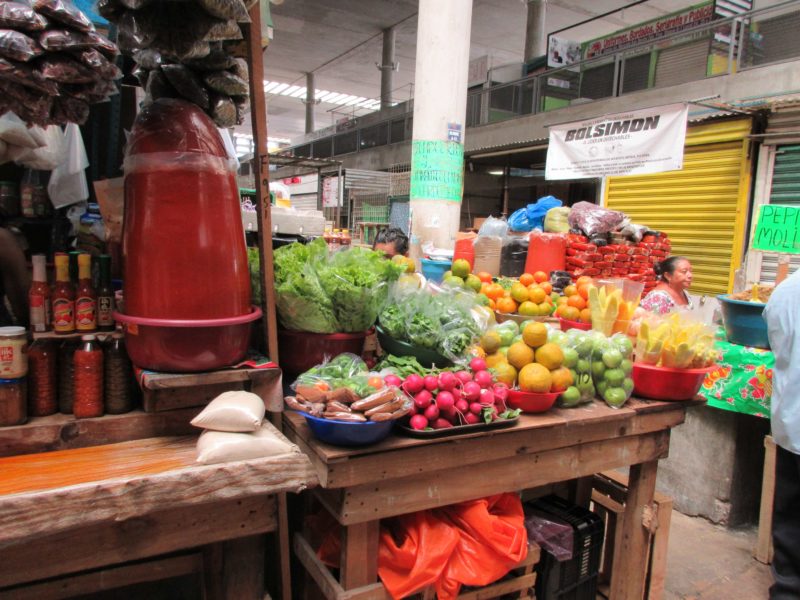
Natural Thangs, located between Chelem and Chuburná, hosts one of the area’s best-known farmers’ markets. Vendors sell organic vegetables, smoked meats, cheeses, baked goods, artisan products, and homemade foods. The market also doubles as a social gathering place where expats and locals catch up over coffee and breakfast burritos. Many folks also head to Merida make a special trip to the Lucas de Galvez Market which is a fabulous place to get authentic Yucatecan ingredients.
Seasonal artisan markets showcase local artists, handmade crafts, and fundraising events supporting animal rescues and community projects. These kinds of community spaces are part of what gives Chelem its welcoming atmosphere.


Transportation Around Chelem
Transportation in Chelem is straightforward but basic.
Most residents use:
- Collectivos (shared minibuses)
- Local buses
- Taxis from Progreso
- Personal vehicles
- Bicycles or golf carts
Collectivos are inexpensive and regularly connect Chelem with Progreso and nearby villages. From Progreso, larger buses travel into Mérida throughout the day. Many expats eventually buy or rent a car, especially if they plan to explore the wider Yucatán Peninsula regularly.
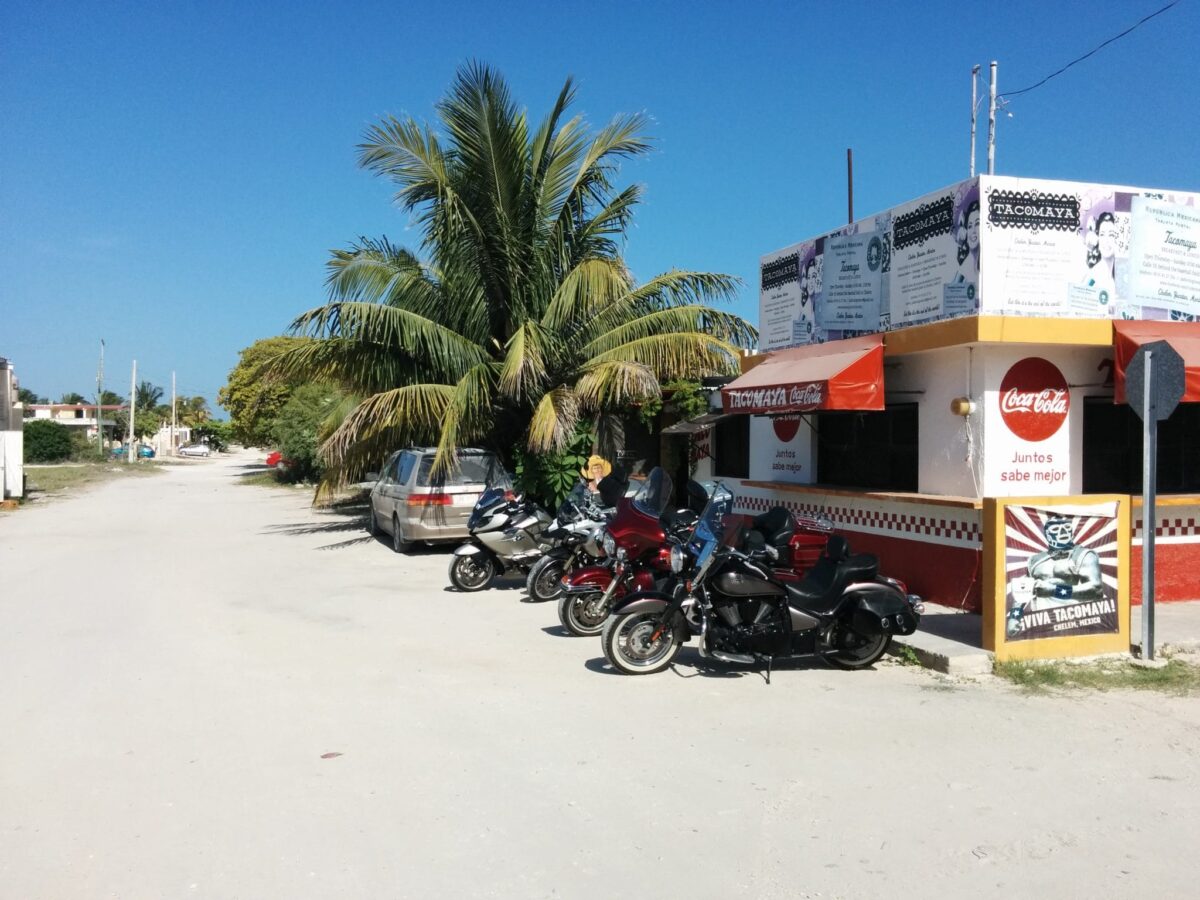
Weather and Climate in Chelem
Chelem has a tropical coastal climate with warm temperatures year-round. Actually warm is an understatement it is so hot when I sat outside at 8am to enjoy a coffee even my eyelashes were sweating.
The cooler months between November and February are especially popular with seasonal residents escaping colder northern winters. Summers can feel intensely hot and humid, particularly between May and September.
Understanding the Nortes in the Yucatán
One thing many newcomers quickly learn about living on the Yucatán coast is the arrival of the nortes. These powerful cold fronts sweep down from the Gulf of Mexico between roughly November and March, bringing strong winds, rough seas, cooler temperatures, and heavy rain to coastal communities like Chelem. While the cooler air can feel refreshing after the intense summer heat, nortes can dramatically change daily life for a few days at a time.
Fishermen often stay ashore, beaches become windy and choppy, and occasional flooding or power outages can occur during stronger storms. Homes along the coast are typically built with these seasonal weather patterns in mind, and long-term residents quickly adapt by securing outdoor furniture, stocking up on supplies, and waiting for the calmer weather to return. For many expats, the nortes become simply another part of the rhythm of life on the Yucatán Peninsula.
Hurricane season officially runs from June through November, and tropical storms can occasionally affect the Gulf Coast. Flooding and power outages are not unheard of during severe weather events.

Retiring in Chelem, Mexico
For retirees seeking affordability, warm weather, and a strong sense of community, Chelem can be an appealing option.
Many retirees appreciate:
- Relaxed daily life
- Lower living costs
- Access to healthcare in Mérida
- Friendly expat networks
- Walkable beach living
- Mild winters
At the same time, retirement in Chelem requires flexibility. Infrastructure may not match North American expectations, internet service can occasionally be unreliable, and bureaucracy in Mexico often moves slowly.
People who thrive here tend to embrace the slower pace rather than fight against it.

Best Things to Do Near Chelem
One of the advantages of living in Chelem is how easily you can explore the wider Yucatán Peninsula and take day trips from Merida.
Mérida
Mérida offers museums, restaurants, shopping, colonial architecture, and some of the best food in Mexico. It is also one of the safest major cities in the country.
Progreso
The nearby port town of Progreso has larger supermarkets, a lively malecón, local markets, and one of the world’s longest piers.
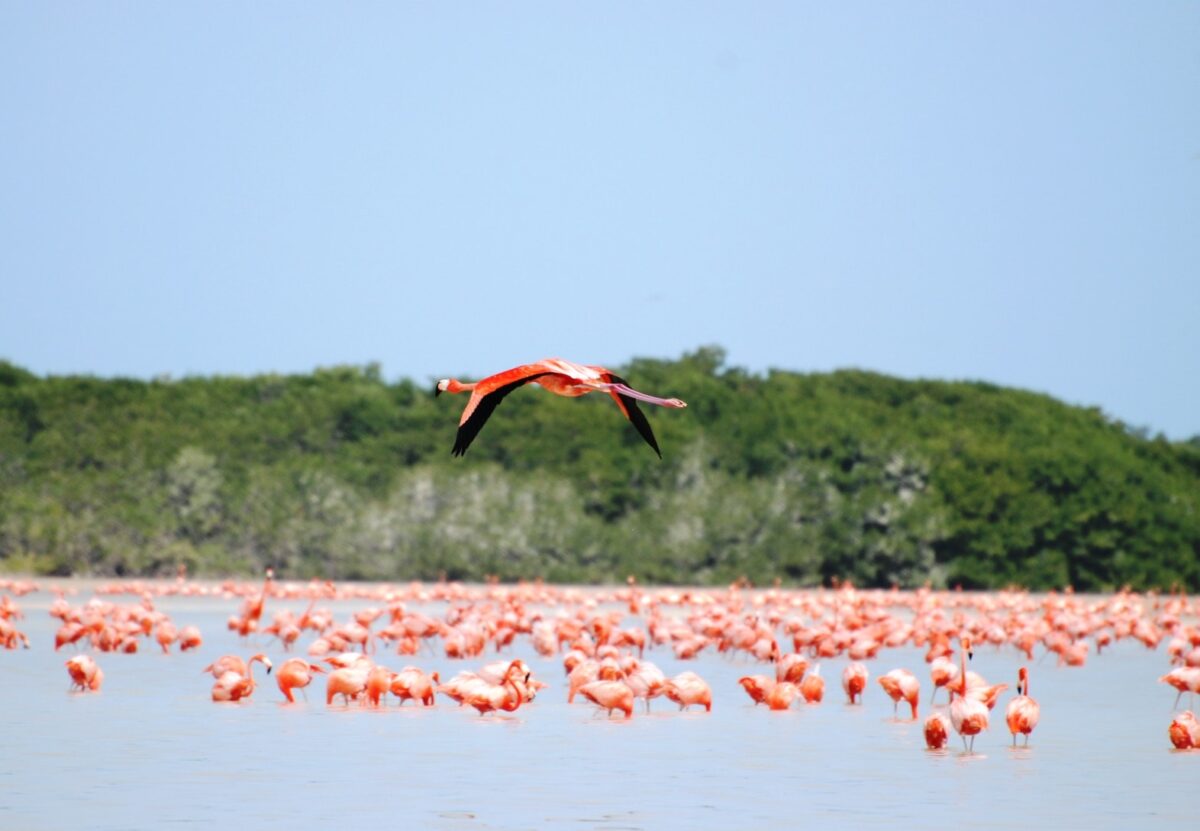
Ría Celestún Biosphere Reserve
This protected reserve is famous for flamingos, mangroves, and birdwatching opportunities.
Maya Archaeological Sites
Several important Maya sites are accessible as day trips from Chelem, including:
- Dzibilchaltún
- Xcambó
- Uxmal
- Mayapán
- Chichén Itzá
- Ek’ Balam
These sites provide incredible insight into the region’s Indigenous history and cultural heritage.
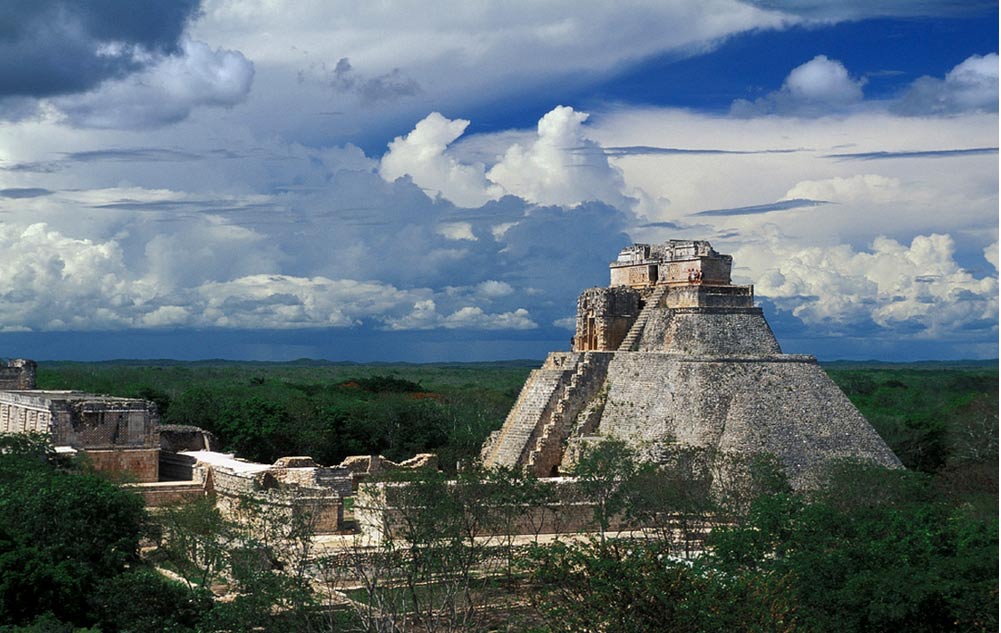
Living in Chelem also places you at the heart of the Yucatán’s rich folklore, food, and cultural traditions. Day trips from Mérida can take you from the hauntingly beautiful Maya ruins of Uxmal to colourful colonial cities like Campeche, where pastel streets and sea walls tell stories of pirates and conquistadors.
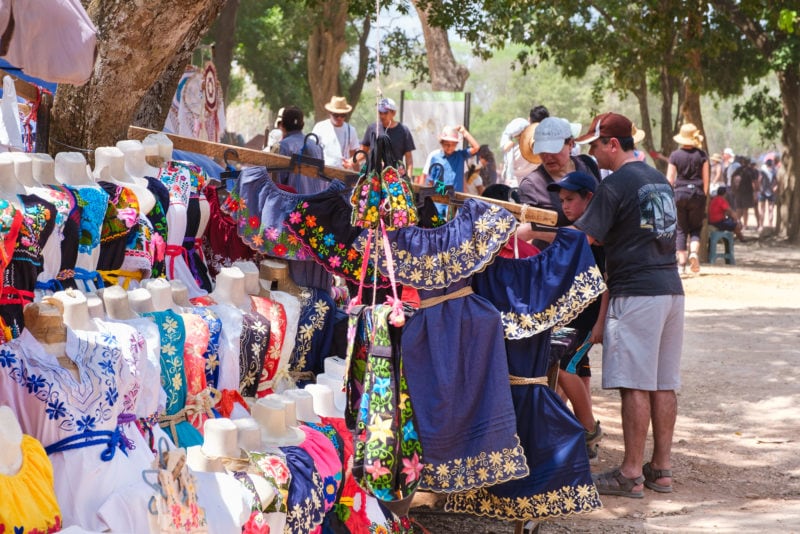
Throughout the peninsula, tales of the mischievous Aluxes small trickster spirits from Maya folklore said to protect the forests and cenotes are still shared by locals, especially near archaeological sites and jungle roads at night. In Mérida, evenings in the Plaza Grande often fill with traditional music and dancing, while during Día de los Muertos celebrations women wear stunning embroidered huipil dresses decorated with vibrant flowers and intricate stitching that reflect the artistry of Yucatán culture.
Travelling through Mexico also becomes a journey through flavour, whether sipping smoky mezcal and fresh aguas frescas, discovering what to drink in Mexico beyond tequila, or exploring Oaxaca’s incredible food scene filled with mole, tlayudas, street food, and bustling local markets that make it one of the country’s great culinary destinations.



Final Thoughts on Living in Chelem
Living in Chelem is not about luxury resorts or polished tourist experiences. It is about simplicity, community, and coastal life in a traditional Yucatán fishing village.
For some people, that slower pace and sense of connection become exactly what they were searching for. For others, the heat, infrastructure challenges, and quiet atmosphere may feel limiting.
After spending a year there ourselves, what stayed with us most was the feeling of community neighbours chatting in the evenings, local markets filled with familiar faces, and the rhythm of life shaped by the Gulf of Mexico rather than the clock.
If you are considering retiring in Mexico or looking for a quieter place to live abroad, Chelem remains one of the Yucatán’s lesser-known but genuinely welcoming coastal communities.


FAQ About Living in Chelem, Mexico
Can foreigners buy property in Chelem?
Yes. Foreigners can buy property in the Yucatán through a fideicomiso (bank trust) when purchasing within restricted coastal zones.
Is Chelem good for retirees?
Many retirees enjoy Chelem because of its affordability, beach lifestyle, and strong expat community.
How far is Chelem from Mérida?
Chelem is roughly 45 minutes to one hour from Mérida by car.
Is English widely spoken?
Spanish is the primary language, but English is commonly spoken within the expat community and in some businesses.
What is the best time to visit Chelem?
The most comfortable weather is typically between November and February when temperatures are cooler and humidity is lower.
You can find all my Mexican posts here: Mexico Travel Guide
If you want to move to Europe Check out all my Living Abroad posts here