
Paris Travel Guide: What to See, Where to Go and How to Experience the City
Paris France is one of the most visited cities in the world, but it’s also one of the easiest to get wrong. It’s not a city that works well when you rush through it. You can fill your days with landmarks, museums, and viewpoints, but that only gives you part of the experience. The rest comes from how you move through it. Slowing down, wandering into neighbourhoods, sitting in a café longer than planned.

I’ve found that Paris makes more sense when you stop trying to see everything and start paying attention to how the city feels.
This guide brings together what to see in Paris, how to plan your time, and how to approach the city in a way that actually works.
Is Paris Worth Visiting?
Yes, but not for the reasons people often expect.
Paris has the landmarks. The Eiffel Tower, the Louvre, Notre-Dame. But what stays with you is usually something smaller. A street, a meal, a moment where the city feels less like a destination and more like a place people live.
If you approach it as a checklist, it can feel crowded and overwhelming. If you give it time, it starts to open up.

How to Explore Paris
Paris is a city you explore on foot.
Public transport is easy and efficient, but walking is what lets you notice the details. The way neighbourhoods change, the mix of old and new, the rhythm of daily life.
It also helps to structure your days loosely. Choose an area, explore it, and let the rest follow rather than trying to cross the city multiple times.

How Many Days Do You Need in Paris?
- 2–3 days: Focus on key landmarks and one or two neighbourhoods
- 4–7 days: A more balanced experience with time to slow down
- Longer stays: Paris becomes much more about daily life than sightseeing
If you have the time, staying longer changes how the city feels.
👉14 Days in Paris Iconic Sights Hidden Gems and Local Flavors
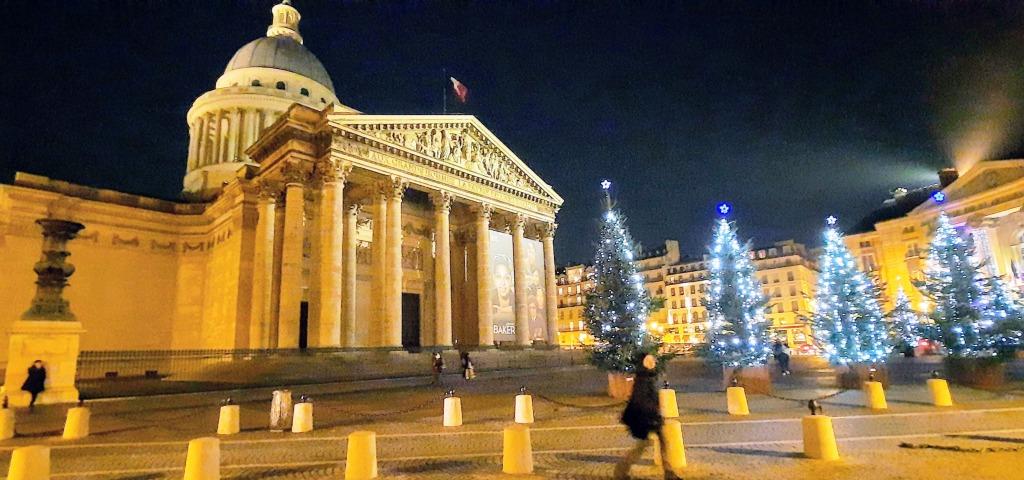


What to See in Paris
There’s no shortage of things to see, but it helps to combine well-known sites with smaller discoveries.
Some experiences are about the city’s scale and history. Others are about the details you come across along the way.
👉Discover the Romantic Paris of Your Dreams
Food in Paris
Food is part of everyday life in Paris, not just something you plan around.
From bakeries and markets to cafés and restaurants, it’s built into how the city works. You don’t need to overthink it. Often the best meals come from simple places chosen in the moment.
👉Best Food in Paris: Top Eats & Hidden Gems
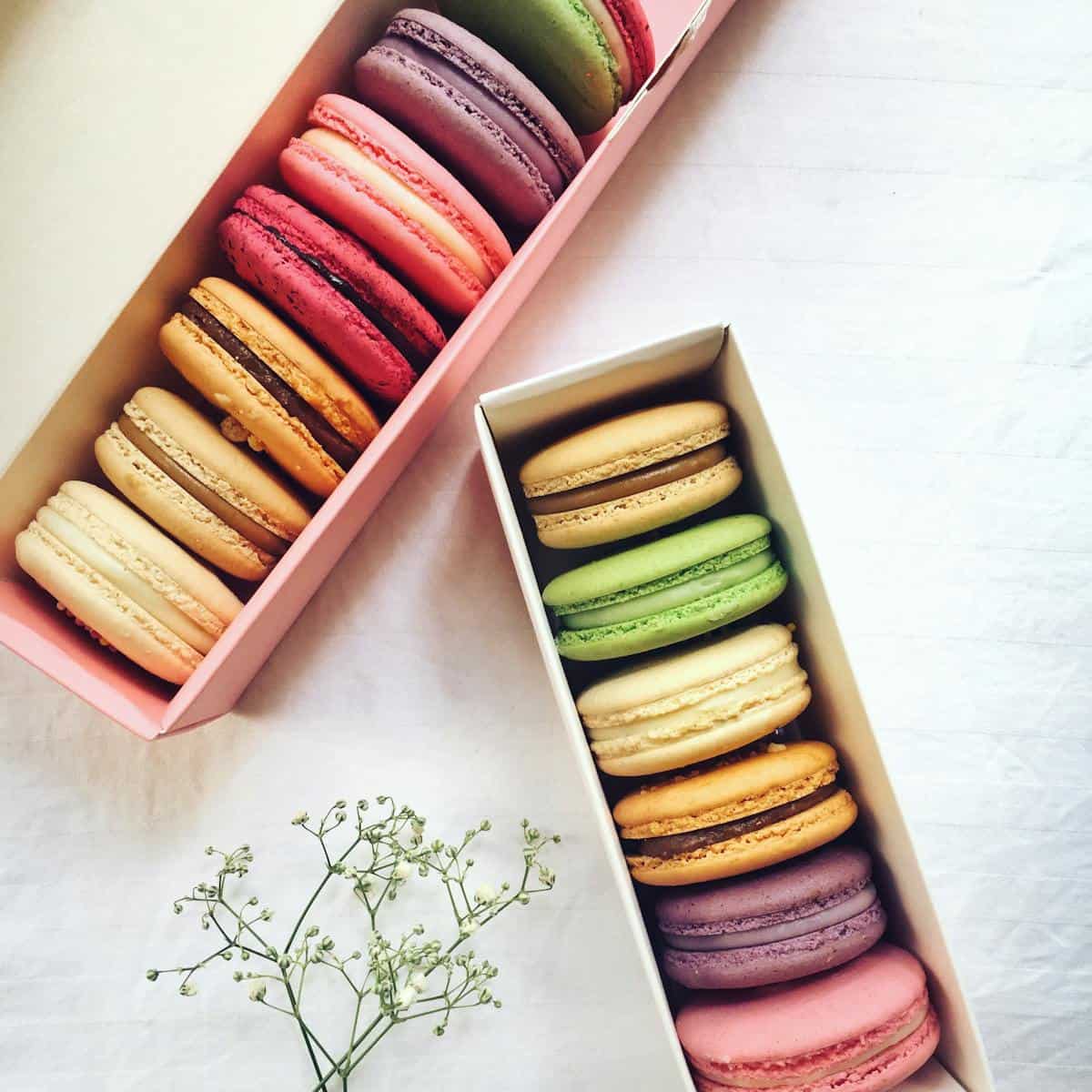
👉The history of Macarons and where to buy them in Paris


Day Trips from Paris
One of the advantages of staying in Paris is how easy it is to step outside the city.
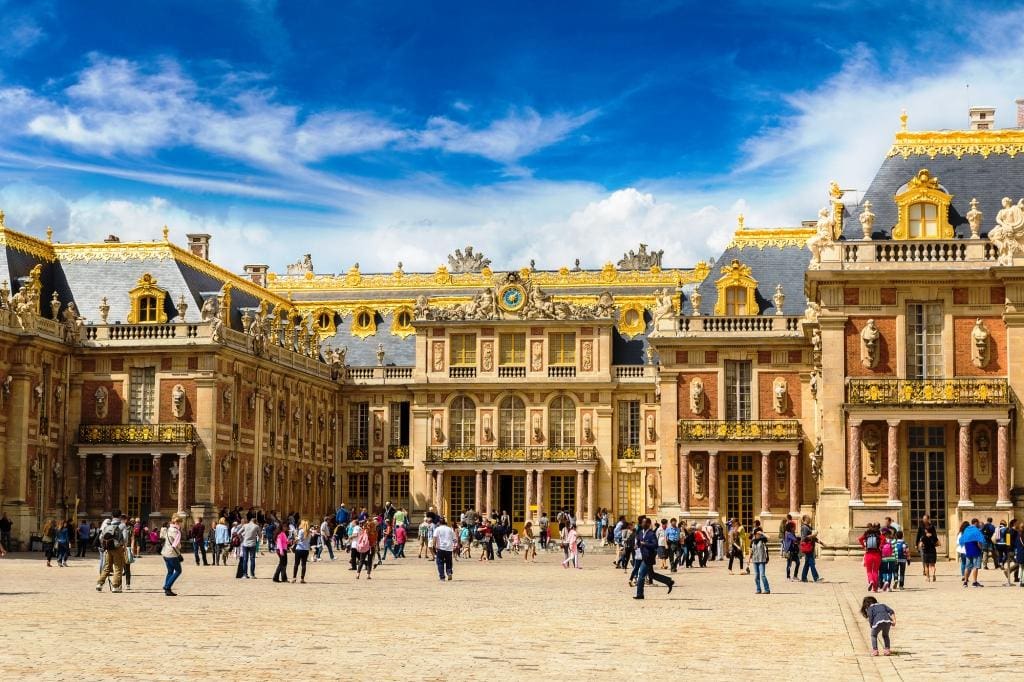
Versailles is the most well-known option, but it’s worth planning your visit so you’re not just following the crowds.
👉The Palace of Versailles day trip from Paris
Travel Style in Paris
Paris doesn’t reward rushing.
You can plan your itinerary, but leaving space in your day makes a difference. Sitting in a café, walking along the Seine, or spending longer in one neighbourhood often ends up being more memorable than trying to fit in one more attraction.
Planning Your Trip to Paris
Start by deciding how you want to experience the city.
If it’s your first visit, balance landmarks with time to explore. If you’ve been before, focus more on neighbourhoods, food, and slower travel.
Paris also works well as the starting point for a wider trip through France.
Paris isn’t just about what you see.
It’s about how you experience it. The pace, the atmosphere, and the moments in between the main sights.
The more time you give it, the more it starts to feel like somewhere you understand, not just somewhere you visited.
If you’re exploring more of Europe, or thinking about living here longer term, I’ve put together a few guides that might help:
Europe Travel Guide and the Ultimate Europe Travel Resource Guide
How to Avoid Travel Scams in Europe
Schengen Rules Explained when travelling to Europe
Accessible Travel Guides Ireland UK Europe
Carryon Luggage Rules Across Europe