
Where to stay in Ireland: From Castle Dreams to Cozy B&Bs
Ireland is a tapestry of 26 counties in the Republic, each with its own distinct personality, landscape, and charm. From the rugged Atlantic cliffs to the serene lakelands, from vibrant medieval cities to sleepy thatched-cottage villages.
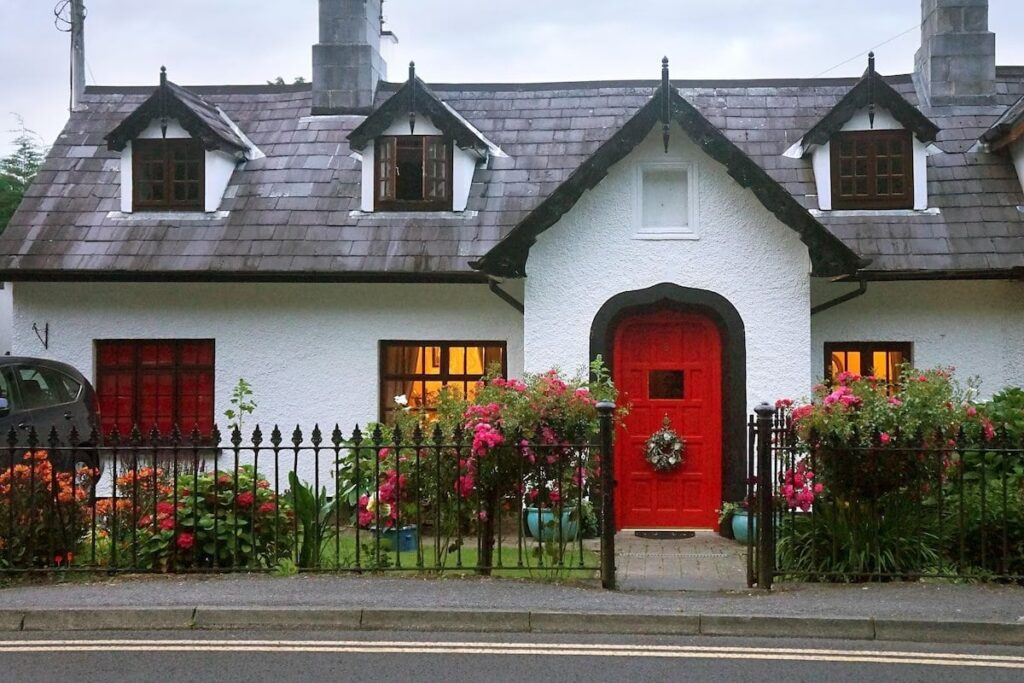
Choosing where to stay is more than just booking a bed for the night in Ireland—it’s about choosing the heart of your experience. The country’s accommodation is as diverse and character‑filled as its landscapes, offering everything from royal splendour to home‑away‑from‑home comfort. Whether you seek luxury, local charm, or total independence, here’s your guide to the best places to lay your head in the Republic of Ireland.
If you’re working out what your trip will actually cost, read my How Much Does a Trip to Ireland Cost? 2026/27 Budget Breakdown for a full pricing breakdown by category.
- Where to stay in Ireland: From Castle Dreams to Cozy B&Bs
First‑hand Notes (Republic of Ireland only)
Dublin — The Gate Hotel (stayed October 2024): Budget‑friendly and central. Rooms were clean and beds comfortable. Note there’s no lift, so expect stairs. As it sits above a nightclub, street‑facing rooms pick up late‑night noise during the academic year; an interior or higher‑floor room reduced it noticeably.
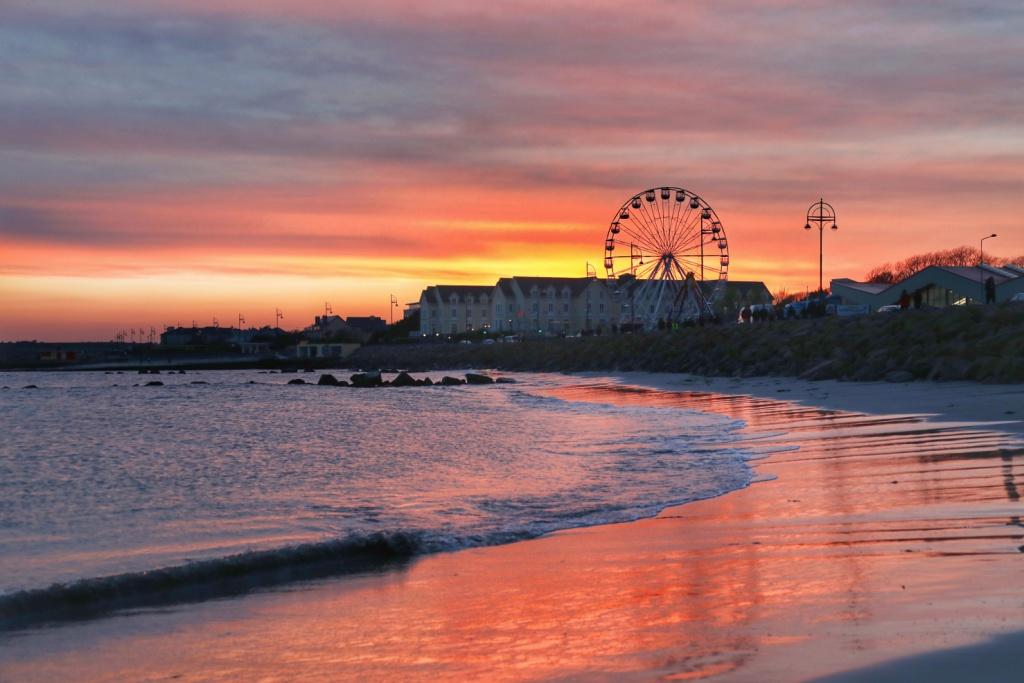
Salthill, Galway — The Black Cat (stayed May 2024): Adults‑only rooms, very clean, with comfortable beds. My room was near the kitchen venting; it shut down around 23:00. Superb location for the promenade and frequent buses into Galway city centre. A convenient, hassle‑free base.
Donegal — Lough Eske Castle (stayed March 2023): A dream for a splurge. Set on extensive grounds with walking paths; facilities include pool, sauna, and a casual bar. Staff were local and generous with tips for exploring Donegal.
Tralee, Kerry — Benners Hotel (stayed July 2023): Handy on‑site pub and decent food; parking available next door in the church lot until 23:00. Excellent jumping‑off point for the Ring of Kerry and Dingle. For fish and chips, Quinlan’s nearby was a local favourite.
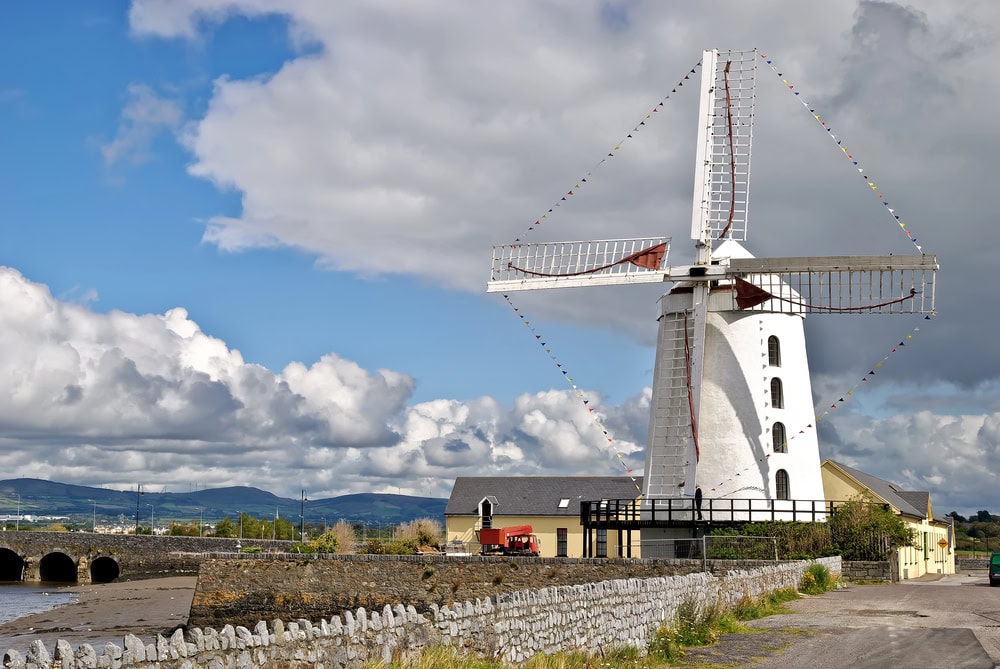
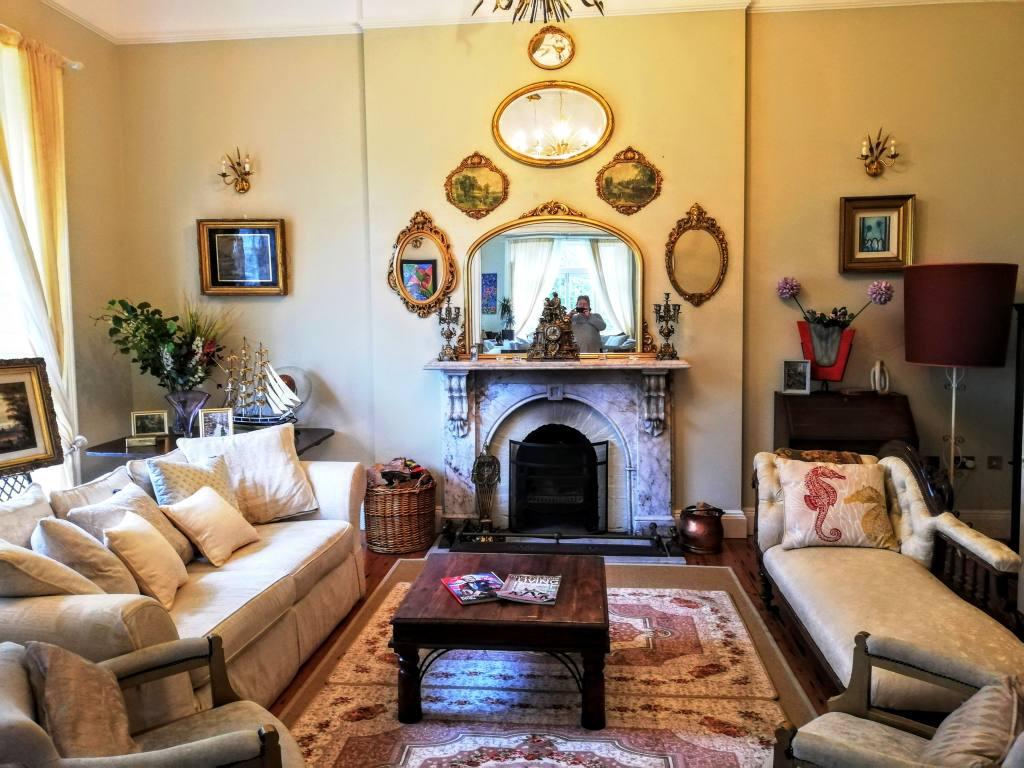
Westport, Mayo — Ardmore Country House (stayed September 2023): Small, family‑run, and peaceful—a five‑minute walk from the harbour. Large rooms and standout breakfasts; fresh flowers and fires in original fireplaces set an understated, elegant tone.
Kilkenny — Annamult Country House Estate (stayed June 2022): Expansive grounds, gardens, and an outdoor fireplace. Seven bedrooms and six bathrooms make it ideal for groups (sleeps large parties). Approximately 10 km from Mount Juliet Golf Club and Kilkenny Castle.
A budget cautionary tale (Tuam, stayed 2019): A one‑star stop was clean with kind staff but had a scruffy immediate area and limited dining nearby. Read reviews closely and check street‑view photos before booking lower‑rated options.
How we evaluate
Scope: This guide synthesises current Fáilte Ireland classification standards, property policies published on official websites, and recent traveller feedback.
Independence: Recommendations are editorial; no property can pay for inclusion. If you book through links, we may earn a commission at no extra cost to you.
Coverage: Republic of Ireland. Northern Ireland properties will be covered in a separate guide under Tourism NI’s system.

Understanding Irish Accommodation Ratings
In Ireland, the official classification and quality assurance schemes are administered by Fáilte Ireland across accommodation types. Ratings emphasise facilities and service standards—not “vibe.” A historic three‑star can deliver more atmosphere than a sleek higher‑star chain while meeting a different facilities threshold. Match the place to your goals: a city‑centre base for car‑free sightseeing, a spa escape, or a grand country house where the estate is the attraction.
Do your homework. The property’s website is the best source for what’s included—breakfast, parking, Wi‑Fi, cancellation terms—and any house rules. If something’s unclear, email or call; Irish hospitality often starts with the first reply.
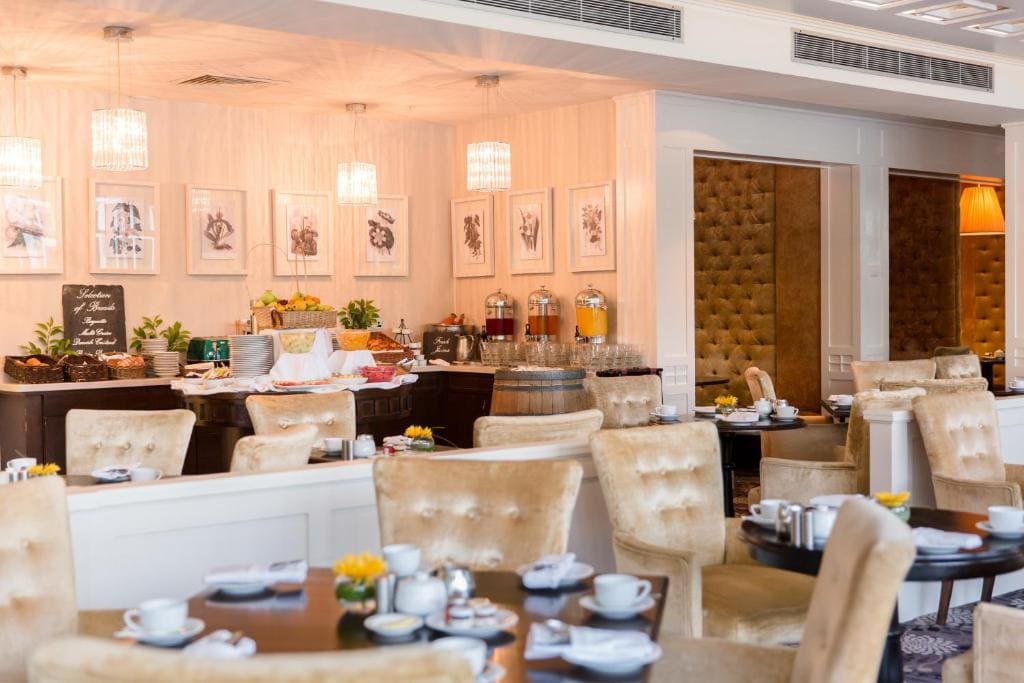
Essential Ireland Hotel Tips
Look beyond the stars
Stars reflect facilities, not personality. Cross‑check recent reviews and photos to learn whether “traditional” means “full of character” or “a little tired.”
Confirm the practicals
Timing: Verify check‑in/out—after an overnight flight you may need to store bags until rooms are ready.
Inclusions: Check if your rate includes breakfast, parking, and Wi‑Fi. Ask about late check‑out before you book.
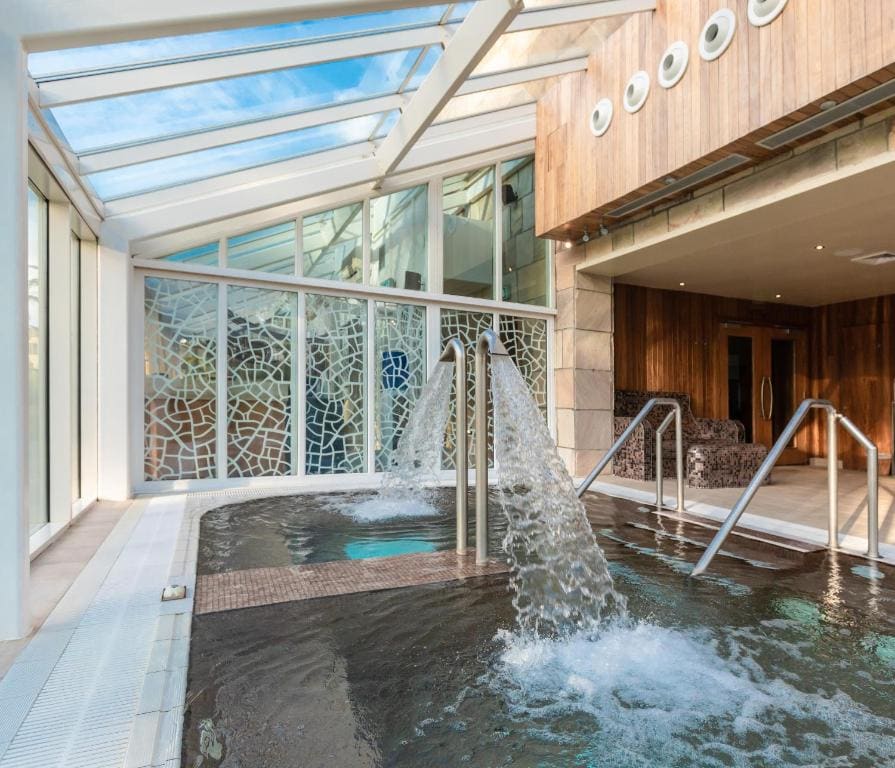
Pools: Many properties require swimming caps and restrict children’s swim hours; policies vary by hotel.
Consider access and location
Elevators: Period and boutique buildings may not have lifts. If stairs are a concern, request a lower‑floor or ground‑floor room.
Floor naming: The Irish “first floor” is one level above the ground floor.
Cities: Check proximity to public transport and parking costs. It’s often smarter to collect a rental car after your city stay.
Families: Kids’ clubs and crèches can be seasonal or weekend‑only—confirm schedules in advance.
Accessibility snapshot
Ask for an accessibility statement and confirm step‑free access, lift dimensions, and in‑room features (roll‑in shower, grab bars, bed height).
Reserve accessible rooms directly with the property to ensure allocation, and note any required lead time.
What Fáilte Ireland Ratings Cover (at a glance)
Hotels and guesthouses: Star classifications assess facilities and service standards appropriate to their category.
B&Bs and farmhouses: Quality‑assured schemes focus on cleanliness, comfort, hospitality, and breakfast standards.
Self‑catering (cottages, apartments, holiday homes): Quality marks assess quality/condition and range of equipment.
Hostels and unique stays: Quality assurance focuses on safety, cleanliness, and core facilities; individual amenities vary by property.
Tip: Always review the listing page for the specific standards met by your chosen property.
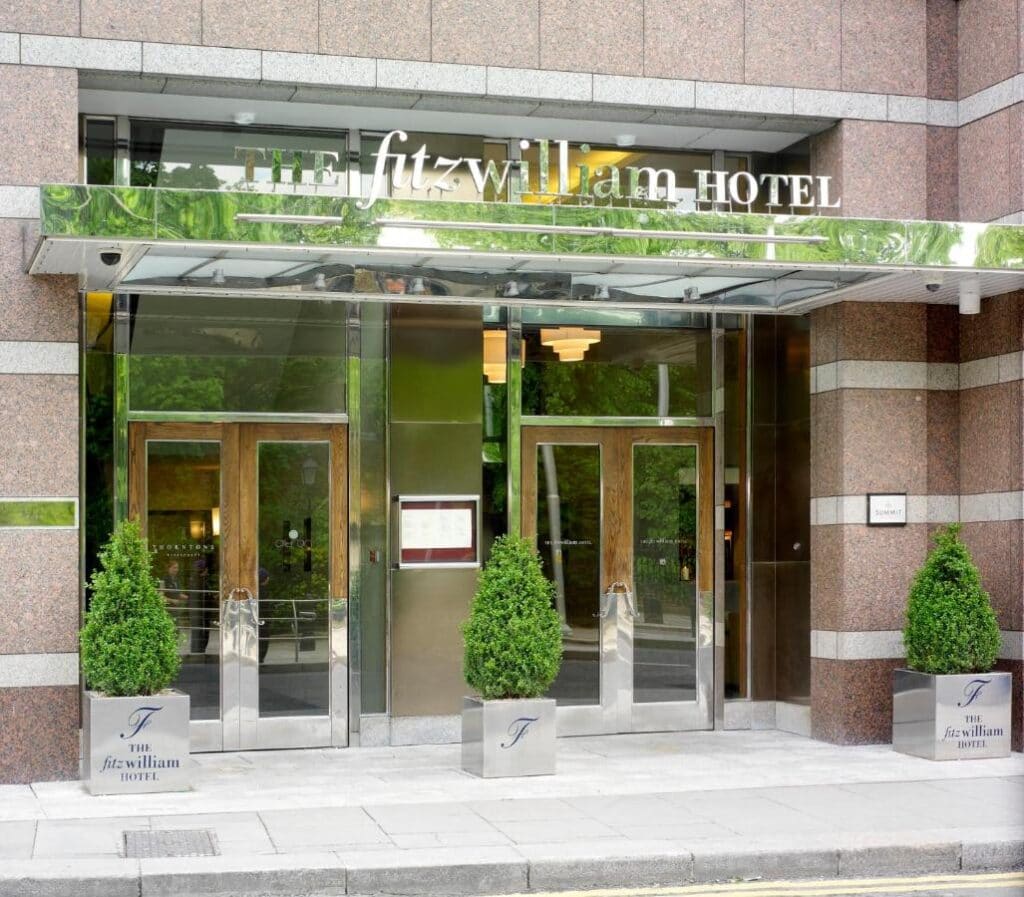
Hotels in Ireland: Refined Comfort and Convenience
From sleek city‑centre boutiques in Dublin and Cork to grand historic country houses on sweeping estates, hotels offer consistent standards and on‑site amenities (spas, restaurants, concierge). They suit travellers who want full‑service stays and straightforward logistics.

- Where to stay in Ireland: From Castle Dreams to Cozy B&Bs
Hotel pointers
Location first: For city breaks, prioritise walkability and transit. For retreats, look at Kerry, Connemara, Donegal, or County Clare for scenery‑rich country houses.

Book direct: Hotel websites often offer better rates or perks (breakfast, flexible cancellation, upgrades).
Embrace history: Flagship properties like Ashford Castle (Co. Mayo; typically from about €835 per night), the Lodge at Ashford (from about €290 per night), Dromoland Castle (around €900 per night), and Lough Rynn (around €260 per night) deliver five‑star service in authentic historic settings. Prices checked December 2025; seasonal variations apply.

Castle stays: a night in a fairytale
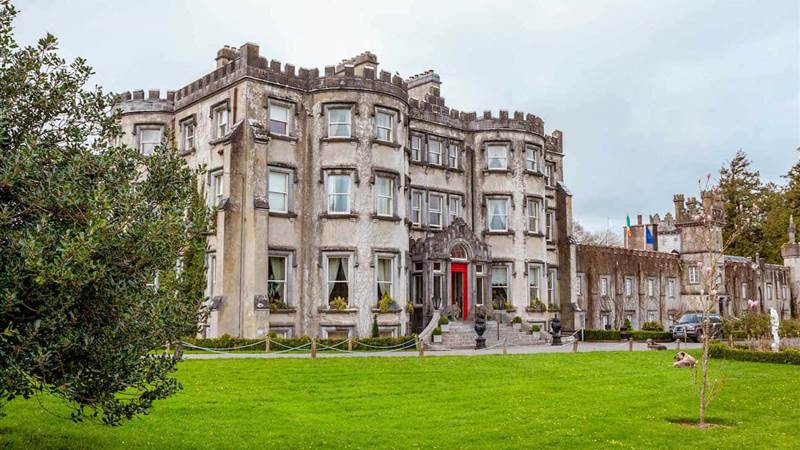
As a splurge, castle hotels are hard to beat. Expect restored Norman towers, baronial mansions, and medieval fortresses—often on large estates with falconry, fishing, and afternoon tea.
For more attainable rates, consider Ballyseede Castle (Co. Kerry; around €300 per night) or Cabra Castle (Co. Cavan; around €230 per night). Prices checked December 2025; seasonal variations apply.
B&Bs: the heart of Irish hospitality
B&Bs range from townhouses to working farms, with warm, personal hosting, hearty Irish breakfasts, and local insight you won’t get from a brochure.
B&B pointers
Pick your vibe: Town and city B&Bs suit short urban stops; countryside and farmhouse B&Bs deliver quiet and views.
Communicate early: Confirm check‑in windows, breakfast times, and dietary needs.
Payment: Some small B&Bs prefer cash; ask ahead.
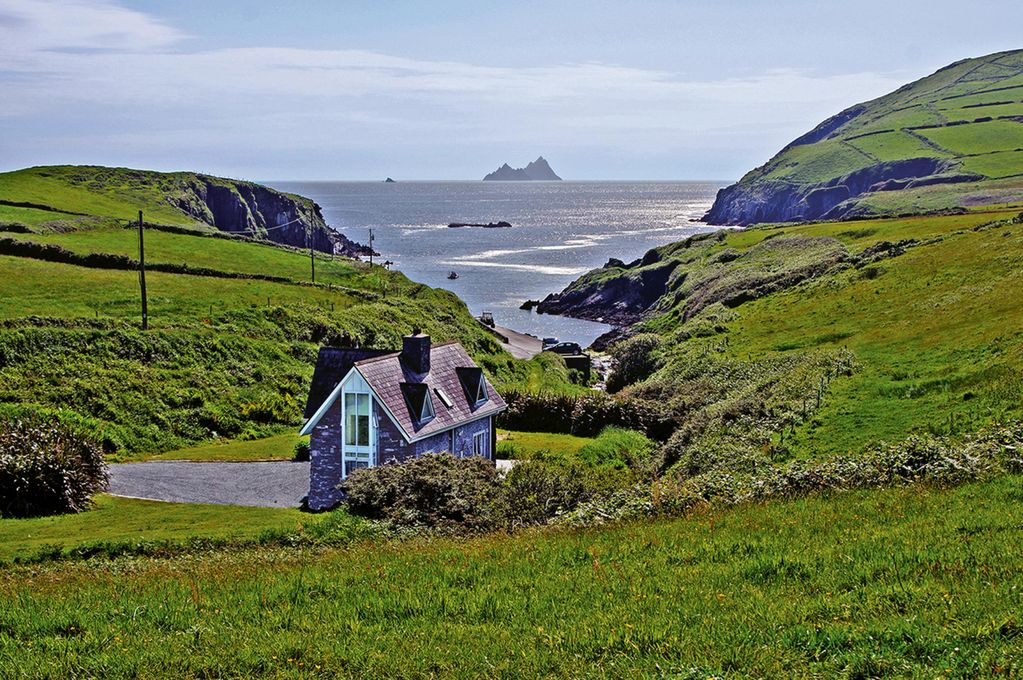
Self‑catering, guesthouses, and Irish cottage holiday homes
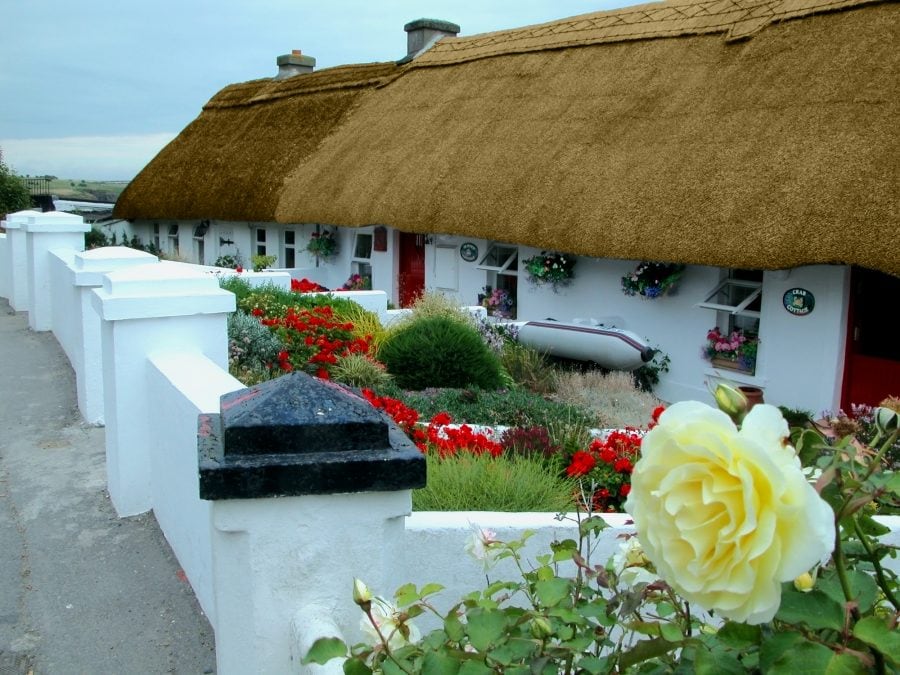
Great for families and groups, self‑catering spans modern Galway apartments to whitewashed cottages on the Wild Atlantic Way and lodges in forest parks. A kitchen lets you shop markets and set your own rhythm.
Self‑catering pointers
Fine print: Confirm inclusions (linens, towels, starter fuel) and responsibilities (waste disposal, cleaning).
Location realities: That remote thatched cottage is dreamy—but consider driving time for shops and dining.
Book early: Peak summer and bank‑holiday weeks book out months in advance.
Ireland’s Blue Book: A curated collection of elegant manors, historic castles, and boutique hotels across the Republic of Ireland—useful for inspiration if you value charm and character.
Hidden Ireland: Friendly hosts offer picturesque self‑catering cottages and gate lodges set in beautiful locations across the country.
Hostels: budget‑friendly and social
Hostels aren’t just for youngsters—they suit solo travellers and budgets of all ages. Many offer private rooms, en‑suites, lively common areas, and organised tours. You’ll find strong options in Dublin, Killarney, Galway, and other hubs.
Hostel pointers
Atmosphere: “Independent” and “family‑run” often signal community‑minded, quieter stays; check recent reviews for cleanliness and security.
Amenities: Prioritise lockers, 24‑hour reception, guest kitchens, and laundry if you’re on a long trip.
Platforms: Hostelworld and other booking platforms list a wide range of options nationwide.
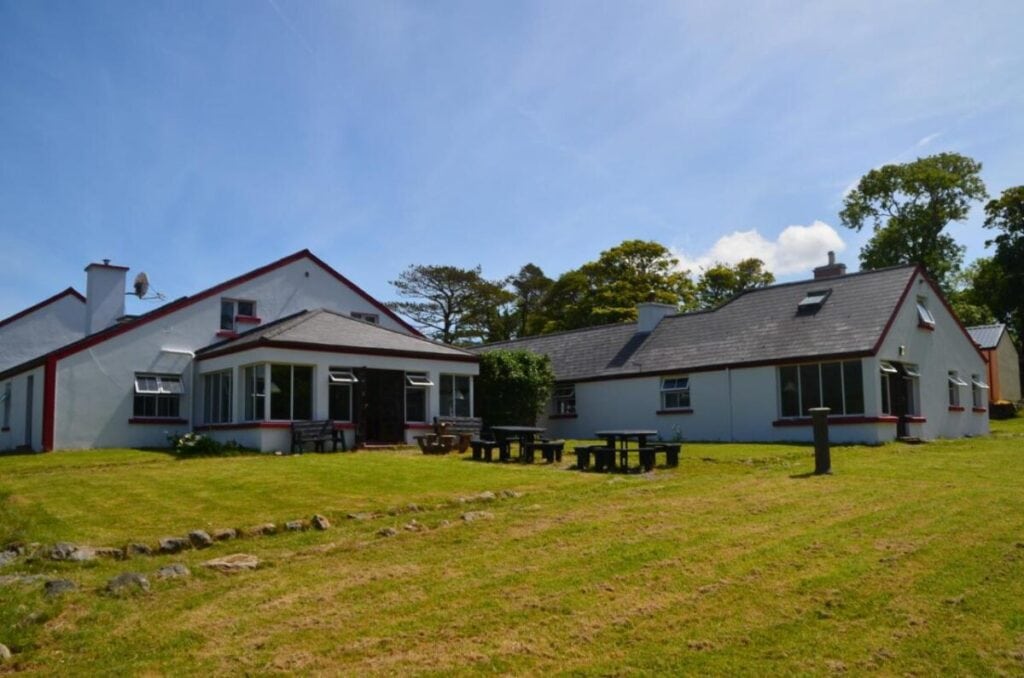
Agritourism in Ireland: authentic rural experiences
Agritourism connects visitors to Ireland’s pastoral heritage, from hands‑on farm stays to scenic rural retreats.
Key providers & destinations:
Tour operators: Companies such as Farm Tours Ireland and Agri Tours Ireland organise structured, multi‑farm itineraries.
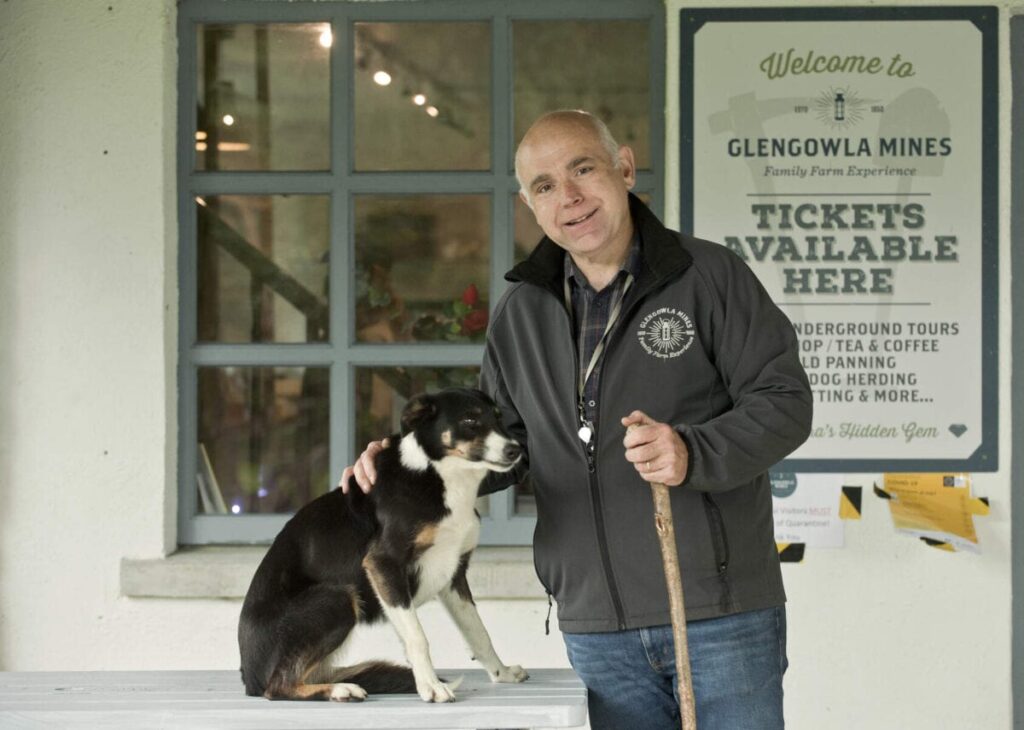
Notable experiences: Ballymaloe House & Cookery School (Co. Cork) for farm‑to‑table dining and courses; Rock Farm (Co. Meath) for eco‑tourism, luxury glamping, and organic farming.
Farm B&Bs and self‑catering cottages are widely available on dedicated agritourism platforms.
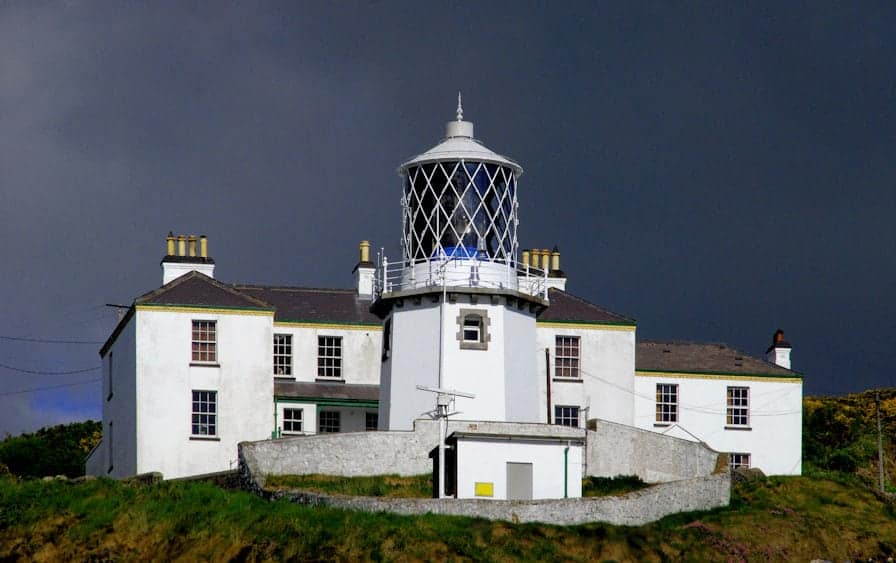
Unique and quirky: Consider lighthouse stays (e.g., Fanad Head in Donegal), converted monasteries, or eco‑lodges.
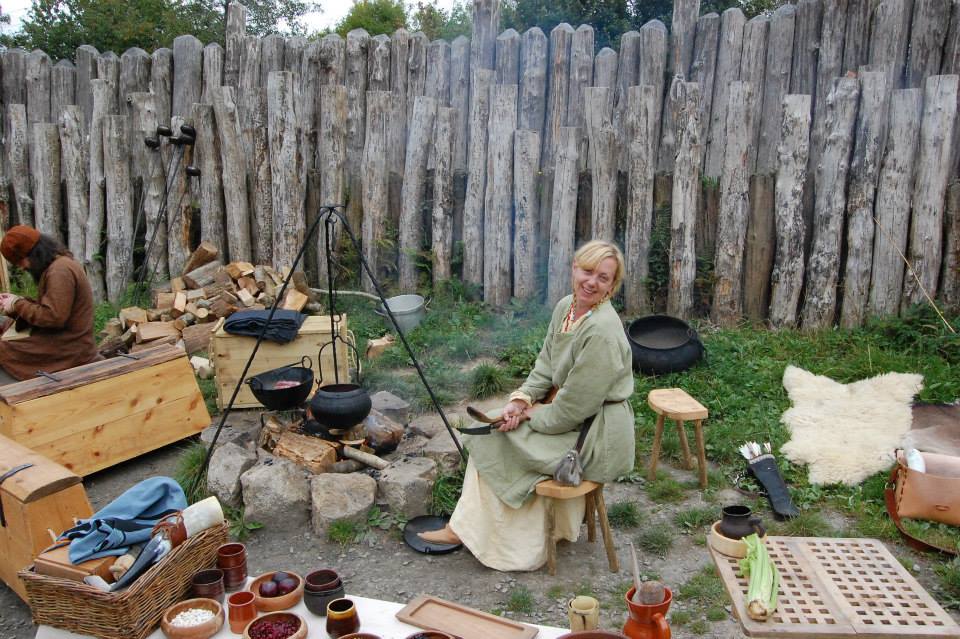
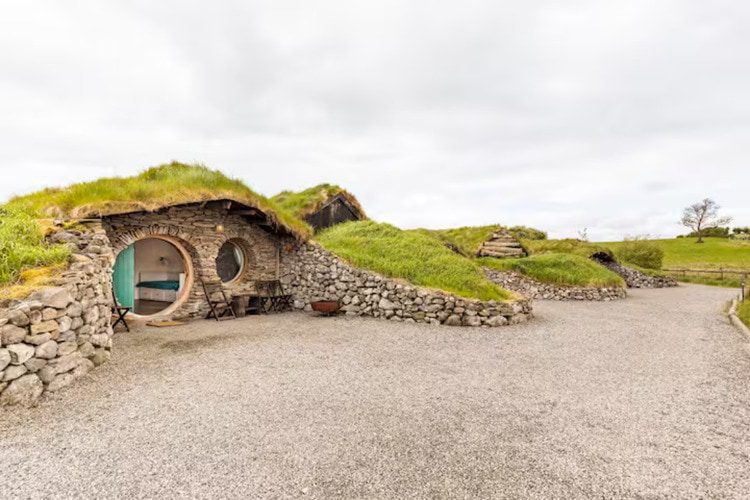
The Irish National Heritage Park offers overnight stays in early Medieval Ireland living in a Ringfort in Wexford. You and the family get to stay in a replica Big House which is a simple building with stone walls and a thatched roof. The house will sleep up to 8 but there is only one room. Facilities are provided and located out of view.
Costs, seasons, and booking windows
Peak season (roughly June–August) commands higher rates and stricter minimum stays, especially in scenic regions and festival weeks.
Shoulder seasons (spring and autumn) offer value and easier availability.
Indicative nightly ranges (vary by location/date): B&Bs €90–€180; mid‑range hotels €140–€260; five‑star/castles €350+; self‑catering varies by size and week‑long lets.
Book castles, iconic country houses, and standout coastal cottages as early as possible.
Trust and transparency
Ratings: Administered by Fáilte Ireland across accommodation categories; verify the latest classification on the property or Fáilte Ireland listing page.
Policies change: Parking, pool rules, and family hours can change—confirm directly with your chosen property before booking.
Final verdict on where to stay in Ireland
Your perfect Irish stay depends on your trip’s rhythm. Mix and match: splurge on a castle hotel for a night or two of magic, soak up local culture at B&Bs, and anchor a region with a self‑catering base. Whatever you choose, Ireland’s greatest asset—its people—shines through in its stays as brightly as the scenery outside your window.
This guide is part of a wider Accessible Ireland travel series, offering realistic, first-hand advice for limited-mobility travel across Ireland.
➡️Accessible Causeway Coast Route
➡️Accessible Wild Atlantic Way
If you encounter changes (e.g., temporary lift closures or construction), please let me know so I can update this page promptly.
Start Planning Your Trip
👉 Public Transportation in Ireland
👉 Hidden Gems in Ireland – 32 Secret places to visit
👉 Answering all your travel questions about Ireland
👉What to pack for your Ireland trip
👉 Northern Ireland Public Transportation