
Spain Travel Guide: Regions, Culture and Travel Styles
Spain is a country of strong regional identity, shaped by geography, history, and deeply rooted traditions. From Moorish palaces and medieval towns to sunlit coastlines and modern cities, travel here is defined as much by cultural contrast as by distance.

I spent two years living in Spain, exploring much of southern Andalucía, the Costa del Sol, and parts of Murcia. What stood out most wasn’t just the landmarks but how different each place felt. Life moves at a different rhythm depending on where you are, shaped by climate, food, and local customs.
This guide is designed to help you understand where to go in Spain and how to travel here, before diving into more detailed destination guides and itineraries.
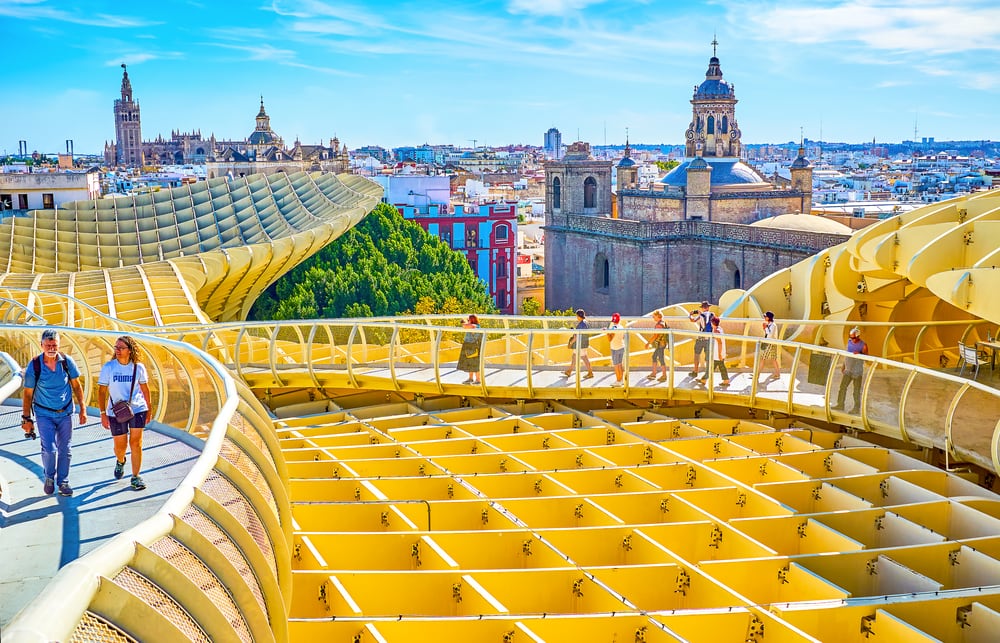
Is Spain Worth Visiting?
Spain is one of those countries that’s easy to underestimate until you’ve spent time there. It’s not just about ticking off cities and it’s about how varied the experience is from one region to another.
In the south, days stretch long into warm evenings, meals are late, and life spills into the streets. In smaller towns, routines still follow traditions that haven’t changed much in generations.
If you’re looking for a mix of history, culture, food, and a slower pace of life, Spain delivers in a way few countries do.
Best Time to Visit Spain
When you visit Spain makes a big difference to your experience.
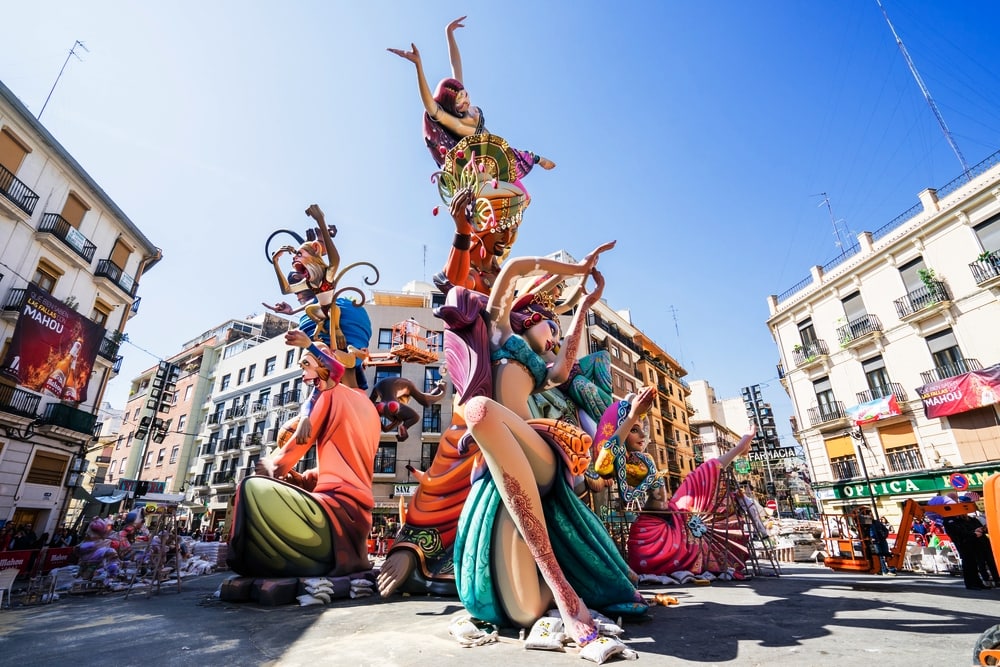
Spring is, in my experience, the best time to travel but especially in Andalucía especially when temperatures are comfortable and everything feels alive with festivals and local activity.
Summers in the south can be intense. Places like Seville and inland Andalucía regularly climb above 40°C, which changes how you explore (early mornings and late evenings become essential).
Autumn is a great alternative, while winter. Particularly in southern Spain can be surprisingly mild and much quieter.
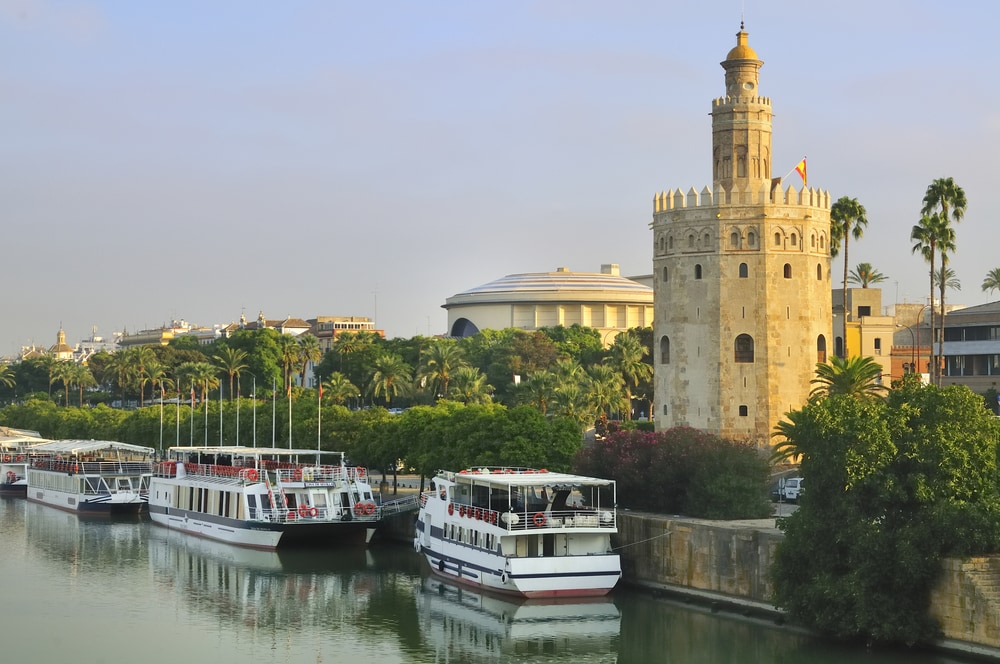
How Many Days Do You Need in Spain?
Spain isn’t a country you rush. If you only have a week, it’s best to focus on one region. Trying to cover too much means you’ll spend more time moving than experiencing.
With 10 to 14 days, you can begin to combine regions and perhaps Andalucía with Barcelona, or Valencia with the south. If you have longer, slowing down is where Spain really starts to make sense.
Spain by Region
One of the biggest mistakes people make when planning a trip to Spain is treating it as a single destination. It isn’t. Each region feels like its own country in terms of culture, food, and pace of life.
Northern Spain & Pilgrimage Routes
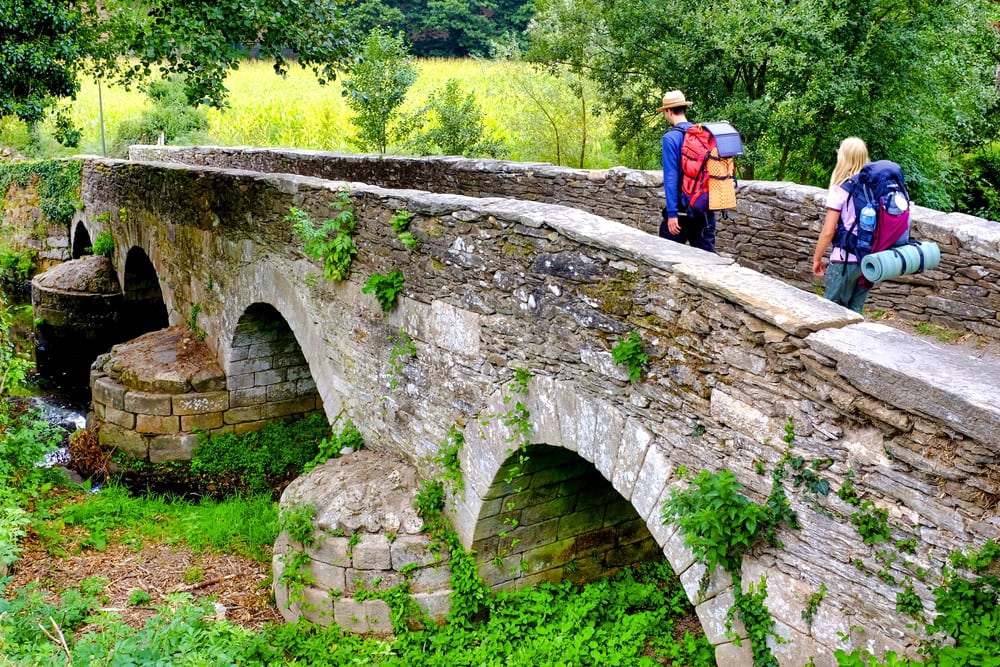
Northern Spain is greener, cooler, and less visited than the south. It has a completely different atmosphere, shaped by the Atlantic coast and traditions like the Camino de Santiago.
If you’re interested in walking routes or a quieter side of Spain:
➡️ Walking the Camino de Santiago in Your 50s
Andalucía
Andalucía is where I spent most of my time, and it’s often what people picture when they think of Spain the white villages, Moorish architecture, flamenco, and long, warm evenings.
But it’s also more complex than that. Cities like Seville, Granada, and Málaga each have their own character, and the smaller towns, like those scattered across the Alpujarras or along the coast will often leave the strongest impression.
If it’s your first visit to Spain, this is usually the place to start.
Retire in Andalucía
➡️ Ultimate Southern Spain Road Trip
➡️ Tips for Visiting the Alhambra Palace
➡️ Magical Things to Do in Seville
➡️ Best Things to Do in Malaga
Catalonia
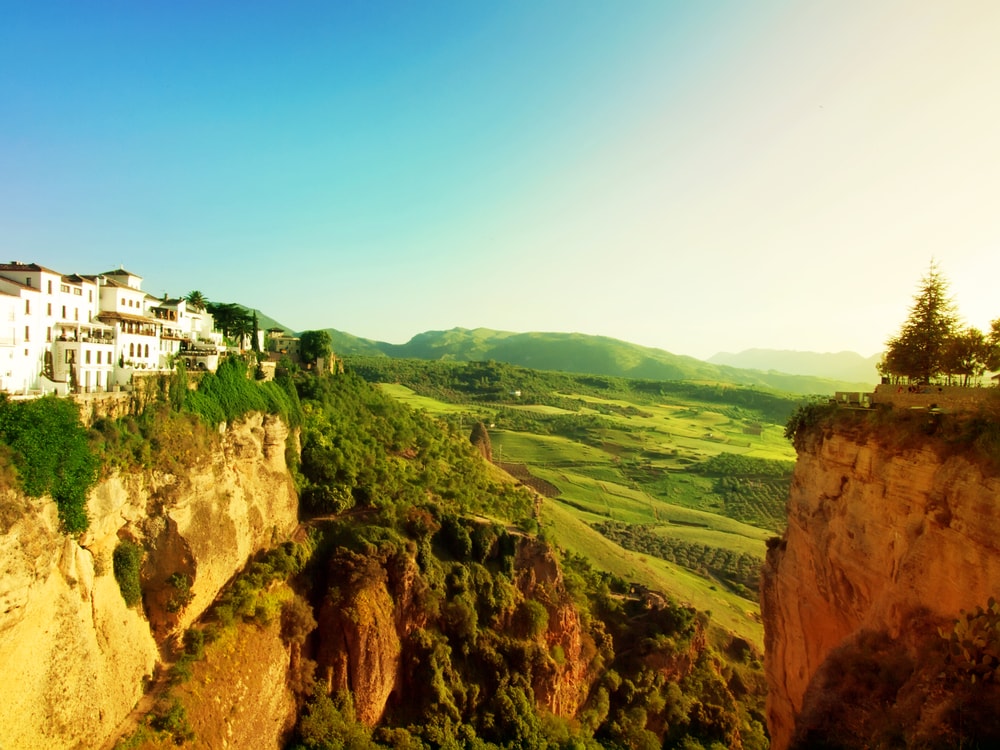
Catalonia offers a different perspective on Spain, with a strong regional identity and a mix of city life and coastal scenery.
Barcelona is the obvious starting point, but there’s more to explore beyond it. The architecture, food culture, and pace of life here feel distinct from the south.
➡️ Antoni Gaudí Sites in Barcelona
➡️ One Day in Barcelona
➡️ Hidden Gems in Valencia
➡️ Best Things to Do in Valencia

Valencian Community & Murcia
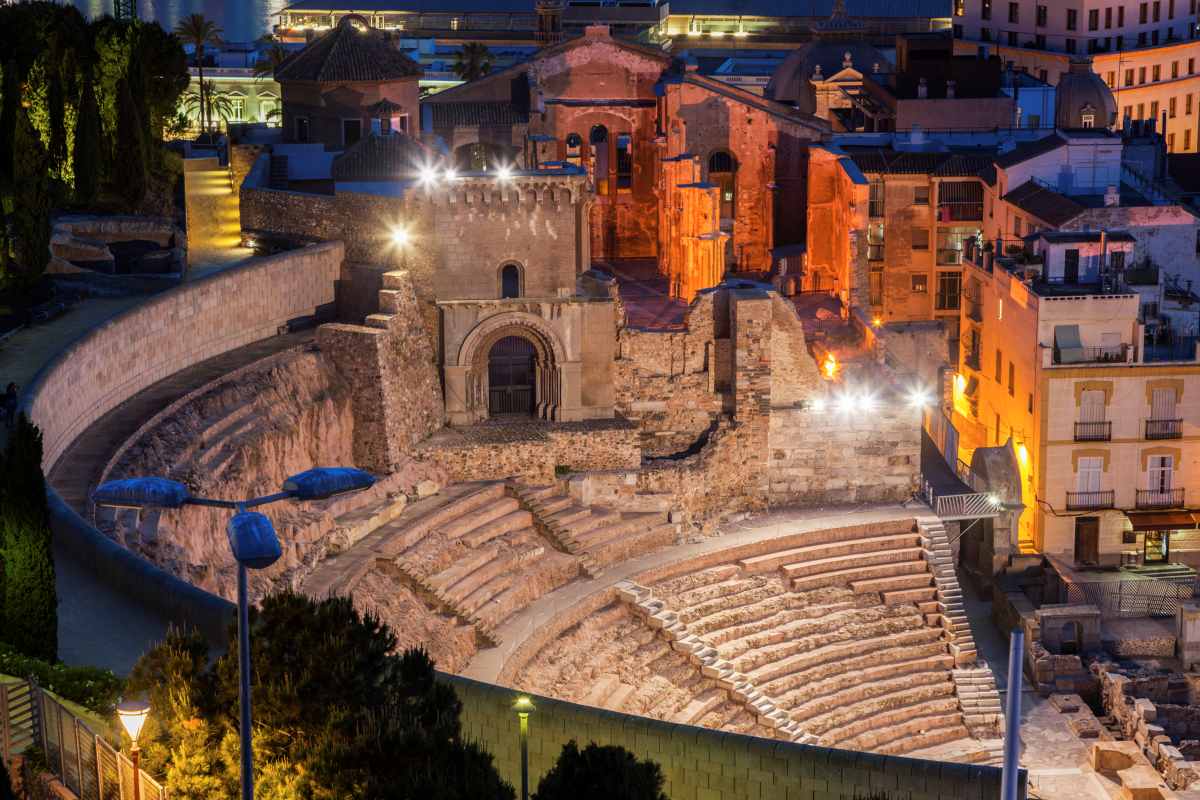
This part of Spain often gets overlooked, but it shouldn’t. The pace is slower, the coast less crowded, and the experience feels more local. Murcia in particular has a very different feel from Andalucía it is drier, quieter, and less shaped by tourism.
This is the kind of place where you settle into daily life rather than rush through a checklist.
➡️ Cartagena, Roman History and more
➡️ Best Things to Do on the Costa Almería
Cities, Towns & Distinctive Places
Spain rewards you when you move beyond the obvious.
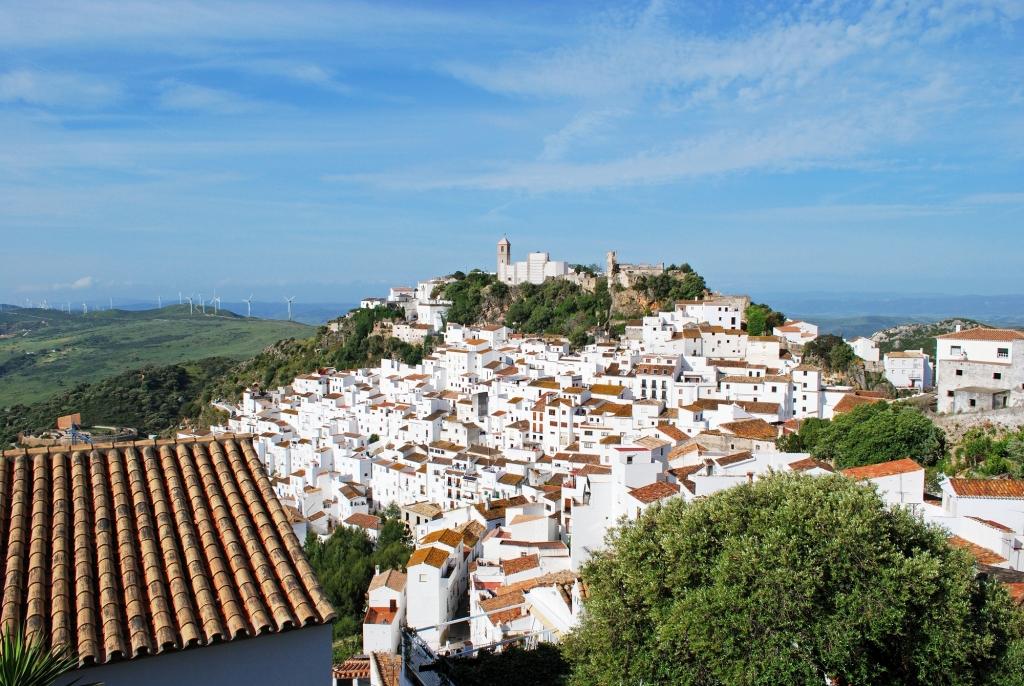
Some of the most memorable places aren’t the biggest cities, but smaller towns where history and landscape come together in a way that feels more personal.
➡️ Mojácar
➡️ Salobreña
➡️ Tabernas Desert: Europe’s Only True Desert

Culture, Festivals & Traditions
One of the things that struck me most while living in Spain is how present tradition still is in everyday life. Festivals aren’t just for tourists,they’re part of the social fabric, often tied to religion, seasons, or local identity.
➡️ Christmas in Spain: Traditions & Celebrations
➡️ Los Caballos Festival of Horses and Wine

Food & Everyday Life
Food in Spain isn’t just something you eat – it’s part of how people connect. Meals are slower, more social, and often shaped by what’s local and in season. From olive oil in Andalucía to seafood along the coast, each region reflects its environment.
➡️ Spanish Food Guide: Regional Dishes Across Spain
➡️ The Ultimate Guide to Spanish Olive Oil

Travel Styles in Spain
There’s no single way to travel in Spain, and that’s part of its appeal. You can move quickly between major cities, or slow down and stay in one place. Personally, I found that slowing down, especially in southern Spain gives a much deeper experience.
➡️ Unique Places in Spain: Hidden Gems
➡️ Best Coastal Villages in Spain
➡️ Ultimate Southern Spain Road Trip
Planning Your Trip
Start with a region, not a checklist.
Spain makes more sense when you explore it in depth rather than trying to see everything at once. Choose a base, understand the rhythm of the place, and build your trip around that.
The pace, the culture, the small daily moments—those are often what people remember most. Whether it’s your first trip or you’re returning to explore more, the key is to experience it one region at a time.
If you’re exploring more of Europe, or thinking about living here longer term, I’ve put together a few guides that might help:
Europe Travel Guide and the Ultimate Europe Travel Resource Guide
How to Avoid Travel Scams in Europe
Schengen Rules Explained when travelling to Europe
Accessible Travel Guides Ireland UK Europe
Carryon Luggage Rules Across Europe