
Unique Places in Spain: 17 Hidden Gems Off the Beaten Path
When you think of Spain, what comes to mind? Sun-drenched Costa del Sol beaches, passionate flamenco dancing, vibrant fiestas, and mouthwatering Spanish food? While these famous attractions draw millions of visitors each year, Spain harbors extraordinary hidden treasures just waiting to be discovered.
Venture inland from the tourist-packed coastline, and you’ll find some of Europe’s most remarkable secret destinations. The Spanish have habits that we just love from tapa to siestas the Spanish now how to live life and enjoy every aspect of the day. There are so many unique places to visit in Spain and enjoy the Spanish lifestyle how can you resist? Ready to explore the real Spain? Let’s begin.
Spain’s treasures extend far beyond its famous coastlines and bustling cities. While millions flock to the sun-drenched beaches of Costa del Sol or the architectural wonders of Barcelona, or the famous Alhambra a different Spain awaits those willing to venture inland. After three years of full-time RV travel throughout the country, we’ve discovered extraordinary places that rarely make it onto typical tourist itineraries.
We seek authentic culture, natural beauty and undiscovered places that can soothe our adventurous spirits. Over the last three years, we have accumulated some stunning spots which we have combined into our Top 17 hidden treasures and unique places in Spain. We hope that you will come with us as we share our favourites and show you a different side of Spain that gives you a taste of rich culture and rural authenticity that goes beyond the Costas’ holiday facade.
- Unique Places in Spain: 17 Hidden Gems Off the Beaten Path
- 17 Amazing Places to visit in Spain
- Monfragüe National Park – A Birdwatcher's Paradise
- Sierra de Cazorla Natural Park – Andalusia's Mountain Secret
- Besalú and Peralada – Catalonia's Medieval Treasures
- Canfranc Estación – The Abandoned Palace of the Pyrenees
- Castroviejo Rocks – Nature's Granite Playground
- Montanejos Thermal Springs – Valencia's Hidden Oasis
- The Alpujarras – Sierra Nevada's Hidden Villages
- El Rocío and Doñana National Park – Where Cowboys Meet Flamingos
- Salobreña – The White Pearl of Costa Tropical
- Cartagena – Ancient Port City of Hidden Depths
- Caravaca de la Cruz – Spain's Sacred City
- Cabo de Gata Biosphere
- Tabernas Desert – Europe's Hollywood in the Wild West
- Cuenca – City of Hanging Houses
- Ronda – The City Split in Two
- Las Médulas – Rome's Golden Mountains
- Santillana del Mar – The Town of Three Lies
- Planning Your Journey Through Hidden Spain
- Planning Your Spanish Adventure
- Four Perfect Week-Long Routes
- 17 Amazing Places to visit in Spain
17 Amazing Places to visit in Spain
Monfragüe National Park – A Birdwatcher’s Paradise
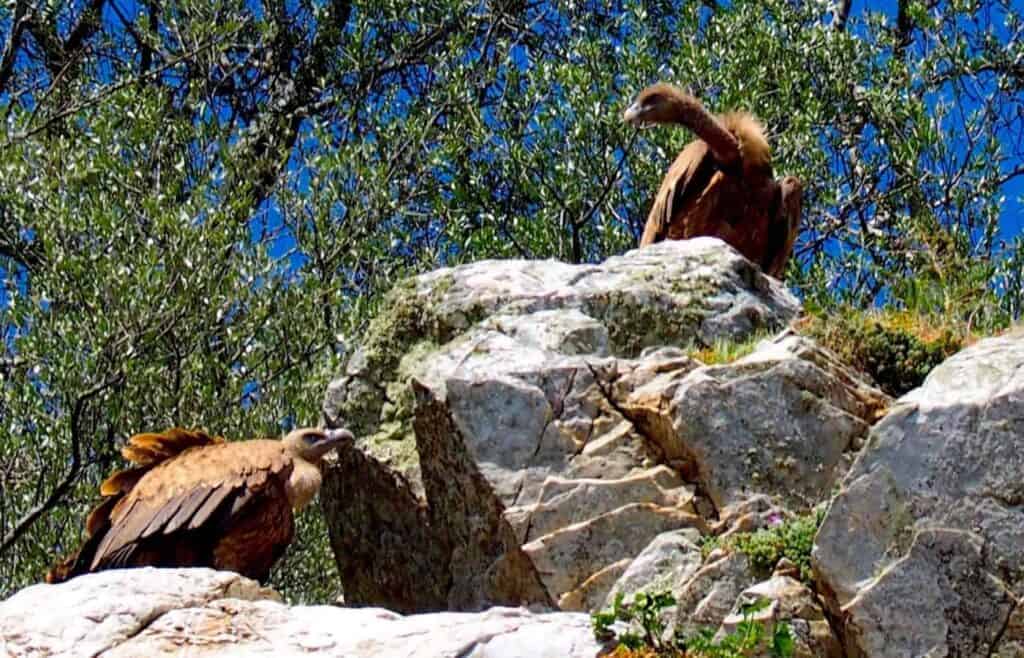
Nestled in the heart of Extremadura, Monfragüe National Park stands as Spain’s newest natural treasure. Here, nature orchestrates a daily symphony of rare birds soaring above dramatic landscapes of ancient rock formations and pristine reservoirs. The park hosts seven of Spain’s most endangered bird species, including the majestic Imperial Eagle and the elusive Black Stork.
Getting There:
Nearest airport: Madrid-Barajas (2.5 hours by car)
Regular buses from Cáceres and Plasencia
Best accessed by private vehicle via the EX-208 highway
Must-See Features:
Salto del Gitano viewpoint for vulture watching
Medieval Monfragüe Castle
Tagus River observation points
Traditional dehesa landscapes
As other tourists race north towards UNESCO’s Salamanca or south to the orange city of Seville, Monfragüe will set out before you reservoirs, curvaceous mountains and seven of the country’s most endangered species of bird. From Egyptian Vultures to Imperial Eagles and the rare Black Stork, all you need are keen eyes, cameras and an inch of patience.
Sierra de Cazorla Natural Park – Andalusia’s Mountain Secret
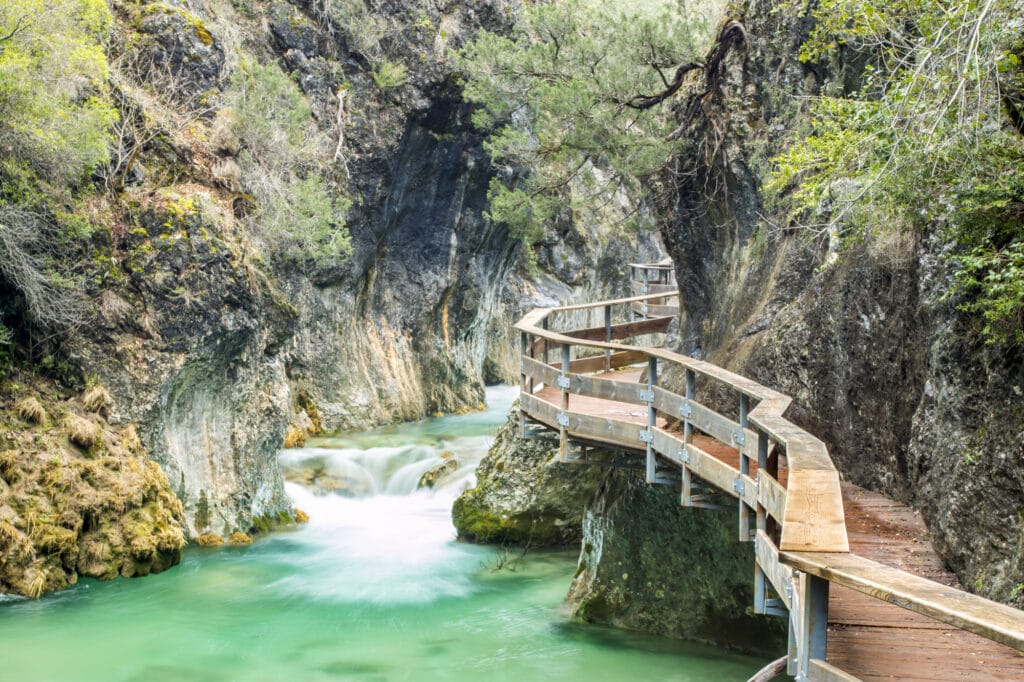
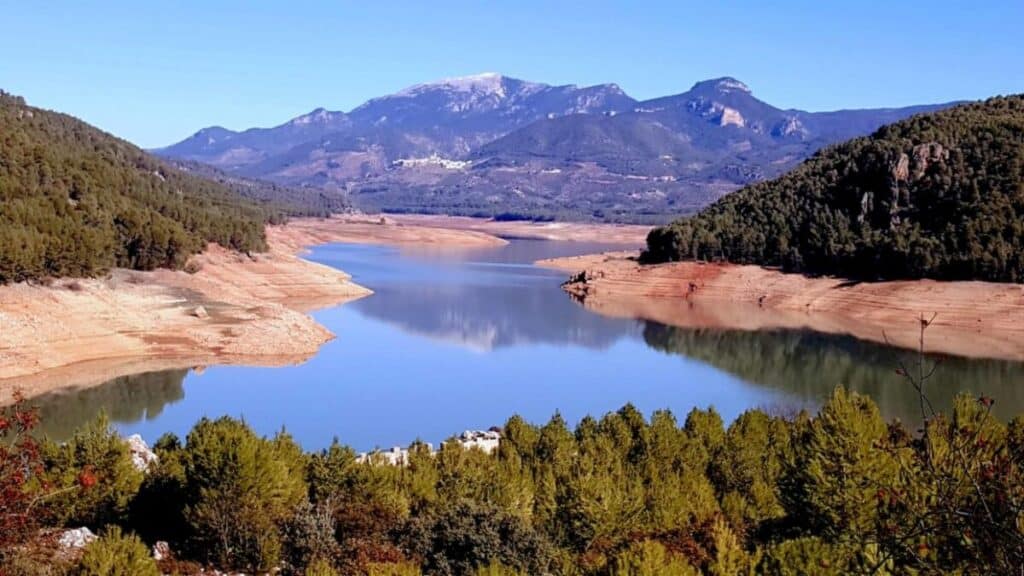
In northeastern Andalusia, beyond the tourist-heavy Granada, lies a mountainous paradise that few international visitors discover. The Sierra de Cazorla Natural Park presents a spectacular tapestry of peaks, valleys, and crystalline reservoirs that rival any of Europe’s celebrated mountain ranges.
Getting There:
Nearest airports: Granada or Almería
Daily buses from Jaén city
Recommended: Rental car for maximum exploration
Key Experiences:
Linarejos waterfall trail

Plaza de Cazorla historic center
Rio Borosa hiking route
Mountain wildlife observation points
Besalú and Peralada – Catalonia’s Medieval Treasures
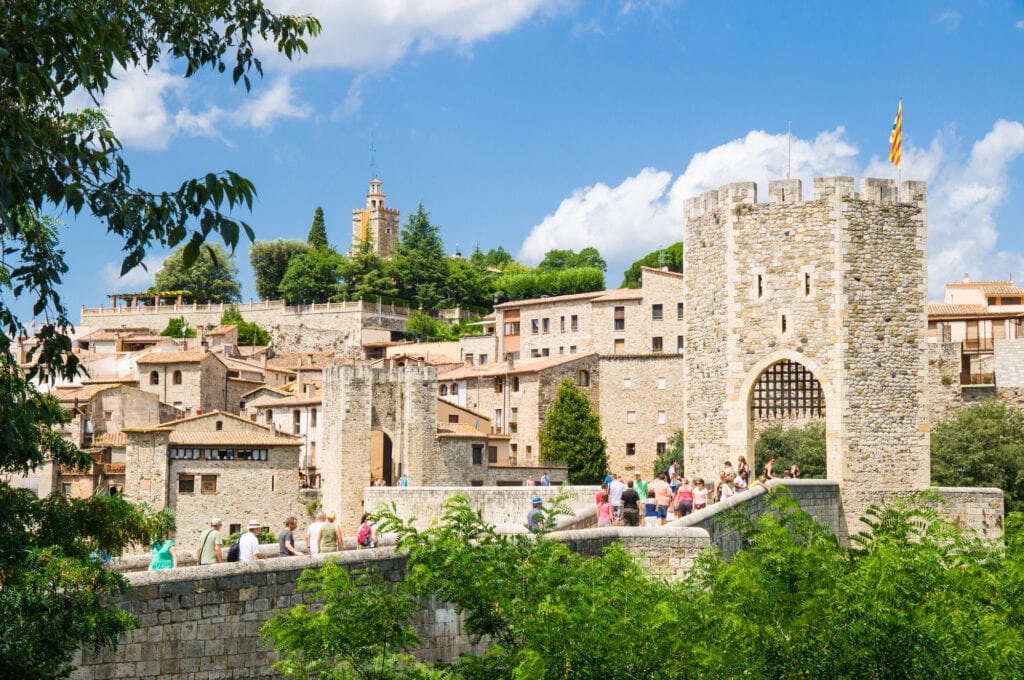
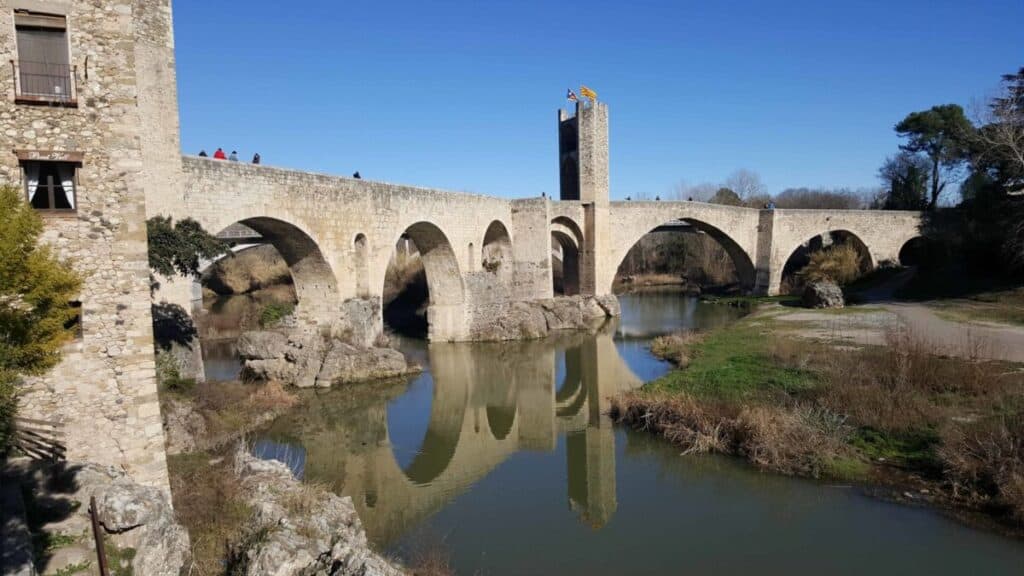
While tourists crowd the streets of Barcelona and Girona, two remarkable medieval towns in northeastern Catalonia offer a pristine glimpse into Spain’s rich past. Besalú, with its iconic 11th-century fortified bridge spanning the River Fluvià, stands as one of Europe’s best-preserved medieval towns. Its Jewish heritage, visible in the restored mikvah (ritual bath) and synagogue remains, tells stories of a once-thriving Jewish quarter.
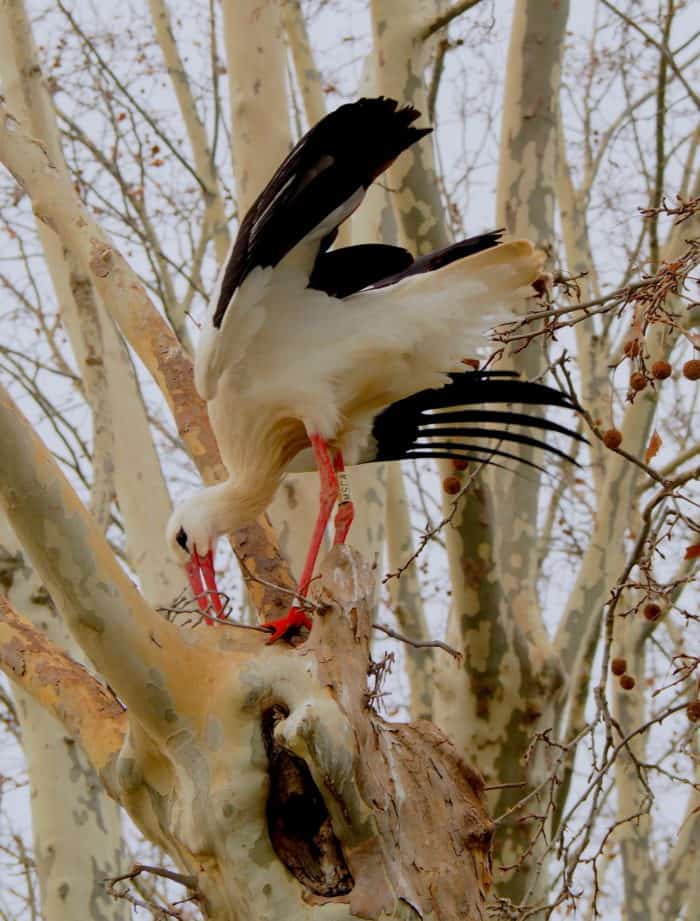
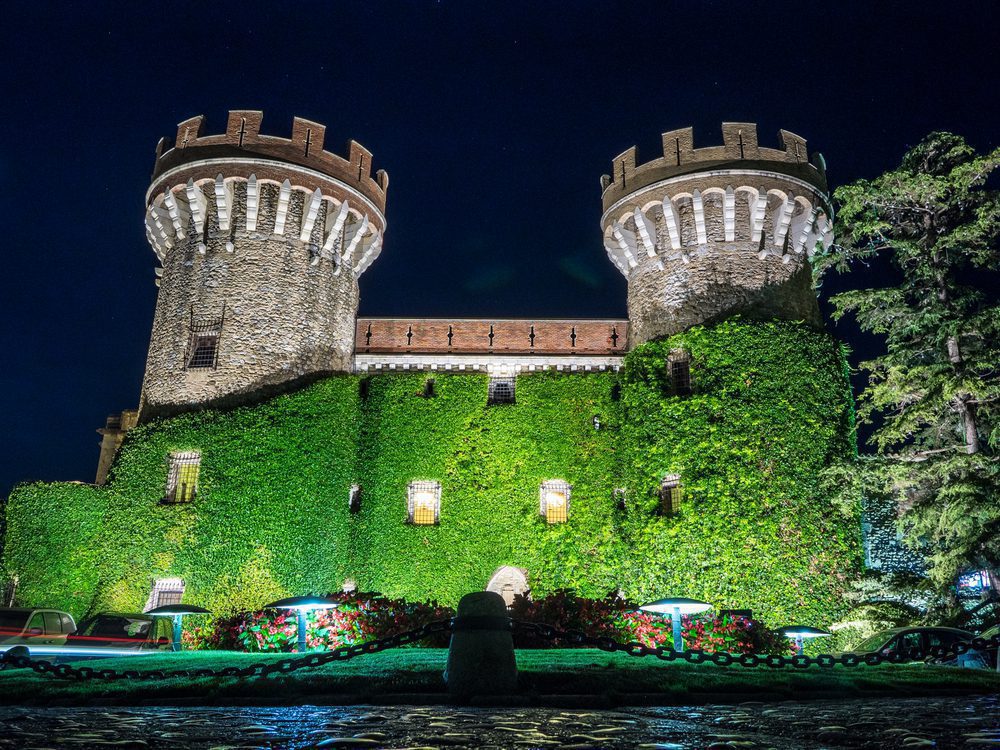
Just 45 minutes northeast, Peralada presents an entirely different medieval experience. This elegant town, dominated by its imposing castle-palace, combines historical grandeur with modern cultural flair. The castle hosts internationally acclaimed summer music festivals, while its grounds harbor a unique Stork Protection Project, creating an unexpected harmony between medieval architecture and wildlife conservation.
Getting There:
Nearest airport: Girona-Costa Brava (30 minutes to Besalú)
High-speed train to Figueres from Barcelona
Local buses connect both towns to Figueres and Girona
Must-See Features:
Besalú’s Romanesque bridge and Jewish quarter
Monastery of Sant Pere
Peralada Castle and Gardens
Medieval Museum in Casa Galatea
Summer Festival performances (July-August)
And then spoil yourself with a peek at Peralada a mere 45 minutes away, past Salvador Dali’s Figueres.
Canfranc Estación – The Abandoned Palace of the Pyrenees
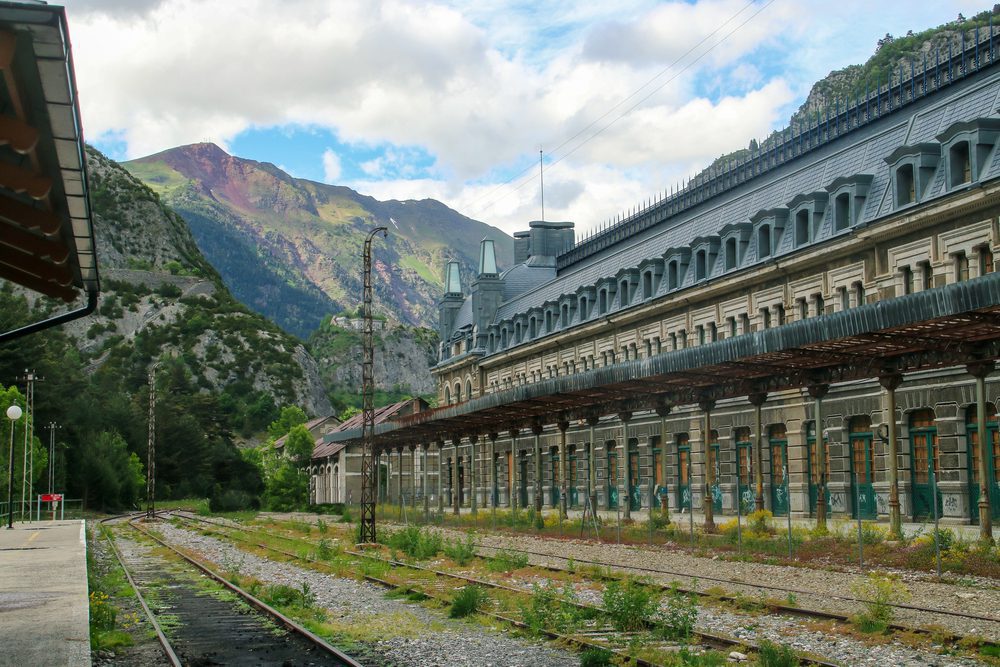
At the Spanish-French border, where the Pyrenees pierce the sky, lies one of Europe’s most remarkable railway stations. Canfranc Estación, often called “The Titanic of the Mountains,” stands as a testament to early 20th-century architectural ambition and the dramatic shifts of European history. This modernist colossus, stretching 240 meters along the valley floor, once served as an international gateway between France and Spain, its grand halls witnessing everything from wartime espionage to golden-age luxury travel.
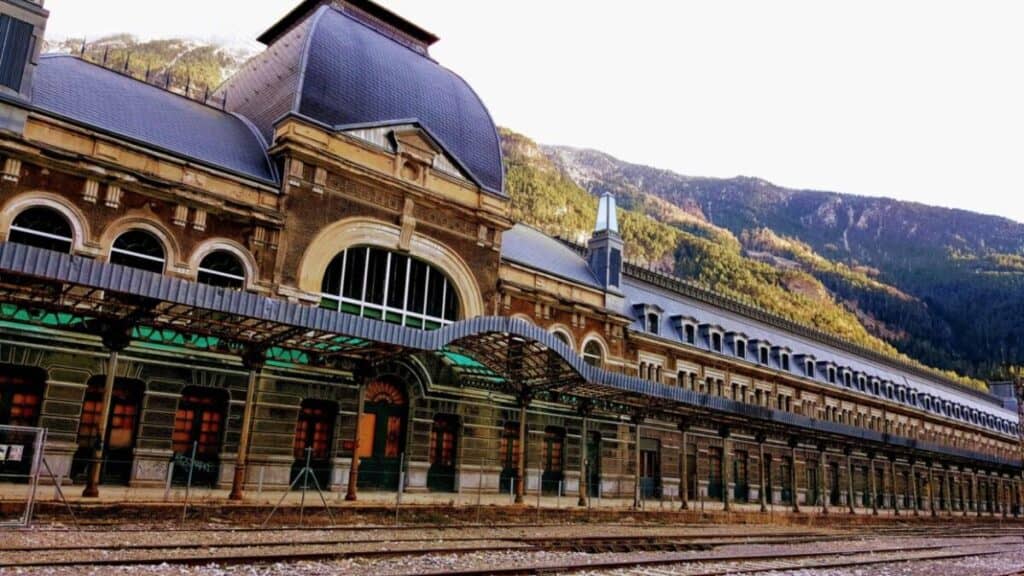
Today, this sleeping giant tells tales of its complex past – from its role in the Spanish Civil War to its function as a crucial lifeline during World War II, when it became a channel for both refugees and espionage operations. Though the station ceased regular operations in 1970 following a dramatic derailment on the French side, its recent renovation project promises to breathe new life into this architectural marvel.
Getting There:
Nearest airports: Zaragoza (Spain) or Pau (France)
Regular trains from Zaragoza to Canfranc village
Accessible by car via the Somport Tunnel
Winter access may require snow chains
Essential Experiences:
Guided tours of the station (July-August only)
Historic railway museum
Mountain hiking trails
Somport Valley viewpoints
Winter skiing in nearby resorts
Castroviejo Rocks – Nature’s Granite Playground
Deep in the heart of Castile y León, just two hours south of Bilbao, lies a geological wonderland that defies imagination. The Castroviejo Rocks emerge from the landscape like nature’s own sculpture garden, where massive granite boulders balance precariously in positions that seem to defy gravity. This hidden gem in the Duruelo de la Sierra region offers visitors a rare combination of geological marvels and pristine wilderness, far from the tourist crowds of Spain’s more famous destinations.
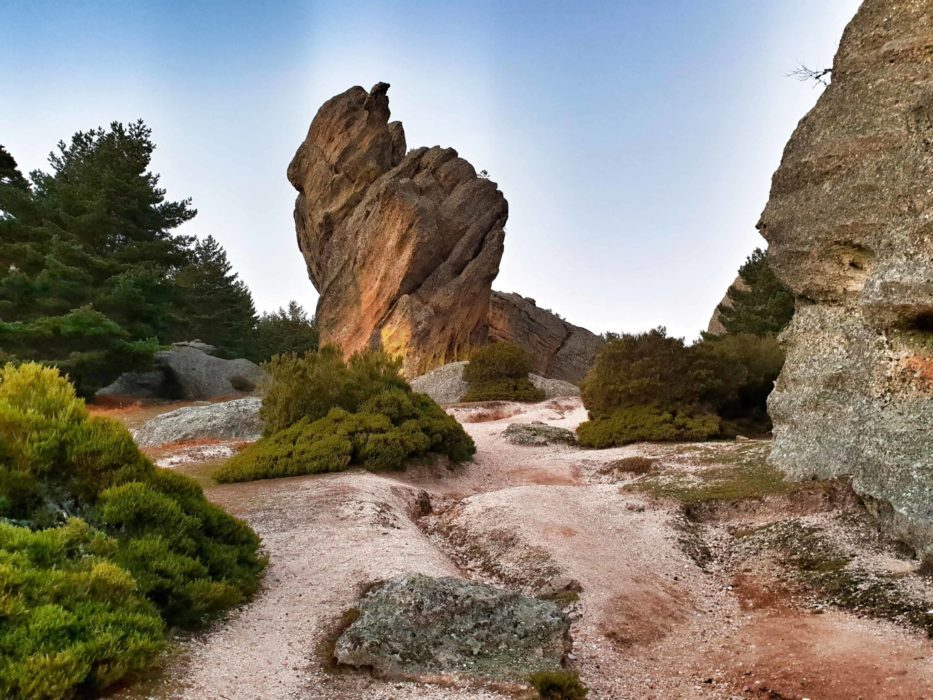
Pine forests surround these ancient rock formations, creating a mystical atmosphere where the only sounds are wind whistling through the trees and the occasional bell of a distant sheep herd. The landscape transforms throughout the day as sunlight plays across the granite surfaces, creating an ever-changing canvas of shadows and light that photographers find irresistible.
Getting There:
Nearest airports: Bilbao or Madrid
Private vehicle required (no public transport available)
Access via A-11 to Duruelo de la Sierra
Local guide recommended for rock climbing activities
Must-Experience Features:
La Ciudad Encantada rock formation trail
Ancient pine forest hiking paths
Local shepherd encounters
Rock climbing routes (all difficulties)
Sunset viewing points
Natural cave formations
Montanejos Thermal Springs – Valencia’s Hidden Oasis
Just an hour inland from Valencia’s bustling coastline lies a thermal paradise that feels worlds away from Spain’s Mediterranean beaches. Montanejos, an ancient spa town nestled in a dramatic river canyon, harbors crystal-clear waters that maintain a constant temperature of 25°C (77°F) year-round. These thermal springs, known locally as Fuente de los Baños, have been soothing visitors since Roman times, with legends claiming even Moorish kings once sought refuge in these healing waters.
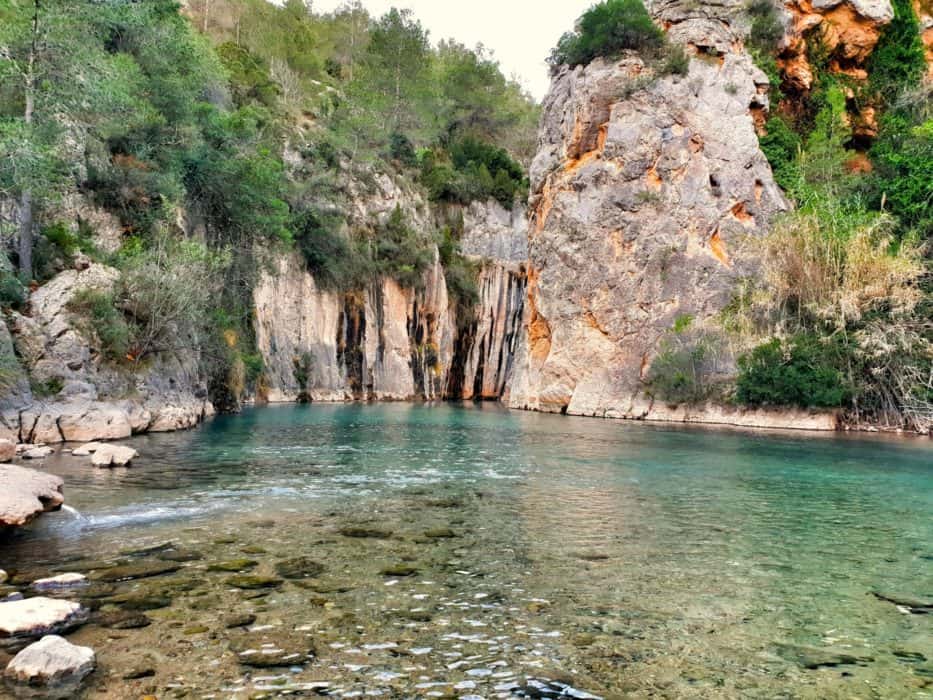
The surrounding landscape adds to the area’s allure, with towering limestone cliffs creating a natural amphitheater around the thermal pools. The contrast between the warm springs and the rugged mountain scenery creates a unique microclimate, supporting rare plant species and offering visitors a refreshing escape regardless of the season.
Getting There:
Nearest airport: Valencia International
Bus service from Valencia (2 hours)
Car rental recommended for flexibility
Follow CV-20 from Castellón de la Plana
Essential Activities:
Thermal pool swimming year-round
Canyon hiking trails
Rock climbing routes
Ancient Roman bath ruins
Local gastronomy experiences
Riverside picnic areas.
Alpujarras – Sierra Nevada’s artisans
The Alpujarras – Sierra Nevada’s Hidden Villages
Tucked into the southern slopes of the Sierra Nevada mountains lies a string of whitewashed villages that tell a compelling story of cultural resistance and artistic preservation. The Alpujarras region, stretching from Órgiva to Ugíjar, represents one of Spain’s most authentic living museums, where traditional crafts and ancient ways of life continue to thrive in defiance of modernization.
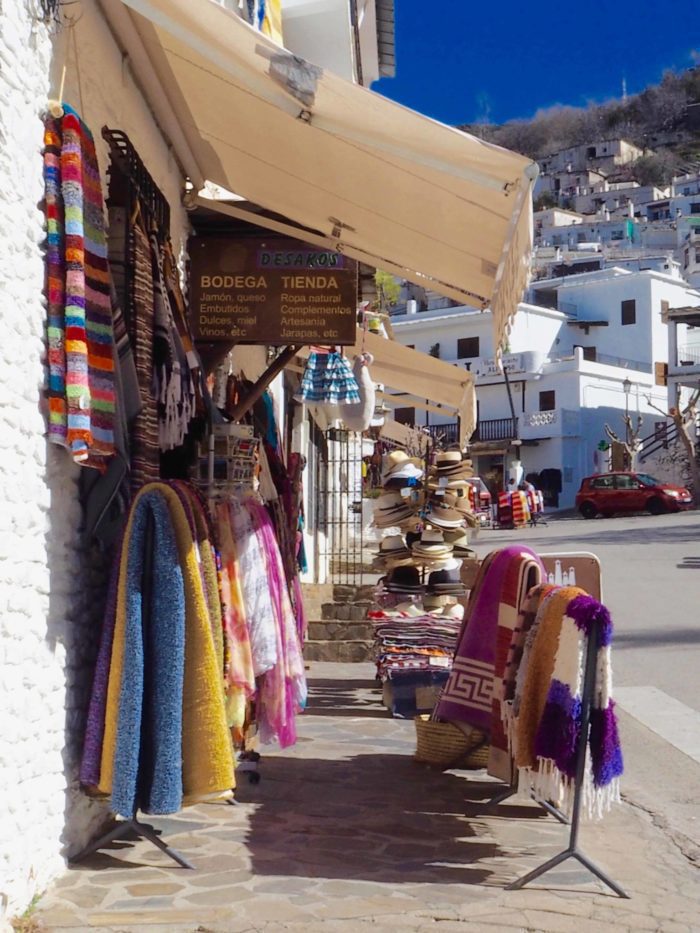
These mountain communities, established by the last Muslim inhabitants seeking refuge from the Christian reconquest, have maintained their distinctive character for centuries. Each village, with its unique architectural style featuring flat clay roofs and distinctive chimneys, seems to cascade down the mountainside like a scatter of sugar cubes against the dark mountain backdrop.

Getting There:
Nearest airports: Granada or Almería
Public buses from Granada to major villages
Mountain roads require confident driving
Best explored with local guide for craft workshops
Cultural Experiences:
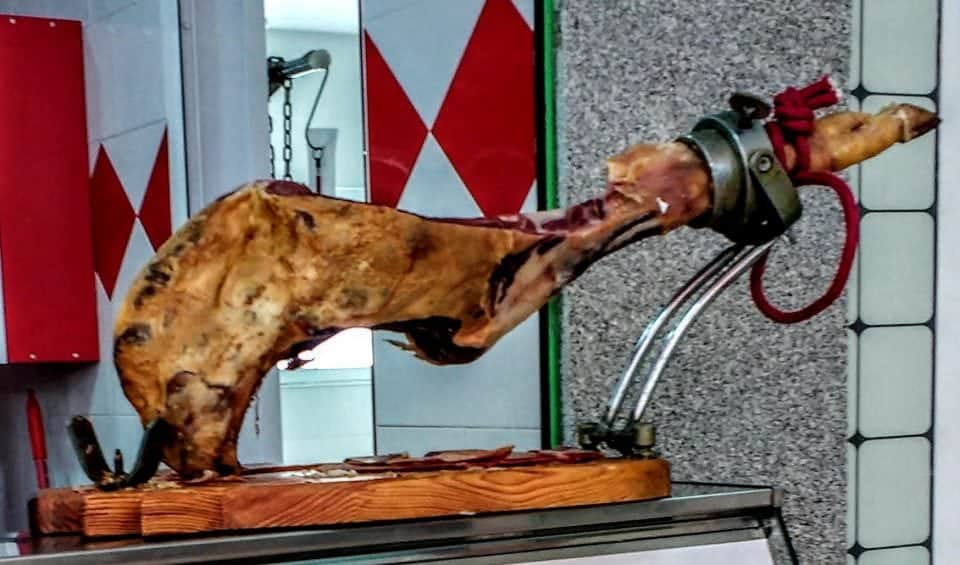
Traditional jamón curing houses
Handwoven carpet workshops
Ancient silk production methods
Local cheese making
Mountain honey producers
Traditional Arabic-style architecture
El Rocío and Doñana National Park – Where Cowboys Meet Flamingos
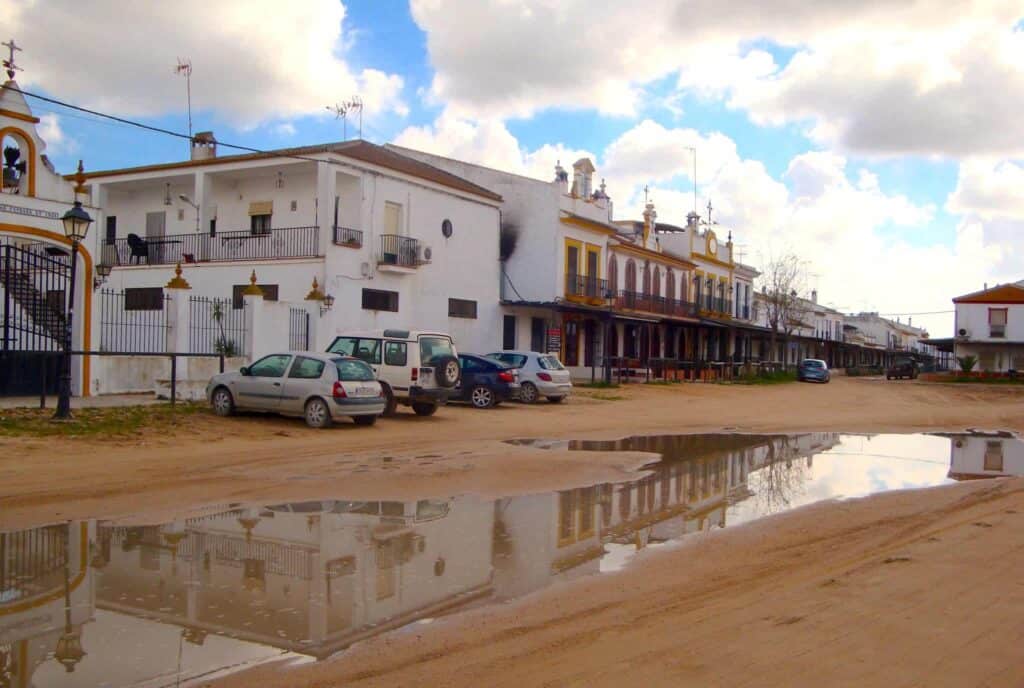
On Spain’s southwestern frontier, where the edges of Portugal meet the Atlantic, lies a remarkable fusion of Wild West atmosphere and pristine natural wetlands. El Rocío, appearing like a mirage from an old Western film, stands as Europe’s only town without paved streets, where hitching posts replace parking meters and cowboys on horseback are an everyday sight.
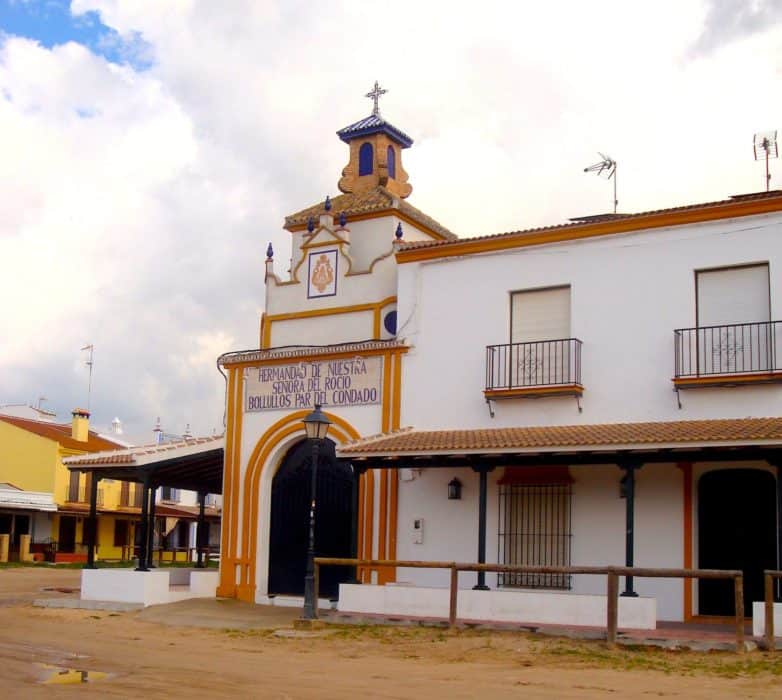
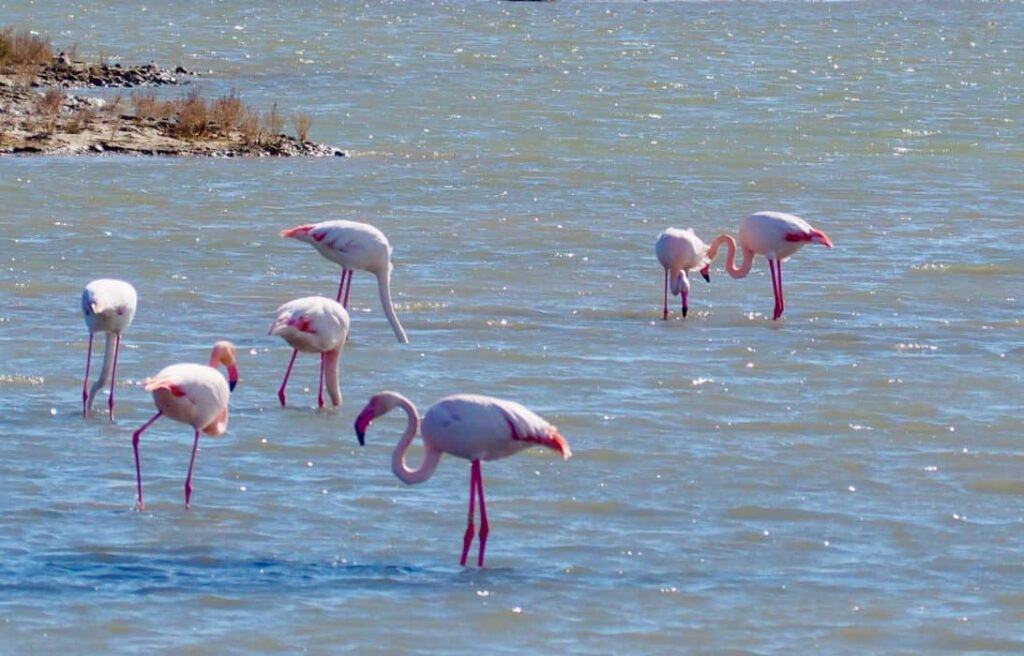
This unique settlement sits at the edge of Doñana National Park, one of Europe’s most important wetland preserves. The contrast couldn’t be more striking: from the dusty, horse-trodden paths of El Rocío, you step into a world of shimmering lagoons where thousands of flamingos paint the landscape pink, and the endangered Iberian lynx still roams free among ancient cork oak forests.
Getting There:
Nearest airports: Seville or Faro (Portugal)
Regular buses from Seville to El Rocío
4×4 tours required for park interior
Best visited spring or autumn
Must-Experience Features:
El Rocío’s Pentecost pilgrimage (May/June)
Doñana bird watching tours
Horse riding trails
Traditional Spanish cowboy culture
Wetland photography tours
Ancient pine forest walks
Salobreña – The White Pearl of Costa Tropical
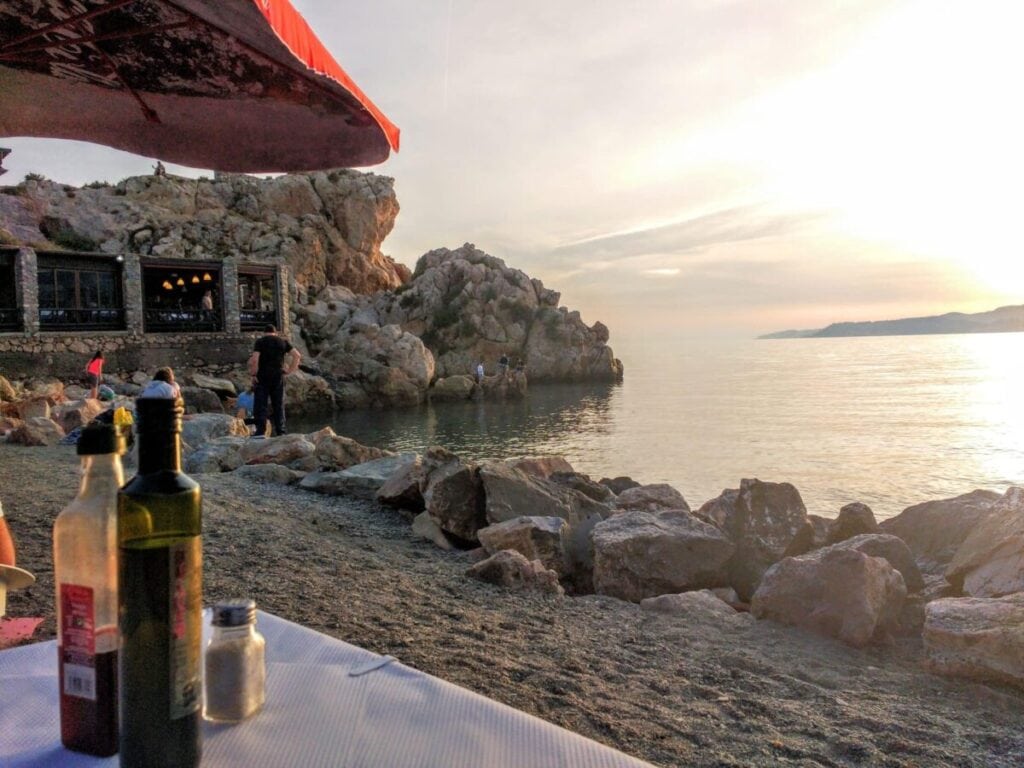
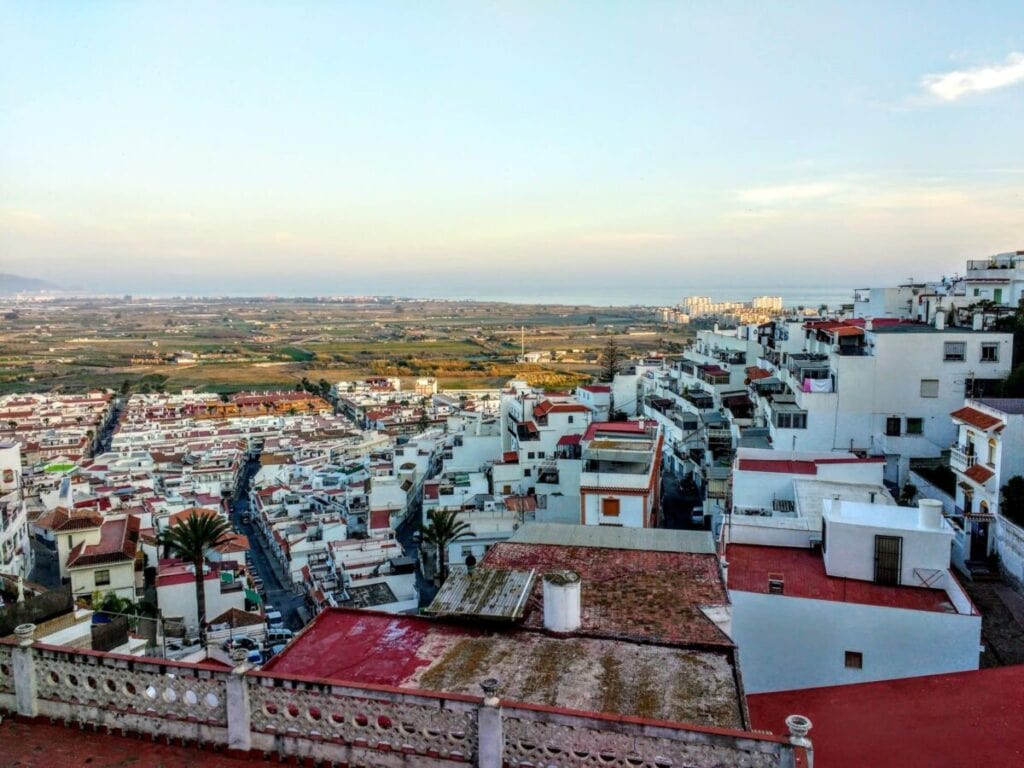
Rising dramatically from a tropical coastline, Salobreña stands as an architectural marvel where pristine white buildings cascade down a massive rock crowned by an ancient Moorish castle. This overlooked gem combines the allure of a traditional Spanish pueblo blanco with the unique distinction of being Europe’s only tropical fruit-growing region, where mangoes, avocados, and custard apples thrive in its special microclimate.
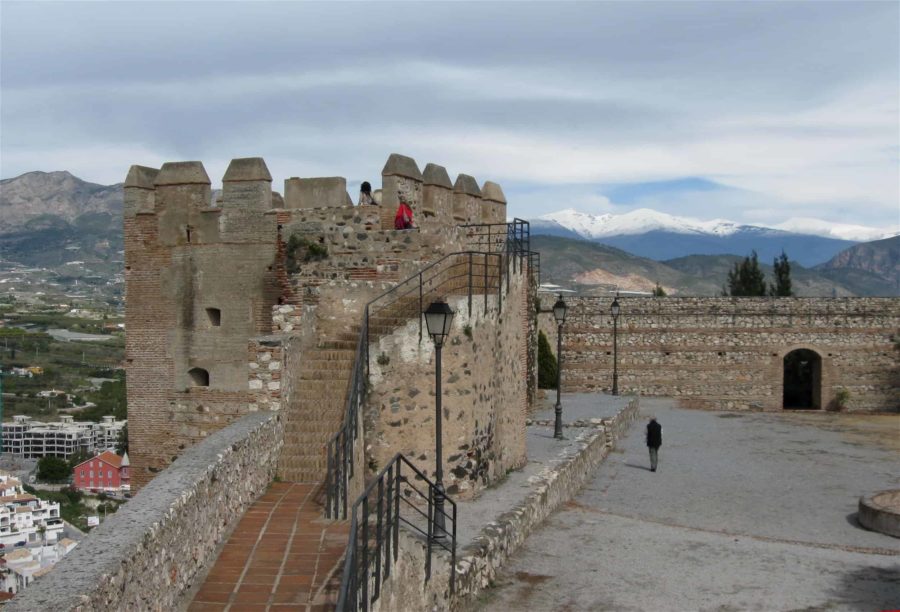
The town’s rich history spans Phoenician, Roman, and Moorish periods, with the castle serving as the last refuge of Boabdil’s mother before the fall of Granada. Today, its narrow, winding streets tell stories of centuries of cultural fusion, while former sugar cane factories stand as monuments to its sweet industrial past.
Getting There:
Nearest airports: Granada or Málaga
Regular buses from Granada and Málaga
Train to Almería with bus connections
Easy coastal drive along A-7
Must-Experience Features:
10th-century Moorish castle
Old Town labyrinth walks
Tropical fruit farms tours
Ancient sugar cane factory
Pristine Mediterranean beaches
Sunset views from castle walls
Cartagena – Ancient Port City of Hidden Depths
Beneath the streets of modern Cartagena lies a remarkable archaeological tapestry spanning over two millennia. This historic Mediterranean port city reveals its layers of history like pages in a living book, from its Carthaginian foundations to its Roman glory days and modernist revival.
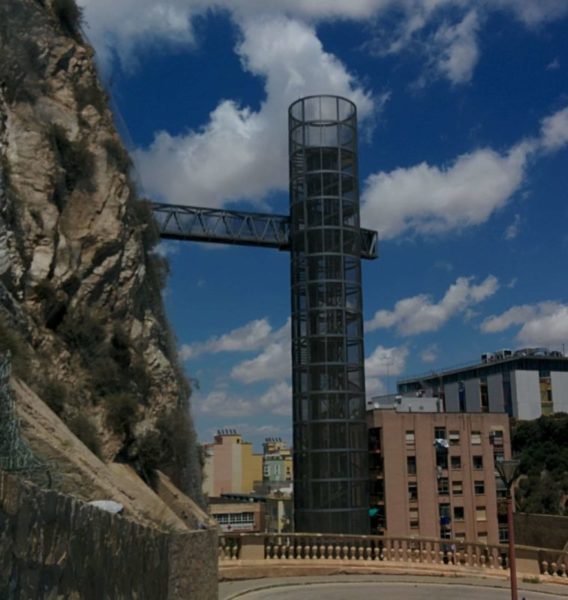
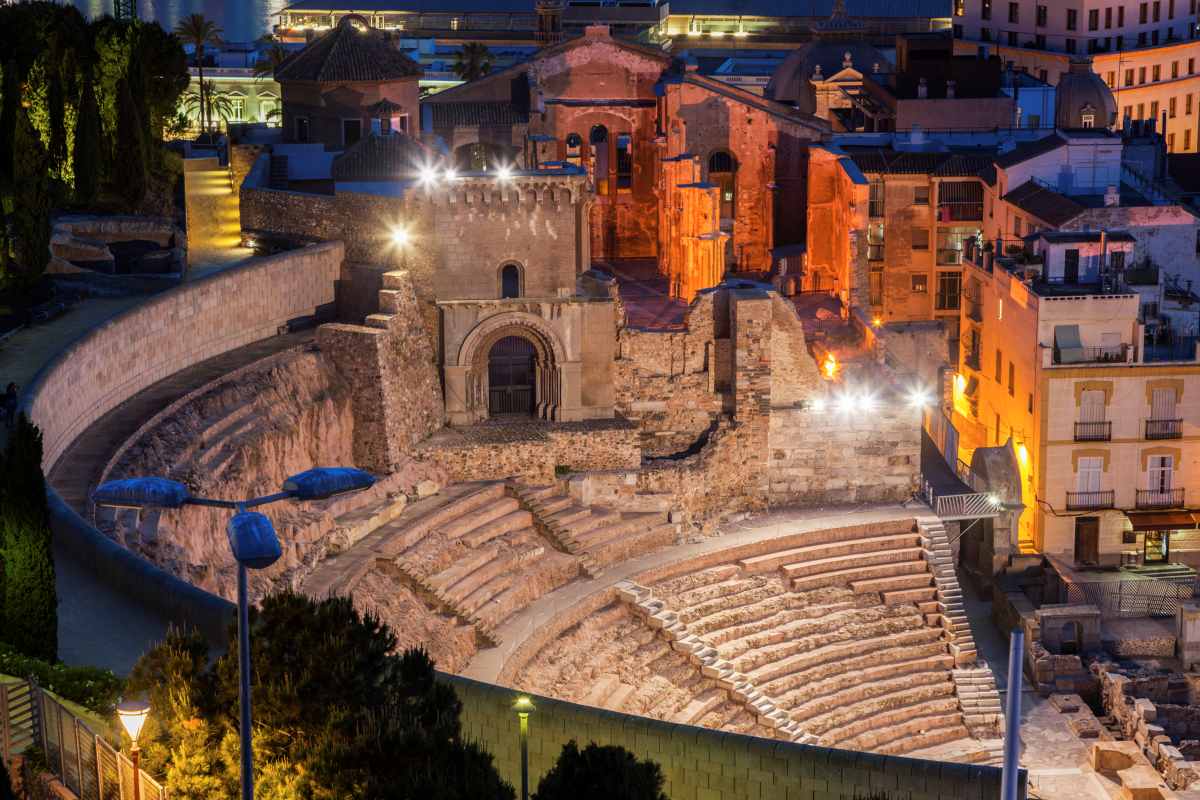
The city’s crowning jewel, the Roman theater, discovered by accident in 1988, lay hidden beneath a cathedral for centuries. Today, this restored amphitheater stands alongside Art Nouveau buildings and ancient military fortifications, creating a unique architectural dialogue between different epochs.
Getting There:
Nearest airports: Murcia or Alicante
High-speed train from Madrid
Regular buses from major cities
Port access for cruise ships
Essential Experiences:
Roman Theater Museum
ARQUA underwater archaeology museum
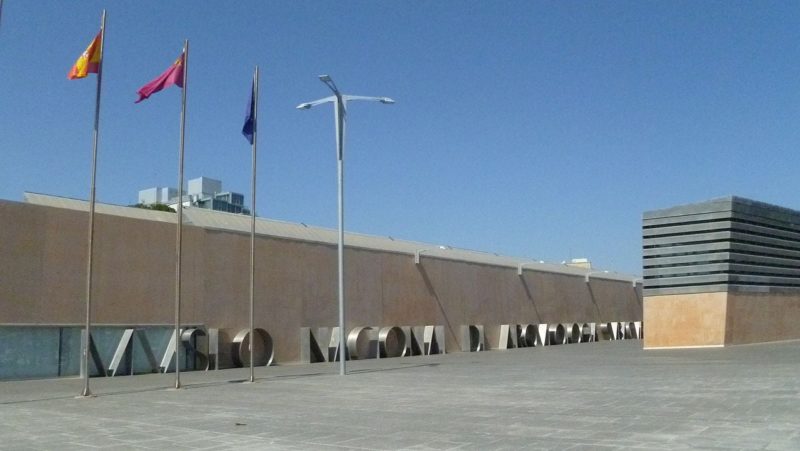
Modernist architecture route
Military harbor fortifications
Civil War air raid shelters
Submarine Peral Museum
Caravaca de la Cruz – Spain’s Sacred City
Nestled in Murcia’s mountainous northwest, Caravaca de la Cruz holds the rare distinction of being one of only five eternal holy cities in the world, alongside Jerusalem, Rome, Santiago de Compostela, and Santo Toribio de Liébana. This spiritual center, known for housing a piece of the True Cross, combines religious significance with spectacular medieval architecture and unique cultural traditions.

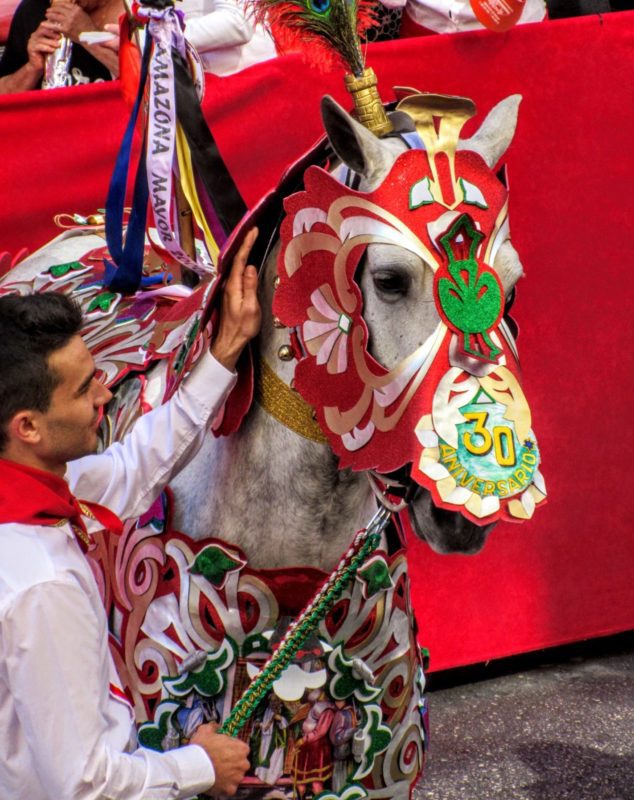
The city’s fascinating blend of sacred and secular attractions culminates in its most spectacular festival, the Wine Horses, where intricately decorated steeds race up to the castle in a tradition dating back to the 13th century. This celebration perfectly encapsulates the city’s ability to merge religious devotion with jubilant festivity.
Getting There:
Nearest airports: Murcia or Alicante
Regular buses from Murcia city
Scenic drive through mountain roads
Regional train to nearby Calasparra
Cultural Highlights:
Vera Cruz Sanctuary and Museum
Wine Horses Festival (May)
Medieval castle complex
Ancient wine caves

Baroque churches
Traditional artisan workshops
Cabo de Gata Biosphere
Where volcanic peaks meet the Mediterranean Sea, Cabo de Gata Natural Park presents a landscape unlike anywhere else in Europe. This protected area in Almería province encompasses Europe’s only true desert, creating a dramatic coastline of hidden coves, extinct volcanoes, and crystalline waters.
In 1997, it was designated as a UNESCO Biosphere Reserve. In 2001, it was included among the Specially Protected Areas of Mediterranean Importance.
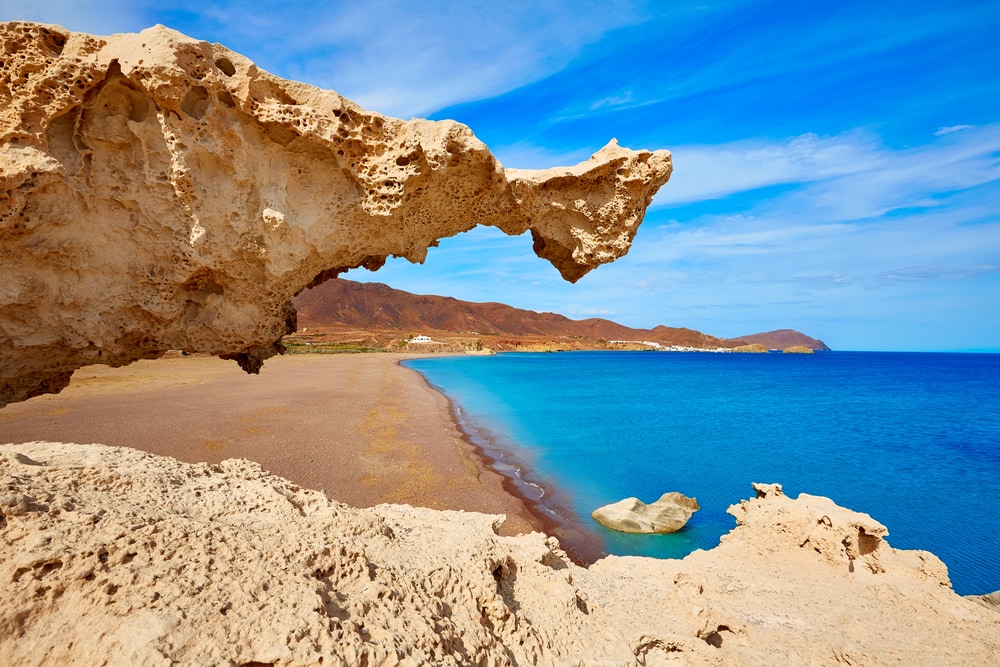
Once a haven for pirates, today this wild corner of Spain attracts nature lovers, photographers, and those seeking to escape the developed Costa del Sol. The park’s unique ecosystem supports rare bird species and endemic plants, while its pristine beaches remain some of the Mediterranean’s last undeveloped coastlines.
Getting There:
Nearest airport: Almería
Car rental essential for exploration
Limited bus service to main villages
Hiking and cycling routes available
Must-See Features:
Los Genoveses beach
Lighthouse at Cabo de Gata

Volcanic formations
Salt flats and flamingos
Historic mining villages
Traditional fishing communities
Tabernas Desert – Europe’s Hollywood in the Wild West
In the heart of Almería province lies Europe’s only true desert, a dramatic landscape of ochre-colored badlands and dry ravines that has served as the backdrop for countless Western films. The Tabernas Desert, with its rugged terrain and over 3,000 hours of annual sunshine, created the perfect stand-in for the American Wild West, earning it the nickname “Europe’s Hollywood.”
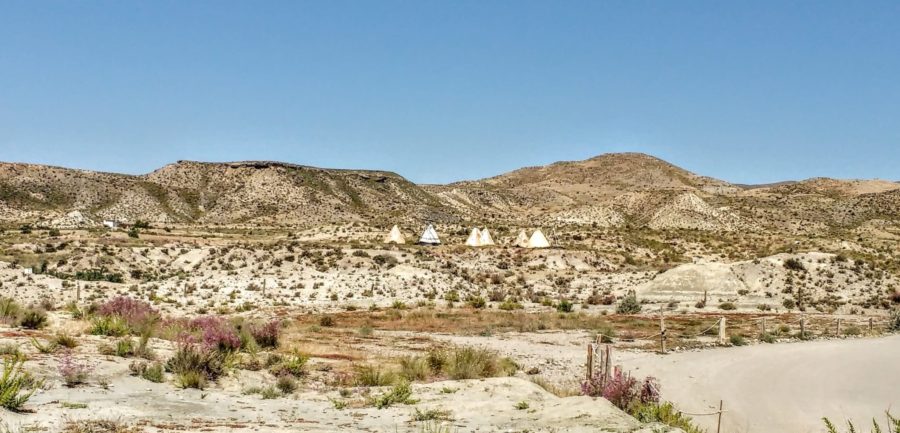
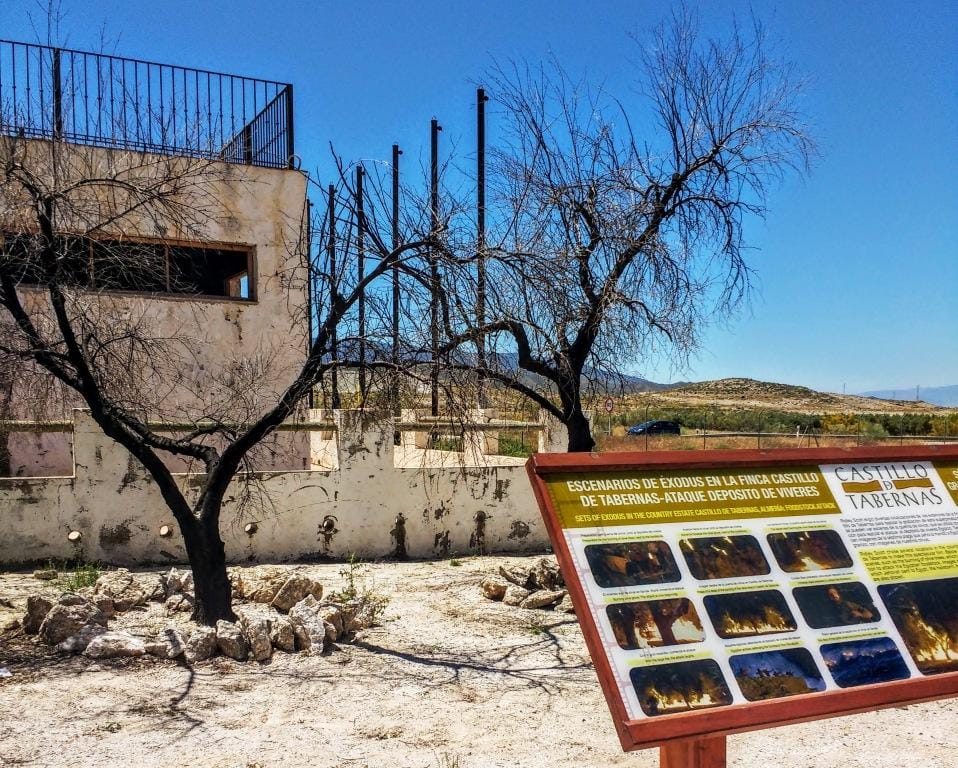
This unique ecosystem, shaped by centuries of minimal rainfall and intense erosion, stretches across 280 square kilometers of lunar-like terrain. Beyond its cinematic fame, the desert harbors remarkable biodiversity, including rare birds and plants that have adapted to the extreme conditions. Three preserved Western film sets – Mini Hollywood, Western Leone, and Texas Hollywood – still stand as testament to the golden age of European Westerns, when directors like Sergio Leone filmed classics such as “The Good, the Bad and the Ugly.”
Getting There:
Nearest airport: Almería
Regular buses from Almería city
Car rental recommended
Access via A-92 motorway
Must-Experience Features:
Western theme park shows
Desert hiking trails

Film location tours
Desert botanical garden
Sunset photography tours
Traditional cave houses
Cuenca – City of Hanging Houses
Perched between two deep river gorges, medieval Cuenca defies both gravity and imagination with its famous casas colgadas (hanging houses) that seem to float above the abyss. This UNESCO World Heritage site represents one of Spain’s most dramatic examples of medieval urban engineering, where architecture and nature blend in perfect harmony.
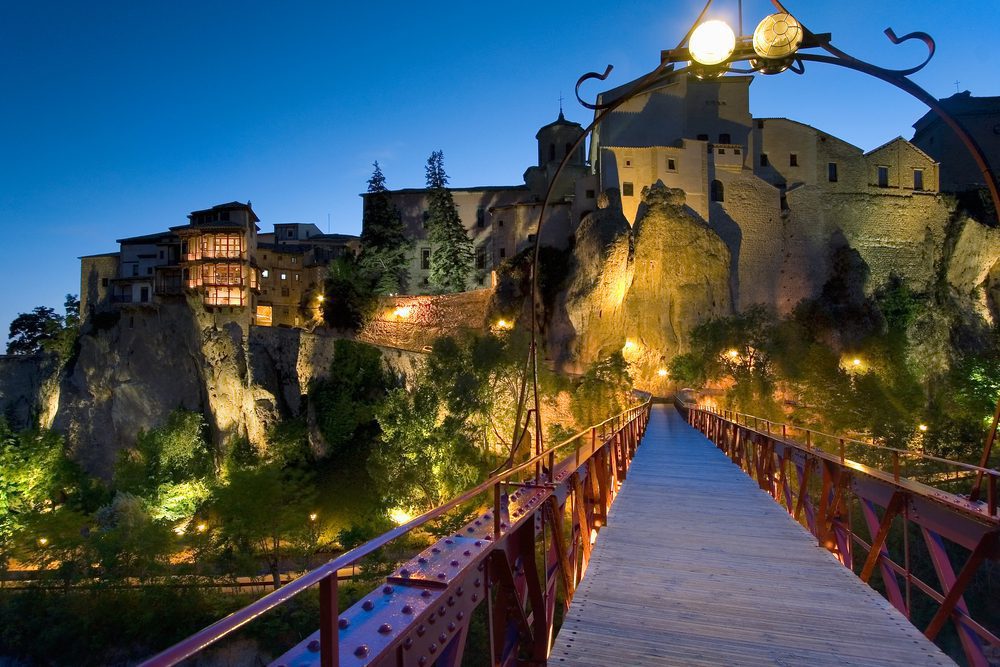
The city’s artistic legacy continues in its modern incarnation as a contemporary art hub, hosting cutting-edge exhibitions in repurposed medieval buildings. The contrast between ancient architecture and modern art creates a unique cultural landscape that few other Spanish cities can match.
Getting There:
High-speed train from Madrid (1 hour)
Regular buses from Valencia
Scenic drive through mountains
Walking trails from surrounding villages
Essential Experiences:
Hanging Houses and Abstract Art Museum
Cathedral and Plaza Mayor
Saint Paul Bridge views
Artist studios in old town
Hiking in Ciudad Encantada
Local gastronomy tours
Ronda – The City Split in Two
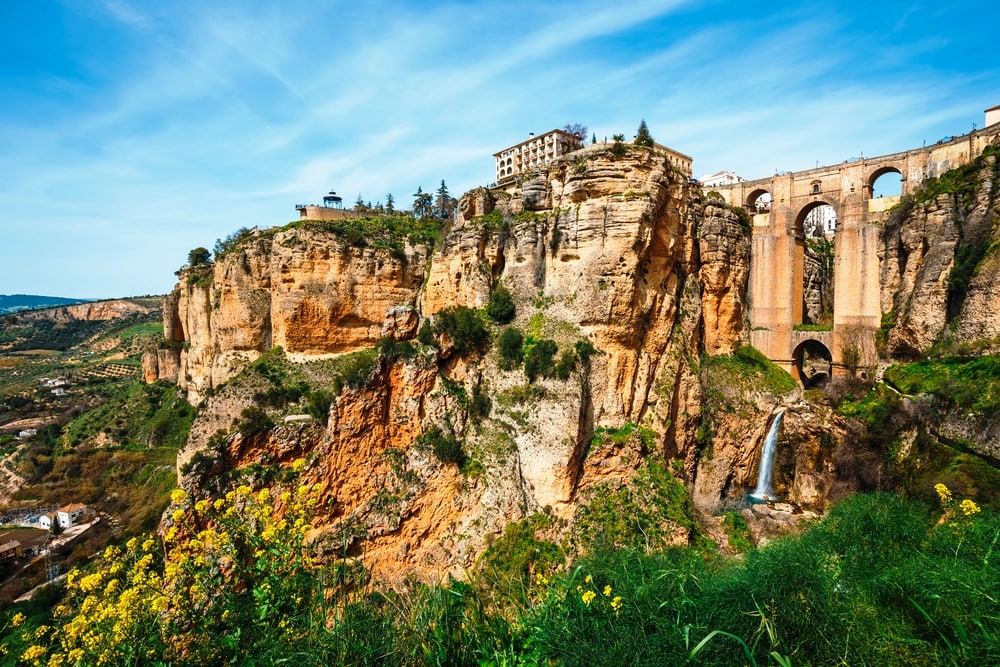
Dramatically situated atop a deep gorge that cleaves the city in half, Ronda stands as one of Spain’s most spectacular urban settings. The Puente Nuevo (New Bridge), spanning the 100-meter-deep El Tajo gorge, serves as both a magnificent feat of 18th-century engineering and a symbol of the city’s divided nature.
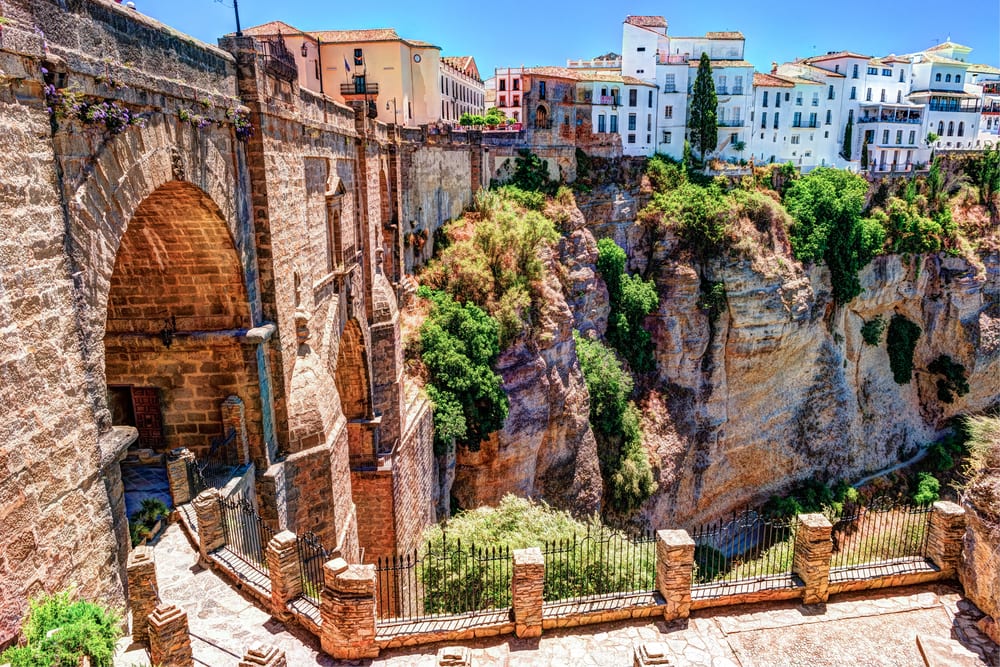
Ronda’s rich history as the birthplace of modern bullfighting, its role in romantic literature, and its strategic position in Moorish Spain combine to create a destination that captures the imagination of every visitor. The city’s location in the heart of wine country adds another layer to its appeal.
Getting There:
Nearest airports: Málaga or Sevilla
Scenic railway from coastal towns
Mountain road connections
Regular buses from major cities
Must-Visit Sites:
Puente Nuevo and gorge viewpoints

Plaza de Toros (oldest bullring in Spain)
Arab Baths
Mondragón Palace
Wine bodegas
Alameda del Tajo gardens
Las Médulas – Rome’s Golden Mountains
In the northwestern province of León lies one of the most spectacular landscapes in Spain – the result of the Roman Empire’s largest gold mining operation. Las Médulas, now a UNESCO World Heritage site, presents a surreal landscape of red-clay spires and tunneled mountains, testament to ancient Roman engineering that literally moved mountains in search of gold.
The site’s distinctive reddish peaks and verdant chestnuts forests create an otherworldly scenery that changes dramatically with the seasons. Underground galleries, ancient aqueducts, and settlement remains offer visitors a glimpse into the ambitious scale of Roman mining operations.

Getting There:
Nearest airports: León or Santiago de Compostela
Car access via LE-152 from Ponferrada
Regular buses from León and Ponferrada
Hiking trails from surrounding villages
Essential Experiences:
Mirador de Orellán viewpoint

Ancient Roman tunnels
Archaeological museum
Chestnut forest walks
Lake of Carucedo
Local wine tasting
Santillana del Mar – The Town of Three Lies
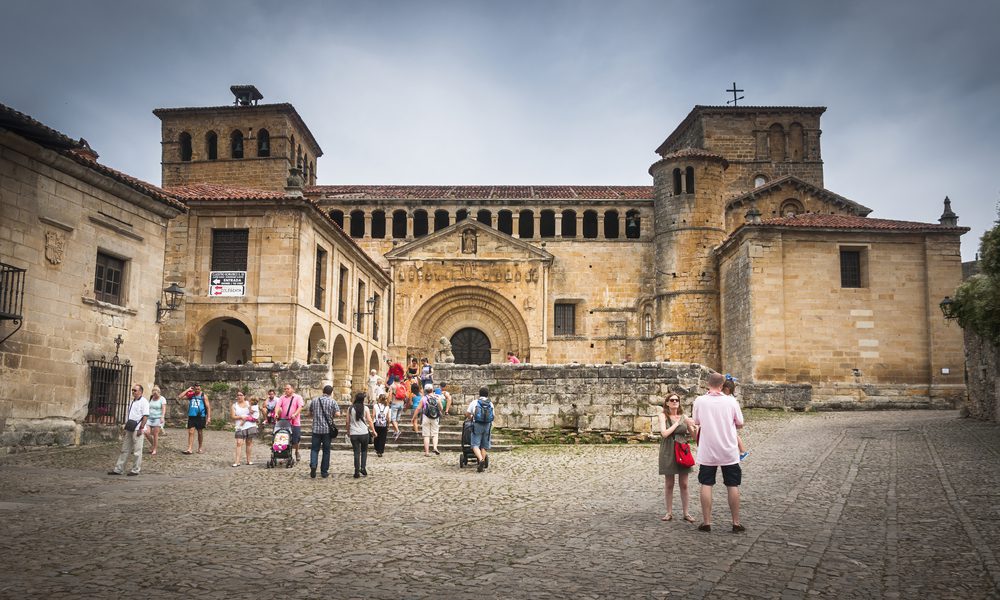
Known as “the town of three lies” (it’s neither holy [santa], flat [llana], nor by the sea [del mar]), Santillana del Mar stands as one of northern Spain’s most perfectly preserved medieval towns. Its cobblestone streets and honey-colored buildings create an atmosphere that seems frozen in time, earning it the nickname “The Town of Three Lies That Tells No Lies.”

This Cantabrian gem combines architectural splendor with rich cultural heritage, housing everything from Romanesque monasteries to prehistoric art museums. Its proximity to the famous Altamira Caves adds another layer of historical significance to this already remarkable destination.
Getting There:
Nearest airports: Santander or Bilbao
Regular buses from Santander
Train service to Torrelavega
Easy access via A-67 motorway
Must-Visit Sites:
Collegiate Church of Santa Juliana
Medieval town center
Museum of the Inquisition
Altamira Cave Museum
Traditional craft workshops
Regional gastronomy restaurants
Planning Your Journey Through Hidden Spain
Discovering the Soul of Spain
Spain’s true character reveals itself in these extraordinary destinations, each telling a unique story of the country’s rich heritage. From the desert filmsets of Tabernas to the sacred streets of Caravaca de la Cruz, from the hanging houses of Cuenca to the wild coastline of Cabo de Gata, these places offer experiences that transform a simple vacation into an unforgettable journey of discovery.

Planning Your Spanish Adventure
The best approach to exploring these hidden corners of Spain is to travel slowly and immerse yourself in local life. Consider these expert tips:
- Travel in spring or fall for ideal weather and fewer crowds
- Base yourself in regional hubs and explore surrounding areas
- Connect with local guides for authentic experiences
- Learn basic Spanish phrases – they open many doors
- Check festival dates – they can make or break your visit
- Book accommodation well ahead during local celebrations
Four Perfect Week-Long Routes
Northern Heritage Trail:
- Start in Santillana del Mar, exploring medieval streets
- Journey to Las Médulas’ golden mountains
- End at the majestic Canfranc Station
Mediterranean Magic:
- Begin in historic Cartagena
- Visit sacred Caravaca de la Cruz
- Finish in wild Cabo de Gata
Central Spanish Secrets:
- Start with Cuenca’s hanging houses
- Explore Castroviejo’s rock formations
- End in bird-rich Monfragüe
Southern Soul:
- Begin in dramatic Ronda
- Journey through the Alpujarras
- Conclude in tropical Salobreña
Whether you choose to follow these routes or create your own path, these unique places in Spain offer something increasingly rare in modern travel – the thrill of genuine discovery. Here, away from the crowds, you’ll find the authentic Spain that captures hearts and creates memories to last a lifetime.

Spain is a country with personality, verve and charisma. Away from its Costas, you will find thrills, depth and battle scars all of which form the very fabric of this ancient nation. A country that is immensely proud of it tapestry and the story they now have to tell. And whilst undoubtedly Almeria, Seville, Barcelona, Madrid, and Burgos all have their draws, it is away from these tourist hubs that you will find an honesty that cuts deep into the soul of this magnificent land, so seek out those unique places to visit in Spain.
If you are on the lookout for other unusual off the beaten path Spain look no further than Albarracin and Teruel both known for their outstanding architecture and some great hikes and treks.
Living in Barcelona offers a vibrant mix of culture and seaside life, while retiring in Andalucía brings sunshine and charming towns; across Spain you can enjoy incredible cuisine, explore unique destinations like the Alhambra, relax in coastal villages such as Frigiliana, experience the energy of Madrid, and take an unforgettable road trip through southern Spain’s diverse landscapes.
This guide is part of our Spain Travel Guide, covering regions, culture, and travel styles across Spain.
If you have mobility issues here is a selection of posts that may be of help to you:
Bookmark these hubs for updates and dive into the detailed guides to build an itinerary that fits your energy, comfort, and interests.
➡️Accessible Historical sites in the UK
Fallen in love with Europe and thinking of moving here? Make sure you check our European Highlights guides.
Great informative post. How did your RV handle the mountain drives? Do you have any trouble filling gas cylinders? I like to get away from usual tourist areas too. Look forward to.more beautiful photos..cheers from Tasmania..
give Karen a shout on her site https://motoroaming.com/ I’m sure she would be happy to chat.
Hi, read your article with great interest and thank you for the treasure trove of information and insights.
We are exploring a little bit of Spain and Portugal for the very first time in Hymee our beloved MH. Can I ask, do have a similar treasure trove for hidden Portugal?
In the meantime, HAPPY MOTOROAMING
Not personally but check out Karne’s site for Portugal I’m sure you will find tons of stuff there https://motoroaming.com/
Such a very nice blog and articles. I am really very happy to visit your blog.
This post is really interesting and educational about Spain. I enjoy going to and exploring the magnificent Canfranc Éstacion.
It’s lovely. Wonderfully detailed post about Spain. a fantastic medieval Spain
I’m impressed with the truly unique locales that exist.