
Mojácar Old Town: The Complete Guide to Pueblo & Playa
Mojácar Pueblo, the whitewashed old town on the hilltop, is the heart of a visit here explored entirely on foot, with panoramic Mediterranean views from the Mirador and genuine Moorish history in every street. Mojácar Playa, about 2.5km away on the coast, is where you’ll actually stay and swim. Both are easily connected by a local bus for around €1.
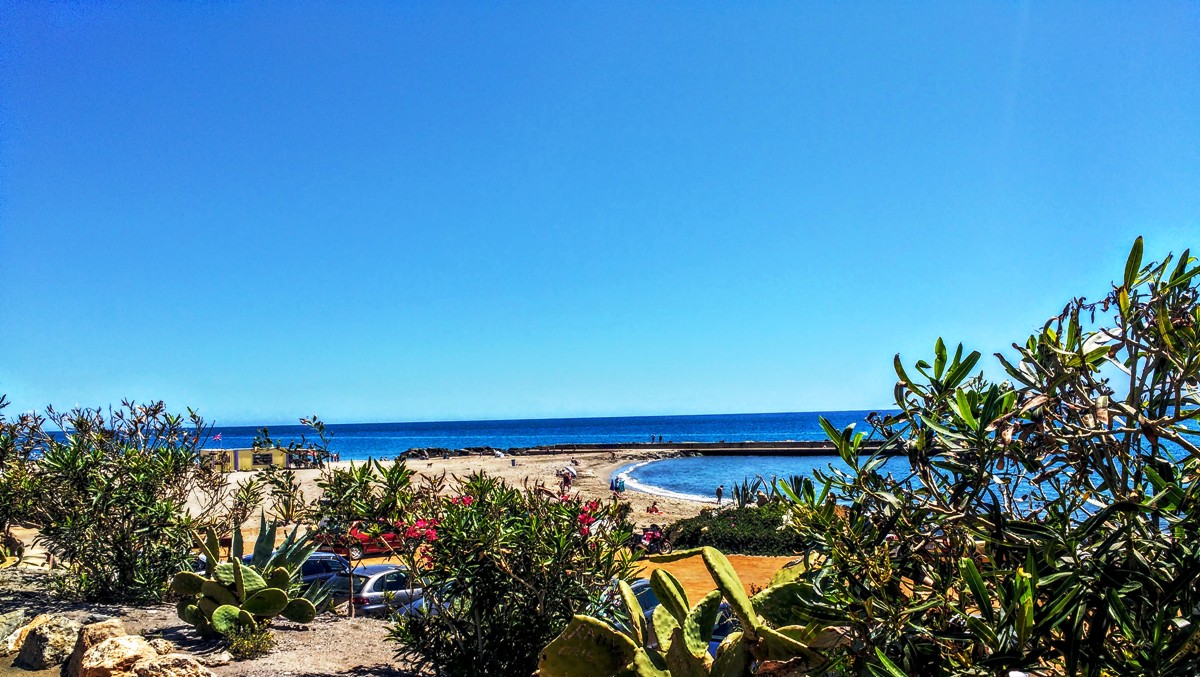
I lived near Mojácar for over a year, housesitting across this stretch of the Almería coast in Palomares, Vera Playa, and Tíjola. That gave me real, repeated time in the area not just a week’s holiday impression and a genuine sense of how Mojácar Pueblo and Playa actually fit into daily life here, not just a tourist itinerary.
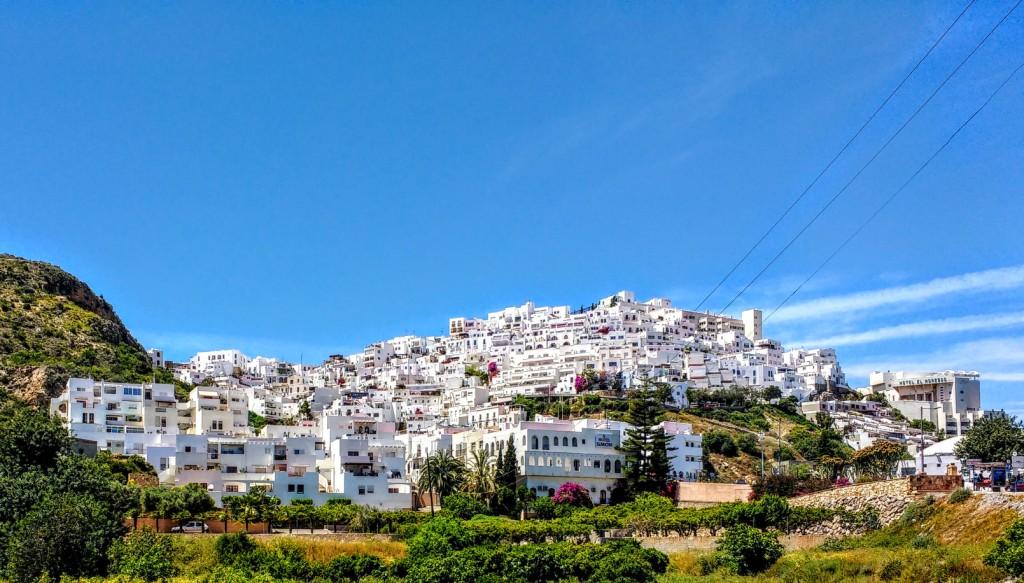
Mojácar is a gorgeous beach holiday destination in the southeast of the Province of Almería, on the Costa de Almería in Andalucía. Mojácar Playa borders the Mediterranean directly, while Mojácar Pueblo the old town is one of the famous white villages of Andalucía, perched on a hilltop with panoramic views over the coastline. There’s a genuine amount to do here for a village this size.
Mojácar’s 17 kilometres of beach stretch from the edge of Garrucha to a few kilometres short of the Cabo de Gata-Níjar Natural Park. The village is really two distinct places: Mojácar Pueblo, the whitewashed old town clinging to the cliffside, and Mojácar Playa, the beach strip roughly 2.5km away both connected by good local transport.
Mojácar Playa is where the Spanish crowd in for the summer months of July and August, but for the rest of the year, it has a genuinely large year-round expat population many of whom retire in Andalucía specifically for this stretch of coast. If you’re chasing sun and warmth outside peak season, Andalucía is one of the best regions in Europe for it.
- Mojácar Old Town: The Complete Guide to Pueblo & Playa
- Fast Facts: Mojácar
- The Indalo: Mojácar's Ancient Symbol
- Deeper History: Before the Moors
- The History of Mojácar
- Things to Do in Mojácar Old Town (Pueblo)
- Things to Do in Mojácar Playa
- Cabo de Gata Natural Park
- Getting to Mojácar
- Mojácar Weather
- The Best Holiday Activities in Mojácar
- Festivals and Celebrations in Mojácar
- Where to Stay in Mojácar
- Do I Need a Car in Mojácar?
- Frequently Asked Questions About Mojácar
Fast Facts: Mojácar
| Author’s connection | Lived near Mojácar over a year, housesitting in Palomares, Vera Playa, and Tíjola |
| Location | Costa de Almería, Andalucía, southeast Spain |
| Two parts | Mojácar Pueblo (hilltop old town) and Mojácar Playa (beach, ~2.5km away) |
| Getting between them | Local yellow bus, around €1 |
| Closest airport | Almería Airport bus + coach around €8, taxi around €90 |
| Local legend | Walt Disney may have been born here as José Guirao Zamora disputed, but taken seriously enough to have its own town mural |
| Nearby day trips | Tabernas Desert, Cabo de Gata Natural Park, Sorbas gypsum caves (car required) |
The Indalo: Mojácar’s Ancient Symbol
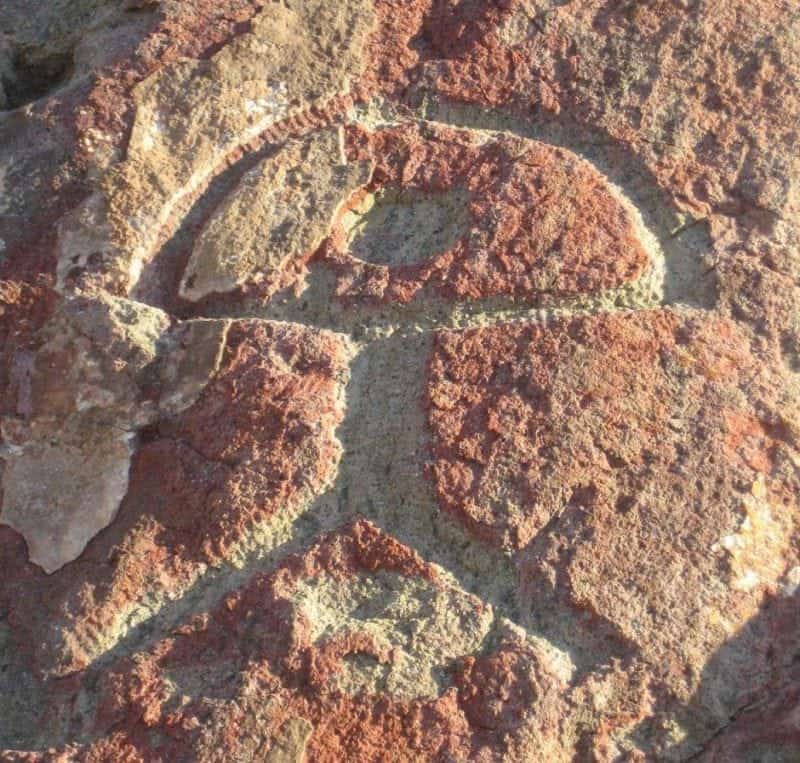
You’ll notice a recurring symbol throughout Mojácar and the wider Almería region a stick figure holding a semi-circle above its head. This is the Indalo, discovered in nearby prehistoric cave paintings dating to roughly 2,500 BC, making it one of the oldest continuously recognised symbols in Spain. Local legend ties it to a ghost said to hold a rainbow between its hands, and today it’s treated as a good luck totem tradition holds that it should be given as a gift rather than bought for yourself, so it’s worth knowing before you pick one up as a souvenir.
Deeper History: Before the Moors
Mojácar’s history reaches back much further than its Moorish period the area has been shaped by Phoenician, Roman, and Moorish influence in turn over more than 4,000 years, which is part of why the old town’s architecture and layout feel so distinctly layered. The Moorish period left the most visible mark on the streets you’ll actually walk through today, but the region’s deeper past is worth knowing before you go.
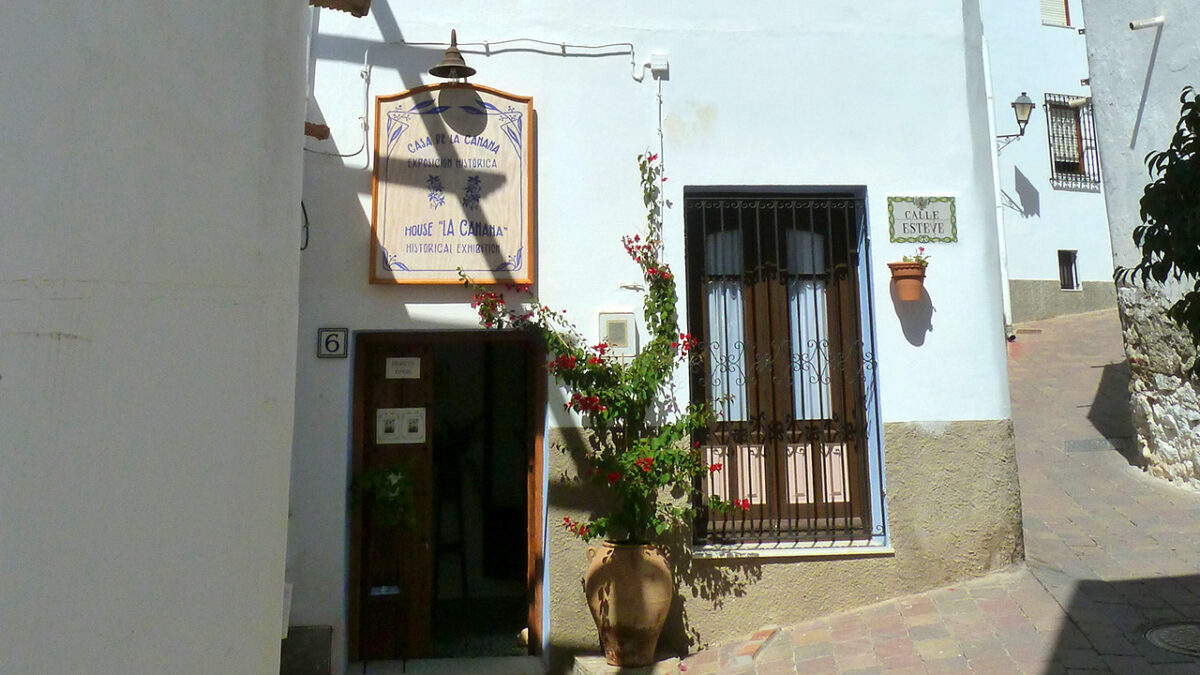
Museo Casa de la Cañana
A small museum inside a traditional home in the old town, preserving original furnishings and personal items to give a genuine glimpse into everyday village life in 20th-century Mojácar. A guided tour adds real context with stories about the people who actually lived there worth the detour if you enjoy this kind of small, specific local history over a big formal museum.
The History of Mojácar
Mojácar has one of the largest expat populations in the country relative to its size, and there’s a real story behind that. Through the mid-20th century, Mojácar’s population steadily declined, reaching a critical low of around 1,000 residents by the 1960s. Local leaders responded by offering land free to anyone who promised to build on it a genuinely bold move that sparked the local economy, drew in artists and new residents, and eventually brought tourism back to the beaches and restaurants that define the village today.
The Walt Disney Legend
One story that refuses to die in Mojácar: that Walt Disney was actually born here, not in Chicago. The legend centres on a local woman, Isabel Zamora, whose son the story goes was sent to America in the early 1900s after being born out of wedlock, a serious scandal at the time. The tale gained real traction in 1940, when three men reportedly arrived in Mojácar claiming to represent Walt Disney Studios, asking to see a birth record for a man named José Guirao Zamora and, according to local accounts, the relevant page later turned up missing from the town’s record book.
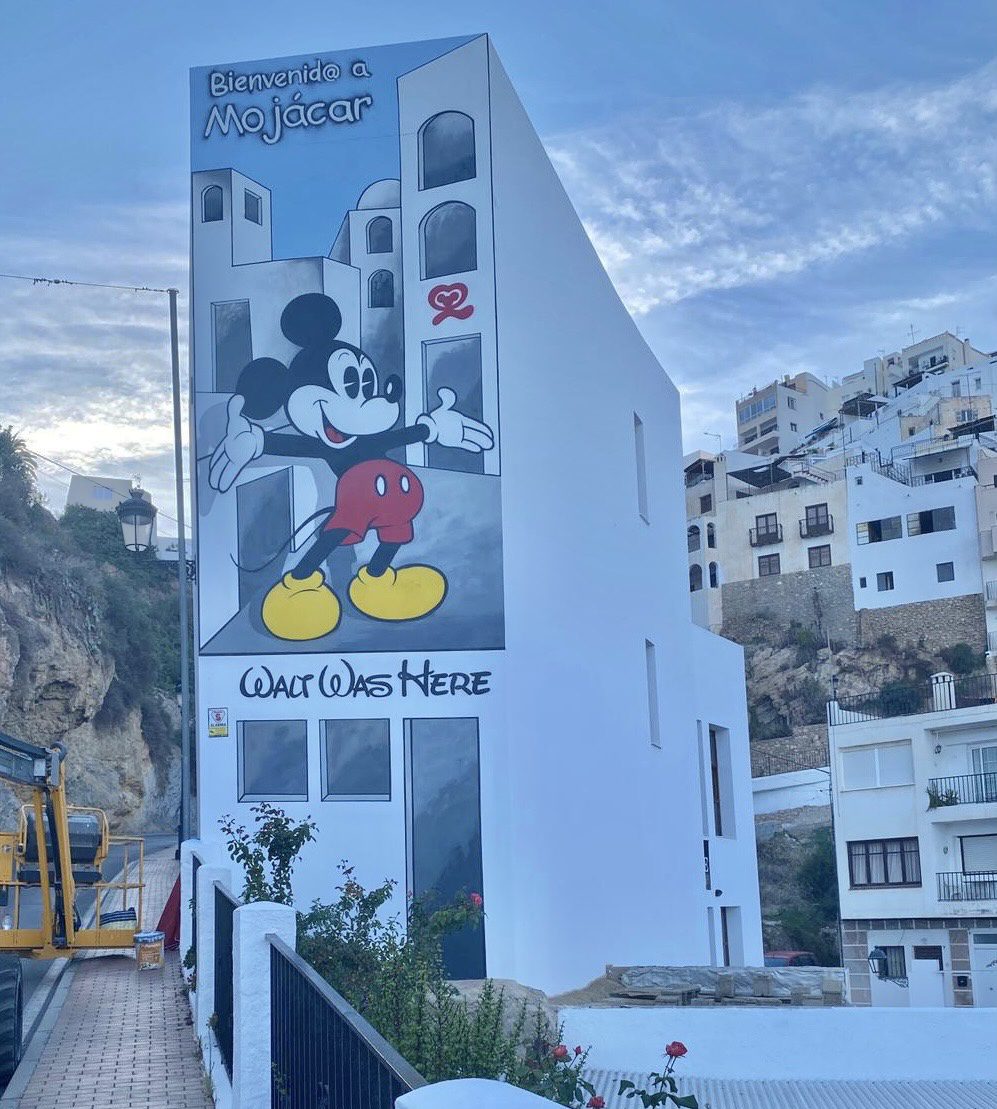
Disney’s authorized biography, written by his own daughter, states plainly that he was born in Chicago in December 1901, and no conclusive evidence has ever settled the question either way. Even so, the legend is taken seriously enough locally that Mojácar unveiled a Mickey Mouse mural in 2023 to mark Disney’s centenary. True or not, it’s a genuinely good story, and worth asking about if you get talking to locals in the Pueblo.
Things to Do in Mojácar Old Town (Pueblo)
Mojácar Pueblo remains true to its Moorish past, and it can really only be explored on foot. A public elevator near a parking area on the edge of the Pueblo will lift you up if you’d rather skip the initial climb, but once you’re up top, the beautiful whitewashed streets are for walking.
A genuinely useful tip if you’re driving up: there’s a free parking area right across from the public swimming pool at the base of the Pueblo. From there, it’s a short walk to the lift, which carries you straight up into the old town without the climb a much easier option than hunting for parking higher up, especially in summer heat.
A handful of spots you genuinely shouldn’t miss:
Practical tip: Mojácar Pueblo hosts its weekly market on Wednesdays.
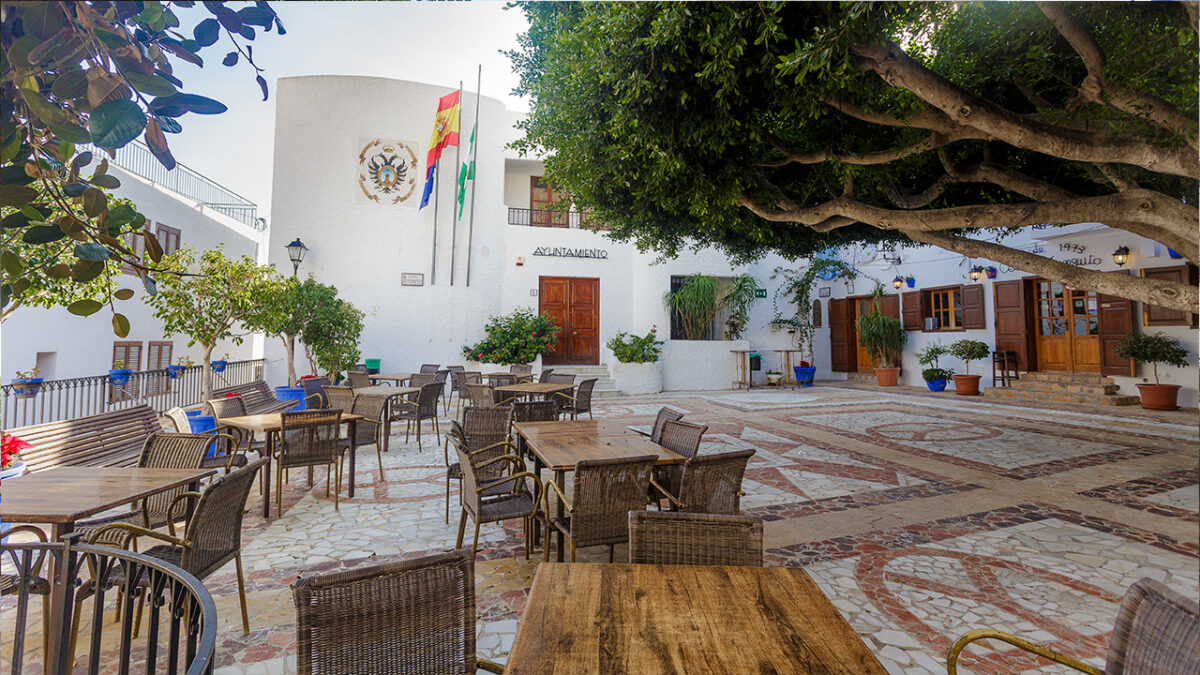
Mojácar Town Hall and the Central Square
The square beside the Town Hall is home to a Ficus Benjamina tree over 100 years old, reportedly brought to Mojácar by an immigrant returning from America.
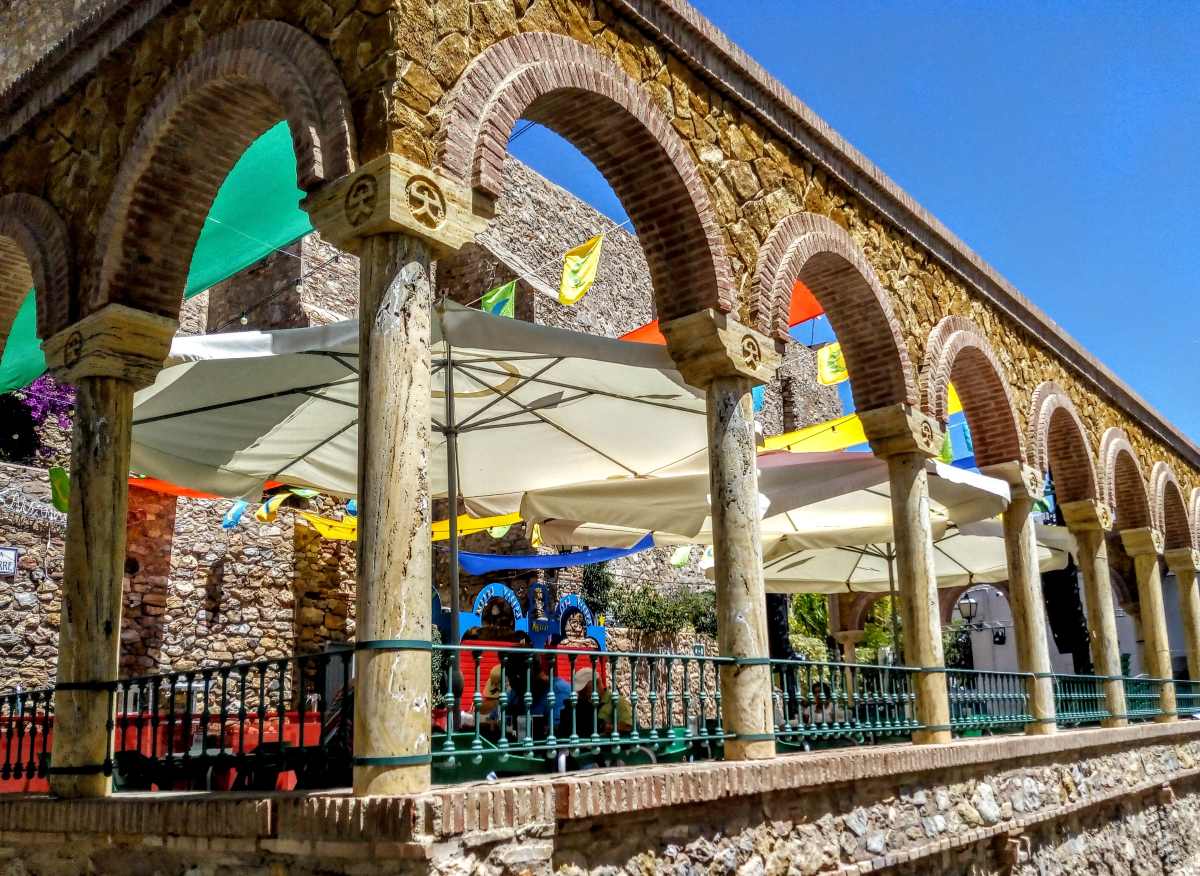
Plaza del Parterre
Behind the church, a set of stone stairs leads down to the Plaza del Parterre the site of an old Arab necropolis, where the tombs were oriented toward Mecca.
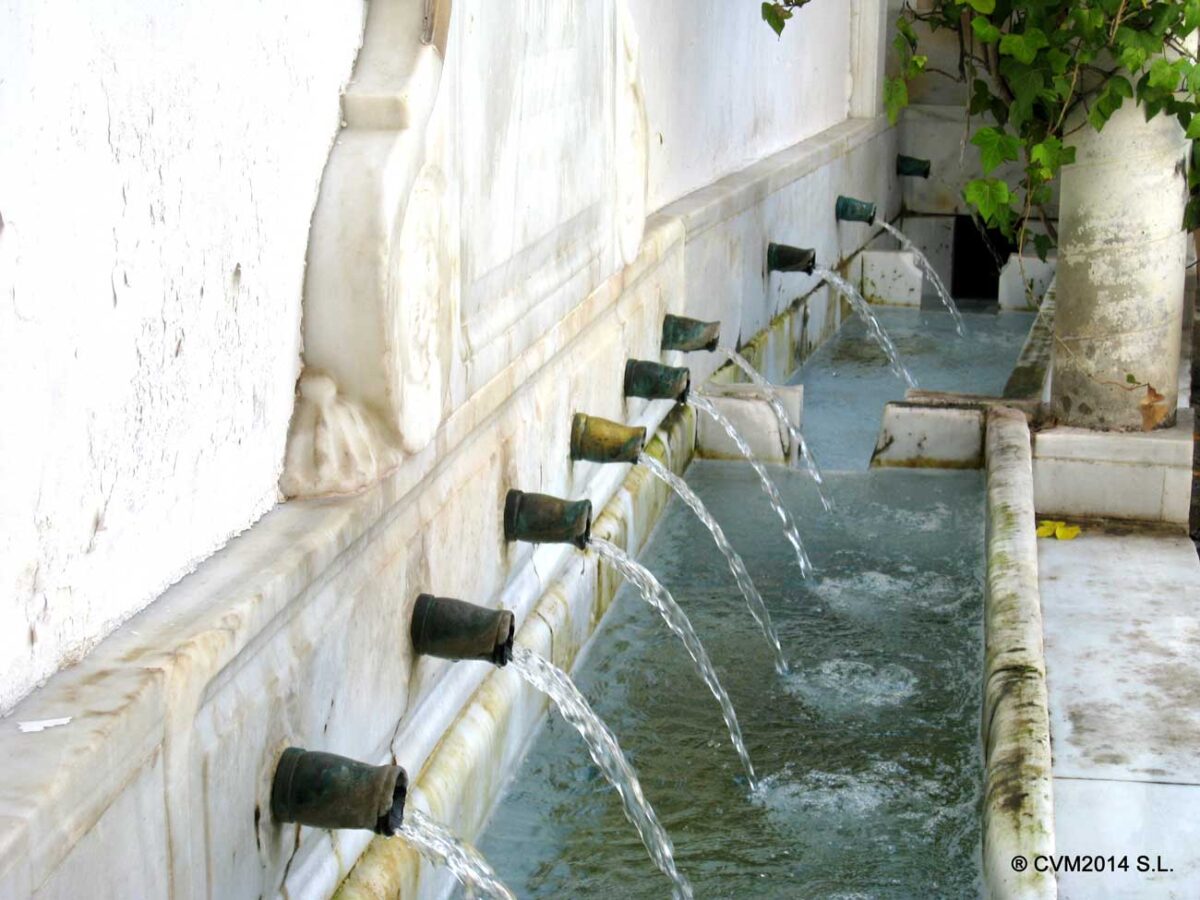
Fuente Mora de Mojácar
The Moorish fountain, also known as the Fuente de los Trece Caños (Fountain of the Thirteen Pipes), sits near the Plaza de las Flores. This is traditionally cited as the spot where Moorish leaders surrendered the town to the Christians.
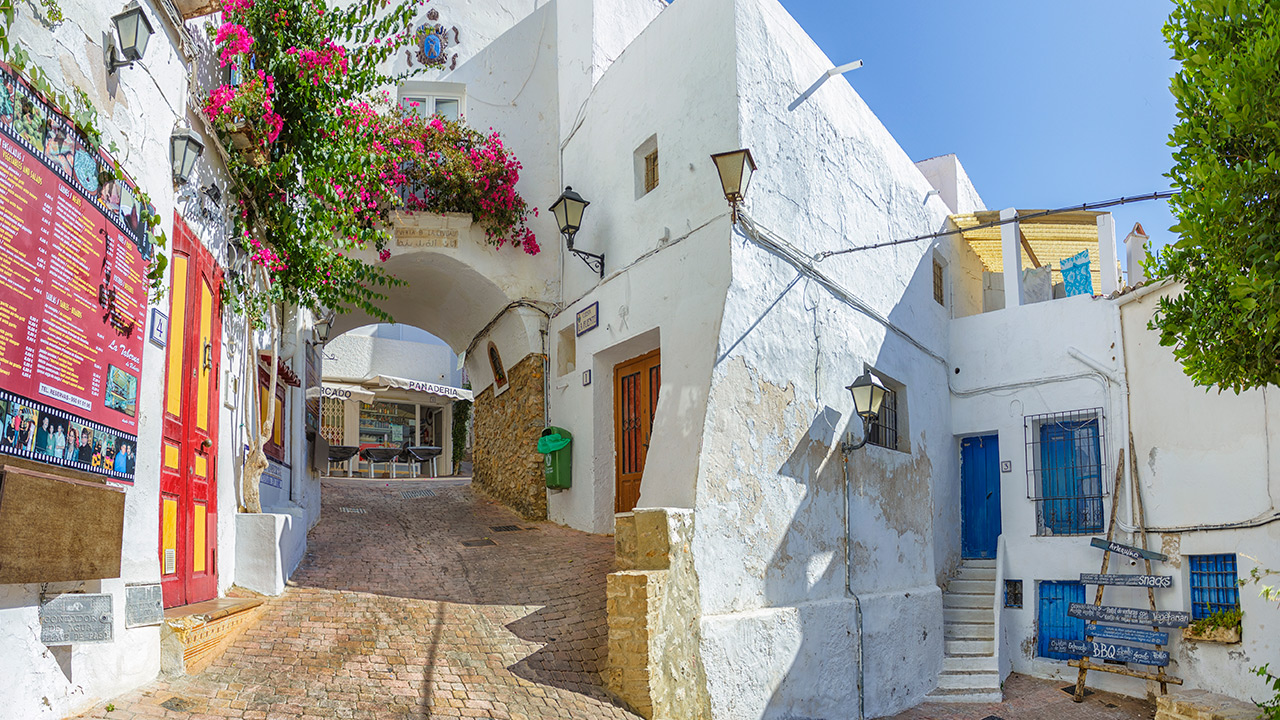
Puerta de la Ciudad
The original 16th-century doorway into the town, decorated with the town’s emblem a two-headed eagle.
Iglesia de Santa María
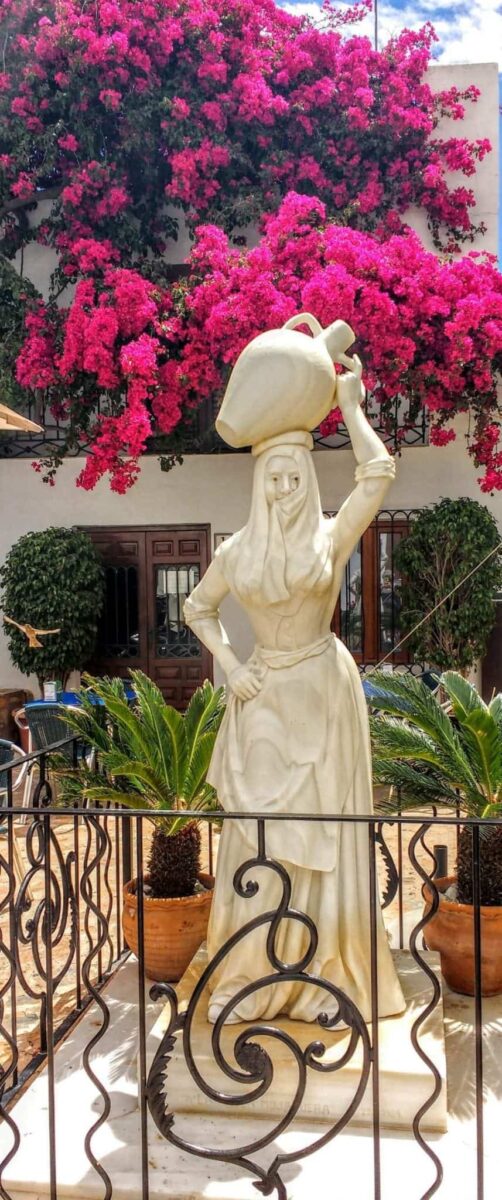
Located near the Plaza del Parterre, where you’ll also find the statue of La Mojaquera, representing the women of Mojácar.
Plaza Nueva and the Mirador
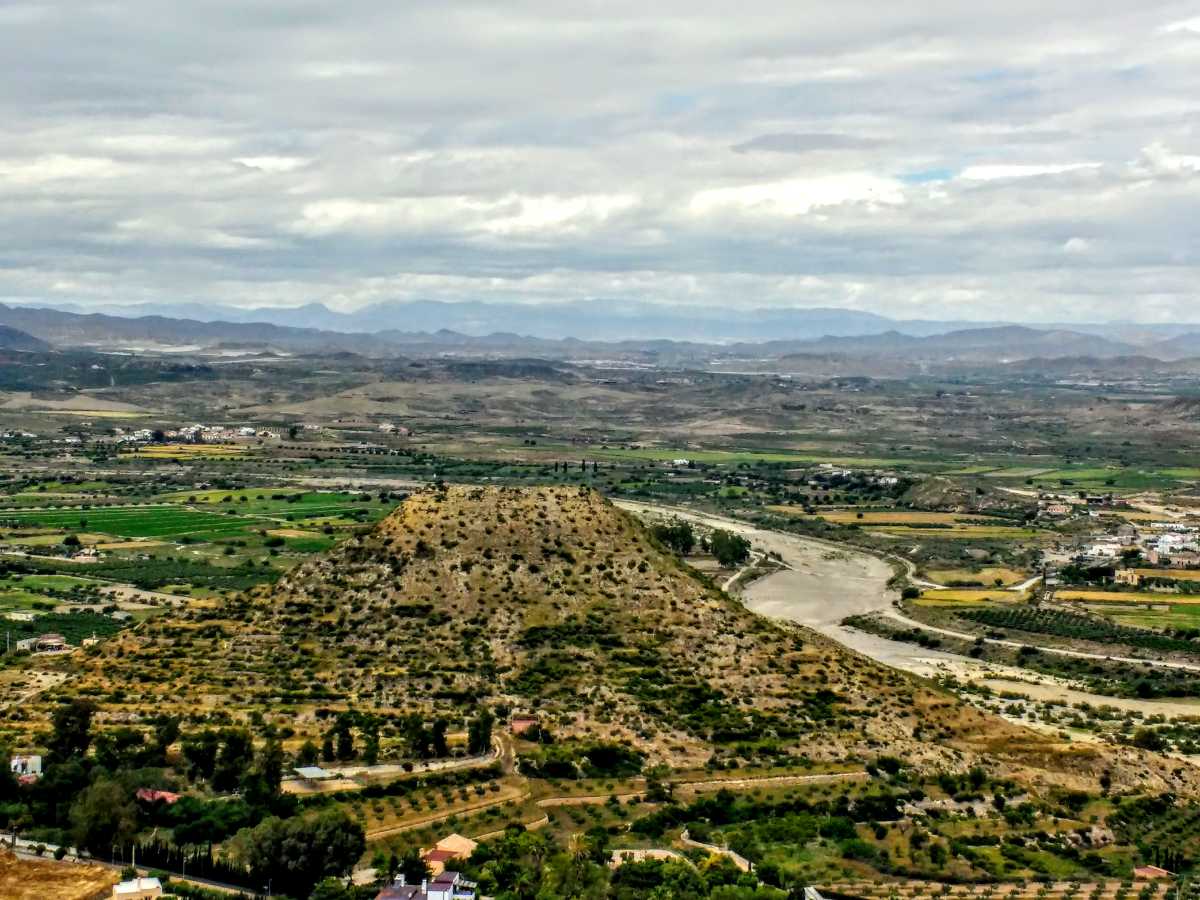
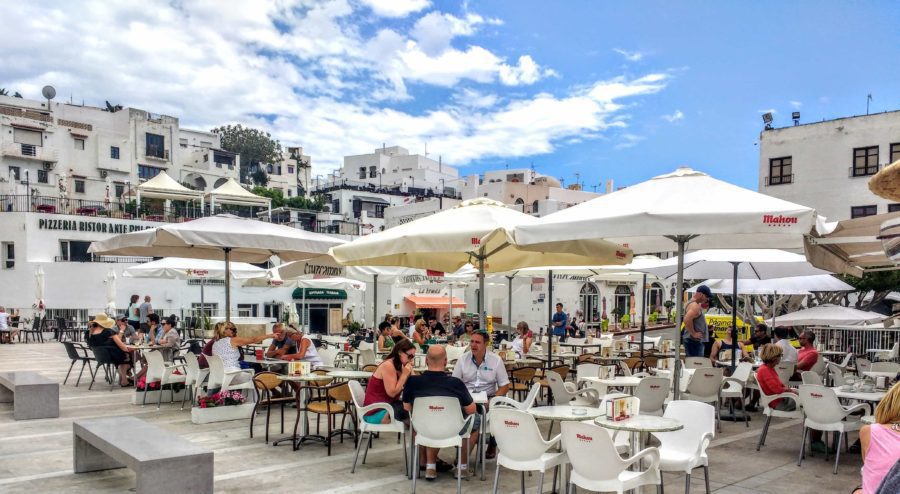
Mojácar’s main square is always full of life a good spot for a Tinto de Verano at one of the bars, or to catch sunset from the Mirador, with views across the Sierras de Cabrera, Bédar, and Almagrera, the surrounding towns, and the Río Aguas.
Things to Do in Mojácar Playa
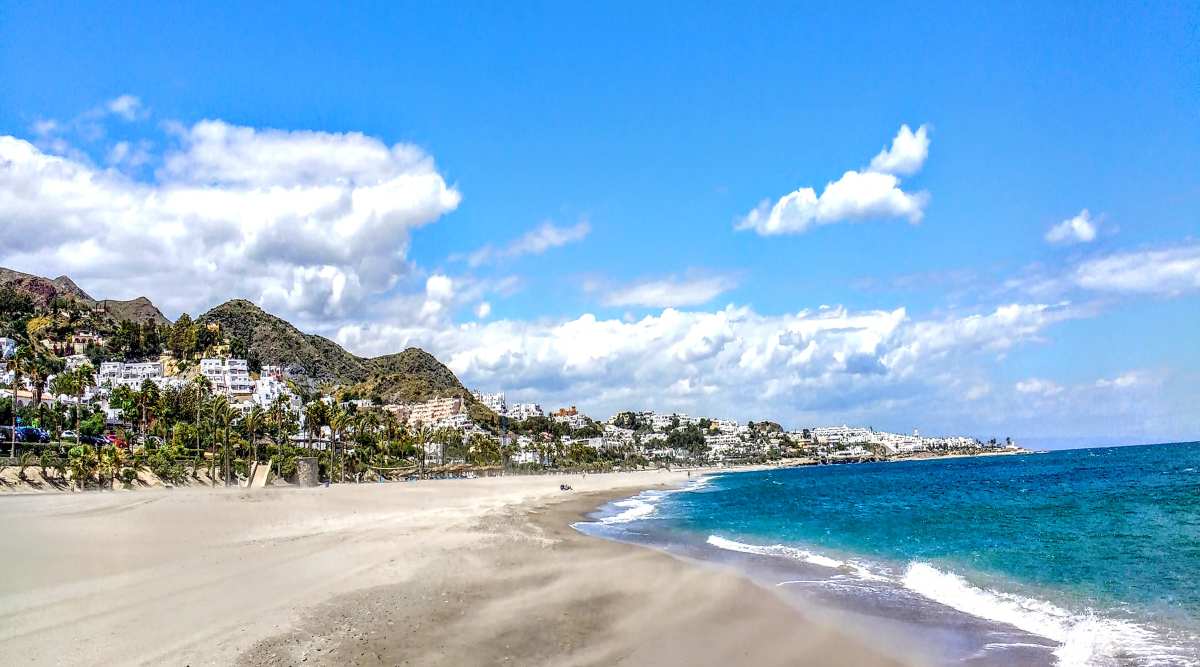
Mojácar Playa runs along 17 kilometres of beach, about 2.5km from the Pueblo. Between the chiringuitos, kids’ play areas, beach bars, and restaurants, it’s genuinely lively except outside July and August, when it’s noticeably quieter.
There’s a real range of places to eat and drink, from Irish pubs and tapas bars to Indian food and full Spanish restaurants everything from paella to a full English breakfast. Worth picking up some proper Spanish olive oil while you’re browsing the shops.
Getting Around: Mojácar Playa and Pueblo
A local yellow bus runs a circular route starting at the Puerto Marina hotel at the far (Carboneras) end of Mojácar Playa. Timetables are posted at the tourism offices on the Playa (opposite the Parque Comercial) and up in the Pueblo, and on the buses themselves. The fare is around €1.
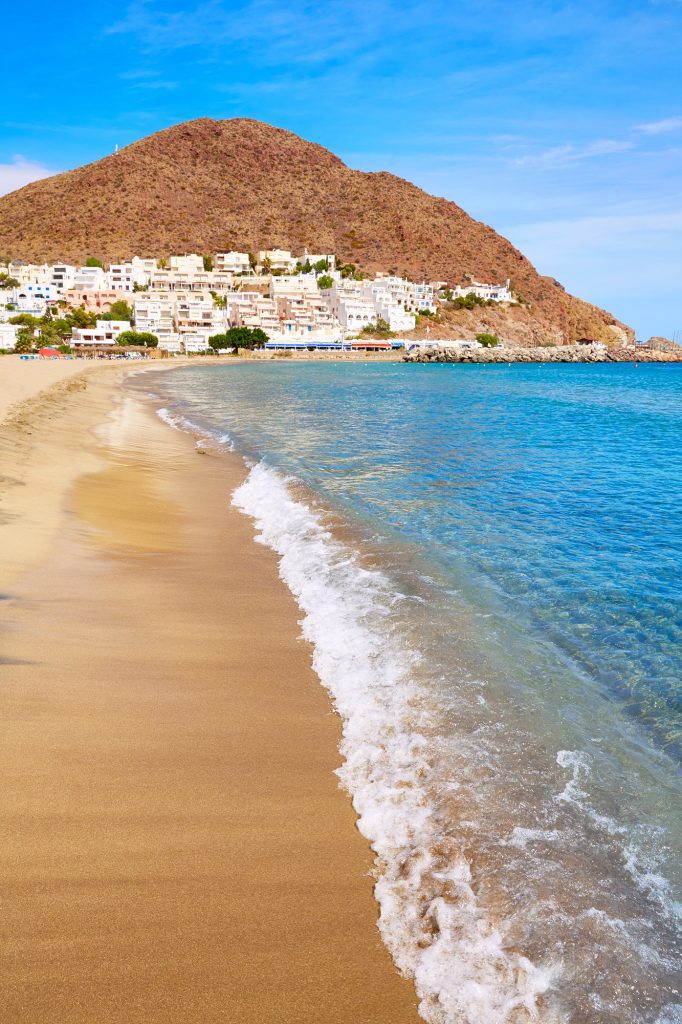
Cabo de Gata Natural Park
With a rental car, the Cabo de Gata nature reserve is well worth the detour rugged cliffs, picturesque coves, and sandy beaches at the southeastern tip of the Almería province. Designated a Biosphere Reserve in 1997, it covers the Cabo de Gata-Níjar Nature Park and its surrounding coastline.
Getting to Mojácar
From Almería Airport
The closest airport to Mojácar is Almería. Take the bus from the airport to Almería’s bus station, then an intercity coach to Mojácar around €8 one-way, arriving at the Parada de Autobús Mojácar, Parque Comercial (La Playa). A direct taxi runs about €90 one-way; various minibus transfer services cost roughly €65-70 per person, per direction.
From Alicante or Murcia Airport
Public transport from Alicante or Murcia is more complicated and takes longer you’d get to the bus station, take a bus to Vera, then another bus on to Mojácar, at a cost of around €18 one-way. I’d genuinely recommend renting a car from either airport instead: the drive is roughly 90 minutes from Murcia, or up to 2.5 hours from Alicante. By car, take the Autovía del Mediterráneo from Almería toward Murcia and exit at 520 Los Gallardos Turre Mojácar. The toll road from Murcia or Alicante is faster but costs around €12 per car; the regular E7 highway also runs directly to Mojácar.
Mojácar Weather
Mojácar sees a lot of sun and heat, with rainfall both seldom and light a median of around 200mm per year. Average annual temperature sits around 20°C.
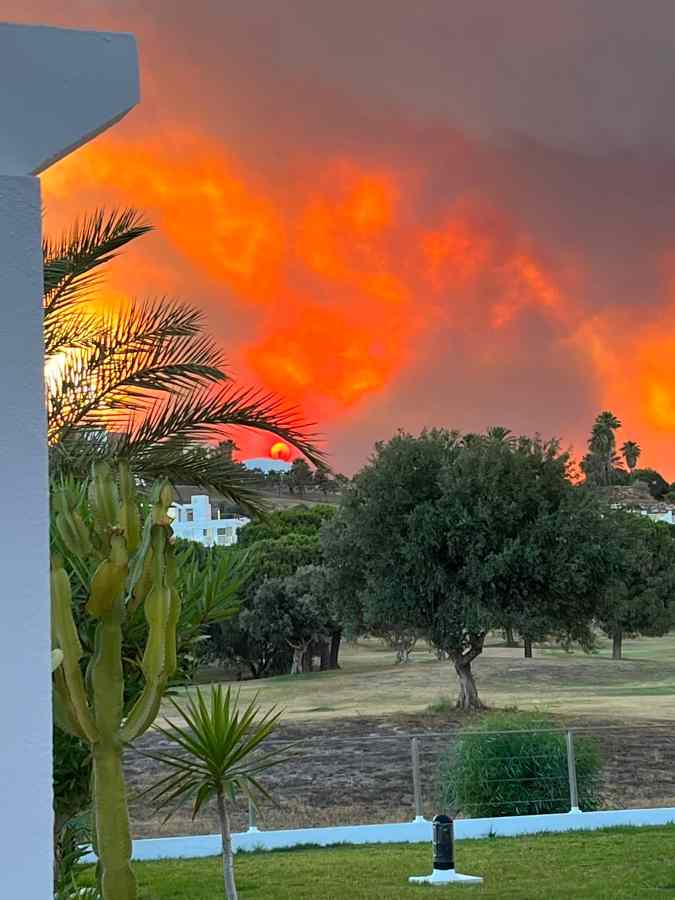
Over the past five years, the climate reality has become impossible to ignore. Summer heat now regularly climbs past 40°C, and the humidity along this stretch of coast makes it feel far worse than the number alone suggests genuinely difficult conditions that weren’t the norm even a decade ago. In July 2026, that reality turned tragic: a wildfire broke out near Los Gallardos, just down the road from Mojácar, and spread through Bédar and the surrounding area during a brutal heatwave, killing around 15 people. It was the deadliest wildfire in Andalusian history. Many of us who live locally knew people affected, or knew the roads and hillsides that burned. It’s not something I can write a breezy travel guide around without mentioning it this is genuinely part of what living on this coast looks like now, not a one-off. You can read more in my Living in Spain the Reality.
The Best Holiday Activities in Mojácar
Extreme Adventure Mojácar
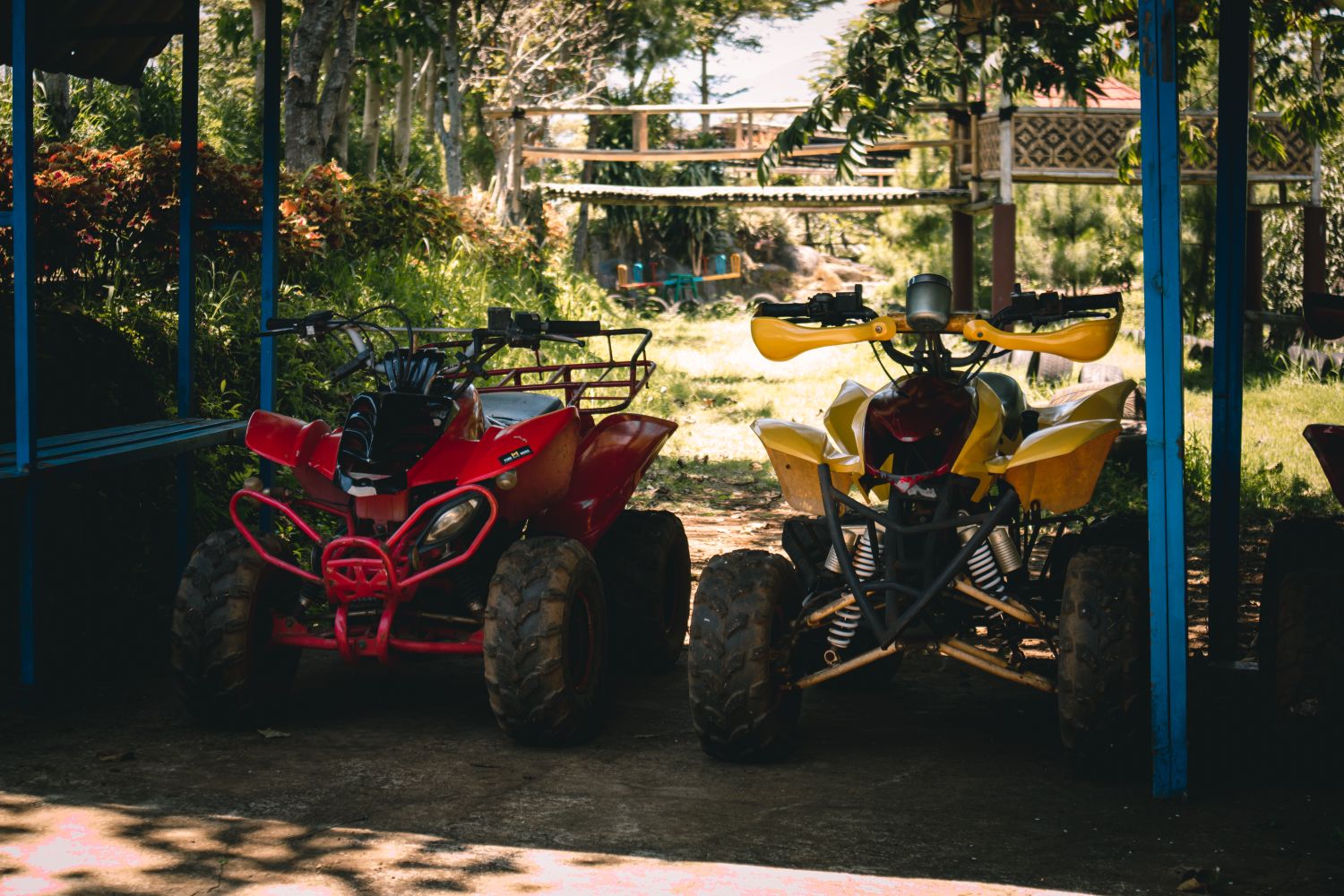
Buggying across the Tabernas desert and the hills around Mojácar is genuinely good fun rent buggies by the hour or take a guided tour around the sites on the outskirts of town.

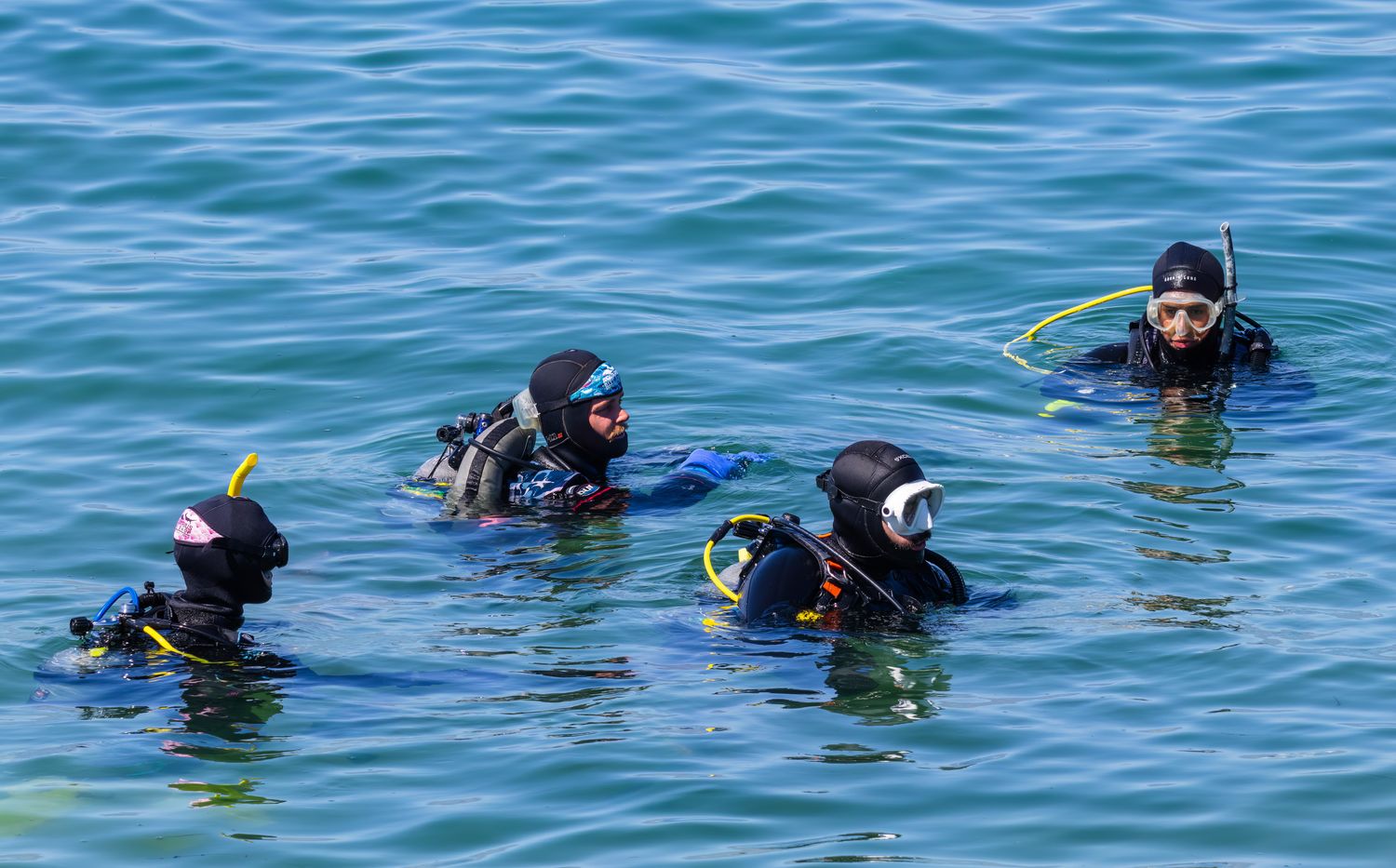
Scuba Diving at Centro Escuela de Buceo Mojácar
Mojácar is a genuinely strong scuba diving hub, with dive sites among the best in Spain rich marine life, varied topography, and even a WWII-era wreck.
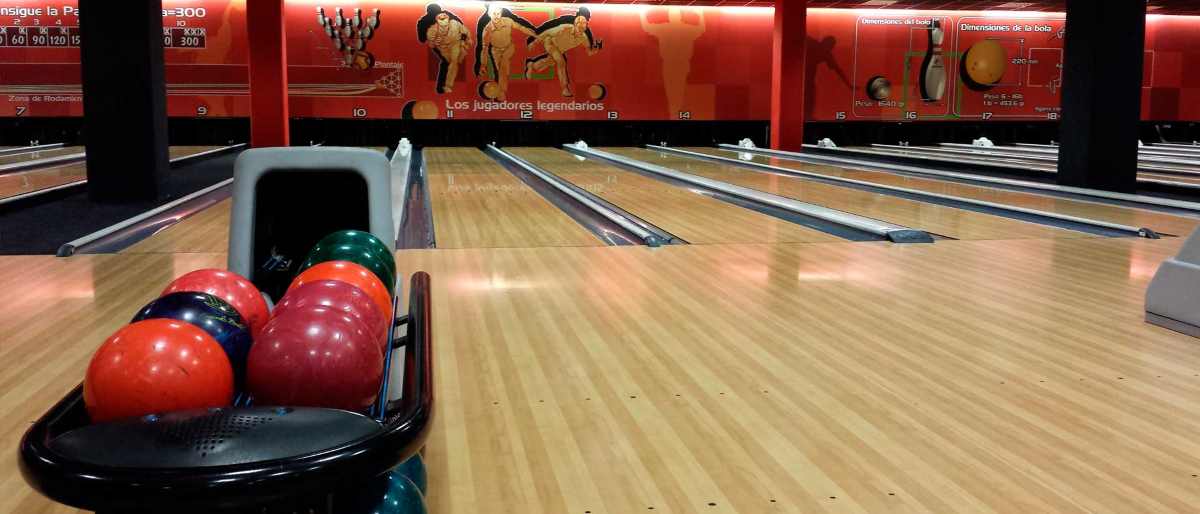
Bowling at Ozone Bowling
A straightforward, reliable option if you want a family activity that doesn’t depend on the weather.
Indalo Quads
Quad bike tours around Mojácar’s back roads, farms, villages, and local markets routes can be tailored to what you want to see.
Playing Golf in Mojácar
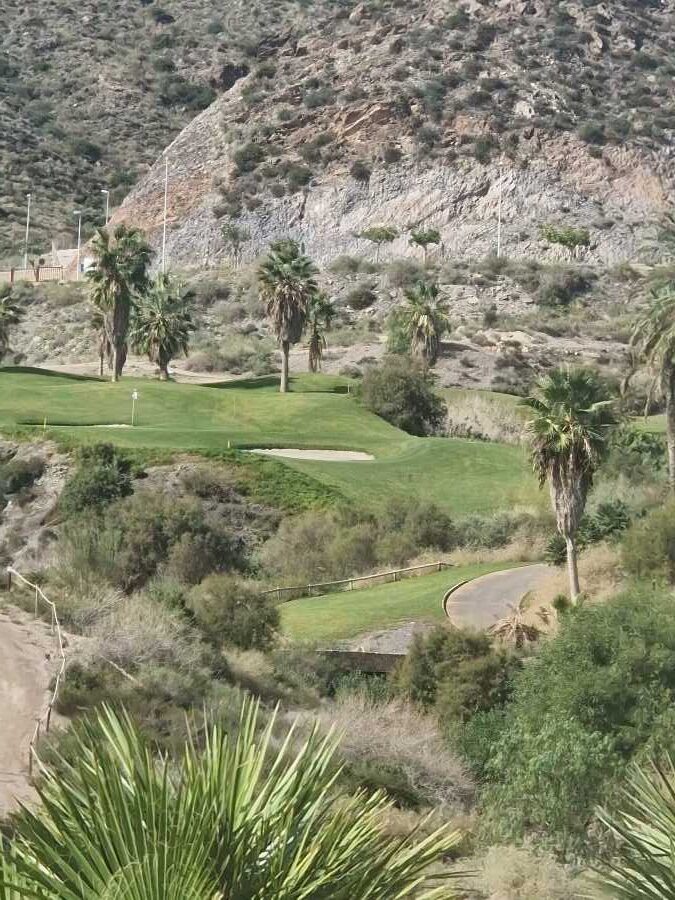
Golf is genuinely one of the most popular things to do here, and the Almería coastline has some excellent courses. Desert Springs Golf Club, a short drive away near Cuevas del Almanzora, offers varied challenges alongside a good restaurant and family pool. The Marina Mojácar Golf Course has 18 holes set against palm trees, small mountain ranges, and three lakes. Valle del Este Golf Club offers a genuinely different design at every hole, plus a driving range and putting green to warm up on.
My husband plays golf with a Society which means you don’t have to join the very expensive golf clubs here and you can play as a visitor or a permanent resident. The cost of most golf clubs is in the range of around €100 plus per game, or several thousand euros for a membership and then you green fees and cart on top.
Caving Near Mojácar
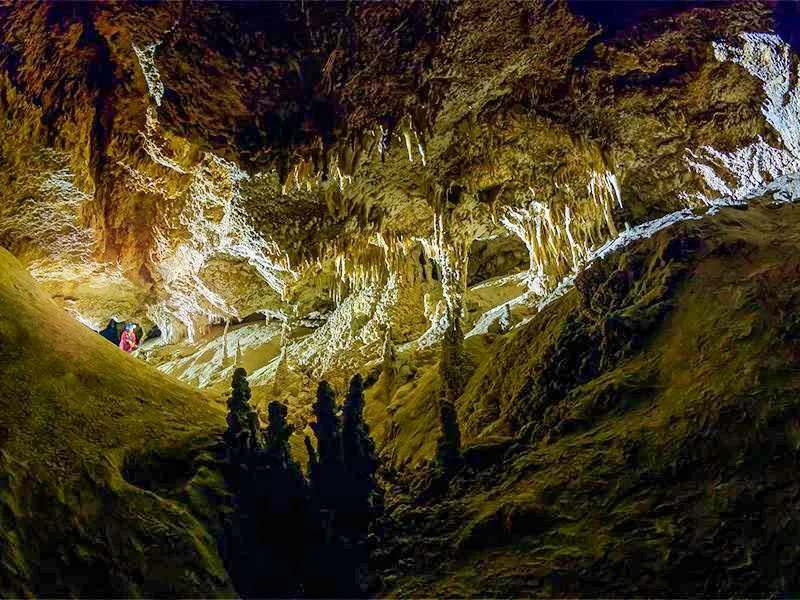
About a 45-minute drive away, the caves near Sorbas inside the protected Gypsum Karst Natural Park offer everything from easy, family-friendly tours to expert-level caving, with prices roughly €10-50 depending on difficulty (worth confirming current rates directly). These caves are genuinely unusual: the karst formations protect delicate gypsum crystal structures from water erosion, creating a network of glittering underground chambers and passages.
Festivals and Celebrations in Mojácar
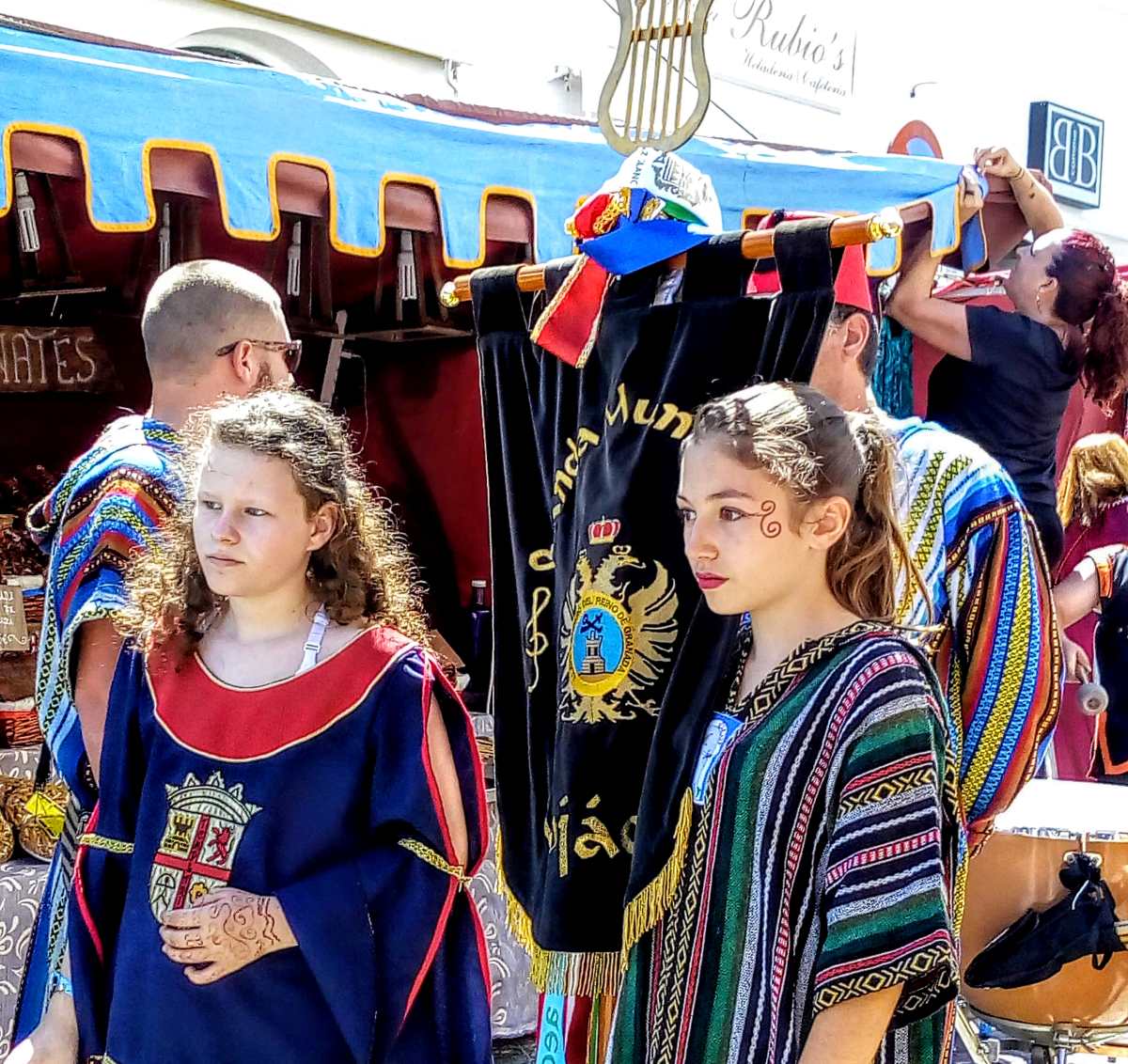
Mojácar knows how to celebrate, especially through summer. Moros y Cristianos (Moors and Christians) in June is the town’s biggest fiesta, commemorating the handover of the town from Moorish to Christian rule parades, costumes, music, dancing, mock battles, and plenty of drinking.
La Noche de San Juan, also in June, marks the start of summer across Spain; in Mojácar it means a full beach party running until morning, bonfires, and the burning of muñecos (dolls) for good luck.
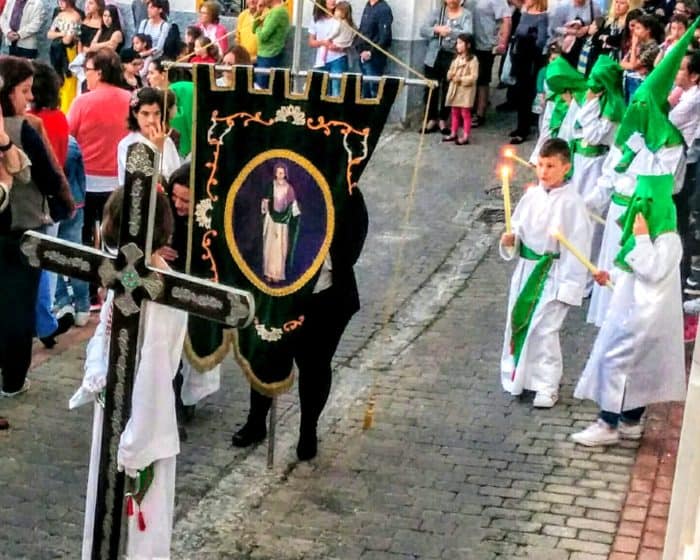
Other fiestas worth knowing: the festival of Mojácar’s patron saint, San Agustín (August), the Virgen del Rosario festival (October), and the Fiestas de Navidad (December) alongside Semana Santa, the major Easter festival celebrated across Andalucía.
Kiteboarding and Sailing in Mojácar
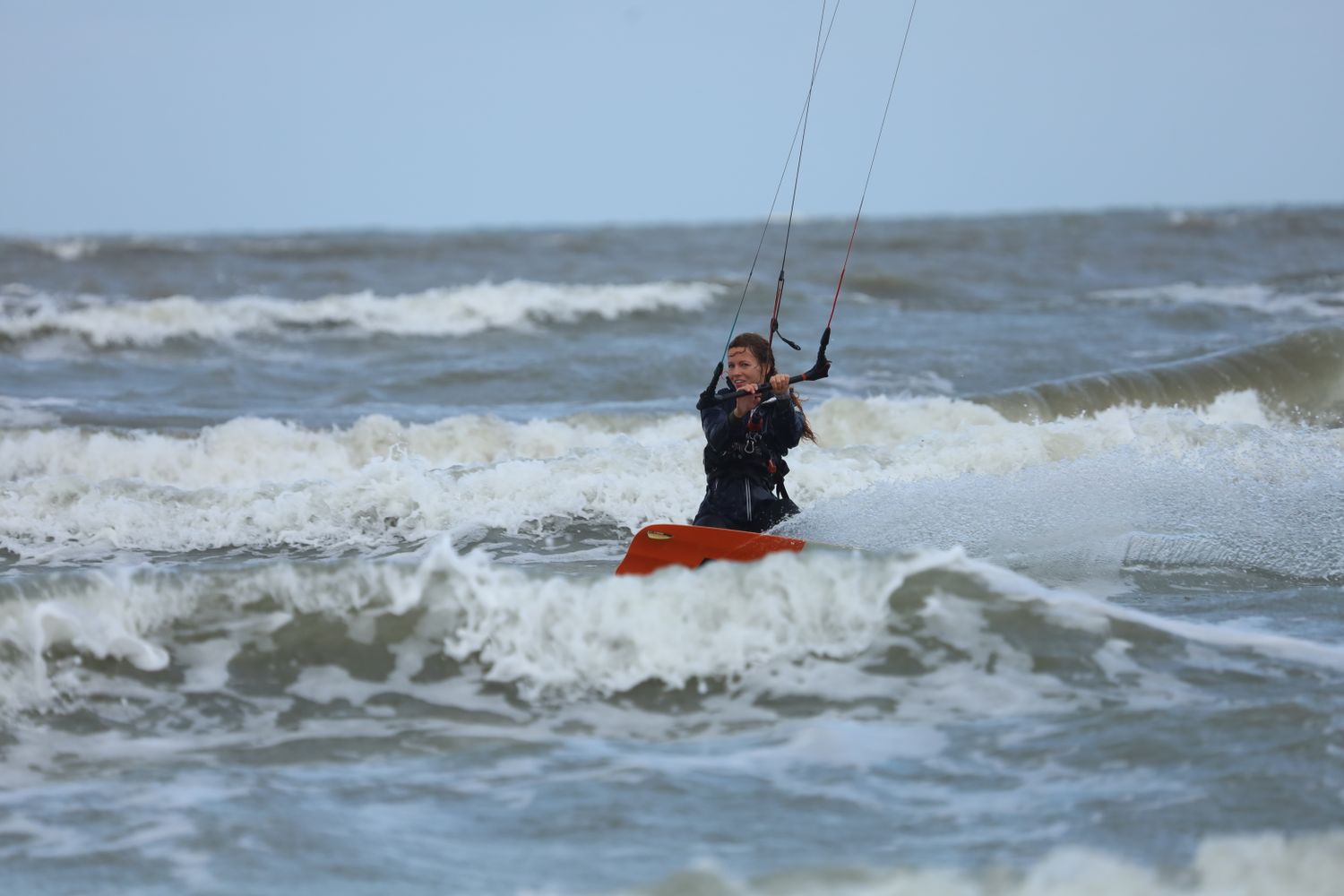
If you want something more active than sunbathing, learn kiteboarding with Bora Kites or sailing with Candelix Beach Sailing School.
Camel Rides
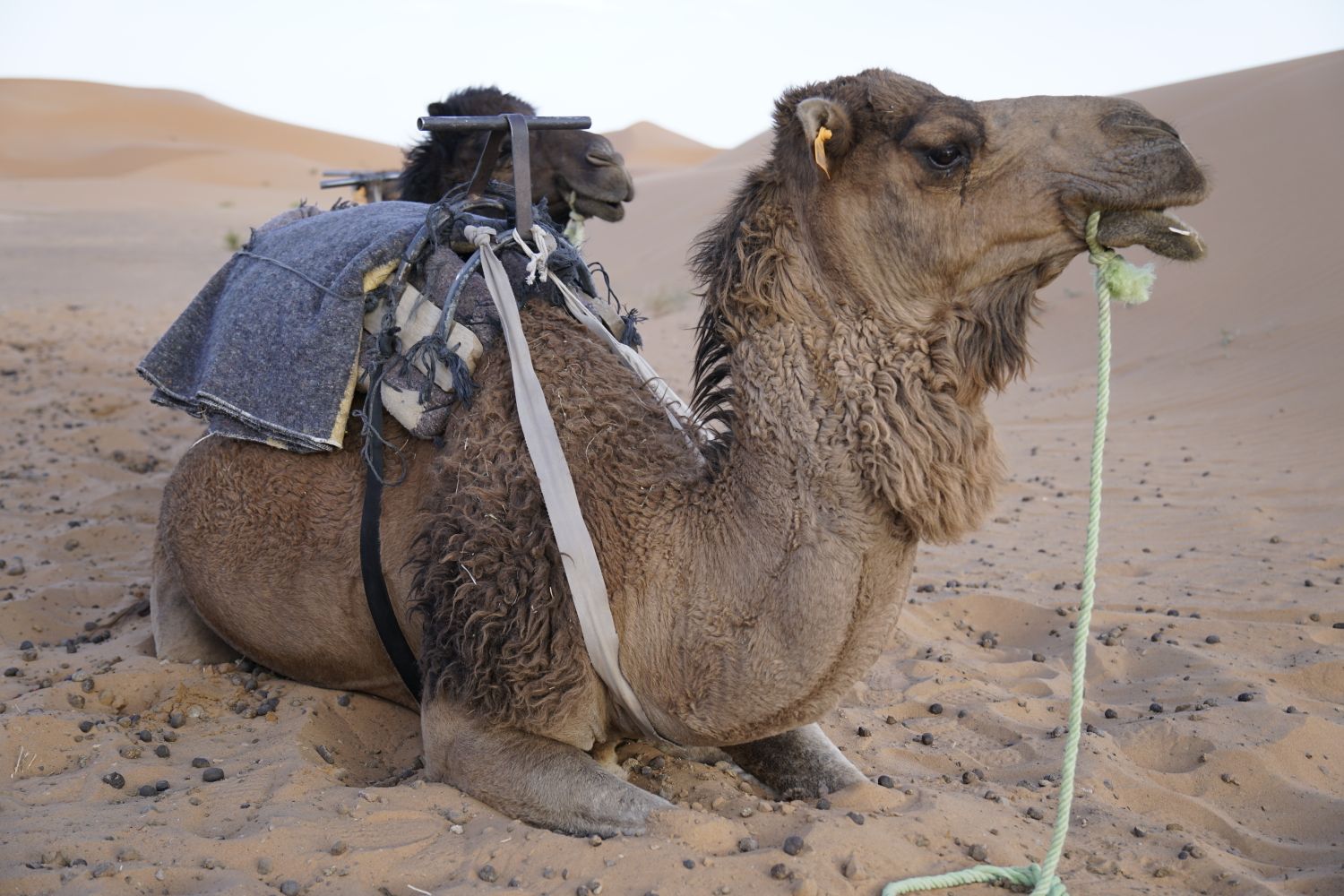
Camellos de Almería set up on the beach closest to Garrucha during summer for camel rides along the sand.
Where to Stay in Mojácar
Mojácar Beachfront Apartments just 20 metres from the beach, with a year-round outdoor pool, garden, and free WiFi. All apartments have sea views, a balcony or terrace, air conditioning, and a full kitchen restaurants and the beach are both a minute or two on foot, with a shopping centre 5 minutes away.
Hotel Best Mojácar beachfront, with a gym, sauna, hot tub, and Turkish bath. Outdoor pools sit in gardens with panoramic sea views; rooms are Mediterranean-styled with balconies. The hotel sits next to an 18-hole golf course, with tennis and basketball courts just 100m away.
Casa Azul a beachfront apartment with a private patio, free parking, and free WiFi. Two bedrooms, a full kitchen with dishwasher, washing machine, and swimming pool.
Do I Need a Car in Mojácar?
Not for the basics. In summer (May to October), a small road “train” runs between Vera Playa and Garrucha €4 return, starting around 5:30pm and running until roughly midnight. Having housesat in Vera Playa myself, I can vouch for it being a genuinely handy way to get up and down that stretch of coast without needing a car for every trip, though timing can run a little loose, so build in some slack. You can hail it anywhere along its route. For the Pueblo-to-Playa journey, use the yellow bus covered above.
But to properly explore beyond Mojácar itself the Tabernas Desert, Cabo de Gata, the Sorbas caves, or a longer southern Spain road trip through Andalucía you’ll need to rent a car.
Frequently Asked Questions About Mojácar
What’s the best way to see Mojácar’s old town (Pueblo)?
On foot it’s genuinely the only way to properly explore it. A public elevator near the edge of the Pueblo lifts you up from a parking area if you’d rather skip the initial climb, but once you’re up top, the whitewashed streets are pedestrian by nature.
Is it true Walt Disney was born in Mojácar?
It’s a genuine, long-running local legend, not an established fact. The story centres on a local woman, Isabel Zamora, whose son may have been sent to America in the early 1900s, and on three men claiming to represent Disney Studios who reportedly visited Mojácar in 1940 asking about a birth record. Walt Disney’s authorized biography states he was born in Chicago in December 1901, and no definitive evidence has ever surfaced either way but the legend is taken seriously enough locally that the town unveiled a Mickey Mouse mural in 2023 for Disney’s centenary.
Do I need a car in Mojácar?
Not for the basics a local yellow bus connects Mojácar Pueblo and Mojácar Playa for about €1, and a seasonal road train links Vera Playa and Garrucha in summer. But if you want to reach the Tabernas Desert, Cabo de Gata Natural Park, or the Sorbas caves, you’ll need to rent a car.
How do I get to Mojácar from the airport?
Almería Airport is closest take the bus into Almería city, then an intercity coach to Mojácar (around €8 total). A direct taxi runs about €90. From Alicante or Murcia airports, it’s a longer trip via Vera, or a roughly 90-minute to 2.5-hour drive if you rent a car.
This guide is part of our Spain Travel Guide, covering regions, culture, and travel styles across Spain. If mobility is a factor in your planning, see our Accessible Spain guide for real wheelchair and mobility advice, and if you want more of the coast beyond Mojácar, our roundup of coastal villages in Spain covers plenty more like it.
Fallen in love with Europe and thinking of moving here? Make sure you check our European Highlights guides.