
A Regional Guide to Spanish Food: Exploring Spain’s Iconic Dishes & Local Flavors
Spanish cuisine varies dramatically by region, Valencia has paella, the Basque Country has pintxos, Galicia has pulpo a la gallega, and Andalucía has cold soups like gazpacho and salmorejo. There’s no official national dish, meal times run later than most visitors expect (lunch 2-4pm, dinner 9pm-midnight), and tapas culture varies by city sometimes free with a drink, sometimes ordered à la carte. This guide covers all eight major culinary regions, plus the practical stuff: how to order coffee like a local, when to eat what, and the dishes worth seeking out region by region.
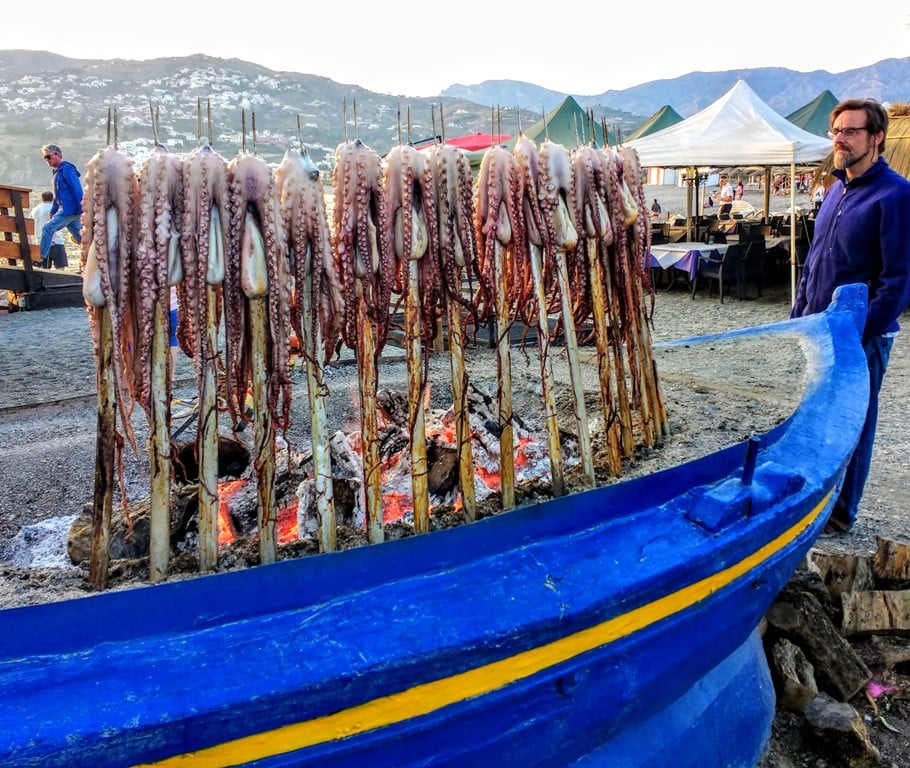
Spain’s culinary landscape is a rich tapestry woven from centuries of cultural influences, regional variations, and an unwavering dedication to fresh, local ingredients. From the seafood-rich coasts of Galicia to the sun-drenched olive groves of Andalusia, Spanish cuisine stands as one of the world’s most diverse and celebrated food cultures.
Recognized by UNESCO as Intangible Cultural Heritage, the Mediterranean diet forms the foundation of Spanish cooking, emphasizing fresh vegetables, seafood, olive oil, and locally-sourced meats. What sets Spanish cuisine apart isn’t just its ingredients, but how they’re enjoyed through long, social meals, tapas culture, and regional specialties that tell the story of each unique province. For more on how regional cuisine shapes identity the way it does here in Spain, the Global Food Guide covers that pattern across the world.
Here’s how to Use This Guide
This comprehensive guide to Spanish cuisine is organized to help both first-time visitors and foodie travellers navigate Spain’s rich culinary landscape.
Explore eight distinct culinary regions, with signature dishes, local ingredients, and cultural influences. You’ll find must-try classics like paella and cocido madrileño alongside regional specialties, plus practical tips on meal times, ordering customs, and coffee culture (including Málaga’s unique vocabulary). Explanations of essential culinary terms are woven throughout so you can navigate menus confidently.
Whether you’re planning a trip to Spain or simply want to deepen your understanding of Spanish cuisine, use this guide as your roadmap to one of the world’s most celebrated food cultures.

- A Regional Guide to Spanish Food: Exploring Spain’s Iconic Dishes & Local Flavors
- Here's how to Use This Guide
- Understanding Spanish Tapas Culture
- Types of Spanish Small Plates
- Modern Tapas Culture
- Tapas – Traditional Spanish food
- What is the National Dish of Spain?
- Spanish food regions
- Traditional food in Spain what to eat and when
- Spanish food culture meals what to eat in Spain and when
- Lunch in Spain La Comida
- Traditional Spanish dishes to try
- Starters, Appetizers
- Main dishes in Spain
- Spanish Desserts
- Spain is famous for what products?
- Spanish cheese
- Drinks in Spain
- FAQs about Spanish Food
Travelling to Spain and want to learn more about what to see and do – read my Spain Travel Guide.
Understanding Spanish Tapas Culture
The Origin of Tapas
There’s a popular Cádiz legend about King Alfonso XIII’s sherry being “tapped” with a slice of jamón to protect it from sand. While charming, it’s best viewed as folklore rather than verified history. What’s certain is that tapas evolved from practical bar culture—small bites served with drinks—and became a social ritual across Spain.
Types of Spanish Small Plates
Spanish dining features three primary formats of small plates, each with its own traditions and regional context:
Tapas
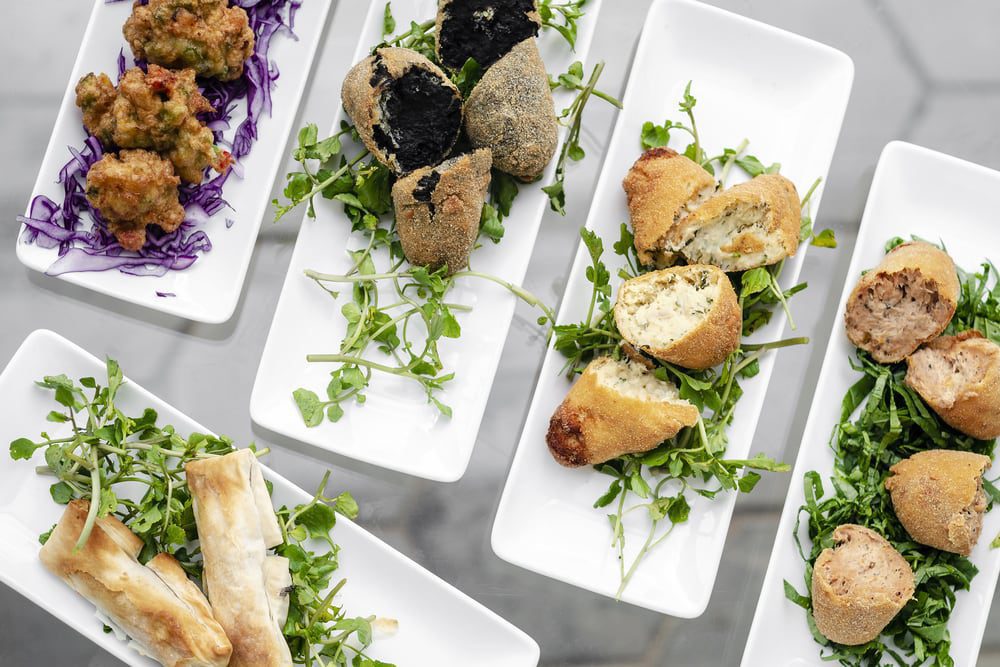
Tapas are small portions that may be complimentary with drinks in parts of Andalusia or ordered à la carte elsewhere. They range from cold bites like ensaladilla rusa to hot dishes like gambas al ajillo and are often enjoyed standing at the bar.
Pinchos (Pinxtos)
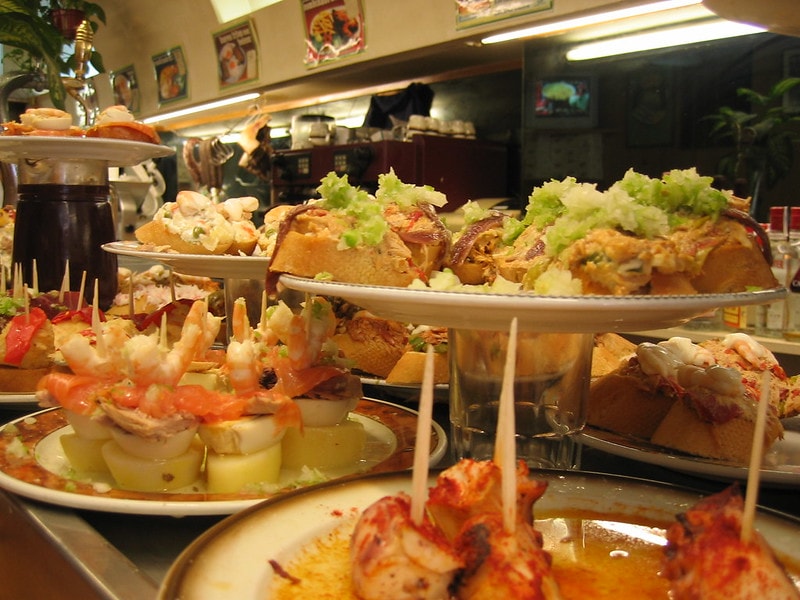
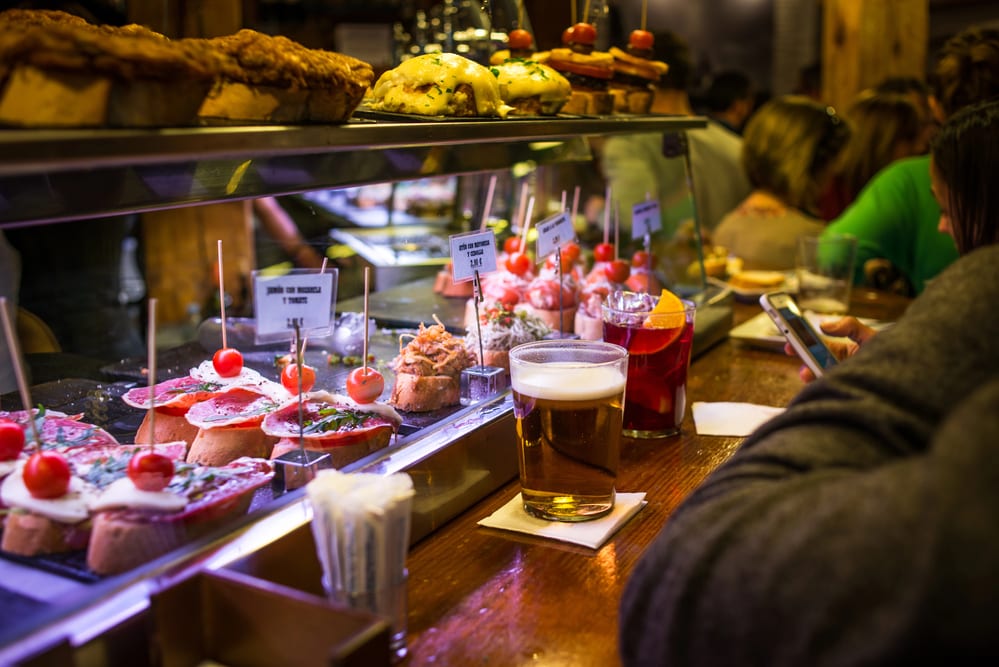
Pintxos (Basque: “pintxos”) are emblematic of the Basque Country. Typically assembled on bread and skewered with a toothpick, they’re ordered from the bar display and tallied by toothpicks on your plate. Expect more elaborate preparations than typical tapas.
Raciones are larger, shareable portions—ideal when you’re seated and want a full plate of a dish you sampled as a tapa.
Modern Tapas Culture
When to Eat Tapas
When to eat tapas: late afternoon for a light bite, in the early evening before dinner, or late at night as a casual meal.Order a few items at a time, starting with cold dishes, and share across the table. In pintxo bars, keep toothpicks for tallying. Pair with local wines, cider, vermouth, or beer.
Regional Variations
In parts of Andalusia, a tapa may come free with a drink; Madrid’s tapas are typically ordered and often more elaborate; Barcelona leans toward larger plates; the Basque Country revolves around pintxos culture; coastal Valencia shows strong seafood influence.
Tapas Etiquette
Stand at the bar for a classic experience, move between establishments, share small plates, and settle the bill at the end. In busy bars, order directly from the bartender and keep your spot.
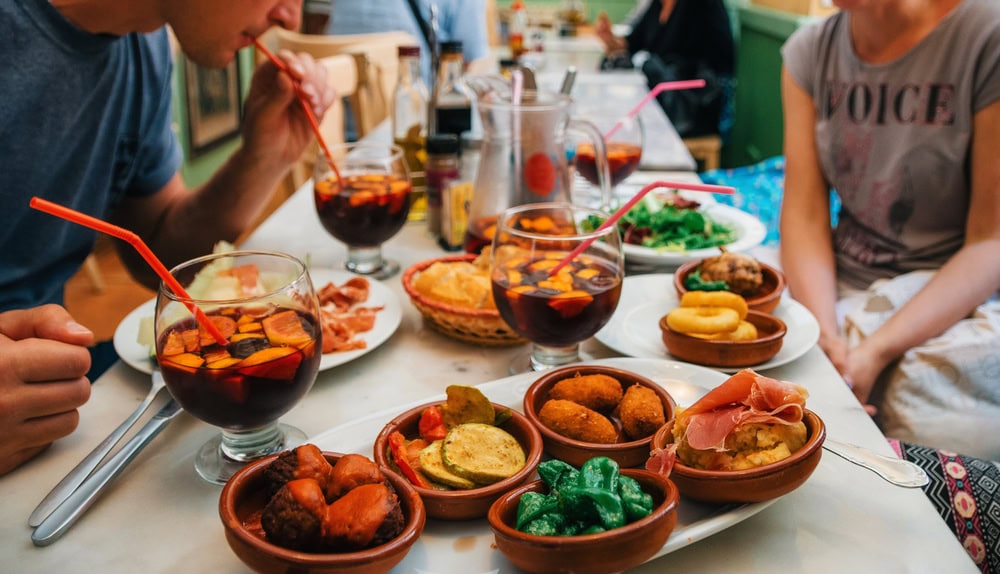
Tapas – Traditional Spanish food
Tapas range from complimentary bites to small paid portions, depending on the city and bar. In Andalusia, it’s common to receive a modest tapa with your drink; elsewhere you’ll order from a menu. Prices vary by region and venue.
Russian Salad
Ensaladilla rusa is a beloved tapa: a creamy potato-and-vegetable salad often enriched with tuna and hard-boiled egg.
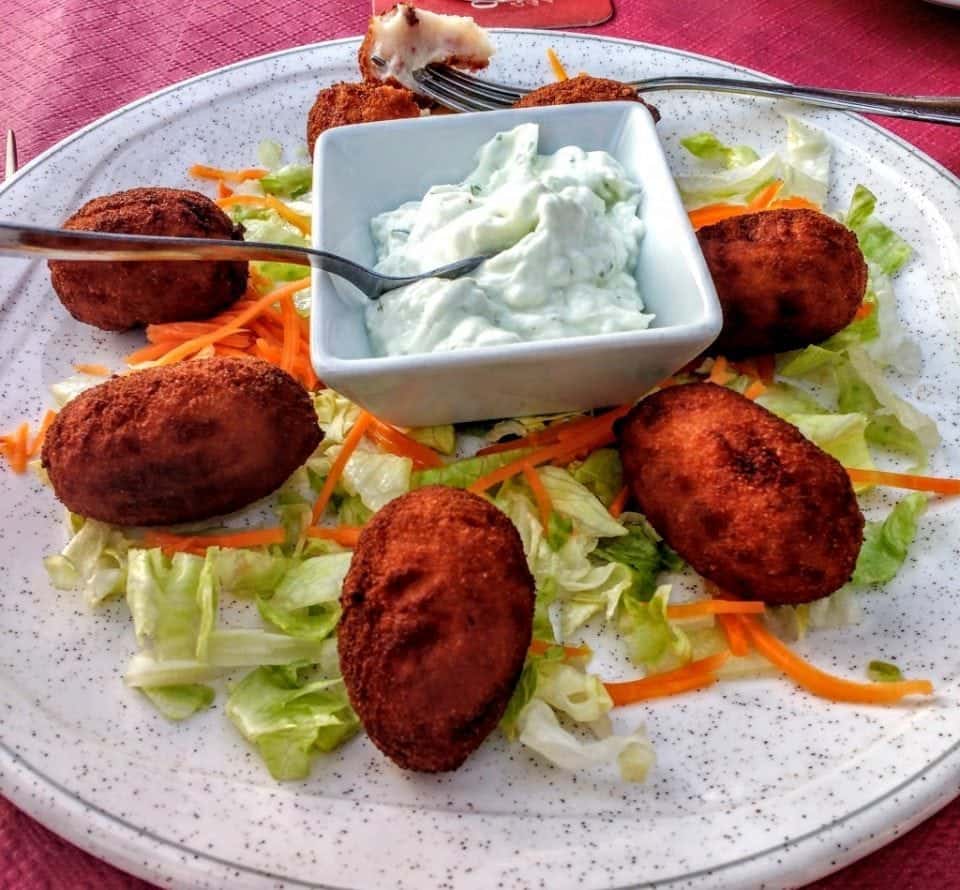
Croquettes
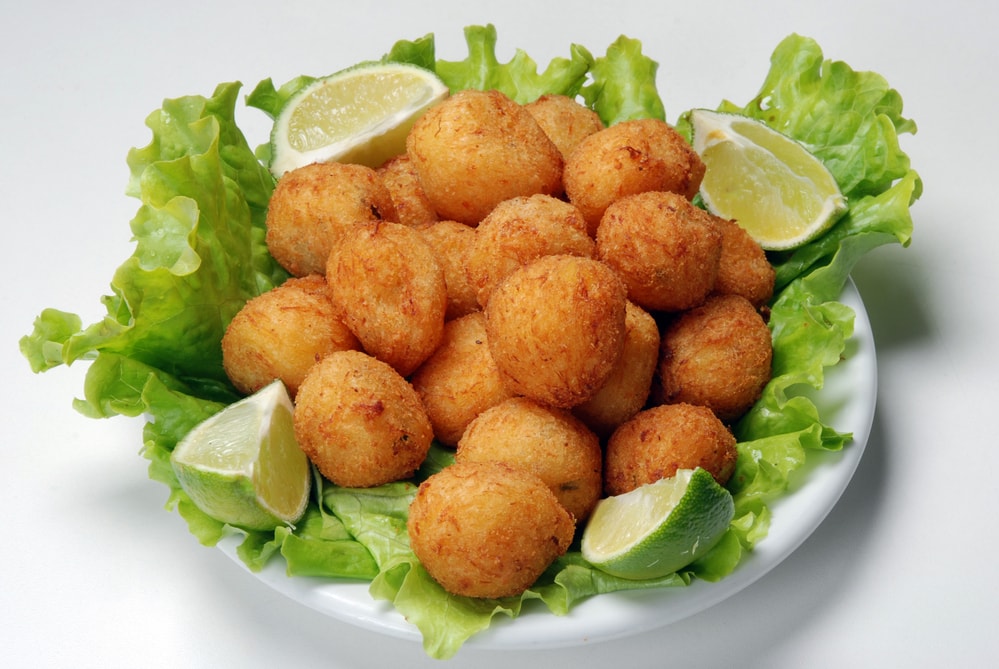
Croquetas—silky béchamel bound with jamón, fish, or mushroom—are breadcrumbed and fried until crisp.
Deep-fried eggplant with sugar cane honey
Berenjenas fritas con miel are crisp fried eggplant drizzled with miel de caña (sugar-cane syrup), a traditional Andalusian product with Moorish roots. Salobreña, on the Granada coast, is one of the notable production areas.

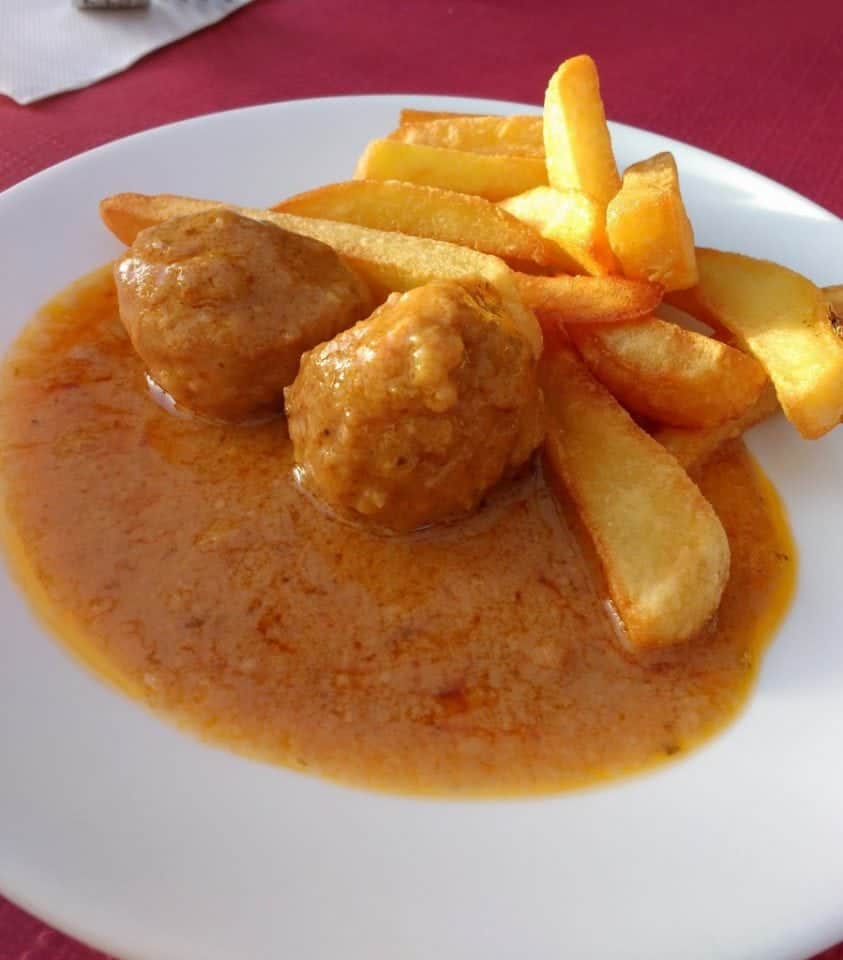
Meatball Tapa
Albóndigas—meatballs simmered in tomato or almond-based sauces—are classic bar fare. Fries may accompany in some taverns.
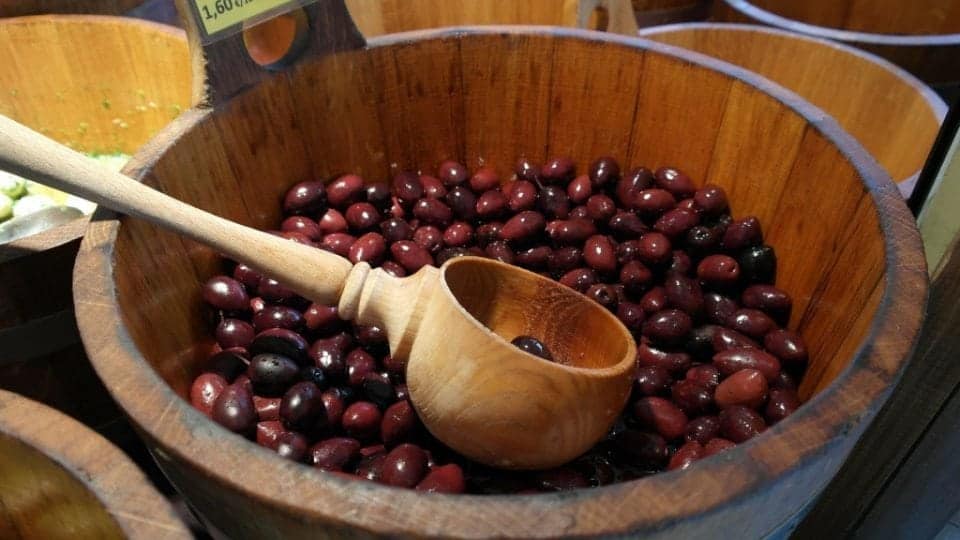
Olives
It’s Spain—home to world-class table olives and olive oil —and a simple bowl of aceitunas is a perfect pairing with a cold beer.
Anchovies – boquerones
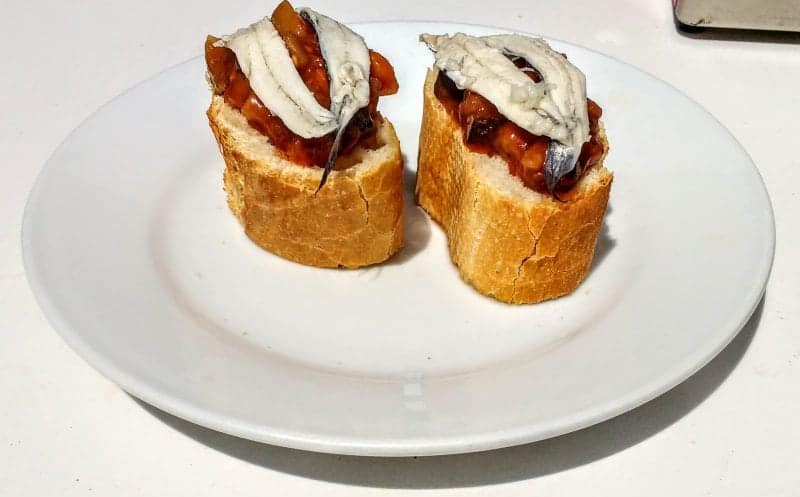
Boquerones en vinagre (fresh anchovies marinated in vinegar, olive oil, garlic, and parsley) are bright and briny, often served on bread. You’ll also find boquerones fritos—lightly floured and fried—especially along the coasts.
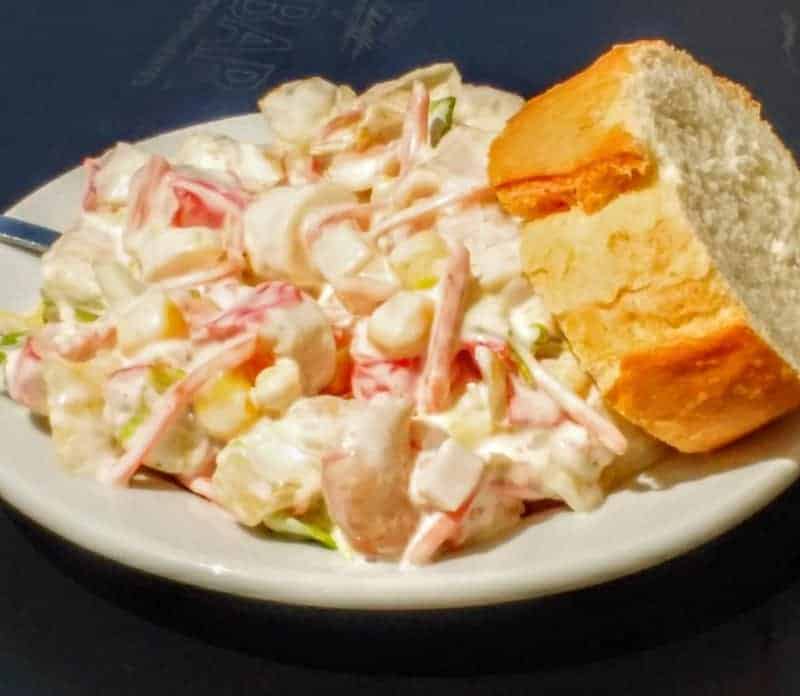
Seafood Salad
Ensaladilla de marisco varies by region, but commonly includes seafood or surimi in a lightly seasoned mayonnaise with vegetables.
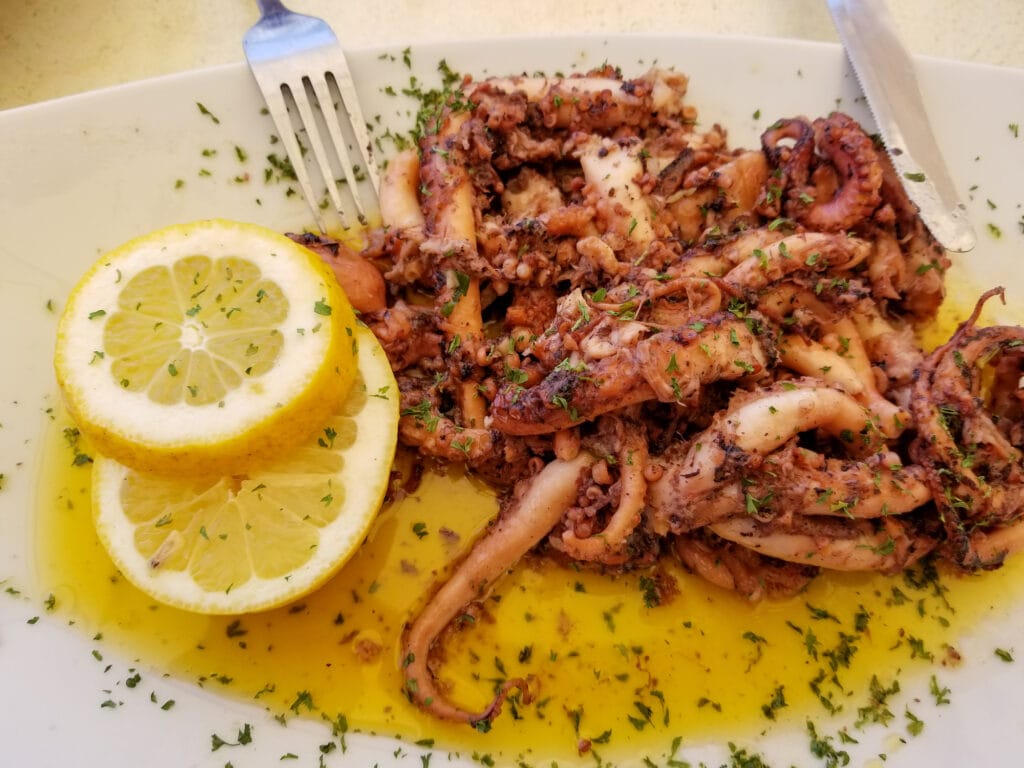
Octopus
Pulpo appears nationwide in different styles; in Galicia, pulpo a feira features tender octopus cut into pieces, drizzled with olive oil, and dusted with paprika and salt.
What is the National Dish of Spain?
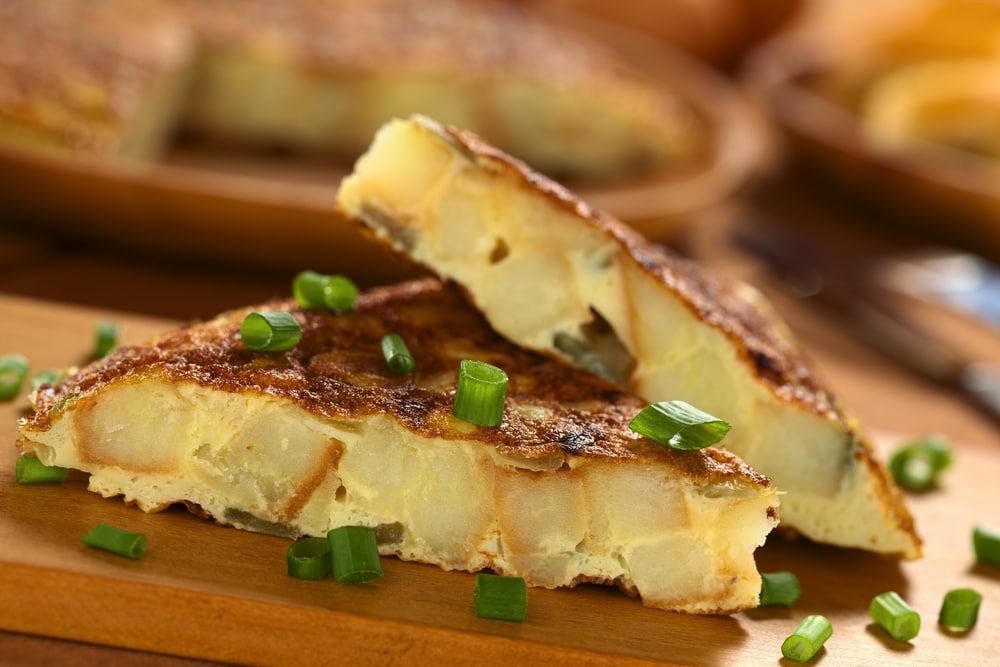
Spain doesn’t have an official “national dish.” Paella (Valencian) and tortilla de patatas (ubiquitous across Spain) are both iconic. Tortilla—eggs set over potatoes (and sometimes onions)—is eaten hot or cold, as a tapa or a light meal.
Spanish food regions
For food travelers, this guide spotlights Andalusia, the Basque Country, Catalonia, Madrid/Castile, Valencia, Galicia, Aragón/Pyrenees, and the islands (Balearic and Canary)—each with distinct ingredients, techniques, and traditions.
Andalusian Cuisine
Andalusian cuisine hails from the region of Southern Spain and it has been influenced by a multitude of flavours, from North African to Moorish, Christian, Jewish, and Roman.
Food plays a hugely important part in Spanish culture and eating out is a big part of that. Andalusian cuisine is quite distinctive and relies heavily on seasonal produce and seafood fresh from the ocean.

Regional Andalusian staples include gazpacho and salmorejo (cold tomato-and-bread soups), ajo blanco (an almond-and-garlic soup), gambas al ajillo, fried fish (pescaito frito), and a wide range of olive-oil-based preparations.

Basque Country
The Basque Country centers on pristine seafood, salt cod (bacalao), and the famed sheep’s milk cheese Idiazabal. Piperade—soft peppers and onions with a touch of spice appears on both sides of the French–Basque border.
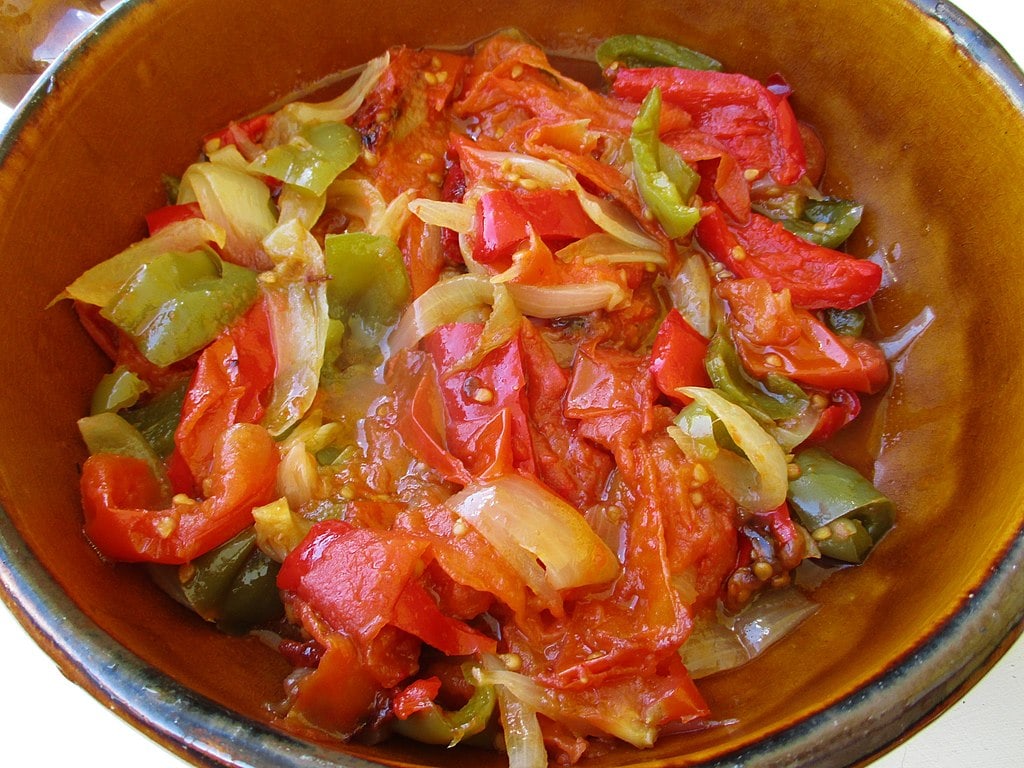
The Basque also love chaperons (tiny squid) cooked in their ink, txangurro a stuffed crab and ttoro a fish soup. In the countryside, the Basque recipes have at their heart meats such as pork, veal or lamb. Axoa is a veal and lamb dish usually paired with rice. From the rivers comes trout.
Catalan/Cataluyna
Its location on the Mediterranean coast including Barcelona and the Costa Brava gives Catalan cuisine some pretty impressive seafood dishes. However, you can also find amazing produce grown in the mountains and fields including tomatoes, peppers, eggplant, artichokes and mushrooms. Cataluyna is the home of ‘surf and turf’ and the idea of having meat and fish on the same plate.
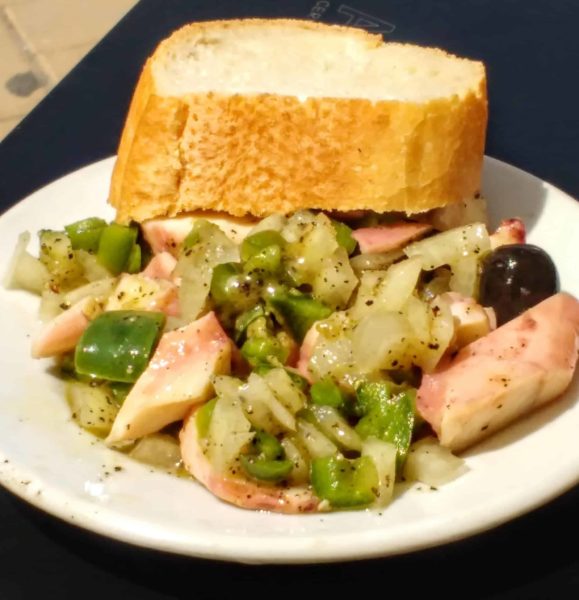
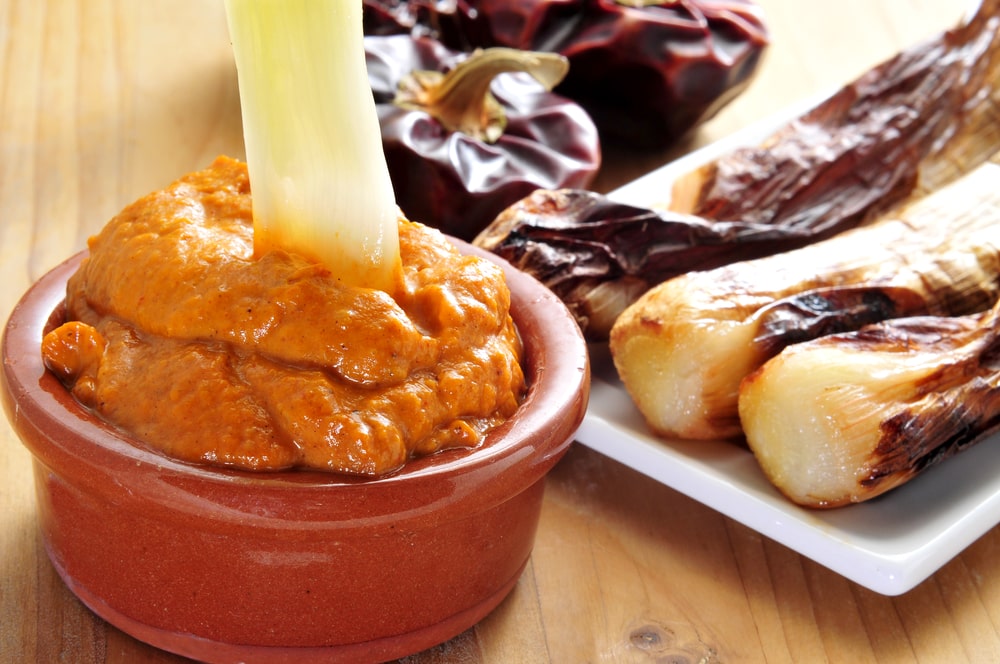
With Barcelona and the Costa Brava on the Mediterranean, Catalan cuisine showcases superb seafood and mountain produce—tomatoes, peppers, eggplant, artichokes, and mushrooms. Mar i muntanya (surf and turf) marries meat and fish on the same plate.If you are vegetarian or vegan Catalan has some pretty impressive vegetable dishes such as calcots, and Escalivada which is grilled vegetables served with a drizzle of olive oil.Vegetable-forward classics include calçots (spring onions grilled and dipped in romesco) and escalivada (smoky grilled peppers, onions, and eggplant with olive oil).
Catalan cooks are fond of sweet and savory combinations and of sauces flavored and thickened with almonds, pine nuts, and hazelnuts.
Madrid – Castilla region
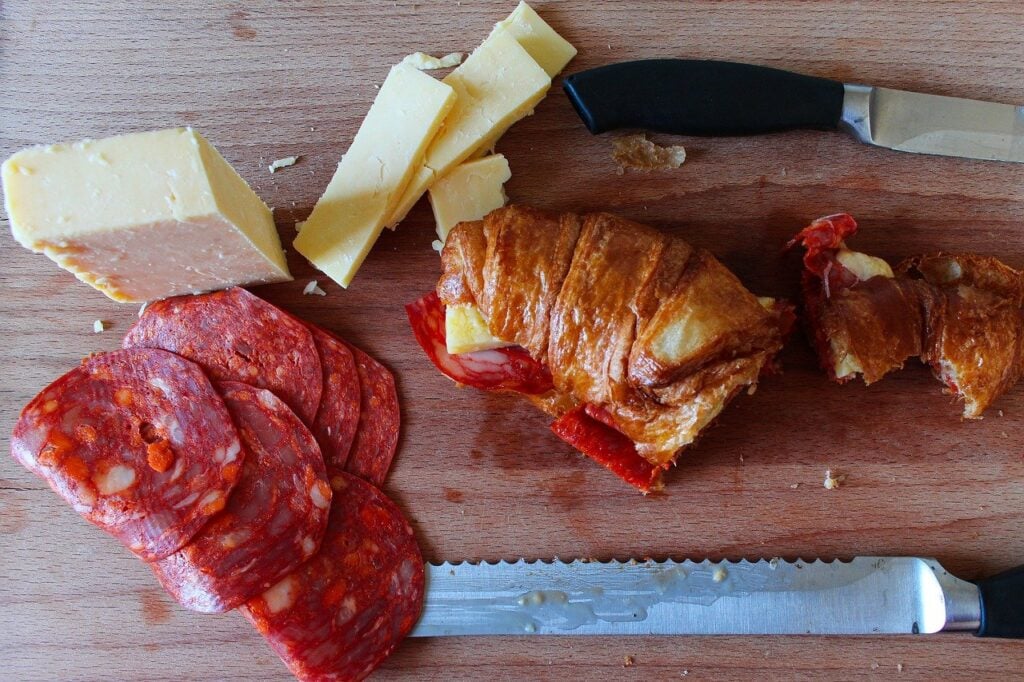
Castile (including Madrid) is landlocked yet renowned for robust cooking. Fresh fish reaches the capital daily; Manchego, from nearby La Mancha, is ubiquitous; chorizo and cured meats are staples.
This area loves its garlic soups and bean stews, suckling pig and lamb; the region’s nickname is España del Asado (Spain of the Roast). Because this is a colder region of Spain hearty warming dishes are a mainstay of Spanish cuisine here.
Castile is prolific in pulses: Castilian and Pedrosillano chickpeas, and lentils such as Lenteja de La Armuña (PDO), among many regional varieties.
Valencia
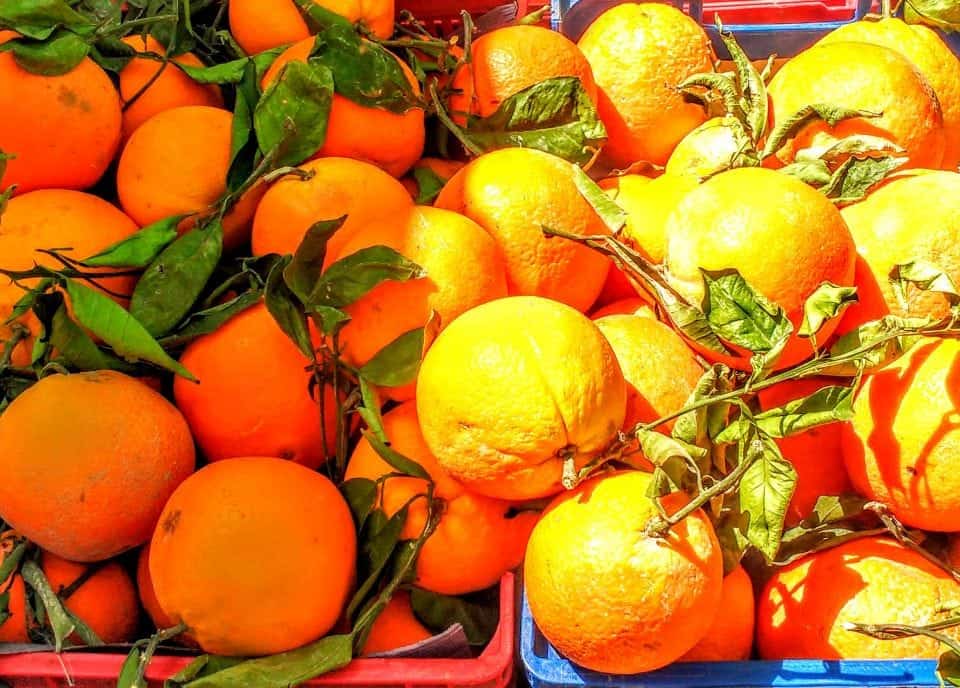
Known for its vast orange groves and rice fields. Valencia is the true home of the most famous Spanish dish Paella. A coastal region Valencia is renowned for its seafood dishes and interestingly Horchata which I always thought was a Mexican drink. Horchata is served with fartons a long sponge finger dusted with icing sugar.
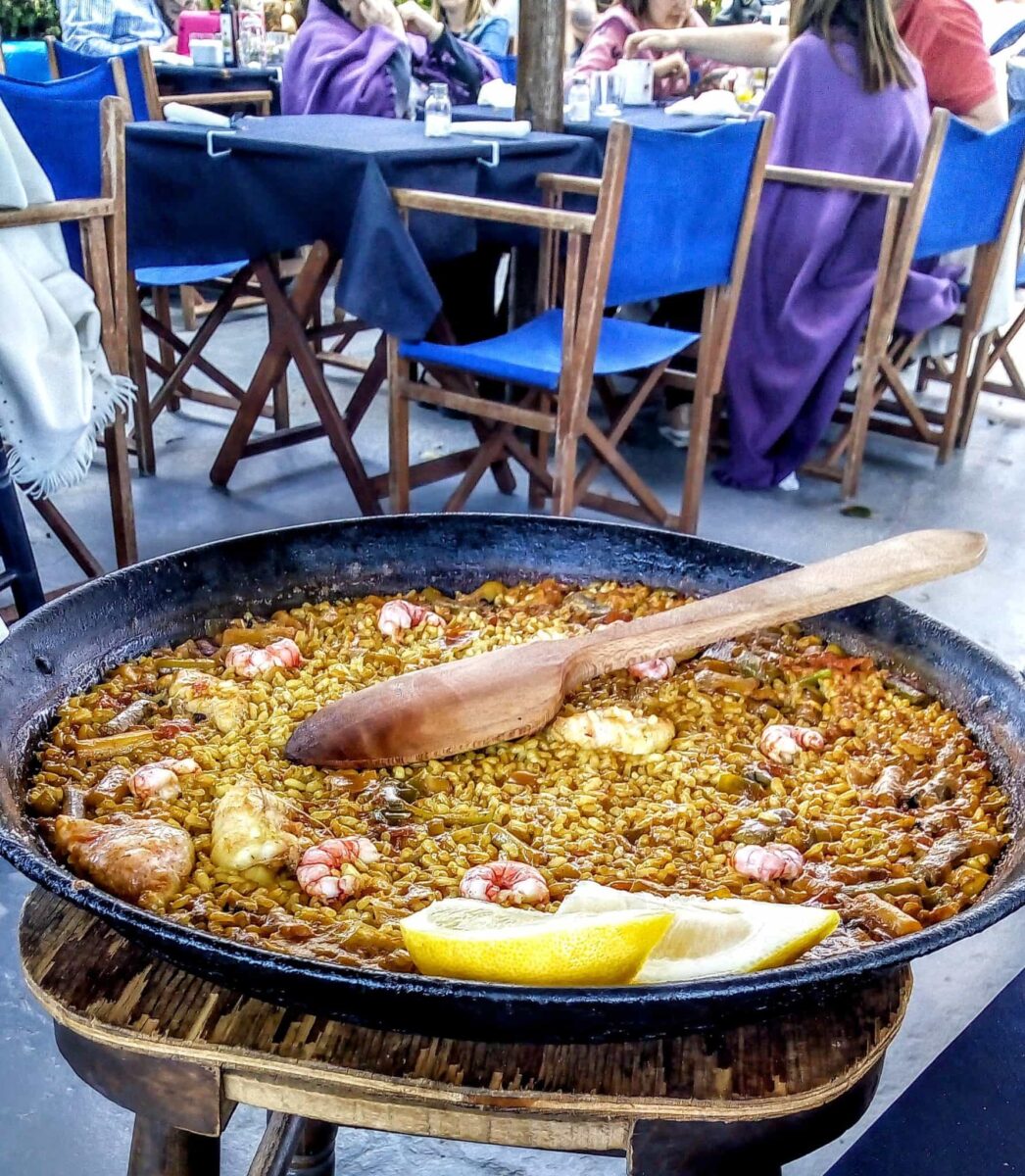
Valencia in Eastern Spain is the undisputed home of paella. It is one of the largest natural ports in the Mediterranean and has been one of the most important rice-producing areas in Spain since rice was introduced by the Moors over 1200 years ago.
Valencians make good use of their superb oranges by making a lovely drink called Agua de Valencia. This refreshing cocktail includes Valencian orange juice, gin, vodka and cava.
A favourite dish in Valencia is Arroz al horno rice in the oven which incorporates tomatoes, garlic, chickpeas, blood sausage (morcilla), potatoes, and chorizo. Fideuà is another famous Valencian seafood dish made with thin noodles mixed with a variety of seafood.
Galicia
Galicia is said to be one of the Celtic regions and identifies more with those cultures than the Spanish. This region is known for its hearty soups and stews and fantastic fresh seafood.
In Galicia, vegetable sides are more common than rice or noodles. The potato stands in for those carb-type sides. Typically in Galicia seafood is the star of the cuisine and shellfish is the most popular.
A traditional Galician favorite is pulpo a feira which is octopus boiled in a copper pot then chopped into small pieces and served drizzled with olive oil, paprika and salt.
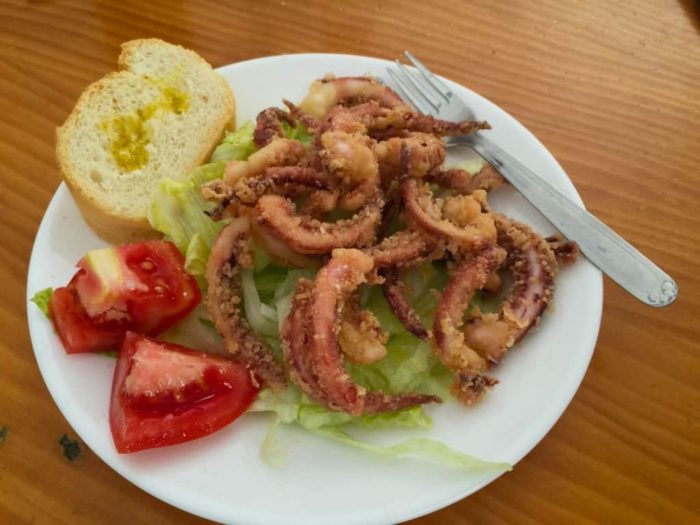
Caldo Gallego is a famous Spanish soup from the region and it is made with greens, beans, and meats. Raciones are also very popular in this area.
Spanish Pyrenees
Aragón – the Spanish Pyrenees dominate this region famous for La Rioja, trout and the running of the bulls. Regional dishes include Aschillindron stews with lots of vegetables and lamb or chicken. Piquillo peppers stuffed or simply sauted with olive oil are one of the areas famous dishes.The Pyrenees shape northern Aragón, known for mountain trout and hearty stews. Running of the bulls is associated with Pamplona (Navarre), and Rioja is a neighboring wine region. Regional dishes include chilindrón (a pepper-and-tomato braise with lamb or chicken), and piquillo peppers (often stuffed or sautéed with olive oil).
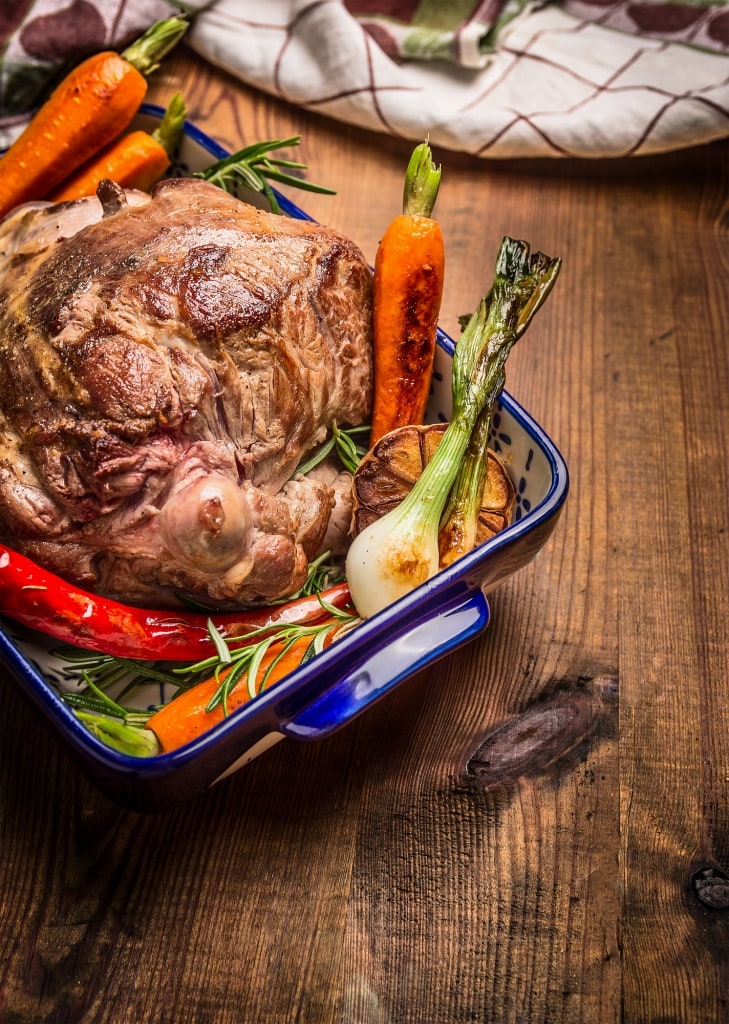
One of the most characteristic dishes of the traditional gastronomy of Aragón is roast lamb called ternasco. Another important ingredient albeit one that is imported from other areas of Spain is cod which is used in Albóndigas de bacalao.
Some of the most well-known main ingredients include jamón, olives, sweet onions and ancient vegetables including cardoon and borage.
Traditional food in Spain what to eat and when
It can be a bit confusing if you are new to the area but the Spanish have a very different way of eating throughout the day with their heaviest meal at what we consider lunchtime. Here is how a typical Andalusian day would go.
Understanding Coffee Culture in Spain
Coffee isn’t just a morning ritual in Spain—it’s an integral part of the social and culinary experience throughout the day. While coffee customs vary across regions, Andalusia, particularly Málaga, has developed its own unique coffee-ordering vocabulary that reflects the precise measurements of coffee to milk that locals prefer.
Caf con Leche is equal parts steamed milk and espresso.Café solo is a straight espresso; café americano dilutes espresso with hot water; café cortado adds a splash of milk. In Málaga, café manchado (just “stained” with milk), nube (mostly milk, little coffee), and sombra (a bit more coffee than nube) are local standards. Café con hielo is espresso over ice, and café con leche is equal parts espresso and steamed milk.

Spanish food culture meals what to eat in Spain and when
Breakfast in Spain Desayuno
Unlike our heavierNorth American or United Kingdom-style breakfasts the Spanish tend to prefer a much lighter fare and a sweeter one. The Spanish love freshly squeezed orange juice (Naranja) and coffee for breakfast. Desayuno is usually served from 7 am until 11 am.
Churros & chocolate
Similar to the doughnut and coffee breakfast in N. America the Spanish like their churros crispy and served with a sweet hot chocolate drink that tastes like a melted milk chocolate bar. Delicious when you dip your churro into your chocolate or simply sprinkle sugar on the churro and dip it into your Cafe con Leche. Who can beat a fried dough pastry?

Tostada con Aceite y Tomate
Andalusian cuisine calls for a very light breakfast. A tostada is simply a toasted bun or pitufo that has been drizzled with olive oil, the bun is then topped with pureed fresh tomato and if you want you can add queso (cheese) or Jamon (ham). You can order a media which is a half order or a full order. The pitufo is an oblong-shaped thin crusty roll that is around 7-8 inches in length.

Lunch in Spain La Comida
Spanish lunches usually involve the main courses in Spain and takes place from around 2 pm until 4 pm dont forget many Spanish areas still have a siesta from 2-5 pm. This is the main meal of the day, so keep your eyes out for the men del da or set menu. These are generally a set price from around 1- Euros and up and include a soup or salad, bread, the main meal of fish or meat, a beverage, then coffee and dessert. La comida (lunch) runs roughly 2–4 pm and is the day’s main meal. Look for the menú del día: a fixed-price menu with starter, bread, main (fish or meat), drink, and dessert or coffee. Prices vary by city and season.
Dinner in Spain- Cena
Dinner in Spain is not served until quite late. 5-7 pm is the time when people go out for their paseo or afternoon stroll around town, and also when folks stop for some people-watching and a cold beverage or coffee.
Dinner or La Cena usually takes place from 9 pm-midnight. This is a much lighter version of lunch with a set menu as well. Many Spanish however simply go out for raciones or larger versions of Tapas which are popular snacks in Spain.
Traditional Spanish dishes to try
Soups and Starters
I have to say a word or more here about Andalusian cold soups—can I just say from a die-hard fan of hot soup I debated trying the Spanish soups but they are simply amazing. Fresh, light, and filled with flavour a wonderful taste treat that you should try immediately.
Gazpacho Andalucía
Andalucía’s trademark food is a cold soup or liquid salad made with fresh, raw vegetables; this is much more than a cold tomato soup, however.
Gazpacho Andalucía in one form or another dates back as far as the country itself. It probably derives from a Roman dish, a sort of gruel of bread and oil. The name gazpacho may come from the Latin meaning fragments or little pieces, referring to the breadcrumbs which are such an essential ingredient.

Ajo Blanco
The Moorish influence is evident too, especially in some of the variations on the basic theme, such as Ajo Blanco, made with ground almonds.
Of course, none of those forerunners of gazpacho contained tomatoes, considered basic today. That’s because tomatoes were unknown in Spain until after the discovery of the New World.
Salmorejo
Andalusian salmorejo is a cold, creamy tomato soup, originating in Córdoba, Spain and is gazpacho’s cousin. Made with tomatoes, bread, oil, garlic and vinegar, it is a beautiful deep pink-orange summer soup that is sure to refresh. Garnish with diced Serrano or Ibérico ham and hard-boiled eggs.
Sopa de Ajo Blanco
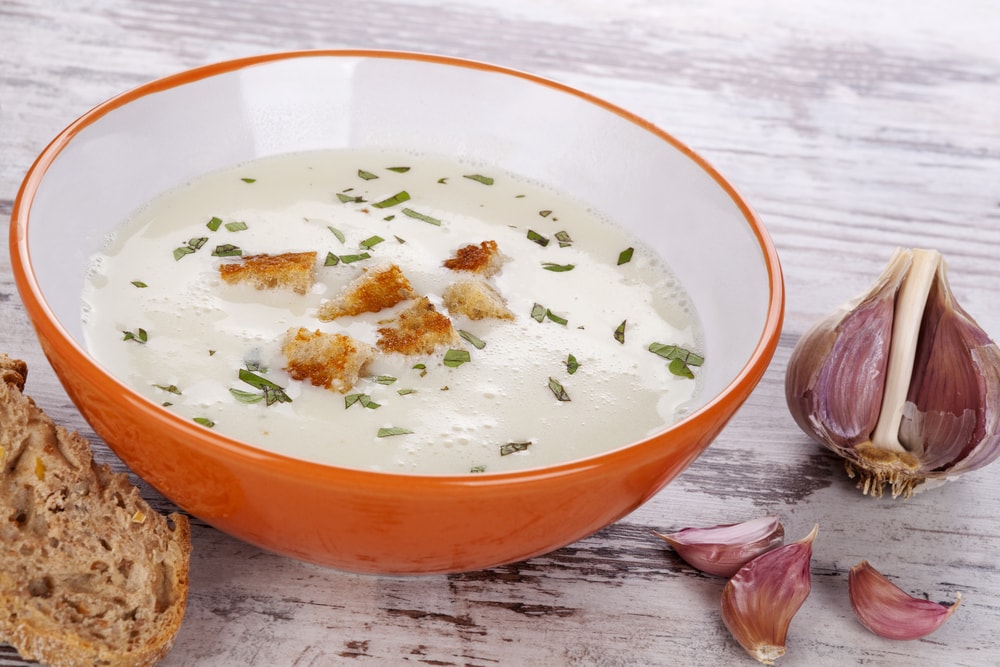
Cold white garlic soup or Sopa de Ajo Blanco is zesty, but very refreshing. It is easy, quick and healthy. Although very creamy, it contains no dairy! Almonds give this soup its creamy white texture and colour. It is served with diced apple and raisins on the side which adds a hint of sweet freshness to the soup.
Pistou
A very traditional Spanish Pisto, akin to ratatouille, combines tomatoes, peppers, onions, and zucchini; often served with a fried egg and occasionally enriched with chorizo.
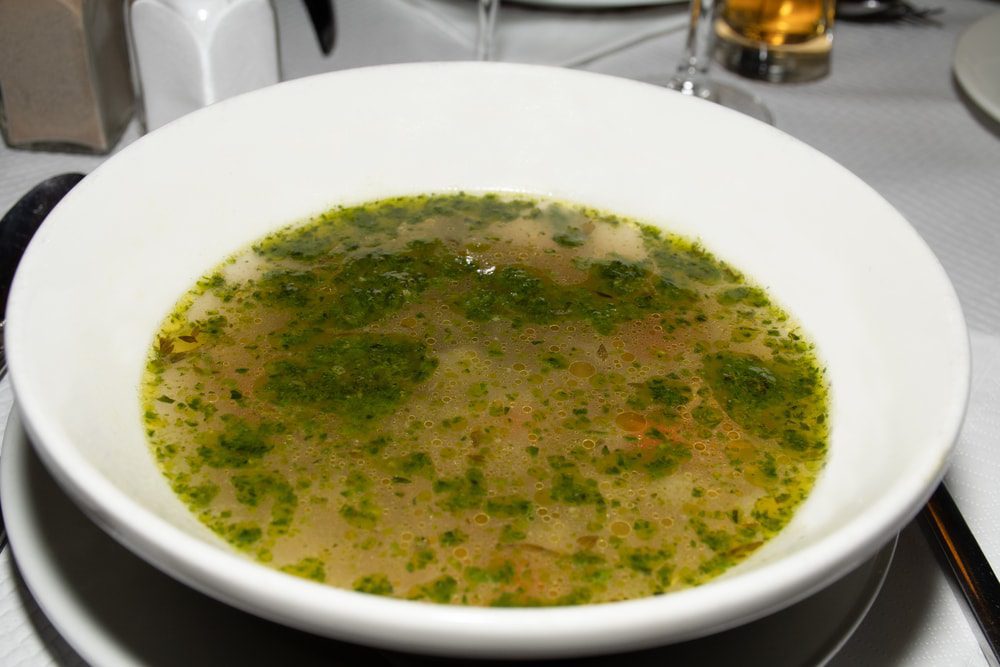
Caldo Gallego
The translation of Caldo Gallego is Galician broth. There’s no specific recipe but base ingredients include vegetables such as potatoes, cabbage, white beans, turnips, turnip greens and with the addition of chorizo.

Starters, Appetizers
Spanish meals often begin with vibrant starters (entrantes) like tapas or pintxos—small, flavorful dishes meant for sharing. Classics include patatas bravas (spicy potatoes), gambas al ajillo (garlic shrimp), and tortilla (Spanish omelet).
Calçots
These baby leeks are specific to Spring traditional parties known as Calotadas take place during this period. The vegetables are normally barbecued and served with Romesco Sauce which is a combination of red peppers, nuts, garlic, and olive oil. Calçots are spring onions celebrated at calçotadas—grilled over flames and dipped in romesco (red peppers, nuts, garlic, olive oil).
Albóndigas de bacalao
Albóndigas de bacalao are popular in Aragón: These fishballs are made with salt cod (like the Portuguese ones), and potatoes, with flour and egg added to bind them and served with a simple tomato sauce

Piquillo peppers
These are small sweet peppers with a gentle heat type of pepper. They are simply roasted over hot coals and served with a sprinkling of olive oil.
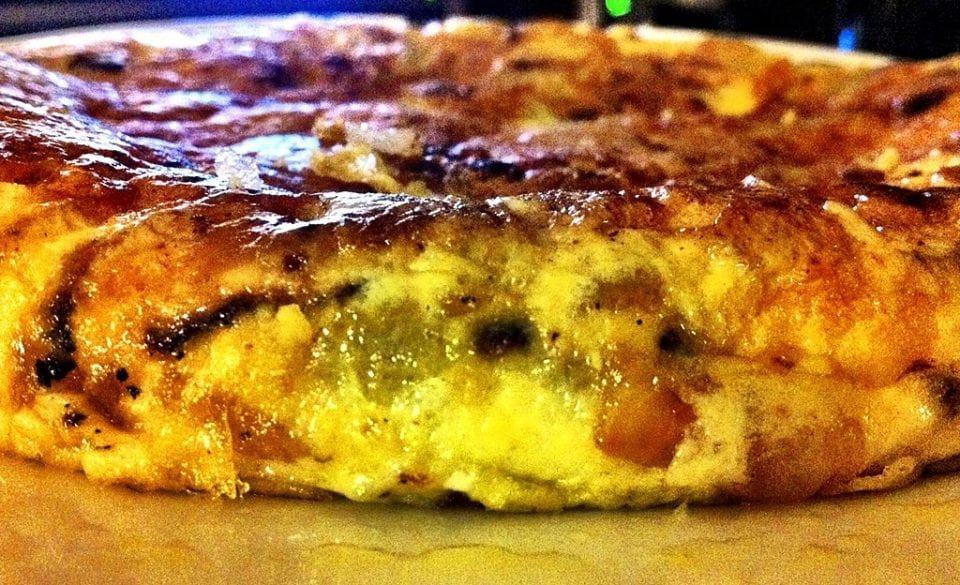
Spanish tortilla
One of the Spanish lunch favourites is the Spanish tortilla, served warm or cold as tapa; it is as far removed from a Mexican tortilla as you can get. Essentially it is like a quiche but the base is fried potatoes with an egg mixture on top. The mixture can have chorizo or manchego cheese added and it makes the perfect light lunch.
Patatas Bravas
Patatas bravas are fried potatoes with a spicy brava sauce (and often alioli). Origin stories point to Madrid taverns.
Main dishes in Spain
For entrées (platos principales), Spain’s regional diversity shines: savor Valencia’s paella (saffron rice with seafood/meat), Castile’s cochinillo asado (roast suckling pig), or Galicia’s pulpo a la gallega (tender octopus with paprika).
Hearty stews like cocido madrileo (Madrid’s chickpea-based dish) or fabada asturiana (bean and sausage stew) showcase Spain’s love for slow-cooked comfort food. Whether dining in a bustling taberna or a seaside restaurant, Spanish cuisine balances bold flavors, fresh ingredients, and conviviality.

Piperade
Piperade is a vegetable stew of soft peppers and onions, with a hit of hot paprika; this is also a favourite in French cuisines.
Gambas al ajillo
AKA garlic shrimp is a popular Spanish dish of prawns sautéed with loads of garlic and olive oil found mainly in the south of Spain and in many bars around the country as tapas.

Chorizo
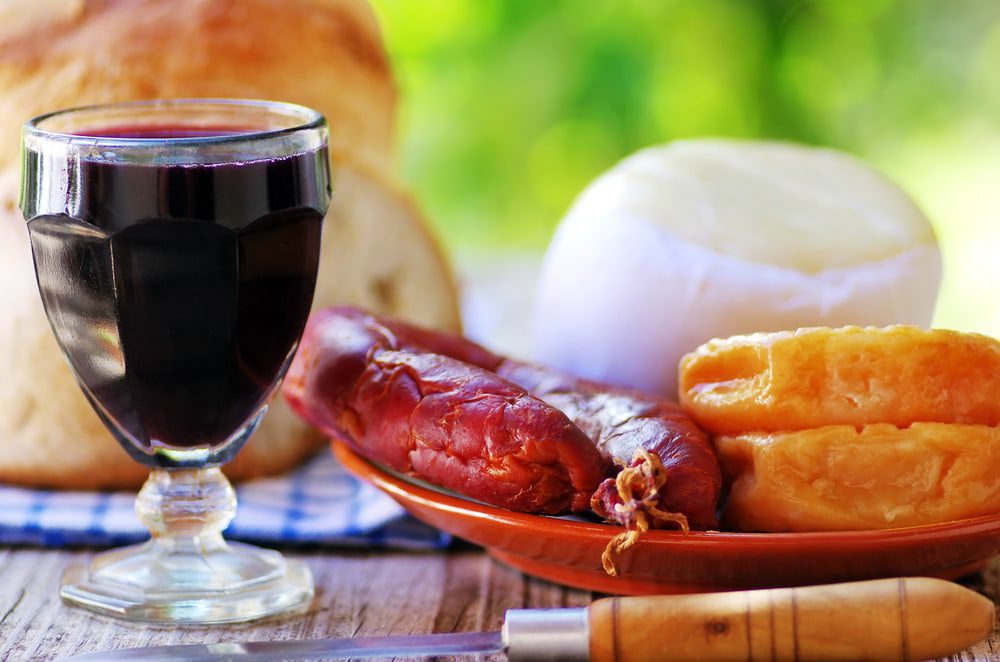
Found everywhere in Spain these days chorizo is a type of hard dried sausage. The red colour is due to the heavy amounts of paprika in the spice mix. Depending on the type of paprika used, Spanish chorizo can be either spicy or sweet.
Suckling Pig
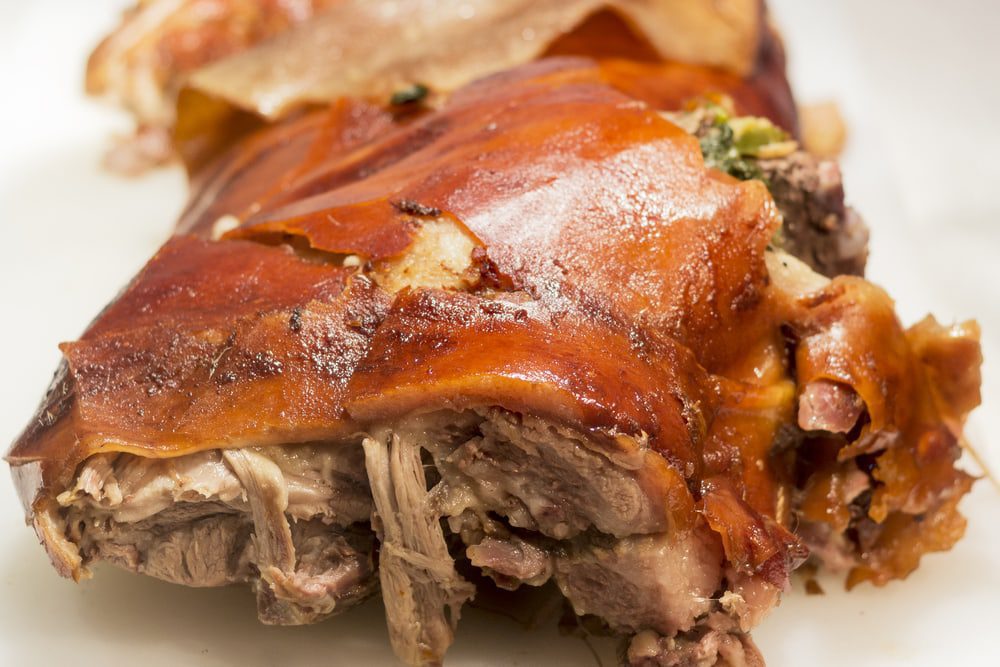
A traditional Christmas food suckling pig or a tender lamb cooked over a woodfire and served on a bed of onions and potatoes. Another main course might be sea bass or bream that has been oven baked.
Arroz al horno
Arroz al horno—rice in the oven—incorporates tomatoes, garlic, chickpeas, blood sausage (morcilla), potatoes, and chorizo.

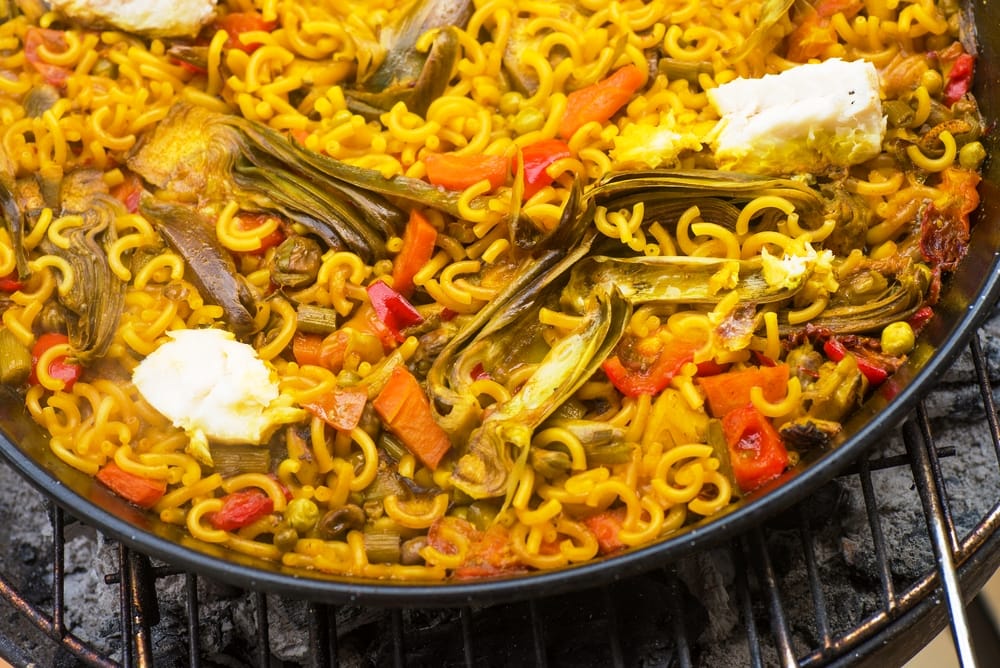
Fideuà
Fideuà is another famous Valencian seafood dish made with thin noodles mixed with a variety of seafood.
Escalivada
A popular Spanish dish in Valencia, Catalunya, Murcia and Aragon is Escalivada. This dish is made with grilled vegetables including peppers, onions and eggplant that is served as a side dish with a drizzle of olive oil and salt.
Cocido madrileño Madrid’s chickpea-based dish
Cocido madrileño, Madrid’s signature stew, features chickpeas simmered with pork belly, chorizo, morcilla, and sometimes beef or chicken. Served in courses—broth first, then meats and veggies—its a comforting, filling meal, traditionally enjoyed after simmering for hours to blend its deep, savory flavors.
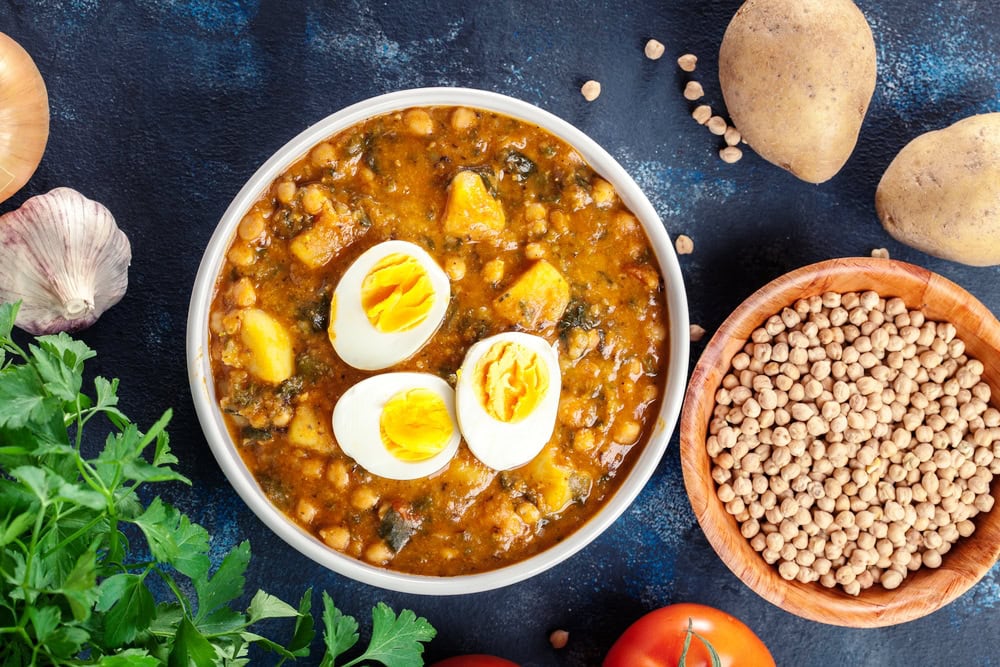
Fabada Asturiana
This is a rich, hearty bean stew from Asturias, made with large white beans (fabes), savory morcilla (blood sausage), smoky chorizo, and tender lacón (cured pork shoulder). Slow-cooked to perfection, it’s a warming winter dish, often enjoyed with crusty bread and Asturian cider.
Morcilla de Burgos blood sausage
Morcilla is a Spanish blood sausage that is made by chopping and sautéing onions with butter, then combining them with rice, lard, blood, and spices. The mixture is then used to fill the sausage casings before being cooked.

Fruit Salad
Another popular lunch dish is a fruit salad but these salads are like nothing you have ever tasted before. Full of fresh fruit served on a platter—no dressing, no salad—nothing to interfere with the fabulous freshness and sweetness of Spanish-grown seasonal fruits.

Paella
Paella is one of the most famous dishes in Spanish cuisine and there are as many versions of paella in Spain as there are doughnuts in America. Outside of Spain paella is considered the National dish but within Spain, it is specifically a Valencian dish. Paella gets its name from the traditional flat round pan that allows a crust to be formed on the bottom of the pan by the rice. Paella actually means frying pan in Valencian.
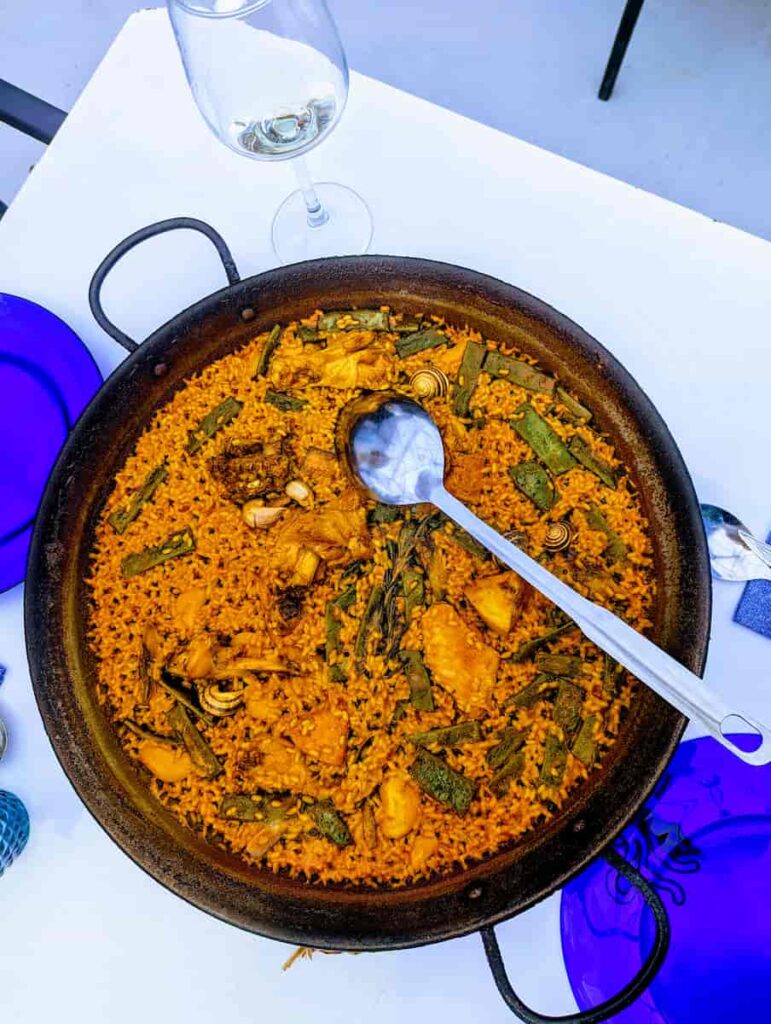
Paella Valenciana is the traditional paella of Valencia and is considered the most authentic. Traditionally the recipe is round grain rice bajoqueta and tavella (local beans), lima or butter beans, rabbit, chicken, and sometimes duck. When in season artichoke hearts are often added. The recipe always includes Olive Oil, Saffron and sometimes rosemary.
The favorite paella in Spain includes a Paella de Marisco which is seafood and can include oysters, prawns, clams, and mussels. In Garrucha, they have a paella using sweet red prawns that can only be found in that particular region. Paella Mixta is a combination of meats and beans with seasonal vegetables.

Spanish Desserts
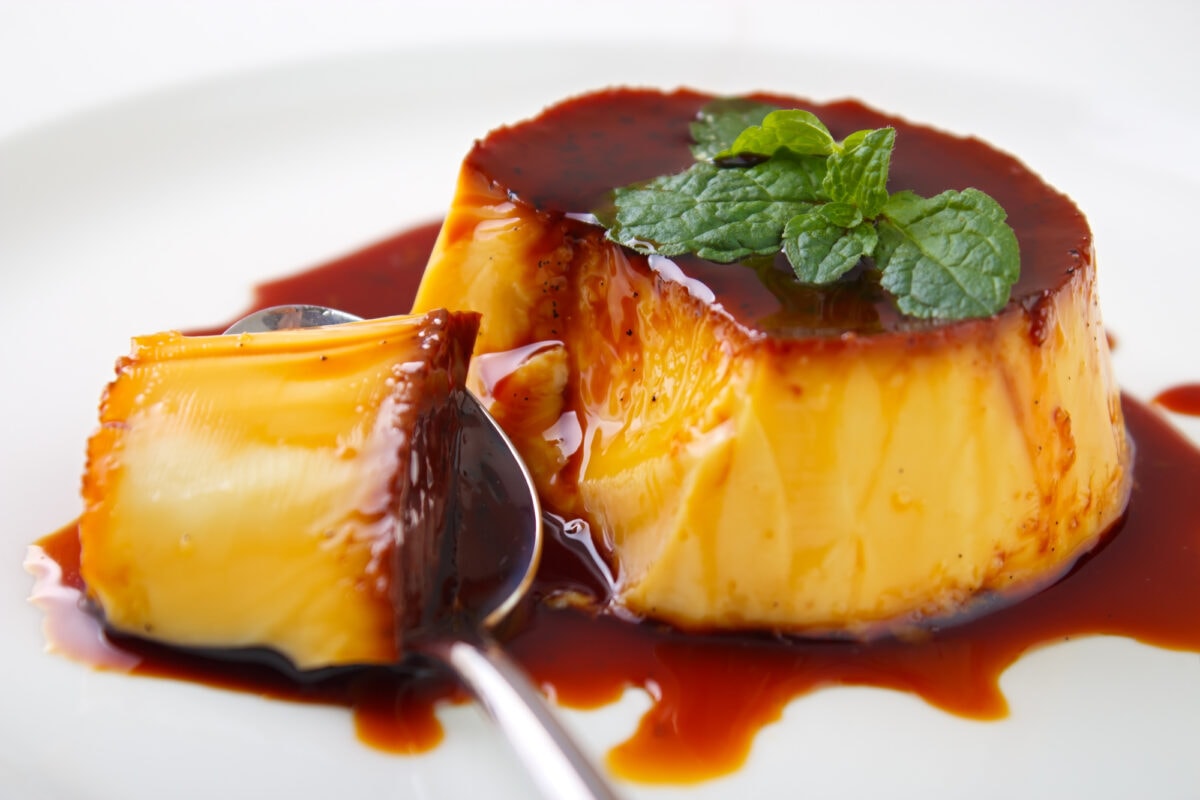
Flan
A creamy caramel custard, often flavored with vanilla or cinnamon.
Crema Catalana
Catalonia’s answer to crème brûlée, with a citrusy, cinnamon-infused custard and caramelized sugar top.
Turrón
A nougat-like treat made with almonds and honey, a Christmas staple.

Spain is famous for what products?
Spanish Ibérico jamón
The absolute pinnacle of Andalusian cuisine has to be the jamón. There are four classifications of jamón ibérico, made from the Ibérico breed pig. The classifications reflect the breed of pig, the per cent of pure Ibérico genetics in the pig and the number of acorns they eat (the word acorns is translated as “bellota”).

Ibérico de Bellota hams are from Ibérico pigs that are essentially free-range and live outdoors most of their lives. In the last three months before they are butchered, they spend their time feasting on the acorns in the region of Dehesa. The ham is then cured and left to age for up to 4 years.
The ham that is produced from these pigs is unique in the world: it is a nutty, rich melt-in-your-mouth slice. The ham is deeply marbled with fat which contains healthy unsaturated fats (like olive oil) that melt at room temperature. Jamón Ibérico de Bellota is known as the Beluga caviar of hams.
Spanish jamón serrano
Jamón serrano comes from white pigs of the Duroc or Landrace breeds. These pigs are raised on farms, rather than open ranges, and fed a diet of cereals. They are cured in Spain for 8 months to two years.
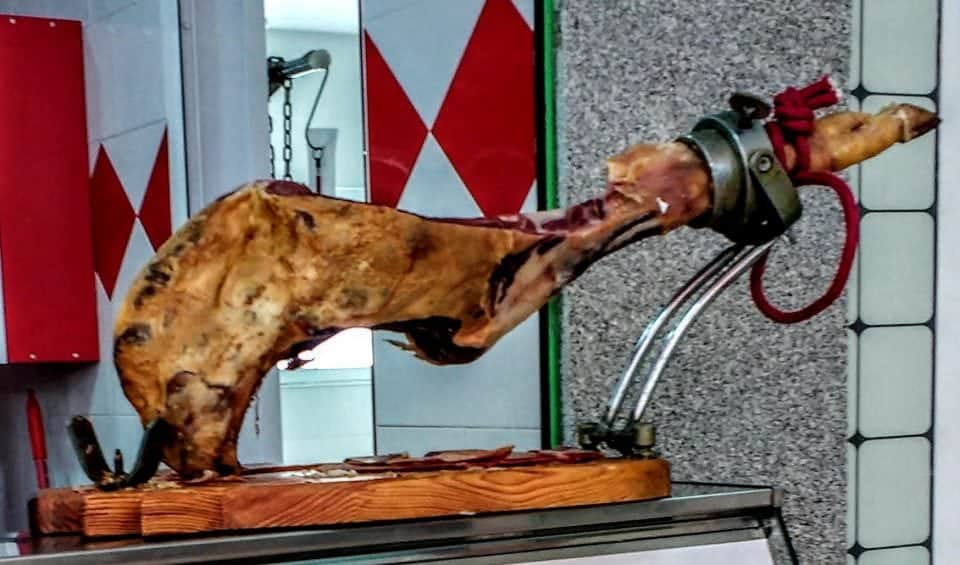
Manchego Cheese & Jamon
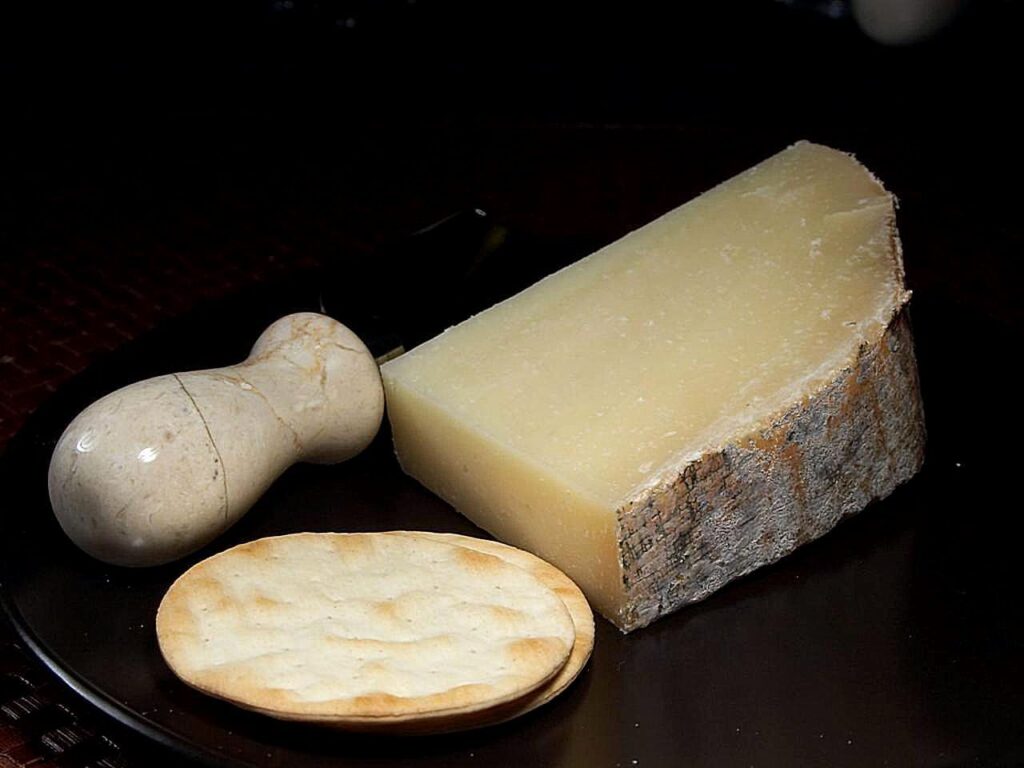
If you are a total cheesehead like me you will have experienced the Spanish delight called Manchego cheese, although it is made in the Western part of Spain, it is celebrated all over the country. Manchego is an unpasteurized sheep’s cheese that comes in several forms from soft cheese to a hard cured wheel.

Spanish cheese
Queso de Cabrales
This is a Spanish blue cheese made in the artisan tradition by rural dairy farmers in Asturias, Spain. This cheese can be made from pure, unpasteurized cow’s milk or blended in the traditional manner with goat and/or sheep milk, which lends the cheese a stronger, spicier flavour.
Manchego
The most famous cheese in Spain is of course Manchego which is also the National Cheese of Spain. This is a sheep’s milk cheese made in the La Mancha region of Central Spain. Manchego, made from the Manchega breed of sheep, is a firm cheese aged from two months to two years and it has a scattering of small holes throughout.
Drinks in Spain
Sangria
The perfect summer refresher, Sangria is a Spanish drink of red wine mixed with lemonade, fruit, and spices.
Horchata
Horchata is the juice of a tiger nut (chufa), which is actually a tuber; it tastes like almond milk with cinnamon added for extra flavour.

Tinto de verano
Tinto de verano translates as summer wine and is red wine mixed with a fizzy lemonade-type drink.

FAQs about Spanish Food
What is the national dish of Spain? Spain doesn’t have an official national dish. Paella (Valencian) and tortilla de patatas (found everywhere in Spain) are both considered iconic.
What’s the difference between tapas, pintxos, and raciones? Tapas are small portions.
What time do Spanish people eat lunch and dinner? Lunch (la comida) runs roughly 2-4pm.
How do you order coffee like a local in Spain? Café solo is a straight espresso.
What are the essential regional Spanish dishes to know? Valencia’s paella, Castile’s cochinillo asado…
If you are a dessert person you should try some great Spanish Desserts and Cakes. The various regions of Spain, including Andalucia, have some phenomenal custards and cakes dating back to medieval times that must be tried to be appreciated.
Authentic Spanish food, as you can see, will vary greatly from north to south. The traditional foods in Spain come from the land in inner areas and the sea in areas that border the oceans and sea. Southern Spain is famous for its seafood and northern Spain for its Basque cuisine, pintxos, and salt cod dishes. Regardless of where you are, there are foods eaten in Spain that you should try at least once.
Spain’s cuisine is undoubtedly one of the most diverse and exciting in the world. From the tantalizing tapas to the hearty paella, there is something for everyone to enjoy. The country’s rich history, geography, and culture all play a significant role in shaping its delicious dishes. Whether you are a food lover or simply looking to try something new, a trip to Spain will leave your taste buds satisfied and craving for more. So why not indulge yourself in some fabulous Spanish food today? You won’t be disappointed!
This guide is part of our Spain Travel Guide, covering regions, culture, and travel styles across Spain.