
Ultimate Southern Spain Road Trip through Andalucía
Quick answer: A Southern Spain road trip through Andalucía takes a minimum of 3 weeks to do properly, covering Málaga, Granada, Córdoba, Seville, Cádiz, Jerez, and Ronda, plus the coastal towns and white villages in between. Fly into Málaga, Seville, Almería, Granada, or Jerez, rent a car (manual is cheaper), and go in spring or autumn to avoid the brutal summer heat.
We began our Southern Spanish road trip leaving by car from France. We took the coastal roads through France and down into Spain via Barcelona and Valencia. We were on our way to Andalucia, or as we spell it Andalusia. We planned this trip to lead us down through the country to live in Mojacar.
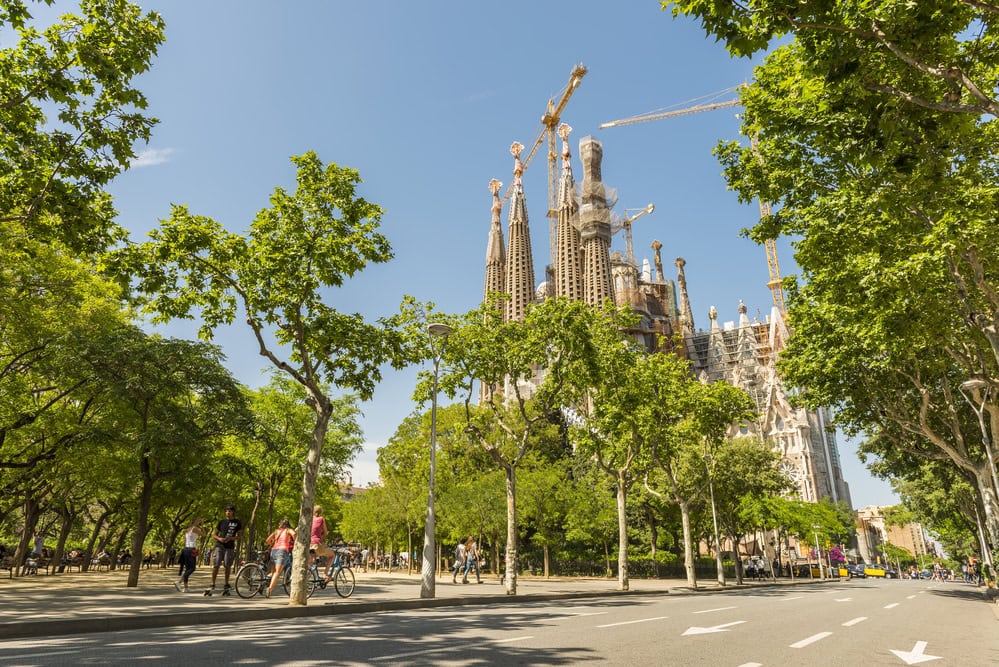
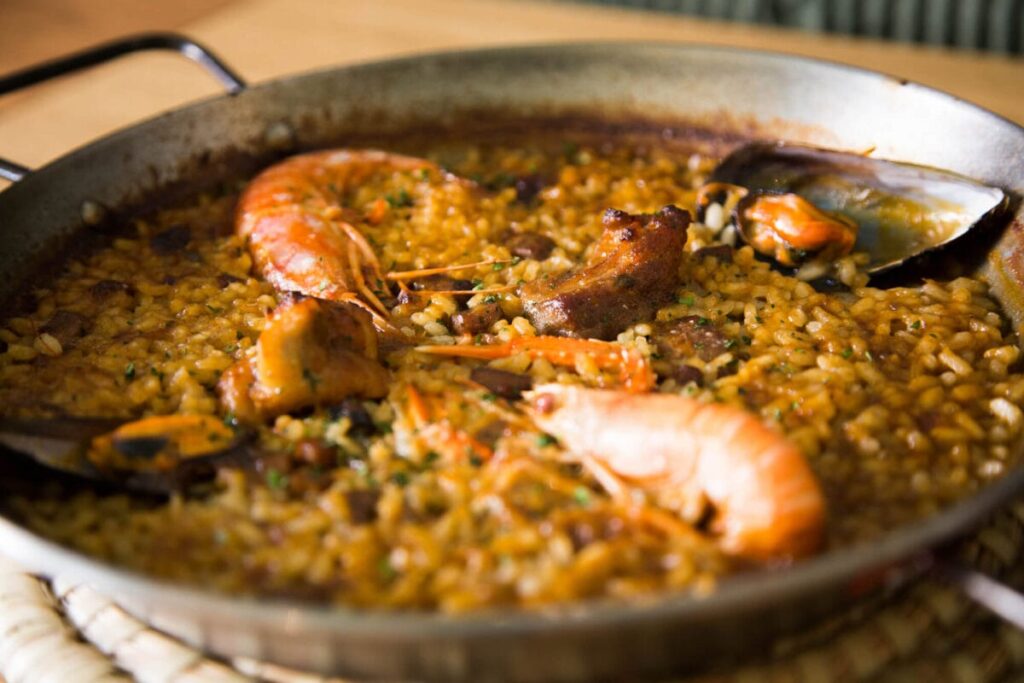
Because we were driving we planned our itinerary for the south coast of Spain making sure we made some stops that appealed to us. This was of course the perfect opportunity to see Gaudi’s work in Barcelona and try an authentic Valencian Paella. We chose this route for our southern Spain road trip as we wanted to miss Madrid and its horrendous traffic.
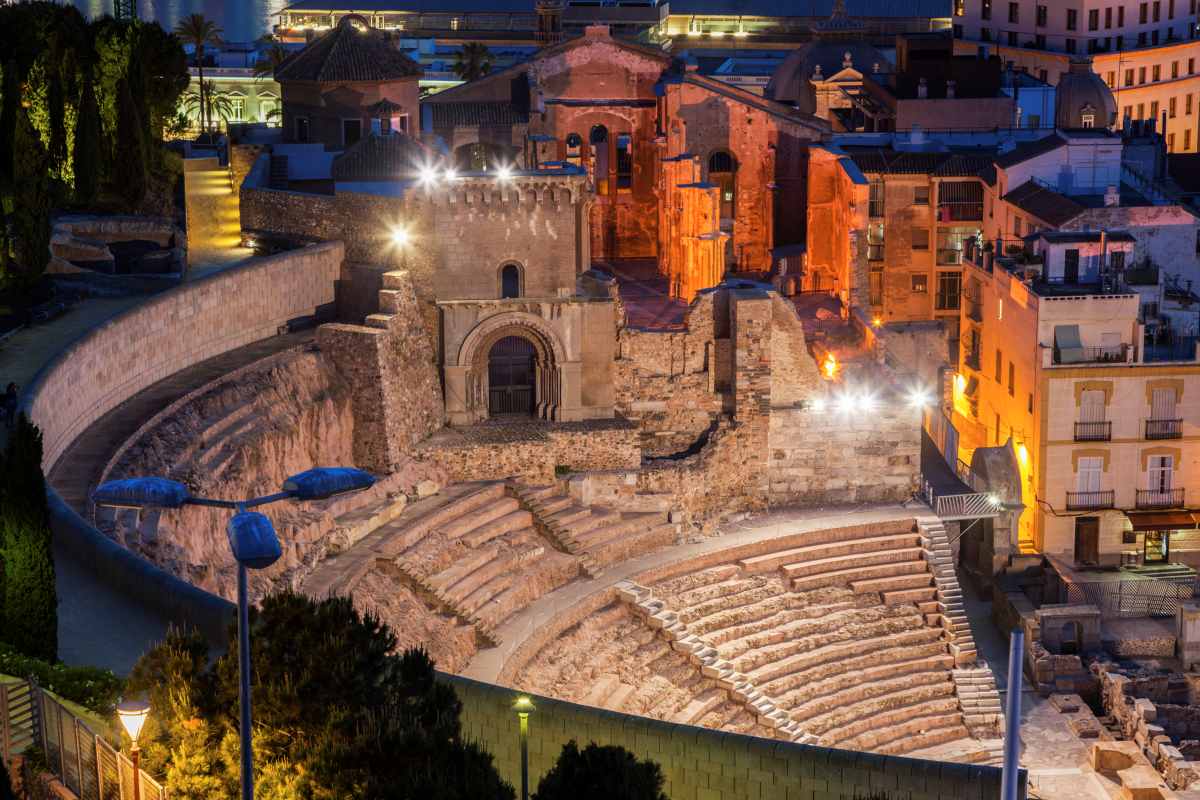
It also gave us the chance to visit some other Southern Spain cities we had been researching. For example, in Cartagena where we got to see some brilliant Roman ruins. We also made detours to the Tabernas Desert, which is Europe’s only inland desert, and we enjoyed some small Spanish villages with great tapas and beer.
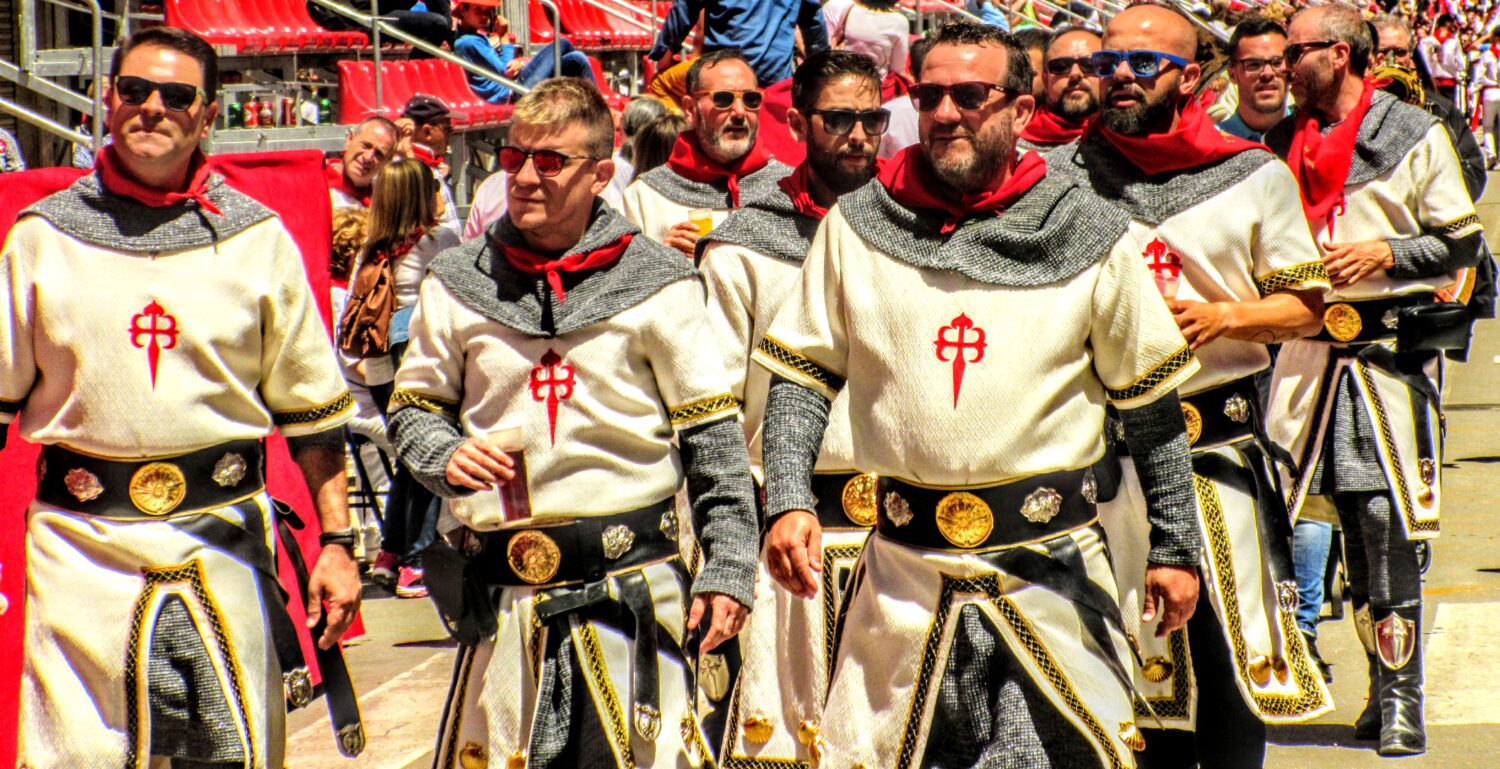
If you can, stop by Caravaca where you can partake in the Wine and Horses Festival, or take in a Semana Santa celebration in any city in Andalucía. Or go at Christmas time when everything sparkles.
- Ultimate Southern Spain Road Trip through Andalucía
- Fast Facts: Southern Spain Road Trip
- Southern Spain: A History
- Getting to Andalusia
- Southern Spain Itinerary: What to Do
- A 3-Week Southern Spain Itinerary (Beyond the Usual Circuit)
- Málaga
- Palomares, Vera, and Mojácar
- Jaén
- Córdoba
- Seville
- Jerez de la Frontera
- Cádiz
- Ronda
- The White Villages of Andalucía
- Car Rental in Andalusia
- The Best Time to Visit Andalusia
- Frequently Asked Questions About a Southern Spain Road Trip
Fast Facts: Southern Spain Road Trip
| Recommended trip length | 3 weeks for the full route (including driving through France); 2-3 weeks from within Spain |
| Best season | Spring or autumn avoid peak summer heat |
| Regions covered | Upper Andalusia (Almería, Granada, Jaén, Málaga) and Western Andalusia (Cádiz, Córdoba, Huelva, Seville) |
| Airports serving the region | 9 total 5 within Andalucía (Málaga, Seville, Almería, Granada, Jerez), 4 nearby (Gibraltar, Faro, Murcia, Alicante) |
| Car rental tip | Manual transmission is significantly cheaper than automatic in Spain |
| A serious local history note | Palomares site of a 1966 US hydrogen bomb accident, decontamination still not fully resolved decades later |
Southern Spain: A History
Andalusia’s history stretches back to around 4000 BCE. The Phoenicians founded Cádiz around 1100 BCE, making it one of the oldest continuously inhabited cities in Western Europe, and Greek and Carthaginian influence followed in the centuries after. The Romans arrived in 210 BCE, and the region flourished under their rule before the Moors crossed the Strait of Gibraltar and named the area Al-Andalus.

The Moorish period in Andalucía was widely considered a ‘golden age’ the Arabs introduced crops such as sugarcane, almonds, and apricots with elaborate irrigation systems. Agriculture, mining, and industry flourished, and Andalusia became a melting pot of Muslims, Jews, Christians, Berbers, and Spanish. This was a tolerant time when all cultures were allowed to grow and flourish.
This vibrant mingling of cultures gave the region some incredible monuments, such as the magnificient Alhambra, Mudéjar architecture, and cathedrals like Jaén’s and Seville’s.
Andalusia is traditionally divided into two historical subregions: Upper Andalusia (Andalucía Oriental), consisting of the provinces of Almería, Granada, Jaén, and Málaga, and Western Andalusia (Andalucía Occidental), consisting of the provinces of Cádiz, Córdoba, Huelva, and Seville.
Getting to Andalusia
Our road trip through Southern Spain took 3 weeks, although that did include driving through France. You can fly into any one of 9 international airports that serve as regional gateways. Five are located within Andalucía Málaga, Seville, Almería, Granada, and Jerez and four are located just outside: Gibraltar, Faro, Murcia, and Alicante.
We have flown into Almería, Murcia, and Alicante airports, all of which are very easy to manoeuvre and rent a vehicle from for your Andalucía road trip.
Southern Spain Itinerary: What to Do
Because we were driving to a housesit in Palomares, we chose to head to Granada first and then drive down to the coast. These are the cities we managed to visit on our south of Spain itinerary.
You will need at least 3 weeks in Andalucía if you want to see all these beautiful locations. However, you could pick and choose your Andalusian itinerary and hit the highlights with lots of city tours, or perhaps you prefer simple beach holidays that’s entirely up to you and the time you have to spend touring Andalusia. If you get a chance, take the time to visit a Spanish Olive Oil mill and pick up some super oil to take home with you.
A 3-Week Southern Spain Itinerary (Beyond the Usual Circuit)
Most Southern Spain guides stick to a fast 7-14 day loop through Seville, Granada, and Málaga. This itinerary goes deeper and further a genuine 3-week route that adds the Almería coast, Palomares, Jaén, and Cádiz, none of which make it into the usual shorter circuits. It’s built directly around the stops covered in this guide, in a logical order that avoids backtracking.
| Days 1-3 | Arrive and explore Málaga Alcazaba, Picasso Museum, Roman Theatre, La Malagueta beach, Gibralfaro Castle sunset |
| Days 4-6 | Base yourself in Mojácar/Vera/Palomares the Almería coast, Tabernas Desert, Cabo de Gata Natural Park, and the real history of Palomares |
| Day 7 | Almería city the Alcazaba fortress |
| Days 8-10 | Granada the Alhambra (book ahead), Albaicín and Sacromonte, a flamenco show, Granada Cathedral and the Royal Chapel |
| Day 11 | Jaén Santa Catalina Castle, the Cathedral, the Arab Baths |
| Days 12-13 | Córdoba the Mezquita, the Alcázar, the Synagogue, Medina Azahara |
| Days 14-16 | Seville the Cathedral and Giralda, the Real Alcázar, Plaza de España, Barrio Santa Cruz, a flamenco show |
| Day 17 | Jerez de la Frontera a sherry bodega, the Royal Spanish Riding School, the Alcázar |
| Day 18 | Cádiz the Cathedral, the Roman Theatre, La Caleta beach |
| Days 19-20 | Ronda and the White Villages Puente Nuevo, Arcos de la Frontera, Grazalema, Casares |
| Day 21 | Wind down on the coast at Frigiliana and Nerja before returning to Málaga for departure |
This is a genuinely full 3 weeks, not a padded-out one if you only have 10-14 days, cut the Almería/Palomares coastal section and Jaén, and you’ll still get the strongest highlights covered in the rest of this guide.
Málaga
Málaga, a vibrant city on Spain’s southern coast, is a gem of the Andalusian region, offering a rich blend of history, culture, and stunning landscapes. You can fly into Málaga airport and rent a car to travel Andalucía from there.
What to See and Do in Málaga
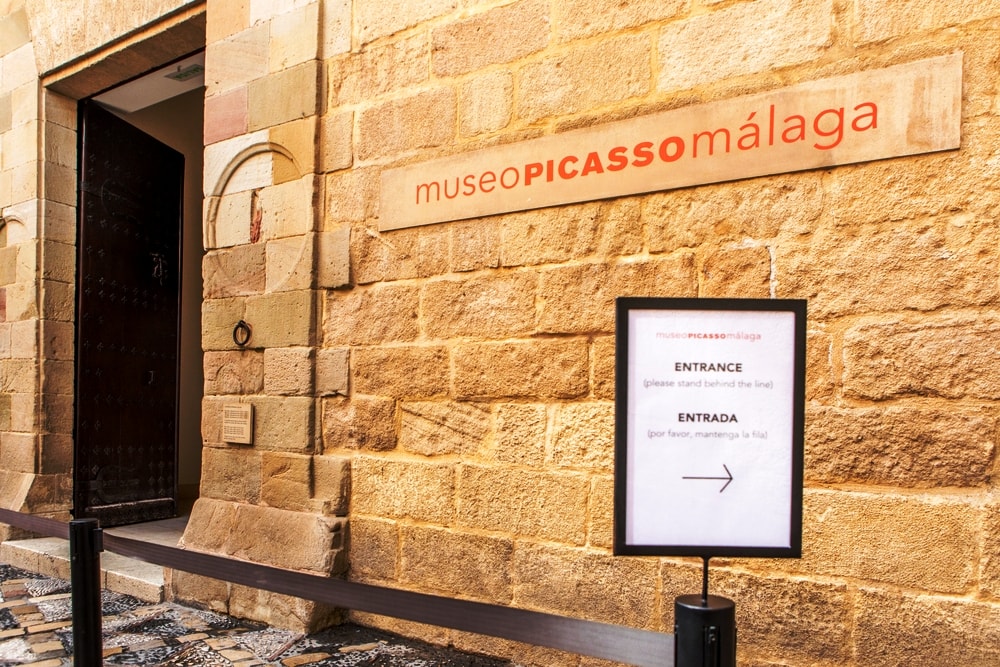
The Picasso Museum, located in the city’s old town, is a must-see, housing an extensive collection of the artist’s work. Just a short walk away, the Alcazaba fortress, a stunning example of Moorish architecture, offers breathtaking views over the city and the Mediterranean Sea. Nearby, the ancient Roman Theatre, dating back to the 1st century BC, provides a fascinating glimpse into Málaga’s past.
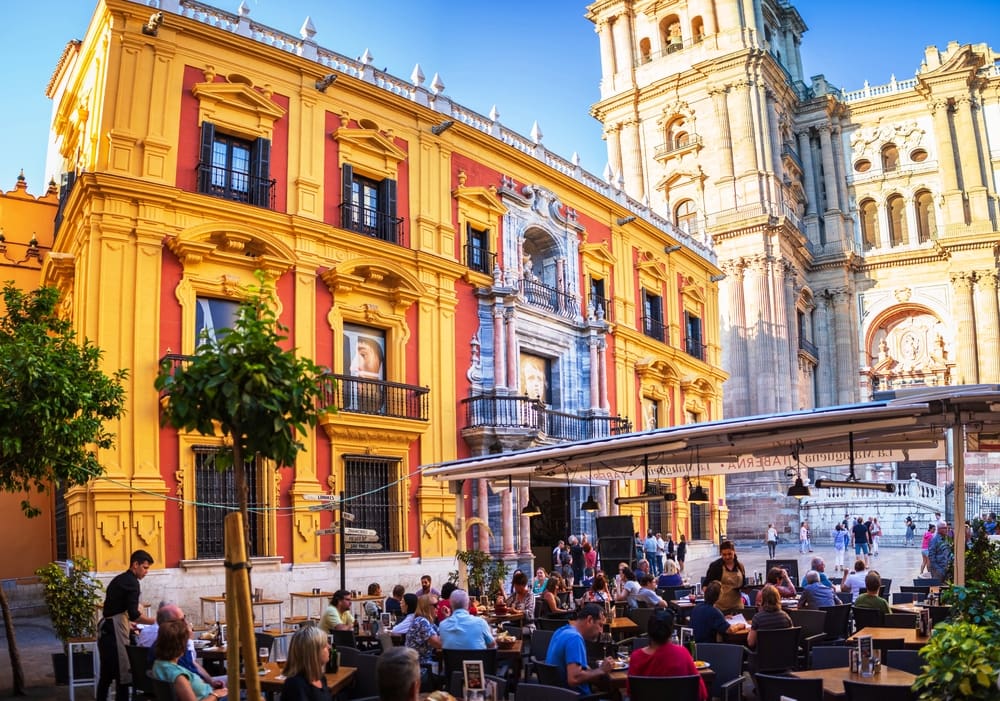
Málaga’s bustling harbour area, Muelle Uno, is a lively spot filled with restaurants, shops, and cultural attractions. The Pompidou Centre, an offshoot of the famous Parisian museum, features modern and contemporary art in a unique cube-shaped building. Málaga’s Cathedral, known as “La Manquita” or “the one-armed lady” due to its unfinished second tower, is another architectural marvel its blend of Renaissance and Baroque styles, along with its stunning interior, makes it a key highlight in the city.
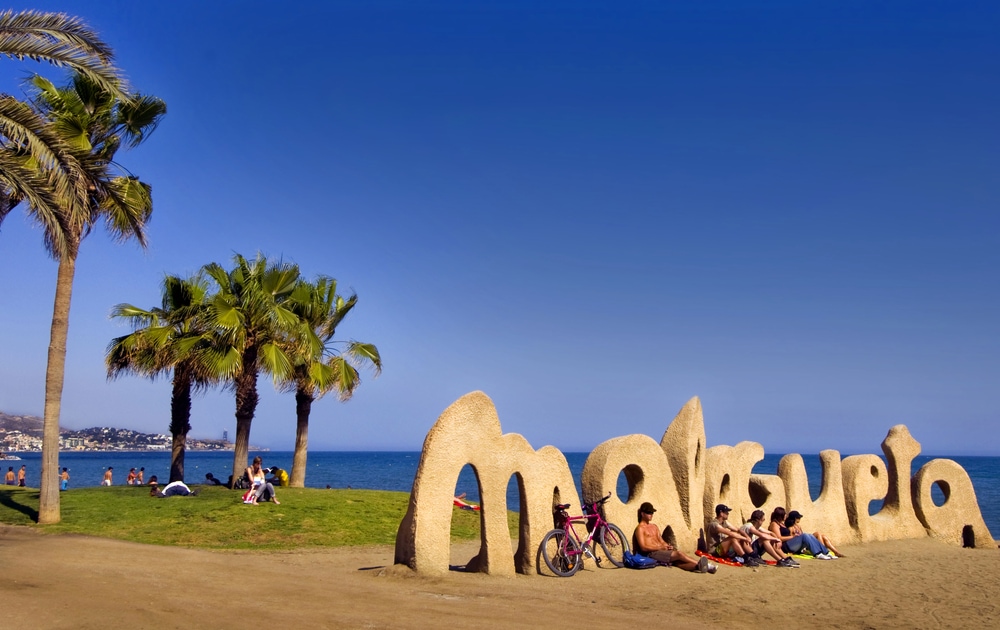
Beyond the city’s historical and cultural offerings, Málaga’s location on the Costa del Sol means it boasts beautiful beaches and a pleasant climate nearly year-round. La Malagueta beach, located just a few minutes from the city centre, is perfect for a relaxing day by the sea. The nearby Gibralfaro Castle, perched on a hilltop, offers panoramic views of the coastline and the city below, making it an ideal spot to watch the sunset.
Where to Stay in Málaga
Soho Boutique Castillo de Santa Catalina: Set in Málaga, less than 1km from La Caleta Beach, this offers accommodation with a garden, free private parking, a shared lounge, and a terrace. With free WiFi, this 5-star hotel offers room service and a 24-hour front desk. Selected rooms provide a balcony, others sea views.
Palomares, Vera, and Mojácar
Since we knew this area very well after spending over a year housesitting nearby in Palomares, Vera Playa, and Tíjola, this stretch of coast was an easy, familiar stop. We stayed in Mojácar, a busy spot in summer with both Spanish and international visitors split between the whitewashed hilltop old town, Mojácar Pueblo, and the beach strip, Mojácar Playa, a couple of kilometres apart and well connected by local bus. I’ve covered Mojácar in full depth separately, including the area’s real climate reality over the past several years, in my dedicated Mojácar guide.
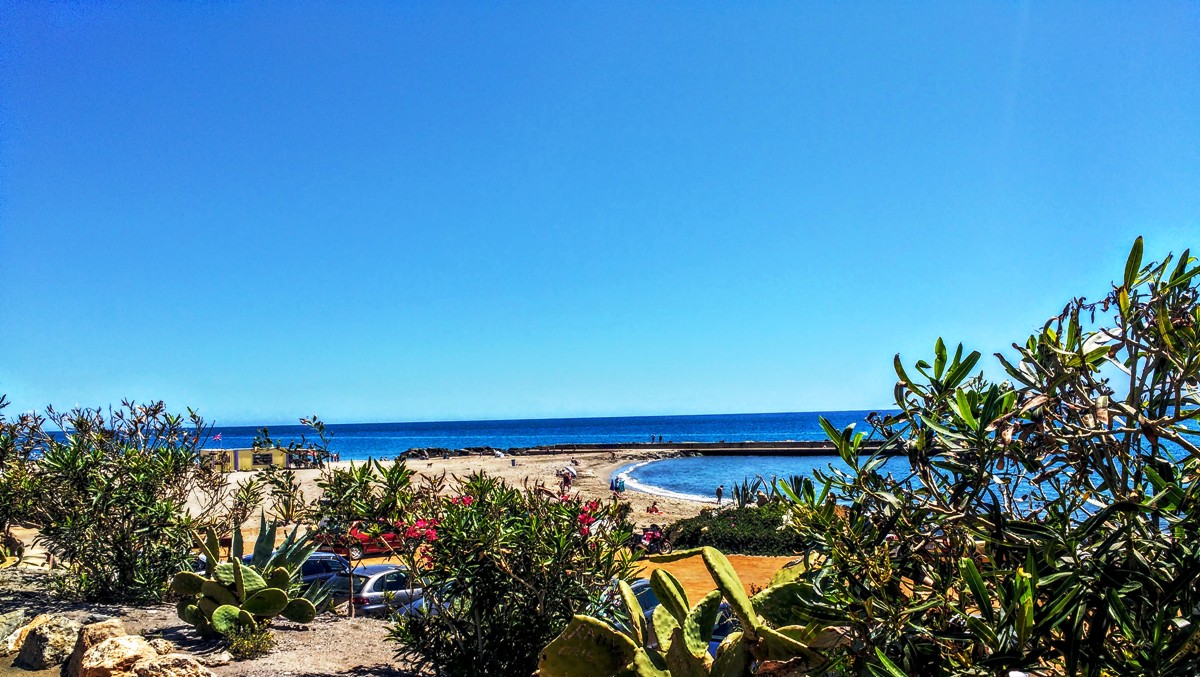
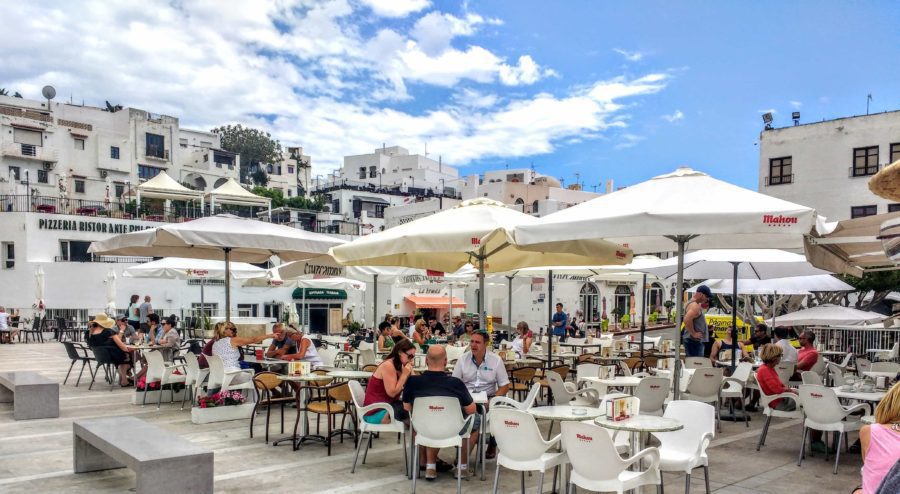
Palomares is a quiet town with a lovely village square where you can enjoy a beer and tapa and chat with the locals and English speakers who have permanent homes here.
Palomares became internationally famous for a far more serious reason than its beaches. On January 17, 1966, at the height of the Cold War, a US Air Force B-52 bomber collided mid-air with a refuelling tanker directly above the village, killing seven airmen and scattering four hydrogen bombs across the area. None detonated as a nuclear weapon, but two broke open on impact and spread plutonium across the surrounding farmland one of the worst nuclear weapons accidents in history. A fourth bomb fell into the Mediterranean and took over two months to locate and recover.

Roughly 1,600 US airmen were sent to clean up the contamination, and thousands of barrels of contaminated soil were shipped to the United States for disposal. But the story doesn’t end there decades of follow-up testing found the original cleanup had been incomplete, and despite a 2015 agreement in principle between the US and Spain to finish the job, a fully binding cleanup agreement was never actually signed. As recently as the past couple of years, Spain has continued pressing the US to finish removing the remaining contaminated soil. It’s a genuinely sobering piece of the region’s history, and one locals here are well aware of.
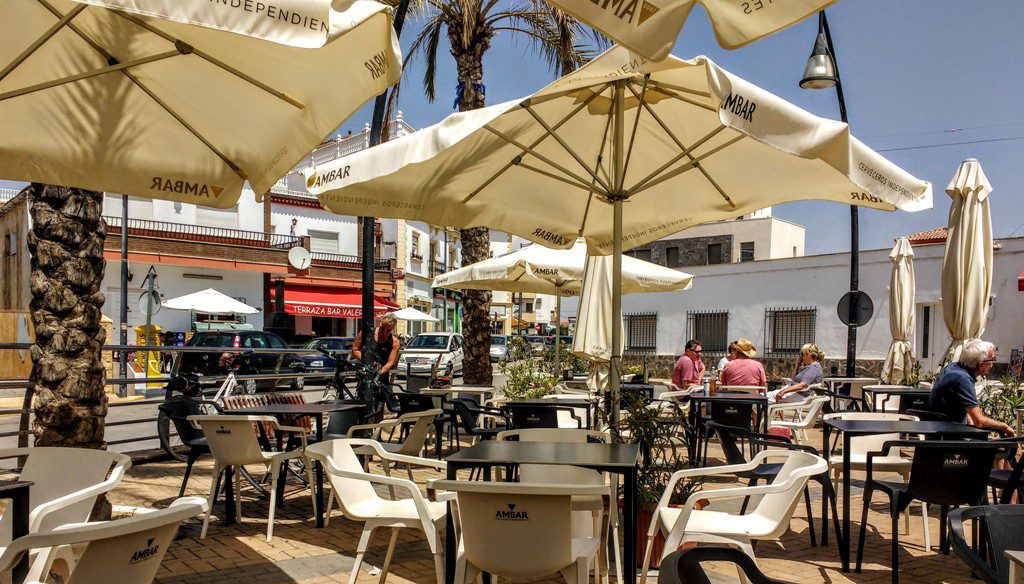
Vera is a beach community with lots of restaurants and bars to enjoy along the seafront. There’s also a naturist section of the beach and naturist accommodation available. We often had breakfast in Vera and saw many a dangly bit walking along the quiet streets.
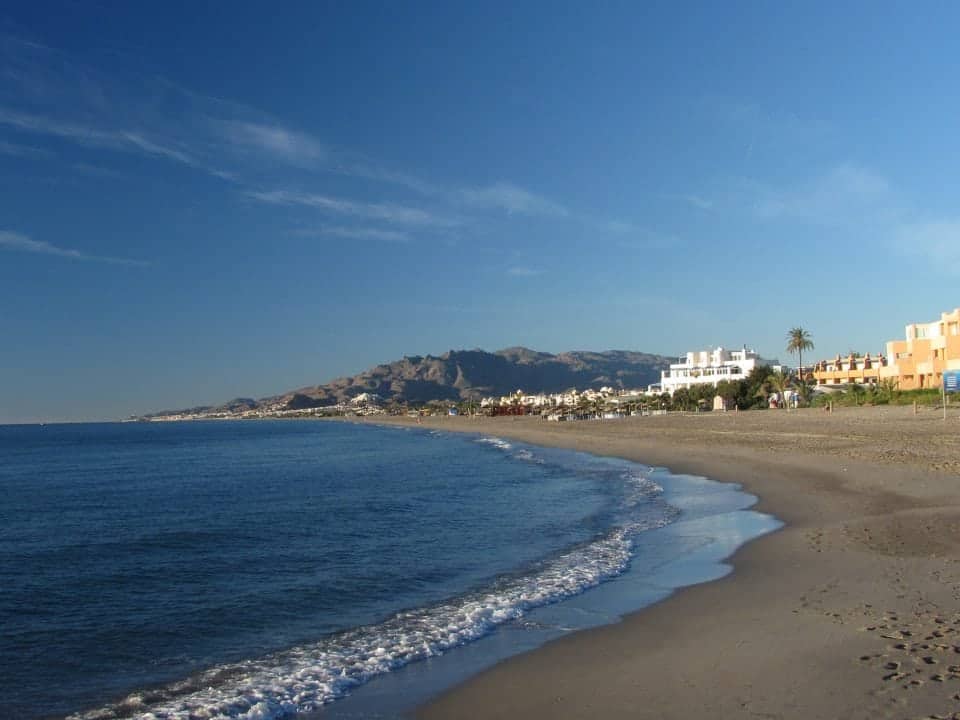
Almería
Almería is a relatively unknown destination in Andalusia, although the Spanish have been coming here for their beach holidays for years.
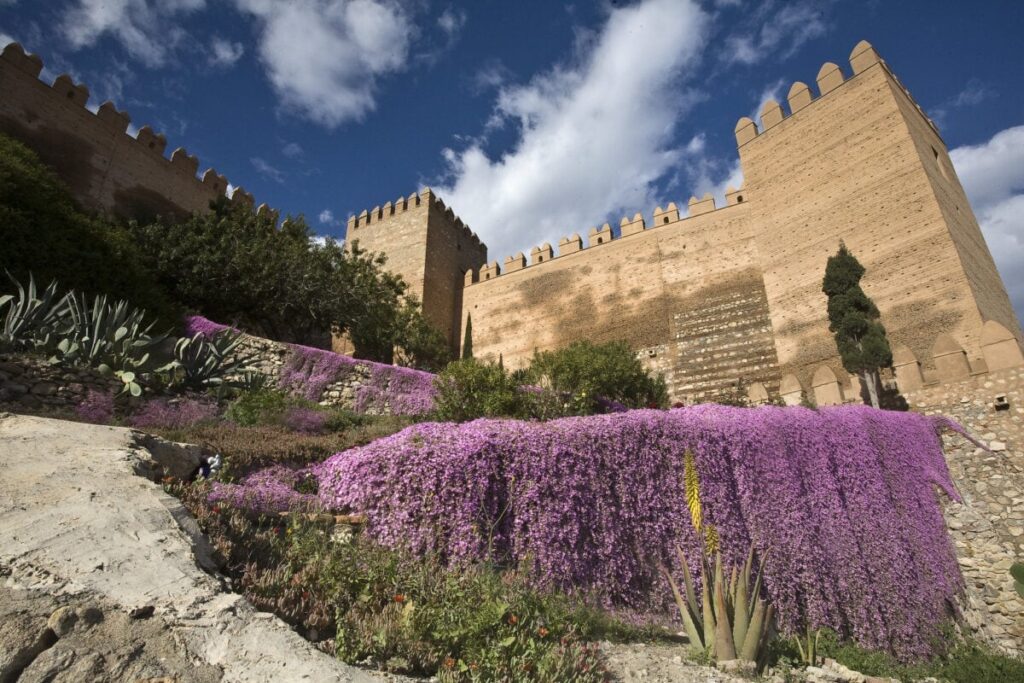
Almería is famous for the Alcazaba, a Moorish fortress that is the second-largest Muslim fortress in Andalucía after the Alhambra. As a fortress, it contained houses, extensive gardens, a mosque, and peaceful squares with water features throughout. Entry is free for European citizens, and €1.50 for everyone else.
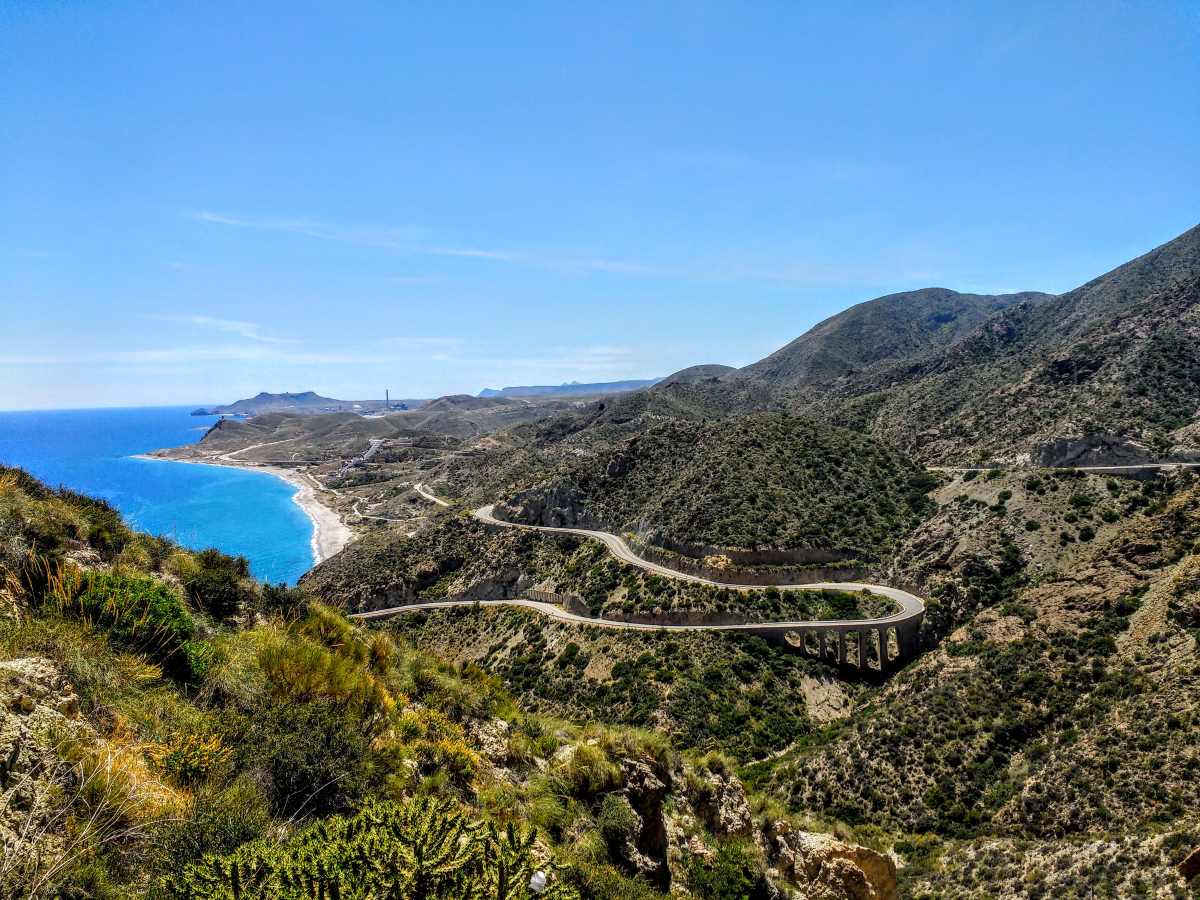
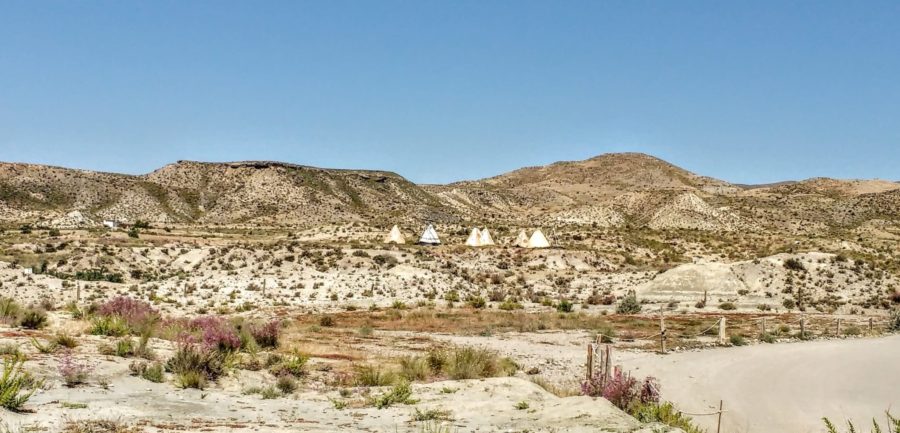
From Almería, you can also visit Europe’s only inland desert, Tabernas, and see where many a Spaghetti Western was filmed. Or take a drive to the Cabo de Gata National Park, which has some stunning beaches and, shall we say, a genuinely unique coastline and switchbacks.
Granada
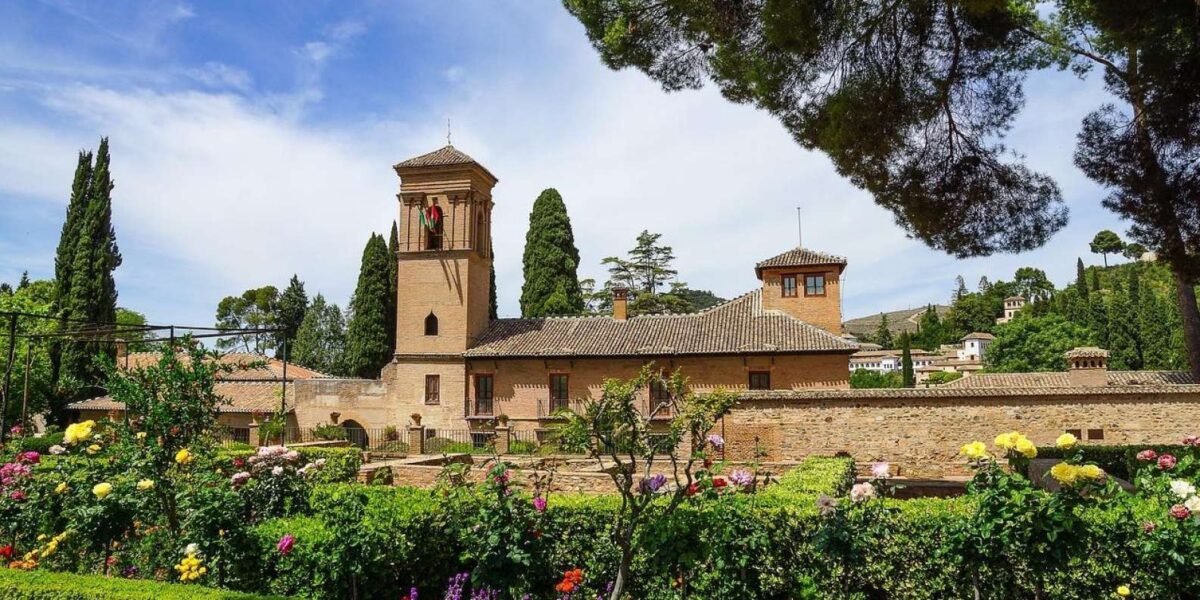
The must-see in Granada is of course the Alhambra, with its Nasrid Palaces and outstanding Generalife Gardens. The biggest tip I can give you is to book your tickets online, since daily visitor numbers are capped.
You can find all my tips for visiting the Alhambra here.
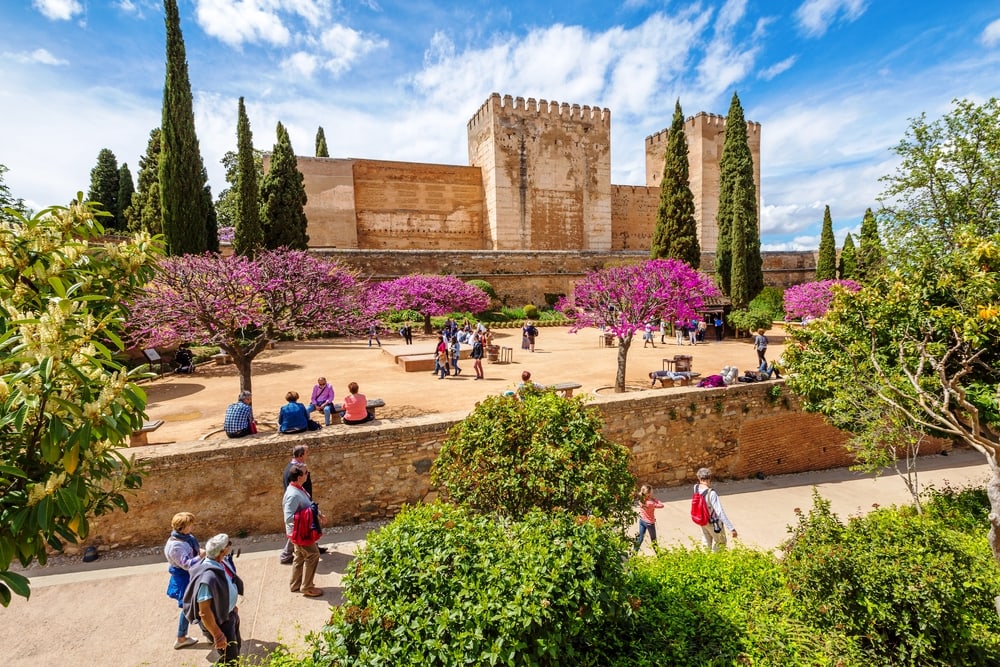
With its stunning backdrop of the Sierra Nevada mountains, Granada is a rich, complex city with Moorish and Christian influences and architecture. There’s an outstanding array of restaurants, cafés, and bars, many of which feature the glorious rhythms of flamenco guitars and beautiful flamenco dances.

What to See and Do in Granada
Granada is well worth spending a few days in and enjoying some incredible walks not to mention the tapas bars and taking in the history of flamenco. These are just a few of the things to do in Granada.
Plaza Bib Rambla: The main meeting square in Granada, once host to the largest book burning in Europe during the Inquisition, Francisco Jiménez de Cisneros, confessor of Queen Isabel, used the square to burn 80,000 books from the library of the Madrasah of Granada, the city’s first university, claiming they were all copies of the Koran. The square is now known for the Gigantones Fountain, a permanent flower market, and plenty of restaurants and cafés where churros with hot chocolate are customary.

Flamenco: Watch a traditional flamenco performance in one of Granada’s most spectacular venues. Take your seats in the atmospheric cave restaurant of El Templo del Flamenco, tuck into a 2- or 5-course dinner, and enjoy a thrilling live flamenco show.
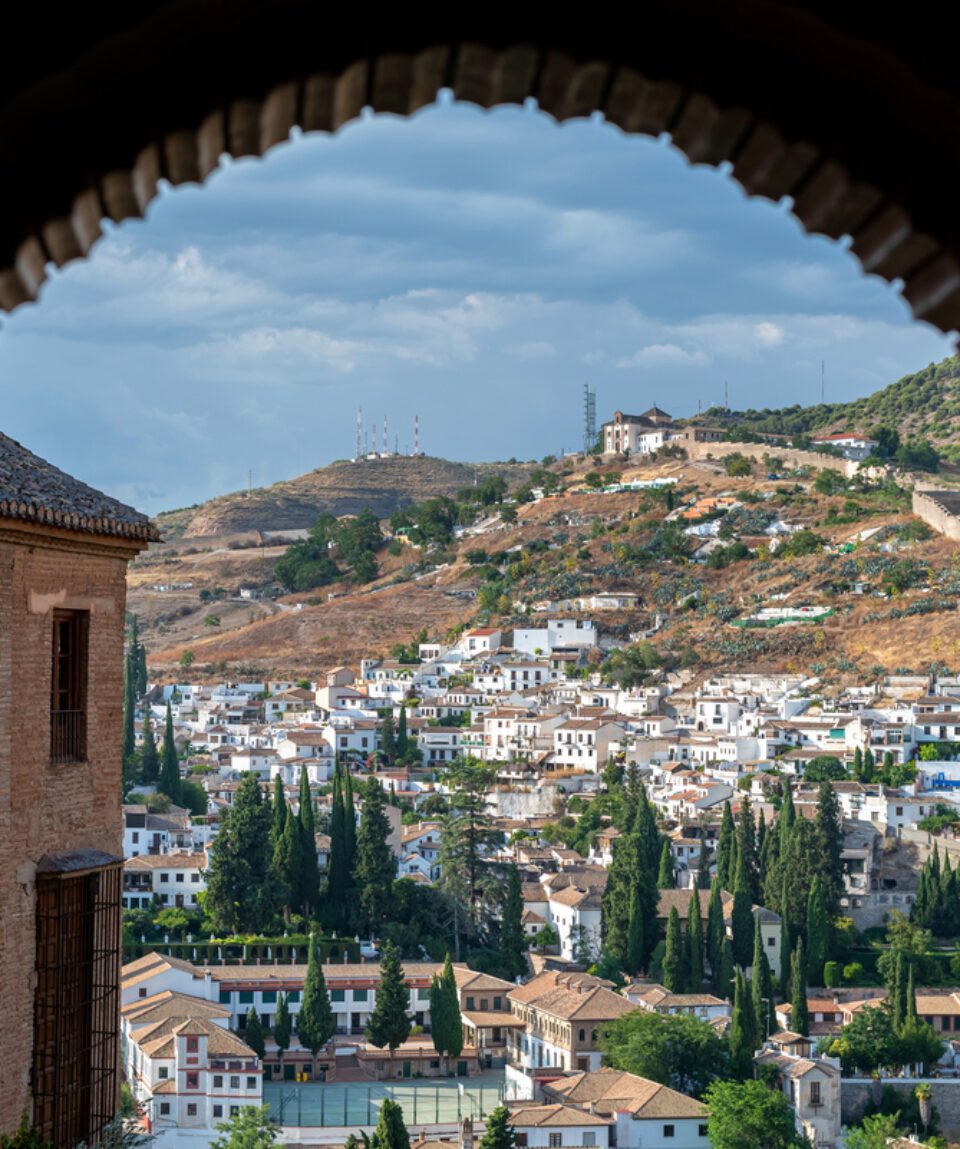
The Albaicín and Sacromonte: Take a walking tour of the medieval Moorish quarter of the UNESCO-listed Albaicín, then head to the neighbouring gypsy enclave of Sacromonte, famous for its traditional cave houses and flamenco heritage.
Visit a Hammam: Enjoy the opulent Arabian baths at Hammam Al Ándalus in the heart of the historic Old Town candle-lit walkways, beautifully designed pools, a massage, or a soak in a thermal bath while sipping fresh mint tea.
Catedral de Granada and the Royal Chapel: The Cathedral was commissioned by Queen Isabella on the site of the Main Mosque. Begun in the 16th century, the exterior is Gothic but the interior is a stunning Renaissance structure on a Gothic floor plan. The Royal Chapel, commissioned by Isabella and Ferdinand as their final resting place, is Gothic and holds many treasures from Spanish history.
Where to Stay in Granada
Casa de Reyes: Situated in the heart of Granada, a short walk to the Cathedral, this guest house is 8 minutes’ walk from Elvira Street, famous for its tapas bars, and close to the Albaicín district.
Alhambra Palace: Located just outside the Alhambra’s ancient walls, offering spectacular views over Granada, with an in-house restaurant and a bar with a terrace. A bus stop directly opposite takes guests to the Alhambra or city centre.
Jaén
The provincial capital Jaén is known as the World Capital of Olive Oil, being the biggest producer of oil, and it has the largest number of protected castles, fortresses, and natural spaces in Spain.
Jaén was a stronghold on the Castilian-Muslim borders during the Reconquest, and the city is dominated by the Arab Fortress standing on the Santa Catalina Ridge.
What to See in Jaén
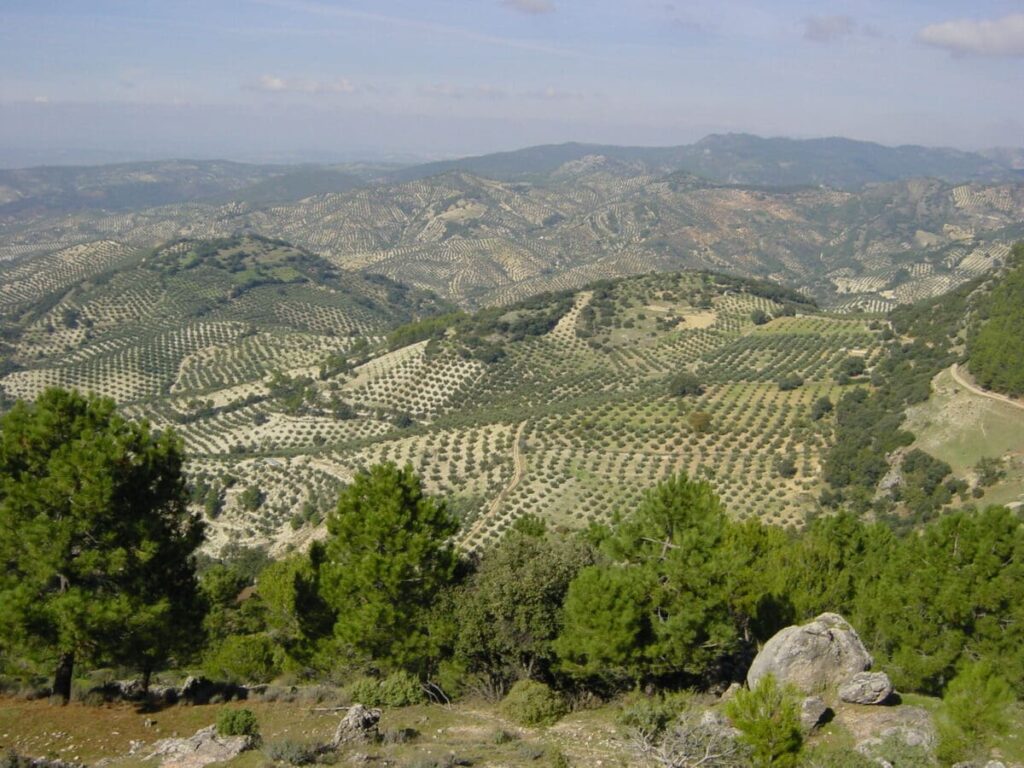
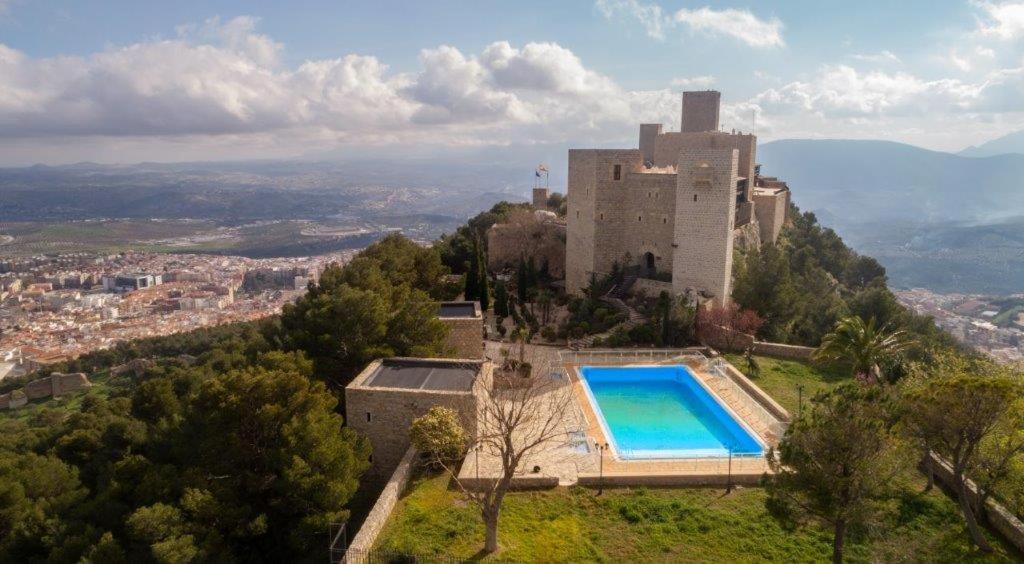
Santa Catalina Castle: A Mudéjar-design castle extended and modified after being conquered by Ferdinand III a walled, almost triangular enclosure defended by six towers. Inside is a Tourist Information Centre with magnificent views over Jaén, plus a Parador (government-owned hotel) you can stay at.
Jaén Cathedral: Dedicated to the Assumption of the Virgin, home to the Holy Veil, which tradition holds was used by Saint Veronica to wash Christ’s face. Built on the site of a mosque in Gothic style, later restored in the Renaissance period.
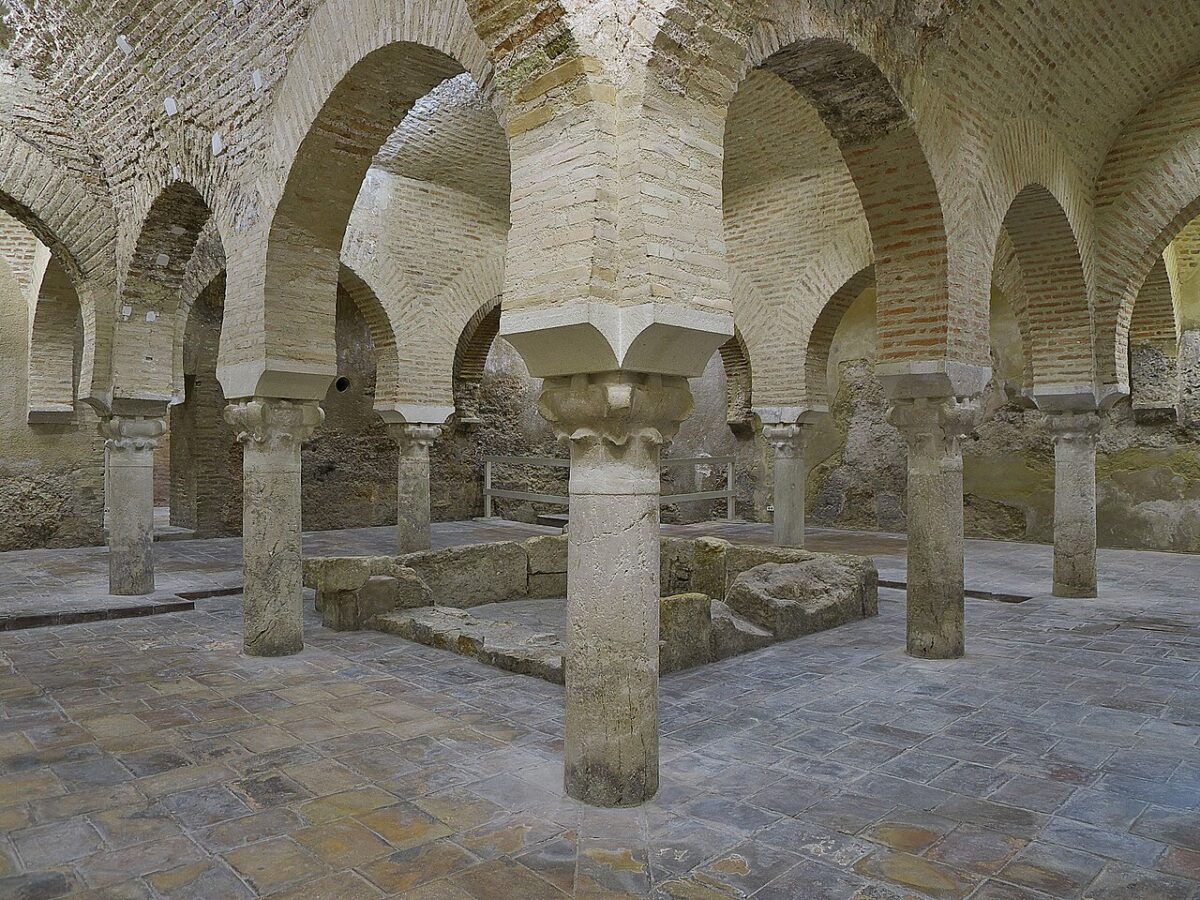
Arab Baths Cultural Centre Villardompardo Palace: Built in 1592 on top of 11th-century Arab baths, known as the Baños de Alí and considered the most important in the city. Reopened in 2014 with a varied programme of exhibitions, concerts, lectures, and demonstrations.
Museum of Naïf Art and the Museum of Arts and Popular Traditions: Based in the Villardompardo Palace, split between Fine Art (paintings and sculpture from Spanish and international artists) and Archaeology (one of Spain’s most important Iberian art collections, covering the first settlers, the Moors, the Romans, and the Jews).
Where to Stay in Jaén
Parador de Jaén: On top of Santa Catalina hill, this beautifully renovated 18th-century castle offers high, arched ceilings, wooden beams, and tiled floors, decorated in classical style with Arabic influence.
Córdoba
Córdoba is another point on your Southern Spain road trip full of Moorish and Christian history but it was also home to a large Jewish population with a beautifully preserved heritage.
What to Do in Córdoba
Alcázar of Córdoba: Built in the 8th century, this massive fortress and royal palace reached major significance during the Middle Ages when Catholic Monarchs Ferdinand and Isabella lived there.

Medina Azahara: Just outside Córdoba, a spectacular Moorish palace still being excavated (some parts closed to the public).
Viana Palace: Situated in the Plaza de Don Gome, surrounded by twelve splendid patios and a marvellous garden, with rooms housing collections of paintings, dinner sets, mosaics, tapestries, decorative tiles, and firearms.
Plaza de Las Tendillas: Córdoba’s main square the place to sit, enjoy a drink or meal, and people-watch.
Mosque-Cathedral (La Mezquita): A UNESCO World Heritage Site since 1984 and the most important sacred site in the Islamic west a cathedral that is now a stunning mosque combining architectural elements from both Muslim and Christian builders, arranged around a courtyard with porticoes, a minaret under a Renaissance tower, and an interior of columns and arcades.
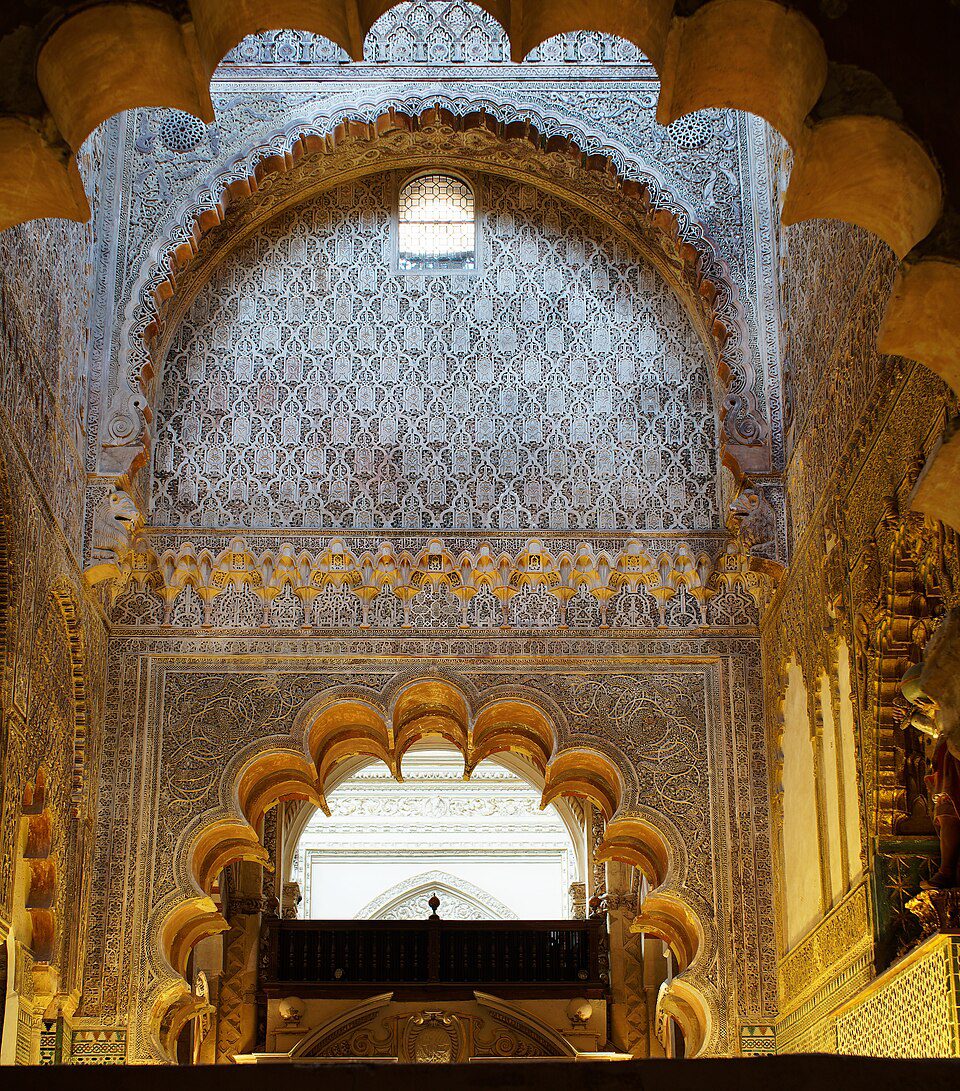
Córdoba Synagogue: Unique in Andalusia, located in the Jewish quarter and built between 1314 and 1315, serving as a temple until the final Jewish expulsion. The main room has a quadrangular plan decorated with Mudéjar atauriques, with a women’s gallery wall opening onto three arches of beautiful plasterwork.
Where to Stay in Córdoba
Pensión El Portillo: Situated in the historic centre, 500m from the Mezquita Cathedral, with a traditional Andalusian patio and rooms with balconies. Córdoba Synagogue is a 5-minute walk away.
La Calleja de la Mezquita: In the heart of Córdoba, a short distance from the Mosque and Synagogue one bedroom, one bathroom, a flat-screen TV, dining area, fully equipped kitchen, and a patio with city views.
Seville
There’s A LOT to see and experience in Seville it’s the cultural heart of Spain and the best place to experience the mixture of cultures in the country. Seville is the birthplace of flamenco, both the dance and the guitar rhythms of this beautiful tradition.
What to Do in Seville
Flamenco Show El Palacio Andaluz: No trip to Seville is complete without seeing this art, listed by UNESCO as Intangible Cultural Heritage a unique flamenco adaptation of the opera ‘Carmen’ at one of the most well-loved flamenco tablaos in the city.
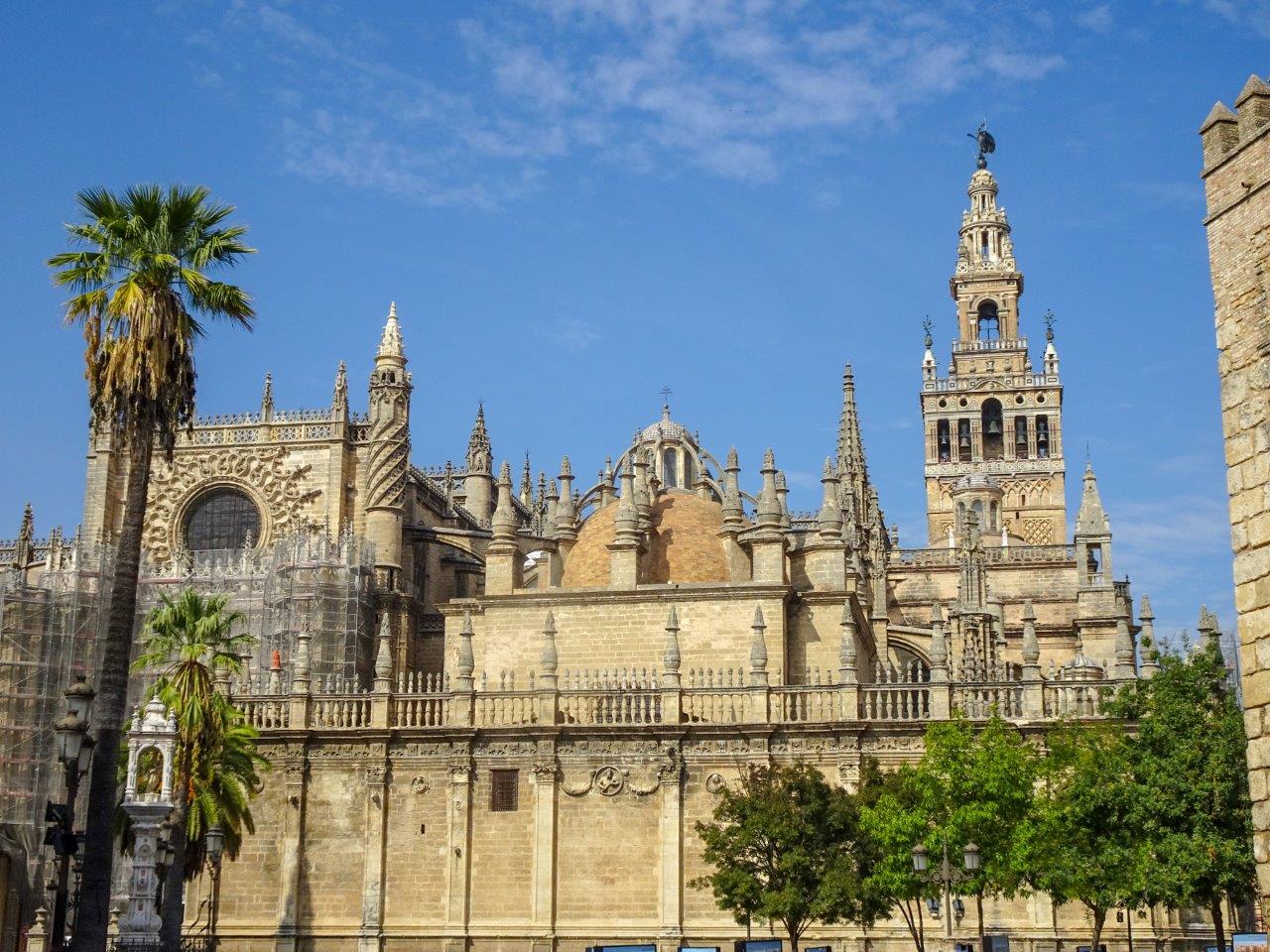
Seville Cathedral and the Giralda: Home to the largest Gothic cathedral in the world, a UNESCO World Heritage Site. Climb the Giralda for one of the best panoramic views of the city; the crypt holds the tombs of several kings of Castile, Alfonso X the Wise, and Christopher Columbus.
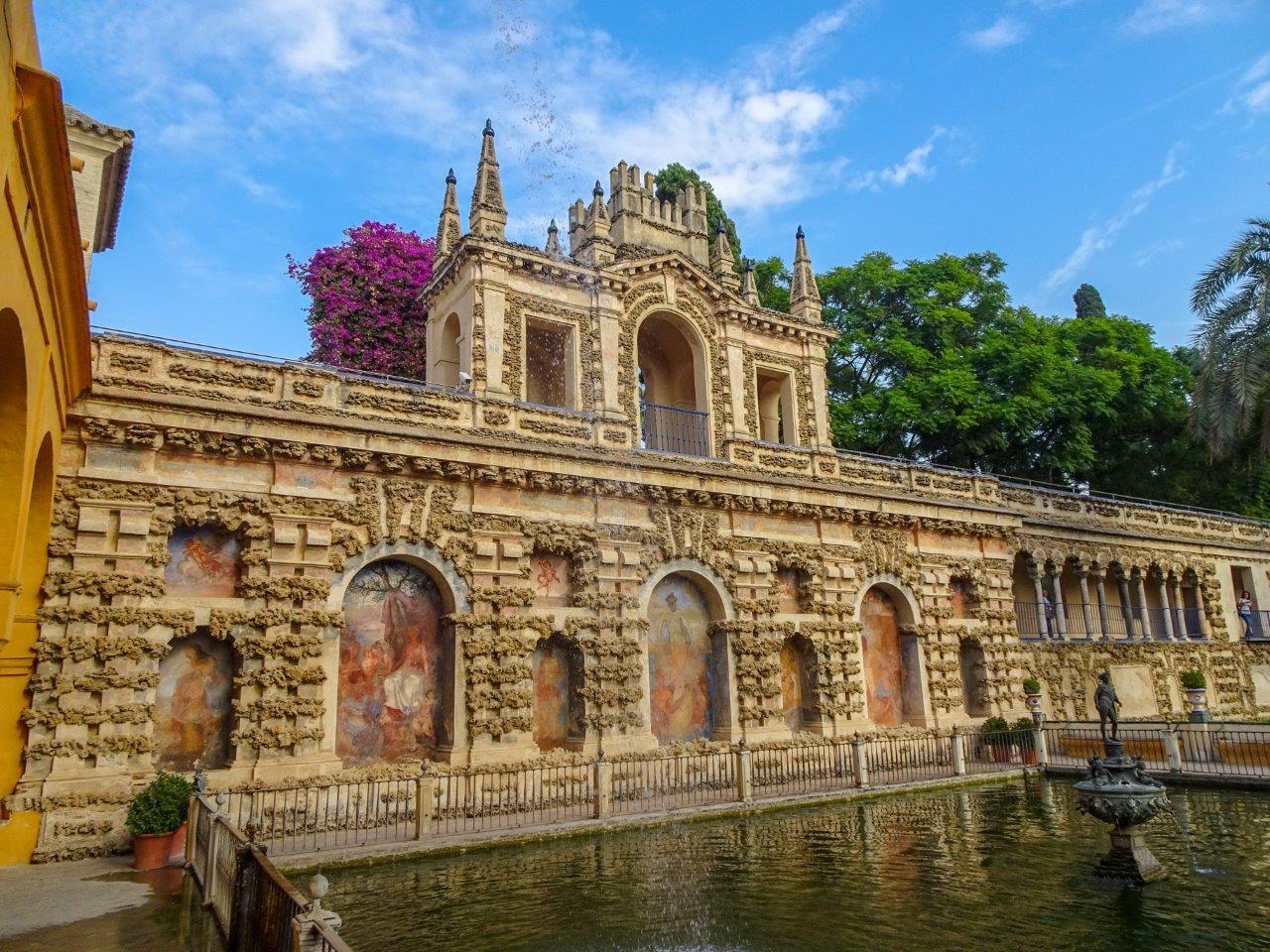
Real Alcázar de Sevilla: A series of palaces spanning 11th-century Islamic architecture through Mudéjar, Gothic, and Renaissance styles, with gardens begun over 1,000 years ago full of ponds, sculptures, fountains, and scented trees. Declared a World Heritage Site in 1987 alongside the Cathedral and the Archivo de Indias.
María Luisa Park: Worth visiting for its ponds and fountains, decorated benches, and of course the Plaza de España.
Plaza de España: One of the most stunning squares in Europe, designed in 1928, with a canal for boat rental and a wall of tiled artwork representing Spain’s 48 provinces.
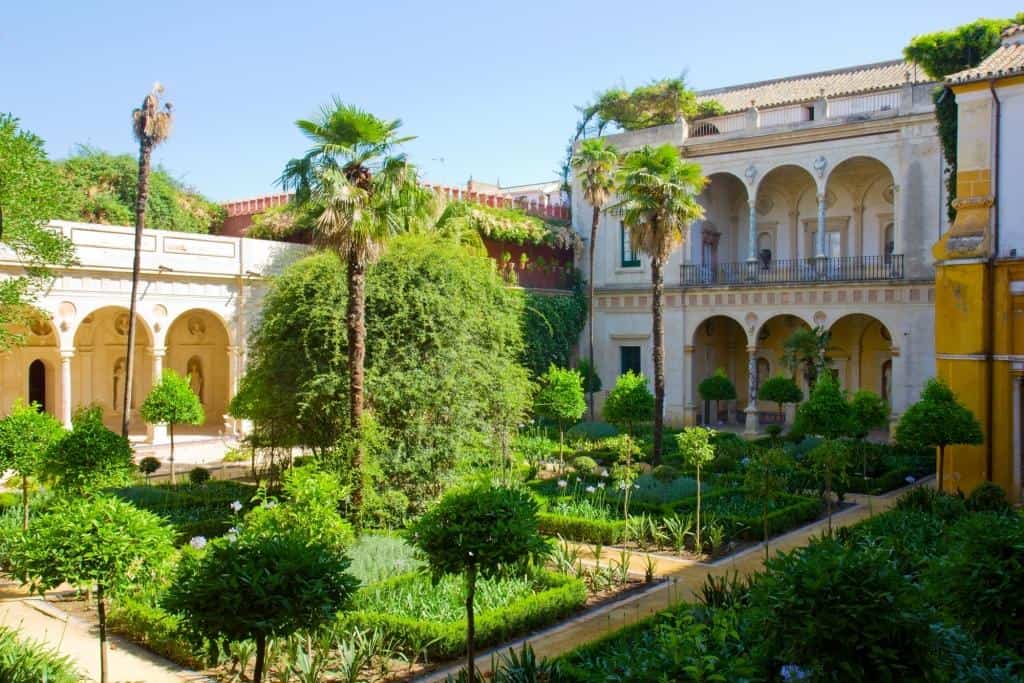
Barrio Santa Cruz: The former Jewish quarter of Seville, home to the Alcázar and the Giralda Tower today the tourist centre of the city, full of small shops, restaurants, and cafés.
Where to Stay in Seville
Exe Sevilla Macarena: Located opposite the Macarena Basilica facing Seville’s ancient city walls, with a rooftop pool with panoramic views and a typical Seville-style patio with a cafeteria.
El Rey Moro Hotel Boutique: Situated in the picturesque Barrio de Santa Cruz, a converted 16th-century manor house within walking distance of the Cathedral and Alcázar.
Jerez de la Frontera
With a history dating back to the Moors, Jerez de la Frontera has a charming Old Town (Casco Antiguo) with a partially restored Moorish castle, palm-fringed plazas, and a cathedral that was originally a mosque.
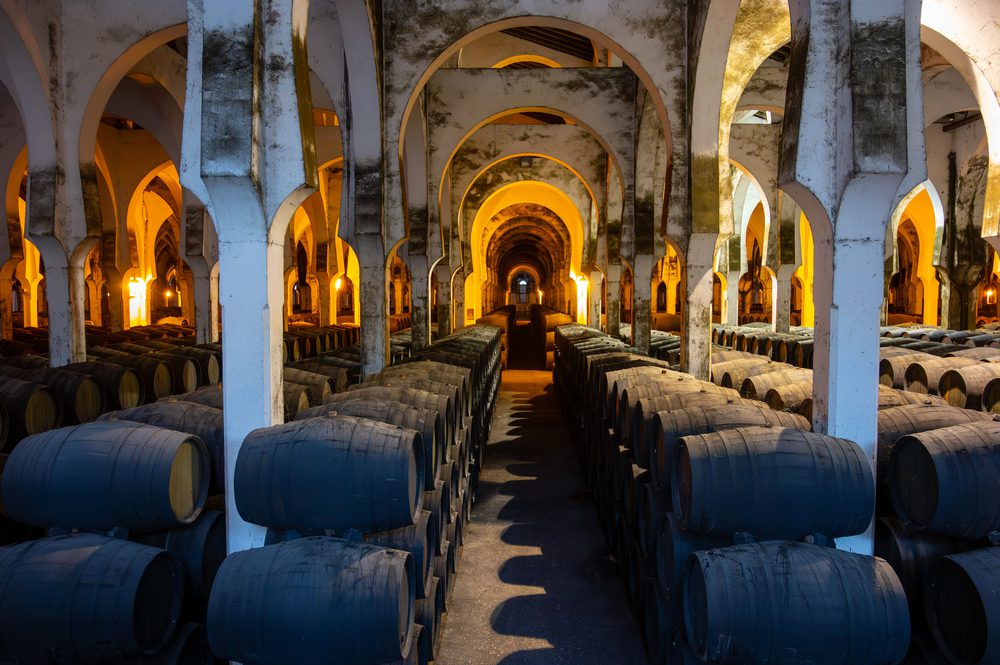
Jerez is well known for wine, horses, and flamenco, with a historic centre declared a Historic-Artistic site. It’s also famed for its superb sherry, thanks to the white chalky soil ideal for cultivating the Palomino grapes that produce it.
Visit a Sherry Bodega: The city is the centre of the province’s sherry dynasties, such as Domecq and González Byass a legacy dating back some 250 years to when Scottish and Irish entrepreneurs set themselves up in the wine trade.
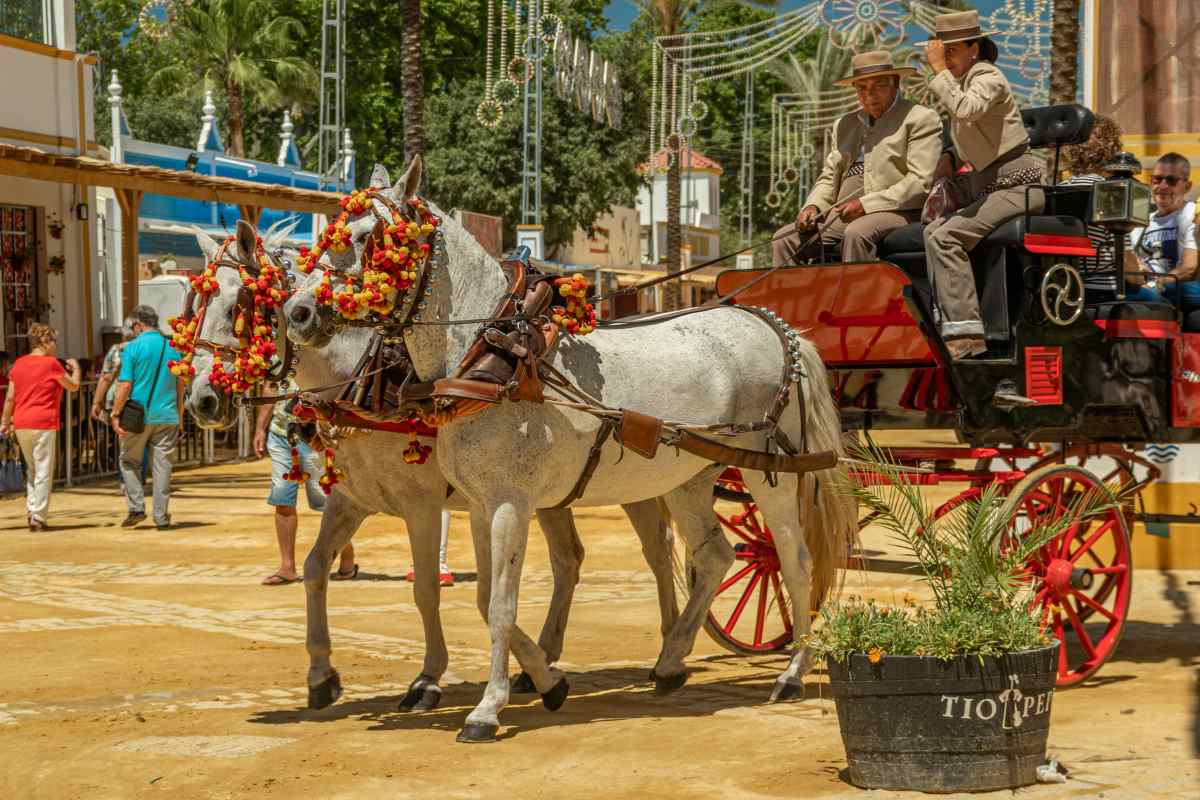
Royal Spanish Riding School: Home to the beautiful Spanish Andalusian horses used in incredible dressage shows. The “Real Escuela Andaluza del Arte Ecuestre” was founded in 1973 and officially recognised as a Royal Spanish Riding School 14 years later. Its own breed, the Cartujana, dates to medieval times, bred for centuries by the monks of the Carthusian monastery of Santa María de la Defensión.
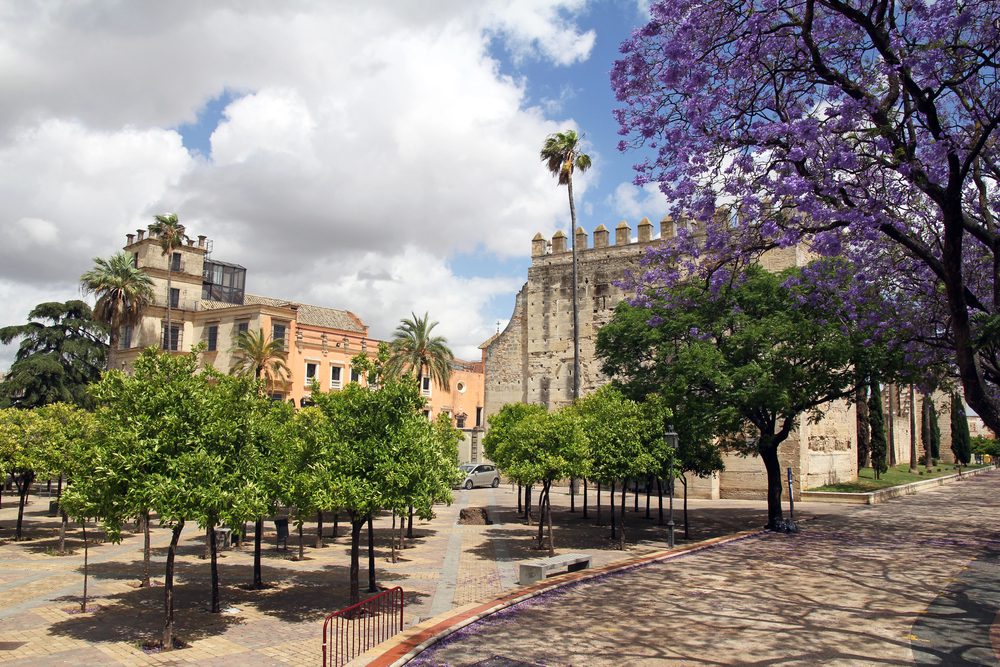
Alcázar: Dating from the 11th and 12th centuries, this was the Moors’ chief defence against Christian invaders, who finally took the city in 1264. Impressively conserved Arabian baths, a mosque, defensive walls, and towers remain.
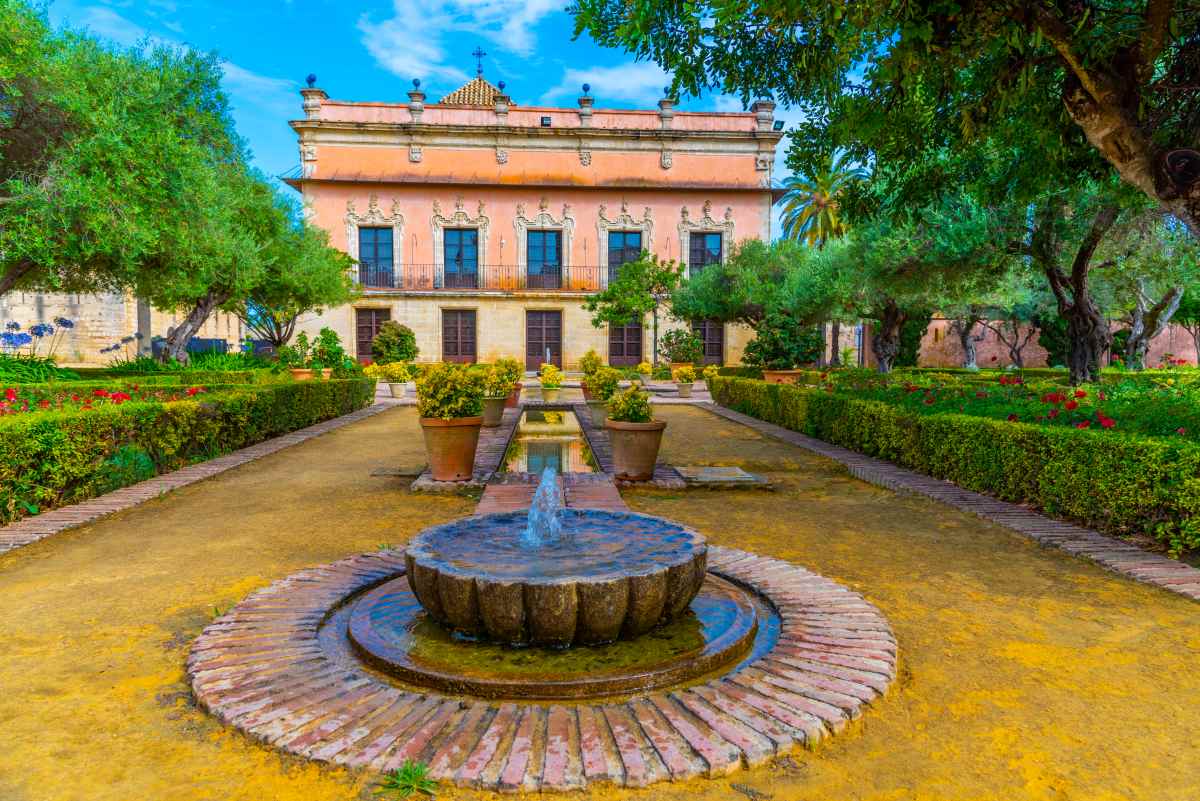
Jerez Cathedral: Originally built as a church between 1695 and 1778, unique in Andalusia for its bell tower standing on a separate site previously home to a smaller church, and before that, a mosque.
Plaza de la Ascunción: One of old Jerez’s loveliest spaces, home to the 15th-century Iglesia Dionisio and the former town hall dating from 1575.
Andalusian Flamenco Centre: Located in the Santiago neighbourhood, one of Jerez’s most important flamenco areas, providing resources for researchers, students, and flamenco enthusiasts.
Cádiz
To get to Cádiz, you cross the incredible Puente de la Constitución bridge. This absolutely charming city has a stunning old town and gorgeous beaches to keep both history and sunshine buffs happy.
What to See in Cádiz
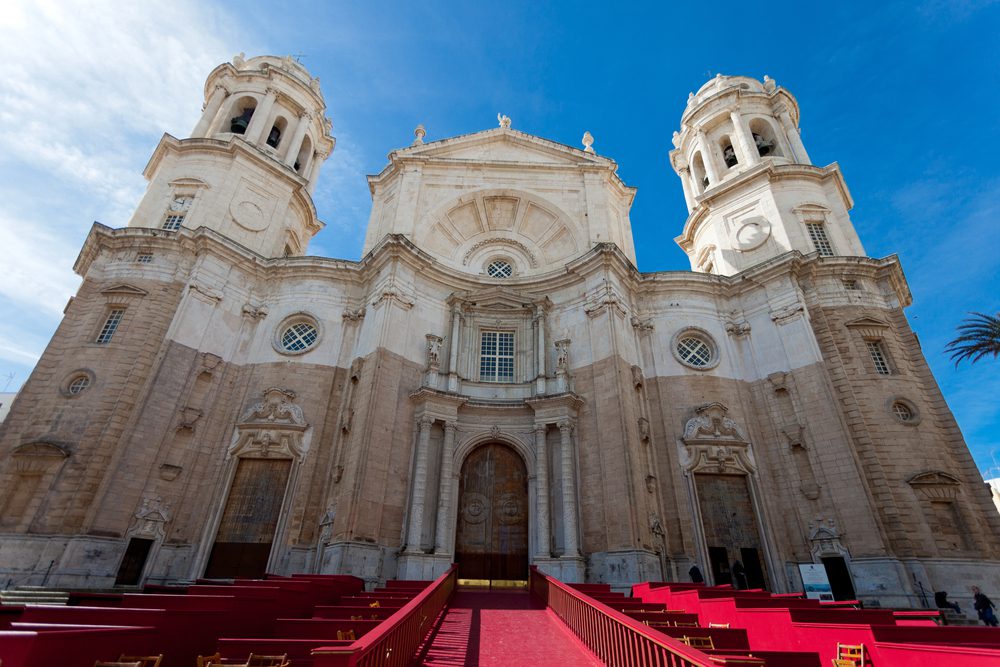
Cádiz Cathedral: Visible everywhere in the city thanks to its glorious golden dome, built in the 1700s over a century, combining Gothic, Baroque, Renaissance, and Neoclassical architecture. Climb the Tower of Poniente for panoramic views.
Castillo de Santa Catalina: Cádiz’s oldest military structure, a National Asset of Cultural Interest. The sea-facing side is shaped like a three-pointed star; the inland side has two half-bastions and a moat, giving the whole castle a pentagonal shape, with incredible Atlantic views.
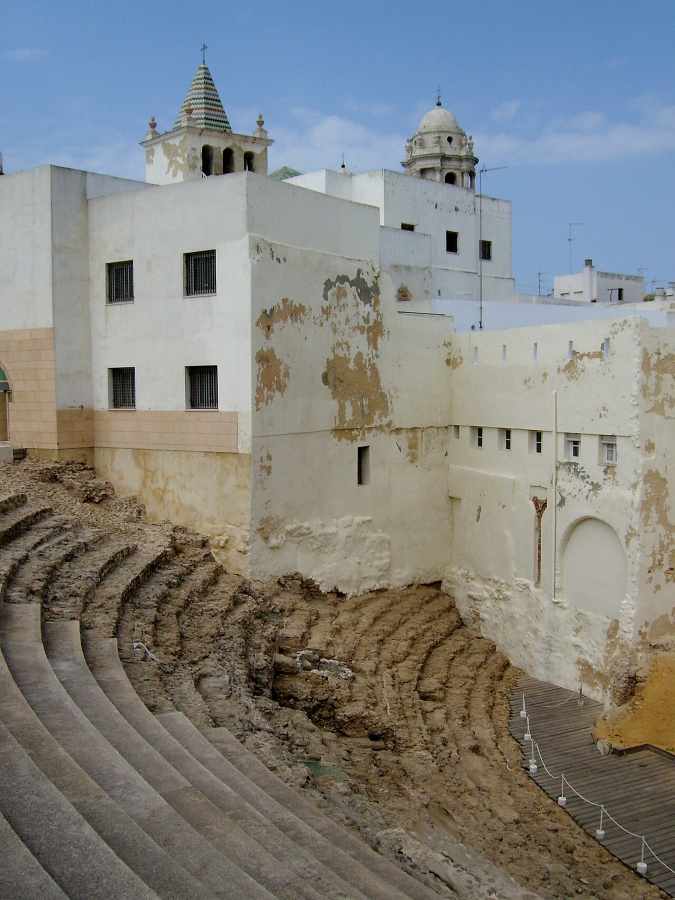
The Roman Theatre: Dating from the end of the 1st century BC, discovered by chance in 1980 the oldest in Spain and one of the largest, with a capacity of 20,000 and free entry.
La Caleta Beach: The most popular beach in Cádiz, between the castles of San Sebastián and Santa Catalina, surrounded by restaurants, beach bars, flamenco clubs, and a spa.
The Central Market: The hub and social gathering place of the city, with the freshest meats, vegetables, fish, and fruits a great spot for evening tapas and drinks as the sun goes down. Don’t forget to pick up some superb Spanish Olive Oil while you’re there.
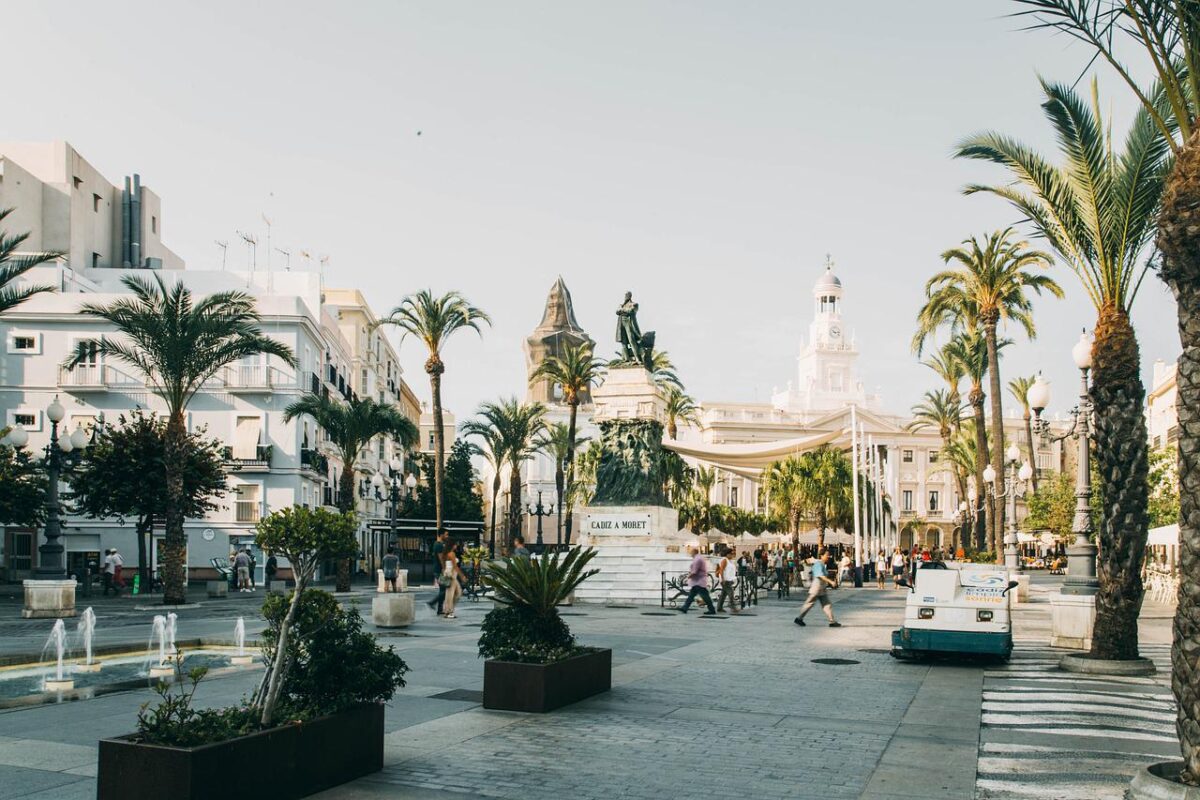
Plaza de España: The widest open garden square in the old town, built after the demolition of the defensive walls of San Antonio in the early 20th century, completed in 1929 with the Monument to the Cortes de Cádiz and the Constitution of 1812.
Where to Stay in Cádiz
Parador de Cádiz: A short walk from La Caleta beach, this modern hotel offers terraces with city or sea views, a pool, fine regional cuisine, and traditional tapas.
Hotel La Catedral: Set in Cádiz’s Old Town right next to the Cathedral, with a rooftop terrace, small outdoor pool, and views of the Cathedral and Atlantic plus a restaurant serving traditional Cádiz dishes.
Ronda
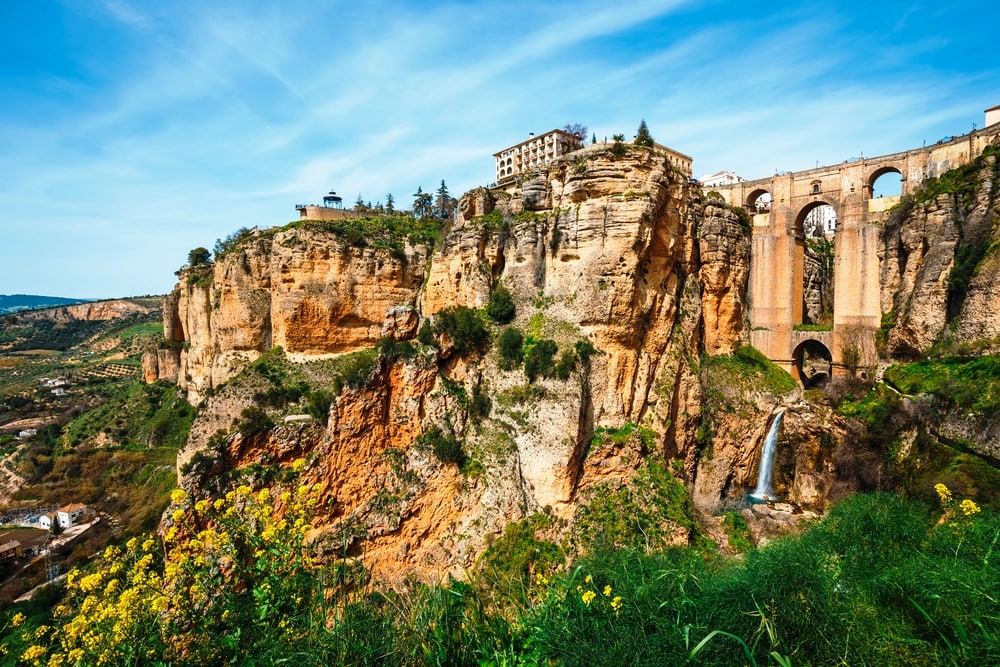
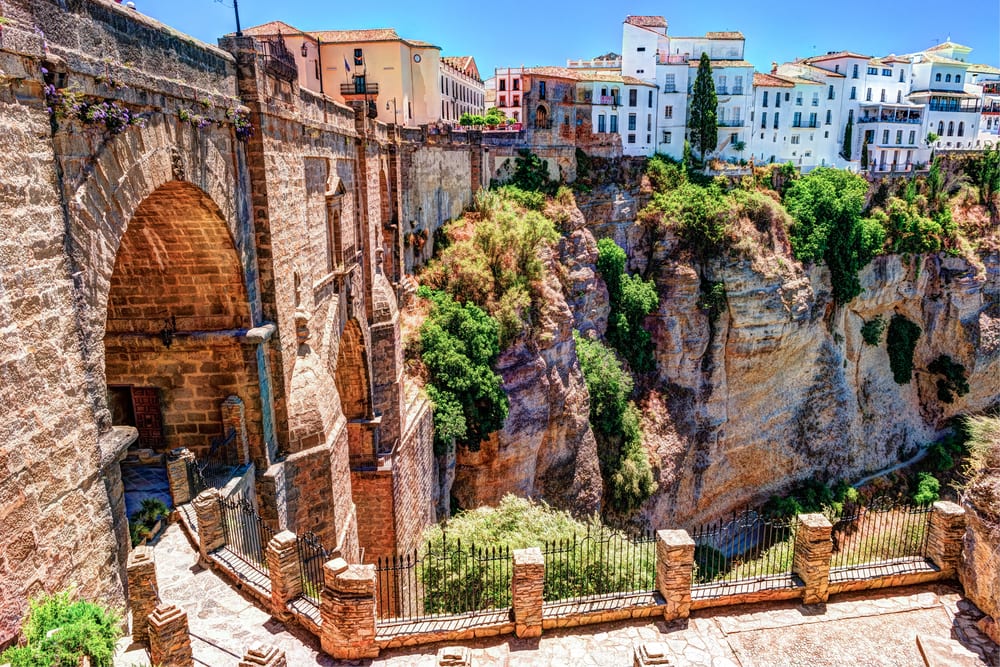
What is most striking in Ronda is the immense 360-foot gorge that divides the town in half. The stunning Puente Nuevo bridge spans the El Tajo gorge and was constructed over 34 years during the 1700s the iconic view of Ronda that Instagrammers love.
Things to Do in Ronda
Puente Nuevo: The New Bridge, built in the 18th century to join the two parts of Ronda separated by the El Tajo gorge, with a museum inside detailing the bridge and Ronda’s tumultuous history.
The Palacio de Mondragón: The Municipal Museum of Ronda, also known as the Palace of the Marquis of Villasierra legend holds it was the residence of Moroccan sultan’s son Abomelic, and today houses artefacts telling the region’s history.
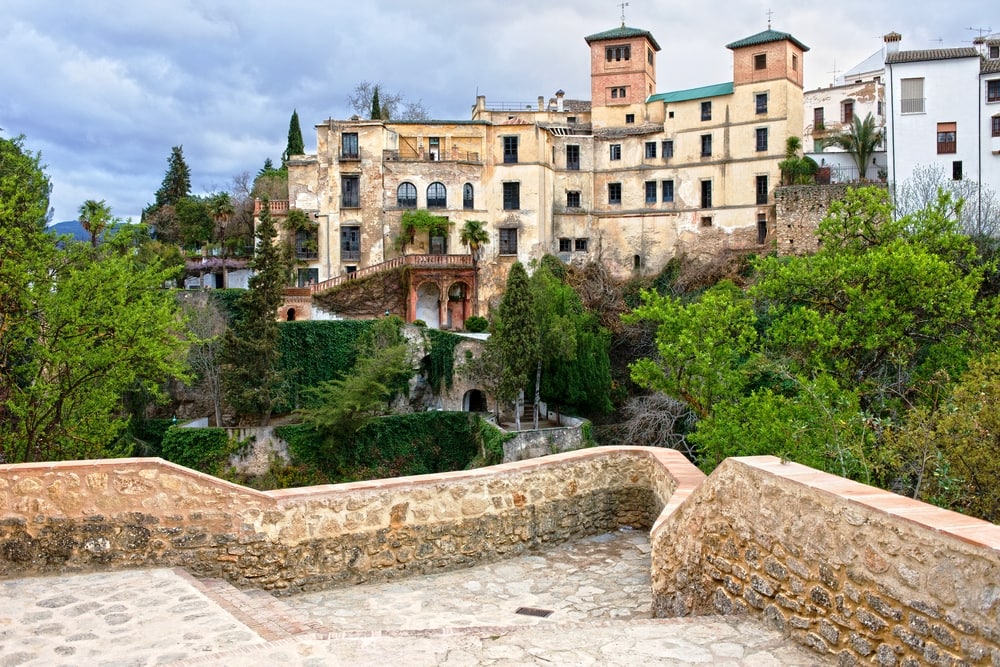
Plaza Del Socorro: A large square in the Mercadillo district with beautiful façades from the 1800s and 1900s.
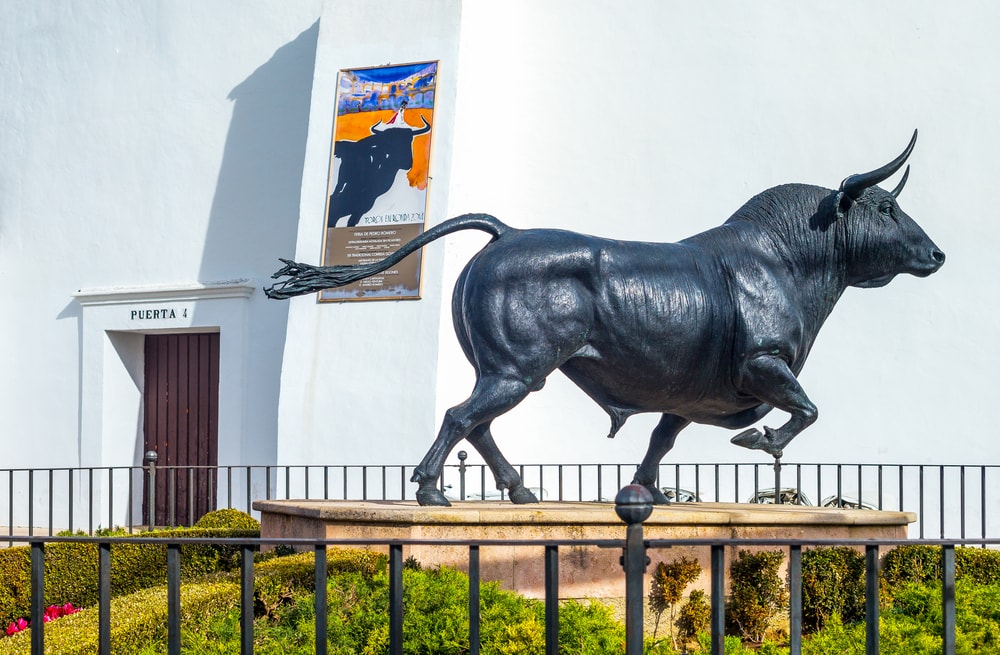
The Plaza de Toros de Ronda: Home to the Real Maestranza de Caballería de Ronda, Spain’s oldest and most noble order of horsemanship, tracing back to 1485. The Museo Taurino inside holds bullfighting regalia and weapons from the last two centuries.
The Almocábar Gate: Built at the end of the 13th century during Muslim occupation, the most important access gate to the Alcazaba and city three successive gates and two semicircular towers. Castilian troops gathered here on May 20, 1485, under the Marquis of Cádiz, ending Arab domination of Ronda.
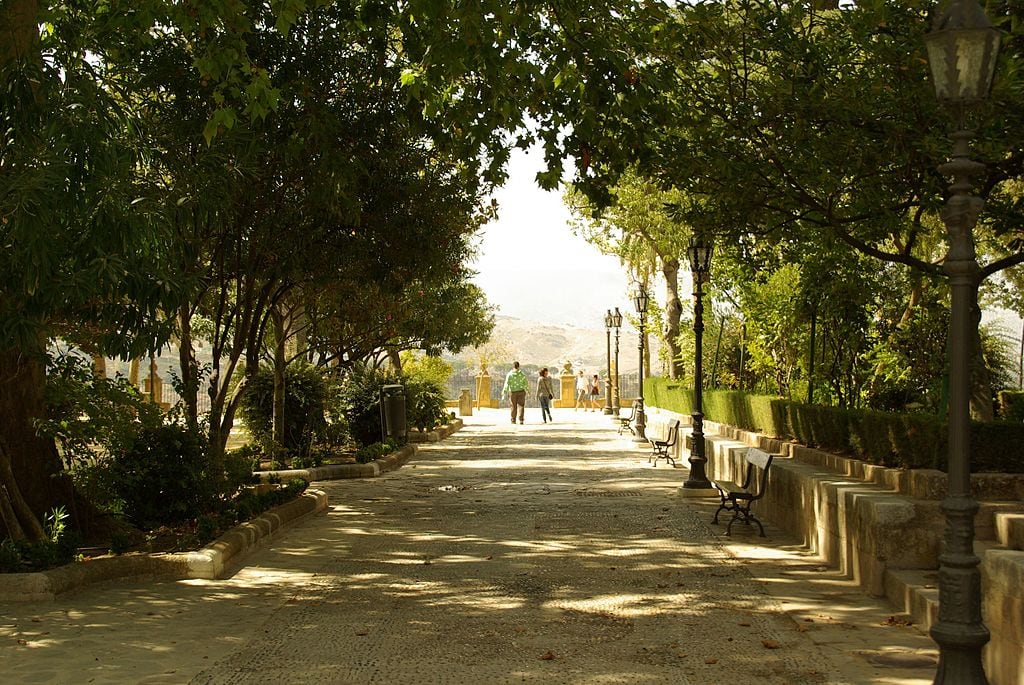
Cuenca Gardens: Built in 1975 and named after Ronda’s sister city in Ecuador, reached by a winding staircase to the top of El Tajo, with jaw-dropping views of the gorge and valley surrounded by palm trees and evergreens.
Where to Stay in Ronda
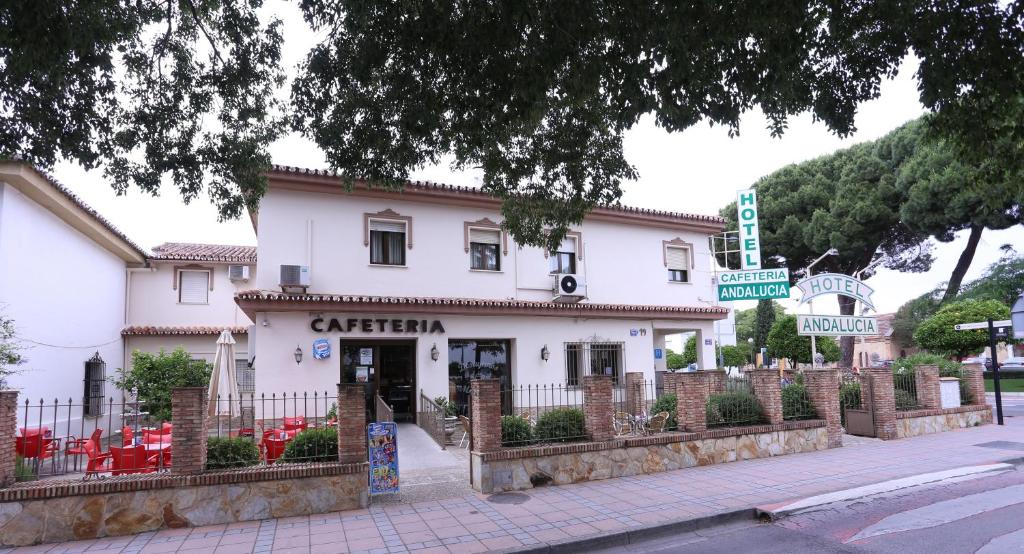
Hotel Andalucia: Set in a quiet part of Ronda, 5 minutes’ walk from the historic centre, with free WiFi, a cafeteria with outdoor terrace, and the train station just 150m away.
Catalonia Reina Victoria: Overlooking Ronda’s Tajo Gorge, this renovated 1906 Victorian-style hotel offers an outdoor pool, spa, gardens, and an à la carte restaurant with panoramic views.
The White Villages of Andalucía
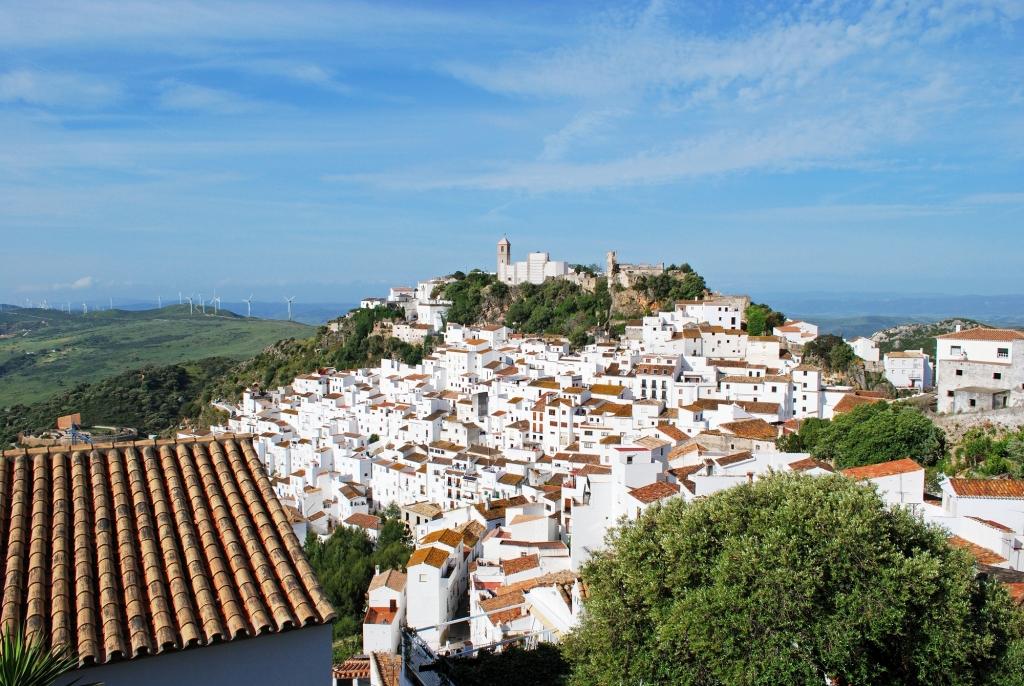
On your road trip to southern Spain, you’ll find villages in gorgeous natural settings, where you can photograph whitewashed houses hung with colourful flowers, gaze at mountain landscapes, and explore traces of an Islamic and Christian past.
If you’re holidaying on the Andalusian coast and thinking about exploring pretty coastal towns and soaking up sun on Mediterranean beaches, set aside a few days to visit the white villages further inland. There are many you can visit, but some of the most famous include Ronda, of course, and here are two more.
Frigiliana: Worth the trip to stroll its narrow streets and passageways evoking the Moorish past, and visit the only existing traditional molasses factory in Europe. Take in the fabulous beaches of Nerja nearby.

Casares: We recommend heading up to the Arab castle at the top of the village this land has been home to Iberians, Phoenicians, and Romans. A pleasant white village to stroll around, with Blas Infante’s birthplace, Iglesia de San Sebastián, and a climb up to the ruined church, Iglesia de la Encarnación, now the Centro Cultural Blas Infante.
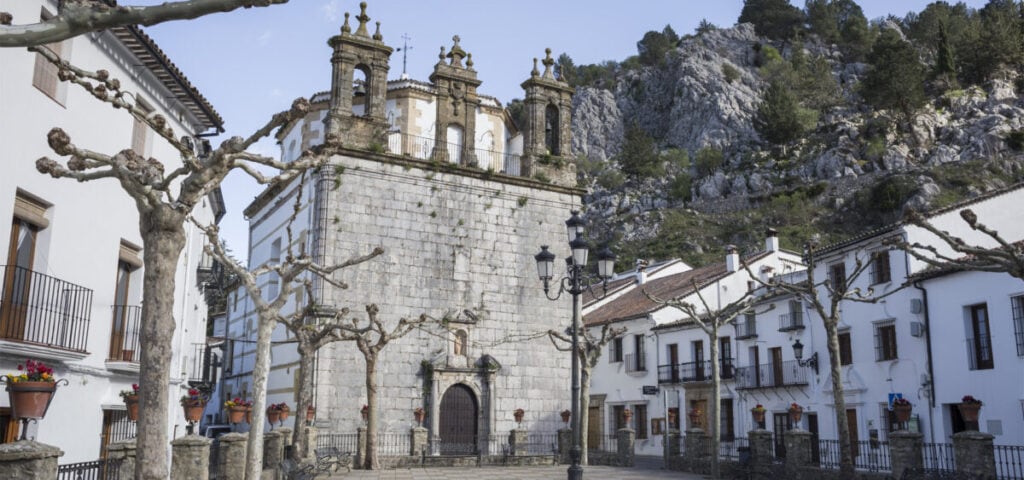
Grazalema: Located in a high valley over 800m in the Sierra del Endrinal, dominated by the rocky outcrop Peñón Grande, this pretty mountain village is the most popular base for visiting the Sierra de Grazalema Natural Park a vast protected area of rugged limestone mountains famous for being the rainiest place in Spain. The main square, Plaza de España, is lined with cafés, bars, and restaurants, with the 18th-century church of La Aurora and, up Calle Mateos Gago, the 17th-century Iglesia de San José.
Arcos de la Frontera: Widely considered one of the most dramatic of all the white villages, built along a high sandstone ridge overlooking a bend in the Guadalete River. The old town’s narrow, winding streets lead to the Plaza del Cabildo, flanked by a clifftop viewpoint with sweeping views over the river valley, the Church of Santa María de la Asunción, and the remains of a Moorish castle. It’s an easy detour from Ronda or Cádiz and genuinely one of the best photo stops on this entire route.

Car Rental in Andalusia
You simply can’t do an Andalusia road trip without a car, which luckily in Spain means driving on the same side of the road as North America. However, you may need to be able to drive a manual, as it will cost you significantly less. It’s worth shopping around for a good rental deal before you commit.
The Best Time to Visit Andalusia
In planning your south of Spain itinerary, I would avoid the very hot summer months and plan your Andalusian road trip in the spring or fall. This will also be less expensive, as they are shoulder seasons.
A road trip through southern Spain is an incredible experience that offers breathtaking landscapes, rich history and culture, and delicious cuisine. From the vibrant city of Seville to the stunning beaches of the Costa del Sol, southern Spain has something for everyone. Whether you’re exploring the winding streets of Granada or taking in the views from the Sierra Nevada mountains, this region will leave you with memories that last a lifetime. So pack your bags, grab your map, and hit the open road your adventure awaits!
Frequently Asked Questions About a Southern Spain Road Trip
How long do you need for a Southern Spain road trip?
A minimum of 3 weeks to properly see the full route from Barcelona through Andalucía, though that includes driving through France. If you’re starting from within Spain, 2-3 weeks lets you hit the highlights without constant rushing or you can pick a smaller region and go deeper in a week.
What’s the best time of year for an Andalucía road trip?
Spring or autumn, both as shoulder seasons avoid the peak summer months if you can. Summer heat across inland Andalucía is genuinely brutal, and shoulder season travel is both more comfortable and less expensive.
Do I need a manual or automatic car for driving in Spain?
Either works, but manual transmission cars are significantly cheaper to rent in Spain, so it’s worth the trade-off if you can drive one. Spain drives on the same side of the road as North America.
How many days for the Alhambra in Granada?
Book online well in advance daily visitor numbers are capped, and popular time slots sell out. A half-day covers the Nasrid Palaces and Generalife Gardens properly; add a full day if you want to explore the rest of Granada’s Albaicín and Sacromonte too.
This guide is part of our Spain Travel Guide, covering regions, culture, and travel styles across Spain. Or check out my Living in Spain – the Reality.
Fallen in love with Europe and thinking of moving here? Make sure you check our European Highlights guides.