
Accessible Waterford: A Calm, Compact City for Limited Mobility
Waterford is one of Ireland’s easiest historic cities to navigate if you prefer shorter walking days, step‑free access where possible, and calmer streets than Dublin or Galway. The city centre and the Viking Triangle cluster museums, cafés, and sights within a compact area, so you can see highlights with minimal distance—while staying realistic about uneven surfaces and occasional stairs in older buildings.

This guide is written for mature travelers, mobility challenged and wheelchair users, and anyone who values practical, on‑the‑ground detail over vague promises. I focus on step‑free entrances, lifts, nearby seating, and realistic pacing, and I link to official operators so you can confirm specifics before you travel.
Throughout, I suggest ways to shorten walking segments, use taxis intelligently, and schedule breaks so the day stays enjoyable. Expect candid notes about pinch points—cobbles, narrow doorways, or stair‑only towers—and clear alternatives when access is limited.
To help you plan, each section includes an overview of what works, where care is needed, and how to customise the day depending on energy levels. If you’re travelling with a wheelchair or mobility aid, you can comfortably build a day around one or two anchor attractions and a brief Greenway stroll, with taxis bridging the gaps. If you simply prefer slower travel, Waterford’s compact layout and low‑key vibe make it easy to sit, watch, and enjoy without feeling rushed.
- Accessible Waterford: A Calm, Compact City for Limited Mobility
Iconic Sites in Waterford
House of Waterford Crystal
The House of Waterford Crystal is one of the city’s most straightforward accessible experiences: ramps and lifts throughout, wide circulation spaces, plentiful seating, a spacious showroom, and an on‑site café. Service animals are allowed, surfaces are level, and it’s convenient to public transport. The House of Waterford offers guided factory tours with live glassblowing, cutting, and engraving by working craftspeople. The guided factory tour is popular; prebook, and if you have specific requirements (wheelchair dimensions, transfer needs, a quieter entry), contact the team ahead of time to note your preferences.
For arrivals, many visitors find it easiest to be dropped close to the entrance by taxi, then depart by taxi to the Viking Triangle for museums and lunch. If you drive, review nearby parking options in advance and allow a few extra minutes for level, step‑free approaches.

Waterford Treasures in the Viking Triangle
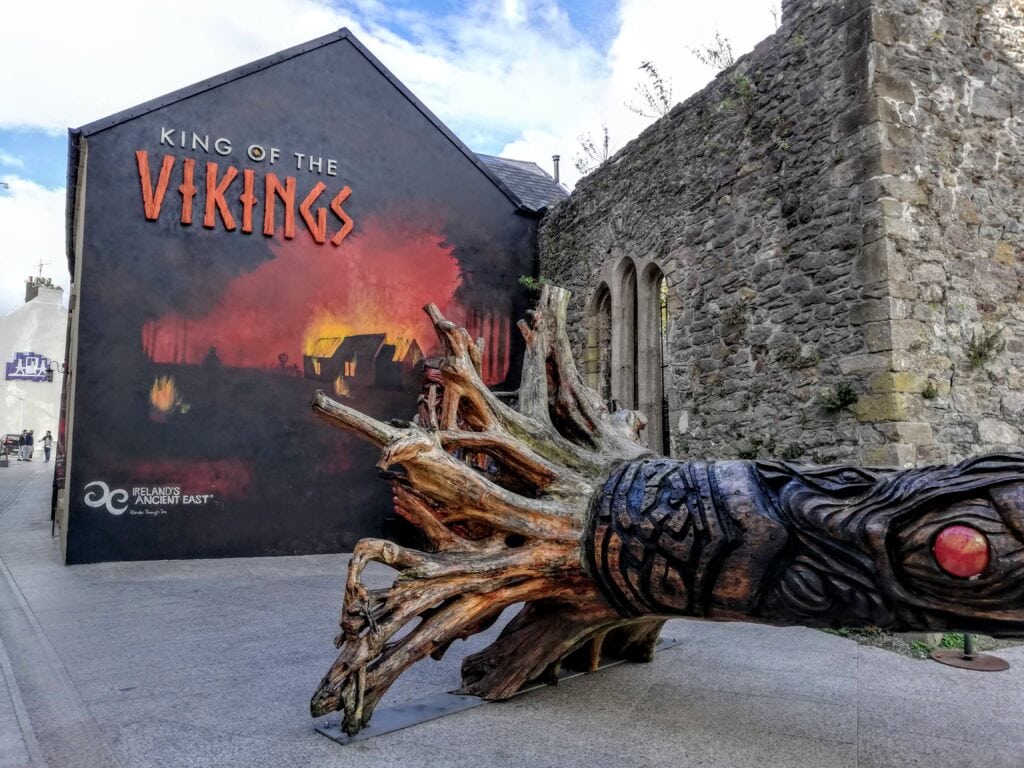
Waterford Treasures is the umbrella name for a cluster of museums in Waterford’s Viking Triangle that tell the city’s story from Viking and medieval times through the 18th century and into modern craft and design. The core sites are:
Irish Museum of Time
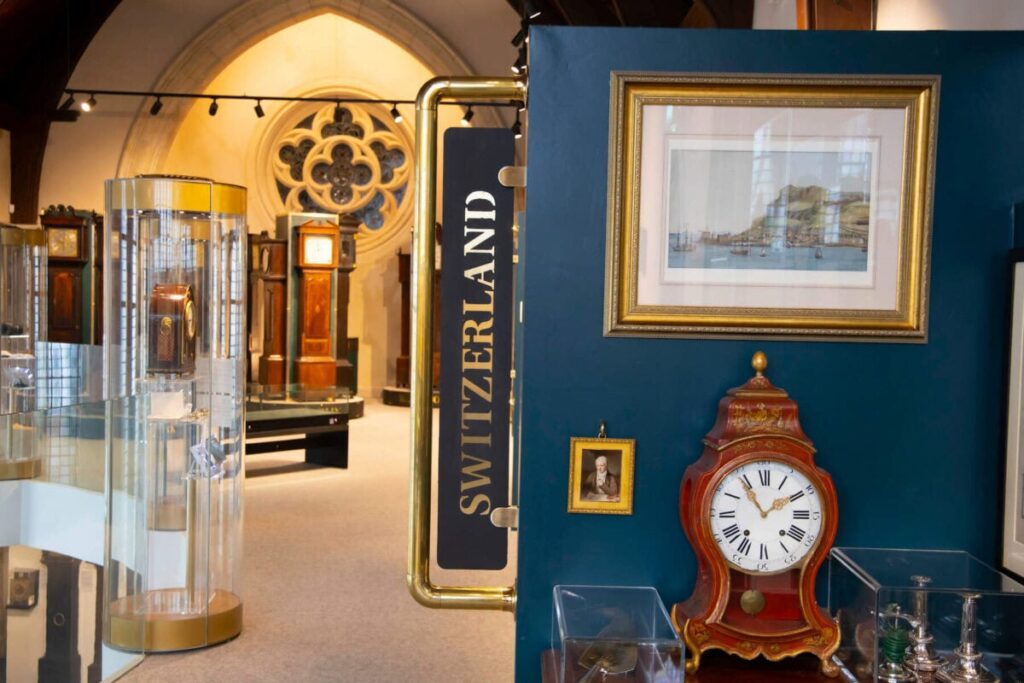
The Museum of time is a focused, beautifully presented collection of clocks and timepieces from Ireland and abroad, tracing the craft of horology and the story of measuring time. Galleries are modern and well-lit, with lifts to all floors and seating available, so you can take it at an easy pace.
Irish Silver Museum
The Irish Silver Museum is a compact galleries showcasing Irish silverwork—from ceremonial and domestic pieces to design highlights—set within the Viking Triangle. Displays emphasize craftsmanship and social history. Entrance and interiors are step-free; for fully accessible restrooms, use nearby Bishop’s Palace.

Medieval Museum
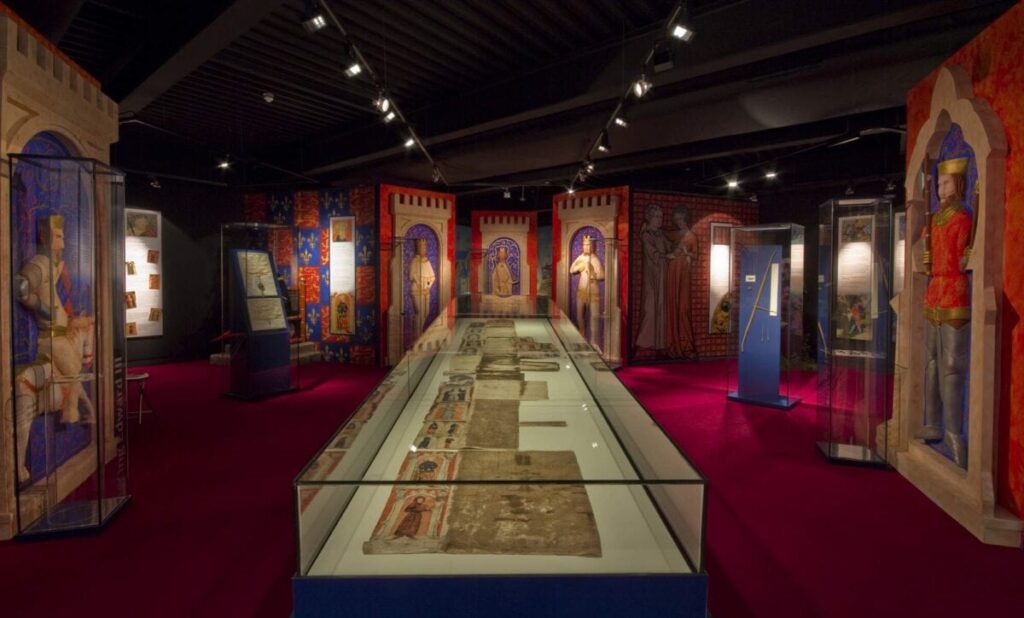
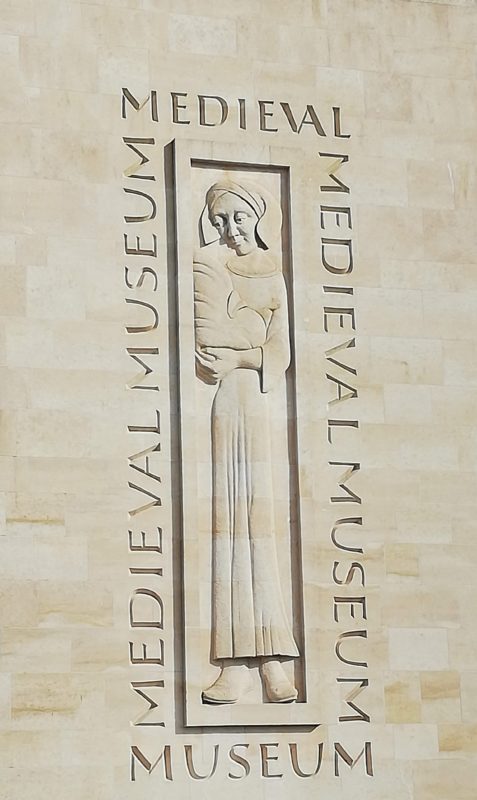
The Viking Triangle museums sit within minutes of each other, which makes planning an unhurried morning simple. Start with the Medieval Museum, whose modern design supports easier access: ask staff to point out lift locations and accessible restrooms at the desk, and consider joining a guided explanation of key objects if you prefer to minimise movement while still getting the story. The exhibitions are compact enough to view in short segments with rest breaks in between.
Bishop’s Palace
Continue to the Bishop’s Palace for 18th‑century Waterford. Access is generally good, but upper floors may involve a lift or stairs depending on the current setup—confirm at entry so you can decide whether to view highlights on the ground level or proceed upstairs. Staff are used to assisting; they can advise on the calmest rooms, quieter times, and seating spots if you’d like to linger over particular displays. If you use a mobility aid, allow space for turning in some of the narrower historic rooms.

Reginald’s Tower
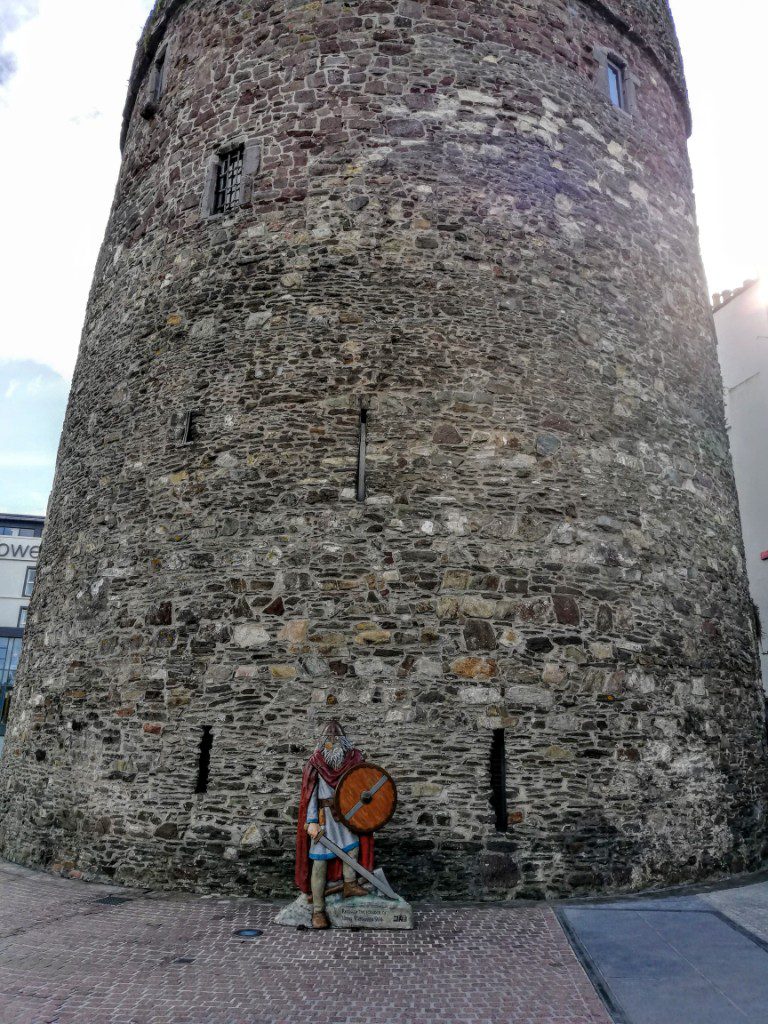
Reginald’s Tower is the iconic round tower at the river. Its narrow, historic stairs mean upper levels are typically not wheelchair accessible; plan to view ground‑level exhibits, ask about alternative interpretive materials, and enjoy the exterior setting rather than pushing into uncomfortable stair climbs. If you’re travelling with limited mobility and wish to include the tower, make it a brief, low‑effort stop between the two museums.
Surfaces in the Viking Triangle vary. Expect cobblestones around some streets; supportive footwear and a slower pace help. I find a “museum → café → museum” rhythm keeps energy steady: after the Medieval Museum, sit for coffee nearby, then cross to the Bishop’s Palace, and keep Reginald’s Tower as a short photo stop.
Waterford Greenway (short sections)
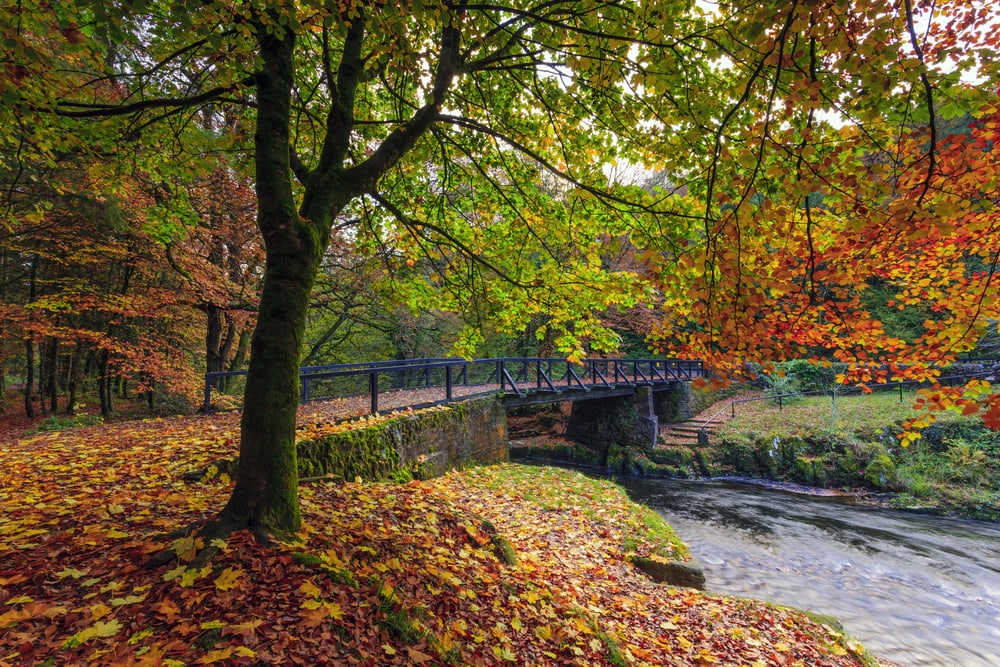
You don’t need to tackle long distances to enjoy the Greenway. Pick a convenient access point—Bilberry close to the city for a quick taste, or Kilmeaden/Kilmacthomas for a more rural feel—then do a short out‑and‑back on the flat, paved surface. Benches, cafés, and scenic pauses make it simple to schedule breaks. If you use a wheelchair or scooter, the surface is typically smooth, but you’ll want to avoid busier weekend hours; early weekday mornings are calmer.
For a very low‑exertion outing, aim for 20–30 minutes total: stroll or roll 10–15 minutes out, pause at a bench or café, then return. If you find gradients tiring, ask locally about the flattest stretch at your chosen access point on the day.
Confirm parking and restroom options before you go—particularly if accessible stalls are important—and choose a section where amenities are within a short transfer distance. The Greenway pairs well with museums: visit an attraction before lunch, then taxi to a nearby access point for a brief nature reset.
Getting around with limited mobility
Distances in the core are short, but surfaces vary—curbs, cobbles, and occasional gradients—so schedule a sit‑down every 30–45 minutes and keep hydration handy. Taxis are plentiful for quick hops between the Viking Triangle and the Greenway, and they’re a reliable fallback if fatigue sets in. I often recommend a “two anchors plus one short stroll” day: begin with a major attraction, stop for lunch, then make the final activity a brief Greenway section or a second museum, with taxis linking each segment.
Bus Éireann runs city and regional services, and many routes use low‑floor, wheelchair‑accessible vehicles. If you rely on ramps, allow a little time for boarding, and ask the driver for assistance if needed. Irish Rail’s Waterford (Plunkett) Station provides assistance and accessibility guidance through its portal. Prebook assistance ahead of travel, and arrive early to give staff time to organise a ramp or escort. If stairs or longer platform walks are an issue, note this in your request so the team can plan accordingly.
For drivers, city car parks—including Bolton Street—are well placed for the main sights; review tariffs and Blue Badge policies via the council. If walking is tiring, choose a car park that minimises gradients between your parking bay and the entrance of your chosen museum or the House of Waterford Crystal, and consider a taxi for transfers between sights instead of moving the car multiple times.
Planning tip
Build your day around short, predictable distances. For example, hotel → House of Waterford Crystal (prebooked tour) → taxi to Viking Triangle for the Medieval Museum and lunch → brief Greenway stroll from Bilberry or Kilmeaden → taxi back. Keep flexibility for the final segment: if energy dips, replace the stroll with coffee and a seated view over the river.
What most guides miss
Compact doesn’t always mean effortless: cobblestones, historic staircases, and tight doorways still require judgment calls. In the Viking Triangle, a quiet weekday morning can make all the difference—fewer people means easier navigation and less stop‑start movement.
Timing reduces fatigue: start early, break for lunch and try some traditional Irish food, and finish mid‑afternoon before energy dips. And ask rather than guess; front‑of‑house teams are used to helping, so call or email ahead to confirm lift access, seating, and quieter entry options. If stairs are unavoidable at a historic site, request alternative viewing materials (videos, brochures, or staff summaries) so you still get the narrative without the climb.
Suggested half‑day (low exertion)
Start with the House of Waterford Crystal tour and coffee in the on‑site café. Take a taxi to the Viking Triangle for the Medieval Museum, then have a seated lunch nearby—choose a spot with stable, non‑high seating and room to park a mobility aid. Finish with a short trip or tour to Mount Congreve which is wheelchair accessible . If you prefer fewer transitions, swap the Greenway for the Bishop’s Palace plus a relaxed café break. Keep the afternoon light; a second museum or a riverfront sit‑down works well if the weather is blustery.

Full‑day option (paced)
Morning: House of Waterford Crystal tour. Late morning: Coffee and a rest, browse the showroom at a gentle pace. Midday: Taxi to Viking Triangle; lunch at a café close to the Medieval Museum. Early afternoon: Medieval Museum, then a brief pause outdoors if the weather is fine. Mid‑afternoon: Bishop’s Palace highlights (confirm lift access on arrival). Late afternoon: Taxi to the Greenway for a 15–20 minute out‑and‑back, or skip the Greenway and finish with an accessible gallery or a seated riverside viewpoint. This schedule avoids long, uninterrupted walks and includes four built‑in rest points.
FAQs
Is Waterford suitable for seniors?
Yes. It’s one of Ireland’s most manageable historic cities: calm streets, close‑together sights, and staff who are used to assisting visitors. The layout makes it easy to plan short segments with frequent sit‑downs.
Is Waterford wheelchair‑friendly?
Many key attractions are accessible—especially the House of Waterford Crystal and the Medieval Museum. Historic sites like Reginald’s Tower have limited access due to stairs, and uneven cobbles in the Viking Triangle require caution, but staff are proactive about helping you make the most of ground‑level exhibits and alternative materials.
Are there accessible restrooms near the main sights?
Major museums and the visitor centre provide restrooms; confirm accessible stalls on arrival or by contacting venues in advance. When planning lunch, choose cafés near those facilities to keep transfers short.
Parking and drop‑offs
Blue Badge/disabled parking policies and tariffs are managed by Waterford City & County Council. For the Viking Triangle and museum cluster, Bolton Street Car Park is a practical choice with level access toward the centre; from there, plan a short, mostly flat approach to the Medieval Museum and Bishop’s Palace.
When visiting the House of Waterford Crystal, taxi drop‑off near the entrance is the least effort; if you’re driving, select a nearby car park and follow the level‑surface approach, avoiding cobbled stretches when possible. If mobility is limited, ask attractions about the nearest suitable drop‑off point at the time of booking, and consider taxis for short transfers between sights to reduce walking on uneven surfaces. In wet weather, allow extra time for careful movement on cobbles and keep a non‑slip cane tip or scooter tyres in good condition to improve grip.
If Waterford’s calm, compact layout suits your pace, you’ll likely enjoy the rest of my Accessible Ireland series—practical, step‑by‑step guides designed for shorter walking days and step‑free routes wherever possible. Explore the full set of posts, including city guides (for example: Dublin, Galway, Cork, Limerick, Kilkenny, Killarney), regional highlights, and the Accessible Ireland transport guide, via my series hub; each entry includes verified links to official venues, transport, and parking so you can plan confidently and adjust on the day as needed.
Accessibility resources (verify before travel)
Irish Rail “Passenger Assistance” and station accessibility pages
Transport for Ireland (TFI) accessibility information
Dublin Bus / Bus Éireann accessibility statements
National Transport Authority (NTA) taxi regulation and WAV program
If you have mobility issues here is a selection of posts that may be of help to you:
Bookmark these hubs for updates and dive into the detailed guides to build an itinerary that fits your energy, comfort, and interests.
➡️Accessible Historical sites in the UK
Start Planning Your Trip
👉 Public Transportation in Ireland
👉 Hidden Gems in Ireland – 32 Secret places to visit
👉 Answering all your travel questions about Ireland
👉What to pack for your Ireland trip
👉 Northern Ireland Public Transportation