
Accessible Dublin: Practical, First-Hand Advice for Slower Travel
Dublin is one of the most manageable Irish cities for travellers with limited mobility but like all historic centres, it has clear strengths and clear challenges. This guide prioritises safety, comfort, and realistic pacing, grounded in first-hand experience and cross-checked with official accessibility resources linked throughout.

Who this is for: seniors, slower-paced travellers, ambulatory travellers, and wheelchair users planning short, practical days. Dublin works well when you choose the right areas, use taxis freely, and avoid over‑ambitious walking days.
Evidence and approach: advice here reflects multiple on-the-ground visits, plus official accessibility statements from attractions and transport providers.
Want a full run-down on everything there is to do in Dublin, take a look at my Dublin Travel Guide.
- Accessible Dublin: Practical, First-Hand Advice for Slower Travel
- Sensory accessibility: Deaf/Hard of Hearing and Blind/Low Vision
- Accessible Dublin Things to Do
- Accessible Museums in Dublin
- Iconic sights with minimal walking
- Areas That Can Be Challenging
- Getting Around Dublin with Limited Mobility
- What Travel Guides Don’t Tell You About Dublin
- FAQs
- Is Dublin suitable for folks with limited mobility?
- Is Dublin wheelchair-friendly?
- Can you enjoy Dublin without walking far?
- How do I find accessible toilets near me?
- What if a lift is out of order?
- Can I do a rainy-day plan with minimal walking?
- Do attractions offer concession or companion tickets?
- Are American or Canadian Blue Badges accepted for Parking?
- How This Fits Your Planning
Arriving at Dublin Airport
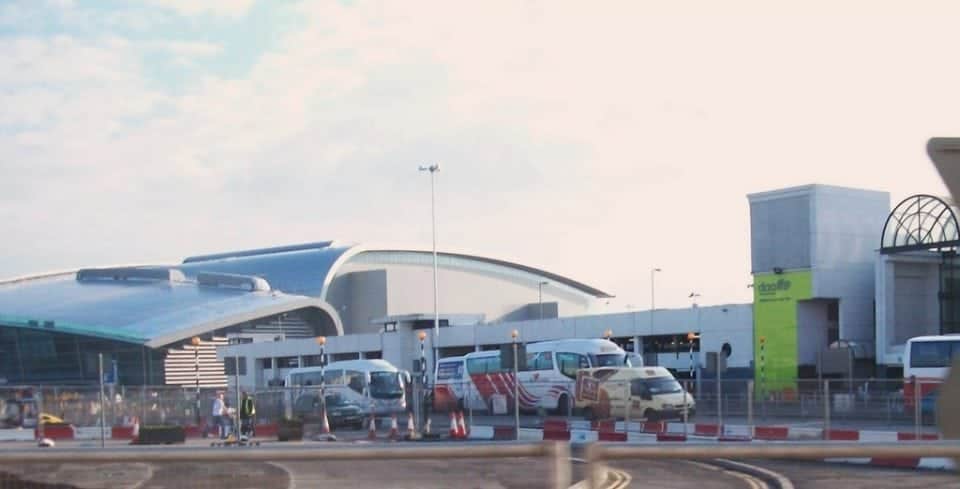
Pre-book special assistance (PRM) with your airline at least 48 hours in advance, as assistance is provided by the airport’s contracted service; meeting points are clearly signposted in terminals, and allowing extra time during peak hours is advisable. Dublin Airport recognises the Hidden Disabilities Sunflower lanyard. Taxis are available at ranks outside each terminal, but wheelchair-accessible taxis are best pre-booked.
Arriving at Shannon Airport
Shannon Airport offers full PRM assistance (Passengers with Reduced Mobility, pre-book via your airline). Services include wheelchair access, Hidden Disabilities Sunflower support, a sensory room, and designated parking. Contact the airport directly to confirm specific facilities like adult changing benches.
Sensory accessibility: Deaf/Hard of Hearing and Blind/Low Vision
For Deaf or hard of hearing visitors
Hearing loops: Many museums, theatres, and ticket desks use induction loops (look for the “T” symbol). Ask staff to switch them on and test at the desk/auditorium.
Captions and transcripts: Email venues to confirm captioned videos, open captions on exhibits, or to request printed/ digital transcripts in advance.
Tours and interpretation: Some sites offer occasional Irish Sign Language (ISL) tours; for others, request an accessible tour slot a few weeks ahead. Ask about companion/carer tickets if you’re bringing an interpreter.
Transport: LUAS/DART/Dublin Bus typically provide both visual displays and audible next‑stop announcements; confirm on your route and ask drivers/station staff for assistance if needed.

For blind or low vision visitors
Assistance dogs: Guide/assistance dogs are generally admitted to attractions, shops, restaurants, and taxis. Inform venues when booking and request a suitable seat and water point if needed.
Audio description and touch access: Ask about audio‑described guides, tactile maps/reliefs, or pre‑booked touch/handling tours (often available by appointment even if not advertised).
Navigation support: Request staff meet‑and‑assist from entrance to lift/galleries; if a lift is out, ask for the alternative step‑free route or escorted detour.
Street realities: Expect uneven paving and cobbles in older quarters; use taxis to bridge rough zones. Some crossings have audible signals/tactile cones, but not all—take extra care in wet weather.
Tip: When emailing venues, specify your access needs (loop, captions, ISL, audio description, touch tour) and proposed date/time; most will confirm options or arrange accommodations if given notice.
Wheelchair Accessible Dublin Tip
Check Euan’s Guide is a UK-based charity and disabled access review platform where wheelchair users and other disabled people share first‑hand reviews of venues—covering entrances, toilets, lifts, staff awareness, and more. It’s widely used across the UK and Ireland to find step‑free pubs, restaurants, museums, and attractions. Because listings are crowdsourced and time‑sensitive, always check the date of reviews and call venues to confirm current access.
Accessible Dublin Things to Do
Dublin Castle
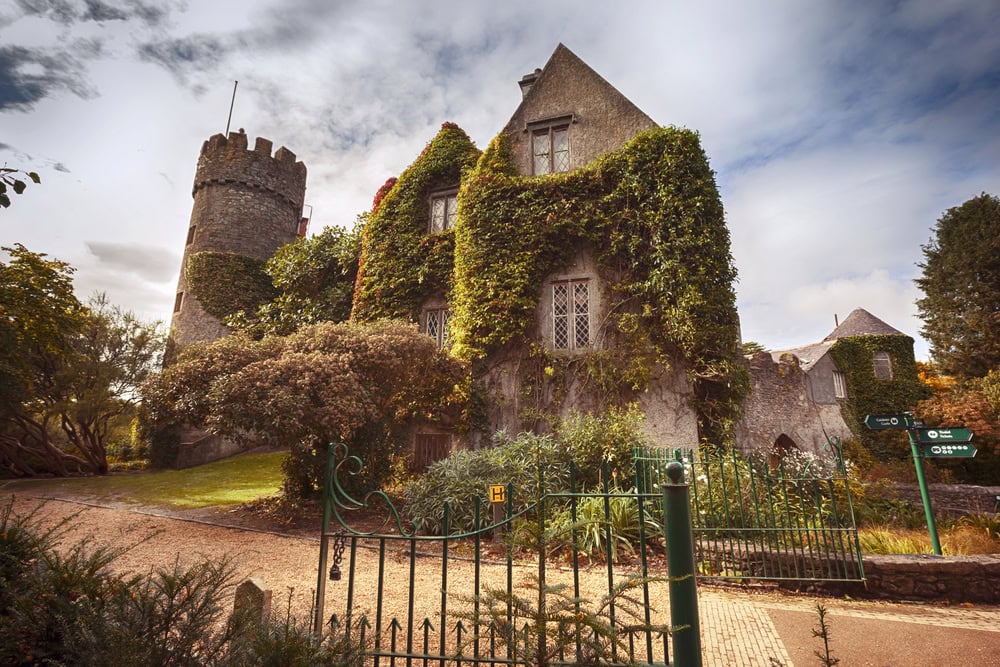
The seat of British rule in Ireland for centuries. The State Apartments and the Medieval Undercroft are accessible (with a lift to the undercroft). The Viking excavations may have some limitations. Accessible toilets on site.
There are plenty of free things to do in Dublin if you’re looking to save money.
St. Patrick’s Cathedral
National Cathedral of the Church of Ireland, with history stretching back to 1191. Fully accessible via ramps at the entrance. Accessible toilets available.
Kilmainham Gaol
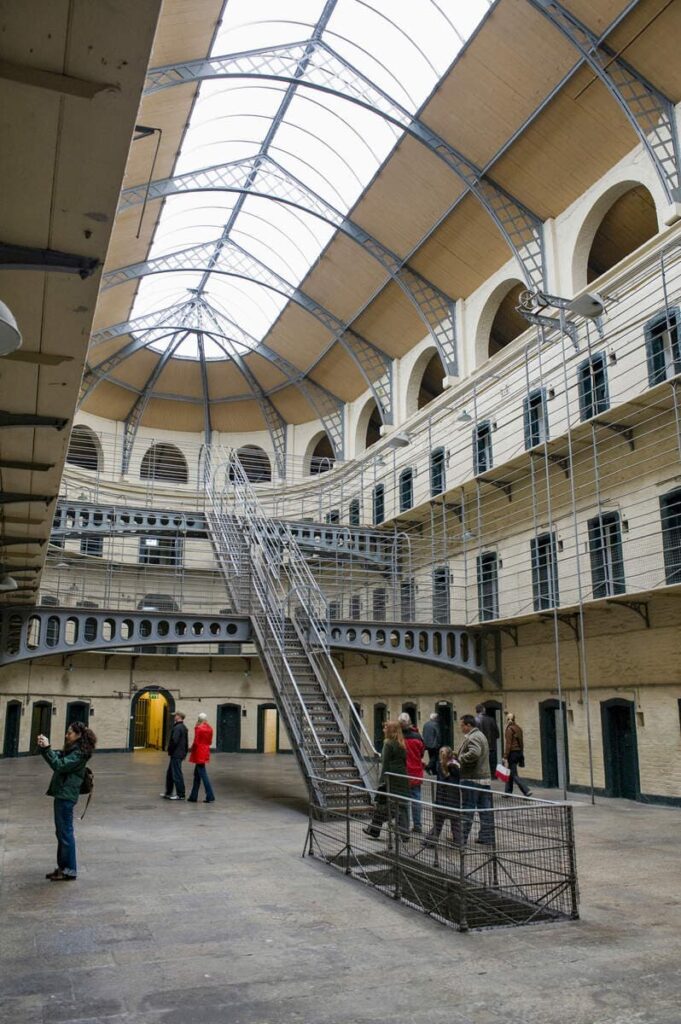
A ground floor tour can be organised for wheelchair users or visitors with mobility impairments. Contact them via email at least a month before you go.
Guinness Storehouse
One of the most accessible large attractions in Ireland. Official info: Guinness Storehouse accessibility. There is a step free entrance with lifts to all levels and seating throughout. Wheelchairs available on request (confirm in advance)
Practical tip: pre-book the first time slot of the day to avoid peak crowds and queueing.

Phoenix Park
Phoenix Park is vast; focus on flatter, facility‑rich areas near the Visitor Centre and the Zoo. It has wide, flat roads, lots of benches and cafes to take a break at and accessible parking.
Practical tip: use a taxi to enter and exit near your chosen stop; distances inside the park can be deceptively long.

The GPO
The General Post Office (GPO) is Dublin’s most iconic historical landmark, serving as the headquarters and a bullet-scarred battleground of the 1916 Easter Rising. Today, it remains a working post office and houses the immersive GPO Witness History Museum, which brings the pivotal event to life.

Trinity College Dublin (Grounds)
Trinity College Dublin grounds are centrally located with generally smooth surfaces; visitor info via Trinity’s Disability Service: Visitor accessibility. the Book of Kells Experience is wheelchair accessible, with elevators, ramps, and helpful staff to guide visitors, though you should inform staff upon arrival for assistance with the accessible route, especially around the Old Library entrance and exit where some steps exist.

Accessible Museums in Dublin
National Museum of Ireland – Archaeology
step-free access, lifts, seating. Official info: Accessibility.
EPIC The Irish Emigration Museum
Fully accessible, modern, seating throughout. Official info: Accessibility.

Chester Beatty
Compact, calm, excellent accessibility. Official info: Accessibility.
Booking tips for museums
- Reserve first or last entry slots for quieter periods.
- Email ahead for wheelchair loan or portable seating; most venues accommodate.
- If using larger power chairs, ask for lift and doorway measurements in advance.
Iconic sights with minimal walking
Molly Malone Statue (Suffolk Street)
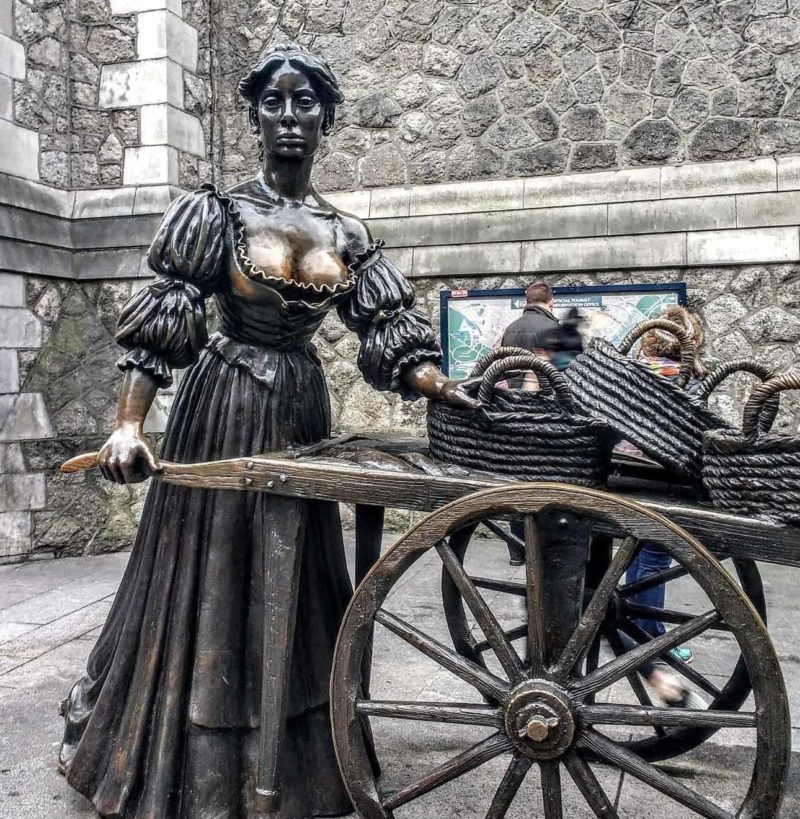
Flat approach and quick photo stop. Taxi drop at Suffolk St/St Andrew’s Church keeps walking to under 2 minutes. It gets crowded; go early for a clear shot. Limited seating immediately at the statue—use benches in nearby St Stephen’s Green or Trinity College for breaks.
Ha’penny Bridge
Iconic but accessed by steps and often congested—difficult for wheels and tiring for joints. View and photograph it from the quays (Bachelor’s Walk or Merchant’s Quay). Use the step-free Millennium Bridge (about 100–150 m west) to cross the Liffey and then roll/walk along the quays for angles on Ha’penny. For gentle ramps and broad paths, consider Samuel Beckett Bridge in the Docklands.
Tip: River boardwalks can be uneven and slippery when wet; the pavement along the quays is usually smoother.

Hop-on Hop-off (HOHO) buses
Most HOHO operators in Dublin (e.g., DoDublin, Big Bus) run vehicles with a wheelchair space on the lower deck and a fold-out or powered ramp. Availability can vary by bus and departure—start at a main stop to improve your chances and allow extra time. Contact the operator 24–48 hours in advance to confirm accessibility on your intended departure:
Boarding: kerb heights vary; the driver deploys the ramp. The wheelchair bay is on the lower deck; top deck is via stairs only.
Pros/cons: Good for panoramic overviews with minimal walking, but traffic and dwell times can be tiring. For faster, more predictable step-free travel, combine LUAS + taxis between specific sights.
If you rely on a larger power chair, ask for ramp width and bay dimensions when you book, and plan to board at the first stop of the loop for best assistance.

Areas That Can Be Challenging
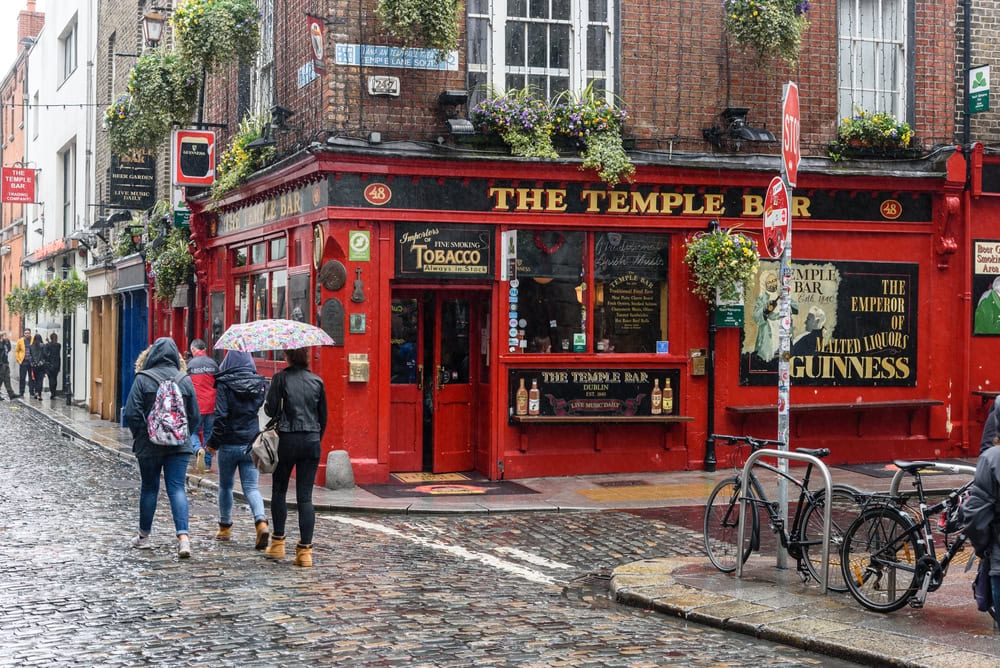
Temple Bar
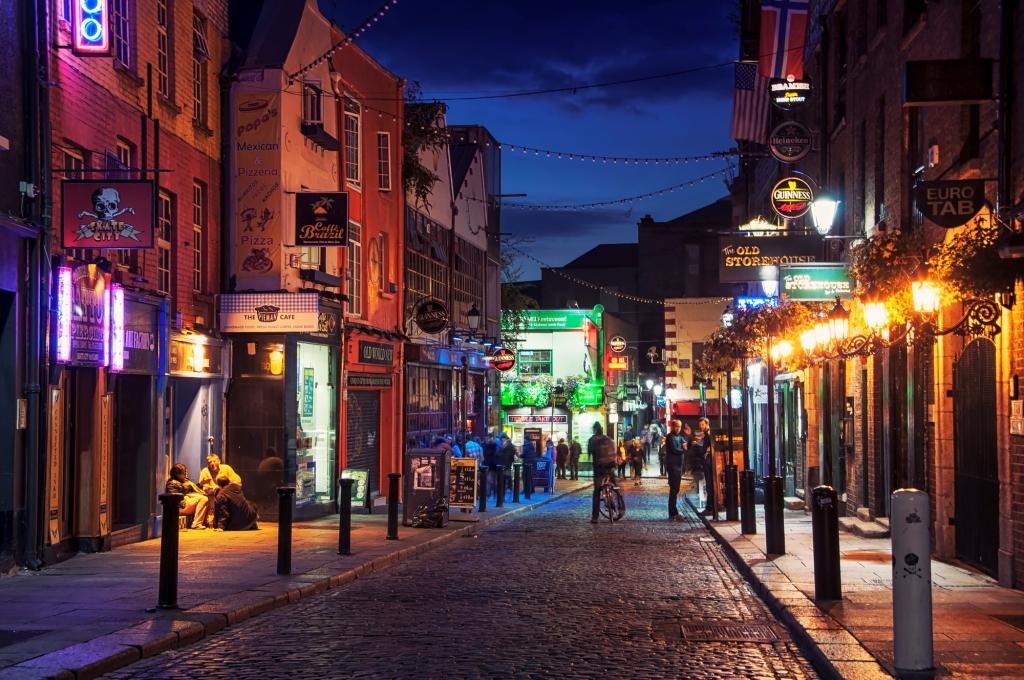
Temple Bar is photogenic but hard on joints and wheels. The streets are cobblesone and can be tricky to navigate with a wheelchair and the crowds there is also virtually no seating in the area.
Best seen briefly or via the edges (e.g., along Dame Street) outside peak hours; use taxis to hop between stops rather than walking through the core.
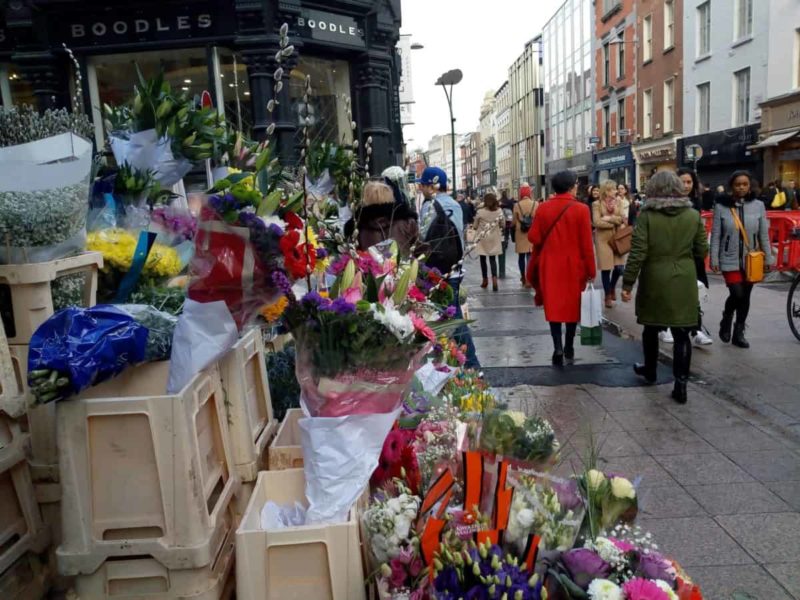
Grafton Street
The area is flat but can bevery busy as it is the main shopping area. There a few places to sit although cafes and restaurants line the street so you can take a break.
Alternative: cut through the quieter paths of St Stephen’s Green for benches and toilets, then re-enter near your target shop.
Street surfaces and gradients (know before you go)
Cobblestones and undulating pavements around Temple Bar, Christchurch/High Street, and parts of Kilmainham can be fatiguing; bridge these zones by taxi or LUAS where possible.
Flatter, smoother areas include around St Stephen’s Green, Merrion Square, and the Docklands near EPIC.
Getting Around Dublin with Limited Mobility
Taxis: the easiest, least stressful option. For wheelchair-accessible taxis (WAT), see the National Transport Authority list: Wheelchair Accessible Taxis. Common booking app: FREE NOW (Ireland).

LUAS tram: level boarding and accessible stops; helpful for longer distances. Official info: LUAS accessibility.
Buses: improving, but accessibility can vary by route and time. Official info: Dublin Bus accessibility.
Walking: pavements vary in smoothness and kerb cuts; plan short distances and build in seated breaks.
DART/Irish Rail: many stations are accessible but some have gaps or require staff assistance. Official info: accessible-travel-guides-ireland-uk-europe.
What Travel Guides Don’t Tell You About Dublin
Rain makes stone paving slippery
Crowds affect mobility more than distance
Compact areas can still be exhausting
Planning fewer activities per day improves enjoyment
Taxis can be scarce at shift changes and in heavy rain; pre-book where possible
“Short” blocks may include gradients; use trams/taxis to bridge even 400–800 m when energy is limited
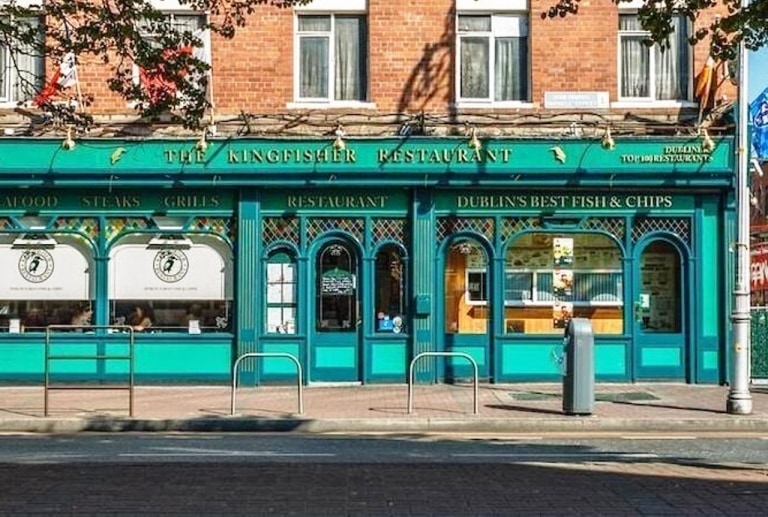
Many pubs have steps at the entrance; call ahead or choose venues with documented step-free access
When to go (crowds and seasons)
Peak crowds: summer weekends, December shopping weeks, major event weekends (rugby at Aviva Stadium, big concerts).
Strategy: sightsee early, book first time slots, and use taxis to bypass crowd bottlenecks around Grafton Street and Temple Bar.
FAQs
Is Dublin suitable for folks with limited mobility?
Yes. Prioritise short itineraries, seated breaks, and taxis for links between sights.
Is Dublin wheelchair-friendly?
Many major attractions are, and public transport is improving, but street surfaces (cobbles, kerb cuts) and pub entrances vary. Verify accessibility with venues in advance.
Can you enjoy Dublin without walking far?
Yes. Combine LUAS/DART for step-free hops and taxis door-to-door; design days around one or two anchors with seating.
How do I find accessible toilets near me?
Check the Changing Places map and plan museum/park stops with reliable facilities; ask staff for the nearest accessible toilet.
What if a lift is out of order?
Ask staff for the alternative step-free route or an escorted detour; if none, switch to a nearby accessible venue and report the outage at the front desk so others are warned.
Can I do a rainy-day plan with minimal walking?
Yes. Example: Taxi to EPIC (indoor, flat), taxi to Chester Beatty (seating, lifts), taxi to Guinness Storehouse (step-free). Book first slots and eat onsite or nearby with confirmed access.
Do attractions offer concession or companion tickets?
Many venues provide concessions or complimentary companion/carer tickets—check each site’s policy (e.g., EPIC’s Accessibility). Bring any relevant ID.
Are American or Canadian Blue Badges accepted for Parking?
North American disabled parking permits are not officially recognised in Ireland, so visitors should not rely on them for parking and should plan alternatives.
How This Fits Your Planning
This guide is part of a wider Accessible Ireland travel series, offering realistic, first-hand advice for limited-mobility travel across Ireland.
If you have mobility issues here is a selection of posts that may be of help to you:
Bookmark these hubs for updates and dive into the detailed guides to build an itinerary that fits your energy, comfort, and interests.
➡️Accessible Historical sites in the UK
Corrections and updates: If you encounter changes (e.g., temporary lift closures or construction), please let me know so I can update this page promptly.
Start Planning Your Trip
👉 Public Transportation in Ireland
👉 Hidden Gems in Ireland – 32 Secret places to visit
👉 Answering all your travel questions about Ireland