
Accessible Italy: Travel Guide for limited mobility folks
| Accessible Italy travel is genuinely rewarding but it takes more planning than accessible Spain or accessible France. Rome, Milan and Turin have step free transport and ramped major sites. The country’s most photographed regions, the Cinque Terre, the Amalfi Coast and Capri, are built into cliffs and hillsides and remain genuinely difficult for wheelchair users, so they need to be approached with realistic expectations rather than skipped or oversold. Sardinia and the flatter parts of Calabria’s coast are easier going than their hill towns. |
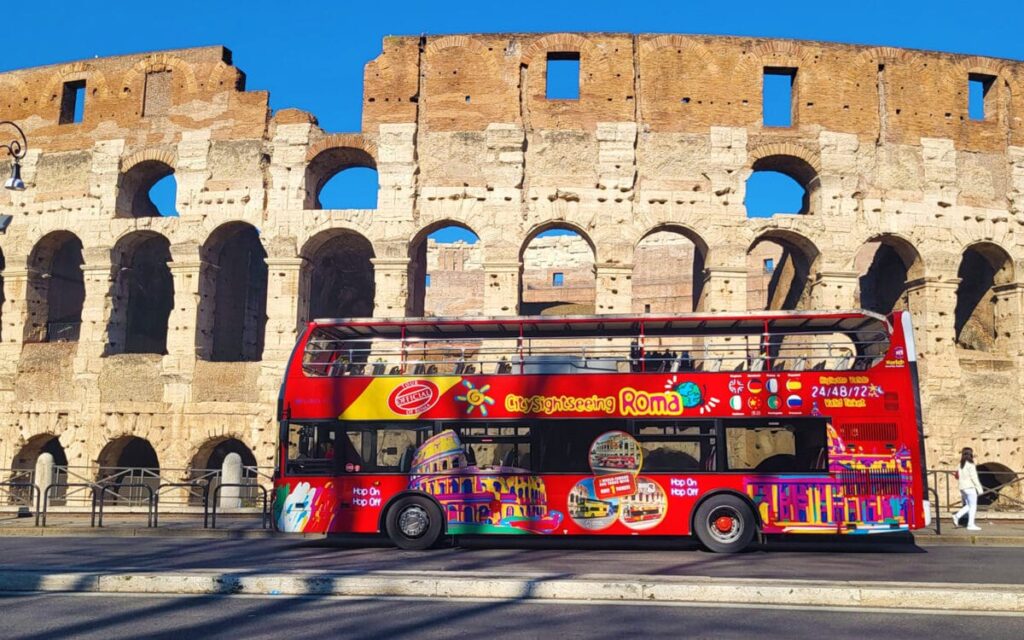
Accessible Italy is not a single experience, it is several very different ones stacked on top of each other. I am mobility challenged myself, I live in Donegal, Ireland, and I have spent real time in Italy, not just a weekend, so this guide is built from what actually holds up on the ground rather than a generic checklist copied from a brochure.
In this hub page you will find honest notes on accessible transport, which Italian cities and regions are genuinely wheelchair friendly and which ones need a different plan, accessible hotels and accessible restaurants from cafes to fine dining, hidden gems most accessible travel guides skip, family activities, and a clear step by step plan for booking your trip. Every section links through to a full guide on the specific destination so you can go as deep as you need.
What Makes Italy Accessible for Wheelchair Users and Mobility Challenged Travellers
Accessible Italy travel means being able to reach, enter and enjoy Italy’s cities, historic sites, coastline and food culture without your mobility equipment or your stamina being the reason you miss out. Italy delivers this well in its larger, flatter cities and considerably less well in the hill towns, cliffside villages and small islands that dominate its postcards.
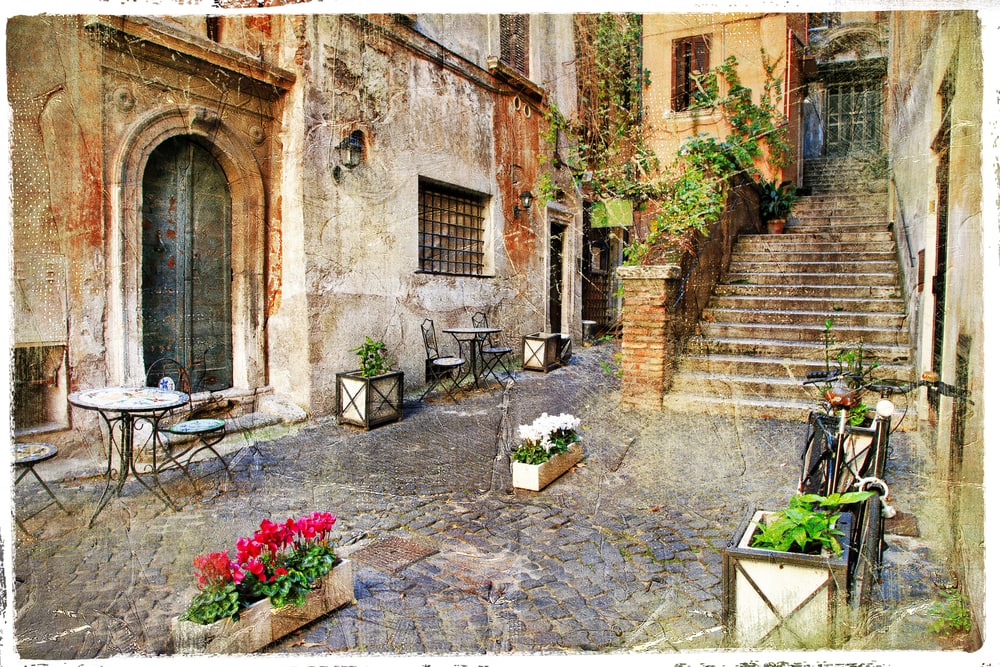
Rome’s historic centre is mostly flat but heavily cobbled, which is a different challenge to steps, manageable with the right wheels but hard on stamina and equipment over a full day. The Cinque Terre and the Amalfi Coast are the honest exception to keep in mind, both are built on near vertical terrain connected by steps, narrow cliff paths and ferries, and no amount of research changes that basic geography. Knowing this before you book is what separates a good Italy trip from a frustrating one.

Accessible Transport in Italy
Transport is the single biggest factor in how much a mobility challenged traveller enjoys Italy, more than any individual museum or view. The good news is that Italy’s rail network, in particular, has a genuinely solid accessibility service.
Flying in and airport assistance
Rome Fiumicino, Milan Malpensa and the other main Italian airports all provide free special assistance for passengers with disabilities and reduced mobility under EU regulation. You request this with your airline at least 48 hours ahead, and staff meet you at check in or at a marked assistance point. ENAC, Italy’s civil aviation authority, oversees these standards and each airport publishes its own accessibility contact details.

Accessible trains: Trenitalia and Sala Blu
Trenitalia, Italy’s main rail operator, runs a free assistance service called Sala Blu for travellers with disabilities and reduced mobility. You book it online or by phone at least 24 hours before departure at larger stations, and staff help with boarding, transfers and luggage. High speed Frecce trains have dedicated wheelchair spaces and accessible toilets. Regional trains and smaller stations are far more inconsistent, so check the specific route rather than assume step free access.
Official information: Trenitalia Sala Blu assistance service
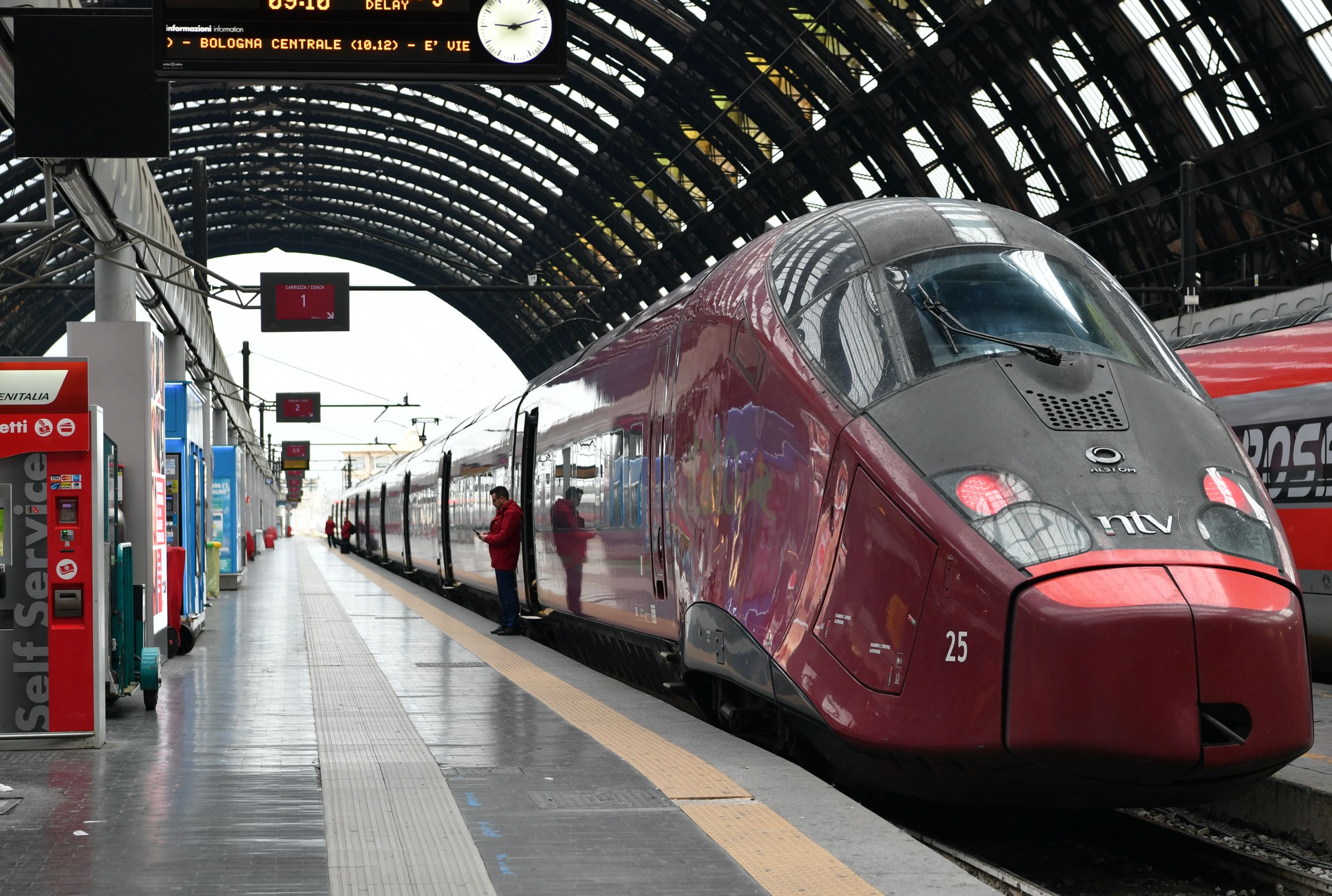
City transport: Rome, Milan and the rest
Rome’s Metro has step free access on many but not all stations, older central stops in particular can lack a lift, so it is worth checking the specific station before relying on it. Milan’s metro network is newer and considerably more consistent with lift access. City buses across Italy are generally low floor with a ramp, though on busier routes drivers can be reluctant to stop for a full deployment if the bus is already crowded, so allow extra time and consider off peak travel where you can.
Parking, disabled and able bodied
Italy recognises the EU disabled parking permit, called the contrassegno disabili locally, so a blue badge from Ireland, the UK or elsewhere in the EU is valid, though allowances and free parking rules vary by comune and it is worth checking on arrival. Many historic centres, including parts of Rome, Florence and Siena, are Zona a Traffico Limitato, restricted traffic zones where only residents and permit holders can drive, and disabled visitors can usually apply for temporary access, but this needs to be arranged in advance rather than assumed at the barrier. Standard parking near major sites is widely available in multi storey car parks just outside these restricted zones.

Accessible Cities and Regions in Italy
Below is an honest accessibility snapshot for the Italian destinations I have written full guides on. Each links through to the complete post with practical, on the ground detail.
Rome
Rome’s major sites, the Colosseum, the Roman Forum and the Vatican Museums, all have accessible entrances and lifts, and wheelchair users and one companion typically get free or reduced entry with proof of disability, though this needs booking in advance rather than arranging at the gate. The trade off is the cobblestones, which cover most of the historic centre and genuinely slow down manual wheelchairs and rollators, so a scooter or powered chair makes a real difference here.
3 Days in Rome: The Ultimate First Time Itinerary
Best Foods to Eat in Rome: 29 Dishes to Try in Rome
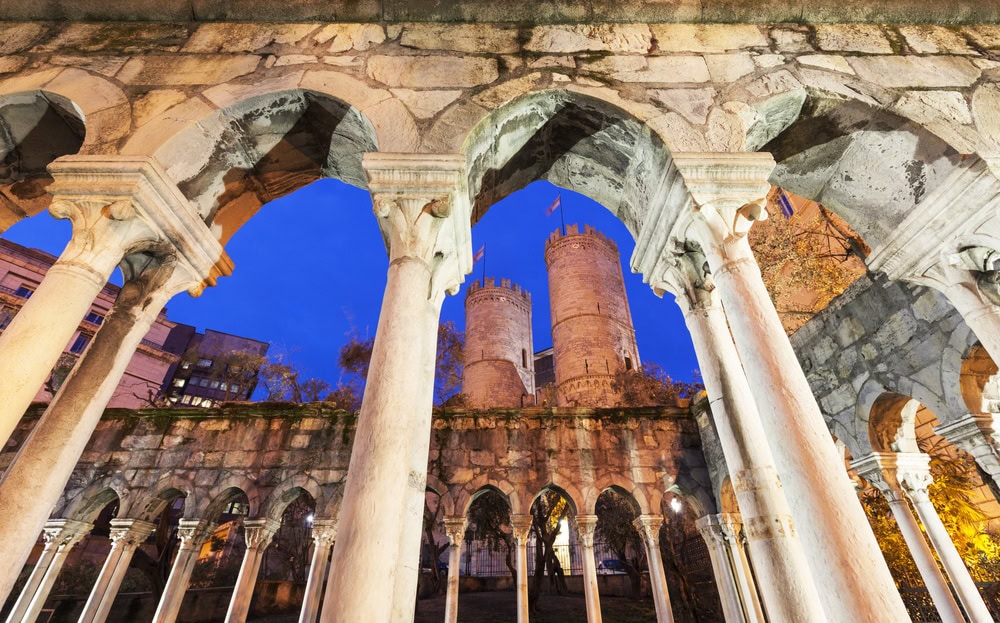
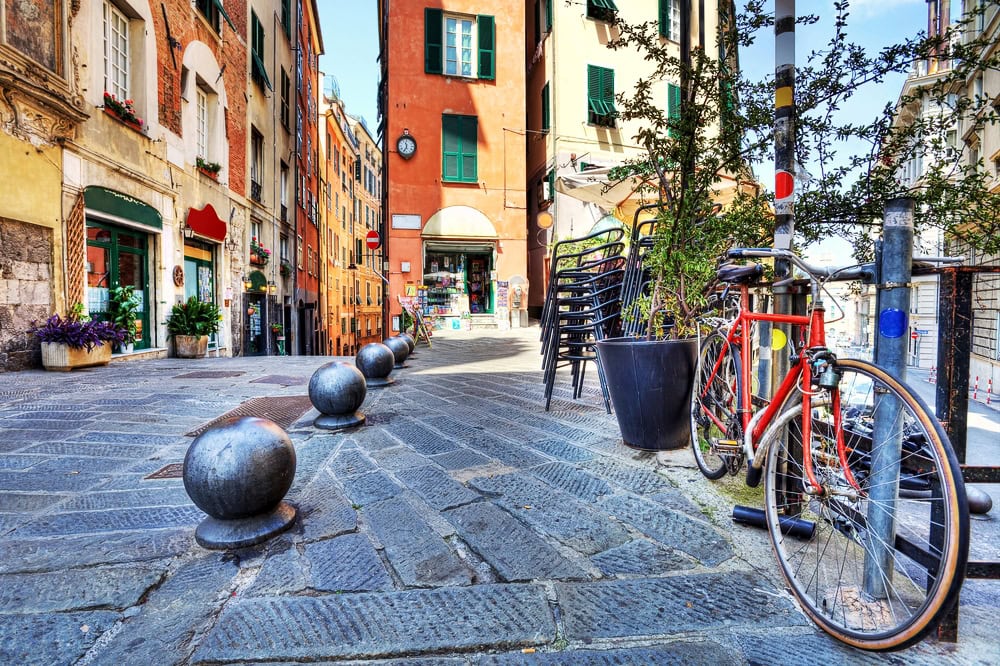
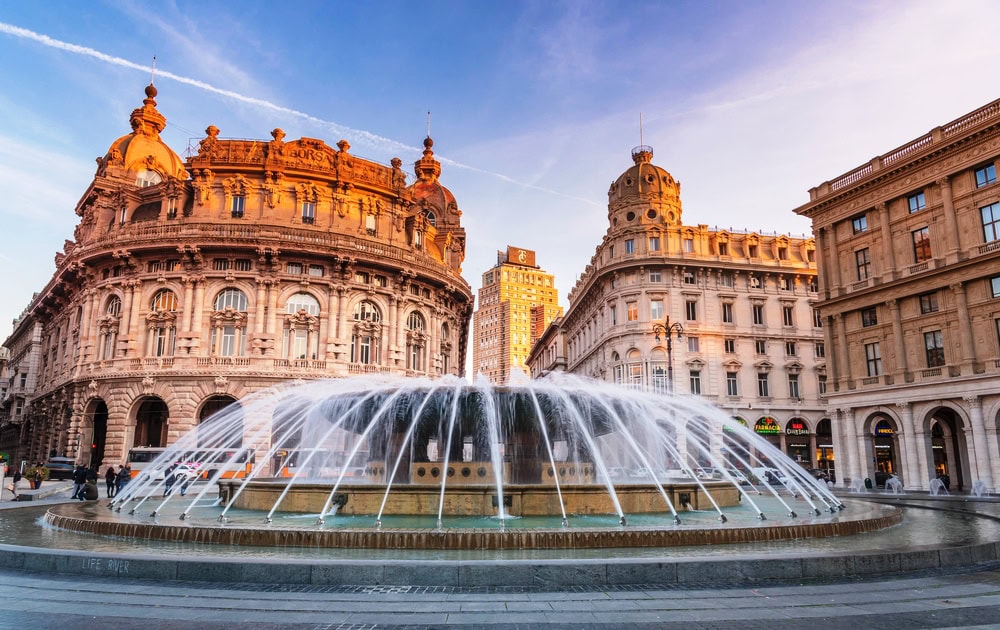
Genoa and the Ligurian coast
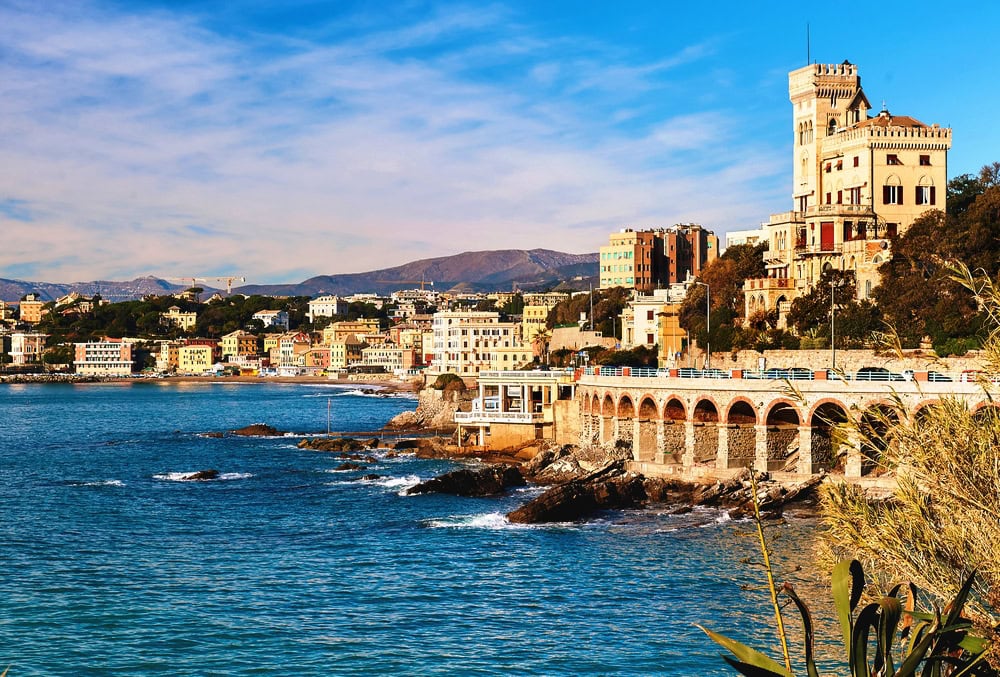
Genoa itself has a workable flat old port area, and it makes a practical base for exploring the wider Ligurian coast without committing to an overnight stay in the harder to access Cinque Terre villages themselves.
Cinque Terre: an honest assessment
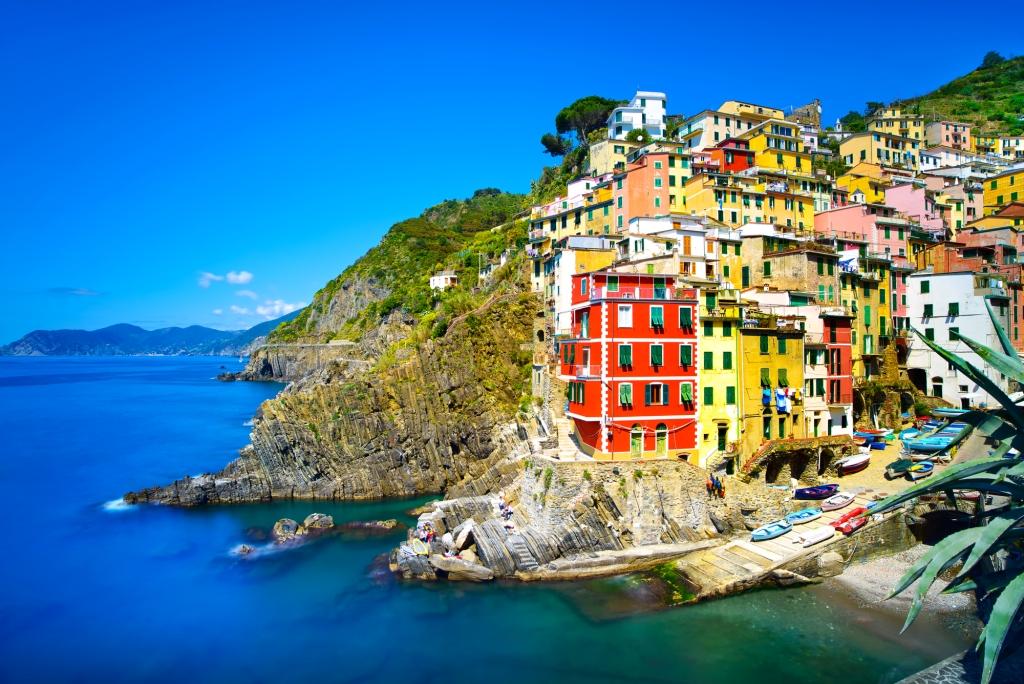
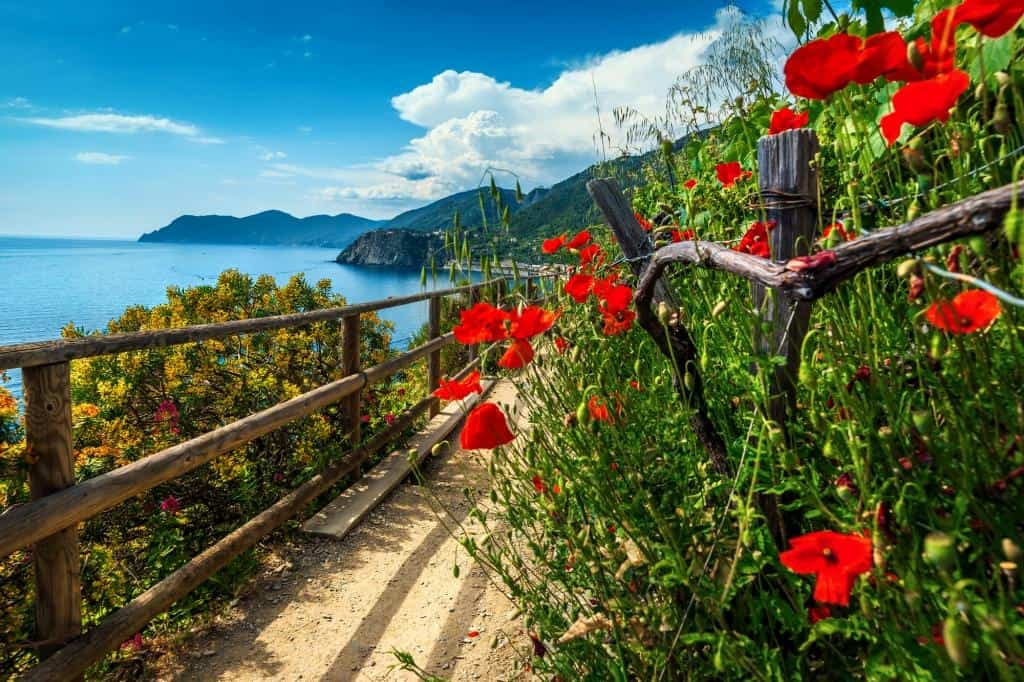
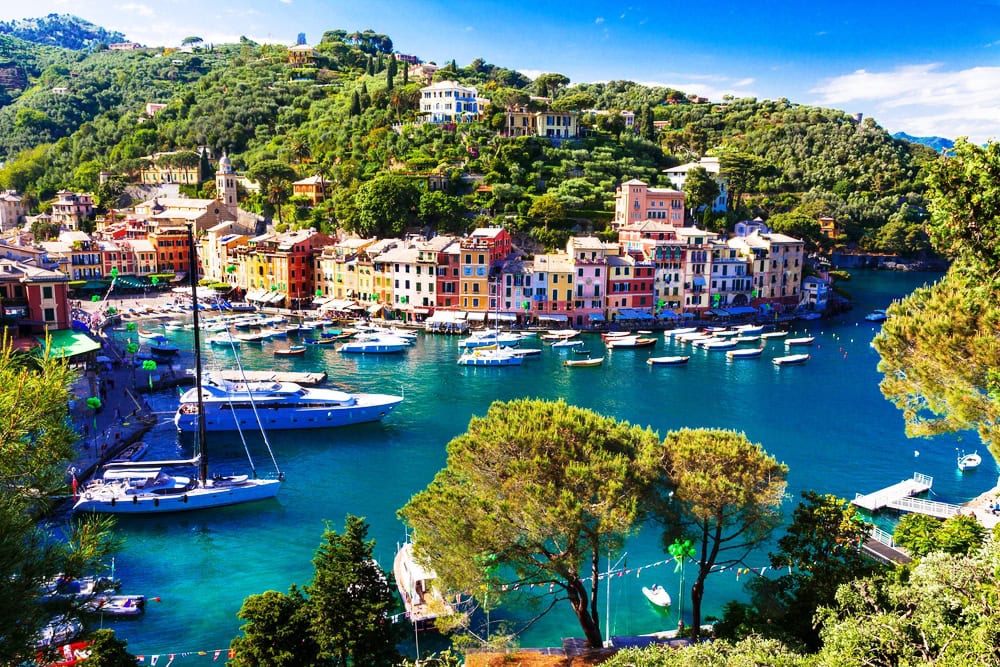
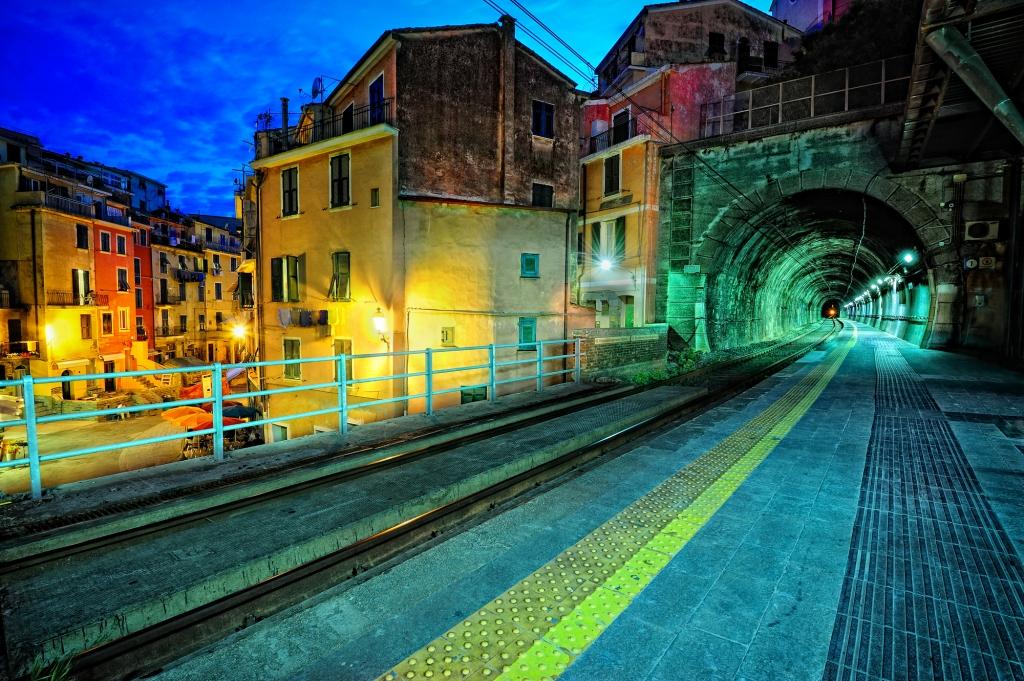
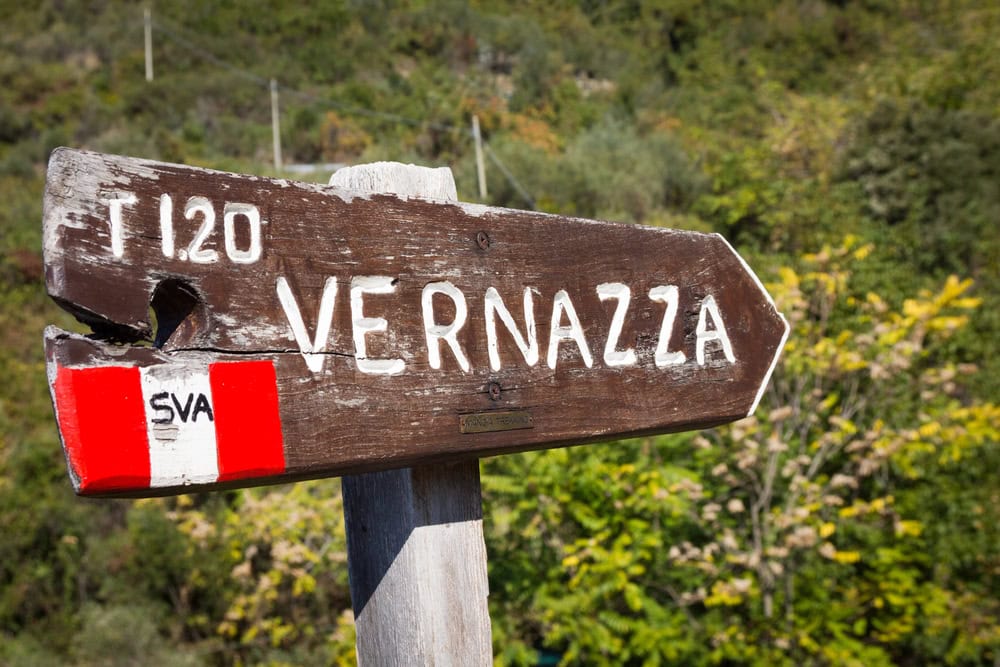
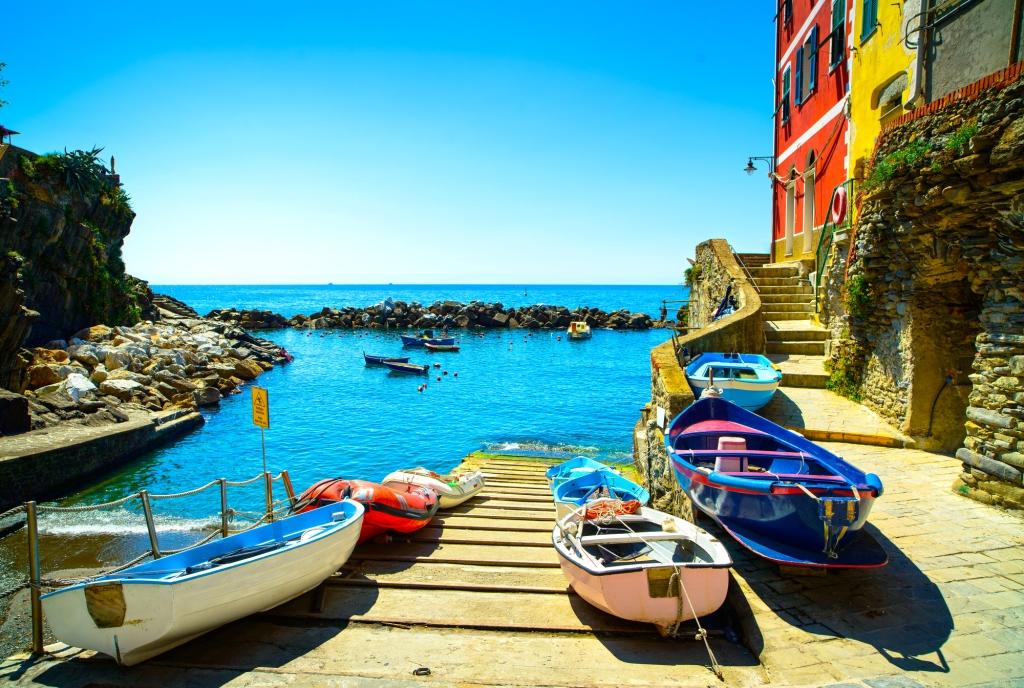
The Cinque Terre is where I want to be direct rather than diplomatic. These five villages are built into a cliff face, connected historically by steep coastal footpaths with hundreds of steps, and internally by narrow lanes that are often stepped themselves. The train that links the villages is the most realistic way to visit for a wheelchair user, and Riomaggiore and Monterosso al Mare are the two villages with the flattest, most manageable centres near their stations. Vernazza, Corniglia and Manarola all involve meaningful climbs from the station to the village centre. This is a region to visit with clear expectations, not one to plan a full mobility focused day around.
5 Exquisite Cinque Terre Towns to Visit
Amalfi Coast and Capri: also an honest assessment
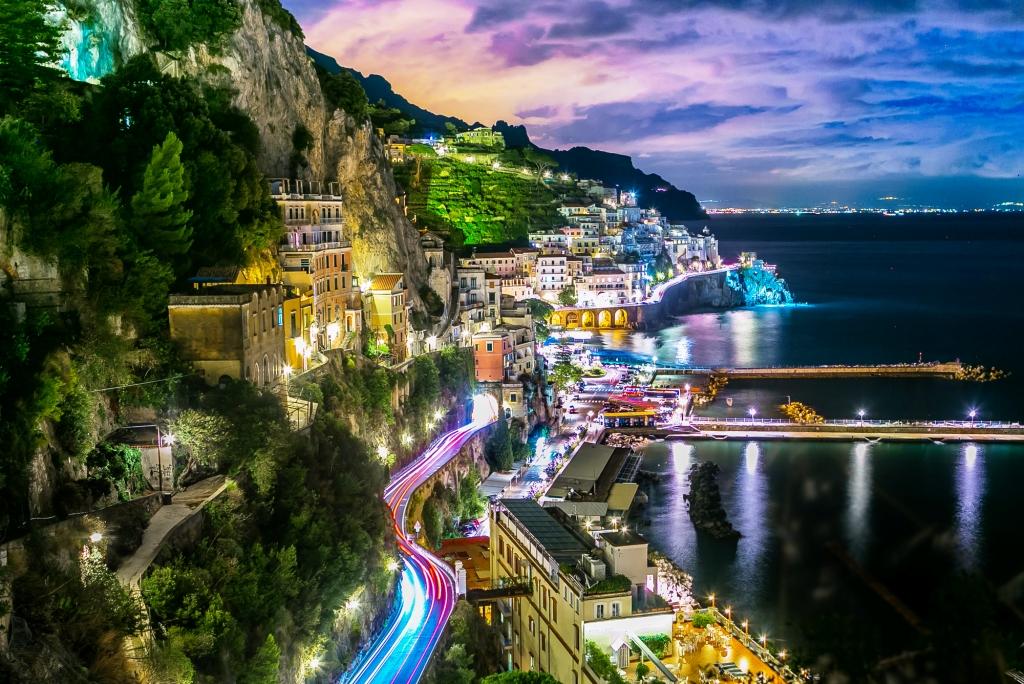
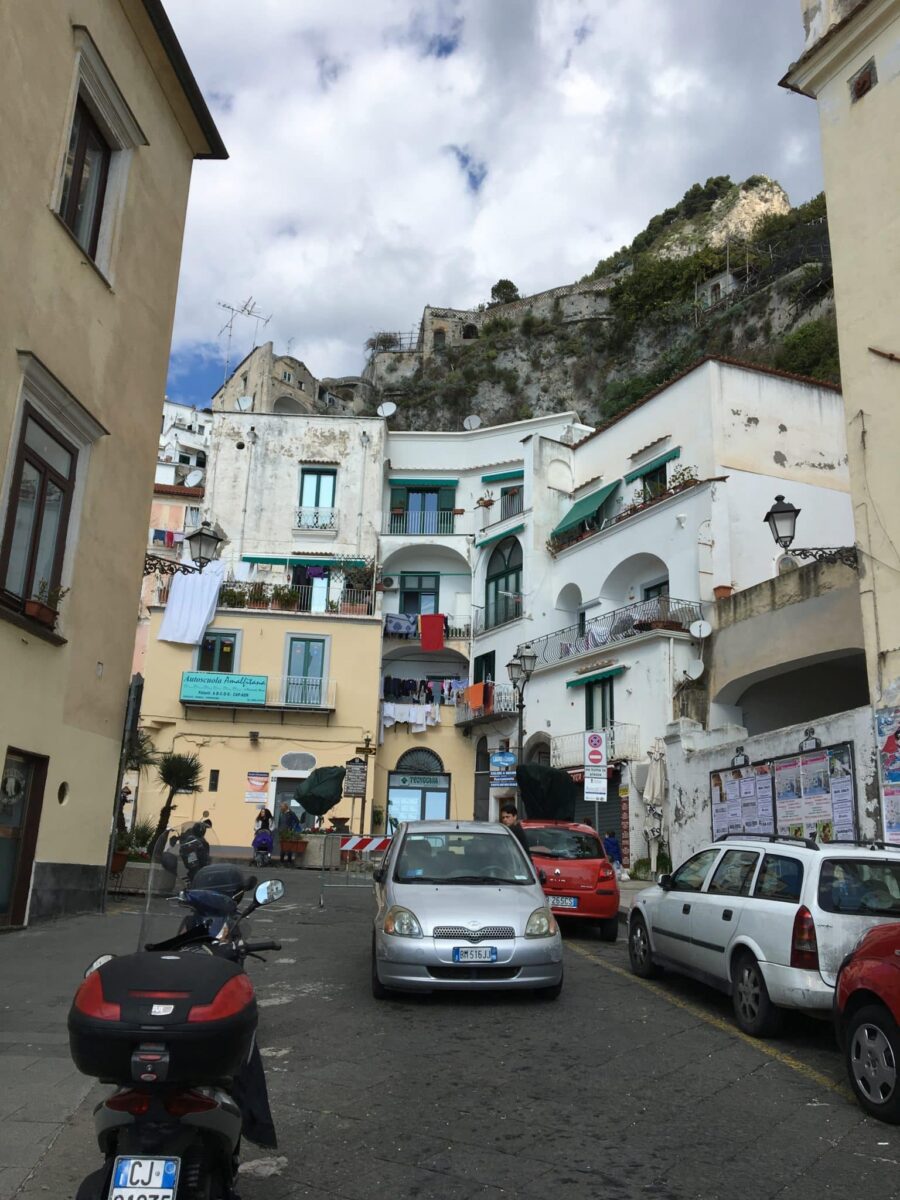
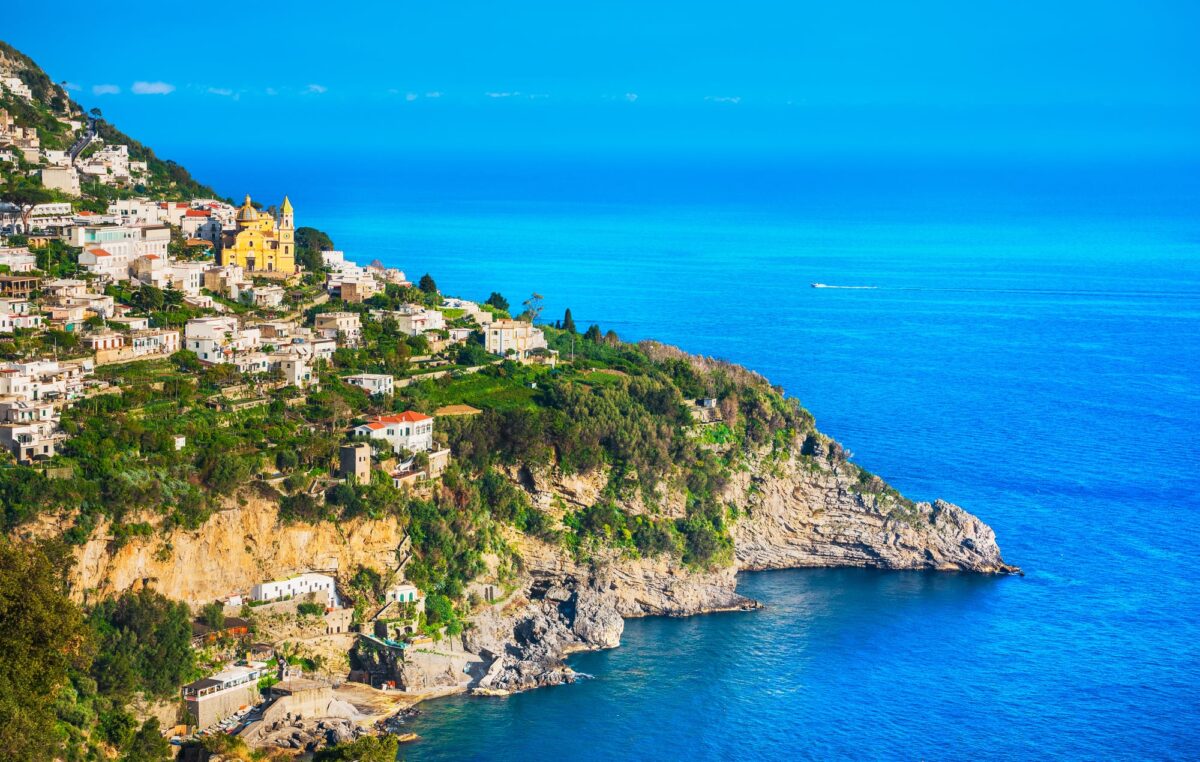
The Amalfi Coast shares the same basic geography problem as the Cinque Terre, dramatic cliffside towns connected by steps and a coast road with limited pavement in places. Positano in particular is built almost entirely on a slope, with its centre reached by stairs from the main road. Capri is reached by ferry, and while the main piazza area near the funicular is manageable, most of the island’s most photographed viewpoints involve real climbs. Neither destination should be ruled out, but both deserve a slower pace, a private driver where possible, and realistic goals for how much of each town you will see.
Sardinia
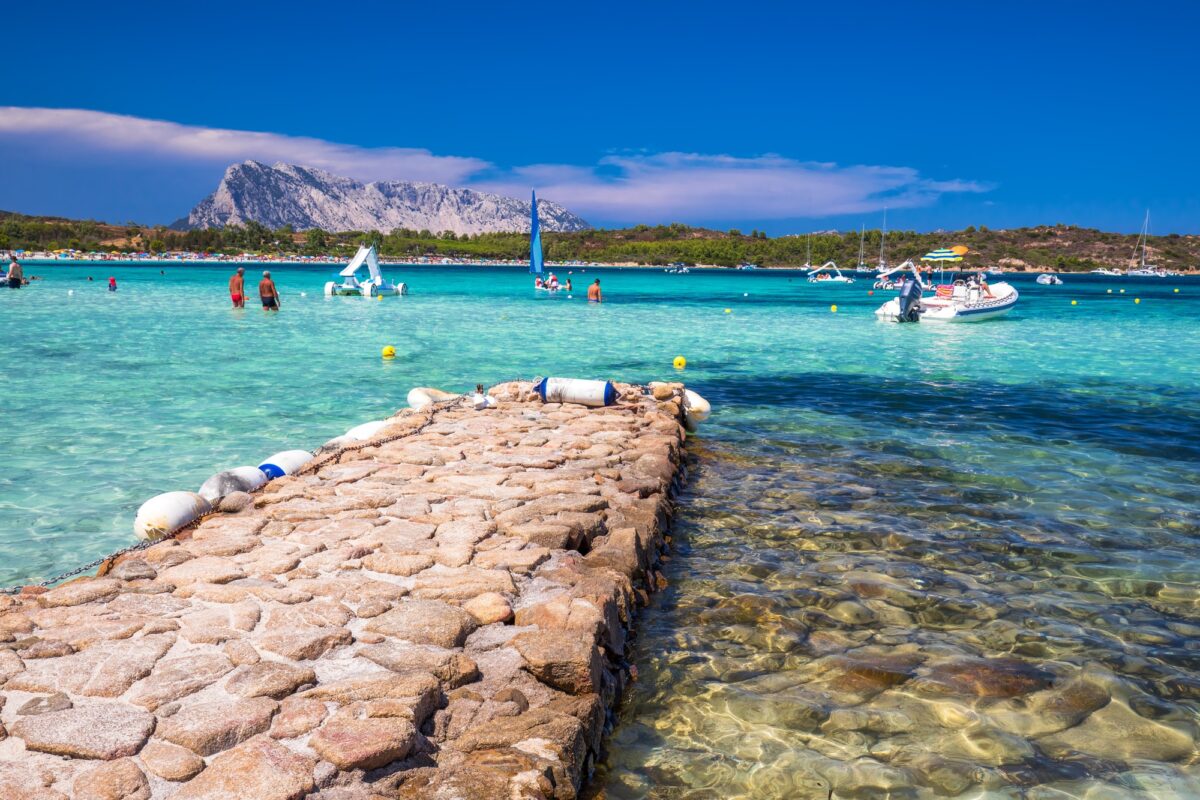
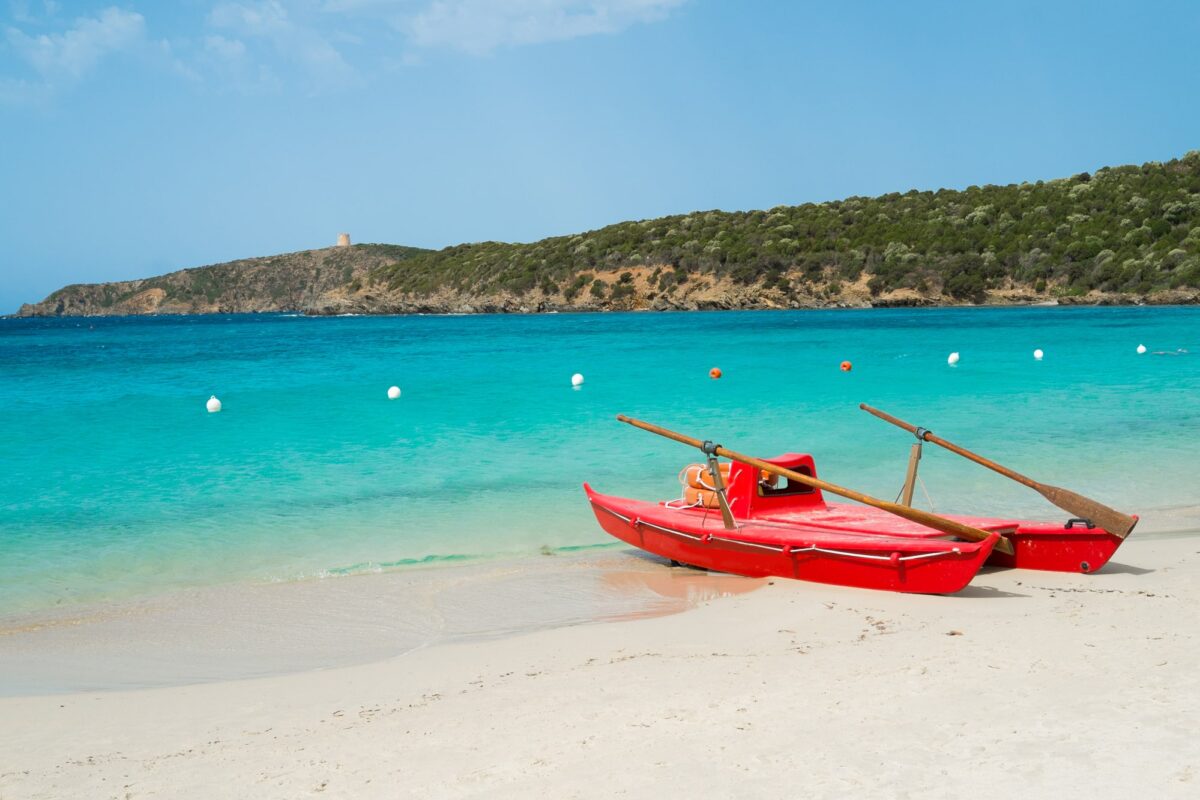
Sardinia’s coastal towns and many of its beaches are considerably flatter and more manageable than mainland Italy’s cliffside regions, and a growing number of beaches offer seasonal accessible bathing services with matting down to the water. A car is genuinely necessary here, since public transport thins out fast once you leave the main towns.
Best Beaches in Sardinia: 17 of the Most Beautiful
Calabria
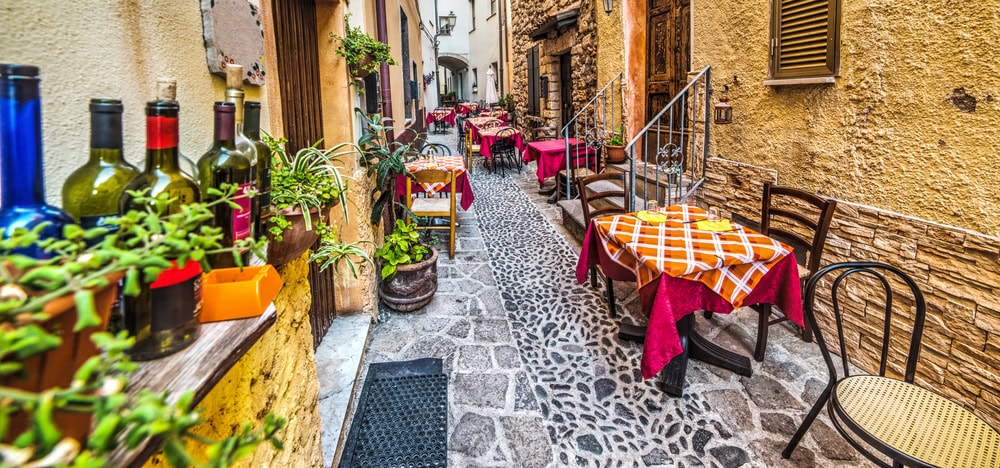
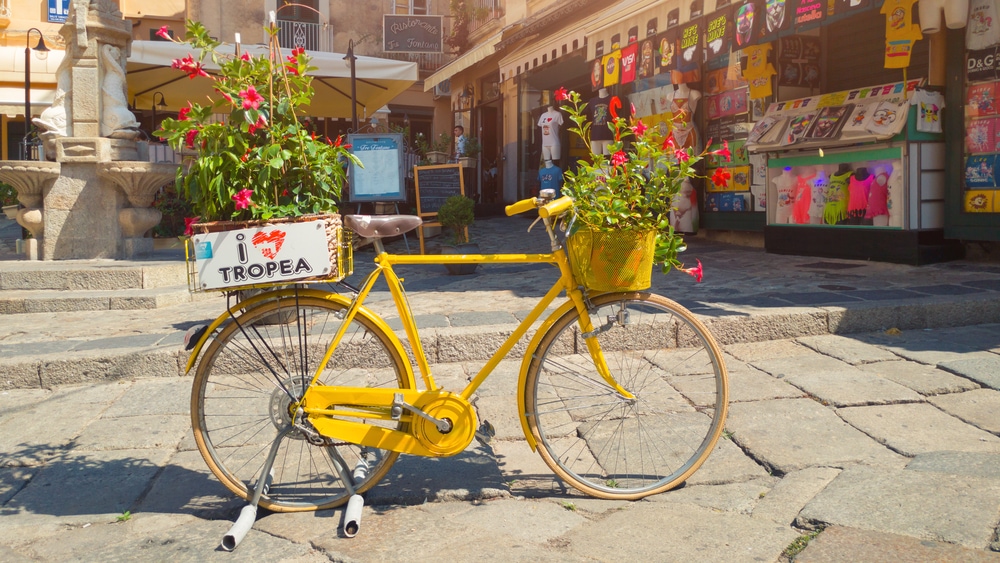
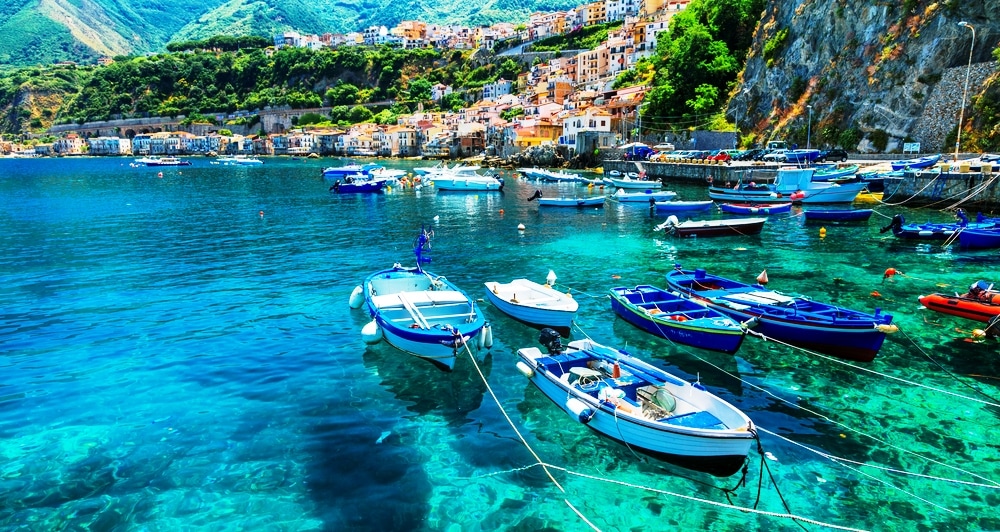
Calabria is southern Italy’s least visited major region, and it is a genuine mix, flat coastal towns that are easy going alongside hill villages that are not. A self drive road trip is the practical way to see it, since it lets you choose your stops rather than depend on inconsistent regional transport.
Tuscany
Tuscany’s classic hill towns, Siena and San Gimignano among them, have the same steep, cobbled character as much of historic Italy, but the region’s food and wine experiences, including cooking classes, often take place at ground floor farmhouses and villas that are considerably easier to navigate than the towns themselves.

Beyond what is covered here: Florence, Venice and Milan
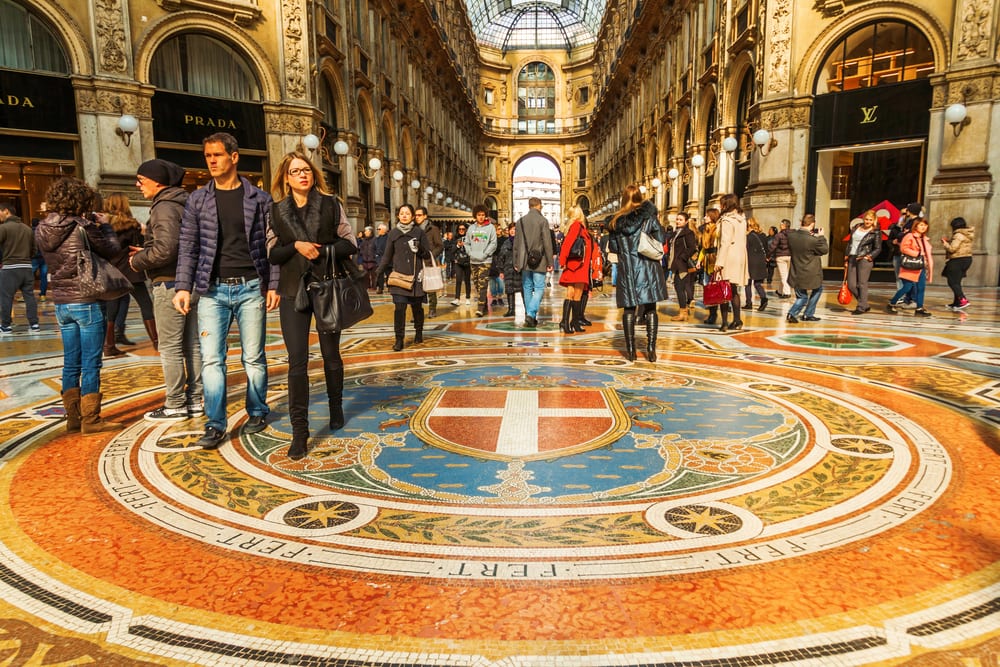
A brief honest note for readers weighing a wider Italy trip. Florence’s historic centre is flatter than Rome’s and its major museums have step free entrances, though many require advance booking for accessible routes. Venice is a mixed picture, the vaporetto water buses are wheelchair accessible and a growing accessible bridge and ramp network exists, but a meaningful number of smaller bridges remain stepped, so route planning matters more here than almost anywhere else in Italy. Milan is the most straightforwardly accessible of Italy’s major cities, modern, flat and served by a newer, more consistently lift equipped metro.
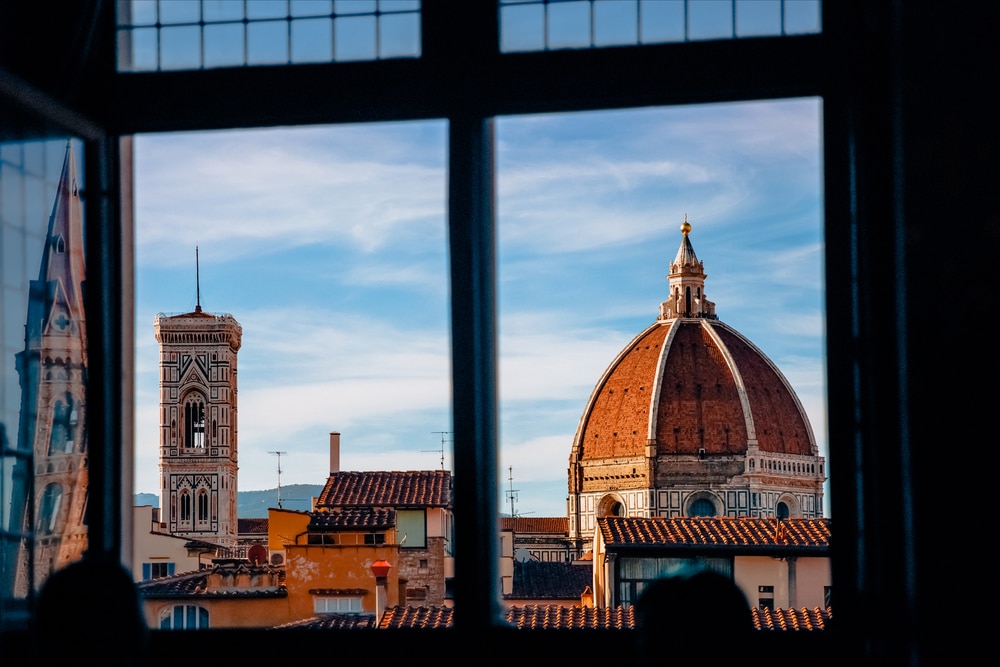
Accessible Hotels and Accommodation in Italy
Book accessible hotel rooms directly with the hotel by phone or email rather than relying only on a booking site filter, and ask specifically about roll in showers versus a bath with a grab rail, door width in centimetres, and whether the room is on the ground floor or served by a lift. This matters more in Italy than in many other European countries, since a large share of hotel stock sits in older, protected historic buildings where a lift was never part of the original design.
Newer hotels and larger chain properties in Rome, Milan and the bigger coastal resort towns tend to have the most reliable accessible rooms. In the Cinque Terre, the Amalfi Coast and Capri specifically, ask directly about the walk or transfer between where a car or taxi can drop you and the hotel entrance itself, since in several of these towns that final stretch is on foot regardless of how accessible the room is.
I always check booking.com first as I can filter for accessibility, elevators, main floor and so on.
Where to Eat in Italy: Accessible Cafes to Fine Dining
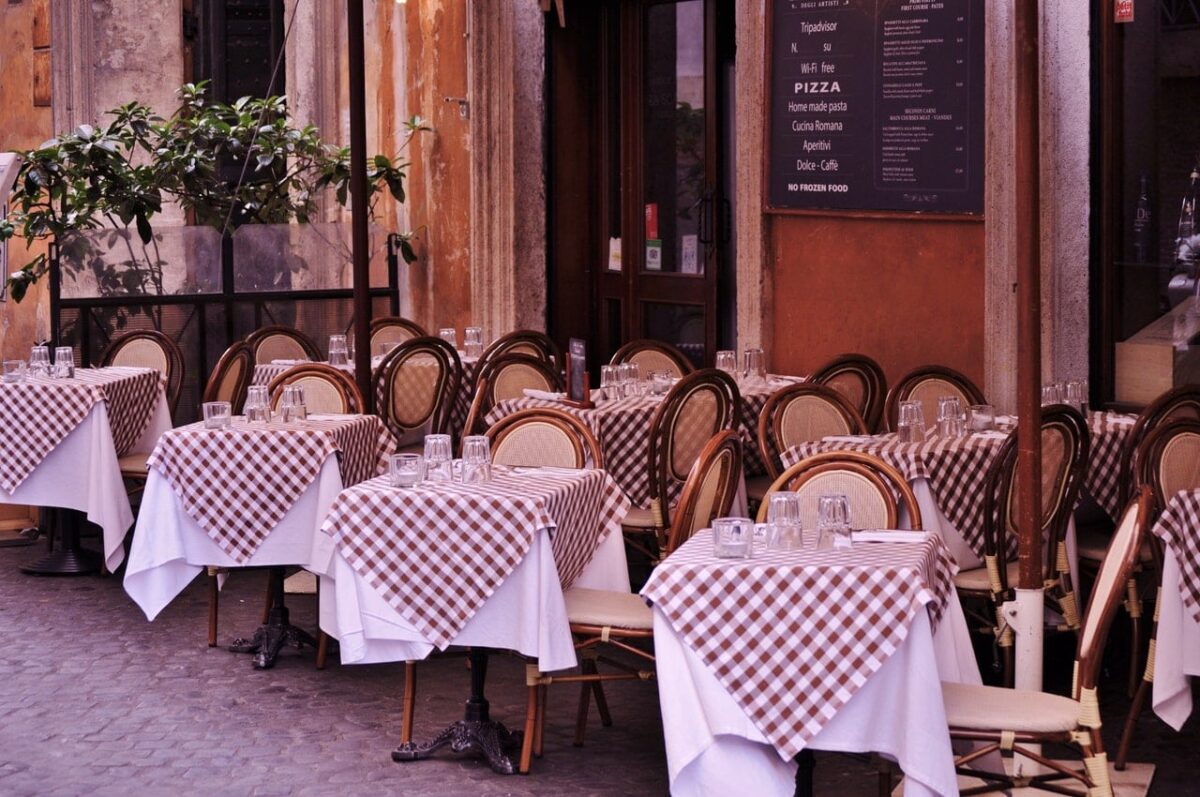
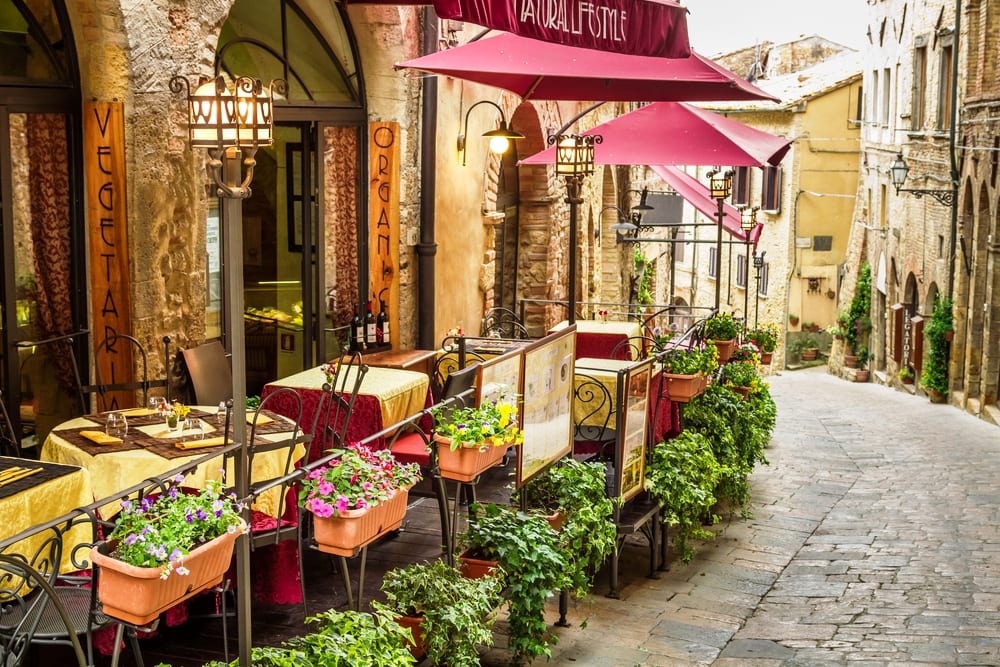
Italian cafe and bar culture generally works in your favour in the flatter cities, most bars have level or near level entry and staff are used to bringing a chair or a table setting to wherever is easiest for a guest. In hill towns and cliffside villages, expect more variation, some restaurants with the best views are reached by steps precisely because the view is the point, so it is worth asking about step free seating when you book rather than assuming.
For fine dining, larger modern restaurants in Rome, Milan and Turin generally have step free entrances and accessible toilets, since newer commercial premises are built to current accessibility codes. Historic dining rooms in protected old buildings are the ones to check first, most Italian restaurants are used to the question and will tell you honestly.
A personal note from experience: in Italy I always ask specifically whether the restroom is on the same floor as the dining room, not just whether the restaurant itself is accessible, since a beautifully accessible ground floor dining room with a restroom down a flight of stairs is a genuinely common layout in older buildings.

Hidden Gems for Accessible Travel in Italy
Most accessible Italy content repeats the same three or four sites and stops. A few places that are genuinely easier on wheels than their region’s reputation suggests deserve a mention.
- Riomaggiore’s lower harbour area in the Cinque Terre, reached with minimal climbing from the train station, giving a real taste of the region without the steepest parts.
- Monterosso al Mare, the flattest of the five Cinque Terre villages, with a genuine seafront promenade rather than steps down to the water.
- Alghero in Sardinia, a walled coastal town with largely flat stone streets inside the old centre, unusual for a historic Italian town of its age.
- Genoa’s Porto Antico, a flat, modern waterfront redevelopment that gives a full day of accessible activity without needing a single hill town detour.

Accessible Activities for Kids and Families in Italy
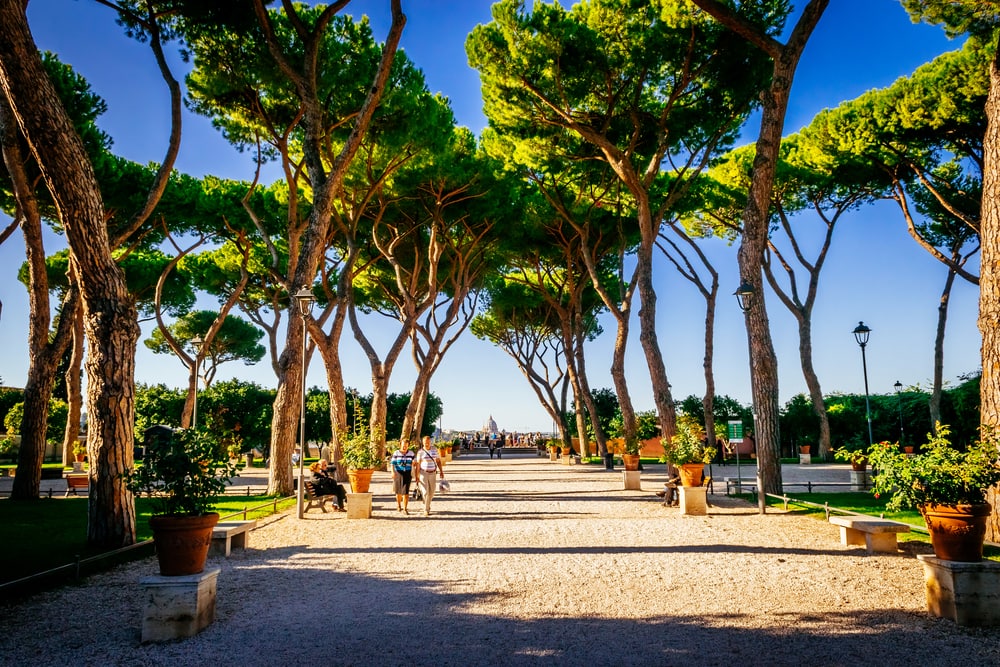
Travelling as a family with a mix of ages and mobility levels does not mean giving up on the classic Italy trip, it means choosing bases carefully. Rome’s Villa Borghese gardens are largely flat with wide paths, a lake and plenty of shade, an easy afternoon for a mixed pace family. Genoa’s Porto Antico includes an aquarium with step free access throughout. Sardinia’s flatter beach towns are genuinely well suited to a family where one member has limited stamina, since the walk from car park to beach is often short and level.
Food is also an easy way to get kids engaged with Italy, and eating well here comes with its own local etiquette worth knowing before you travel.

A Mobility Challenged Traveller’s Honest Take on Italy
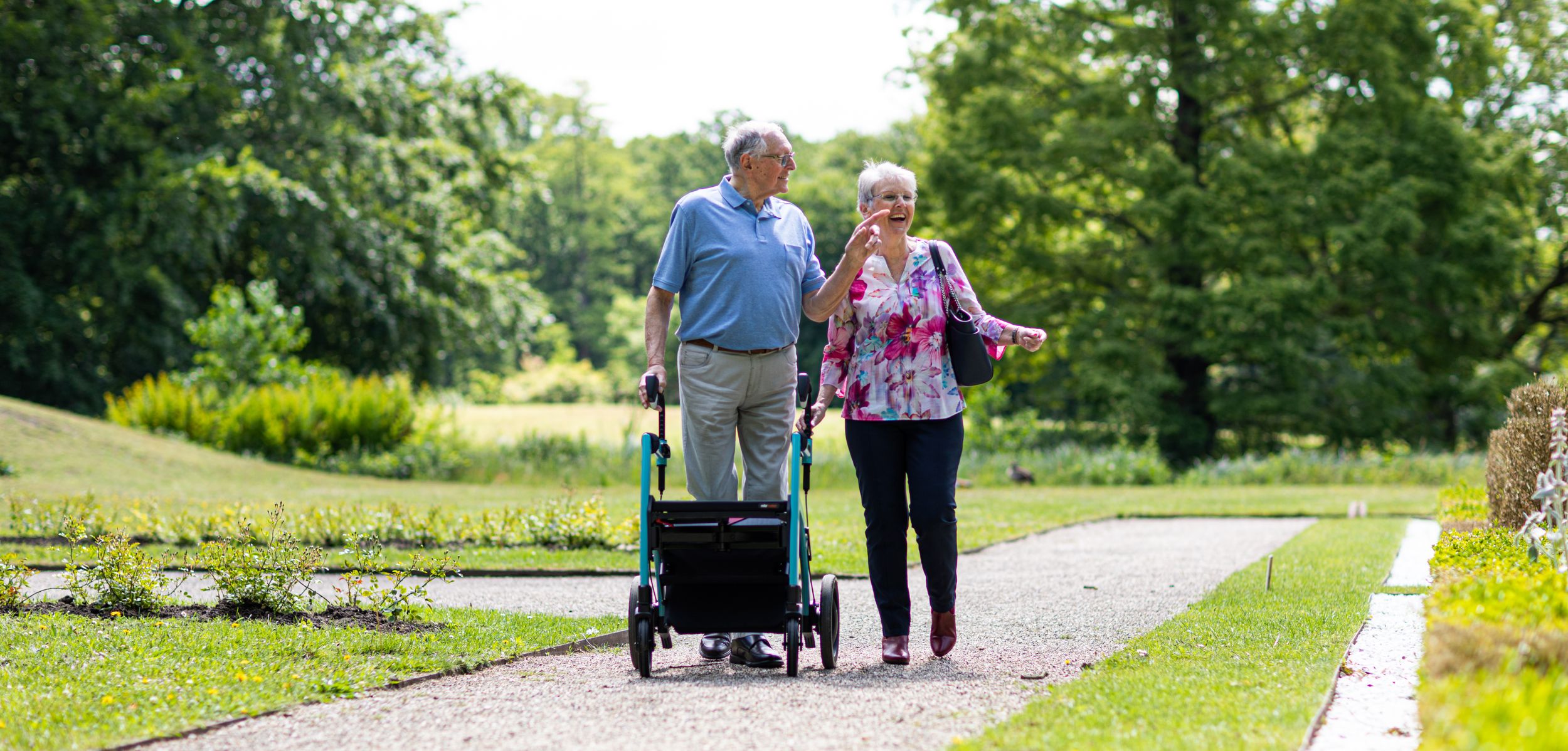
I am not writing this as a theoretical exercise. I live with mobility challenges myself, and Italy is the European country where I have had to plan hardest and adjust expectations the most, more than Spain, more than France. The single biggest lesson from my own trips is that trying to do the Cinque Terre or the Amalfi Coast the way an able bodied visitor would, packing in every village or every town in a day, is where people with mobility issues end up exhausted and disappointed. Picking two or three realistic stops rather than the full five villages or the full coast road changes the whole experience.
The second lesson is booking Trenitalia’s Sala Blu assistance and any accessible museum slots well ahead of time, particularly in Rome, since demand for accessible tickets at sites like the Vatican Museums genuinely does outstrip supply in peak season.

How to Plan an Accessible Trip to Italy: Step by Step
- Choose flatter bases first. Rome, Milan and Genoa work well as main bases, with cliffside regions like the Cinque Terre and the Amalfi Coast treated as carefully planned day trips or short, realistic stays rather than full itineraries.
- Book accessible flights and airport assistance at least 48 hours ahead directly through your airline.
- Reserve Trenitalia Sala Blu assistance for any train journeys as soon as you have your dates, especially for travel through smaller Ligurian or Amalfi Coast stations.
- Call hotels directly to confirm roll in showers, door widths, lift access and the walk from drop off point to the entrance, particularly in hill towns.
- Book accessible entrance slots for major sites in advance, the Colosseum, the Vatican Museums and the Uffizi in Florence all recommend or require this.
- Apply ahead for any restricted traffic zone access if you plan to drive into a historic centre such as parts of Rome, Florence or Siena.
- Pick two or three realistic stops in cliffside regions rather than attempting to see an entire coastline or all five Cinque Terre villages in one day.
- Build in rest days, cobblestones and hills are more tiring than flat city walking, so a slower pace pays off over a full trip.
What Accessible Italy Travel Costs: Tickets and Parking
Costs change with the season and each site’s own pricing updates, so treat the figures below as a planning guide and check the official site before you travel. As a rough benchmark, major site entry in Italy typically runs from about 12 to 20 euro per adult, with the Colosseum and Vatican Museums toward the higher end. Wheelchair users and one companion are frequently offered free or reduced entry at major state run sites including the Colosseum and the Vatican Museums, but you generally need proof of disability and an advance booking rather than a walk up discount.
Disabled parking is usually free or discounted where a valid permit is displayed, while standard parking near restricted traffic zones runs roughly 2 to 3 euro per hour or 20 to 35 euro per day in a multi storey car park in the bigger cities. In cliffside regions like the Cinque Terre and the Amalfi Coast, parking is often some distance from the actual village centre, so factor that walk or transfer into your planning rather than only into your budget.
What Most Accessible Italy Guides Get Wrong
Having reviewed the accessible travel space closely while building this hub page, the recurring problem with most accessible Italy content is overpromising. Many articles apply generic accessible travel advice to Italy without acknowledging that its most famous regions were physically built centuries before accessibility was a consideration, and no amount of planning changes that basic fact. Three gaps come up again and again.
- Cliffside regions like the Cinque Terre and the Amalfi Coast are often described as accessible with minor caveats, when the honest picture is that they require real trade offs and a different kind of trip, not just extra research.
- Restricted traffic zone rules in historic centres are rarely mentioned, even though they directly affect whether a disabled visitor can drive to their accommodation.
- Restroom location within an accessible restaurant or site is almost never covered, despite being a genuinely common failure point in older Italian buildings.
This guide has aimed to be honest about all three, since a mobility challenged traveller planning an Italy trip is better served by realistic expectations than by a guide that oversells the whole country as uniformly easy.
Authoritative Resources for Accessible Travel in Italy
- Trenitalia Sala Blu assistance service
- ENAC, Italy’s civil aviation authority
- Village for All, Italian accessible tourism certification
- Italia.it, Italy’s official tourism board
- European Disability Forum
Frequently Asked Questions About Accessible Italy Travel
Is Italy wheelchair accessible for tourists?
Rome, Milan and Turin are reasonably wheelchair accessible with step free transport and accessible entrances at major sites, though Rome’s cobblestones are hard going. The Cinque Terre, the Amalfi Coast and Capri are genuinely difficult due to steep, cliffside terrain, and should be planned with realistic expectations rather than assumed to be easy.
What is the most accessible city in Italy?
Milan is generally the most wheelchair friendly major Italian city, with a flatter layout and a newer metro system that has more consistent lift access than Rome’s older stations.
Can wheelchair users visit the Cinque Terre?
Yes, but selectively. Riomaggiore and Monterosso al Mare have the flattest village centres near their train stations. Vernazza, Corniglia and Manarola all involve real climbs, so most wheelchair users get a better experience focusing on one or two villages rather than attempting all five in a day.
Do trains in Italy have wheelchair access?
Trenitalia’s high speed Frecce trains have wheelchair spaces and accessible toilets, and the free Sala Blu assistance service helps with boarding at larger stations. Book at least 24 hours ahead, since smaller regional stations are far less consistent.
Is the Amalfi Coast accessible for someone with mobility issues?
Parts of it are, but the towns themselves, Positano especially, are built on steep slopes with significant stairs from the coast road to the town centre. A private driver, a slower pace and realistic goals for how much of each town you will see make a real difference.
Do disabled visitors get free entry to attractions in Italy?
Many major state run sites, including the Colosseum and the Vatican Museums, offer free or reduced entry for wheelchair users and one companion, but you typically need proof of disability and an advance booking rather than a walk up discount.
Planning Your Own Accessible Italy Trip
Accessible Italy travel rewards realistic planning more than almost any other European destination on this site. Book your transport assistance and accessible hotel rooms early, choose flatter cities as your main bases, and treat the Cinque Terre, the Amalfi Coast and Capri as places to visit selectively and slowly rather than to tick off in full. Italy’s mix of adapted trains, accessible major cities and centuries of history built into hillsides means it takes more from a mobility challenged traveller than some other countries, but for most people that effort remains genuinely worth it.
check out these European Travel Guides