
Getting Around Ireland: Complete Guide to Transport, Car Rental, Trains and Tours
Planning how to get around Ireland is one of the most important parts of organising your trip. While Ireland is a relatively small country, the landscapes that visitors come to see coastal drives, rural villages, castles, and national parks are often located far from major cities.

This guide explains the best ways to travel around Ireland, including renting a car, using public transport, hiring a private driver, and planning realistic travel times. Whether you are visiting for a city break or exploring the Wild Atlantic Way, understanding Ireland’s transport options will help you plan a smoother and more enjoyable trip.
Below you’ll find practical advice based on real travel planning experience, along with links to detailed guides covering each transport option.
What Is the Best Way to Get Around Ireland?
For most travellers, renting a car is the best way to get around Ireland, especially if you want to explore rural areas such as Connemara, the Wild Atlantic Way, or small villages that public transport does not reach easily.
However, trains and buses work well between major cities including Dublin, Galway, Cork, and Belfast. Visitors who prefer not to drive may also choose private drivers or guided tours for exploring scenic regions.
The best transport option depends on your itinerary, budget, and travel style.


Ireland Transport Options at a Glance
| Transport Option | Best For | Pros | Cons |
| Renting a Car | Exploring countryside and coastal routes | Flexible, access to remote areas | Driving on left, rural roads |
| Train | Travel between major cities | Comfortable and fast | Limited rural coverage |
| Bus | Budget travel between towns | Wide network | Longer travel times |
| Private Driver | Relaxed sightseeing | No driving required | More expensive |
Quick Overview: Best Ways to Get Around Ireland
The best way to travel around Ireland depends on your itinerary and travel style.
Renting a car is usually the most flexible option for exploring rural areas, coastal routes, and smaller villages.
Trains and buses work well between major cities such as Dublin, Galway, Cork, and Belfast, but can be limited in more remote regions.
Private drivers and guided tours are ideal for travellers who want to see the countryside without driving on the left-hand side of the road.
Many visitors combine several transport methods during their trip.



Renting a Car in Ireland
For travellers planning to explore scenic areas such as Connemara, the Ring of Kerry, or the Wild Atlantic Way, renting a car is often the easiest and most flexible option.
Driving allows you to reach places that public transport rarely serves, including small villages, coastal viewpoints, and historic ruins.
Typical advantages of renting a car include:
- flexibility to explore rural landscapes
- easier access to national parks and coastal routes
- the ability to stop frequently for viewpoints and photography
- faster travel between small towns and villages
However, there are also some important things to consider before renting a car in Ireland.
Roads in rural areas can be narrow and winding, and visitors must drive on the left-hand side of the road. Insurance options, manual transmission vehicles, and parking in historic town centres are also factors to plan for.
For a detailed guide, see:
➡ Renting a Car in Ireland: Complete Guide to Insurance, Costs and Driving Tips



Driving in Ireland: What to Expect
Driving in Ireland can be a wonderful experience, especially along scenic routes such as the Wild Atlantic Way. Many of the country’s most beautiful landscapes are best explored by car.
Visitors often notice several differences from driving in other countries:
- traffic drives on the left side of the road
- many rural roads are narrow with stone walls or hedges
- roundabouts are common
- distances may look short but driving times can be longer than expected
Despite these differences, most visitors find driving in Ireland manageable once they become familiar with the road system.
Allow extra time for scenic stops, as Ireland’s landscapes often invite spontaneous detours.
For detailed driving advice, see:
➡ Driving in Ireland: Essential Tips for Visitors
➡ Driving in Ireland: Essential Tips for Drivers over 60
➡ Hiring a Private Driver in Ireland
Public Transport in Ireland
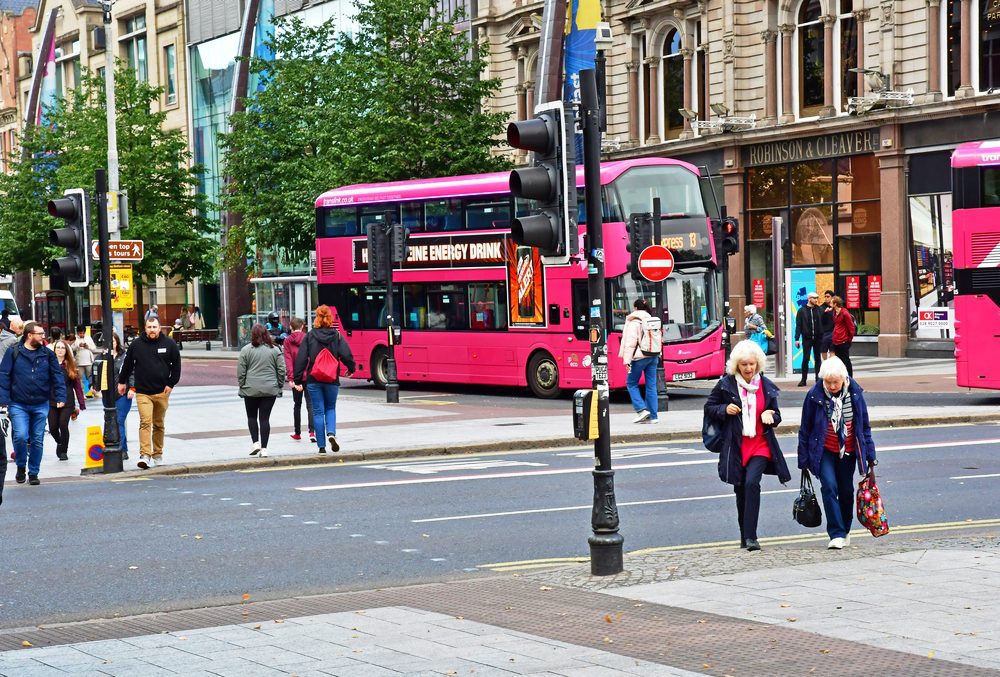
Public transport in Ireland is reliable between major cities and larger towns. Visitors travelling between Dublin, Galway, Cork, and Belfast can easily use trains or intercity buses.
Ireland’s rail network connects many of the country’s main destinations, while regional bus services reach smaller towns and villages.
Public transport works best for:
- city-to-city travel
- visitors who prefer not to drive
- short trips between major tourist centres
However, travellers should be aware that rural areas especially along the west coast may have limited bus services and infrequent schedules.
For a detailed breakdown of train and bus options, see:
➡ Public Transport in Ireland: Trains, Buses and Travel Tips
➡ Public Transport in Northern Ireland: Trains, Buses and Travel Tips

Train Travel in Ireland
Train travel is one of the most comfortable ways to move between Ireland’s major cities.
The national railway network operated by Irish Rail connects cities including Dublin, Galway, Cork, Limerick, and Waterford.
Advantages of train travel include:
- comfortable seating and luggage space
- scenic routes across the countryside
- relatively fast connections between cities
Popular train journeys include:
- Dublin to Galway
- Dublin to Cork
- Dublin to Belfast
Train tickets can usually be purchased online in advance or at railway stations.


Bus Travel in Ireland
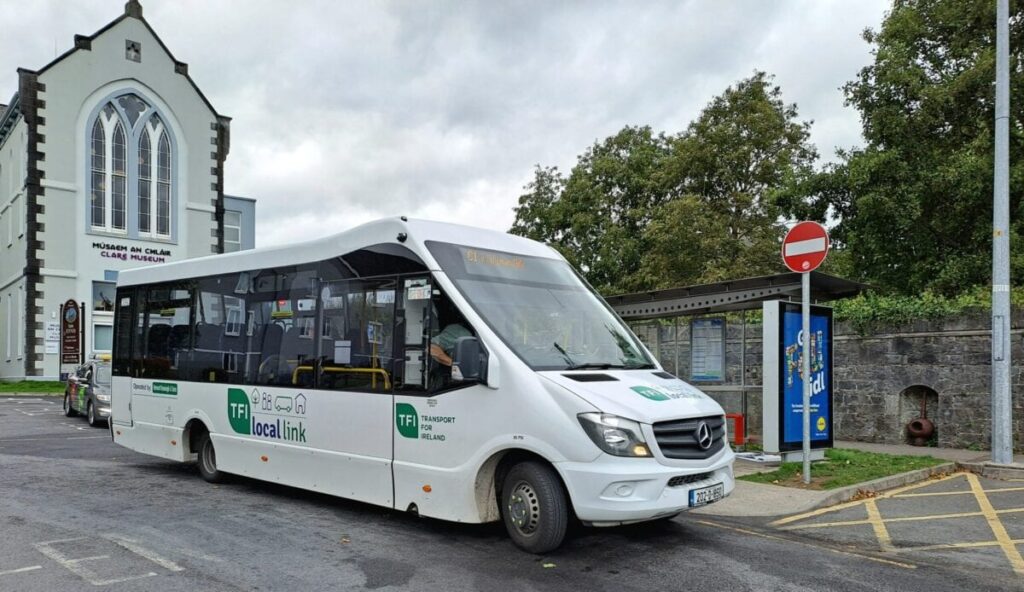
Buses cover a much larger network than trains and often reach smaller towns and regional destinations.
The national bus network operated by Bus Éireann connects many communities across the country.
Private coach companies also run frequent routes between major cities and airports.
Bus travel can be a good option for travellers without a car, particularly when visiting popular destinations along established tourist routes.
However, some rural areas still require multiple connections or limited daily services.

Hiring a Private Driver or Tour
Some visitors prefer to explore Ireland with a private driver or guided tour. This option allows travellers to visit scenic areas without navigating unfamiliar roads.
Private drivers are particularly popular for:
- luxury trips
- family groups
- travellers with limited mobility
- visitors who prefer a relaxed sightseeing experience
A private driver can also help create custom itineraries that include lesser-known villages, castles, and scenic viewpoints.
For more details, see:
➡ Hiring a Private Driver in Ireland: What to Know Before Booking
Accessibility and Transport in Ireland
Accessibility varies widely across Ireland, especially in historic towns and rural regions.
Travellers with limited mobility may find that some transport options work better than others. For example, renting a car can provide easier access to scenic drives and viewpoints without extensive walking.
Accessible taxis and some public transport services are available in major cities, although infrastructure can vary.
For practical advice, see:
➡ accessible-travel-guides-ireland-uk-europe in Ireland: Transport and Travel Tips

Travel Times in Ireland
Ireland’s distances may appear short on a map, but travel times can be longer than expected due to narrow roads and scenic routes.
Approximate driving times include:
- Dublin to Galway: about 2.5 hours
- Dublin to Cork: about 3 hours
- Galway to Connemara: 1–2 hours depending on location
- Galway to the Cliffs of Moher: about 1.5 hours
Visitors should allow additional time for stops along scenic coastal roads.

Which Transport Option Is Best for Your Trip?
Choosing the best way to get around Ireland depends on your travel style and itinerary.
Renting a car is ideal for exploring the countryside and reaching remote landscapes.
Public transport works well for travellers visiting major cities or planning a shorter trip.
Private drivers and tours can be a comfortable alternative for visitors who prefer not to drive.
Many travellers combine several transport options during their visit.

Plan Your Ireland Trip
If you are planning a trip around Ireland, these additional guides may help:
- Guide to County Galway
- Travelling County Donegal
- Best Things to Do in Connemara
- Travel guide to Dublin
These articles provide practical advice on exploring some of the most beautiful regions of Ireland. Planning the rest of your trip? My Irish Bucket List covers 39 of my favourite Ireland experiences, from landmarks to whiskey tours.
This guide is based on extensive travel research and real itinerary planning across Ireland, including both city travel and rural exploration along the west coast. The aim is to provide practical, honest advice that helps visitors choose the best transport options for their trip.
Driving in Ireland articles
How to visit Glenveagh without a car