
Why Donegal Is One of Ireland’s Best Destinations for Slow accessible-travel-guides-ireland-uk-europe
Donegal is one of the most rewarding places in Ireland for travelers with limited mobility, slower pacing needs, or anyone who prefers scenery over crowds and long walking days. I have spent years driving these roads in every season, stopping in villages most tourists rush past, and learning which viewpoints genuinely work for my limited mobility issues, as well as wheelchair users, seniors, and travelers who simply do not want exhausting itineraries.
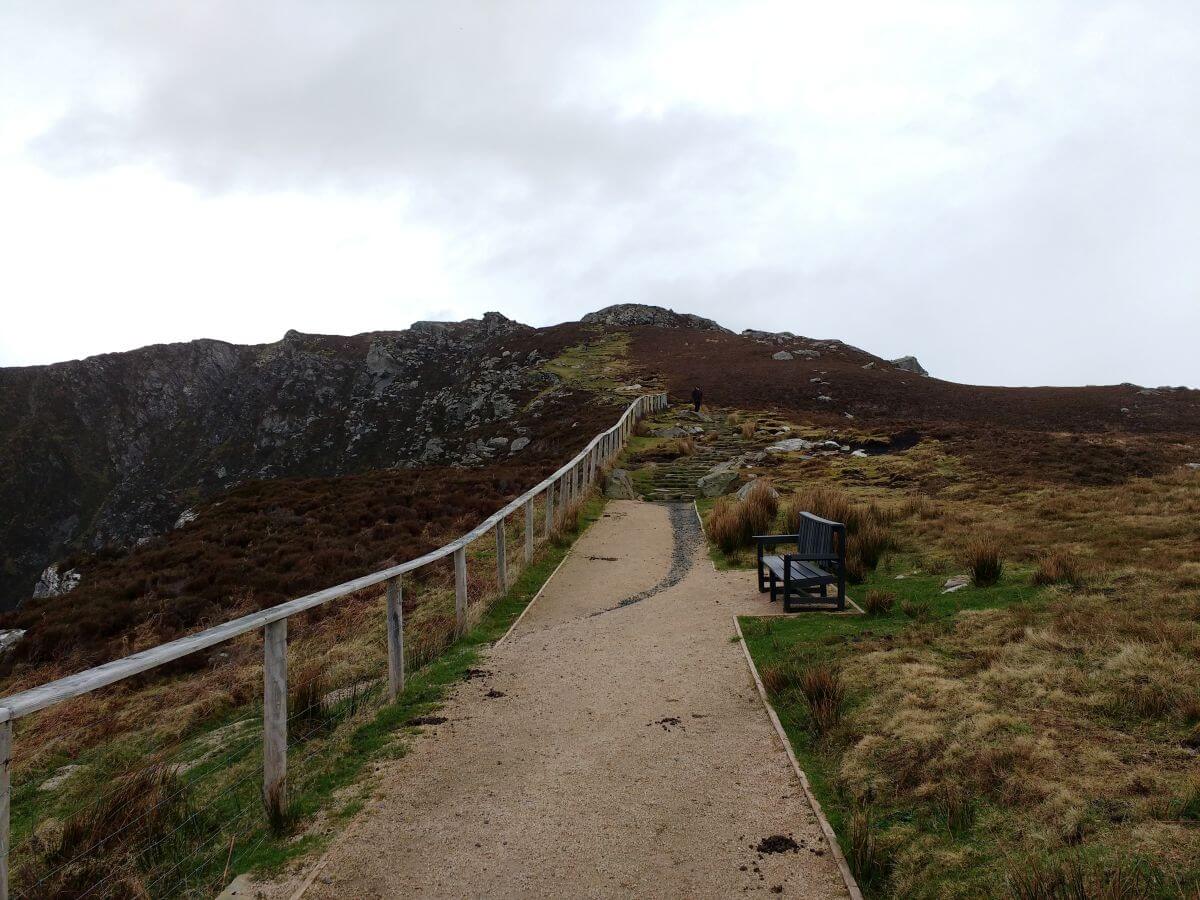
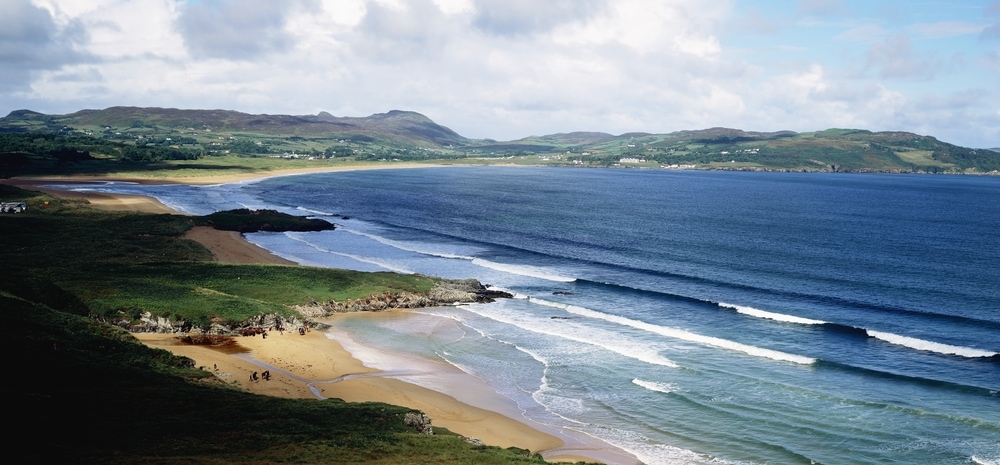
Unlike Dublin or Galway, Donegal is well worth visiting and is not terribly expensive it also does not demand constant movement to enjoy it. Much of the county’s beauty happens directly from the car window. This stretch of the Wild Atlantic Way allows you to breathe deeply the scent of turf and salt air. The roads themselves become part of the experience. Mountains rise beside empty beaches, Atlantic cliffs appear around quiet bends, and tiny villages sit between valleys and sea without requiring long hikes or difficult terrain to appreciate them.
That does not mean Donegal is automatically easy. Some of the county’s most famous places still involve uneven ground, steep paths, exposed weather, and limited facilities. Accessibility here is less about perfect infrastructure and more about knowing where to go, when to stop, how to pace yourself, and which experiences are genuinely realistic depending on your mobility level.
If you are deciding between Ireland’s wild northwest and its famous southwest, our Donegal vs Kerry guide compares scenery, road trips, beaches and overall atmosphere.
- Why Donegal Is One of Ireland’s Best Destinations for Slow accessible-travel-guides-ireland-uk-europe
- Wheelchair Accessible Donegal and What Travelers Should Realistically Expect
- Accessible Donegal Scenic Drives Along the Wild Atlantic Way
- Accessible Slieve League vs Cliffs of Moher for Limited Mobility
- Accessible Beaches in Donegal for Seniors and Wheelchair Users
- Accessible Attractions in Donegal Worth Seeing
- Donegal Road Trip Accessibility and Driving Realities
- Parking Information for accessible-travel-guides-ireland-uk-europe in Donegal
- Transportation in Donegal for Travelers With Limited Mobility
- Accessible Accommodation in Donegal
- What Most Guides Miss About Accessible Donegal
- FAQs About Accessible Donegal Travel
- Final Thoughts on Accessible Donegal Travel
- Exploring the fascinating regions of Ireland
This guide is written from lived experience traveling repeatedly across Donegal, including Inishowen, Glenveagh, Glencolmcille, Ardara, Malin Head, Slieve League, Fanad, Dunfanaghy, Letterkenny, and the Rosses. I focus on realistic accessibility rather than marketing language, including parking, surfaces, walking distances, transport logistics, weather realities, and practical pacing.
Donegal works best when you slow down. If you try to rush it, the county becomes tiring very quickly. If you embrace shorter days, scenic pauses, flexible planning, and “park-and-see” travel, it becomes one of the most accessible and emotionally rewarding parts of Ireland.
Wheelchair Accessible Donegal and What Travelers Should Realistically Expect
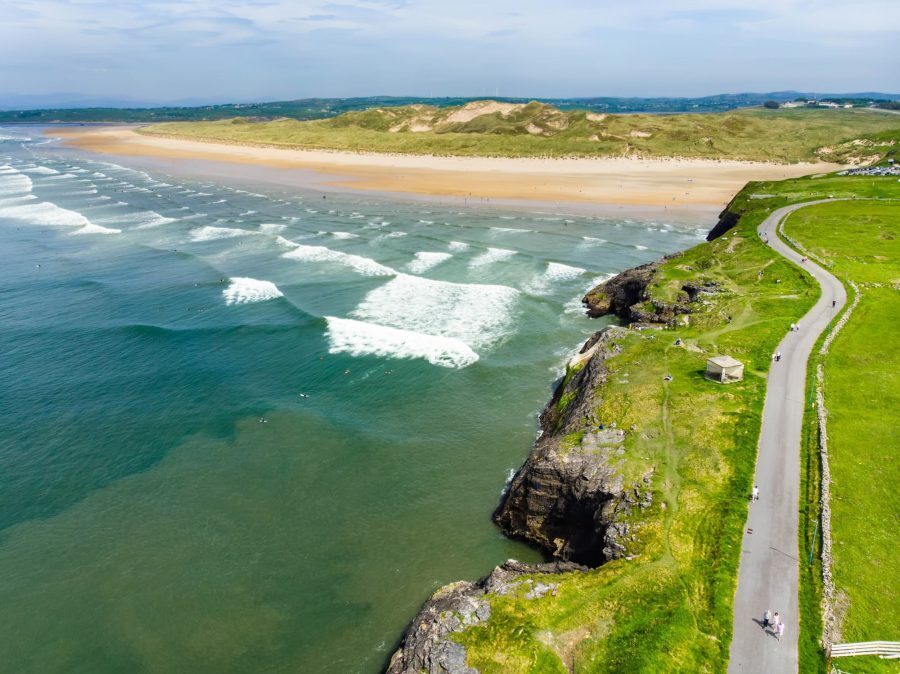
Wheelchair accessible Donegal does exist, but accessibility in the northwest of Ireland is different from accessibility in larger cities. You are dealing with rural roads, Atlantic weather, historic villages, remote beaches, and dramatic landscapes. Some attractions are excellent for mobility access while others remain challenging despite their popularity.
The biggest misconception I see online is travel blogs describing Donegal as either completely inaccessible or perfectly accessible. Neither is true. What matters here is choosing the right experiences.
Many of Donegal’s best moments require very little walking at all. Glenveagh National Park offers accessible visitor facilities and scenic drives through extraordinary mountain scenery. The Inishowen Peninsula contains numerous roadside coastal viewpoints with minimal walking required. Large sections of the Wild Atlantic Way through Donegal are ideal for slower travelers because the scenery unfolds directly beside the road.
At the same time, some famous locations such as Slieve League can become physically demanding very quickly if you attempt the longer walks or arrive during crowded periods.
Accessibility in Donegal is often about strategic decisions:
choosing the quieter parking area,
visiting early,
avoiding weekends,
using taxis when helpful,
splitting sightseeing across multiple days,
and understanding that weather changes everything.
For seniors, slower travelers, wheelchair users, and people managing fatigue or chronic pain, Donegal can actually work better than busier tourist regions because there is less pressure to keep moving constantly.

Accessible Donegal Scenic Drives Along the Wild Atlantic Way
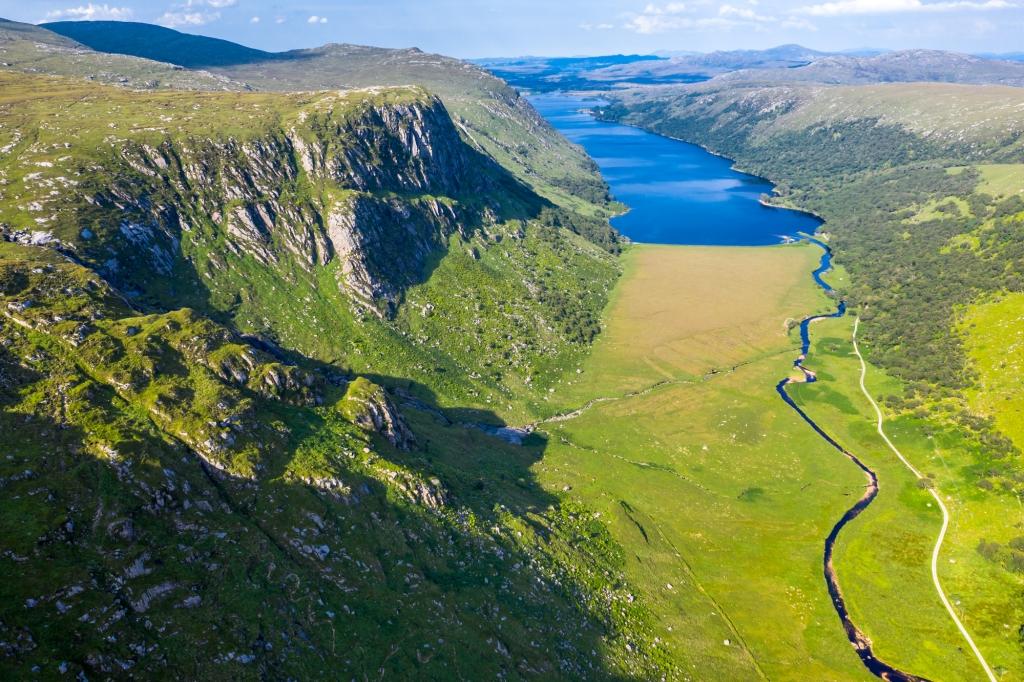
Donegal contains some of the finest accessible scenic driving routes in Ireland. For many visitors with limited mobility, these drives become the highlight of the trip because they provide dramatic scenery without demanding difficult physical exertion.
The county is perfect for “park-and-see” travel where viewpoints, beaches, mountains, and coastlines can be enjoyed directly from accessible parking areas or after very short walks. These roadtrips around Donegal allow you to see this “forgotten county” easily.
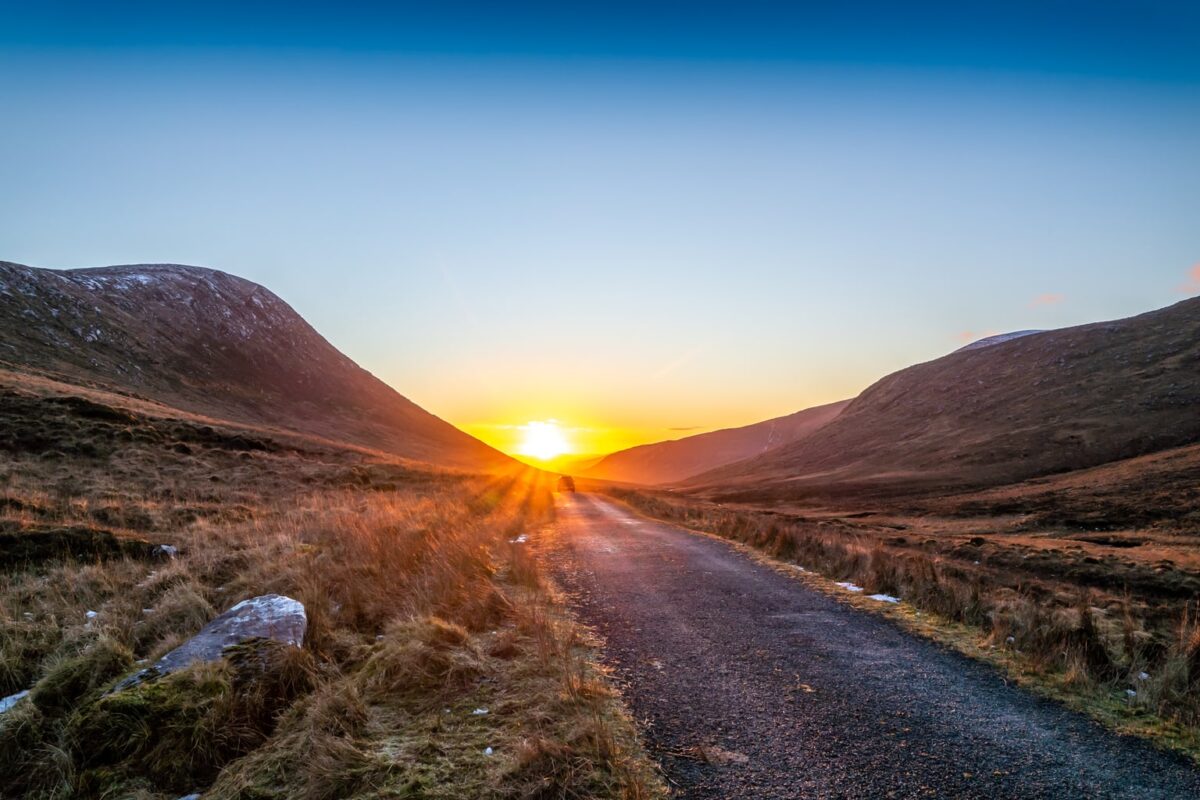
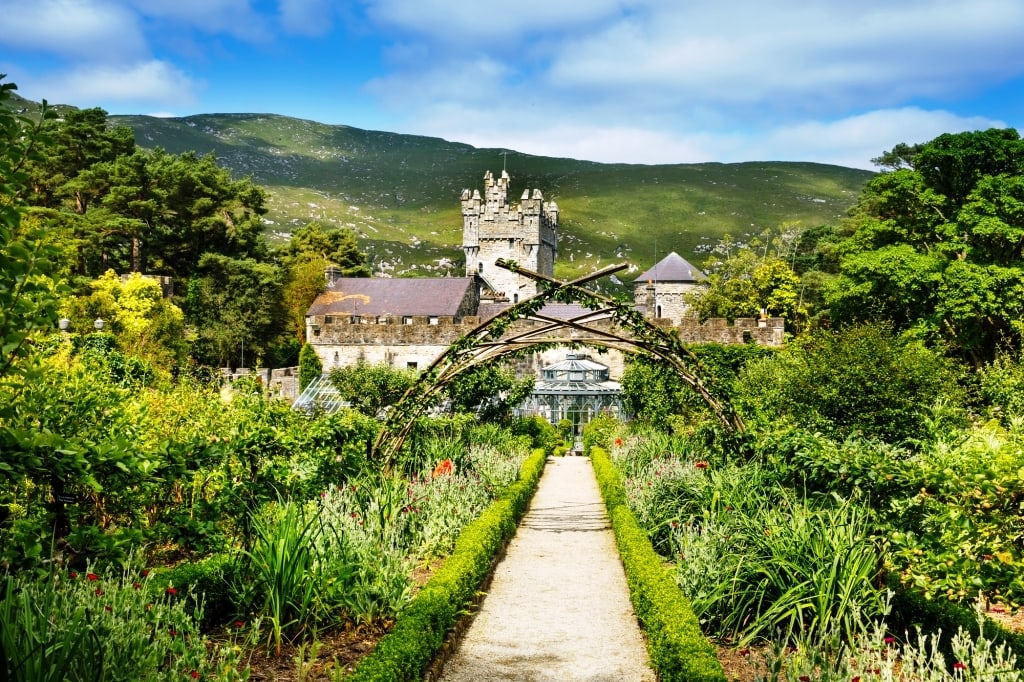
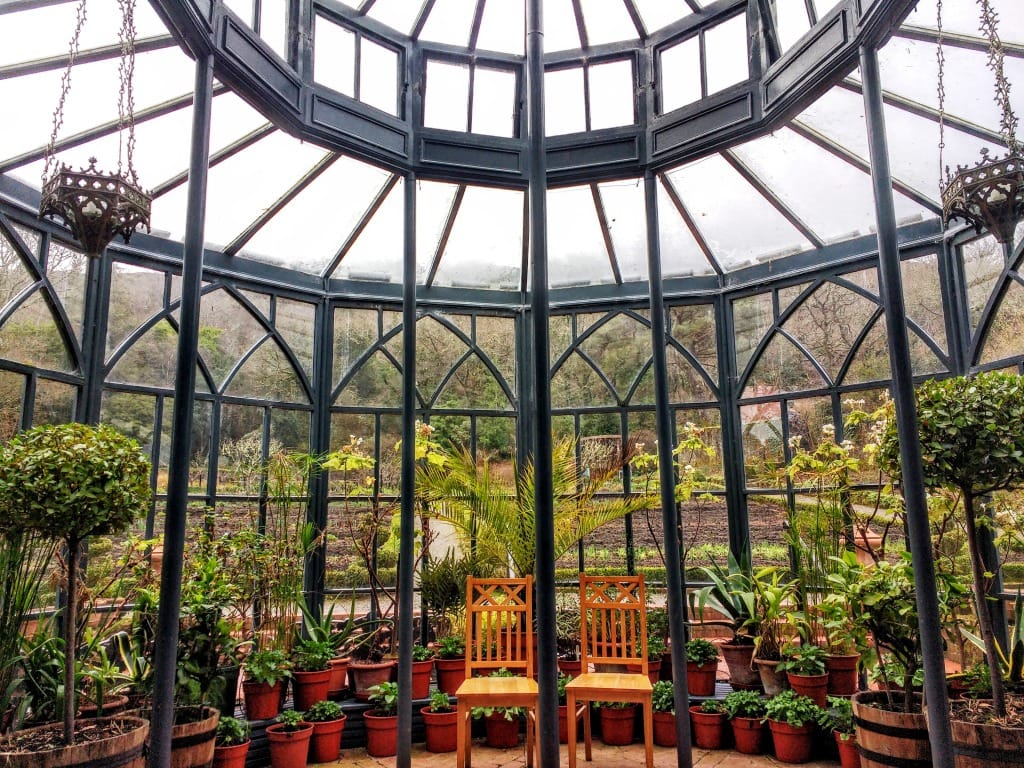
The drive through Glenveagh National Park remains one of my personal favorites. The roads wind through valleys, lakes, and mountains that feel almost untouched. On quiet mornings, especially outside peak summer months, you can stop repeatedly without crowds or pressure. The visitor centre has accessible facilities, and the gardens around Glenveagh Castle are manageable at a gentle pace.
The Inishowen Peninsula is another excellent region for slower accessible-travel-guides-ireland-uk-europe. The roads toward Malin Head contain constant sea views, dramatic cliffs, and stopping points where you can simply sit and watch the Atlantic. Some of the Star Wars filming locations around Inishowen are surprisingly accessible because they can largely be appreciated from roadside viewpoints rather than difficult hiking trails.

Fanad Head is ideal for travelers who enjoy lighthouse scenery without intense physical demands. The approach road itself is beautiful, and there are several places to stop safely for photographs and rest breaks.
Glencolmcille is one of those hidden gems in Donegal that offers a very different atmosphere. The village feels quieter, more reflective, and deeply tied to Donegal’s older traditions. The Folk Village itself includes uneven surfaces in places, but the setting, scenery, and slower pace make it worthwhile even if you simply explore portions comfortably rather than trying to see everything.

Accessible Slieve League vs Cliffs of Moher for Limited Mobility
I often tell travelers with limited mobility that Slieve League can actually work better than the Cliffs of Moher depending on expectations and timing.
The Cliffs of Moher are more developed commercially, but they are also significantly busier. Crowds create constant movement, noise, congestion, and fatigue. Parking can become stressful. The pathways become tiring simply because you are navigating around people continuously.
Slieve League feels calmer and more spacious. For slower travelers and seniors, that difference matters enormously.
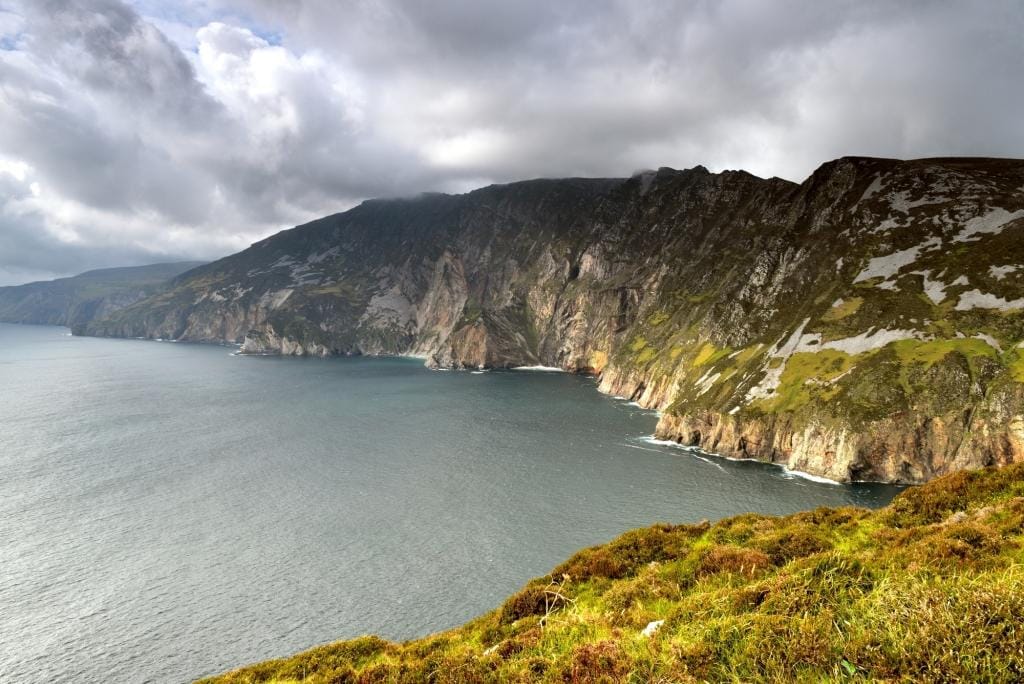
You can experience extraordinary Atlantic cliff scenery at Slieve League without necessarily attempting demanding cliff walks. The lower viewing areas already provide dramatic scenery. If mobility is limited, the key is avoiding the pressure to “complete” the destination like hikers do.

The main viewing platform at the upper car park is wheelchair accessible, providing a high-impact experience with minimal walking. To reach it, you can drive past the sheep gate to the small upper car park directly beside the platform, though this road is narrow. Alternatively, a shuttle bus runs from the Slieve League Visitor Centre to the viewpoint during peak summer months. During the winter months you can drive up through the sheep gate to the small upper car park – do not forget to close the sheep gate.
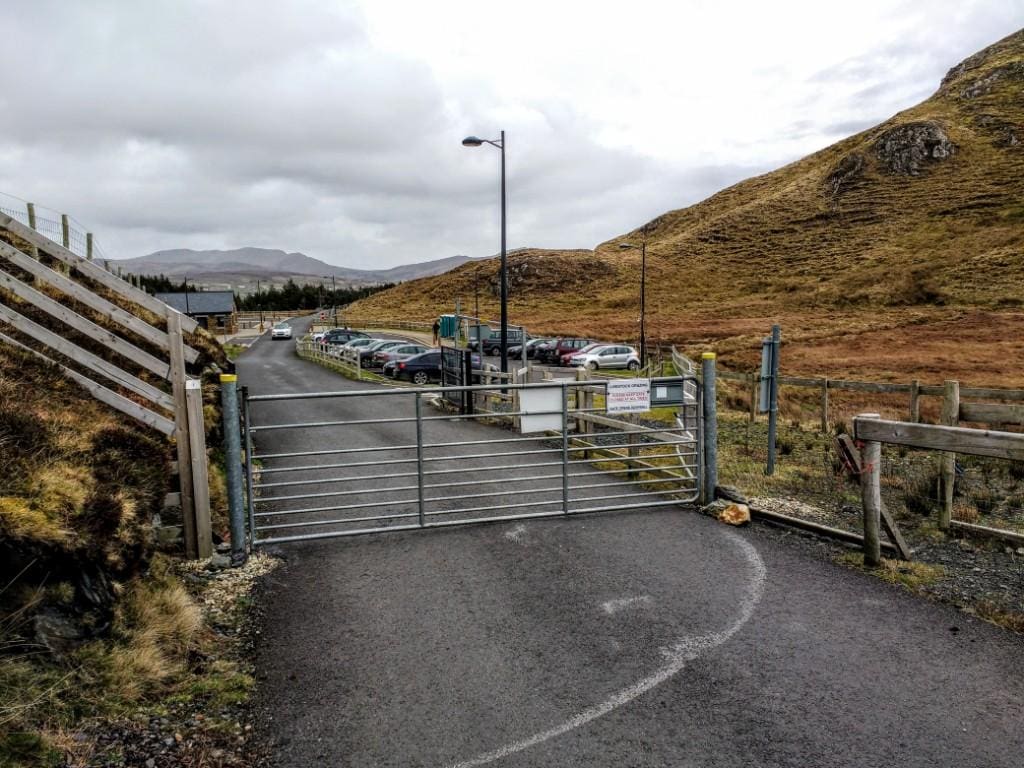
Weather matters here more than walking distance. On windy or wet days, even short walks become exhausting. I always advise travelers to judge the conditions honestly rather than focusing on distance alone.
Personally, I find Slieve League emotionally more rewarding because the scenery feels wilder, quieter, and less commercialized. You spend more time actually absorbing the landscape rather than navigating crowds.

Accessible Beaches in Donegal for Seniors and Wheelchair Users
Donegal has some of the most beautiful beaches in Ireland, and many can still be enjoyed without long walks.
Marble Hill is one of the easiest beaches for accessibility because parking sits relatively close to the sand and the surrounding scenery is gentle and open. On quieter days, it is a wonderful place simply to sit with the sea air and watch the Atlantic.
Rossnowlagh works particularly well for slower travelers because the beach is broad, open, and visually accessible even if mobility is limited. You can appreciate the scenery without needing to walk far.

Culdaff Beach in Inishowen is another favorite for calmer accessible coastal scenery. The atmosphere tends to feel less hectic than beaches farther south in Ireland.
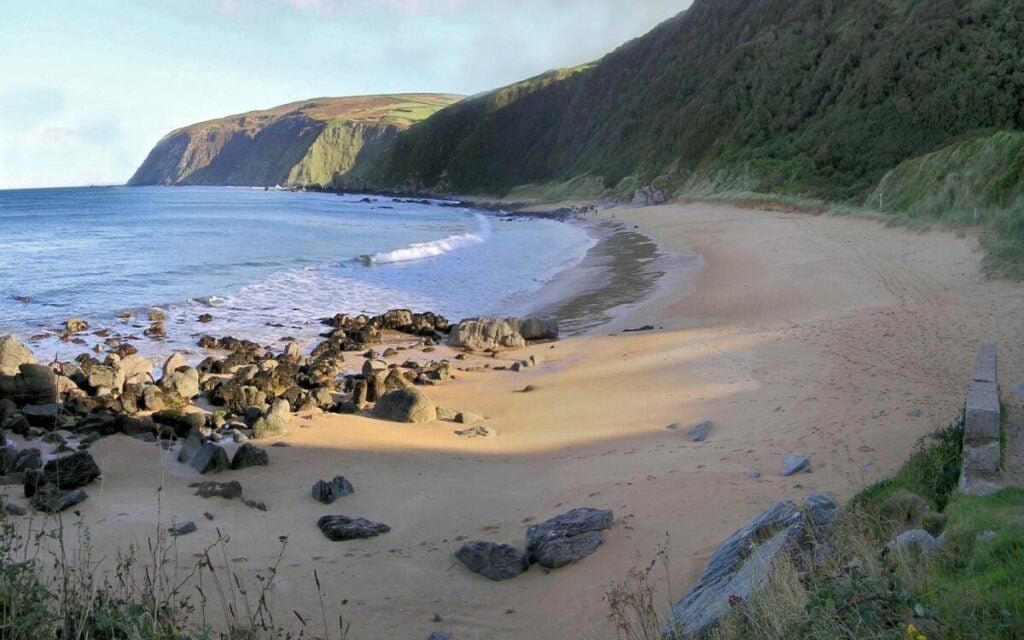
Murder Hole Beach is often promoted online but is not suitable for most travelers with mobility limitations due to steep and uneven access.
This is something many guides fail to explain properly. Donegal beaches vary enormously in accessibility. A famous Instagram location does not necessarily translate into a realistic experience for slower travelers.
Accessible Attractions in Donegal Worth Seeing
Glenveagh National Park remains one of the strongest accessible attractions in Donegal because it combines scenery, facilities, manageable pacing, and flexibility. You can choose how much energy to use without missing the essence of the experience. There are many walks but there is a shuttle bus up to Glenveagh Castle that is wheelchair accessible.
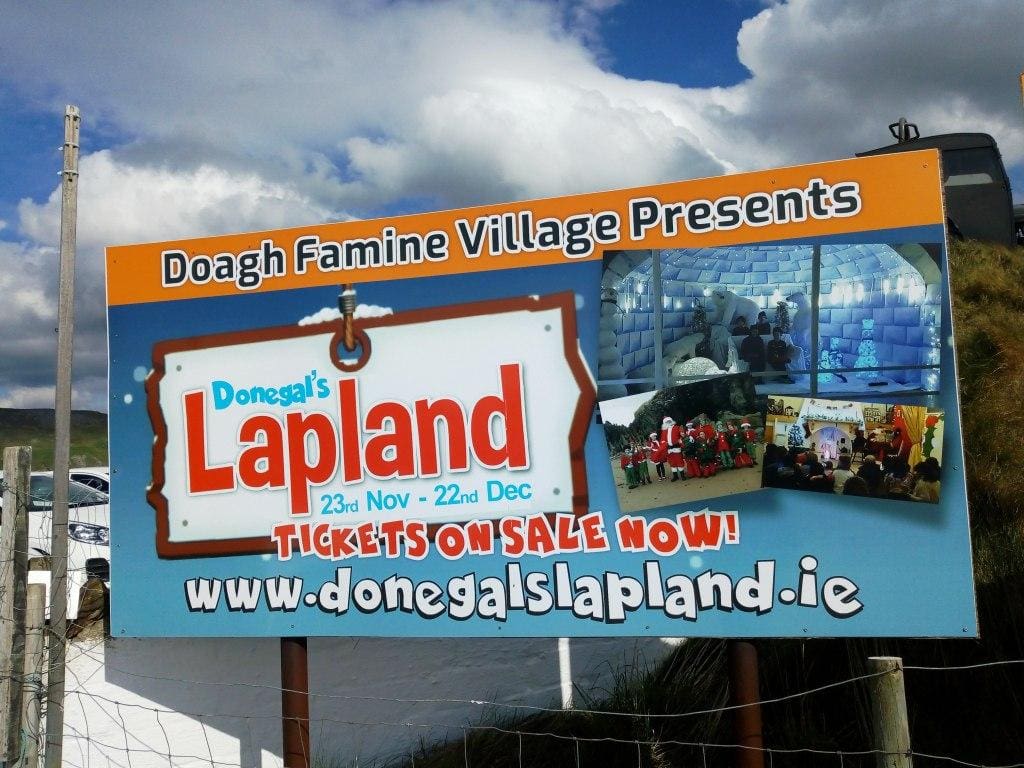
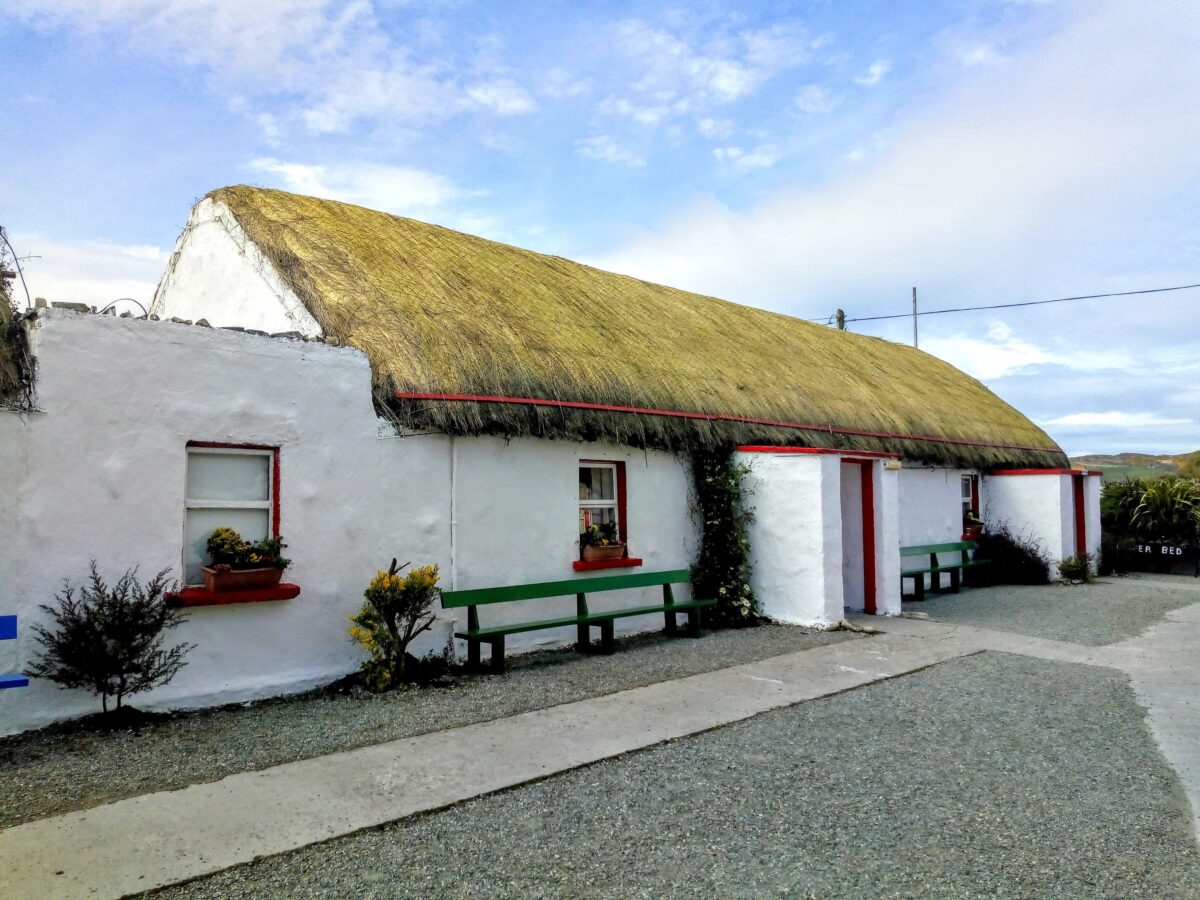
The Doagh Famine Village in Inishowen is much cheesier than many visitors expect, but honestly, that is part of its charm. I have brought slower travelers there who enjoyed it far more than formal museums because it feels eccentric, conversational, and human rather than polished and overwhelming. Surfaces vary and some areas require caution, but it remains a memorable stop.
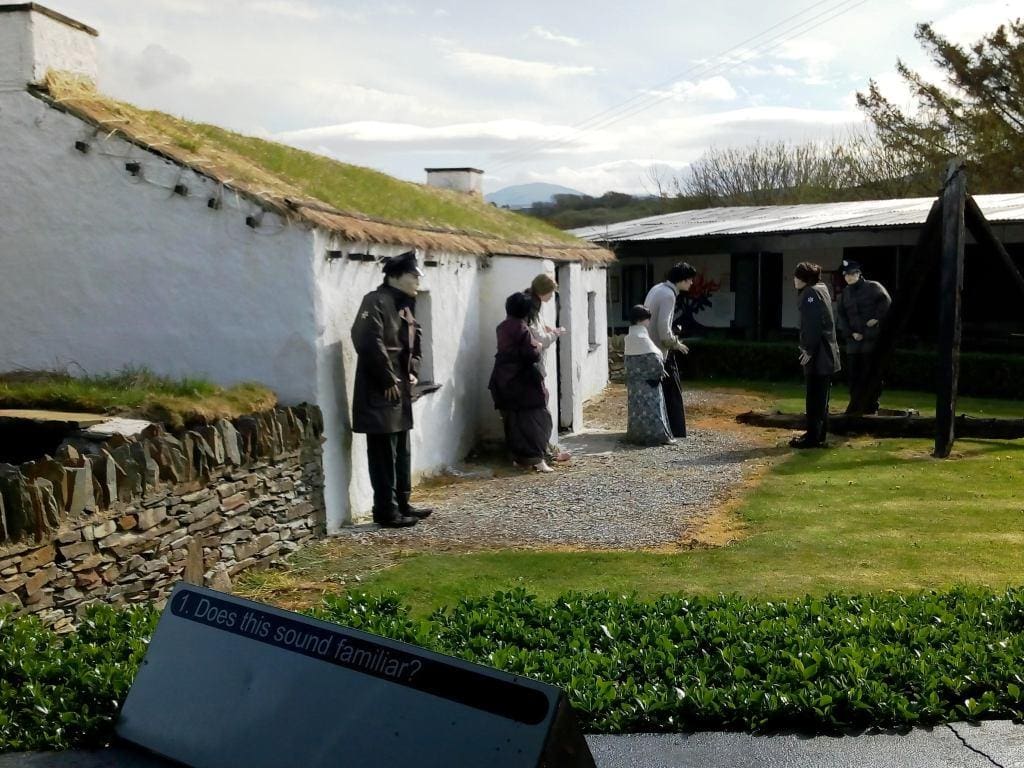
Glencolmcille Folk Village offers insight into traditional Donegal life in a setting surrounded by mountains and coastline. The atmosphere matters as much as the exhibits. Even if mobility limits how much you explore physically, simply spending time in Glencolmcille itself is worthwhile.


Malin Head is one of the easiest dramatic landscapes in Ireland to appreciate with limited mobility because the scenery unfolds close to parking areas and roadside viewpoints.


Donegal Castle in Donegal Town has partial accessibility limitations due to its historic structure, but the surrounding town works well for slower-paced exploration with plenty of great restauarants cafés and manageable distances.
Donegal Road Trip Accessibility and Driving Realities
A Donegal road trip accessibility depends heavily on pacing. This county is much larger than many visitors realize. Distances that appear short on maps often take far longer because roads are winding, narrow, and exposed to weather.
The biggest mistake people make is trying to “cover Donegal” too quickly.
I strongly recommend choosing one region at a time:
Inishowen,
west Donegal,
or south Donegal.
Trying to combine everything in a few days creates exhaustion very quickly. For travelers with limited mobility, automatic rental cars are enormously helpful. A higher seating position also reduces fatigue during long scenic drives.
Plan fewer stops than you think you need. Some of the best moments happen unexpectedly when you pull over at a quiet viewpoint and simply stay there longer than planned.

Parking Information for accessible-travel-guides-ireland-uk-europe in Donegal
Parking logistics matter enormously in Donegal because accessible infrastructure varies significantly depending on location.
In Letterkenny and Donegal Town, public car parks generally provide disabled spaces close to central areas, though busy summer afternoons can still make parking stressful.
At Glenveagh National Park, accessible parking is available near the visitor centre, which makes the experience significantly easier than many national park attractions elsewhere in Ireland.
At Slieve League, parking arrangements can change seasonally. Arriving early in the day is one of the best ways to reduce physical strain because later crowds create longer walking distances and more chaotic movement.
While the Cliffs of Moher draw larger crowds with their paved, hotel-backed pathways, Slieve League offers a wilder, more dramatic and for some, more intimidating experience, raising the common question: is Slieve League dangerous? To learn more, read my articles here: Is Slieve League Dangerous? and Slieve League vs Cliffs of Moher.
Many beaches such as Rossnowlagh and Marble Hill have parking relatively close to accessible viewing areas.
In smaller villages such as Ardara and Glencolmcille, parking is often informal but easier than major tourist destinations because traffic levels remain lower.


One practical reality visitors rarely consider is how weather impacts parking surfaces. Gravel, mud, and puddles become genuine accessibility concerns after Atlantic rain. Waterproof footwear and extra time matter more here than many guidebooks acknowledge.
Transportation in Donegal for Travelers With Limited Mobility
Public transportation in Donegal exists, but realistically, this is one of the hardest counties in Ireland to explore without a car if mobility is limited.
Bus services connect major towns including Letterkenny, Donegal Town, Ballyshannon, and Buncrana, but rural attractions often remain difficult to reach independently.
TFI Local Link in Donegal is wheelchair accessible and open to tourists, with approximately 90% of its services able to accommodate wheelchairs and buggies, many buses feature low floors and ramps. To guarantee availability, it is highly recommended to pre-book wheelchair spaces by calling the Local Link Donegal office directly.
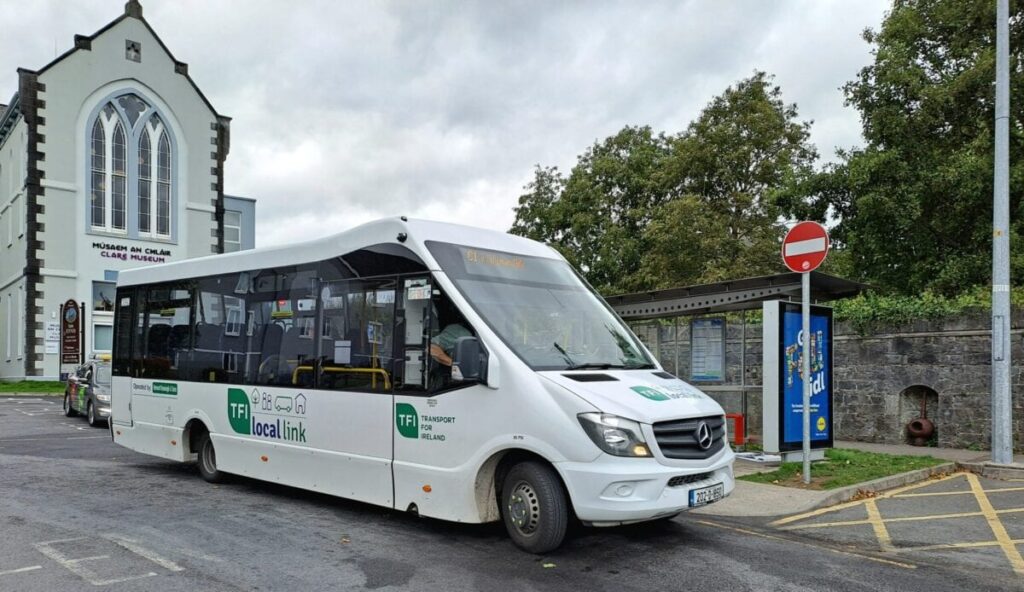
TFI Local Link offers extensive rural routes linking villages such as Burtonport, Keadue, Kincasslagh, and Malin Head. These services are designed for connectivity with national transport networks.
For wheelchair users or seniors, taxis become extremely important. In smaller towns, pre-booking is essential because availability is far more limited than Dublin or Belfast.
Irish Rail does not extend into Donegal, which surprises many international visitors. Most travelers arrive by bus or rental car from Dublin, Belfast, or Sligo. Sligo is another County that is bypassed by many tourists but if you get the chance you should explore its many attractions.

Personally, I believe Donegal works best as a self-drive destination for slower travelers because flexibility becomes part of accessibility itself. Being able to stop, rest, change plans, avoid weather, or shorten the day makes an enormous difference physically and emotionally.
Accessible Accommodation in Donegal
Accommodation choice matters more in Donegal than many visitors expect. I strongly recommend avoiding isolated rural accommodation unless you genuinely want complete quiet. Beautiful remote cottages can become exhausting if every meal, shop, or attraction requires lengthy driving afterward. The Lough Eske Castle hotel is wheelchair accessible and it a beautiful place to stay in the area if you have a car.
Donegal Town works well as a base because restaurants, pubs, parking, and attractions cluster relatively close together.
Accommodation ranges from castle‑quiet to budget‑calm, with options that favour comfort and ease. These are the locations that I highly recommend.


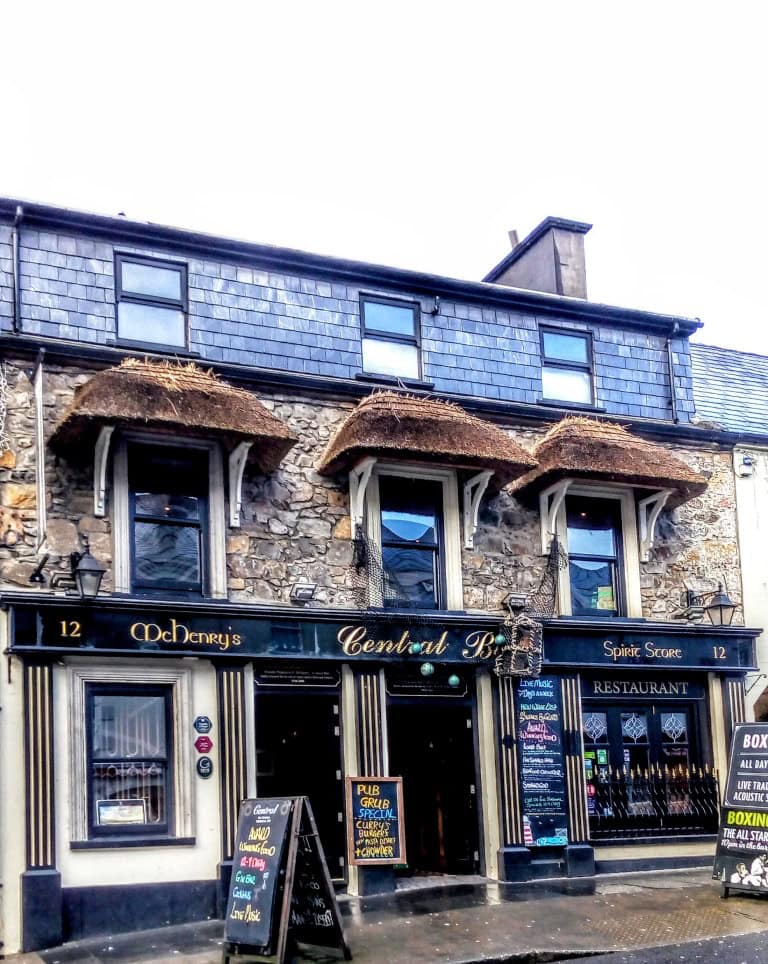
Lough Eske Castle is restorative between outings, with woodland to wander and quiet rooms for a real break. Mill Park offers lifts, leisure facilities, and an easy drive into town.
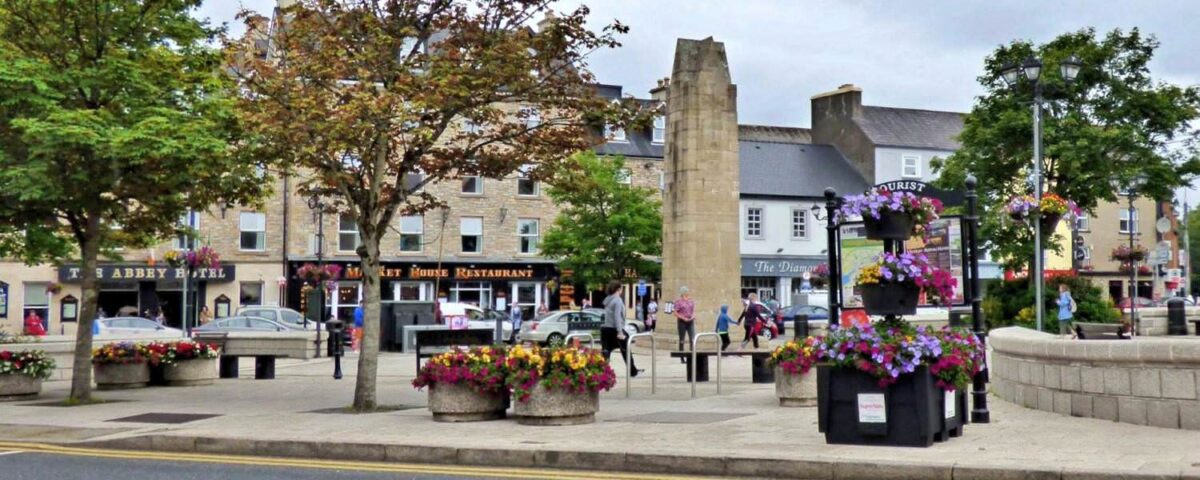
For value, Gateway Lodge’s refurbished rooms and on‑site restaurant make turn‑in days simple. If you want to be in the thick of everything choose the Abbey Hotel right on the Diamond which also has some of Donegal town’s great bars. Harvey’s Point in the Bluestack Mountains just outside town makes a great romantic stay.
Letterkenny provides practical accessibility advantages including medical services, larger hotels, shopping, and flatter movement around parts of town. In my personal opinion while Letterkenny is great for some attractions it is pretty much a shopping town for most of us in Donegal.
For scenic slower travel, Dunfanaghy and Ardara make excellent smaller bases because they allow shorter day trips without constantly repacking.
Always contact accommodation directly regarding:
lift access,
walk-in showers,
ground-floor rooms,
accessible parking,
and entrance gradients.
Irish accessibility descriptions can sometimes be overly optimistic, so direct confirmation matters.
What Most Guides Miss About Accessible Donegal
Most travel guides underestimate how physically tiring Atlantic weather becomes.
Why Atlantic Weather Matters More Than Walking Distance
In Donegal, weather changes accessibility more than mileage does. A ten-minute walk in calm sunshine can feel easy, while the exact same path becomes exhausting during Atlantic wind and rain. Strong coastal gusts create balance issues, cold increases stiffness and fatigue, and wet surfaces slow movement dramatically.
I have seen travelers comfortably explore Glenveagh one day and struggle with a simple coastal viewpoint the next because weather conditions changed completely overnight.
This is why flexibility matters so much in Donegal. Do not overcommit to rigid itineraries. Build weather backup plans and accept slower days when conditions deteriorate.
Why Crowds Create Fatigue Faster Than Terrain
Many people assume physical terrain is the biggest accessibility issue, but crowds are often far more exhausting.
Busy attractions require constant stopping, sidestepping, waiting, and navigation. That repetitive movement drains energy surprisingly quickly for seniors and travelers with mobility limitations.
This is one reason I often prefer Donegal to more famous Irish tourist regions. Even in summer, many areas still feel spacious and calm.
At Slieve League, Glenveagh, or Malin Head, the emotional experience changes completely when you arrive early and avoid peak crowds. The body relaxes. Movement becomes easier. You spend less energy reacting constantly to other people.
Why Slower Travelers Often Enjoy Donegal More
Donegal rewards slower travel more than almost anywhere else in Ireland.
The county is not really about ticking attractions off a list. It is about atmosphere, silence, scenery, changing light, conversations in cafés, roadside stops, and long views over the Atlantic.
Travelers who rush often leave disappointed because they spend most of the trip driving.
Slower travelers notice the details:
clouds moving across mountains,
empty beaches at sunset,
music drifting from pubs,
sheep blocking roads,
or the sudden appearance of golden evening light over the coast.
Personally, my best memories of Donegal rarely involve major attractions at all.
The Hidden Exhaustion of Irish Coastal Driving
Irish coastal driving looks romantic online, but many visitors underestimate how tiring it becomes physically.
Donegal roads demand concentration. They are winding, narrow, exposed to weather, and often lack shoulders. Even experienced drivers become mentally fatigued after several hours.
For travelers with limited mobility, this matters enormously because driving fatigue often appears before physical fatigue does.
I always advise shorter driving days than people initially plan. Two or three scenic areas per day is usually enough.
Donegal becomes far more enjoyable when you stop trying to “cover ground” and instead allow yourself to experience the landscape properly.
FAQs About Accessible Donegal Travel
Is Donegal suitable for wheelchair users?
Parts of Donegal are very manageable for wheelchair users, especially scenic drives, Glenveagh National Park, Donegal Town, and many coastal viewpoints. Accessibility varies significantly depending on terrain and weather.
If you have mobility issues I highly recommend renting a car it is the easiest and least time consuming way to get around the County.
Is Donegal good for seniors?
Yes. Donegal works extremely well for seniors who prefer slower-paced travel, scenic drives, quieter destinations, and shorter walking days.
Do you need a car in Donegal?
Realistically, yes. Public transportation is limited for reaching many scenic attractions, especially for travelers with mobility limitations.
Is Slieve League accessible?
Partially. Lower viewing areas are accessible for many travelers, but upper cliff walks are physically demanding and weather dependent.
What are the best accessible beaches in Donegal?
Rossnowlagh, Marble Hill, and Culdaff are among the best options for accessible beach scenery and manageable access.
What is the best base for accessible Donegal travel?
Donegal Town, Letterkenny, Ardara, and Dunfanaghy all work well depending on whether you prioritize convenience, scenery, or slower pacing.
Final Thoughts on Accessible Donegal Travel
Accessible Donegal is not about rushing between attractions or forcing ambitious itineraries. It is about realistic pacing, strategic driving, flexible planning, and understanding that some of Ireland’s finest scenery requires surprisingly little physical effort to enjoy.
For wheelchair users, seniors, slower travelers, and anyone seeking calmer experiences, Donegal offers something increasingly rare in modern travel: space to breathe, stop, rest, and simply experience the landscape without constant pressure to move.
If you have mobility issues here is a selection of posts that may be of help to you:
Bookmark these hubs for updates and dive into the detailed guides to build an itinerary that fits your energy, comfort, and interests.
➡️Accessible Historical sites in the UK
Start Planning Your Trip
👉 Public Transportation in Ireland
👉 Hidden Gems in Ireland – 32 Secret places to visit
👉 Answering all your travel questions about Ireland
👉What to pack for your Ireland trip
👉 Northern Ireland Public Transportation
Exploring the fascinating regions of Ireland
Ireland’s The Wild Atlantic Way
Bookmark this Accessible Ireland hub for updates and dive into the detailed guides to build an itinerary that fits your energy, comfort, and interests.