
Lough Eske Castle Hotel, Donegal: a restored ruin with stories in its stones
We first came upon Lough Eske Castle more than twenty years ago, when it was still a skeletal silhouette among trees on the shore of the lake. Friends led us up a forest path where wind moved through old oaks and elm, and the sun pushed through empty window frames to stripe the stone floors with light.

On the way, a small graveyard appeared walled, railed, and guarded by a massive Celtic cross. The double gates carried two plaques: one with a pelican, symbol of mortality, and the warning “Beware in Time”; the other inscribed “Virtus Semper Vincit” Virtue Always Conquers. General George (Henry) White, who bought the estate in 1884, lies there, proof of how deeply this place roots itself in people.

Lough Eske Castle Location and how to get there
Getting there is straightforward if you have wheels: the castle sits about six kilometres from Donegal Town, and the drive from Dublin Airport takes roughly three‑and‑a‑half to four hours; from Shannon, around three to three‑and‑a‑half, depending on traffic and route.
There’s no dedicated hotel shuttle; most guests either rent a car and drive themselves or arrange a private chauffeur through the hotel. Public transport will bring you to Donegal Town (Bus Éireann services run from Dublin and elsewhere), and from there it’s a nine‑ or ten‑minute taxi to the castle typically €12–€17 with local firms. You can walk it in just over an hour, but the roads are narrow and unlit after dark.
Local tip: public transportation here is minimal and trying to see Donegal without a car can be very difficult.
Back then, trees grew inside the courtyard, and crumbling steps led into rooms open to the weather; rhododendrons spilled over the lawns and wildflowers laced the grass. You could stand beneath the tower, cast your mind back, and almost hear a household at work.
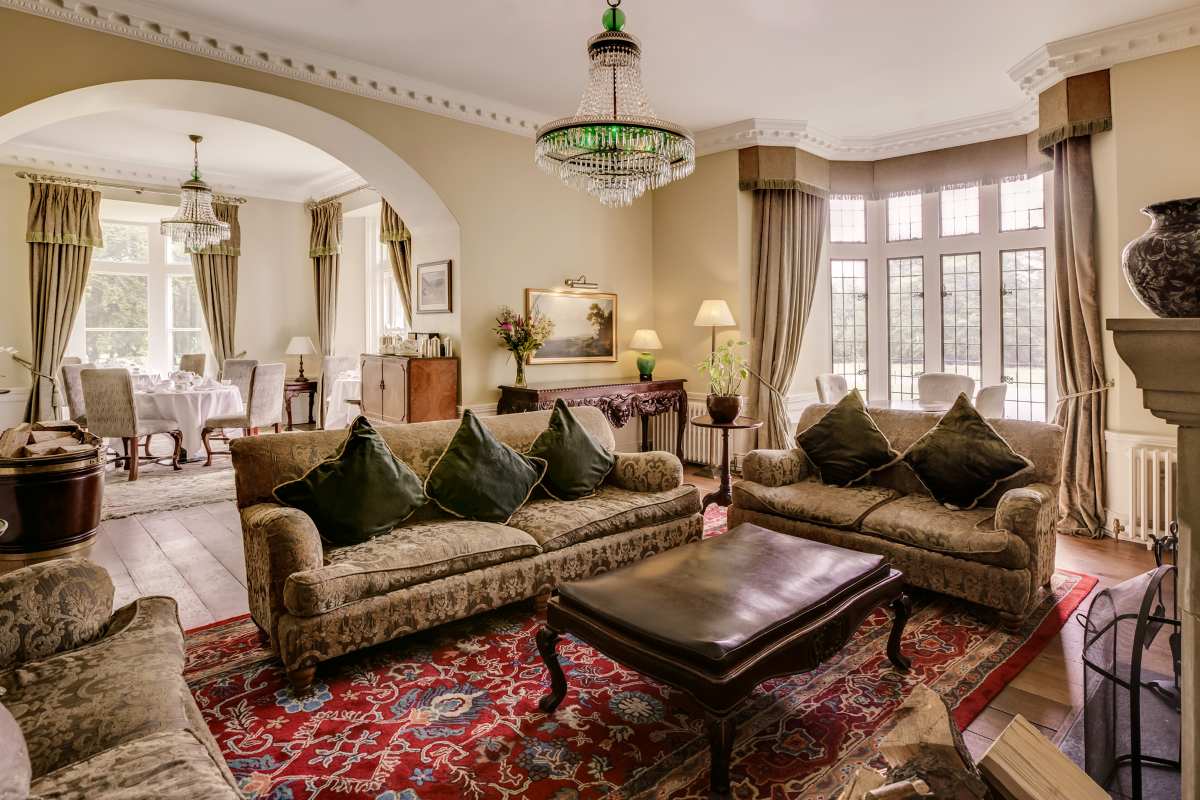
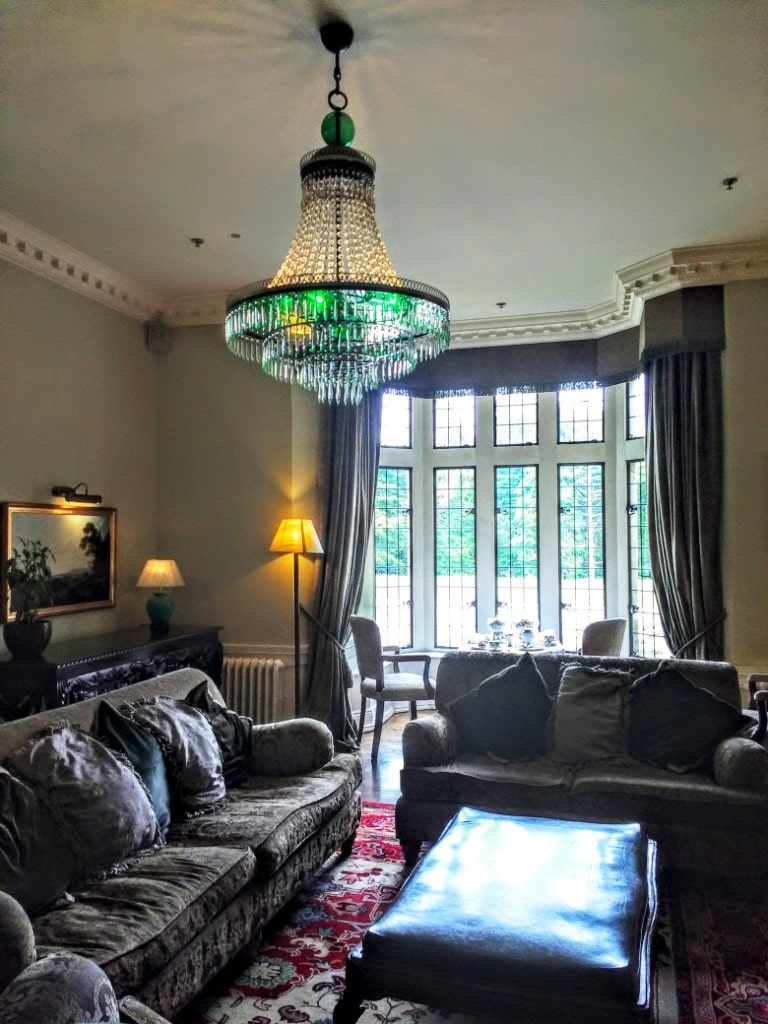
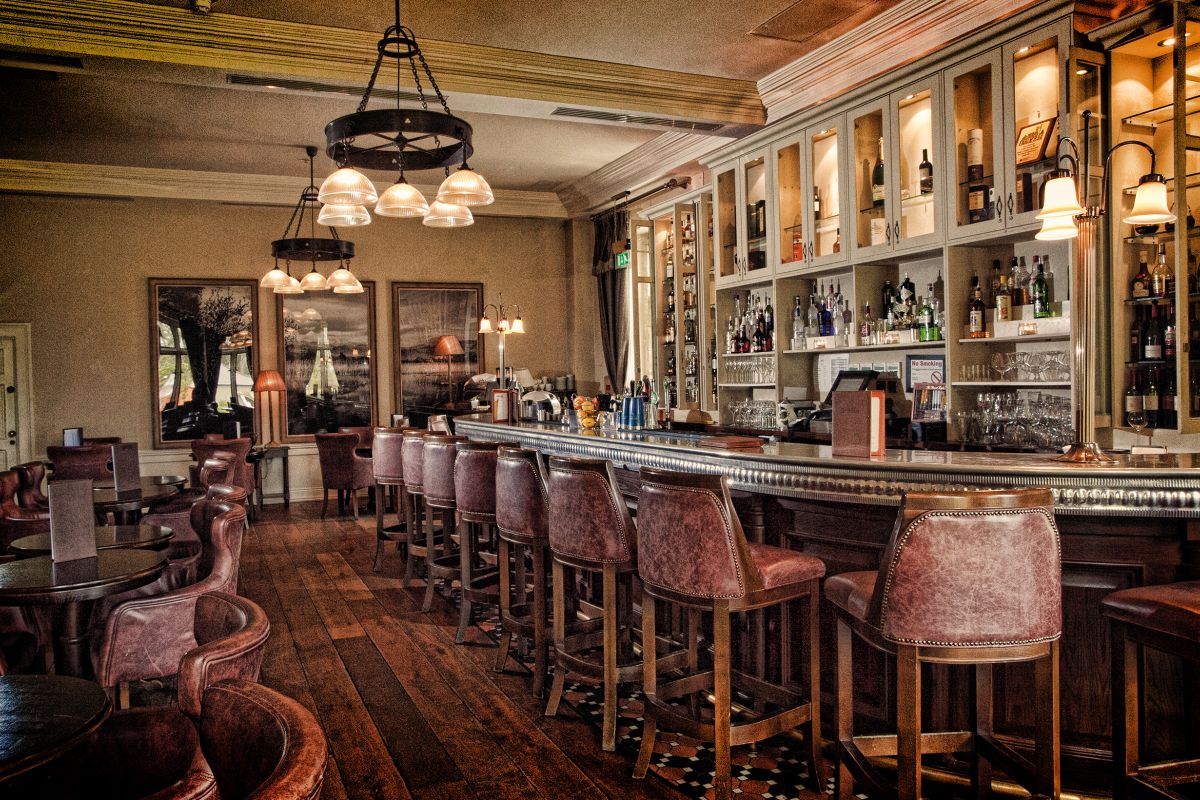
When we returned after restoration, the transformation was startling: the baronial façade reinstated the interiors warm with wood and stone, and the quiet of the forest still intact. The glass‑roofed pool looks across the grounds; evenings drift into dinner at Cedars seafood from Killybegs and seasonal Donegal produce then a nightcap by the fire in Father Browne’s Bar while the lake darkens outside.

Lough Eske Castle History: The Castle’s Past: O’Donnells, Fire & Restoration
The estate’s story reaches back to the late 1400s, when the O’Donnell family held sway around Donegal Town and Lough Eske. A 1621 date stone still survives on the grounds. In the nineteenth century a new baronial house rose on the site of the Brooke mansion; later, the castle briefly welcomed guests in the 1930s until a fire said to have begun with a candle gutted the ballroom wing.
The decades that followed were hard on the house: under owners more interested in forestry than architecture, the building slipped into dereliction. It wasn’t until 2007 that a comprehensive restoration brought the ruin back to life as a five‑star retreat, the original silhouette married to contemporary comforts. Staying here is as much about the setting as the service. The castle sits on forty‑three acres of woodland at the foot of the Bluestacks, six kilometres from Donegal Town.
Lough Eske Castle Restaurant, Rooms and Spa
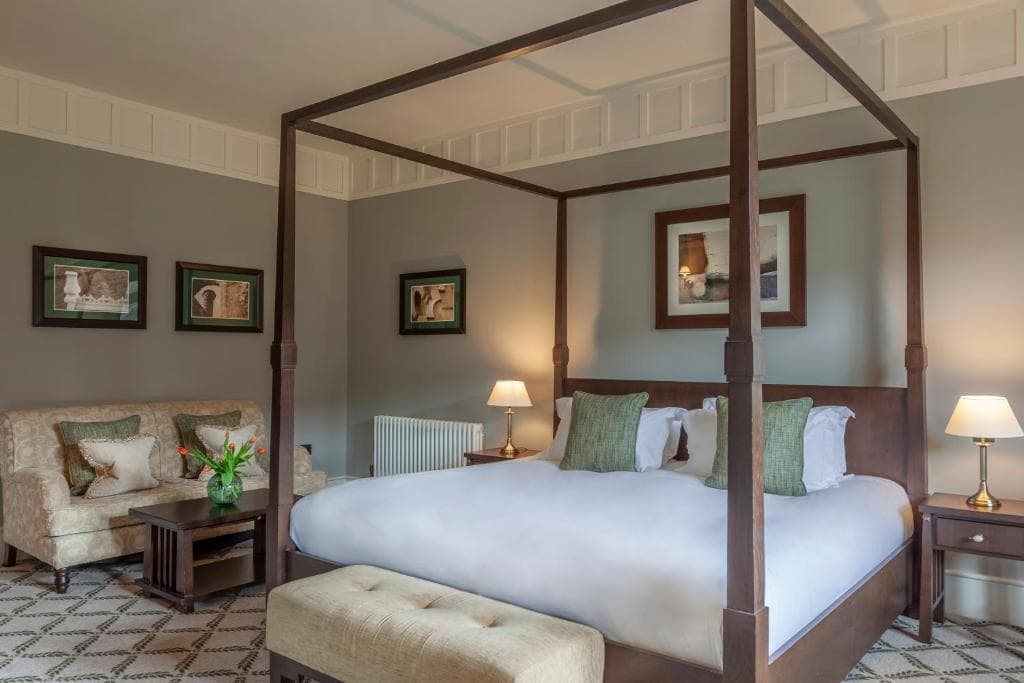
Rooms are generous, with marble‑clad bathrooms and oak furnishings; robes and slippers await at the end of a day wandering forest paths or driving the coast. The Cara Organic Beauty & Spa gathers steam room and sauna beneath soft light; the pool, housed beneath a glass atrium, draws your gaze back to the trees.
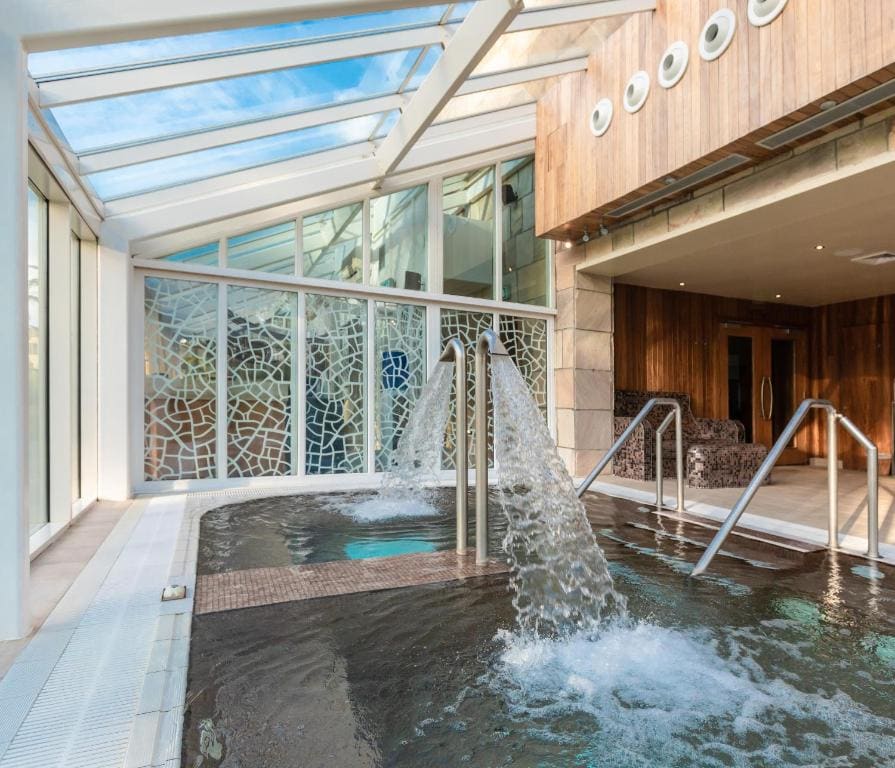
Awards followed the restoration several “World’s Best Luxury Country Hotel” titles in the early 2010sand while accolades come and go, the appeal is simpler: quiet, comfort, and a strong sense of place.
At Cedars Restaurant, dinner feels rooted in Donegal: seasonal menus lean into Atlantic seafood from Killybegs, dry‑aged Irish beef, and garden vegetables, plated with just enough polish to let the ingredients speak. On fine evenings, the terrace looks past the lawns to the trees; inside, warm wood and low light make a long meal feel inevitable.
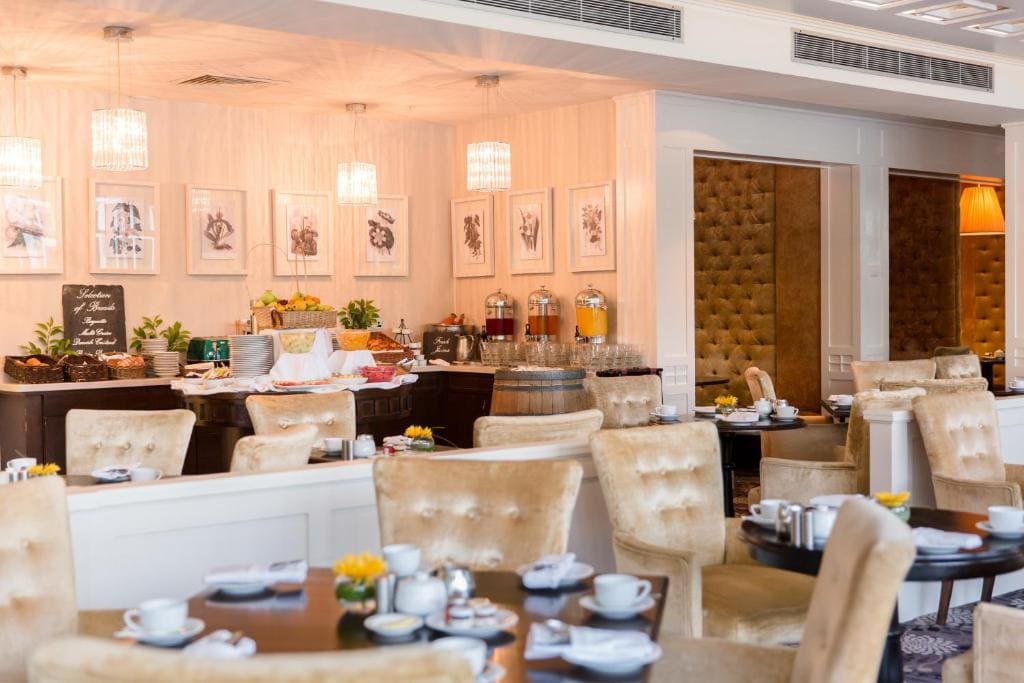
Earlier or later, the mood shifts to the bars the Gallery for light bites and a pint after a walk, and Father Browne’s Bar for something slower: a snug of leather and stone, a deep Irish whiskey list, classic cocktails done cleanly, and staff who’ll steer you to a single malt or a local gin without fuss.
Practicalities fold easily into the romance. Rates have typically started around €350 for a standard room with breakfast and fitness access on recent checks; packages sometimes bundle dinner and spa treatments. Prices move with season and demand, so confirm current offers directly. A rental car is your friend in Donegal: the best beaches, glens, and viewpoints don’t cluster around bus routes, and the hotel’s six‑kilometre distance from town feels longer on a wet night if you’re relying on taxis.
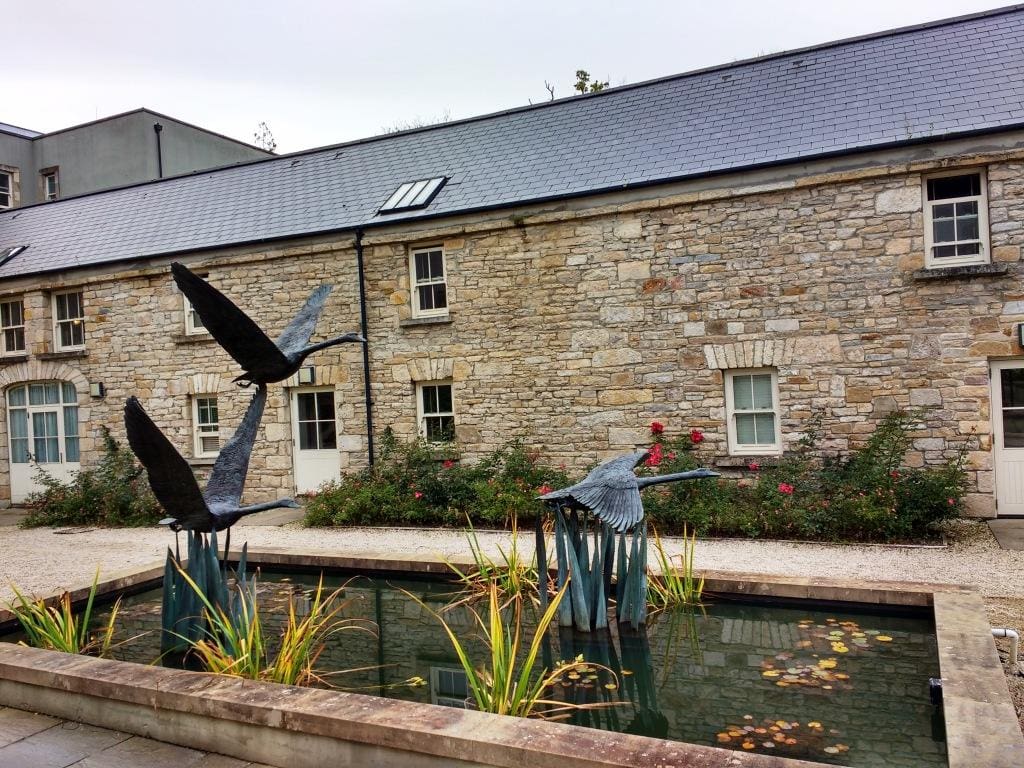
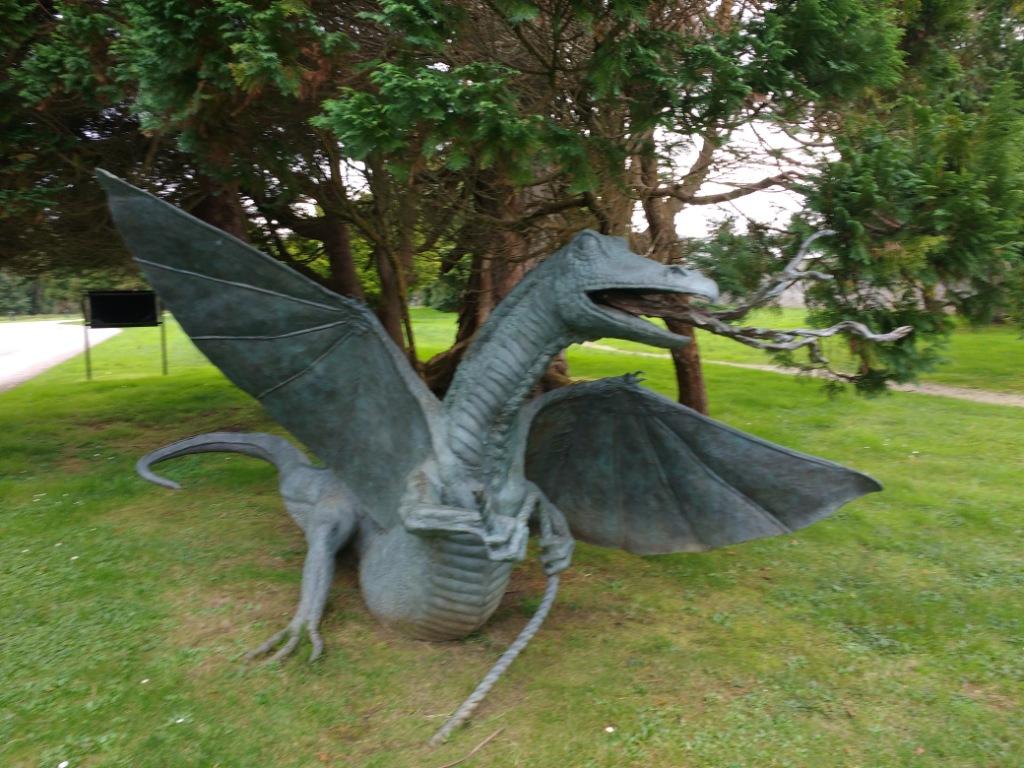
Stories & Folklore of Lough Eske
Donegal doesn’t lack for stories, and Lough Eske has gathered its share. Locals will tell you about a wooded island on the lake where the O’Donnells kept a summer retreat and so the tale goes hid treasure near a great stone hearth.

Attempts to dig, they say, were thwarted by collapsing earth and falling stones; lights have been spotted across the water on dark nights. Guests have whispered of doors opening of their own accord and voices in the turrets. Treat it all as folklore, best enjoyed by the fire with a drink in hand; the atmosphere does the rest.
History lies just beyond the hotel’s circle of light. Donegal Castle in town built by Red Hugh O’Donnell in the fifteenth centurywas once called “the largest and strongest fortress in all Ireland” by the English Lord Deputy in 1566.
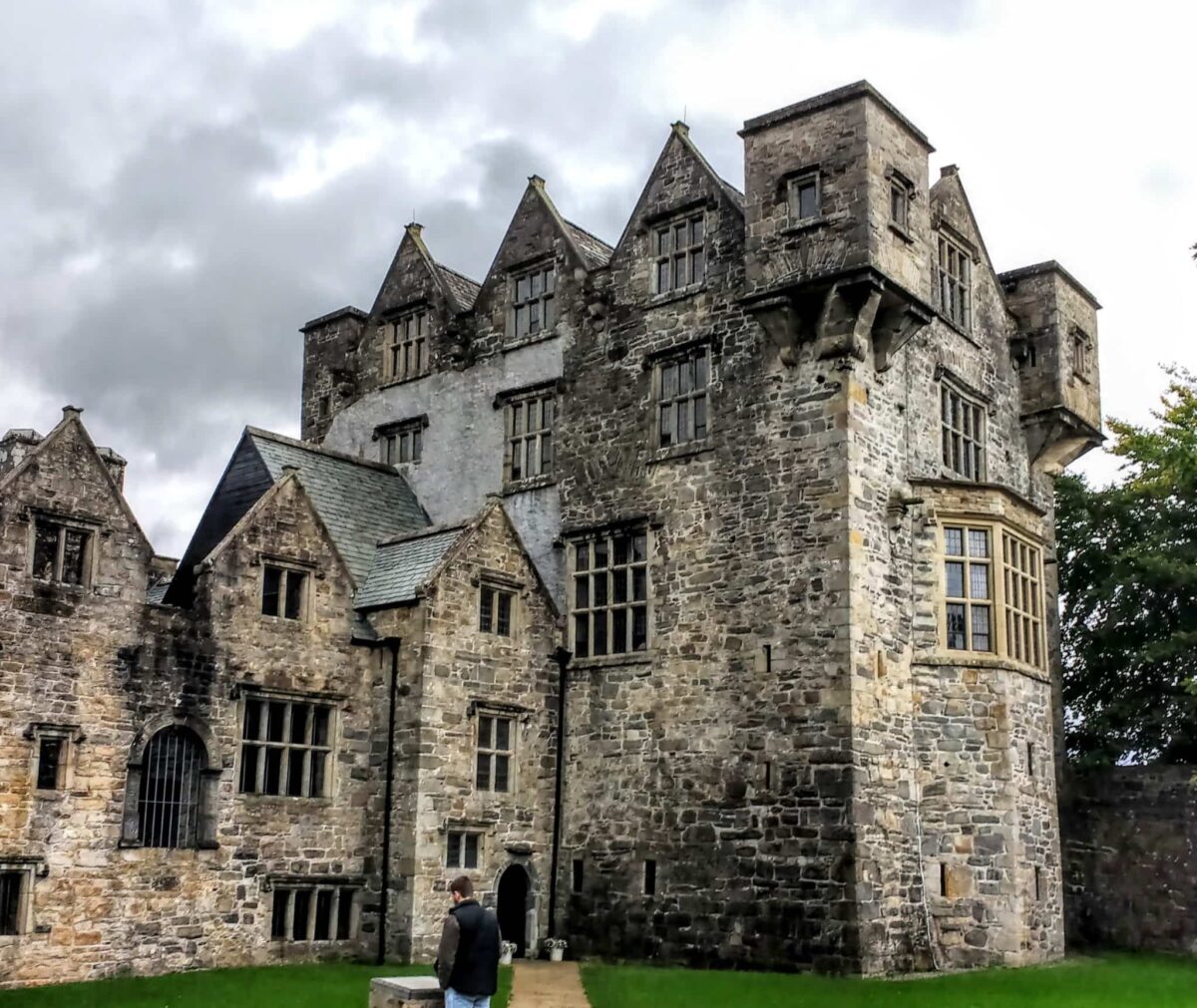
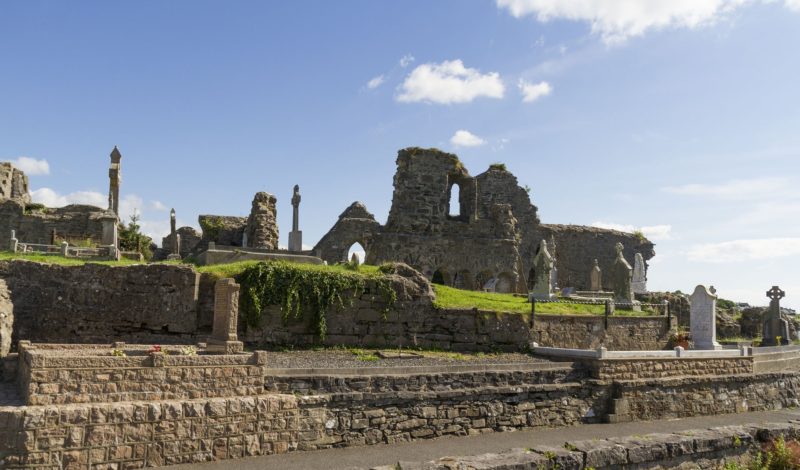
After the Flight of the Earls in 1607, power shifted; the friars of the Franciscan abbey, burned in 1601, left traces around Lough Eske in place names like Friar’s Walk and in the small grave sites said to dot the shores. Drive out through Barnesmore Gap and the mountains take over; on the coast, Killybegs rewards with fresh fish, and if the tide and weather are right, you can pick your way to the so‑called “secret waterfall” that tumbles straight into the sea.
For all its comforts, the castle isn’t a museum piece. It’s a good base: six kilometres from the restaurants and pubs of Donegal Town, fifteen minutes from Donegal Golf Club at Murvagh, and within easy reach of surf at Rossnowlagh and Bundoran. Anglers still cast on the lake (check seasons and permits), and walkers will find enough woodland and hill tracks to fill a weekend without moving the car.

When to visit
If you go in winter, you’ll trade long evenings for fireside quiet and better rates. Spring and early summer show the grounds at their best, and the terrace at Cedars catches the last of the light. Whatever the season, treat the graveyard as what it is: a burial place deserving of respect. And if you’re tempted by a torch lit walk to the lake after dinner, listen on still nights the water carries more than you expect.
We’ve visited both before and after restoration; the factual details here are drawn from on‑site materials and standard histories of Donegal and the O’Donnells. Prices and awards change check direct for current rates and recognitions but the essentials endure: a ruin reborn, a lake, a wood, and stories in the stones.
Sources
Lough Eske Castle: official information and on‑site plaques (for facilities, rates, and estate history; confirm current details directly).
National Folklore Collection (Dúchas.ie): regional legends and local lore around Lough Eske.
Heritage Ireland (Donegal Castle): historical context on the O’Donnells and Sir Henry Sidney’s 1566 description.
Donegal Bay Waterbus: “A Ghostly Tale
Local taxis (examples): Happi Cabs +353 74 971 5092; Donegal Cabs +353 87 259 9429; Brendan McBrearty +353 74 972 3420.
Private chauffeur providers (examples): DM Executive Line and similar services; typical Dublin Airport transfer duration 3h20–3h50, door‑to‑door.
Slán go fóill… until next time, may the tides lead you back
Explore More Donegal Guides
If you’re planning a trip around the county, you might also enjoy these guides:
Best time to visit Donegal – A guide to our 4 seasons in one day when visiting
Things to Do in Donegal – The county’s most spectacular landscapes and attractions
Donegal Travel Guide – Tips for exploring Ireland’s wild northwest
Donegal without a Car – Ways to explore Donegal without a car
Is Donegal worth visiting? Yes. It is wild, spacious, deeply local and unforgettable if you approach it the right way
Donegal Hidden Gems – Discover the places that only locals know
For travelers planning a slower-paced trip through the northwest, my Accessible Donegal guide covers wheelchair-friendly viewpoints, scenic drives, beaches, parking, transport, and realistic tips for visiting Donegal with limited mobility.
Start Planning Your Trip
👉 Public Transportation in Ireland
👉 Hidden Gems in Ireland – 32 Secret places to visit
👉 Answering all your travel questions about Ireland