
Accessible London Travel Guide: Wheelchair Access, Limited Mobility, and Hidden Disabilities
Is London accessible? An honest answer. Compared to many older European capitals, London is genuinely one of the more accessible large cities you can visit. Pavements are generally well-maintained, pedestrian crossings are widespread, public buses are fully wheelchair accessible, and accessible toilets are available at most major museums and attractions.

The city has also improved significantly for travelers with hidden disabilities over the past decade. Transport for London runs active accessibility schemes, major attractions offer quiet hours and companion tickets, and disability awareness is far better embedded in visitor infrastructure than it was even five years ago.
That said, London is not effortless. It is enormous. Distances between attractions that look adjacent on a map can involve far more walking than visitors anticipate. Many Underground stations still have no step-free access at all, and even accessible stations sometimes require walking the length of several football pitches to reach the right exit.
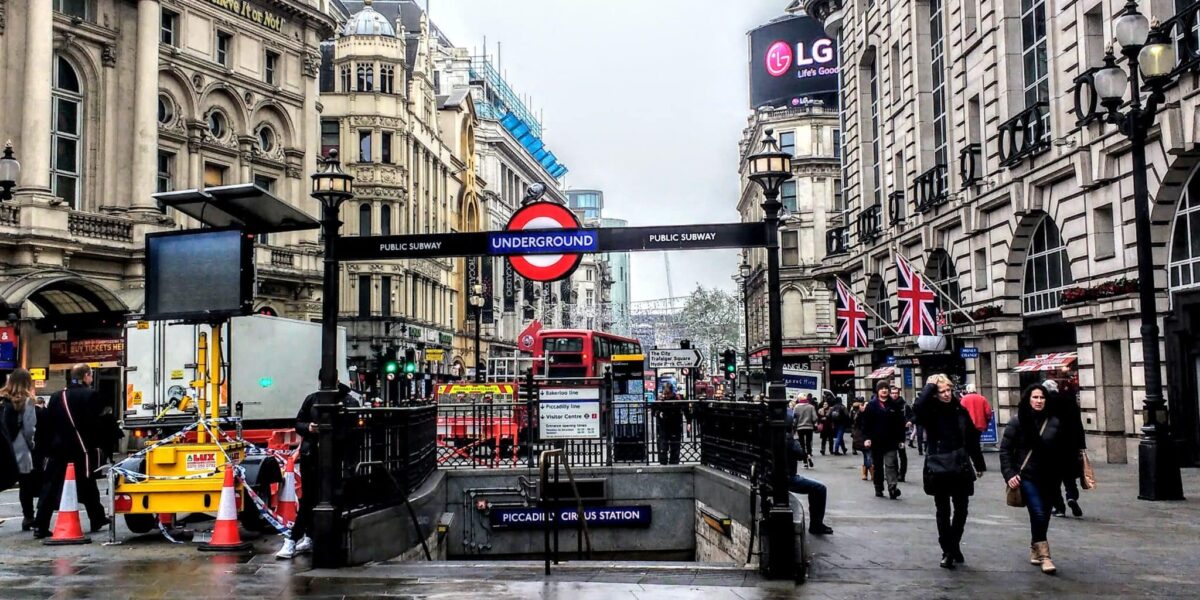
When I was managing fatigue and living in London, I learned to plan journeys around energy rather than time. A direct Tube journey that took twelve minutes might leave me exhausted for the rest of the afternoon, while a bus journey taking thirty-five minutes cost me far less. Once I made that shift optimising for energy rather than speed London became genuinely enjoyable rather than something to be endured and recovered from.
That principle is at the heart of this guide.
- Accessible London Travel Guide: Wheelchair Access, Limited Mobility, and Hidden Disabilities
- Who this guide is for
- Wheelchair accessible London: what to expect
- Step-free Tube access
- Wheelchair accessible buses
- Wheelchair accessible black cabs
- Accessible river transport
- Getting to London from the airports
- Best areas to stay in London for accessible-travel-guides-ireland-uk-europe
- Transport for accessible London travel
- Accessible London attractions
- Hidden disability support in London
- Accessible Accommodation in London
- Practical tips for accessible London travel
- Accessible London resources
- FAQs about accessible London travel
- Final thoughts on accessible London
- Explore Scenic England
Who this guide is for
This guide is written for:
- wheelchair users and travelers with limited mobility
- people with hidden disabilities, including chronic pain and fatigue conditions
- neurodivergent travelers and those with sensory sensitivities
- visitors with ME/CFS, fibromyalgia, MS, or other energy-limiting conditions
- carers, companions, and families traveling with disabled members
- slower travelers who prefer quality over quantity
It is based on thirteen years of living in London (three of those with conditions that have meant diminishing mobility and auto-immune issues) combined with regular return visits and current research into London’s accessibility infrastructure.

Wheelchair accessible London: what to expect
London has made considerable progress on wheelchair accessibility, though the picture remains uneven depending on which part of the city and which transport mode you are using.
Step-free Tube access
The London Underground has around 100 step-free stations as of 2025, out of 272 total. That figure is growing as the ongoing step-free access programme continues, but it means that roughly two thirds of Tube stations still involve stairs, escalators, or both. The Elizabeth line, which opened in 2022, is entirely step-free and runs through the heart of central London it has been a genuine improvement for wheelchair users and anyone who struggles with stairs.
Transport for London publishes a step-free Tube map which is essential planning reading before any visit. It also provides live lift status updates via the TfL website and app, which matters because lifts at accessible stations do break down and knowing in advance can save a lot of difficulty.

Wheelchair accessible buses
London’s entire bus fleet is low-floor and wheelchair accessible, with designated wheelchair spaces and audio-visual announcements on all routes. This makes the bus network one of the most reliably accessible transport options in the city. Journeys take longer than the Tube, but the boarding process is straightforward, there are no stairs or escalators to contend with, and you travel above ground, which makes navigation far easier.
Wheelchair accessible black cabs
London’s licensed black cabs are purpose-built with fold-out ramps and large passenger spaces. Most will accommodate standard and larger wheelchairs without difficulty. They are significantly more expensive than public transport but genuinely practical on higher-fatigue days or when navigating areas with limited step-free Tube access.
Pre-booking an accessible taxi through a licensed company is worth considering for airport transfers and for travel between attractions that are poorly connected by accessible Tube routes.

Accessible river transport
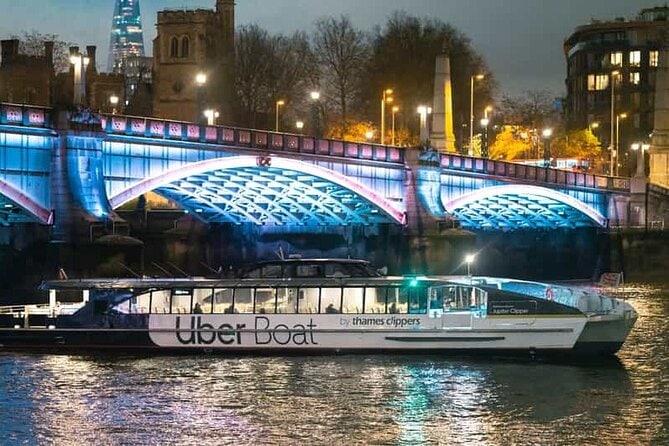
Thames Clipper river services are worth knowing about for wheelchair users. Most Uber Boat by Thames Clippers piers and vessels are accessible, and the company publishes accessibility information on its website. A river journey between Westminster and Greenwich, for example, offers exceptional views of the city with minimal physical exertion far less demanding than navigating the same journey by Underground.

Getting to London from the airports
Heathrow
Heathrow is generally the best airport for accessible-travel-guides-ireland-uk-europe into London. The Elizabeth line from Heathrow is step-free throughout and provides a comfortable, spacious journey into central London, stopping at Paddington, Bond Street, Farringdon, Liverpool Street, and Canary Wharf among others.
The Underground Piccadilly line is cheaper but slower and not step-free at all stations including Heathrow terminals themselves, though a lift solution exists at some terminals. For wheelchair users or anyone managing significant fatigue after a long flight, the Elizabeth line or a pre-booked accessible transfer is the better choice. Black cabs from Heathrow are accessible but expensive; consider pre-booking a licensed accessible minicab for a middle-ground option.
Gatwick
Gatwick connects to London via the Gatwick Express and Southern Rail into Victoria Station. Both services are manageable, though Victoria itself can become congested and confusing during peak hours. The station has lift access but is large, and making a connection at Victoria on a difficult day requires more energy than the signage suggests. Allowing extra time helps significantly.
Stansted
Stansted is the furthest major airport from central London and relies on the Stansted Express into Liverpool Street. The journey takes around 47 minutes but Liverpool Street Station is busy, complex, and tiring after a flight. If you are flying into Stansted and managing fatigue or mobility challenges, booking directly into an airport hotel for the first night is a sensible strategy that removes one stressful journey from the start of your trip.
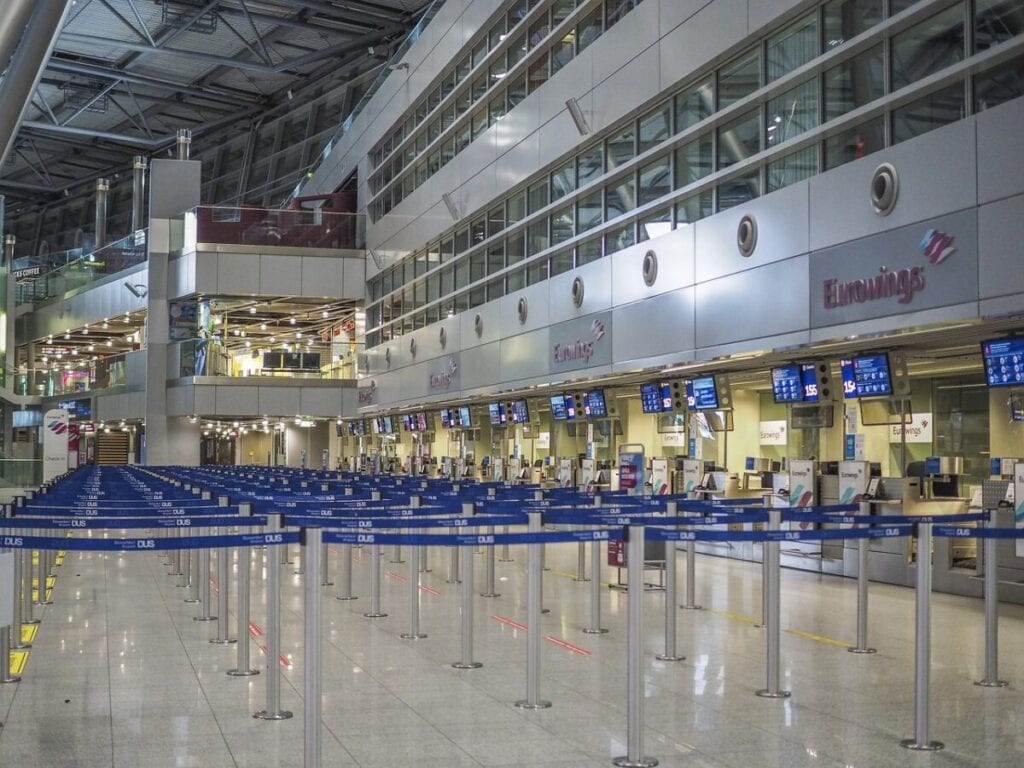
Personal Tip: I am not a wheelchair user but do have mobility issues and the airport was my worst nightmare those long ass walks to the end of the terminal to get to my gate were exhausting. I was also too embarassed to ask for help – now I go straight to the assistance desk and get a ride to my terminal.

Best areas to stay in London for accessible-travel-guides-ireland-uk-europe
South Bank
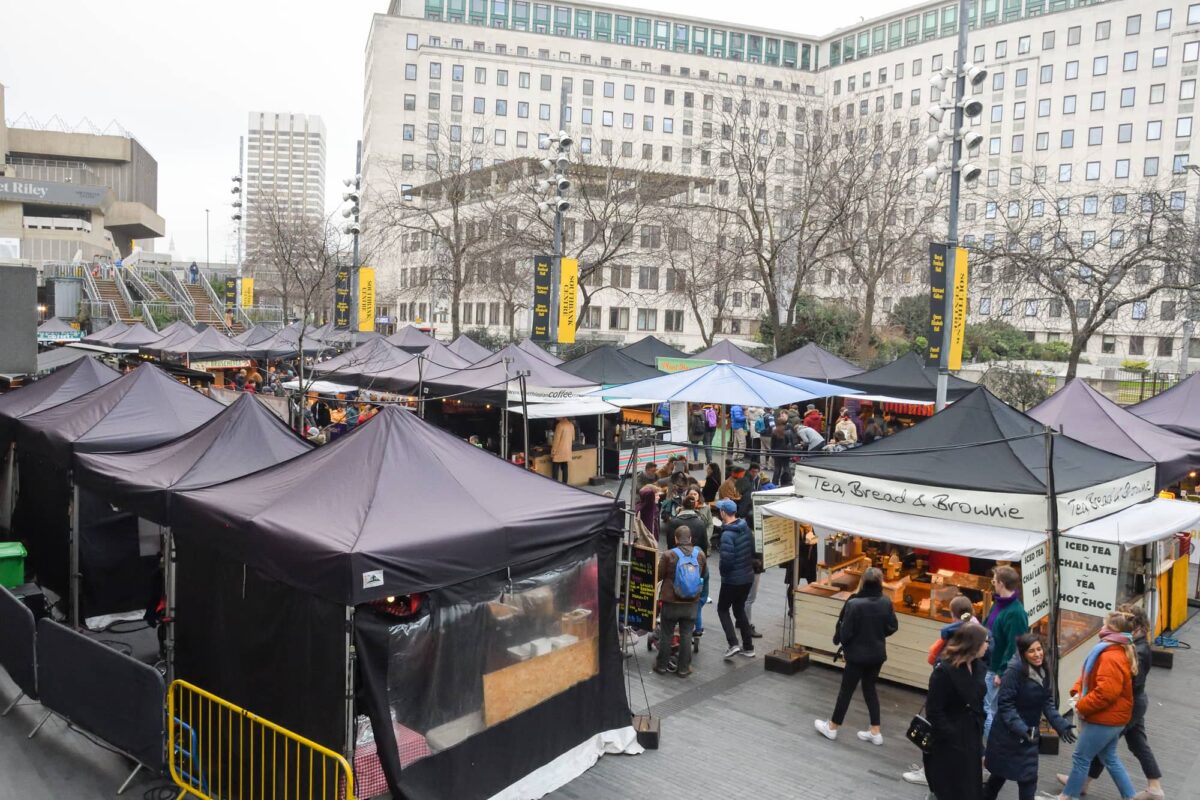
South Bank is one of the most naturally accessible areas in the city for slower travel. The riverside walking route is flat, well-maintained, and offers plenty of benches and stopping points. Attractions are spread along the river rather than clustered in a dense grid, which makes planning a half-day or gentler itinerary far more natural.
From a South Bank base, the London Eye, Tate Modern, Shakespeare’s Globe, Borough Market, and views of St Paul’s and Tower Bridge are all within easy reach. Buses connect the area to Westminster and further east without requiring any Underground travel.
This is also an area where simply sitting beside the Thames with coffee in hand is a legitimate way to spend an hour which, after a decade in London, I would argue is one of the better things you can do with your time.
Kensington
Kensington is the best area in London if museums are your priority. The Natural History Museum, the Victoria and Albert Museum, and the Science Museum are within a short walk of each other on Exhibition Road, and Hyde Park and Kensington Gardens provide generous green space for rest between activities. The pace in Kensington feels slower than the City or central tourist zones, which makes it easier to read your own energy levels and adjust accordingly.
South Kensington Underground station has step-free access. For wheelchair users or those avoiding stairs, this makes it a good anchor point for this part of the city.

Westminster and Victoria
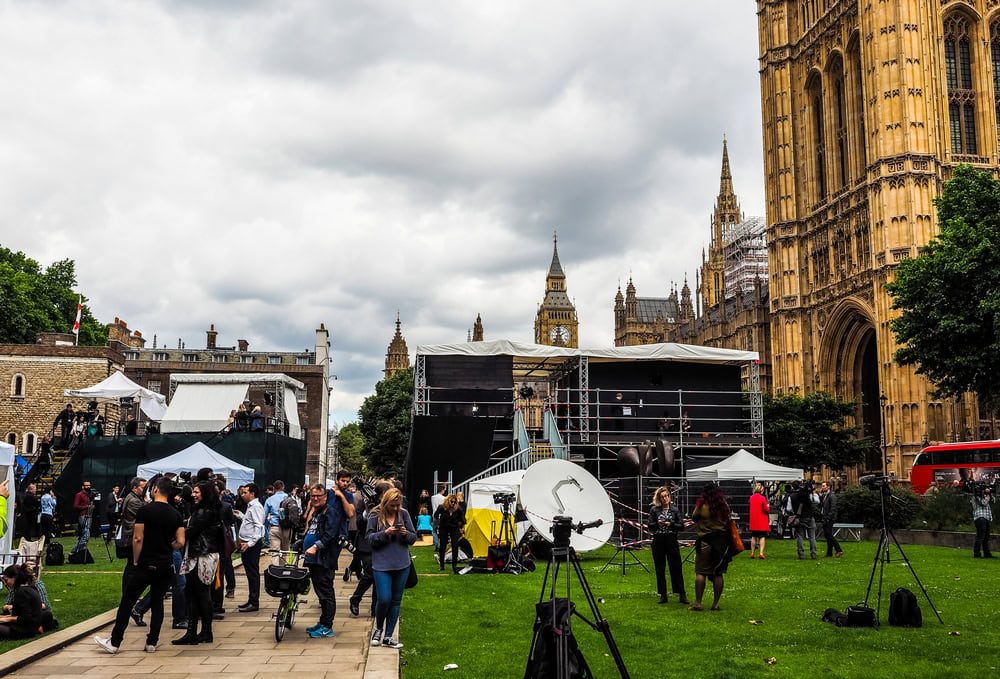
Westminster works well for accessible sightseeing because it combines good transport links with some of London’s flattest and most manageable central routes. Walking between Buckingham Palace, St James’s Park, Westminster Bridge, and the Houses of Parliament involves relatively little elevation change and plenty of opportunity to stop and rest.
Victoria Station is useful for connections but gets very busy during commuter hours. Arriving and departing at off-peak times makes this area considerably more manageable.
Transport for accessible London travel
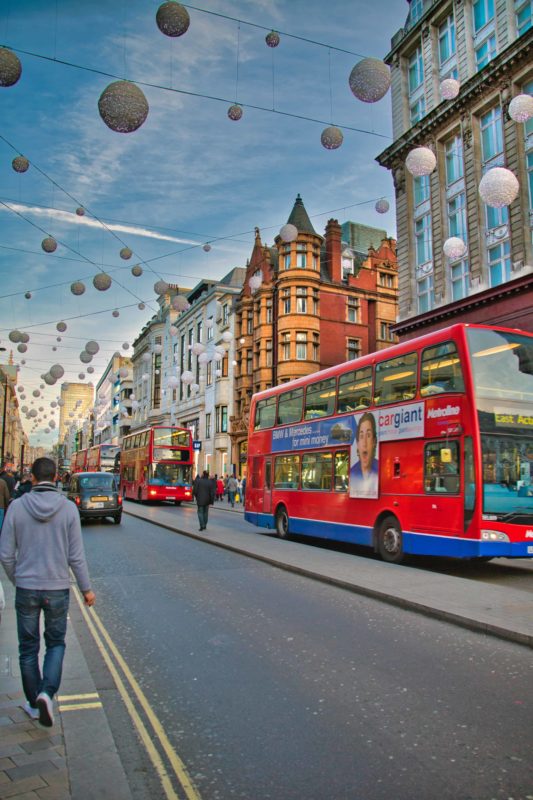
London buses the most underrated option
For many travelers with mobility challenges, hidden disabilities, or energy-limiting conditions, London’s buses are a better primary transport option than the Underground.
Every London bus is low-floor and wheelchair accessible. You board at street level, sit for the journey, and disembark at street level again. There are no escalators, no long underground corridors, and no platform gaps to navigate. You also travel above ground, which helps enormously with orientation and makes it much easier to notice when you have gone too far or need to get off.
Routes 9, 11, 15, and RV1 cover much of central London and pass many major landmarks. Sitting on the upper deck of a red London bus between Westminster and St Paul’s, for example, costs the same as any bus journey and offers a view that many visitors never experience.
Journeys take longer than the Tube, but slower does not mean worse particularly when the alternative is arriving at your destination already depleted.

The Underground use selectively
The Tube is fast, but it has real costs for accessible-travel-guides-ireland-uk-europeers. Step-free access is available at around a third of stations. Even at accessible stations, journeys can involve long corridors, crowded platforms, and trains with notable gaps between the platform and carriage floor.
That said, the Elizabeth line is an excellent option. It is step-free throughout, the stations are spacious and modern, and the carriages are wide and relatively calm compared to older lines. For accessible-travel-guides-ireland-uk-europe between Heathrow and central London, or between central London and the East, it is genuinely useful.
Personal experience on a trip to Camden Market I took the tube which was fine but on the return journey the only way to access the platforms due to work taking place was down over 75 steps. So check before hand what work may be taking place.
For wheelchair users, always check the TfL step-free map before planning a Tube journey. The TfL step-free access guide provides current information including live lift status.

Black cabs
London’s black cabs are one of the few things in the city that work consistently better than you expect. Most are wheelchair accessible, spacious enough for luggage, and the drivers are licensed and knowledgeable about the city. Using them strategically at the start of a tiring day, between attractions that are poorly connected, or at the end of a long afternoon saves real energy.
Hailing a cab on the street is easy in central London. Apps including the FREENOW App. Select a Black Cab and use the in-app preferences or add a note to specify that you are using a wheelchair.
Thames river services
Uber Boat by Thames Clippers operates regular river services between Putney in the west and Woolwich in the east, with central stops at Westminster, Embankment, Blackfriars, Bankside, London Bridge, and Tower. Most piers and vessels are accessible.
A river journey between Westminster Pier and Tower Bridge, for example, takes around thirty minutes and passes most of the central riverside landmarks in a single, seated, calm experience. It is one of the best accessible sightseeing options in the city and significantly underused by first-time visitors.
The Please Offer Me a Seat badge
Transport for London offers a free blue badge for people with hidden disabilities, chronic pain, fatigue conditions, invisible mobility needs, or any non-visible condition that makes standing on public transport difficult. The badge signals to other passengers that you may need a seat without requiring you to explain or justify your condition.
You can request a Please Offer Me a Seat badge via the TfL website. There is no medical verification required, and the badge can be posted to addresses outside the UK.
Accessible London attractions
British Museum
The British Museum is one of the most accessible major museums in Europe. Step-free access is available throughout much of the building via lifts, and seating is provided in most galleries. The Great Court at the centre of the museum provides a large, naturally lit resting space that works well as a base to return to between gallery visits.
The challenge at the British Museum is scale rather than accessibility. Trying to see the whole museum in a single visit is exhausting for almost any visitor, but particularly so for those managing fatigue or mobility challenges. A much better approach is to choose two or three galleries in advance Ancient Egypt, the Lewis Chessmen in the Medieval galleries, or the Sutton Hoo helmet in Room 41 and treat those as your goal for the day.

Victoria and Albert Museum
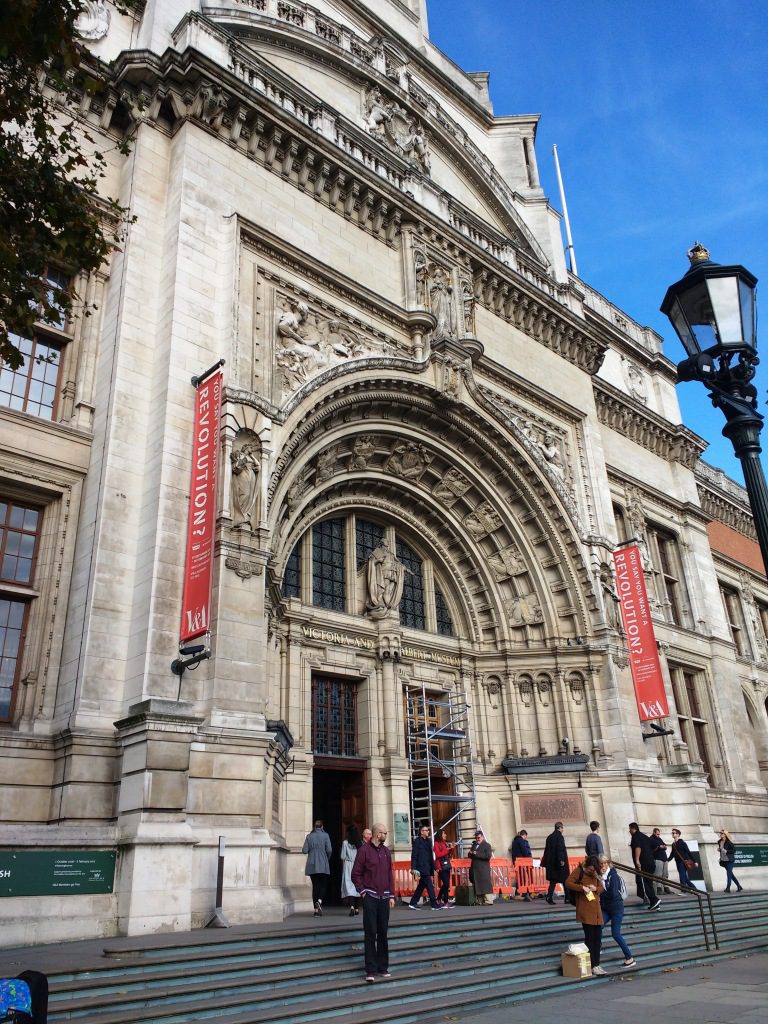
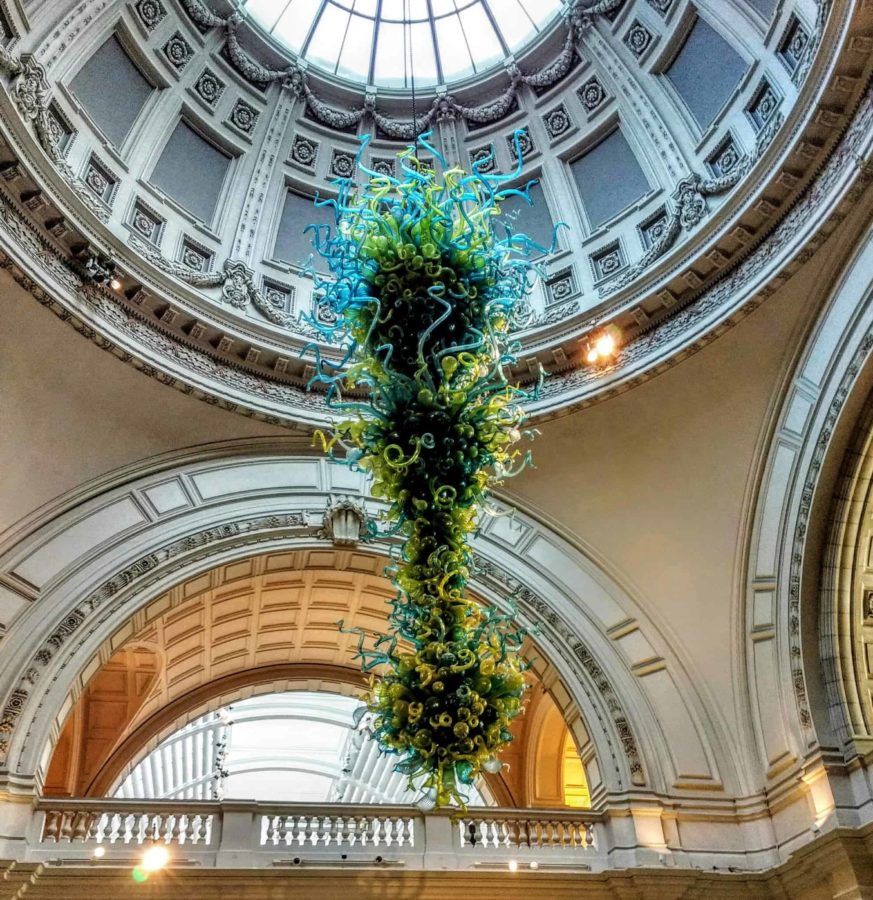
My favourite museum in the world The Victoria and Albert is fairly easy to access, with a step-free main entrance, wheelchair loans, and accessible toilets throughout. The biggest challenge is its historic building, which means some routes are less straightforward, but staff are on hand to help you find the best way. For exhibitions like “Design and Disability,” the museum goes further with large-print labels, BSL video tours, and sensory maps, making a visit smooth and welcoming for most people.

Shakespeare’s Globe Theatre
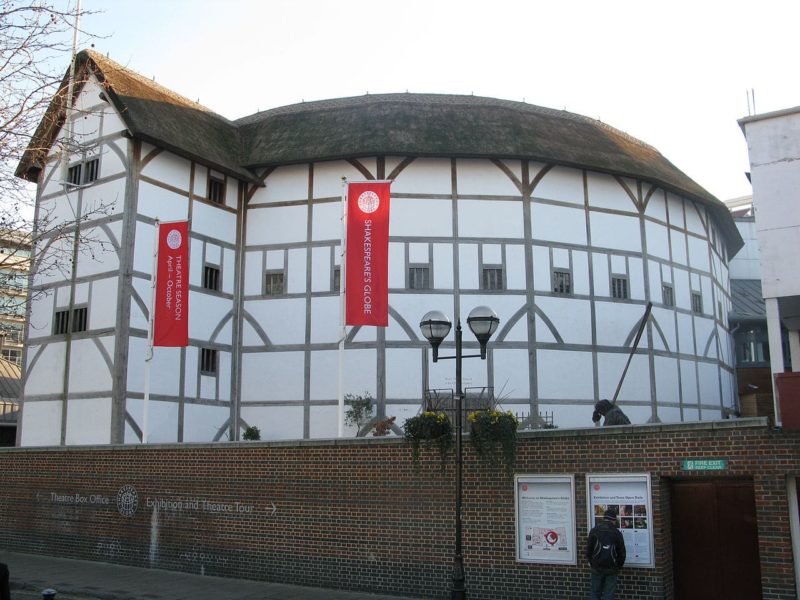
Many of London’s Theatres are wheelchair accessible and that includes this famous theater.
At Shakespeare’s Globe, step back into Elizabethan London. The reconstructed open-air playhouse offers wheelchair access, plus recorded guides and braille panels throughout the exhibition. Year-round, you can catch BSL, audio-described, captioned, and relaxed performances for visitors with autism.
St. Paul’s Cathedral
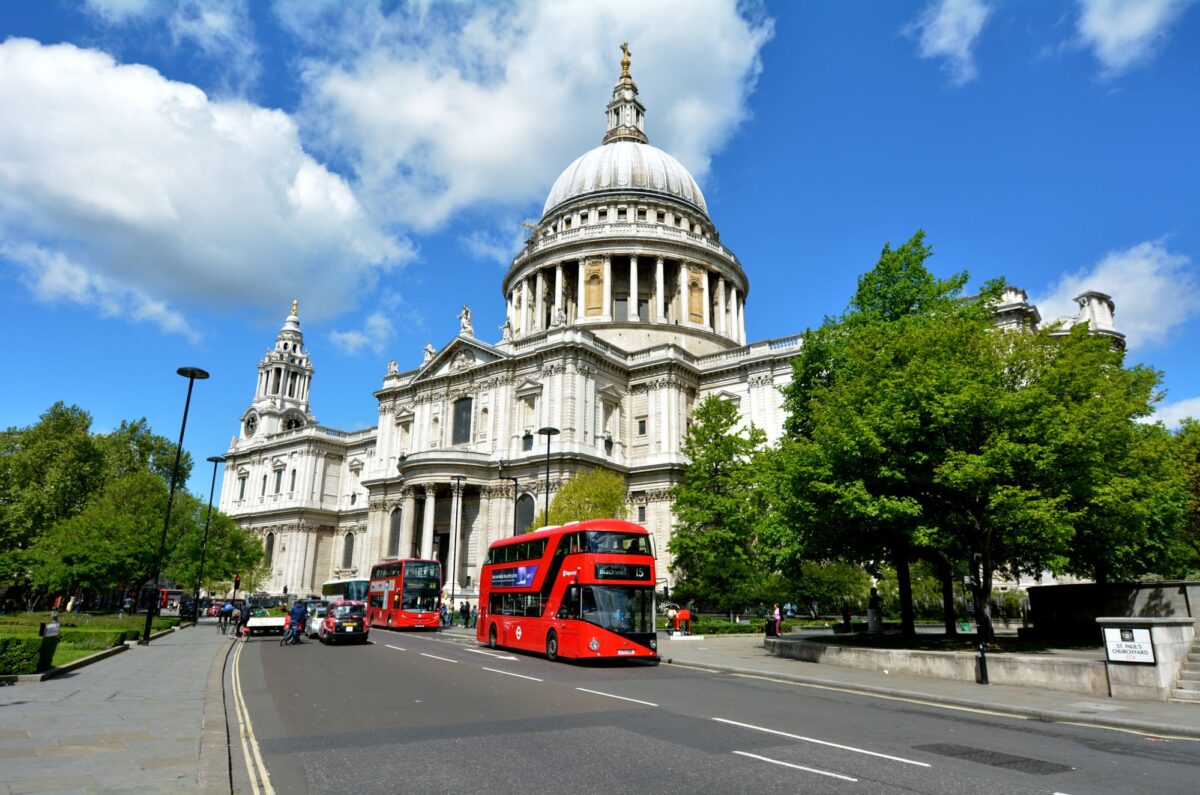
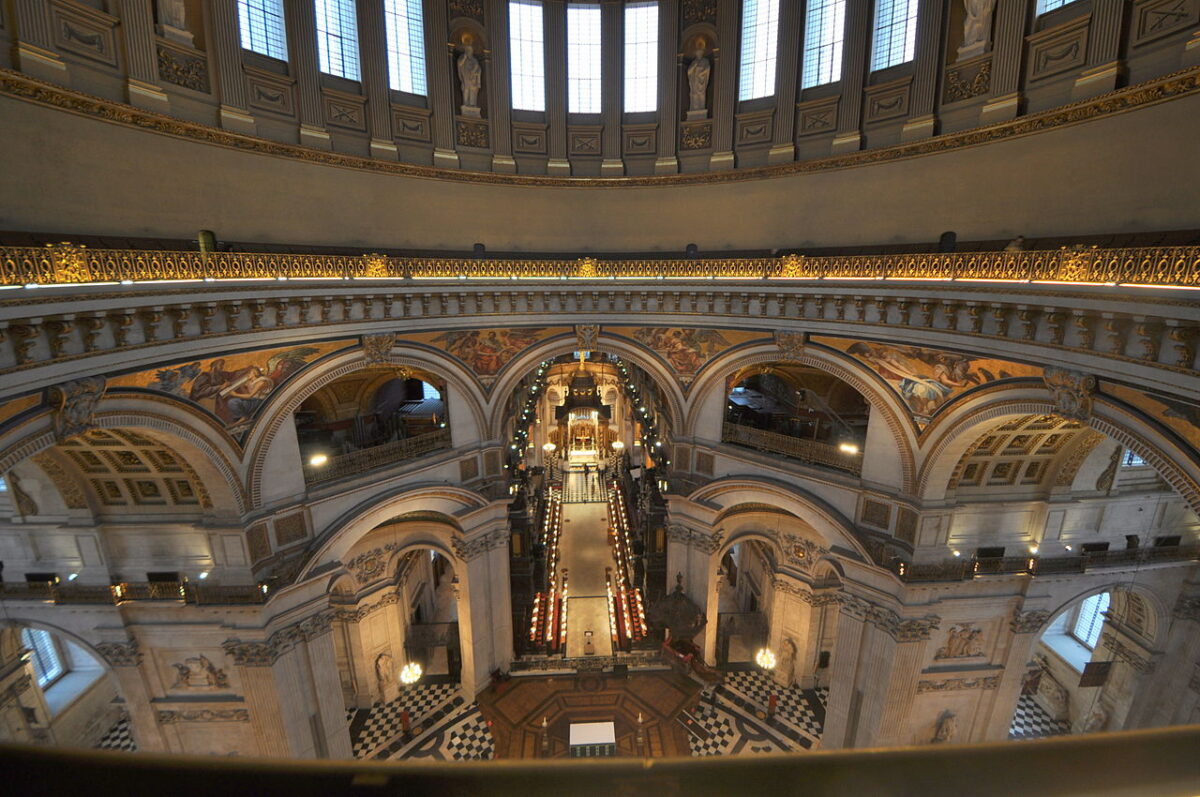
Visit St Paul’s Cathedral, an iconic London landmark, with ramp access at the North Transept entrance and lifts to the quire and crypt. Wheelchairs are available on request, and touch tours plus BSL multimedia tours are offered. Note that the Whispering, Stone, and Golden Galleries are not step-free.
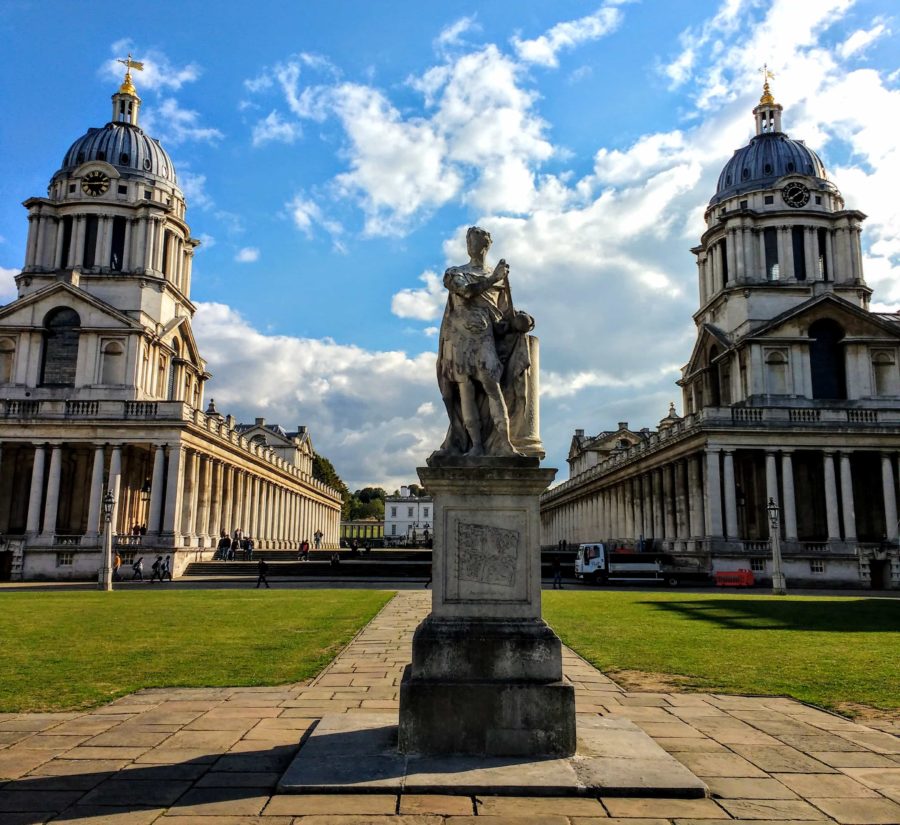
The Cutty Sark and the National Maritime Museum Greenwich
The stunning Clipper ship the Cutty Sark is wheelchair accessible with lifts providing access to all levels of the ship. Some areas of the Main Deck are not wheelchair accessible, but virtual access is provided to these spaces. The Maritime Museum is highly accessible, with step-free entry at both the Romney Road and Parkside entrances, plus lifts to all floors. The museum provides manual wheelchairs for loan (bookable in advance), portable stools, ear defenders, and Sensory Explorer backpacks for visitors with SEND needs . Additional features include induction loops at information desks, BSL tours and subtitled films, audio-described tours for visually impaired visitors, and free Blue Badge parking .

The London Eye
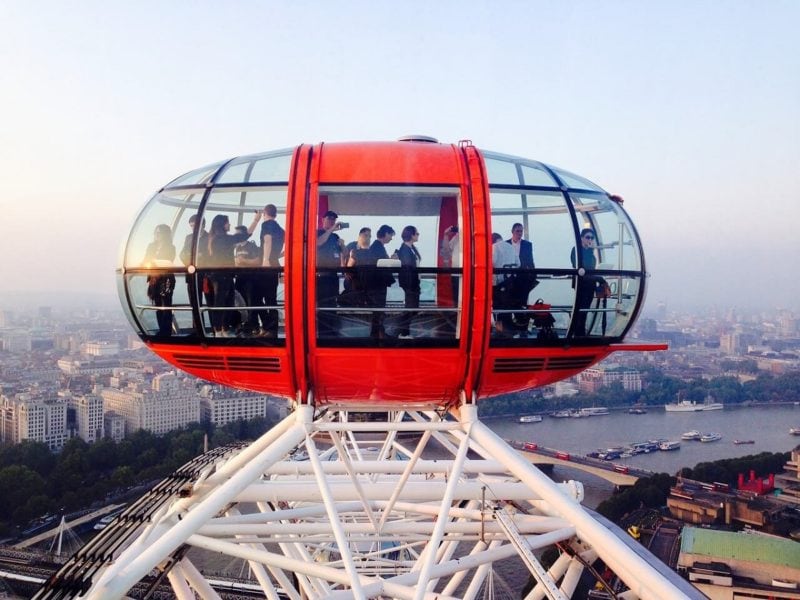
The London Eye sits on the South Bank and is one of the more straightforward major attractions for wheelchair users and visitors with limited mobility. Boarding is smooth and the pods are spacious. The surrounding South Bank area is flat and accessible, with benches, cafés, and river views in every direction.
Booking tickets in advance avoids queuing, which is worth doing on most days during the summer season.
Buckingham Palace and St James’s Park
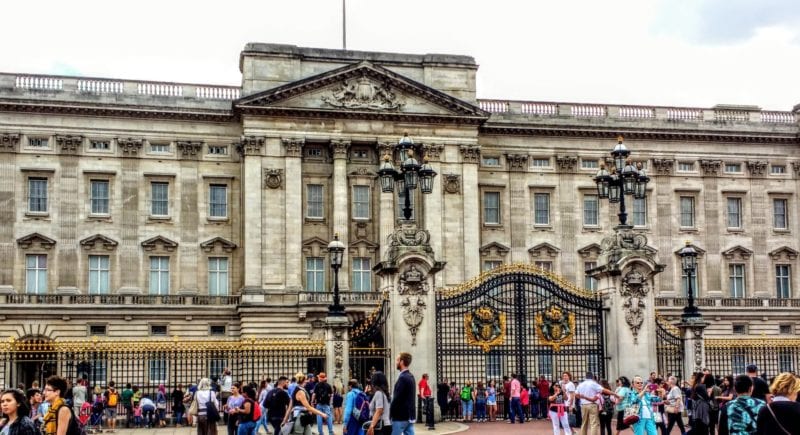
The area around Buckingham Palace and St James’s Park is some of the most accessible central London sightseeing available. Routes are relatively flat, pavements are wide, and St James’s Park itself has good paths and plenty of seating. The Changing of the Guard, when it runs, can be viewed from multiple points and does not require standing in one position for the entire ceremony.
If you need a midday rest between activities, St James’s Park is one of the better places in central London to take it.
Tower of London
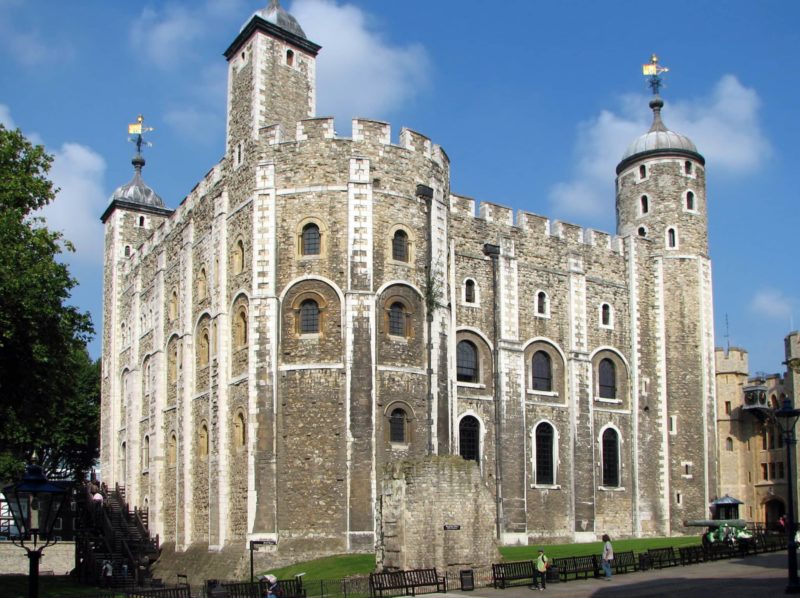
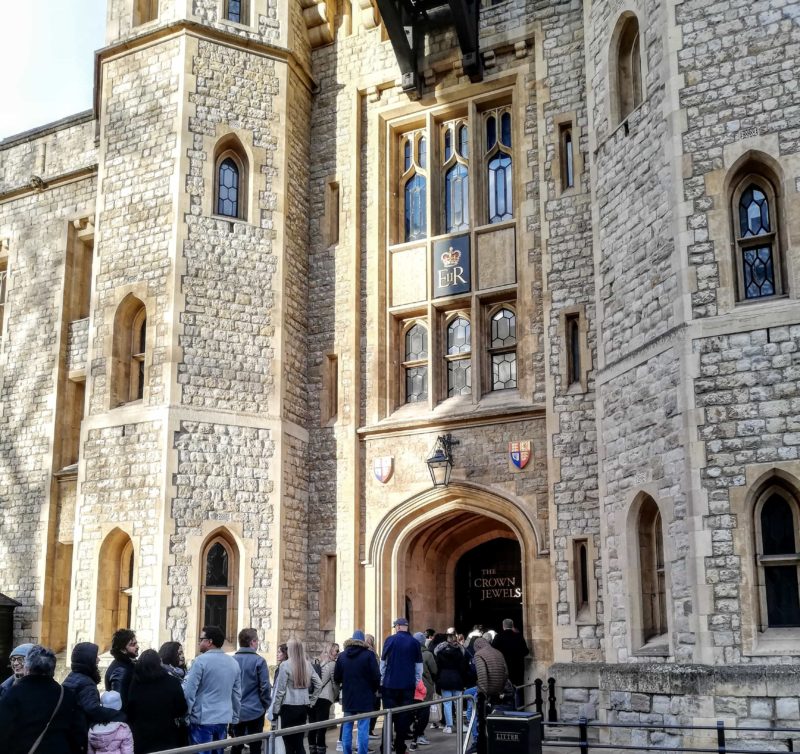
The Tower of London deserves an honest warning: it is more physically demanding than many visitors expect. The site is historic, and that means cobblestones, uneven stone surfaces, slopes between different sections, and stairs in some areas. Wheelchair users can access much of the site, but some areas are genuinely difficult.
The Tower of London website provides detailed accessibility information, and phoning ahead to discuss your specific needs before visiting is worth doing. The site is still worth seeing, but realistic expectations make a significant difference.
National Gallery
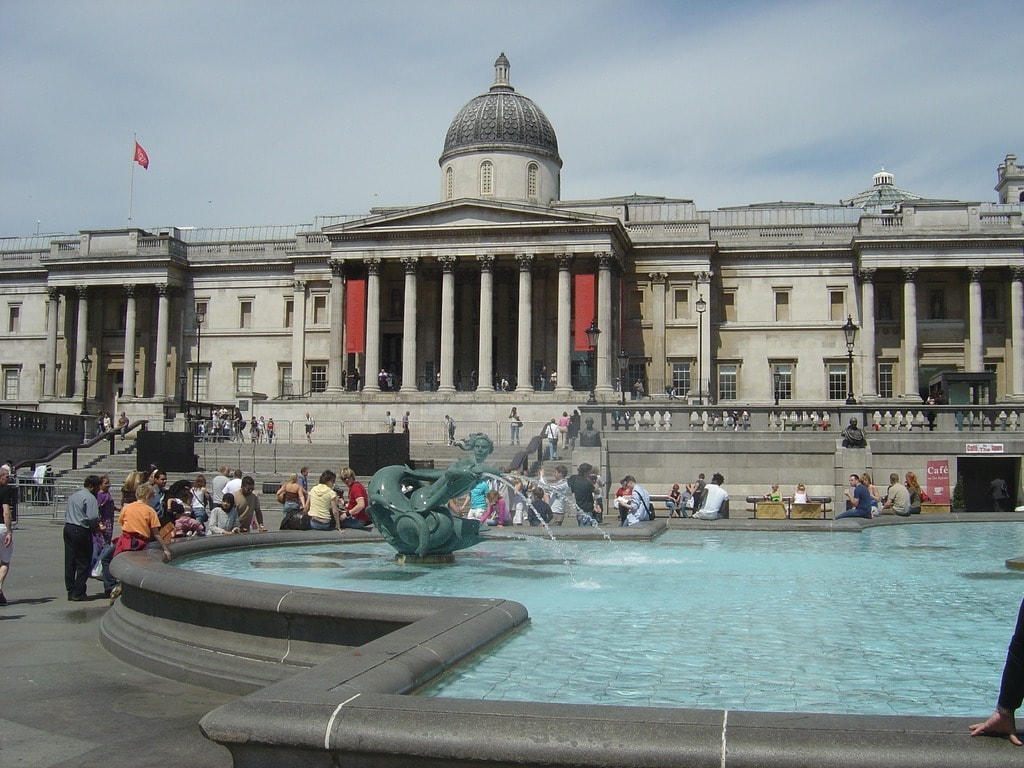
The National Gallery in London on Trafalgar Square features step-free access at all entrances, including the main Sainsbury Wing, and provides facilities like wheelchairs, folding stools, and lifts throughout the building . For those with hearing or visual impairments, the Gallery offers British Sign Language (BSL)-interpreted talks, audio-described tours, and large-print guides . A designated Blue Badge parking space is available with advance booking, and a Changing Places toilet is located on-site.
Tate Modern
Tate Modern is excellent for accessible visits. The building is served by lifts throughout, the galleries are spacious, and the turbine hall at the centre of the museum is one of the more dramatic and genuinely restful large interior spaces in London. Entry to the permanent collection is free, which means there is no pressure to see everything in one visit.
The South Bank location also means it fits naturally into a riverside walk from Westminster or Southwark, stopping when energy allows.

Natural History Museum
The Natural History Museum is one of the best accessible options in London, partly because the building itself is spectacular enough that spending time in the central hall without moving far is a worthwhile experience in its own right. Lifts connect all floors, seating is available throughout, and the museum has a detailed accessibility guide on its website.
Like the British Museum, the scale works against you if you try to cover too much ground. The dinosaur gallery, the blue whale in the Hintze Hall, and the Earth galleries are three distinct experiences choosing one or two in advance and doing them well is far better than attempting all three.

London Transport Museum
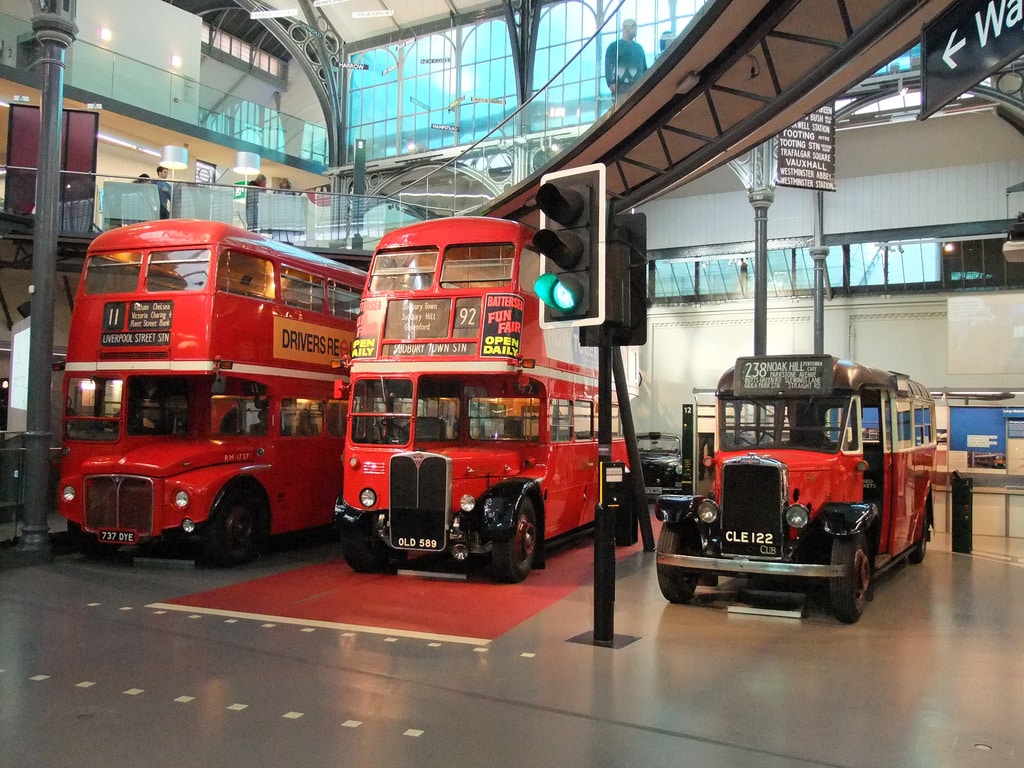
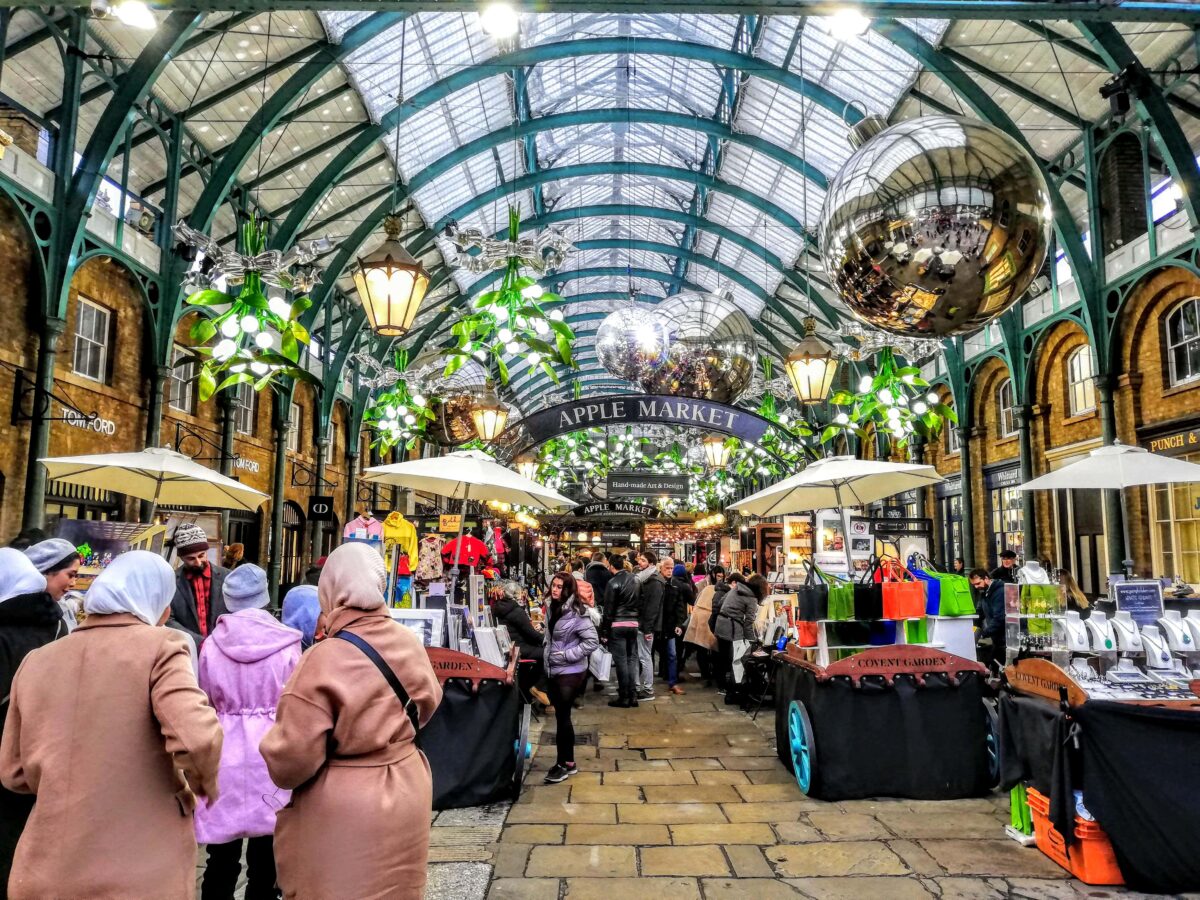
The Transport Museum is located in Covent Garden which is also pretty accessible with flat paths and open lanes. Here you can learn about the history of London’s transportation system with vintage buses, trains, and trams, and take a ride on a classic double-decker bus.
London Postal Museum
The Postal Museum in London, which is quite fascinating is highly accessible, featuring level floors, lifts, accessible toilets, and complimentary wheelchair loans. However, the underground Mail Rail ride has restricted access and cannot accommodate wheelchair users, though a virtual ride alternative is available on-site
Hidden disability support in London
London has improved substantially for travelers with hidden disabilities, and the support available is now genuinely useful rather than tokenistic.
Transport for London offers the Please Offer Me a Seat badge (described above) and trains all frontline staff in disability awareness. Stations with customer service staff can assist with wayfinding, alternative routes when lifts are broken, and boarding assistance.

Euan’s Guide is an independent disabled access review website where visitors leave detailed, practical reviews of London attractions, restaurants, hotels, and theatres. If you want to know whether a specific venue has a step at the entrance, whether the accessible toilet requires staff assistance to unlock, or whether the lighting in a particular restaurant is manageable, Euan’s Guide is where to check. It is consistently the most useful pre-visit research tool for hidden and physical disabilities.
Many major London attractions now offer additional support including quiet hours (often early morning or late evening sessions with reduced lighting, lower sound, and smaller crowds), companion tickets where a carer or support person enters free of charge, and sensory guides available on request. The Natural History Museum, the British Museum, the Science Museum, and Tate Modern all offer versions of these schemes check each attraction’s accessibility page before visiting.

Citymapper remains the most useful navigation app for accessible London travel. It displays real-time transport information, step-free route options, and allows you to filter journeys by transport type useful if you want bus-only or step-free-only route options.
Here’s a breakdown of the best options across different budgets, all verified for genuine accessibility features.
Accessible Accommodation in London
Budget picks
Premier Inn County Hall on the South Bank is the strongest budget option, with 17 adapted rooms featuring wide-entry doorways and en-suite bathrooms with either lowered baths or wet rooms. It also has medium-level lighting, lowered check-in desks, and a hearing-assistance system at reception. The location is hard to beat it’s a short walk from the London Eye, Tate Modern, and Waterloo Station (which is step-free).

Ibis London City Shoreditch is a good budget option with wheelchair-accessible rooms and adapted bathrooms. It sits right next to Aldgate East Underground station, which has step-free access, and is within easy reach of Liverpool Street.
Mid-range picks
Copthorne Tara Kensington was one of the first London hotels to adapt its bedrooms for disabled guests. All 10 accessible rooms sit together on the mezzanine level with lift access and automatic doors into the corridor. Five rooms have wet rooms with step-free showers, and bathroom doors open automatically. It’s near High Street Kensington and a short walk from South Kensington (step-free), putting three major museums within easy reach.

DoubleTree by Hilton Angel Kings Cross has wheelchair-accessible rooms with walk-in showers and is praised for its helpful staff and accessible location near both Tube and bus routes. Kings Cross St. Pancras is fully step-free and one of the best-connected stations in London.
Luxury picks
Park Plaza Westminster Bridge is one of London’s most consistently accessible large hotels, with 53 accessible rooms spread across the building. These feature level-access showers, grab bars, clear turning space, and emergency call systems and there are options sleeping up to three adults, which suits guests travelling with a PA or family. Step-free routes run everywhere including the spa, pool, bars, and restaurants, and the hotel has strong hearing loop coverage and vibrating alarm pads.
The Connaught in Mayfair stands out for hidden disabilities specifically it has a dedicated accessible concierge and a sensory room for guests with autism or sensory processing disorders, alongside the standard grab rails, emergency cords, and lowered sinks.

One important tip across all hotels: the gap between what “accessible room” means varies considerably in London. Always call the hotel directly before booking to confirm the specific features you need whether that’s turning space, hoist compatibility, shower type, or carer room availability. Euan’s Guide has user reviews for several of these hotels that go into the kind of practical detail you won’t find on booking sites.
Practical tips for accessible London travel
Pacing matters more than you expect. Even on a good day, London adds up quickly. An accessible museum visit of two hours, combined with travel to and from the attraction, can easily equal six thousand steps and multiple transport interchanges. Building at least one rest period into each day whether that means sitting in a park, returning to your hotel, or spending an hour in a museum café makes the rest of the day more productive, not less.
Avoid rush hour. London’s transport during peak hours (roughly 7:30–9:30am and 5–7pm on weekdays) is significantly more crowded, louder, and harder to navigate. If your itinerary allows any flexibility, shifting journeys to mid-morning or mid-afternoon makes a considerable difference, both in terms of physical ease and sensory load.

Stay near a step-free station if possible. The difference between returning to a hotel from a step-free station and returning via a station with stairs and escalators at the end of a long day is not trivial. When booking accommodation, cross-reference the hotel’s nearest Tube station against the TfL step-free map.
Footwear matters. London’s pavements are harder than they look on a map, and distances are longer. Supportive, waterproof footwear makes a real practical difference not as a general wellness suggestion, but because even half a day of sightseeing on London’s streets in unsuitable shoes will end the day early.
Use the bus for sightseeing, not just transport. Several central London bus routes pass more landmarks per mile than any dedicated tourist route. Routes along the Embankment, through Westminster, and across London Bridge offer a moving view of the city from a comfortable, accessible, seated position. On lower-energy days, this is a legitimate and often overlooked way to see London well.
The Hop On Hop Off buses are great for this in London. Make sure to check the locations they travel through and plan your stops in advance to avoid fatigue.
Book timed entry in advance. London’s most popular attractions the British Museum, the Tower of London, the London Eye can have significant queues, particularly in summer. Booking timed entry slots avoids queuing entirely, which is worth the small amount of advance planning it requires.
Accessible London resources
Transport for London accessibility step-free Tube map, live lift status, Please Offer Me a Seat badge, and accessibility guides for each transport mode
Euan’s Guide independent disabled access reviews for attractions, restaurants, hotels, and theatres across London
Citymapper the most useful accessible route planning app for London, with step-free and bus-only filter options
Visit London accessibility accessibility information for major attractions, museums, and theatres
Uber Boat by Thames Clippers accessibility river service accessibility information and pier details
Accessable UK surveyed 10,000s of venues across the UK and Ireland, including shops, pubs, restaurants, cinemas, theatres, railway stations, hotels, colleges, universities, hospitals and more.
FAQs about accessible London travel
Is London wheelchair accessible?
Many parts of London are wheelchair accessible, particularly the entire bus fleet, the Elizabeth line, black cabs, and most major museums and modern attractions. However, around two thirds of Underground stations still have no step-free access, and some historic sites include uneven or cobbled surfaces. Planning around step-free routes using the TfL step-free map makes London significantly more manageable for wheelchair users.
Is London good for hidden disabilities?
Yes, and the situation has improved considerably in recent years. Transport for London offers the Please Offer Me a Seat badge, major attractions provide quiet hours and companion tickets, and disability awareness training is now standard for frontline transport staff. The city is not perfect, but it is meaningfully better than many comparable European capitals.
What is the best area to stay in London for accessible-travel-guides-ireland-uk-europe?
South Bank is the most naturally accessible area for slower travel, with flat riverside routes, excellent accessible bus connections, and major attractions within easy reach. Kensington is the best option if museums are your priority. Westminster works well if you want good transport connections combined with manageable central sightseeing.
Are London buses wheelchair accessible?
Yes. Every London bus is low-floor and wheelchair accessible, with designated wheelchair spaces and audio-visual announcements. The bus network is generally easier to use than the Underground for wheelchair users and anyone managing mobility challenges or hidden disabilities.
What is the Please Offer Me a Seat badge?
It is a free badge offered by Transport for London to any traveler with a hidden disability, chronic pain, fatigue condition, or non-visible mobility need. It signals to other passengers that you may need a seat without requiring you to explain your condition. There is no medical verification required. You can request one via the TfL website.
Which London attractions are best for wheelchair users?
The British Museum, Tate Modern, the Natural History Museum, the London Eye, and the South Bank riverside area all offer good wheelchair accessibility. The Tower of London is more challenging due to its historic surfaces. Always check the specific attraction’s accessibility page before visiting, as conditions and facilities vary.
Final thoughts on accessible London
London rewards a slower approach more than almost any major city I have spent time in. Some of its most memorable experiences are not the result of efficiency they come from sitting beside the Thames while the light changes, from spending an unhurried hour with one gallery in a great museum, from watching the city move past the upper deck of a red bus.
After ten years of living there, and returning many times since, the version of London I remember most warmly is not the one I rushed through on good days. It is the one I found when I had to slow down, plan more carefully, and pay closer attention to what was actually worth the energy.
That version of the city is available to every visitor who approaches it with realistic expectations and a willingness to do less, more carefully.
Explore more of the region with guides to England, Scotland, Wales, Northern Ireland, or the full United Kingdom Travel Guide.
About the author: I lived in London for ten years, commuting across the city daily and exploring it in every direction. After developing 2 auto-immune conditions causing neuropathy and chronic fatigue, I spent my final two years in the city relearning it at a slower pace finding which bus routes avoided the worst Underground interchanges, which museum wings had the best seating, and which areas rewarded a gentler approach. I now write about accessible and slow travel across Europe. This guide combines that lived experience with current accessibility information from Transport for London, Euan’s Guide, and Visit London.
Explore Scenic England
Some of England’s best experiences happen outside the cities, from dramatic coastlines and rolling countryside to quiet villages and scenic driving routes. Slower travel often reveals a completely different side of England.
Yorkshire villages and market towns
Best Scenic Train Journeys in the UK
Northumberland coast and castles
Cornwall beaches and coastal scenery
If you have mobility issues here is a selection of posts that may be of help to you:
Bookmark these hubs for updates and dive into the detailed guides to build an itinerary that fits your energy, comfort, and interests.