
Yorkshire Villages and Towns: 22 Beautiful Places Across North, West, East and South Yorkshire
If you haven’t guessed by now, Yorkshire is my favourite county in England. I have spent many years living in Yorkshire and housesitting all over what locals proudly call God’s Own Country. That nickname is not a marketing invention. It reflects the deep pride Yorkshire people have in their landscape, history, humour, and way of life. Yorkshire is a place that reveals itself slowly, through everyday moments rather than headline attractions.
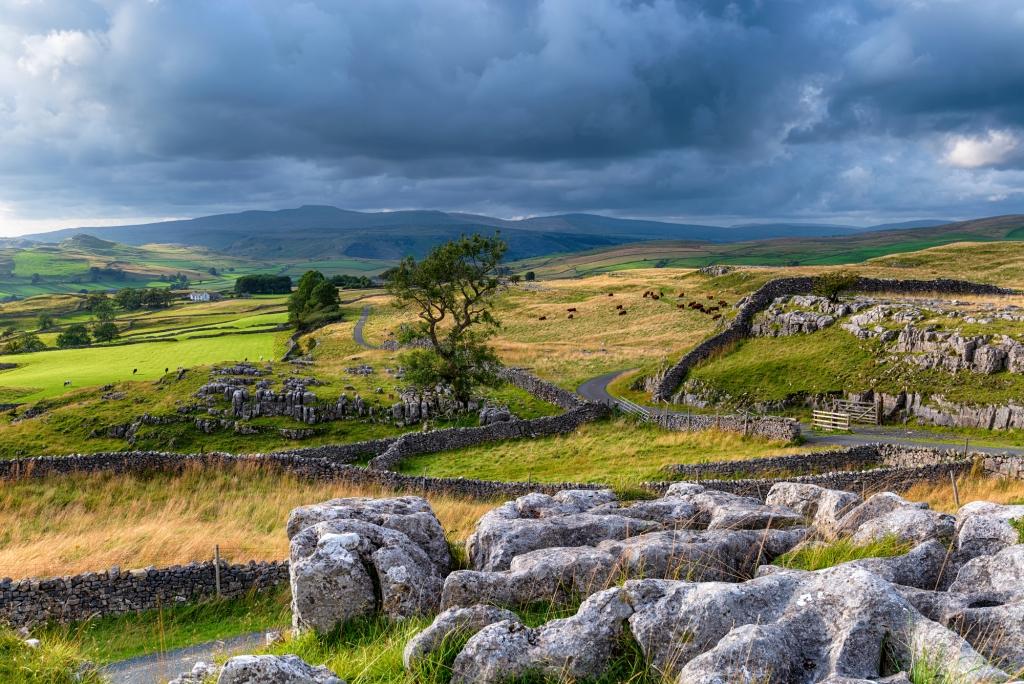
With its sweeping moorlands, dramatic coastline, and layered history, Yorkshire boasts some of the most enchanting towns and villages in England. Each town or village has its own distinct character. Some are defined by cobbled streets worn smooth by centuries of footsteps, others by fishing harbours, market squares, ruined abbeys, or food traditions rooted in farming and local produce. Yorkshire towns and Yorkshire villages are not interchangeable; they are shaped by geography, industry, faith, and community.
Yorkshire is bursting with variety. Chocolate-box villages sit beside working market towns, while seaside resorts line a coastline that shifts from wide sandy beaches to dramatic cliffs. From the rolling limestone valleys of the Yorkshire Dales to the open skies of the North York Moors and the quieter charm of the Yorkshire Wolds, the region offers extraordinary diversity within a single county.
You can taste iconic regional food at the Wensleydale Creamery in Hawes, explore Norman and medieval history at Scarborough Castle, or enjoy fish and chips in Whitby where the fishing fleet still shapes daily life. Market towns such as Pateley Bridge and Masham reveal Yorkshire’s trading past through their streets and weekly markets, while rivers like the Nidd, Wharfe and Aire provide peaceful picnic spots and gentle walking routes.
I also experience Yorkshire as a mobility-challenged traveller. That means I notice things many guides ignore: gradients, cobbles, benches, public toilets, parking, and whether a “short walk” really is short. Yorkshire can be rugged, but it is also practical and welcoming if you know how to approach it. Accessibility varies, but many Yorkshire towns and villages are far more manageable than people expect.
This guide brings together my favourite Yorkshire towns and villages, now clearly divided by region: North Yorkshire, West Yorkshire, East Yorkshire and South Yorkshire. Each region has its own atmosphere, shaped by landscape and history, and understanding those differences deepens the experience of travelling through Yorkshire.
North Yorkshire Towns and Villages
North Yorkshire is vast, covering much of the Yorkshire Dales National Park and the North York Moors National Park, as well as a dramatic stretch of coastline. When people imagine classic Yorkshire scenery, it is often North Yorkshire they are picturing.
Whitby
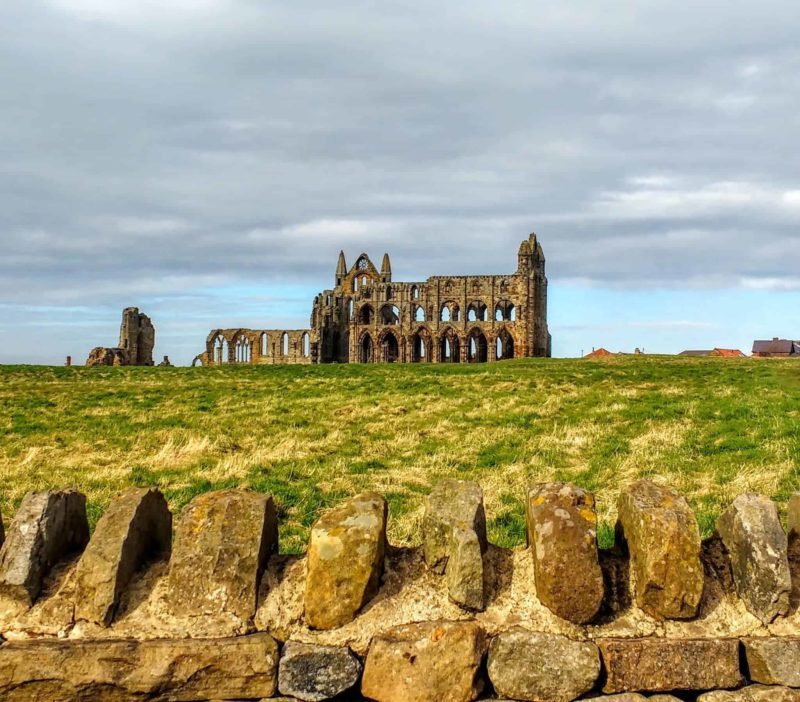
Whitby is one of the most atmospheric Yorkshire coastal towns. Its identity is shaped by fishing, faith, and folklore. The ruins of Whitby Abbey loom above the town, tying together early Christianity, maritime history, and Bram Stoker’s Dracula. Whitby’s old town is a maze of narrow streets filled with small shops, bakeries, and pubs, while the harbour remains active and working.
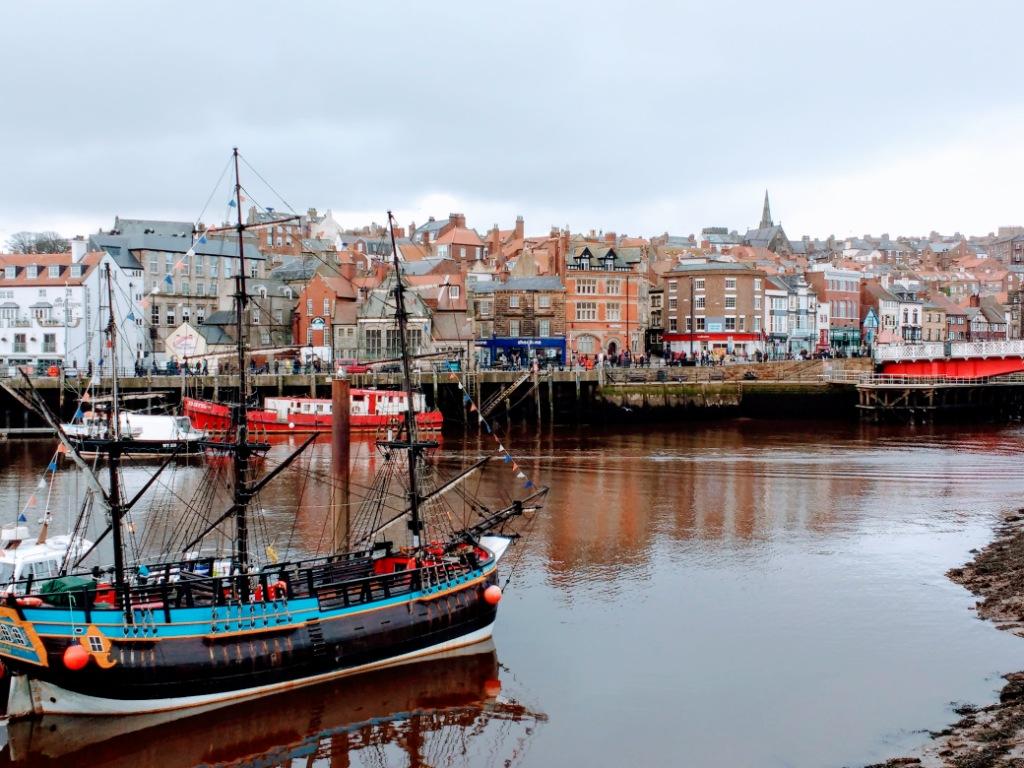
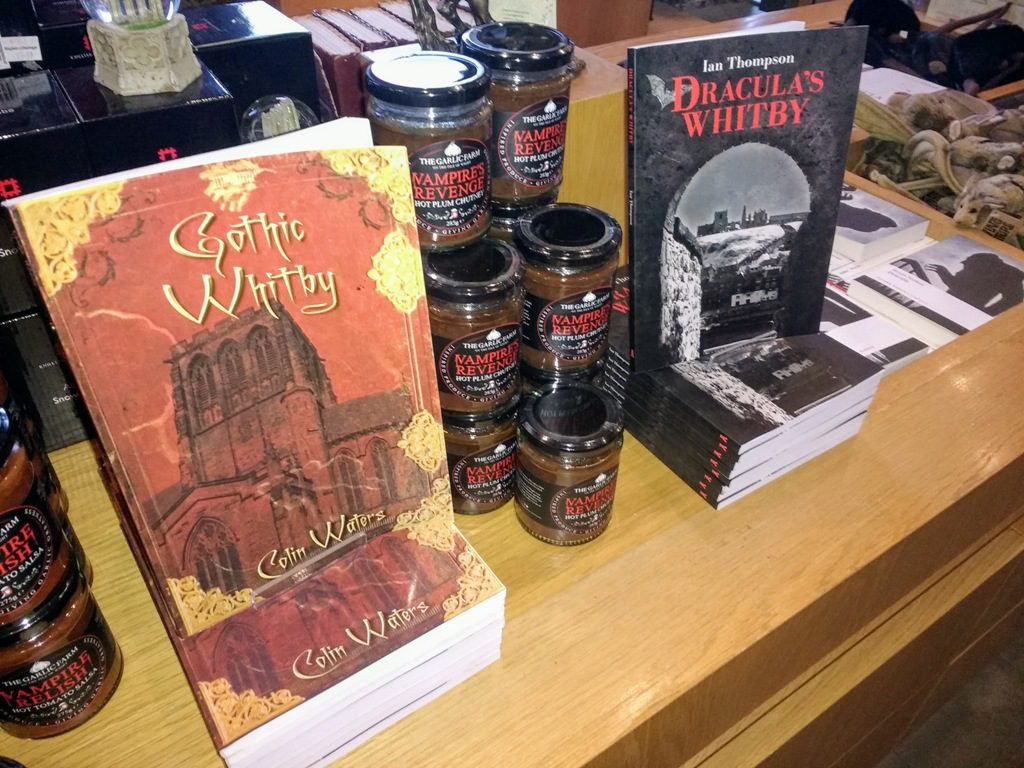

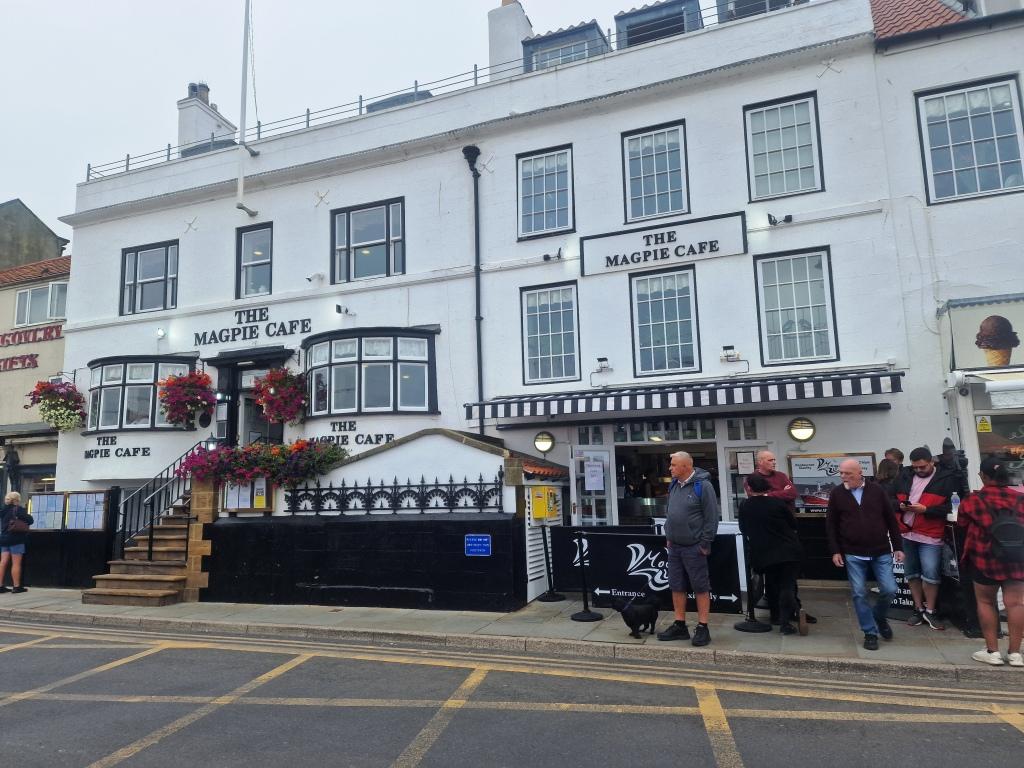
Fish and chips in Whitby feel like tradition rather than novelty, particularly at the Magpie Café, which has earned its reputation for both seafood and consistency. Whitby also hosts the Goth Weekend twice a year, adding an unexpected cultural layer that feels entirely natural here.
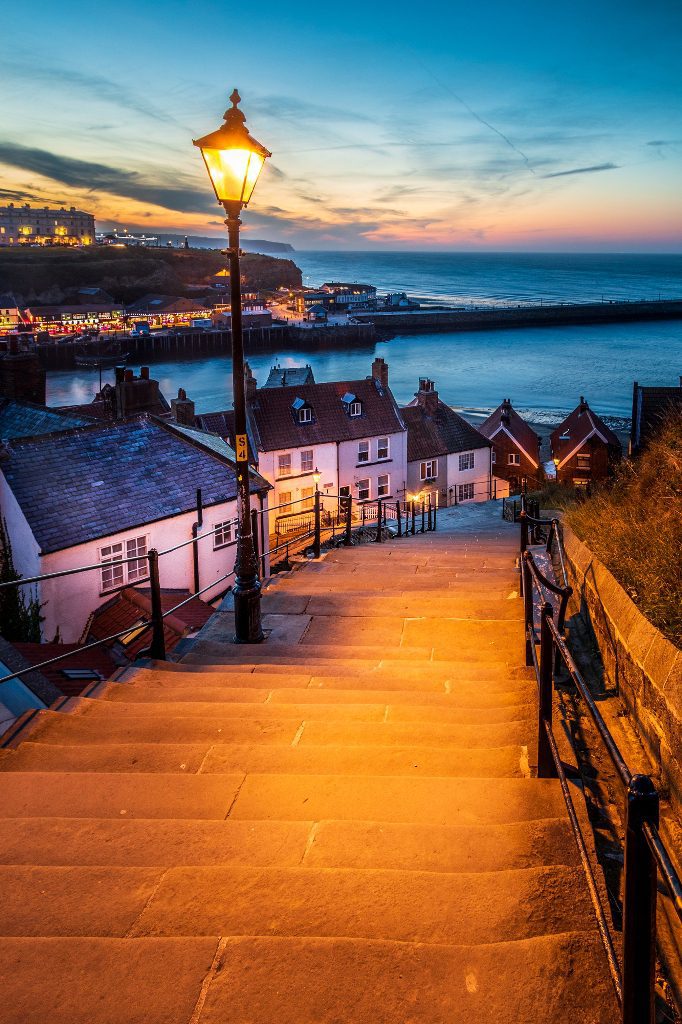
Accessibility in Whitby is better than many assume. The harbour area and West Cliff are relatively flat, with seating and accessible public toilets. The famous 199 Steps are not compulsory; taxis and alternative routes allow access to viewpoints without tackling steep climbs.
Robin Hood’s Bay
Robin Hood’s Bay is a dramatic fishing village with narrow, winding streets cascading down to the sea. Its smuggling history is woven into local storytelling, and the beach is a favourite for fossil hunting and rock pooling. The village feels intensely atmospheric, especially in changing weather.
This is a village where honesty about access matters. The lower village is steep and cobbled, which can be challenging for those with mobility issues. However, the upper village offers parking, cafés, accommodation, and spectacular coastal views without the descent, allowing visitors to enjoy the setting at their own pace.


Staithes
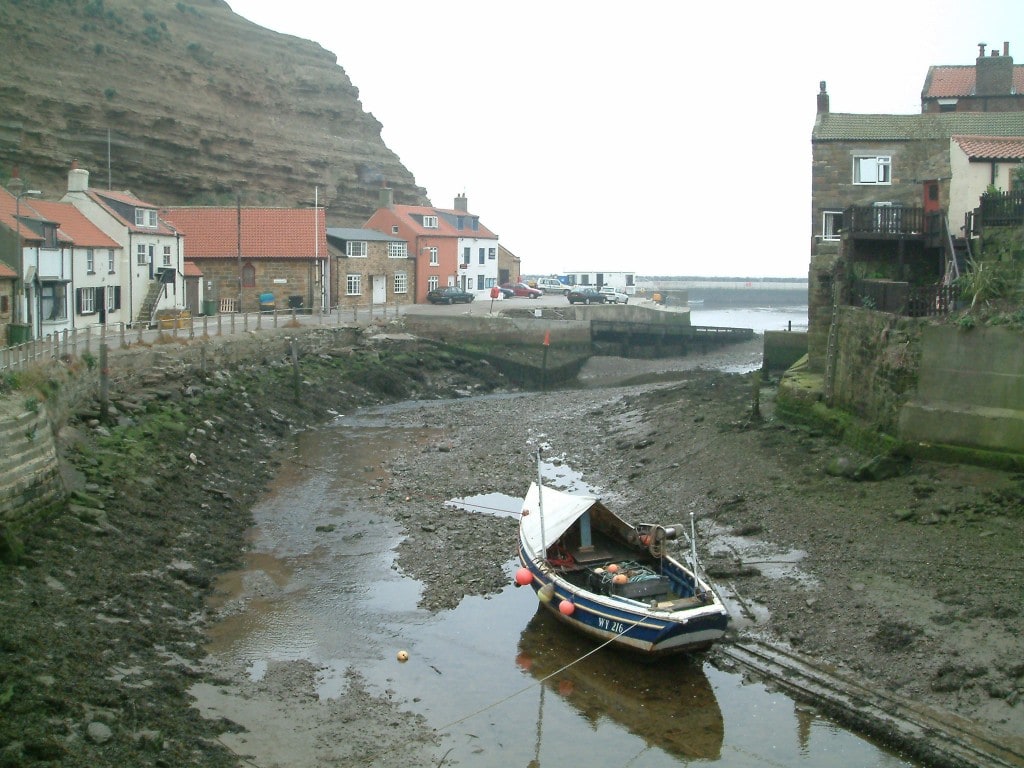
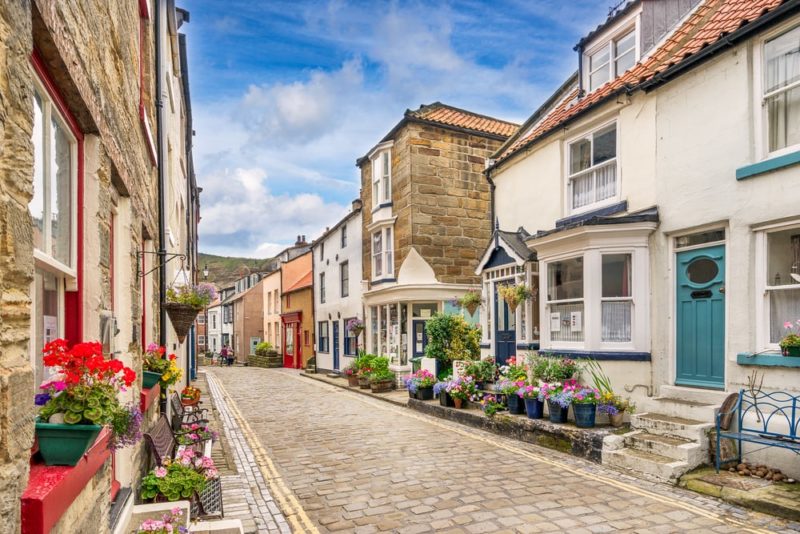
Staithes is one of the most distinctive Yorkshire fishing villages. Pastel-coloured cottages cluster around a small harbour beneath dramatic cliffs, creating a strong sense of enclosure and community. Artists have long been drawn here for the quality of light and rugged coastline.
Staithes is also historically significant as the place where Captain James Cook trained as a young apprentice. The harbour area is steep, but accessible viewpoints above the village offer stunning views along the Cleveland Way without needing to navigate the narrow streets.
Scarborough
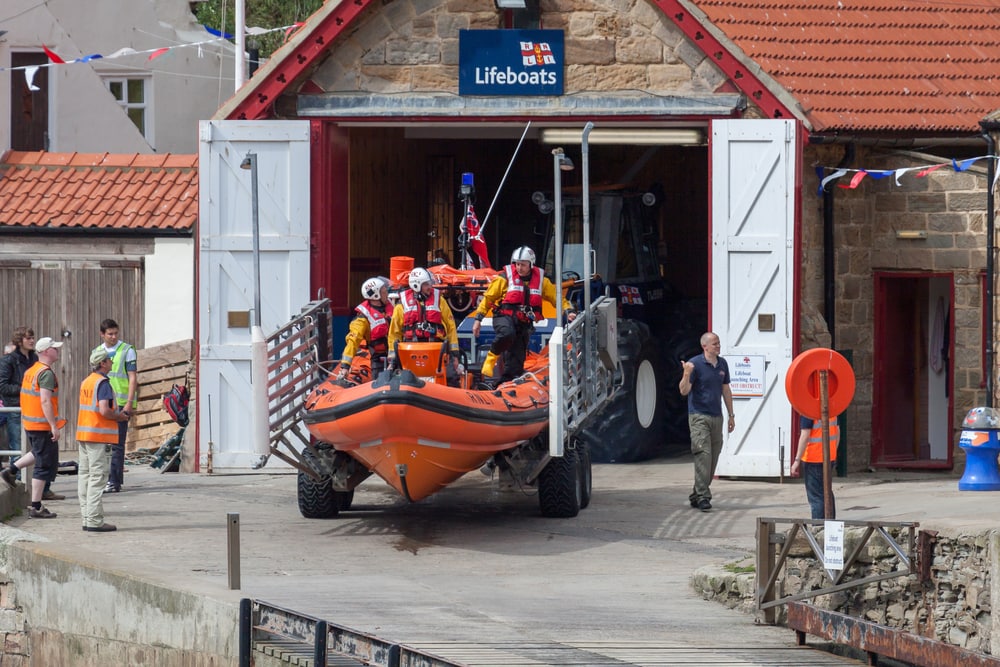
Scarborough was England’s original seaside resort and still understands how to welcome visitors. Its two bays, historic castle headland, long promenades, and traditional amusements make it appealing across generations. Scarborough Spa adds a cultural dimension with concerts and events overlooking the sea.
Scarborough excels in accessibility. The promenades are level, cliff lifts help manage steep sections, and many hotels and attractions cater well to disabled visitors. Beach wheelchairs are available in season, which remains rare along much of the English coast.


Helmsley
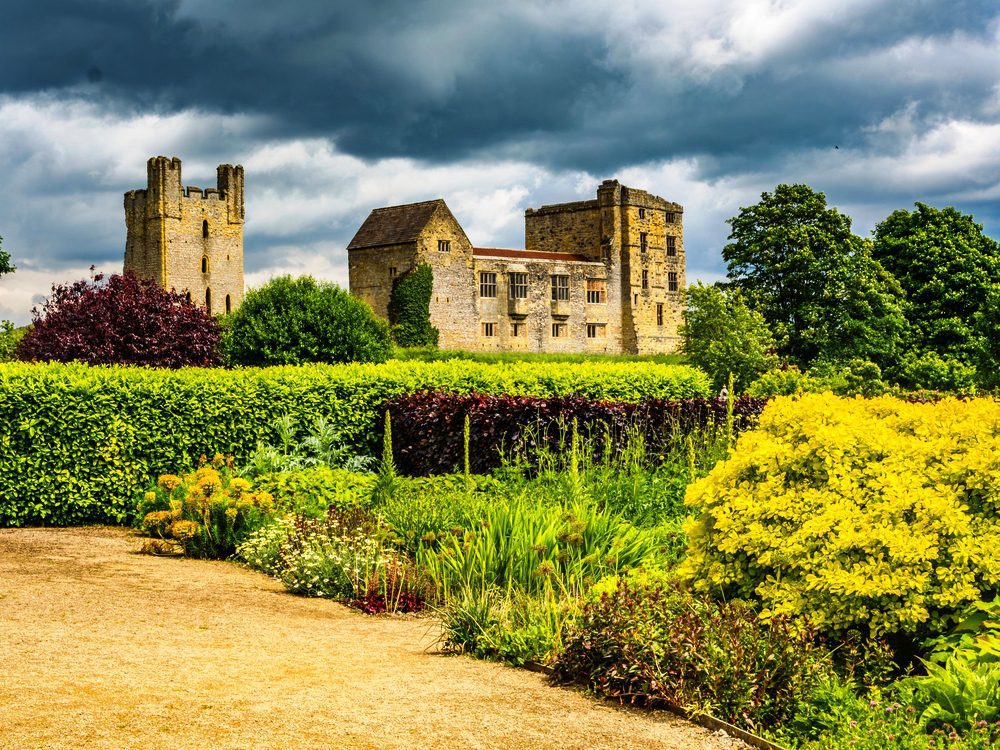
Helmsley is an elegant market town and a gateway to the North York Moors. The ruins of Helmsley Castle sit at the edge of town, while independent shops, galleries, and tea rooms line the compact centre. Helmsley Walled Garden offers a calm, restorative space with level paths and seating.
A short drive from Helmsley brings you to Rievaulx Abbey, one of the most impressive ruined abbeys in Yorkshire. Helmsley itself is largely flat and easy to navigate, making it a comfortable base for slower travel.
Knaresborough
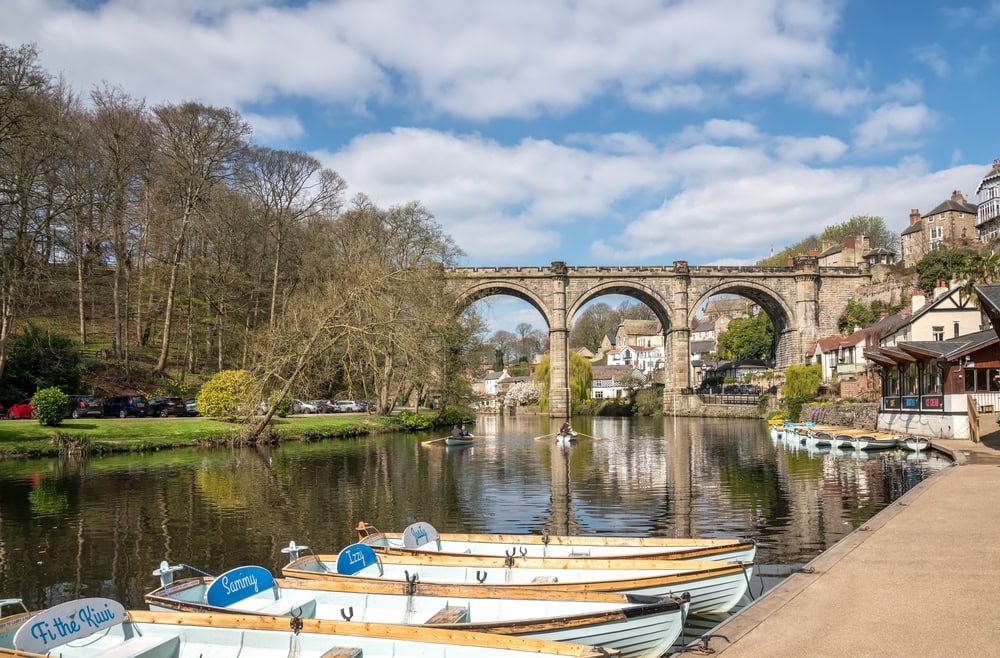
Knaresborough sits high above the River Nidd, framed by its iconic viaduct. The town blends folklore and history through Mother Shipton’s Cave, England’s oldest paid tourist attraction, and the ruins of Knaresborough Castle. The riverside below offers boat hire and gentle walks.
The riverside paths are mostly level and accessible, while the town centre provides cafés, seating, and toilets within a compact area.

Pateley Bridge
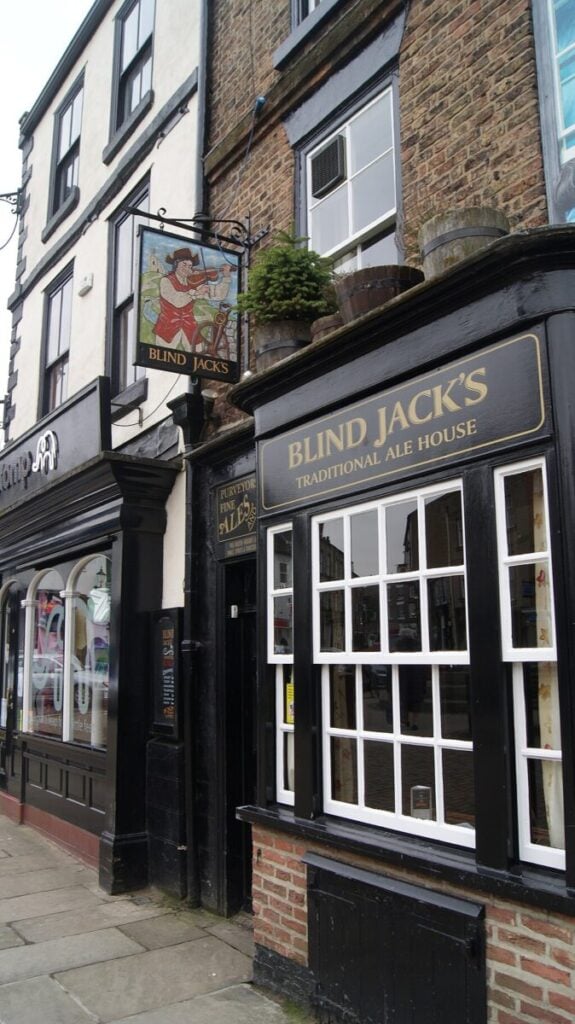
Pateley Bridge lies in Nidderdale, an Area of Outstanding Natural Beauty. It remains a working market town rather than a polished tourist village. The Oldest Sweet Shop in England anchors the high street, but the real charm lies in the town’s connection to the surrounding landscape.
Riverside walks along the River Nidd are gentle and well maintained, and the town itself is compact, with traditional pubs and tea rooms offering plenty of places to rest.
Grassington
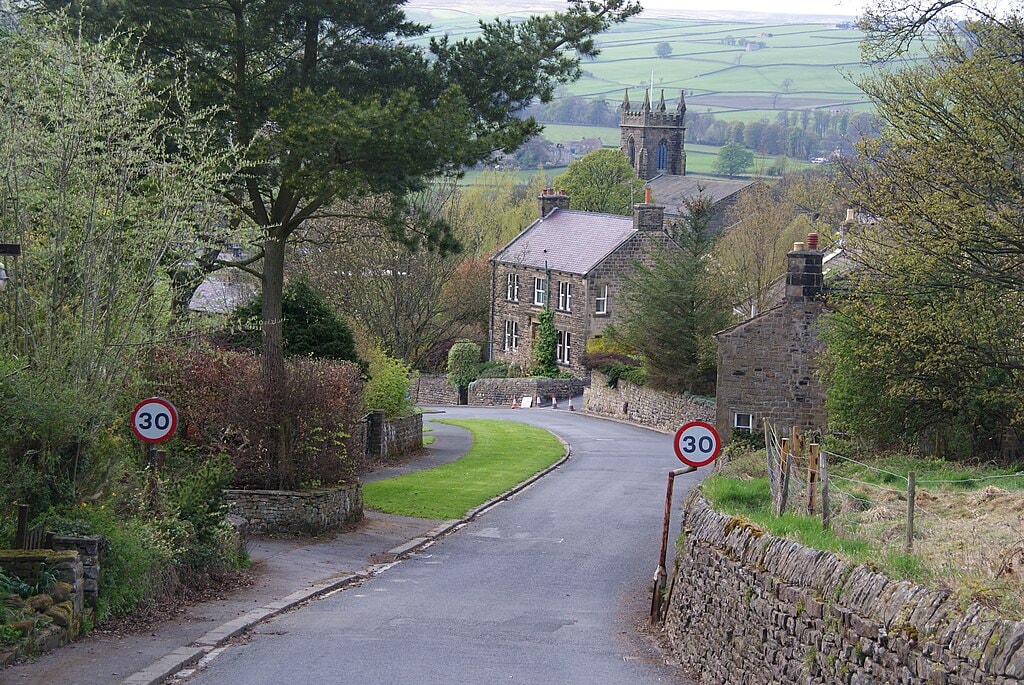
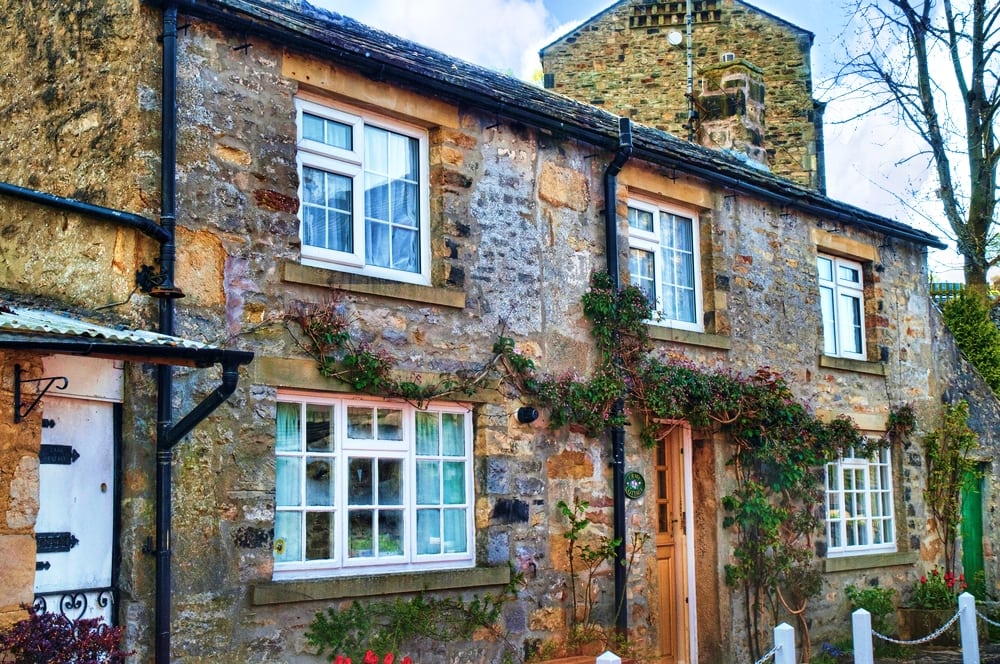
Grassington is one of the best-known villages in the Yorkshire Dales, with stone houses clustered around a lively square. It attracts walkers and cyclists but remains vibrant year-round, hosting markets and seasonal festivals, including a Dickensian Christmas event.
The main square is level and accessible, with shops, cafés, and pubs close together. Surrounding walks vary in difficulty, but gentler routes are clearly signposted.
Sandsend
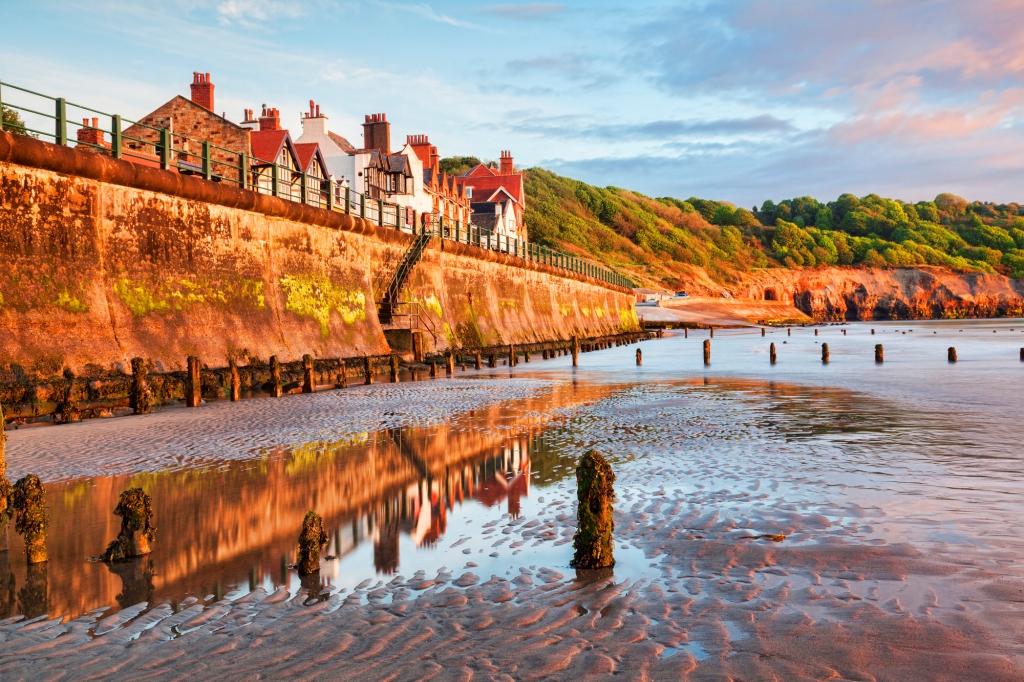
Sandsend is a quieter alternative to Whitby, with a wide beach and open coastal views. It feels less busy and more residential, making it ideal for a peaceful seaside break. Cliff-top walks lead toward Mulgrave Woods, offering woodland contrast to the coast. The seafront area is relatively flat, though beach access depends on tide and surface conditions.
Burnsall
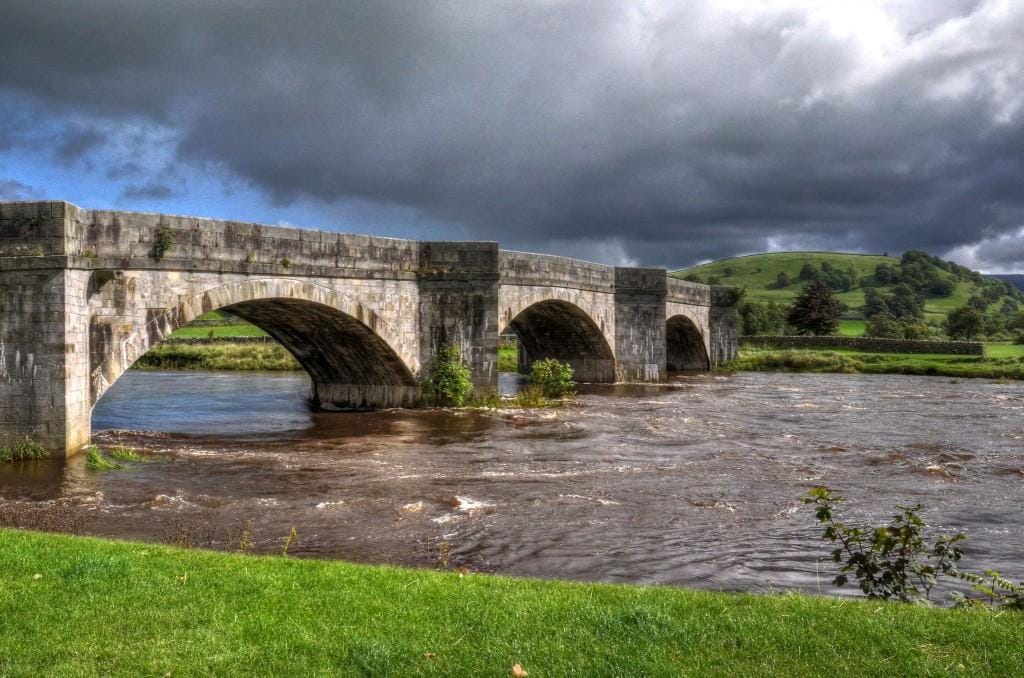
Burnsall sits beside the River Wharfe and epitomises the rural Yorkshire Dales village. Its historic bridge, church, and village green create a timeless setting. It is a popular starting point for riverside walks and routes toward Bolton Abbey.
The village green and riverside paths are gentle, and the pub offers accessible facilities and seating.
Masham
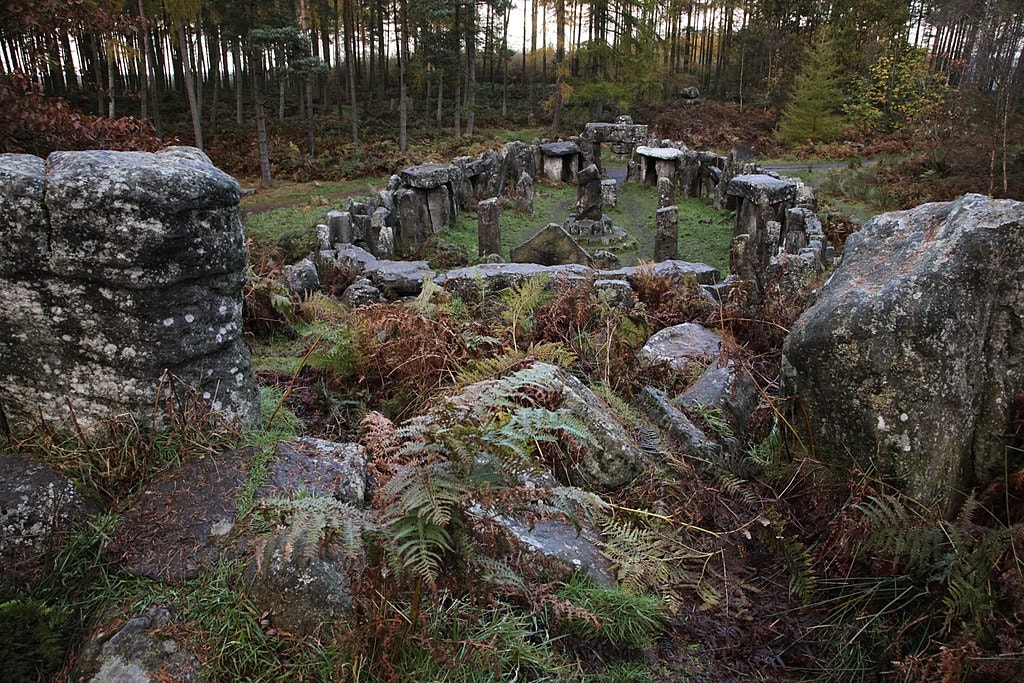
Masham is famed for its breweries, home to Black Sheep Brewery and Theakston Brewery. Brewing remains central to the town’s identity, alongside a bi-weekly market and an annual sheep fair. Masham Gallery showcases local crafts, reinforcing the town’s creative side. You have to check out the the Druids’ Temple which is not an actual prehistoric Druid site or ancient stone circle, but rather a 19th-century architectural folly built to resemble famous stone monuments such as Stonehenge.
The market square is level and compact, and brewery tours can accommodate mobility needs with advance notice.
Middleham
Middleham sits in the heart of Wensleydale and is known for its equestrian heritage. Middleham Castle, once home to Richard III, dominates the town, while racehorses regularly exercise through the streets, creating a unique atmosphere.
The town centre is manageable, though access to the castle involves slopes and uneven ground.

Malton
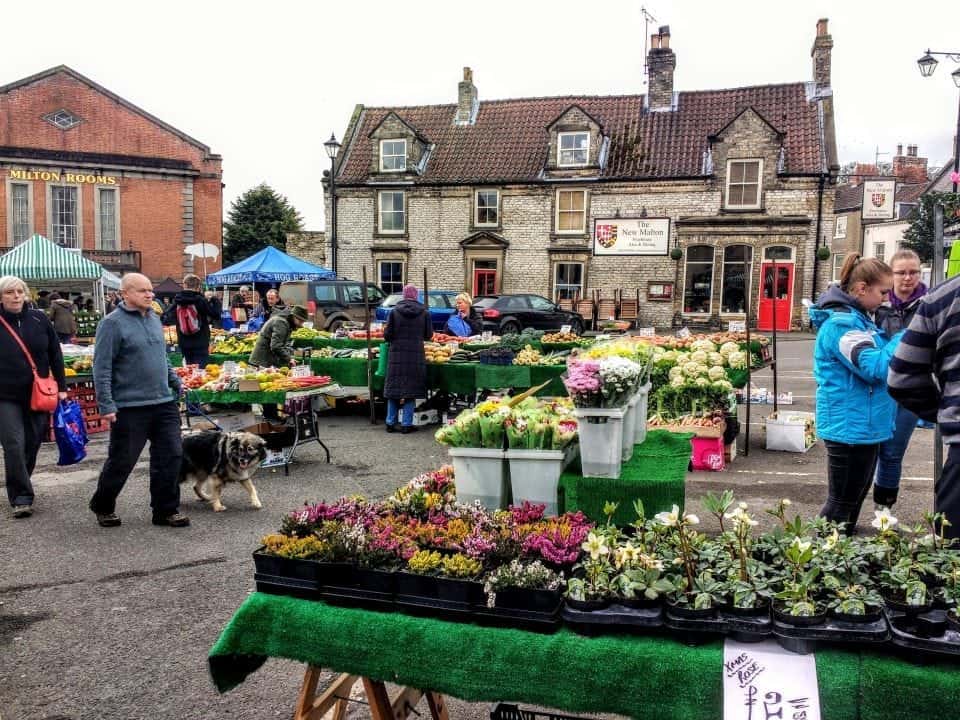
Malton is often called Yorkshire’s food capital, and the title is well earned. Weekly markets, food festivals, cooking schools, and independent producers define the town’s identity. Talbot Yard Food Court brings together bakers, brewers, cheesemongers, and street-food vendors in one central space.
Malton’s streets are largely level, with most food venues step-free and centrally located.


Hutton-le-Hole
Hutton-le-Hole feels timeless, with sheep grazing through the village green and a stream running through the centre. Stone cottages and tea rooms surround the green, creating a scene that feels gently unchanged.
The Ryedale Folk Museum offers an accessible insight into rural Yorkshire life, with historic buildings and artefacts presented along manageable paths.

Goathland
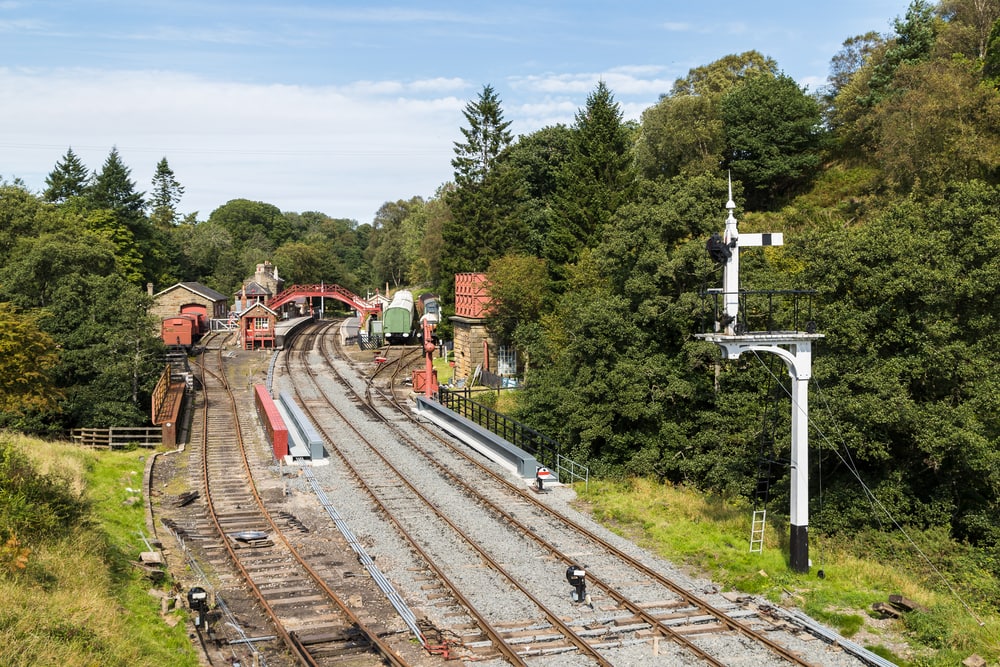
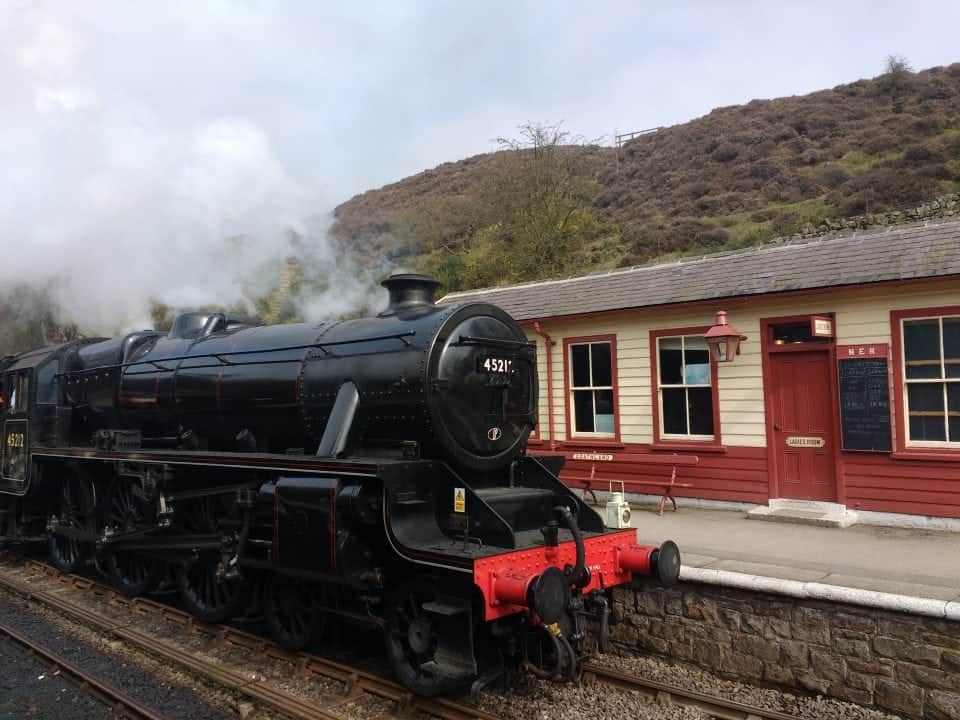
Goathland is steeped in nostalgia, known as the setting for Heartbeat and as a filming location for Harry Potter. The village sits within the North York Moors and retains a strong sense of heritage through its steam railway.
The North Yorkshire Moors Railway provides assisted access with notice, and the village itself is relatively compact.
Runswick Bay
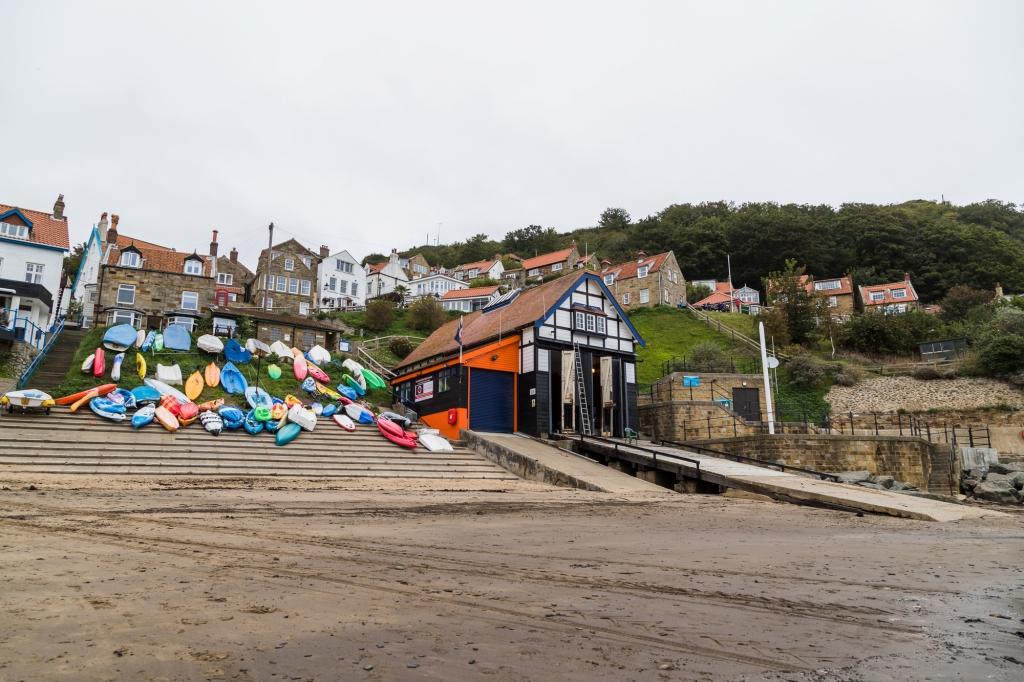
Runswick Bay is a peaceful coastal village with red-roofed cottages and a sweeping sandy beach. It feels quieter than nearby resorts, making it ideal for slow travel. The beach is popular for fossil hunting and rock pooling at low tide.
Clifftop access is manageable, while beach access varies depending on gradient and tide.
West Yorkshire Towns and Villages
West Yorkshire tells a different story, shaped by industry, dissent, literature, and creativity.
Haworth
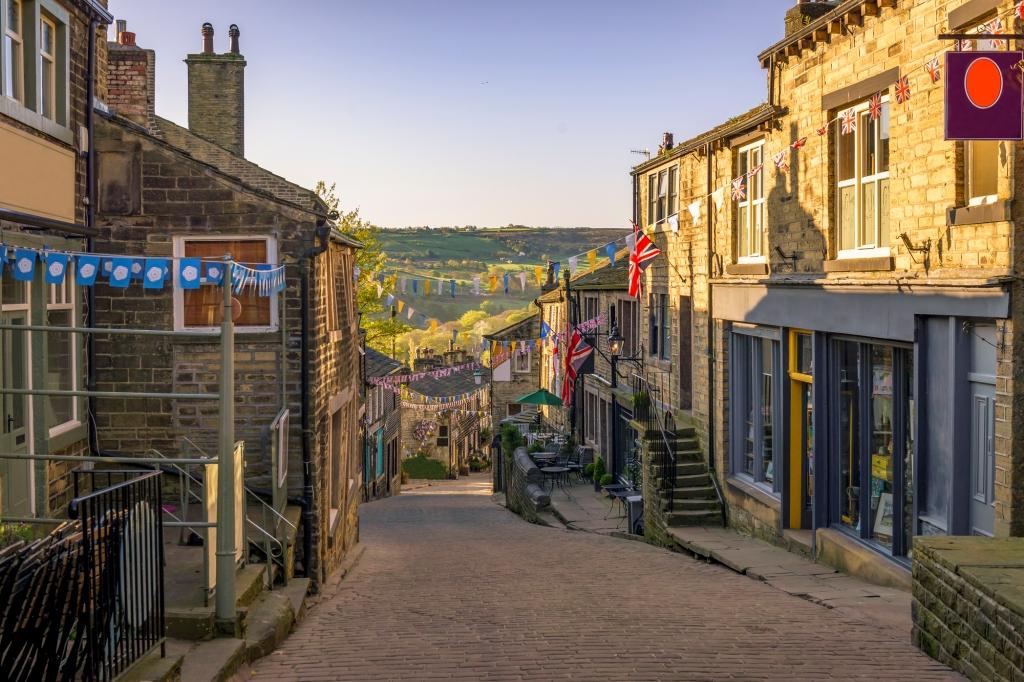
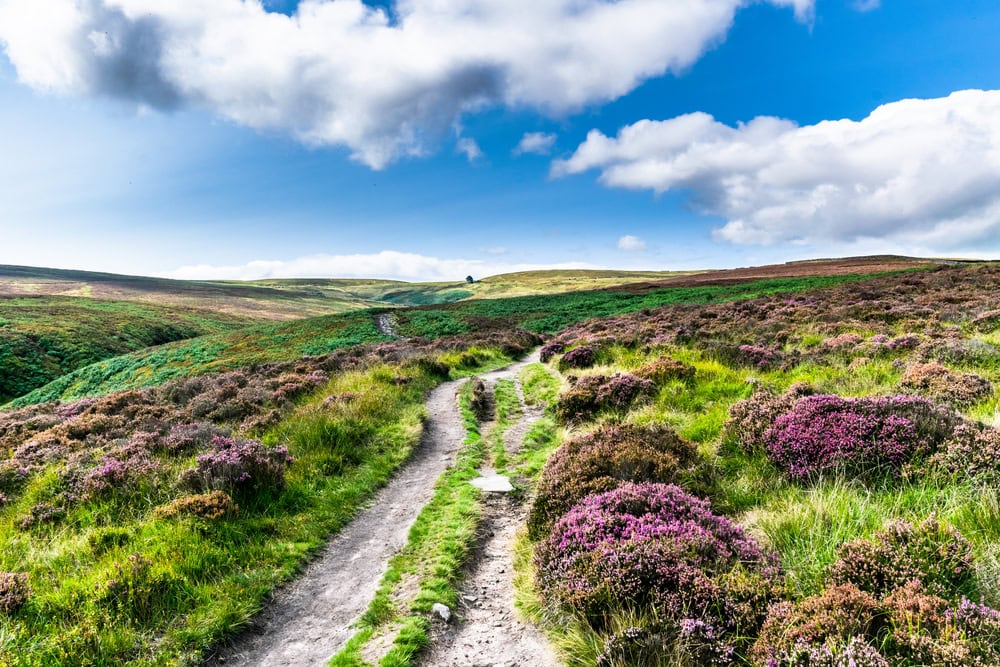
Haworth is inseparable from the Brontë sisters. The cobbled Main Street climbs steeply toward the moors, lined with shops and pubs that serve both locals and visitors. The Brontë Parsonage Museum sits at the top of the village, overlooking the landscape that inspired Wuthering Heights.
The Main Street can be physically demanding, but the museum itself offers step-free access, seating, and accessible toilets, making it one of the most inclusive literary heritage sites in England.

Hebden Bridge
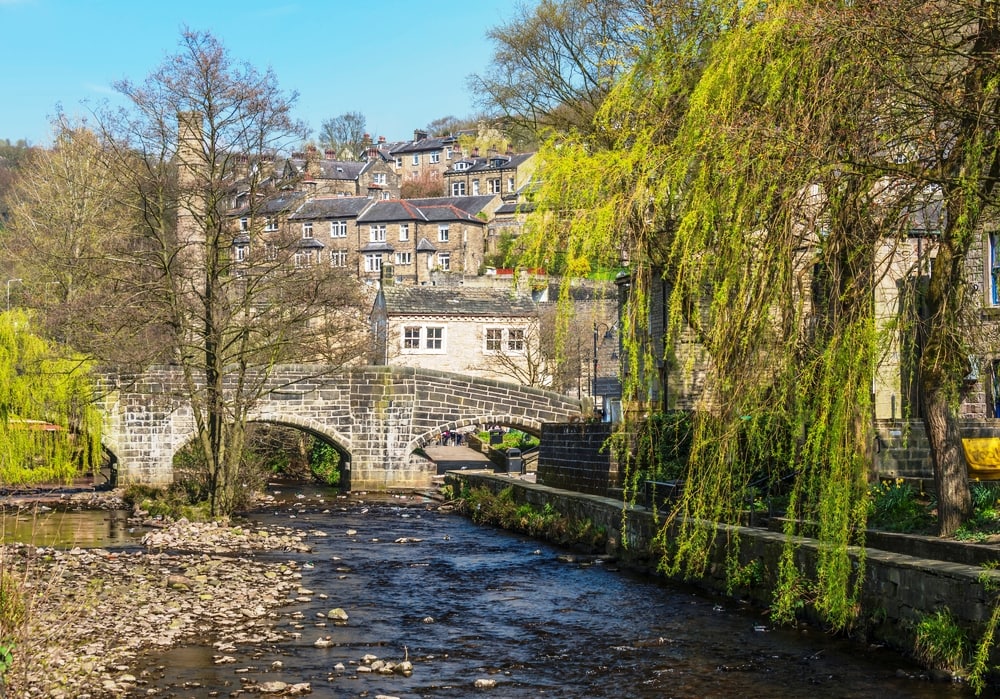
Hebden Bridge is one of Yorkshire’s most distinctive towns. Creative, politically engaged, and community-driven, it attracts artists, writers, and musicians. Independent shops, markets, and cafés line the streets, while the surrounding hills offer dramatic scenery.
The Rochdale Canal towpath provides flat, accessible walking, and the town centre is compact, making Hebden Bridge welcoming for slower exploration.
East Yorkshire Towns and Villages
East Yorkshire, historically the East Riding, feels gentler and more open, shaped by the rolling chalk landscape of the Yorkshire Wolds.
Beverley
Beverley is one of the most architecturally impressive market towns in Yorkshire. Beverley Minster dominates the town, rivaling cathedrals in scale and presence. The town also offers a lively market, independent shops, and a strong cultural scene.
Beverley’s wide streets, level pavements, good transport links, and accessible venues make it one of the easiest Yorkshire towns to navigate.

Market Weighton
Market Weighton sits beneath the Yorkshire Wolds and retains a strong local identity. Known as the birthplace of William Bradley, the Yorkshire Giant, it remains firmly rooted in everyday Yorkshire life rather than tourism.
The town centre is compact and level, making it particularly suitable for unhurried exploration.

South Yorkshire Villages
South Yorkshire is often overlooked, yet it contains some of the county’s most quietly compelling villages.
Hooton Pagnell
Hooton Pagnell is an ancient village with medieval roots and well-preserved architecture, including the historic hall. The village feels peaceful and largely untouched by mass tourism, with countryside walks nearby.
The village lanes are mostly level, making it suitable for gentle wandering and reflective visits.

Thoughts on Yorkshire Towns and Yorkshire Villages
Yorkshire’s towns and villages each have their own identity, shaped by landscape, history, and community. From literary Haworth to coastal Whitby, from food-loving Malton to quiet Hutton-le-Hole, every place offers a distinct slice of Yorkshire life.
After years of living in Yorkshire, travelling through it, and returning again and again, I remain convinced that this county rewards those who slow down, look closely, and travel honestly. Yorkshire is not just beautiful; it is deeply human, practical, and welcoming, especially for those of us who move through the world a little differently.
If Yorkshire’s on your route, start with the Yorkshire Travel Guide for the wider picture before diving into individual stops.This is just one part of a much bigger country see the full England Travel Guide for everywhere else worth building into your trip, and my United Kingdom travel Guide for a broader picture of the whole country.