
Normandy Travel Guide: History, Coastline and Places to Visit
Normandy feels different from much of France. The coastline is wide and open, the light changes quickly, and there’s a strong sense of history that isn’t tucked away in museums but visible in the landscape itself. You see it in the towns, the churches, the cliffs, and of course along the D-Day beaches.

If you’re planning a trip to Normandy, this guide will help you decide what to see and how to structure your time.
It’s not a region that relies on one highlight. What makes Normandy work is the combination of places. Historic towns, coastal scenery, and sites that carry real weight.
This guide brings together the key places to visit in Normandy and helps you plan how to explore the region in a way that makes sense.
Best Time to Visit Normandy
- Spring: good balance
- Summer: busiest but best weather
- Autumn: quieter
- Winter: slower, more atmospheric

Where to Stay in Normandy
Where you stay depends on what you want to see.
Bayeux works well for D-Day sites.
Rouen is better for a city base.
Coastal towns offer a slower pace.
Is Normandy Worth Visiting?
Yes, especially if you’re interested in history, coastal landscapes, and places that still feel grounded.
Normandy offers:
- important World War II sites
- historic towns that are easy to explore
- dramatic coastal scenery
- a quieter, more reflective atmosphere than many parts of France
It works well as a standalone trip or combined with Brittany or Paris.

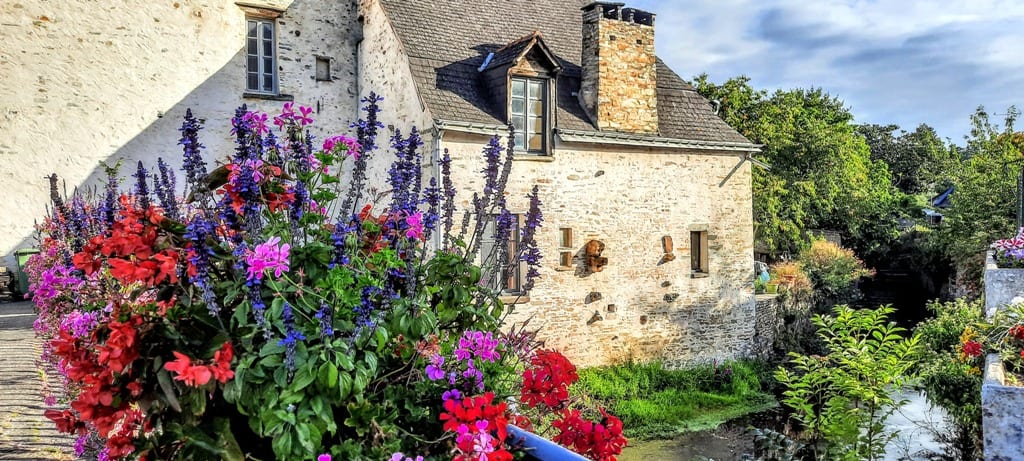
How to Explore Normandy
Normandy is best explored by car.
Many of the key sites are spread out, especially if you want to visit the D-Day beaches, smaller towns, and coastal areas. Driving gives you the flexibility to move at your own pace and stop along the way.
You can base yourself in one place, but moving between a couple of locations often works better.
The D-Day Beaches
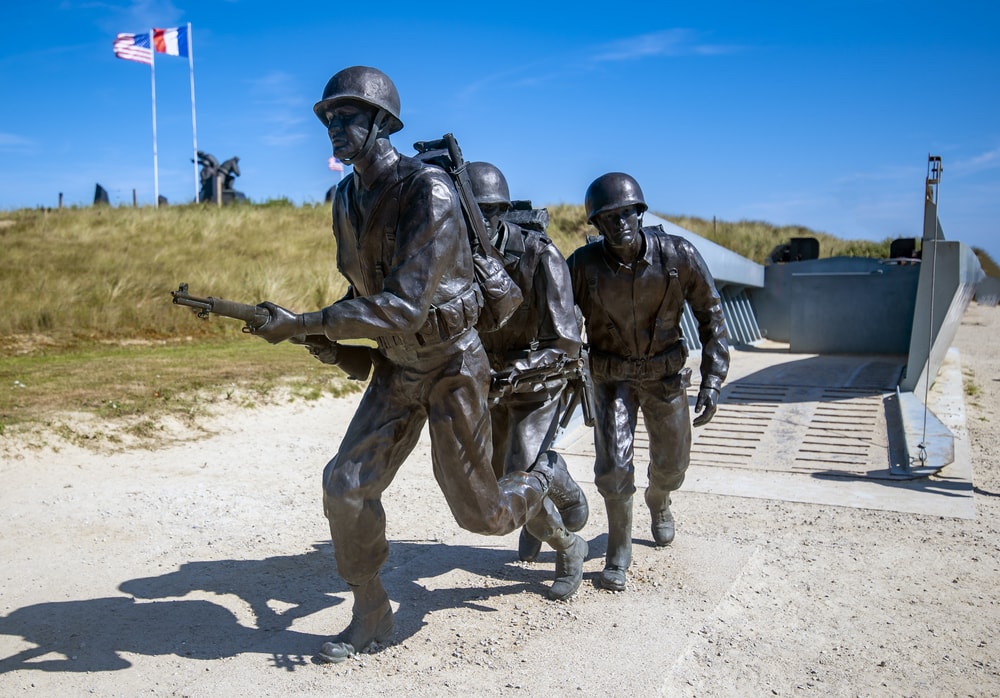
For many visitors, this is the reason to come to Normandy.
The D-Day beaches are not just historical sites. They’re places that still carry a strong atmosphere. Memorials, museums, and the landscape itself all contribute to that sense of history.

Mont Saint-Michel
Mont Saint-Michel is one of the most recognisable landmarks in France. A medieval abbey rising from the sea, it draws visitors for good reason.
It can get busy, but timing your visit well makes a difference.

Historic Towns in Normandy
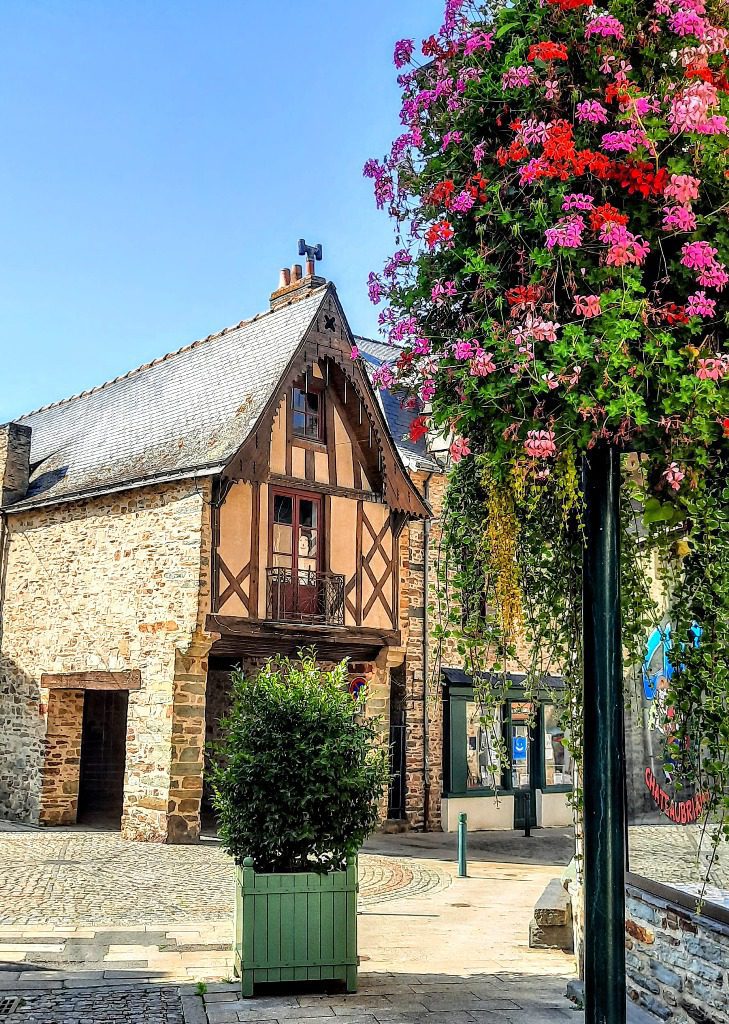
Normandy’s towns are part of what makes the region feel complete. They balance the larger historical sites and give you a sense of everyday life.
- 👉Visiting Bayeux France things to do in Bayeux
- 👉Things to do in Rouen
- 👉Granville France Coastal Charm and Dior’s Childhood Home
Each has a different feel. Bayeux is closely tied to World War II history, Rouen has a strong medieval character, and Granville brings in the coastal side of Normandy.


Villages and Smaller Places
Some of the most memorable stops in Normandy are the smaller villages.
They’re quieter, less visited, and often give you a better sense of the region than the main attractions.
- 👉Villages in Normandy 22 of the most beautiful villages
- 👉Monet’s Garden France: Blooms, Bridges & Inspiration
These places work well when you’re moving between larger destinations or slowing your pace for a day.


Hidden Towns and Lesser-Known Places in Normandy
Some of the most interesting parts of Normandy are the places that don’t appear on most itineraries.
These smaller towns tend to be quieter, less visited, and give a better sense of how the region actually feels beyond the main sites.
- 👉Domfront Normandy: Centre of royal power struggles
- 👉Best things to do in Saint Cénéri le Gérei Normandy France
These are the kinds of places you come across when you slow down or move away from the main routes, and they often end up being some of the most memorable.

Exploring Northern France
Normandy also works as part of a wider route through northern France.
Combining different areas gives you more contrast and helps you see how the landscape and culture shift across the region.
👉An epic Northern France road trip itinerary

Normandy Itinerary Ideas
- 2–3 days: Focus on the D-Day beaches or one main area like Bayeux
- 4–6 days: Combine beaches, towns, and Mont Saint-Michel
- Longer stays: Explore smaller villages and travel at a slower pace
Normandy isn’t difficult to cover, but giving yourself time makes a difference to how much you get from it.
Travel Style in Normandy
Normandy suits a slower, more reflective style of travel.
You can plan your route, but leaving space between stops helps. Some places need time, especially the historical sites.
It’s not about seeing everything. It’s about understanding what you’re seeing.
Planning Your Trip to Normandy
Start by deciding what matters most to you.
If your focus is history, base yourself near the D-Day beaches. If you want a broader experience, combine coastal towns, villages, and key landmarks like Mont Saint-Michel. Normandy also connects easily with Paris, making it a straightforward addition to a wider France itinerary.
Normandy is not a region that tries to impress you quickly. It builds gradually. Through the landscape, the towns, and the history that sits quietly in the background. The more time you spend here, the more it starts to make sense.
Interested in exploring more of France check out these pages: