
Visiting the Cutty Sark in Greenwich, London: Tickets, History and Insider Tips
| Quick answer: The Cutty Sark is a 19th-century tea clipper and museum ship at King William Walk, Greenwich, London SE10 9HT. Tickets cost £22 for adults and £11 for children (4–15), it opens daily from 10am to 5pm, and it’s a one-minute walk from Cutty Sark DLR station and Greenwich Pier. Allow 1.5–2 hours. |

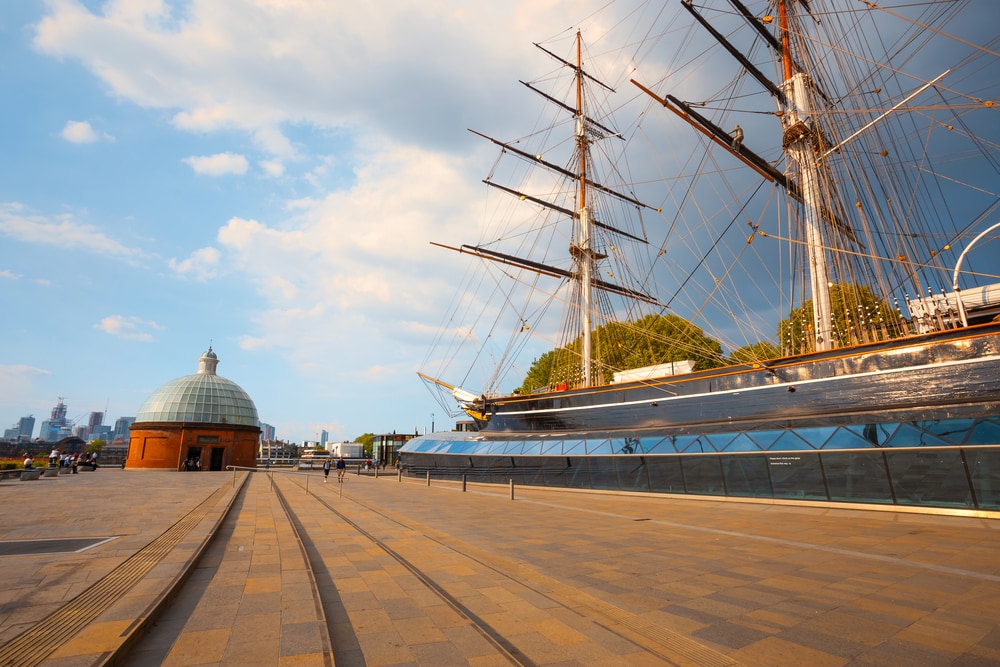
The Cutty Sark is the world’s last surviving tea clipper. She was launched in Dumbarton, Scotland, in 1869 to race the new season’s tea home from China. Today she sits raised in a glass-walled dry berth beside Greenwich Pier in south-east London, where you can walk her decks, rummage through the cargo hold and stand directly beneath her gleaming hull.
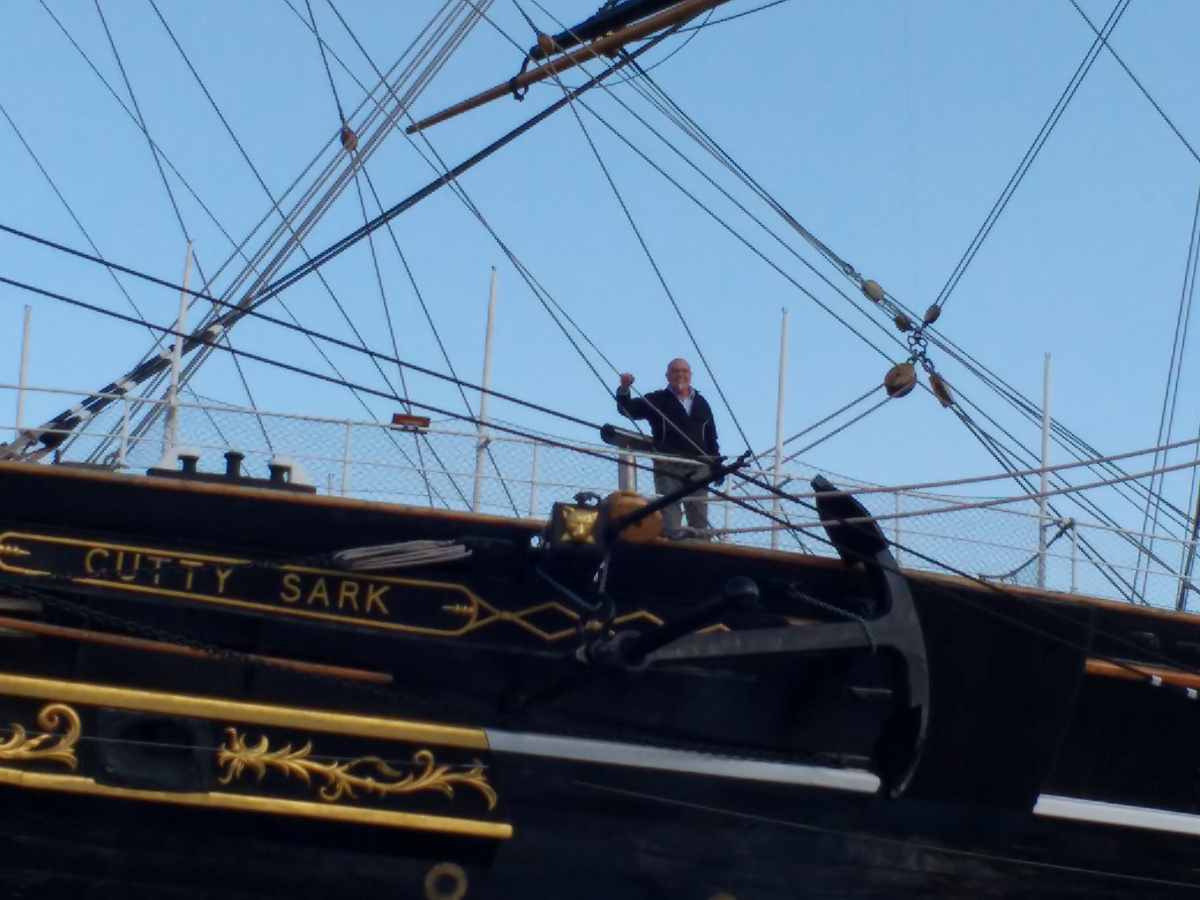
I first saw her about 9 years ago, during one of my London house-sits. It was the tail end of a day that began with a ride on the London Eye and finished with a river cruise down to Greenwich. Back then she sat in her old dry dock, exposed to the weather and looking every one of her years. I went back after the restoration in 2012, after a fire, with my husband, a keen sailor, who was in his element from the moment we stepped aboard. I lived in London for ten years, and Greenwich is still one of the first places I send visitors.
- Visiting the Cutty Sark in Greenwich, London: Tickets, History and Insider Tips
- Cutty Sark Fast Facts
- What Is the Cutty Sark?
- Where Is the Cutty Sark?
- How to Get to the Cutty Sark
- Cutty Sark Tickets, Prices and Opening Hours (2026)
- The Story of the Cutty Sark
- What to See Inside the Cutty Sark
- Cutty Sark Rig Climb Experience
- Is the Cutty Sark Accessible?
- 9 Fascinating Cutty Sark Facts
- Tips for Visiting the Cutty Sark
- More Things to Do in Greenwich
- Cutty Sark FAQs
- Plan the Rest of Your London and UK Trip
Cutty Sark Fast Facts
| Fast fact | Details |
| What it is | The world’s only surviving tea clipper, now a museum ship |
| Launched | 22 November 1869, Dumbarton, Scotland |
| Address | King William Walk, Greenwich, London SE10 9HT |
| Tickets (2026) | Adult £22 · Student £16.50 · Child (4–15) £11 · Under 4s free · Carers free |
| Combo ticket | Cutty Sark + Royal Observatory Day Pass: £38 adult / £19 child |
| Opening hours | Daily 10am–5pm (last entry 4.15pm); until 6pm in the summer holidays |
| Getting there | Cutty Sark DLR (1 min walk), Greenwich Pier (next door), Greenwich rail station (10 min walk) |
| Time needed | 1.5–2 hours; half a day with afternoon tea or the rig climb |
| Accessibility | Lifts to all levels of the ship; a few small spaces have virtual access only |
| Part of | Royal Museums Greenwich and the Maritime Greenwich UNESCO World Heritage Site |

What Is the Cutty Sark?
A tea clipper was the Formula 1 car of the Victorian sea lanes: a slim, heavily canvassed sailing ship built to bring the first tea of the season back from China, when the first cargo home commanded the best price. The Cutty Sark was built for the London shipowner John “Jock” Willis and designed by Hercules Linton. The Dumbarton firm of Scott & Linton started the build, but ran out of money, and William Denny & Brothers finished the ship.
She carried around 32,000 square feet of sail across 32 sails, more than 11 miles of rigging, and a main mast 152 feet tall. Her logged top speed was 17.5 knots, which was extraordinary for a sailing ship. Dozens of clippers were built in that era. She is the only tea clipper still in existence.
What Does “Cutty Sark” Mean?
“Cutty sark” is an old Scots term for a short chemise or nightshirt. The name comes from Robert Burns’s 1791 poem Tam o’ Shanter, in which a drunken Tam stumbles on a witches’ dance and is captivated by a young witch called Nannie Dee, dancing in a “cutty sark” far too short for her. He can’t help shouting “Weel done, Cutty-sark!” The witches give chase, and Nannie grabs the tail of his horse, Meg, just as they cross the river to safety.
That’s why the ship’s figurehead is Nannie herself, arm outstretched and clutching a horse’s tail. It’s an odd choice of mascot for a ship built to be the fastest on the ocean, until you remember that in the poem Nannie was the fastest witch of all.

Where Is the Cutty Sark?
The Cutty Sark is in the heart of Greenwich town centre, on the south bank of the Thames in south-east London (Zone 2). She stands in a dry berth right beside Greenwich Pier, across the road from the Old Royal Naval College. She’s also a landmark on the London Marathon route, where runners swing round her bow at around mile six.
She is one of four Royal Museums Greenwich sites, alongside the Royal Observatory, the National Maritime Museum and the Queen’s House. All of them sit within Maritime Greenwich, one of London’s four UNESCO World Heritage Sites.

Is the Greenwich Peninsula Near the Cutty Sark?
It’s close, but not walking-next-door close. The Greenwich Peninsula, home to The O2 (the former Millennium Dome), is the next big bend downriver, about two miles (3 km) from the Cutty Sark. People often mix up the two because of the shared name: North Greenwich tube station (Jubilee line) serves the Peninsula, while Cutty Sark DLR and Greenwich rail stations serve the town centre.
| Option | Journey time | Notes |
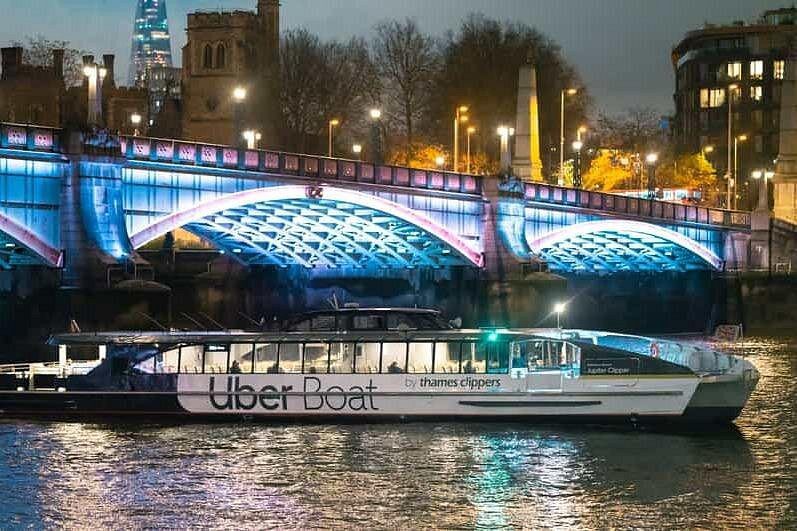
| Uber Boat by Thames Clippers | About 10 min | Greenwich Pier to North Greenwich Pier. The quickest and most scenic option. |
| Bus 188 | 15–20 min | From the Cutty Sark stop to North Greenwich station, every 10 minutes or so |
| Walk (Thames Path) | 40–45 min | Flat riverside walk; pleasant on a fine day |
| Taxi | 5–10 min | Depends on traffic |
The IFS Cloud Cable Car leaves from the Peninsula, but it crosses the river to the Royal Docks. It doesn’t go to Greenwich town. A good plan is to do the Cutty Sark and Greenwich in the day, then hop on the river bus to The O2 for an evening show.
How to Get to the Cutty Sark
DLR: Cutty Sark for Maritime Greenwich station is about 200 metres from the ship. It’s the most central of Greenwich’s stations, with trains on the Lewisham branch via Canary Wharf. The station reopened on 23 March 2026 after a ten-month closure, with four new escalators and a new lift, so ignore any old closure notices you find online.
National Rail: Greenwich station (Southeastern trains from London Bridge and Cannon Street) is about a 10-minute walk. Maze Hill is handy for the eastern side of Greenwich Park.
River: Greenwich Pier is right next to the ship (see below).
Greenwich Foot Tunnel: from Island Gardens DLR, on the Isle of Dogs, walk through the Victorian tunnel under the Thames and come up beside the Cutty Sark, about 10 minutes. Island Gardens station has step-free lift access.

Bus: routes 188 and 199 stop by the Cutty Sark.
Car: don’t, if you can help it. The National Maritime Museum car park opens to visitors at weekends, on bank holidays and in school holidays, and spaces can be reserved when you book tickets.
Cutty Sark Boat Ride: Arriving by River
Arriving by water is the best way to arrive, and the way I did it on my first visit. We took a hop-on, hop-off river cruise after the London Eye. Watching the Cutty Sark’s masts rise above the riverbank as you round the bend into Greenwich is a proper “wow” moment, and it’s a lovely trip for families.
Uber Boat by Thames Clippers: fast river buses from central piers including Westminster (London Eye), Embankment, Tower and London Bridge City. They run roughly every 20 minutes, and you can pay with contactless or Oyster.

Sightseeing cruises: City Cruises and Thames River Sightseeing run slower boats with live commentary on the landmarks along the way.
One clarification for anyone searching for a “Cutty Sark boat ride”: the ship herself is permanently in dry berth, so you can’t sail on her. The boat ride is how you get there.

Cutty Sark Tickets, Prices and Opening Hours (2026)
| Ticket | Price | Includes |
| Cutty Sark entry | Adult £22 · Student £16.50 · Child (4–15) £11 · Under 4s free | Main deck, cabins, cargo hold, walk beneath the hull, audio guide, family activities |
| Royal Museums Greenwich Day Pass | Adult £38 · Child £19 | Cutty Sark plus the Royal Observatory, timed entry |
| Cutty Sark Afternoon Tea | Adult £47 · Student £41.50 · Child £36 | Afternoon tea beneath the hull plus ship entry |
| Cutty Sark Rig Climb (seasonal) | Adult £60 · Student £55 · Child (8–17) £49 · Members £30 | Climb, controlled descent and ship entry |
| RMG membership | Free entry | Unlimited visits to the Cutty Sark and Royal Observatory |
- Carers accompanying disabled visitors go free; select the carer ticket with any paid ticket online.
- Book online for a guaranteed timed entry. Walk-up tickets depend on availability. Royal Museums Greenwich often runs seasonal sales, so check the official site before you book.
- The National Maritime Museum and the Queen’s House are free, so the Cutty Sark is the only paid stop you need, unless you add the Observatory.
Opening hours: daily, 10am–5pm (last entry 4.15pm), extended to 6pm (last entry 5.15pm) in the summer holidays. Check before visiting over Christmas, when Greenwich’s museums close for a few days.
Address: Cutty Sark, King William Walk, Greenwich, London SE10 9HT.

The Story of the Cutty Sark
Built to Race Tea (1869–1877)
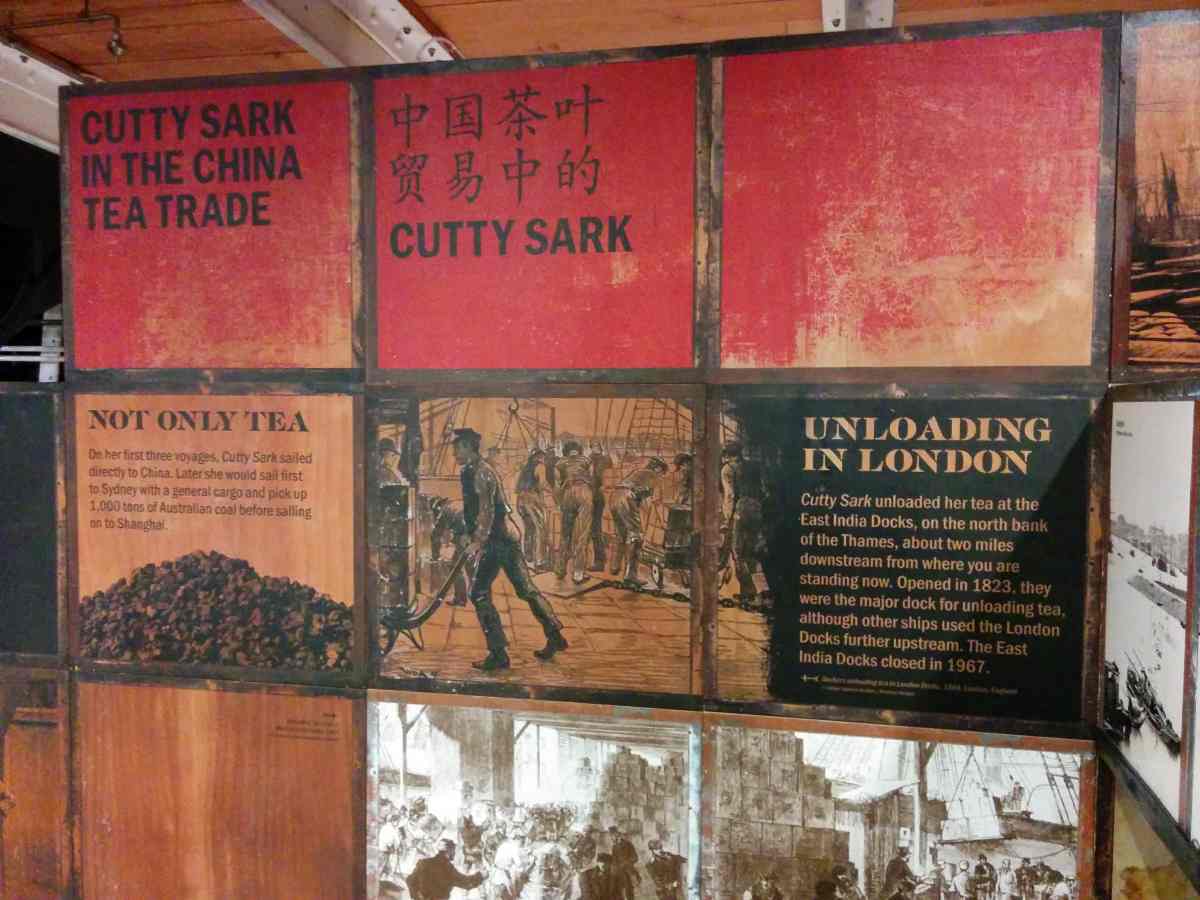
The Cutty Sark was launched on 22 November 1869, and her timing could hardly have been worse. Five days earlier, the Suez Canal had opened, giving steamships a shortcut to China that sailing ships, which needed the trade winds, couldn’t use. She still made eight tea voyages to China. The most famous was the 1872 race against her great rival Thermopylae: both ships left Shanghai together, then the Cutty Sark lost her rudder in a gale. Her crew rigged a replacement at sea, and she limped into London on 18 October, about a week behind, after 122 days.
The Wool Trade and Her Fastest Years (1883–1895)
When steam took over the tea trade, she switched to carrying Australian wool, and that’s where she truly shone. Under Captain Richard Woodget, appointed in 1885, she sailed from Sydney to the Downs in 73 days in 1885 and to the Lizard in 70 days in 1887. She was the fastest ship in the wool trade for about a decade.
The Portuguese Years (1895–1922)
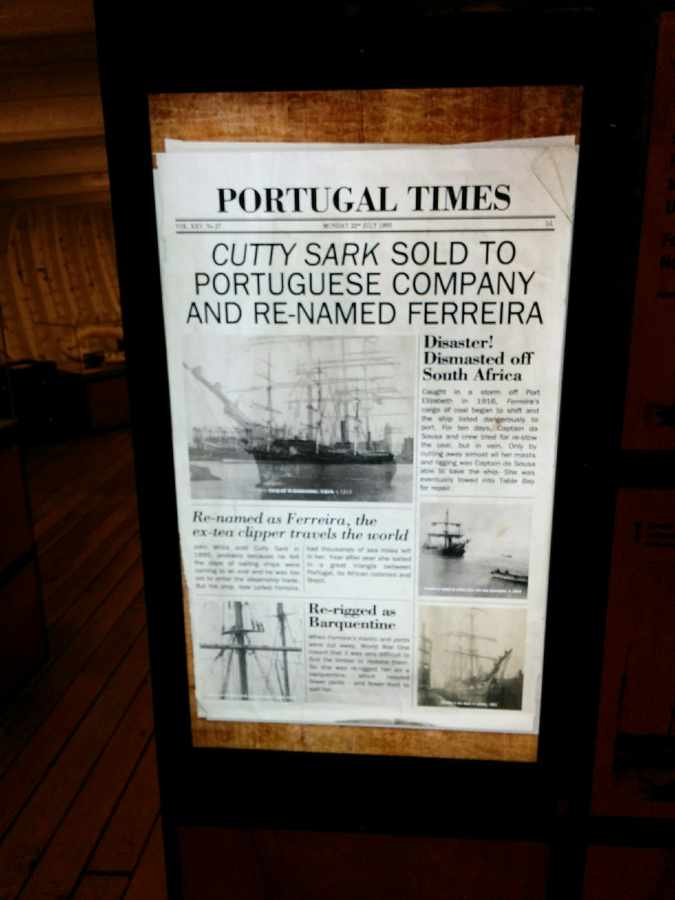
In 1895 she was sold to the Lisbon firm Joaquim Antunes Ferreira & Co. for £1,250 and renamed Ferreira. Her Portuguese crews affectionately called her “Pequena Camisola”, “the little shirt”. On board you can see a copy of a Portuguese newspaper reporting the sale. She was dismasted off the Cape of Good Hope in 1916, re-rigged as a barquentine, and later renamed Maria do Amparo.
Rescued and Retrained (1922–1954)
In 1922 a storm drove her into Falmouth, where retired sea captain Wilfred Dowman recognised her. He bought her back for £3,750 and turned her into a training ship for cadets. After his death, his widow Catharine gave her to the Thames Nautical Training College at Greenhithe, where she arrived in 1938.
Greenwich and the Preservation Society (1954 onwards)
Prince Philip, the Duke of Edinburgh, led the campaign to save her through the Cutty Sark Preservation Society, today the Cutty Sark Trust. He laid the foundation stone of her purpose-built Greenwich dry dock in June 1953, and she became a museum ship there in December 1954. She is Grade I listed and part of the National Historic Fleet.
Fire and Restoration (2007–2012)
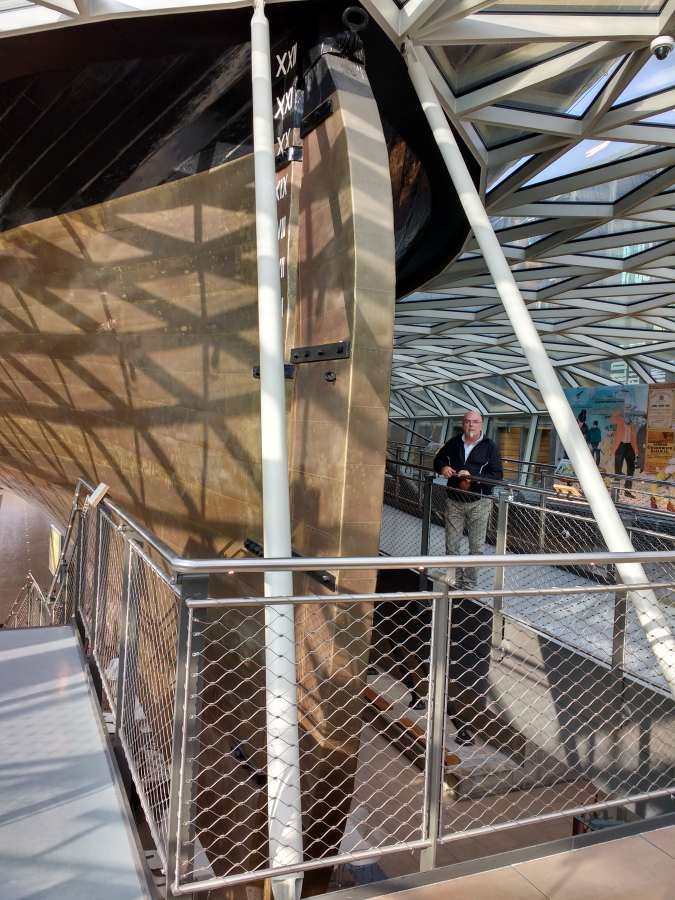
On 21 May 2007, during a major conservation project, a fire tore through the ship. Investigators concluded it was accidental, most likely caused by an industrial vacuum cleaner left running over a weekend. Luckily, much of the original fabric had already been removed for conservation. She reopened on 25 April 2012, raised about three metres on steel supports under a glass canopy, so visitors can walk beneath her hull for the first time.
The design divided opinion. Architecture magazine Building Design gave it the 2012 Carbuncle Cup for the year’s worst new building. But standing under that hull is now the highlight for most visitors, me included. A smaller fire on 19 October 2014 damaged part of one deck and was quickly repaired.
What to See Inside the Cutty Sark
The route starts in the belly of the ship and works upward, then takes you down beneath the hull.
The lower hold: stacked tea chests (you can smell the tea), cargo displays and the story of what she carried. It gives you a real sense of how much cargo was packed into her.
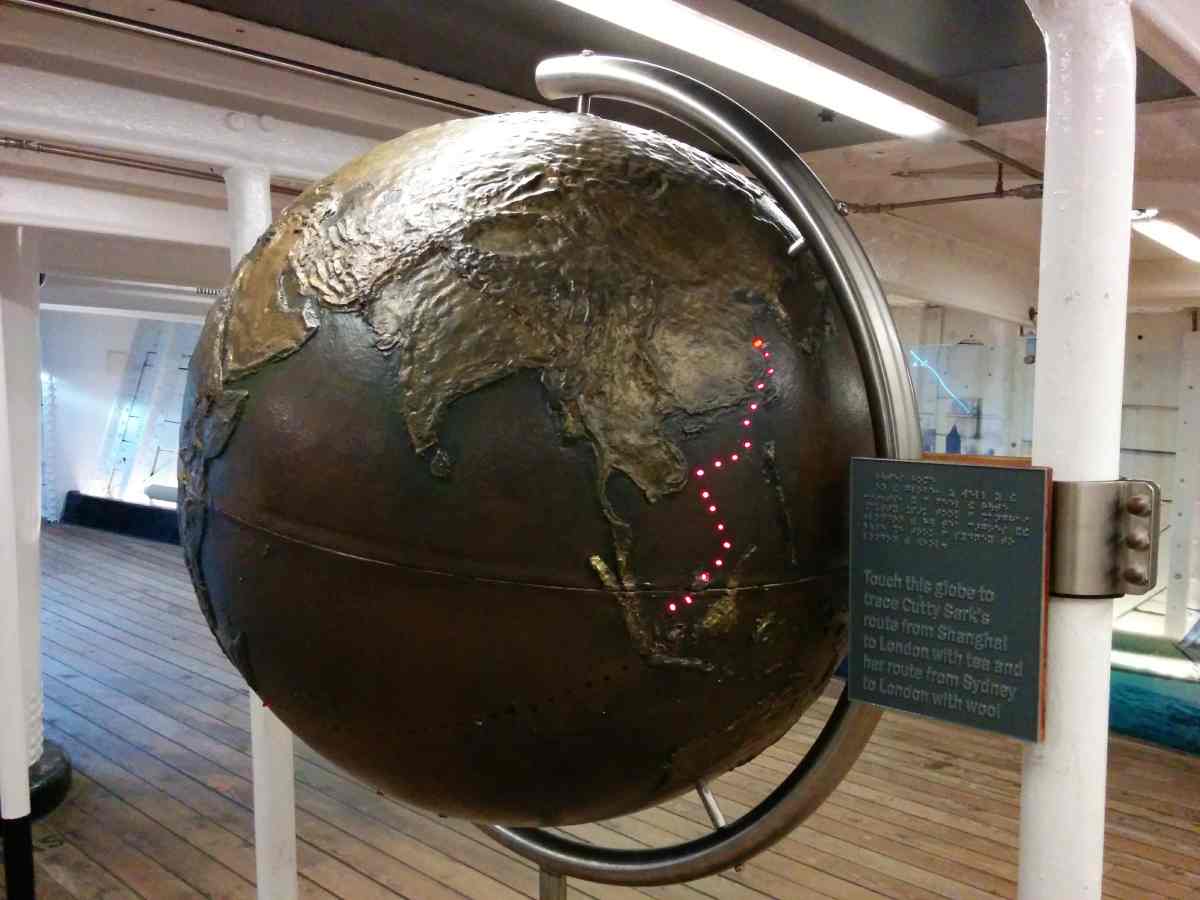
The tween deck: interactive displays, cargo maps, short films, a bronze globe tracing her voyages, and benches that rock to simulate life at sea. Kids love them, and so did my husband.
The main deck: the rigging up close, the crew’s cramped quarters, the officers’ cabins and the Master’s Saloon. Costumed characters bring it to life, including Captain Woodget, Nannie, the ship’s cook, Mrs Ray and Jock Willis himself. You can explore the ship from top to bottom.

Beneath the hull: walk under the ship and reach up to touch her original copper-coloured metal sheathing, the “racing skin” that kept her fast and free of weed and barnacles.
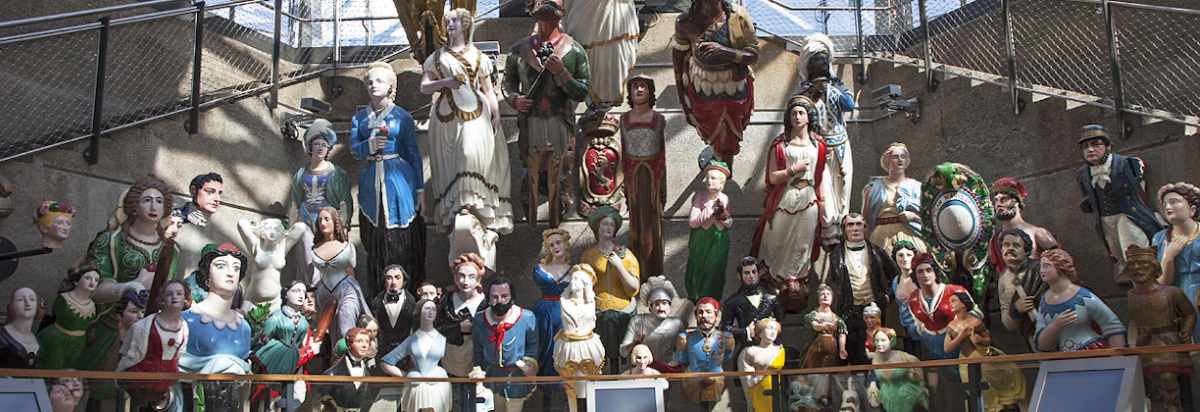
The figurehead collection: the world’s largest collection of merchant ship figureheads, donated in 1953 by Sydney “Long John Silver” Cumbers. The Nannie on the bow today is a modern carving by figurehead carver Andy Peters.
Talks and workshops: free daily talks and rope-making sessions, plus an audio guide included with every ticket.
My husband, who loves anything that floats, spent ages in the rigging displays and with the period maps. He’d happily have signed on as crew.

Cutty Sark Rig Climb Experience
For the first time since she arrived in Greenwich in 1954, visitors can now climb the Cutty Sark’s rigging, as her sailors once did. The Rig Climb is run with urban adventure company Wire & Sky. You’re harnessed in, climb the ratlines (rope ladders), edge along a lower yard and reach the platform above the deck for a view over the Thames, then make a controlled descent back down.

- Prices: adult £60, student £55, child (8–17) £49, members £30, including ship entry.
- Season: weekends in the warmer months; it closes for winter, so check dates before planning around it.
- Rules: minimum age 8. Under-18s need an adult climbing with them, and one adult can take up to five children. Harnesses have maximum waist and thigh sizes, listed on the booking page.
Full honesty: I hate heights (I skipped the high-level walkways at Tower Bridge for the same reason), so I’ve watched this one from firmly on the deck. If you’re braver than me, it’s one of the most unusual experiences in London.
Cutty Sark Afternoon Tea
We really enjoyed Afternoon tea on the ship which was built to carry tea it’s a great addition to the visit. It’s served in the café beneath the hull on Fridays, Saturdays and Sundays at 12pm and 3pm. Expect finger sandwiches, scones with clotted cream and jam, mini cakes and a choice of teas, with Prosecco as an optional extra; the menu changes seasonally and vegan options are available.

- Price: adult £47, student £41.50, child £36 (members £22.50), including ship entry. There’s no separate children’s menu.
- Book ahead on the official afternoon tea page.
- Manage expectations: you sit in a reserved section of the café under the ship, not in a private room. Some reviewers say the atmosphere depends on how busy the café is.
If you’re curious about the rest of Britain’s tea-time treats, my guide to traditional British foods covers scones, clotted cream and more. Or if you want a truly unique afternoon tea my guide to Themed Afternoon Teas in London showcases different venues.
Is the Cutty Sark Accessible?
Better than you’d expect for a Victorian sailing ship. The restoration was designed with access in mind, and the official access guide is detailed.
- Lifts to every level: five lifts in total, including platform lifts from street level to the dry berth and a lift inside the ship. The lifts are about 145 cm deep with 90 cm doors and carry up to four people. Staff now operate some of them.
- Limited wheelchair numbers: for evacuation safety, only a small number of wheelchair users can be on board at once, one per deck. Book ahead and arrive at your slot time.
- Virtual access: a few tight spaces, such as the Master’s Saloon, some cabins and the anchor deck, can’t take wheelchairs, but virtual access is provided.
- Facilities: accessible toilets, a wheelchair to borrow from the ticket desk, braille signage and touch tours, and a dementia-friendly site with relaxed early openings on some dates.
- Carers go free. Mobility scooters are fine if they fit the lifts; the measurements are in the access statement.
- Getting there: Cutty Sark DLR now has a new lift, the Uber Boats are step-free, and Greenwich Pier is level with the ship’s entrance.
The rig climb isn’t suitable for everyone, but Royal Museums Greenwich says it can arrange alternative access for visitors who can’t physically climb. Contact the bookings team before you go.

9 Fascinating Cutty Sark Facts
- She was obsolete before she sailed. The Suez Canal opened five days before her launch, and it eventually killed the tea-clipper trade.
- Her design borrowed from another ship. Jock Willis admired the bow of his ship The Tweed, and the Cutty Sark largely copied it.
- She’s named after a witch’s underwear. Well, a short nightshirt, from Burns’s Tam o’ Shanter.
- Cutty Sark whisky is named after her. The blended Scotch shows the clipper on its label and once sponsored the Cutty Sark Tall Ships Races. My husband rates it “not bad”. Read more about the whisky).
- She’s home to the world’s largest figurehead collection, beneath the hull.
- A flying boat was named after her too: the 1920s Saunders-Roe Cutty Sark.
- Hollywood helped her restoration. Producer Jerry Bruckheimer donated photographs from Pirates of the Caribbean: At World’s End to be auctioned for the restoration fund.
- Her glass canopy won a “worst building” award, the 2012 Carbuncle Cup, yet it’s the reason you can now walk beneath her.
- She’s cared for by the Cutty Sark Trust, which grew out of the preservation society Prince Philip championed in the early 1950s.
Tips for Visiting the Cutty Sark
- Go early on a weekday: school groups arrive mid-morning; first entry or late afternoon is quieter.
- Bring a charged phone and headphones for the audio guide.
- Look before you pay: you can admire the exterior, figurehead and masts free from the riverside.
- Pair it with the free museums: the National Maritime Museum and Queen’s House cost nothing, and the Day Pass saves money if you’re doing the Observatory too.
- Eat at Greenwich Market, a two-minute walk away. If you love London’s food markets, see my guide to London’s street markets.
- Avoid London Marathon Sunday (April) unless you’re there to cheer.

Is the Cutty Sark Worth Visiting?
Yes, especially if you love history, have children or have a sailor in the family. It’s one of the best-presented museum ships anywhere, and standing beneath that hull is genuinely memorable. If you’re on a tight budget, the exterior is free to admire, and Greenwich has plenty of free museums.
More Things to Do in Greenwich
- Royal Observatory: stand on the Prime Meridian, with the best view in London from the hill in Greenwich Park.
- National Maritime Museum: free, with Nelson’s uniform and centuries of seafaring.
- Queen’s House: free, with the famous Tulip Stairs and royal portraits.
- Old Royal Naval College: the Painted Hall, often called Britain’s Sistine Chapel.
- Greenwich Park and Greenwich Market: a picnic or street food between sights.
- The O2 on the Greenwich Peninsula: a 10-minute river bus away for concerts and the rooftop climb.

Cutty Sark FAQs
What is the Cutty Sark?
The Cutty Sark is the world’s last surviving tea clipper, a fast three-masted British sailing ship launched in Dumbarton, Scotland, in 1869 to carry tea from China to London. Today it is a museum ship in Greenwich, London, run by Royal Museums Greenwich, where visitors can explore the decks, the cargo hold and the space beneath its copper-clad hull.
Where is the Cutty Sark?
The Cutty Sark is in Greenwich town centre in south-east London, at King William Walk, London SE10 9HT. It sits in a dry berth right beside Greenwich Pier on the south bank of the Thames, a one-minute walk from Cutty Sark for Maritime Greenwich DLR station, within the Maritime Greenwich UNESCO World Heritage Site.

How much does it cost to visit the Cutty Sark?
In 2026 Cutty Sark tickets cost £22 for adults, £16.50 for students and £11 for children aged 4 to 15. Under-4s go free, and carers accompanying disabled visitors also go free. A day pass covering the Cutty Sark and the Royal Observatory costs £38 for adults and £19 for children. Royal Museums Greenwich members get in free. You can grab your tickets here.
What does Cutty Sark mean?
“Cutty sark” is an old Scots term for a short chemise or nightshirt. The ship takes its name from Robert Burns’s 1791 poem Tam o’ Shanter, in which a young witch called Nannie Dee dances in a cutty sark. Tam shouts “Weel done, Cutty-sark!” and is chased by the witches, and Nannie grabs the tail of his horse. The ship’s figurehead shows Nannie holding that horse’s tail.
Is the Greenwich Peninsula near the Cutty Sark?
The Greenwich Peninsula, home to The O2, is about two miles (3 km) downriver from the Cutty Sark. The quickest link is the Uber Boat by Thames Clippers river bus from Greenwich Pier to North Greenwich Pier, which takes about 10 minutes. Bus 188 takes around 15 to 20 minutes, and the riverside walk along the Thames Path takes about 40 to 45 minutes.

How old is the Cutty Sark?
The Cutty Sark was launched on 22 November 1869, so it is more than 155 years old. It sailed commercially until the 1920s, served as a training ship until the 1950s, and has been on public display in Greenwich since 1954.
Can you go inside the Cutty Sark?
Yes. A standard ticket lets you go on board and explore the lower hold, the tween deck, the main deck with its cabins and rigging, and then walk underneath the ship to see and touch the hull. An audio guide is included, and there is a figurehead gallery and café beneath the ship.
How long do you need at the Cutty Sark?
Most visitors spend about 1.5 to 2 hours at the Cutty Sark. Allow half a day if you are adding afternoon tea or the rig climb, or a full day if you want to combine it with the Royal Observatory, National Maritime Museum and Greenwich Park.
Is the Cutty Sark wheelchair accessible?
Yes, largely. Lifts give step-free access to all levels of the ship and to the gallery beneath it, there are accessible toilets, and wheelchairs can be borrowed. For safety, only a limited number of wheelchair users can be on board at once, and a few small spaces such as the Master’s Saloon and some cabins are covered by virtual access instead. Carers go free.
Can you take a boat to the Cutty Sark?
Yes. Greenwich Pier is right next to the Cutty Sark. Uber Boat by Thames Clippers river buses run to Greenwich from central London piers such as Westminster (London Eye), Embankment, Tower and London Bridge City, and you can pay with contactless or Oyster. Sightseeing cruises with commentary also stop at Greenwich. The Cutty Sark itself is permanently in dry berth, so you cannot sail on it.
Can you climb the Cutty Sark’s rigging?
Yes, on the seasonal Cutty Sark Rig Climb run with Wire & Sky. Climbers go up the rope ladders to the platform above the deck, then make a controlled descent. It runs at weekends in the warmer months and closes for winter. Full prices are £60 for adults, £55 for students and £49 for children aged 8 to 17, including ship entry; members pay £30. Climbers must be at least 8.
Is there afternoon tea at the Cutty Sark?
Yes. Cutty Sark Afternoon Tea is served beneath the ship’s hull on Fridays, Saturdays and Sundays at 12pm and 3pm. It costs £47 for adults, £41.50 for students and £36 for children, including entry to the ship. Vegan options are available, and booking ahead is recommended.
The Cutty Sark is a rare survivor: a working ship from the golden age of sail that came through decline, a Portuguese career, two fires and a lot of public argument about her glass canopy, and is still the pride of Greenwich. Climb aboard, touch her hull, and raise a cup of tea to Nannie.
Plan the Rest of Your London and UK Trip
- Travelling in London · 2 Days in London · Guide to the London Eye · London street food markets
- Visiting Windsor Castle · UNESCO World Heritage Sites in the UK · Traditional British foods
- England Travel Guide · Scotland · Wales · Northern Ireland · UK Travel Guide
- Planning a trip to the UK and Ireland · The best Irish whiskey tours · International house-sitting