
Ultimate Guide to Planning a Trip to the UK and Ireland
Planning a trip to the UK and Ireland is exciting — but it can also feel overwhelming. England, Scotland, and Ireland may look close together on a map, but each has its own rhythm, landscapes, and travel challenges. Trying to see too much too quickly is the fastest way to turn a dream trip into a blur.
With realistic pacing, smart transport choices, and a clear regional focus, you can experience the highlights of the UK and Ireland in one memorable journey — without exhaustion.

This guide is written from lived experience, not brochure fantasy. It’s designed to help you plan a stress-free, well-paced trip that balances cities, countryside, and culture, especially if this is your first time visiting. Want to go beyond Scotland and England? This 2-week UK and Ireland itinerary breaks down how to include Ireland without feeling rushed.
- Ultimate Guide to Planning a Trip to the UK and Ireland
- Can You Visit England, Scotland, and Ireland in One Trip?
- How Long Do You Need for a UK and Ireland Trip?
- Key Things to Know Before Planning a UK and Ireland Trip
- Practical Travel Tips
- What to try as a foodie traveller
- Suggested 3-Week UK and Ireland Itinerary
- Planning a Slower or More Accessible UK and Ireland Trip
- What to Pack for a UK and Ireland Trip
- UK and Ireland Trip Planning FAQs
- Final Thoughts
Can You Visit England, Scotland, and Ireland in One Trip?
Yes — three weeks is the ideal amount of time.
With fewer than three weeks, you’ll spend too much time in transit and not enough time actually experiencing places. With three weeks, you can enjoy major cities, iconic landscapes, and local culture without rushing.
The key is choosing regions carefully, not trying to see everything.


How Long Do You Need for a UK and Ireland Trip?
2 weeks: Possible, but rushed
3 weeks: Ideal for first-time visitors
4+ weeks: Best for slow travel and deeper exploration
If your time is limited, it’s always better to skip a region than to cram too much in.
Key Things to Know Before Planning a UK and Ireland Trip
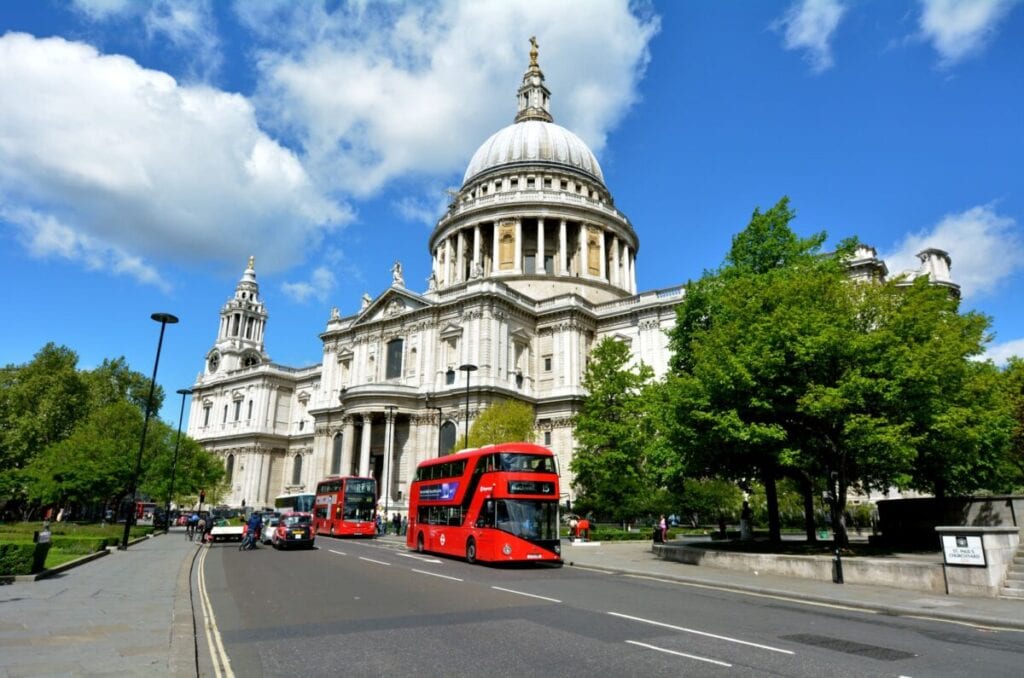
Getting Around the UK and Ireland
Public transport is excellent in major cities
Trains work well between English and Scottish cities
Car hire is best for rural regions such as the Cotswolds, the Scottish Highlands, and western Ireland
You drive on the left in both the UK and Ireland
Avoid renting a car in cities like London or Dublin — pick one up when you leave urban areas.
Flights and Entry Points
For most North American travellers, flying into London Heathrow Airport offers the widest choice of flights and best prices.
Short regional flights connect:
England and Scotland
Great Britain and Ireland
Budget airlines such as Ryanair make hopping between regions affordable.
Flying into England and departing from Ireland often saves time and reduces backtracking.
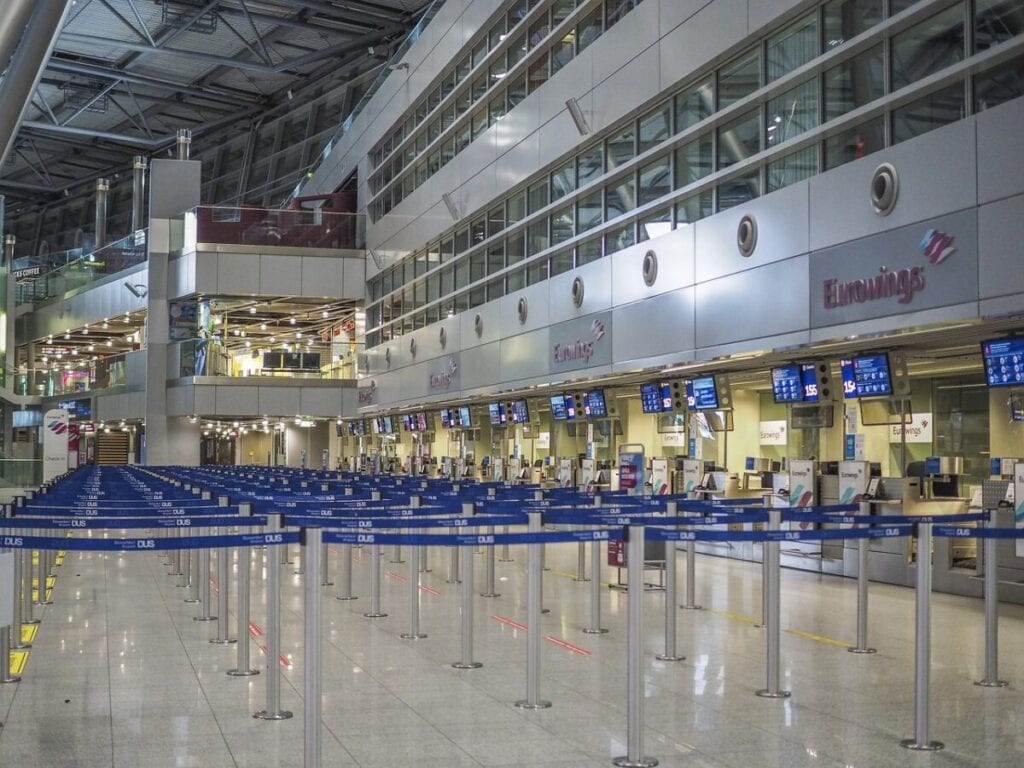
Travel Documents and Visas
Irish and British citizens: Valid photo ID may be sufficient on some routes
All other nationalities: A passport is required, and visa rules depend on nationality

Key Points for Non-EU Visitors
| Situation | Must Do |
| You’re from a visa-exempt country (e.g., U.S., Canada, Australia) visiting UK | Apply for ETA before travel, unless you need a full visa. Home Office Media |
| You’re from a visa-required country (e.g., India, Nigeria) | Apply for a UK visa. ETA isn’t enough. VisitBritain |
| Visiting the Republic of Ireland | Check if your nationality needs an Irish visa. Immigration Service Delivery |
| Entering Ireland after a UK short-stay visa | You might use the Short-Stay Visa Waiver Programme (conditions apply). Immigration Service Delivery |
| Traveling between UK & Ireland | UK visa ≠ Irish entry, unless covered by BIVS. |
Practical Travel Tips
- Apply for any required ETA or visa well in advance of travel — some authorizations can take days to process. Home Office Media
- Ensure your passport is valid for the duration of your trip (and sometimes beyond) — expiration requirements vary by country of origin. European Union
- Carry proof of funds, return tickets, and accommodation details — border officers may ask for them. Immigration Service Delivery
Always check official government sources before travelling.
What to try as a foodie traveller
Food-focused travel in Ireland, Scotland, and England is rooted in place, season, and tradition, with each destination offering its own distinct flavours. In Ireland, expect hearty, comforting dishes shaped by farming and the sea — Irish stew, soda and brown breads, seafood chowder, smoked salmon, boxty, and rich dairy served simply and well.

Scotland’s food culture leans into robust flavours and wild landscapes, from Cullen skink and fresh shellfish to haggis, oatcakes, game meats, and world-class whisky, often paired with local produce and modern Highland cooking.

England offers enormous regional variety, ranging from classic pub fare like pies, roasts, and full English breakfasts to vibrant multicultural cuisines, artisan bakeries, traditional cheeses, and some of Europe’s most exciting contemporary dining scenes. Across all three, food is deeply tied to local identity, and some of the most memorable meals are found not in fine-dining rooms, but in neighbourhood pubs, cafés, bakeries, and markets where tradition quietly meets modern creativity.

Suggested 3-Week UK and Ireland Itinerary
This itinerary prioritises realistic travel days, minimum two-night stays, and a balance of cities and countryside.
Week 1: England
Base: London (Days 1–3)
Highlights:
British museums with free entry in Chelsea
Covent Garden Market and Theatre District
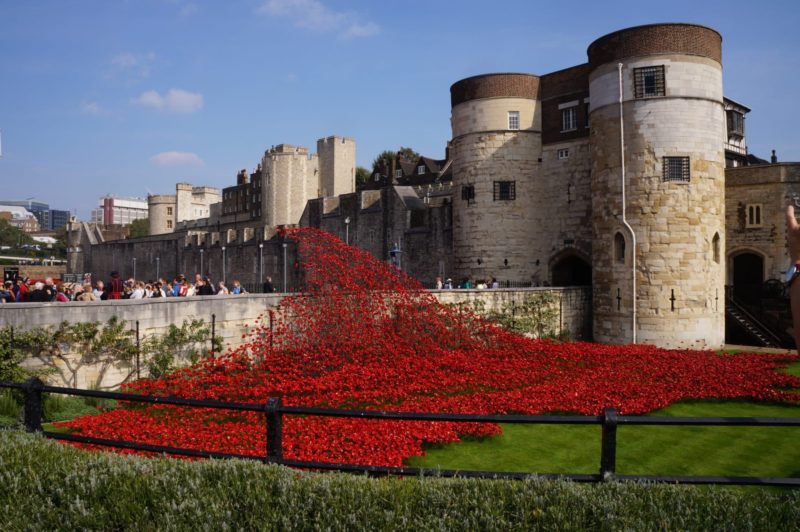
Easy day trips by train:

Countryside England (Days 4–6)
Pick up a car and explore:

Northern England (Day 7)
Continue north by train or flight.
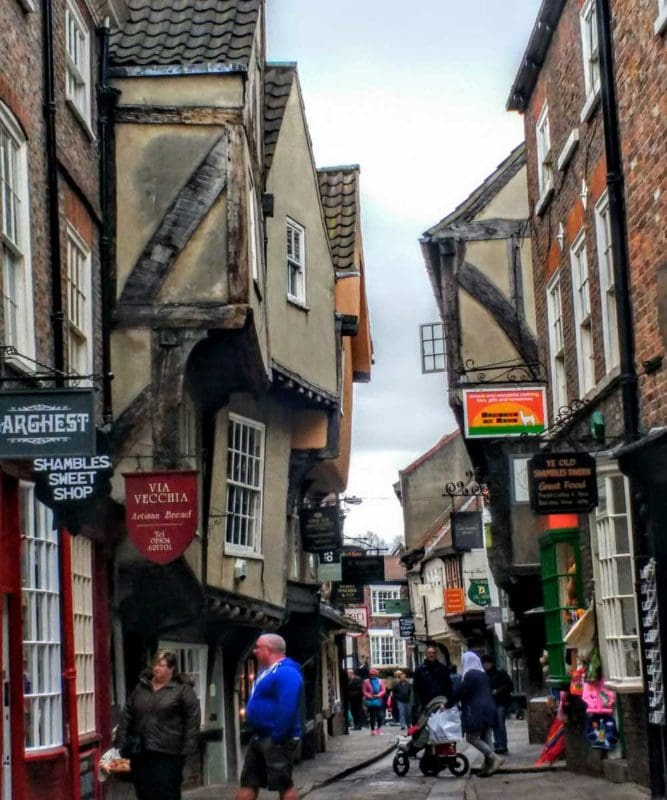
Week 2: Scotland
Edinburgh (Days 8–10)
Highlights:
Edinburgh Castle
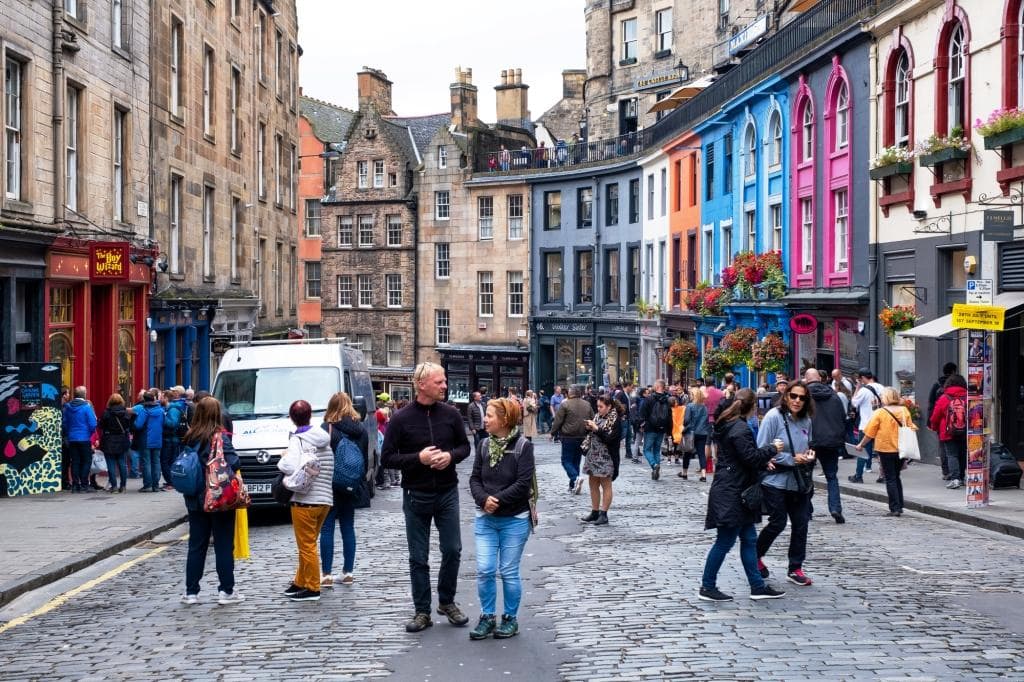
Day Trip: Stirling
- Stirling Castle
Scottish Highlands (Days 11–13)
Distances are deceptive here — slow down and enjoy the scenery.
Fly from Glasgow to Ireland.

Week 3: Ireland
Dublin (Days 14–15)
Highlights:

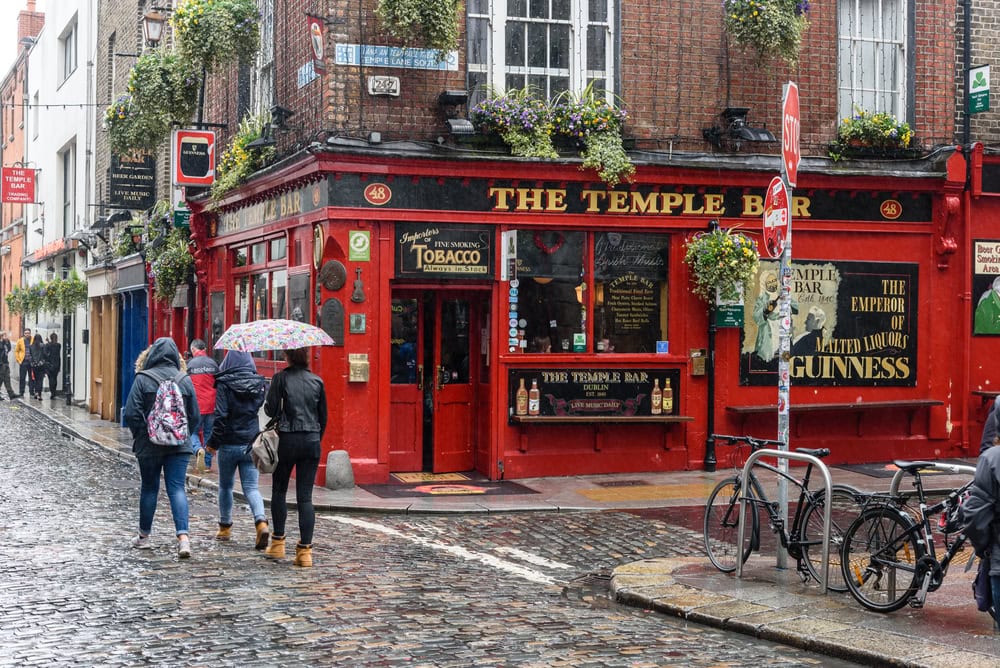
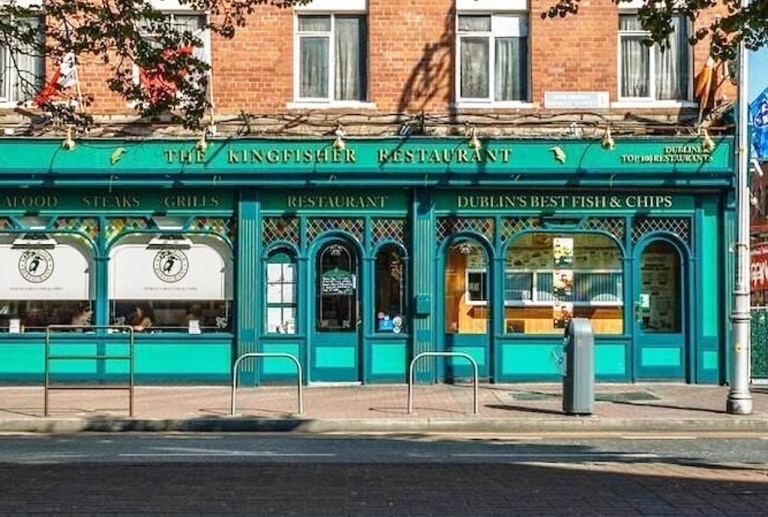
West of Ireland (Days 16–19)
Kilkenny Ireland’s medieval gem

Southern Ireland (Day 20)
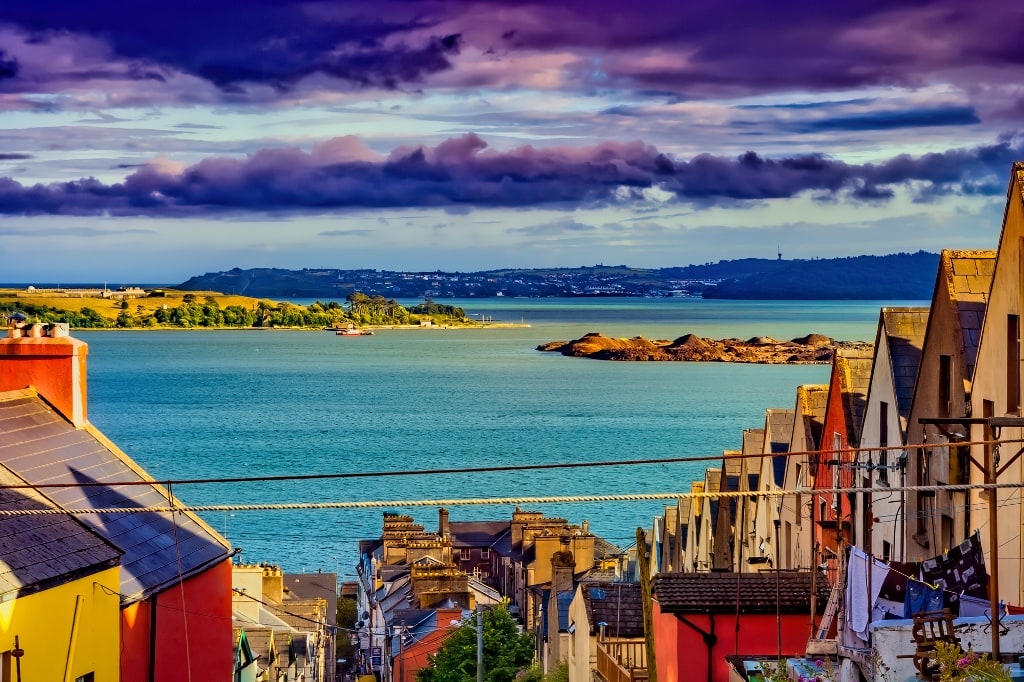
Optional additions:
Glendalough’s Monastery site or Powerscourt House

Day 21: Departure
Fly home from:
Shannon Airport
Planning a Slower or More Accessible UK and Ireland Trip
The UK and Ireland are well suited to slow and accessible-travel-guides-ireland-uk-europe with thoughtful planning.
Tips:
Choose fewer bases and stay longer
Use trains and local tours where possible
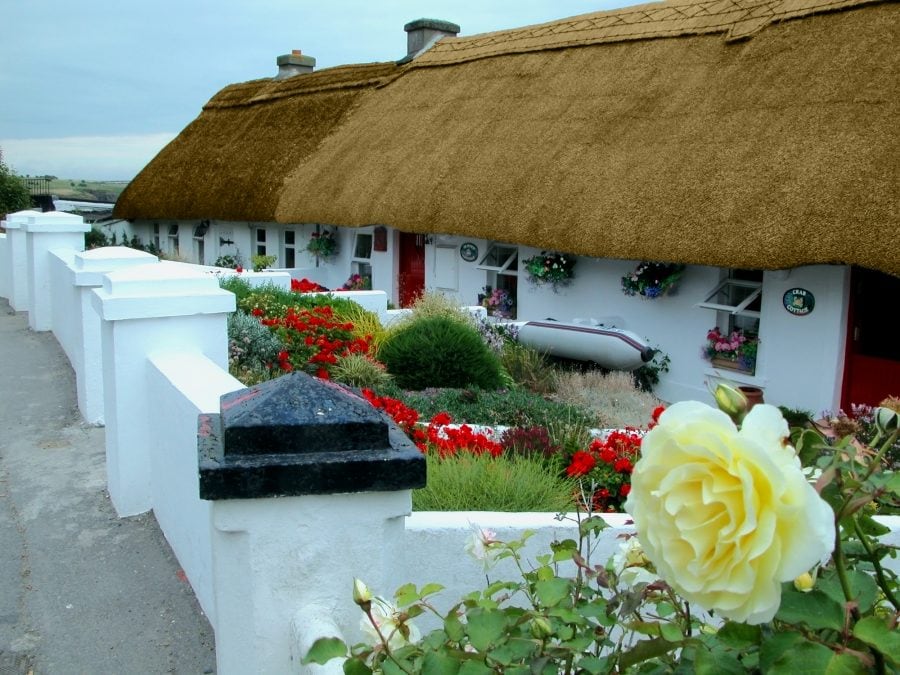
Book accommodation with lifts and walk-in showers or choose a ground floor cottage
Cities that work especially well:
London
Edinburgh
Dublin


What to Pack for a UK and Ireland Trip
Waterproof jacket
Comfortable walking shoes
Layers for changing weather
Small daypack
Power adapter (Type G)

UK and Ireland Trip Planning FAQs
Is three weeks enough for the UK and Ireland?
Yes. Three weeks allows for a balanced, enjoyable itinerary without rushing.
Is it better to drive or take trains?
Trains and buses are best for cities; cars work best for countryside, best to rent one in Ireland.
When is the best time to visit the UK and Ireland?
Late spring and early autumn offer the best balance of weather and crowds.
Do I need a visa?
Visa requirements depend on nationality. Always check official government sources.
Final Thoughts
This trip works best when you let go of perfection. Some of the most memorable moments happen when you stop chasing landmarks and allow space for unexpected discoveries.Most travellers leave already planning their return
Explore more of the region with guides to England, Scotland, Wales, Northern Ireland, or the full United Kingdom Travel Guide. Trying to choose between the two? Read my Ireland vs Scotland: Which Should You Visit?.