
37 Best Things to Do in Oxford: A Local’s Guide
Oxford’s essentials are the Bodleian Library (book a tour at least two weeks ahead), the Harry Potter filming locations at Christ Church and New College, punting on the River Cherwell, the free Ashmolean and Natural History museums, and a pint at one of the historic pubs like the Eagle and Child or the Turf Tavern. Avoid visiting in July and August if you can Oxford gets seriously overtouristed in peak summer. The sections below cover getting there, what to see, and where to eat, drink and stay in detail.

Oxford the city of dreaming spires. The name alone conjures strolls through hallowed halls of learning, punting down the river, and hunting out Harry Potter and A Discovery of Witches filming locations. “Dreaming spires” comes from Matthew Arnold’s 1866 poem Thyrsis, which calls Oxford “that sweet City with her dreaming spires” obvious the moment you see the delicate towers, gargoyles, and medieval and baroque architecture in person.
I housesat in Oxfordshire for more than six months, which meant I could take my time with Oxford itself instead of trying to cram it into a single rushed day trip the way most visitors have to. That extended stay is where everything in this guide comes from repeat visits, failed and successful Bodleian bookings, and enough time to actually form opinions about which pubs, museums and restaurants are worth your limited time.
| Fast Facts: Visiting Oxford Getting there: trains from Paddington every 5–10 minutes; National Express buses from Victoria Coach Station from £8.20; driving means using a Park & Ride, around £2.40 return plus parking. Best time to visit: avoid July and August if possible overtourism is a real problem in peak summer, same as the Cotswolds. Hop-On Hop-Off bus: from £16 for 24 hours, up to £37 with extras like Blenheim Palace entry; 20 stops across the city. Bodleian Library tours: book at least two weeks ahead tours sell out. £6–£20 depending on length; extensive stairs, no lift, not suitable for under-11s. Punting: £16–£22/hour depending on the boathouse; no experience needed. Free to enter: the Ashmolean Museum, the Museum of Natural History, and the Pitt Rivers Museum all have free general admission. |
- 37 Best Things to Do in Oxford: A Local's Guide
- How Do You Get to Oxford From London?
- Should You Take the Oxford Hop-On Hop-Off Bus?
- What Are the Oxford Colleges and Which Should You Visit?
- How Do You Visit the Bodleian Library?
- Where Are the Harry Potter and A Discovery of Witches Filming Locations in Oxford?
- Which Oxford Museums Are Worth Visiting, and Are They Free?
- Where Can You Go Punting in Oxford, and What Does It Cost?
- Where Should You Shop in Oxford?
- What Are the Best Pubs in Oxford?
- Where Should You Eat in Oxford?
- Where to stay in Oxford
- Is Oxford Accessible for Travellers With Mobility Challenges?
- What Day Trips Can You Take From Oxford?
- FAQs About Visiting Oxford
How Do You Get to Oxford From London?
Should you take the train or the bus?
Trains run from Paddington Station every 5–10 minutes, with off-peak fares saving you money. Buses from Victoria Coach Station are frequent and start from £8.20, cheaper than the train (which can run as low as £16.90 return), but slower.
Should you drive to Oxford?
If you’re driving, park outside the city centre at one of the Park & Ride stations rather than in Oxford itself a return ticket plus parking runs around £2.40.
When’s the best time to visit Oxford?
Avoid July and August if you can. Summer brings serious overtourism the same problem the Cotswolds and much of England’s historic-city circuit faces. Shoulder season gives you the same sights with room to actually enjoy them.
Should You Take the Oxford Hop-On Hop-Off Bus?
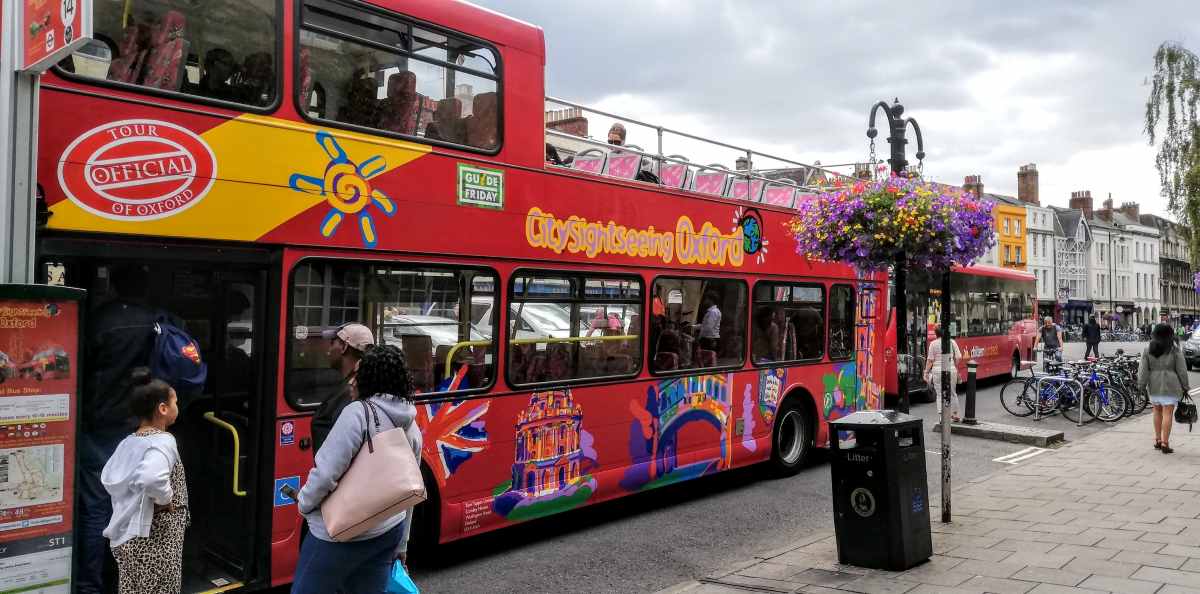
It’s a good first move if you’re not sure where to start it gives you the lay of the land before you commit to exploring anywhere in depth. The City Sightseeing Oxford bus covers 20 stops from the railway station to the Randolph Hotel, passing Oxford University, the Covered Market, and the main shopping areas. Fares start at £16 for a 24-hour pass and go up to £37 with add-ons like punting or Blenheim Palace entry. It’s also the easiest way to reach the Shakespearean sites outside the centre, including Anne Hathaway’s Cottage and Mary Arden’s Tudor Farm, if you don’t have a car.
What Are the Oxford Colleges and Which Should You Visit?
Oxford University has no central campus its colleges and permanent private halls are spread across the city, and the exact number changes from time to time as halls are founded or merged, so treat any specific count you read (including older versions of this guide) as approximate. Set aside a full day if you want to properly appreciate the university area; it’s exhausting to rush.
Christ Church College
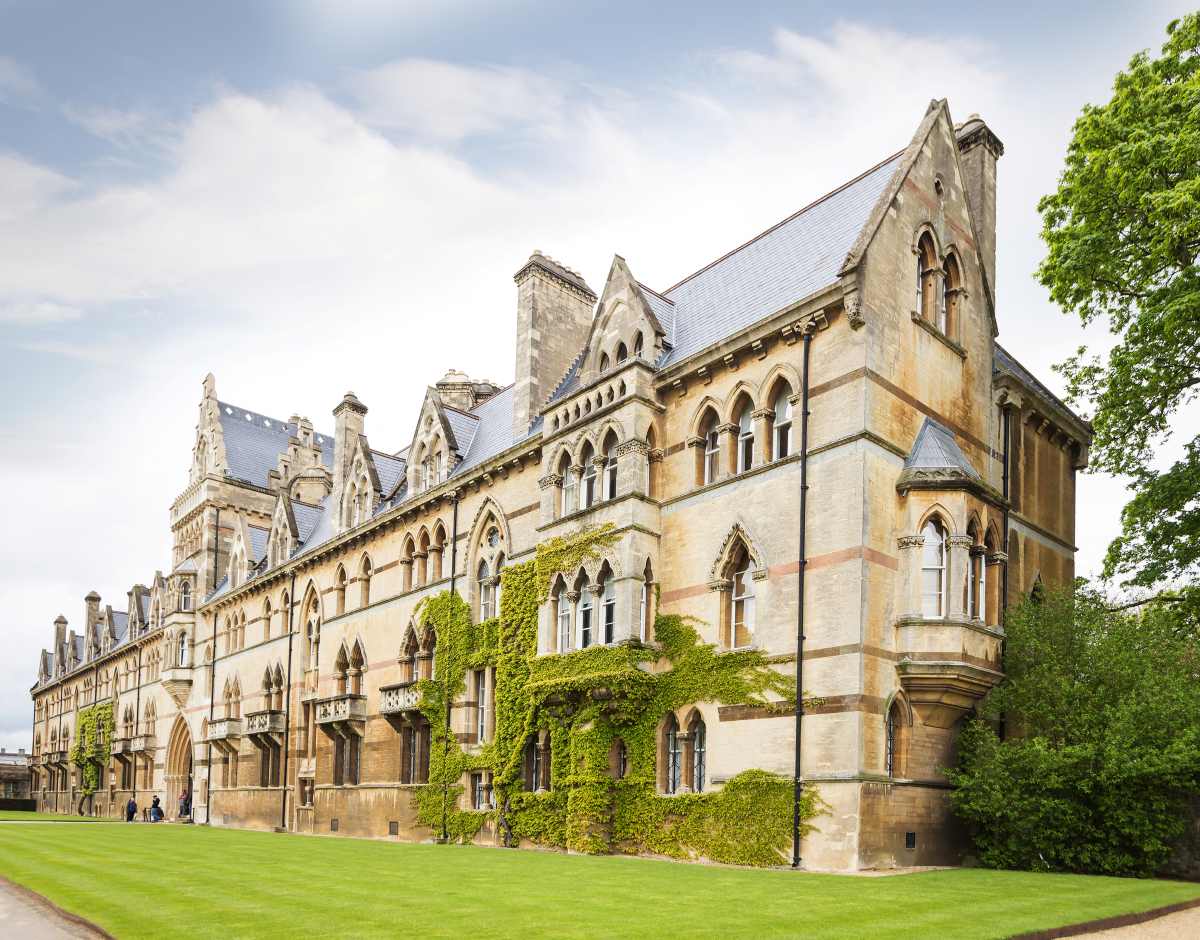
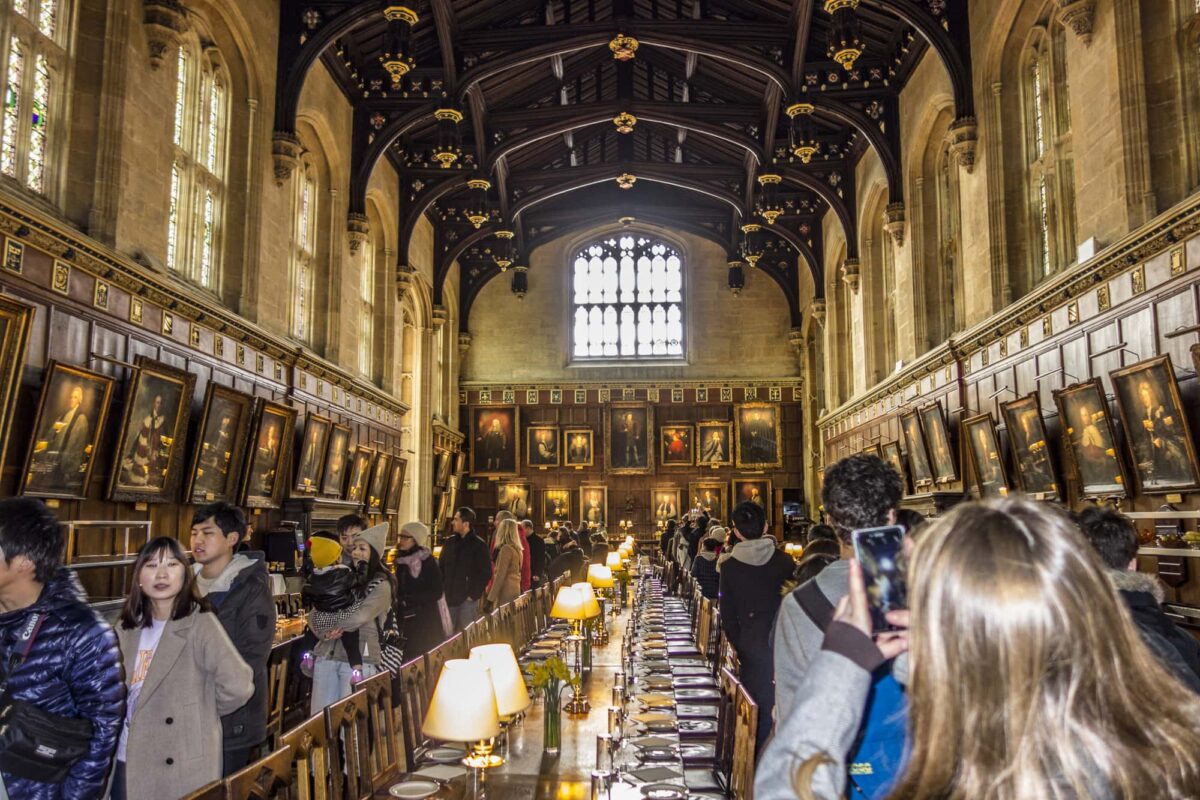
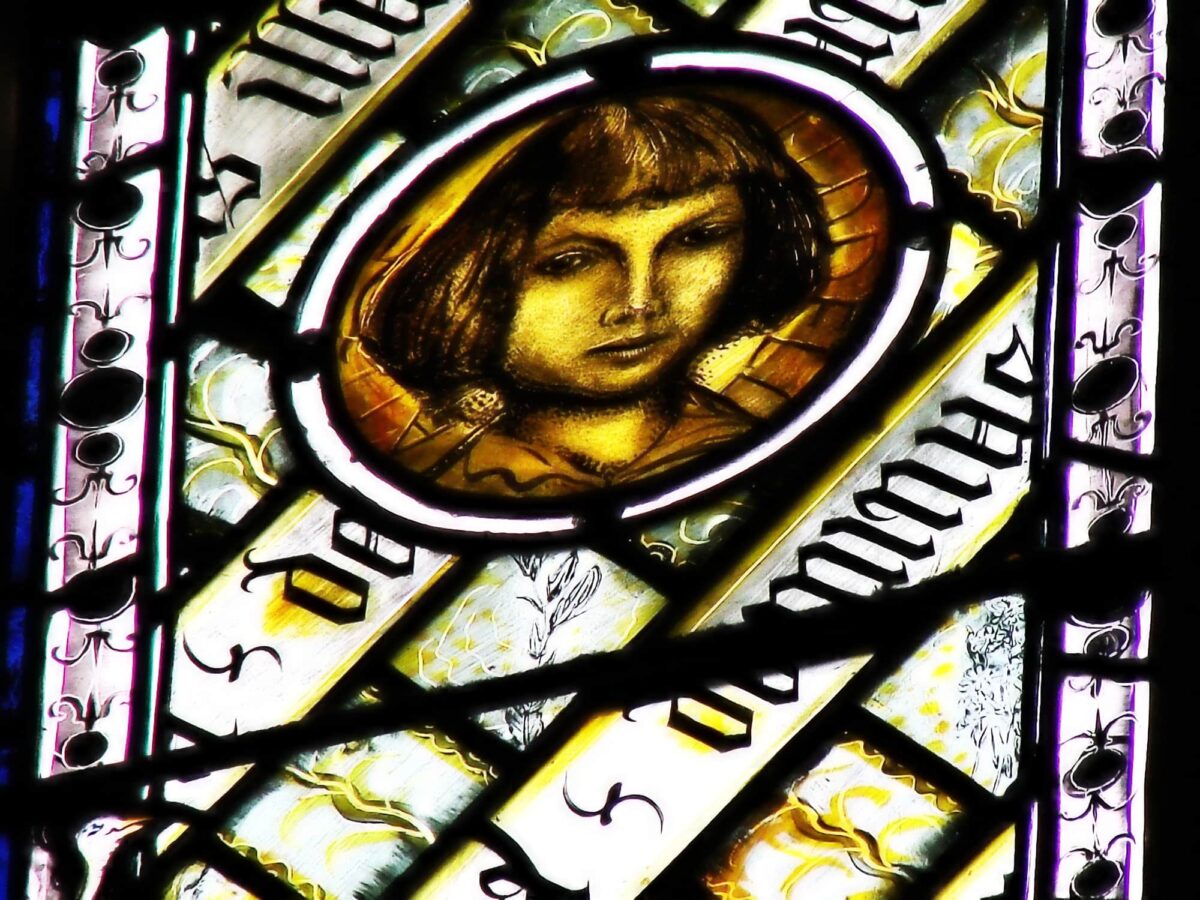
Entry costs £16–£16.80 depending on the season and includes the Cloisters and Dining Hall. The grand Bodley Tower staircase is one of the most recognisable Harry Potter filming locations, Tom Quad takes its name from the Tom Tower built by Christopher Wren in 1682, and the Cloisters were transformed into Hogwarts hallways for the first film. The Dining Hall inspired the Great Hall at Hogwarts (though it wasn’t filmed there) look for the tiny stained-glass Alice above the fireplace, in the bottom-left panel.
New College
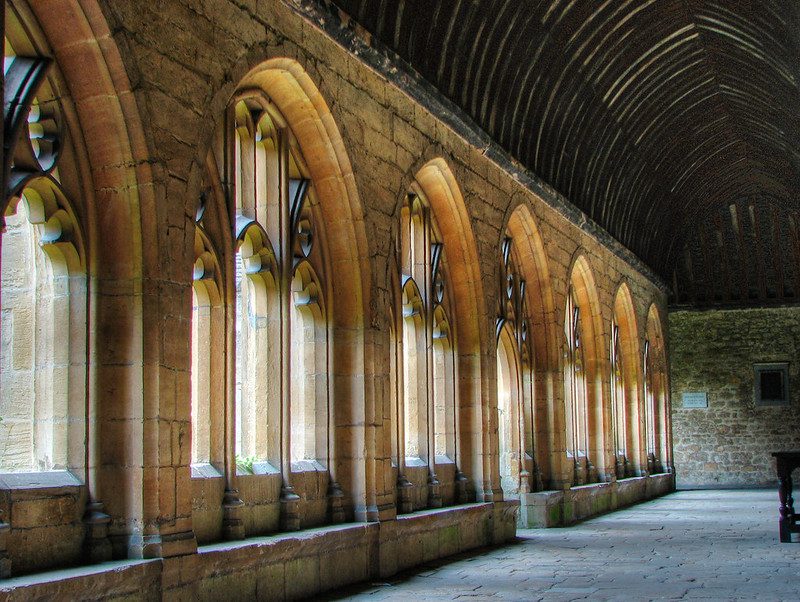
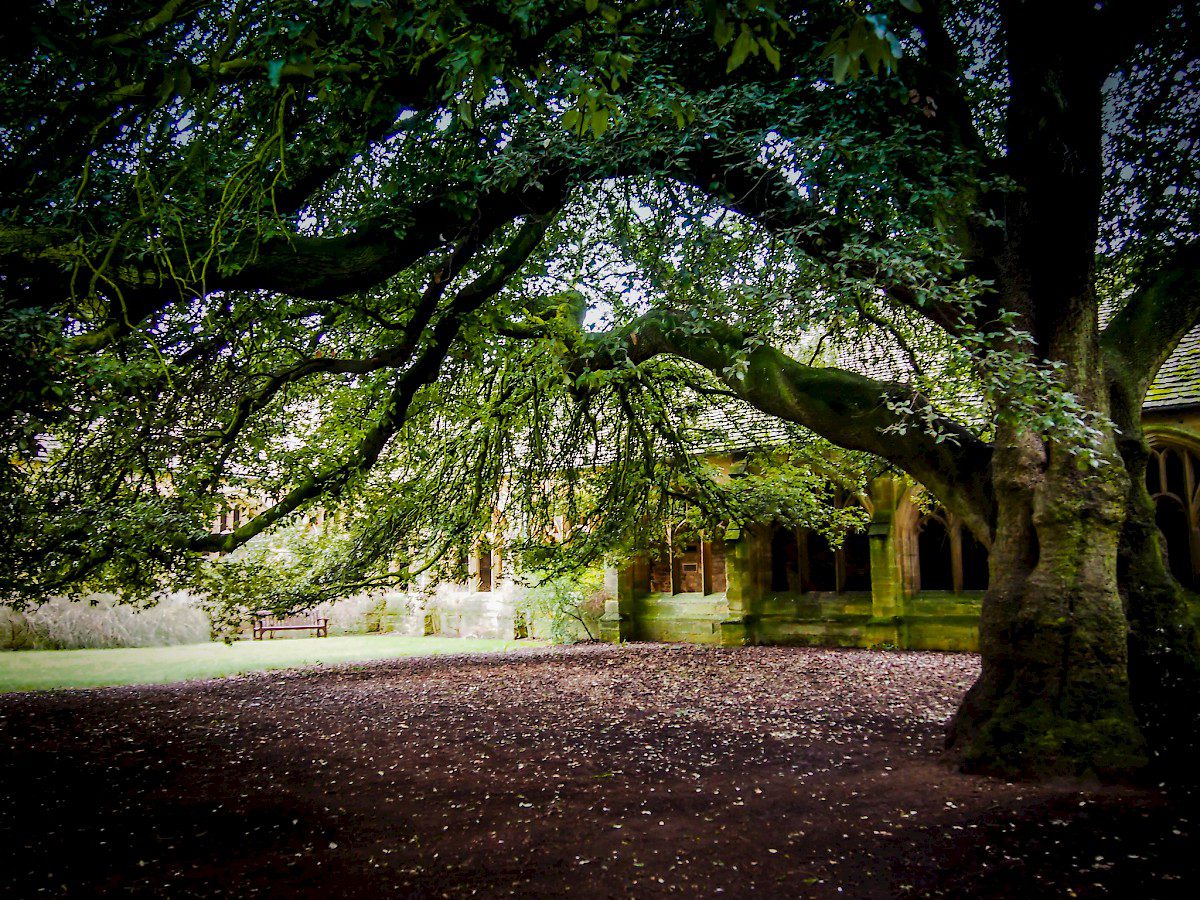
Entry is £8 with a self-guided tour and map from the Porters’ Lodge. The courtyard with its gnarled tree appears in Harry Potter and the Goblet of Fire, and the Cloisters feature in the same film.
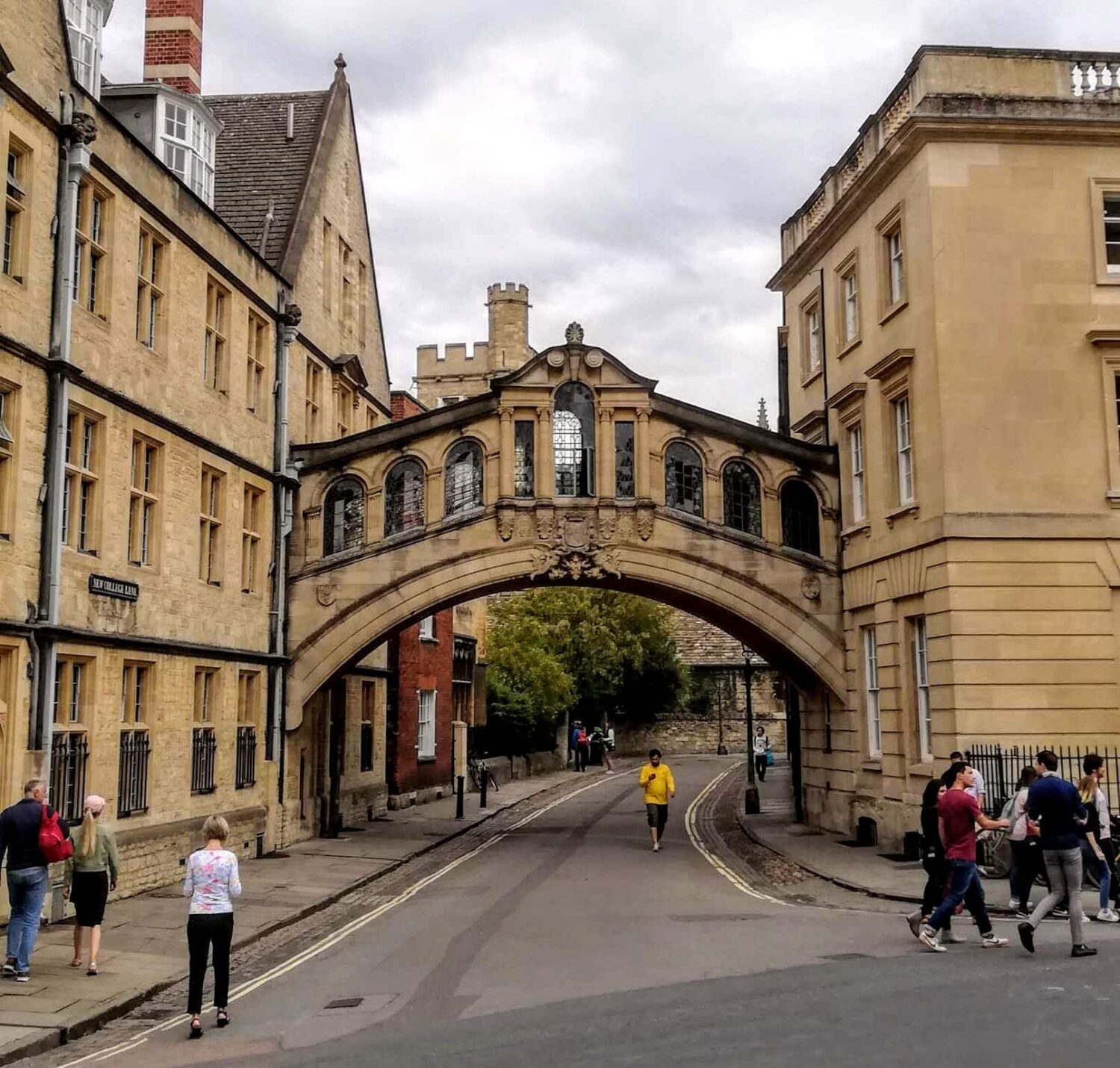
Hertford College and the Bridge of Sighs
Free to view from outside. Hertford traces its history to two ancient halls Hart Hall and Magdalen Hall giving it two founding dates: 1448 and 1876. Its famous Bridge of Sighs, built in 1913, is often compared to Venice’s original but actually resembles the Rialto Bridge more closely.
How Do You Visit the Bodleian Library?
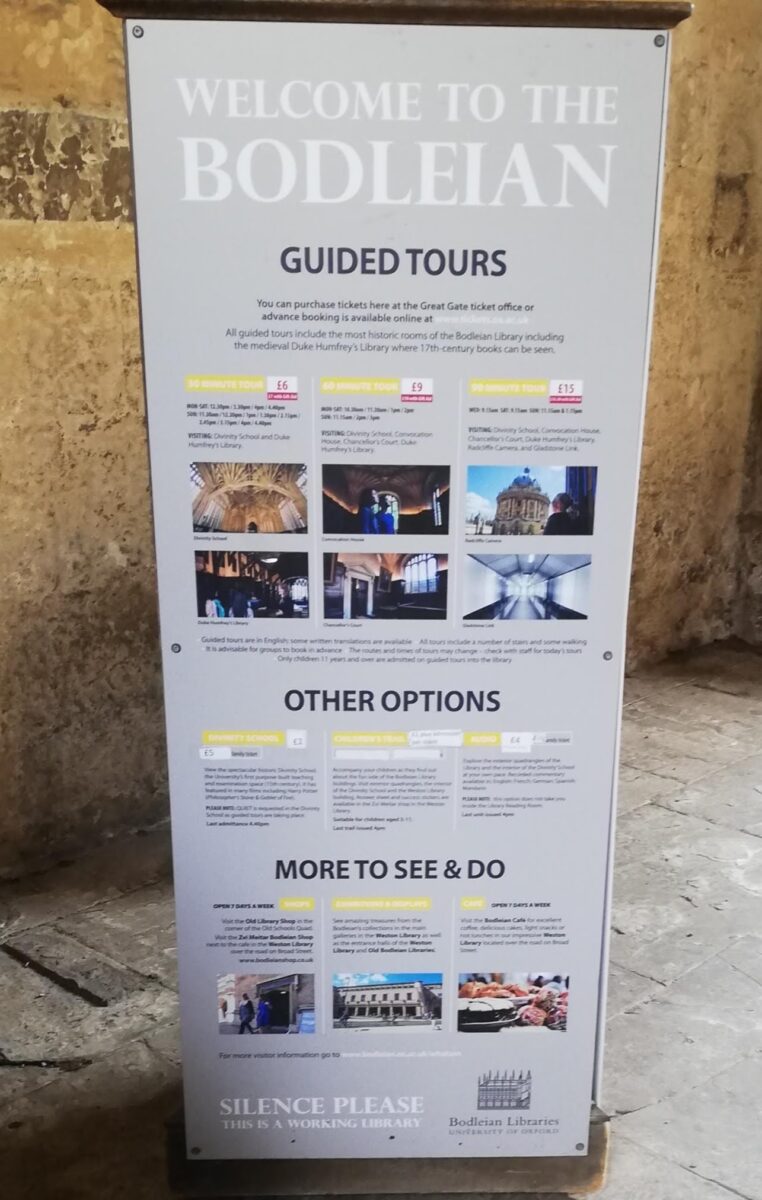
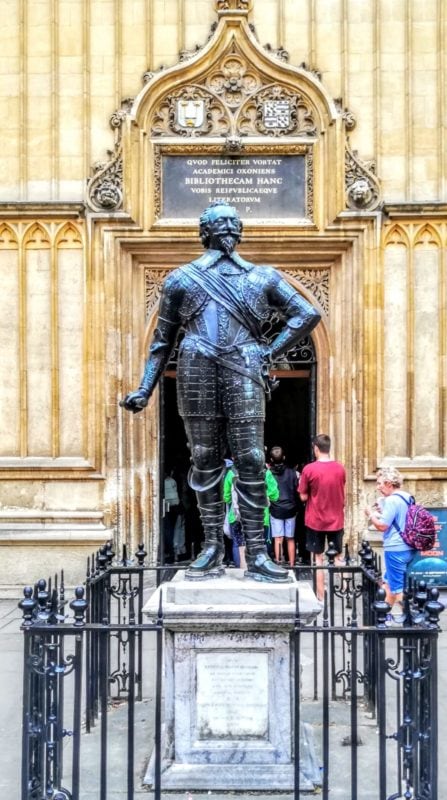
The Bodleian holds a copy of every book printed in the UK, plus the Gutenberg Bible, Tolkien’s watercolours for The Hobbit, Shakespeare’s First Folio, and four 13th-century copies of the Magna Carta. Book online well in advance walk-in tours and even library-member passes sell out fast; it took three failed attempts before a successful visit could be booked.
What tours are available and what do they cost?
A 30-minute tour is £6. The 60-minute tour (£12) adds the 15th-century Divinity School, Convocation House and Duke Humfrey’s medieval library. The 90-minute tour (£20) adds the Radcliffe Camera and the underground Gladstone Link. Online ticket prices don’t include a £1 booking fee.
Is the Bodleian Library accessible?
Not very. Numerous stairs are involved throughout and there’s no lift. Children under 11 aren’t admitted, and those 11–16 must be accompanied by an adult.
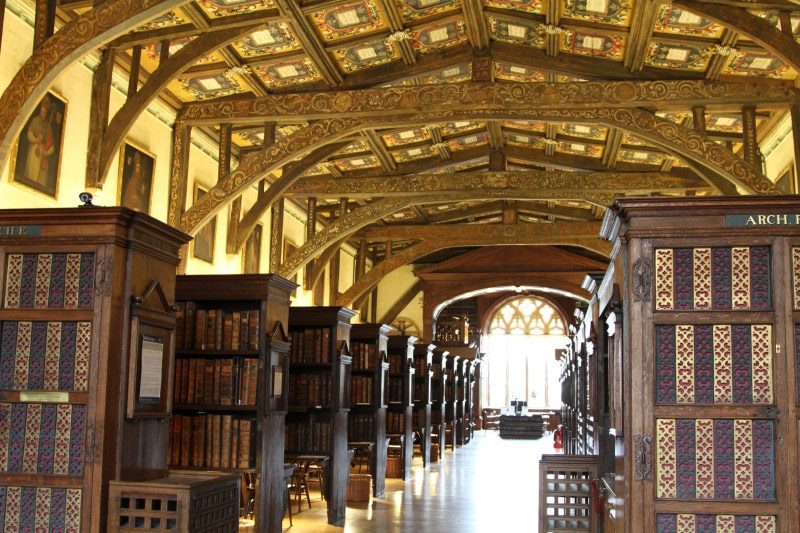
What’s Duke Humfrey’s Library known for?
It played Hogwarts Library in Harry Potter and the Philosopher’s Stone the Cloak of Invisibility scene took three days to film here.
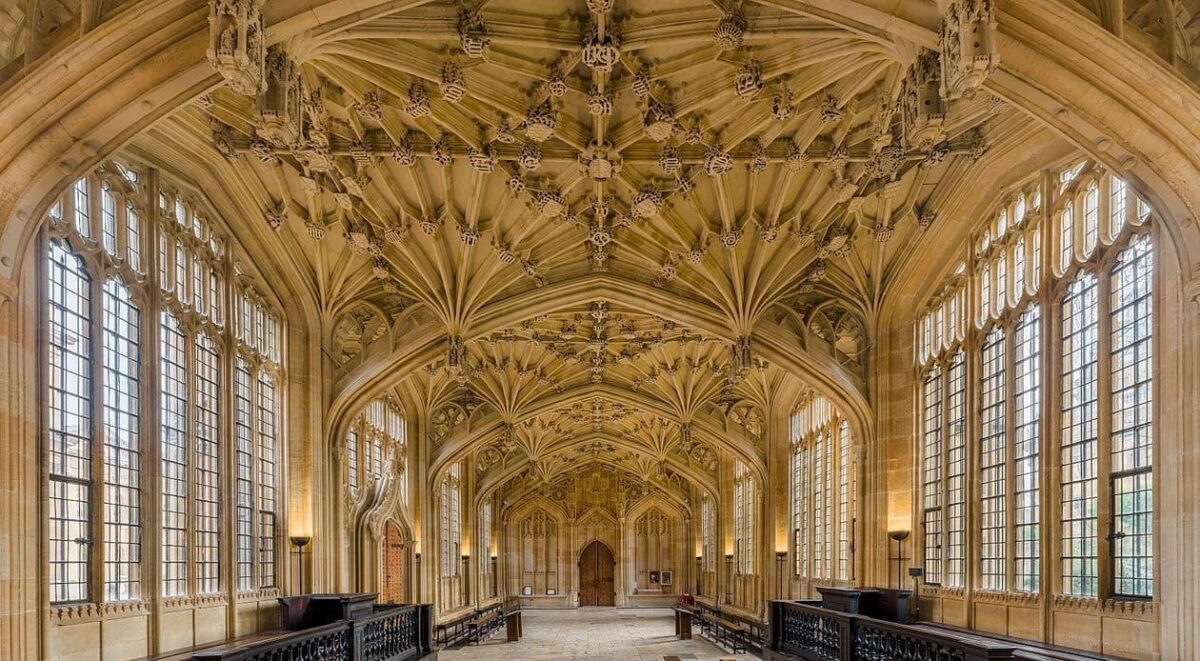
What’s the Divinity School?
The oldest surviving part of any university in the world, built in the 1400s for lectures and theology examinations. Its ceiling has 455 sculptural roof bosses.
Can you climb a tower for views of Oxford?
Yes the 13th-century tower of the University Church of St Mary the Virgin, right on the High Street opposite the Radcliffe Camera. £4 gets you up 127 steps to panoramic views.
What is the Radcliffe Camera?
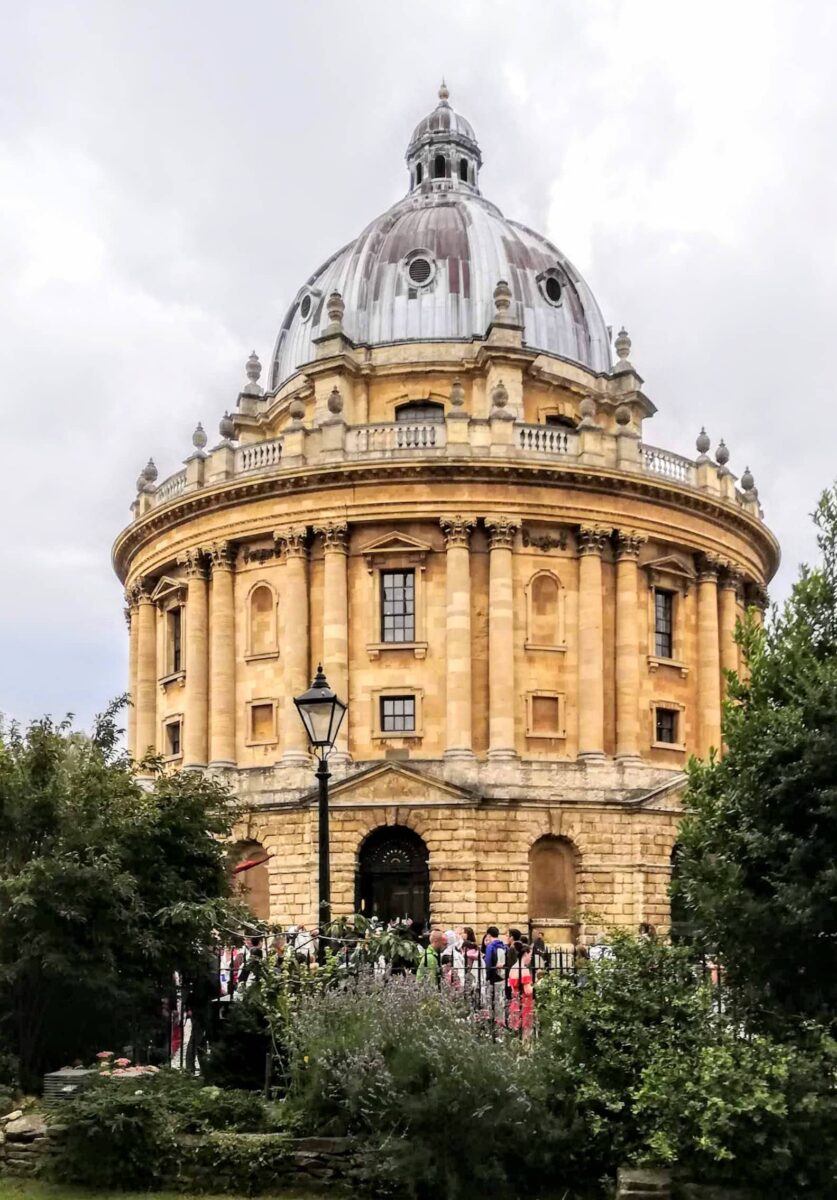
Oxford’s most recognisable building a neoclassical, circular-domed library built in the mid-18th century, part of the Bodleian complex. The only way inside is on a Bodleian tour.
Where Are the Harry Potter and A Discovery of Witches Filming Locations in Oxford?
Beyond Christ Church, New College and Duke Humfrey’s Library above, A Discovery of Witches used several more Oxford locations: the Bodleian Library itself, New College, Brown’s Café in the Oxford Covered Market, the White Horse pub (where Matthew and the other vampires drink), and the college boathouses. Potterheads with time for a day trip can also reach Alnwick Castle in Northumberland, used for both Harry Potter and Downton Abbey filming.
Which Oxford Museums Are Worth Visiting, and Are They Free?
Oxford University Museum of Natural History
Free entry. Home to the most complete dodo bird remains in the world, a real dinosaur egg, dinosaur skeletons, and an Alice in Wonderland exhibit with personal items belonging to Alice Liddell, the real girl who inspired the story.
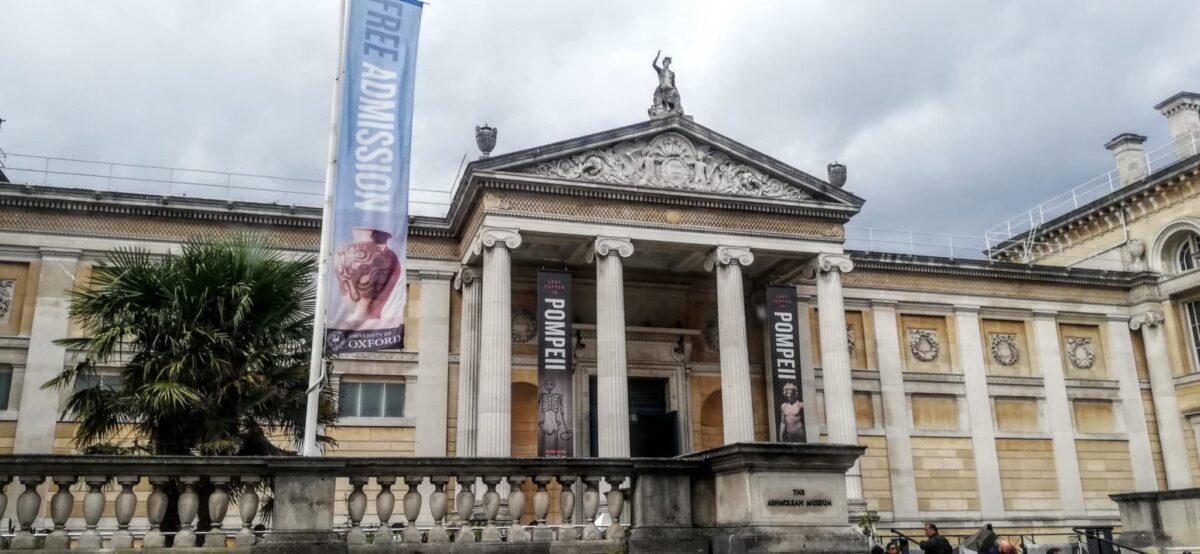
The Ashmolean Museum
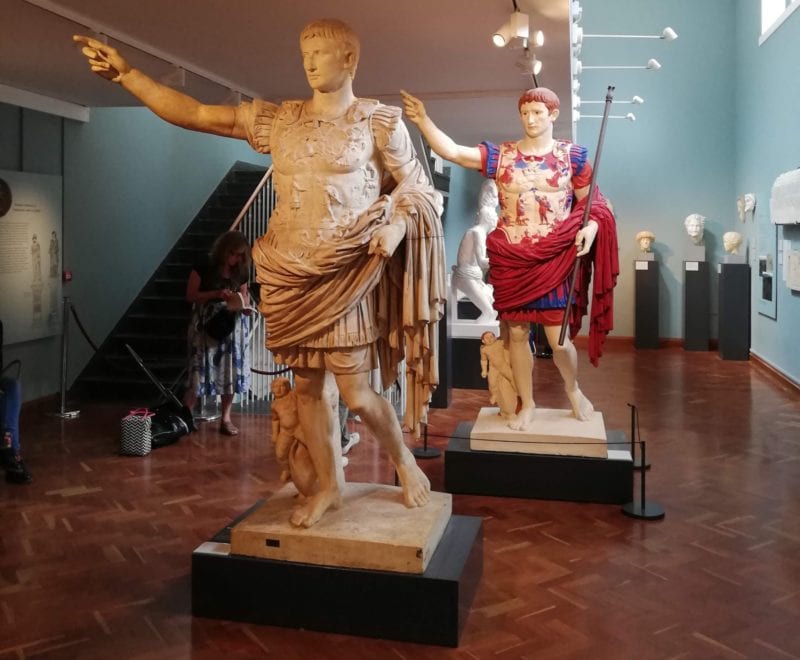
Free general entry, with some ticketed exhibitions. It’s the oldest public museum in the world, though the collection itself can feel sparse in places the basement textile display, for instance, was nearly empty on a recent visit. Accessibility is a genuine weak point: there are only two lifts in this large museum, both small and very slow, and even museum members have voiced frustration that the newer wing wasn’t built with mobility in mind.
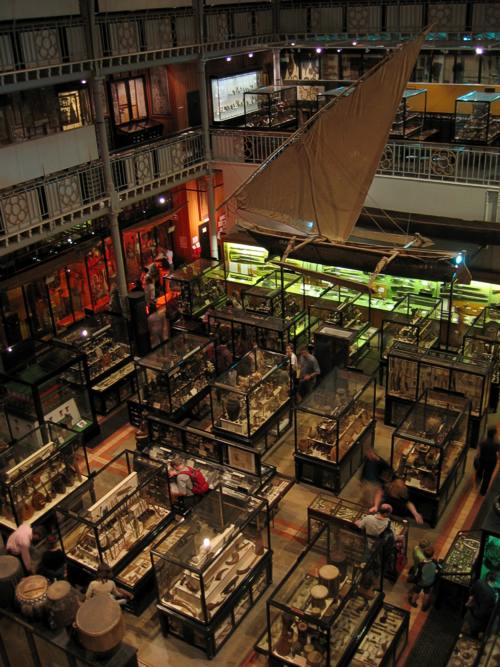
The Pitt Rivers Museum
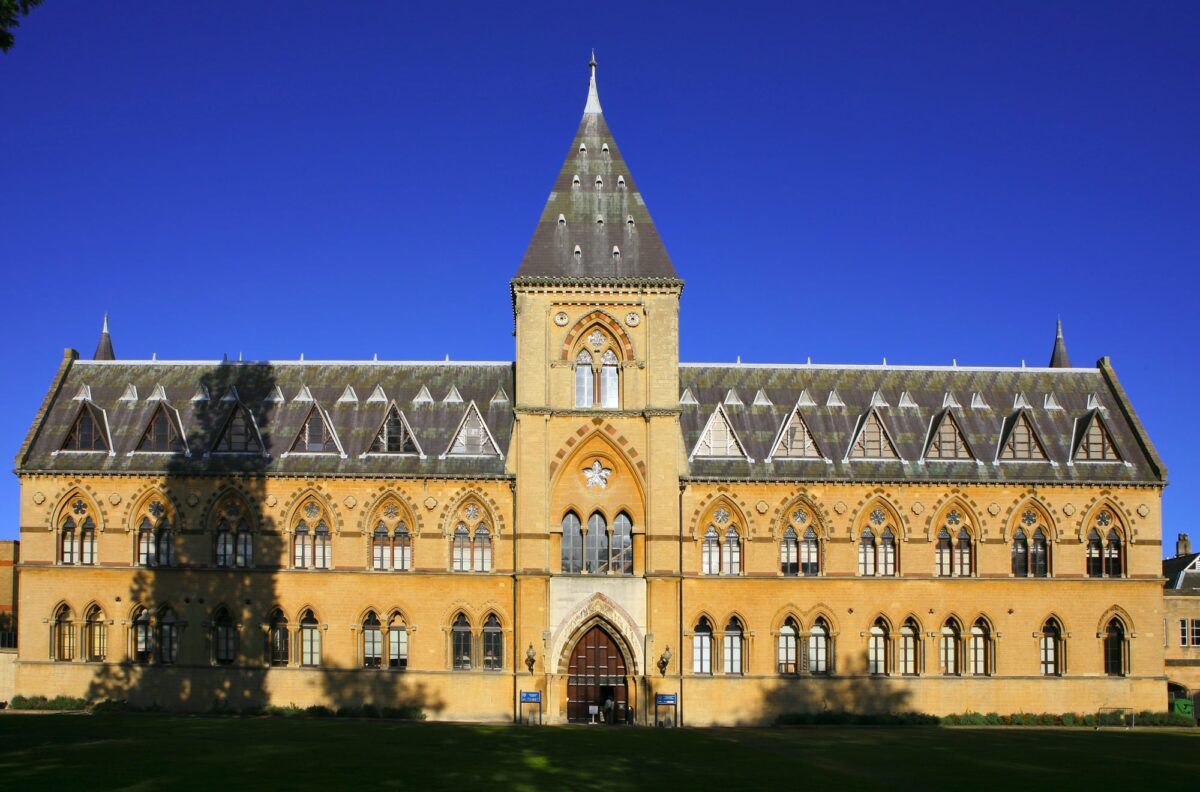
Free entry. Founded in 1884, this Victorian neo-Gothic building houses Oxford’s archaeological and anthropological collections, including shrunken heads and taxidermy said to have influenced the Harry Potter filmmakers.
Museum of Modern Art Oxford
Founded in 1965, housed in a former brewery since 1966. An internationally regarded contemporary art space.
Oxford Story Museum
A storytelling-focused museum with a Whispering Wood, Enchanted Library, City of Stories film experience and a Small Worlds gallery aimed at younger children.
Where Can You Go Punting in Oxford, and What Does It Cost?
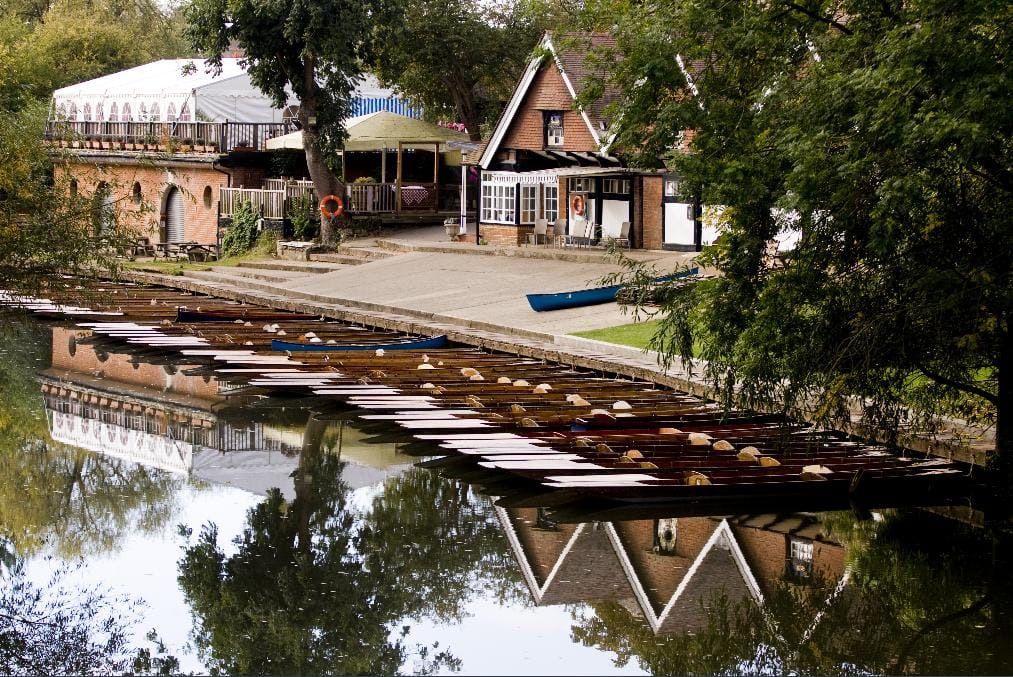
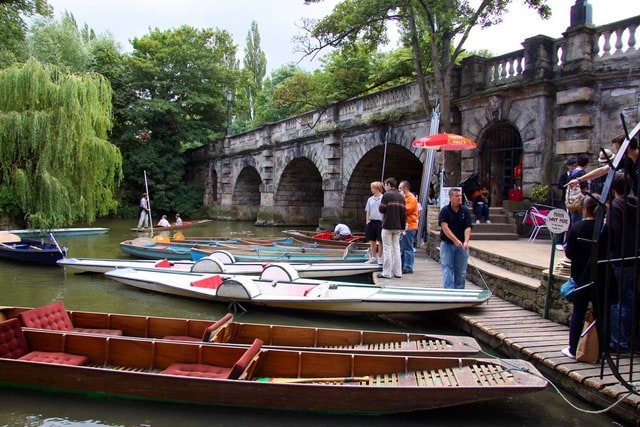
Punting is one of the quintessential Oxford experiences no prior experience needed, though the pole can get stuck in the mud, which is how you’ll occasionally spot someone taking an unplanned swim.
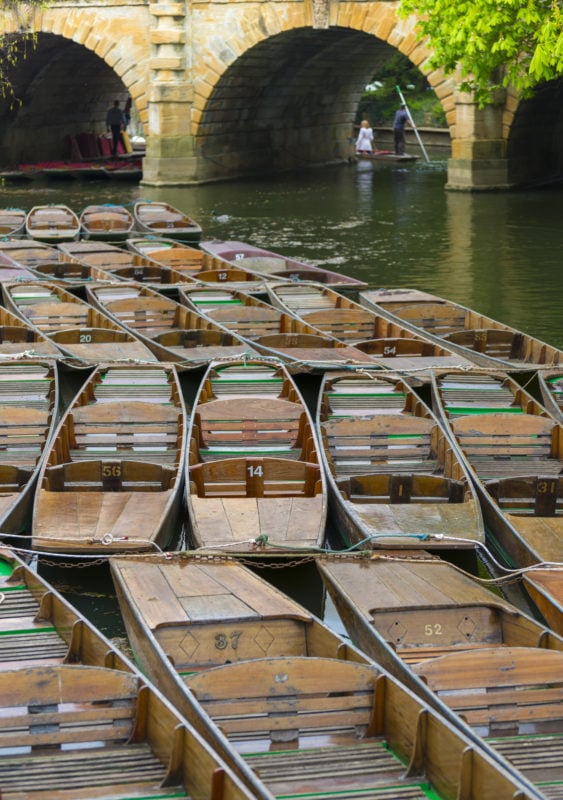
Magdalen Bridge Boathouse
£22/hour self-punted, seven days a week until an hour before sunset, or £32/hour for a chauffeured punt (roughly half an hour). Routes go through college meadows on the River Cherwell.
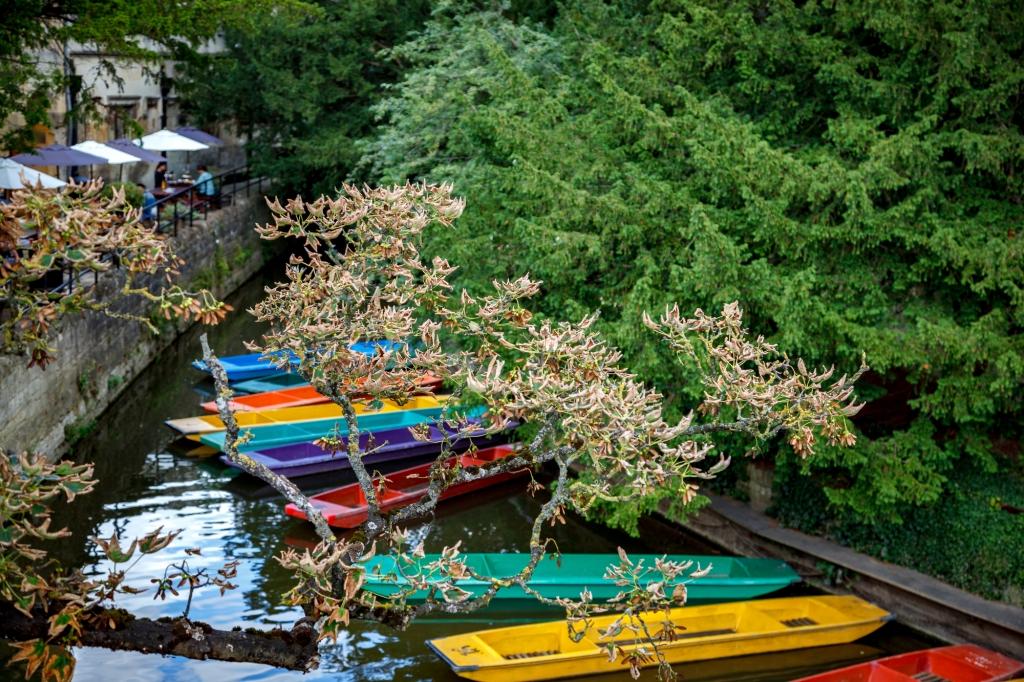
Cherwell Boathouse
£16/hour, or £80 for a full day, Monday–Friday, 10am until dusk. £18/hour or £90/day on weekends and bank holidays.
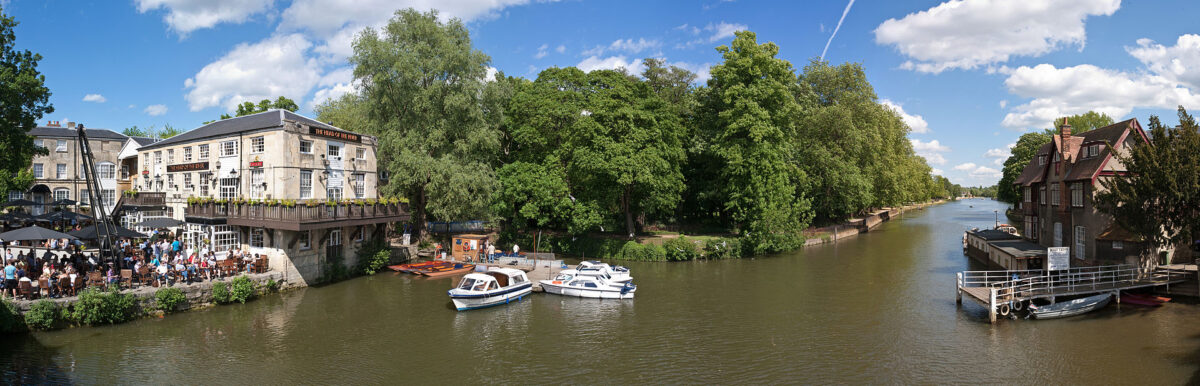
Folly Bridge (Salter’s Steamers)
Rent a punt or motorboat here to cruise the Thames the way Lewis Carroll and Alice Liddell once did. Salter’s has operated from Folly Bridge since 1858, running passenger services along the full length of the Thames between Oxford and Staines in summer.
Where Should You Shop in Oxford?
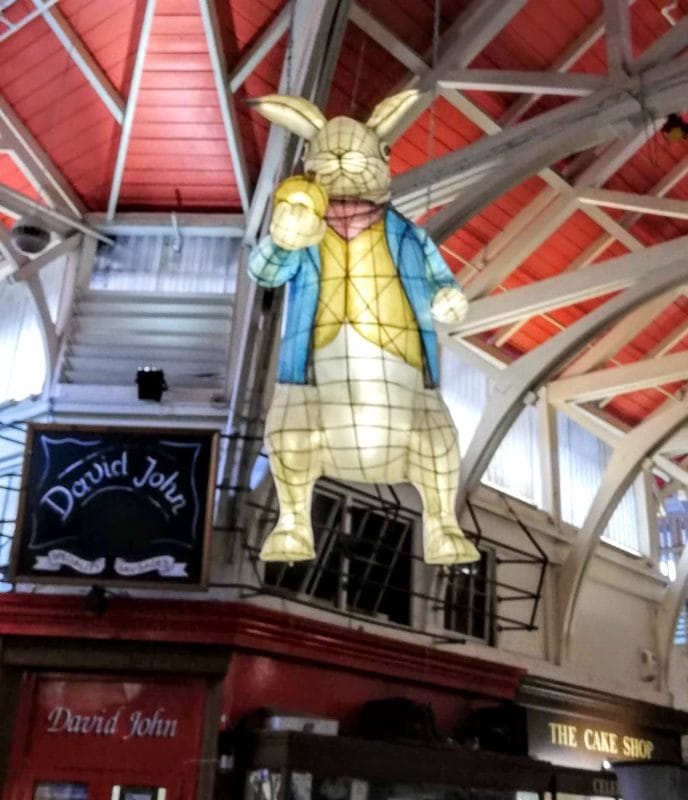
Covered Market
An 18th-century covered market with organic butchers, fish stalls, baked goods, and small boutiques including The Hat Box and Next to Nothing, which has traded here for 40 years.
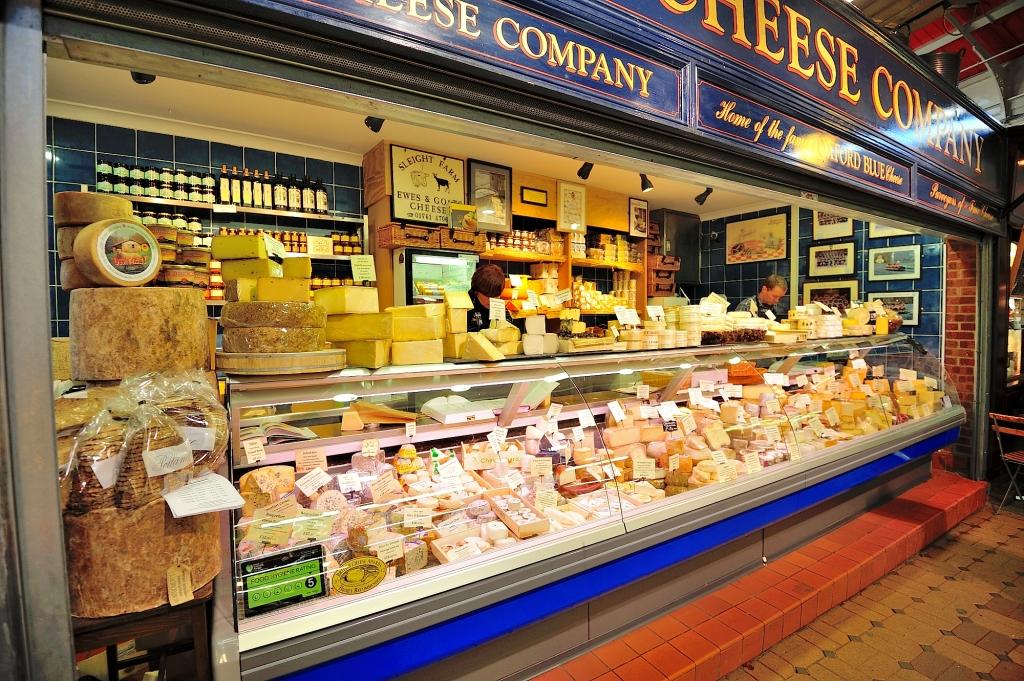
The Oxford Cheese Shop
Inside the Covered Market. Known for a rich Oxford Blue cheese, creamier than Stilton, plus the Oxford Provender range of chutneys and jams.
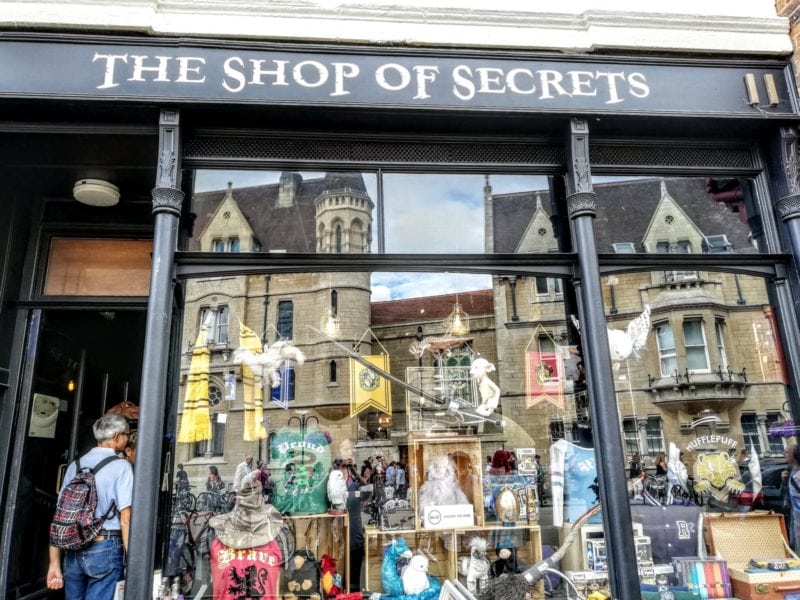
The Shop of Secrets
A dedicated Harry Potter shop with acceptance letters, Hogwarts gear, and merchandise from the full Potter and Fantastic Beasts range.
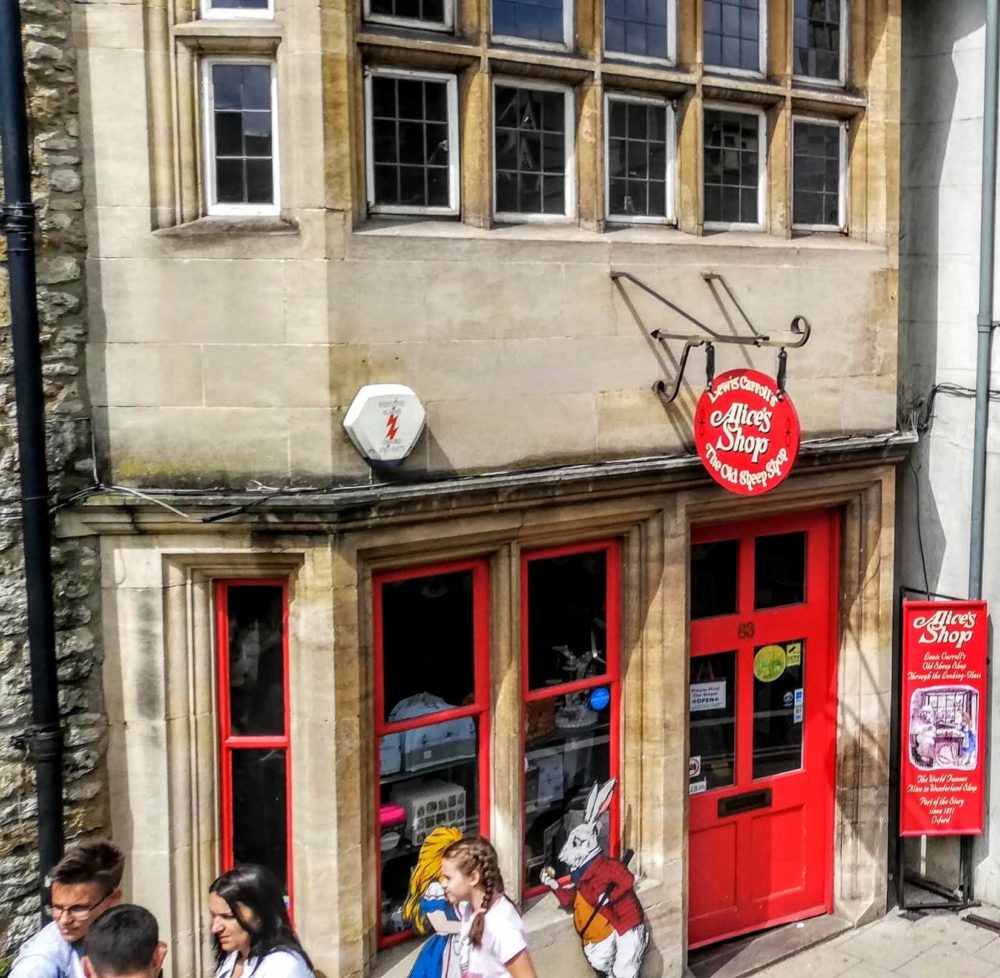
Alice’s Shop
On St Aldates, in a building dating to the 15th century, believed to have inspired the Old Sheep Shop in Through the Looking-Glass. Worth a stop if you’re on the Hop-On Hop-Off route.
Blackwell’s Book Shop
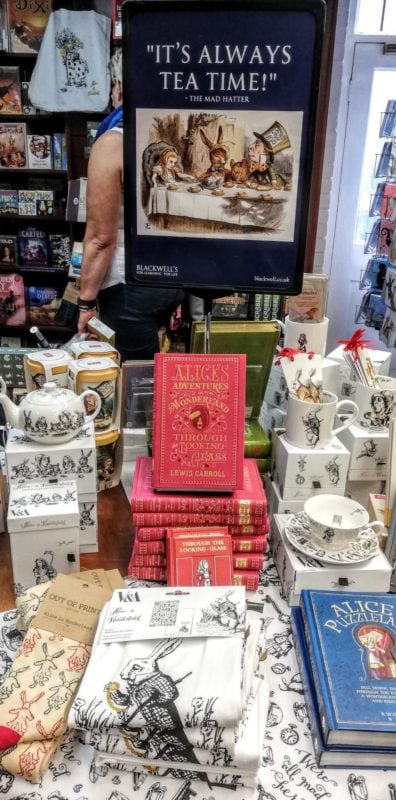
On Broad Street, an Oxford institution. Its Norrington Room holds a Guinness World Record for the largest single room selling books anywhere in the world.
What Are the Best Pubs in Oxford?
The Bear Inn
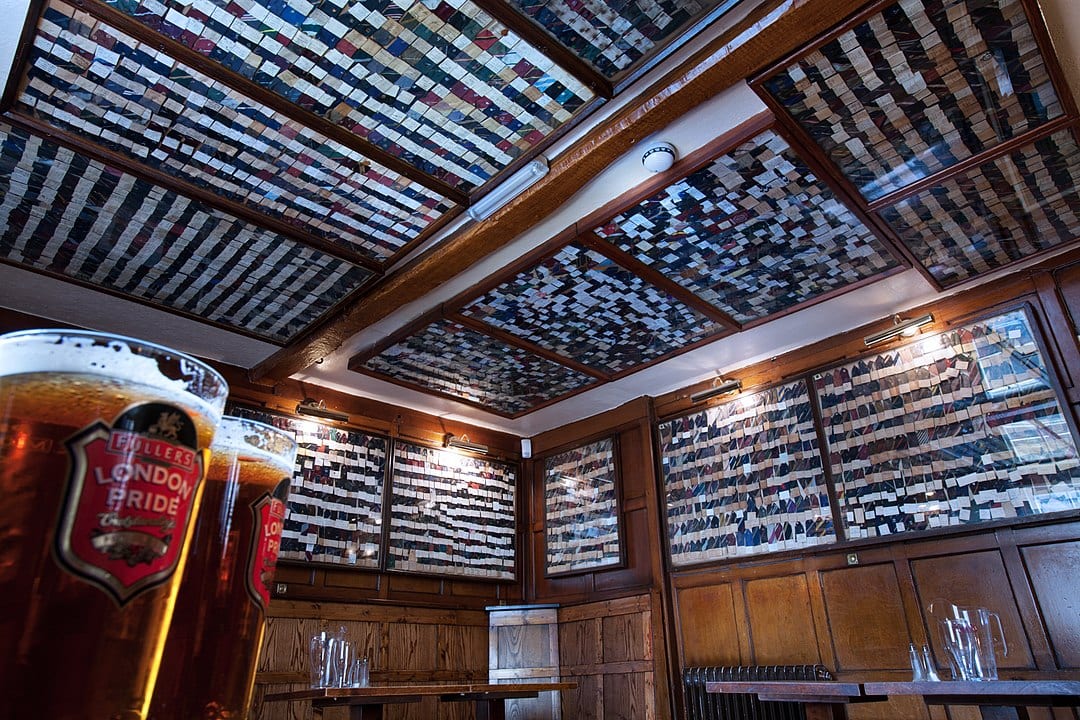
Oxford’s oldest pub, dating from 1242 (this incarnation from the 17th century), on the corner of Blue Boar Street and Alfred Street just north of Christ Church. Small, characterful, slanted floors, and a collection of clipped ties on display dating back to the 1950s.

The King’s Arms
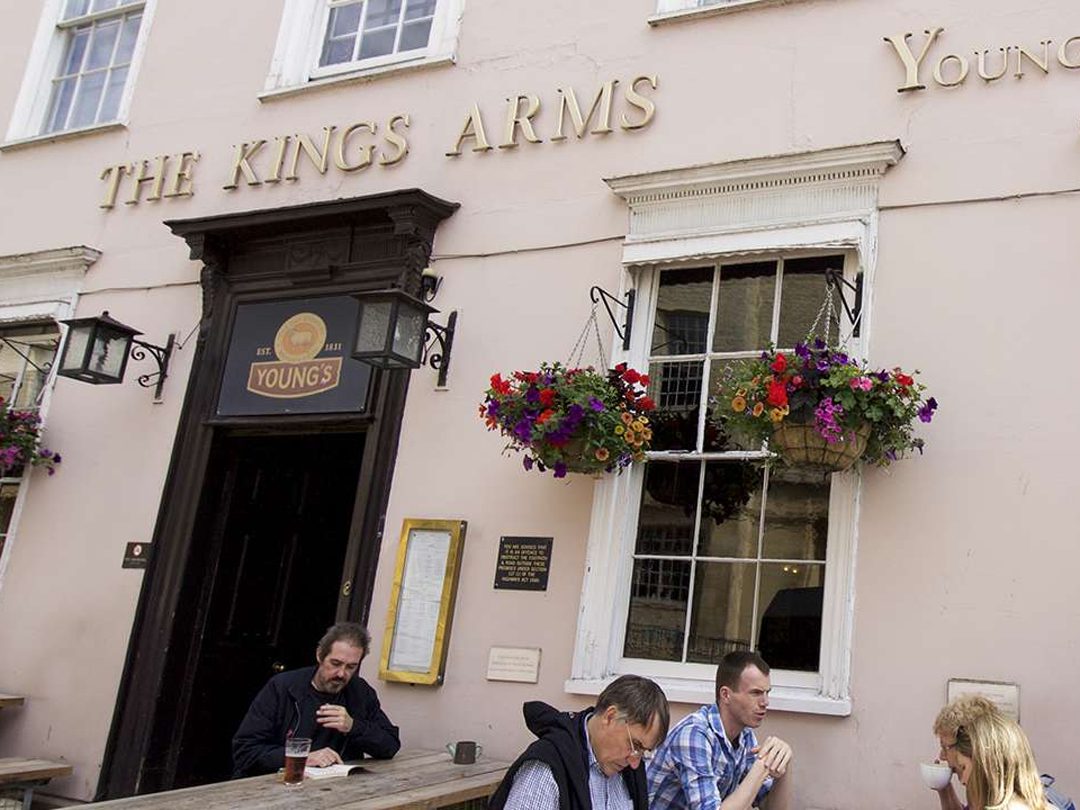
Set up in 1607 at the corner of Parks Road and Holywell Street, opposite the newer Bodleian building, on the site of a former Augustinian priory. In the 1940s it was a hangout for double agent Kim Philby and novelist Graham Greene.
The Lamb & Flag
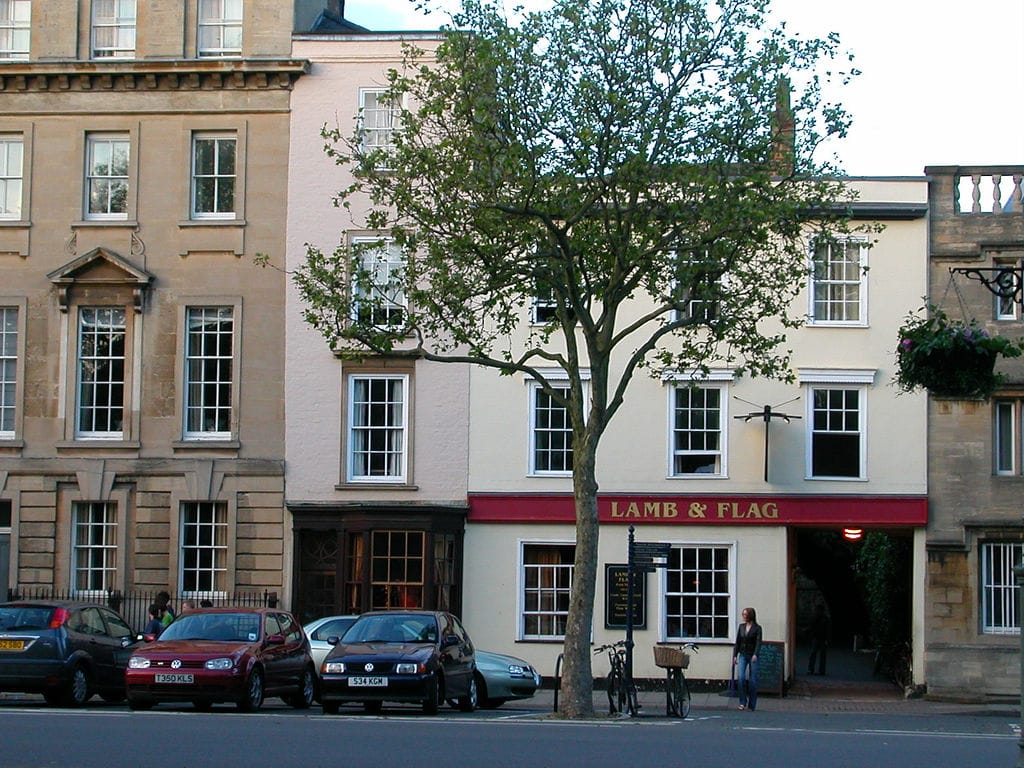
Operating since at least 1566 on St Giles, moved to its current site by St John’s College in 1613. Reputedly where Thomas Hardy wrote Jude the Obscure, and a filming location for Inspector Morse.
The Eagle and Child
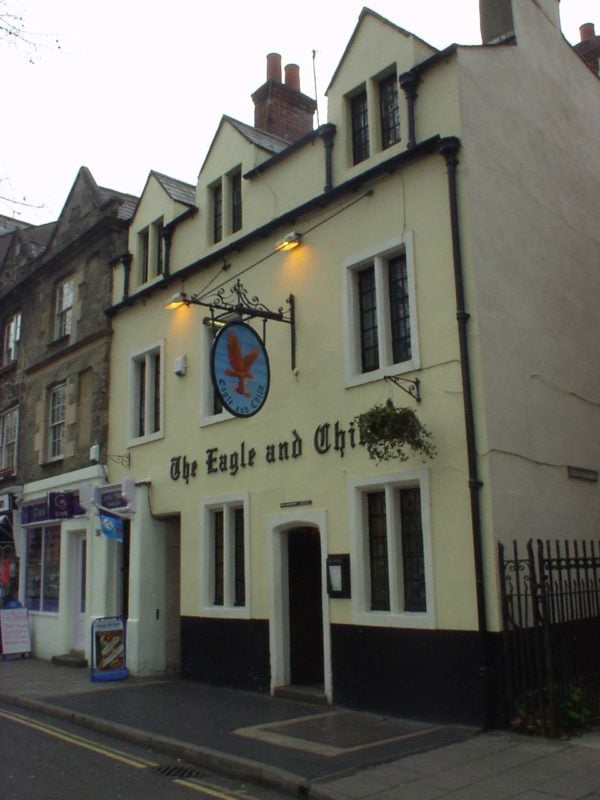
The regular meeting place of the Inklings the literary group including C.S. Lewis commemorated with a plaque in the corner once known as the Rabbit Room. Also served as lodgings for the Chancellor of the Exchequer during the Civil War.
The Turf Tavern
Dating to the 13th century and built on the foundation of an old malt house, originally called the Spotted Cow before a 1842 name change. Tucked down a narrow alley off Holywell Street reportedly Inspector Morse’s favourite pub.
Where Should You Eat in Oxford?
The Grand Café
Britain’s oldest coffee house, on the High Street, open 9:30am–6pm. According to Samuel Pepys, this was England’s first coffee house. Serves breakfast, lunch and high tea the Grand High Tea (around £27) includes smoked salmon sandwiches, scones with jam and clotted cream, petit fours, and a glass of champagne.

Turl Street Kitchen
A social business in a Georgian townhouse whose profits support Oxford Hub, a student volunteering programme. Voted best brunch in Oxford the poached eggs with whipped avocado and Wye Valley smoked salmon are worth the visit. The attached Tower Guest House has 8 rooms from around £145/night, but note there are 3 floors, only 1 ground-floor room, and low ceilings upstairs that could be a challenge for taller guests.

Cherwell Boathouse
A lunch spot with a river view book ahead. Unpretentious, right on the water, with outdoor seating in summer or window seats in winter. A set 3-course lunch runs around £18 and changes seasonally.
Rooftop Restaurant at the Ashmolean
Worth a caution: on a recent visit, the outdoor patio was unexpectedly closed and the wait without a reservation was quoted at 3 hours worth booking ahead if you want to try it, since the alternative basement café was a genuinely poor experience.
Where to stay in Oxford
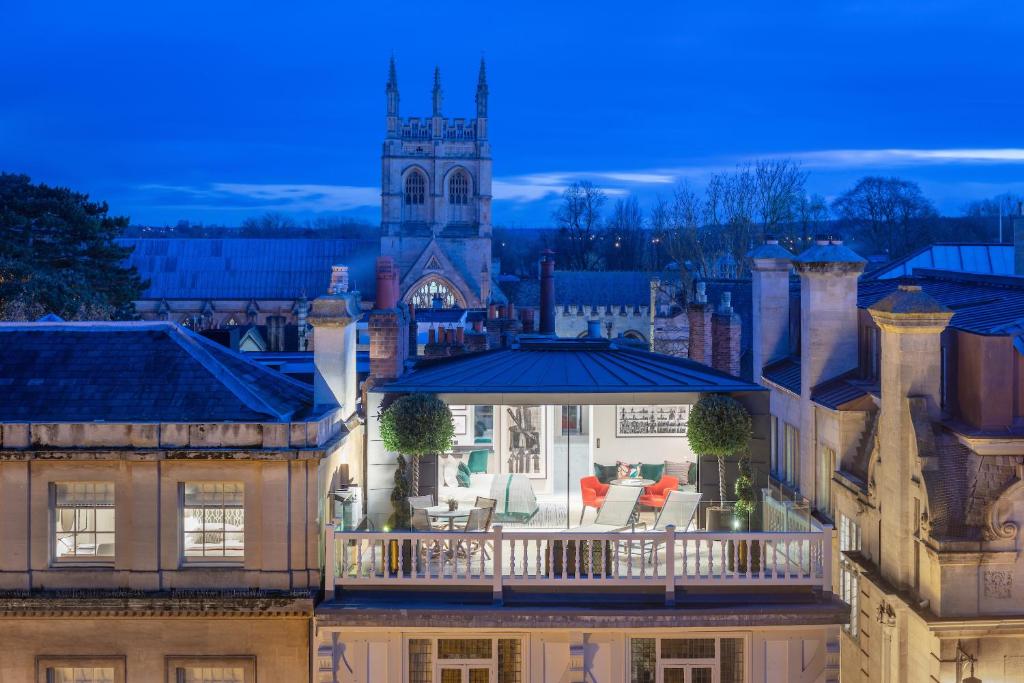
On the bustling High Street. The “Room with a View” has a rooftop terrace overlooking St Mary’s Church spire, the Radcliffe Camera, and All Souls College quad. The attached restaurant, Quod, has a striking onyx bar and art from artists including Damien Hirst.
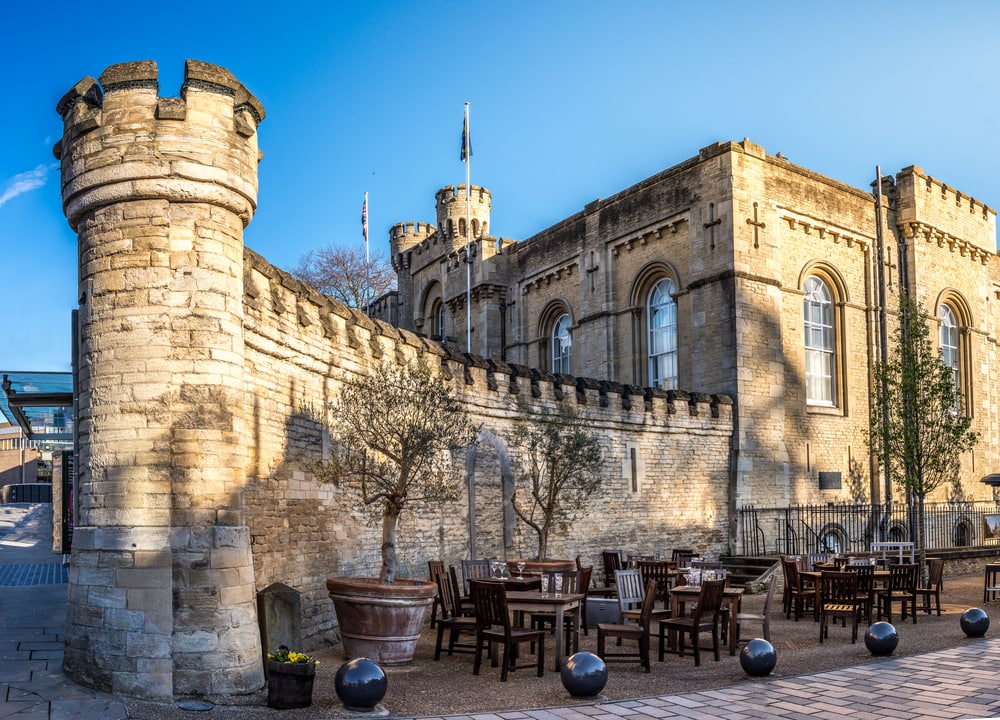
A genuinely unusual stay a renovated former prison, with rooms set inside the original cells across the main building and the adjoining House of Correction. The signature Lowton Robbins suite (named for a former prison governor) has a cast-iron rolltop bath.
A classic, historic choice with the wood-panelled Morse Bar, named for Inspector Morse author Colin Dexter, who wrote parts of the novels here. Also home to The Snug cocktail lounge (styled like an English library) and The Drawing Room for traditional afternoon tea.
Is Oxford Accessible for Travellers With Mobility Challenges?
Oxford is a working medieval city, not a purpose-built modern one, so accessibility varies enormously from place to place. It’s manageable with some planning, but don’t expect the whole city to be step-free.
What are the biggest physical obstacles?
Cobbled streets and uneven surfaces are common throughout the historic centre and inside several college quads Logic Lane at University College is a good example, cobbled and uneven with an alternative step-free entrance available by prior arrangement only. Many college buildings are genuinely historic and simply don’t meet modern accessibility standards, even where a step-free route exists elsewhere on the same site.
Are the Bodleian Library and Ashmolean Museum accessible?
Not fully, as covered above the Bodleian tours involve extensive stairs with no lift at all, and the Ashmolean has only two small, slow lifts for a large building. Contact the specific college or department in advance if a building’s accessibility is a dealbreaker for your visit.
Where can you check accessibility before you go?
The University of Oxford’s Access Guide (accessguide.ox.ac.uk) lists accessibility details and photos for individual college and department buildings, so it’s worth checking your specific must-see colleges before you travel rather than assuming.
Is Blue Badge parking available in Oxford?
Yes. Blue Badge holders can park free in any on-street bay in the city, with around 90 marked disabled parking bays throughout Oxford, though standard charges still apply in off-street car parks like the Westgate Multi-Storey. The Railway Station is fully accessible with lifts and accessible toilets, and Park & Ride buses all have kneeling steps and fold-down ramps.
Can you hire a wheelchair or mobility scooter in Oxford?
Yes, through Oxfordshire County Council’s wheelchair and scooter loan service, and Westgate Oxford also has accessibility support via AccessAble.

Is punting accessible?
Realistically, no getting in and out of a low, narrow punt is difficult even for able-bodied visitors and isn’t set up for wheelchair users or anyone with limited mobility. A river cruise on a larger boat, if available, is a more realistic alternative for enjoying the Cherwell or Thames.
What Day Trips Can You Take From Oxford?
Blenheim Palace sits just outside Oxford and is both magnificent in its own right and the birthplace of Winston Churchill. From Oxford you’re also within easy reach of the Cotswolds’ villages, Warwickshire (including Downton Abbey filming locations), Bath, Windsor Castle, and hiking in the Chiltern Hills.
FAQs About Visiting Oxford
How many colleges does Oxford University have?
The number changes occasionally as colleges and permanent private halls are founded or merged, so treat any specific figure including older versions of this guide as approximate rather than fixed. There’s no central campus; the colleges are spread across the city.
Is Oxford worth visiting in summer?
It’s still worth it, but July and August bring serious overtourism expect large crowds at the major colleges and museums, and book tickets well ahead. Shoulder season gives a noticeably better experience.
How much does it cost to visit the Bodleian Library?
Tours range from £6 for 30 minutes to £20 for 90 minutes, plus a £1 online booking fee. Book at least two weeks ahead, since tours sell out.
Is Oxford accessible for visitors with mobility challenges?
It’s mixed and worth planning for. The Ashmolean Museum has only two small, slow lifts for a large building, Bodleian Library tours involve extensive stairs with no lift, and several historic college buildings simply don’t meet modern accessibility standards. Blue Badge parking is widely available (around 90 bays, free on-street), the railway station is fully accessible, and the University’s Access Guide lists building-by-building accessibility details worth checking before you commit to a specific college.
How much does punting cost in Oxford?
From £16/hour at Cherwell Boathouse up to £22/hour at Magdalen Bridge Boathouse for a self-punted boat, or £32/hour for a chauffeured punt. No experience is required.
Can you see Harry Potter filming locations in Oxford?
Yes Christ Church College’s Bodley Tower staircase and Cloisters, New College’s cloisters and quad, and Duke Humfrey’s Library within the Bodleian (used as the Hogwarts Library) are all real filming locations open to visitors.
England is far more diverse than many visitors expect, from historic cathedral cities and rugged coastlines to literary landscapes, ancient folklore, seaside towns, castles, and national parks. Explore more of the region with guides to England, Scotland, Wales, Northern Ireland, a London Travel Guide or the full United Kingdom Travel Guide.
This blog is really amazing and informative.