
Walks in the Chiltern Hills the Ultimate Guide 2026
It was almost by accident that we stumbled upon the Chilterns National Landscape. While housesitting in Oxfordshire, we began exploring country roads with no agenda—just following winding lanes through ancient hedgerows, discovering flint cottages, thatched pubs, and rivers that curled lazily through the meadows. Before long, we realised we had wandered into one of England’s most beautiful regions: the Chilterns National Landscape.

The Chilterns National Landscape is the new name (since 2023) for what was previously known as the Chilterns Area of Outstanding Natural Beauty (AONB).
It’s a protected area of countryside in southeast England, covering around 833 square kilometres (322 square miles) across four counties: Buckinghamshire, Oxfordshire, Hertfordshire, and Bedfordshire. The designation means it’s recognised as one of the most precious and scenic landscapes in the country, safeguarded for its natural beauty, wildlife, cultural heritage, and opportunities for recreation.
Key Features of the Chilterns National Landscape
Chalk Hills: The Chilterns are a chalk escarpment, with rolling hills, open downland, and dramatic ridges.
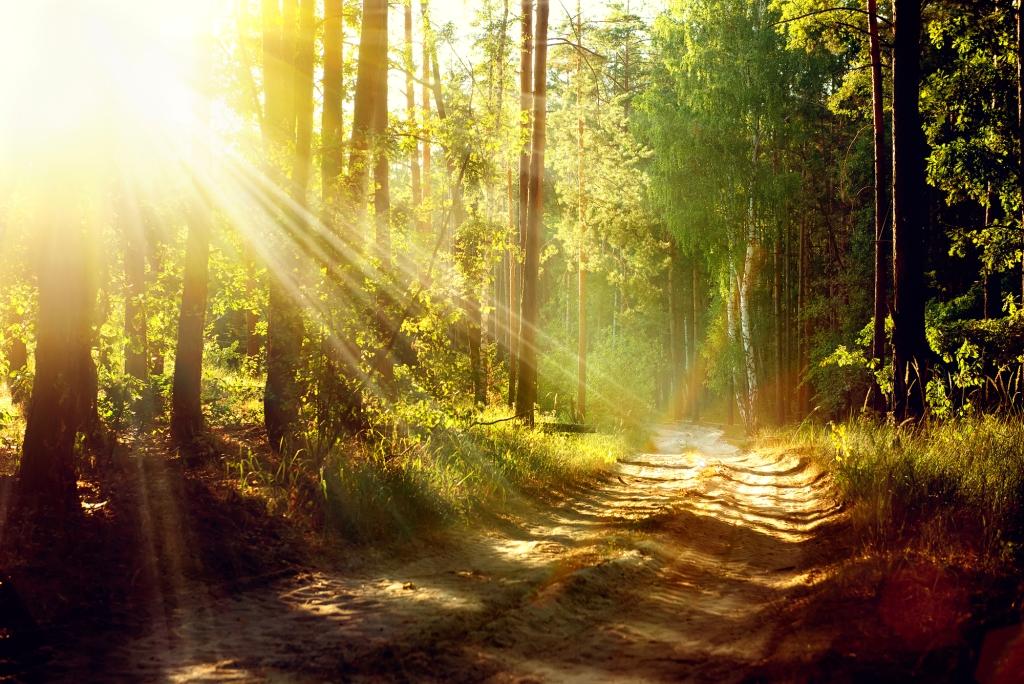
Ancient Woodland: The area is famous for its beechwoods, many of which are hundreds of years old. In spring, these woods are carpeted with bluebells.
Chalk Streams: Rivers like the River Chess, Misbourne, and Wye are rare chalk streams—globally scarce habitats that support unique wildlife.
Wildlife: Red kites are the emblematic bird of the Chilterns, soaring above villages and hills. The area is also home to deer, badgers, and rich insect life.
Cultural Heritage: The landscape is dotted with Iron Age hillforts, medieval churches, market towns, and historic estates like Ashridge. Writers such as Roald Dahl, Graham Greene, and John Milton were inspired by the area.

Walking & Recreation: It’s one of the best regions in southern England for hiking, with famous routes including the Chiltern Way, Chess Valley Walk, and part of the Ridgeway National Trail.
Chalk Figures in the Chilterns
The rolling chalk hills of the Chilterns are home to several ancient and enigmatic chalk figures, the most famous being the majestic Whiteleaf Cross, the Whipsnade Lion and the intriguing, though now lost, Bledlow Cross. These large-scale geoglyphs were created by cutting through the turf to reveal the brilliant white chalk beneath, a technique that has ensured their visibility for centuries.

While their exact origins and purposes remain a subject of debate, they are generally believed to be historic rather than prehistoric, with many likely dating to the early modern period, perhaps serving as territorial markers, expressions of faith, or communal projects.

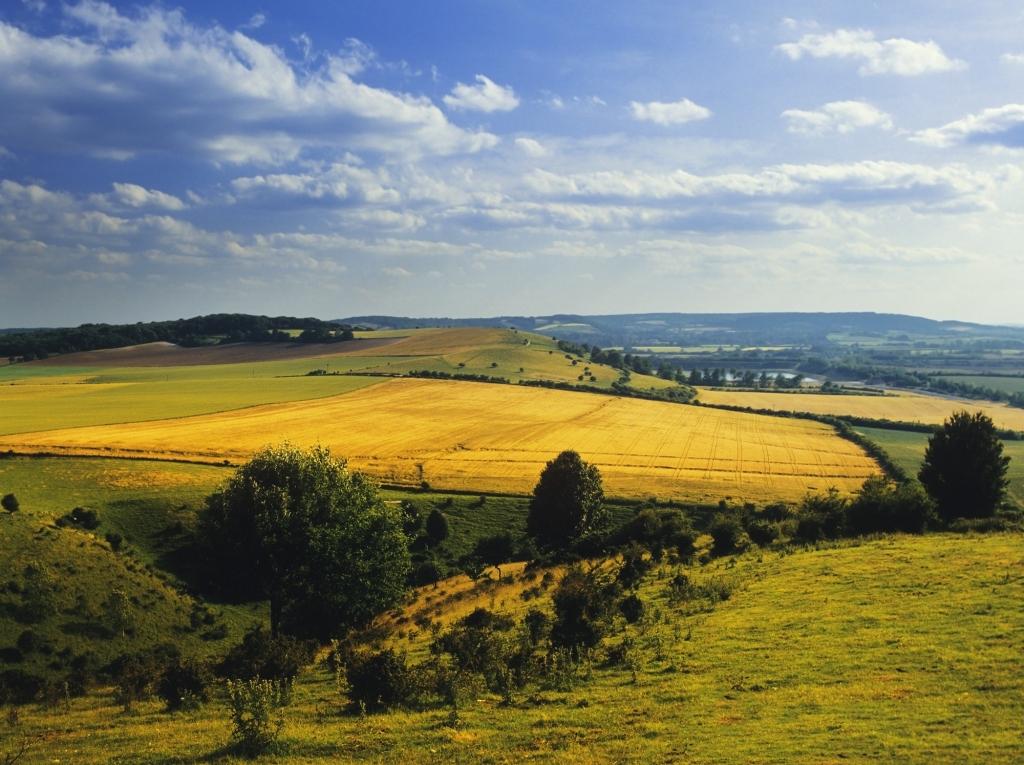
Nearly half of this chalk ridge has been officially designated a national landscape, a recognition that feels well earned when you find yourself standing on a hilltop, gazing over rolling hills that stretch across Bedfordshire, Hertfordshire, Oxfordshire, and Buckinghamshire. At over 660 square miles, the Chilterns are a patchwork of ancient woodland, chalk streams, sleepy villages, and historic market towns.
6 Walks in the Chiltern Hills
Walking is the best way to truly know this land. Each trail here feels like a story unravelling sometimes through sun-dappled beech woods, sometimes along the water’s edge, and often up to sweeping views.
Almost half of the Chilterns has been officially designated a national landscape, protecting its rivers, woods, and open commons. Covering over 660 square miles, the Chilterns stretch across four counties and offer some of the most rewarding hiking in southern England.
The best way to experience it? On foot. The Chilterns countryside is threaded with paths, from gentle riverside strolls to long-distance trails that reveal the landscape step by step.

The Chess Valley Walk
The Chess Valley Walk is often where people fall in love with walking here. Following the crystal waters of the River Chess, this valley walk winds through meadows, villages, and a nature reserve alive with wildlife.
With train stations and car parks at either end, the route is accessible yet rewarding. Walkers are reminded to follow the Countryside Code, as the trail crosses farmland dotted with grazing cattle.
In spring, wildflowers carpet the meadows, while autumn turns the beech woods into a blaze of copper and gold. Along the way, pubs welcome walkers, and every turn in the river seems to offer new stunning views.

The Chiltern Way
At over 130 miles, the Chiltern Way is the great loop of the region, a circular walk that ties together villages, ridges, and woodlands. It’s one of the best ways to see the variety of the Chilterns countryside in one continuous journey.
Red kites spiral overhead, and the path often opens up to sweeping stunning views across valleys that stretch for miles. Whether you tackle the full circuit or just a short section, the Chiltern Way offers a sense of immersion that’s rare this close to London.

The Boundary Trail
The Boundary Trail traces the outer edge of Buckinghamshire, offering quieter hiking through farmland and woods. It’s less travelled than the Chiltern Way, but that means more solitude—perfect for walkers who want to step away from the bustle.
The route rewards patience: deer darting across open fields, ancient hedgerows humming with birdlife, and unexpected panoramas of the Chiltern Hills unfolding around you.

The Ridgeway National Trail
The Ridgeway National Trail is often called Britain’s oldest road, running along a chalk escarpment used for over 5,000 years. In the Chilterns, it passes through beech woods, open ridges, and quiet valleys, linking Iron Age forts with medieval churches.

This long-distance path offers some of the most stunning views in the region—on clear days, you can see across the Vale of Aylesbury to the distant Cotswolds. For serious hiking, the Ridgeway delivers a powerful sense of history underfoot.
Valley Walks and Circular Routes
Not every walk has to be long-distance. The Chilterns are rich in short circular walks, perfect for an afternoon ramble. The Hambleden and Medmenham route, for example, links villages, riverside paths, and beech woods in a 5-mile circular that shows off the best of the countryside in just a few hours.
Whether it’s along the Misbourne Valley or through the chalk slopes above Tring, these routes are gentle introductions to hiking the Chilterns.

Ashridge Estate
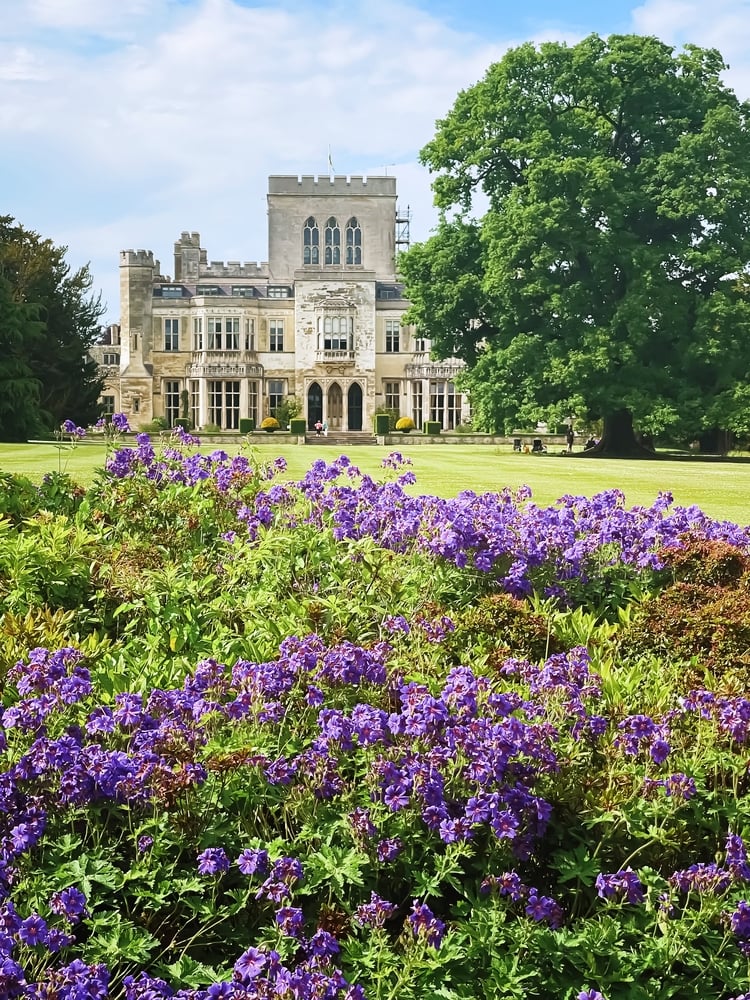
For a mix of history, landscape, and woodland walking, the Ashridge Estate near Berkhamsted is a highlight. Managed by the National Trust, it combines sweeping commons with ancient trees and miles of trails. Climbing Ivinghoe Beacon here rewards walkers with stunning views across the Chilterns, and the area is alive with wildlife from fallow deer to butterflies.
It’s also a hub for data on conservation, with ongoing projects to protect chalk grasslands and restore habitats.
Why Walk Here?
Because every trail tells a story. The Chiltern Way leads you across landscapes that inspired Roald Dahl and Graham Greene. The Boundary Trail whispers of medieval farms and coaching roads. The Chess Valley Walk traces a river that has shaped life here for centuries.
And always, there are the details: the smell of wild garlic in the spring woods, the sudden lift of a red kite on the thermals, the cool welcome of a pub at the end of a long day’s walk.

Planning Your Walk
The Chilterns are wonderfully accessible. Trains from London reach market towns like Amersham, Great Missenden, and Tring in under an hour, and most trails begin within walking distance of a station or car park.
Whether you come for a short valley walk by the River Chess, or commit to the long loop of the Chiltern Way, the Chilterns National Landscape invites you to slow down, walk a little further, and let England’s countryside reveal itself step by step.
Market Towns and Villages of the Chilterns
Walking the Chilterns isn’t just about nature—it’s about the towns and villages that give this landscape its heartbeat.
Amersham
Famous for its timbered high street and film connections (think Four Weddings and a Funeral), Amersham feels like a postcard brought to life. Old coaching inns still stand proud, and the town is one of the gateways to both the Chiltern Way and the Chess Valley Walk.

Great Missenden
Forever linked with Roald Dahl, Great Missenden is where the author lived, wrote, and is now buried. The Roald Dahl Museum is a delight, but the village itself—with its Georgian houses, abbey grounds, and tea shops—makes for a walk worth lingering over.

West Wycombe
Small but unforgettable, West Wycombe is known for the notorious Hellfire Caves, where 18th-century society’s most scandalous club met in underground chambers. Above ground, the village has pretty cottages, pubs, and sweeping views across the Chilterns National hills.

Hambleden Valley
The Hambleden Valley is everything people imagine when they think of rural England: winding lanes, flint cottages, and pub gardens beneath shady trees. Villages like Turville and Fingest have appeared in countless films and TV shows, but walking here feels timeless. It’s a perfect place for a valley walk, linking riverside paths with steep wooded climbs.

Marlow
Set on the Thames, Marlow is stylish and historic, known for its Georgian streets and riverside dining. It’s also the starting point for sections of the Thames Path and trails that lead directly into the Chilterns National Landscape. Mary Shelley once lived here and finished Frankenstein within sight of the river.

Berkhamsted
Chic and lively, Berkhamsted blends history with modern charm. The ruins of a Norman motte-and-bailey castle stand just minutes from boutiques, wine bars, and coffee shops. The town is also a hub for walkers heading into Tring Park or onto the Boundary Trail.

Tring
A gateway to the hills, Tring has prehistoric roots, a Norman church, and the Rothschild family legacy woven into its story. Today, walkers often start here to explore nature reserves or climb Ivinghoe Beacon for panoramic views.

A Tapestry of Nature
The Chilterns National Landscape is more than just pretty scenery—it’s an intricate ecosystem. Chalk streams like the River Chess are globally rare, supporting otters, water voles, and brown trout. Nature reserves preserve fragile wildflower meadows and ancient beech hangers. The woods are filled with bluebells in spring, and in autumn the canopy burns gold and copper.
Why Walk the Chilterns?
Because here, every step reveals another layer of England’s past and present. You might set out on the Chess Valley Walk and end up discovering Roman roads, medieval churches, or the remnants of an Iron Age fort. Or you could wander along the Chiltern Way, pausing to watch a red kite wheel against the sky.
It’s a landscape where rolling hills meet timeless villages, where canals and rivers still shape the rhythm of life, moody ruins and where the quiet of an ancient woodland can make you feel centuries away from modern life.

Places to Stay
When you choose the Chiltern Hills to visit you will be spoiled for choice on accommodation.
Stay in a traditional coaching inn at the Lambert Hotel conveniently located close to the M40 near the market town of Watlington, yet at the foot of the Chiltern Hills with walks and cycling from the front door. The pub and restaurant serve seasonal dishes with a big focus on locally sourced produce.

Hartwell House is one of England’s stately homes, just 40 miles north west of London, set in over 90 acres of gardens and parkland designed by a contemporary of Capability Brown. The French King once held court here. Located within the Vale of Aylesbury and on the edge of the Chilterns Hills.

This historic former brewery boasts light and elegant rooms with rustic, original features and its own French bistro.
Each luxurious room at Hotel du Vin Henley features comfortable hand-sprung mattresses, and deep baths and powerful drench showers in the private bathroom. Guests can relax with a plasma-screen TV in the room.

The elegant, French bistro serves cuisine made from the finest local ingredients. The bar offers an extensive and excellent wine list. The walk-in humidor has a rare selection of cigars from around the world.
The Chilterns are close enough to London to be reached in under an hour, yet they feel worlds apart. Whether you come for a gentle valley walk, a long-distance hike on the Boundary Trail, or simply an afternoon in a village tea shop, you’ll leave with the sense that this is more than just countryside—it’s England at its most enduring.
Explore more of the region with guides to England, Scotland, Wales, Northern Ireland, or the full United Kingdom Travel Guide.