
Best Cotswolds Villages and Secret places only locals know
The Cotswolds are more than just honey-colored cottages they’re a living tapestry of history, food traditions, and breathtaking landscapes. As an avid tourist and accessible-travel-guides-ireland-uk-europe writer who has explored this region for years, I’ve crafted this guide to help you experience the Cotswolds like a local. Below, you’ll find detailed insights into each village’s location, nearby attractions, and unique cultural gems, along with practical tips for accessibility and avoiding crowds.


The Cotswolds are a dreamlike stretch of the English countryside where time seems to stand still. Famous for its pretty villages lined with golden stone cottages and historic stone buildings, this region offers a postcard-perfect scene at every turn.
Stroll down the charming main street of Bourton-on-the-Water with its many things to do, admire the ancient yew trees of Painswick’s churchyard, or step back in time at the eccentric Snowshill Manor, filled with curiosities from centuries past.
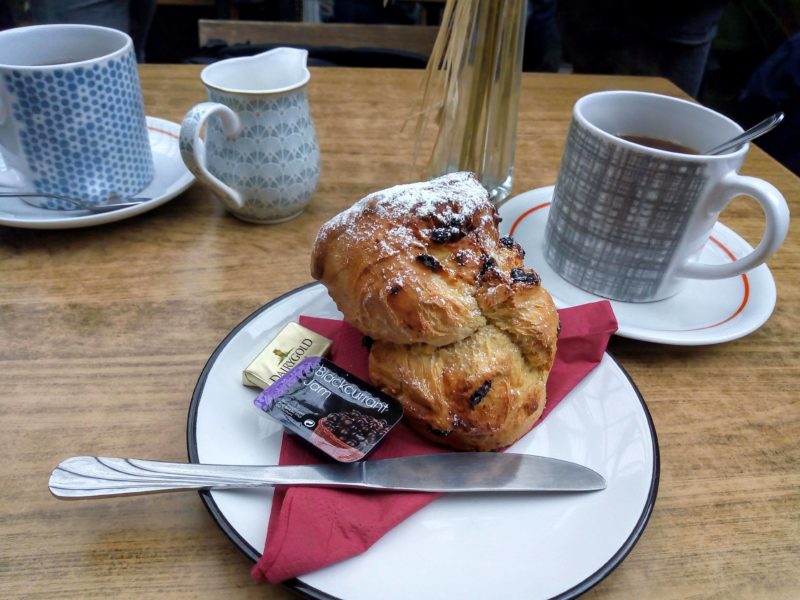
Quaint tea rooms serve freshly baked scones with clotted cream, while hidden gems like Upper Slaughter offer peaceful retreats away from the crowds. Whether you’re exploring a century-old wool church or wandering rolling hills dotted with sheep, the Cotswolds captures the very essence of rural England.
- Best Cotswolds Villages and Secret places only locals know
- Discover the Cotswolds: England’s Most Enchanting Escape
- Cotswolds Villages Map
- Beyond the Villages: 5 Unique Cotswolds Experiences
- Hidden Cotswolds: Broadway Tower, Roman Treasures & Secret Spots
- More Cotswolds Secrets
- Secret Walking Routes Known Only to Locals
- The Coziest Pubs with Authentic Inglenook Fireplaces
- The Most Accessible Gardens and Historic Sites
- Where to Eat & Stay in the Cotswolds
- Accommodation Recommendations
- Frequently Asked Questions about Visiting the Cotswolds
- When is the ideal time to visit the Cotswolds?
- How can I explore the Cotswolds without a car?
- Are the Cotswolds accessible for wheelchair users?
- Where can I find authentic Cotswolds cuisine?
- What unique experiences do most visitors overlook?
- Is a day trip from London to the Cotswolds feasible?
- What are the best accommodation options in the region?
- Are dogs welcome in Cotswolds villages?
- What's the best strategy for avoiding crowds?
- Final Thoughts & Pro Tips
- Related Reading on Roman Sites in the UK
Discover the Cotswolds: England’s Most Enchanting Escape
Continue reading to uncover the best villages, secret walks, and cosy pubs that make this region unforgettable. If you have mobility issues or use a wheelchair check out my Accessible Cotswolds article here.
Cotswolds Villages Map

1. Bourton-on-the-Water, Gloucestershire
Location & Setting
Nestled in the heart of the Cotswolds, Bourton-on-the-Water is just a 30-minute drive from Cheltenham. This village is famously known as the “Venice of the Cotswolds” due to its charming low bridges spanning the River Windrush.


What to Do Nearby
Beyond the picturesque riverside strolls, visit the Cotswold Motoring Museum, where vintage cars and toy collections tell the story of 20th-century British travel. For a peaceful escape, take the 1.5-mile riverside walk to Lower Slaughter, a quieter village with an idyllic mill and crystal-clear stream.
Why It’s Special
While Bourton can get crowded, arriving early lets you enjoy the Model Village in solitude—a meticulously crafted 1/9th-scale replica of the town itself. For food lovers, The Croft Restaurant serves locally sourced Cotswold lamb, a tradition dating back to the area’s farming heritage.
Accessibility Notes
The village center is flat and wheelchair-friendly, but summer crowds can make navigation difficult. Arriving before 11 AM ensures easier mobility.
2. Bibury, Gloucestershire
Location & Setting
Bibury sits about 40 minutes from Cirencester, surrounded by rolling meadows and the tranquil River Coln. Arlington Row, its most famous street, is a preserved line of 14th-century weavers’ cottages.


What to Do Nearby
A short walk from Arlington Row leads to Rack Isle, a serene wetland nature reserve where herons and otters can sometimes be spotted. For history buffs, the nearby Arlington Mill Café offers fresh scones made from flour ground in the original 17th-century watermill.
Why It’s Special
Bibury’s timeless beauty has made it a favorite among artists and writers. William Morris once declared it the most beautiful village in England, and it’s easy to see why—especially at sunrise, when the golden stone glows and the tour buses haven’t yet arrived.
Accessibility Notes
The main paths are flat, but the iconic Arlington Row has uneven cobblestones. Visiting on a weekday ensures fewer crowds and easier navigation.
3. Castle Combe, Wiltshire
Location & Setting
Just 15 minutes from Chippenham, Castle Combe feels like stepping into a medieval film set—which it literally has been, featuring in War Horse and Downton Abbey.


What to Do Nearby
Adventure seekers can explore the Castle Combe Circuit, a historic racetrack hidden in the woods. For a more relaxed experience, the Bybrook River offers secluded wild swimming spots surrounded by lush greenery.
Why It’s Special
Beyond its cinematic fame, Castle Combe’s market cross bears grooves where medieval traders once sharpened their knives—a small but fascinating detail that speaks to its history as a bustling market town.
Accessibility Notes
The village has steep hills, so those with mobility challenges should park near St. Andrew’s Church for easier access to the main attractions.
4. Stow-on-the-Wold, Gloucestershire
Location & Setting
Perched on a hill 20 minutes from Moreton-in-Marsh, Stow-on-the-Wold was once a major wool trading hub. Its broad market square and ancient inns still evoke that prosperous past.


What to Do Nearby
A 15-minute drive leads to the Rollright Stones, a mysterious prehistoric stone circle with roots in pagan rituals. For foodies, Daylesford Organic Farm offers farm-to-table cooking classes using local ingredients.
Why It’s Special
Fans of J.R.R. Tolkien will love the Tolkien-esque door at St. Edward’s Church, said to have inspired the Doors of Durin in The Lord of the Rings.
Accessibility Notes
The market square is flat, but some shops and pubs have steps. The Rollright Stones have uneven terrain, so sturdy footwear is recommended.
5. Chipping Campden, Gloucestershire
Location & Setting
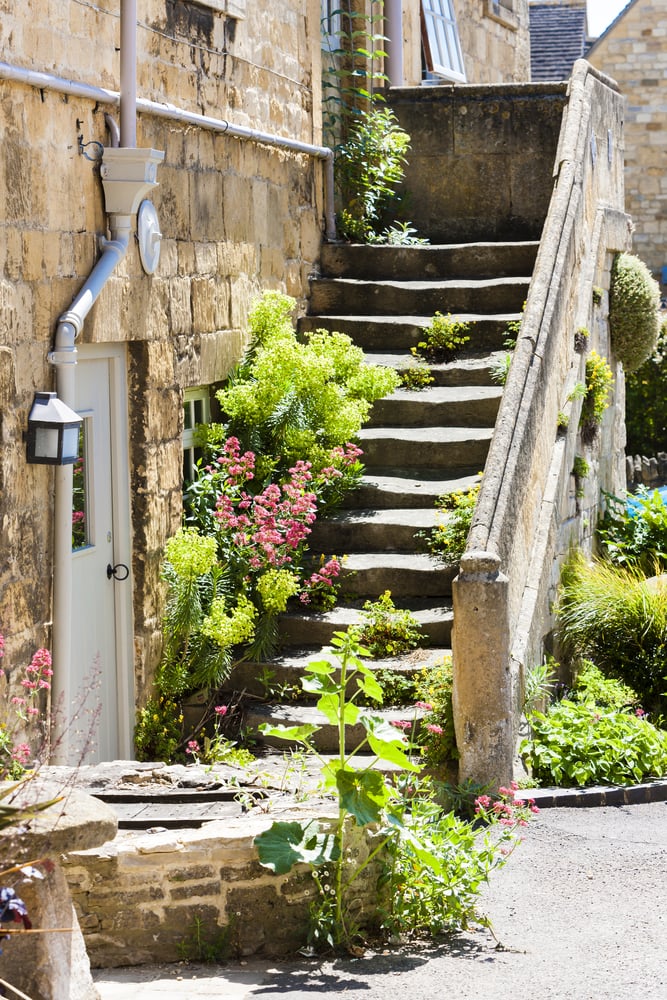
Located 30 minutes from Stratford-upon-Avon, Chipping Campden is a masterpiece of Cotswold stone architecture, with its grand Market Hall (1627) still hosting weekly farmers’ markets.
What to Do Nearby
The nearby Hidcote Manor Garden is a must-see for horticulture lovers, with its intricate Arts & Crafts design. For hikers, the Cotswold Way offers a scenic route to Broadway Tower, where panoramic views stretch across 16 counties.
Why It’s Special
Chipping Campden was once the heart of England’s wool trade, and its wealth is reflected in the ornate St. James’ Church, known as the “Cathedral of the Cotswolds.”
Accessibility Notes
The town has gentle slopes, but Hidcote’s garden paths are gravel and can be uneven.
Beyond the Villages: 5 Unique Cotswolds Experiences
1. Hike the Cotswold Way
This 102-mile National Trail winds through the region’s most breathtaking landscapes, from the Dover’s Hill viewpoint near Chipping Campden to the dramant escarpments above Bath. History buffs will love detouring to Uley Long Barrow, a 5,000-year-old Neolithic tomb, or Belas Knap Iron Age fort, where ancient earthworks still shape the hillside. For shorter walks, the Broadway to Chipping Campden segment (6 miles) offers rolling fields and honey-stone villages without the full trek. Pack sturdy boots—the trail’s limestone paths can be slippery after rain.

2. Tour a Wool Church
The Cotswolds’ wealth was built on medieval wool trade, and nowhere is this more visible than in its “wool churches.” Northleach’s Church of St. Peter and St. Paul is the crown jewel, with its 15th-century “woolmen’s brasses” (intricate memorials to wealthy merchants) and a spire visible for miles. Less crowded but equally impressive is Chipping Norton’s Church of St. Mary, where the carved sheep gargoyles on the exterior nod to the town’s past. Time your visit for a guided tour—many churches host talks on their textile trade connections.


3. Forage for Wild Garlic
Each spring, Westonbirt Arboretum’s woodland floors transform into a sea of fragrant wild garlic (ramsons). Join a guided foraging walk (April-May) to learn how to identify the plant (look for broad, glossy leaves and clusters of white flowers) and pair it with other edibles like wood sorrel. Local chefs often host workshops here, teaching how to make wild garlic pesto or infuse it into butter. For a DIY experience, the Sapperton Valley woods near Cirencester offer public foraging spots—just remember the countryside code: take only what you need.
4. Stargaze at Batsford Arboretum
Far from city lights, Batsford’s 36-acre arboretum becomes a celestial theater after dark. Their monthly “Starry Nights” events (October-March) include telescope viewings of Orion’s Nebula and storytelling about Cotswolds folklore tied to the stars (like the legend of the Rollright Stones’ petrified king). Even outside events, the arboretum’s open meadows provide unobstructed views of meteor showers. Pro tip: Pair your visit with dinner at The Horse and Groom in Bourton-on-the-Hill, whose garden has heaters for chilly nights.

5. Ride the Gloucester-Warwickshire Steam Railway
This heritage line’s vintage steam engines (like the 1942 “Dinmore Manor”) chug through the Cotswolds’ most picturesque valleys, with stops at Toddington’s 1930s-style station and Cheltenham Racecourse. The “Fish & Chip Special” (summer evenings) serves battered haddock in retro dining cars, while the “Santa Steam” in December features carolers and mulled wine. For photographers, the Stanway Viaduct stretch offers the best shots—time your ride for golden hour when the steam plumes glow pink. Check their calendar for themed rides, like the popular “Murder Mystery” excursions.

Why These Experiences Matter
These activities reveal the Cotswolds’ living history and seasonal rhythms—whether you’re tracing wool merchants’ footsteps in a church, tasting spring through foraged garlic, or riding rails that once transported coal and cloth. They’re the antidote to “just another pretty village” fatigue.
Hidden Cotswolds: Broadway Tower, Roman Treasures & Secret Spots
Broadway Tower: The Cotswolds’ Castle in the Clouds
Perched on the second-highest point in the Cotswolds, Broadway Tower is a whimsical 18th-century folly with panoramic views stretching across 16 counties. Designed by Capability Brown, this Gothic Revival tower served as a countryside retreat for artists like William Morris. Climb to the top for breathtaking vistas, then explore the Cold War-era nuclear bunker hidden beneath the tower (used as a monitoring station during the 1950s). Nearby, the deer park offers serene walks among herds of fallow deer, and the Tower Café serves Cotswold cream teas with a view.

Roman Cotswolds: Forgotten Digs & Hidden History
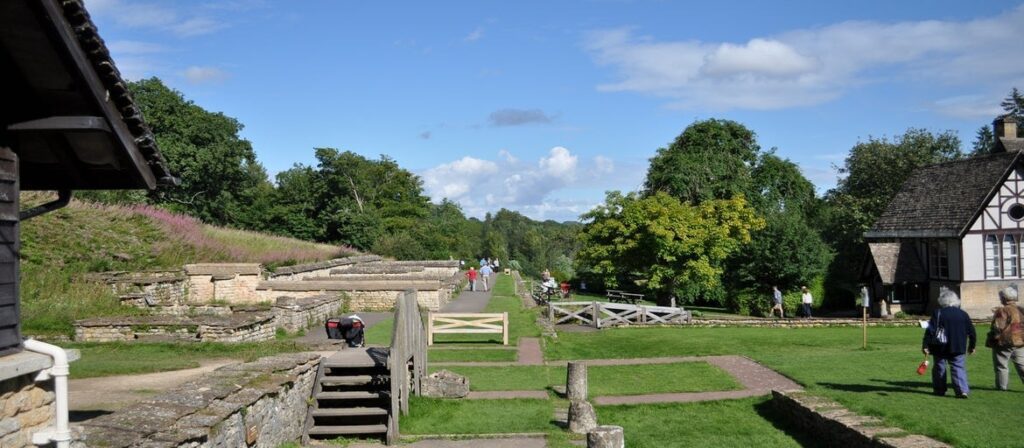
While the Cotswolds’ honey-stone villages charm visitors today, nearly two millennia ago this was Roman territory. At Chedworth Roman Villa, you’ll find Britain’s most spectacular 4th-century remains, from intricate mosaics depicting mythical scenes to the ingenious hypocaust system that heated the floors (spot the small “nipple pots” – Roman oil lamps – in the museum).
Nearby Dover’s Hill preserves something equally remarkable but often overlooked: the undulating lines of Roman farming terraces that once fed this prosperous region. For the ultimate hidden history experience, walk a section of the Ermin Way near Northleach, where this important Roman road still lies beneath your feet, its original stones occasionally peeking through the modern surface. These sites form an open-air museum of Roman Britain, waiting to be explored.
Whispering Knights
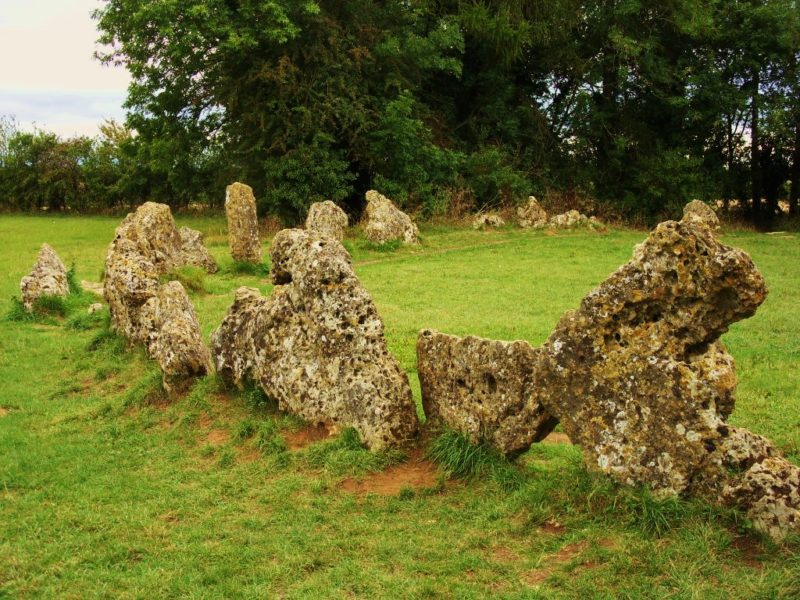
The Cotswolds hides more than just pretty villages – it guards ancient secrets. The Whispering Knights, a mysterious Neolithic tomb older than Stonehenge, stands sentinel near the Rollright Stones, where locals swear the stones rearrange themselves at midnight.
At Stanway House, the magnificent 300-foot fountain – powered entirely by gravity since the 18th century – erupts like liquid fireworks on special summer afternoons, a spectacle few know exists. Then there’s The Tunnel House Inn, where the ghosts of 19th-century canal workers are said to still clink glasses in the tunnel’s echoing darkness. These aren’t just attractions – they’re portals to the Cotswolds’ strange and wonderful past.

More Cotswolds Secrets
Cotswolds Witchcraft Legends & Haunted Sites
The Cotswolds’ picturesque villages hide a darker past of witch trials and supernatural folklore:
The Witch of Stow-on-the-Wold: In 1646, Elizabeth Styles was tried for witchcraft at St Edward’s Church. Locals still whisper about the “Witch’s Corner” near the market square, where accused women were paraded.

Lower Slaughter’s Cursed Well: A stone well near the old mill is said to be haunted by a drowned woman accused of witchcraft. Some claim her reflection appears at dusk.
Rollright Stones’ Sorcery: These ancient megaliths were believed to be a petrified witch and her coven—local lore says they come alive at midnight.
Prehistoric Caves & Forgotten Rituals
Long before Roman roads, the Cotswolds were sacred ground for Neolithic tribes:
Wotton-under-Edge Caves: Hidden in the woods near this market town, Alderley Caves contain 5,000-year-old carvings of stag spirits and ritual symbols. Guided tours reveal eerie “bone chambers” where tribal shamans practiced.
Uley Long Barrow (Hetty Pegler’s Tump): This 4,000-year-old tomb was rumored to be a witch’s meeting place in medieval times. Crawl inside to see Neolithic handprints etched into the stone.

Chedworth’s Secret Grotto: Behind the Roman villa lies a natural limestone cave with evidence of Iron Age sacrifices—look for the carved owl (a symbol of death).
Secret Walking Routes Known Only to Locals
For those seeking to escape the well-trodden paths, the Winchcombe to Sudeley Castle circular walk (4 miles) offers stunning views of the Cotswold escarpment with barely another hiker in sight. Another hidden gem is the Guiting Power to Naunton route, following the quiet Windrush Valley past medieval sheep folds and wildflower meadows. Local farmers often recommend the Stanway to Stanton trail, which winds through private estates normally closed to the public during certain seasons – ask at the Stanway Estate office for access details.

The Coziest Pubs with Authentic Inglenook Fireplaces
The Ebrington Arms near Chipping Campden boasts a massive 17th-century inglenook where you can warm your toes while sipping their famous Yubby Bitter. In winter, the Hollow Bottom in Guiting Power becomes the ultimate retreat with its crackling fire and hearty game pies. Don’t miss the Kings Head Inn in Bledington – its low-beamed Tudor fireplace has been keeping travelers cozy since 1490, now paired with exceptional local ciders.

The Most Accessible Gardens and Historic Sites
Batsford Arboretum offers wheelchair-friendly paths winding through 56 acres of rare trees, with mobility scooters available for hire. The Cotswold Farm Park (founded by Adam Henson) features accessible animal encounters and smooth pathways perfect for strollers and wheelchairs. For history lovers, Sudeley Castle’s ground floor exhibitions and gardens are fully accessible, including the fascinating Queens’ Garden where Katherine Parr once walked.

Where to Eat & Stay in the Cotswolds
Dining Highlights
For a truly memorable meal, book a table at Lumière in Cheltenham, where Michelin-starred chef Jon Howe crafts exquisite tasting menus using foraged Cotswold ingredients.
The Wild Rabbit in Kingham, Chipping Norton that serves the best Sunday roast in the region, with vegetables picked that morning from their kitchen garden.

The freshest seafood is served at the Michelin starred Old Butchers, Stow on the Wold, and ate simply amazing fresh mussels and a Prawn Po’boy that would put New Orleans to shame.

Accommodation Recommendations
Luxury seekers should consider Barnsley House near Cirencester, whose spa and private cinema make it a favorite among celebrities visiting the area.
The Painswick Hotel offers a perfect blend of contemporary design in a historic wool merchant’s mansion, with jaw-dropping views from its terrace.
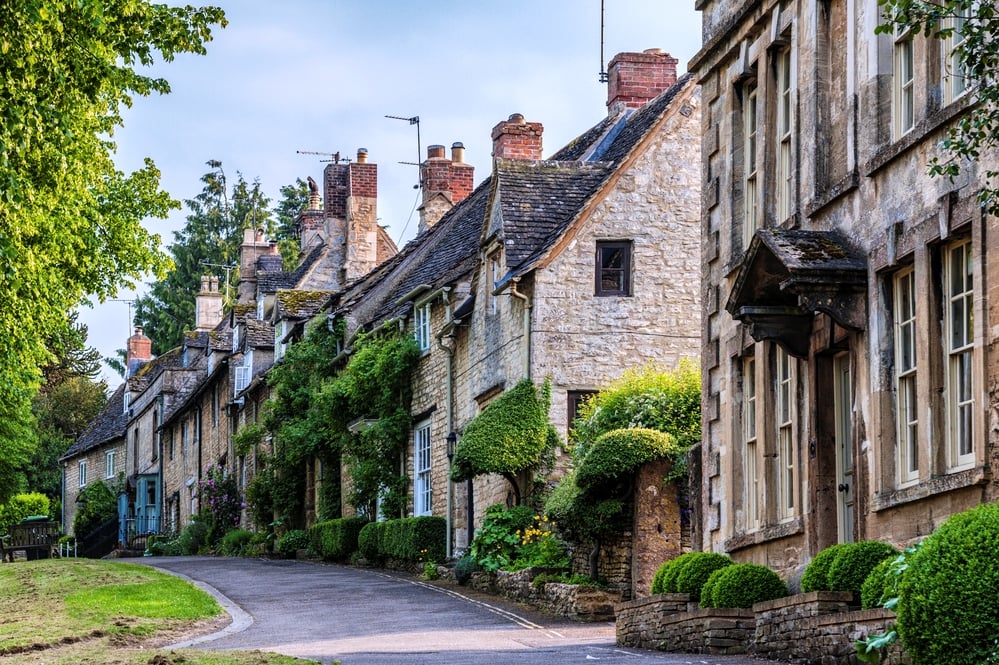
For something uniquely Cotswolds, book the Tudor Farmhouse in Clearwell – its 13th-century origins meet modern comforts, complete with a kitchen garden supplying their excellent restaurant.
Nestled in the heart of Stow-on-the-Wold, The Old Stocks Inn is a recently refurbished 17th-century coaching inn that overlooks the green where the original penal stocks still stand.
The family-run Old Stocks Inn has en suite bedrooms, a bar, and a terraced patio garden for al fresco dining in good weather. There are 2 restaurants, both with friendly staff.

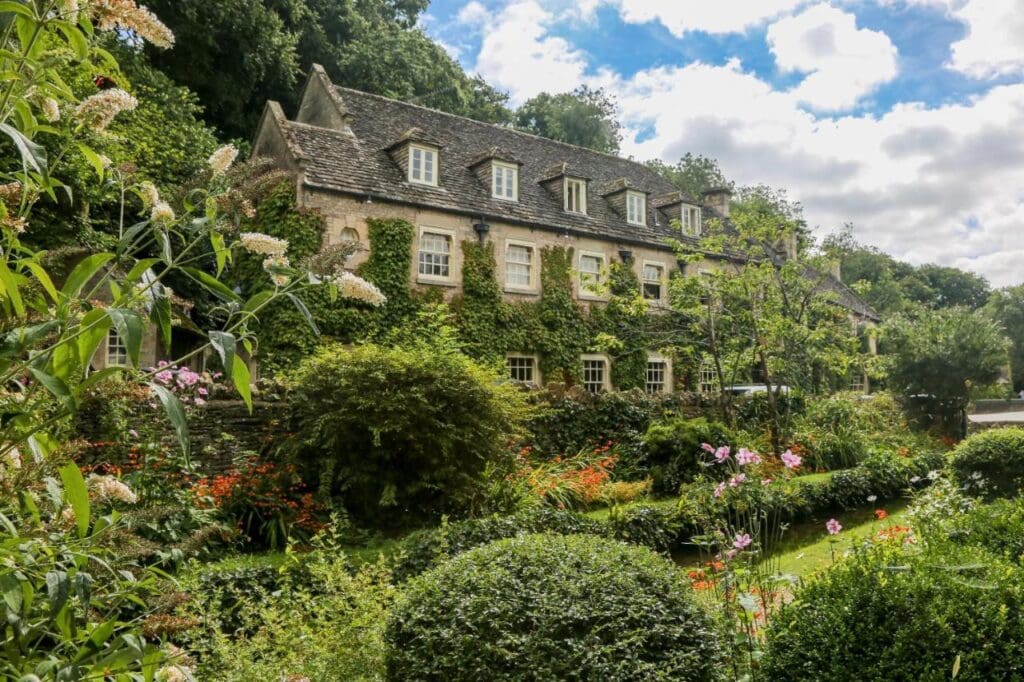
The iconic ivy-clad Swan Hotel is located on the banks of the River Coln in the heart of Bibury Village. Inside, there are 22 beautifully designed rooms (including 4 stunning Cottage suites) and each one is unique in character and comfortable down to the finest detail with large bathrooms, full-size Molton Brown toiletries and soft, cosy bathrobes to enjoy.

Pro Tip: Many top restaurants and hotels book months in advance, especially for summer weekends and Christmas markets. Reserve your afternoon tea at the Lygon Arms or dinner at the Potting Shed in Crudwell at least 8 weeks ahead. For last-minute deals, check the Cotswold Concierge service which often has access to cancelled premium reservations.
Frequently Asked Questions about Visiting the Cotswolds
Many travelers have similar questions when planning their Cotswolds adventure. Here are detailed answers to the most common inquiries to help you make the most of your visit.
Which village is considered the most beautiful in the Cotswolds?
While Bibury frequently tops “most beautiful” lists thanks to its iconic Arlington Row cottages, there are several equally stunning alternatives with fewer crowds. Castle Combe’s timeless medieval charm and Lower Slaughter’s peaceful riverside setting both offer breathtaking scenery without the tourist congestion. For those seeking something more unique, Snowshill provides an unforgettable experience with its vibrant lavender fields and eccentric manor house filled with curiosities.

When is the ideal time to visit the Cotswolds?
Each season offers distinct advantages. Spring (April-May) brings blooming wildflowers and quieter villages, making it perfect for photographers and those seeking tranquility. Summer (June-August) showcases the region at its most vibrant, though popular spots like Bibury become crowded – arriving early is essential. Autumn (September-October) treats visitors to golden foliage and charming harvest festivals in villages like Painswick. Winter (December) transforms the area into a festive wonderland, with Christmas markets in Stow-on-the-Wold and special holiday steam train rides.
How can I explore the Cotswolds without a car?
While having a car provides flexibility, excellent alternatives exist. Pulhams Coaches offer reliable bus service between major villages like Bourton-on-the-Water and Stow-on-the-Wold. Train stations at Moreton-in-Marsh and Kemble provide connections to London and other cities. For remote areas, pre-booking taxis through services like Cotswold Private Hire is advisable. Active travelers might enjoy renting e-bikes in Cheltenham, which make the region’s hills more manageable while allowing you to discover hidden lanes.
Are the Cotswolds accessible for wheelchair users?
Accessibility varies by location. Flatter villages like Bourton-on-the-Water and Lower Slaughter work well for wheelchairs, though summer crowds can pose challenges. Hillier destinations such as Castle Combe and Broadway require more planning. Services like Cotswold Mobility offer scooter rentals, and attractions like Westonbirt Arboretum provide specialized tramper tours. Always check accessibility details for specific sites in advance.
Where can I find authentic Cotswolds cuisine?
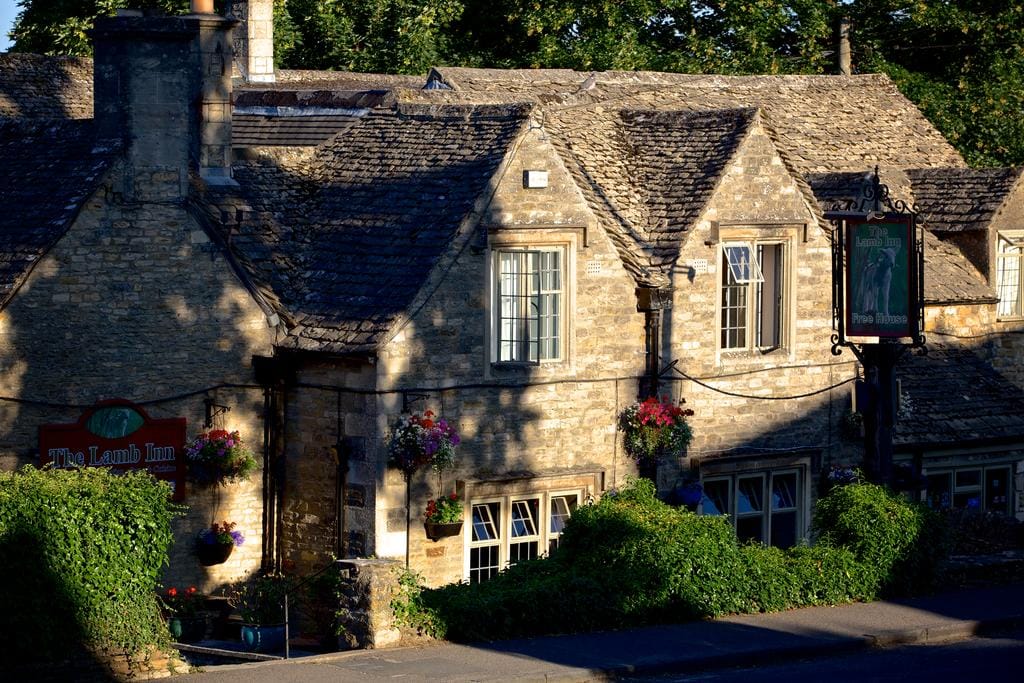
The region boasts exceptional traditional dining options. The Lamb Inn in Burford serves superb slow-roasted Cotswold lamb, showcasing local farming heritage. The Ebrington Arms near Chipping Campden combines award-winning pub fare with excellent regional ales. For those interested in sustainable dining, Daylesford Organic Farm near Kingham offers outstanding farm-to-table meals using ingredients from their own estate.

What unique experiences do most visitors overlook?
Beyond the famous villages, the Cotswolds offers remarkable seasonal activities. Spring brings the opportunity to forage for wild garlic in Westonbirt’s woodlands. History enthusiasts will appreciate exploring Northleach’s magnificent wool church with its medieval merchant memorials. On clear autumn and winter nights, Batsford Arboretum becomes an ideal stargazing spot far from light pollution.
Is a day trip from London to the Cotswolds feasible?
Absolutely. Direct trains reach Moreton-in-Marsh in just 90 minutes from London, making a day trip entirely possible. To maximize your time, focus on one compact area – perhaps combining Bourton-on-the-Water with nearby Stow-on-the-Wold. Many guided tours from London efficiently cover highlights while handling transportation logistics.

What are the best accommodation options in the region?
The Cotswolds offers stays for every preference and budget. For luxury seekers, The Lygon Arms in Broadway provides historic charm with modern comforts in a 16th-century coaching inn. Those wanting quintessential Cotswolds charm might prefer The Slaughters Manor House in picturesque Lower Slaughter.

Are dogs welcome in Cotswolds villages?
Most villages happily accommodate leashed dogs. Excellent dog-friendly options include Bibury’s scenic riverside paths, The Porch House in Stow (which welcomes dogs in its cozy pub), and various sections of the Cotswold Way trail. Always check individual attraction policies, but generally you’ll find the region very pet-friendly.
What’s the best strategy for avoiding crowds?
Timing is everything. Weekdays (particularly Tuesday through Thursday) see significantly fewer visitors than weekends. Early mornings (before 10 AM) and late afternoons offer quieter experiences even at popular spots. During peak summer months, consider exploring less-famous but equally charming villages like Painswick or Kingham instead of the heavily touristy Bibury and Bourton.

Final Thoughts & Pro Tips
To truly experience the Cotswolds, venture beyond the postcard spots. Visit in September for harvest festivals, use Pulhams Coaches for affordable village-hopping, and—if needed—pre-book mobility scooters for hilly areas.
Your Turn: Which village intrigues you most? Ask me about hidden footpaths, folklore, or the best wheelchair-friendly pubs!
Explore more of the region with guides to England, Scotland, Wales, Northern Ireland, or the full United Kingdom Travel Guide.
Join 7,500 Ireland travellers in my Ireland Uncovered Facebook Group and 1,897 on my XYUandBEYOND PAGE
England is far more diverse than many visitors expect, from historic cathedral cities and rugged coastlines to literary landscapes, ancient folklore, seaside towns, castles, and national parks. Explore more of the region with guides to England, Scotland, Wales, Northern Ireland, a London Travel Guide or the full United Kingdom Travel Guide.
What a brilliant itinerary for The Cotswolds!
As a resident of this amazing part of the world, its great to read other peoples things to do as there’s so much to do here, and places I still haven’t explored!
Such a lovely lay out, and really nice to read!
Thank you!
Thank you very much for that lovely complement it makes my day when someone takes the time to comment.