
17 Pros and Cons of Living in the UK: How to Move Here
Quick answer: Living in the UK means NHS access, world-class universities, and easy flights across Europe, balanced against a high cost of living, unpredictable weather, and an immigration system getting stricter the standard path to permanent settlement is set to double from 5 to 10 years from Autumn 2026. Having lived in London for 10 years, Yorkshire for 4, and Northern Ireland for 4, the day-to-day trade-offs genuinely depend on where in the UK you land.
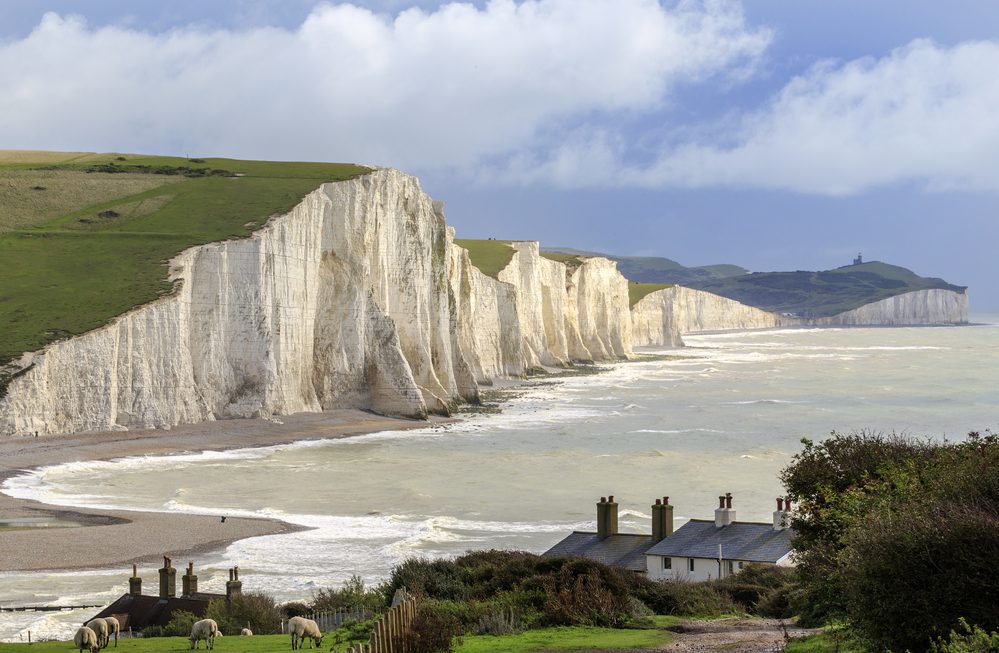
Are you considering moving to the UK soon? Moving to the United Kingdom, like moving anywhere, comes with both positives and negatives, and it’s important for prospective expats to weigh these up before deciding to relocate. The UK is a popular destination for expats, including students and retirees, since the language barrier for those of us from the United States, Canada and many other countries simply doesn’t exist. Add in the beauty of the English countryside, the stunning vistas of Northern Ireland, Scotland and Wales, and your choice of everywhere from big cities to small villages or even a Channel Island like Jersey or Guernsey and it’s easy to see the appeal.
Although the UK contains four countries, this post is about living anywhere in the UK but it’s important to know the pros and cons before deciding to move to England, Scotland, Wales or Northern Ireland specifically.

In this post you’ll discover why the UK is an excellent destination for expats, the cons, and a few things you need to do before moving. Keep in mind that if you want to live in London, you’re in for an expensive undertaking rents and house purchases there can be eye-watering.
Getting a UK visa is the first hurdle to planning your life here. If your descendants come from anywhere in the EU or UK (or Ireland), you may be entitled to a passport by descent if your parents, and in some cases grandparents, were born within the EU or UK, you can apply for a passport from that country. If you were lucky enough to be born in the UK, coming “home” will be relatively easy and you won’t need any special visa; I’d highly recommend applying for your UK passport from wherever you’re currently living before you make the move.

The United Kingdom is one of the steadiest countries in the world, with an extensive background of democratic governance and a firmly established judiciary. I lived in London for 10 years, Yorkshire for 4 years, and Northern Ireland for 4 years, so everything below on England and Northern Ireland comes from actually living it the Scotland and Wales sections further down are built from research rather than time spent living there, and I’ve been upfront about that distinction where it matters.
- 17 Pros and Cons of Living in the UK: How to Move Here
- Fast Facts
- Pros of Moving to the UK
- Cons of Moving to the UK
- Tips to Help You Prepare for Your Move to the UK
- Gather the Necessary Documents
- Budgeting for Your Move
- Booking Your Flight
- Moving to the UK with Your Pet
- Search for Accommodation
- Advantages and Disadvantages of Living in London
- Open a Bank Account
- Exchanging Your Driver's Licence in the UK
- Moving Your Belongings
- Job Search Tips
- Cultural Tips for Living in the UK
- Frequently Asked Questions
Fast Facts
| National Living Wage (21+) | £12.71/hour (from April 2026) |
| Immigration Health Surcharge | £1,035/year adults, £776/year students/dependants/under-18s |
| Path to permanent settlement (ILR) | Currently 5 years for most routes rising to 10 years, confirmed for Autumn 2026 |
| ILR fee | £3,226 per person, no health surcharge, English rising B1→B2 from March 2027 |
| TV Licence | £180/year colour, £60.50 black and white |
| UK Digital Nomad Visa | Does not exist |
| Statutory minimum annual leave | 5.6 weeks (28 days for a 5-day week) |
| Average UK 1-bed rent (ONS) | £1,132/month nationally London far higher, £2,200+ |
| Typical dual-fuel energy bill (Ofgem cap, Q4 2026) | £1,723/year |
Pros of Moving to the UK
Multiculturalism
The UK has a long history of welcoming immigrants. London, and the UK as a country, is home to many nationalities exactly what you want as an expat, since you want to be somewhere locals are used to welcoming newcomers. London is the most ethnically diverse city, visible in its international restaurants and bars, street markets, events like Notting Hill Carnival, and its people though Birmingham and Leeds also draw expats from all over the world.
Living in a multicultural atmosphere is ideal for learning about other cultures, tasting international food, picking up a new language, and making friends. That said, being a foreigner in the UK has its downsides too for all its multiculturalism, the country still contends with endemic racism, misogyny, and a lingering colonial mindset in places.

Higher Education
The UK is home to some of the world’s leading universities, with courses to suit almost any interest from Oxford and Cambridge to the University of Edinburgh. University fees are high, but eligible students can access student finance to cover them, repaid gradually once you’re working, at a low percentage of salary. Public schools are free, though the quality of education in England has been under strain after 12 years of Conservative government funding cuts.

Healthcare and Health Insurance
One of the genuine perks of living in the UK: the National Health Service (NHS) is free at the point of use. You don’t pay to see a specialist or have surgery though prescriptions and dentistry are a different story. NHS dental care is chronically underfunded, and it can be genuinely difficult to find an NHS dentist taking new patients, pushing many people toward private dentistry.
Registering with a GP should be one of the first things you do on arrival head to your local healthcare centre with proof of ID and address. The NHS has been under real strain after years of budget pressure and long waits for both surgery and GP appointments; whether the current Labour government’s NHS improvement plan meaningfully shortens those waits remains to be seen, and is worth checking on directly rather than assuming either way. The waiting list fell by more than 86,000 in November to 7.31 million as of January 2026
Music Scene
The UK has a thriving, wildly diverse music scene, with somewhere between 800 and 1,000 festivals happening across the country every year. Glastonbury is the biggest and best known, but festivals here run the gamut from heavy metal to ancient folk. Liverpool, of course, is world-famous for its music history, with Beatles museums and tours, the British Music Experience, and an entire industry built on the city’s rock and roll legacy. You can even walk the famous crossroads the Beatles did at Abbey Road.

Travel and Access to All of Europe
It’s easy to get anywhere in Europe from the UK, and you can’t beat a £35 Ryanair flight to practically anywhere on the continent no luxury airline, but hard to argue with the price. It’s genuinely common to take a two-hour flight in and out of the UK and EU for a weekend in Glasgow, Manchester, Paris or Amsterdam, often cheaper than the equivalent train journey within Britain itself.

Moving to England the UK for Work
The UK economy has weathered Brexit and the pandemic, but is generally in better shape than many of its European neighbours. The job market can be tricky to navigate, given different countries’ interpretations of skills and qualifications, but larger English cities generally make it easier to find work. Hospitality is usually the easiest sector to break into as a newcomer; if you’re in a skilled profession with advanced English, your odds of transferring that career here are much better. References from UK employers matter a great deal, so volunteering or an internship can help if you’re short on local work history.

Websites to Find Job Opportunities in the UK
- Indeed
- Reed.co.uk
Facebook groups for specific nationalities in specific cities (“Italians in London,” for example) can also be genuinely useful for connections and leads just watch for spammy posts.
The Perfect Combination of Nature and City Life
Industrial cities like Manchester and Birmingham sit alongside genuinely beautiful green space, even within city limits. Some of England’s prettiest villages are in the Cotswolds, Devon, Cornwall, Yorkshire and Cumbria, and moving to England doesn’t mean staying in England Scotland, Wales and Northern Ireland are all part of the package. The UK has 15 national parks in total: 10 in England, 3 in Wales, and 2 in Scotland.

History
The UK is a dream for history lovers of every kind castle ruins, ancient Viking sites, Roman ruins, spiritual havens, and filming locations for shows like Downton Abbey and Bridgerton. Visit the Brontë family home in Haworth, live out your Jane Austen dreams in Bath, walk in William the Conqueror’s footsteps, or see where famous Londoners lost their heads at the Tower of London. With thousands of historical sites from National Parks to Manor Houses your appetite for history won’t go unsatisfied here.

Food
British food doesn’t have the best reputation in much of Europe, but it’s come on enormously in the last 20 years great local produce, traditional dishes, proper pub food, Cornish pastys and Michelin-starred restaurants alongside it. It’s also a genuinely good place to eat if you’re vegetarian, vegan, or have other dietary needs, and while the UK doesn’t have a huge canon of traditional dishes of its own, you can find almost any international cuisine you’re craving, from Indian curries to Greek souvlaki to sticky toffee pudding and Eton Mess.



That range isn’t as common in countries like Spain or Italy, where local, traditional restaurants dominate over international ones and most big supermarkets stock a wide range of international ingredients if you can’t find what you need at a market or specialty shop.
British desserts cover the range from a simple scone with cream and jam to Yorkshire’s Fat Rascal’s at Betty’s Tearoom, haggis and neeps in Scotland and of course Welsh cakes in Wales.



Working in the UK
The UK has strong labour laws and generous employee benefits, though successive Conservative governments worked to weaken both over 12 years in office. Full-time workers are legally entitled to at least 5.6 weeks (28 days) of annual leave, which can include bank holidays depending on your contract sick leave and parental leave are also fairly generous by international standards. Wages can be good in major cities, but drop off noticeably outside London, Liverpool, Manchester and Edinburgh.
| Wage band | Current rate (from 1 April 2026) |
| Age 21 or over (National Living Wage) | £12.71 |
| Age 18 to 20 | £10.85 |
| Under 18 / Apprentice | £8.00 |
Cons of Moving to the UK
Living in the UK has fantastic advantages, but it’s far from perfect here are the real trade-offs.
Cost of Living
The UK isn’t the cheapest place to live in Europe, and you’ll feel that in rent and restaurant prices alike. Nationally, the average one-bedroom rental now runs around £1,132 a month, but that masks huge regional variation a one-bedroom flat in central London can run £1,300–£1,900+ a month, while the same flat in Manchester, Sheffield or Newcastle might be £850–£1,200. Moving from London to Yorkshire myself, that gap wasn’t subtle my own outgoings dropped noticeably the moment rent stopped being a London number.

Train travel is another expense that catches people out. Fares are high, and the cheaper alternative the coach takes far longer. Book well ahead and avoid peak travel times and you can find genuinely cheap fares, but a spontaneous weekend trip from the north of England to London can easily cost £100+ for the train alone, before you’ve paid for a hotel, food and anything else a weekend away in the UK can end up pricier than a budget flight to mainland Europe.

Weather
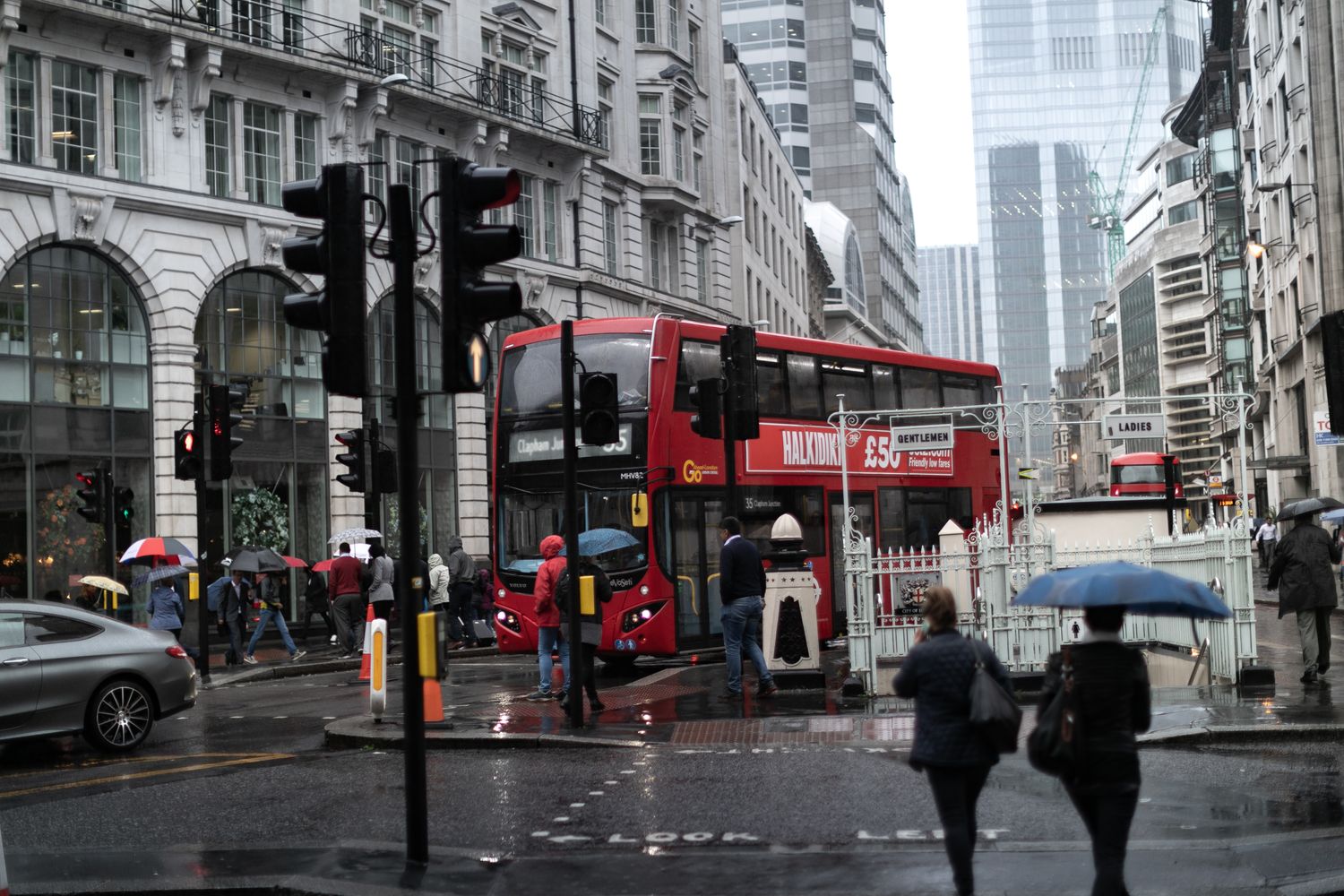
You’ve probably heard the British weather is terrible it does rain a lot, and sunshine can feel rationed. There’s truth in it, though climate change has shifted the pattern somewhat: less snow in winter, more heatwaves in summer. Be prepared for four seasons in a single day, especially in the shoulder seasons between winter and spring I’ve had warm, sunny mornings turn rainy by afternoon and stormy by evening more times than I can count, whether I was in London, the Yorkshire countryside or Belfast. Winter days are also short sunset around 3:30pm so building a gym class or evening activity into your week helps.
Brexit
Before Brexit, moving to the UK from Europe was straightforward. That changed considerably once the UK voted to leave the EU. If you have Irish connections by descent, it’s worth applying for an Irish passport it gives you the right to live in both the UK and Ireland, as well as anywhere else in the EU. Anyone who moved to the UK from the EU before the end of the Brexit transition period needed to register under the EU Settlement Scheme to secure their right to remain; if that’s you and you’re not sure of your status, it’s worth checking directly with the Home Office rather than assuming it’s settled. Those who’d already settled before Brexit have had comparatively few issues; new arrivals face considerably more paperwork, including visa requirements that didn’t used to apply to EU citizens at all.

Transportation
If you plan on using public transport, especially trains, brace for delays. Most trains are modern and comfortable, but reliability has suffered from an ongoing run of strikes and engineering work on tracks and signalling.


Work Visa
Visa requirements are stringent, and have only tightened. The UK remains a hugely popular expat destination, but in response to illegal immigration and visa overstays, it’s become increasingly strict about who it lets in. Expats have to clear a long list of requirements before being granted a work permit.
There is still no Digital Nomad Visa for working remotely in the UK, and none is currently planned. There’s also no dedicated retirement visa, though some people may be able to qualify via a UK Ancestry visa instead.
Popular Work Visas
- Health and Care Worker visa
- Skilled Worker visa
Visas You Can Apply for Without a Job Offer
- British National (Overseas) visa
- Graduate visa
- Youth Mobility Scheme visa
- India Young Professionals Scheme visa
- Global Talent visa
- UK Ancestry visa
- High Potential Individual (HPI) visa
Staying Long-Term: Indefinite Leave to Remain and Citizenship
Getting a visa is only the first hurdle staying long-term is the bigger commitment, and the rules are changing fast. Indefinite Leave to Remain (ILR), the UK’s permanent settlement status, has historically required five years of continuous lawful residence on most work and family routes. In March 2026, the Government confirmed it’s doubling that standard qualifying period to ten years under a new “Earned Settlement” model, expected to take effect from Autumn 2026 essentially now, as of this rebuild. If you’re already partway through a five-year route, check gov.uk directly, since transitional protections for people mid-route haven’t yet been confirmed.

Once you qualify, ILR currently costs £3,226 per person, with no health surcharge attached, and requires B1 English (rising to the more demanding B2 from 26 March 2027) plus a pass in the Life in the UK test (£50). Throughout the qualifying period, you can’t spend more than 180 days outside the UK in any rolling 12-month period. British citizenship is a further step after ILR, with its own separate fee and requirements.
Mortgages and Buying a House
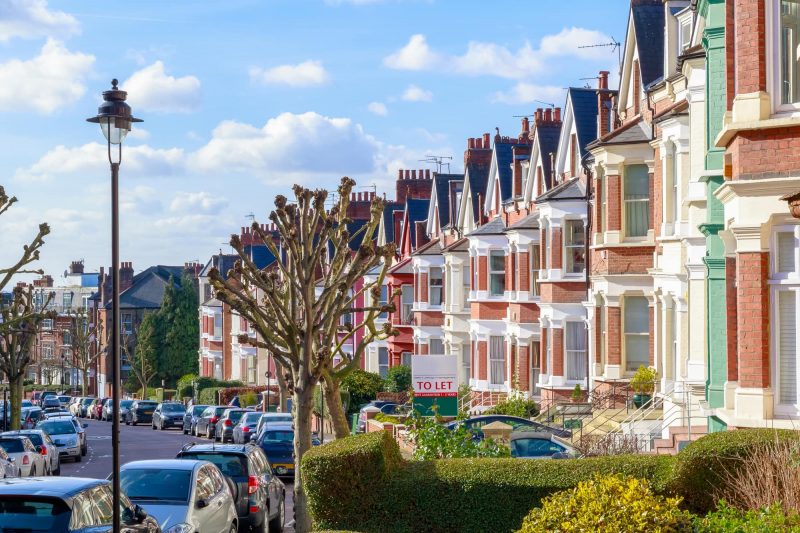
Buying a house in the UK can be prohibitively expensive. As a rough rule of thumb, you can borrow up to 4.5 times your income, so combined earnings of around £55,500 should, in theory, get you a £250,000 mortgage though affordability rules are more detailed than that in practice. House prices vary hugely by region: a home in London, Glasgow or Cardiff will cost many times more than the same property away from a major city, and houses on commuter routes tend to command a premium too.
Buying a house in the UK typically adds an extra 5% to 15% of the property’s purchase price on top of your deposit to cover taxes, legal fees, and surveys. In addition you must pay rates to the local council and these can vary given your neighbourhood and rates band.
Tax Obligations
If you’re American or Canadian and planning a move to the UK, your tax obligations involve understanding both the UK system and how it interacts with your home country’s rules.
US Tax Obligations (for Americans): The US is one of the few countries that taxes its citizens on worldwide income regardless of where they live American citizens and Green Card holders keep their IRS obligations even after moving to the UK.
Canadian Tax Obligations (for Canadians): Your tax obligations depend on your residency status with the Canada Revenue Agency (CRA).
There’s a cost that catches almost everyone off guard and doesn’t fit neatly under either heading: the Immigration Health Surcharge. Most visa applicants pay £1,035 per adult for every year of their visa (£776 for students, their dependants, Youth Mobility Scheme visa holders, and under-18s) paid in full, upfront, before the application is even processed, not in instalments. A family of four on a three-year visa can be looking at well over £12,000 in IHS alone, on top of the application fees themselves. It doesn’t apply to Health and Care Worker visa holders, and it stops entirely once you have ILR.

Tips to Help You Prepare for Your Move to the UK
Gather the Necessary Documents
Before moving, check what type of visa you need to study or work here. Make sure your passport has over 6 months left before you move if not, renew it, since doing so from your home country’s embassy in London will likely take longer than doing it at home. If you plan to drive, check your licence isn’t expired or close to it.
Budgeting for Your Move
Moving to London costs considerably more than moving to most other UK cities, which is worth weighing if you want to keep something back for eating out, the cinema, day trips and other everyday pleasures. Here’s a realistic breakdown of core costs figures vary by city and provider, so treat these as a starting point rather than gospel:
Rent
The UK average for a one-bedroom rental is around £1,132 a month nationally (ONS), but this varies enormously: London runs £1,300–£1,900+ centrally, while regional cities like Manchester or Sheffield are typically £850–£1,200. Council Tax is not included in rent check the Tax Band for your chosen area, since it typically adds anywhere from under £100 to considerably more onto your monthly costs.
Energy
The Ofgem energy price cap sets a typical combined gas-and-electricity bill for a dual-fuel household paying by direct debit currently £1,723 a year (Q4 2026, October–December), though this is reviewed and adjusted every quarter, so check Ofgem’s current cap rather than relying on any figure that isn’t dated. How your home is heated (gas, oil or electric) makes a real difference to the total.
Transport
Petrol averaged around £1.40 a litre and diesel around £1.59 a litre as of early-to-mid 2026 both move with global oil prices, so check current prices before budgeting a road trip. City transport passes vary considerably by operator and zone; check your specific city’s transport authority for current pricing rather than relying on a single national figure.
Leisure
A monthly gym pass runs around £35, cinema tickets around £15, and a meal at an inexpensive restaurant around £15. Planning a weekly meal plan helps avoid food waste and makes the weekly shop faster and smarter.
Internet and Mobile Phones
A typical full-fibre broadband package now runs around £28–£32 a month (roughly £336–£384 a year), with cheaper social tariffs of £15–£20 a month available if you receive Universal Credit or certain other benefits. Phone costs vary by handset and provider make sure your phone is unlocked so you can use a local SIM, or try Google Fi if you want to keep your existing number.

TV Licence
This applies to any device TV, computer, laptop, phone, tablet, games console or digital box used to watch or record live television or BBC iPlayer. You only need one per household, regardless of how many qualifying devices you use. As of April 2026, a TV Licence costs £180 for colour, £60.50 for black and white, rising annually each April in line with CPI inflation until the BBC’s Charter review in 2027–28.
Booking Your Flight
As soon as you decide to move, start tracking flight prices. Google Flights can show you when fares are running low, average or high, with alerts to match book as early as feels sensible so you can focus on everything else on your list.
Moving to the UK with Your Pet
Don’t get me started on this one moving a pet from Canada can run around $2,500+ from Toronto alone. There’s a whole separate guide on this site covering the different ways to get your pet here.

Search for Accommodation
Finding a place isn’t easy, especially if you’re not keen on shared housing or you’re picky about location and room size. Rightmove and Zoopla are the best sites to search for a flat or house; students may prefer university campus accommodation for the full student-life experience. Arrange viewings as early as you can, especially if you’re moving in September, which is peak season for both university students and general relocation. Securing a place from abroad is genuinely harder, since many landlords want to meet you in person before signing going through a university makes this easier, and without a British credit history, you may be asked for up to 6 months’ rent upfront.

Advantages and Disadvantages of Living in London
London is one of the most expensive cities in the world for housing, food and transport. Rent and property prices in central London can be prohibitive, pushing many people to the outskirts or into smaller flats. The job market is highly competitive, especially in sought-after sectors like finance, law and media salaries don’t always keep pace with the cost of living.

Open a Bank Account
Opening a UK bank account is essential, especially if you’re here to work banks can be particular about proof of identity. You’ll choose between a bank and a building society; the key difference is that building societies are owned by their members (the people who bank, save and borrow with them), while banks are typically shareholder-owned and stock-market listed. Building societies are often easier to open an account with. I wouldn’t advise closing your account back home keep it in case you move back or visit but you’ll want a UK account to avoid losing money on currency conversion. You’ll need proof of identity (passport or ID card) and proof of address, such as a utility bill. This is where a WISE account can come in useful as you can keep several currencies and transfer from other accounts.
Exchanging Your Driver’s Licence in the UK
Whether you can exchange your existing licence depends on your country of origin, and in many cases you’ll only be able to exchange for an automatic licence unless you can prove you drove a manual. If you can’t exchange it at all, you typically get one year to drive on your existing licence before you need to take the UK driving test.

Moving Your Belongings
Shipping belongings to the UK can be overwhelming and expensive, though there are several transport options. UK electrical outlets differ from most other countries, so it’s rarely worth shipping electrical items and since most relocation services charge by weight, avoid bringing large, heavy items like furniture if you can.
Relocation Options to the UK
Air Freight is the quickest and most expensive option, best for a small number of items or anything you need in a hurry Heathrow receives the most volume, though East Midlands and Manchester are popular too. Shipping Freight is cheaper but slower, typically two weeks or more; The Relocator and Eurosender are useful starting points.
Job Search Tips
One of the best things about moving to the UK is the range of jobs available nationwide, and you don’t need to already be here to start looking Indeed and Reed are both good starting points. Most interviews are still face-to-face, so you’ll want to be in the country by then, though video interviews via Zoom or Teams have become more common since the pandemic. If English isn’t your first language and you’re out of practice, language exchanges, a free app like Duolingo, and subtitled British TV can help build interview confidence before you start.

Cultural Tips for Living in the UK
Cultural adjustment is easy to underestimate, and it can cut both ways as part of the wider experience of moving abroad. A few things worth knowing about British culture: a cup of tea genuinely is treated as the fix for most minor crises. The British talk about the weather constantly, and you will too before long. People here tend not to say exactly what they mean, so read between the lines more than you might be used to. Queue-jumping is a serious social sin. And while international food is a huge part of British food culture, you’ll always find fish and chips and a Sunday roast close by the British love eating out, especially at Asian restaurants.

Frequently Asked Questions
What are the pros and cons of living in the UK?
Living in the UK offers rich history, diverse culture, and access to quality education and free NHS healthcare, but it can also come with a higher cost of living, unpredictable weather, and an immigration system that has been getting stricter.
Is it a good idea to move to the UK?
It depends on your personal circumstances. The UK offers strong work opportunities and a high standard of living, but visa requirements, the cost of living, and the path to long-term settlement all need careful planning before you commit.
What are the main advantages and disadvantages of living in England?
England offers iconic landmarks, bustling city life, and strong public transport in its major cities, but living costs and crowding rise sharply in London and the South East, while parts of the North remain underserved by both transport and healthcare infrastructure.
How does the healthcare system in the UK benefit residents?
The NHS provides free healthcare at the point of use, covering GP visits, specialist treatment, and surgery without direct charges. Most visa holders pay for this access upfront through the Immigration Health Surcharge, and NHS waiting times for non-urgent care and dentistry can be long.

What is it like for expats living in the UK?
Expats generally find a multicultural society, ample job opportunities, and easy access to the rest of Europe, alongside the usual adjustment challenges of a new culture and, for many, a genuinely stricter and more expensive visa and settlement process than a few years ago.
Do I need a visa to live in the UK?
Almost certainly, unless you were born in the UK or can claim citizenship or right of abode through a parent or grandparent. Most visa applicants also pay the Immigration Health Surcharge and, if aiming for permanent settlement, should note the qualifying period is rising from 5 to 10 years for most routes from Autumn 2026.
How does living in the UK compare to other European countries?
The UK offers stability and professional opportunity without a language barrier for English speakers, which sets it apart from most of continental Europe, though the cost of living and immigration rules are generally stricter than in much of the EU.

What are the limitations of living in London?
London offers a vibrant, diverse career market, but housing and rental costs are among the highest in the world, and the job market in sought-after sectors like finance, law, and media is highly competitive.
Living in Scotland vs England: what’s the difference?
Scotland is generally cheaper to live in than England around 10% below most UK cities and roughly 30% below London but has more unpredictable weather and, outside the major cities, fewer job opportunities.
Living in Northern Ireland vs England: what’s the difference?
Northern Ireland has a notably lower cost of living than the rest of the UK, access to the same NHS and benefits, and a quieter pace of life, while still offering strong professional opportunities in Belfast and other centres.

How much does the Immigration Health Surcharge cost?
£1,035 per adult per year of your visa, or £776 per year for students, their dependants, Youth Mobility Scheme visa holders, and under-18s. It’s paid upfront for your entire visa length before the application is processed, and it stops once you have Indefinite Leave to Remain.
How long does it take to get permanent residency in the UK?
Most work and family visa routes currently require 5 years of continuous lawful residence before you can apply for Indefinite Leave to Remain. The Government confirmed in March 2026 that this is being doubled to 10 years under a new Earned Settlement model, taking effect from Autumn 2026.
Top 10 Cheapest Places to Live in England and the UK
- 1. Durham, North East England
- 2. Belfast, capital of Northern Ireland
- 3. Leicester, Leicestershire
- 4. Stirling, Scotland
- 5. Lancaster, Lancashire
- 6. Cardiff, Wales
- 7. Newcastle
- 8. Coventry
- 9. Hull
- 10. Derry/Londonderry, Northern Ireland

Living in the UK has its fair share of advantages and disadvantages. On one hand, it boasts a rich cultural heritage, an exceptional (if strained) healthcare system, and well-established educational institutions. On the other, a high cost of living, unpredictable weather, and an immigration system that keeps getting stricter can make life here genuinely challenging to plan for. Whether the UK is right for you depends on your own priorities but weigh both sides carefully, because the decision has a real, lasting impact on your life.
If you want to move to Europe Check out all my Living Abroad posts here
Fallen in love with Europe and thinking of moving here? Make sure you check our European Highlights guides.
If you’re planning a full relocation, don’t forget to read our guide on moving a pet to Europe, which covers everything from paperwork to flights.