
Only in Canada, Eh? 67 Canadian Things to Know Before You Visit
What are the most Canadian things to know? A double-double is a Tim Hortons coffee with two creams and two sugars. A two-four is a case of 24 beers. A loonie is a $1 coin and a toonie a $2 coin. Prices are shown before tax, which adds 5 to 15 per cent at the till, and in some provinces milk comes in a bag. Visa-exempt visitors flying in need an eTA (CAD $7), and Americans don’t.
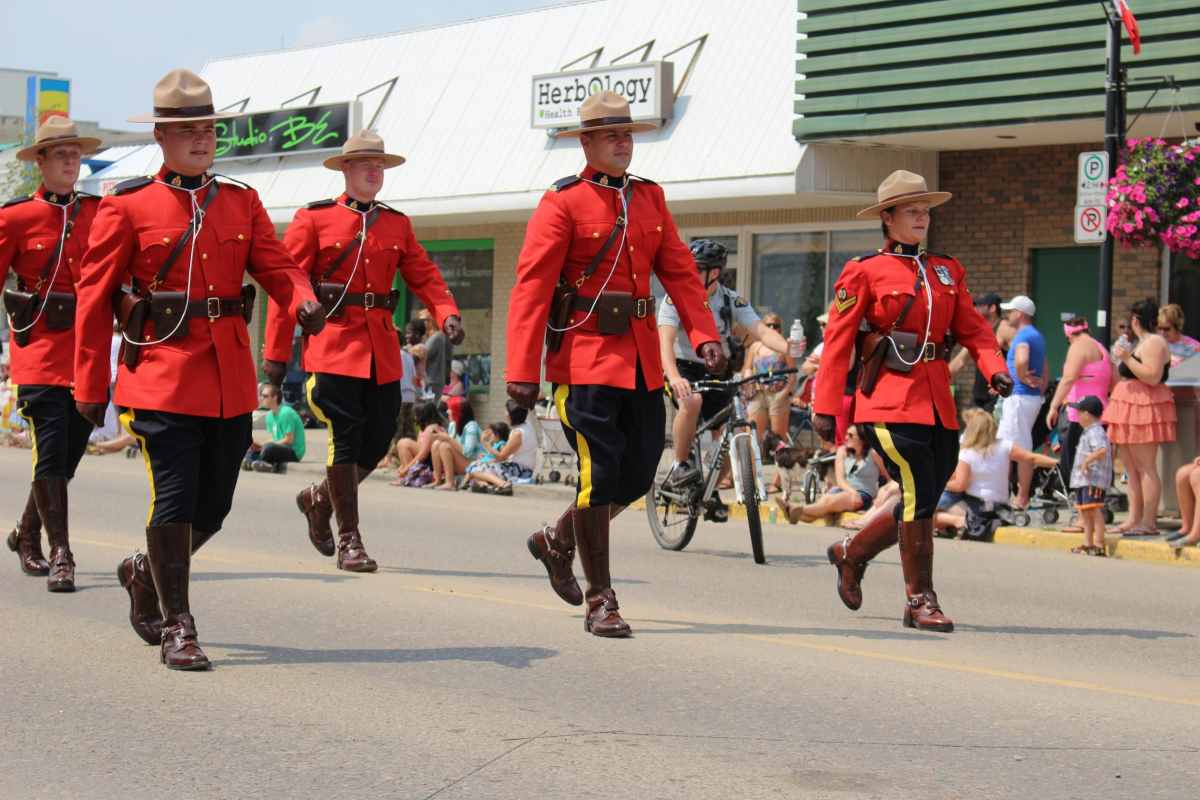
I lived in Canada for more than 20 years, so I know first-hand which of our quirks confuse visitors most. Canada is my home country, and my working life as a food product developer took me to farmers’ markets and food halls from coast to coast.
So get your double-double and settle in. This guide covers 67 Canadian things to know before you go: the food, the slang, the money and tax surprises, our holidays and, because so many Canadian inventions are misreported online, which ones are really ours. For the bigger picture, see my Canada travel guide.
- Only in Canada, Eh? 67 Canadian Things to Know Before You Visit
- Canada: fast facts
- Canadian Food and Drink
- Canadian Drinking Lingo and Rules
- Money, Tax and Practical Things to Know
- Canadian Slang and Canadianisms
- Canadian Holidays and Seasons
- Canadian Sports
- Regional Quirks
- Famous Canadian Inventions (and What's Really True)
- Only in Canada: FAQs
- So What Are You Waiting For?
Canada: fast facts
| Provinces and territories 10 provinces and 3 territories, across 6 time zones Official languages: English and French Currency: Canadian dollar. Loonie ($1) and toonie ($2) coins, no pennies Sales tax: 5 per cent GST nationwide, plus provincial tax in most provinces (5 to 15 per cent in total) Tipping: 15 to 20 per cent in restaurants and bars Entry: eTA (CAD $7) for visa-exempt air travellers, not needed for US citizens or land arrivals Best-known national sports: ice hockey (winter) and lacrosse (summer) |
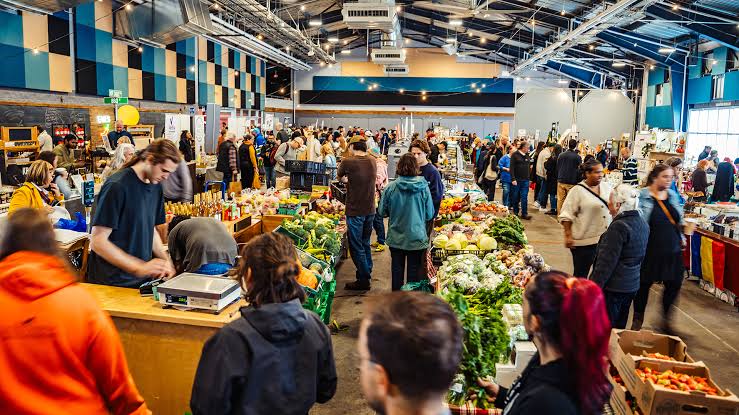
I think every Canadian has made the pilgrimage to Banff and Lake Louise, so don’t forget to plan a trip to the Rockies. From Alberta head towards beautiful British Columbia, and don’t forget the prairies, Quebec, Newfoundland and the East Coast. Everywhere in Canada has something different to offer, and food and drink are usually at the top of our to-do lists, from London, Ontario’s Farmers’ and Artisans’ Market to Toronto’s St. Lawrence Market and Vancouver’s Granville Island Public Market.
Canadian Food and Drink
Food is where I spent my working life, so this is the section I take most seriously. Here is what to eat, and what our menus and grocery stores will confuse you with. For more, see my guide to traditional Canadian food and the best food markets in Canada.
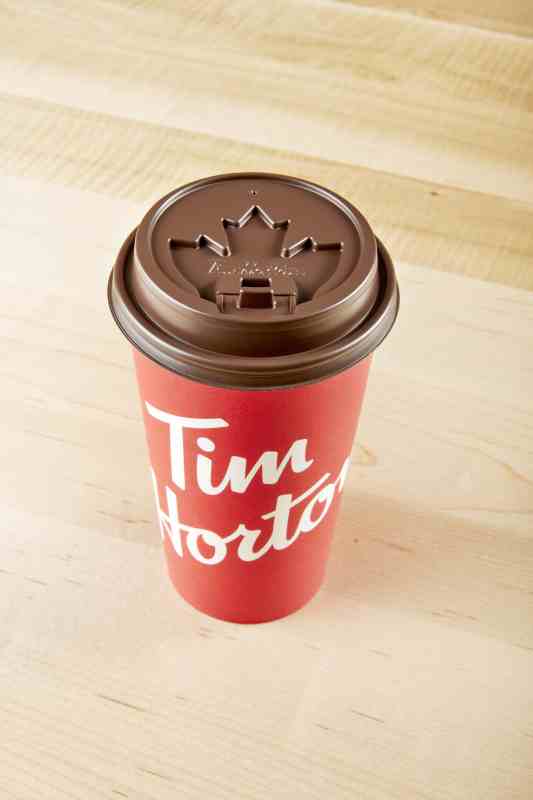
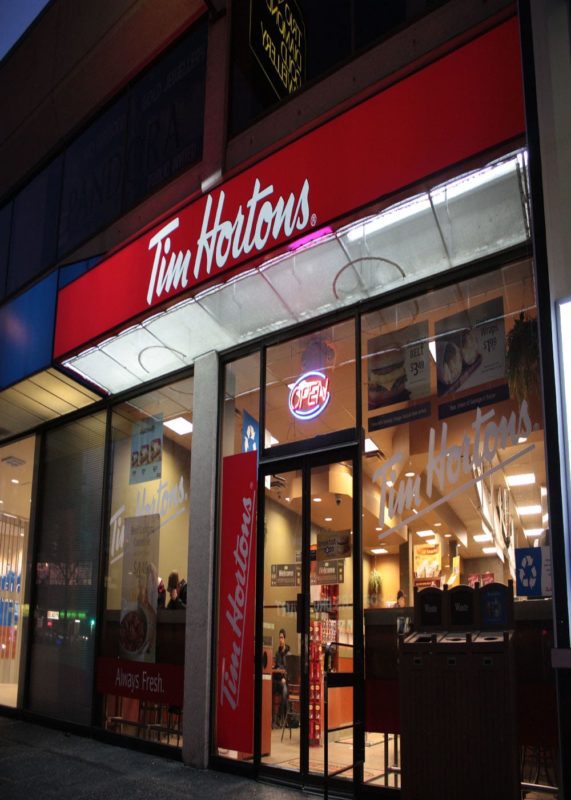
Timmies and the double-double. Tim Hortons, founded in Hamilton, Ontario, in 1964, is Tim’s or Timmies to the rest of us. A double-double is a coffee with two creams and two sugars, and a Timmies run means collecting the whole office’s orders.
Timbits. These are Tim Hortons’ doughnut holes, sold by the box, and it sometimes feels as if every kids’ hockey team runs on them.
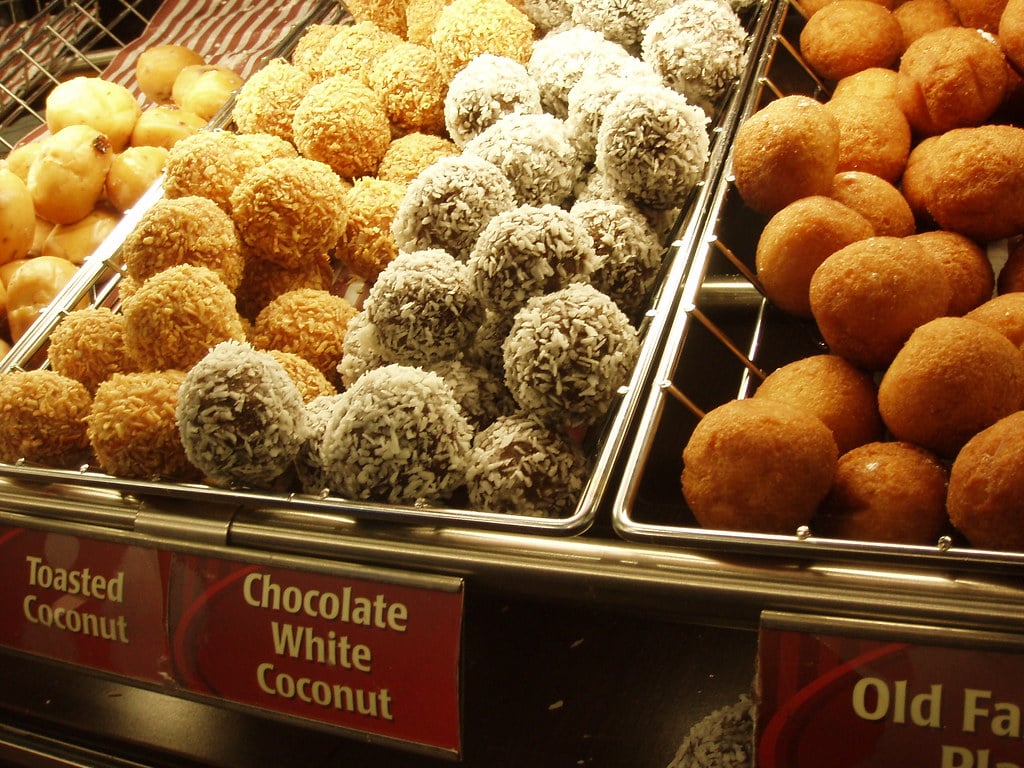
Doughnut country. Canada has more doughnut shops per person than any other country, and Canadians eat more doughnuts per person than anyone else. International Donut Day falls on the first Friday in June.
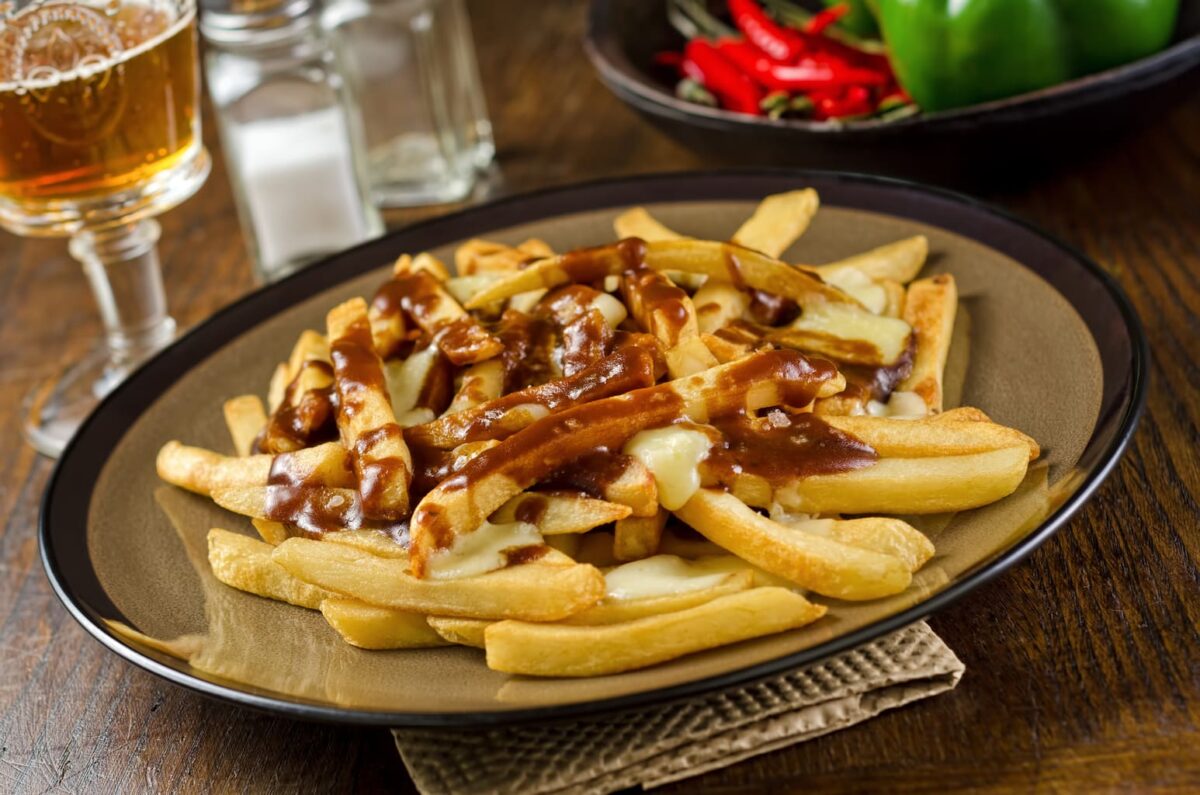
Poutine. Hot fries topped with cheese curds and gravy, from rural Quebec in the late 1950s. The curds must squeak when you bite them, and you can now find versions with everything from smoked meat to lobster. See my guide to Quebec City.
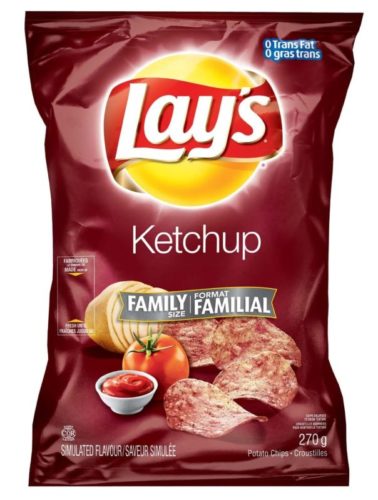
Ketchup chips. Potato chips dusted with ketchup flavouring, tangy and slightly sweet. Visitors either love them or refuse a second bite.
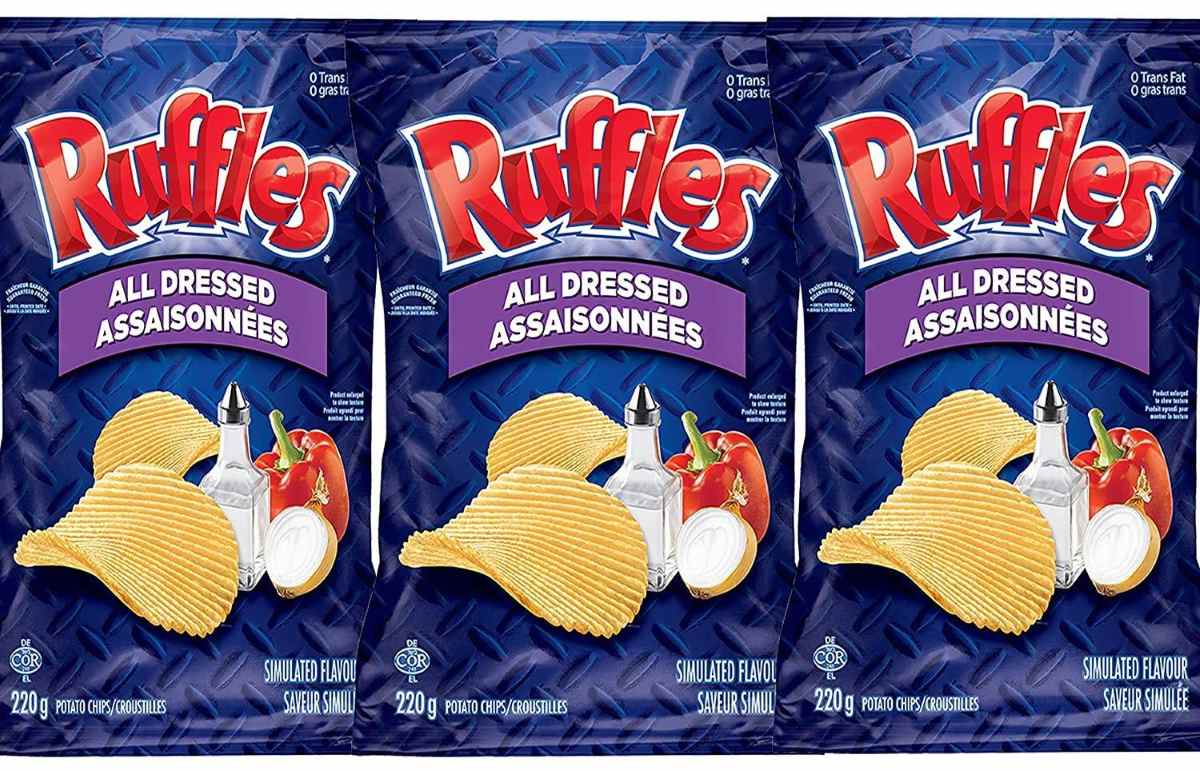
All-dressed chips. A mix of salt and vinegar, ketchup, barbecue, sour cream and onion and other mystery seasonings on one chip. It’s called all-dressed because it’s got everything on it.
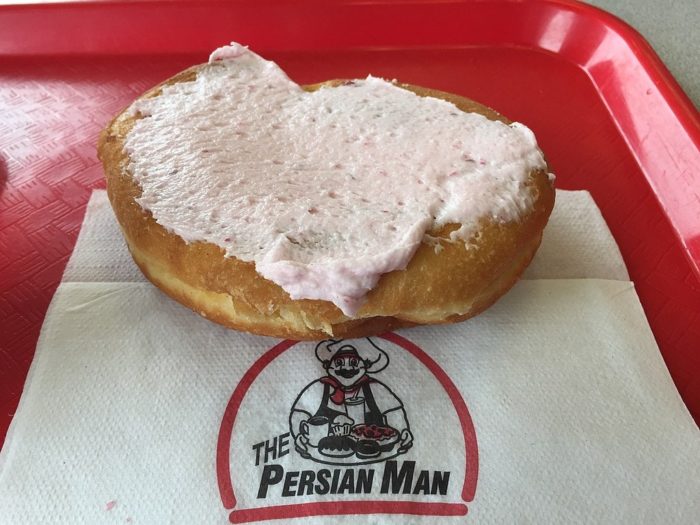
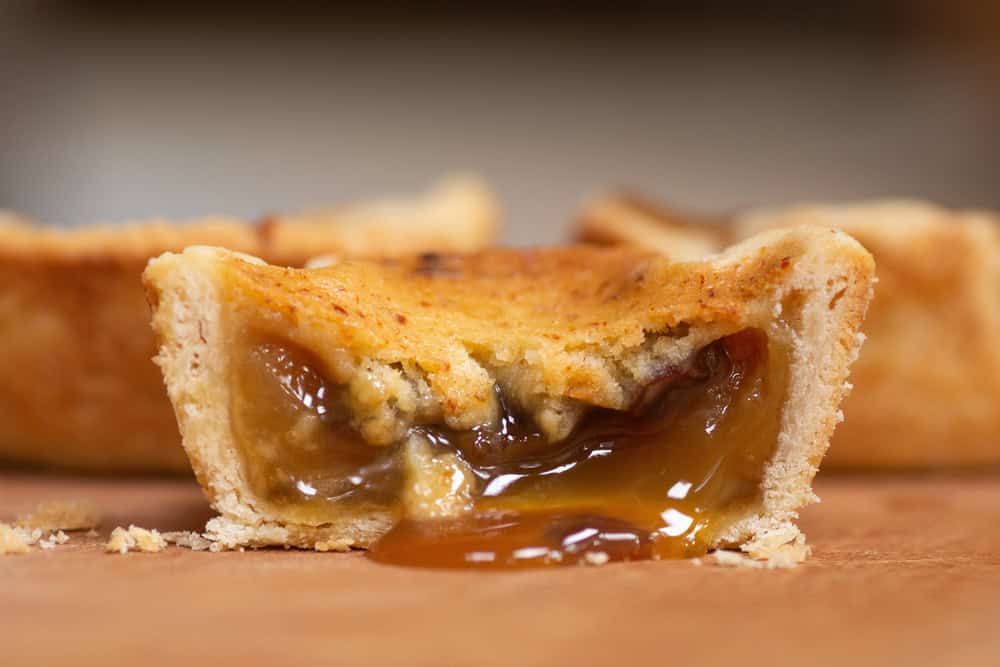
Butter tarts. A small pastry shell filled with a gooey mixture of butter, sugar and egg, sometimes with raisins or pecans, and a national treasure. Whether raisins belong in them is a friendly argument in most Canadian families.
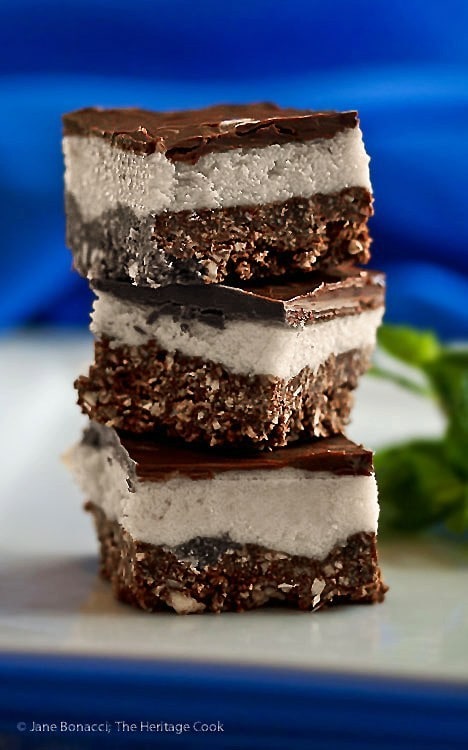
Nanaimo bars. A no-bake bar from Nanaimo, British Columbia, with a crumb and coconut base, a custard-flavoured buttercream middle and chocolate on top.
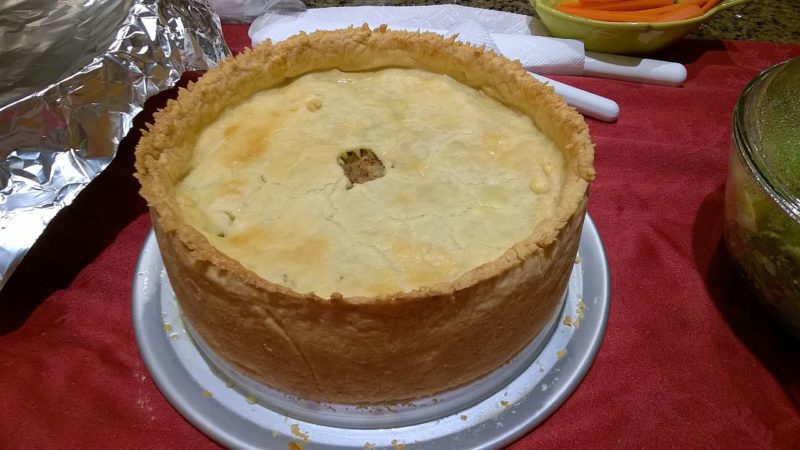
Tourtière. A French-Canadian meat pie made with pork, beef or game, traditionally served in Quebec for the Christmas Eve and New Year’s Eve réveillon.
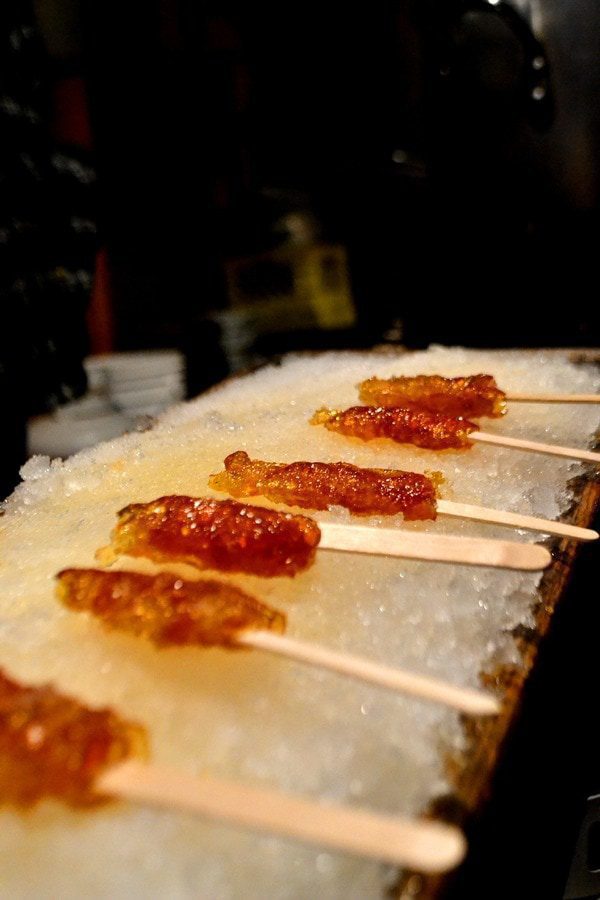
Maple syrup. Quebec produces over 70 per cent of the world’s maple syrup. In spring you can eat at a cabane à sucre, or sugar shack, and pour hot syrup on snow to make maple taffy.
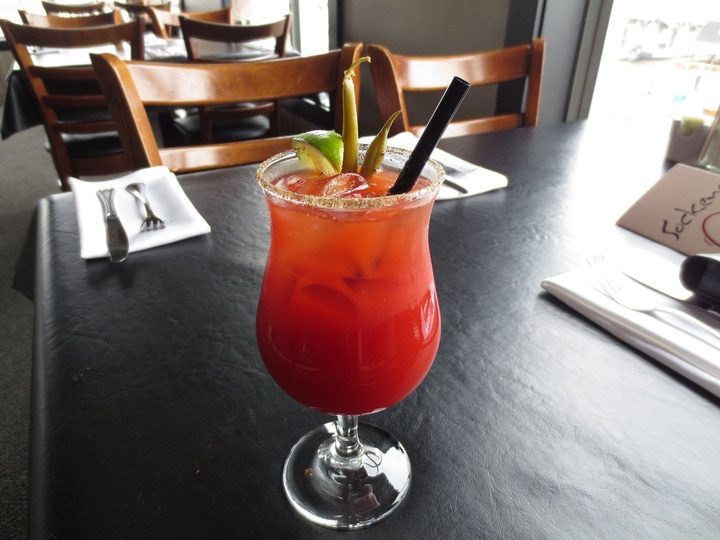
The Caesar. Canada’s national cocktail was invented in Calgary in 1969. It’s a Bloody Mary made with Clamato juice, vodka, hot sauce and Worcestershire sauce, with a celery salt rim.
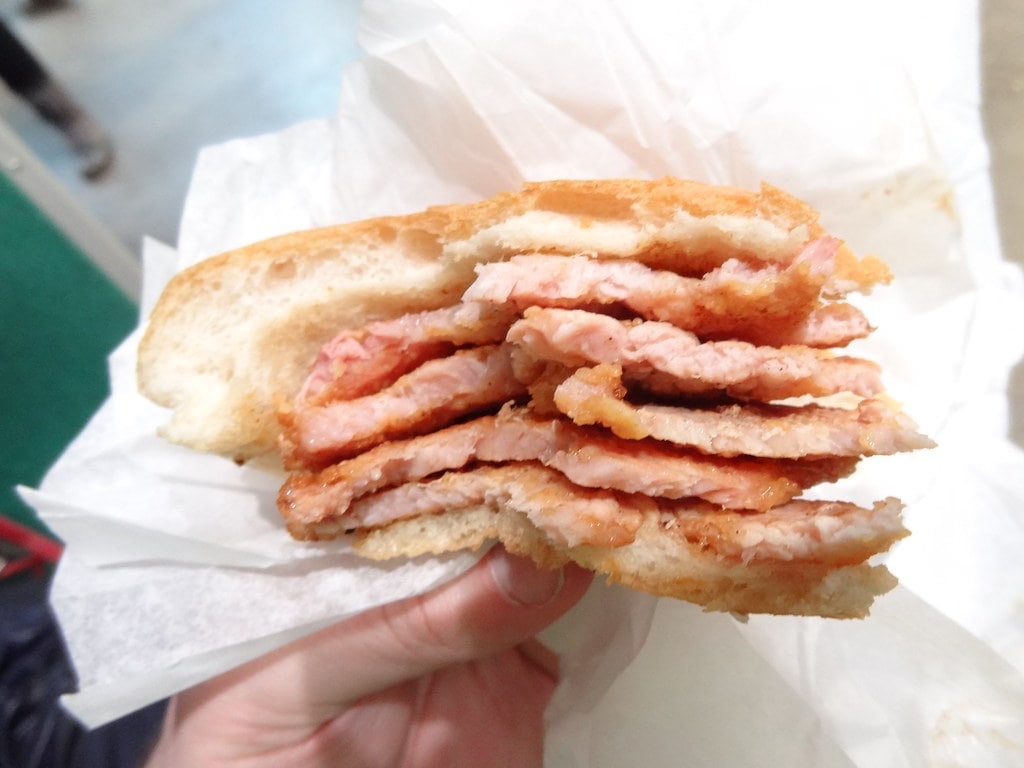
Peameal bacon. Cornmeal-crusted back bacon, a Toronto classic often served in a sandwich. What Americans call Canadian bacon is a different thing. See my guide to Toronto.
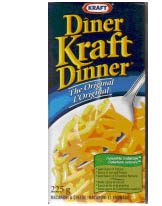
Kraft Dinner. Boxed macaroni and cheese, known to everyone as KD, is a staple of Canadian student life and comfort food.
Milk in bags. In Ontario, Quebec and the Maritimes, milk is often sold in a big plastic bag that holds three smaller bags. You put one in a special pitcher and snip off the corner. Other provinces mostly use cartons and jugs.
Homo milk. This is homogenized milk with 3.25 per cent milk fat, and yes, the name makes visitors giggle. It is simply the standard whole milk.

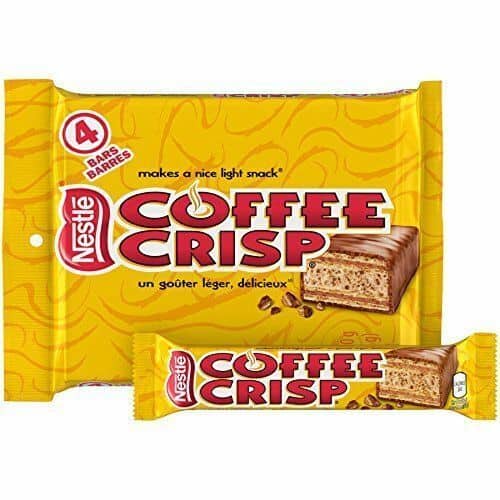
Smarties and Coffee Crisp. Canadian Smarties are chocolate candies in a coloured shell, quite different from the American candy with the same name. Coffee Crisp is a coffee-flavoured wafer bar, and both are hard to find in the US.

Freezies. Frozen tubes of flavoured sugar water sold in the summer, and a childhood staple.

Canadian Drinking Lingo and Rules
A remarkable amount of Canadian slang is about beer and liquor.
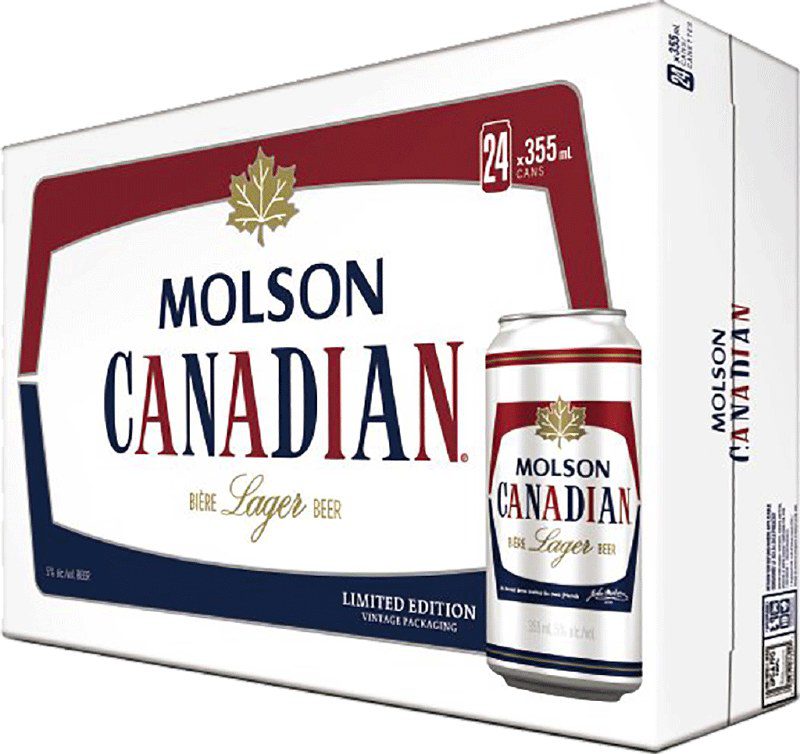
A two-four. A case of 24 beers. The Victoria Day long weekend in May is known as the May two-four.
Mickey, twenty-sixer and forty-pounder. A mickey is a small bottle of spirits, 375 millilitres or about 13 ounces. A twenty-sixer, or twixer, is a 750 millilitre bottle, and a forty-pounder is 40 ounces, about 1.14 litres.
Where you buy alcohol and how old you must be. Rules are set by each province. In many provinces, spirits, wine and beer are sold through government-run or licensed liquor stores, and the legal drinking age is 18 in Alberta, Manitoba and Quebec and 19 elsewhere. Check the local rules when you arrive.
Money, Tax and Practical Things to Know
These are the things that catch visitors out at the till and at the airport. Rates and fees are as at September 2026, so double-check anything important. For the wider picture of living here, read my pros and cons of living in Canada.
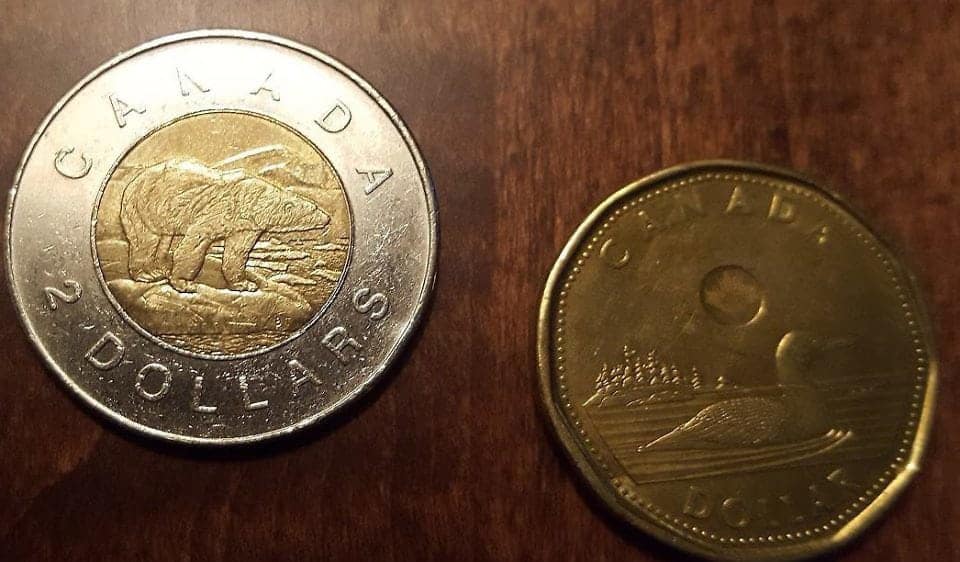
Loonies and toonies. A loonie is a one-dollar coin, named after the loon on the back. A toonie is the two-dollar coin, and there are no one- or two-dollar bills.
The penny is gone. Canada stopped distributing pennies in 2013. Cash totals are rounded to the nearest five cents, though card payments are exact.
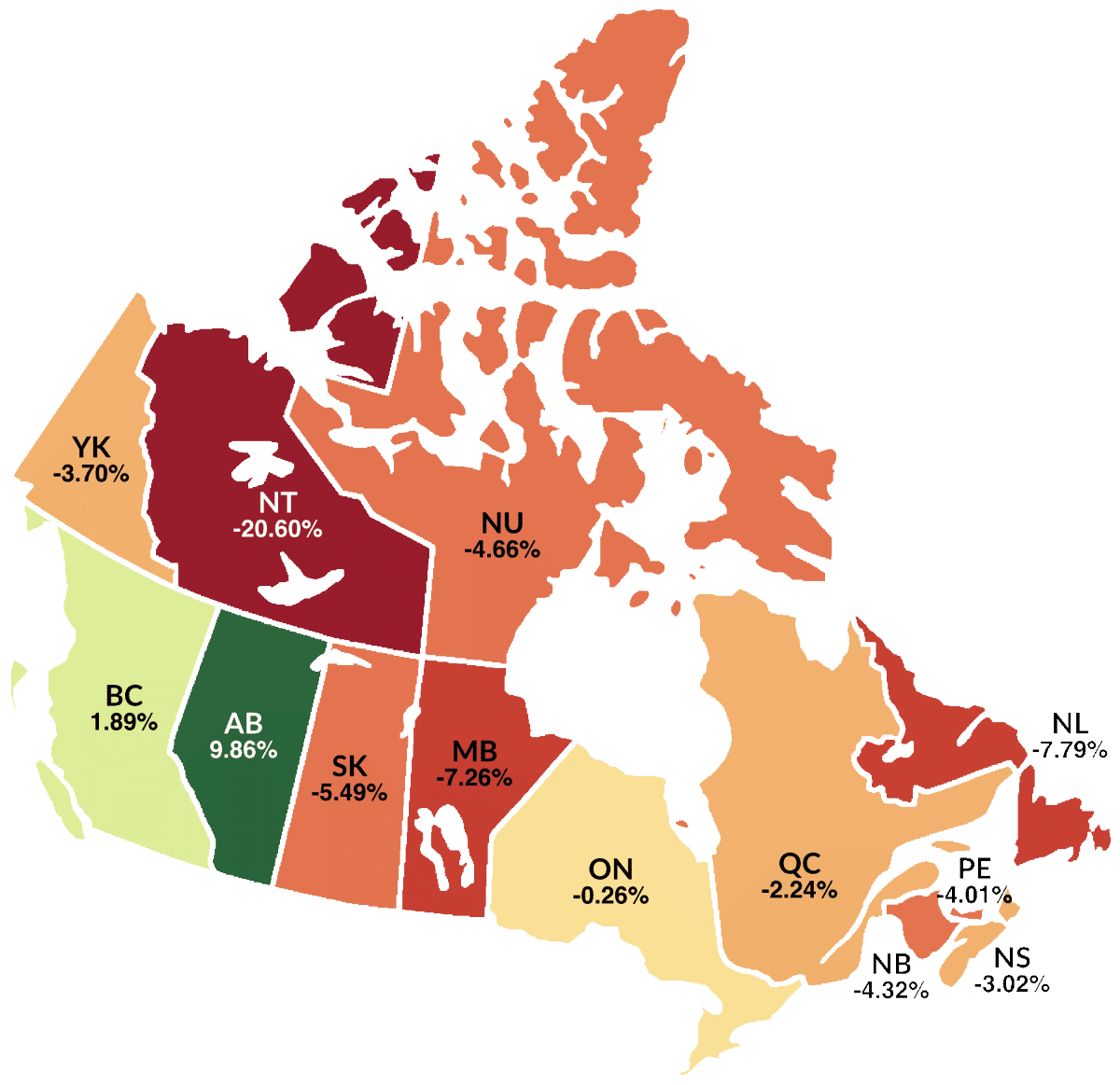
Prices are shown before tax. The price on the shelf doesn’t include sales tax. Federal GST is 5 per cent everywhere, and Alberta and the territories charge only that. Combined rates elsewhere are 13 per cent in Ontario, 14 per cent in Nova Scotia, 15 per cent in New Brunswick, Newfoundland and Labrador and Prince Edward Island, 12 per cent in British Columbia and Manitoba, 11 per cent in Saskatchewan and 14.975 per cent in Quebec. Basic groceries are not taxed, but restaurant meals, snacks and alcohol are.
Tipping is expected. In restaurants and bars, 15 to 20 per cent is normal, and servers rely on it. Tip taxi drivers and hairdressers too.
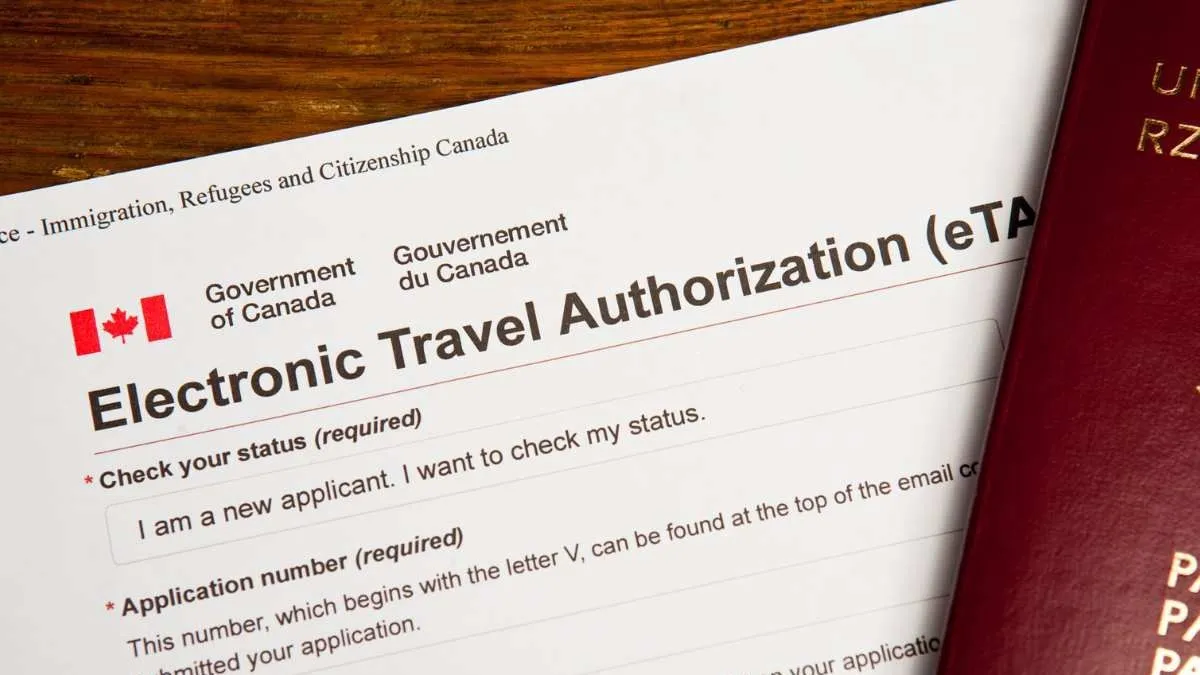
You may need an eTA. If you are visa-exempt and flying to Canada, you need an eTA, which costs CAD $7 and applies only to air travel. US citizens don’t need one. Apply on the official Government of Canada site and avoid look-alike sites that charge more.
Buy travel health insurance. Publicly funded healthcare is for residents, so visitors should take out travel medical insurance before they come.
A mix of metric and imperial. Road signs are in kilometres and the weather is in Celsius, but people give their height in feet and inches, their weight in pounds and their oven temperature in Fahrenheit.
It’s huge. Canada is the world’s second-largest country by area, with ten provinces, three territories, and six time zones. A short hop on the map can be a full day’s drive.
Canadian Slang and Canadianisms
You don’t have to talk like us, but it helps to follow the conversation.
Eh. We use it to invite agreement, like isn’t it or right. And please note that we do not say aboot.
Toque. A knitted winter hat, pronounced took. You will need one.

Washroom. The polite word for the toilet, and the one you’ll see on signs, rather than restroom.
Pop. A fizzy soft drink, in most of the country.
Hydro. The electricity, and your electricity bill, in provinces such as Ontario, Quebec, Manitoba and British Columbia, where power came from hydroelectric utilities.
Give’r. A cheerful way to say go for it, do it or give it everything.
Keener. Someone who is a bit too eager, like the student who always sits in the front row.
Canadian tuxedo. Denim on denim, worn without embarrassment.

Snowbird. A Canadian, usually retired, who spends winters somewhere warm such as Florida, Arizona or Mexico.
Sorry. We really do apologise all the time. Ontario even passed an Apology Act in 2009 so that saying sorry isn’t treated as an admission of fault.
Canadian Holidays and Seasons
Plan your trip around these, because banks, shops and some attractions close, and hotels fill up.
Victoria Day. A holiday on the Monday before 25 May that unofficially starts the summer, and the May two-four long weekend.
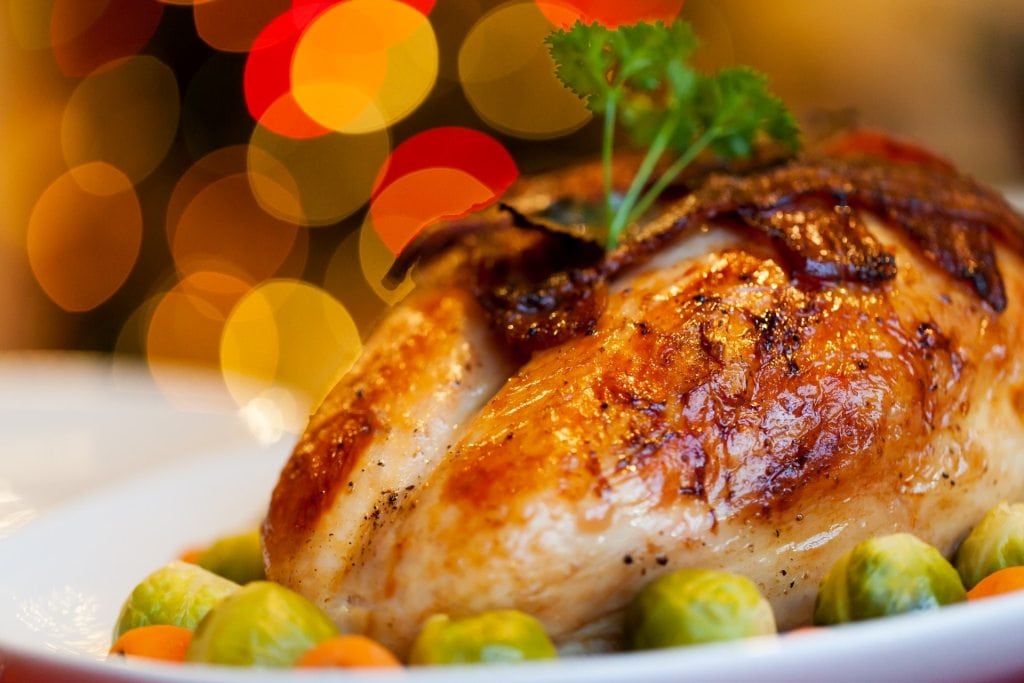
Canadian Thanksgiving. The second Monday in October, about six weeks before the American one, with turkey, pumpkin pie and autumn leaves.
Boxing Day. The day after Christmas, and Canada’s biggest shopping day for sales.
Family Day. A February holiday in several provinces, on the third Monday in most of them.
National Day for Truth and Reconciliation. Observed on 30 September to honour the survivors and children lost to residential schools and their communities. It is a federal statutory holiday, and provinces treat it differently.

Canada Day. Celebrated on 1 July with fireworks, red and white clothes and free events in nearly every town.
Snow in May. We appreciate the snow when we are inside, but it can be unbearable when it’s still snowing in May. Pack layers for spring and autumn as well as winter.
Canadian Sports
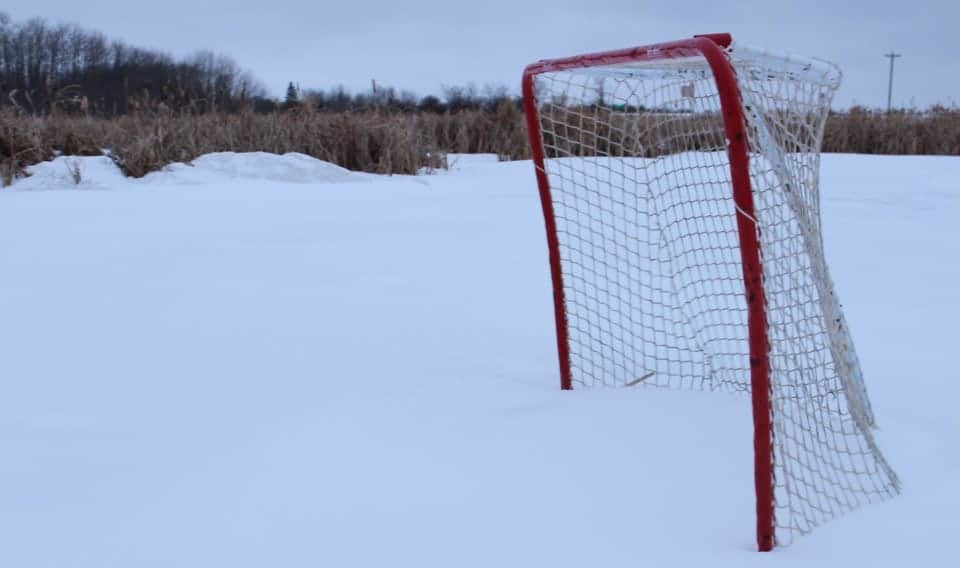
Hockey. Ice hockey is Canada’s national winter sport, and the first organised indoor game was played in Montreal in 1875. Watching a game live, from the NHL to a small-town rink, is a very Canadian experience.
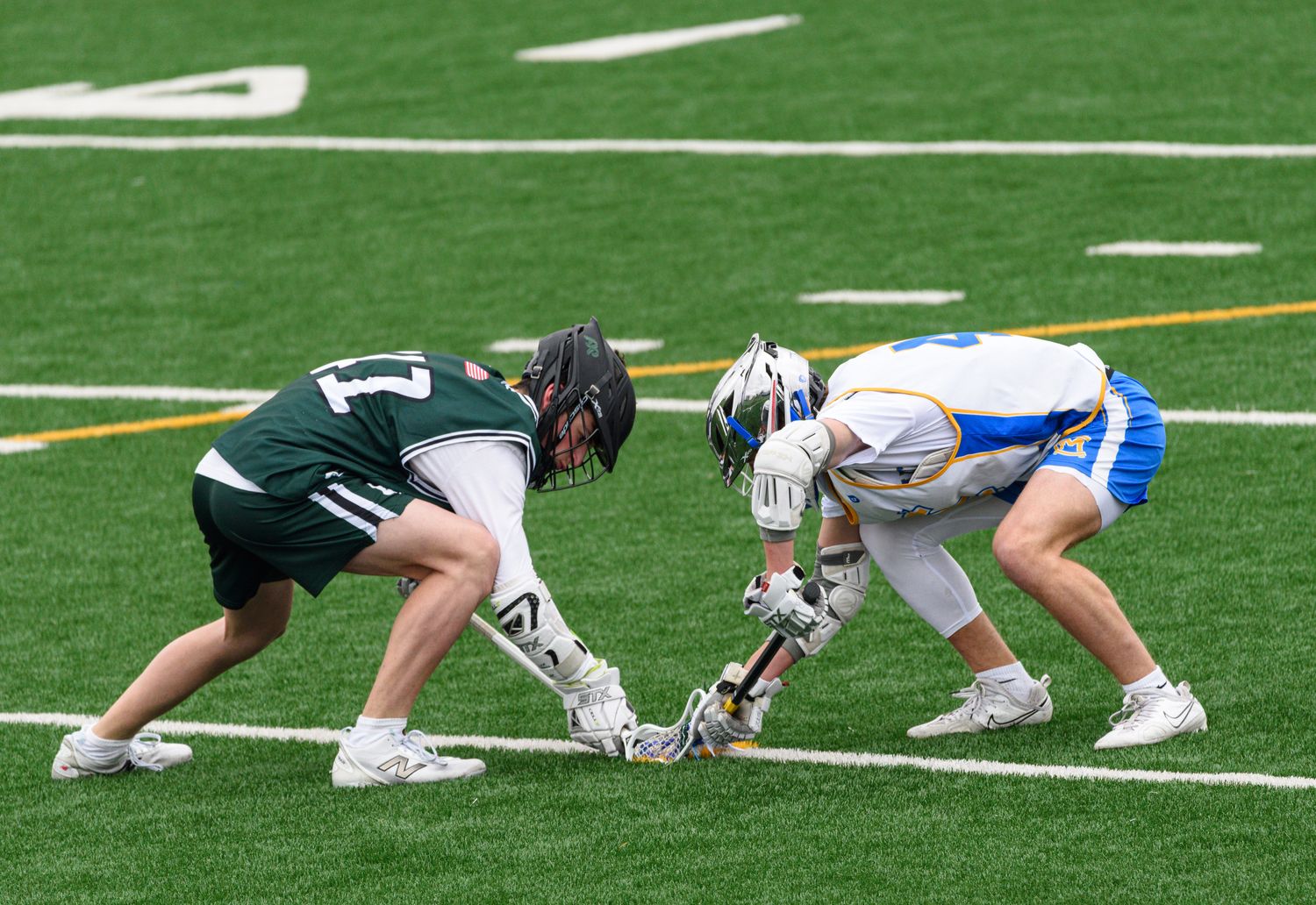
Lacrosse. Lacrosse is Canada’s national summer sport. It comes from Indigenous peoples, who played it long before Europeans arrived, and William George Beers wrote the first modern rules in 1860. It is often credited as a Canadian invention, but Beers only standardised it.
I don’t claim winter camping as a Canadian invention, but we sure enjoy it. See fellow Canadian blogger TravelingMitch’s post on winter camping at Windy Lake Provincial Park, Ontario [LINK].
Regional Quirks
Every part of Canada has its own habits, so it pays to read up on where you’re going.
Bonjour-hi in Quebec. In Montreal, shops often greet you with a mix of French and English. Corner stores are called dépanneurs, and signs are in French. Learn a few words and you’ll be warmly received.
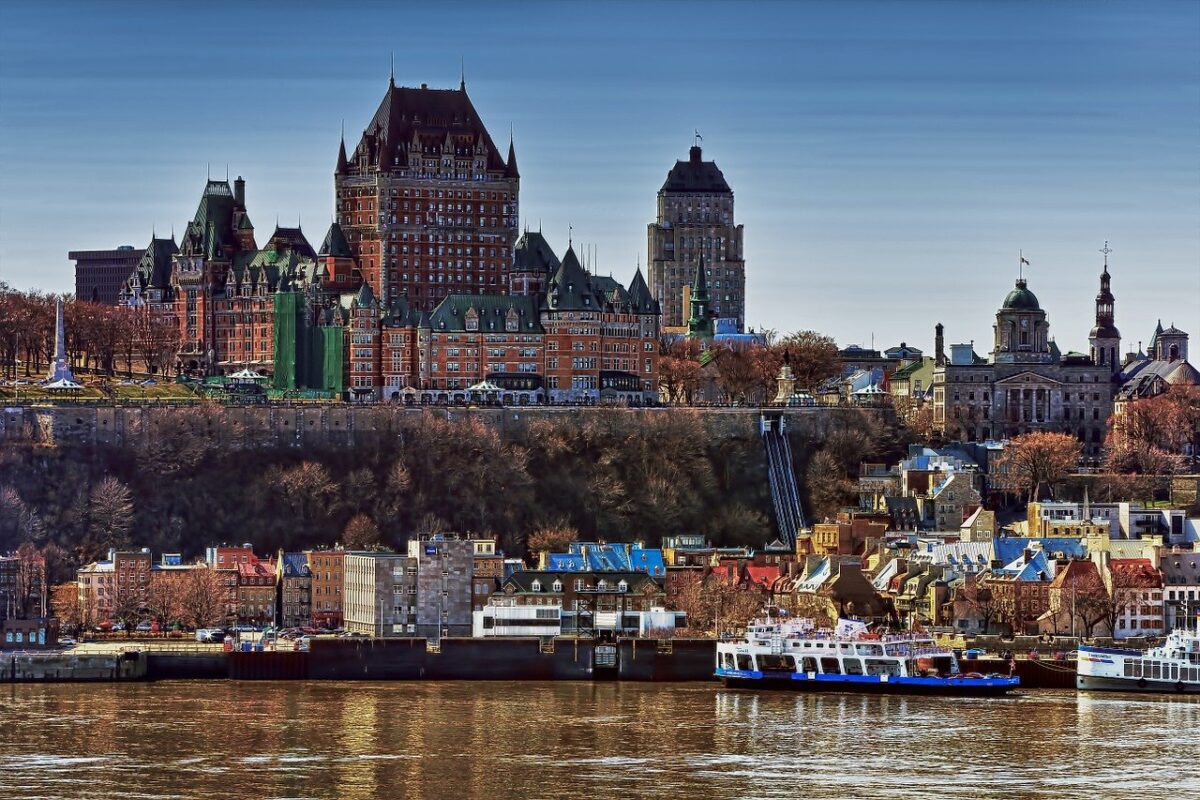
Screech-in in Newfoundland. Visitors can be made honorary Newfoundlanders in a screech-in ceremony that involves a shot of rum and kissing a codfish. Newfoundland is also on its own time zone, half an hour ahead of Atlantic time.
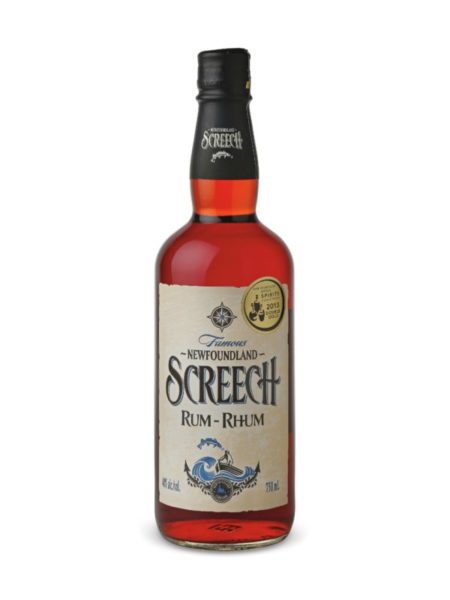
Bunnyhugs in Saskatchewan. In Saskatchewan, a hooded sweatshirt is called a bunnyhug.
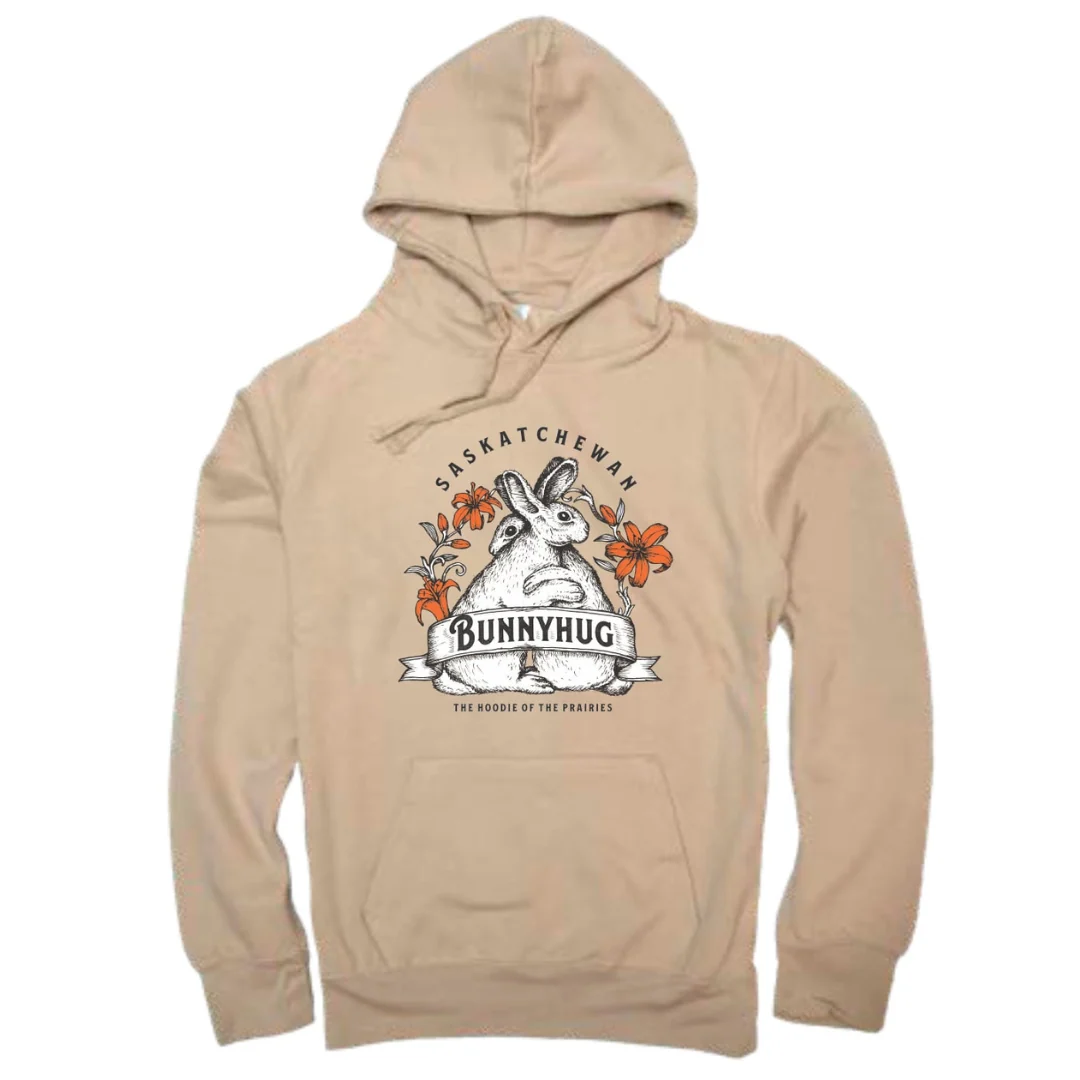
The Calgary Stampede. Every July, Calgary turns into a cowboy town for ten days of rodeo, parades and pancake breakfasts.

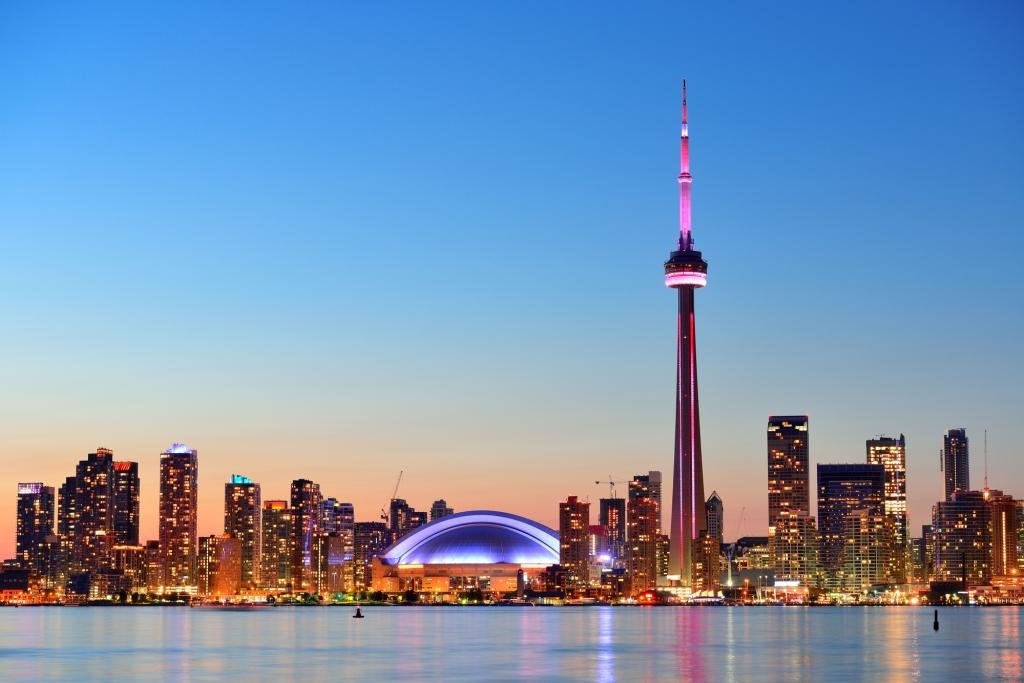
If you plan to visit Toronto, it’s a great place to take the kids, and Alicia has a useful guide to seeing it with a CityPASS, which covers places like Casa Loma, the ROM and the CN Tower. See also my guides to things to do in Toronto and Niagara Falls.
Famous Canadian Inventions (and What’s Really True)
Many of these date back further than you might expect, and I’ve corrected a few common myths.
Peanut butter. Marcellus Gilmore Edson of Montreal patented an early form of peanut butter in 1884, as a protein food for people who had difficulty chewing.
The Wonderbra. The Canadian Lady Corset Company in Montreal licensed the Wonder-Bra name from an American firm in 1939. The famous plunge push-up model, the Dream Lift 1300, was designed in Montreal by Louise Poirier in the early 1960s.
Instant mashed potatoes. Edward Asselbergs, a Canadian food scientist, developed the process in 1962.
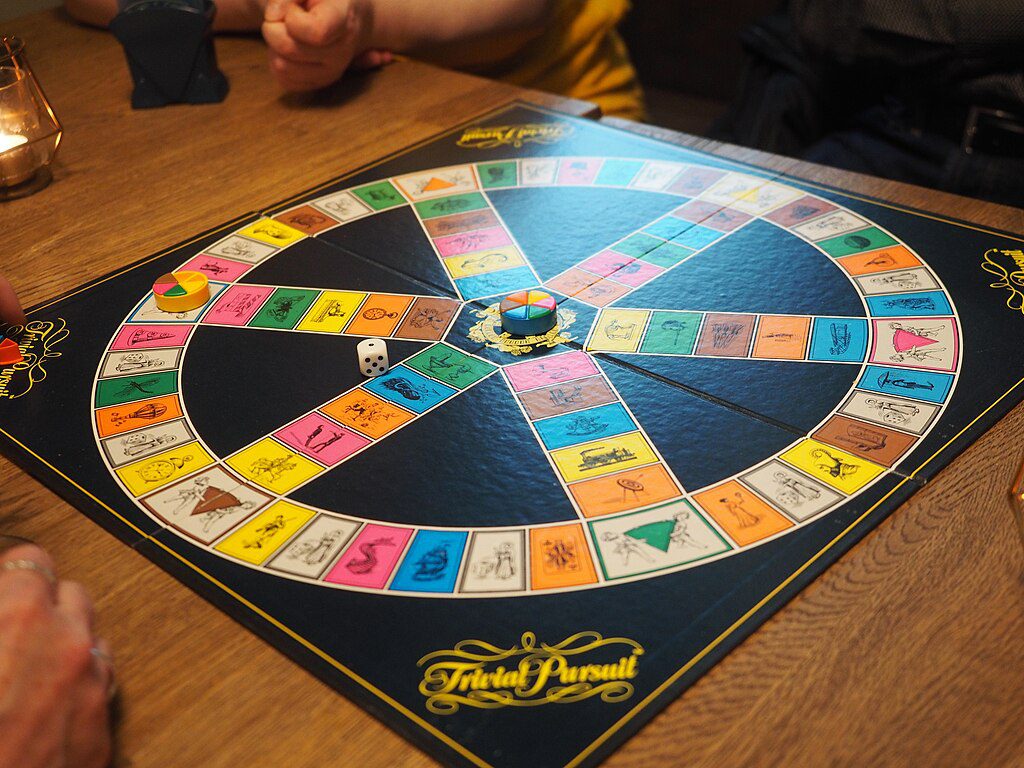
Trivial Pursuit. Chris Haney and Scott Abbott, two Montreal journalists, invented it in 1979 after finding they were missing Scrabble tiles.
The Yukon Gold potato. Developed by Gary Johnston at the University of Guelph and first bred in the 1960s. In my opinion it makes the best fries and potato chips.
The snowblower. Arthur Sicard of Quebec invented the snowblower in the 1920s, a godsend for anyone clearing a driveway.
Basketball. James Naismith, born in Ontario, invented it in 1891 in Springfield, Massachusetts, where he taught.
The egg carton. Joseph Coyle, a newspaper editor in Smithers, British Columbia, invented it in 1911 as a way to recycle newspaper.
The walkie-talkie. Don Hings created the packset in 1937, and later developed it for the military in Ottawa.
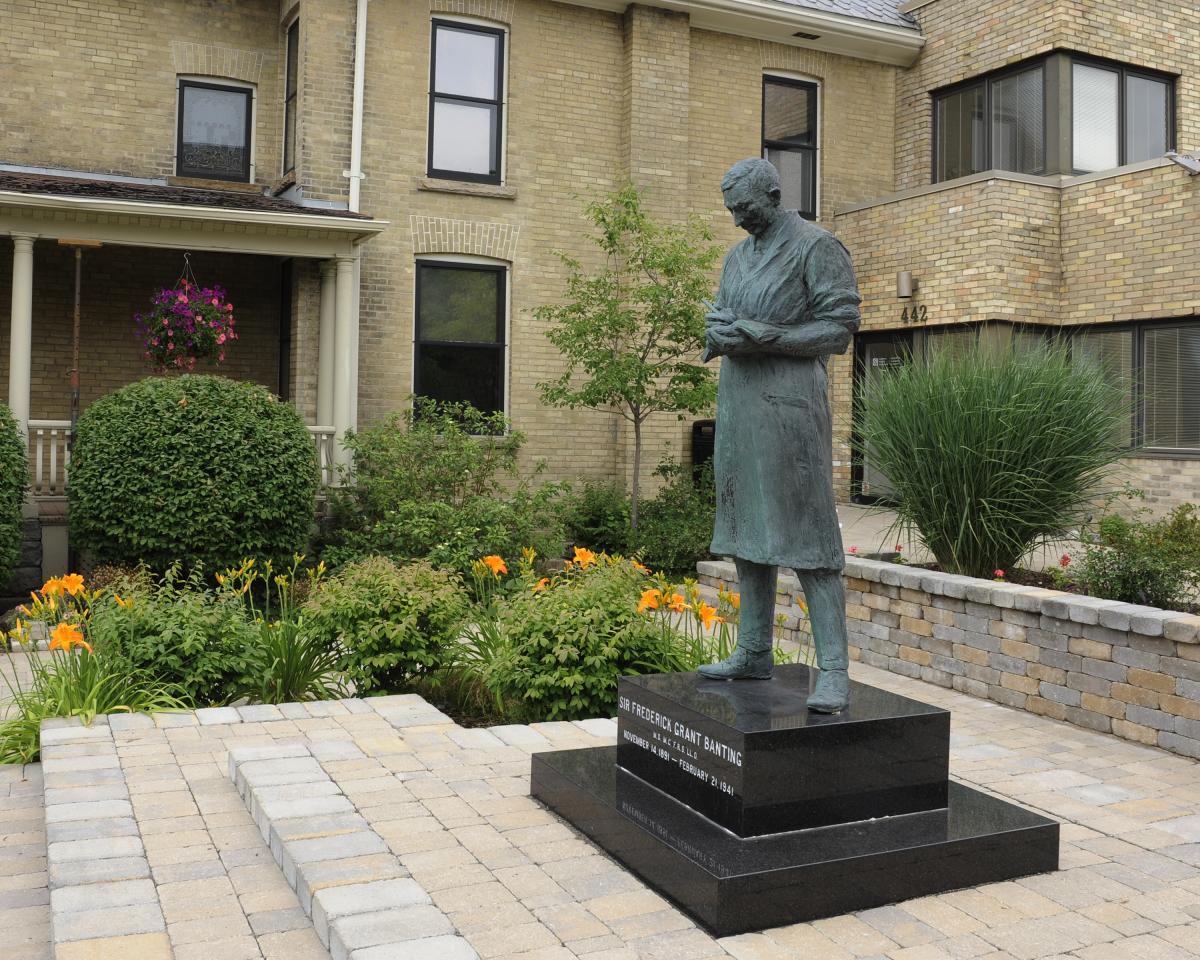
Insulin. Frederick Banting and Charles Best, with James Collip, discovered insulin’s use in treating diabetes at the University of Toronto in 1921 and 1922.
The electric wheelchair. George Klein of the National Research Council developed a motorised wheelchair in 1952 for injured veterans.
The plastic garbage bag. Harry Wasylyk of Manitoba and Larry Hansen of Ontario invented the first plastic garbage bag for commercial use in 1950.
Five-pin bowling. Thomas Ryan of Toronto came up with this smaller version of bowling in 1909.
The Robertson screw. Peter Robertson invented the square-socket screw in the early 1900s, and it’s still popular with Canadian carpenters.
The pacemaker. John Hopps developed an early artificial pacemaker in about 1950.
Standard time. Sandford Fleming, a Canadian railway engineer, proposed dividing the world into time zones in the late 1870s.
Only in Canada: FAQs
Why do Canadians say eh?
Canadians use ‘eh’ at the end of a sentence to invite agreement or confirm understanding, much like ‘right?’ or ‘isn’t it?’. It is a friendly habit rather than a rule, and Canadians do not say ‘aboot’.
What is a double-double?
A double-double is a Tim Hortons coffee made with two creams and two sugars. Tim Hortons is known to Canadians as Tim’s or Timmies.
What is a two-four in Canada?
A two-four is a case of 24 beers. The Victoria Day long weekend in May is nicknamed the May two-four.
Do I need a visa or eTA to visit Canada?
Visa-exempt travellers flying to Canada need an electronic travel authorisation (eTA), which costs CAD $7 and is valid for up to five years or until the passport expires. US citizens do not need an eTA, and it is not required when arriving by land or sea. Apply only on the official Government of Canada website, and check your own requirements before you travel.
Is tipping expected in Canada?
Yes. Tip 15 to 20 per cent in restaurants and bars, and also for taxi drivers and hairdressers. Servers rely on tips, and the tip is not included in the bill.
Why are prices in Canada higher at the till than on the tag?
Prices are usually shown before sales tax. Federal GST is 5 per cent, and provincial tax is added on top in most provinces, which brings the total to between 5 and 15 per cent depending on the province. Alberta and the territories charge only 5 per cent GST.
What is the difference between a loonie and a toonie?
A loonie is the Canadian one-dollar coin, named after the loon on its back, and a toonie is the two-dollar coin. Canada no longer has one- or two-dollar bills.
What Canadian foods should I try?
Try poutine, butter tarts, Nanaimo bars, ketchup chips, tourtière, peameal bacon, maple syrup and a Timmies double-double. Milk in bags and Caesar cocktails are also very Canadian.
What are Canada’s national sports?
Ice hockey is the national winter sport and lacrosse is the national summer sport. Lacrosse originated with Indigenous peoples, and William George Beers wrote the first modern rules in 1860.
Is Canada bilingual?
English and French are Canada’s two official languages at the federal level. Quebec is predominantly French-speaking, New Brunswick is officially bilingual, and in most of the rest of the country daily life is in English.
So What Are You Waiting For?
Canadians are famously friendly, and most of us are delighted when a visitor asks what a two-four is or tries a butter tart. Ask us anything, arrive hungry and pack a toque, whatever the month.
You might also like: Best food markets in Canada | Pros and cons of living in Canada | 16 free things to do in Niagara Falls | 10 most haunted places in Canada | 11 memorable things to experience in Toronto
That is very interesting! I never knew that there are so many things that we all enjoy now which was invented in Canada. Also, I’d really love to try out poutine. I hope I can find something here in London. :p
Looks like I better get loonie and toonie straight before I plan a visit to Canada. Thanks for the great travel tips.
Great post, both informative and funny 🙂 I really love the detail you’ve put, yet all is said in just a few words, straight to the points.
I’ve learned a few of those during my three trips to Canada, but there’s so much more to learn here!
Cheers,
N.
Thanks for the compliment – please be aware that we Canadians do not say aboot either…I forgot to add that…LOL
Ha! I enjoyed this read. We have had several family trips to Canada and I’m still learning something new here!